এটা বুজিবলৈ যে আপুনি কিমান দিন জীয়াই থাকিব—এনে কোনো ৰক্ত পৰীক্ষাই নিশ্চিতভাৱে প্ৰমাণ কৰিব নোৱাৰে; কিন্তু ইয়াৰ প্ৰকৃত মূল্য হৈছে কোনো খাদ্যাভ্যাসে প্ৰতিষ্ঠিত ঝুঁকিৰ সূচকসমূহক অনুকূল দিশাত আগুৱাই লৈ গৈছে নে নাই সেইটো দেখুওৱা। longevity diet ক ApoB বা non-HDL cholesterol, triglycerides, HbA1c বা fasting glucose, kidney measures, নিৰ্বাচিত nutrient tests, আৰু পৰিস্থিতি-নিৰ্ভৰ hs-CRP ৰে ভালদৰে নিৰীক্ষণ কৰিব পাৰি।.



- ApoB বহুতো প্ৰাপ্তবয়স্কৰ বাবে 90 mg/dL ৰ তলত এটা যুক্তিসংগত primary-prevention লক্ষ্য, আনহাতে 130 mg/dL বা তাতকৈ অধিক ACC risk-enhancing স্তৰ।.
- HbA1c 5.7-6.4% এ prediabetes সূচায়; 6.5% বা তাতকৈ অধিক হ’লে classic high-glucose symptoms উপস্থিত নাথাকিলে নিশ্চিতকৰণ লাগে।.
- ট্ৰাইগ্লিচাৰাইড 150 mg/dL ৰ তলত কাম্য; 500 mg/dL বা তাতকৈ অধিক স্থায়ী মান থাকিলে pancreatitis ৰ ঝুঁকি বৃদ্ধি পায় বাবে তৎক্ষণাৎ চিকিৎসাজনিত মনোযোগৰ প্ৰয়োজন।.
- hs-CRP 10 mg/L ৰ ওপৰত সাধাৰণতে acute illness, strenuous exercise, আৰু dental treatment স্থিৰ হৈ যোৱাৰ পিছত পুনৰ পৰীক্ষা কৰা উচিত।.
- eGFR কমেও 3 মাহৰ বাবে 60 mL/min/1.73 m² ৰ তলত থাকিলে chronic kidney disease সূচাব পাৰে, বিশেষকৈ urine albumin থাকিলে।.
- ফেৰিটিন acute inflammation নথাকিলে 15 ng/mL ৰ তলত থাকিলে iron stores কমি যোৱাৰ কথা শক্তভাৱে সমৰ্থন কৰে, কিন্তু CRP উচ্চ হ’লে normal ferritin বিভ্ৰান্তিকৰ হ’ব পাৰে।.
- 25-হাইড্ৰক্সিভিটামিন ডি 20 ng/mL বা তাতকৈ অধিক National Academy of Medicine ৰ সীমা অনুসৰি বেছিভাগ মানুহৰ bone health ৰ বাবে যথেষ্ট।.
- Trend quality উন্নত হয় যেতিয়া আপুনি একে লেবৰেটৰী ব্যৱহাৰ কৰে, একে ধৰণৰ fasting অৱস্থা বজাই ৰাখে, আৰু সত্যিকাৰৰ dietary change ৰ পিছত প্ৰায় 8-12 সপ্তাহৰ এটা পুনৰ পৰীক্ষাৰ অন্তৰ ৰাখে।.
longevity-style eating pattern এ সলনি কৰিব পৰা Core Markers
আটাইতকৈ উপযোগী longevity diet panel অন্তৰ্ভুক্ত কৰে ApoB বা non-HDL cholesterol, triglycerides, HbA1c বা fasting glucose, creatinine সৈতে eGFR, liver enzymes, hs-CRP, আৰু targeted nutrient tests. এই মাৰ্কাৰসমূহে cardiometabolic risk আৰু nutritional adequacy কিমানখিনি আছে তাক জুখে; ইহঁতে lifespan বা biological age ক’তিয়াও সরাসৰি জুখা নকৰে।.

মই ডাঃ থমাছ ক্লেইন, আৰু মই বিচৰা pattern-টো হৈছে নিখুঁত স্ক’ৰৰ বদলে দিশা (direction)।. Kantesti হৈছে এটা AI তেজ পৰীক্ষা বিশ্লেষক যিয়ে রিপোর্টৰ lipid, glucose, kidney, liver, আৰু nutrient অংশসমূহ একেলগে পঢ়ে, কাৰণ পৃথকভাৱে LDL ৰ ফলাফল বা এটা মাত্র vitamin ৰ ফলাফল কদাচিৎ সম্পূৰ্ণ কাহিনী হয়। আমাৰ বায়'মাৰ্কাৰ ৰেফাৰেন্স গাইড সেই অচিনাকি test নামসমূহক এই বহল panel-টোৰ ভিতৰত বুজিবলৈ সহায় কৰে।.
এজন ব্যক্তিয়ে ৪ মাহ legumes, vegetables, nuts, olive oil, fish, আৰু কমকৈ প্ৰক্ৰিয়াজাত শস্য খাইও ওজন একেবাৰে নকমাব পাৰে, আৰু তথাপিও triglycerides 186 ৰ পৰা 104 mg/dL লৈ নামি যোৱা দেখা পাব পাৰে। সেয়া তাৎপৰ্যপূর্ণ। বিপৰীতে, এজন পাতল-দেহী endurance athlete ৰ glucose ফলাফল উৎকৃষ্ট হ’ব পাৰে, কিন্তু 122 mg/dL ৰ ApoB থাকিব পাৰে—যিটো কেৱল ফিটনেছৰ ওপৰত ভিত্তি কৰি আশ্বাস দিয়াৰ বদলে পৃথকভাৱে cardiovascular আলোচনা দাবী কৰে।.
Kantesti-এ প্ৰক্ৰিয়াকৃত 2M+ ৰিপ’ৰ্টসমূহৰ মাজেৰে, সাধাৰণতে ক্লিনিকেলি উপযোগী প্ৰশ্নটো হয়: একেলগে কি সলনি হ’ল? Falling triglycerides আৰু stable ApoB, কমি যোৱা fasting glucose, আৰু সংৰক্ষিত ferritin-এ যিকোনো “longevity score” ৰ তুলনাত অধিক সুসংগত কাহিনী কয়। ২৬ জুলাই, ২০২৬ তাৰিখলৈ, মই অতিৰিক্ত জীৱন-বৰ্ষ প্ৰতিশ্ৰুতি দিবলৈ কোনো commercial blood panel ব্যৱহাৰ নকৰোঁ।.
আপুনি খাদ্য সলনি কৰাৰ আগতে এটা Baseline স্থাপন কৰক
longevity diet আৰম্ভ কৰাৰ আগতে লোৱা এটা baseline নমুনাই এটা তুলনা বিন্দু (comparison point) দিয়ে যিটো পিছৰ “normal” ফলাফলে প্ৰতিস্থাপন কৰিব নোৱাৰে। সক্ৰিয় অসুখ নথকা বেছিভাগ প্ৰাপ্তবয়স্কৰ বাবে, ৮-১২ সপ্তাহৰ পিছত পুনৰ পৰীক্ষা কৰাটো triglycerides আৰু fasting glucose মূল্যায়ন কৰিবলৈ যথেষ্ট, আনহাতে HbA1c-এ গড় glycaemia প্ৰতিফলিত কৰিবলৈ প্ৰায় ৯০ দিন লাগে।.
বিৰক্তিকৰ (boring) বিৱৰণসমূহ মানক (standardise) কৰিবলৈ চেষ্টা কৰক: সম্ভৱ হলে একে লেবৰেটৰীত পৰীক্ষা কৰক, একে ধৰণৰ সময়ত দিনৰ ভিতৰত নমুনা লওক, স্বাভাৱিক hydration বজাই ৰাখক, আৰু নতুন medicine, supplement, অসুখ, alcohol intake, menstrual timing, আৰু অস্বাভাৱিকভাৱে কঠিন training ৰ কথা ৰেকৰ্ড কৰক। পৰীক্ষাৰ আগদিনে ১০ কিমি ৰ দৌৰ (race) কৰিলে AST, creatinine, white cells, আৰু কেতিয়াবা hs-CRP বৃদ্ধি হ’ব পাৰে, কিন্তু ই আপোনাৰ স্বাভাৱিক physiology প্ৰতিফলিত নকৰে।.
lipid আৰু glucose তুলনাৰ বাবে, মই বহু সময়ত ৮-১২ ঘণ্টাৰ fast পছন্দ কৰোঁ, যেতিয়া triglycerides বেছি আছিল বা insulin resistance পৰ্যালোচনাত আছে। Non-fasting lipids নিয়মীয়া cardiovascular মূল্যায়নৰ বাবে বৈধ থাকে, কিন্তু post-lunch নমুনাৰ পৰা fasting নমুনালৈ সলনি কৰিলে এটা কৃত্ৰিম (apparent) triglyceride উন্নতি সৃষ্টি কৰিব পাৰে। আমাৰ guide to ডায়েট পৰীক্ষাৰ আগ আৰু পাছ এ কোনবোৰ মাৰ্কাৰ প্ৰথমে সলনি হয় তাক বুজায়।.
প্ৰথম নমুনা লোৱাৰ আগতে ইচ্ছাকৃতভাৱে ৩ দিন “perfectly” খোৱা নকৰিব। এটা blood test ভিত্তিক diet কেৱল তেতিয়াহে উপযোগী যেতিয়া ই আপোনাৰ বাস্তৱ আৰম্ভণি বিন্দু (real starting point) বৰ্ণনা কৰে। এটা ব্যতিক্ৰম হৈছে alcohol: পৰিকল্পিত triglyceride বা liver assessment ৰ আগতে ৪৮-৭২ ঘণ্টা ইয়াক এৰাই চলিলে স্বল্পমেয়াদী শব্দ (short-term noise) কমাব পাৰে, যদিহে আপুনি সেই সিদ্ধান্তটো ৰেকৰ্ড কৰে আৰু পৰৱৰ্তী পৰীক্ষাটো তুলনাযোগ্য (comparable) কৰে।.
Total cholesterol ৰ ওপৰত ApoB আৰু Non-HDL cholesterol ক অগ্ৰাধিকাৰ দিয়ক
ApoB এ atherogenic particles ৰ সংখ্যা অনুমান কৰে, আৰু non-HDL cholesterol এ সেই কণিকাসমূহে বহন কৰা cholesterol অনুমান কৰে।. longevity-কেন্দ্ৰিক prevention ৰ বাবে, বিশেষকৈ triglycerides বৃদ্ধি পালে, এইবোৰে কেৱল total cholesterol বা HDL ৰ তুলনাত বহু সময়ত বেছি তথ্যবহুল হয়।.
গড়-risk primary prevention ৰ বাবে সাধাৰণতে ৯০ mg/dL তকৈ কম ApoB যুক্তিসংগত, কিন্তু ২০১৮ AHA/ACC cholesterol guideline অনুসৰি ১৩০ mg/dL বা তাতকৈ ওপৰৰ ApoB এটা risk-enhancing factor। ১৯০ mg/dL বা তাতকৈ ওপৰৰ LDL cholesterol ৰ ক্ষেত্ৰত খাদ্যৰ মান (diet quality) যিয়েই নহওক, চিকিৎসাজনিত মূল্যায়ন প্ৰয়োজন, কাৰণ বংশগত (inherited) ৰোগৰ সম্ভাৱনা বেছি হয়। Grundy et al. (2019) এ জোৰ দি কৈছিল যে treatment targets সমগ্ৰ cardiovascular risk ৰ ওপৰত নিৰ্ভৰ কৰে, এটা একক “optimal” সংখ্যাৰ ওপৰত নহয়।.
non-HDL cholesterol হৈছে কেৱল total cholesterol ৰ পৰা HDL cholesterol বিয়োগ, সেয়ে ই এটা সাধাৰণ lipid panel ৰ পৰা পোৱা যায়। যেতিয়া triglycerides ২০০ mg/dL অতিক্ৰম কৰে, তেতিয়া non-HDL আৰু ApoB কেতিয়াবা কেৱল গণনা কৰা LDL ৰ তুলনাত অধিক সৎভাৱে residual particle burden বৰ্ণনা কৰে। risk-based thresholds ৰ অধিক বিৱৰণৰ বাবে আমাৰ review চাওক men ৰ বাবে LDL targets; একে নীতি মহিলাসকলৰ ক্ষেত্ৰতো প্ৰযোজ্য, কিন্তু ভিন্ন baseline risk বিবেচনা থাকে।.
উচ্চ-চর্বিযুক্ত খাদ্যৰ (high-fat dietary) পৰীক্ষাসমূহৰ সৈতে মই এটা পুনৰাবৃত্ত ভুল বুজাবুজি দেখা পাওঁ: triglyceride কমিলে এটা ডাঙৰ ApoB বৃদ্ধি স্বয়ংক্ৰিয়ভাৱে বাতিল (cancel) নহয়। যদি triglycerides 160 ৰ পৰা 70 mg/dL লৈ নামে কিন্তু ApoB 88 ৰ পৰা 142 mg/dL লৈ উঠে, তেন্তে সেয়া স্পষ্ট longevity লাভ নহয়। পৰিয়ালৰ ইতিহাস, ৰক্তচাপ (blood pressure), ধূমপান, diabetes, lipoprotein(a), আৰু medication বিকল্পসমূহ ক্লিনিচিয়নৰ সৈতে আলোচনা কৰক।.
Glycaemic direction অনুসৰণ কৰিবলৈ HbA1c আৰু Glucose ব্যৱহাৰ কৰক
HbA1c 5.7-6.4% এ প্ৰিডায়েবেটিছ নিৰ্ধাৰণ কৰে, আৰু 6.5% বা তাতকৈ অধিক হলে সঠিকভাৱে নিশ্চিত কৰিলে ডায়েবেটিছ ধৰা যায়।. 100-125 mg/dL উপবাস গ্লুক’জেও প্ৰিডায়েবেটিছ সূচায়, কিন্তু 126 mg/dL বা তাতকৈ অধিক হলে উপসর্গহীন ব্যক্তিত নিশ্চিতকৰণ প্ৰয়োজন।.
HbA1c ৰঙা ৰক্তকণিকাৰ প্ৰায় 120 দিনৰ জীৱনকাল জুৰি হোৱা গ্লাইকেচনক প্ৰতিনিধিত্ব কৰে, কিন্তু আটাইতকৈ শেহতীয়া 30 দিনৰ প্ৰভাৱ বেছি। 3 মাহৰ পাছত 6.0% ৰ পৰা 5.7% লৈ হোৱা পৰিৱৰ্তন ক্লিনিকেলভাৱে গুৰুত্বপূৰ্ণ হ’ব পাৰে, বিশেষকৈ উপবাস গ্লুক’জ আৰু ট্ৰাইগ্লিচাৰাইডো উন্নত হলে। American Diabetes Association Professional Practice Committee (2025) এ স্বীকৃত লেব’ৰেটৰী পদ্ধতি ব্যৱহাৰ কৰিবলৈ আৰু ডায়াগন’ষ্টিক ফলাফল নিশ্চিত কৰিবলৈ পৰামৰ্শ দিয়ে, যদিহে উপসর্গ আৰু স্পষ্টভাৱে অধিক গ্লুক’জ (marked hyperglycaemia) ডায়াগন’ছিছ স্পষ্ট নকৰে।.
উপবাস ইনচুলিনে প্ৰসংগ যোগ কৰিব পাৰে, কিন্তু একক ফলাফলক ডায়াগন’ছিছ হিচাপে গণ্য কৰিবলৈ ই যথেষ্ট মানদণ্ডযুক্ত নহয়। স্বাভাবিক HbA1c ৰ সৈতে উচ্চ উপবাস ইনচুলিনে গ্লুক’জ বৃদ্ধি আৰম্ভ হোৱাৰ আগতেই দেখা দিব পাৰে, কিন্তু আগৰ নিশা হোৱা কম-নিদ্ৰা, তীব্ৰ মানসিক চাপ, আৰু উচ্চ-কাৰ্ব’হাইড্ৰেট আহাৰে ইয়াক সলনি কৰিব পাৰে। যদি আপোনাৰ A1c স্বাভাবিক দেখা যায় কিন্তু ট্ৰাইগ্লিচাৰাইড উচ্চ হয়, আমাৰ ইনচুলিন ৰেজিষ্টেন্স গাইড এ বুদ্ধিসম্পন্ন পৰৱৰ্তী প্ৰশ্নসমূহ সামৰি লয়।.
অনুশীলনৰ পৰা এটা সতৰ্কতা: আয়ৰণৰ ঘাটতি, হিম’লাইছিছ, শেহতীয়া ৰক্তক্ষৰণ, কিডনি ৰোগ, আৰু কিছুমান হিম’গ্ল’বিন ভেৰিয়েণ্টে HbA1c কৃত্ৰিমভাৱে উচ্চ বা নিম্ন দেখাব পাৰে। 7 ng/mL ফেৰিটিন থকা আৰু ব্যাখ্যা নোহোৱা A1c বৃদ্ধি হোৱা ৰোগীৰ ক্ষেত্ৰত, গ্লুক’জ পঢ়া পৰীক্ষা নকৰাকৈ বা ফ্ৰুক্টোছামিন বিবেচনা নকৰাকৈ মই খাদ্য বা ঔষধ সলনি নকৰোঁ। এইটো সেইবোৰ ক্ষেত্ৰৰ এটা য’ত দশমিক বিন্দুতকৈ প্ৰসংগ অধিক গুৰুত্বপূৰ্ণ।.
hs-CRP ক Aging score নহয়, এটা Context marker হিচাপে ব্যৱহাৰ কৰক
1 mg/L তকৈ কম উচ্চ-সংবেদনশীল C-reactive protein (hs-CRP) সাধাৰণতে কম হৃদ্যন্ত্ৰজনিত ঝুঁকি বুলি ধৰা হয়, 1-3 mg/L গড় ঝুঁকি, আৰু 3 mg/L তকৈ ওপৰত হলে ব্যক্তিজন অন্যথা সুস্থ থাকিলেও অধিক ঝুঁকি।. 10 mg/L তকৈ ওপৰৰ ফলাফল সাধাৰণতে এটা তীব্ৰ প্ৰক্ৰিয়া বা শেহতীয়া শাৰীৰিক চাপক প্ৰতিফলিত কৰে, আৰু ইয়াক ক্ৰনিক খাদ্যজনিত প্ৰদাহ বুলি ব্যাখ্যা কৰাৰ পৰিৱৰ্তে পুনৰ পৰীক্ষা কৰা উচিত।.
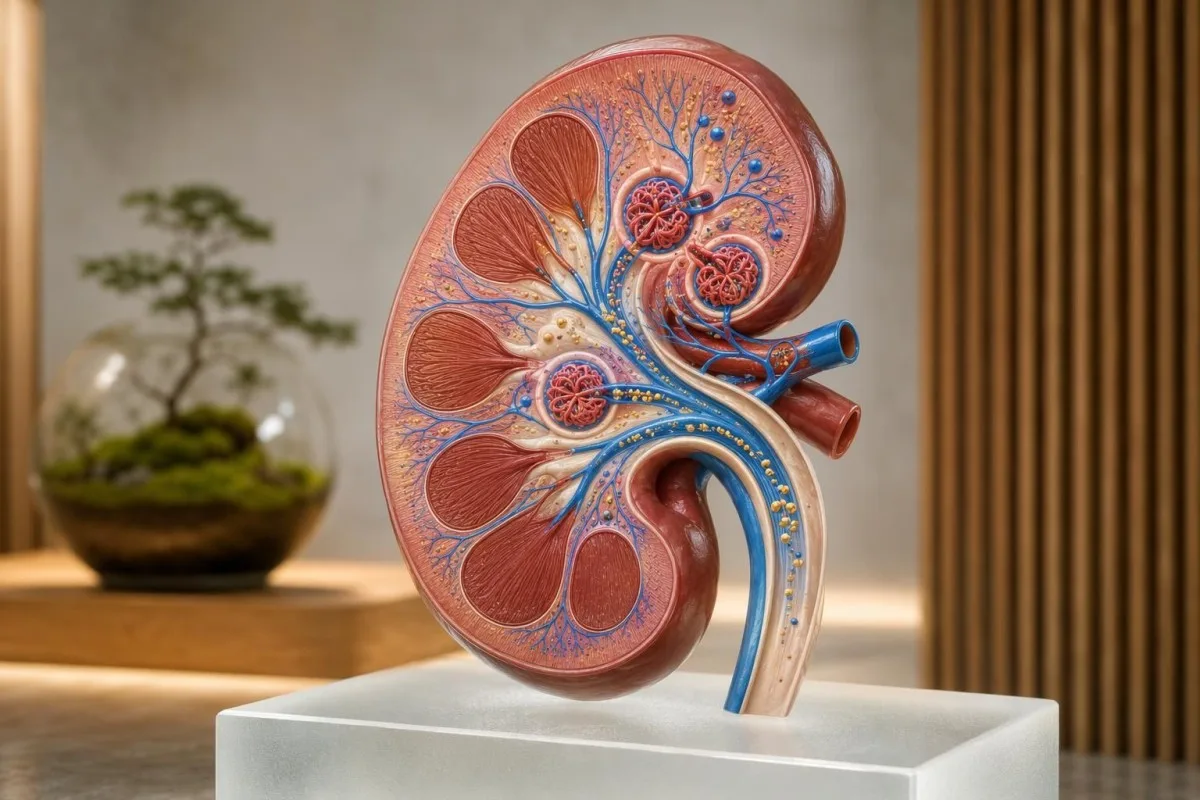
hs-CRP শ্বাস-প্ৰশ্বাসজনিত সংক্রমণ, মাড়িৰ ৰোগ, অটোইমিউন কাৰ্যকলাপ, স্থূলতা, নিদ্ৰাহীনতা, আৰু কঠোৰ ব্যায়ামৰ পাছত বৃদ্ধি পায়; ই কাৰণ চিনাক্ত নকৰে। মই এবাৰ এজন উৎসাহী চাইক্লিষ্টৰ 12.4 mg/L মান পৰ্যালোচনা কৰিছিলোঁ, যিজনে 36 ঘণ্টা আগতেই এটা দীঘল ইভেণ্ট সম্পন্ন কৰিছিল আৰু এটা বেদনাদায়ক মোলাৰ দাঁত আছিল। 3 সপ্তাহ পিছত তেওঁৰ পুনৰ পৰীক্ষাৰ ফল 0.8 mg/L হৈছিল। খাদ্যই ব্যাখ্যা নাছিল।.
ব্যাখ্যাযোগ্য ধাৰা (trend) পাবলৈ, জ্বৰ, আঘাত, টিকাকৰণ, বা কষ্টকৰ endurance ইভেণ্টৰ পাছত কমেও 2 সপ্তাহ অপেক্ষা কৰক, আৰু ফলাফল যদি হৃদ্যন্ত্ৰজনিত সিদ্ধান্তত প্ৰভাৱ পেলাব, তেন্তে hs-CRP দুবাৰকৈ পুনৰ পৰীক্ষা কৰক। anti-inflammatory সম্পূৰক খেদি ফুৰাৰ পৰিৱৰ্তে ইয়াক কোমৰৰ পৰিধি, ApoB, ৰক্তচাপ, আৰু গ্লুক’জৰ সৈতে মিলাই লওক। The CRP-to-albumin ratio নিৰ্বাচিত অসুস্থ ৰোগীৰ ক্ষেত্ৰত উপযোগী হ’ব পাৰে, কিন্তু ই সাধাৰণ “দীঘলায়ু” লক্ষ্য (longevity target) নহয়।.
Mediterranean-style ধৰণৰ আৰ্হিৰে hs-CRP কমোৱাৰ প্ৰমাণ সম্ভাৱ্য, কিন্তু ওজনৰ পৰিৱৰ্তন, ব্যায়াম, আৰু ধূমপান বন্ধ কৰাৰ পৰা স্পষ্টভাৱে পৃথক কৰি দেখুৱাব নোৱাৰি। 2.8 ৰ পৰা 1.5 mg/L লৈ হ্ৰাস উৎসাহজনক হ’ব পাৰে, কিন্তু ই নিশ্চিত প্ৰমাণ নহয় যে ধমনীৰ (arterial) ঝুঁকি নিৰ্দিষ্টভাৱে কমিছে। 3 mg/L তকৈ ওপৰত স্থায়ী মানসমূহে হৃদ্যন্ত্ৰজনিত আৰু অ-হৃদ্যন্ত্ৰজনিত কাৰণৰ বাবে চিকিৎসকৰ পৰ্যালোচনা দাবী কৰে।.
eGFR, Creatinine, আৰু Urine albumin ৰে Kidney function নিৰীক্ষণ কৰক
৩ মাস বা তাতকৈ অধিক সময়ের জন্য 60 mL/min/1.73 m²-এর কম eGFR থাকলে সেয়া দীর্ঘস্থায়ী কিডনি ৰোগ (chronic kidney disease)-ৰ মানদণ্ড পূৰণ কৰিব পাৰে, আৰু 30 mg/g-এর ওপৰৰ urine albumin-creatinine ratio অস্বাভাবিক।. longevity diet প্ৰ’টিনত বেছি হলে, creatine অন্তৰ্ভুক্ত থাকিলে, বা ডায়েবেটিছ বা উচ্চ ৰক্তচাপৰ সৈতে মিলি থাকিলে কিডনি নিৰীক্ষণ বিশেষভাৱে গুৰুত্বপূৰ্ণ।.
Creatinine-ৰ ওপৰত মাংসপেশীৰ ভৰ, সিজোৱা মাংস, creatine সম্পূৰক, পানী/হাইড্ৰেচন, আৰু তীব্ৰ ব্যায়ামৰ প্ৰভাৱ পৰে। দৈনিক 5 g creatine গ্ৰহণ কৰা এজন শক্তিশালী 38 বছৰীয়া ব্যক্তিয়ে 1.3 mg/dL creatinine দেখুৱাব পাৰে আৰু গণনা কৰা eGFR প্ৰায় 70 হ’ব পাৰে, কিন্তু cystatin C স্বাভাবিক থাকিব পাৰে আৰু urine albumin নাথাকিব পাৰে। এই ধৰণটো albuminuria-সহ eGFR-ৰ ধীৰগতিত অৱনতি হোৱা ধৰণৰ পৰা যথেষ্ট বেলেগ।.
2024 KDIGO গাইডলাইনে ক্ৰিয়েটিনিন-ভিত্তিক eGFR ভুল হ’ব পাৰে বুলি ধৰা পৰিলে chronicity নিশ্চিত কৰিবলৈ আৰু cystatin C বিবেচনা কৰিবলৈ পৰামৰ্শ দিয়ে। urine ACR 30 mg/g-এর তলত স্বাভাবিক বা সামান্য বৃদ্ধি; 30-300 mg/g মাঝমীয়া বৃদ্ধি; আৰু 300 mg/g-এর ওপৰত অত্যধিক বৃদ্ধি। আমাৰ কিডনি albumin গাইড ব্যাখ্যা কৰে কিয় কেৱল ৰক্ত পৰীক্ষাই নেদেখা তথ্য urine testing-এ কেনেকৈ যোগ কৰে।.
উচ্চ-প্ৰ’টিন ডিনাৰৰ পিছত সামান্য বেছি creatinine দেখা পালে তাক খাদ্যজনিত কিডনি ক্ষতি বুলি ব্যাখ্যা কৰাত এৰক। তাৰ পৰিৱৰ্তে একে ধৰণৰ পৰিস্থিতিত পুনৰ পৰীক্ষা কৰক আৰু সময়ৰ লগে লগে slope চাওক। নতুনকৈ গোৰোহা/গোড়ালিৰ ফুলা, মূত্ৰৰ পৰিমাণ কমি যোৱা, উশাহ ল’বলৈ কষ্ট, বা হঠাৎ eGFR কমি যোৱা—এইবোৰে পুষ্টি-সম্পৰ্কীয় পৰীক্ষা কৰাৰ বদলে সময়মতে চিকিৎসকৰ মূল্যায়ন দাবী কৰে।.
Dietary restriction এ ঝুঁকি বৃদ্ধি কৰিলে Nutrient status পৰীক্ষা কৰক
Ferritin, vitamin B12, 25-hydroxyvitamin D, আৰু কেতিয়াবা iodine, zinc, বা calcium-সম্পৰ্কীয় পৰীক্ষা—যেতিয়া longevity diet কিছুমান খাদ্য-গোট বাদ দিয়ে—তেতিয়া উপযোগী।. সকলোৰে বাবে বিস্তৃত micronutrient screening evidence-ভিত্তিক নহয়; পৰীক্ষা কৰা উচিত বাদ দিয়া খাদ্যসমূহ, লক্ষণ, ঔষধ, জীৱন-স্তৰ (life stage), আৰু পূৰ্বৰ ফলাফল অনুসৰি।.
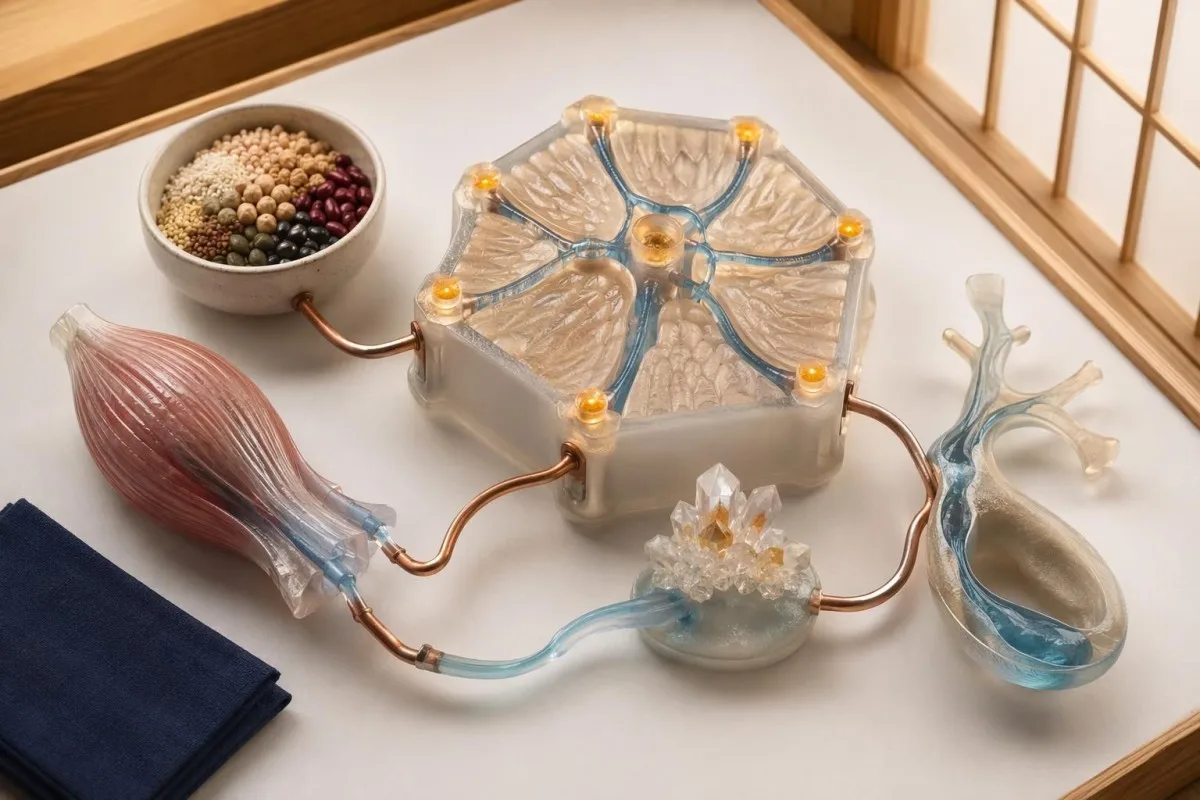
প্রদাহজনিত ৰোগ নাথাকিলে ferritin 15 ng/mL-এর তলত থাকিলে iron stores কমি যোৱাৰ শক্তিশালী সমৰ্থন পোৱা যায়, যদিও বহু চিকিৎসকে 30 ng/mL-এর তলত থকা লক্ষণযুক্ত ৰোগীকো অনুসন্ধান কৰে। Ferritin এটা acute-phase reactantো, সেয়ে CRP 18 mg/L-ৰ সৈতে 80 ng/mL ফলাফলটোৱে iron restriction নিৰ্ভৰযোগ্যভাৱে বাদ দিব নোৱাৰে। Plant-based খাদ্য গ্ৰহণকাৰী, অধিক ঋতুস্ৰাৱ থকা লোক, আৰু ঘনাই ৰক্ত দান কৰা লোকৰ ক্ষেত্ৰত বিশেষভাৱে সাৱধান ব্যাখ্যা প্ৰয়োজন; আমাৰ উদ্ভিদ-ভিত্তিক পুষ্টি তালিকা সম্পৰ্কীয় লেখাখন এটা ব্যৱহাৰিক আৰম্ভণি বিন্দু।.
Vitamin B12 প্ৰায় 200 pg/mL-এর তলত, বা 148 pmol/L, থাকিলে ঘাটতিৰ চিন্তা উত্থাপন কৰে, কিন্তু সীমান্তৱৰ্তী (borderline) ফলাফলসমূহে প্ৰায়েই চিকিৎসা সিদ্ধান্ত লোৱাৰ আগতে methylmalonic acid বা homocysteine-ৰ প্ৰয়োজন হয়। Serum folate সম্পূৰক খোৱাৰ পিছত দ্ৰুত বৃদ্ধি পাব পাৰে আৰু B12-ৰ সমস্যা লুকুৱাব পাৰে, বিশেষকৈ MCV উচ্চ হ’লে। Vegan diet ক’ৰ্ডিওমেটাবলিক স্বাস্থ্যৰ বাবে উৎকৃষ্ট হ’ব পাৰে, কিন্তু নিৰ্ভৰযোগ্য B12 supplementation অনিবাৰ্য।.
Vitamin D-ৰ ক্ষেত্ৰত, 25-hydroxyvitamin D ৰ পৰিমাণ 20 ng/mL বা তাতকৈ বেছি হ’লে অধিকাংশ লোকৰ skeletal health-ৰ বাবে National Academy of Medicine-ৰ সীমা পূৰণ হয়। সুস্থ প্ৰাপ্তবয়স্কৰ মাজত 30 ng/mL অনুসৰণ কৰাটো লৈ চিকিৎসকসকলৰ মাজত মতভেদ আছে; 2024 Endocrine Society-ৰ গাইডলাইনে ৰোগ প্ৰতিৰোধৰ বাবে একেটা উচ্চ লক্ষ্য (universal higher target) সমৰ্থন কৰা নাই। বেছি মানেই ভাল নহয়: 50-60 ng/mL-ৰ ওপৰত পুনৰাবৃত্তি হোৱা পৰিমাণে supplement-dose পৰ্যালোচনা আৰম্ভ কৰিব লাগে।.
Pattern সলনি হ’লে Liver enzymes আৰু Protein markers অন্তৰ্ভুক্ত কৰক
ALT, AST, GGT, alkaline phosphatase, bilirubin, albumin, এবং uric acid দেখাতে পারে যে খাদ্যাভ্যাসের পরিবর্তন অনিচ্ছাকৃতভাবে কোনো লিভার, অ্যালকোহল, ওষুধ, বা প্রোটিন-সামঞ্জস্যের সংকেত তৈরি করছে কি না।. এই পরীক্ষাগুলো খাদ্যের গুণমানের সরাসরি পরিমাপ নয়—সহায়ক ইঙ্গিত মাত্র।.

ALT-এর রেফারেন্স সীমা ল্যাবরেটরি ও লিঙ্গভেদে ভিন্ন হয়, কিন্তু ল্যাবরেটরির উপরের সীমার ওপরে স্থায়ীভাবে বৃদ্ধি হলে “detox” বলে নৈমিত্তিকভাবে ধরে না নিয়ে ফলো-আপ করা উচিত। দ্রুত ওজন কমালে লিভারের ফ্যাট ফ্লাক্স বদলানোর কারণে ALT সাময়িকভাবে বাড়তে পারে, আর resistance exercise পেশি থেকে মুক্তির কারণে AST বাড়াতে পারে। কোনো কঠিন লিফটিং সেশনের পর AST যদি 89 IU/L এবং ALT যদি 31 IU/L হয়, তাহলে creatine kinase এবং সময়কাল প্রায়ই চিত্রটা পরিষ্কার করে।.
Albumin-কে প্রোটিন গ্রহণের স্কোর হিসেবে প্রায়ই অতিরিক্ত ব্যাখ্যা করা হয়। সাধারণ প্রাপ্তবয়স্কদের রেফারেন্স রেঞ্জ আনুমানিক 35-50 g/L, কিন্তু কয়েক সপ্তাহ কম প্রোটিন গ্রহণের তুলনায় albumin বেশি পড়ে প্রদাহ, লিভারের সংশ্লেষণজনিত অক্ষমতা, কিডনির ক্ষতি, বা তরল অতিভারের কারণে। এটি ধীরে বদলায়, তাই albumin-ভিত্তিক স্বল্পমেয়াদি খাদ্য প্রোটিন দাবিগুলো দুর্বল।.
পুরুষদের ক্ষেত্রে 7 mg/dL-এর বেশি বা নারীদের ক্ষেত্রে 6 mg/dL-এর বেশি uric acid সাধারণ, কিন্তু এটি একা থেকে গাউট নির্ণয় করে না। ফ্রুক্টোজ-সমৃদ্ধ পানীয়, অ্যালকোহল, স্থূলতা, কিডনির কার্যকারিতা, জেনেটিক্স, এবং দ্রুত ketosis—সবই ভূমিকা রাখতে পারে। যদি কম-কার্বোহাইড্রেট পর্যায় গাউটের উপসর্গের সঙ্গে মিলে যায়, তাহলে আমাদের ইউৰিক এচিড পৰীক্ষাৰ পৰিকল্পনা কেবল আরও পানি যোগ করার বদলে একজন প্রেসক্রাইবারের সঙ্গে পর্যালোচনা করুন।.
এটা এবাৰেই হোৱা ফলাফল নহয়—বাৰম্বাৰ হোৱা Blood test trends অনুসৰণ কৰক
কোনো মার্কার তিন বা ততোধিক মাপজোক জুড়ে ধারাবাহিকভাবে বদলালে, একক রেফারেন্স-রেঞ্জ ফ্ল্যাগের চেয়ে আপনার ব্যক্তিগত বেসলাইন বেশি তথ্যবহুল হতে পারে।. রেফারেন্স ইন্টারভালগুলো বাছাই করা একটি জনসংখ্যায় 95% কোথায় পড়ে তা বর্ণনা করে; এগুলো স্বয়ংক্রিয়ভাবে আপনার আদর্শ ফলাফল নির্ধারণ করে না বা কোনো অর্থবহ ঊর্ধ্বমুখী প্রবণতা ব্যাখ্যা করে না।.

18 মাসে ApoB 78 থেকে 90 থেকে 104 mg/dL-এ গেলে, এমনকি প্রতিটি ল্যাবরেটরি ফল টেকনিক্যালি রেঞ্জের মধ্যে দেখালেও, তা আলোচনা করা উচিত। একই কথা প্রযোজ্য fasting glucose 87 থেকে 94 থেকে 101 mg/dL-এ বাড়ার ক্ষেত্রেও। ছোট পরিবর্তন জীববিজ্ঞানের প্রতিফলন হতে পারে, কিন্তু পুনরাবৃত্তভাবে একই দিকের প্রবণতা একটি একক বিচ্যুতির চেয়ে উপেক্ষা করা কঠিন।.
Kantesti হৈছে এটা AI বায়’মাৰ্কাৰ ব্যাখ্যা প্লেটফৰ্ম মূল ল্যাবরেটরি ইউনিট এবং রেফারেন্স সীমা সংরক্ষণ করে আগের রিপোর্টের পাশে একটি নতুন ফল বসানোর জন্য ডিজাইন করা হয়েছে। আমাদের অনুদৈৰ্ঘ্য বিশ্লেষণৰ নিৰ্দেশিকা ব্যাখ্যা করে কেন রক্তদান করার পর 20% ফেরিটিন কমা অজানা ক্লান্তি এবং কোনো সুস্পষ্ট ক্ষতি না থাকলে তার চেয়ে ভিন্ন অর্থ বহন করে।.
ড. থমাস ক্লেইনের ব্যবহারিক নিয়ম হলো প্রতিটি পরিবর্তন নোট করা: ডায়েট শুরু করার তারিখ, ওজনের পরিবর্তন, ট্রেনিং ভলিউম, নতুন ওষুধ, সাপ্লিমেন্ট ডোজ, ঘুমের ব্যাঘাত, এবং অসুস্থতা। এসব নোট ছাড়া, চমৎকার দেখানো একটি গ্রাফ ভুল গল্প বলতে পারে। একটি ট্রেন্ড হলো ক্লিনিক্যাল যুক্তির জন্য ইঙ্গিত, রায় নয়।.
Marker ৰ লগত মিলি Retest timing বাছনি কৰক
বেশিরভাগ ডায়েট-চালিত লিপিড এবং fasting glucose পরিবর্তন 8-12 সপ্তাহ পর পুনর্মূল্যায়ন করা যেতে পারে, যেখানে HbA1c-এর জন্য প্রায় 3 মাস লাগে এবং আয়রন স্টোর স্থিত হতে 3-6 মাস সময় লাগতে পারে।. মাসিক পরীক্ষা সাধারণত পরিষ্কার দীর্ঘায়ু-সংকেতের চেয়ে বেশি খরচ ও গোলমাল তৈরি করে।.
ট্রাইগ্লিসাৰাইডসমূহ অ্যালকোহল বা পৰিশোধিত কাৰ্বোহাইড্ৰেটৰ গ্ৰহণ কমোৱাৰ কিছুদিনৰ ভিতৰতে সলনি হ’ব পাৰে, কিন্তু সেই দ্ৰুততাই তাকো বেলেগ বেলেগ কৰি তোলে। LDL কোলেষ্টেৰল আৰু ApoB সাধাৰণতে স্থায়ীভাৱে খাদ্যাভ্যাস সলনি কৰাৰ পিছত কেইবাখনো সপ্তাহৰ ভিতৰত স্থিৰ হৈ যায়। ফেৰিটিন পিছুপৰা হ’ব পাৰে, কাৰণ ভঁৰাল পুনঃপূৰণ কৰিবলৈ সময় লাগে—বিশেষকৈ যদি মাহেকীয়া ৰক্তক্ষৰণ বা গ্যাস্ট্ৰ’ইনটেষ্টাইনেল শোষণজনিত সমস্যা চলি থাকে।.
Kantesti AI এ আপলোড কৰা ৰিপ’ৰ্টসমূহ প্ৰায় ৬০ ছেকেণ্ডৰ ভিতৰত তুলনা কৰিব পাৰে, কিন্তু দ্ৰুত ব্যাখ্যাই বেয়াকৈ মানদণ্ডভিত্তিক (poorly standardised) নমুনা ঠিক কৰিব নোৱাৰে। আপুনি যদি ব্যক্তিগত ৰেকৰ্ড গঢ়ি আছে, তেন্তে আমাৰ ট্ৰেণ্ড বিশ্লেষণৰ প্ৰবন্ধখনে দেখুৱায় কিয় আগ্ৰহেৰে পৰামৰ্শ দিছে—পূৰ্বৰ ৪৮ ঘণ্টাত ব্যায়ামৰ সময়কাল, পূৰ্বৰ ৭২ ঘণ্টাত অ্যালকোহল, আৰু সেই পুৱা গ্ৰহণ কৰা সকলো সম্পূৰক (supplements) ৰেকৰ্ড কৰিবলৈ।.
বায়’টিনৰ বিষয়ে বিশেষভাৱে উল্লেখ কৰা উচিত। কিছুমান চুলিৰ সামগ্ৰীত পোৱা ৫,০০০–১০,০০০ mcg ড’জে কিছুমান থাইৰয়েড আৰু হৃদযন্ত্ৰৰ পৰীক্ষাসহ কেইবাটাও ইমিউন’এছেত (immunoassays) ত ব্যাঘাত ঘটাব পাৰে। কিমান সময় বন্ধ ৰাখিব লাগে সেই বিষয়ে লেবৰেটৰী বা চিকিৎসকক সুধিব; সাধাৰণতে ৪৮–৭২ ঘণ্টা পৰামৰ্শ দিয়া হয়, কিন্তু কিডনি ফাংকশ্যন, ড’জ, আৰু পৰীক্ষাৰ নকশাই সেই পৰামৰ্শ সলনি কৰিব পাৰে।.
আপুনি বাস্তৱত অনুসৰণ কৰা Diet ৰ লগত আপোনাৰ Lab plan মিলাওক
ভূমধ্যসাগৰীয় ধাঁচৰ, উদ্ভিদ-প্ৰধান, কম কাৰ্বোহাইড্ৰেট, আৰু সময়-সীমাবদ্ধ (time-restricted) খাদ্যাভ্যাসে বিভিন্ন ধৰণৰ লেবৰেটৰী “ট্ৰেড-অফ” সৃষ্টি কৰিব পাৰে।. এটা উপযোগী ৰক্ত পৰীক্ষা-ভিত্তিক খাদ্যাভ্যাসে সেই মাৰ্কাৰটো পৰীক্ষা কৰে যিটো বেছিকৈ বেয়া হোৱাৰ সম্ভাৱনা থাকে, লগতে যিটো উন্নত হ’ব বুলি আপুনি আশা কৰে সেই মাৰ্কাৰটোও।.
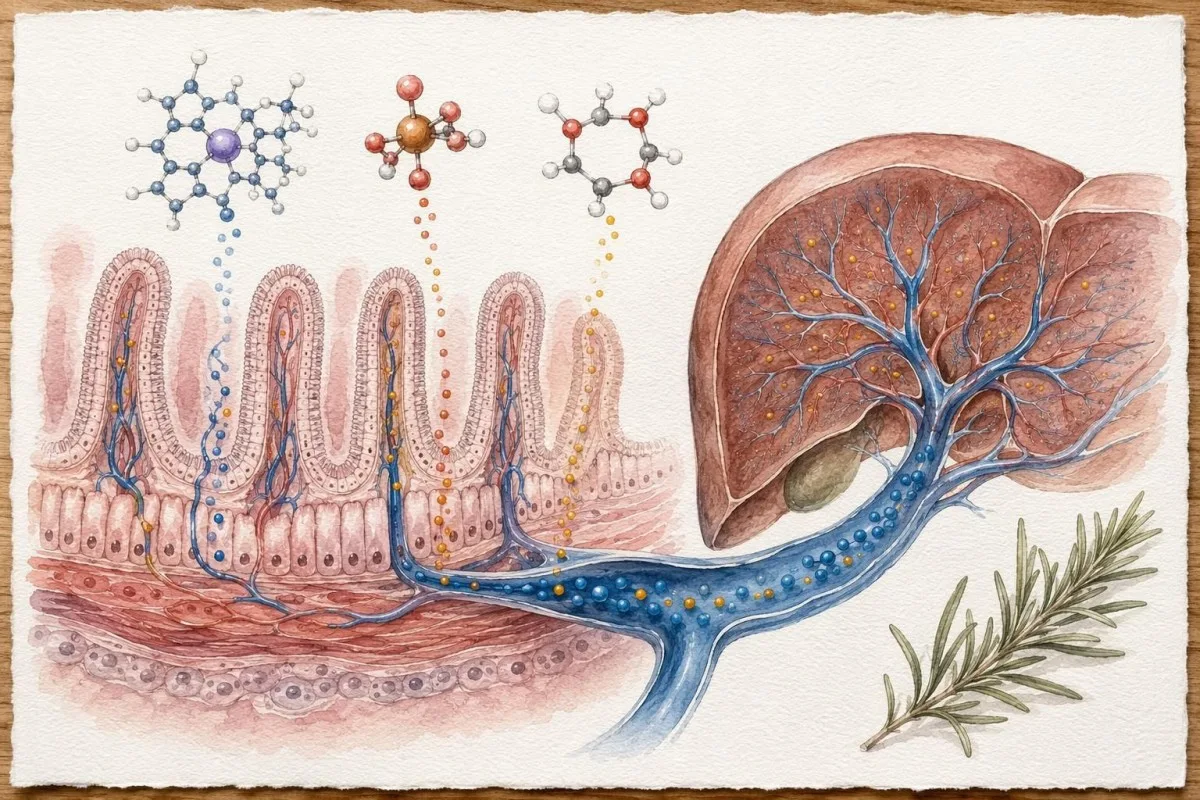
ভূমধ্যসাগৰীয় ধাঁচৰ ধৰণে বহু সময়ত ট্ৰাইগ্লিসাৰাইড, non-HDL কোলেষ্টেৰল, ৰক্তচাপ, আৰু গ্লাইসেমিক নিয়ন্ত্ৰণ উন্নত কৰে—বিশেষকৈ যেতিয়া ই অতি-প্ৰক্ৰিয়াজাত (ultra-processed) খাদ্যৰ ঠাই লয়। PREDIMED পৰীক্ষাত উচ্চ-ঝুঁকিৰ প্ৰাপ্তবয়স্কসকলৰ মাজত ভূমধ্যসাগৰীয় খাদ্যৰ সৈতে অলিভ অয়েল বা বাদাম যোগ কৰা হৈছিল, আৰু ফলত কম মাত্ৰাতকৈ কম-ফ্যাট নিয়ন্ত্ৰণ খাদ্যৰ তুলনাত কম সংখ্যক ডাঙৰ হৃদ্ৰোগজনিত ঘটনা দেখা গৈছিল (Estruch et al., 2018)। সেয়া কোনো এটা একক পুষ্টিৰ বিপণন দাবীৰ তুলনাত শক্তিশালী প্ৰমাণ।.
ভেগান বা বেছিভাগেই উদ্ভিদ-ভিত্তিক খাদ্য গ্ৰহণৰ ক্ষেত্ৰত B12 নিৰীক্ষণ কৰক আৰু খাদ্যৰ ধৰণ আৰু জীৱন-স্তৰ অনুসৰি ফেৰিটিন, ভিটামিন D, আয়’ডিনৰ সংস্পৰ্শ, জিংক, আৰু কেলচিয়াম গ্ৰহণ বিবেচনা কৰক। কম কাৰ্বোহাইড্ৰেট বা কেটোজেনিক ধৰণৰ ক্ষেত্ৰত, কম গ্লুক’জে সমগ্ৰ প্ৰশ্নটো সমাধান কৰিব বুলি ধৰি নোলোৱাকৈ ApoB, LDL কোলেষ্টেৰল, ইউৰিক এচিড, ক্ৰিয়েটিনিনৰ প্ৰসংগ (context), আৰু ইলেক্ট্ৰ’লাইটসমূহৰ ওপৰত নজৰ ৰাখক। ভূমধ্যসাগৰীয় খাদ্যৰ চিন সহায়িকা প্ৰথম ফলো-আপ পেনেলক অগ্ৰাধিকাৰ দিবলৈ সহায় কৰে।.
সময়-সীমাবদ্ধ খাদ্য গ্ৰহণে গড় কেল’ৰি গ্ৰহণ কমাব পাৰে আৰু কিছুমান গ্লুক’জ মাত্ৰা উন্নত কৰিব পাৰে, কিন্তু ই ক্ৰীড়াবিদৰ ক্ষেত্ৰত কম শক্তি উপলব্ধতা (low energy availability) লৈ যাব পাৰে। মোৰ অভিজ্ঞতাত, অসামঞ্জস্যপূর্ণ ফেৰিটিন, অসুখৰ সময়ত T3 কমি যোৱা, মাহেকীয়া বন্ধ হোৱা, পুনঃপুন আঘাত, আৰু BUN-to-creatinine অনুপাত বৃদ্ধি—এইবোৰ শৃংখলাবদ্ধ উপবাসৰ “ট্ৰফি” নহয়। এইবোৰ হৈছে গ্ৰহণ (intake) আৰু প্ৰশিক্ষণৰ লোড পুনঃমূল্যায়ন কৰাৰ কাৰণ।.
সকলো অস্বাভাৱিক ফলাফলক খাদ্যৰ ওপৰত দোষাৰোপ নকৰিব
স্থায়ীভাৱে অস্বাভাৱিক লেবৰেটৰী ফলাফলসমূহে longevity diet ৰ পৰিৱৰ্তে জেনেটিক্স, ঔষধৰ প্ৰভাৱ, অন্তঃস্ৰাৱী (endocrine) ৰোগ, কিডনি ৰোগ, অ্যালকোহল ব্যৱহাৰ, বা তীব্ৰ অসুখ প্ৰতিফলিত কৰিব পাৰে।. খাদ্যাভ্যাস প্ৰভাৱশালী, কিন্তু ই সকলো উদ্দেশ্যৰ (all-purpose) ব্যাখ্যা নহয়।.

220 mg/dL LDL কোলেষ্টেৰল, বিশেষকৈ যিসকলৰ আত্মীয়ৰ আগতীয়া সময়ত হৃদ্আঘাত হৈছিল, ই familial hypercholesterolaemia ৰ সম্ভাৱনা উত্থাপন কৰিব লাগে। উচ্চ-ফাইবাৰ খাদ্য সহায় কৰিব পাৰে, কিন্তু ই আনুষ্ঠানিক মূল্যায়ন পিছুৱাই দিব নালাগে। একেদৰে, TSH বৃদ্ধি, ৰক্তহীনতা (anaemia), বা মূত্ৰত নতুনকৈ প্ৰ’টিন (protein) দেখা দিলে কঠোৰ খাদ্য পৰিকল্পনাৰ বদলে ডায়াগন’ষ্টিক মূল্যায়ন লাগে।.
ঔষধৰ প্ৰভাৱ সাধাৰণ আৰু আচৰিত ধৰণে সহজে এৰি যোৱা হয়। ষ্টেটিনে (statins) লিভাৰ এনজাইম আৰু গ্লুক’জ সামান্য সলনি কৰিব পাৰে, মেটফৰমিনে সময়ৰ লগে লগে B12 কমাব পাৰে, কৰ্টিক’ষ্টেৰ’ইডে গ্লুক’জ আৰু ট্ৰাইগ্লিসাৰাইড বৃদ্ধি কৰে, আৰু ডাইইউৰেটিকে (diuretics) ছ’ডিয়াম, পটাছিয়াম, আৰু ইউৰিক এচিড সলনি কৰিব পাৰে। আমাৰ AI report accuracy checklist ব্যৱহাৰ কৰক। ত আছে—এটা flagged ফলাফলত কাম কৰাৰ আগতে মই যি ঔষধ আৰু ইউনিট (unit) পৰীক্ষা কৰিব বিচাৰিম সেইবোৰ।.
Kantesti AI এ লেবৰেটৰী ৰিপ’ৰ্টসমূহৰ মাজত pattern recognition সমৰ্থন কৰে, কিন্তু ই অসুখ ডায়াগন’জ নকৰে বা আপোনাক পৰীক্ষা কৰিব আৰু আপোনাৰ চিকিৎসা ৰেকৰ্ড পৰ্যালোচনা কৰিব পৰা এজন চিকিৎসকক সলনি নকৰে। আপোনাৰ অনুভৱৰ সৈতে বিৰোধী ফলাফল, বা ডাঙৰ চিকিৎসাজনিত তাৎপৰ্য থকা এটা আচৰিত ফলাফল—এইবোৰ পুনৰাবৃত্তি (repeat) কৰিব লাগিব বা ক্লিনিকেলভাৱে নিশ্চিত (clinically verified) কৰিব লাগিব। লেবৰেটৰী ভুল, নমুনাৰ haemolysis, আৰু transcription ভুল হয়েই।.
কোনবোৰ ফলাফলক অধিক tracking কৰাৰ পৰিৱৰ্তে Medical review লাগে—সেয়া জানক
500 mg/dL বা তাতকৈ অধিক ট্ৰাইগ্লিসাৰাইড, ডায়েবেটিক ৰেঞ্জত নিশ্চিত গ্লুক’জ, 60 ৰ তলত স্থায়ীভাৱে eGFR, মূত্ৰ ACR 30 mg/g ৰ ওপৰত, বা লিভাৰ এনজাইম ওপৰৰ সীমাৰ তিনিগুণৰ অধিক—এইবোৰে clinician-led মূল্যায়ন দাবী কৰে।. নিৰীক্ষণ (tracking) কেৱল তেতিয়াহে উপযোগী যেতিয়া ই প্ৰয়োজনীয় যত্নক পিছুৱাই ননিয়ে।.
গ্লুক’জ 200 mg/dL বা তাতকৈ অধিক হ’লে, অত্যধিক তৃষ্ণা, বমি, পেটৰ বিষ, নিদ্ৰালুতা (drowsiness), বা দ্ৰুত শ্বাস-প্ৰশ্বাস থাকিলে একে দিনাই চিকিৎসাজনিত পৰামৰ্শ লওক। জণ্ডিছ (jaundice), অতি গাঢ় মূত্ৰ, ফ্যাকাশে পায়খানা (pale stools), বুকৰ বিষ, নতুনকৈ শ্বাসকষ্ট, বা মূত্ৰৰ আউটপুট স্পষ্টভাৱে কমি যোৱাও খাদ্য পৰিকল্পনাৰ বাহিৰে তৎক্ষণাৎ মূল্যায়ন লাগে। নিৰ্ধাৰিত পুনৰ পৰীক্ষাৰ বাবে অপেক্ষা নকৰিব।.
ApoB 130 mg/dL ৰ ওপৰত, LDL কোলেষ্টেৰল 190 mg/dL ৰ ওপৰত, HbA1c 5.7% বা তাতকৈ অধিক, পুনঃপুন hs-CRP 3 mg/L ৰ ওপৰত, ফেৰিটিন 15 ng/mL ৰ তলত, বা eGFR ত স্থায়ীভাৱে পতন—এইবোৰৰ বাবে অধিক মাপ-জোখ কৰা (more measured) এপয়ণ্টমেণ্ট উপযুক্ত। কেৱল স্ক্ৰিনশ্বট নহয়—মূল PDF ৰিপ’ৰ্ট আনিব; ইউনিট, সংগ্ৰহৰ তাৰিখ, আৰু reference interval গুৰুত্বপূৰ্ণ। Kantesti’s ক্লিনিকেল ভেলিডেচন পদ্ধতি ৰিপ’ৰ্ট-স্তৰৰ সেই প্ৰসংগ (context) সংৰক্ষণৰ ওপৰত গঢ়ি উঠিছে।.
কোনো AI আউটপুটে যেন এজনক নিৰ্ধাৰিত lipid, diabetes, blood-pressure, thyroid, বা kidney ঔষধ বন্ধ কৰিবলৈ উৎসাহিত নকৰে। খাদ্য শক্তিশালী হ’ব পাৰে, কিন্তু ঔষধৰ পৰিৱৰ্তন এজন prescriber আৰু follow-up পৰীক্ষাৰ দ্বাৰাহে লাগিব। বিশেষকৈ গৰ্ভাৱস্থা, স্তন্যপান (breastfeeding), সক্ৰিয় কেঞ্চাৰ চিকিৎসা, eating-disorder recovery, আৰু উন্নত কিডনি বা লিভাৰ ৰোগৰ সময়ত এইটো বিশেষভাৱে সত্য।.
এটা Practical 12-মাহ longevity diet Lab plan
এটা এটা প্ৰথম বৰ্ষৰ এটা যুক্তিসংগত পৰিকল্পনা হৈছে এটা বেছলাইন পেনেল, ৮-১২ সপ্তাহত এটা মানক অনুসৰণ, আৰু ফলাফল স্থিৰ হ’লে ৬-১২ মাহত আৰু এটা পৰ্যালোচনা।. বয়স, পাৰিবাৰিক ইতিহাস, ঔষধ, লক্ষণ, আৰু আপুনি বাছনি কৰা খাদ্য-সীমাবদ্ধতাৰ অনুসৰি পৰিকল্পনাখন সংকুচিত বা বিস্তৃত কৰা উচিত।.

বেছলাইনত, উপলব্ধ হ’লে ApoB সহ এটা লিপিড পেনেল বিবেচনা কৰক, HbA1c বা উপবাস ৰক্ত-গ্লুক’জ, বিস্তৃত বিপাকীয় পেনেল, creatinine সহ eGFR, ডায়েবেটিছ বা উচ্চ ৰক্তচাপৰ ঝুঁকি থাকিলে urine ACR, আৰু খাদ্যৰ দ্বাৰা নিৰ্দেশিত পুষ্টি পৰীক্ষা। ৮-১২ সপ্তাহত, কেৱল যিবোৰ মাৰ্কাৰ সলনি হোৱাৰ আশা কৰা হৈছে বা যিবোৰ অস্বাভাৱিক আছিল সেইবোৰ পুনৰাবৃত্তি কৰক। এইদৰে অনিয়মিত পৰীক্ষাৰ ফলত অহা মিছা সতৰ্কবাণীৰ পৰা আপুনি সুৰক্ষিত থাকিব।.
৬-১২ মাহত, লেবৰেটৰী ট্ৰেণ্ডৰ সৈতে সংগতি ৰাখি হৃদযন্ত্ৰজনিত ঝুঁকি, ৰক্তচাপ, দেহৰ গঠন, শাৰীৰিক সক্ষমতা, শুই থকাৰ অৱস্থা, আৰু পাৰিবাৰিক ইতিহাস পুনৰ চাওক।. Kantesti হৈছে AI-চালিত ৰক্ত পৰীক্ষা বিশ্লেষণৰ এটা সঁজুলি 127+ দেশসমূহত বহুভাষিক লেবৰেটৰী প্ৰতিবেদন সংগঠিত কৰিবলৈ ব্যৱহাৰ কৰা হয়, কিন্তু যিকোনো সঁজুলিৰ সৰ্বোত্তম ব্যৱহাৰ হৈছে যোগ্য চিকিৎসকৰ সৈতে সু-প্ৰস্তুত আলোচনা। আমাৰ মেডিকেল এডভাইজাৰী ব’ৰ্ড আমাৰ ব্যাখ্যা পদ্ধতিৰ পিচফালৰ ক্লিনিকেল মানদণ্ডৰ বাবে চিকিৎসক-নিৰীক্ষণ প্ৰদান কৰে।.
মূল কথা: লেবৰেটৰী পৰিচয় অনুসৰণ কৰিবলৈ নহয়—দীৰ্ঘায়ু খাদ্য ব্যৱহাৰ কৰি স্থায়ী ঝুঁকিৰ কাৰক উন্নত কৰক। যদি খোৱা-দোৱা উদ্বিগ্ন কৰি তুলিছে, কঠোৰ হৈ পৰিছে, সামাজিকভাৱে বিচ্ছিন্ন কৰি তুলিছে, বা সাধাৰণ জৈৱিক ভিন্নতাৰ ভয়ৰ দ্বাৰা চালিত হৈছে, তেন্তে থমকি যাওক আৰু সহায় লওক। আটাইতকৈ স্বাস্থ্যকৰ দীৰ্ঘমেয়াদী পৰিকল্পনা হৈছে যিটো আপুনি পুষ্টি যোগাব পাৰিব, উপভোগ কৰিব পাৰিব, আৰু বজাই ৰাখিব পাৰিব।.
সঘনাই সোধা প্ৰশ্ন
দীৰ্ঘায়ু খাদ্যাভ্যাসৰ বাবে মই কোনবোৰ ৰক্ত পৰীক্ষা কৰাব লাগে?
এটা এটা ব্যৱহাৰিক দীৰ্ঘায়ু খাদ্য-আহাৰ পেনেল, য’ত ApoB বা non-HDL ক’লেষ্টেৰলসহ এটা লিপিড পেনেল, ট্ৰাইগ্লিচাৰাইড, HbA1c বা উপবাসৰ গ্লুক’জ, creatinine সৈতে eGFR, যকৃতৰ এনজাইম, আৰু খাদ্য-সীমাবদ্ধতাৰ ওপৰত ভিত্তি কৰি নিৰ্বাচিত পুষ্টি পৰীক্ষা অন্তৰ্ভুক্ত থাকে। বহুতো প্ৰাপ্তবয়স্কৰ বাবে 90 mg/dL তকৈ তলৰ ApoB এটা যুক্তিসংগত প্ৰাথমিক-প্ৰতিৰোধ লক্ষ্য, আনহাতে 5.7-6.4% ৰ HbA1c এ prediabetes সূচায়। ডায়েবেটিছ, উচ্চ ৰক্তচাপ, কিডনি-ঝুঁকি, বা উচ্চ-প্ৰ’টিন খাদ্য-আহাৰ প্ৰাসংগিক হ’লে urine albumin-creatinine ratio যোগ কৰক। দীৰ্ঘায়ু প্ৰমাণ কৰিব পৰা কোনো একক ৰক্ত পৰীক্ষা নাই, সেয়ে ফলাফলসমূহ সময়ৰ লগে লগে প্ৰতিষ্ঠিত স্বাস্থ্য-ঝুঁকিসমূহ অনুসৰণ কৰিবলৈ ব্যৱহাৰ কৰা উচিত।.
ডায়েট সলনি কৰাৰ পিছত মই কিমান ঘনাই ৰক্তৰ সূচক (ব্লাড মাৰ্কাৰ) পৰীক্ষা কৰা উচিত?
অধিকাংশ লোকৰ বাবে স্থায়ী খাদ্যাভ্যাসৰ পৰিৱৰ্তনৰ ৮–১২ সপ্তাহৰ পিছত খাদ্য-সংবেদনশীল লিপিড আৰু উপবাসৰ গ্লুক’জ পুনৰ পৰীক্ষা কৰা উচিত। HbA1c-ৰ বাবে প্ৰায় ৩ মাহ লাগে, কিয়নো ই ৰঙা ৰক্তকণিকাৰ আয়ুসকাল জুৰি গড় গ্লুক’জৰ সংস্পৰ্শক প্ৰতিফলিত কৰে, আনহাতে ফেৰিটিনৰ বাবে স্থিৰভাৱে পুনঃপূৰণ দেখুৱাবলৈ ৩–৬ মাহ লাগিব পাৰে। মাহেকীয়া পৰীক্ষা সাধাৰণতে অত্যধিক ঘন হয় আৰু ব্যায়াম, অসুস্থতা, উপবাসৰ সময়কাল, এলক’হল, আৰু পানীৰ যোগান (হাইড্ৰেচন)ৰ পৰা হোৱা সাধাৰণ ভিন্নতা বৃদ্ধি কৰে। আটাইতকৈ বোধগম্য তুলনাৰ বাবে একে লেব’ৰেটৰী আৰু একেধৰণৰ প্ৰস্তুতি ব্যৱহাৰ কৰক।.
আয়ুসকালৰ বাবে LDL কোলেষ্টেৰলতকৈ ApoB অধিক উপযোগী নেকি?
ApoB প্রায়ই LDL কোলেষ্টেৰলতকৈ অধিক উপযোগী হয় যেতিয়া ট্রাইগ্লিসাৰাইড বৃদ্ধি পায়, ইনচুলিন ৰেজিষ্টেন্স থাকে, বা LDL আৰু non-HDL কোলেষ্টেৰলৰ মাজত মতভেদ থাকে। ApoB এথেৰ’জেনিক লিপ’প্ৰ’টিন কণাৰ সংখ্যা অনুমান কৰে, আৰু 130 mg/dL বা তাতকৈ অধিক ApoB এটা ACC ৰিস্ক-বৃদ্ধিকাৰী কাৰক। LDL কোলেষ্টেৰল তথাপিও গুৰুত্বপূৰ্ণ: ট্রাইগ্লিসাৰাইড কম থাকিলেও 190 mg/dL বা তাতকৈ অধিক LDL ফলাফল ক্লিনিকেল মূল্যায়নৰ যোগ্য। সৰ্বোত্তম পছন্দটো নিৰ্ভৰ কৰে সামগ্ৰিক হৃদ্ৰোগজনিত ঝুঁকি, পাৰিবাৰিক ইতিহাস, ৰক্তচাপ, ডায়েবেটিছৰ অৱস্থা, আৰু লিপ’প্ৰ’টিন(a)ৰ ওপৰত।.
স্বাস্থ্যকৰ খাদ্যাভ্যাসে hs-CRP কমাব পাৰেনে?
ন্যূনতমভাৱে প্ৰক্ৰিয়াজাত উদ্ভিদভিত্তিক খাদ্য, অসংপৃক্ত চৰ্বি, আৰু আঁহেৰে সমৃদ্ধ খাদ্যাভ্যাসে hs-CRP কমাব পাৰে, বিশেষকৈ যেতিয়া ই ওজন হ্ৰাস আৰু উন্নত গ্লুক’জ নিয়ন্ত্ৰণক সমৰ্থন কৰে, কিন্তু hs-CRP কোনো সৰাসৰি খাদ্য স্ক’ৰ নহয়। ১ mg/L তকৈ তলৰ মান সাধাৰণতে কম হৃদ্ৰোগজনিত ঝুঁকি, ১–৩ mg/L গড় ঝুঁকি, আৰু ৩ mg/L তকৈ ওপৰৰ মানে তীব্ৰ অসুখ নথকা অৱস্থাত অধিক ঝুঁকি সূচায়। ১০ mg/L তকৈ ওপৰৰ hs-CRP ফলাফল সাধাৰণতে কমেও ২ সপ্তাহৰ পিছত পুনৰ পৰীক্ষা কৰা উচিত, কিয়নো সংক্রমণ, দাঁতৰ ৰোগ, আঘাত, আৰু কঠোৰ ব্যায়ামে সাময়িকভাৱে বৃদ্ধি ঘটাব পাৰে। স্থায়ীভাৱে বৃদ্ধি পোৱা hs-CRP ৰ বাবে পৰিপূৰক কিনাৰ পৰিৱর্তে চিকিৎসক-নিৰ্দেশিত মূল্যায়ন আৱশ্যক।.
উদ্ভিদ-ভিত্তিক দীর্ঘায়ু খাদ্যতালিকাত কোন পুষ্টি পৰীক্ষাসমূহ গুৰুত্বপূর্ণ?
ভিটামিন B12 আৰু ফেৰিটিন বহু লোকৰ বাবে সম্পূৰ্ণভাৱে উদ্ভিদ-ভিত্তিক দীর্ঘায়ু খাদ্যাভ্যাস অনুসৰণ কৰাৰ ক্ষেত্ৰত সৰ্বাধিক ফলপ্ৰসূ (highest-yield) পুষ্টি পৰীক্ষা, আনহাতে 25-হাইড্ৰক্সিভিটামিন D, আয়’ডিনৰ সংস্পৰ্শ, জিংক, আৰু কেলচিয়াম গ্ৰহণ কেছ-টু-কেছ ভিত্তিত বিবেচনা কৰা হয়। প্ৰায় 200 pg/mL বা 148 pmol/L তকৈ কম ভিটামিন B12 থাকিলে ঘাটতিৰ আশংকা বৃদ্ধি পায়, আনহাতে 15 ng/mL তকৈ কম ফেৰিটিন—যদি প্রদাহ (inflammation) নাথাকে—তেতিয়া সঞ্চিত লৌহ (iron) কমি থকাৰ শক্তিশালী সমৰ্থন কৰে। স্বাভাবিক ফেৰিটিনে CRP বৃদ্ধি পোৱা থাকিলে সদায়ে লৌহ-সীমাবদ্ধতা (iron restriction) নুই কৰিব নোৱাৰে। ভেগান খাদ্যাভ্যাসৰ বাবে সাধাৰণতে নিৰ্ভৰযোগ্য B12 সম্পূৰক (supplementation) লাগেই।.
ব্যায়াম বা সম্পূৰকে দীৰ্ঘায়ুৰ ৰক্তৰ সূচকসমূহ বিকৃত কৰিব পাৰেনে?
হয়, তীব্ৰ ব্যায়ামে সাময়িকভাৱে ২৪-৭২ ঘণ্টাৰ বাবে AST, ক্ৰিয়েটিনিন, ক্ৰিয়েটিন কাইনেজ, বগা ৰক্তকণিকা, আৰু hs-CRP বৃদ্ধি কৰিব পাৰে, আনহাতে ক্ৰিয়েটিন সম্পূৰকে কিডনিৰ ক্ষতি প্ৰমাণ নকৰাকৈ ছিৰাম ক্ৰিয়েটিনিন বৃদ্ধি কৰিব পাৰে। ৫,০০০-১০,০০০ mcg বায়’টিনৰ ড’জে কিছুমান ইমিউন’এছেইত বাধা দিব পাৰে, য’ত কিছুমান থাইৰয়েড আৰু হৃদযন্ত্ৰৰ পৰীক্ষা অন্তৰ্ভুক্ত। পৰীক্ষাৰ আগতে কঠোৰ অনুশীলন, পানিশূন্যতা, আৰু উচ্চ-মাংসযুক্ত আহাৰেও স্বল্পমেয়াদী ফলাফল সলনি কৰিব পাৰে। এই সংস্পৰ্শসমূহ নথিভুক্ত কৰক আৰু স্বাস্থ্যকৰ খাদ্য বা নিৰ্ধাৰিত চিকিৎসা সলনি কৰাৰ আগতে মানকীকৃত অৱস্থাত অপ্রত্যাশিত অস্বাভাৱিকতাসমূহ পুনৰাবৃত্তি কৰি চাওক।.
মই যদি ইতিমধ্যে ApoB ট্ৰেক কৰি আছো, তেন্তে মই লিপোপ্ৰোটিন(a) জোখা উচিতনে?
বিশেষকৈ ওচৰৰ আত্মীয়সকলৰ মাজত হস্পিটেলৰ শাৰীৰিক নিকাৰ বা উচ্চ কলেষ্টেৰল থাকিলে, এবাৰৰ বাবে লিপোপ্ৰোটিন(a), বা Lp(a), জোখা বিবেচনা কৰক। Lp(a) মূলত উত্তৰাধিকাৰসূত্ৰে লাভ কৰা হয় আৰু সাধাৰণতে আহাৰৰ লগত সামান্য পৰিৱৰ্তন হয়, কিন্তু এটা উচ্চ পৰিণামে ApoB আৰু সামগ্ৰিক হৃদযন্ত্ৰৰ ঝুঁকি ব্যৱস্থাপনাত সহায় কৰিব পাৰে।.
আজিয়েই AI-চালিত তেজ পৰীক্ষাৰ বিশ্লেষণ লাভ কৰক
বিশ্বজুৰি ২ মিলিয়নতকৈ অধিক ব্যৱহাৰকাৰীয়ে বিশ্বাস কৰা Kantesti-ত যোগদান কৰক—তাৎক্ষণিক আৰু সঠিক লেব পৰীক্ষাৰ বিশ্লেষণৰ বাবে। আপোনাৰ তেজ পৰীক্ষাৰ ফলাফল আপলোড কৰক আৰু কেইছেকেণ্ডমানৰ ভিতৰতে 15,000+ বায়’মাৰ্কাৰৰ সম্পূৰ্ণ ব্যাখ্যা লাভ কৰক।.
📚 উদ্ধৃত গৱেষণা প্ৰকাশনা
Klein, T., Mitchell, S., & Weber, H. (2026)।. Kantesti AI. (2026). RDW Blood Test: Complete Guide to RDW-CV, MCV & MCHC. Zenodo..। Kantesti AI Medical Research.
Klein, T., Mitchell, S., & Weber, H. (2026)।. Kantesti AI. (2026). BUN/Creatinine Ratio Explained: বৃক্ক কাৰ্যক্ষমতা পৰীক্ষা Guide. Zenodo..। Kantesti AI Medical Research.
📖 বাহ্যিক চিকিৎসা সম্পৰ্কীয় উৎসসমূহ
American Diabetes Association Professional Practice Committee (2025)।. 2. ডায়েবেটিছৰ নিৰ্ণয় আৰু শ্ৰেণীবিভাগ: Diabetes—2025 ৰ Standards of Care.। Diabetes Care.


⚕️ চিকিৎসা অস্বীকাৰ
এই লেখাটো কেৱল শিক্ষামূলক উদ্দেশ্যৰ বাবে, আৰু ই চিকিৎসাজনিত পৰামৰ্শ নহয়। ৰোগ নিৰ্ণয় আৰু চিকিৎসাৰ সিদ্ধান্তৰ বাবে সদায় যোগ্য স্বাস্থ্যসেৱা বিশেষজ্ঞৰ সৈতে পৰামৰ্শ কৰক।.
E-E-A-T বিশ্বাস সংকেত
অভিজ্ঞতা
চিকিৎসক-নিৰ্দেশিত লেব ব্যাখ্যা কাৰ্যপ্ৰবাহৰ ক্লিনিকেল পৰ্যালোচনা।.
বিশেষজ্ঞতা
ক্লিনিকেল পৰিপ্ৰেক্ষিতত বায়’মাৰ্কাৰসমূহ কেনেকৈ আচৰণ কৰে—সেই বিষয়ে লেবৰেটৰী মেডিচিনৰ গুৰুত্ব।.
কৰ্তৃত্বশীলতা
ড° থমাছ ক্লেইনৰ দ্বাৰা লিখিত; ড° ছাৰাহ মিচেল আৰু প্ৰফ. ড° হান্স ৱেবাৰৰ দ্বাৰা পৰ্যালোচনা।.
বিশ্বাসযোগ্যতা
স্পষ্ট অনুসৰণ পথৰ সৈতে প্ৰমাণ-ভিত্তিক ব্যাখ্যা—আতংক কমাবলৈ।.