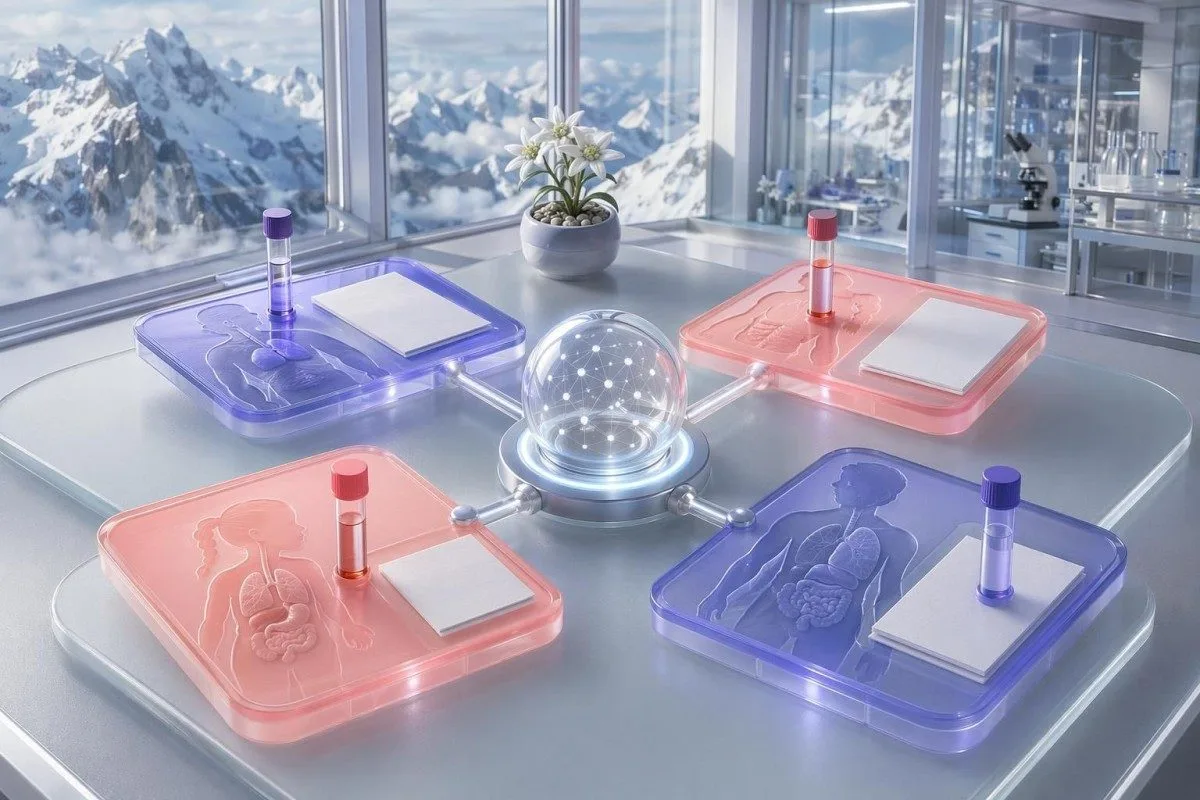
এটা পৰিয়ালৰ এটা ঘৰত তিনিটা ভিন্ন চিকিৎসা নিয়মপুথি থাকিব পাৰে: এজন কেঁচুৱা, এজন মানসিক চাপত থকা অভিভাৱক আৰু এজন ৮২ বছৰীয়া দাদা-দেউতাই বিৰলভাৱে একে “স্বাভাৱিক” মানৰ সীমা ভাগ-বতৰা কৰে। আটাইতকৈ সুৰক্ষিত ডিজিটেল ৰেকৰ্ডে সেইবোৰ একেলগে ৰাখে, কিন্তু একেলগে মিহলি নকৰে।.


- পৰিয়ালৰ চিকিৎসা ৰেকৰ্ড এপ মানে প্ৰতিজন ব্যক্তিৰ বাবে পৃথক প্ৰ’ফাইল, PDF-ৰ এটা ভাগ কৰা ফোল্ডাৰ নহয়।.
- বয়সভিত্তিক ৰেফাৰেন্স ৰেঞ্জ বেছিকৈ সলনি হয় CBC, alkaline phosphatase, creatinine, eGFR, ferritin, থাইৰয়ডৰ সূচক আৰু ভিটামিন ডিত।.
- HbA1c 5.7% তকৈ তলত সাধাৰণতে প্ৰাপ্তবয়স্কৰ বাবে স্বাভাৱিক; 5.7–6.4% এ prediabetes সূচায় আৰু 6.5% বা তাতকৈ ওপৰত নিশ্চিত হ’লে ডায়েবেটিছ ধৰা পেলাব পাৰে।.
- eGFR কমেও ৩ মাহৰ বাবে 60 mL/min/1.73 m² তকৈ তলত প্ৰাপ্তবয়স্কৰ ক্ষেত্ৰত chronic kidney disease ৰ সীমা পূৰণ কৰে, কিন্তু একে সূত্ৰ সৰু শিশুৰ বাবে ব্যৱহাৰ কৰা নহয়।.
- ফেৰিটিন 15–30 ng/mL তকৈ তলত বেছিভাগ সময় কম লৌহৰ ভাণ্ডাৰ সূচায়, কিন্তু প্রদাহে ferritin-এ মিছা ধৰণে আশ্বস্ত যেন দেখুৱাব পাৰে।.
- পটাছিয়াম 6.0 mmol/L তকৈ ওপৰত বা 2.8 mmol/L তকৈ তলত তৎক্ষণাৎ গুৰুত্বপূৰ্ণ হ’ব পাৰে, বিশেষকৈ দুৰ্বলতা, হৃদকম্পন (palpitations) বা বৃক্কৰ ৰোগ থাকিলে।.
- ধাৰা বিশ্লেষণ ফ্লেগ-চেজিংতকৈ সুৰক্ষিত কাৰণ বহুতো লেব ফলাফল হাইড্ৰেচন, সময়, ব্যায়াম বা এনালাইজাৰ পাৰ্থক্যৰ বাবে 5–20% পৰ্যন্ত সলনি হ’ব পাৰে।.
- সুৰক্ষিত ভাগ-বতৰা ব্যক্তিগত সম্মতি, কেয়াৰগিভাৰ এক্সেছৰ নিয়ম আৰু অডিট ট্ৰেইল ব্যৱহাৰ কৰা উচিত, যাতে পিতৃ-মাতৃৰ ফলাফল কেতিয়াও শিশুৰ নামত ফাইল নহয়।.
এটা পৰিয়ালৰ লেবৰেটৰী ৰেকৰ্ড এপে আচলতে কি কৰিব লাগে
A পৰিয়ালৰ চিকিৎসা ৰেকৰ্ডছ এপ প্ৰতিজন ব্যক্তিৰ লেব ৰিপ’ৰ্ট পৃথক প্ৰ’ফাইলত ৰাখিব লাগে, এটা তাৰিখ-আদেশিত টাইমলাইনত ফলাফল দেখুৱাব লাগে, আৰু প্ৰতিটো মান সেই ব্যক্তিৰ বয়স, লিংগ, গৰ্ভাৱস্থা অৱস্থা আৰু লেব পদ্ধতিৰ সৈতে তুলনা কৰিব লাগে। তদুপৰি পৰিয়ালৰ চিকিৎসা ৰেকৰ্ডছ এপ Kantesti AI ৰ সহায়ত পৰিয়ালসমূহে PDF বা ফটো আপলোড কৰিব পাৰে, প্ৰায় ৬০ ছেকেণ্ডত তেজ পৰীক্ষাৰ ফলাফল কেনেকৈ পঢ়িব চাব পাৰে, আৰু ৰেকৰ্ড মিশ্ৰিত নকৰাকৈ চিকিৎসকলৈ অধিক পৰিষ্কাৰ প্ৰশ্ন লৈ যাব পাৰে।.
মোৰ ক্লিনিকেল কামত মিশ্ৰিত ৰেকৰ্ডে বিৰল ৰোগতকৈ বেছি বিভ্ৰান্তি সৃষ্টি কৰে। মই দেখিছোঁ এজন পিতৃ-মাতৃয়ে আকস্মিকভাৱে এজন দাদাৰ ৰিপ’ৰ্ট পঢ়ি শিশুৰ ক্ৰিয়েটিনিন লৈ চিন্তিত হৈ পৰিছিল; 1.2 mg/dL এ ৭৬ বছৰীয়া মানুহত একেবাৰে বেলেগ অৰ্থ বহন কৰে, ৭ বছৰীয়া শিশুত নহয়।.
Kantesti AI এ ফলাফল, ইউনিট, ৰেফাৰেন্স ৰেঞ্জ আৰু ৰোগীৰ প্ৰসংগ একেলগে পঢ়ি ১৫,০০০+ বায়’মাৰ্কাৰ ব্যাখ্যা কৰে। এইটো গুৰুত্বপূৰ্ণ কাৰণ কেৱল এটা লেব ফ্লেগেই ডায়াগন’ছিছ নহয়; CBC, CMP, থাইৰয়ড, লোহা আৰু ইনফ্লেমেচন মাৰ্কাৰৰ মাজেৰে ধৰণে সাধাৰণতে সুৰক্ষিত কাহিনীটো বুজায়।.
২৯ এপ্ৰিল, ২০২৬ অনুসৰি, 127+ দেশসমূহৰ পৰিয়ালসমূহে 75+ ভাষাত আমাৰ প্লেটফৰ্ম ব্যৱহাৰ কৰে—ই কেৱল সুবিধাৰ বৈশিষ্ট্য নহয়। বহু-ভাষিক লেব ৰিপ’ৰ্টত দশমিক বিভাজক, ইউনিট আৰু সংক্ষিপ্ত ৰূপ সলনি হ’ব পাৰে, সেয়ে এটা ঘৰুৱা ৰেকৰ্ড ব্যৱস্থাই মূল ৰিপ’ৰ্ট সংৰক্ষণ কৰিব লাগিব আৰু লগতে ফলাফল পঢ়িব পৰা কৰি তুলিব লাগিব।.
এটা ভাল ঘৰুৱা টাইমলাইনে এপয়ণ্টমেণ্টৰ আগতে তিনিটা প্ৰশ্নৰ উত্তৰ দিব লাগে: এইটো কাৰ ফলাফল, ই তেওঁলোকৰ নিজৰ বেছলাইনৰ পৰা সলনি হৈছে নে নাই, আৰু ক্লিনিকেলভাৱে গুৰুত্বপূৰ্ণ হ’ব পৰাকৈ সলনি ডাঙৰ নে নহয়? আমাৰ গভীৰ গাইডে তেজ পৰীক্ষাৰ ইতিহাস কিয় বছৰৰ পিছত বছৰ ধৰণৰ প্ৰসংগই সাধাৰণতে এটা একক ৰঙা বা সেউজীয়া ফ্লেগতকৈ বেছি কাম কৰে—সেয়া ব্যাখ্যা কৰে।.
কিয় অভিভাৱক, সন্তান আৰু জ্যেষ্ঠৰ ৰেফাৰেন্স ৰেঞ্জ একে কৰিব নোৱাৰি
বয়সভিত্তিক ৰেফাৰেন্স ৰেঞ্জ থাকে কাৰণ শিশুসকল, প্ৰাপ্তবয়স্ক আৰু বয়োজ্যেষ্ঠসকলৰ শাৰীৰবৃত্তি, শৰীৰৰ আকাৰ, হৰম’ন আৰু বৃক্কৰ ফিল্ট্ৰেচন বেলেগ। বৃদ্ধিৰ সময়ত শিশুৰ alkaline phosphatase এ প্ৰাপ্তবয়স্কৰ মানৰ কেইবাগুণো হ’ব পাৰে, আনহাতে বয়োজ্যেষ্ঠৰ ক্ৰিয়েটিনিন বৃক্কৰ সঞ্চয় কমিলেও স্বাভাৱিক যেন দেখাব পাৰে।.
বহুতো প্ৰাপ্তবয়স্কৰ স্বাভাৱিক WBC ৰেঞ্জ প্ৰায় 4.0–11.0 ×10⁹/L, কিন্তু স্বাভাৱিক ৰোগ-প্ৰতিৰোধ বিকাশৰ সময়ত সৰু শিশুৱে বেছি মান দেখুৱাব পাৰে। এটা পৰিয়াল এপে যদি টডলাৰৰ ওপৰত প্ৰাপ্তবয়স্কৰ CBC ৰেঞ্জ প্ৰয়োগ কৰে, তেন্তে সহায় নকৰা মিছা সতৰ্কতা সৃষ্টি হ’ব পাৰে।.
Alkaline phosphatase হৈছে ক্লাছিক ফাঁদ। প্ৰাপ্তবয়স্কৰ ALP বহু সময়ত প্ৰায় 40–130 IU/L হয়, কিন্তু শিশুসকল আৰু কিশোৰ-কিশোৰীসকলৰ ক্ষেত্ৰত হাড়ৰ বৃদ্ধি বাবে 300 IU/L ৰ ওপৰত মান দেখা যাব পাৰে—যকৃতৰ ৰোগৰ বাবে নহয়; একে সংখ্যাই বেলেগ জীৱবিজ্ঞান বুজায়।.
Kantesti AI এ প্ৰথমে আপলোড কৰা লেবৰ উল্লেখিত ৰেঞ্জটো পৰীক্ষা কৰে, তাৰ পিছত আমাৰ biomarker guide. ব্যৱহাৰ কৰি বয়সভিত্তিক চিকিৎসাজনিত প্ৰসংগৰ সৈতে ফলাফল তুলনা কৰে। এই ধৰণে এটা ঘৰুৱা পৰিসৰত “সৰ্বজনীন স্বাভাৱিক ৰেঞ্জ” ধৰি লোৱাৰ তুলনাত অধিক সুৰক্ষিত।.
ৰেফাৰেন্স ইণ্টাৰভাল নৈতিক বিচাৰ নহয়। ই পৰিসংখ্যাগত সীমা—সাধাৰণতে নিৰ্বাচিত এটা জনসংখ্যাৰ মাজৰ 95% অংশ—আৰু আমাৰ লৈ আমাৰ গাইডখনে কিয় এটা চিহ্নিত (flagged) মানে ভুল বুজাবুজি কৰিব পাৰে তাক বুজাই। ৰ লেখাটোৱে দেখুৱায় কিয় ডিজাইনৰ দ্বাৰাই 2.5% সুস্থ মানুহে এটা ৰেঞ্জৰ ঠিক বাহিৰত বহি থাকিব পাৰে।.
পৃথক প্ৰ’ফাইলে কেনেকৈ বিপদজনক ৰেকৰ্ড মিশ্ৰণ ৰোধ কৰে
প্ৰ’ফাইল পৃথক কৰাটোৱে প্ৰতিটো লেবৰেটৰী প্ৰতিবেদনক এটা নাম থকা ব্যক্তি, জন্ম তাৰিখ আৰু চিকিৎসাজনিত পৰিপ্ৰেক্ষিতৰ সৈতে লক কৰি ৰেকৰ্ড মিশ্ৰণ ৰোধ কৰে। বহু-ৰোগী স্বাস্থ্য পৰিচালনাত, শ্বেয়াৰ কৰা ইনবক্স যথেষ্ট নহয়; একে ক্লিনিকৰ পৰা প্ৰতিবেদন আহিলেও এপে পিতৃ-মাতৃ, সন্তান আৰু জ্যেষ্ঠৰ সময়সীমা পৃথককৈ ৰাখিব লাগিব।.
আটাইতকৈ সহজ সুৰক্ষা নিয়মটো ব’ৰিং কিন্তু শক্তিশালী: এটা ঘৰৰ সমগ্ৰ পৰিয়ালৰ তেজ পৰীক্ষা এটা সাধাৰণ ফোল্ডাৰত কেতিয়াও আপলোড নকৰিব। যদি স্কুলৰ শাৰীৰিক পৰীক্ষাৰ পিছত চাৰিখন PDF আহে, এটা হৃদযন্ত্ৰ পৰ্যালোচনা আৰু এটা ঔষধ পৰীক্ষা—তেন্তে সেই ফাইলসমূহক যিকোনো ব্যাখ্যা দেখুৱাৰ আগতেই নিযুক্ত কৰিব লাগে।.
ৰেচৰ পিছত AST 89 IU/L থকা ৫২ বছৰীয়া মাৰাথন দৌৰবিদক মাংসপেশীৰ পৰিপ্ৰেক্ষিতৰ ব্যাখ্যা লাগিব পাৰে; একে AST থকা ৮ বছৰীয়া শিশুৰ বাবে বেলেগ ইতিহাস লাগে। Kantesti’s তেজ পৰীক্ষাৰ PDF আপলোড উৎস নথিখন সংৰক্ষণ কৰি প্ৰতিবেদন পঢ়িবলৈ প্ৰক্ৰিয়াটো ডিজাইন কৰা হৈছে।.
আপলোডৰ সময়ত পৰিয়ালসমূহে তিনিটা চিনাক্তকাৰী দৃশ্যমান ৰাখিবলৈ মই পৰামৰ্শ দিওঁ: সম্পূৰ্ণ নাম, জন্ম তাৰিখ আৰু নমুনা তাৰিখ। যদি এটা চিনাক্তকাৰী নোহোৱা থাকে, অপেক্ষা কৰক; দ্ৰুত ব্যাখ্যাই জ্যেষ্ঠ এজনৰ INR ক এজন কিশোৰৰ চাৰ্টত লগ কৰাটো মূল্যৱান নহয়।.
এপে গৰ্ভাৱস্থা, ডায়েলাইছিছ, এণ্টিক’এগুলেণ্ট ব্যৱহাৰ, থাইৰয়ড ঔষধ আৰু শেহতীয়া আয়ৰণ ইনফিউজনো মনত ৰাখিব লাগে কাৰণ সেইবোৰে ব্যাখ্যা সলনি কৰে। এই পৰিপ্ৰেক্ষিতৰ টোকা নথকা এটা প্ৰ’ফাইল স্কেল নথকা মানচিত্ৰৰ দৰে।.
অভিভাৱকৰ লেবৰেটৰী ট্ৰেকিং: গ্লুক’জ, কলেষ্টেৰল আৰু যকৃতৰ ধৰণ
সাধাৰণতে পিতৃ-মাতৃসকলে সময়ৰ লগে লগে গ্লুক’জ, HbA1c, কলেষ্টেৰল, ট্ৰাইগ্লিচাৰাইড, ALT, AST, ক্ৰিয়েটিনিন, ফেৰিটিন, TSH আৰু ভিটামিন ডি ট্ৰেক কৰাতেই আটাইতকৈ বেছি লাভ পায়। বহুতো প্ৰাপ্তবয়স্কৰ ক্ষেত্ৰত, বিশেষকৈ ৩৫ৰ পৰা ৬০ বছৰৰ ভিতৰত, এই সূচকবোৰে লক্ষণৰ আগতেই বিপাকীয় ধৰণৰ সলনি ধৰা পেলায়।.
5.7% তকৈ তলৰ HbA1c সাধাৰণতে প্ৰাপ্তবয়স্কৰ বাবে স্বাভাৱিক, 5.7–6.4% এ প্ৰি-ডায়েবেটিছ সূচায়, আৰু 6.5% বা তাতকৈ অধিক নিশ্চিত হ’লে ডায়েবেটিছ নিৰ্ণয় কৰিব পাৰে। American Diabetes Association ৰ ২০২৪ Standards of Care ত এই সীমাসমূহ ব্যৱহাৰ কৰা হৈছে, লগতে সতৰ্ক কৰি দিয়া হৈছে যে ৰক্তহীনতা, গৰ্ভাৱস্থা আৰু কিছুমান হিম’গ্ল’বিন ভেৰিয়েণ্টে HbA1c বিকৃত কৰিব পাৰে।.
LDL কলেষ্টেৰলক এটা একক “স্বস্তিৰ জ’ন”ৰ দ্বাৰা নহয়, হৃদযন্ত্ৰজনিত ঝুঁকিৰ দ্বাৰাহে ব্যাখ্যা কৰা হয়। ২০১৮ AHA/ACC কলেষ্টেৰল গাইডলাইন, যিটো ২০১৯ চনত Circulation ত Grundy et al. এ প্ৰকাশ কৰিছিল, LDL-C ≥190 mg/dL ক গুৰুতৰ উচ্চ কলেষ্টেৰল (severe hypercholesterolemia) আৰু চিকিৎসক-নিৰ্দেশিত আলোচনাৰ বাবে শক্তিশালী কাৰণ হিচাপে গণ্য কৰে।.
2M+ তেজ পৰীক্ষাৰ আমাৰ বিশ্লেষণত মই বাৰম্বাৰ দেখা প্ৰাপ্তবয়স্কৰ ধৰণটো হৈছে—মৃদু ALT বৃদ্ধি, তাৰ লগে লগে ট্ৰাইগ্লিচাৰাইড বৃদ্ধি, আৰু সীমান্তৱৰ্তী HbA1c। কেৱল এটা মানেই নিৰীহ যেন লাগিব পাৰে, কিন্তু একেলগে ই ইনচুলিন ৰেজিষ্টেন্স বা ফেটি লিভাৰৰ ঝুঁকিৰ দিশলৈ আঙুলিয়াই দিয়ে; আমাৰ গাইড বয়স অনুসৰি HbA1c সীমাৰ অতি কাষৰ ফলাফলবোৰৰ বিষয়ে অধিক গভীৰকৈ যায়।.
পৰিয়ালৰ ৰেকৰ্ডৰ বাবে পিতৃ-মাতৃসকলে লিপিড পদ্ধতি আৰু ফাষ্টিং অৱস্থাও ৰাখিব লাগে। দুপৰীয়া আহাৰৰ পিছত 210 mg/dL হোৱা এটা নন-ফাষ্টিং ট্ৰাইগ্লিচাৰাইড 210 mg/dL হোৱা ফাষ্টিং মানৰ সৈতে একে চিকিৎসাজনিত সংকেত নহয়, আৰু আমাৰ কলেষ্টেৰল পৰিসীমা গাইডৰ পৰা সহজ ভাষাত এই পাৰ্থক্যটো ব্যাখ্যা কৰে।.
সন্তানৰ লেবৰেটৰী ফলাফলক প্ৰয়োজন হয় শিশু-চিকিৎসা সম্পৰ্কীয় প্ৰসংগ, প্ৰাপ্তবয়স্কৰ চিন্তা নহয়
শিশুৰ লেব ফলাফলক শিশু-উপযোগী reference range, বৃদ্ধি পৰ্যায়, শেহতীয়া সংক্ৰমণ, পুষ্টি আৰু টিকাকৰণৰ সময় অনুসৰি ব্যাখ্যা কৰিব লাগে। প্ৰাপ্তবয়স্কৰ সীমা ব্যৱহাৰ কৰিলে স্বাভাৱিক শৈশৱৰ ধৰণক অস্বাভাৱিক বুলি ভুলকৈ চিহ্নিত কৰিব পাৰে—বিশেষকৈ WBC count, lymphocytes, alkaline phosphatase, ferritin আৰু TSH ৰ ক্ষেত্ৰত।.
lymphocyte-প্ৰধান CBC কম বয়সৰ শিশুত স্বাভাৱিক হ’ব পাৰে, কিন্তু একে ধৰণ বয়স্ক এজনত থাকিলে বেলেগ ধৰণৰ পৰীক্ষা/workup আৰম্ভ কৰিবলৈ ক’ব পাৰে। বহু শিশুৰ WBC মান সৰু সৰু ভাইৰেল অসুখৰ পিছত প্ৰাপ্তবয়স্কৰ medians ৰ ওপৰত থাকে, যদিও তেওঁলোকে ঘৰৰ ভিতৰত ঘূৰি ফুৰি থাকেই।.
15 ng/mL তকৈ কম ফেৰিটিন বহু ক্ষেত্ৰত শক্তিশালীভাৱে লৌহৰ ভঁৰাল কমি যোৱাৰ ইংগিত দিয়ে, কিন্তু ফেৰিটিন 20–30 ng/mL ৰ আশে-পাশে থাকিলেও মই লক্ষণ আৰু খাদ্যাভ্যাসৰ প্ৰতি মনোযোগ দিয়া আৰম্ভ কৰোঁ। ডাঙৰ পৰিমাণৰ গাখীৰ খোৱা, মাংস এৰোৱা বা অস্থিৰ টোপনি থকা এজন শিশুৰ বাবে অধিক যত্নসহ লৌহৰ ইতিহাস লোৱা উচিত।.
শৈশৱত TSH ৰ পৰিসৰো সলনি হয়। TSH 5.5 mIU/L থকা আৰু স্বাভাৱিক free T4 থকা স্কুল-যুগীয়া শিশুৰ বাবে তৎক্ষণাৎ আতংক নহয়; পুনৰ পৰীক্ষা আৰু এন্টিবডিৰ প্ৰসংগ বিবেচনা লাগিব পাৰে; আমাৰ pediatric TSH বয়সৰ চাৰ্ট সাধাৰণ কাট-অফসমূহ বুজাই দিয়ে।.
পৰিয়ালৰ বাবে, প্ৰাসংগিক হ’লে এপটোৱে উচ্চতা, ওজন, puberty stage, আৰু ঔষধৰ টোকা সংৰক্ষণ কৰিব লাগে। আমাৰ বয়স অনুসৰি WBC গাইড উপযোগী হয় যেতিয়া কোনো শিশুৰ CBC এখন অভিভাৱকৰ প্ৰতিবেদনতকৈ অস্বাভাৱিক দেখা যায়।.
জ্যেষ্ঠৰ লেবৰেটৰী ট্ৰেকিং: বৃক্ক, ইলেক্ট্ৰ’লাইট আৰু ঔষধৰ সূত্ৰ
জ্যেষ্ঠ লেব’ৰেটৰী ট্ৰেকিঙত বৃক্ক কাৰ্যক্ষমতা, ছ’ডিয়াম, পটাছিয়াম, কেলচিয়াম, এলবুমিন, হিম’গ্ল’বিন, B12, TSH আৰু ঔষধ-সম্পৰ্কীয় সূচকসমূহক অগ্ৰাধিকাৰ দিব লাগে। বয়োজ্যেষ্ঠসকলৰ ক্ষেত্ৰত নতুন ডাইইউৰেটিক, ACE inhibitor, anticoagulant বা ডায়েবেটিছৰ ঔষধৰ পিছত সলনি হ’লে, দেখাত স্থিৰ যেন লাগিলেও ফলটো গুৰুত্বপূৰ্ণ হ’ব পাৰে।.
কমেও ৩ মাহৰ বাবে 60 mL/min/1.73 m² তকৈ কম eGFR এ প্ৰাপ্তবয়স্কসকলৰ ক্ষেত্ৰত KDIGO 2024 নিৰ্দেশনা অনুসৰি ক্ৰনিক বৃক্ক ৰোগৰ সীমা পূৰণ কৰে। তথাপি, eGFR 58 থকা আৰু এলবুমিনিউৰিয়া নথকা 82 বছৰীয়া সুস্থ ব্যক্তিজন eGFR 58 থকা, ডায়েবেটিছ থকা আৰু প্রস্ৰাৱৰ এলবুমিন বৃদ্ধি পাই থকা 62 বছৰীয়া ব্যক্তিজনৰ দৰে একে ৰোগী নহয়।.
ক্ৰিয়েটিনিনে দুৰ্বল বয়োজ্যেষ্ঠসকলৰ বৃক্ক-ঝুঁকি কমকৈ ধৰা পেলাব পাৰে, কিয়নো কম মাংসপেশীয়ে কম ক্ৰিয়েটিনিন উৎপন্ন কৰে। মই দেখিছোঁ—ক্ৰিয়েটিনিন 0.9 mg/dL থকা বয়োজ্যেষ্ঠ ৰোগীতো, cystatin C, ঔষধৰ ইতিহাস আৰু eGFR ৰ ধাৰা বিবেচনা কৰাৰ পিছত ক্লিনিকেলভাৱে তাৎপৰ্যপূর্ণ বৃক্কৰ ক্ষতি ধৰা পৰিছিল।.
130 mmol/L তকৈ কম ছ’ডিয়াম বয়োজ্যেষ্ঠসকলৰ ক্ষেত্ৰত তৎক্ষণাৎ পৰ্যালোচনাৰ যোগ্য, বিশেষকৈ বিভ্ৰান্তি, পৰি যোৱা বা নতুন antidepressant খাই থাকিলে। 5.5 mmol/L তকৈ ওপৰৰ পটাছিয়াম অধিক চিন্তাজনক হয় যেতিয়া ব্যক্তিজনে spironolactone খায়, ACE inhibitor খায় বা বৃক্কৰ ফিল্ট্ৰেচন বেয়া হৈ আহিছে।.
জ্যেষ্ঠ প্র’ফাইলত কেৱল লেব’ৰ তাৰিখ নহয়, ঔষধ আৰম্ভ কৰাৰ তাৰিখো থাকিব লাগে। আমাৰ নিয়মীয়া জ্যেষ্ঠ লেব’ আৰু পৰিয়ালক সহায় কৰা গাইড বয়স অনুসৰি eGFR বয়স-সম্পৰ্কীয় ধীৰ সলনি (drift) আৰু কামত লগা সলনি (actionable change) কেনেকৈ পৃথক কৰিব লাগে।.
কিয় একক “লাল সংকেত”তকৈ টাইমলাইন ভাল
এটা একক প্ৰতিবেদনতকৈ এটা লেব’ টাইমলাইন অধিক সুৰক্ষিত, কিয়নো ক্লিনিকেলভাৱে তাৎপৰ্যপূর্ণ সলনি বেছিভাগেই বেছলাইন, জৈৱিক ভিন্নতা আৰু পৰীক্ষাৰ পদ্ধতিৰ ওপৰত নিৰ্ভৰ কৰে। ফলাফল বহু বছৰ ধৰি উচ্চ দেখুৱাই স্থিৰ থাকিব পাৰে, বা ভুল দিশলৈ গৈ থাকিও স্বাভাৱিক বুলি চিহ্নিত হ’ব পাৰে।.
৮ মাহৰ ভিতৰত হিম’গ্ল’বিন 14.2 ৰ পৰা 12.4 g/dL লৈ নামিলে, দ্বিতীয় মানটো কিছুমান বয়স্কৰ বাবে এতিয়াও সীমাৰ ভিতৰত সামান্য হলেও, গুৰুত্বপূৰ্ণ হ’ব পাৰে। এই ধৰণে ৰক্তক্ষৰণ, খাদ্যাভ্যাস, বৃক্কৰ ৰোগ আৰু প্রদাহৰ বিষয়ে সুধিব লাগে; ই কেৱল এটা সংখ্যা নহয়।.
Kantesti AI প্ৰতিজন ব্যক্তিৰ প্র’ফাইলৰ ভিতৰত পুনৰাবৃত্ত ফলাফল তুলনা কৰে আৰু দিশ, গতি আৰু গোট খোৱাৰ ধৰণ (clustering) উজ্জ্বল কৰি দেখুৱায়। আমাৰ AI তেজ পৰীক্ষা বিশ্লেষণ সঁজুলি চিকিৎসকক সলনি নকৰে, কিন্তু প’ৰ্টেল ন’টিফিকেচনৰ পিছত নিশা ১০ বজাত ব্যস্ত পৰিয়ালে যিটো ব্যৱহাৰিক ধৰণ এৰি যাব পাৰে, সেই ধৰণ ধৰা পেলাব পাৰে।.
ইয়াত বিশ্লেষণাত্মক বৈধতা (analytical validation) গুৰুত্বপূৰ্ণ। Kantesti ৰ তেজ পৰীক্ষাৰ বেঞ্চমাৰ্ক আমাৰ ক্লিনিকেল মূল্যায়নৰ পদ্ধতি বৰ্ণনা কৰে, আৰু 100,000 টা নাম-গোপন (anonymised) কেছৰ ওপৰত আমাৰ pre-registered Figshare বেঞ্চমাৰ্ক https://doi.org/10.6084/m9.figshare.32095435 ত উপলব্ধ।.
গ্ৰাহকৰ ধাৰা-সতৰ্কতা (consumer trend alerts) সম্পৰ্কীয় প্ৰমাণসমূহ এতিয়াও সঁচাকৈয়ে পৰিপক্ক হৈ উঠি আছে, কিন্তু reference change নীতিসমূহ পুৰণি লেব’ৰেটৰী মেডিচিন। আমাৰ প্রবন্ধটি on তেজ পৰীক্ষাৰ তুলনা (blood test comparison) 3% ছ’ডিয়াম শ্বিফ্ট সাধাৰণতে 25% ফেৰিটিন ড্ৰপতকৈ কিয় বেছি আকৰ্ষণীয় নহয়—সেয়া বুজাই দিয়ে।.
একক, লেব পদ্ধতি আৰু আন্তঃৰাষ্ট্ৰীয় প্ৰতিবেদন সলনি হ’ব পাৰে কাহিনী
একক আৰু লেবৰেটৰী পদ্ধতি সলনি হ’লে ব্যাখ্যা সলনি হ’ব পাৰে, কিয়নো একে বায়’মাৰ্কাৰ mg/dL, mmol/L, ng/mL, µg/L বা IU/L ত প্ৰকাশ হ’ব পাৰে। পৰিয়ালৰ স্বাস্থ্য ইতিহাস ট্ৰেকাৰে মূল এককটো সংৰক্ষণ কৰি ৰিপ’ৰ্টটো সলনি কৰি নথৈ সাৱধানে ৰূপান্তৰ কৰিব লাগে।.
বহু দেশত গ্লুক’জ mg/dL ত আৰু আন কিছুমান দেশত mmol/L ত প্ৰকাশ কৰা হয়; 100 mg/dL প্ৰায় 5.6 mmol/L। যদি কোনো এপে 5.6 ক mg/dL বুলি ধৰে, তেন্তে ফলাফল অৰ্থহীন হৈ পৰে—সেয়েহে মূল-একক সংৰক্ষণ ঐচ্ছিক নহয়।.
ক্ৰিয়েটিনিন ৰূপান্তৰ আন এটা সাধাৰণ ফাঁদ: 1.0 mg/dL প্ৰায় 88.4 µmol/L। এটা লেবত ক্ৰিয়েটিনিন µmol/L ত আৰু আন এটা লেবত mg/dL ত পৰীক্ষা কৰি পৰিষ্কাৰ ৰূপান্তৰ নকৰিলে, জ্যেষ্ঠৰ বৃক্কৰ ধাৰা মিছাকৈ অতি নাটকীয় যেন দেখাব পাৰে।.
কিছুমান ইউৰোপীয় লেবত ভিটামিন ডি, TSH বা যকৃতৰ এনজাইমৰ বাবে US লেবতকৈ কম বা বেলেগ ৰেফাৰেন্স ৰেঞ্জ ব্যৱহাৰ কৰা হয়। আটাইতকৈ সুৰক্ষিত এপে PDF ৰ পৰা স্থানীয় ৰেঞ্জ পঢ়ে, তাৰ পিছত চিকিৎসাজনিত প্ৰসংগ যোগ কৰে; আমাৰ প্ৰবন্ধটো তেজ পৰীক্ষাৰ ভিন্নতা (variability) এই শ্বিফ্টসমূহৰ মাজেৰে লৈ যায়।.
মই পৰিয়ালক কওঁ—PDF পঢ়িব নোৱাৰা নহ’লে অস্বাভাৱিক ফলাফল হাতেৰে পুনৰ টাইপ নকৰিব। দশমিক কমা, সৰু একক আৰু সংক্ষিপ্ত ৰূপ—ঠিক তাতেই ভুল হোৱাৰ সম্ভাৱনা বেছি, বিশেষকৈ বহুভাষিক ৰিপ’ৰ্টত।.
পৰিয়ালবোৰে এপত থৈ দিয়া উচিত নহোৱা লেবৰ “লাল সংকেত”
কিছুমান তেজ পৰীক্ষাৰ ফলাফলক নিয়মীয়া ট্ৰেকিংতকৈ একে দিনাই চিকিৎসাজনিত পৰামৰ্শৰ প্ৰয়োজন হয়। 6.0 mmol/L ৰ ওপৰত পটাছিয়াম, 125 mmol/L ৰ তলত ছ’ডিয়াম, অতি কম হিম’গ্ল’বিন, গুৰুতৰ নিউট্ৰ’পেনিয়া বা ট্ৰ’প’নিনৰ সংকটজনক ধৰণ—এইবোৰক পিছলৈ থৈ নিদিয়াকৈ তৎক্ষণাৎ ব্যৱস্থা ল’ব লাগে।.
6.0 mmol/L ৰ ওপৰত পটাছিয়ামে বিপদজনক হৃদযন্ত্ৰৰ ছন্দজনিত সমস্যা সৃষ্টি কৰিব পাৰে, বিশেষকৈ বৃক্কৰ ৰোগ বা ঔষধ-সম্পৰ্কীয় হাইপাৰকেলেমিয়াত। 2.8 mmol/L ৰ তলত পটাছিয়ামো তৎক্ষণাৎ হ’ব পাৰে, বিশেষকৈ দুৰ্বলতা, বমি, ডাইইউৰেটিকছ বা বুকুৰ ধপধপনি থাকিলে।.
7–8 g/dL ৰ তলৰ হিম’গ্ল’বিনে বহু সময়ত তৎক্ষণাৎ ক্লিনিকেল মূল্যায়নৰ প্ৰয়োজন হয়, যদিও সঠিক পদক্ষেপ লক্ষণ, গৰ্ভাৱস্থা, হৃদৰোগ আৰু ৰক্তক্ষৰণৰ ঝুঁকিৰ ওপৰত নিৰ্ভৰ কৰে। স্থিৰ ৰোগীত 8.9 g/dL লৈ ধীৰে নামি যোৱাটো ক’লা পায়খানাৰ পিছত হঠাৎ নামি যোৱাৰ পৰা বেলেগ।.
0.5 ×10⁹/L ৰ তলৰ নিৰপেক্ষ নিউট্ৰ’ফিল গণনা (ANC) গুৰুতৰ নিউট্ৰ’পেনিয়া আৰু সংক্ৰমণৰ ঝুঁকি বৃদ্ধি কৰে, বিশেষকৈ জ্বৰ থাকিলে। কোনো শিশুৰ বা জ্যেষ্ঠৰ জ্বৰৰ সৈতে গুৰুতৰ নিউট্ৰ’পেনিয়া থাকিলে, সেয়া “চাওঁ আৰু অপেক্ষা কৰোঁ” ধৰণৰ লেব পেটাৰ্ন নহয়।.
Kantesti AI এ সম্ভাৱ্য সংকটজনক মান চিনাক্ত কৰাত সহায় কৰিব পাৰে, কিন্তু তৎক্ষণাৎ হোৱা লক্ষণে যিকোনো এপক অগ্ৰাধিকাৰ দিয়ে। পৰিয়ালসমূহে আমাৰ গাইডখন পৰ্যালোচনা কৰিব লাগে তেজ পৰীক্ষাৰ গুৰুত্বপূৰ্ণ (critical) মানসমূহৰ বাবে আৰু উচ্চ পটাছিয়াম.
এটা পৰিষ্কাৰ পৰিয়াল টাইমলাইনে আপোনাক সুধিবলৈ সহায় কৰা প্ৰশ্নসমূহ
এটা পৰিষ্কাৰ পৰিয়ালৰ সময়ৰেখাই আপোনাক বিচ্ছিন্ন PDF ৰ গোট লৈ নাহি, নিৰ্দিষ্ট আৰু উত্তৰযোগ্য ক্লিনিকেল প্ৰশ্ন সুধিবলৈ সহায় কৰে। সৰ্বোত্তম প্ৰশ্নবোৰে এটা ফলাফল, এটা ধাৰা (trend) আৰু এটা লক্ষণ বা ঔষধৰ পৰিৱৰ্তনক সংযোগ কৰে।.
সুধিব, এই মানটো এইজন ব্যক্তিৰ বাবে গুৰুত্বপূৰ্ণ হ’ব পৰাকৈ যথেষ্ট পৰিৱৰ্তন হৈছে নেকি? ১২ মাহৰ ভিতৰত ৭০ ৰ পৰা ২৮ ng/mL লৈ ফেৰিটিন কমা—২৮ এতিয়াও কিবা এটা এটা লেবৰ “পৰিসীমাৰ ভিতৰত” আছে নে নাই—সেইটো সুধাতকৈ অধিক উপযোগী।.
সুধিব, সময়ৰ বাবে ফলাফলটো বুজাই দিয়া সম্ভৱ নেকি? TSH মিছ কৰা লেভোথাইৰ’ক্সিন, বায়’টিন সাপ্লিমেণ্ট বা দিনৰ বেলেগ সময়ত পৰীক্ষা কৰাৰ পিছত সলনি হ’ব পাৰে; আমাৰ গাইড সীমান্তৱৰ্তী পৰীক্ষাৰ ফলাফল সেই ধৰণৰ ব্যৱহাৰিক অনিশ্চয়তাৰ ওপৰত নিৰ্মিত।.
মই, ডাঃ থমাছ ক্লেইন, যেতিয়া এখন পৰিয়ালৰ সময়ৰেখা পৰ্যালোচনা কৰোঁ, তেতিয়া মই গুচ্ছ (ক্লাষ্টাৰ) বিচাৰোঁ: কম MCV লগতে উচ্চ RDW লগতে কম ফেৰিটিন; উচ্চ ALT লগতে ট্ৰাইগ্লিচাৰাইড; নতুন ঔষধৰ পিছত কম ছ’ডিয়াম। এটা একক অস্বাভাৱিকতা প্ৰায়ে একে দিশলৈ আঙুলিয়াই দিয়া তিনিটা সৰু সৰু সূত্ৰতকৈ কম বিশ্বাসযোগ্য হয়।.
Kantesti ৰ চিকিৎসাজনিত বিষয়বস্তু চিকিৎসকৰ তত্ত্বাৱধানত পৰ্যালোচনা কৰা হয়, আৰু আমাৰ মেডিকেল এডভাইজাৰী ব’ৰ্ড ৰোগীৰ বাবে দিয়া ব্যাখ্যাখিনি ক্লিনিকেলভাৱে ভিত্তিসম্পন্ন কৰি ৰাখিবলৈ সহায় কৰে। এপৰ সাৰাংশ চিকিৎসকলৈ লৈ যাওক, কিন্তু চিকিৎসকে ৰোগ নিৰ্ণয় আৰু চিকিৎসা নিৰ্ধাৰণ কৰক।.
গোটেই পৰিয়ালৰ ৰেকৰ্ড থাকিলে গোপনীয়তা আৰু সন্মতি অধিক গুৰুত্বপূৰ্ণ
পৰিয়ালৰ স্বাস্থ্য ৰেকৰ্ডসমূহ একক-ব্যক্তিৰ এপতকৈ অধিক শক্তিশালী গোপনীয়তা নিয়মৰ প্ৰয়োজন, কিয়নো তাত শিশুৰ তথ্য, প্ৰাপ্তবয়স্কৰ তথ্য আৰু কেতিয়াবা যত্নকাৰীয়ে পৰিচালনা কৰা জ্যেষ্ঠৰ তথ্যো থাকে। সুৰক্ষিত বহু-ৰোগী স্বাস্থ্য পৰিচালনাত এনক্ৰিপশ্যন, ভূমিকা-ভিত্তিক অভিগম আৰু অডিট ট্ৰেইল ব্যৱহাৰ কৰা উচিত।.
এজন অভিভাৱকে ৬ বছৰীয়া শিশুৰ লেবৰেটৰী পৰীক্ষা উপযুক্তভাৱে পৰিচালনা কৰিব পাৰে, কিন্তু ১৬ বছৰীয়া এজনৰ দেশ আৰু ক্লিনিকেল বিষয়ভেদে ভিন্ন হ’ব পৰা আইনগত গোপনীয়তাৰ অধিকাৰ থাকিব পাৰে। ভাল চফ্টৱেৰে কেতিয়াও ধৰি লোৱা উচিত নহয় যে পৰিয়ালৰ প্ৰতিজন সদস্যৰ চিৰদিন একে ধৰণৰ সম্মতি অৱস্থা থাকিব।.
জ্যেষ্ঠসকলৰ বাবে যত্নকাৰীৰ অভিগম স্পষ্টভাৱে দিয়া উচিত। এগৰাকী কন্যাই তাইৰ পিতাক INR আৰু বৃক্ক কাৰ্যক্ষমতা অনুসৰণ কৰাত সহায় কৰিবলৈ অনুমতি সীমা লাগিব; তাইক সকলো অ-সম্পৰ্কীয় ঐতিহাসিক ফলাফললৈ অভিগমৰ প্ৰয়োজন নাথাকিবও পাৰে।.
Kantesti ক Kantesti Ltd, যুক্তৰাজ্যৰ এটা কোম্পানী, দ্বাৰা নিৰ্মাণ কৰা হৈছে—HIPAA, GDPR আৰু ISO 27001-ৰ সৈতে সামঞ্জস্যপূর্ণ সুৰক্ষাব্যৱস্থা সহ। আপুনি অধিক পঢ়িব পাৰে Kantesti আৰু চিকিৎসাজনিত AI শাসন (governance) সম্পৰ্কীয় আমাৰ ধৰণৰ বিষয়ে।.
ব্যৱহাৰিক সুৰক্ষা পৰীক্ষা সহজ: সমগ্ৰ পৰিয়ালৰ ৰেকৰ্ড মচি নেপেলোৱাকৈ আপুনি এজন ব্যক্তিৰ বাবে অভিগম বাতিল কৰিব পাৰিবনে? যদি নোৱাৰি, তেন্তে ব্যৱস্থাটো বাস্তৱ পৰিয়ালৰ বাবে অত্যধিক কেঁচা (crude)।.
অৰ্থ নোহোৱা কৰি PDF, ফটো আৰু অনুবাদ কৰা প্ৰতিবেদন আপলোড কৰা
PDF আৰু ফটো আপলোডে মূল লেবৰেটৰী প্ৰতিবেদনখন সংৰক্ষণ কৰি ফলাফল উলিয়াব লাগে, কিয়নো উৎস নথিত একক (units), পদ্ধতি সম্পৰ্কীয় টোকা আৰু প্ৰসংগ (reference) পৰিসীমা থাকে। অনুবাদ কেৱল তেতিয়াহে সহায়ক, যেতিয়া চিকিৎসাজনিত অৰ্থ ভাষাৰ পৰিৱৰ্তনৰ পিছতো অটুট থাকে।.
প্ৰতিবেদন এখনৰ ফটো প্ৰায়ে যথেষ্ট হয়, যদি পোহৰ সমান থাকে, পৃষ্ঠাখন সমতল থাকে আৰু ৰোগীৰ চিনাক্তকৰণ তথ্য দৃশ্যমান থাকে। কাটি দিয়া কোণবোৰ কেৱল সৌন্দৰ্যৰ বিষয় নহয়; ইয়ে একক, নমুনা তাৰিখ বা লেব-নিৰ্দিষ্ট প্ৰসংগ পৰিসীমা আঁতৰাই পেলাব পাৰে।.
Kantesti AI এ নেটিভ iOS আৰু Android এপসমূহত PDF আৰু ফটো আপলোড সমৰ্থন কৰে, লগতে ৱেব ৱৰ্কফ্ল’ও। আমাৰ তেজ পৰীক্ষাৰ ফটো স্কেন গাইডে ব্যাখ্যা কৰে কিয় গ্লেয়াৰ (glare), ছাঁ (shadows) আৰু কাত হৈ থকা পৃষ্ঠাই উলিওৱাৰ (extraction) নিখুঁততা সলনি কৰিব পাৰে।.
অনুবাদে আন এটা স্তৰ যোগ কৰে। কিছুমান ভাষাত একে সংক্ষিপ্ত ৰূপে পৰীক্ষাৰ নাম, একক বা পদ্ধতি সম্পৰ্কীয় টোকা বুজাব পাৰে, সেয়ে আমাৰ অনুবাদিত লেবৰেটৰী ফলাফল গাইডে অনুবাদিত ব্যাখ্যাৰ কাষত মূল প্ৰতিবেদনখন ৰাখিবলৈ পৰামৰ্শ দিয়ে।.
পৰিয়ালৰ ব্যৱহাৰৰ বাবে মই প্ৰতি ব্যক্তিৰ বাবে এটা এটাকৈ আপলোড অধিবেশন (upload session) পছন্দ কৰোঁ। ই অলপ ধীৰ যেন লাগে, কিন্তু ই ক্লাছিক ঘৰুৱা ভুলটো ৰোধ কৰে: এজন অভিভাৱকৰ লিপিড পেনেল আৰু এজন শিশুৰ CBC একেলগে আপলোড কৰি পিছত সেইবোৰ আলাদা কৰি উলিয়াবলৈ চেষ্টা কৰা।.
পৰিয়ালৰ স্বাস্থ্য-ঝুঁকিৰ ধৰণ: উপযোগী, কিন্তু ভাগ্য নহয়
Family Health Risk বৈশিষ্ট্যসমূহ আটাইতকৈ বেছি উপযোগী হয় যেতিয়া ই আত্মীয়সকলৰ মাজত পুনৰাবৃত্তিমূলক ধৰণ (repeated patterns) চিনাক্ত কৰে, কোনোবাক “ধ্বংসপ্ৰাপ্ত” বুলি লেবেল কৰাৰ সময়ত নহয়। ভাগ-বতৰা কৰা উচ্চ LDL, আৰম্ভণিৰে ডায়েবেটিছ, কম ফেৰিটিন বা অটোইমিউন থাইৰ’ইড ৰোগে ভাল প্ৰশ্ন গঠনত সহায় কৰিব পাৰে, কিন্তু জিনসমূহ কেৱল ঝুঁকিৰ এটা অংশহে।.
যদি তিনজন প্ৰথম-ডিগ্ৰী সম্পৰ্কীয়ৰ LDL-C 190 mg/dLৰ ওপৰত থাকে, তেন্তে চিকিৎসকসকলে এজন ব্যক্তিৰ ওজন বৃদ্ধি কৰাৰ পিছত LDL 142 mg/dL হ’লেকৈ বেলেগ ধৰণে চিন্তা কৰে। গুৰুতৰ পৰিয়ালগত ধৰণে আগতেই, অধিক গঠনমূলক হৃদযন্ত্ৰ-সম্পৰ্কীয় ঝুঁকি আলোচনা দাবী কৰে।.
কেইবছৰমানৰ ভিতৰত HbA1c 5.4%ৰ পৰা 5.8%লৈ ক্ৰমে বাঢ়ি যোৱা এটা পৰিয়ালৰ ধৰণে জেনেটিক্সতকৈ ভাগ-বতৰা কৰা আহাৰ, শোৱা-উঠা, মানসিক চাপ আৰু কাৰ্যকলাপকেই বুজাব পাৰে। আচলতে এইটো ভাল খবৰ, কিয়নো এই চালকবোৰৰ কিছুমান সলনি কৰিব পাৰি।.
Kantestiৰ পৰিয়ালৰ স্বাস্থ্য ঝুঁকি বিশ্লেষণে ধৰণবোৰক ব্যক্তি আৰু সময় অনুসৰি গোটেই, যাতে এজন সম্পৰ্কীয়ৰ অস্বাভাৱিক সূচক আন এজন সম্পৰ্কীয়ৰ ৰোগ-নিদানলৈ নাযায়। আমাৰ প্ৰবন্ধটো ব্যক্তিগতকৃত তেজ পৰীক্ষা ব্যাখ্যা কৰে কিয় পৰিয়ালৰ ধাৰাৰ ভিতৰত ব্যক্তিগত ভিত্তিমূল্য (baseline) এতিয়াও গুৰুত্বপূৰ্ণ।.
বহুতো ৱেলনেছ-ধৰণৰ ঝুঁকি স্ক’ৰৰ ক্ষেত্ৰত প্ৰমাণ মিশ্ৰ; আৰু মই সেই বিষয়ে সৎ হ’ব বিচাৰোঁ। পৰিয়ালৰ ঝুঁকি সংকেতে চিকিৎসকৰ সৈতে কথা-বতৰাৰ দিশ দেখুৱাব লাগে—স্বয়ংক্ৰিয় সম্পূৰক, স্কেন বা ভয়ৰ নহয়।.
সময়, উপবাস বা সম্পূৰকক বিভ্ৰান্ত নকৰাকৈ গোটেই পৰিয়ালক পৰীক্ষা কৰা
সমগ্ৰ পৰিয়ালৰ পৰিকল্পনা দিনৰ বাবে তেজ পৰীক্ষাই প্ৰতিজন ব্যক্তিৰ বাবে উপবাস অৱস্থা, সংগ্ৰহৰ সময়, অসুস্থতা, ব্যায়াম আৰু সম্পূৰকসমূহ নথিভুক্ত কৰিব লাগে। সেই টোকাবোৰ নাথাকিলে স্বাভাৱিক জৈৱিক ভিন্নতাই ৰোগ যেন লাগিব পাৰে।.
উপবাস মূলত ট্ৰাইগ্লিচাৰাইড, উপবাস গ্লুক’জ, ইনচুলিন আৰু কিছুমান বিশেষায়িত পেনেলৰ বাবে গুৰুত্বপূৰ্ণ। নিয়মীয়া তেজ পৰীক্ষাৰ আগতে সাধাৰণতে পানী ঠিকেই থাকে, কিন্তু কফি, তীব্ৰ ব্যায়াম আৰু ৰাতি দেৰিকৈ খোৱা আহাৰে গ্লুক’জ, ট্ৰাইগ্লিচাৰাইড আৰু কৰ্টিছল-সদৃশ মানসিক চাপৰ ধৰণ সলনি কৰিব পাৰে।.
বায়’টিন এটা কৌশলী সমস্যা। চুলি আৰু নখৰ সম্পূৰকত সাধাৰণ হোৱা 5,000–10,000 mcgৰ ড’জে কিছুমান থাইৰয়ড আৰু হৃদযন্ত্ৰৰ ইমিউনঅ্যাসে’ত বাধা দিব পাৰে, যাৰ ফলত পৰীক্ষাৰ পদ্ধতি (assay) অনুসৰি TSH বা troponinৰ ধৰণ বিভ্ৰান্তিকৰ হ’ব পাৰে।.
কঠিন ৱৰ্কআউটে CK, AST আৰু কেতিয়াবা ALTক 24–72 ঘণ্টালৈ বৃদ্ধি কৰিব পাৰে। মই দেখিছোঁ—পৰীক্ষাৰ আগদিনা এটা কঠিন/ভাৰী অধিবেশন আছিল বুলি মূল সূত্ৰ থাকিলেও, কিছুমান ক্ৰীড়াবিদক যকৃতৰ চিন্তাৰ বাবে ৰেফাৰ কৰা হৈছিল।.
পৰিয়ালৰ পৰীক্ষা-দিনৰ আগতে আমাৰ উপবাসৰ নিয়ম আৰু সম্পূৰক সময়সূচী গাইডখন চাওক যিবোৰ সম্পূৰক একেলগে নকম্বাইন কৰিব।. সেই বিৱৰণবোৰ প্ৰতিজন ব্যক্তিৰ প্ৰ’ফাইলত যোগ কৰক; ভৱিষ্যতৰ আপুনি কৃতজ্ঞ হ’ব।.
গৱেষণা প্ৰকাশনা, ক্লিনিকেল সীমা আৰু পৰৱৰ্তী সুৰক্ষিত পদক্ষেপ
পৰৱৰ্তী সুৰক্ষিত পদক্ষেপ হ’ল প্ৰতিজন ব্যক্তিৰ সৰ্বশেষ তেজ পৰীক্ষাৰ প্ৰতিবেদন পৃথক প্ৰ’ফাইলত আপলোড কৰা, সময়ৰেখা (timeline) পৰ্যালোচনা কৰা, আৰু মূল প্ৰশ্নবোৰ আপোনাৰ চিকিৎসকৰ ওচৰত তুলি ধৰা। Kantesti AI এ ফলাফল দ্ৰুতকৈ ব্যাখ্যা কৰিব পাৰে, কিন্তু চিকিৎসাজনিত সিদ্ধান্ত যোগ্য স্বাস্থ্যসেৱা পেছাদাৰৰ সৈতেহে থাকিব লাগে।.
আপুনি এটা বিনামূলীয়া আপলোড চেষ্টা কৰিব পাৰে বিনামূলীয়া এআই ব্লাড টেষ্ট এনালাইছিছ চেষ্টা কৰক. । যদি আপুনি এটা ড্ৰ’ৱাৰত ভৰি থকা পুৰণি প্ৰতিবেদনৰ পৰা আৰম্ভ কৰিছে, তেন্তে প্ৰতিজন পৰিয়াল সদস্যৰ বাবে সৰ্বশেষ CBC, CMP, lipid panel, HbA1c, thyroid panel আৰু iron studiesৰ পৰা আৰম্ভ কৰক।.
Kantesti AI 127+ দেশৰ ভিতৰত 2M+ মানুহে ব্যৱহাৰ কৰে, আৰু আমাৰ কান্টেষ্টি এ আই প্লেটফৰ্মে সাধাৰণতে প্ৰায় 60 ছেকেণ্ডৰ ভিতৰত এটা ব্যাখ্যা ঘূৰাই দিয়ে। এই দ্ৰুততাই সহায় কৰে, কিন্তু মই তথাপিও পৰিয়ালসমূহক সীমান্তীয় বা অপ্রত্যাশিত ফলাফলত কাম কৰাৰ আগতে থমকি ৰ’বলৈ কওঁ।.
তলত দুটা Kantesti শিক্ষামূলক DOI সম্পদ দিয়া হৈছে, কিয়নো তেজ পৰীক্ষাৰ ব্যাখ্যা বহু সময়তে হেমাট’লজি আৰু গ্যাস্ট্ৰ’ইনটেষ্টাইনেল লক্ষণৰ মাজত একে ধৰণে ওভাৰলেপ কৰে। চাওক Kantesti AI। (2026). B Negative Blood Type, LDH Blood Test & Reticulocyte Count Guide. Figshare. https://doi.org/10.6084/m9.figshare.31333819 আৰু Kantesti AI। (2026). Diarrhea After Fasting, Black Specks in Stool & GI Guide 2026. Figshare. https://doi.org/10.6084/m9.figshare.31438111।.
মই Thomas Klein, MD, আৰু মোৰ মূল কথা সহজ: পৰিয়ালসমূহে এটা ভাগ-বতৰা কৰা দৃষ্টিভংগী লাগিব, কিন্তু এটা ভাগ-বতৰা কৰা চাৰ্ট নহয়। প্ৰ’ফাইল পৃথক ৰাখক, উৎসৰ PDF সংযুক্ত ৰাখক, আৰু স্ব-নিদান কৰাৰ বদলে সময়ৰেখা ব্যৱহাৰ কৰি ভাল প্ৰশ্ন সুধিব।.
সঘনাই সোধা প্ৰশ্ন
এটা এপে মোৰ গোটেই পৰিয়ালৰ তেজ পৰীক্ষা অনুসৰণ কৰিব পাৰেনে?
হয়, এটা এটা এপেৰে গোটেই পৰিয়ালৰ তেজ পৰীক্ষা অনুসৰণ কৰিব পাৰি যদি প্ৰতিজন ব্যক্তিৰ বাবে পৃথক প্ৰ'ফাইল ব্যৱহাৰ কৰে। সুৰক্ষিত ব্যৱস্থাত প্ৰতিটো প্ৰতিবেদন সঠিক নাম, জন্ম তাৰিখ, নমুনা তাৰিখ, একক আৰু ৰেফাৰেন্স পৰিসীমাৰ সৈতে সংৰক্ষণ কৰা হয়। পৰিয়ালৰ চিকিৎসা ৰেকৰ্ডৰ এপে শিশুক শিশু-সম্পৰ্কীয় পৰিসীমাৰ সৈতে, প্ৰাপ্তবয়স্কক প্ৰাপ্তবয়স্কৰ পৰিসীমাৰ সৈতে আৰু জ্যেষ্ঠক বয়স আৰু ঔষধ-সচেতন প্ৰসংগৰ সৈতে তুলনা কৰা উচিত।.
মই কেনেকৈ নিশ্চিত কৰিম যে অভিভাৱক আৰু শিশুৰ তেজ পৰীক্ষাৰ ফলাফলবোৰ মিহলি হৈ নাযায়?
প্ৰতি ব্যক্তিৰ বাবে এটা এটাকৈ আপলোড অধিবেশন ব্যৱহাৰ কৰক আৰু কমেও তিনিটা চিনাক্তকৰণ নিশ্চিত কৰক: নাম, জন্ম তাৰিখ আৰু নমুনা তাৰিখ। একে সাধাৰণ ফোল্ডাৰত অভিভাৱকৰ লিপিড পেনেল আৰু শিশুৰ সম্পূৰ্ণ তেজ গণনা (CBC) আপলোড নকৰিব। যদি কোনো প্ৰতিবেদনত চিনাক্তকৰণ নাথাকে বা এককসমূহ কাটি যোৱা (cropped) থাকে, তেন্তে আপুনি মূল প্ৰতিবেদনটো পৰীক্ষা কৰি নিশ্চিত কৰিব পাৰালৈকে অপেক্ষা কৰক, কিয়নো 1.2 mg/dL ক্ৰিয়েটিনিনৰ অৰ্থ এটা শিশুৰ ক্ষেত্ৰত আৰু এজন বয়স্ক ব্যক্তিৰ ক্ষেত্ৰত বহুত বেলেগ।.
কিয় শিশু-সকলৰ তেজ পৰীক্ষাৰ স্বাভাৱিক মানসমূহ বেলেগ বেলেগ হয়?
শিশুৰ তেজ পৰীক্ষাৰ পৰিসীমা বেলেগ হয় কাৰণ বৃদ্ধি, ৰোগ-প্ৰতিৰোধ ক্ষমতাৰ বিকাশ আৰু হৰম’নৰ পৰিৱৰ্তনে আশা কৰা মান সলনি কৰে। শিশুৰ হাড়ৰ বৃদ্ধি চলি থাকোঁতে শিশুৰ alkaline phosphatase 300 IU/L-তকৈ বেছি হ’ব পাৰে, কিন্তু সেই একে ফলাফল এজন প্ৰাপ্তবয়স্কত যকৃত বা হাড়ৰ পৰ্যালোচনাৰ বাবে সংকেত হ’ব পাৰে। WBC আৰু lymphocyte-ৰ ধৰণো বয়স অনুসৰি সলনি হয়, সেয়ে প্ৰাপ্তবয়স্কৰ CBC-ৰ পৰিসীমা স্বয়ংক্ৰিয়ভাৱে শিশুৰ ক্ষেত্ৰত প্ৰয়োগ কৰিব নালাগে।.
বছৰি কিমান মূল্যৱানকৈ অনুসৰণ কৰিবলগীয়া পৰিয়ালৰ তেজ পৰীক্ষাৰ ফলাফল কোনবোৰ?
বহু পৰিয়ালৰ বাবে CBC, CMP, HbA1c, লিপিড পেনেল, TSH, ফেৰিটিন, ভিটামিন ডি, B12 আৰু বৃক্ক কাৰ্যক্ষমতা অনুসৰণ কৰাটো উপকাৰী হয়, যদিও সঠিক তালিকাখন বয়স আৰু চিকিৎসাজনিত ইতিহাসৰ ওপৰত নিৰ্ভৰ কৰে। প্ৰাপ্তবয়স্কসকলে সাধাৰণতে মধ্যবয়সৰ পৰা HbA1c আৰু কলেষ্টেৰলৰ ধাৰা (trend) পৰ্যালোচনা কৰাৰ প্ৰয়োজন হয়, আনহাতে বয়োজ্যেষ্ঠসকলৰ বাবে eGFR, ছ’ডিয়াম, পটাছিয়াম আৰু হিম’গ্ল’বিনৰ ওপৰত অধিক ঘনিষ্ঠ মনোযোগ দিয়া লাগে। শিশু-কিশোৰসকলে ক্লিনিকেল কাৰণ নোহোৱাকৈ বহল পেনেল লোৱা উচিত নহয়, কিন্তু লক্ষণ বা বৃদ্ধি সম্পৰ্কীয় চিন্তা থাকিলে CBC, ফেৰিটিন বা থাইৰয়ড পৰীক্ষা উপযুক্ত হ’ব পাৰে।.
AI তেজ পৰীক্ষা বিশ্লেষণে মোৰ ডাক্তৰৰ ঠাই ল’ব পাৰেনে?
নাই, AI তেজ পৰীক্ষা বিশ্লেষণে আপোনাৰ ডাক্তৰৰ ঠাই ল’ব নালাগে। Kantesti AI এ প্ৰায় 60 ছেকেণ্ডৰ ভিতৰত ফলাফলসমূহ সজাই দিব পাৰে, ধৰণ (পেটাৰ্ণ) চিনাক্ত কৰিব পাৰে আৰু সম্ভাৱ্য চিকিৎসাজনিত পৰিপ্ৰেক্ষিত বুজাই দিব পাৰে, কিন্তু ৰোগ নিৰ্ণয় আৰু চিকিৎসাৰ বাবে ৰোগীক চিনি পোৱা এজন চিকিৎসকৰ প্ৰয়োজন। পটাছিয়াম 6.0 mmol/L ৰ ওপৰত, ছ’ডিয়াম 125 mmol/L ৰ তলত, বা জ্বৰসহ গুৰুতৰ নিউট্ৰ’পেনিয়া দৰে তৎক্ষণাৎ গুৰুত্বপূৰ্ণ মানসমূহৰ বাবে সিধা চিকিৎসা সহায়তা লাগিব।.
চিকিৎসা ৰেকৰ্ডৰ এপত পৰিয়ালৰ লেবৰেটৰী ৰিপ’ৰ্ট আপলোড কৰাটো সুৰক্ষিত নেকি?
যদি এপে এনক্ৰিপশ্যন, ভূমিকা-ভিত্তিক অভিগম্যতা, অডিট ট্ৰেইল আৰু স্পষ্ট সন্মতি নিয়ন্ত্ৰণ ব্যৱহাৰ কৰে, তেন্তে ই সুৰক্ষিত হ’ব পাৰে। পৰিয়ালৰ ৰেকৰ্ডসমূহ একক ব্যক্তিৰ ৰেকৰ্ডতকৈ অধিক সংবেদনশীল, কিয়নো ইয়াত শিশু, কিশোৰ আৰু জ্যেষ্ঠসকল অন্তৰ্ভুক্ত থাকিব পাৰে যিসকলৰ কেয়াৰগিভাৰসকলৰ অভিগম্যতা থাকিব পাৰে। GDPR, HIPAA আৰু ISO 27001-ৰ সৈতে সংগতি থকা সুৰক্ষামূলক ব্যৱস্থা বিচাৰক, আৰু নিশ্চিত কৰক যে একে সময়তে সমগ্ৰ ঘৰখনৰ বাবে নহয়, বৰং ব্যক্তিভেদে অভিগম্যতা দিয়া বা বাতিল কৰা যাব।.
পৰিয়ালৰ তেজ পৰীক্ষা অনুসৰণ কৰাৰ পিছত ডাক্তৰক দেখুৱাবলৈ মই কি কি লগত লৈ যাম?
মূল লেবৰেটৰী প্ৰতিবেদনসমূহ, টাইমলাইন সাৰাংশ, আৰু পৰিৱর্তন হোৱা ধাৰাসমূহৰ ওপৰত ৩–৫টা কেন্দ্ৰিত প্ৰশ্ন আনক। ভাল প্ৰশ্নে এটা ফলাফলক এটা তাৰিখ বা লক্ষণৰ সৈতে সংযোগ কৰে—যেনে ১২ মাহৰ ভিতৰত ferritin 70 ৰ পৰা 28 ng/mL লৈ কমি যোৱা, বা নতুন ঔষধ আৰম্ভ কৰাৰ পিছত sodium কমি যোৱা। প’ৰ্টেলৰ স্ক্ৰীণশ্বটবোৰত ছিটিকি থকা তথ্যৰ তুলনাত ব্যক্তি আৰু তাৰিখ অনুসৰি সজাই দিলে চিকিৎসকসকলে বেছি দ্ৰুতভাৱে ব্যৱস্থা ল’ব পাৰে।.
ماذا أفعل إذا تم تعيين تقرير معملي لملف فرد خاطئ من العائلة؟
قم بإزالة التقرير من الملف غير الصحيح وأعد تحميله فقط بعد التحقق من الاسم وتاريخ الميلاد وتاريخ الجمع ورقم الوصول للمختبر. إذا تصرف أي شخص بناءً على النتيجة أو ظهرت في سجل طبيب، فاتصل بالممارسة على الفور لتصحيح السجل.
একে পৰিয়ালৰ লেব টাইমলাইনত মই ঘৰুৱা পৰীক্ষা কিটৰ ফলাফল যোগ কৰিব পাৰোঁনে?
হয়, কিন্তু সিহঁতক স্পষ্টকৈ home বা self-collected tests বুলি লেবেল কৰক আৰু সিহঁতক প্ৰত্যক্ষভাৱে লেবৰ ৰক্ত সংগ্ৰহৰ সৈতে তুলনা নকৰিব। বিশেষকৈ যদি কোনো ফলাফল অপ্রত্যাশিত, পুনৰাবৃত্ত, বা লক্ষণৰ সৈতে জড়িত হয়, তেন্তে সিহঁতক আলোচনাৰ বাবে এটা সূচনা হিচাপে ব্যৱহাৰ কৰক।.
মই এপত পুৰণি পৰিয়ালৰ ৰক্ত পৰীক্ষাৰ প্ৰতিবেদন কিমান দিন ৰাখিব লাগে?
সম্ভৱ হলে মূল/গুৰুত্বপূৰ্ণ ৰক্ত পৰীক্ষাৰ প্ৰতিবেদনসমূহ অনিৰ্দিষ্টকাললৈ ৰাখক—বিশেষকৈ বেছলাইন কিডনি, লিভাৰ, ক’লেষ্টেৰল, থাইৰয়েড, আয়ৰণ আৰু ডায়েবেটিছৰ ফলাফল। পুৰণি প্ৰতিবেদনসমূহে চিকিৎসকসকলক বুজিবলৈ সহায় কৰে যে কোনো ফলাফল নতুন, দীৰ্ঘদিনীয়া (chronic), নে কেৱল সেই ব্যক্তিজনৰ বাবে স্বাভাৱিক।.
আজিয়েই AI-চালিত তেজ পৰীক্ষাৰ বিশ্লেষণ লাভ কৰক
বিশ্বজুৰি ২ মিলিয়নতকৈ অধিক ব্যৱহাৰকাৰীয়ে বিশ্বাস কৰা Kantesti-ত যোগদান কৰক—তাৎক্ষণিক আৰু সঠিক লেব পৰীক্ষাৰ বিশ্লেষণৰ বাবে। আপোনাৰ তেজ পৰীক্ষাৰ ফলাফল আপলোড কৰক আৰু কেইছেকেণ্ডমানৰ ভিতৰতে 15,000+ বায়’মাৰ্কাৰৰ সম্পূৰ্ণ ব্যাখ্যা লাভ কৰক।.
📚 উদ্ধৃত গৱেষণা প্ৰকাশনা
Klein, T., Mitchell, S., & Weber, H. (2026)।. B নেগেটিভ তেজৰ ৰক্তৰ ধৰণ, LDH তেজ পৰীক্ষা আৰু ৰেটিকুল’চাইট কাউণ্ট গাইড.। Kantesti AI Medical Research.
Klein, T., Mitchell, S., & Weber, H. (2026)।. উপবাসৰ পিছত ডায়েৰিয়া, মলত ক'লা দাগ আৰু জিআই গাইড ২০২৬.। Kantesti AI Medical Research.
📖 বাহ্যিক চিকিৎসা সম্পৰ্কীয় উৎসসমূহ
American Diabetes Association Professional Practice Committee (2024). 2. ডায়েবেটিছৰ নিৰ্ণয় আৰু শ্ৰেণীবিভাগ: Standards of Care in Diabetes—2024.। Diabetes Care.
KDIGO কাৰ্যদল (2024)।. KDIGO 2024 Chronic Kidney Disease ৰ মূল্যায়ন আৰু ব্যৱস্থাপনা সম্পৰ্কীয় Clinical Practice Guideline.। Kidney International।.
⚕️ চিকিৎসা অস্বীকাৰ
এই লেখাটো কেৱল শিক্ষামূলক উদ্দেশ্যৰ বাবে, আৰু ই চিকিৎসাজনিত পৰামৰ্শ নহয়। ৰোগ নিৰ্ণয় আৰু চিকিৎসাৰ সিদ্ধান্তৰ বাবে সদায় যোগ্য স্বাস্থ্যসেৱা বিশেষজ্ঞৰ সৈতে পৰামৰ্শ কৰক।.
E-E-A-T বিশ্বাস সংকেত
অভিজ্ঞতা
চিকিৎসক-নিৰ্দেশিত লেব ব্যাখ্যা কাৰ্যপ্ৰবাহৰ ক্লিনিকেল পৰ্যালোচনা।.
বিশেষজ্ঞতা
ক্লিনিকেল পৰিপ্ৰেক্ষিতত বায়’মাৰ্কাৰসমূহ কেনেকৈ আচৰণ কৰে—সেই বিষয়ে লেবৰেটৰী মেডিচিনৰ গুৰুত্ব।.
কৰ্তৃত্বশীলতা
ড° থমাছ ক্লেইনৰ দ্বাৰা লিখিত; ড° ছাৰাহ মিচেল আৰু প্ৰফ. ড° হান্স ৱেবাৰৰ দ্বাৰা পৰ্যালোচনা।.
বিশ্বাসযোগ্যতা
স্পষ্ট অনুসৰণ পথৰ সৈতে প্ৰমাণ-ভিত্তিক ব্যাখ্যা—আতংক কমাবলৈ।.