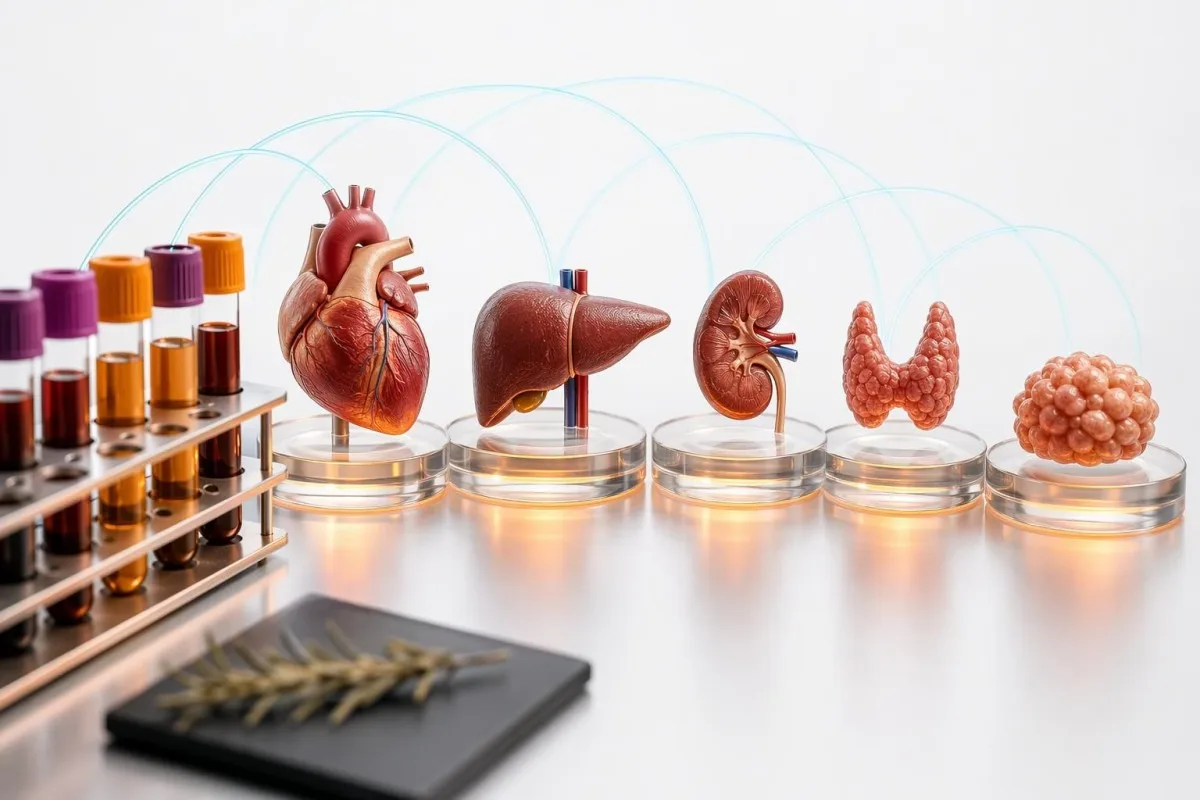
খাদ্য, ঔষধ, ব্যায়াম, বা সম্পূৰকত সঁচাকৈয়ে সলনি হোৱা বায়’মাৰ্কাৰ বাছনি কৰিবলৈ বাস্তৱিক চিকিৎসক-নিৰ্দেশিত গাইড — শব্দ/নয়েজৰ পিছে নধৰি।.


- তেজ পৰীক্ষাৰ অগ্ৰগতি অনুসৰণ আটাইতকৈ ভাল কাম কৰে যেতিয়া প্ৰতিটো বায়’মাৰ্কাৰ হস্তক্ষেপ (intervention) আৰু ইয়াৰ জীৱবিজ্ঞান (biology) ৰ সৈতে মিলি যায়; HbA1c ৰ বাবে প্ৰায় 8-12 সপ্তাহ লাগে, আনহাতে ট্ৰাইগ্লিচাৰাইড 2-4 সপ্তাহৰ ভিতৰতে সলনি হ’ব পাৰে।.
- অৰ্থপূৰ্ণ ডেল্টা সাধাৰণতে মানে স্বাভাৱিক পৰিৱৰ্তনৰ তুলনাত ডাঙৰ সলনি: বহুতো ৰসায়ন (chemistry) বায়’মাৰ্কাৰৰ বাবে প্ৰায় 10-20%, HbA1c ৰ বাবে 0.3 শতাংশ পইণ্ট, বা hs-CRP ৰ বাবে 30%।.
- LDL-C আৰু ApoB মুঠ কলেষ্টেৰলতকৈ লিপিড চিকিৎসাৰ বাবে অগ্ৰগতিৰ ভাল সূচক; 90 mg/dL ৰ তলত ApoB সাধাৰণতে কাম্য, আৰু উচ্চ-ঝুঁকিৰ ৰোগীৰ বাবে লক্ষ্য মান আৰু কম।.
- HbA1c প্ৰায় 3 মাহৰ গড় গ্লুক’জক প্ৰতিফলিত কৰে, কিন্তু উপবাস ইনচুলিন আৰু HOMA-IR এ A1c সলনি হোৱাৰ আগতেই ইনচুলিন ৰেজিষ্টেন্সৰ পৰিৱৰ্তন দেখুৱাব পাৰে।.
- ALT আৰু GGT সাধাৰণতে কম মদ্যপান, ওজন কমোৱা, বা ঔষধ পৰিৱৰ্তনৰ পিছত 4-12 সপ্তাহৰ ভিতৰত উন্নতি হয়, কিন্তু ব্যায়ামে সাময়িকভাৱে AST আৰু ALT বৃদ্ধি কৰিব পাৰে।.
- ক্ৰিয়েটিনিন আৰু ইজিএফআৰ ফলাফল ৰোগীৰ সৈতে মিলি নাযালে সেইবোৰক মাংসপেশীৰ ভৰ, পানীৰ পৰিমাণ (hydration), ক্ৰিয়েটিন ব্যৱহাৰ, আৰু cystatin C ৰ সৈতে ব্যাখ্যা কৰিব লাগে।.
- ফেৰিটিন ৩০ ng/mL ৰ তলত থাকিলে বহুতো প্ৰাপ্তবয়স্কৰ ক্ষেত্ৰত তেজত লোহাৰ ভঁৰাল কম থকাৰ কথা শক্তিশালীভাৱে সূচায়, কিন্তু ফেৰিটিনে প্রদাহৰ সৈতে বৃদ্ধি পায় আৰু কেতিয়াবা ভুলকৈ আশ্বস্ত যেন দেখুৱাব পাৰে।.
- টি এছ এইচ সাধাৰণতে লেভোথাইৰক্সিনৰ ড’জ সলনি কৰাৰ পিছত ৬-৮ সপ্তাহৰ পাছত পুনৰ পৰীক্ষা কৰাটো উচিত, কিয়নো থাইৰয়ড হৰম’নৰ স্থিৰ অৱস্থা ধীৰে গঢ়ি উঠে।.
- পৰীক্ষাগাৰৰ ভিন্নতা আগবাঢ়ি যোৱাৰ দৰে অনুকৰণ কৰিব পাৰে; সম্ভৱ হ’লে একে লেব, একে উপবাস অৱস্থা, একে দিনৰ সময়, আৰু একে একক ব্যৱহাৰ কৰি সময়ৰ লগে লগে তেজৰ ফলাফল তুলনা কৰক।.
পৰিৱৰ্তনৰ পিছত কোনবোৰ বায়’মাৰ্কাৰ অনুসৰণ কৰাটো মূল্যৱান?
মহিলাসকলৰ বাবে তেজ পৰীক্ষাৰ অগ্ৰগতি অনুসৰণ, জৈৱিকভাৱে সম্ভৱ সময়সীমাৰ ভিতৰত সলনি হোৱা আৰু হস্তক্ষেপৰ সৈতে মিল থকা বায়“মাৰ্কাৰ বাছনি কৰক: লিপিড থেৰাপিৰ বাবে ApoB বা LDL-C, ৮-১২ সপ্তাহৰ গ্লুক’জ সলনিৰ বাবে HbA1c, যকৃতৰ চাপৰ বাবে ALT/GGT, লোহাৰ বাবে ফেৰিটিন আৰু ট্ৰান্সফেৰিন ছেচুৰেচন, থাইৰয়ড ড’জিংৰ বাবে TSH/free T4, বৃক্কৰ ঝুঁকিৰ বাবে ক্ৰিয়েটিনিন/eGFR আৰু মূত্ৰ ACR, আৰু hs-CRP কেৱল তেতিয়াহে ব্যৱহাৰ কৰক যেতিয়া লক্ষণ বা হৃদযন্ত্ৰ-সম্পৰ্কীয় ঝুঁকিয়ে ইয়াক ন্যায্যতা দিয়ে। ”বাস্তৱ” সলনি সাধাৰণতে স্থিৰ ৰসায়নিক বায়’মাৰ্কাৰৰ ক্ষেত্ৰত কমেও 10-20%, HbA1c ৰ ক্ষেত্ৰত ০.৩ শতাংশ পইণ্ট, বা আশা কৰা তেজৰ ভিন্নতাৰ বাহিৰত স্পষ্টভাৱে হ’ব লাগে।. কান্টেষ্টি এ আই প্ৰতিটো সৰু সৰু সলনিকে ৰোগ নিৰ্ণয় হিচাপে ধৰি নোলোৱাকৈ সময়ৰ লগে লগে তেজৰ ফলাফল তুলনা কৰাত সহায় কৰে।.
আপলোড কৰা 2M+ তেজ পৰীক্ষাৰ প্ৰতিবেদনসমূহৰ আমাৰ বিশ্লেষণত, আটাইতকৈ সাধাৰণ অনুসৰণৰ ভুলটো হ’ল অতি সোনকালে অতি বহু বায়’মাৰ্কাৰ মাপা। ভিটামিন ডি, ষ্টেটিন, বা লেভোথাইৰক্সিন আৰম্ভ কৰাৰ পিছত ৭ দিনৰ ভিতৰত পুনৰ পৰীক্ষা কৰিলে সাধাৰণতে উদ্বেগহে বঢ়ায়, উপযোগী তথ্য নহয়, কিয়নো জৈৱিক প্ৰক্ৰিয়াই স্থিৰ হ’বলৈ সময় পোৱা নাই।.
মই থমাছ ক্লেইন, MD, আৰু যেতিয়া মই ক্লিনিকেলভাৱে ক্ৰমাগত পেনেলসমূহ পৰ্যালোচনা কৰোঁ, প্ৰথমে এটা সোজা প্ৰশ্ন কৰোঁ: “আমি ঠিক কিহৰ সলনি কৰিবলৈ চেষ্টা কৰিছিলোঁ?” উত্তৰ যদি ওজন কমোৱা হয়, তেন্তে মই ট্ৰাইগ্লিচাৰাইড, ALT, উপবাস গ্লুক’জ, উপলব্ধ হ’লে ইনচুলিন, আৰু কেতিয়াবা ইউৰিক এচিড চাই; উত্তৰ যদি ভাগৰুৱা হয়, তেন্তে মই সম্পূৰ্ণ ৱেলনেছ পেনেলতকৈ ফেৰিটিন, B12, TSH, ভিটামিন ডি, আৰু CBC ৰ ধৰণবোৰৰ প্ৰতি অধিক গুৰুত্ব দিব পাৰোঁ।.
Kantesti AI এ তেজ বায়’মাৰ্কাৰ ধাৰা প্ৰতিটো সতৰ্ক সংকেত একে একে পঢ়াৰ পৰিৱৰ্তে বায়’মাৰ্কাৰসমূহক শাৰীৰবৃত্তীয় ব্যৱস্থাৰ ভিতৰত গোট বান্ধি। ধাৰাৰ যুক্তি (trend logic) বুজিবলৈ অধিক গভীৰ গাইডৰ বাবে চাওক আমাৰ তেজ পৰীক্ষাৰ তুলনা (blood test comparison) guide আৰু বায়'মাৰ্কাৰ গাইড 15,000+ বায়’মাৰ্কাৰসমূহক সামৰি।.
অগ্ৰগতি বিচাৰাৰ আগতে এটা বেছলাইন গঢ়ি লওক
বেছলাইন (baseline) কেৱল তেতিয়াহে উপযোগী যেতিয়া ই আপোনাৰ স্বাভাৱিক অৱস্থাক প্ৰতিফলিত কৰে: সম্ভৱ হ’লে একে লেব, দিনৰ একে সময়ৰ ওচৰত, তুলনাযোগ্য উপবাস অৱস্থা, আৰু আগৰ কেইদিনমানৰ ভিতৰত ডাঙৰ কোনো সংক্ৰমণ, কঠিন ব্যায়াম (hard race), পানিহীনতা (dehydration), বা ঔষধ বন্ধ/বিৰতি নোহোৱা। এটা ফলাফল হ’ল এটা স্নেপশট; দুটা ফলাফলে এটা ধাৰা আৰম্ভ কৰে; তিনিটা ফলাফলে এটা ট্ৰেণ্ড আৰম্ভ কৰে।.
বেছিভাগ প্ৰাপ্তবয়স্কৰ বাবে মই এটা ড’জ/পৰিবর্তনৰ আগৰ বেছলাইন ঔষধ, খাদ্যাভ্যাস, সম্পূৰক, বা ট্ৰেইনিং ব্লক আৰম্ভ কৰাৰ আগতে ২-৪ সপ্তাহৰ ভিতৰত লোৱা বেছলাইন পছন্দ কৰোঁ। যদি বেছলাইনটো ভাইৰাছজনিত অসুখৰ পিছত, ৩০ কিমি দৌৰৰ পিছত, বা তিনিদিন ধৰি কম শোৱাৰ পিছত লোৱা হৈছিল, তেন্তে ই প্রদাহ, যকৃতৰ এনজাইম, CK, গ্লুক’জ, আৰু বগা তেজৰ কোষৰ সলনি অতিমাত্ৰা দেখুৱাব পাৰে।.
জীৱনশৈলী (lifestyle) কামৰ বাবে ব্যৱহাৰিক বেছলাইন সেটত সাধাৰণতে CBC, CMP, উপবাস লিপিড পেনেল, HbA1c, উপবাস গ্লুক’জ, TSH, ফেৰিটিন, B12, 25-OH ভিটামিন ডি, আৰু বৃক্ক বা ডায়েবেটিছৰ ঝুঁকি থাকিলে মূত্ৰৰ এলবুমিন- ক্ৰিয়েটিনিন অনুপাত অন্তৰ্ভুক্ত থাকে। পিতৃ-মাতৃ বা নিৰ্ভৰশীল লোকক অনুসৰণ কৰা লোকসকলৰ বাবে আমাৰ ব্যক্তিগত ভিত্তি পদ্ধতি ৭৮ বছৰীয়া এজনৰ ক্ৰিয়েটিনিনক ২৫ বছৰীয়া এজন ক্ৰীড়াবিদৰ ফলাফৰৰ সৈতে তুলনা কৰাতকৈ অধিক সুৰক্ষিত।.
সৰু সৰু pre-analytical বিৱৰণো গুৰুত্বপূৰ্ণ। ৮-১২ ঘণ্টা উপবাসে কিছুমান ৰোগীৰ ক্ষেত্ৰত ট্ৰাইগ্লিচাৰাইড 10-30% লৈ কমাব পাৰে, আনহাতে পানিহীনতাই এলবুমিন, কেলচিয়াম, হিম’গ্ল’বিন, হিমাট’ক্ৰিট, BUN, আৰু ছ’ডিয়াম ওপৰলৈ ঠেলিব পাৰে; উপবাসৰ পাৰ্থক্য সম্পৰ্কীয় আমাৰ উপবাসৰ পাৰ্থক্যসমূহ কোনবোৰ ফলাফল সলনি হোৱাৰ সম্ভাৱনা বেছি—সেইটো বুজাই।.
কিমান পৰিৱৰ্তন চিকিৎসাগতভাৱে অৰ্থপূৰ্ণ?
ক্লিনিকেলভাৱে অৰ্থবহ তেজৰ সলনি হৈছে আশা কৰা জৈৱিক আৰু বিশ্লেষণাত্মক ভিন্নতাৰ তুলনাত ডাঙৰ সলনি—কেৱল ৰেফাৰেন্স ৰেঞ্জৰ বাহিৰত এটা দশমিক পইণ্টৰ বাবে নহয়। বহুতো স্থিৰ ৰসায়নিক বায়’মাৰ্কাৰৰ ক্ষেত্ৰত পুনৰ 10-20% সলনি এটা একক সীমান্তৱৰ্তী (borderline) সতৰ্ক সংকেততকৈ অধিক গুৰুত্বপূৰ্ণ।.
মই ৰোগীৰ সৈতে ব্যৱহাৰ কৰা বাক্যটো হ’ল “দশমিকক পূজা নকৰিব।” ক্ৰিয়েটিনিন 0.91 ৰ পৰা 0.98 mg/dL লৈ সলনি হ’লে ই পানিৰ অৱস্থা (hydration), মাংস খোৱাৰ পৰিমাণ, বা পৰীক্ষাৰ ভিন্নতা হ’ব পাৰে; কিন্তু ৩ মাহৰ ভিতৰত 0.9 ৰ পৰা 1.3 mg/dL লৈ স্থায়ীভাৱে বৃদ্ধি পালে বৃক্ক-কেন্দ্ৰিক পৰ্যালোচনা যোগ্য।.
HbA1c ৰ নিজা নিয়ম আছে। 6.2% ৰ পৰা 5.9% লৈ কমিলে ই অৰ্থবহ হ’ব পাৰে, বিশেষকৈ যদি উপবাস গ্লুক’জো উন্নত হয়; কিন্তু 5.4% ৰ পৰা 5.5% লৈ সলনি সাধাৰণতে “noise” হয়, যদি না এনিমিয়া, গৰ্ভাৱস্থা, বৃক্কৰ ৰোগ, বা ৰঙা তেজৰ কোষৰ বিকাৰসমূহে ফলাফল বিকৃত কৰি আছে।.
Kantesti AI এ আমাৰ CE-চিহ্নিত, GDPR-সম্মত কাৰ্যপ্ৰণালীত pattern confidence, পূৰ্বৰ মান, reference intervals, একক, আৰু marker সম্পৰ্ক ব্যৱহাৰ কৰে; আমাৰ চিকিৎসা বৈধকৰণ পৃষ্ঠাই বৰ্ণনা কৰে যে আমি physician-এ পৰ্যালোচনা কৰা কেছৰ বিপৰীতে তেজ পৰীক্ষাৰ ব্যাখ্যা মান (interpretation) কেনেকৈ পৰীক্ষা কৰোঁ। স্বাভাৱিক ওঠ-পোৰণৰ বাবে ৰোগী-বন্ধুসুলভ ব্যাখ্যাৰ বাবে চাওক আমাৰ তেজ পৰীক্ষাৰ ভিন্নতা (variability) guide.
LDL-C, non-HDL-C, আৰু ApoB ৰে লিপিড অনুসৰণ কৰক
কলেষ্টেৰলৰ অগ্ৰগতিৰ বাবে কেৱল মুঠ কলেষ্টেৰলতকৈ LDL-C, non-HDL-C, triglycerides, আৰু ApoB অধিক উপযোগী। ApoB এtherogenic কণাৰ সংখ্যা প্ৰতিফলিত কৰে, সেয়ে triglycerides বেছি থাকিলে বা LDL-C কেতিয়াবা বিভ্ৰান্তিকৰভাৱে স্বাভাৱিক যেন দেখালে risk tracking উন্নত কৰিব পাৰে।.
২০১৮ চনৰ AHA/ACC কলেষ্টেৰল নিৰ্দেশিকাই ApoB ক risk-enhancing marker হিচাপে পৰামৰ্শ দিয়ে, বিশেষকৈ triglycerides 200 mg/dL বা তাতকৈ বেছি হ’লে (Grundy et al., 2019)। কম ঝুঁকিৰ প্ৰাপ্তবয়স্কৰ বাবে LDL-C 100 mg/dL তকৈ তলত সাধাৰণতে অনুকূল বুলি ধৰা হয়, আনহাতে বহু উচ্চ-ঝুঁকিৰ ৰোগীক তেওঁলোকৰ ক্লিনিকেল ইতিহাস অনুসৰি LDL-C 70 mg/dL তলত বা তাতকৈ তললৈ লক্ষ্য কৰি পৰিচালনা কৰা হয়।.
এলক’হল, যোগ কৰা চেনি, বা refined carbohydrates কমোৱাৰ ২-৪ সপ্তাহৰ ভিতৰত triglycerides কমিব পাৰে, কিন্তু statin আৰম্ভ কৰা বা ডাঙৰ খাদ্য পৰিৱর্তন কৰাৰ পিছত LDL-C কমিবলৈ ৬-১২ সপ্তাহ লাগিব পাৰে। ওজন কমোৱাৰ সময়ত HDL 3 mg/dL কমি যোৱাত মই বহু ৰোগী আতংকিত হোৱা দেখিছোঁ; ApoB আৰু triglycerides উন্নত হ’লে সেই সৰু HDL পৰিৱর্তন সাধাৰণতে মূল কাহিনী নহয়।.
বহুতো প্ৰাপ্তবয়স্কৰ বাবে সাধাৰণতে 90 mg/dL তকৈ তলৰ ApoB কাম্য, আনহাতে উচ্চ-ঝুঁকিৰ ৰোগীৰ বাবে নিৰ্দেশিকা আৰু clinician অনুসৰি 65-80 mg/dL তলৰ দৰে কম লক্ষ্যৰ প্ৰয়োজন হ’ব পাৰে। আমাৰ লিপিড পেনেল পঢ়া গাইডে বৰ্ণনা কৰে যে LDL-C, HDL-C, triglycerides, আৰু non-HDL-C কেনেকৈ একেলগে খাপ খায়।.
সঠিক সময়সূচীত গ্লুক’জৰ সূচক ব্যৱহাৰ কৰক
গড় গ্লুক’জৰ বাবে ৮-১২ সপ্তাহৰ ভিতৰত HbA1c আটাইতকৈ ভাল broad progress marker, আনহাতে fasting glucose আৰু insulin আগতেই সলনি হ’ব পাৰে। 70-99 mg/dL ৰ fasting glucose সাধাৰণতে স্বাভাৱিক, 100-125 mg/dL এ prediabetes সূচায়, আৰু পুনৰ পৰীক্ষাত 126 mg/dL বা তাতকৈ বেছি হ’লে ডায়েবেটিছ মূল্যায়ন সমৰ্থন কৰে।.
American Diabetes Association Standards of Care in Diabetes—2026 এ HbA1c ≥6.5%, fasting plasma glucose ≥126 mg/dL, বা 2-hour oral glucose tolerance glucose ≥200 mg/dL ক ডায়াগন’ষ্টিক সীমা (diagnostic thresholds) হিচাপে ব্যৱহাৰ কৰে, যেতিয়া উপযুক্তভাৱে নিশ্চিত কৰা হয় (American Diabetes Association Professional Practice Committee, 2026)। কিন্তু অগ্ৰগতিৰ ক্ষেত্ৰত, তথাপিও HbA1c 6.4% ৰ পৰা 6.0% লৈ কমিলে ফলাফল “স্বাভাৱিক” হোৱাৰ আগতেই এটা ডাঙৰ সফলতা হ’ব পাৰে।”
fasting insulin ক HbA1c ৰ দৰে পৰিষ্কাৰভাৱে মানদণ্ডিত (standardized) নহয়, কিন্তু A1c সলনি হোৱাৰ আগতেই ই বহু সময়ত পৰিৱর্তন দেখুৱায়। সঠিক context ত fasting insulin প্ৰায় 15-20 µIU/mL ৰ ওপৰত স্থায়ীভাৱে থাকিলে insulin resistance সূচাব পাৰে, আৰু প্ৰায় 2.0-2.5 তকৈ ওপৰৰ HOMA-IR ক বহু সময়ত সন্দেহজনক বুলি ধৰা হয়, যদিও cutoffs জনসংখ্যা অনুসৰি ভিন্ন হয়।.
আমাৰ HOMA-IR guide fasting glucose আৰু insulin কেনেকৈ পাৰস্পৰিকভাৱে কাম কৰে দেখুৱায়, আৰু আমাৰ PIYA.AI তেজ পৰীক্ষা প্লেটফৰ্ম at কান্টেষ্টি A1c এ CBC ৰ ধৰণৰ লগত খাপ খাইছেনে নে পৰীক্ষা কৰে। এইটো গুৰুত্বপূৰ্ণ কাৰণ তেজৰ লৌহৰ অভাৱ, হিম’লাইছিছ, শেহতীয়া ৰক্ত সঞ্চালন, বৃক্কৰ ৰোগ, আৰু গৰ্ভাৱস্থাই HbA1c ক সঁচা গ্লুক’জ সংস্পৰ্শতকৈ ভাল বা বেয়া যেন দেখুৱাব পাৰে।.
ALT, AST, আৰু GGT ক এটা ধৰণ (pattern) হিচাপে পঢ়ক
ALT, AST, ALP, বিলিৰুবিন, আৰু GGT একেলগে অনুসৰণ কৰা উচিত, কাৰণ কেৱল এটা যকৃতৰ এনজাইমৰ পৰিৱৰ্তন সহজে ভুলকৈ বুজিব পাৰি। ALT সাধাৰণতে যকৃতৰ ওজন-সম্পৰ্কীয়, AST কেতিয়াবা মাংসপেশীৰ পৰা আহিব পাৰে, আৰু GGT প্ৰায়ে পিত্তনলী নলীৰ চাপ, মদ্যপানৰ সংস্পৰ্শ, ফেটি লিভাৰ, বা ঔষধৰ প্ৰভাৱক প্ৰতিফলিত কৰে।.
এজন সাধাৰণ প্ৰাপ্তবয়স্কৰ ALT ৰ ওপৰৰ স্বাভাৱিক সীমা সাধাৰণতে প্ৰায় 35-45 IU/L, কিন্তু কিছুমান ইউৰোপীয় আৰু হেপাট’লজি-কেন্দ্ৰিক ৰেফাৰেন্সে কম কাট-অফ ব্যৱহাৰ কৰে, বিশেষকৈ মহিলাৰ ক্ষেত্ৰত। ওপৰৰ সীমাৰ ওপৰত 2-3 গুণ ধাৰাবাহিকভাৱে ALT থাকিলে 48 IU/L ৰ এটা-এটা (one-off) ALT তকৈ বেছি চিন্তাৰ বিষয়।.
AST 89 IU/L আৰু ALT 42 IU/L থকা 52 বছৰীয়া মাৰাথন দৌৰবিদজন আৰু AST 89 IU/L, ALT 120 IU/L, GGT 180 IU/L, আৰু বিলিৰুবিন বৃদ্ধি হোৱা কোনোবা এজন একে ৰোগী নহয়। আমি দ্বিতীয় ধৰণটোৰ বিষয়ে চিন্তা কৰাৰ কাৰণ হ’ল বহুতো হেপাটোবিলিয়াৰী সূচকে একে দিশলৈ ইংগিত দিয়ে, আনহাতে কেৱল AST এ প্ৰায়ে মাংসপেশীৰ টান/কষ্ট (muscle strain) বুজায়।.
প্ৰাপ্তবয়স্ক পুৰুষৰ ক্ষেত্ৰত GGT 60 IU/L ৰ ওপৰত বা প্ৰাপ্তবয়স্ক মহিলাৰ ক্ষেত্ৰত প্ৰায় 40 IU/L ৰ ওপৰত থাকিলে বহু সময়ত হেপাটোবিলিয়াৰী প্ৰসংগ (context) লাগিব পাৰে, বিশেষকৈ ALP বা বিলিৰুবিনো যদি বেছি থাকে। আমাৰ যকৃত কাৰ্যক্ষমতা পৰীক্ষা গাইড এই সংমিশ্ৰণবোৰ বুজাই দিয়ে, যাতে প্ৰতিটো সৰু এনজাইম বৃদ্ধি মানেই যকৃতৰ ক্ষতি বুলি ধৰি লোৱা নহয়।.
বৃক্কৰ অগ্ৰগতিত ক্ৰিয়েটিনিন, eGFR, আৰু মূত্ৰ ACR লাগে
ক্ৰিয়েটিনিন আৰু eGFR এ বৃক্কৰ ফিল্টাৰিং অনুসৰণ কৰে, কিন্তু ইউৰিনৰ এলবুমিন- ক্ৰিয়েটিনিন অনুপাত (albumin-creatinine ratio) বহু সময়ত আগতেই বৃক্কৰ ঝুঁকি ধৰা পেলায়। কমেও 3 মাহৰ বাবে eGFR 60 mL/min/1.73 m² ৰ তলত থাকিলে সাধাৰণতে এটা প্ৰচলিত দীঘলীয়া বৃক্কৰ ৰোগ (chronic kidney disease)ৰ মানদণ্ড পূৰণ হয়, আনহাতে ইউৰিন ACR ≥30 mg/g এ এলবুমিন লিকেজ অস্বাভাৱিক বুলি সূচায়।.
KDIGO 2024 এ দীঘলীয়া বৃক্কৰ ৰোগ (chronic kidney disease)ক GFR শ্ৰেণী আৰু এলবুমিনুৰিয়া শ্ৰেণী—দুয়োটাৰে দ্বাৰাই শ্ৰেণীবদ্ধ কৰে, কাৰণ কেৱল eGFR এ বহু আগতেই-ঝুঁকিপূৰ্ণ ৰোগীক এৰাই দিয়ে (KDIGO, 2024)। ইউৰিন ACR 30 mg/g ৰ তলত সাধাৰণতে স্বাভাৱিক, 30-300 mg/g মাঝমীয়া বঢ়া (moderately increased), আৰু 300 mg/g ৰ ওপৰত থাকিলে এলবুমিনুৰিয়া তীব্ৰভাৱে বঢ়া (severely increased) বুলি ধৰা হয়।.
ক্ৰিয়েটিনিন মাংসপেশী-প্ৰধান (muscle-biased)। কম মাংসপেশী থকা সৰু গঠনৰ মানুহৰ ক্ষেত্ৰত বৃক্কৰ সঞ্চয় (reserve) কম থকাৰ পিছতো “স্বাভাৱিক” ক্ৰিয়েটিনিন দেখা যাব পাৰে, কিন্তু মাংসপেশীযুক্ত ব্যক্তি বা ক্ৰিয়েটিন ব্যৱহাৰকাৰীৰ ক্ষেত্ৰত স্থিৰ cystatin C আৰু এলবুমিনুৰিয়া নথকা অৱস্থাত ক্ৰিয়েটিনিন বেছি দেখা যাব পাৰে।.
পটাছিয়াম (Potassium) ধাৰাবাহিকতা অনুসৰণত বিশেষ গুৰুত্বৰ যোগ্য। 3.5-5.0 mmol/L পটাছিয়াম সাধাৰণতে স্বাভাৱিক, কিন্তু 6.0 mmol/L ৰ ওপৰত বা 3.0 mmol/L ৰ তলত থাকিলে লক্ষণ, ECG ৰ ঝুঁকি, আৰু ঔষধৰ ওপৰত নিৰ্ভৰ কৰি তৎক্ষণাৎ (urgent) হ’ব পাৰে; আমাৰ urine ACR গাইড কিয় বৃক্কৰ নিৰীক্ষা কেৱল ক্ৰিয়েটিনিনতে বন্ধ কৰিব নালাগে—সেয়া ব্যাখ্যা কৰে।.
প্রদাহৰ সূচকবোৰ শব্দময় (noisy) কিন্তু পৰিস্থিতিৰ সৈতে উপযোগী
CRP, hs-CRP, ESR, শ্বেত ৰক্তকণিকা গণনা (white cell count), নিউট্ৰ’ফিল, লিম্ফ’চাইট, প্লেটলেট, আৰু ফেৰিটিন—এই সকলোবোৰেই সোঁজ/প্ৰদাহ (inflammation)ৰ লগত সলনি হ’ব পাৰে, কিন্তু কোনোটোৱেই কেৱল কাৰণটো চিনাক্ত কৰিব নোৱাৰে। CRP এ ESR তকৈ বেছি দ্ৰুতভাৱে উঠা-নমা কৰে, সেয়ে সংক্ৰমণ বা আঘাতৰ পিছত কেতিয়া পৰীক্ষা কৰা হৈছিল—সেই সময়ে ব্যাখ্যাৰ ওপৰত প্ৰভাৱ পেলায়।.
1 mg/L ৰ তলৰ high-sensitivity CRP সাধাৰণতে কম হৃদযন্ত্ৰ-সম্পৰ্কীয় প্ৰদাহজনিত ঝুঁকি (low cardiovascular inflammatory risk) বুলি ধৰা হয়, 1-3 mg/L মাঝমীয়া ঝুঁকি, আৰু ৰোগী ভাল থাকিলে 3 mg/L ৰ ওপৰত বেছি ঝুঁকি। 10 mg/L ৰ ওপৰৰ CRP সাধাৰণতে স্থিৰ হৃদযন্ত্ৰ-সম্পৰ্কীয় ঝুঁকিৰ তুলনাত শেহতীয়া সংক্ৰমণ, টিছ্যুৰ প্ৰতিক্ৰিয়া, আঘাত (trauma), বা অন্য সক্ৰিয় প্ৰদাহজনিত অৱস্থা বুজায়।.
CRP উন্নত হোৱাৰ পিছতো ESR কেইবাবছৰ (weeks) ধৰি বঢ়াই থাকিব পাৰে—বিশেষকৈ বয়সীয়াল লোক, গৰ্ভাৱস্থা, ৰক্তহীনতা (anemia), বৃক্কৰ ৰোগ, আৰু অটোইমিউন ৰোগত। এইটো সেই ক্ষেত্ৰসমূহৰ ভিতৰত এটা য’ত সংখ্যাটোককৈ প্ৰসংগ (context) বেছি গুৰুত্বপূৰ্ণ; 5 দিনত ESR 70 mm/hr হৈ থাকিলেও 82 ৰ পৰা 18 mg/L লৈ CRP কমিলে আশ্বস্তকাৰী (reassuring) হ’ব পাৰে।.
মই এই ধৰণটো ভাইৰাছজনিত অসুস্থতাৰ পিছত বহু সময় দেখা পাওঁ: লিম্ফ’চাইটৰ স্থানান্তৰ হয়, প্লেটলেট অলপ দুলে, CRP কমে, আৰু ফেৰিটিন বেছি থাকেই—কাৰণ ই একে সময়তে লৌহ সঞ্চয়ৰ সূচক (iron storage marker) আৰু acute-phase reactant। আমাৰ সংক্রমণৰ পিছত CRP ৰ সৈতে মিলাই চালে বাস্তৱসম্মত সময়সীমা (timelines) দিয়ে, যাতে ৰোগীয়ে প্ৰতি 48 ঘণ্টাত পুনৰ পৰীক্ষা নকৰে।.
পুষ্টিৰ সূচকবোৰ অতি ভিন্ন গতিৰে সলনি হয়
ফেৰিটিন, B12, ফলেট, ভিটামিন ডি, মেগনেছিয়াম, আৰু iron saturation একে সময়সূচীত (same schedule) বিচাৰ কৰা উচিত নহয়। ছিৰাম আয়ৰণ (serum iron) এটা দিনৰ ভিতৰতে সলনি হ’ব পাৰে, কিন্তু ফেৰিটিন, 25-OH ভিটামিন ডি, আৰু ৰঙা ৰক্তকণিকাৰ সূচক (red cell indices) বেছি সময়—সাধাৰণতে কেইবাখনো সপ্তাহৰ পৰা মাহলৈ—টেকসই উন্নতি দেখুৱাবলৈ লাগে।.
30 ng/mL ৰ তলৰ ফেৰিটিন বহুতো প্ৰাপ্তবয়স্কত শক্তিশালীভাৱে কম লৌহ সঞ্চয় (low iron stores) সূচায়, যদিও হিম’গ্ল’বিন এতিয়াও স্বাভাৱিক থাকে। অধিক মাসিক ৰক্তক্ষৰণ (heavy menstrual bleeding), endurance training, bariatric surgery, গৰ্ভাৱস্থা, আৰু উদ্ভিদ-ভিত্তিক খাদ্যত মই প্ৰায়ে ছিৰাম আয়ৰণৰ ওপৰত নিৰ্ভৰ নকৰি transferrin saturation ৰ সৈতে ফেৰিটিন অনুসৰণ কৰোঁ।.
20 ng/mL ৰ তলৰ 25-OH ভিটামিন ডি সাধাৰণতে অভাৱ (deficiency) হিচাপে চিকিৎসা কৰা হয়, আনহাতে 20-29 ng/mL কেতিয়াবা insufficiency বুলি কোৱা হয়; কিছুমান চিকিৎসকে 30-50 ng/mL লক্ষ্য কৰে, যদিও বেছি লক্ষ্যৰ পক্ষে প্ৰমাণ সঁচাকৈয়ে মিশ্ৰিত। ভিটামিন ডি3 পৰিপূৰণৰ পিছত মই সাধাৰণতে 8-12 সপ্তাহৰ পিছত 25-OH ভিটামিন ডি পুনৰ পৰীক্ষা কৰোঁ, 10 দিনৰ পিছত নহয়।.
200 pg/mL ৰ তলৰ B12 সাধাৰণতে কম, কিন্তু 200-350 pg/mL পৰিসৰতো লক্ষণ দেখা দিব পাৰে—বিশেষকৈ methylmalonic acid বা homocysteine বেছি থাকিলে। অধিক গভীৰ পঢ়াৰ বাবে আমাৰ ভিটামিন ডিৰ স্তৰ[সম্পাদনা কৰক] গাইড আৰু আমাৰ কম ferritin সাধাৰণ ভুল-ধাৰণা (traps)বোৰ সামৰি লয়।.
থাইৰয়ড পৰীক্ষাৰ ফল বুজিবলৈ ধৈৰ্য আৰু একে সময়ত নিয়মিততা লাগে
TSH-এ সাধাৰণতে লেভোথাইৰ’ক্সিনৰ ড’জ সলনি কৰাৰ পিছত ৬-৮ সপ্তাহ সময় লাগে স্থিৰ হ’বলৈ, আনহাতে free T4 আগতেই সলনি হ’ব পাৰে। অতি সোনকালে থাইৰয়ডৰ অগ্ৰগতি অনুসৰণ কৰিলে অতিৰিক্ত ড’জ সলনি আৰু শাৰীৰবিদ্যাৰ বদলে তেজৰ পৰীক্ষাক “পিছ কৰা” লক্ষণ সৃষ্টি হ’ব পাৰে।.
এজন সাধাৰণ প্ৰাপ্তবয়স্কৰ TSH-ৰ স্বাভাৱিক (reference) পৰিসীমা প্ৰায় 0.4-4.0 mIU/L, যদিও গৰ্ভাৱস্থা, বয়স, পিটুইটাৰী ৰোগ, থাইৰয়ডৰ ঔষধ, আৰু লেবৰেটৰী পদ্ধতিয়ে লক্ষ্য (target) সলনি কৰিব পাৰে। চিকিৎসা কৰা হাইপ’থাইৰয়ডিজমত বহু ৰোগীয়ে প্ৰায় 0.5-2.5 mIU/L-ৰ কাষত আটাইতকৈ ভাল অনুভৱ কৰে, কিন্তু সেয়া সকলোৰে বাবে একে নিয়ম নহয়।.
বায়’টিন এটা নীৰৱ ধ্বংসকাৰী। চুলি আৰু নখৰ সাপ্লিমেণ্টত সাধাৰণতে থকা দৈনিক 5-10 mg ড’জে কিছুমান immunoassay-ত বাধা দিব পাৰে আৰু পৰীক্ষাৰ নকশাৰ ওপৰত নিৰ্ভৰ কৰি থাইৰয়ডৰ ফলাফল কেতিয়াবা মিছাকৈ উচ্চ বা মিছাকৈ নিম্ন যেন দেখুৱাব পাৰে।.
মই যেতিয়া ৩ মাহৰ ভিতৰত TSH 6.8 ৰ পৰা 1.1 লৈ আৰু 4.9 mIU/L লৈ “বাউন্স” হোৱা দেখা পাওঁ, তেতিয়া মই সময় (timing), মিছা ড’জ, লেভোথাইৰ’ক্সিনৰ কাষত খোৱা লোহা বা কেলচিয়াম, আৰু ৰোগীয়ে তেজৰ পৰীক্ষাৰ ঠিক আগতে পিল খাইছিল নে নাই—এইবোৰ চাওঁ। আমাৰ লেভোথাইৰক্সিনৰ টাইমলাইন এই লেখাটোৱে চিকিৎসকসকলে বাস্তৱত ব্যৱহাৰ কৰা ব্যৱহাৰিক সময়-সম্পৰ্কীয় নিয়মবোৰ দিয়ে।.
ঔষধ আৰু সম্পূৰক পৰিৱৰ্তনৰ বাবে বায়’মাৰ্কাৰ-নিৰ্দিষ্ট পৰিকল্পনা লাগে
নতুন ঔষধ বা সাপ্লিমেণ্ট আৰম্ভ কৰাৰ পিছত নিৰীক্ষণ (monitoring) কৰোঁতে আশা কৰা লাভ (benefits) আৰু অনুমানযোগ্য ক্ষতি (harms)ৰ ওপৰত গুৰুত্ব দিব লাগে। সৰ্বোত্তম অগ্ৰগতি পৰিকল্পনাই সেই marker-টো, পুনৰ পৰীক্ষাৰ তাৰিখ (retest date), অৰ্থবহ পৰিৱৰ্তন (meaningful delta), আৰু ৰোগীয়ে হস্তক্ষেপ আৰম্ভ কৰাৰ আগতে কাৰ্য-সীমা (action threshold) স্পষ্টকৈ নাম দিয়ে।.
ষ্টেটিন আৰম্ভ কৰাৰ পিছত মই সাধাৰণতে ৬-১২ সপ্তাহৰ ভিতৰত LDL-C কমি যোৱাটো আশা কৰোঁ, আনহাতে ALT-টো বেছিভাগ ক্ষেত্ৰত আৰম্ভণিৰ ঝুঁকি, লক্ষণ, আৰু স্থানীয় প্ৰথা অনুসৰি বাছনি কৰি পৰীক্ষা কৰা হয়। লক্ষণ নথকা অৱস্থাত ওপৰৰ সীমাৰ ৩ গুণৰ তলত সামান্য ALT বৃদ্ধি বহু সময়ত নিৰীক্ষণ কৰা হয়, কিন্তু উচ্চ CK-ৰ সৈতে মাংসপেশীৰ বিষ থাকিলে অন্য পথ অনুসৰণ কৰিব লাগে।.
সাপ্লিমেণ্টৰ ক্ষেত্ৰতো একে শৃংখলা (discipline) প্ৰয়োজন। উচ্চ ড’জ ভিটামিন ডিয়ে কেলচিয়াম বৃদ্ধি কৰিব পাৰে, লোহাই কোষ্ঠকাঠিন্য বেয়া কৰিব পাৰে আৰু ferritin অতিমাত্ৰা (overshoot) কৰিব পাৰে, সংবেদনশীল লোকত আয়’ডিনে থাইৰয়ডৰ স্ব-ইমিউনিটি (autoimmunity) বেয়া কৰিব পাৰে, আৰু ক্ৰিয়েটিনে কিছুমান ব্যৱহাৰকাৰীত সত্যিকাৰৰ বৃক্ক আঘাত নোহোৱাকৈ creatinine বৃদ্ধি কৰিব পাৰে।.
Kantesti AI-এ কেৱল ৰঙা দাগ (red marks) নহয়—ঔষধৰ তালিকা, আপলোড কৰা PDF, আৰু ধাৰাৰ দিশ (trend direction) পঢ়ি সাপ্লিমেণ্ট-লেব সম্পৰ্ক (supplement-lab relationships) চিনাক্ত কৰে। আমাৰ ঔষধ নিৰীক্ষণ ৰোগীয়ে যেতিয়া সুধে, “এইটো মোৰ তেজৰ পৰীক্ষাত দেখিবলৈ কিমান দিন লাগিব?” তেতিয়া timeline-টো উপযোগী।”
ব্যায়াম আৰু ওজন কমালে প্ৰথমে লেববোৰ বেয়া যেন দেখাব পাৰে
ব্যায়াম, fasting, keto ডায়েট, GLP-1 চিকিৎসা, আৰু দ্ৰুত ওজন কমালে কিছুমান marker সাময়িকভাৱে বেয়া হ’ব পাৰে, কিন্তু দীৰ্ঘম্যাদী ঝুঁকি কমিব পাৰে। CK, AST, ALT, uric acid, BUN, creatinine, LDL-C, আৰু ketones বৃদ্ধি পাব পাৰে, যদিও ফিটনেছ আৰু বিপাকীয় স্বাস্থ্য উন্নতি হৈ আছে।.
ক্ৰিয়েটিন কিনেজ (creatine kinase) কঠোৰ resistance training বা endurance ইভেণ্টৰ পিছত 1,000 IU/L-ৰ ওপৰলৈ উঠিব পাৰে, আৰু AST-ও প্ৰায়ে ইয়াৰ সৈতে বৃদ্ধি পায় কাৰণ AST মাংসপেশীত থাকে। সেইবাবে leg day-ৰ পিছত 76 IU/L AST-এ উচ্চ bilirubin, উচ্চ GGT, আৰু জণ্ডিছ থকা 76 IU/L AST-ৰ দৰে ব্যাখ্যা (interpret) কৰা নহয়।.
ওজন কমোৱাৰ প্ৰথম ৪-১২ সপ্তাহৰ ভিতৰত triglycerides আৰু ALT প্ৰায়ে উন্নতি হয়, কিন্তু কিছুমান low-carb বা দ্ৰুত-ফেট-ল’ছ (rapid-fat-loss) ধৰণত LDL-C বৃদ্ধি পাব পাৰে। ইয়াত প্ৰমাণ (evidence) মিশ্ৰিত, আৰু LDL-C বৃদ্ধি পায় কিন্তু triglycerides আৰু glucose উন্নতি হয়—এনে ক্ষেত্ৰত মই ApoB বা LDL particle পৰিমাপ পছন্দ কৰোঁ।.
পানী (hydration) আৰু প্ৰ’টিন গ্ৰহণে BUN কেইদিনমানৰ ভিতৰতে সলনি কৰিব পাৰে। আমাৰ ব্যায়াম লেব গাইড আৰু diet timeline কিয় 48-72 ঘণ্টা বিশ্ৰামৰ পিছত পুনৰ পৰীক্ষা (retest) কৰিলে অতিৰিক্ত আতংক (unnecessary alarm) ৰোধ কৰিব পাৰি—সেয়া ব্যাখ্যা কৰে।.
একক (unit) ফাঁদত নপৰি সময়ৰ সৈতে লেব ফলাফল তুলনা কৰক
সময়ৰ লগে লগে তেজৰ পৰীক্ষাৰ ফলাফল সুৰক্ষিতভাৱে তুলনা কৰিবলৈ দিশ (direction) বিচাৰাৰ আগতে একক (units), লেবৰেটৰী পদ্ধতি (lab method), fasting অৱস্থা, দিনৰ সময় (time of day), আৰু reference range মানক (standardize) কৰক। লেবৰেটৰীয়ে mg/dL ৰ পৰা mmol/L লৈ সলনি কৰিলে বা ইয়াৰ assay আপডেট কৰিলে এটা মান কেৱল সলনি হোৱা যেন দেখাব পাৰে।.
100 mg/dL LDL-C প্ৰায় 2.6 mmol/L-ৰ সমান, 100 mg/dL glucose প্ৰায় 5.6 mmol/L-ৰ সমান, আৰু 1.0 mg/dL creatinine প্ৰায় 88 µmol/L-ৰ সমান। যদি কোনো ৰোগীয়ে conversion নকৰাকৈ US আৰু SI একক মিহলি কৰে, তেন্তে trend line অৰ্থহীন হৈ পৰে।.
Reference range-ও লেব, লিংগ, বয়স, গৰ্ভাৱস্থা, উচ্চতা (altitude), আৰু পদ্ধতি অনুসৰি সলনি হয়। কিছুমান লেবত মহিলাৰ ক্ষেত্ৰত ALT 33 IU/L-ৰ ওপৰত হ’লে “উচ্চ” বুলি ধৰা হয়, আন কিছুমানত 45 IU/L-ৰ ওপৰত হ’লে ধৰা হয়—সেয়েহে একে জৈৱিক ফলাফল এটা portal-ত “স্বাভাৱিক” আৰু আন এটা portal-ত “উচ্চ” যেন দেখা যাব পাৰে।.
আমাৰ প্লেটফৰ্মে একক (units) পৰীক্ষা কৰে আৰু অসম্ভৱ ধৰণ (impossible patterns) ফ্লেগ কৰে—যেনে জীৱনৰ সৈতে অসামঞ্জস্য potassium, কিন্তু কোনো গুৰুত্বপূৰ্ণ alert নাই, বা ভুল দশমিক স্থান (decimal place) সহ কপি কৰা platelet count। একক ৰূপান্তৰ গাইডে ফলাফল উন্নত হৈছে নে অৱনতি হৈছে বুলি ধৰি লোৱাৰ আগতে ইয়াক পঢ়াটো মূল্যৱান।.
কোনবোৰ ধাৰা (trend) অপেক্ষা নকৰিব লাগে জানক
কিছুমান লেব পৰিৱর্তনে কেৱল ধাৰা চাই থকাৰ পৰিৱর্তে একে দিনাই বা তৎক্ষণাৎ চিকিৎসাজনিত পৰ্যালোচনা লাগিব। ৬.০ mmol/L ৰ ওপৰত পটাছিয়াম, ১২৫ mmol/L ৰ তলত ছ’ডিয়াম, হিম’গ্ল’বিন দ্ৰুতভাৱে কমি যোৱা, ৫০,০০০/µL ৰ তলত প্লেটলেট, যকৃতৰ এনজাইম তীব্ৰভাৱে বৃদ্ধি, বা ক্ৰিয়েটিনিন হঠাৎকৈ তীব্ৰভাৱে উঠা—লক্ষণ দেখা নোপোৱালৈকো বিপদজনক হ’ব পাৰে।.
লেবৰ ধাৰা ট্ৰাইয়াজৰ বিকল্প নহয়। উচ্চ troponin থকা বুকৰ বিষ, তীব্ৰ ছ’ডিয়াম অস্বাভাৱিকতাৰ সৈতে বিভ্ৰান্তি, হিম’গ্ল’বিন কমি থকা অৱস্থাত ক’লা পায়খানা, বা উচ্চ পটাছিয়ামৰ সৈতে দুৰ্বলতা—এইবোৰক স্প্ৰেডশ্বীট সমস্যা বুলি নহয়, চিকিৎসাজনিত সমস্যা বুলি ব্যৱহাৰ কৰিব লাগে।.
হিম’গ্ল’বিন সাধাৰণতে ধীৰে ধীৰে পৰিৱর্তন হয়, যদিহে ৰক্তক্ষৰণ, হিম’লাইছিছ, দ্ৰৱ্যৰ স্থানান্তৰ, বা মজ্জা দমন নহয়। ৪ সপ্তাহৰ ভিতৰত ১৩.২ পৰা ৯.৮ g/dL লৈ কমি যোৱাটো, লেব প’ৰ্টালে ফলাফলটো “critical” বুলি লেবেল নকৰিলেও, পদক্ষেপ ল’বলগীয়া।”
৫০,০০০/µL ৰ তলত প্লেটলেটে বহুতো পৰিস্থিতিত ৰক্তক্ষৰণৰ ঝুঁকি বৃদ্ধি কৰে, আৰু কাৰণ অনুসৰি ২০,০০০/µL ৰ তলত বিপদজনক হ’ব পাৰে। আমাৰ গাইডে গুৰুত্বপূৰ্ণ লেবৰ পৰ্য্যায় কেতিয়া এটা সংখ্যা নিয়মীয়া ধাৰা-অগ্ৰগতি অনুসৰণত বাধা দিব লাগে—সেই কথা ব্যাখ্যা কৰে।.
কেনেকৈ Kantesti AI এ পুনৰাবৃত্ত লেব ফলাফলক সুৰক্ষিত ধাৰালৈ ৰূপান্তৰ কৰে
Kantesti AI একে একক, তাৰিখ, ৰেফাৰেন্স ৰেঞ্জ, মাৰ্কাৰ পৰিয়াল, ঔষধৰ প্ৰসংগ, আৰু আশা কৰা জৈৱিক সময়সীমা মিলাই পুনৰাবৃত্ত তেজ পৰীক্ষা তুলনা কৰে। ১৩ মে’ ২০২৬ তাৰিখলৈ, আমাৰ প্লেটফৰ্মে PDF আৰু ফটো আপলোড, বহুভাষিক ব্যাখ্যা, পৰিয়ালৰ স্বাস্থ্য ঝুঁকি পৰ্যালোচনা, আৰু প্ৰায় ৬০ ছেকেণ্ডত ধাৰা বিশ্লেষণ সমৰ্থন কৰে।.
আমাৰ চিকিৎসক আৰু অভিযন্তাসকলে Kantesti নিৰ্মাণ কৰিছে ঠিক সেই সমস্যাটোৰ বাবে যিটো ৰোগীয়ে ক্লিনিকলৈ লৈ আহে: “এই মান সলনি হ’ল—ইয়াৰ গুৰুত্ব আছে নেকি?” উত্তৰটো নিৰ্ভৰ কৰে দিশ, আকাৰ, সময়, সংশ্লিষ্ট মাৰ্কাৰ, লক্ষণ, আৰু সলনি-জনিত পৰিৱর্তনে হস্তক্ষেপৰ সৈতে খাপ খাই নে নাই তাৰ ওপৰত।.
আমাৰ প্লেটফৰ্মৰ পেছত থকা চিকিৎসাজনিত তত্ত্বাৱধান আমাৰ মেডিকেল এডভাইজাৰী ব’ৰ্ড, দ্বাৰা বৰ্ণনা কৰা হৈছে, আৰু আমাৰ কোম্পানীৰ পটভূমি উপলব্ধ আছে আমাৰ বিষয়ে. ত। ড° থমাছ ক্লেইনে, MD, আমাৰ ক্লিনিকেল বিষয়বস্তু পৰ্যালোচনা কৰে ঠিক সেই একে পক্ষপাতৰ সৈতে যিটো মই ব্যৱহাৰত কৰোঁ: ঝুঁকিটো ব্যাখ্যা কৰা, অনিশ্চয়তাখিনি দেখুওৱা, আৰু স্বাভাৱিক পৰিৱর্তনক ৰোগলৈ ৰূপান্তৰিত কৰাত বাধা দিয়া।.
আনুষ্ঠানিক পদ্ধতিৰ বাবে, আমাৰ ৰেজিষ্টাৰ্ড বেঞ্চমাৰ্ক প্ৰকাশন চাওক, Kantesti এআই ইঞ্জিন বৈধকরণ, যিয়ে 2.78T Health AI ক বেনামী কেছ আৰু বিশেষজ্ঞ পৰিস্থিতিত পৰীক্ষা কৰে। আমি বিষয়ভিত্তিক DOI প্ৰকাশনো বজাই ৰাখোঁ—য’ত RDW ব্যাখ্যা আৰু BUN/ক্ৰিয়েটিনিন অনুপাত বিশ্লেষণ অন্তৰ্ভুক্ত—তলত ৰিচাৰ্চাৰ আৰু চিকিৎসকসকলৰ বাবে তালিকাভুক্ত কৰা হৈছে।.
যদি আপুনি আপোনাৰ নিজৰ ৰিপ’ৰ্টৰ সৈতে এইটো চেষ্টা কৰিব বিচাৰে, আমাৰ বিনামূলীয়া তেজ পৰীক্ষা বিশ্লেষণ. ত এটা PDF বা ফটো আপলোড কৰক। ই আপোনাৰ ডাক্তৰক সলনি নকৰিব, কিন্তু পৰৱৰ্তী সাক্ষাৎখন বহু বেছি লক্ষ্যভিত্তিক কৰি তুলিব।.
Kantesti গবেষণা প্রকাশনা
Klein, T. (2026). RDW Blood Test: Complete Guide to RDW-CV, MCV & MCHC. Zenodo. https://doi.org/10.5281/zenodo.18202598
Klein, T. (2026). BUN/Creatinine অনুপাত ব্যাখ্যা: বৃক্ক কাৰ্যক্ষমতা পৰীক্ষা গাইড। Zenodo। https://doi.org/10.5281/zenodo.18207872
সঘনাই সোধা প্ৰশ্ন
জীৱনশৈলীৰ পৰিৱৰ্তনৰ পিছত মই কিমান ঘনাই তেজ পৰীক্ষা পুনৰ কৰাব লাগে?
বেছিভাগ জীৱনশৈলী পৰিৱর্তনে পুনৰ তেজ পৰীক্ষা কৰাৰ আগতে 8-12 সপ্তাহ লাগিব পাৰে যাতে বিশেষকৈ HbA1c, LDL-C, ferritin, ভিটামিন ডি, আৰু যকৃতৰ এনজাইমত নিৰ্ভৰযোগ্য উন্নতি দেখা যায়। ট্রাইগ্লিচাৰাইড আৰু উপবাস গ্লুক’জ 2-4 সপ্তাহৰ ভিতৰত সলনি হ’ব পাৰে, কিন্তু আৰম্ভণিৰ পৰ্যায়ৰ পৰিৱর্তন কম স্থিৰ। যদি আপোনাৰ শেহতীয়া কোনো সংক্ৰমণ হৈছিল, তীব্র ব্যায়াম কৰিছিল, পানিশূন্যতা হৈছিল, বা ঔষধ বন্ধ/বিৰতি দিছিল, তেন্তে আৰু 1-2 সপ্তাহ অপেক্ষা কৰিলে বহু সময়ত অধিক পৰিষ্কাৰ ফলাফল পোৱা যায়।.
সময়ৰ লগে লগে লেবৰেটৰীৰ পৰিৱর্তনৰ কিমান পৰিমাণ অৰ্থবহ?
এটা বুজাব পৰা লেবৰেটৰী পৰিৱর্তন সাধাৰণতে স্বাভাৱিক জৈৱিক আৰু বিশ্লেষণাত্মক ভিন্নতাৰ তুলনাত ডাঙৰ হয়। বহুতো ৰসায়ন (chemistry) সূচকৰ ক্ষেত্ৰত, স্থায়ীভাৱে 10-20% পৰিৱর্তন এটা 1-3% স্থানান্তৰৰ তুলনাত অধিক তাৎপৰ্যপূর্ণ; আনহাতে HbA1c-এ সাধাৰণতে ক্লিনিকেলভাৱে বাস্তৱ বুলি অনুভৱ কৰিবলৈ প্ৰায় 0.3 শতাংশ পইণ্টৰ প্ৰয়োজন হয়। CRP আৰু ট্ৰাইগ্লিচাৰাইড অধিক ভিন্ন হয়, সেয়ে মই বেছিভাগ সময়েই ইয়াক অগ্ৰগতি বুলি কোৱাৰ আগতে পুনৰাবৃত্তিমূলক দিশ (direction) বা 30% পৰিৱর্তন বিচাৰোঁ।.
মই বিভিন্ন লেবৰেটৰীৰ পৰা তেজ পৰীক্ষাৰ ফলাফল তুলনা কৰিব পাৰোঁনে?
আপুনি বিভিন্ন লেবৰ পৰা অহা ফলাফল তুলনা কৰিব পাৰে, কিন্তু প্ৰথমে একক (units), পৰীক্ষাৰ পদ্ধতি (assay method), উপবাস অৱস্থা (fasting status), আৰু প্ৰসংগ মান (reference ranges) নিশ্চিত কৰিব লাগিব। LDL-C mg/dL বা mmol/L হিচাপে দেখা যাব পাৰে, ক্ৰিয়েটিনিন mg/dL বা µmol/L হিচাপে, আৰু ভিটামিন ডি ng/mL বা nmol/L হিচাপে দেখা যাব পাৰে। কোনো ঔষধ বা সম্পূৰক নিৰীক্ষণ (monitoring) কৰাৰ সময়ত, একে লেবতে আৰু একে সময়ত (দিনৰ একে সময়) পৰীক্ষা কৰালে ভুল ধৰণৰ সংকেত (false trend signals) কমে।.
খাদ্যৰ পৰিৱর্তন কৰাৰ পিছত কোনবোৰ তেজৰ সূচক সৰ্বাধিক সোনকালে সলনি হয়?
ট্ৰাইগ্লিচাৰাইড, উপবাসৰ গ্লুক’জ, BUN, ইউৰিক এছিড, কিট’ন, আৰু কেতিয়াবা ALT খাদ্যাভ্যাসৰ পৰিৱর্তনৰ পিছত ২-৪ সপ্তাহৰ ভিতৰত সলনি হ’ব পাৰে। HbA1c সাধাৰণতে ৮-১২ সপ্তাহ লাগে, ফেৰিটিনৰ বাবে ৬-১২ সপ্তাহ বা তাতোকৈ বেছি লাগিব পাৰে, আৰু ভিটামিন ডি সম্পূৰ্ণ কৰাৰ প্ৰায় ৮-১২ সপ্তাহৰ পিছত পুনৰ পৰীক্ষা কৰাটো ভাল। দ্ৰুত ওজন কমালে সাময়িকভাৱে LDL-C, ইউৰিক এছিড, বা যকৃতৰ এনজাইম বৃদ্ধি হ’ব পাৰে, সেয়ে পৰিস্থিতিটো গুৰুত্বপূৰ্ণ।.
মই ব্যায়াম আৰম্ভ কৰাৰ পিছত মোৰ তেজ পৰীক্ষাৰ ফলাফল কিয় বেয়া যেন লাগিল?
কঠোৰ ব্যায়ামে সাময়িকভাৱে CK, AST, ALT, ক্ৰিয়েটিনিন, বগা তেজকণিকা (white blood cells), আৰু কেতিয়াবা CRP ২৪-৭২ ঘণ্টা বা তাতকৈ বেছি সময়ৰ বাবে বৃদ্ধি কৰিব পাৰে। কিছুমান সুস্থ লোকৰ ক্ষেত্ৰত বিশেষকৈ নতুন শক্তি-প্ৰশিক্ষণ (resistance exercise) কৰাৰ পিছত তীব্ৰ প্ৰশিক্ষণৰ পাছত CK কেতিয়াবা ১,০০০ IU/L-তকৈ বেছি হ’ব পাৰে। যদি ফলাফলটোৱে আপোনাৰ অনুভৱক মিল নাখায়, তেন্তে ৪৮-৭২ ঘণ্টা বিশ্ৰাম আৰু ভালকৈ পানী খোৱাৰ (hydration) পিছত পুনৰ পৰীক্ষা কৰাটো প্ৰায়ে ধাৰাটোক স্পষ্ট কৰে।.
তেজ পৰীক্ষাৰ সৈতে কোনবোৰ সম্পূৰক পৰিৱর্তনসমূহ অনুসৰণ কৰিব লাগে?
ভিটামিন ডি, তেজ (iron), B12, থাইৰয়ড-সম্পৰ্কীয় সম্পূৰক, ক্ৰিয়েটিন, উচ্চ-ড’জ নিয়াচিন, আয়’ডিন, পটাছিয়াম, আৰু মেগনেছিয়াম থকা সামগ্ৰীসমূহে ড’জ আৰু স্বাস্থ্য ইতিহাসৰ ওপৰত নিৰ্ভৰ কৰি তেজ পৰীক্ষাৰ অনুসৰণৰ প্ৰয়োজন হ’ব পাৰে। ভিটামিন ডিক সাধাৰণতে ৮-১২ সপ্তাহৰ পিছত 25-OH ভিটামিন ডি আৰু কেলচিয়ামৰ সৈতে অনুসৰণ কৰা উচিত, আনহাতে তেজ (iron) কেৱল ছিৰাম আয়ৰণৰ তুলনাত ফেৰিটিন আৰু ট্ৰান্সফেৰিন ছেচুৰেচনৰ সৈতে অনুসৰণ কৰাটো ভাল। বৃক্কৰ ৰোগ থকা, গৰ্ভৱতী, থাইৰয়ড ৰোগ থকা, বা একাধিক ঔষধ খোৱা লোকসকলে উচ্চ-ড’জ সম্পূৰক ব্যৱহাৰ কৰাৰ আগতে এজন চিকিৎসকৰ সৈতে কথা পাতিব লাগে।.
তেজ পৰীক্ষাৰ ধাৰা (trend) কেতিয়া তৎক্ষণাৎ পৰ্যালোচনা কৰা উচিত?
তেজ পৰীক্ষাৰ এটা ধাৰাৰ (trend) ফলাফল তৎক্ষণাৎ পৰ্যালোচনা কৰাটো অতি প্ৰয়োজনীয়, যেতিয়া সংখ্যাই তৎক্ষণাৎ বিপদৰ ইংগিত দিয়ে বা লক্ষণ উপস্থিত থাকে। পটাছিয়াম ≥6.0 mmol/L, ছ’ডিয়াম <125 mmol/L, প্লেটলেট <20,000/µL, দ্ৰুতভাৱে কমি যোৱা হিমোগ্ল’বিন, স্পষ্টভাৱে বৃদ্ধি পোৱা ক্ৰিয়েটিনিন, বা বুকুৰ লক্ষণৰ সৈতে উচ্চ troponin থাকিলে নিয়মীয়া ধাৰা বিশ্লেষণলৈ অপেক্ষা নকৰিব। ধাৰা-সঁজুলিবোৰ উপযোগী, কিন্তু সিহঁতে কেতিয়াও জৰুৰী চিকিৎসা পলম কৰিব নালাগে।.
বায়’টিন সম্পূৰকে থাইৰয়েডৰ ৰক্ত পৰীক্ষাত বাধা দিব পাৰে নে?
হয়। উচ্চ-ড’জ বায়’টিন, যিটো বহু সময়ে চুল আৰু নখৰ স্বাস্থ্যৰ বাবে বিক্ৰী কৰা হয়, কিছুমান লেবৰেটৰী পৰীক্ষাৰ সৈতে হস্তক্ষেপ কৰিব পাৰে আৰু ভুলকৈ থাইৰয়েড বা হৰম’নৰ ফলাফল দেখুৱাব পাৰে; ইয়াৰ বিষয়ে আপোনাৰ চিকিৎসক আৰু লেবৰেটৰীক জনাওক। পৰীক্ষাৰ আগতে অন্তত ৪৮ ঘণ্টা ইয়াক বন্ধ কৰিব লাগে নে বুলি সুধিব, বিশেষকৈ অধিক ড’জৰ ক্ষেত্ৰত।.
ড্ৰ’ কৰাৰ দিনা যদি মই ঠাণ্ডা বা সংক্ৰমণত ভুগিছিলোঁ, তেন্তে মই পুনৰ এটা ৰক্ত পৰীক্ষা কৰাব লাগিবনে?
হয়, যদি অস্বাভাৱিকতা মৃদু আছিল আৰু তৎক্ষণাৎ জরুরি নাছিল, তেন্তে আপুনি ভাল হৈ প্ৰায় ২–৪ সপ্তাহৰ পিছত পুনৰ কৰাব লাগে নে নাই—সেই বিষয়ে আপোনাৰ চিকিৎসকক সুধিব। সংক্ৰমণে সাময়িকভাৱে CRP, ferritin, বগা ৰক্তকণিকা, প্লেটলেট, আৰু কেতিয়াবা যকৃতৰ এনজাইম বৃদ্ধি কৰিব পাৰে।.
আজিয়েই AI-চালিত তেজ পৰীক্ষাৰ বিশ্লেষণ লাভ কৰক
বিশ্বজুৰি ২ মিলিয়নতকৈ অধিক ব্যৱহাৰকাৰীয়ে বিশ্বাস কৰা Kantesti-ত যোগদান কৰক—তাৎক্ষণিক আৰু সঠিক লেব পৰীক্ষাৰ বিশ্লেষণৰ বাবে। আপোনাৰ তেজ পৰীক্ষাৰ ফলাফল আপলোড কৰক আৰু কেইছেকেণ্ডমানৰ ভিতৰতে 15,000+ বায়’মাৰ্কাৰৰ সম্পূৰ্ণ ব্যাখ্যা লাভ কৰক।.
📚 উদ্ধৃত গৱেষণা প্ৰকাশনা
Klein, T., Mitchell, S., & Weber, H. (2026)।. RDW তেজ পৰীক্ষা: RDW-চিভি, MCV আৰু MCH ৰ সম্পূৰ্ণ নিৰ্দেশনা.। Kantesti AI Medical Research.
Klein, T., Mitchell, S., & Weber, H. (2026)।. BUN/Creatinine অনুপাত ব্যাখ্যা কৰা হৈছে: বৃক্কৰ কাৰ্য্য পৰীক্ষা গাইড.। Kantesti AI Medical Research.
📖 বাহ্যিক চিকিৎসা সম্পৰ্কীয় উৎসসমূহ
American Diabetes Association Professional Practice Committee (2026). Standards of Care in Diabetes—2026.। Diabetes Care.
KDIGO কাৰ্যদল (2024)।. KDIGO 2024 Chronic Kidney Disease ৰ মূল্যায়ন আৰু ব্যৱস্থাপনা সম্পৰ্কীয় Clinical Practice Guideline.। Kidney International।.
⚕️ চিকিৎসা অস্বীকাৰ
এই লেখাটো কেৱল শিক্ষামূলক উদ্দেশ্যৰ বাবে, আৰু ই চিকিৎসাজনিত পৰামৰ্শ নহয়। ৰোগ নিৰ্ণয় আৰু চিকিৎসাৰ সিদ্ধান্তৰ বাবে সদায় যোগ্য স্বাস্থ্যসেৱা বিশেষজ্ঞৰ সৈতে পৰামৰ্শ কৰক।.
E-E-A-T বিশ্বাস সংকেত
অভিজ্ঞতা
চিকিৎসক-নিৰ্দেশিত লেব ব্যাখ্যা কাৰ্যপ্ৰবাহৰ ক্লিনিকেল পৰ্যালোচনা।.
বিশেষজ্ঞতা
ক্লিনিকেল পৰিপ্ৰেক্ষিতত বায়’মাৰ্কাৰসমূহ কেনেকৈ আচৰণ কৰে—সেই বিষয়ে লেবৰেটৰী মেডিচিনৰ গুৰুত্ব।.
কৰ্তৃত্বশীলতা
ড° থমাছ ক্লেইনৰ দ্বাৰা লিখিত; ড° ছাৰাহ মিচেল আৰু প্ৰফ. ড° হান্স ৱেবাৰৰ দ্বাৰা পৰ্যালোচনা।.
বিশ্বাসযোগ্যতা
স্পষ্ট অনুসৰণ পথৰ সৈতে প্ৰমাণ-ভিত্তিক ব্যাখ্যা—আতংক কমাবলৈ।.