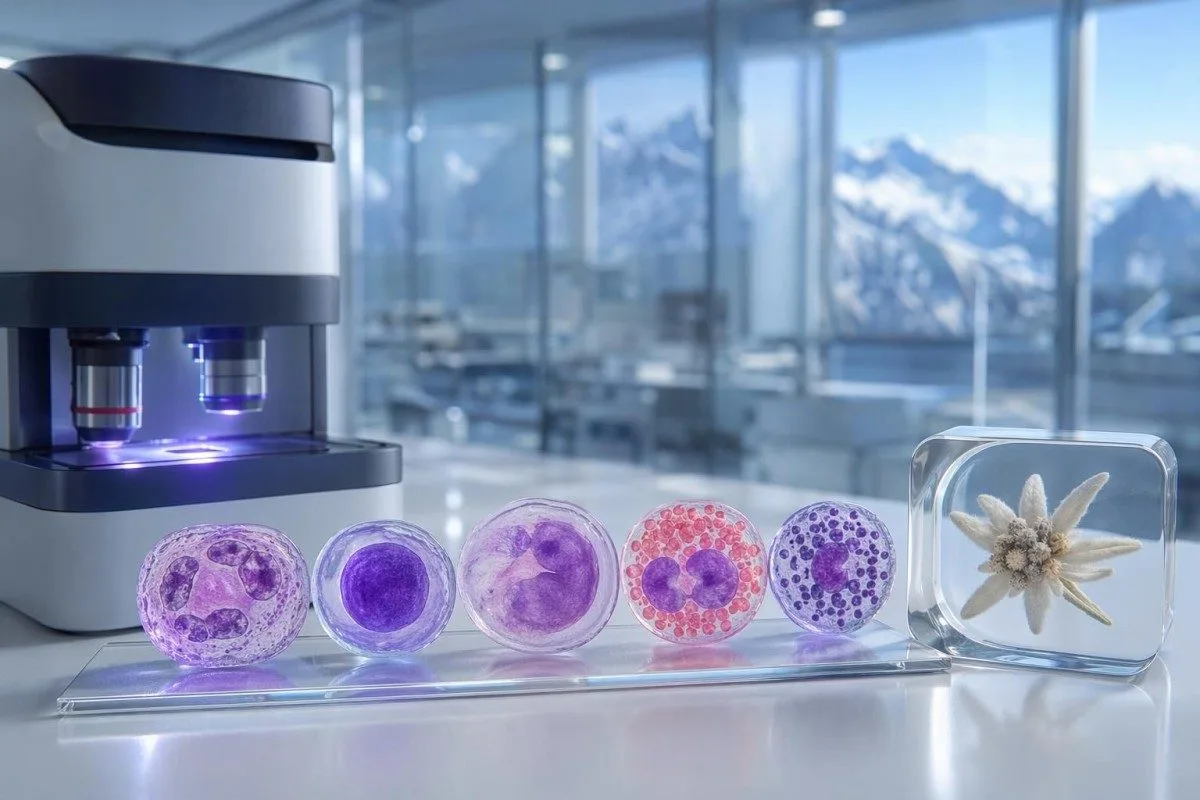
এটা এটা লেবৰ ভুল নহয়; ই প্ৰায়ে সুৰক্ষাৰ জাল যিয়ে অস্বাভাৱিক কোষৰ আকৃতি, অপৈণত কোষ, গোট (clumps), আৰু মেচিনৰ ভুল শ্ৰেণীবিভাজন ধৰা পেলায়।.



- মেনুৱেল ৰিভিউৰ ট্ৰিগাৰ মানে এনালাইজাৰে এনে এটা ধৰণ দেখিলে যিটো তেওঁ সুৰক্ষিতভাৱে শ্ৰেণীবিভাজন কৰিব নোৱাৰিলে, যেনে ব্লাষ্ট, নিউক্লিয়েটেড ৰেড কোষ, প্লেটলেটৰ গোট, বা অতি অস্বাভাৱিক নিউট্ৰ’ফিল।.
- স্বয়ংক্ৰিয় তেজ ডিফাৰেনশ্বিয়েল হাজাৰ হাজাৰ কোষীয় ঘটনা (cellular events) গণনা কৰে আৰু সাধাৰণতে পৰিপক্ক নিউট্ৰ’ফিল আৰু লিম্ফ’চাইটৰ বাবে ১০০-কোষৰ মেনুৱেল গণনাতকৈ অধিক নিখুঁত।.
- মেনুৱেল স্মিয়াৰ ৰিভিউ কোষৰ আকৃতি-বিন্যাস (cell morphology)ৰ বাবে ভাল; ই schistocytes, toxic granulation, atypical lymphocytes, giant platelets, পৰজীৱী (parasites), আৰু আৰম্ভণিৰ precursor কোষ চিনাক্ত কৰিব পাৰে।.
- নিৰপেক্ষ (absolute) গণনাই আটাইতকৈ বেছি গুৰুত্ব পায়: ANC যদি 0.5 × 10^9/L তকৈ তলত থাকে, তেন্তে নিউট্ৰ’ফিলৰ শতাংশ কম চিন্তাজনক যেন লাগিলেও সেয়া গুৰুতৰ neutropenia।.
- লিম্ফ’চাইটোছিছৰ সীমা (threshold) প্ৰাপ্তবয়স্কৰ ক্ষেত্ৰত সাধাৰণতে 4.0 × 10^9/L তকৈ বেছি নিৰপেক্ষ লিম্ফ’চাইট গণনা; ৩ মাহৰ পাছতো থাকিলে প্ৰায়ে এটা গঠনমূলক (structured) পৰীক্ষা-নিৰীক্ষা (work-up) লাগে।.
- যিকোনো ব্লাষ্ট ফ্লেগ এটা CBC ত থাকিলে, এজন প্ৰশিক্ষিত ৰিভিউৱাৰে কোষৰ নমুনা স্লাইডত নিশ্চিত নকৰালৈকে তাক অস্বাভাৱিক বুলি ধৰা উচিত।.
- 1% বা তাতকৈ অধিক schistocytes থ্ৰম্ব’টিক মাইক্ৰ’এঞ্জিঅ’পেথি (thrombotic microangiopathy)ৰ বাবে তৎক্ষণাৎ মূল্যায়নক সমৰ্থন কৰিব পাৰে, যেতিয়া thrombocytopenia, anemia, বা বৃক্কৰ আঘাত (kidney injury) উপস্থিত থাকে।.
- তেজপ্লেটলেটৰ গোট খোৱা তেজপ্লেটলেটৰ গণনা কৃত্ৰিমভাৱে কম দেখাব পাৰে; বহুতো লেবৰেটৰীয়ে চিট্ৰেটত পুনৰ গণনা কৰে বা সত্যিকৈ থ্ৰম্ব’চাইটোপেনিয়া বুলি কোৱাৰ আগতে এটা স্মিয়াৰ পৰ্যালোচনা কৰে।.
কিয় লেববোৰে স্বয়ংক্ৰিয় তেজ ডিফাৰেনশ্বিয়েলৰ পৰা মেনুৱেল ৰিভিউলৈ সলনি কৰে
এটা লেবৰেটৰীয়ে তেজৰ ডিফাৰেনচিয়েল (blood differential) স্বয়ংক্ৰিয় পৰ্যালোচনাৰ পৰা মেনুৱেল ৰিভিউলৈ সলনি কৰে যেতিয়া এনালাইজাৰে কিবা এটা সুৰক্ষিতভাৱে শ্ৰেণীবদ্ধ কৰিব নোৱাৰে: সম্ভাৱ্য ব্লাষ্ট, অস্বাভাৱিক লিম্ফ’চাইট, অপৈণত গ্ৰেনুল’চাইট, নিউক্লিয়েটেড ৰেড চেল, তেজপ্লেটলেটৰ গোট খোৱা, পৰজীৱী, বা এনে এটা ফল যিয়ে ৰোগীৰ CBC ৰ আৰ্হিৰ লগত মিল নাখায়। সহজ ভাষাত ক’বলৈ গ’লে, মেচিনে সংখ্যাৰ ওপৰত কাৰো সিদ্ধান্ত লোৱাৰ আগতে এজন প্ৰশিক্ষিত মানুহক কোষৰ নমুনাৰ স্লাইডটো চাবলৈ ক’ব খোজে।.
ব্যৱহাৰিক কথাটো সহজ: মেনুৱেল ৰিভিউ সাধাৰণতে এটা মান-নিৰূপণ (quality-control) পদক্ষেপ, নিজে নিজে বেয়া খবৰ নহয়. । আপলোড কৰা CBC ৰিপ’ৰ্টসমূহৰ আমাৰ বিশ্লেষণত কান্টেষ্টি এ আই, মই এইটো আটাইতকৈ বেছি দেখা পাওঁ যেতিয়া WBC অতি বেছি, অতি কম, বা এনালাইজাৰে নিজৰ আশা কৰা নিউট্ৰ’ফিল, লিম্ফ’চাইট, ম’ন’চাইট, ইঅ’চিন’ফিল, আৰু বেছ’ফিল অঞ্চলৰ বাহিৰত কোষৰ এটা অস্বাভাৱিক গোট ধৰা পেলায়।.
এজন সাধাৰণ প্ৰাপ্তবয়স্কৰ WBC ৰেফাৰেন্স ইণ্টাৰভেল প্ৰায় 4.0–11.0 × 10^9/L, কিন্তু যন্ত্ৰই অস্বাভাৱিক মৰ্ফ’লজি ফ্লেগ কৰিলে স্বাভাৱিক WBC গণনাতো মেনুৱেল ৰিভিউ হ’ব পাৰে। মই পৰ্যালোচনা কৰা এজন ৩৮ বছৰীয়া শিক্ষকত WBC আছিল 6.8 × 10^9/L—প্ৰথম দৃষ্টিত একেবাৰে সাধাৰণ—কিন্তু ভাইৰেল অসুখৰ পিছত স্মিয়াৰত অস্বাভাৱিক লিম্ফ’চাইট দেখা গৈছিল; কেৱল স্বয়ংক্ৰিয় ডিফাৰেনশ্বেলে ৰিপ’ৰ্টখন ৰোগীয়ে যিমান অনুভৱ কৰিছিল তাৰ তুলনাত অধিক “পরিষ্কাৰ” যেন দেখাই দিছিল।.
এটা CBC ডিফাৰেনশ্বেল মুঠ WBC গণনাৰ পৰা বেলেগ, কিয়নো ই বগা তেজকোষবোৰক উপপ্ৰকাৰলৈ ভাগ কৰে। যদি আপুনি গভীৰলৈ পঢ়াৰ আগতে মৌলিক কাঠামো বিচাৰে, আমাৰ CBC ডিফাৰেনশিয়েল গাইড এ ব্যাখ্যা কৰে যে ক্লিনিকেলভাৱে নিউট্ৰ’ফিল, লিম্ফ’চাইট, ইঅ’চিন’ফিল, বেছ’ফিল, আৰু ম’ন’চাইট কেনেকৈ একেলগে খাপ খায়।.
MD থমাছ ক্লেইনৰ দৰে, মই ৰোগীসকলক কওঁ যে মডিউলেৰে ডিফেৰেন্সিয়েল কৰা হৈছে বুলি কোৱা কথাটোৱে আতংক কমাব লাগে, বঢ়াব নালাগে। লেবৰেটৰীয়ে এটা ভাল প্ৰশ্নৰ উত্তৰ দিবলৈ গতি কমাইছে: এই কোষবোৰ কেৱল সংখ্যাত বেছি নেকি, নে জৈৱিকভাৱে অস্বাভাৱিক যেন লাগে?
স্বয়ংক্ৰিয় ডিফাৰেনশ্বিয়েলে কেনেকৈ কোষ গণনা কৰে আৰু ফ্লেগ সৃষ্টি কৰে
এটা স্বয়ংক্ৰিয় ডিফাৰেনচিয়েল তেজ পৰীক্ষা এনালাইজাৰৰ ওপৰত নিৰ্ভৰ কৰি, পোহৰ ছিটিকনি (light scatter), ইম্পিডেন্স, কণ্ডাক্টিভিটি, ফ্লুৰ’চেন্স, বা ডিজিটেল ছবি বিশ্লেষণ ব্যৱহাৰ কৰি হাজাৰ হাজাৰ কোষীয় ঘটনা শ্ৰেণীবদ্ধ কৰে। ই সাধাৰণতে পৰিপক্ক কোষৰ বাবে উৎকৃষ্ট, কিন্তু কোষৰ আকাৰ, গ্ৰেনুলাৰিটি, নিউক্লিয়াছৰ বৈশিষ্ট্য, বা ছিটিকনিৰ আৰ্হি যাচাই কৰা সীমাৰ বাহিৰলৈ গ’লে ই ফ্লেগ সৃষ্টি কৰে।.
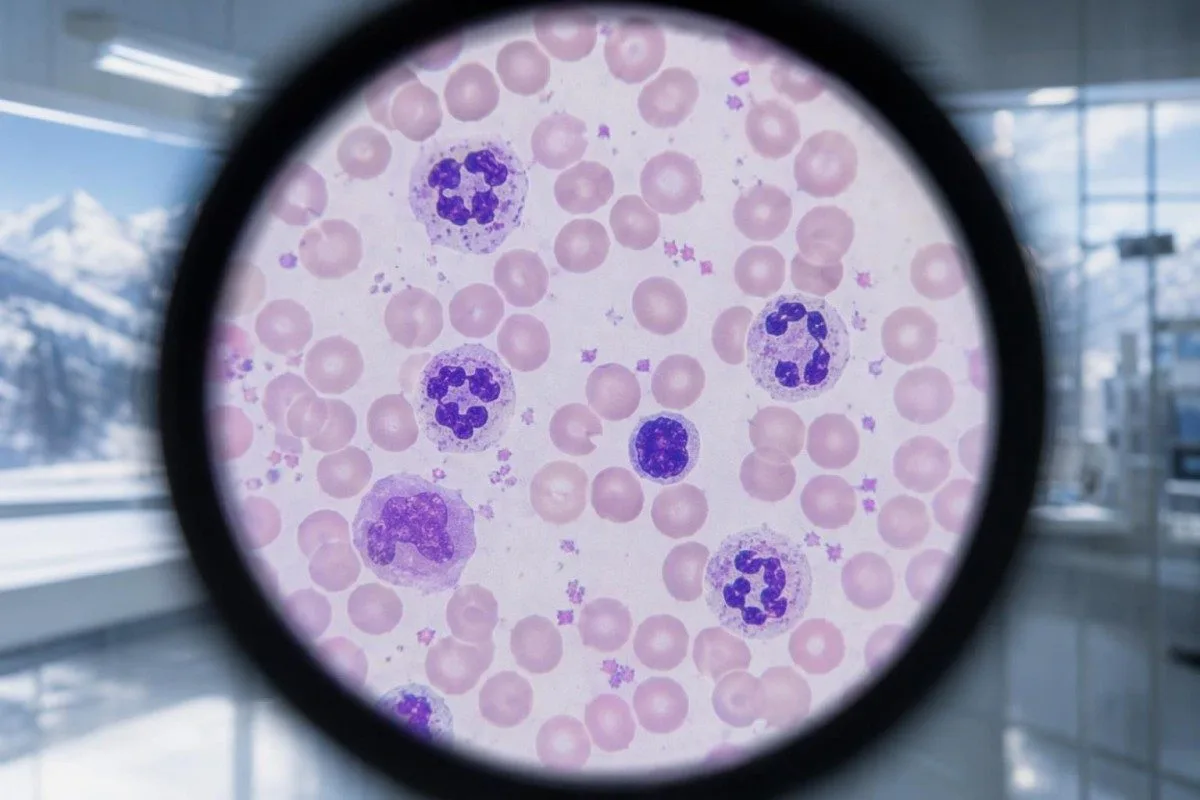
আধুনিক হেমাট’লজি এনালাইজাৰে সাধাৰণতে মানুহে মেনুৱেলকৈ গণনা কৰিব পাৰাতকৈ বহু বেছি কোষ গণনা কৰে, সেয়েহে স্বয়ংক্ৰিয় নিউট্ৰ’ফিল আৰু লিম্ফ’চাইটৰ শতাংশবোৰ বহু সময়ত পৰিসংখ্যাগতভাৱে অধিক টান (tighter) হয়. । ১০০-কোষৰ এটা মেনুৱেল গণনাত যদি লিম্ফ’চাইট 5% বুলি ৰিপ’ৰ্ট হয়, তেন্তে ইয়াৰ আনুমানিক 95% বিশ্বাসযোগ্যতা (confidence) ইণ্টাৰভেল প্ৰায় 2–11%; সেইবাবেই সৰু সৰু মেনুৱেল শতাংশক অতিমাত্ৰা ব্যাখ্যা (overinterpret) কৰা উচিত নহয়।.
Hematology Review ৰ বাবে International Consensus Group এ কেতিয়া স্বয়ংক্ৰিয় CBC আৰু WBC ডিফাৰেনশ্বেল ফলাফলক এজন মানুহে পৰ্যালোচনা কৰিব লাগে—সন্দেহজনক ফ্লেগ আৰু আগৰ ফলৰ সৈতে delta check আদি—সেইবোৰৰ বাবে কাৰ্য-নিৰ্ধাৰণ (action) মানদণ্ড প্ৰস্তাৱ কৰিছিল (Barnes et al., 2005)। সেই নিয়মবোৰ লেবভেদে ভিন্ন হয়, কিয়নো শিশু অনক’লজি, ইমাৰ্জেন্সি মেডিচিন, আৰু সাধাৰণ প্ৰাইমাৰী কেয়াৰৰ নমুনাত ঝুঁকি গ্ৰহণৰ সহনশীলতা বেলেগ।.
যন্ত্ৰটোৱে ডাক্তৰৰ দৰে চিন্তা নকৰে। ই আৰ্হি মিল (pattern matching) কৰে। লেব মেচিনে কি কৰে আৰু ব্যাখ্যা-সঁজুলিয়ে (interpretation tools) কি কৰে—সেই বিষয়ে গভীৰভাৱে চাবলৈ আমাৰ তেজৰ পৰীক্ষা বিশ্লেষক, ৰ গাইড চাওক, আৰু Kantesti’s clinical governance approach ৰ বাবে আমাৰ চিকিৎসা বৈধকৰণ পৃষ্ঠা নথিভুক্ত কৰে যে আমি কেনেকৈ ফ্লেগ কৰা আউটপুটসমূহ ব্যৱহাৰ কৰোঁ।.
এটা মেচিন ফ্লেগ ডায়াগন’সিছ নহয়। মোৰ অভিজ্ঞতাত, আটাইতকৈ উপযোগী ফ্লেগসমূহ সাধাৰণবোৰেই: প্লেটলেটৰ সংখ্যা ভুলকৈ কম দেখাব পাৰে, আৰু, NRBC উপস্থিত, অপৈপক গ্ৰেনুলোচাইট, ব্লাষ্ট ফ্লেগ, আৰু এটিপিকেল লিম্ফ’চাইট ফ্লেগ. । প্ৰতিটোৱে পৰৱৰ্তী ধাপটো এককভাৱে সামান্য বেছি শতাংশৰ তুলনাত অধিক পৰিমাণে সলনি কৰে।.
মেনুৱেল স্মিয়াৰ ৰিভিউ সংখ্যাৰ বাহিৰত কি যোগ কৰে
এটা মেনুৱেল স্মিয়াৰ ৰিভিউ মৰ্ফ’লজি যোগ কৰে: কোষৰ আকৃতি, পৰিপক্কতা, গ্ৰেনুলেচন, ক্লাম্পিং, ইনক্লুশন, আৰু বগা তেজকোষ, ৰঙা তেজকোষ, আৰু প্লেটলেটৰ মাজৰ দৃশ্যমান সম্পৰ্ক। স্বয়ংক্ৰিয় ফলাফলে কিমান—সেইটো উত্তৰ দিয়ে; মেনুৱেল ৰিভিউয়ে কেনেকৈ দেখা যায়—সেইটো উত্তৰ দিয়ে।.
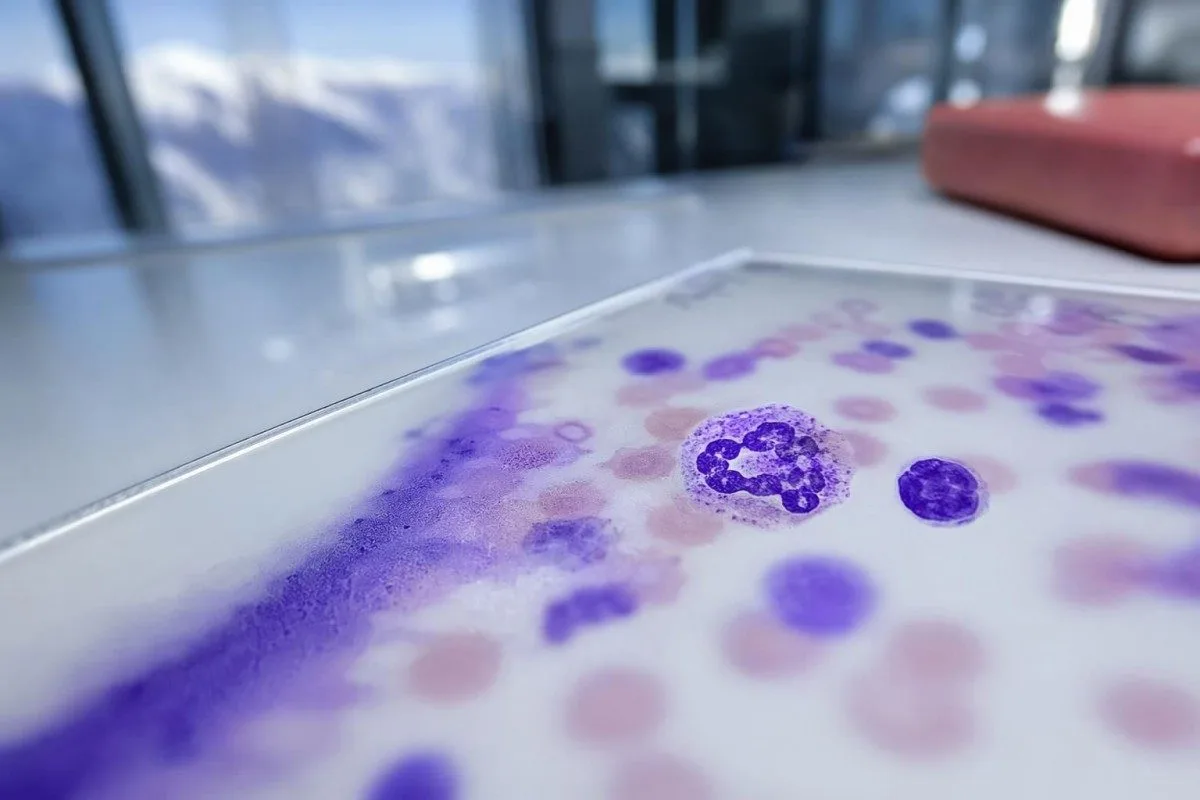
Barbara Bain ৰ New England Journal of Medicine ত ৰক্তৰ স্মিয়াৰৰ পৰা ডায়াগন’সিছ সম্পৰ্কীয় ৰিভিউয়ে এটা স্পষ্ট সোঁৱৰণি হৈয়েই থাকে যে সংখ্যাগত গণনা সামান্য যেন লাগিলেও মৰ্ফ’লজিয়ে যত্নক পুনঃনিৰ্দেশ কৰিব পাৰে (Bain, 2005)। এটা স্মিয়াৰে দেখুৱাব পাৰে টক্সিক গ্ৰেনুলেচন নিউট্ৰ’ফিলসমূহত, ভাইৰেল সংক্ৰমণৰ পিছত ৰিঅেক্টিভ লিম্ফ’চাইটসমূহ, বা ভাইৰেল সংক্ৰমণৰ পাছত, বা হিম’লাইসিছৰ পেটাৰ্ণত শিষ্ট’চাইটসমূহ। হিমোলাইচিছৰ আৰ্হিত।.
প্ৰতিটো শতাংশৰ ক্ষেত্ৰত মেনুৱেল ৰিভিউ অধিক নিখুঁত নহয়। যদি এজন টেকন’লজিষ্টে 100টা বগা তেজকোষ গণনা কৰে, তেন্তে প্ৰতিটো কোষ = 1%; যদি 200টা কোষ গণনা হয়, তেন্তে প্ৰতিটো কোষ = 0.5%। এইটো গুৰুত্বপূৰ্ণ হয় যেতিয়া এটা ৰিপ’ৰ্টত বেছ’ফিল 1% বা ব্লাষ্ট 1% বুলি তালিকা থাকে, কাৰণ এই ফলাফলসমূহৰ ক্লিনিকেল গুৰুত্ব নিশ্চিতকৰণ আৰু প্ৰসংগৰ ওপৰত নিৰ্ভৰ কৰে।.
কিছুমান ৰিপ’ৰ্টে আটাইতকৈ উপযোগী সূত্ৰটো এটা সৰু টোকাত লুকুৱাই ৰাখে যেনে স্মিয়াৰ ৰিভিউ কৰা হৈছে, স্লাইড ৰিভিউ, মেনুৱেল ডিফ, অথবা পেথ’ল’জিষ্টৰ ৰিভিউ পৰামৰ্শ দিয়া হৈছে. আমাৰ তেজ পৰীক্ষাৰ সংক্ষিপ্ত ৰূপসমূহ গাইডে এই ৰিপ’ৰ্ট ফ্লেগসমূহ বুজাই, কিয়নো ৰোগীয়ে কেৱল ওপৰৰ আৰু তলৰ সৰু সৰু কাঁড় (arrow) স্কেন কৰোঁতে বহু সময়ত সেইবোৰ এৰি দিয়ে।.
ইয়াত এটা সৰু কিন্তু বাস্তৱ-জগতৰ উদাহৰণ। 78 × 10^9/L প্লেটলেট গণনা, আৰু টোকাত লিখা আছে যে প্লেটলেট ক্লাম্পিং দেখা গৈছে—তেতিয়া ই এটা সংগ্ৰহজনিত (collection) আৰ্টিফেক্ট হ’ব পাৰে; কিন্তু একে প্লেটলেট গণনাৰ সৈতে দৈত্যাকাৰ প্লেটলেট, এনিমিয়া, আৰু শিষ্ট’চাইট থাকিলে কথাটো একেবাৰে বেলেগ।.
কিয় নিউট্ৰ’ফিল আৰু লিম্ফ’চাইটৰ শতাংশৰ মাজত মতানৈক্য হ’ব পাৰে
নিউট্ৰফিল আৰু lymphocytes স্বয়ংক্ৰিয় আৰু মেনুৱেল ডিফাৰেনশিয়েলৰ মাজত মতভেদ হ’ব পাৰে, কিয়নো এনালাইজাৰে সংকেতৰ পেটাৰ্ণ অনুসৰি কোষ শ্ৰেণীবদ্ধ কৰে, আনহাতে মানুহে ৰিভিউ কৰোঁতাই কোষৰ দেখা ৰূপ অনুসৰি শ্ৰেণীবদ্ধ কৰে। নিৰপেক্ষ (absolute) গণনাই সাধাৰণতে শতাংশতকৈ অধিক ক্লিনিকেল অৰ্থ বহন কৰে।.
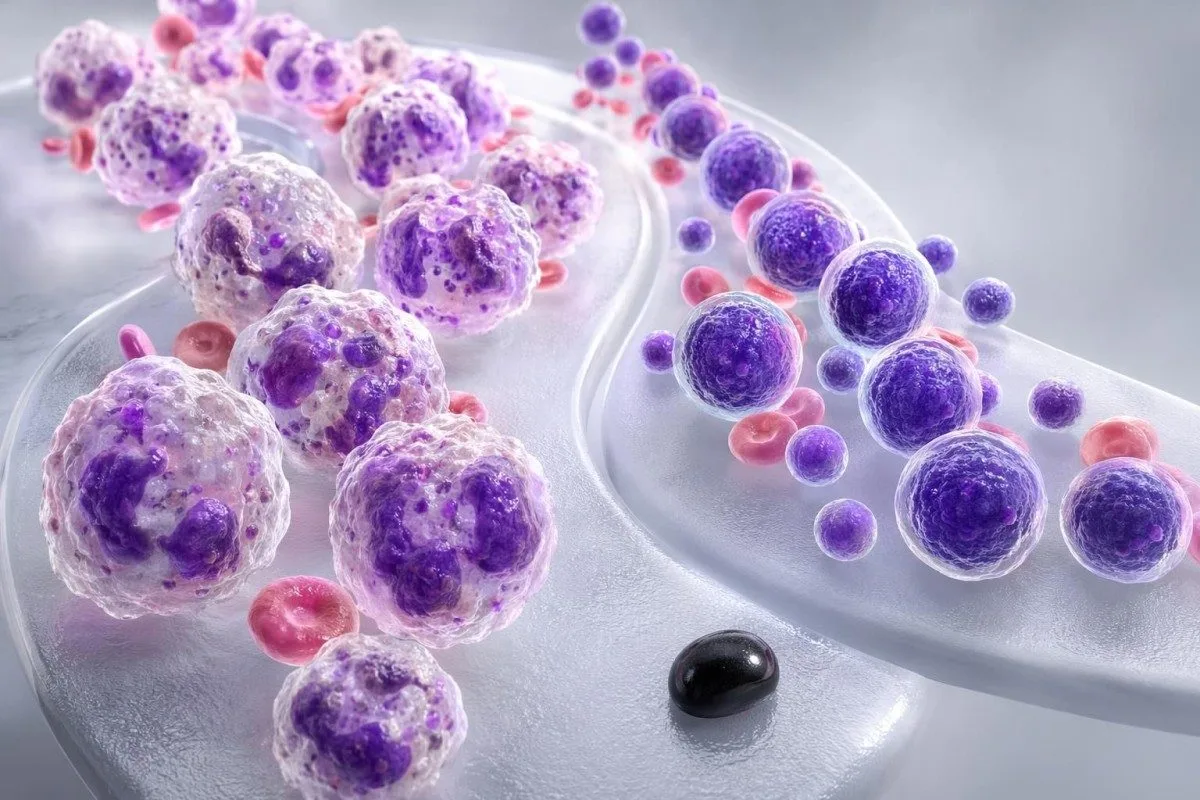
free T4 ৰ স্বাভাৱিক মান নিৰ্দিষ্ট নিউট্ৰ’ফিল গণনা (absolute neutrophil count), বা ANC, সাধাৰণতে প্ৰায় 1.5–7.5 × 10^9/L. ANC যদি 0.5 × 10^9/L তকৈ তলত থাকে তেন্তে সেয়া হৈছে গুৰুতৰ নিউট্ৰ’পেনিয়া আৰু সংক্ৰমণৰ ঝুঁকি বৃদ্ধি কৰে, আনকি ছপা রিপোর্টত নিউট্ৰ’ফিলৰ শতাংশটো ভয়ংকৰ যেন নালাগিলেও।.
free T4 ৰ স্বাভাৱিক মান নিৰপেক্ষ লিম্ফ’চাইট গণনা, বা ALC, সাধাৰণতে প্ৰায় 1.0–4.0 × 10^9/L. WBC যদি 4.2 × 10^9/L আৰু ALC যদি 2.2 × 10^9/L হয়, তেন্তে 52% লিম্ফ’চাইট শতাংশ স্বাভাৱিক হ’ব পাৰে; আমাৰ লেখাত আমি এই ধৰণটো ব্যাখ্যা কৰোঁ— উচ্চ লিম্ফ’চাইট শতাংশ.
নিউট্ৰ’ফিল-টু-লিম্ফ’চাইট অনুপাত কেতিয়াবা সৰু-সুৰা ধৰণে সোঁজাগ/প্ৰদাহ বা মানসিক চাপৰ সূচক হিচাপে ব্যৱহাৰ কৰা হয়, কিন্তু কেৱল ইয়াৰ ওপৰত ভিত্তি কৰি নিৰ্ণয় (diagnosis) কৰিব নোৱাৰি। অস্তিত্বত আমাৰ অধিক গভীৰ গাইডে— গাইডে সেই অনুপাতৰ বিষয়ে আৰু গভীৰলৈ যায়। ব্যাখ্যা কৰে যে অস্ত্ৰোপচাৰৰ পিছত 8 অনুপাতৰ অৰ্থ জ্বৰ আৰু নিম্ন ৰক্তচাপ (hypotension) থকা অৱস্থাত 8 অনুপাতৰ পৰা একেবাৰে বেলেগ হ’ব পাৰে কিয়।.
কিছুমান ইউৰোপীয় লেব’ৰেটৰীয়ে নিউট্ৰ’পেনিয়াৰ বাবে অলপ বেলেগকৈ প্ৰাপ্তবয়স্কৰ কাট-অফ ব্যৱহাৰ কৰে, আৰু জাতিগততা (ethnicity) এ বেছলাইন নিউট্ৰ’ফিল গণনাত প্ৰভাৱ পেলাব পাৰে। একে ধৰণৰ ফল বহু বছৰ ধৰি থকা সুস্থ ৰোগীত 1.2 × 10^9/L স্থিৰ ANC লৈ মই সাৱধান নহওঁ; কিন্তু মুখৰ ঘাঁ (mouth ulcers) সহ নতুন 0.4 × 10^9/L ANC লৈ মই সাৱধান।.
তেজ ডিফাৰেনশ্বিয়েলৰ পিছত অনুসৰণৰ প্ৰয়োজন হোৱা ফ্লেগযুক্ত কোষ
যিবোৰ কোষ (cells) বেছিকৈ চিহ্নিত (flagged) হয় আৰু সাধাৰণতে অনুসৰণ (follow-up) লাগে, সেইবোৰ হৈছে—blasts, promyelocytes, প্ৰাপ্তবয়স্কৰ nucleated red cells, schistocytes, atypical lymphocytes, immature granulocytes, plasma cells, platelet clumps, giant platelets, আৰু সন্দেহজনক পৰজীৱী (suspected parasites)। তৎক্ষণাৎ কিমান জরুরি সেয়া গণনাৰ ধৰণ (count pattern) আৰু ৰোগীৰ লক্ষণৰ ওপৰত নিৰ্ভৰ কৰে।.
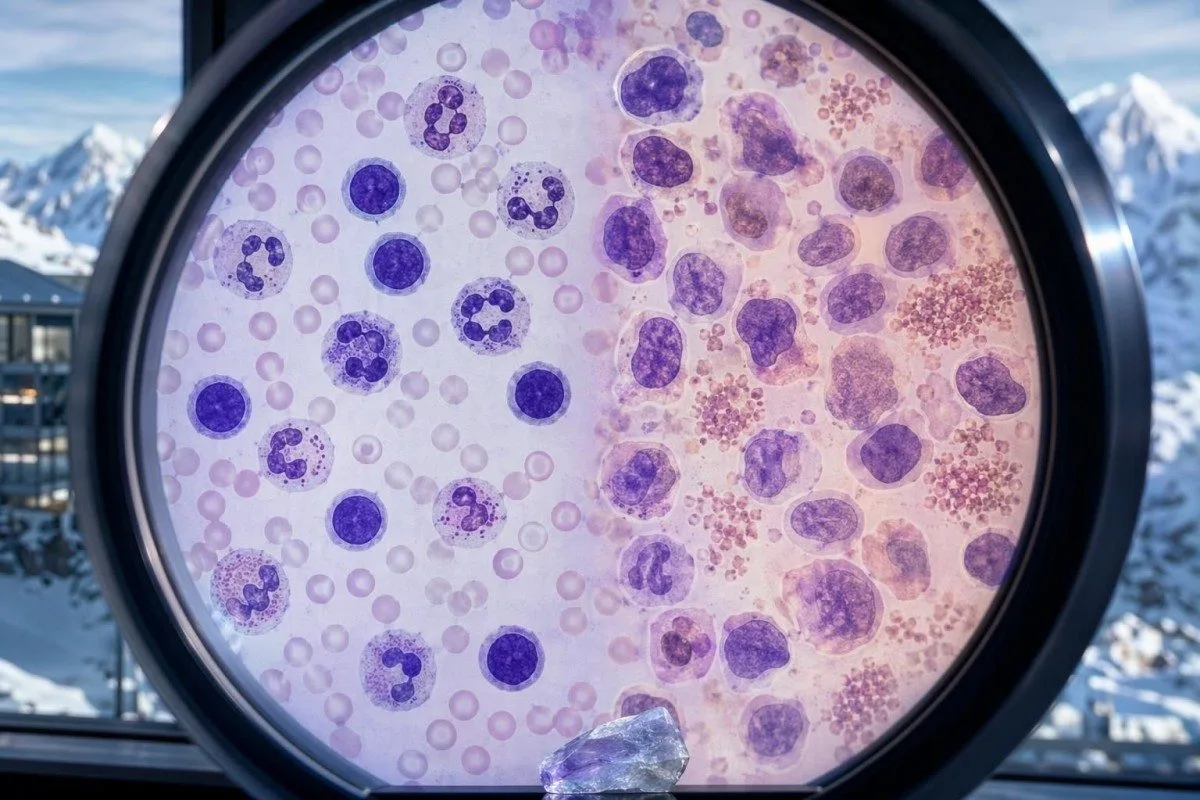
Blasts প্ৰাপ্তবয়স্কৰ পৰিফেৰেল ৰক্তত কেতিয়াও নিয়মীয়া (routine) আৱিষ্কাৰ নহয়. 1% blast ৰিপ’ৰ্ট হলেও বিশেষজ্ঞৰ পৰ্যালোচনাৰে নিশ্চিত কৰিব লাগিব, কিয়নো পৰৱৰ্তী পদক্ষেপসমূহত পুনৰ CBC, hematopathologist এ কৰা peripheral smear interpretation, flow cytometry, আৰু কেতিয়াবা bone marrow assessment অন্তৰ্ভুক্ত হ’ব পাৰে।.
অপৰিপক্ক granulocytes বেক্টেৰিয়েল সংক্ৰমণ, টিছ্যুৰ চাপ, গৰ্ভাৱস্থা, কৰ্টিক’ষ্টেৰয়েড ব্যৱহাৰ, মজ্জাৰ পুনৰুদ্ধাৰ, বা মাইলোইড ৰোগৰ ক্ষেত্ৰত দেখা দিব পাৰে। আমাৰ প্ৰবন্ধত অপৈপক গ্ৰেনুলোচাইট ব্যাখ্যা কৰা হৈছে কিয় 0.3% ৰিকভাৰিং সংক্ৰমণত 8% ৰ সৈতে একে নহয়, য’ত WBC 45 × 10^9/L।.
ICSH ৰ পৰামৰ্শসমূহে ৰক্তকোষৰ আকৃতি-প্ৰকৃতিৰ নামকৰণ আৰু গ্ৰেডিংক মানক কৰি দিছিল, যাতে schistocyte, spherocyte, target cell, আৰু toxic granulation দৰে শব্দসমূহ সকলো লেবৰেটৰীত একে অৰ্থ বহন কৰে (Palmer et al., 2015)।. Schistocytes 1% ত বা তাতকৈ ওপৰত বিশেষকৈ গুৰুত্বপূৰ্ণ যেতিয়া প্লেটলেট কম থাকে বা ক্ৰিয়েটিনিন বৃদ্ধি পাই থাকে।.
স্থায়ী lymphocytosis ৰিঅ্যাক্টিভ বা ক্ল’নেল হ’ব পাৰে। মই যেতিয়া ৪ মাহ ধৰি smudge cells বা অস্বাভাৱিক lymphocyte morphology থকা ALC 7.8 × 10^9/L দেখুওৱা এখন ৰিপ’ৰ্ট পৰ্যালোচনা কৰোঁ, তেতিয়া মই আমাৰ লিউকেমিয়া CBC গাইড, ত বৰ্ণনা কৰা ধৰণসমূহৰ কথা ভাবোঁ, তথাপিও মনত ৰাখোঁ যে বহুতো ভাইৰেল অসুখে সাময়িকভাৱে ভয়ংকৰ ধৰণ অনুকৰণ কৰিব পাৰে।.
নমুনাৰ সমস্যা আৰু গণনাৰ সীমাৰ পৰা হোৱা মিছা সতৰ্কবাণী
নমুনা clotted হ’লে, বেছি পুৰণি হ’লে, পৰ্যাপ্তভাৱে ভৰ্তি নোহ’লে, ঠিকমতে মিশ্ৰিত নোহ’লে, IV fluid এৰে পাতল কৰা হ’লে, platelet clumping ৰ প্ৰভাৱ থাকিলে, বা প্ৰক্ৰিয়াকৰণৰ সময় ভাঙি যোৱা ভংগুৰ কোষ থাকিলে ভুল সতৰ্কতা হ’ব পাৰে। এই সমস্যাসমূহে ৰোগ বিবেচনা কৰাৰ আগতেই automated differential আৰু platelet count বিকৃত কৰিব পাৰে।.
EDTA-নিৰ্ভৰ platelet clumping হৈছে ক্লাছিক ধাঁধাসমূহৰ ভিতৰত এটা। প্লেটলেট গণনা 82 × 10^9/L পুনৰ citrate টিউবত পৰীক্ষা কৰিলে 238 × 10^9/L হ’ব পাৰে, সেইবাবেই smear comment এ ৰোগীক thrombocytopenia বুলি ভুলকৈ লেবেল হোৱাত বাধা দিব পাৰে।.
পুৰণি নমুনাই আন এটা সমস্যা সৃষ্টি কৰিব পাৰে। দীঘলীয়া সময় সংৰক্ষণৰ পিছত নিউট্ৰ’ফিলবোৰে অৱক্ষয়জনিত নিউক্লিয়াৰ পৰিৱর্তন গঢ়ি তুলিব পাৰে, আৰু ভংগুৰ লিম্ফ’চাইটবোৰে স্মাজ-সদৃশ কলাকৃতি সৃষ্টি কৰিব পাৰে। যদি আপোনাৰ CBC সংগ্ৰহ কৰাৰ ২৪ ঘণ্টাৰ পাছত প্ৰক্ৰিয়াকৰণ কৰা হৈছিল, তেন্তে মৰ্ফ’লজি মন্তব্যত অতিৰিক্ত সাৱধানতা দৰকাৰ।.
প্লেটলেটৰ ব্যাখ্যাৰ বাবে, তলৰ সংখ্যাবোৰ 150 × 10^9/L সাধাৰণতে কম বুলি কোৱা হয়, কিন্তু প্ৰথম প্ৰশ্নটো হ’ল গণনাটো বাস্তৱ নে নহয়। আমাৰ স্বাভাৱিক প্লেটলেট পৰিসীমাৰ গাইডে কিয় ক’লম (clumps), দৈত্যাকাৰ প্লেটলেট, আৰু এনালাইজাৰ সীমাবদ্ধতাই সকলোবোৰে ৰিপ’ৰ্ট কৰা সংখ্যাটো সলনি কৰিব পাৰে—সেই কথা ব্যাখ্যা কৰে।.
“ স্বাভাৱিক পৰিসীমাই ৰোগীকো ভুল বুজাব পাৰে, কিয়নো প্ৰতিটো লেবৰেটৰীয়ে নিজৰ নিজৰ অন্তৰাল (intervals) বৈধতা প্ৰদান কৰে। আমি এই বিষয়ে তেজ পৰীক্ষাৰ স্বাভাৱিক মান, ত লিখিছিলোঁ, আৰু CBC ডিফাৰেনশিয়েল ব্যাখ্যা ইয়াৰ একেবাৰে নিখুঁত উদাহৰণ: একে 0.11 × 10^9/L বেছ’ফিল গণনাক এটা লেবে চিহ্নিত (flag) কৰিব পাৰে আৰু আন এটা লবে উপেক্ষা কৰিব পাৰে।.
কেতিয়া ডিফাৰেনশ্বিয়েলৰ অমিল তৎক্ষণাৎ (urgent) বনাম সাধাৰণ (routine)
তেজ ডিফাৰেনশিয়েলৰ অসামঞ্জস্যতা তৎক্ষণাৎ (urgent) বুলি গণ্য কৰা হয় যেতিয়া ই জ্বৰ, তীব্ৰ নিউট্ৰ’পেনিয়া, ব্লাষ্ট, শিষ্ট’চাইট (schistocytes), অতি উচ্চ WBC, হিম’গ্ল’বিন দ্ৰুতভাৱে কমি যোৱা, কম প্লেটলেট, বিভ্ৰান্তি, বুকুৰ বিষ, শ্বাসকষ্ট, বা বৃক্কৰ আঘাতৰ সৈতে দেখা দিয়ে। লক্ষণ নথকা মৃদু শতাংশীয় পাৰ্থক্যবোৰ বহু সময়ত পুনৰ পৰীক্ষা কৰি পুনৰীক্ষণ (repeat-and-review) কৰাৰ ক্ষেত্ৰ।.

ANC তলৰ সৈতে জ্বৰ 0.5 × 10^9/L তৎক্ষণাৎ ব্যৱহাৰ (urgent) কৰিব লাগে, কিয়নো শৰীৰে শক্তিশালী প্ৰদাহজনিত (inflammatory) সঁহাৰি দিব নোৱাৰিব পাৰে। এই কথা কেম’থেৰাপি, ৰোগ-প্ৰতিৰোধ ক্ষমতা দমনকাৰী (immune-suppressing) ঔষধ, ট্ৰেন্সপ্লাণ্টৰ ঔষধ, আৰু কিছুমান তীব্ৰ ভাইৰাছ সংক্ৰমণৰ পিছত বিশেষভাৱে গুৰুত্বপূৰ্ণ।.
বেছিভাগ প্ৰাপ্তবয়স্ক লেবত WBC 50 × 10^9/L স্বয়ংক্ৰিয়ভাৱে কেঞ্চাৰ নহয়, কিন্তু নতুনকৈ দেখা দিলে, ব্যাখ্যা নোহোৱা হলে, বা অপৰিপক্ক কোষৰ সৈতে জোড়া লাগিলে ই একে দিনৰ (same-day) ক্লিনিকেল ব্যাখ্যাৰ যোগ্য। সংক্ৰমণ, ষ্টেৰ’ইড, তীব্ৰ প্ৰদাহ, গৰ্ভাৱস্থা-সম্পৰ্কীয় চাপ, আৰু মাই’ল’ইডজনিত বিকাৰ—এই সকলোবোৰে এই পৰিসীমাৰ ভিতৰত থাকিব পাৰে; স্মিয়াৰে বহু সময়ত সেইবোৰ পৃথক কৰি দেখুৱায়।.
যদি ক্লিনিকেল প্ৰশ্নটো সংক্ৰমণ (infection) হয়, তেন্তে CBC ডিফাৰেনশিয়েলক CRP, প্ৰ’কেলচিট’নিন (procalcitonin), লেক্টেট (lactate), কালচাৰ (cultures), আৰু প্ৰকৃত পৰীক্ষাৰ সৈতে ব্যাখ্যা কৰিব লাগে। আমাৰ সংক্ৰমণৰ তেজ পৰীক্ষা লেখাটোৱে ব্যাখ্যা কৰে কিয় কেৱল উচ্চ নিউট্ৰ’ফিল গণনাই সম্পূৰ্ণ পেটাৰ্নৰ তুলনাত কম উপযোগী।.
মধ্যৰাতিত ফলাফল পঢ়া ৰোগীসকলৰ বাবে, মই পৰামৰ্শ দিম যে ৰিপ’ৰ্টত এটা “সঁচা critical value” আছে নে নাই চাব। আমাৰ তেজ পৰীক্ষাৰ ফলাফল কেনেকৈ পঢ়িব ত এনে উদাহৰণ তালিকাভুক্ত কৰা আছে য’ত কেইদিনমান অপেক্ষা কৰা যুক্তিসংগত নহয়।.
শিশুসকল, গৰ্ভৱতী, ক্ৰীড়াবিদ, আৰু বয়োজ্যেষ্ঠসকলৰ বাবে বেলেগ ধৰণৰ প্ৰসংগ (context) লাগে
শিশু, গৰ্ভাৱস্থা, সহনশীলতা (endurance) প্ৰশিক্ষণ, বয়স বঢ়া, জাতিগততা (ethnicity), আৰু ৰোগ-প্ৰতিৰোধ ক্ষমতা দমনকাৰী ঔষধে তেজ ডিফাৰেনশিয়েল কেনেকৈ পঢ়িব লাগে—সেই ধৰণ সলনি কৰে। একে লিম্ফ’চাইটৰ শতাংশ বা নিউট্ৰ’ফিল গণনা এটা গোটত স্বাভাৱিক আৰু আন এটা গোটত চিন্তাজনক হ’ব পাৰে।.
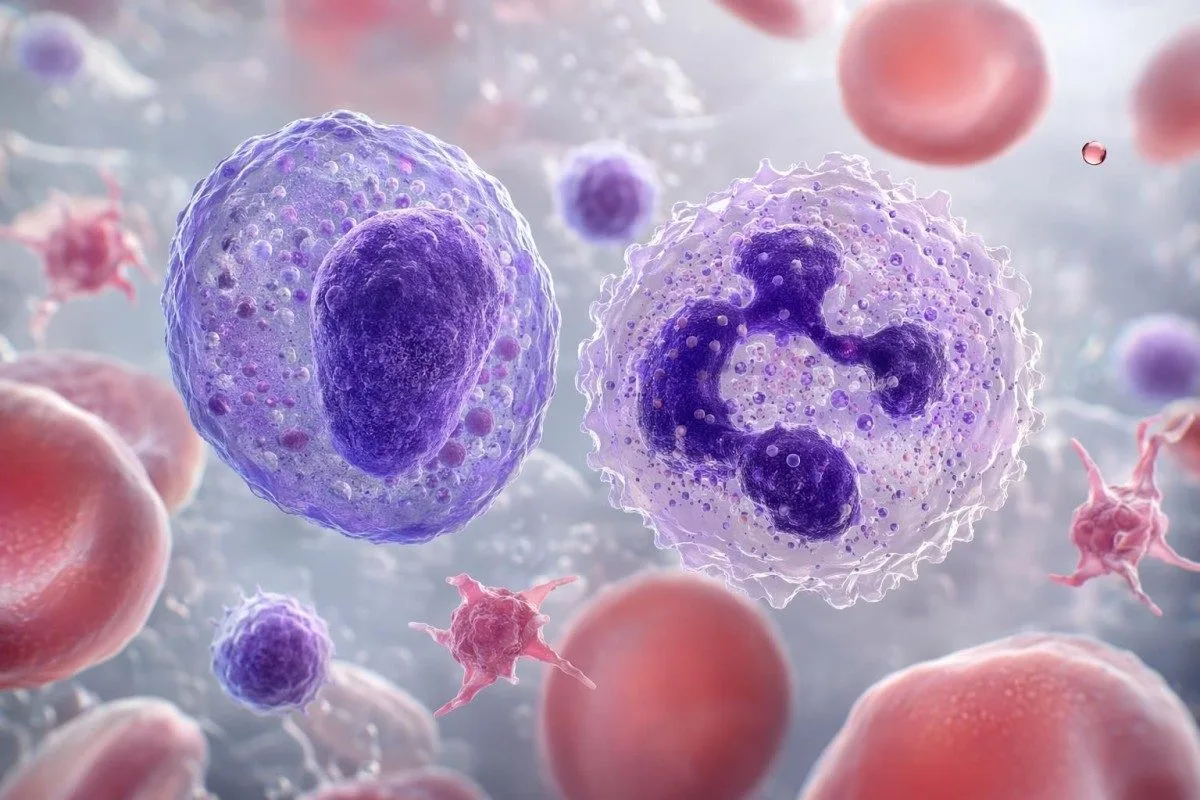
সৰু ল’ৰা-ছোৱালীয়ে প্ৰায়ে প্ৰাপ্তবয়স্কতকৈ অধিক লিম্ফ’চাইটৰ শতাংশ দেখুৱায়। ৫৫ বছৰীয়া এজনত অস্বাভাৱিক যেন লাগিব পৰা লিম্ফ’চাইট-প্ৰধান (lymphocyte-predominant) ডিফাৰেনশিয়েল এটা টডলাৰত সাধাৰণ হ’ব পাৰে—সেইবাবে শিশুৰ (pediatric) ৰেফাৰেন্স অন্তৰালসমূহ বয়সভিত্তিক (age-specific) হ’ব লাগিব।.
গৰ্ভাৱস্থাই সাধাৰণতে WBC আৰু নিউট্ৰ’ফিল গণনা বৃদ্ধি কৰে, বিশেষকৈ তৃতীয় ত্ৰৈমাসিক (third trimester) আৰু ডেলিভাৰীৰ চাৰিওফালে। আমাৰ প্ৰি-নেটেল তেজ পৰীক্ষা গাইডে কিয় গৰ্ভাৱস্থাৰ CBC-সমূহক গৰ্ভধাৰণ নকৰা প্ৰাপ্তবয়স্কৰ বাবে ব্যৱহৃত একে মানসিক চেকলিষ্ট (mental checklist) অনুসৰি বিচাৰ কৰা নহয়—সেই কথা সামৰি লৈছে।.
নবজাতকসকল একেবাৰে নিজৰ পৃথক জগত। জন্মৰ চাৰিওফালে নিউক্লিয়েটেড ৰঙা তেজকোষ (nucleated red cells) দেখা যাব পাৰে, আৰু জীৱনৰ প্ৰথম কেইদিনত WBC ৰেঞ্জ দ্ৰুতভাৱে সলনি হয়; আমাৰ নতুন জন্মা তেজ পৰীক্ষা লেখাটোৱে সেই সময়-সম্পৰ্কীয় (timing) প্ৰসংগ দিয়ে—যিটো প্ৰাপ্তবয়স্কৰ লেব ৰেঞ্জে কেৱলেই দিব নোৱাৰে।.
বয়স্ক লোকসকলে ধাৰা-ভিত্তিক পঢ়া পোৱাৰ যোগ্য। ৬ বছৰত 4.4 × 10^9/L ৰ এটা স্থিৰ ALC-এ ৯ মাহত 1.8 ৰ পৰা 5.9 × 10^9/L লৈ হোৱা বৃদ্ধিৰ পৰা বেলেগ সংকেত দিয়ে—বিশেষকৈ যদি লিম্ফ ন’ড, ৰাতিৰ ঘাম, ওজন কমি যোৱা, বা তেজহীনতা (anemia) দেখা যায়।.
Kantesti AI এ স্বয়ংক্ৰিয় আৰু মেনুৱেল ডিফাৰেনশ্বিয়েলৰ ধৰণ কেনেকৈ পঢ়ে
Kantesti AI-এ স্বয়ংক্ৰিয় আৰু হাতে কৰা differential ফলাফলসমূহক একেলগে ওজন দিয়ে—মুঠ গণনা (absolute counts), শতকৰা (percentages), এনালাইজাৰ ফ্লেগ (analyzer flags), স্মিয়াৰ মন্তব্য (smear comments), আগৰ ধাৰা (prior trends), বয়স, লিংগ, গৰ্ভাৱস্থা অৱস্থা (যদি দিয়া থাকে), ঔষধ, আৰু বাকী থকা CBC—এই সকলো মিলাই। লক্ষ্যটো লেবক প্ৰতিস্থাপন কৰা নহয়; লেবৰ সংকেতক অধিক সুৰক্ষিত পৰৱৰ্তী প্ৰশ্নলৈ ৰূপান্তৰ কৰাই।.
২৭ এপ্ৰিল, ২০২৬ তাৰিখলৈকে, Kantesti-এ ব্যৱহাৰকাৰীক সহায়তা কৰি আহিছে 127+ দেশত আৰু 75+ ভাষাত, আৰু তেজ পৰীক্ষাৰ ব্যাখ্যাৰ বাবে ডিজাইন কৰা 2.78T-পেৰামিটাৰৰ Health AI আছে। যেতিয়া এটা CBC ৰিপ’ৰ্টত স্বয়ংক্ৰিয় আৰু হাতে কৰা দুয়োটা মান থাকে, আমাৰ ব্যৱস্থাই সেইবোৰ অন্ধভাৱে গড় নকৰে; ই সুধে—এই নিৰ্দিষ্ট প্ৰশ্নটোৰ বাবে কোনটো ফলাফল অধিক ক্লিনিকেলভাৱে বিশ্বাসযোগ্য।.
Kantesti ৰ নিউৰেল নেটৱৰ্কে ভাষাৰ ওপৰত বিশেষ মনোযোগ দিয়ে যেনে মডিউলেৰে ডিএফ কৰা হৈছে, slide reviewed, pathologist review, বাওঁ-শিফ্ট, atypical lymphs, NRBC, আৰু প্লেটলেটৰ সংখ্যা ভুলকৈ কম দেখাব পাৰে, আৰু. আমাৰ বায়'মাৰ্কাৰ গাইড হাজাৰ হাজাৰ মাৰ্কাৰ সংজ্ঞা (marker definitions) অন্তৰ্ভুক্ত কৰে, কিন্তু CBC ফ্লেগে কেৱল সংজ্ঞা নালাগে; ইয়াৰ বাবে পেটাৰ্ন-লজিক (pattern logic) লাগে।.
আমাৰ চিকিৎসক আৰু পৰ্যালোচকসকলে, যিসকল ক্লিনিচিয়ানক তালিকাভুক্ত কৰা হৈছে তেওঁলোককে ধৰি, ফলাফলটো যদি malignancy, গুৰুতৰ সংক্রমণ, বা artifact প্ৰতিনিধিত্ব কৰিব পাৰে তেন্তে সংযত (conservative) ভাষা ব্যৱহাৰৰ বাবে চাপ দিয়ে। MD Thomas Klein-এ উদাহৰণসমূহ পৰ্যালোচনা কৰে—য’ত এটা নিৰীহ ভাইৰেল স্মিয়াৰক অতিমাত্ৰা (overcalling) ধৰা পৰিলে ৰোগীক গুৰুতৰ এটা মিছ কৰাৰ দৰে প্ৰায় একে পৰিমাণে ক্ষতি কৰিব পাৰে। মেডিকেল এডভাইজাৰী ব’ৰ্ড, Kantesti-এ বৰ্ণনা কৰা হৈছে অধিক বিৱৰণত আমাৰ.
পৃষ্ঠাত, আৰু আপুনি আমাৰ বিষয়ে ব্যৱহাৰ কৰি এটা CBC PDF বা ফটো আপলোড কৰিব পাৰে। আমি এতিয়াও জৰুৰী যত্ন (urgent care) পৰামৰ্শ দিওঁ—যদি জ্বৰ থাকে আৰু গুৰুতৰ neutropenia, সন্দেহযুক্ত blasts, বা schistocyte পেটাৰ্ন দেখা যায়, কিয়নো কোনো এপেই ইমাৰ্জেন্সি মূল্যায়ন (emergency evaluation) ধীৰ কৰিব নালাগে। আমাৰ প্লেটফৰ্ম স্বয়ংক্ৰিয় আৰু হাতে কৰা তেজ differential ফলাফল মিল নাখালে (mismatched) কাম আৰম্ভ কৰাৰ আগতে absolute counts, স্মিয়াৰ মন্তব্য, সংগ্ৰহৰ গুণগত মান (collection quality), আগৰ CBC ধাৰা (prior CBC trend), লক্ষণ (symptoms), ঔষধ (medications), আৰু লেবৰ পৰা pathologist review পৰামৰ্শ দিয়া হৈছিল নে নাই—এইবোৰ পৰীক্ষা কৰক। এই চেকলিষ্টে দুয়োটা—আতংক (panic) আৰু বিপদজনক দেৰি—দুয়োটাই ৰোধ কৰে।.
অমিল ফলাফলত কাম কৰাৰ আগতে এটা ব্যৱহাৰিক চেকলিষ্ট
এটা গঠিত (structured) পৰ্যালোচনাই সহায় কৰে—নিৰাপদ এনালাইজাৰ মিল নোহোৱাৰ পৰা (harmless analyzer mismatch) সেইটো পৃথক কৰিবলৈ যিটো পুনৰ পৰীক্ষা বা তৎক্ষণাৎ অনুসৰণ (urgent follow-up)ৰ প্ৰয়োজন।.
বনাম WBC ৩.০ × ১০^৯/লি 24.0 × 10^9/L ত সম্পূৰ্ণ বেলেগ অৰ্থ বহন কৰে। দ্বিতীয়তে, আগৰ ফলাফলৰ সৈতে তুলনা কৰক। ষ্টেৰ’ইড ইনজেকচনৰ পিছত 12.2 × 10^9/L ৰ এটা একক WBC কম অৰ্থপূৰ্ণ হ’ব পাৰে, যদি ১৮ মাহৰ ভিতৰত 6.0 ৰ পৰা 13.5 × 10^9/L লৈ স্থিৰভাৱে বৃদ্ধি হৈছে; আমাৰ.
লেখাটোৱে দেখুৱায়—কেনেকৈ বাস্তৱ ধাৰা (real trends) চিনাক্ত কৰিব পাৰি। তেজ পৰীক্ষাৰ তুলনা (blood test comparison) প্ৰবন্ধটোৱে দেখুৱাইছে কেনেকৈ প্ৰকৃত ধাৰা ধৰা যায়।.
তৃতীয়তে, মন্তব্যসমূহ শাৰী-শাৰীকৈ পঢ়ক। যদি আপোনাৰ PDF পঢ়া কঠিন হয়, আমাৰ তেজ পৰীক্ষাৰ PDF আপলোড গাইডে ব্যাখ্যা কৰে যে চিত্ৰৰ গুণগত মানে ব্যাখ্যাত কেনে প্ৰভাৱ পেলায়, বিশেষকৈ যেতিয়া সৰু সৰু ফুটনোটত ফ্লেগ ছপা থাকে।.
যদি আপুনি এটা গঠিত পঢ়া বিচাৰে, আপোনাৰ CBC আপলোড কৰক বিনামূলীয়া তেজ পৰীক্ষা বিশ্লেষণ. । বেছিভাগ ৰোগীয়ে দেখে যে মানটো কেৱল উচ্চ নে নিম্ন—সেইটো চোৱা নহয়; কোনটো অসামঞ্জস্যই পুনৰ CBC ৰ বাবে অপেক্ষা কৰিব পাৰি আৰু কোনটো আজি আলোচনা কৰিব লাগে—সেইটো শিকাই।.
Kantesti গৱেষণা প্ৰকাশনা আৰু বৈধতা (validation) টোকা
Kantesti ৰ গৱেষণা অংশই নথিভুক্ত কৰে যে আমাৰ AI তেজ পৰীক্ষা বিশ্লেষণ কাম কেনেকৈ মূল্যায়ন কৰা হয়, য’ত ক্লিনিকেল বেঞ্চমাৰ্কিং আৰু দেশ-অতিক্ৰম বৈধতা অন্তৰ্ভুক্ত। তেজ ডিফাৰেনশ্বিয়েলৰ ক্ষেত্ৰত এইটো গুৰুত্বপূৰ্ণ, কাৰণ কঠিন কেছবোৰ স্বাভাৱিক CBC নহয়; সেইবোৰ ফ্লেগ কৰা, বিৰোধাভাসী, বা কৃত্ৰিমতা-প্ৰৱণ (artifact-prone) প্ৰতিবেদন।.
Kantesti LTD. (2026)। ১০০,০০০টা বেনামীকৃত ৰক্ত পৰীক্ষাৰ কেছৰ ওপৰত ১২৭খন দেশত Kantesti AI Engine (2.78T)-ৰ ক্লিনিকেল বৈধতা: হাইপাৰডায়েগ্ন’ছিছৰ ফান্দৰ কেছসমূহ অন্তৰ্ভুক্ত কৰা পূৰ্ব-পঞ্জীকৃত, ৰুব্ৰিক-ভিত্তিক, জনসংখ্যা-স্তৰৰ বেঞ্চমাৰ্ক — V11 দ্বিতীয় আপডেট। Figshare. https://doi.org/10.6084/m9.figshare.32095435. ResearchGate: https://www.researchgate.net/search/publication?q=ClinicalValidationoftheKantestiAIEngine. Academia.edu: https://www.academia.edu/search?q=ClinicalValidationoftheKantestiAIEngine.
Kantesti LTD. (2026)। ছিৰাম প্ৰ’টিন গাইড: গ্ল’বিউলিন, এলবুমিন আৰু A/G অনুপাতৰ ৰক্ত পৰীক্ষা। Zenodo. https://doi.org/10.5281/zenodo.18316300. ResearchGate: https://www.researchgate.net/search/publication?q=SerumProteinsGuideGlobulinsAlbuminAGRatioBloodTest. Academia.edu: https://www.academia.edu/search?q=SerumProteinsGuideGlobulinsAlbuminAGRatioBloodTest.
আমাৰ clinical benchmark চিকিৎসা বিশেষত্বসমূহৰ মাজত আমি ব্যাখ্যা-মান (interpretation quality) কেনেকৈ পৰীক্ষা কৰোঁ তাৰ বিষয়ে অধিক প্ৰসংগ দিয়ে। মই এইটো CBC ডিফাৰেনশ্বিয়েলৰ বাবে গুৰুত্ব দিওঁ, কিয়নো এটা সুৰক্ষিত ব্যৱস্থাই স্পষ্ট ৰঙা সংকেত (red flags) দুয়োটাই চিনাক্ত কৰিব লাগিব আৰু তেনেকৈয়ে শান্ত/কমকৈ ধৰা পৰা ট্ৰেপ যেনে pseudothrombocytopenia, relative lymphocytosis, আৰু মেনুৱেল বনাম স্বয়ংক্ৰিয় (automated) মতবিৰোধসমূহো চিনাক্ত কৰিব লাগিব।.
সঘনাই সোধা প্ৰশ্ন
মোৰ লেবৰেটৰীয়ে কিয় মোৰ তেজ ডিফাৰেনশ্বিয়েলক মেনুৱেল ৰিভিউলৈ সলনি কৰিলে?
এটা এটা লেবৰেটৰীয়ে স্বয়ংক্ৰিয় বিশ্লেষকে সন্দেহজনক ধৰণ ধৰা পেলালে বা দৃষ্টিগতভাৱে নিশ্চিত কৰিব লাগিব পৰা কোনো ফলাফল পালে তেতিয়া এটা তেজৰ ডিফাৰেনশ্বিয়েল (blood differential) ক মেনুৱেল ৰিভিউলৈ সলনি কৰে। সাধাৰণ কাৰকসমূহৰ ভিতৰত সম্ভাৱ্য ব্লাষ্ট, অপৰিপক্ক গ্ৰেনুলোচাইট, নিউক্লিয়েটেড ৰেড কোষ, অস্বাভাৱিক লিম্ফ’চাইট, প্লেটলেটৰ গোট (clumps), অতি বেছি বা অতি কম WBC গণনা, অথবা CBC ফলাফলসমূহৰ মাজত অসামঞ্জস্য আদি অন্তৰ্ভুক্ত। মেনুৱেল ৰিভিউ হৈছে এটা মান-নিয়ন্ত্ৰণ (quality-control) পদক্ষেপ আৰু ই স্বয়ংক্ৰিয়ভাৱে কেঞ্চাৰ বা বিপদজনক সংক্ৰমণ বুলি নুবুজায়।.
স্বয়ংক্ৰিয় ডিফাৰেনশ্বেলৰ তুলনাত এটা মেনুৱেল ডিফাৰেনশ্বেল অধিক সঠিক নেকি?
কোষৰ ৰূপ-ৰেখা বিচাৰিবলৈ এটা মেনুৱেল ডিফাৰেনশ্বিয়েল সাধাৰণতে ভাল, আনহাতে পৰিপক্ক কোষৰ গোট গণনাৰ ক্ষেত্ৰত স্বয়ংক্ৰিয় ডিফাৰেনশ্বিয়েল সাধাৰণতে অধিক নিখুঁত। এজন মানুহে বেছিভাগ সময়ত 100 বা 200টা কোষ গণনা কৰে, সেয়ে 1% ৰ এটা ফলাফল কেৱল 1 বা 2টা দেখা কোষকেই প্ৰতিনিধিত্ব কৰিব পাৰে, কিন্তু এটা এনালাইজাৰে হাজাৰ হাজাৰটা ইভেণ্ট শ্ৰেণীবদ্ধ কৰিব পাৰে। সৰ্বোত্তম ফলাফল বেছিভাগ সময়তে এই সংমিশ্ৰণটো: স্বয়ংক্ৰিয় নিখুঁততা + মেনুৱেল মৰ্ফ’লজি পৰ্যালোচনা।.
কোন তেজ ডিফাৰেনশ্বিয়েল ফ্লেগসমূহ আটাইতকৈ বেছি চিন্তাজনক?
আটাইতকৈ চিন্তাজনক তেজ ডিফাৰেনশ্বিয়েল ফ্লেগসমূহ নিশ্চিত ব্লাষ্ট, 1% বা তাতকৈ অধিক পৰিমাণৰ শিষ্ট’চাইট’ছ, প্ৰাপ্তবয়স্কৰ ক্ষেত্ৰত নিউক্লিয়েটেড ৰেড কোষ, সন্দেহজনক পৰজীৱী, স্পষ্টভাৱে অপৰিণত গ্ৰেনুলোচাইট, আৰু অতি কম প্লেটলেট গণনাৰ সৈতে প্লেটলেট ক্লাম্প। এই ফ্লেগসমূহক হিম’গ্ল’বিন, প্লেটলেট, ক্ৰিয়েটিনিন, লক্ষণ, আৰু পূৰ্বৰ CBC ফলাফলৰ সৈতে প্ৰসংগত চাব লাগিব। ANC 0.5 × 10^9/L তকৈ কম থকা জ্বৰক তৎক্ষণাৎ (urgent) চিকিৎসা হিচাপে ব্যৱহাৰ কৰিব লাগে।.
মোৰ নিউট্ৰ’ফিল বেছি কিন্তু লিম্ফ’চাইট কম কিয়?
কম লিম্ফ’চাইটৰ সৈতে উচ্চ নিউট্ৰ’ফিলসমূহে বেছিভাগ সময় শাৰীৰিক চাপ, বেক্টেৰিয়াল সংক্ৰমণ, কৰ্টিক’ষ্টেৰয়েডৰ সংস্পৰ্শ, শেহতীয়া অস্ত্ৰোপচাৰ, ধূমপান, তীব্ৰ ব্যায়াম, বা তীব্ৰ প্ৰদাহক প্ৰতিফলিত কৰে। এই ধৰণটো সৰ্বোত্তমভাৱে নিৰ্ণয় কৰা হয় সৰ্বমোট (absolute) গণনাৰ ওপৰত: প্ৰাপ্তবয়স্কৰ নিউট্ৰ’ফিল সাধাৰণতে প্ৰায় 1.5–7.5 × 10^9/L আৰু লিম্ফ’চাইট প্ৰায় 1.0–4.0 × 10^9/L। মাত্ৰ উচ্চ শতাংশই ভুল বুজাব পাৰে, যদি মুঠ WBC গণনা অস্বাভাৱিক হয়।.
তেজ ডিফাৰেনশ্বেলত “অস্বাভাৱিক লিম্ফ’চাইট” মানে কি?
অস্বাভাৱিক লিম্ফ’চাইটসমূহ হৈছে এনে লিম্ফ’চাইট যিবোৰ হাতেকলমে পৰীক্ষা কৰোঁতে প্ৰতিক্ৰিয়াশীল বা অস্বাভাৱিক যেন লাগে—সাধাৰণতে Epstein-Barr ভাইৰাছ, cytomegalovirus, বা অন্য কোনো ৰোগ-প্ৰতিৰোধক উদ্দীপনা যেনে ভাইৰাছজনিত সংক্রমণৰ পিছত। অল্প পৰিমাণৰ সাময়িক (transient) শতাংশ সাধাৰণতে নিৰাপদ (benign) হ’ব পাৰে, কিন্তু উল্লেখযোগ্য অস্বাভাৱিক লিম্ফ’চাইট, 4.0 × 10^9/L ৰ ওপৰৰ নিৰপেক্ষ লিম্ফ’চাইট গণনা (absolute lymphocyte count), বা ৩ মাহৰ অধিক সময় ধৰি থাকিলে চিকিৎসকৰ সৈতে আলোচনা কৰা উচিত। অনুসৰণ (follow-up)ত পুনৰ CBC, smear পৰ্যালোচনা, ভাইৰাছ পৰীক্ষা, বা flow cytometry অন্তৰ্ভুক্ত হ’ব পাৰে।.
প্লেটলেটৰ গোট (clumps) এ মোৰ প্লেটলেট গণনাক মিছাকৈ কম দেখাব পাৰেনে?
হয়, প্লেটলেটৰ গোট (clumps) থাকিলে স্বয়ংক্ৰিয় প্লেটলেট গণনাই মিছাকৈ কম দেখাব পাৰে, বিশেষকৈ EDTA-নিৰ্ভৰ গোটৰ ক্ষেত্ৰত। 150 × 10^9/L তকৈ কম বুলি দিয়া প্লেটলেট গণনাক, গোট থাকিলে স্মিয়াৰ মন্তব্যৰ সৈতে ব্যাখ্যা কৰিব লাগে। বহুতো লেবৰেটৰীয়ে সত্যিকাৰৰ থ্ৰম্ব’চাইটোপেনিয়া ধৰা পেলোৱাৰ আগতে চাইট্ৰেট টিউব ব্যৱহাৰ কৰি পুনৰ গণনা কৰে বা হাতেৰে স্লাইডত প্লেটলেট অনুমান কৰে।.
মেনুৱেল ডিফাৰেনশ্বিয়েলত অসামঞ্জস্য দেখা দিলে মই পুনৰ এটা CBC কৰাব লাগিবনে?
নমুনাৰ গুণগত মান, শেহতীয়া সংক্ৰমণ, ঔষধৰ সংস্পৰ্শ, বা সীমান্তৱৰ্তী অস্বাভাৱিকতা প্ৰতিফলিত কৰিব পৰা সম্ভাৱ্য অসামঞ্জস্য থাকিলে পুনৰ এটা CBC কৰাটো বহু সময়ত উপযোগী। বহু চিকিৎসকে মৃদু, ব্যাখ্যা নোহোৱা ফলাফলৰ ক্ষেত্ৰত কেইদিনমানৰ পৰা কেইসপ্তাহৰ ভিতৰত পুনৰীক্ষা কৰে, কিন্তু ব্লাষ্ট (blasts), 0.5 × 10^9/L তকৈ কম গুৰুতৰ নিউট্ৰ’পেনিয়া, শিষ্ট’চাইট (schistocytes), হিম’গ্ল’বিন দ্ৰুতভাৱে কমি যোৱা, বা অতি কম প্লেটলেটৰ ক্ষেত্ৰত একে দিনাই পৰ্যালোচনা কৰাটো অধিক সুৰক্ষিত। পূৰ্বৰ ধাৰাবাহিক প্রবণতাসমূহ অত্যন্ত গুৰুত্বপূৰ্ণ, কিয়নো আজীৱন স্থিতিশীল ধৰণ এটা দ্ৰুত নতুন পৰিৱর্তনৰ তুলনাত কম চিন্তাজনক।.
আজিয়েই AI-চালিত তেজ পৰীক্ষাৰ বিশ্লেষণ লাভ কৰক
বিশ্বজুৰি ২ মিলিয়নতকৈ অধিক ব্যৱহাৰকাৰীয়ে বিশ্বাস কৰা Kantesti-ত যোগদান কৰক—তাৎক্ষণিক আৰু সঠিক লেব পৰীক্ষাৰ বিশ্লেষণৰ বাবে। আপোনাৰ তেজ পৰীক্ষাৰ ফলাফল আপলোড কৰক আৰু কেইছেকেণ্ডমানৰ ভিতৰতে 15,000+ বায়’মাৰ্কাৰৰ সম্পূৰ্ণ ব্যাখ্যা লাভ কৰক।.
📚 উদ্ধৃত গৱেষণা প্ৰকাশনা
Klein, T., Mitchell, S., & Weber, H. (2026)।. 127খন দেশৰ মাজেৰে 100,000টা বেনামী তেজ পৰীক্ষাৰ কেছত Kantesti AI Engine (2.78T)-ৰ ক্লিনিকেল ভেলিডেচন: হাইপাৰডায়াগন’ছিছ trap কেছসমূহ অন্তৰ্ভুক্ত কৰি এটা প্ৰি-ৰেজিষ্টাৰ্ড, ৰুব্ৰিক-ভিত্তিক, জনসংখ্যা-স্কেল বেঞ্চমাৰ্ক — V11 Second Update.। Kantesti AI Medical Research.
Klein, T., Mitchell, S., & Weber, H. (2026)।. ছিৰাম প্ৰটিন গাইড: গ্ল’বিউলিন, এলবুমিন আৰু এ/জি অনুপাত তেজৰ পৰীক্ষা.। Kantesti AI Medical Research.
📖 বাহ্যিক চিকিৎসা সম্পৰ্কীয় উৎসসমূহ
Bain BJ (2005). ৰক্তৰ স্মিয়াৰ (blood smear) ৰ পৰা নিৰ্ণয় (Diagnosis).। New England Journal of Medicine।.
Barnes PW et al. (2005)।. হেমাট’লজি পৰ্যালোচনাৰ বাবে আন্তঃৰাষ্ট্ৰীয় সমমত গোট: স্বয়ংক্ৰিয় CBC আৰু WBC ডিফাৰেনশ্বিয়েল বিশ্লেষণৰ পিছত কাৰ্য্য কৰাৰ বাবে প্ৰস্তাৱিত মানদণ্ড.। Laboratory Hematology.

⚕️ চিকিৎসা অস্বীকাৰ
এই লেখাটো কেৱল শিক্ষামূলক উদ্দেশ্যৰ বাবে, আৰু ই চিকিৎসাজনিত পৰামৰ্শ নহয়। ৰোগ নিৰ্ণয় আৰু চিকিৎসাৰ সিদ্ধান্তৰ বাবে সদায় যোগ্য স্বাস্থ্যসেৱা বিশেষজ্ঞৰ সৈতে পৰামৰ্শ কৰক।.
E-E-A-T বিশ্বাস সংকেত
অভিজ্ঞতা
চিকিৎসক-নিৰ্দেশিত লেব ব্যাখ্যা কাৰ্যপ্ৰবাহৰ ক্লিনিকেল পৰ্যালোচনা।.
বিশেষজ্ঞতা
ক্লিনিকেল পৰিপ্ৰেক্ষিতত বায়’মাৰ্কাৰসমূহ কেনেকৈ আচৰণ কৰে—সেই বিষয়ে লেবৰেটৰী মেডিচিনৰ গুৰুত্ব।.
কৰ্তৃত্বশীলতা
ড° থমাছ ক্লেইনৰ দ্বাৰা লিখিত; ড° ছাৰাহ মিচেল আৰু প্ৰফ. ড° হান্স ৱেবাৰৰ দ্বাৰা পৰ্যালোচনা।.
বিশ্বাসযোগ্যতা
স্পষ্ট অনুসৰণ পথৰ সৈতে প্ৰমাণ-ভিত্তিক ব্যাখ্যা—আতংক কমাবলৈ।.