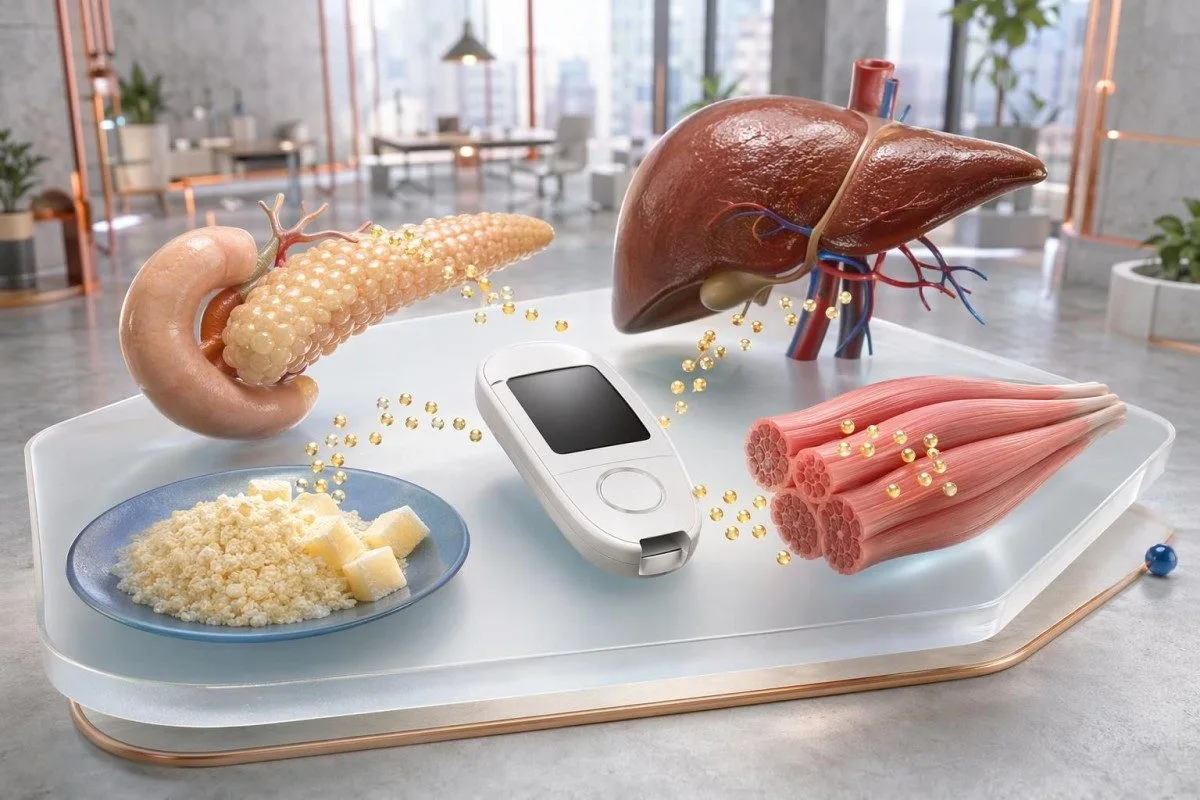
আপোনাৰ গ্লুক’জৰ ধৰণে এটা সাধাৰণ “নো কাৰ্বছ” তালিকাতকৈ বেছি গুৰুত্ব পায়। তলত মই সাধাৰণ লেব ফলাফলবোৰক বাস্তৱিকভাৱে ৰোগীয়ে মানি চলিব পৰা খাদ্য-সলনিৰ ৰূপত কেনেকৈ অনুবাদ কৰোঁ দেখুৱাইছোঁ।.


- উপবাসত গ্লুক’জ 100 mg/dL তকৈ তলত স্বাভাৱিক; 100–125 mg/dL এ প্ৰিডায়েবেটিছৰ ইংগিত দিয়ে আৰু বহু সময়ত দেৰিকৈ খোৱা আহাৰ, শোৱাৰ অভাৱ (sleep debt), বা ইনচুলিন ৰেজিষ্টেন্সৰ দিশলৈ আঙুলিয়ায়।.
- A1c 5.7% তকৈ তলত স্বাভাৱিক; 5.7–6.4% প্ৰিডায়েবেটিছ আৰু সাধাৰণতে প্ৰায় 8–12 সপ্তাহৰ ভিতৰত পুনৰাবৃত্ত গ্লুক’জ এক্সপ’জাৰৰ প্ৰতিফলন হয়।.
- আহাৰৰ পিছত ২ ঘণ্টা গ্লুক’জ ডায়েবেটিছ নথকা লোকৰ ক্ষেত্ৰত সাধাৰণতে 140 mg/dL তকৈ তলত আশা কৰা হয়; 140–199 mg/dL এ গ্লুক’জ নিয়ন্ত্ৰণত বাধা (impaired glucose handling) সূচায়।.
- ট্ৰাইগ্লিচাৰাইড 150 mg/dL তকৈ ওপৰত বহু সময়ত অতিমাত্ৰা চেনি, পৰিশোধিত ষ্টাৰ্চ, এলক’হল, বা ইনচুলিন ৰেজিষ্টেন্সৰ সৈতে বৃদ্ধি পায়, বিশেষকৈ HDL কম থাকিলে।.
- লিকুইড কাৰ্ব’হাইড্ৰেট (Liquid carbohydrates) যেনে চ’ডা, জুচ, মিঠা চাহ (sweet tea), স্প’ৰ্টছ ড্ৰিংক, আৰু ব্লেণ্ড কৰা স্মুথি—উচ্চ ৰক্ত চেনিৰ ক্ষেত্ৰত এৰাবলগীয়া প্ৰথম খাদ্য এইবোৰ, কাৰণ ইহঁতে দ্ৰুতভাৱে স্পাইক কৰে।.
- কাৰ্ব’ৰ গুণগত মান (Carb quality) কাৰ্ব’ৰ ভয়তকৈ বেছি গুৰুত্বপূৰ্ণ: বিনছ, ডাল, অক্ষত (intact) ওটছ, বেৰী (berries), যোগ কৰা চেনি নথকা দই (yogurt), আৰু শাক-পাচলি বহু সময়ত উচ্চ ৰক্ত চেনিৰ ডায়েটত খাপ খায়।.
- প্ৰিডায়েবেটিছৰ বাবে সলনি আটাইতকৈ ভাল কাম কৰে যেতিয়া অস্বাভাৱিক লেবৰ সৈতে মিলাই দিয়া হয়: উচ্চ ফাষ্টিং গ্লুক’জে ডিনাৰৰ সময়ৰ সাল-সলনি লাগে; উচ্চ মীলৰ পিছৰ গ্লুক’জে পৰিমাণ আৰু আঁহ (fiber)ৰ সাল-সলনি লাগে।.
- পুনৰ পৰীক্ষা কৰা হৈছে ৮–১২ সপ্তাহৰ পিছত দেখায় যে খাদ্য সলনিয়ে A1c, ফাষ্টিং গ্লুক’জ, ট্ৰাইগ্লিচাৰাইডছ, আৰু HDLক সঠিক দিশলৈ লৈ গৈছে নে নাই।.
লেব-ভিত্তিক তালিকা: কোনবোৰ খাদ্যই সৰ্বাধিক দ্ৰুতভাৱে ৰক্তৰ চেনি (ব্লাড চুগাৰ) বৃদ্ধি কৰে
মূল উচ্চ ৰক্তচাপ গ্লুক’জ থকা অৱস্থাত এৰিবলগীয়া খাদ্য হৈছে লিকুইড চুগাৰ, মিঠা কৰা কফি পানীয়, ফলৰ ৰস, নিয়মীয়া চ’ডা, বগা চাউল বা পাস্তা ডাঙৰ পৰিমাণ, পৰিশোধিত ব্ৰেকফাষ্ট চিৰিয়েল, পেষ্ট্ৰী, কেণ্ডি, আৰু “স্বাস্থ্যকৰ” স্নেক যিবোৰ বেছিকৈ ময়দা, চিৰাপ, বা শুকান ফলৰ পৰা তৈয়াৰ কৰা হয়। মই বেছিভাগ ৰোগীক সকলো কাৰ্ব’হাইড্ৰেট এৰিবলৈ কোৱা নাই; মই সলনিবোৰ মিলাই দিওঁ ফাষ্টিং গ্লুক’জ, ১–২ ঘণ্টা মীলৰ পিছৰ পঢ়া, A1c, আৰু ট্ৰাইগ্লিচাৰাইডছৰ সৈতে।.
উপবাস অৱস্থাত গ্লুক’জ যদি 100 mg/dL স্বাভাৱিক, 100–125 mg/dL প্ৰি-ডায়েবেটিছ সূচায়, আৰু 126 mg/dL বা তাতকৈ অধিক হয় দুটা পৃথক পৰীক্ষাত আমেৰিকান ডায়েবেটিছ এছ’চিয়েচনৰ Professional Practice Committee অনুসৰি ডায়েবেটিছ ডায়াগন’ষ্টিক থ্ৰেছহ’ল পূৰণ কৰে, ২০২৬। Kantesti হৈছে এ আই ব্লাড টেষ্ট এনালাইজাৰ যিয়ে A1c, ট্ৰাইগ্লিচাৰাইডছ, HDL, লিভাৰ এনজাইম, কিডনিৰ সূচক, আৰু ঔষধৰ প্ৰসংগৰ কাষত গ্লুক’জ পঢ়ে—এটা এটা সংখ্যা সম্পূৰ্ণ কাহিনী বুলি ধৰি চিকিৎসা কৰাৰ পৰিৱৰ্তে।.
ক্লিনিকত মই যিটো অদ্ভুত কথা দেখা পাওঁ সেয়া হ’ল—দুজন মানুহে একে ব্ৰেকফাষ্ট খালো যদিও বিপৰীত লেব পেটাৰ্ণ পায়। এজন ৰোগীয়ে চিৰিয়েল খালে গ্লুক’জ হঠাৎ বঢ়ে, কিন্তু তেওঁৰ ফাষ্টিং গ্লুক’জ হৈছে 190 mg/dL ; আনজনৰ ব্ৰেকফাষ্টৰ পিছত কেতিয়াও বঢ়া নহয়, তথাপিও তেওঁ সাৰ পায় 92 mg/dL; ; 116 mg/dL কাৰণ লিভাৰে নিশা নিশা গ্লুক’জ ঠেলি দিছে।.
২৭ মে’, ২০২৬ তাৰিখলৈ, মোৰ ব্যৱহাৰিক প্ৰথম পদক্ষেপ সৰল: প্ৰথমে লিকুইড চুগাৰ আঁতৰাওক, তাৰ পিছত পৰিশোধিত ষ্টাৰ্চৰ পৰিমাণ কমাওক, তাৰ পিছত প্ৰ’টিন, আঁহ (fiber), আৰু ধীৰগতিত হজম হোৱা কাৰ্ব’হাইড্ৰেটৰে প্লেটখন পুনৰ গঠন কৰক। যদি আপুনি বহল ডায়াগন’ষ্টিক প্ৰসংগ বিচাৰে, আমাৰ Kantesti পৃষ্ঠাই ব্যাখ্যা কৰে কিয় আমি সাধাৰণ ডায়েট নিয়মৰ পৰিৱৰ্তে মাপা বায়’মাৰ্কাৰৰ ওপৰত ভিত্তি কৰি পুষ্টি-নিৰ্দেশনা গঢ়ি তুলিছিলোঁ।.
Thomas Klein, MD সাধাৰণতে ৰোগীক এইদৰে কয়: যদি কোনো খাদ্য মিঠা, পান কৰিব পৰা, আৰু প্ৰ’টিন বা আঁহ (fiber) কম হয়, তেন্তে ই সাধাৰণতে গ্লুক’জ ত্বৰান্বিতকাৰী। যদি ই চেবি (চিবাবলগীয়া), অক্ষত, উচ্চ-আঁহ (high-fiber), আৰু প্ৰ’টিনৰ সৈতে খোৱা হয়, তেন্তে সাধাৰণতে ইয়াক মানি ল’বলৈ বহু সহজ হয়।.
ফাষ্টিং গ্লুক’জ বেছি হ’লে, প্ৰথমে ৰাতিৰ আহাৰ আৰু শোৱাৰ সময়ৰ পৰা আৰম্ভ কৰক
উচ্চ ফাষ্টিং গ্লুক’জে সাধাৰণতে বুজায় যে নিশা গ্লুক’জ উৎপাদন, দেৰি হোৱা পৰিশোধিত কাৰ্ব’হাইড্ৰেট, বেয়া শুই থকা (sleep), বা ইনচুলিন ৰেজিষ্টেন্সে পুৱা সংখ্যাবোৰ চালিত কৰিছে। খাদ্যৰ লক্ষ্যসমূহ হ’ল সন্ধিয়াৰ মিঠাই, ডাঙৰ বগা-ষ্টাৰ্চ ডিনাৰ, দেৰি স্নেক, আৰু এলক’হল থকা ডেজাৰ্ট বা পানীয়।.
ফাষ্টিং গ্লুক’জ আটাইতকৈ উপযোগী হয় যেতিয়া নমুনাটো অনুসৰণ কৰে 8–12 ঘণ্টা কেলৰি নোহোৱাকৈ আৰু ৰোগী তৎক্ষণাৎ অসুস্থ (acutely ill) নহয়। যদি আপোনাৰ ফাষ্টিং ফলাফল হৈছে 108 mg/dL কিন্তু আপোনাৰ A1c হৈছে 5.4%, মই প্ৰতিটো কাৰ্বোহাইড্ৰেটক দোষাৰোপ কৰাৰ আগতে শুই থকাৰ সময়, মানসিক চাপৰ হৰম’ন, আৰু শেষ আহাৰৰ সময়ৰ ওপৰত অধিক গভীৰভাৱে চাওঁ।.
মই সঘনাই দেখা এটা ধৰণ: ৰাতিৰ আহাৰ ৯:৩০ বজাত, ভাত বা নুডলছক আটাইতকৈ ডাঙৰ প্লেট আইটেম হিচাপে লোৱা, তাৰ পিছত ফল, আৰু তাৰপিছত এটা fasting glucose হয় ১১২–১১৮ mg/dL. । ষ্টাৰ্চ আগলৈ লৈ যোৱা, পৰিমাণটো এক-তৃতীয়াংশ কমোৱা, আৰু ১০–১৫ মিনিট খোজ কঢ়া কিছুমান ৰোগীৰ ক্ষেত্ৰত পুৱা পঢ়া মান 5–15 mg/dL কমাব পাৰে, যদিও প্ৰতিক্ৰিয়া ভিন্ন হয়।.
লেবৰেটৰীৰ সূক্ষ্মতা গুৰুত্বপূৰ্ণ কাৰণ fasting glucose 101 mg/dL আৰু triglycerides 85 মিগ্ৰা/ডি এল থকাটো fasting glucose 101 mg/dL ৰ সৈতে triglycerides 230 mg/dL আৰু HDL 38 মিগ্ৰা/ডি এল. থকাৰ দৰে একে বিপাকীয় ছবি নহয়। reference ranges আৰু dawn-phenomenon ৰ বিৱৰণৰ বাবে আমাৰ উপবাসৰ চেনি নিৰ্দেশিকা.
মোৰ প্ৰথম পৰিৱৰ্তন কদাপি “নহয় ডিনাৰ কাৰ্ব” নহয়। সাধাৰণতে ই এনেকুৱা: বগা ভাতৰ এটা ডাঙৰ বাটি আধা পৰিমাণলৈ কমাই তাৰ লগত ডাল বা শাক-পাচলি যোগ কৰা, আহাৰত প্ৰ’টিনক ২৫–৪০ g তেই ৰাখা, আৰু শুই উঠাৰ ২–৩ ঘণ্টা আগতে grazing বন্ধ কৰা।.
আহাৰৰ পিছত গ্লুক’জৰ স্পাইক হ’লে, সমস্যাটো সাধাৰণতে গতি (speed)
আহাৰৰ পিছৰ উচ্চ পঢ়া মানে হৈছে গ্লুক’জ ইনচুলিন আৰু মাংসপেশীৰ গ্ৰহণে সামলাব পাৰাৰ আগতেই তেজৰ ধাৰাত সোমাই গৈছিল। সাধাৰণ দোষীসমূহ হ’ল জুচ, পৰিশোধিত চিৰিয়েল, বগা ব্ৰেড, বগা ভাত, কম-ফাইবাৰ পাস্তা, মিঠা চচ, আৰু প্ৰ’টিন বা ফাইবাৰ নোহোৱাকৈ খোৱা ডেজাৰ্ট।.
ডেৰ ঘণ্টাৰ গ্লুক’জ 140 mg/dL তকৈ তলত সাধাৰণতে ডায়েবেটিছ নথকা লোকৰ ক্ষেত্ৰত আশা কৰা হয়, আনহাতে 140–199 mg/dL oral glucose tolerance test ৰ পিছত হোৱা মানে impaired glucose tolerance সূচায়। দৈনন্দিন fingerstick বা CGM ব্যৱহাৰত বহু চিকিৎসকে ডায়েবেটিছ থকা বহু প্ৰাপ্তবয়স্কৰ বাবে ১৮০ mg/dL ক এটা ব্যৱহাৰিক ceiling হিচাপে ব্যৱহাৰ কৰে, কিন্তু লক্ষ্যসমূহ ব্যক্তিভেদে নিৰ্ধাৰণ কৰিব লাগিব।.
মোৰ এজন ৪৬ বছৰীয়া ৰোগীৰ A1c আছিল 5.8% আৰু তেওঁ জোৰ দি ক’লে যে ওটছেই সমস্যা। তেওঁৰ মিটাৰে দেখুৱালে যে গ্ৰীক দইৰ সৈতে সাধাৰণ ওটছৰ পিক হৈছিল at 132 mg/dL, যেতিয়া এটা “প্ৰাকৃতিক” ফলৰ স্মুদিয়ে আঘাত কৰে 196 mg/dL ৫৫ মিনিটত; তৰল ৰূপটো সমস্যাটো আছিল, ফলটো নহয়।.
খোৱাৰ ক্ৰমে বক্ৰৰেখা সলনি কৰিব পাৰে। ষ্টাৰ্চৰ আগতে প্ৰ’টিন আৰু শাক-পাচলি খালে আৰম্ভণিৰ গ্লুক’জৰ শীৰ্ষ (early glucose peak) কমাব পাৰে ২০–৪০ মি.গ্ৰা./ডি.এল. কিছুমান মানুহৰ ক্ষেত্ৰত, বিশেষকৈ যেতিয়া কাৰ্ব’হাইড্ৰেট অংশটো ৩০–৪৫ গ্ৰাম ৰ পৰিৱৰ্তে এটা ৰেষ্টুৰেণ্টৰ মাপৰ ৯০–১২০ গ্ৰাম ল’ড।.
যদি আপুনি আহাৰৰ পিছত অনুসৰণ কৰে, তুলনাৰ বাবে একে সময় ব্যৱহাৰ কৰক: এঘণ্টাই শীৰ্ষ ধৰে, দু ঘণ্টাই আৰোগ্য/পুনৰুদ্ধাৰ দেখুৱায়। আমাৰ আহাৰৰ পিছৰ (after-eating) পৰিসীমা শীৰ্ষক লেখাটোৱে ব্যাখ্যা কৰে কিয় এটা নিখুঁত উপবাসৰ ফলাফলেও আহাৰৰ পিছত হোৱা হাইপাৰগ্লাইচেমিয়া (post-meal hyperglycemia) মিছ কৰিব পাৰে।.
A1C বেছি হ’লে, একক আহাৰৰ তুলনাত অধিক গুৰুত্ব দিন সামগ্ৰিক এক্সপ’জাৰ গণনাত
এটা উচ্চ A1c প্ৰায় আগৰ ৮–১২ সপ্তাহৰ ভিতৰত পুনঃপুন গ্লুক’জৰ সংস্পৰ্শৰ প্ৰতিফলন, এটা বেয়া একেটা আহাৰ নহয়। A1c বৃদ্ধি কৰা খাদ্যসমূহ সাধাৰণতে ঘন ঘন সৰু সৰু আঘাত: মিঠা পানীয়, ক্ৰেকাৰ খাই খাই খোৱা (grazing), নিশাৰ ডেজাৰ্ট, ডাঙৰ মাত্ৰাৰ ষ্টাৰ্চ অংশ, আৰু দিনে কেইবাবাৰো “অলপ”কৈ যোগ কৰা চেনি।.
A1c তলত 5.7% স্বাভাৱিক, 5.7–6.4% prediabetes (পূৰ্ব-ডায়েবেটিছ), আৰু 6.5% বা তাতকৈ অধিক উপযুক্তভাৱে নিশ্চিত কৰিলে ডায়েবেটিছ ধৰা পেলাব পাৰে। A1c ৰ 6.0% ওচৰৰ আনুমানিক গড় গ্লুক’জৰ সৈতে মিল খায় 126 mg/dL, যদিও ৰেড-চেল টাৰ্নঅভাৰ (red-cell turnover) কিছুমান মানুহৰ ক্ষেত্ৰত সেই অনুমান ভুল কৰি দিব পাৰে।.
Kantesti AI এ হিম’গ্ল’বিন, MCV, ফেৰিটিন, কিডনিৰ কাৰ্যক্ষমতা, আৰু শেহতীয়া অসুস্থতাই সংখ্যাটো বিকৃত কৰিব পাৰে নে নাই চেক কৰি A1c ব্যাখ্যা কৰে। এই কাৰ্যপ্ৰণালী আমাৰ চিকিৎসা বৈধকৰণ মানদণ্ড (standards) ত বৰ্ণিত একে ধৰণৰ ক্লিনিকেল যুক্তিৰ অনুসৰণ কৰে: প্ৰথমে পেটাৰ্ন, দ্বিতীয়তে পৃথক ফ্লেগ।.
ইয়াত থকা প্ৰমাণখিনি সামাজিক মাধ্যমত যিমানকৈ কোৱা হয় তাৰ তুলনাত অধিক সূক্ষ্ম। Jenkins et al. এ JAMA ত প্ৰকাশ কৰিছিল যে low-glycemic-index খাদ্যই type 2 ডায়েবেটিছত উচ্চ-cereal-fiber খাদ্যৰ তুলনাত গ্লাইচেমিক নিয়ন্ত্ৰণ উন্নত কৰিছিল ৬ মাহ, কিন্তু বাস্তৱ জগতৰ পাৰ্থক্য বহুলভাৱে ভিত্তি খাদ্য (baseline diet) আৰু অনুসৰণ (adherence) ওপৰত নিৰ্ভৰ কৰে।.
মই সন্দেহ কৰোঁ যেতিয়া A1c বৃদ্ধি পায় কিন্তু উপবাসৰ গ্লুক’জ স্বাভাৱিক থাকে; উদাহৰণস্বৰূপ A1c 6.1% ৰ ওপৰত এটা ফলাফল ৯১ মি.গ্ৰা./ডি.এল.. । সেয়া বেছিভাগ সময়তে আহাৰৰ পিছত হোৱা স্পাইক (post-meal spikes), এনিমিয়া-সম্পৰ্কীয় বিকৃতি, বা দুয়োটাই বুজায়, আৰু আমাৰ A1c বনাম উপবাস সেই অসামঞ্জস্যতা কেন হয়—সেই বিষয়ে গাইডে আলোচনা কৰা হৈছে।.
ট্ৰাইগ্লিচাৰাইডে লুকাই থকা চেনি আৰু ষ্টাৰ্চৰ বোজা উন্মোচন কৰে
উচ্চ ট্রাইগ্লিসাৰাইডে বহু সময়ত অতিরিক্ত পৰিশোধিত কাৰ্বোহাইড্ৰেট, চেনি, এলক’হল, ইনচুলিন ৰেজিষ্টেন্স, বা ফেটি লিভাৰৰ ঝুঁকি প্ৰকাশ পায়—যদিও গ্লুক’জ কেৱল সামান্য অস্বাভাবিক থাকে। খাদ্যৰ লক্ষ্যবস্তুসমূহ হ’ল চ’ডা, জুচ, ডেজাৰ্ট, চেনি মিহলি কৰা দই, ডাঙৰ পৰিমাণৰ পৰিশোধিত ষ্টাৰ্চ, আৰু ঘন ঘন অতি-প্ৰক্ৰিয়াজাত স্নেক।.
উপবাসৰ ট্রাইগ্লিসাৰাইড 150 mg/dL সাধাৰণতে স্বাভাৱিক বুলি ধৰা হয়, 150–199 mg/dL সীমান্তৱৰ্তীভাৱে উচ্চ, 200–499 mg/dL উচ্চ, আৰু 500 mg/dL বা তাতকৈ অধিক পেনক্ৰিয়াটাইটিছৰ চিন্তা বৃদ্ধি কৰে। যেতিয়া ট্রাইগ্লিসাৰাইড 220 mg/dL আৰু HDL কম থাকে, তেতিয়া পেটাৰ্নটোৱে অন্য কথা প্ৰমাণ নকৰালৈকে মই ইনচুলিন ৰেজিষ্টেন্স বুলি ধৰি লওঁ।.
ট্রাইগ্লিসাৰাইড-টু-HDL অনুপাতটো কোনো আনুষ্ঠানিক নিৰ্ণয় নহয়, কিন্তু ই এটা উপযোগী সূত্ৰ। mg/dL এককত প্ৰায় 3.0 ওপৰৰ অনুপাত বহু জনসংখ্যাত ইনচুলিন ৰেজিষ্টেন্সৰ সৈতে মিলি যায়, যদিও সীমা লিংগ, জাতিগততা, আৰু লেবৰেটৰী পৰিস্থিতি অনুসৰি ভিন্ন হ’ব পাৰে।.
চেনি-মিহলি পানীয়সমূহ বিশেষভাৱে উল্লেখযোগ্য। Malik et al.-এ Diabetes Care-ত দেখুৱাইছে যে চেনি-মিহলি পানীয়ৰ অধিক সেৱনে মেটাবলিক ছিণ্ড্ৰম আৰু টাইপ ২ ডায়েবেটিছৰ অধিক ঝুঁকিৰ সৈতে সম্পৰ্কিত, যিটো আমি দেখোঁ যেতিয়া ট্রাইগ্লিসাৰাইড 30–80 mg/dL কমে—যেতিয়া ৰোগীয়ে দৈনিক চ’ডা বা জুচ বাদ দিয়ে।.
যদি আপোনাৰ ট্রাইগ্লিসাৰাইডেই আটাইতকৈ বেছি শব্দ কৰা (সৰ্বাধিক স্পষ্ট) অস্বাভাবিকতা হয়, তেন্তে কেৱল ক’ন খাদ্যই ৰক্তৰ গ্লুক’জ বৃদ্ধি কৰে সেয়া নুধিব নালাগে; নুধিব—ক’ন খাদ্য লিভাৰৰ চৰ্বি আৰু সঞ্চালিত ট্রাইগ্লিসাৰাইডলৈ ৰূপান্তৰিত হৈ আছে। আমাৰ TG-HDL অনুপাত গাইডে ব্যাখ্যা কৰে কিয় এই পেটাৰ্নে স্পষ্ট ডায়েবেটিছৰ আগতেই দেখা দিব পাৰে।.
কাৰ্বছ অতিমাত্ৰা সীমিত নকৰিব; ধীৰগতিত হজম হোৱা কাৰ্বছ বাছনি কৰক
উচ্চ ৰক্ত-চেনি খাদ্যাভ্যাসে সকলো কাৰ্বোহাইড্ৰেট বাদ দিয়াৰ আগতেই দ্ৰুত, পৰিশোধিত কাৰ্বোহাইড্ৰেট কমাব লাগে। বেছিভাগ ৰোগীয়ে ভয়-ভিত্তিক “জিৰ’ কাৰ্ব” পৰিকল্পনাতকৈ মাপমতে পৰিমাণৰ বীন, ডাল, অক্ষত শস্য, শাক-পাচলি, বেৰী, সাধাৰণ দই, আৰু বাদামৰ সৈতে ভাল ফল পায়।.
Diabetes Care-ত Evert et al.-এ প্ৰকাশ কৰা পুষ্টি-সম্মতি (nutrition consensus) ৰিপ’ৰ্টত কোৱা হৈছে যে ডায়েবেটিছ বা প্ৰিডায়েবেটিছ থকা প্ৰতিজন প্ৰাপ্তবয়স্কৰ বাবে একেটা “একমাত্ৰ আদৰ্শ” মেক্ৰ’নিউট্ৰিয়েণ্ট বিভাজন নাই। ঠিক এয়াই মোৰ অভিজ্ঞতা: এজনৰ 130 g/day কাৰ্বোহাইড্ৰেটত উন্নতি হয়, আন এজনৰ 180 g/day, ওচৰত ভাল চলে, আৰু তৃতীয়জনৰ ক্ষেত্ৰত ঔষধ সমন্বয় কৰাৰ সময়ত সাময়িকভাৱে কম সেৱন লাগিব পাৰে।.
ফাইবাৰ হৈছে কম ব্যৱহৃত নিয়ন্ত্ৰণকাৰী (lever)। প্ৰায় দৈনিক ২৫ গ্ৰাম বহু মহিলাৰ বাবে আৰু দৈনিক ৩৮ গ্ৰাম বহু পুৰুষৰ বাবে যুক্তিসংগত, আৰু আনকি এটা অতিৰিক্ত দৈনিক ৫–১০ গ্ৰাম বীন, চিয়া, শাক-পাচলি, বা অক্ষত ওটছৰ পৰা আহিলে আহাৰ-খোৱাৰ পিছৰ গ্লুক’জ কমাব পাৰে।.
কাৰ্ব’হাইড্ৰেট সীমিত কৰিলে গ্লুক’জ দ্ৰুতভাৱে কমিব পাৰে, কিন্তু যদি সলনি কৰা খাদ্য বেছিভাগেই বাটাৰ, প্ৰচেছড মাংস, আৰু চীজ হয়, তেন্তে LDL ক’লেষ্টেৰল বা ApoB ভিতৰত বৃদ্ধি পাব পাৰে ৪–১২ সপ্তাহ. । সেইবাবেই মই গ্লুক’জৰ সৈতে একেলগে লিপিডো পৰীক্ষা কৰোঁ, কেৱল একা A1c কমি যোৱাক উদযাপন নকৰোঁ।.
ব্যৱহাৰিক সলনি তালিকাখন ব’ৰিং কিন্তু ফলপ্ৰসূ: বগা ৰুটি সলনি ঘন বীজযুক্ত ৰুটিত, মিঠা চিৰিয়েল সলনি সাধাৰণ ওটছৰ সৈতে প্ৰ’টিন, কেৱল ভাত সলনি ভাতৰ সৈতে ডাল, জুস সলনি সম্পূৰ্ণ ফল, আৰু মিঠা দই সলনি বেৰীসহ সাধাৰণ দই। আমাৰ কম-গ্লাইচেমিক খাদ্য লেখাটোৱে খাদ্যক নৈতিক পৰীক্ষা কৰি নোলোৱাকৈ লেব-ভিত্তিক উদাহৰণ দিয়ে।.
প্ৰিডায়েবেটিছৰ বাবে এৰাবলগীয়া খাদ্যসমূহ অস্বাভাৱিক সূচক (abnormal marker) অনুসৰি নিৰ্ভৰ কৰে
প্ৰিডায়েবেটিছৰ বাবে এৰাই চলিবলগীয়া সৰ্বোত্তম খাদ্যসমূহ সেইবোৰ যিবোৰ আপোনাৰ অস্বাভাৱিক লেব পেটাৰ্নৰ সৈতে মিল খায়: ট্ৰাইগ্লিচাৰাইডৰ বাবে মিঠা পানীয়, আহাৰ-খোৱাৰ পিছত হঠাৎ বৃদ্ধি হোৱা বাবে পৰিশোধিত সকালের কাৰ্ব’হাইড্ৰেট, ফাষ্টিং গ্লুক’জৰ বাবে দেৰিকৈ খোৱা স্নেক, আৰু A1cৰ বাবে ঘনাই ঘনাই স্নেক খোৱা। প্ৰিডায়েবেটিছ এটা সতৰ্কবাতি, জীৱনদণ্ড নহয়।.
প্ৰিডায়েবেটিছ ফাষ্টিং গ্লুক’জৰ দ্বাৰা নিৰ্ণয় কৰা হয় 100–125 mg/dL, A1c 5.7–6.4%, বা দুই ঘণ্টাৰ OGTT গ্লুক’জ 140–199 mg/dL. । A1c থকা এজন ব্যক্তিৰ বাবে 5.7% আৰু ট্ৰাইগ্লিচাৰাইড 90 mg/dL বেলেগ ধৰণৰ পৰিকল্পনা লাগে, যিজনৰ A1c 6.3%, ট্ৰাইগ্লিচাৰাইড 260 mg/dL, আৰু ALT সামান্যভাৱে বৃদ্ধি পোৱা।.
কান্টেষ্টি হৈছে এক... AI তেজ পৰীক্ষাৰ ফলাফল প্লেটফৰ্ম যিয়ে এটা রিপোর্টতে প্ৰিডায়েবেটিছৰ সূত্ৰসমূহক লিপিড, যকৃত, কিডনি, থাইৰয়েড, আৰু ৰক্ত গণনা মাৰ্কাৰৰ সৈতে একেলগে গোটায়। এইটো গুৰুত্বপূৰ্ণ, কাৰণ হাইপ’থাইৰয়ডিজমৰ পৰা হোৱা ওজন বৃদ্ধি, ষ্টেৰয়েড ব্যৱহাৰ, স্লীপ এপনিয়া, বা PCOS এ এটা “ডায়েট সমস্যা” সৃষ্টি কৰিব পাৰে যিটো কেৱল ডায়েট সমস্যা নহয়।.
তেওঁৰ ৫০ৰ দশকৰ আৰম্ভণিৰ এগৰাকী ৰোগীয়ে A1c কমাইছিল 6.2% পৰা 5.8% লৈ ৰুটি সম্পূৰ্ণকৈ বন্ধ নকৰাকৈ। তেওঁৰ সিদ্ধান্তমূলক পৰিৱর্তন আছিল এটা মিঠা কফি পানীয় আৰু পেষ্ট্ৰি সকালের নাস্তা সলনি কৰি কণী, সাধাৰণ দই, বেৰী, আৰু এটা বীজযুক্ত ট’ষ্টৰ স্লাইচ খোৱা; সকালের নাস্তা খোৱাৰ পিছৰ পঢ়া-লিখা ১৮০ mg/dL.
। সীমান্তীয় ক্ষেত্ৰৰ বাবে, মই ১২-সপ্তাহৰ এটা পৰীক্ষা ভাল পাওঁ: লিকুইড চুগাৰ আঁতৰাওক, পৰিশোধিত ষ্টাৰ্চক আহাৰত এক মুঠি-আকাৰৰ অংশলৈ সীমিত কৰক, যোগ কৰক ২০–৩০ গ্ৰাম প্ৰ’টিন সকালের নাস্তা খোৱাৰ সময়ত, আৰু সৰ্বাধিক ডাঙৰ আহাৰৰ পিছত খোজ কঢ়া। আমাৰ প্ৰিডায়েবেটিছৰ লেব পৰীক্ষাসমূহ গাইডে ব্যাখ্যা কৰা হৈছে যে কোন সীমান্তৱৰ্তী ফলাফলসমূহে অধিক ঘনিষ্ঠ অনুসৰণৰ যোগ্য।.
“স্বাস্থ্যকৰ” বুলি ধৰা খাদ্যবোৰে নিঃশব্দে গ্লুক’জ কিয় স্পাইক কৰে
বহুতো খাদ্য যিবোৰক স্বাস্থ্যকৰ বুলি বজাৰজাত কৰা হয়, সেয়া তৰল ৰূপত, কম-ফাইবাৰযুক্ত, বা পৰিমাণে অধিক হলে তৎক্ষণাৎ ৰক্তৰ চিনি (ব্লাড সুগাৰ) বৃদ্ধি কৰিব পাৰে। সাধাৰণ উদাহৰণসমূহ হ’ল ফলৰ স্মুদী, গ্ৰেনোলা, ৰাইচ কেক, চেনি মিহলি কৰা ওট মিল্কৰ পানীয়, শুকান ফলৰ বাৰ, কম-ফ্যাটযুক্ত সোৱাদযুক্ত দই, আৰু ডাঙৰ পৰিমাণৰ ইনষ্টেণ্ট ওটছৰ বাটি।.
কলা, আম, জুচ, আৰু মৌৰ সৈতে কৰা এটা স্মুদীত থাকিব পাৰে 60–90 g দ্ৰুতভাৱে উপলব্ধ কাৰ্ব’হাইড্ৰেট। একে ফলটো সম্পূৰ্ণকৈ খাই, সাধাৰণ দই আৰু বাদামৰ সৈতে খালে, চিবোৱা, ফাইবাৰৰ গঠন, চৰ্বি, আৰু প্ৰ’টিনে শোষণ ধীৰ কৰে বাবে, বহু কম গ্লুক’জ বৃদ্ধি হ’ব পাৰে।.
গ্ৰেনোলা আন এটা ক্লিনিকৰ ফাঁদ। “সৰু” বাটিত দিব পাৰে 45–70 g কাৰ্ব’হাইড্ৰেট—দুধৰ আগতেই—আৰু কিছুমান সংস্কৰণত একে কামোৰতে চেনি, চিৰাপ, শুকান ফল, আৰু কম প্ৰ’টিন থাকে।.
ওট মিল্ক কফিৰ পানীয়সমূহে শান্তভাৱে সতৰ্কবাণী দাবী কৰে। ব্ৰেণ্ড আৰু আকাৰ অনুসৰি, এটা কেফে পানীয়ত থাকিব পাৰে 30–60 g কাৰ্ব’হাইড্ৰেট, আৰু ৰোগীসকলে প্ৰায়ে ইয়াক গণনা নকৰে কাৰণ ই নাস্তা যেন নালাগি কফি যেন লাগে।.
যদি ডায়েবেটিছৰ নিৰ্ণয় নোহোৱাকৈ গ্লুক’জ বেছি থাকে, তেন্তে খাদ্য কেৱল কাহিনীৰ এটা অংশহে; মানসিক চাপ, সংক্ৰমণ, ষ্টেৰ’ইড, টোপনি কমি যোৱা, আৰু লেবৰেটৰী সময় নিৰ্ধাৰণ—এই সকলোবোৰে ভূমিকা ল’ব পাৰে। আমাৰ উচ্চ গ্লুক’জ বুজাই দিয়া সহায় কৰে এটা সত্যিকাৰৰ বিপাকীয় ধৰণক এটা একবাৰেই হোৱা ফলৰ পৰা পৃথক কৰিবলৈ।.
খাদ্যক দোষাৰোপ কৰাৰ আগতে ফাষ্টিং আৰু লেবৰ সময় নিৰ্ধাৰণ (timing) পৰীক্ষা কৰক
গ্লুক’জ আৰু ট্ৰাইগ্লিচাৰাইডৰ ফলাফল বেয়া যেন লাগিব পাৰে যদি পৰীক্ষাটো সত্যিকাৰে ফাষ্টিং নাছিল, অসুস্থতাৰ পিছত তুলি অনা হৈছিল, বা তীব্ৰ ব্যায়াম, কম টোপনি, বা ষ্টেৰ’ইড ঔষধৰ পিছত কৰা হৈছিল। খাদ্যৰ সলনি (swap) পুনৰাবৃত্তি কৰিব পৰা ধৰণৰ ওপৰত ভিত্তি কৰি কৰা উচিত, কেৱল সন্দেহজনক এটা ৰক্ত তোলাৰ ওপৰত নহয়।.
ফাষ্টিং নোহোৱা গ্লুক’জ সম্পূৰ্ণকৈ উপযুক্ত হ’ব পাৰে যদি চিকিৎসকে সেইদৰে আদেশ দিছিল, কিন্তু ইয়াক 8–12 ঘন্টা ফাষ্টিং ফলাফলৰ দৰে ব্যাখ্যা কৰা উচিত নহয়। শেহতীয়াকৈ উচ্চ চৰ্বি বা উচ্চ চেনিৰ আহাৰৰ পিছতো ট্ৰাইগ্লিচাৰাইড বৃদ্ধি হ’ব পাৰে, কেতিয়াবা ব্যক্তিভেদে 50 mg/dL বা তাতকৈও অধিক।.
ডায়েট প্লেন বনোৱাৰ আগতে মই পাঁচটা বিৰক্তিকৰ প্ৰশ্ন সুধোঁ: শেষবাৰৰ কেলৰি খোৱাৰ সময়, টোপনিৰ সময়সীমা, এলক’হল গ্ৰহণ, শেহতীয়া সংক্ৰমণ, আৰু প্ৰেডনিছন দৰে ঔষধ। পুৱা 121 mg/dL টোপনিৰ ৪ ঘণ্টাৰ অধিক সময়ত পৰিবহণত দেৰি হৈছিল পিছদিনা হোৱা এটা ফাষ্টিং গ্লুক’জে ৰোগীৰ সাধাৰণ বেছলাইনক প্ৰতিনিধিত্ব নকৰিবও পাৰে।.
কিছুমান ইউৰোপীয় লেব আৰু কিছুমান আমেৰিকান লেব বেলেগ বেলেগ ৰেফাৰেন্স ফ্লেগ দেখুৱায়, বিশেষকৈ ট্ৰাইগ্লিচাৰাইড আৰু গ্লুক’জৰ এককসমূহৰ ক্ষেত্ৰত। গ্লুক’জ ক’ত এককত ৰিপ’ৰ্ট কৰা হৈছে সেয়া সদায় পৰীক্ষা কৰক—য’ত মিলিগ্ৰাম/ডেচিলিটাৰ অথবা mmol/L; 100 mg/dL প্ৰায় 5.6 mmol/L.
যদি সময়সূচী অগোছাল আছিল, তেন্তে কঠোৰ খাদ্য-সীমাবদ্ধতা আৰোপ কৰাৰ আগতে পৰীক্ষাটো পুনৰ কৰক। আমাৰ উপবাস পৰীক্ষাৰ নিয়ম প্ৰবন্ধটোৱে তালিকাভুক্ত কৰিছে কোনবোৰ মাৰ্কাৰ আহাৰৰ পিছত উল্লেখযোগ্যভাৱে সলনি হয়।.
খাদ্যৰ সময় (timing) গ্লুক’জ কমাব পাৰে, মেন্যু সলনি নকৰিলেও
আহাৰৰ সময়, খাদ্যৰ ক্ৰম, আৰু আহাৰৰ পিছত খোজ কঢ়া—এইবোৰে পোষ্ট-মিল গ্লুক’জ কমাব পাৰে, আনকি যদি আচলতে খাদ্যসমূহ একে ধৰণৰেই থাকে। ৰোগীসকলে কঠোৰ কাৰ্ব কাউণ্টিং কৰিবলৈ সাজু নহ’লে বা তেওঁলোকে ৰাখিব বিচৰা সাংস্কৃতিক খাদ্য থাকিলে এইটো উপযোগী।.
ষ্টাৰ্চৰ আগতে শাক-পাচলি আৰু প্ৰ’টিন খালে প্ৰথম ঘণ্টাৰ স্পাইক সমান কৰি তুলিব পাৰে, কিয়নো গেষ্ট্ৰিক খালি হোৱা আৰু গ্লুক’জ শোষণ ধীৰ হয়। ব্যৱহাৰিকভাৱে ক’বলৈ গ’লে, যি আহাৰ 178 mg/dL এ স্পাইক কৰিছিল, সেয়া 145–155 mg/dL কাষ চাপি আহিব পাৰে.
ক্ৰম সলনি হোৱাৰ পিছত, যদিও ব্যক্তিভেদে সঁহাৰি বেলেগ বেলেগ হয়। আটাইতকৈ ডাঙৰ আহাৰৰ পিছত.
10–20 মিনিট খোজ কঢ়া কঙ্কালীয় পেশীয়ে কম ইনচুলিনৰ প্ৰয়োজনত গ্লুক’জ গ্ৰহণ কৰিবলৈ সহায় কৰিব পাৰে। মই এইটো শুবলৈ আগতে স্ক্ৰল কৰাৰ আগতেই পৰামৰ্শ দিওঁ, কিয়নো ই পোষ্ট-মিল গ্লুক’জ আৰু কিছুমান ৰোগীৰ ক্ষেত্ৰত পৰদিন পুৱা ফাষ্টিং পঢ়া দুয়োটাকে সহায় কৰে। ব্ৰেকফাষ্ট হৈছে সেই আহাৰ য’ত মই আটাইতকৈ বেছি লুকাই থকা ক্ষতি দেখা পাওঁ। চিৰিয়েল আৰু জুছৰ ব্ৰেকফাষ্টে 80–100 g কাৰ্ব’হাইড্ৰেট দিব পাৰে, কিন্তু কম প্ৰ’টিনৰ সৈতে; আনহাতে কণী বা ট’ফু, সাধাৰণ দই, বেৰী, আৰু এটা অলপ ধীৰ ষ্টাৰ্চে.
35–45 g ৮–১২ সপ্তাহ. আমাৰ ডায়েট লেবৰেটৰী টাইমলাইন কাৰ্ব’হাইড্ৰেটৰ তলত ৰাখিব পাৰে।.
যদি ট্ৰাইগ্লিচাৰাইড আৰু ALT বেছি থাকে, ফ্ৰুক্ট’জ আৰু এলক’হলৰ প্ৰতি নজৰ ৰাখক
খাদ্য-আচৰণ সলনি কৰা ৰোগীসকলৰ বাবে, মই অনুমান কৰাৰ বদলে জোড়া লেব টেষ্ট ভাল পাওঁ: প্ৰথমে বেছলাইন, তাৰ পিছত.
মৃদুভাৱে বাঢ়ি থকা ALT ৰ সৈতে উচ্চ ট্ৰাইগ্লিচাৰাইডে প্ৰায়ে ইনচুলিন ৰেজিষ্টেন্স বা ফেটি লিভাৰ (চর্বিযুক্ত যকৃত) ঝুঁকিৰ দিশলৈ আঙুলিয়ায়, বিশেষকৈ চেনি, ফ্ৰুক্ট’জ-সমৃদ্ধ পানীয়, আৰু এলক’হল ঘন ঘন খালে। প্ৰথম সলনি কৰিবলগীয়া বস্তুবোৰ হ’ল মিঠা পানীয়, ডেজাৰ্ট, ফলৰ জুছ, আৰু ডাঙৰ পৰিমাণৰ পৰিশোধিত ষ্টাৰ্চযুক্ত আহাৰ। যকৃতৰ মাৰ্কাৰসমূহে দেখুৱাব পাৰে অতিৰিক্ত চেনি ক’ত প্ৰচেছ কৰা হৈছে। ALT লেবৰ ওপৰৰ সীমাৰ ওপৰত, প্ৰায়ে 35–45 IU/L, ট্ৰাইগ্লিচাৰাইডছ হৈছে 240 mg/dL, আৰু উপবাসৰ গ্লুক’জ হৈছে 112 mg/dL, মই খাদ্যৰ ধৰণক কেৱল চেনিৰ এটা সংখ্যা বুলি নহয়—লিভাৰ আৰু ইনচুলিনৰ সমস্যা হিচাপে ধৰি চিকিৎসা কৰোঁ।.
সম্পূৰ্ণ ফলত ফ্ৰুক্ট’জ বিষাক্ত নহয়, কিন্তু জুল, মিঠা পানীয়, চিৰাপ, বা ঘনাই খোৱা মিঠাই হিচাপে যোগান দিলে ই বেলেগ ধৰণে আচৰণ কৰে। সম্পূৰ্ণ ফল সাধাৰণতে পানী, আঁহ (ফাইবাৰ), আৰু চিবোৱাৰ সৈতে আহে; জুলে সেই বাধা বহু অংশ কমাই দিয়ে আৰু 25–45 g কেই মিনিটমানৰ ভিতৰত চেনি প্ৰদান কৰিব পাৰে।.
HDL সংকেতটো এৰি নাযাব। পুৰুষৰ ক্ষেত্ৰত HDL তলত 40 mg/dL বা 50 mg/dL মহিলাৰ ক্ষেত্ৰত, আৰু ইয়াৰ সৈতে ট্ৰাইগ্লিচাৰাইড 150 mg/dL, ওপৰত থাকিলে, ই এটা ক্লাছিক বিপাকীয় সতৰ্ক সংকেত।.
যদি আপোনাৰ মূল অস্বাভাৱিকতা ট্ৰাইগ্লিচাৰাইড হয়, তেন্তে আমাৰ উচ্চ ট্ৰাইগ্লিচাৰাইড গাইড এ পেনক্ৰিয়াটাইটিছৰ সীমা আৰু হৃদযন্ত্ৰ-ঝুঁকিৰ প্ৰসংগ দিয়ে—যিটো কেৱল গ্লুক’জ-হেৰুৱা ডায়েট তালিকাই বাদ দিয়ে।.
বিশেষ পৰিস্থিতি: GLP-1 medicines, গৰ্ভাৱস্থা, কিডনি, আৰু শিশুসকল
কাৰোবাৰ গৰ্ভাৱস্থা, ইনচুলিন বা GLP-1 ঔষধ গ্ৰহণ, কিডনি ৰোগ, বা শিশু অৱস্থাত খাদ্য পৰামৰ্শ সলনি হয়। এই গোটসমূহত উচ্চ-চেনিৰ খাদ্য এৰাই চলাটো এতিয়াও গুৰুত্বপূৰ্ণ, কিন্তু সুৰক্ষা, ঔষধৰ সময়, পানীৰ পৰিমাণ (হাইড্ৰেচন), আৰু বৃদ্ধি-সম্পৰ্কীয় প্ৰয়োজন প্ৰথম।.
ইনচুলিন বা ছালফ’নাইলইউৰিয়া ব্যৱহাৰ কৰা লোকসকলে ঔষধৰ সমন্বয় নকৰাকৈ হঠাতে কাৰ্ব’হাইড্ৰেট কমালে হাইপ’গ্লাইচেমিয়া (hypoglycemia) বিকাশ কৰিব পাৰে। গ্লুক’জ তলত 70 mg/dL থাকিলে ই কম, আৰু পুনঃপুনীয়াকৈ কম হোৱা অৱস্থা (repeated lows) স্বল্পমেয়াদত আহাৰ-খোৱাৰ পিছত সামান্য স্পাইকতকৈ অধিক বিপদজনক।.
GLP-1 ঔষধে বহু সময়ত ৰুচি কমায়, কিন্তু ৰোগীয়ে প্ৰ’টিন বা পানী কম খাই পেলাব পাৰে। মই এলবুমিন, কিডনি কাৰ্যক্ষমতা, ইলেক্ট্ৰ’লাইট, আৰু ওজনৰ গতিপথ (weight trajectory) লক্ষ্য কৰোঁ, কাৰণ কেল’ৰিৰ নাটকীয় হ্ৰাসে লেবৰেটৰী ফল ভাল দেখাব পাৰে যদিও মাংসপেশীৰ ভৰ নীৰৱে কমি যায়।.
গৰ্ভাৱস্থাৰ লক্ষ্যসমূহ অধিক কটকটীয়া আৰু ক্লিনিচিয়ানে নেতৃত্বত নিৰ্ধাৰণ কৰা উচিত; বহুতো প্ৰথাই উপবাসৰ গ্লুক’জ তলত 95 mg/dL আৰু আহাৰ-খোৱাৰ এক ঘণ্টা পিছত তলত 140 mg/dL, ৰাখিবলৈ লক্ষ্য কৰে, কিন্তু লক্ষ্যসমূহ গাইডলাইন আৰু ঝুঁকিৰ ওপৰত ভিন্ন হয়। শিশুসকলেও বয়স-উপযোগী ব্যাখ্যা লাগে—বৃদ্ধি হৈ থকা শৰীৰৰ ওপৰত প্ৰাপ্তবয়স্কৰ ডায়েট নিয়ম লগাই নিদিয়াকৈ।.
যদি আপুনি ইনক্ৰেটিন (incretin) ঔষধ ব্যৱহাৰ কৰে বা দ্ৰুতভাৱে ওজন কমাই আছে, তেন্তে আমাৰ GLP-1 লেব চেকলিষ্ট এ A1C কম হোৱা উদযাপন কৰাৰ আগতে মই মনিটৰ কৰিব বিচৰা সূচকসমূহ সামৰি লয়।.
খাদ্য সলনি কৰাৰ পিছত কেনেকৈ পুনৰ পৰীক্ষা (retest) কৰিব
খাদ্য সলনি কৰাৰ পিছত পুনৰ পৰীক্ষা (retesting) সেই সূচকৰ জীৱবিজ্ঞান (biology) অনুসৰি হ’ব লাগে: গ্লুক’জ কেইদিনমানৰ ভিতৰত সলনি হ’ব পাৰে, ট্ৰাইগ্লিচাৰাইড কেইসপ্তাহৰ ভিতৰত, আৰু A1C প্ৰায় 8–12 সপ্তাহৰ ওপৰত। এটা একক ফিংগাৰষ্টিক (fingerstick) উপযোগী প্ৰতিক্ৰিয়া (feedback), কিন্তু পৰিকল্পনা কাম কৰি আছে নে নাই সেই সিদ্ধান্ত লেবৰেটৰীৰ ধাৰা (lab trends) এ দিয়ে।.
উপবাসৰ গ্লুক’জ 1–2 weeks উন্নত হ’ব পাৰে, যদি চালক (driver) দেৰিকৈ খোৱা, শুই থকাৰ ধৰণ, বা দৈনিক মিঠা পানীয় হয়। A1c সাধাৰণতে প্রয়োজন হয় ৮–১২ সপ্তাহ কাৰণ ই ৰঙা ৰক্তকণিকাৰ আয়ুসকালত গ্লুক’জৰ সংস্পৰ্শক প্ৰতিফলিত কৰে।.
তৰল চেনি আৰু এলক’হল আঁতৰালে ট্ৰাইগ্লিচাৰাইড দ্ৰুতভাৱে কমিব পাৰে। অনুপ্ৰাণিত ৰোগীৰ ক্ষেত্ৰত মই দেখিছোঁ যে ট্ৰাইগ্লিচাৰাইড 310 mg/dL ৰ পৰা 170 mg/dL লৈ ৬ সপ্তাহৰ ভিতৰত নামি যায়, কিন্তু মই এটাও দেখিছোঁ যে স্লীপ এপনিয়া, হাইপ’থাইৰয়ডিজম, বা ঔষধৰ প্ৰভাৱেই যদি মূল কাৰক হয় তেন্তে কোনো পৰিৱৰ্তন নোহোৱাও দেখা যায়।.
কান্টেষ্টি হৈছে এক... এআই-চালিত রক্ত পরীক্ষার বিশ্লেষণ সরঞ্জাম যিসকলে অধিক 127 খন দেশৰ, আৰু আমাৰ ট্ৰেণ্ড লজিকে নতুন মানসমূহক কেৱল জনসংখ্যাৰ ৰেফাৰেন্স ৰেঞ্জৰ সৈতে নহয়, আগৰ বেছলাইনৰ সৈতে তুলনা কৰে। ফাষ্টিং গ্লুক’জ 118 ৰ পৰা 104 mg/dL লৈ গ’লে কিন্তু লেব’ৰেটৰীয়ে দুয়োটাকে অস্বাভাৱিক বা সীমান্তৱৰ্তী বুলি চিহ্নিত কৰিলেও—এইটো বিশেষভাৱে উপযোগী।.
গঠনমূলক ট্ৰেকিংৰ বাবে তাৰিখ, ফাষ্টিংৰ সময়কাল, ওজনৰ পৰিৱৰ্তন, ঔষধসমূহ, আৰু সঠিক ডায়েট এক্সপেৰিমেণ্ট সংৰক্ষণ কৰক। আমাৰ ৰক্ত পৰীক্ষাৰ ধাৰাবাহিকতা গাইডে ব্যাখ্যা কৰে কিয় সময়ৰ লগে লগে ঢাল (slope) এটা একক সেউজীয়া বা ৰঙা সংকেততকৈ বহু সময়ত অধিক ক্লিনিকেলভাৱে উপযোগী।.
যেতিয়া খাদ্য সলনি যথেষ্ট নহয়
গ্লুক’জ অতি বেছি হলে, লক্ষণ থাকিলে, কিট’ন সন্দেহ হ’লে, বা লেব’ৰ ফলাফলে ডায়েবেটিছৰ জটিলতা সূচায়—তেতিয়া কেৱল খাদ্যৰ পৰিৱৰ্তন যথেষ্ট নহয়। ৰেণ্ডম গ্লুক’জ 200 মিগ্ৰা/ডি এল বা তাতকৈ অধিক যাদৃচ্ছিক গ্লুক’জ—এই ধৰণৰ ক্লাছিক লক্ষণো থাকে তৃষ্ণা, ঘন ঘন মূত্ৰত্যাগ, ওজন কমা, বমি, বিভ্ৰান্তি, বা ডিহাইড্ৰেচনৰ সৈতে থাকিলে তৎক্ষণাৎ চিকিৎসা সহায়তা লওক।.
উপবাসৰ গ্লুক’জৰ মান 160 mg/dL “দালচেনি চেষ্টা কৰি অপেক্ষা” কৰাৰ ক্ষেত্ৰ নহয়। ইয়াৰ বাবে নিশ্চিতকৰণ, ঔষধৰ পৰ্যালোচনা, লক্ষণ মূল্যায়ন, আৰু সাধাৰণতে A1c, কিডনি ফাংকচন, ইউৰিন এলবুমিন–ক্ৰিয়েটিনিন অনুপাত, লিপিড, আৰু কেতিয়াবা কিট’ন যেনে অতিৰিক্ত পৰীক্ষা লাগে।.
এটা আন শান্ত গোটো আছে: A1c 6.4%, ট্ৰাইগ্লিচাৰাইড 280 মিগ্ৰা/ডি এল, ৰক্তচাপ উচ্চ, আৰু সৰু বয়সতে হৃদৰোগৰ পাৰিবাৰিক ইতিহাস। সেই ৰোগীসকলে ডায়েটত বিফল হোৱাৰ বাবে নহয়, কিন্তু কাৰণ ঝুঁকি সঞ্চিত হয়—আগতেই ঔষধৰ পৰা লাভৱান হ’ব পাৰে।.
Thomas Klein, MD এ সৰ্বোত্তম ফলাফল দেখা পায় যেতিয়া ডায়েট, কাৰ্যকলাপ, ঔষধ, শুই থকা (sleep), আৰু লেব’ৰেটৰী মনিটৰিংক এটা একক পৰিকল্পনা হিচাপে ব্যৱহাৰ কৰা হয়। আমাৰ ভেলিডেচন কাম, য’ত Kantesti AI বেঞ্চমাৰ্ক, অন্তৰ্ভুক্ত আছিল, একক ফলাফলৰ অতিমাত্ৰা প্ৰতিক্ৰিয়াৰ পৰিৱৰ্তে এই বহু-মাৰ্কাৰ ধৰণসমূহক লক্ষ্য কৰি ডিজাইন কৰা হৈছিল।.
আপোনাৰ ফলাফলটো তৎক্ষণাৎ (urgent) নে নহয় নিশ্চিত নহ’লে, পৰৱৰ্তী ডায়েট এক্সপেৰিমেণ্টলৈ অপেক্ষা কৰাৰ পৰিৱৰ্তে আপোনাৰ চিকিৎসক/ক্লিনিচিয়ানক যোগাযোগ কৰক। Kantesti ধৰণটো সংগঠিত কৰিব পাৰে, কিন্তু ডায়াগন’সিছ আৰু চিকিৎসাৰ সিদ্ধান্ত সদায় এজন লাইচেন্সধাৰী স্বাস্থ্যসেৱা পেছাদাৰৰ হাতত থাকে।.
কেনেকৈ Kantesti এ গ্লুক’জ লেবক খাদ্য-সলনি চেকলিষ্টলৈ ৰূপান্তৰ কৰে
Kantesti এ ফাষ্টিং গ্লুক’জ, A1c, ট্ৰাইগ্লিচাৰাইড, HDL, লিভাৰ এনজাইম, কিডনি ফাংকচন, ৰক্ত গণনা, ঔষধ, আৰু আগৰ ট্ৰেণ্ডসমূহ একেলগে পঢ়ি গ্লুক’জ লেব’ক খাদ্য-সোৱাপ (food-swap) চেকলিষ্টলৈ ৰূপান্তৰ কৰে। এই সংযুক্ত দৃষ্টিভংগীয়ে কেৱল সময় (timing), তৰল চেনি, বা খাদ্য নহোৱা অন্য কাৰকেই যদি মূল সমস্যা হয় তেন্তে কাৰ্ব’হাইড্ৰেট অতিমাত্ৰা সীমিত কৰাৰ সম্ভাৱনা কমায়।.
আমাৰ AI বায়’মাৰ্কাৰ ব্যাখ্যা প্লেটফৰ্মে তাতকৈও অধিক পঢ়ে 15,000 ৰো অধিক বায়’মাৰ্কাৰৰ আৰু আপলোড কৰা লেব’ৰেটৰী ৰিপ’ৰ্টসমূহ প্ৰায় 60 ছেকেণ্ডত, ৰ ভিতৰত প্ৰক্ৰিয়া কৰিব পাৰে, কিন্তু মূল কথা কেৱল গতি নহয়। মূল কথা হৈছে অধিক সুৰক্ষিত প্ৰসংগ (context): কম ফেৰিটিনৰ সৈতে A1c 5.9% , কম ferritin, উচ্চ RDW, আৰু অস্বাভাৱিক MCV থাকিলে ৰোগীক কোৱা হোৱাৰ আগতে গুণগত মান (accuracy) পৰীক্ষা লাগিব পাৰে যে গ্লুক’জ নিয়ন্ত্ৰণ বেয়া হৈ আছে।.
Kantesti AI এ “avoid” (এৰাই চলা) আৰু “swap” (বদলি কৰা) পৃথক কৰি দিয়ে। ট্ৰাইগ্লিচাৰাইড 260 mg/dL থকা ৰোগীয়ে চ’ডা আৰু জুচৰ বিষয়ে অধিক শক্তিশালী সতৰ্কবাণী পায়; কিন্তু ট্ৰাইগ্লিচাৰাইড স্বাভাৱিক থকা ৰোগীয়ে আহাৰ খোৱাৰ পিছত (post-meal) স্পাইক পালে পৰিমাণ (portion), ক্ৰম (sequence), আৰু ব্ৰেকফাষ্ট-নিৰ্দিষ্ট সোৱাপসমূহ পায়।.
আমাৰ চিকিৎসা পর্যালোচনা প্ৰক্ৰিয়া চিকিৎসক আৰু ক্লিনিকাল পৰামৰ্শদাতাসকলে তত্ত্বাবধান কৰে, যাৰ ভিতৰত অন্তৰ্ভুক্ত আছে তালিকাত থকা সহকৰ্মীসকল মেডিকেল এডভাইজাৰী ব’ৰ্ড. Thomas Klein, MD এই প্ৰবন্ধসমূহ ক্লিনিকত ব্যৱহাৰ কৰা একে ব্যৱহাৰিক নিয়মেৰে পৰ্যালোচনা কৰে: লেবৰেটৰী পেটাৰ্নে যিমানখিনি ন্যায্যতা প্ৰদান কৰে, তাৰ পৰা বেছি কঠোৰ খাদ্য পৰামৰ্শ দিয়া উচিত নহয়।.
যিসকল পাঠকে মাৰ্কাৰ-প্ৰতি-মাৰ্কাৰ পটভূমি বিচাৰে, সেই বায়'মাৰ্কাৰ গাইড এ গ্লুক’জ, A1c, ট্ৰাইগ্লিচাৰাইড, HDL, ALT, ক্ৰিয়েটিনিন, আৰু প্ৰস্ৰাৱৰ এলবুমিনক ক্লিনিকেল প্ৰসংগত সামৰি লয়। মূল কথা: আটাইতকৈ দ্ৰুত গ্লুক’জ চালকসমূহৰ পৰা আৰম্ভ কৰক, য’ত লাগে তাতেই ধীৰ কাৰ্ব’হাইড্ৰেট ৰাখক, আৰু চিৰদিন ধৰি অনুমান কৰাৰ পৰিৱৰ্তে পুনৰ পৰীক্ষা কৰক।.
সঘনাই সোধা প্ৰশ্ন
মোৰ ৰক্তৰ চেনি বেছি থাকিলে প্ৰথমে মই কোনবোৰ খাদ্য এৰাই চলিব লাগে?
উচ্চ ৰক্তচাপৰ সৈতে এৰাই চলিবলগীয়া প্ৰথম খাদ্যসমূহ হ’ল নিয়মীয়া চ’ডা, ফলৰ ৰস, মিঠা চাহ, মিঠা কফি পানীয়, কেণ্ডি, পেষ্ট্ৰী, আৰু বগা ৰুটি, বগা ভাত, পাস্তা, বা পৰিশোধিত চিৰিয়েলৰ ডাঙৰ পৰিমাণ। এই খাদ্যসমূহে সামান্য প্ৰ’টিন বা আঁহৰ সৈতে ৩০–৯০ গ্ৰাম দ্ৰুতভাৱে শোষিত কাৰ্ব’হাইড্ৰেট যোগান ধৰিব পাৰে। বেছিভাগ ৰোগীৰ সকলো কাৰ্ব’হাইড্ৰেট বাদ দিব লাগিব বুলি প্ৰয়োজন নহয়; পৰিমাণ মাপি ল’লে বীন্ছ, ডাল, অক্ষত ওট্ছ, বেৰী, আৰু শাক-পাচলি দৰে ধীৰ বিকল্পসমূহে প্ৰায়ে মানি যায়।.
উপবাসৰ গ্লুক’জৰ সংখ্যা কিমান হলে মোৰ খাদ্যাভ্যাস সলনি কৰিব লাগিব?
100 mg/dL ৰ তলৰ উপবাস ৰক্ত-গ্লুক’জ স্বাভাৱিক, 100–125 mg/dL এ প্ৰিডাইবেটিছ সূচায়, আৰু দুটা পৃথক পৰীক্ষাত 126 mg/dL বা তাতকৈ অধিক হ’লে ডাইবেটিছৰ নিৰ্ণায়ক সীমা পূৰণ হয়। যদি আপোনাৰ উপবাস ৰক্ত-গ্লুক’জ বাৰম্বাৰ 100 mg/dL ৰ ওপৰত থাকে, তেন্তে প্ৰথমে তৰল চেনি বাদ দিয়ক, নিশাৰ শেষ ভাগৰ পৰিশোধিত কাৰ্ব’হাইড্ৰেট কমাওক, আৰু শেষবাৰৰ কেল’ৰি খোৱাৰ পৰা শুবলৈ 2–3 ঘণ্টা ব্যৱধান ৰাখক। 126 mg/dL ওচৰৰ বা তাতকৈ অধিক ফলাফল এটা চিকিৎসকৰ সৈতে পৰ্যালোচনা কৰা উচিত, কেৱল খাদ্যাভ্যাসে নিয়ন্ত্ৰণ নকৰিব।.
উচ্চ ৰক্তচাপৰ সৈতে ফল খাব পাৰিম নে?
উচ্চ ৰক্তচাপৰ সৈতে থকা বহু লোকেই এতিয়াও সম্পূৰ্ণ ফল খাব পাৰে, বিশেষকৈ বেৰী, আপেল, চিট্ৰাছ, আৰু আন ফাইবাৰ থকা বিকল্পসমূহ নিৰ্দিষ্ট পৰিমাণত। ডাঙৰ সমস্যা হৈছে ফলৰ ৰস, স্মুদী, শুকান ফলৰ বাৰ, আৰু মিঠা কৰা ফলৰ বাটি, যিবোৰে ৩০–৮০ গ্ৰাম চেনি দ্ৰুতভাৱে যোগান ধৰিব পাৰে। যদি ফল খোৱাৰ পিছত আপোনাৰ এক ঘণ্টাৰ গ্লুক’জ ১৮০ mg/dLৰ ওপৰত বৃদ্ধি পায়, তেন্তে সৰু পৰিমাণ চেষ্টা কৰক আৰু ইয়াক সাধাৰণ দই, বাদাম, বা প্ৰ’টিন থকা আহাৰৰ সৈতে মিলাই খাওক।.
মোৰ ট্ৰাইগ্লিচাৰাইড কিয় বেছি হৈছে যদি মোৰ গ্লুক’জ কেৱল সীমান্তৱৰ্তী?
ট্ৰাইগ্লিচাৰাইড বৃদ্ধি হ’ব পাৰে যেতিয়া ফাষ্টিং গ্লুক’জ স্পষ্টভাৱে অস্বাভাৱিক হোৱা নাই, কাৰণ যকৃতে অতিৰিক্ত চেনি, পৰিশোধিত ষ্টাৰ্চ, এলক’হল আৰু অতিৰিক্ত কেলৰি ক্ৰমে সঞ্চালিত চৰ্বিত (ফেট) ৰূপান্তৰ কৰে। ফাষ্টিং ট্ৰাইগ্লিচাৰাইডৰ মাত্ৰা 150 mg/dL তকৈ তলত সাধাৰণতে স্বাভাৱিক, আনহাতে 200–499 mg/dL উচ্চ আৰু 500 mg/dL বা তাতকৈ অধিক হলে পেনক্ৰিয়াটাইটিছৰ বাবে তৎক্ষণাৎ ঝুঁকি পৰ্যালোচনা প্ৰয়োজন। কম HDL ৰ সৈতে উচ্চ ট্ৰাইগ্লিচাৰাইডে প্ৰায়ে ইনচুলিন ৰেজিষ্টেন্স সূচায়, যদিও A1C কেৱল 5.7–6.0% হয়।.
খাবাৰ সলনি কৰাৰ পিছত কিমান দিনৰ ভিতৰত মই পুনৰ A1C পৰীক্ষা কৰাব লাগে?
A1c সাধাৰণতে প্ৰায় ৮–১২ সপ্তাহৰ পিছত পুনৰ পৰীক্ষা কৰা উচিত, কিয়নো ই ৰঙা ৰক্তকণিকাৰ আয়ুসকাল জুৰি গ্লুক’জৰ সংস্পৰ্শক প্ৰতিফলিত কৰে। উপবাস গ্লুক’জ কেইদিনমানৰ পৰা কেইসপ্তাহলৈ সলনি হ’ব পাৰে, আৰু লিকুইড চুগাৰ বা অতিৰিক্ত পৰিশোধিত কাৰ্ব’হাইড্ৰেট আঁতৰোৱাৰ পিছত ৪–৮ সপ্তাহৰ ভিতৰত ট্ৰাইগ্লিচাৰাইড উন্নত হ’ব পাৰে। যদি A1c-এ ফিংগাৰষ্টিক পঢ়াৰ সৈতে মিল নাখায়, তেন্তে খাদ্যৰ পৰিকল্পনা বিফল বুলি ধৰি লোৱাৰ আগতে ৰক্তহীনতা, কিডনি ৰোগ, শেহতীয়া ৰক্তক্ষৰণ, বা ৰঙা ৰক্তকণিকাৰ বিকাৰৰ বিষয়ে সোধক।.
কম কাৰ্বোহাইড্ৰেটযুক্ত খাদ্যাভ্যাস সদায়েই উচ্চ ৰক্তশর্কৰাৰ বাবে সৰ্বোত্তম নেকি?
কম-কাৰ্ব ডায়েটে গ্লুক’জ কমাব পাৰে, কিন্তু উচ্চ ৰক্তচাপৰ সৈতে থকা প্ৰতিজন ৰোগীৰ বাবে ই স্বয়ংক্ৰিয়ভাৱে সদায়েই সৰ্বোত্তম নহয়। কিছুমান মানুহে দিনে 100–150 গ্ৰাম কাৰ্ব’হাইড্ৰেট খাই ভাল হয়, আন কিছুমানে বীন, শাক-পাচলি, অক্ষত শস্য, আৰু প্ৰ’টিনৰ ওপৰত নিৰ্মিত মধ্যম-কাৰ্ব’হাইড্ৰেট পৰিকল্পনাত ভাল থাকে। সৰ্বাধিক সুৰক্ষিত পৰিকল্পনা নিৰ্ণয় কৰা হয় সম্পূৰ্ণ লেব’ৰেটৰী ধৰণৰ ওপৰত: A1C, উপবাস গ্লুক’জ, ট্ৰাইগ্লিচাৰাইড, HDL, LDL বা ApoB, কিডনিৰ কাৰ্যক্ষমতা, আৰু লিভাৰৰ এনজাইম।.
তেজৰ শৰ্কৰা কমাবলৈ পুৱাৰ আহাৰ এৰাটো কি সুৰক্ষিত?
পুৱাৰ আহাৰ এৰাটো বাধ্যতামূলক নহয় আৰু পিছলৈ অতিশয় ভোক লাগিলে বা গধূলিৰ ডাঙৰ আহাৰৰ কাৰণ হ'লে ই বিপৰীত ফল দিব পাৰে। যদি আপোনাৰ ৰুটিনৰ সৈতে খাপ খায় তেন্তে প্ৰোটিন আৰু আঁহযুক্ত পুৱাৰ আহাৰ বাছনি কৰক; ইনচুলিন বা ছালফোনাইলইউৰিয়াস ব্যৱহাৰকাৰীসকলে ঔষধৰ পৰামৰ্শ অবিহনে আহাৰ এৰিব নালাগে।.
আহাৰৰ পিছত অলপ খোজ কঢ়া কৰিলে ৰক্তৰ চেনি কমাবলৈ সহায় কৰিব পাৰেনে?
হয়। খোৱাৰ ঠিক পিছতে আৰম্ভ কৰা ১০ৰ পৰা ১৫ মিনিটৰ সহজ-ৰ পৰা মধ্যমীয়া খোজ কঢ়াই পেশীয়ে গ্লুক’জ ব্যৱহাৰ কৰাত সহায় কৰি আহাৰৰ পিছৰ বৃদ্ধি কমাব পাৰে। এনে গতি বাছনি কৰক যি আপোনাৰ বাবে সুৰক্ষিত যেন লাগে, আৰু আপোনাৰ ক্লিনিচিয়ানক প্ৰথমে সুধিব যদি আপোনাৰ বুকৰ লক্ষণ, ভৰিৰ আলচাৰ, বা ব্যায়াম সম্পৰ্কীয় নিষেধাজ্ঞা আছে।.
মোৰ ৰক্তৰ শৰ্কৰা কিহে বৃদ্ধি কৰে সেইটো জানিবলৈ মই continuous glucose monitor ব্যৱহাৰ কৰোঁ নেকি?
continuous glucose monitor পেটাৰ্ন চিনাক্ত কৰাত সহায়ক হ’ব পাৰে, বিশেষকৈ আপোনাৰ A1c আৰু উপবাসৰ গ্লুক’জ মিল নাথাকিলে। ইয়াক ১০–১৪ দিনৰ বাবে শিকাৰ সঁজুলি হিচাপে ব্যৱহাৰ কৰক, আৰু বহুতো খাদ্য একে সময়তে বাদ নিদিয়াকৈ আচৰিত/অচিনাকি পঢ়া (readings) আপোনাৰ চিকিৎসকৰ সৈতে আলোচনা কৰক।.
আজিয়েই AI-চালিত তেজ পৰীক্ষাৰ বিশ্লেষণ লাভ কৰক
বিশ্বজুৰি ২ মিলিয়নতকৈ অধিক ব্যৱহাৰকাৰীয়ে বিশ্বাস কৰা Kantesti-ত যোগদান কৰক—তাৎক্ষণিক আৰু সঠিক লেব পৰীক্ষাৰ বিশ্লেষণৰ বাবে। আপোনাৰ তেজ পৰীক্ষাৰ ফলাফল আপলোড কৰক আৰু কেইছেকেণ্ডমানৰ ভিতৰতে 15,000+ বায়’মাৰ্কাৰৰ সম্পূৰ্ণ ব্যাখ্যা লাভ কৰক।.
📚 উদ্ধৃত গৱেষণা প্ৰকাশনা
Klein, T., Mitchell, S., & Weber, H. (2026)।. মহিলাৰ স্বাস্থ্য গাইড: ডিম্বাণু নিঃসৰণ, ৰজোনিবৃত্তি আৰু হৰম'নৰ লক্ষণ.। Kantesti AI Medical Research.
Klein, T., Mitchell, S., & Weber, H. (2026)।. 127খন দেশৰ মাজেৰে 100,000টা বেনামী তেজ পৰীক্ষাৰ কেছত Kantesti AI Engine (2.78T)-ৰ ক্লিনিকেল ভেলিডেচন: হাইপাৰডায়াগন’ছিছ trap কেছসমূহ অন্তৰ্ভুক্ত কৰি এটা প্ৰি-ৰেজিষ্টাৰ্ড, ৰুব্ৰিক-ভিত্তিক, জনসংখ্যা-স্কেল বেঞ্চমাৰ্ক — V11 Second Update.। Kantesti AI Medical Research.
📖 বাহ্যিক চিকিৎসা সম্পৰ্কীয় উৎসসমূহ
American Diabetes Association Professional Practice Committee (2026). Standards of Care in Diabetes—2026.। Diabetes Care.
⚕️ চিকিৎসা অস্বীকাৰ
এই লেখাটো কেৱল শিক্ষামূলক উদ্দেশ্যৰ বাবে, আৰু ই চিকিৎসাজনিত পৰামৰ্শ নহয়। ৰোগ নিৰ্ণয় আৰু চিকিৎসাৰ সিদ্ধান্তৰ বাবে সদায় যোগ্য স্বাস্থ্যসেৱা বিশেষজ্ঞৰ সৈতে পৰামৰ্শ কৰক।.
E-E-A-T বিশ্বাস সংকেত
অভিজ্ঞতা
চিকিৎসক-নিৰ্দেশিত লেব ব্যাখ্যা কাৰ্যপ্ৰবাহৰ ক্লিনিকেল পৰ্যালোচনা।.
বিশেষজ্ঞতা
ক্লিনিকেল পৰিপ্ৰেক্ষিতত বায়’মাৰ্কাৰসমূহ কেনেকৈ আচৰণ কৰে—সেই বিষয়ে লেবৰেটৰী মেডিচিনৰ গুৰুত্ব।.
কৰ্তৃত্বশীলতা
ড° থমাছ ক্লেইনৰ দ্বাৰা লিখিত; ড° ছাৰাহ মিচেল আৰু প্ৰফ. ড° হান্স ৱেবাৰৰ দ্বাৰা পৰ্যালোচনা।.
বিশ্বাসযোগ্যতা
স্পষ্ট অনুসৰণ পথৰ সৈতে প্ৰমাণ-ভিত্তিক ব্যাখ্যা—আতংক কমাবলৈ।.