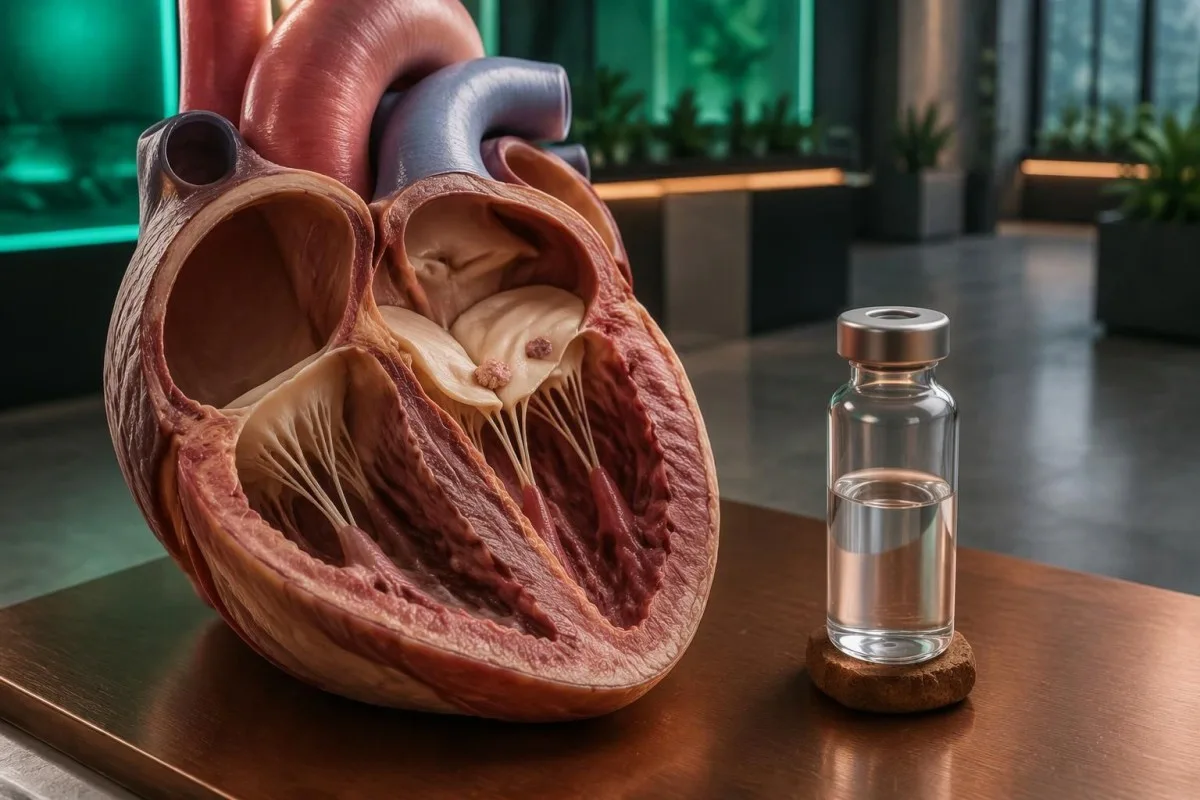
አዎ—የደም ባህሎች ኔጌቲቭ ቢሆኑም ኤንዶካርዲቲስ ሊከሰት ይችላል። ምርመራው ናሙናዎች እንዴት እንደተሰበሰቡ፣ ለአንቲባዮቲክ መጋለጥ፣ የልብ ምስል ምርመራ እና መደበኛ ባህሎች የማያገኟቸውን ተህዋሲያን ለመለየት በጥንቃቄ የተመረጡ ምርመራዎች ላይ ይመሰረታል።

ዋና ዋና ነጥቦች
- ኔጌቲቭ ባህሎች ኤንዶካርዲቲስን አያስወግዱም፤ ከ24 ሰዓት በኋላ እድገት እንደሌለ የሚያሳይ ሪፖርት ከመጨረሻው ኔጌቲቭ ውጤት የተለየ ነው።
- ቀደም ሲል የተወሰዱ አንቲባዮቲኮች የተበከለ የልብ ቫልቭ ቢኖርም ተህዋሲያን ከናሙናው እንዳይገኙ ሊያደርጉ ይችላሉ፤ የባህል ውጤቶችን ለማሻሻል ብለው የታዘዘውን ሕክምና በራስዎ ፈጽሞ አያቁሙ።
- ናሙና መሰብሰብ ብዙውን ጊዜ ከአንቲባዮቲክ በፊት 2–3 የባህል ስብስቦችን መውሰድን ያካትታል፤ በአዋቂዎች ላይ ይህ አስቸኳይ እንክብካቤን ካላዘገየ በእያንዳንዱ የባህል ጠርሙስ ውስጥ ወደ 8–10 mL ደም መሙላትን ይጨምራል።
- Echocardiography የቫልቭ ተሳትፎን ከባህል እድገት ውጤት ተለይቶ ይመረምራል፤ ጥርጣሬው ከፍተኛ ከቀጠለ የመጀመሪያው ስካን ኔጌቲቭ ቢሆንም ከ5–7 ቀናት በኋላ መድገም ሊያስፈልግ ይችላል።
- የተለየ ሴሮሎጂ የኮክሲኤላ በርኔቲ ወይም የባርቶኔላ ኢንፌክሽንን ሊለይ ይችላል፤ እንደ 1:800 ያሉ የተመረጡ የፀረ-ሰውነት ቲተሮች የምርመራ ጠቀሜታ የሚኖራቸው ትክክለኛው የክሊኒካዊ ሁኔታና የምርመራ ዘዴ አውድ ውስጥ ብቻ ነው።
- ሞለኪውላዊ ምርመራ በደም ወይም በልብ ቫልቭ ቲሹ ውስጥ ያለ የማይክሮብ ዲኤንኤን ሊያገኝ ይችላል፤ ሆኖም ኔጌቲቭ PCR የኢንዶካርዳይተስን መኖር አያስቀርም፣ እና ፖዘቲቭ ዲኤንኤ የሕያዋን ማይክሮኦርጋኒዝሞችን መኖር የግድ አያመለክትም።
- አስቸኳይ ምልክቶች ድንገተኛ ድክመት፣ የንግግር ችግር፣ ከባድ የትንፋሽ ማጠር፣ መውደቅ ወይም አዲስ ግራ መጋባትን ያካትታሉ፤ ሌላ ምርመራ ከመጠበቅ ይልቅ ለአስቸኳይ አገልግሎት ይደውሉ።
- በAI ትርጓሜ ተጓዳኝ የላቦራቶሪ ውጤቶችን ሊያብራሩ ይችላሉ፤ ሆኖም የAI ሪፖርትም ሆነ መደበኛ የCRP ውጤት ኢንዶካርዳይተስን ሊያረጋግጥ ወይም ሊያስወግድ አይችልም።
ኔጌቲቭ የባህል ውጤት ኤንዶካርዲቲስን ሊያስወግድ የማይችለው ለምንድን ነው?
አዎ፣ እርስዎ ሊኖርዎ ይችላል ኔጌቲቭ የደም ባህሎች ያሉት ኢንዶካርዳይተስ. አንቲባዮቲኮች የማይክሮኦርጋኒዝሞችን እድገት ሊገቱ ይችላሉ፤ አንዳንድ ማይክሮኦርጋኒዝሞች ልዩ የማወቂያ ዘዴ ይፈልጋሉ፣ እንዲሁም በቂ ያልሆነ ናሙና መውሰድ እነሱን ሊያሳልፍ ይችላል፤ ሐኪሞች አንድን ኔጌቲቭ ውጤት ማግለያ ምርመራ አድርገው ከመቁጠር ይልቅ ባህሎችን ከኢኮካርዲዮግራፊና ከሌሎች ማስረጃዎች ጋር ያጣምራሉ።
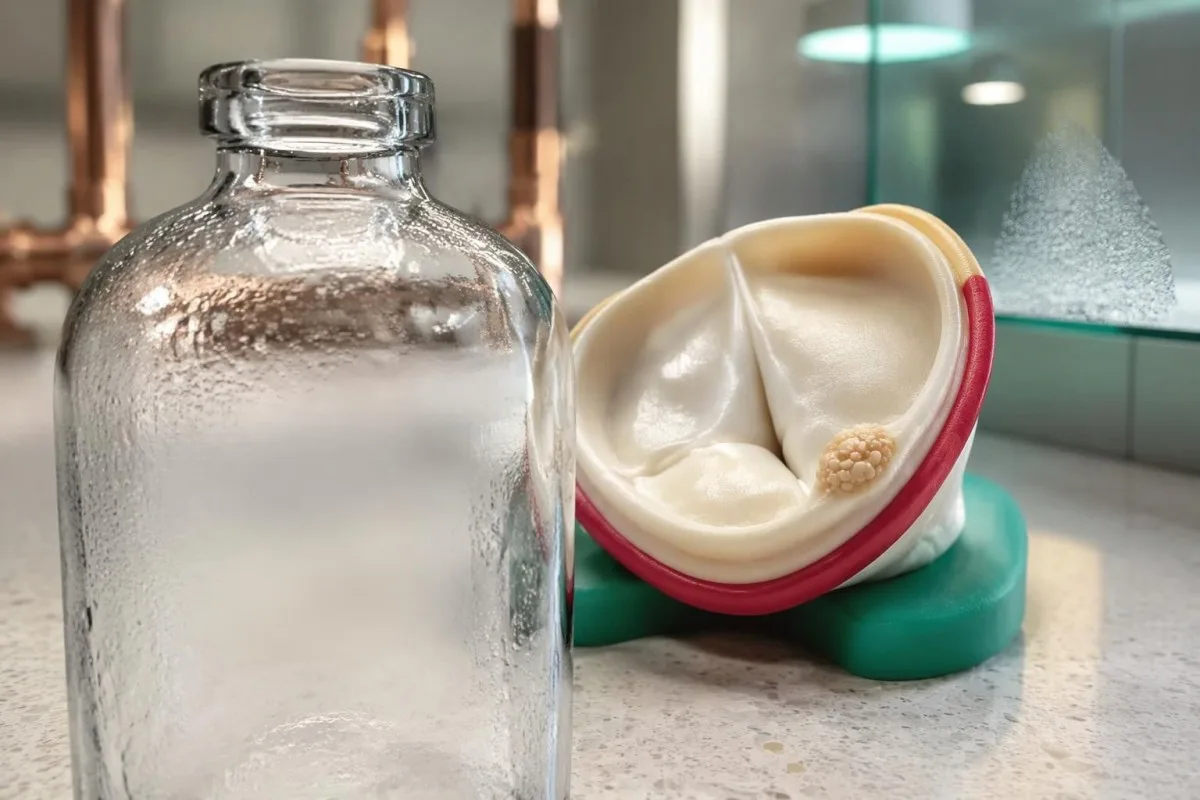
በደም ባህል የማይታወቅ ኢንዶካርዳይተስ መደበኛ ባህሎች መንስኤውን የማያሳዩበትን፣ በጥርጣሬ የተያዘ ወይም የተረጋገጠ ተላላፊ ኢንዶካርዳይተስን ይገልጻል። የአሜሪካ የልብ ማህበር መግለጫ እንደሚያመለክተው፣ በእስከ 30% የሚደርሱ ጉዳዮች የባህል ውጤት ኔጌቲቭ ሊሆን ይችላል፤ ምጣኔው ግን በአንቲባዮቲክ መጠቀም፣ በሪፈራል አሠራርና በላቦራቶሪ አገልግሎት ተደራሽነት ላይ በእጅጉ ይለያያል (DeSimone et al., 2025)።
ኔጌቲቭ የባህል ውጤት ማለት ላቦራቶሪው በተጠቀመባቸው ሁኔታዎች ማይክሮኦርጋኒዝምን ማሳደግ አልቻለም ማለት ነው፤ የልብ ቫልቩ ተመርምሯል ማለት አይደለም። በ24 ሰዓት የሚሰጥ ሪፖርት ጊዜያዊ የመጀመሪያ ውጤት ብቻ ሊሆን ይችላል፤ በጠርሙስ ውስጥ ማይክሮኦርጋኒዝሞች እያደጉ ባይሆንም ኢኮካርዲዮግራም መዋቅራዊ መዛባቶችን ሊያሳይ ይችላል።
ለምሳሌ፣ ሰው ሰራሽ ቫልቭ ያለው፣ ለ10 ቀናት ምክንያቱ ያልታወቀ ትኩሳት የነበረበትና የደረት ኢንፌክሽን ነው ተብሎ ሕክምና ከተሰጠው በኋላ የደም ባህል የተወሰደለትን የ58 ዓመት ሰው እንመልከት። የመጀመሪያዎቹ የባህል ጠርሙሶች ኔጌቲቭ ቢሆኑም ይህ ጥምረት በሐኪም መሪነት ምርመራ እንዲደረግለት ያስፈልጋል፤ ምልክትም ሆነ የቫልቭ አደጋ በሌለው ሰው ላይ ያው ኔጌቲቭ ውጤት የተለየ ትርጉም አለው።
ካንቴስቲ እ.ኤ.አ. AI የደም ምርመራ ተንታኝ የላቦራቶሪ ውጤቶችን የሚያብራራ፣ አንድን ኔጌቲቭ የባህል ውጤት ስለ ልብ ቫልቭ ምንም አያሳስብም ወደሚል ማረጋገጫ ሳይቀይር። የእኛ ድርጅት እና ዓላማ ይህንን የትምህርት ሚና ያብራራሉ፤ ኢንዶካርዳይተስ ተጠርጥሮ ከሆነ ምርመራ፣ የማይክሮባዮሎጂ ባለሙያ አስተያየትና የልብ ምስል ምርመራ ያስፈልጋሉ፤ በራስ-ሰር የሚሰጥ የላቦራቶሪ ውሳኔ አይደለም።
ከደም ባህሎች በፊት አንቲባዮቲክ መውሰድ ለይቶ ማወቅን እንዴት ይቀንሳል?
የደም ባህል ከመውሰድ በፊት አንቲባዮቲክ መስጠት ሊያድጉ የሚችሉ ማይክሮኦርጋኒዝሞችን ብዛት ሊቀንስ ይችላል፤ ይህም ቫልቩ አሁንም ተጠቅቶ ቢሆንም ኔጌቲቭ ውጤት ሊያስገኝ ይችላል። አንድ ዶዝ እንኳን ማግኘታቸውን ሊነካ ይችላል፤ ውጤቱ ግን በማይክሮኦርጋኒዝሙ፣ በመድኃኒቱ፣ በዶዙና ናሙናው ከመወሰዱ በፊት ባለው ጊዜ ላይ ይመረኮዛል።

ከዚህ በፊት አንቲባዮቲክ መታከም በብዙ የጤና አገልግሎት አውዶች የባህል ውጤት ኔጌቲቭ የሆነ ኢንዶካርዳይተስ ዋነኛ መንስኤ ነው። የAHA መግለጫው ከዚህ በፊት የታከሙ ታካሚዎችን ከአንቲባዮቲክ ሳይወስዱ ባህላቸው ኔጌቲቭ ከሆነባቸው ሰዎች ይለያል፤ ምክንያቱም እነዚህ 2 ቡድኖች የተለያዩ ሊሆኑ የሚችሉ ማይክሮኦርጋኒዝሞችንና የመጀመሪያ ሕክምና ላይ የተለያዩ ሊኖሩ የሚችሉ ግምቶችን ያመለክታሉ (DeSimone et al., 2025)።
የመድኃኒት ጊዜ ሰሌዳ ስለ አንቲባዮቲክ አዎ ወይም አይ ከሚል ቀላል መልስ የበለጠ መረጃ ይሰጣል። ትክክለኛውን የመድኃኒት ስም፣ በአፍ እንደተወሰደ ወይም በደም ሥር እንደተሰጠ፣ የመጀመሪያውንና የመጨረሻውን ዶዝ ጊዜ፣ እንዲሁም ናሙናው የተወሰደበትን ሰዓት ይዘው ይምጡ፤ ናሙና ከመወሰዱ 2 ሰዓት በፊት የተሰጠ ዶዝ፣ ከሳምንታት በፊት ከተጠናቀቀ የሕክምና ኮርስ የተለየ የትርጓሜ ችግር ይፈጥራል።
ሕክምናን ለጊዜው መከልከል በልዩ ባለሙያ ብቻ የሚወሰን እጅግ ያልተለመደ ውሳኔ ነው፤ በቤት የሚደረግ ስልት አይደለም። የ2023 የESC መመሪያ ምልክቶቹ ከረዘሙ፣ ታካሚው የተረጋጋ ከሆነ፣ ከዚህ በፊት የተወሰደው ሕክምና በጣም አጭር ከሆነና ውስብስቦች ከሌሉ በተመረጡ ሁኔታዎች ይህን ማጤን ይፈቅዳል፤ ሆኖም ታካሚዎች በራሳቸው መሞከር ያለባቸው በሁሉም ሁኔታ ደህንነቱ የተረጋገጠ የ48 ሰዓት ወይም የ72 ሰዓት የመድኃኒት ማቆያ ጊዜ የለም።
ሴፕሲስ፣ ሾክ ወይም የቫልቭ ሥራ በፍጥነት እየተበላሸ ባለ ሰው ላይ የተሻሉ የባህል ውጤቶችን ለማግኘት ብሎ ሕክምናን ማዘግየት የለበትም። የእኛ ማብራሪያ በታይፎይድ ውስጥ የባህል ናሙና መውሰድ ጊዜ ሰፊውን የናሙና መውሰድ መርህ ያብራራል፤ ሆኖም በኢንዶካርዳይተስ ጥርጣሬ ጊዜ የራሱ አስቸኳይ የምስል ምርመራና የሕክምና መንገድ አለው።
የደም ባህል ናሙና አሰባሰብን በቂ የሚያደርገው ምንድን ነው?
ለአዋቂዎች በቂ የናሙና መውሰድ በአጠቃላይ ማለት 2–3 የደም ባህል ስብስቦች በበቂ መጠን እና ከሕክምና በፊት መውሰድን ያካትታል። አንድ ስብስብ በአብዛኛው ኤሮቢክና አናሮቢክ ጠርሙሶችን ይይዛል፤ የናሙና መውሰድ ጥራት፣ የኢንኩቤሽን ሁኔታና ከላቦራቶሪው ጋር ያለ ግንኙነት ሁሉ ኔጌቲቭ ውጤት ምን ያህል ማረጋገጫ እንደሚሰጥ ላይ ተጽዕኖ ያሳድራሉ።
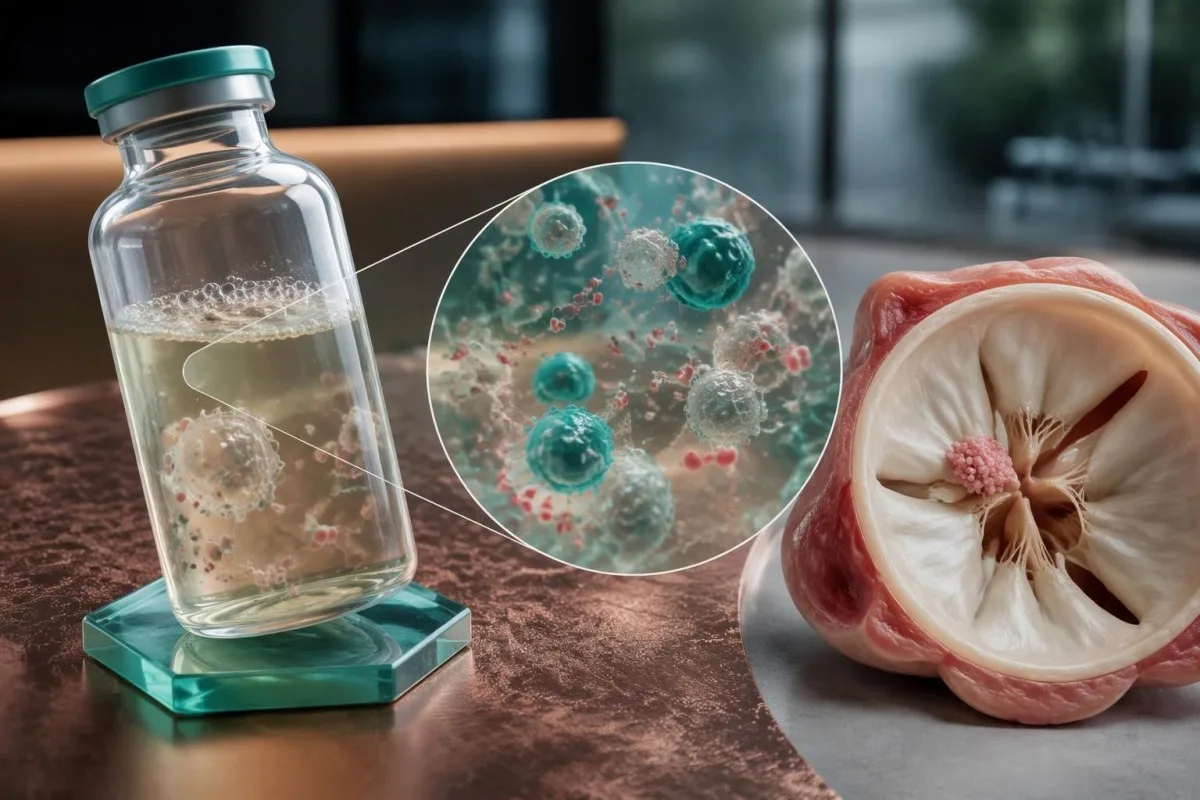
The AHA statement recommends at least 2 sets, ideally 3, before empirical antibiotics when feasible, with approximately 8–10 mL per adult bottle. Underfilling bottles reduces the amount of material examined, so several small samples do not necessarily provide the same diagnostic opportunity as properly filled sets.
The 2023 ESC guideline recommends 3 sets at approximately 30-minute intervals before antibiotics in the appropriate clinical setting (Delgado et al., 2023). The AHA approach emphasizes adequate volume and prompt collection; neither recommendation means an unstable patient should wait through a prolonged sampling schedule before receiving necessary treatment.
Routine automated cultures commonly reach a final report after about 5 days, although local protocols and organism-specific investigations differ. Ask whether no growth means preliminary, final or final for routine incubation only; specialized cultures may be separate orders rather than an automatic extension of the original test.
Fever spikes are not required for useful sampling because endocarditis often produces sustained bloodstream seeding. Kantesti AI can help distinguish a report's collection date from its reporting date when those details are supplied, while our የላቦራቶሪ ውጤት የጊዜ ሰሌዳ መመሪያ explains why results taken at different treatment stages are not directly interchangeable.
ኮክሲኤላ እና ባርቶኔላ የተለየ ምርመራ ለምን ይፈልጋሉ?
Coxiella burnetii እና Bartonella species are major considerations when routine cultures remain negative, particularly without prior antibiotics. Targeted antibody testing and molecular assays can provide evidence that standard culture bottles miss; exposure history helps prioritize these 2 groups.
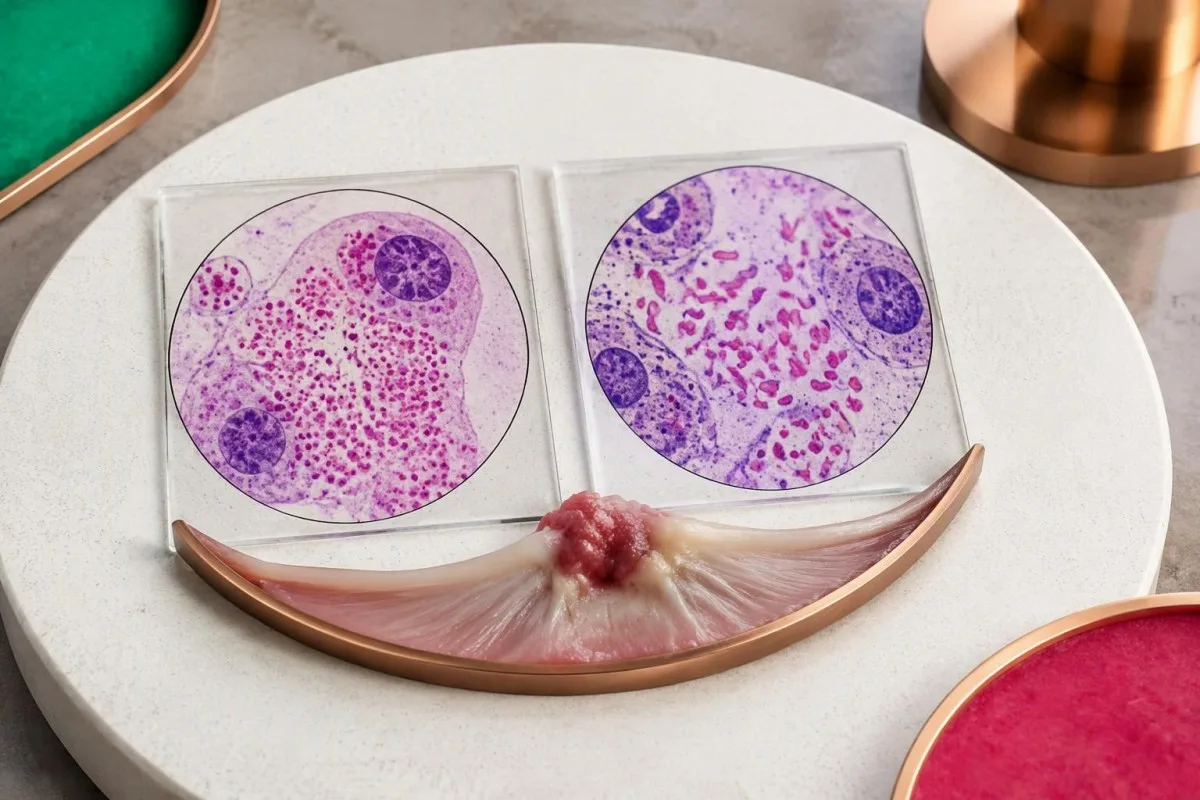
Coxiella burnetii causes Q fever and can produce persistent infection involving a damaged or prosthetic valve. Exposure to sheep, goats or cattle is useful history, but aerosol spread means direct animal handling is not required; a person may lack an obvious exposure despite months of otherwise unexplained symptoms.
The 2023 Duke-ISCVID criteria recognize Coxiella phase I IgG greater than 1:800 as a major microbiological criterion when the specified testing framework applies. Phase I and phase II results are not interchangeable, and our Q fever antibody guide explains why a generic positive Q fever antibody report is incomplete.
Bartonella henselae is associated with cats and cat fleas, while Bartonella quintana is associated with body lice and circumstances that increase exposure to them. These associations guide testing without establishing a diagnosis; 1 cat scratch or a remote history of cat ownership does not make an antibody result proof of valve involvement.
Bartonella henselae or quintana IgG of at least 1:800 by the specified immunofluorescence method can fulfill a major Duke-ISCVID criterion (Fowler et al., 2023). Our شرح عيار Bartonella addresses antibody interpretation, but endocarditis assessment additionally requires cardiac findings and consideration of cross-reactivity.
መደበኛ ባህሎች ሊያመልጧቸው የሚችሉ ሌሎች ተህዋሲያን የትኞቹ ናቸው?
Other causes include Tropheryma whipplei, Brucella and selected fungi, with testing guided by exposures, immune status and valve history. Modern culture systems recover many previously difficult organisms within about 5 days, so culture negativity should not automatically be blamed on slow growth.
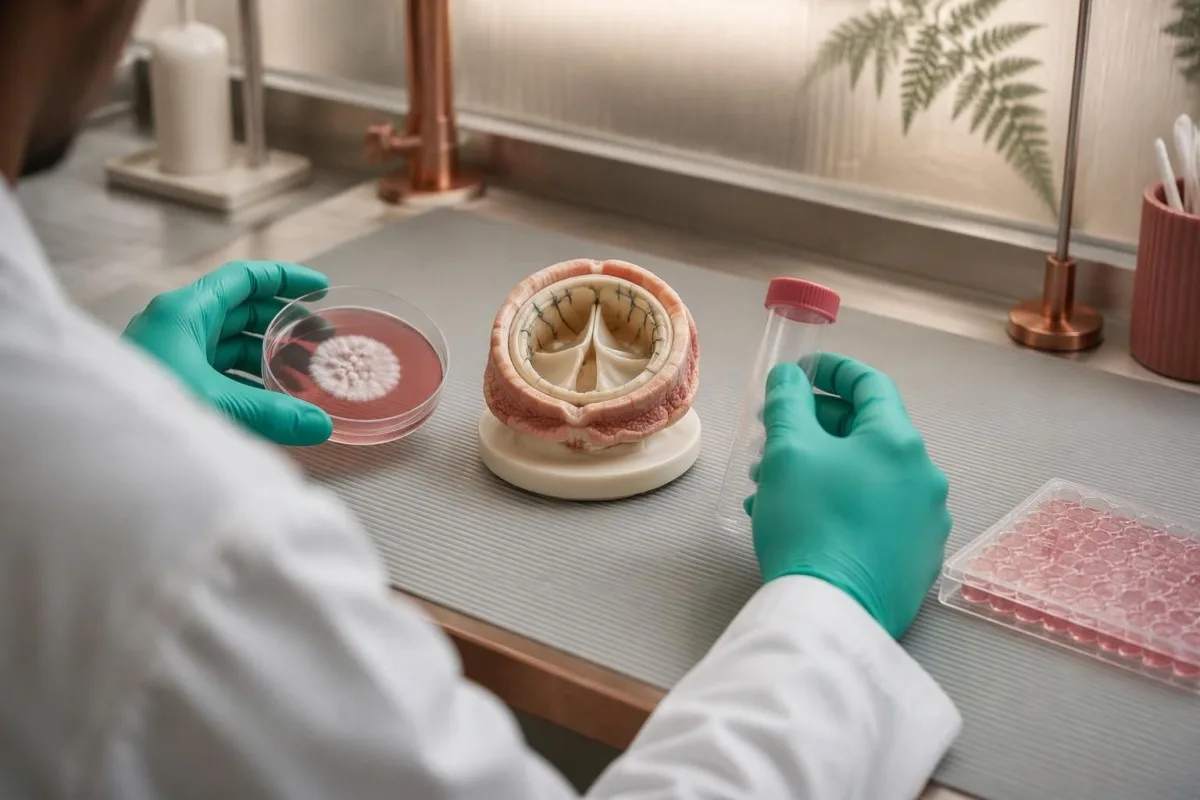
HACEK organisms historically required prolonged incubation, but modern automated systems usually detect them during routine incubation. The group contains 5 named categories of oral-associated bacteria; asking for weeks of incubation solely because HACEK is suspected may add less value than reviewing antibiotic exposure, sample volume and the actual laboratory system.
Tropheryma whipplei endocarditis may occur without classic diarrhea or obvious gastrointestinal disease. A history of unexplained joint symptoms over months or years can be a clue, but a stool result alone does not establish valve involvement; targeted PCR on suitable material, especially valve tissue when available, is more informative.
Brucella testing becomes more relevant after unpasteurized dairy consumption, livestock exposure or travel to an endemic area. Our Brucella culture and PCR guide explains these complementary methods, and suspected exposure should be communicated before specimen processing because the laboratory needs appropriate handling precautions.
Aspergillus endocarditis often has negative routine blood cultures, whereas Candida can grow but may still be missed. Tests such as galactomannan or beta-D-glucan are supporting evidence rather than valve-specific confirmation; our galactomannan interpretation guide explains why 1 positive fungal marker requires context and confirmation.
ባህሎች ኔጌቲቭ ሲሆኑ ኢኮካርዲዮግራፊ እንዴት ይረዳል?
Echocardiography can identify vegetations, new valve leakage and complications despite negative cultures. Transthoracic echocardiography, or TTE, is usually the first scan; transesophageal echocardiography, or TEE, provides closer views when TTE is inconclusive or the clinical suspicion remains high.
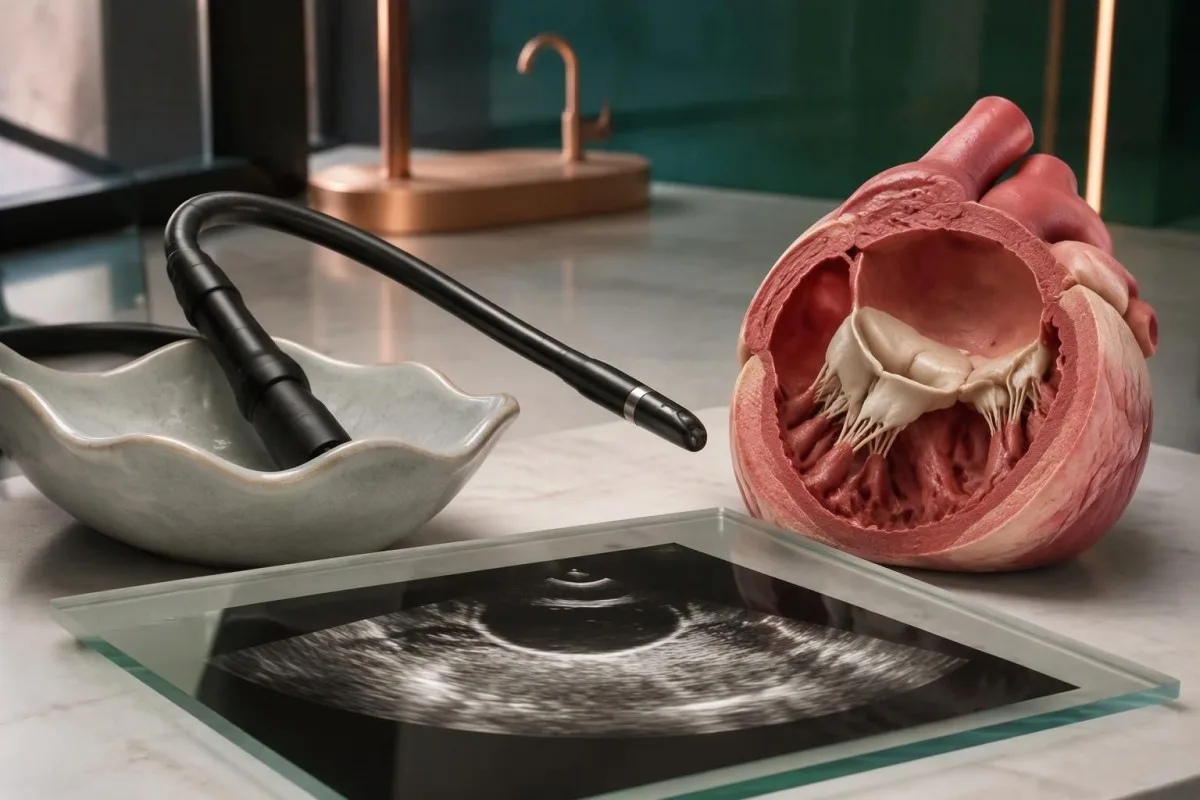
A vegetation is a valve-associated mass, but its appearance alone does not identify the organism. In a hypothetical 62-year-old with persistent fever and negative cultures, a mobile valve mass plus newly severe regurgitation changes the diagnostic assessment more than an isolated nonspecific rise in an inflammatory marker.
TEE is particularly useful with prosthetic valves, intracardiac devices, limited TTE image quality or concern about an abscess around the valve. The 2023 ESC guideline generally recommends TEE in suspected endocarditis even after a positive TTE, except selected unequivocal right-sided native-valve cases with good-quality images (Delgado et al., 2023).
A negative TTE does not carry the same exclusion value in every patient. For example, a 4 mm abnormality may be harder to visualize than a large mobile mass, and prosthetic material can obscure adjacent structures; clinicians interpret the scan together with valve type, symptoms and the technical quality of the examination.
Endocarditis involves the inner heart lining and valves, not primarily the heart muscle. Our የማዮካርዳይተስ የላብራቶሪ መመሪያ explains that distinction: 1 normal troponin result cannot exclude a valve infection, because troponin answers a different question about myocardial injury.
ተደጋጋሚ ኢኮ፣ የልብ CT ወይም PET መቼ ተጨማሪ መረጃ ይሰጣሉ?
If suspicion remains high, the 2023 ESC guideline recommends repeating echocardiography after 5–7 days following an initially normal or inconclusive study. Cardiac CT and selected nuclear imaging can add evidence, especially around prosthetic valves or when complications extend beyond what ultrasound shows.
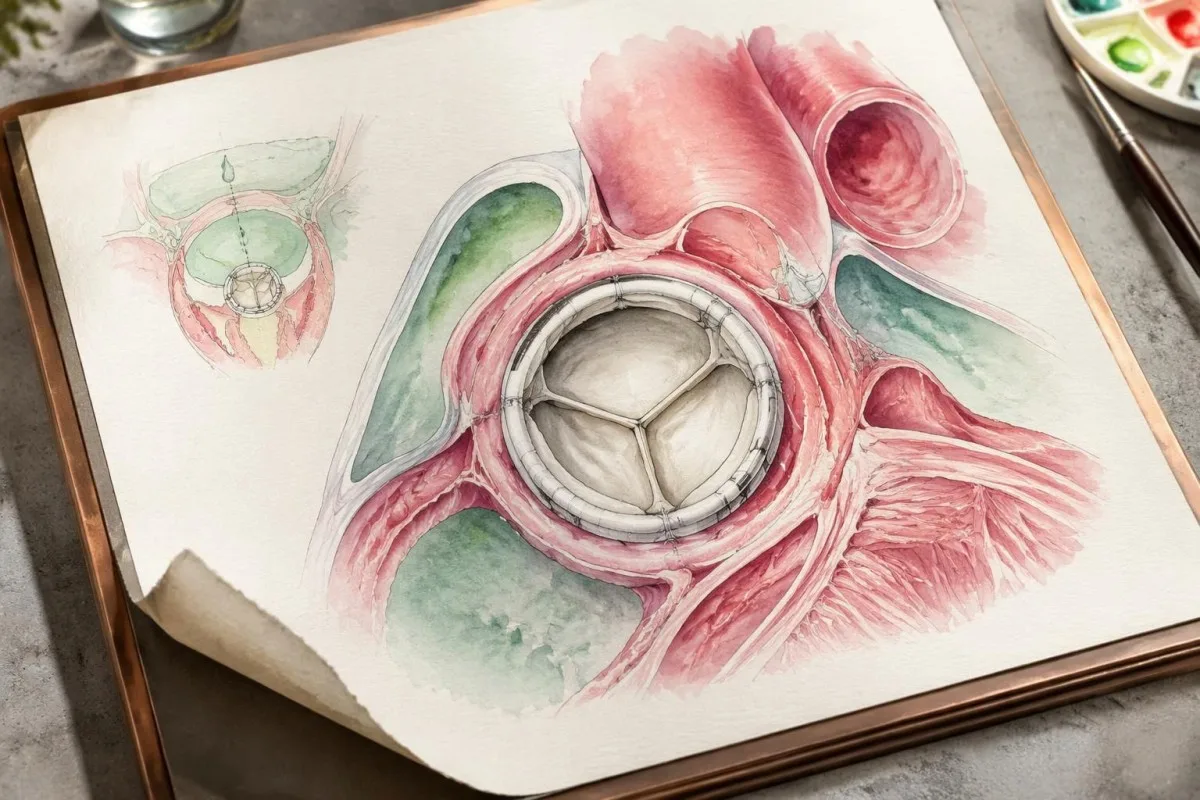
Repeat imaging is not simply repetition for reassurance; a small early abnormality may become visible, or a different imaging angle may clarify an uncertain finding. The 5–7-day interval is a guideline framework, not a reason to wait if breathlessness, conduction abnormalities or hemodynamic deterioration develops sooner.
Cardiac CT is especially useful for evaluating perivalvular anatomy, such as abscesses, pseudoaneurysms or fistulas. TEE can be better for small mobile vegetations and leaflet perforations, so 2 imaging methods may be complementary rather than interchangeable; CT planning also considers kidney function, contrast exposure and radiation.
FDG-PET/CT can support prosthetic-valve or device-associated endocarditis and identify distant sites needing investigation. Recent procedures and sterile tissue responses can also cause uptake; the 2023 ESC and Duke-ISCVID frameworks handle postoperative timing differently, which is why a scan should be interpreted by specialists familiar with the applicable criteria.
There is no single scan that rules out every presentation, particularly early native-valve disease. If chest discomfort accompanies worsening breathlessness, our የአስቸኳይ የደረት ሕመም ምርመራ መመሪያ explains why 1 reassuring laboratory result should not replace an immediate clinical assessment.
የተለየ ሴሮሎጂን ከመጠን በላይ ትርጉም ሳይሰጡ እንዴት መተርጎም ይቻላል?
የተለየ ሴሮሎጂ measures antibodies to selected organisms and can help establish culture-negative endocarditis, but antibodies are not a direct image of the valve. The 1:800 thresholds used for Coxiella and Bartonella have specific organism, antibody-phase and assay requirements.
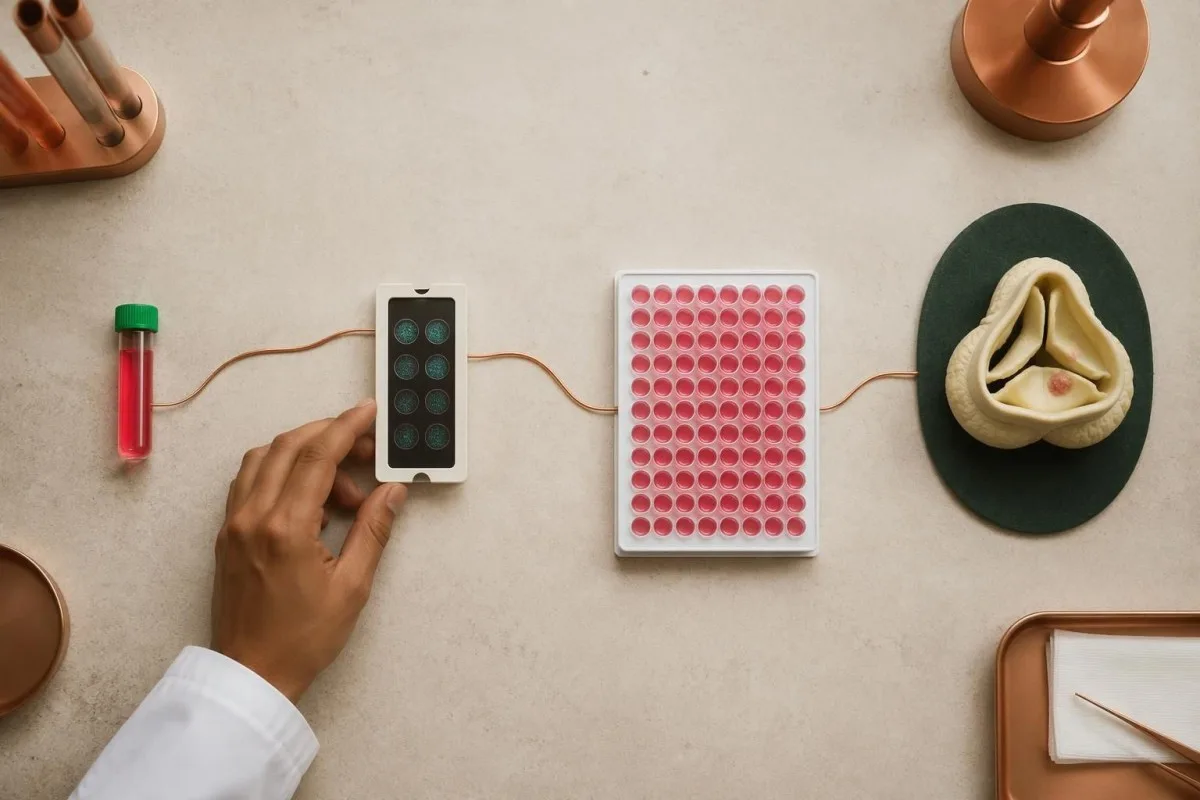
A titer of 1:800 means reactivity remains detectable after the serum has been diluted to that ratio. Coxiella phase I IgG greater than 1:800 and Bartonella IgG at least 1:800 are separate Duke-ISCVID provisions; rounding greater than into greater than or equal to can incorrectly change how a borderline report is classified.
Assay methods and reporting increments differ between laboratories. A result expressed as an index value or units per milliliter cannot automatically be converted to a 1:800 immunofluorescence titer, so clinicians may request reference-laboratory confirmation rather than applying a published cutoff to a non-equivalent test.
Cross-reactivity, previous exposure and delayed antibody formation can complicate interpretation in opposite directions. Our guide to አዎንታዊ ፀረ-ሰው አካል ውጤቶች explains why 1 positive result may not indicate active disease, while an early negative result can also be insufficient when the exposure history and imaging remain concerning.
Broad untargeted panels can generate incidental positives and make the diagnosis less clear. When cultures remain negative at approximately 72 hours, the AHA statement supports expanding the investigation with microbiology input, commonly including Coxiella and Bartonella serology and exposure-directed tests—not treating every detected antibody as a separate infection.
PCR ወይም ሴኩዌንሲንግ መንስኤውን መቼ ሊለዩ ይችላሉ?
PCR and sequencing can detect microbial genetic material when cultures cannot recover living organisms. Targeted blood PCR for Coxiella, Bartonella or Tropheryma whipplei has a recognized diagnostic role; valve tissue can also undergo organism-specific PCR, broad-range testing and histological examination.
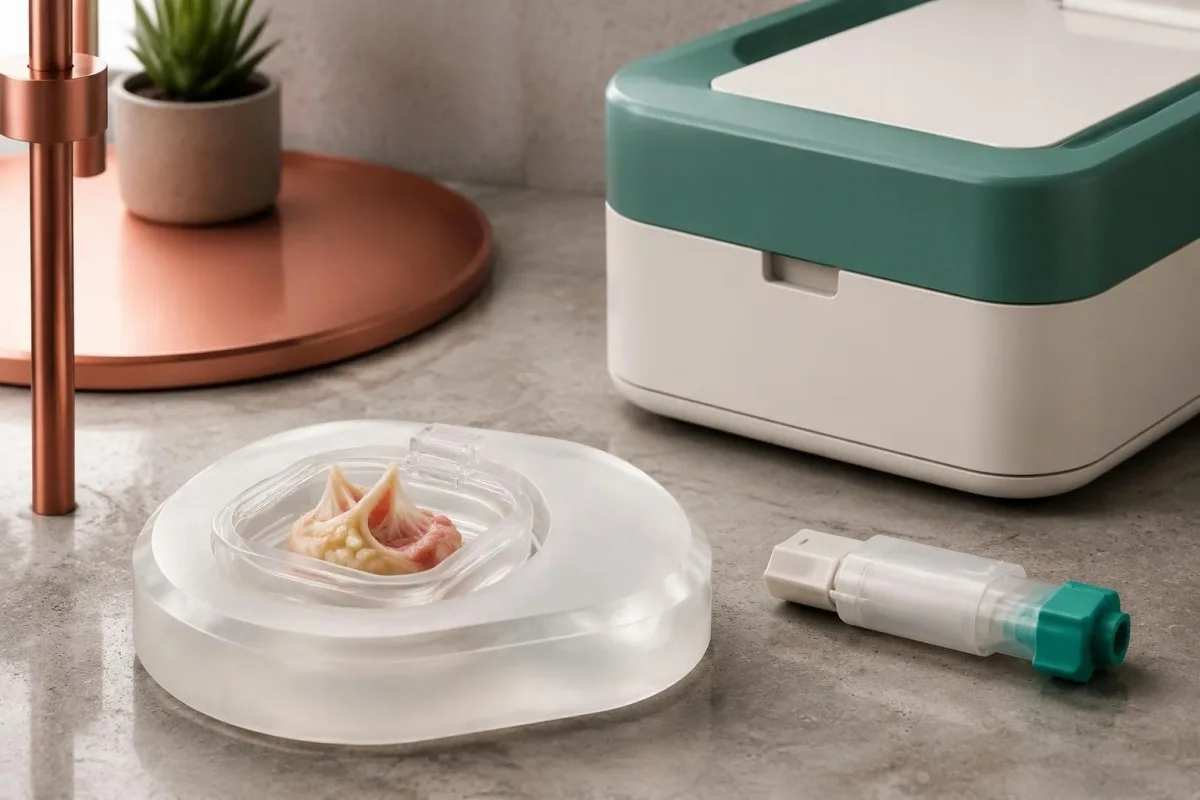
The 2023 Duke-ISCVID criteria recognize positive blood nucleic-acid tests for these 3 organisms as major microbiological evidence in the specified framework (Fowler et al., 2023). A standard bloodstream multiplex panel may not include them, so a negative panel should not be described as negative testing for all endocarditis organisms.
Valve tissue obtained during clinically indicated surgery can be especially valuable after antibiotic exposure. Broad-range bacterial 16S rRNA gene testing and fungal 18S or ITS testing may detect organisms missed by culture, but neither approach has 100% sensitivity and results still require contamination-aware interpretation.
Specimen handling should be planned before a valve procedure whenever possible. Separate material may be needed for culture, molecular testing and formalin-fixed histology; placing the entire specimen in 1 container can limit later options, and tissue should never be obtained solely because a patient wants a more definitive laboratory answer.
Microbial cell-free DNA sequencing may help selected difficult cases, but access, contamination, cost and clinical interpretation remain variable. Our PCR sample timing explanation illustrates why specimen timing matters; for endocarditis, 1 negative molecular result does not cancel convincing cardiac or pathological evidence.
ሐኪሞች ለምርመራ ማስረጃዎችን እንዴት ያጣምራሉ?
Blood culture negative endocarditis diagnosis depends on the combination of microbiology, imaging, clinical features and sometimes tissue findings. Under the 2023 Duke-ISCVID clinical criteria, definite endocarditis can be classified by 2 major criteria, 1 major plus 3 minor criteria, or 5 minor criteria.

The Duke-ISCVID criteria standardize evidence; they are not a home scoring tool or a substitute for specialist judgment. Fever above 38°C is 1 minor criterion, but a person can have serious endocarditis without a measured fever, particularly after treatment or when immune responses are altered.
For a hypothetical example, consider a 55-year-old with negative routine cultures, imaging that meets a major endocarditis criterion and Bartonella IgG of 1:1600 by an appropriate assay. Those 2 major criteria can establish the clinical classification, provided specialists verify the findings and assess alternatives; the negative cultures do not erase the other evidence.
Nonbacterial thrombotic endocarditis is an important alternative when a valve mass occurs with negative cultures. Cancer, antiphospholipid syndrome and lupus can produce sterile valve deposits, and echocardiography alone may not distinguish them from infection; antibiotics before sampling can make that distinction harder rather than resolving it.
Kantesti's laboratory explanations should remain separate from claims of diagnostic certainty about endocarditis. Our ቴክኒካዊ እና ክሊኒካዊ ደረጃዎች describe the boundaries of interpretation: 1 apparently compatible laboratory pattern cannot replace an endocarditis team's assessment of scans, exposures, complications and competing diagnoses.
CRP፣ ነጭ የደም ሴሎች እና የኩላሊት ውጤቶች ምን ሊነግሩዎት ይችላሉ?
CRP, white blood cell counts and kidney tests can reveal the body's response and complications, but none can confirm or exclude endocarditis. A CRP of 80 mg/L indicates substantial inflammation in many laboratories; it does not identify a valve source or distinguish every infectious from noninfectious cause.
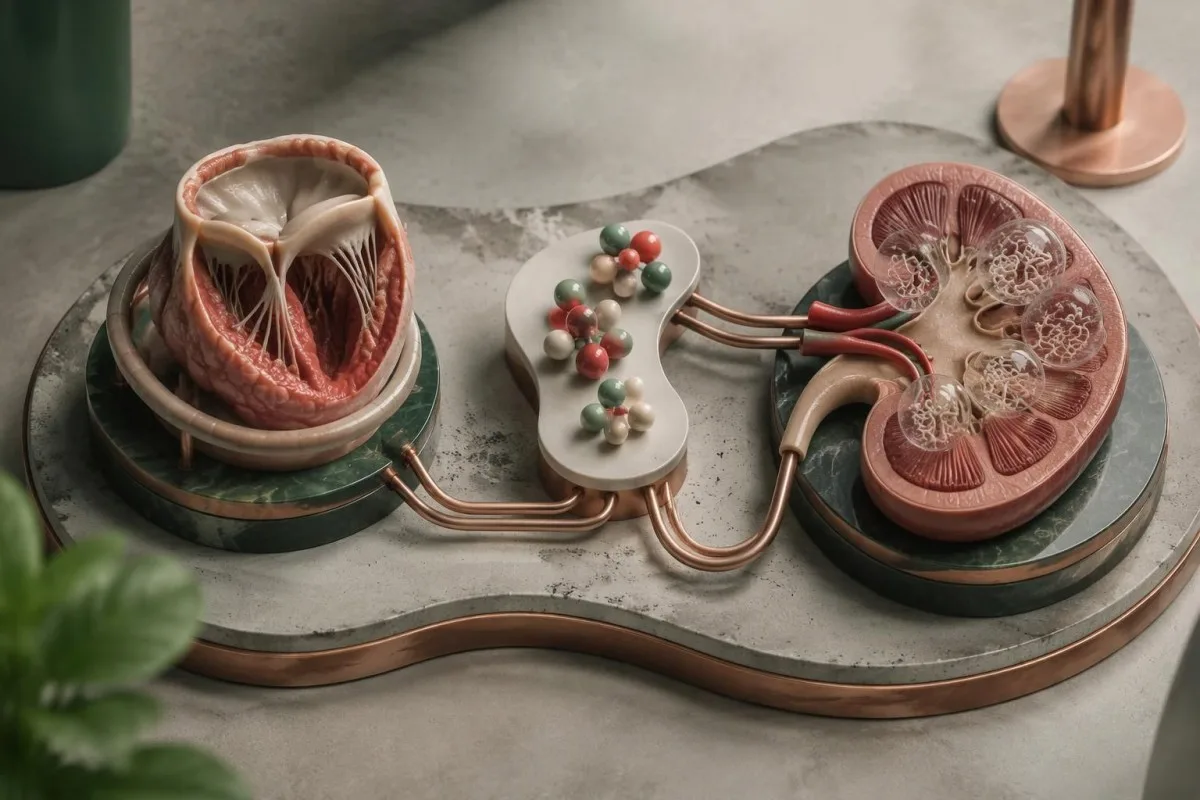
CRP reference limits commonly fall below 5 mg/L or 10 mg/L, depending on the laboratory, while adult WBC intervals often approximate 4–11 × 10⁹/L. Normal results can occur in subacute or previously treated disease, and our WBC እና CRP ንፅፅር explains why disagreement between these markers is not inherently an error.
ካንቴስቲ እ.ኤ.አ. AI የደም ምርመራ ውጤት ትርጓሜ መድረክ that can place a supplied CRP of 80 mg/L alongside the CBC, creatinine and treatment timeline without assigning the inflammation to a valve. A falling CRP may support improvement, but 1 falling marker does not prove that an abscess, vegetation or embolic risk has resolved.
New blood or protein in urine can reflect immune-complex kidney involvement, embolic injury or an unrelated urinary problem. Our የሽንት ዝቃጭ መመሪያ explains why microscopy matters: red cell casts, if present, carry different implications from 1 isolated positive dipstick result and warrant clinician assessment.
Reduced complement can support an immune-complex process but is not specific for infection. Our C3 እና C4 መመሪያ explains that overlap; for example, a creatinine rise from 90 to 140 µmol/L requires assessment for kidney injury, medication effects and other causes rather than attribution to endocarditis alone.
የትኞቹ ምልክቶች የድንገተኛ ወይም የዚያው ቀን ግምገማ ይፈልጋሉ?
Sudden neurological symptoms, severe breathlessness, collapse, chest pain or new confusion require emergency assessment, whether cultures are positive or negative. In the UK, call 999 or 112; elsewhere, use the local emergency number rather than waiting for another culture or an AI interpretation.
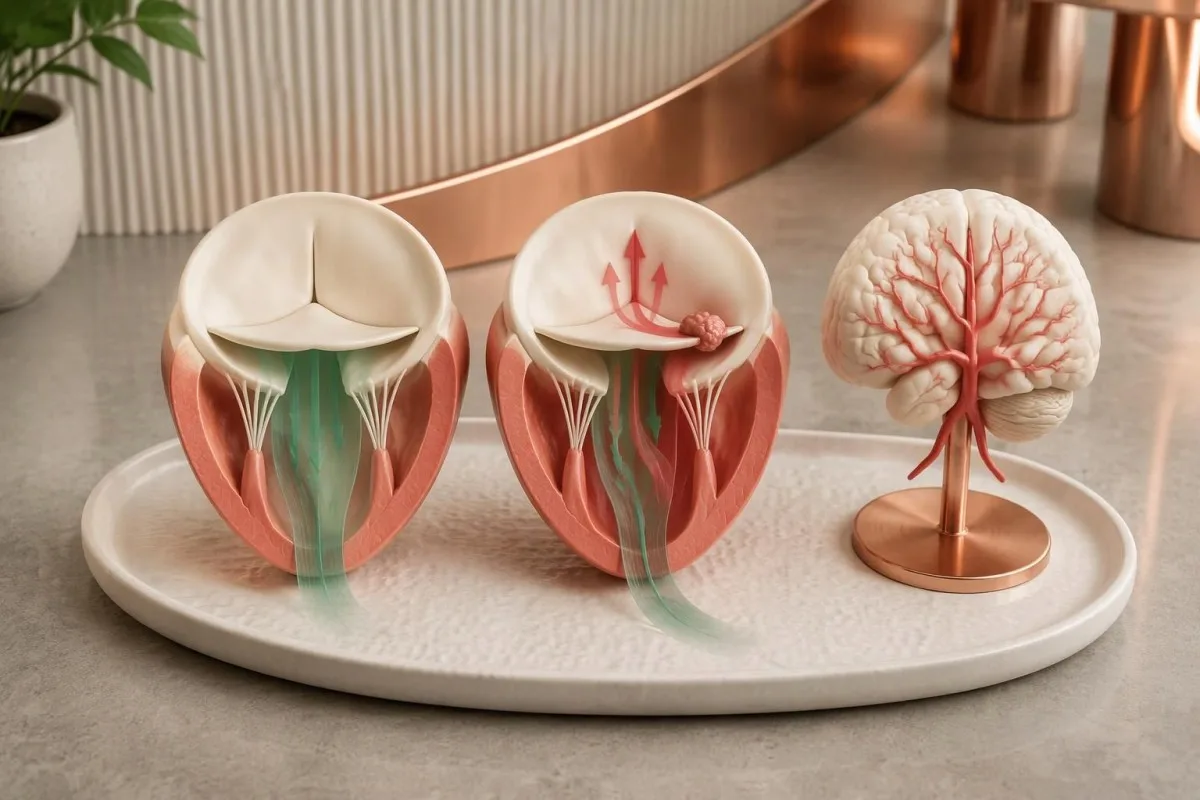
Sudden facial weakness, arm weakness, speech difficulty, loss of vision or major imbalance can indicate a stroke caused by embolization or another emergency. Our stroke warning sign guide explains immediate action; record the last time the person was known well, even if the symptoms disappear within 10 minutes.
Severe breathlessness at rest, inability to speak comfortably, fainting or rapidly worsening swelling can indicate acute heart failure or circulatory compromise. A home oxygen reading of 98% does not exclude serious valve dysfunction, so a normal pulse oximeter result should not delay emergency help when symptoms are severe.
Persistent unexplained fever with a prosthetic valve, previous endocarditis, an intracardiac device or recent bloodstream infection deserves prompt clinician contact, often the same day. A temperature above 38°C adds concern, but older adults and immunocompromised people may become seriously unwell without reaching that threshold.
Sudden severe abdominal or flank pain, a cold painful limb or rapidly reduced urine output also needs urgent assessment because embolic and kidney complications are possible. Small skin spots or splinter-like nail marks alone are nonspecific; 1 such finding should prompt context-sensitive medical advice, not self-diagnosis from internet photographs.
አዎንታዊ የባህል ውጤት ሳይኖር ሕክምና እንዴት ይቀጥላል?
Treatment can begin before the cause is identified when the clinical situation warrants it. Clinicians select initial therapy using valve type, illness severity, previous antibiotics and exposure history, then adjust it as targeted results arrive; many regimens last approximately 4–6 weeks, with important organism-specific exceptions.

Culture-negative endocarditis does not have 1 universal antibiotic regimen. Previously treated disease may still involve common staphylococci, streptococci or enterococci, whereas genuinely culture-negative disease without treatment can require coverage for different organisms; some causes, such as Coxiella infection, need therapy far longer than 6 weeks.
Drug monitoring targets cannot simply be copied from another infection. Our vancomycin AUC explanation describes the commonly used 400–600 mg·h/L exposure framework for serious MRSA infections under specified assumptions, but the treating team decides whether that framework and that drug apply to the individual endocarditis case.
Aminoglycosides are not required for every presentation and can cause kidney or hearing toxicity. Our gentamicin monitoring guide explains why a level collected 1 hour too early or late may mislead; doses must not be adjusted from a random concentration without the regimen and collection timing.
Kantesti can help explain supplied laboratory trends during prescribed treatment, but medication changes and decisions about surgery remain with the clinical team. Heart failure, uncontrolled infection or selected embolic-risk situations can require a procedure even when cultures are negative; 1 favorable CRP trend cannot overrule those structural or clinical indications.
የላብራቶሪ ማብራሪያዎችን እና ምርምርን በደህና መጠቀም
A useful consultation record includes culture dates, antibiotic timing, valve history and imaging reports, not just a list of negative tests. Bring these 4 categories together so clinicians can distinguish an incomplete investigation from genuinely reassuring evidence and avoid repeating tests that answer the wrong question.

ካንቴስቲ እ.ኤ.አ. በ AI የተጎላበተ የደም ምርመራ ትንተና መሳሪያ that supports understanding of accompanying results, not a replacement for urgent cardiac assessment. Our የ AI ቴክኖሎጂ ማብራሪያ describes interpretation workflows; an explanation produced in approximately 60 seconds should never become a reason to postpone emergency or same-day care.
Ask 3 practical questions: Were the cultures collected before antibiotics, was the first echocardiogram sufficient for this valve type, and which targeted organism tests are justified by the history? Our ኃላፊነት ያለው የAI መርሆዎች support checking source documents and escalating clinical uncertainty rather than accepting an automated conclusion at face value.
Kantesti's 2 supporting Figshare publications listed below are background educational materials, not endocarditis diagnostic studies or evidence validating detection of this condition. The related hematology marker explanation may help readers understand associated anemia, but blood group, LDH and reticulocytes cannot establish valve infection.
The endocarditis recommendations in this article instead rely on 3 directly relevant clinical publications: the 2023 ESC guideline, the 2023 Duke-ISCVID criteria and the 2025 AHA scientific statement. These sources address different tasks—clinical management, diagnostic classification and culture-negative investigation—so apparent differences should be interpreted within their intended scope.
ተደጋግመው የሚጠየቁ ጥያቄዎች
ሁሉም የደም ባህሎች አሉታዊ ከሆኑ ኢንዶካርዲቲስ ሊኖርዎት ይችላል?
አዎ፣ ሁሉም መደበኛ የደም ባህል ምርመራዎች ኔጌቲቭ ቢሆኑም ኤንዶካርዲቲስ ሊከሰት ይችላል። ከዚህ በፊት የተወሰዱ አንቲባዮቲኮች፣ ለመለየት አስቸጋሪ የሆኑ ተሕዋስያን እና በቂ ያልሆነ ናሙና መውሰድ ተሕዋስያኑን ከናሙናው ማግኘትን ሊቀንሱ ይችላሉ፤ ስለዚህ ሐኪሞች የባህል ምርመራዎችን ከልብ ምስል ምርመራ እና ዒላማ ካደረጉ ምርመራዎች ጋር ያጣምራሉ። ከ24 ሰዓት በኋላ እድገት እንደሌለ የሚያሳይ ሪፖርት የመጨረሻ ውጤት ሳይሆን ጊዜያዊ ውጤት ሊሆን ይችላል። ኔጌቲቭ የሆኑ የባህል ምርመራዎች ቀጣይ የሆኑ ምልክቶችን ወይም አሳሳቢ የቫልቭ ግኝቶችን ችላ ማለትን አያስተካክሉም።
የኢንዶካርዳይተስ ጥርጣሬ ሲኖር ስንት የደም ባህል ምርመራዎች ያስፈልጋሉ?
በአዋቂዎች ላይ ምርመራ በአጠቃላይ 2–3 የደም ካልቸር ስብስቦችን ይጠቀማል፤ አስቸኳይ ሕክምናን እስካልዘገየ ድረስ ከአንቲባዮቲክ ሕክምና በፊት መውሰድ ይመረጣል። እያንዳንዱ ስብስብ ብዙውን ጊዜ ኤሮቢክ እና አናኤሮቢክ ጠርሙስ ይይዛል፤ በእያንዳንዱ የአዋቂ ጠርሙስ ውስጥ በግምት 8–10 mL ይጨመራል። የ2023 ESC መመሪያ ተገቢ በሆነው ሁኔታ በግምት በ30 ደቂቃ ልዩነት 3 ስብስቦችን ይመክራል፤ የAHA መግለጫ ደግሞ ቢያንስ 2፣ በተሻለ ሁኔታ 3 ስብስቦችን ያጎላል። ለሕፃናት ከአዋቂ ጠርሙሶች መጠን ይልቅ ለዕድሜያቸውና ለክብደታቸው ተስማሚ የሆኑ መጠኖች ያስፈልጋሉ።
ደግሜ የደም ባህል ምርመራ ከማድረጌ በፊት አንቲባዮቲኮችን ማቆም አለብኝ?
የደም ባህል ውጤቶችን ለማሻሻል የታዘዙልዎትን አንቲባዮቲኮች በራስዎ ፈቃድ አያቁሙ። አንድ ዶዝ እንኳን ውጤቶቹን ሊነካ ይችላል፤ ሆኖም በልብ ውስጥ የሚገኙ ቫልቮችን በሚያጠቃ ኢንፌክሽን (ኤንዶካርዳይተስ) ሲጠረጠር፣ ለ48 ወይም ለ72 ሰዓት ማቆም በአጠቃላይ ደህንነቱ የተጠበቀ ነው የሚባል ጊዜ የለም። ስፔሻሊስቶች ሕክምናን ለጊዜው ላለመስጠት የሚያስቡት በተመረጡ፣ ሁኔታቸው የተረጋጋ፣ ከዚህ በፊት ለመድኃኒቱ የተጋለጡበት ጊዜ አነስተኛ በሆነ እና ምንም ውስብስብ ችግር በሌላቸው ታካሚዎች ላይ ብቻ ሊሆን ይችላል። ሴፕሲስ፣ የልብ ድካም ወይም ሁኔታው በፍጥነት መባባስ ሕክምናን ማዘግየትን በተለይ አደገኛ ያደርገዋል።
መደበኛ የልብ ኤኮ ምርመራ ኢንዶካርዲቲስን ያስወግዳል?
የመጀመሪያው የልብ ኤኮካርዲዮግራም መደበኛ መሆኑ ሁልጊዜ ኢንዶካርዲቲስን አያስወግድም፤ በተለይም ምርመራው በቴክኒክ ውስን ሲሆን ወይም ሰው ሠራሽ ቁሳቁስ የልብ ቫልቩን ሲሸፍን። የደረት ግድግዳ በኩል የተደረገ ስካን አሉታዊ ወይም ውጤቱ የማያሳምን ከሆነ፣ በምግብ ቧንቧ በኩል የሚደረግ ኤኮካርዲዮግራፊ ተጨማሪ መረጃ ሊሰጥ ይችላል። የ2023 የESC መመሪያ ጥርጣሬው ከፍተኛ ሆኖ ከቀጠለ ከ5–7 ቀናት በኋላ ኤኮካርዲዮግራፊውን እንደገና እንዲደረግ ይመክራል። አዳዲስ ከባድ ምልክቶች ከታዩ፣ ያንን ጊዜ ከመጠበቅ ይልቅ ቀደም ብሎ ግምገማ ያስፈልጋል።
ባህል አሉታዊ የሆነ ኢንዶካርዲቲስን የሚመረምሩት ምን ምርመራዎች ናቸው?
የባህል ምርመራ አሉታዊ የሆነ ኢንዶካርዳይተስ በአንድ ሁሉን አቀፍ የደም ምርመራ ሳይሆን በኤኮካርዲዮግራፊ፣ በቂ የባህል ምርመራዎች፣ ዒላማ ባደረጉ የሴሮሎጂ ምርመራዎች እና በተመረጡ ሞለኪውላዊ ምርመራዎች ይገመገማል። ከ1:800 በላይ የሆነ የCoxiella phase I IgG ውጤት እና በተገቢው መንገድ የተለካ ቢያንስ 1:800 የሆነ የBartonella IgG ውጤት በ2023 የDuke-ISCVID መመዘኛዎች ውስጥ የተወሰኑ ሚናዎች አሏቸው። ዒላማ ያደረገ የደም PCR እና በሕክምና ምክንያት በሚደረግ ቀዶ ጥገና ወቅት ከቫልቭ ላይ የሚወሰድ ቲሹ ምርመራ፣ አለበለዚያ ሊያመልጡ የሚችሉ አንዳንድ ተህዋሲያንን ሊለዩ ይችላሉ። ፀረ እንግዳ አካላት፣ DNA እና የቫልቭ ምስሎች እያንዳንዳቸው የተለያዩ ገደቦች ስላሏቸው፣ ውጤቶቹ በአንድነት መተርጎም አለባቸው።
በኢንዶካርዳይተስ ወቅት CRP እና ነጭ የደም ሴሎች መደበኛ ሊሆኑ ይችላሉ?
በኢንዶካርዲቲስ ወቅት፣ በተለይም በከፊል የቆየ ወይም ከዚህ ቀደም ሕክምና በተደረገባቸው ሁኔታዎች፣ CRP እና የነጭ የደም ሴሎች ብዛት መደበኛ ሊሆኑ ይችላሉ። ብዙ ላቦራቶሪዎች የCRP የመደበኛ ገደብን ከ5 ወይም 10 mg/L በታች፣ እንዲሁም ለአዋቂዎች የWBC የመደበኛ ክልልን ወደ 4–11 × 10⁹/L ይጠቀማሉ፤ ሆኖም እሴቶቹ በእነዚህ ክልሎች ውስጥ መሆናቸው የልብ ቫልቭ ኢንፌክሽንን አያስወግድም። ከፍ ያሉ ውጤቶችም ኢንዶካርዲቲስ የችግሩ ምንጭ መሆኑን ሊለዩ አይችሉም። የቫልቭ ችግር አደጋ ካለ፣ የማያቋርጥ ትኩሳት፣ ከባድ የትንፋሽ ማጠር ወይም ድንገተኛ የነርቭ ምልክቶች እነዚህ ቁጥሮች ምንም ይሁኑ በሐኪም መሪነት ግምገማ ያስፈልጋቸዋል።
የደም ምርመራ ውጤት እንዴት ማንበብ
የላቦራቶሪ ሪፖርትዎን ይስቀሉ፤ የKantesti AI እያንዳንዱን ባዮማርከር በቀላል ቋንቋ በጥቂት ሰከንዶች ውስጥ ያብራራል። በዓለም ዙሪያ ከ2 ሚሊዮን በላይ ሰዎች ይጠቀሙበታል።.
ማጣቀሻዎች
- ክላይን፣ ቲ.፣ ሚቸል፣ ኤስ.፣ እና ዌበር፣ ኤች. (2026)።. የB ኔጌቲቭ የደም ዓይነት፣ የLDH የደም ምርመራ እና የሬቲኩሎሳይት ቆጠራ መመሪያ።. የKantesti AI የሕክምና ምርምር።. የዶአይ
- ክላይን፣ ቲ.፣ ሚቸል፣ ኤስ.፣ እና ዌበር፣ ኤች. (2026)።. ከጾም በኋላ ተቅማጥ፣ በሰገራ ውስጥ ጥቁር ነጠብጣቦች እና የጨጓራና አንጀት መመሪያ 2026።. የKantesti AI የሕክምና ምርምር።. የዶአይ
- Delgado V et al. (2023). 2023 ESC Guidelines for the management of endocarditis. የአውሮፓ የልብ ጆርናል።. የዶአይ
- Fowler VG Jr et al. (2023). The 2023 Duke-International Society for Cardiovascular Infectious Diseases Criteria for Infective Endocarditis: Updating the Modified Duke Criteria. ክሊኒካል ኢንፌክሸስ ዲዚዝስ።. የዶአይ
- DeSimone DC et al. (2025). Blood Culture–Negative Endocarditis: A Scientific Statement From the American Heart Association: Endorsed by the International Society for Cardiovascular Infectious Diseases. Journal of the American Heart Association.
- 2ሚ+የተተነተኑ ምርመራዎች
- 127+አገሮች
- 100+ቋንቋዎች
ስለ የሕክምና ቡድኑ


የE-E-A-T እምነት ምልክቶች
ልምድ
በሐኪም መሪነት የላቦራቶሪ ትርጓሜ የስራ ፍሰቶች ክሊኒካዊ ግምገማ።.
ባለሙያነት
በክሊኒካዊ አውድ ውስጥ ባዮማርከሮች እንዴት እንደሚሰሩ ላይ የላቦራቶሪ ሕክምና ትኩረት።.
ስልጣን ያለው
በዶ/ር ቶማስ ክላይን በሕክምና የተገመገመ፣ ከዶ/ር ሳራ ሚቼል እና ከፕሮፌሰር ዶ/ር ሃንስ ዌበር አስተዋጽኦ ጋር።.
አስተማማኝነት
ለማስጠንቀቂያ ምላሽ መቀነስ ግልጽ የቀጣይ መንገዶች ያለው በማስረጃ የተደገፈ ትርጓሜ።.

የሕክምና ማስተባበያ
ይህ ጽሑፍ ለትምህርታዊ ዓላማ ብቻ ነው እና የሕክምና ምክር አይደለም። ለምርመራ እና ለሕክምና ውሳኔዎች ሁልጊዜ ብቁ የጤና ባለሙያን ያማክሩ።.
ታትሟል · የአርትዖት ቡድኑን ያነጋግሩ
በKantesti Ltd የታተመ፣ በእንግሊዝና ዌልስ የተመዘገበ፣ የኩባንያ ቁጥር. 17090423, ፣ ለንደን፣ ዩናይትድ ኪንግደም።.
