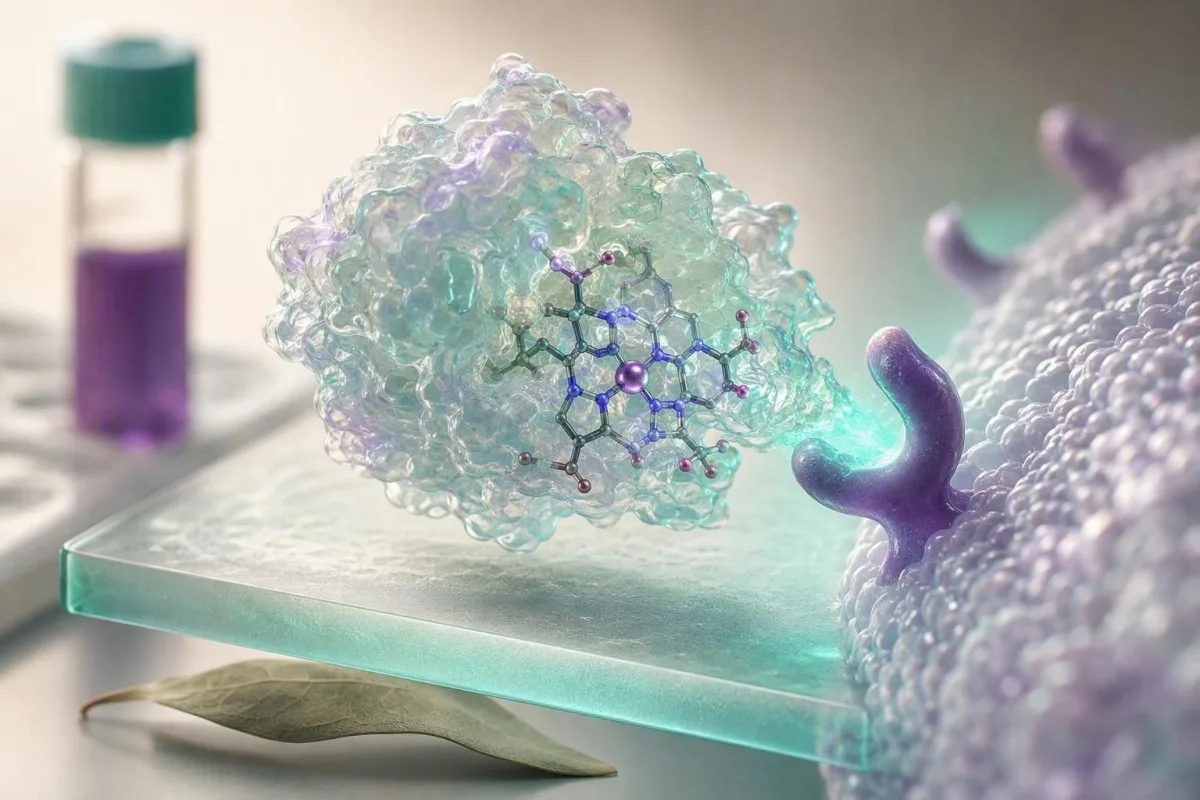
'n Normale aktiewe B12-resultaat kort na aanvulling mag onlangse inname dokumenteer eerder as herstelde weefselvoorraad. Tydsberekening, nierfunksie, simptome en metielmalonzuur bepaal dikwels wat die nommer beteken.


- Onlangse B12-dosis kan holotranscobalamin binne ure tot dae verhoog, so 'n normale resultaat kort na behandeling sluit voorheen bestaande tekort nie betroubaar uit nie.
- Holotranscobalamin-reeks is gewoonlik ongeveer 37-150 pmol/L, maar elke laboratorium moet sy eie toets-spesifieke interval gebruik.
- Aktiewe B12-toets meet B12 wat aan transcobalamin geheg is, die fraksie beskikbaar vir selopname; dit meet nie direk intrasellulêre B12-aktiwiteit nie.
- MMA-toets styg wanneer sel B12 ontoereikend is, maar verminderde nierfunksie kan MMA verhoog selfs wanneer B12-status toereikend is.
- Inspuiting tydsberekening maak die meeste saak: 'n 1,000 mikrogram inspuiting kan serum en aktiewe B12-resultate vir weke gerusstellend laat lyk terwyl neurologiese herstel langer neem.
- Opvolgplan moet die presiese B12-vorm, dosis, roete en datum aanteken; sonder hierdie besonderhede is die vergelyking van resultate dikwels misleidend.
- Onmiddellike hersiening is toepaslik vir nuwe probleme met loop, progressiewe gevoelloosheid, verwarring, ernstige swakheid, of bloedarmoedersimptome, ongeag of 'n onlangse aktiewe B12-toets normaal was.
Kan onlangse B12 holotranscobalamin normaal laat lyk?
Ja. Onlangse orale of ingespuite vitamien B12 kan holotranskobalamien, wat dikwels aktiewe B12 genoem word, tydelik verhoog, selfs wanneer die toets bestel is omdat 'n tekort vermoed is. Die resultaat vertel ons dan dat absorbeerbare B12 onlangs in die bloedsomloop inbeweeg het; dit kan nie op sigself bewys dat weefselreserwes, senuweefunksie, of die oorspronklike oorsaak van die tekort reggestel is nie. Vanaf 3 September 2026 is my praktiese reël eenvoudig: dokumenteer elke dosis wat in die voorafgaande 14 dae geneem is voordat 'n aktiewe B12-toets as gerusstellend beskou word.
'n Enkele tablet van 1 000 mikrogram B12 kan sirkulerende merkers verander voordat 'n pasiënt enige kliniese verandering opmerk. In my 15 jaar van praktyk het ek pasiënte gesien wat 'n aanvulling vir drie dae voor toetsing geneem het, 'n normale holotranskobalamien-resultaat ontvang het, en aangeneem het dat hul maande van tinteling geen voedingskomponent gehad het nie.
'n B12-inspuiting skep 'n groter en meer aanhoudende interpretasieprobleem as 'n standaard tablet. Serum B12 en holotranskobalamien kan aansienlik verhoog word na parenterale behandeling, terwyl metielmalonzuur, herstel van bloedtelling, en neurologiese simptome verskillende tydlyne volg; ons B12-inspuitings teenoor tablette gids verduidelik die farmakologiese kontras.
Dr. Thomas Klein se benadering is om 'n aktiewe B12-resultaat na 'n dosis te beskou as 'n resultaat in die konteks van behandeling, nie 'n basiese diagnostiese resultaat nie. Kantesti is 'n KI-bloedtoetsontleder wat doseringsdatums saam met biomarkeerders bewaar, omdat 'n geïsoleerde waarde sonder tydsberekening dikwels die verkeerde kliniese vraag is.
Die nuttige vraag om aan u klinikus te stel
Vra of die doel is om onbehandelde tekort te diagnoseer, biochemiereaksie te bevestig, of aanhoudende simptome te ondersoek. Dit is drie verskillende vrae, en dit kan verskillende tydsberekening en verskillende toetse vereis.
Wat holotranscobalamin eintlik meet
Holotranskobalamien meet vitamien B12 wat gebind is aan transkobalamien, die vervoerproteïen wat B12 na selle aflewer. Dit is die biologies beskikbare sirkulerende fraksie, maar dit is steeds 'n meting in die bloedsomloop eerder as 'n direkte lesing van intrasellulêre ensiemfunksie.
Die meeste sirkulerende B12 is aan haptocorrin gebind en is nie onmiddellik beskikbaar vir weefsels nie; holotranskobalamien verteenwoordig ongeveer 10% tot 30% van totale sirkulerende B12. Daardie biologie is waarom die aktiewe B12-toets sommige vroeë tekorte kan identifiseer wat totale B12 mis, veral rondom grensgevalle totale B12-konsentrasies.
Baie laboratoriums klassifiseer holotranskobalamien onder ongeveer 35 pmol/L as laag en waardes bo 50 pmol/L as voldoende, met 'n grys sone tussenin. Hierdie afsnypunte is egter afhanklik van die toetsmetode, so die verwysingsinterval wat deur die verslagdoenende laboratorium gedruk word, geniet voorkeur bo enige internetdrempel; sien ons aktiewe B12 en MMA oorsig.
'n Normale holotranskobalamien-resultaat is die sterkste wanneer dit geneem is voor aanvullings, inspuitings, of verrykte energiedrankies ingeneem is. Dit is minder deurslaggewend by mense wat hoë-dosis B-kompleks produkte gebruik, wat dikwels 500 tot 5 000 mikrogram B12 per dosis bevat; ons B-kompleks aanvullings gids dek daardie verborge dosisse.
Hoe vinnig orale B12 'n aktiewe B12-toets verander
Orale B12 kan holotranskobalamien vinnig verhoog omdat 'n deel van 'n groot dosis deur passiewe diffusie geabsorbeer word, selfs wanneer intrinsieke-faktor absorpsie gestrem is. 'n Normale aktiewe B12-toets na verskeie onlangse dosisse kan dus die aanvulling eerder as die pasiënt se onbehandelde toestand weerspieël.
Teen fisiologiese dosisse beheer intrinsieke faktor B12-opname in die terminaal-ileum; teen dosisse van ongeveer 1 000 mikrogram, kan ongeveer % deur passiewe diffusie binnedring. Daardie klein persentasie is klinies betekenisvol, daarom kan hoë-dosis tablette vir baie pasiënte werk, maar kan ook diagnostiese toetsing belemmer.
Ek adviseer gewoonlik pasiënte om nie “n uitspoelperiode te improviseer wanneer hulle kommerwekkende gevoelloosheid, balanstoornis, anemie, swangerskap, of ”n klinikus-gerigte behandelingsplan het nie. Om behandeling te onderbreek slegs om 'n laboratoriumwaarde "skoner" te maak, kan die verkeerde afweging wees; die klinikus kan eerder die resultaat teen die dosisgeskiedenis interpreteer.
Vir 'n nie-noodgeval diagnostiese her-toets, vra baie klinici pasiënte om orale B12 vir ten minste 48 tot 72 uur, te vermy, hoewel dit 'n pragmatiese laboratoriumkonvensie is eerder as 'n universeel gevalideerde reël. Die bewyse is eerlik gesproke gemeng oor die ideale interval, so konsekwentheid tussen toetse is dikwels belangriker as om een vermeende perfekte dag na te streef; lees ons bloedtoets tydsbereidingsgids.
Waarom B12-inspuitings die grootste tydsberekening-val veroorsaak
'n B12-inspuiting kan holotranscobalamien en totale B12 vir dae tot weke hoog laat lyk, dus is hierdie merkers swak hulpmiddels om basale tekort onmiddellik daarna te diagnoseer. Die resultaat kan blootstelling aan B12 bevestig, maar nie verklaar waarom tekort ontwikkel het of of weefsel-effekte opgelos het nie.
Hidroksokobalamien word algemeen gegee as 1 000 mikrogram binnespiers, soms verskeie kere oor 2 tot 3 weke in laai-regimes. 'n Bloedmonster wat kort daarna geneem word, kan 'n resultaat ver bokant die boonste verwysingslimiet toon, en daardie verhoging word verwag eerder as giftig in die meeste omstandighede.
Die British Society for Haematology-riglyn adviseer dat serum B12 nie nuttig is vir die monitering van pasiënte wat binnespierse B12-terapie ontvang nie (Devalia et al., 2014). In die praktyk volg ek simptome, die volledige bloedtelling, retikulosiet-respons wanneer anemie teenwoordig is, en nakoming van die beplande regime eerder as om seriële aktiewe B12-toetse te bestel.
'n Retikulosiet-styging kan ongeveer begin 3 tot 5 dae na effektiewe behandeling, terwyl hemoglobien dikwels oor 4 tot 8 weke verbeter as B12-tekort anemie veroorsaak het. Aanhoudende penne-en-naalde-simptome verdien aandag selfs met 'n hoë post-inspuiting resultaat; ons hoë B12 resultaat gids skei verwagte aanvullings-effekte van ander patrone.
Wanneer 'n MMA-toets nuttige konteks byvoeg
Metielmalonzuur is die nuttigste wanneer holotranscobalamien grensgeval is, onlangs deur aanvullings verander is, of in stryd is met simptome en bloedtelling-bevindinge. MMA styg wanneer B12-afhanklike metabolisme belemmer word, wat dit 'n funksionele metgesel-toets maak eerder as 'n vervanging vir kliniese assessering.
'n Plasma MMA-konsentrasie onder ongeveer 0.40 mikromol/L word dikwels as normaal beskou, hoewel plaaslike toetsreekse wissel. Hoër waardes ondersteun funksionele B12-tekort wanneer nierfunksie normaal is en daar geen groot verdringende siekte is nie; ons gedetailleerde Verklaring van MMA-toets bespreek die algemene alternatiewe.
MMA kan verhoog bly vir kort nadat B12-behandeling begin, so toetsing daarvan onmiddellik na 'n tablet of inspuiting los nie altyd die vraag op nie. Ek vind 'n gemete afname oor verskeie weke meer insiggewend as 'n enkele post-behandeling waarde, veral by pasiënte wat terapie begin het voor hul eerste assessering.
Kantesti AI interpreteer holotranscobalamien saam met MMA, kreatinien, eGFR, MCV, hemoglobien, en gedokumenteerde aanvulling blootstelling eerder as om enige enkele merker as definitief te behandel. Kantesti is 'n AI bloedtoets interpretasie platform ontwerp om hierdie patroon te onthul vir bespreking met 'n klinikus, nie om pernisieuse anemie vanaf een oplaai te diagnoseer nie.
Wanneer nierfunksie MMA minder spesifiek maak
Verminderde nierfunksie kan MMA onafhanklik van B12-status verhoog, so 'n verhoogde MMA is minder spesifiek wanneer eGFR onder 60 mL/min/1.73 m² is. Dit is een van die algemeenste redes waarom 'n MMA-toets ooreenstem met 'n normale aktiewe B12-resultaat.
MMA word deels deur die niere geklaar, en konsentrasies neem algemeen toe namate eGFR daal. 'n MMA van 0.55 mikromol/L by 'n ouer volwassene met eGFR 38 mL/min/1.73 m² benodig 'n ander interpretasie as dieselfde resultaat by 'n 28-jarige met eGFR 105.
Homosisteïen neem ook toe in B12-tekort, maar dit word beïnvloed deur folaatstatus, vitamien B6, hipotireose, renale funksie, rook, en verskeie medisyne. Wanneer beide MMA en homosisteïen hoog is by iemand met bewaarde renale funksie en lae holotranscobalamien, word die saak vir funksionele tekort meer oortuigend.
Moenie 'n niere-verwante MMA-styging as behandelingsmislukking bestempel sonder om kreatinien en die trajek van eGFR te hersien nie. Ons CKD-stadiums-gids en GFR na dehidrasie artikel verduidelik hoekom selfs renale merkers konteks benodig.
Watter CBC-veranderinge die verhaal kan verduidelik
'n Volledige bloedtelling kan onafhanklike leidrade tot B12-tekort verskaf, maar 'n normale MCV sluit dit nie uit nie. Makrositose, anemie, hoë RDW, lae witbloedselle, of lae bloedplaatjies ondersteun die diagnose wanneer dit teenwoordig is, tog kan neurologiese B12-tekort voorkom met 'n normale CBC.
’n MCV bo 100 fL verhoog agterdog vir B12- of folaattekort, alkoholverbruik, lewersiekte, hipotireose, medikasie, of mergrais-afwykings. Ystertekort kan makrositose teenwerk en 'n misleidend normale MCV produseer, daarom gebruik ek nooit een rooibloedsel-indeks as 'n veto nie.
'n Styging in RDW kan 'n vroeë leidraad wees tydens herstel omdat nuut geproduseerde selle in grootte verskil van ouer selle. Nadat behandeling begin, kan die CBC meer wisselvallig lyk voordat dit beter lyk; ons gids vir hoë MCV opvolg uiteensit die differensiële diagnose.
Carmel se kliniese oorsig beklemtoon dat neurologiese manifestasies kan voorkom sonder anemie of makrositose (Carmel, 2000). Nuwe verminderde vibrasie-sin, gang-onstabiliteit, of kognitiewe verandering moet tydige mediese evaluasie aanspoor, selfs al het aktiewe B12 genormaliseer na 'n aanvulling.
Waarom 'n normale pos-dosis resultaat nie pernisieuse anemie kan uitsluit nie
'n Normale holotranscobalamien-resultaat na B12-behandeling kan nie pernisieuse anemie uitsluit nie omdat die toets verskafde B12 meet, nie intrinsiese faktor outo-immuniteit nie. Die onderliggende diagnose maak saak omdat dit bepaal of lewenslange vervanging en maag-surveillansiebesprekings nodig is.
Pernisieuse anemie spruit voort uit outo-immuunskade wat intrinsieke faktorproduksie en maag-pariëtale selle affekteer, wat fisiologiese B12-absorpsie verminder. Intrinsieke-faktor-teenliggaamposititeit is hoogs spesifiek, maar 'n negatiewe resultaat sluit die toestand nie heeltemal uit nie; pariëtale-selteenliggame is minder spesifiek en moet versigtig geïnterpreteer word.
In my kliniek skuil die sleutelgeskiedenis dikwels in die sigbare: outo-immuun tiroïed siekte, vitiligo, chroniese gastritis, vorige maagoperasie, en familielede wat gereelde B12-inspuitings ontvang. 'n Normale waarde na selfbehandeling moet nie daardie gesprek sluit nie; sien ons gids vir pernisieuse anemie toetsing.
Kantesti, ’n KI-aangedrewe bloedtoets-analisehulpmiddel, kan anti-liggaamresultate, CBC-indekse, gastrien waar beskikbaar, en langtermyn B12-verwante merkers organiseer. Dit kan nie 'n klinikus se besluit oor endoskopie, outo-immuun assessering, of of parenterale vervanging steeds nodig is, vervang nie.
Medisyne en toestande wat die opvolgplan verander
Metformien, proton-pomp inhibeerders, maagoperasie, inflammatoriese dermsiekte, coeliakie, en dieet beperking kan B12-tekort veroorsaak of voortduur ten spyte van 'n tydelik normale aktiewe B12-toets. Om die nommer reg te stel sonder om die drywer te identifiseer, lei dikwels tot herhalende onsekerheid.
Metformien-geassosieerde B12-verlaging word meer waarskynlik met hoër dosisse en langer blootstelling, veral na 4 jaar; periodieke B12-assessering word aanbeveel by pasiënte met anemie of neuropatie risiko. Suuronderdrukking kan voedsel-gebonde B12 vrystelling verminder, hoewel die kliniese effek aansienlik van persoon tot persoon verskil.
'n Pasiënt wat metformien 2 000 mg daagliks neem, kan 'n gesond-lykende aktiewe B12 resultaat toon nadat hy 'n aanvulling begin het, terwyl die oorspronklike absorpsie probleem steeds relevant bly. Dit is nie 'n rede om metformien sonder advies te staak nie; dit is 'n rede om behandeling aan te teken en intelligent te monitor, soos beskryf in ons bloedtoetse na metformien gids.
Coeliakie en iliale afwykings kan orale vervanging bemoeilik omdat die reaksie afhang van siekte aktiwiteit en dosis. Indien chroniese diarree, gewigsverlies, yster tekort, of 'n familiegeskiedenis van coeliakie teenwoordig is, kan 'n klinikus ondersoek instel voor langdurige selfbehandeling; ons gluten uitdaging tydsberekening gids verduidelik een diagnostiese strik.
Hoe om voor te berei vir 'n nuttige holotranscobalamin-toets
Vir die duidelikste aktiewe B12 toets, verskaf die laboratorium en voorskrywer met die presiese B12 produk, dosis, roete, en datum van jou laaste dosis. Vaste is gewoonlik nie nodig vir holotranscobalamien nie, maar konsekwente voor-toets toestande maak reeksresultate meer vergelykbaar.
Skryf neer of die produk siaanokobalamien, metielkobalamien, hidroksokobalamien, of “n ongemerkte multivitamine was, plus die dosis in mikrogram. ”Ek neem soms B12" is nie genoeg kliniese inligting wanneer resultate naby 'n besluit drempel is soos 35 tot 50 pmol/L.
Indien jou klinikus 'n onbehandelde basislyn wil hê en jy is klinies stabiel, vra spesifiek of om orale aanvullings vir 48 tot 72 uur te staak en hoe lank na 'n inspuiting die toetsing moet wag. Moenie aanvaar dat 'n algemene vas instruksie op B12 van toepassing is nie; ons aanvullings voor bloedtoetse gids dek breër voor-toets effekte.
Die fotografering van die aanvullingsetiket en die stoor daarvan met die verslag vermy 'n verrassend algemene probleem: B12 is dikwels versteek in haarprodukte, energiekiesels, prenatale vitamiene, en verrykte drankies. Kantesti se neigingsaansig is gebou rondom gedateerde insette, want die vergelyking van twee waardes sonder behandeling datums kan 'n vals verhaal van verbetering of terugval skep.
Wanneer om aktiewe B12, MMA en CBC te herhaal
Opvolg tydsberekening hang af van waarom behandeling begin is: aktiewe B12 is dikwels onnodig na inspuitings, terwyl CBC en simptoom oorsig meer nuttig kan wees by 4 tot 8 weke. MMA kan konteks byvoeg wanneer die basislyn onseker was, maar moet geïnterpreteer word met nierfunksie en behandeling tydsberekening in gedagte.
Vir hematologiese tekorte, 'n retikulositereaksie rondom dag 5 tot 10 en 'n herbeoordeling van die CBC op ongeveer 6 tot 8 weke kan herstel dokumenteer. Gebrek aan verwagte verbetering moet 'n oorsig van yster, folaat, voortdurende bloedverlies, murgsiekte, nakoming, en of die oorspronklike diagnose korrek was, ontketen.
Vir neuropatie is die simptoomtrajek belangriker as om 'n hoë aktiewe B12-waarde na te jaag. Senuweebestel kan maande duur en kan onvolledig wees na langdurige tekort, dus moet verswakkende balans, nuwe swakheid, of blasersimptome vinnig beoordeel word eerder as om met herhaalde aanvullings bestuur te word.
Kantesti AI vergelyk vorige resultate en beklemtoon veranderinge wat gewone laboratoriumvariasie kan oorskry, maar die opvolgplan behoort aan die behandelende span. Lesers wat betekenisvolle verandering tussen trekkings wil verstaan, kan ons sy-aan-sy resultaatgids en ons mediese valideringsbenadering.
Spesiale situasies: swangerskap, ouderdom, en plantgebaseerde diëte
Swangerskap, latere lewe, en plantgebaseerde eetpatrone kan die voor-toets waarskynlikheid van B12-tekort verander, maar dit maak 'n onlangs aangevulde holotranscobalamien-resultaat nie diagnosties nie. Die veiligste interpretasie kombineer steeds blootstellingsgeskiedenis, simptome, CBC, en funksionele merkers waar toepaslik.
Swangerskap verander plasmakonsentrasie en laboratoriuminterpretasie, terwyl fetale aanvraag volgehoue B12-toereikendheid klinies relevant maak. Mense wat prenatale aanvullings gebruik, neem dalk reeds 2.6 mikrogram of meer daagliks, so die aanvullingsetiket moet deel wees van elke B12-bespreking; ons swangerskap aanvullings veiligheidsgids bied praktiese konteks.
Volwassenes ouer as 65 het 'n hoër voorkoms van voedsel-kobalamien wanabsorpsie, medikasie blootstelling, en outo-immuun gastritis. In 'n ouer pasiënt met val of kognitiewe simptome, verwerp ek nie B12 bloot omdat 'n onlangse multivitamien 'n normale aktiewe B12-toets opgelewer het nie; ons bejaarde bloedtoetsgids verduidelik breër broosheidspatrone.
Streng veganistiese diëte vereis 'n betroubare B12-bron omdat onverrykte plantvoedsel nie aktiewe B12 betroubaar verskaf nie. 'n Daaglikse 25 tot 100 mikrogram aanvulling of 'n intermitterende hoë-dosis plan kan gebruik word, maar individuele voorskryfadvies is belangrik; sien ons voedsel ryk aan B12 gids.
Wanneer simptome belangriker is as 'n onlangse normale resultaat
Progressiewe gevoelloosheid, probleme met loop, nuwe swakheid, verwarring, sigverandering, of ernstige anemiesimptome benodig mediese oorsig, selfs al was holotranscobalamien normaal na onlangse B12. 'n Aanvulling-veranderde resultaat mag nooit gebruik word om neurologiese rooi vlae te verduidelik nie.
Soek dieselfde-dag advies vir vinnig progressiewe loopmoeilikheid, ernstige kortasem, borspyn, flouheid, of merkwaardige verwarring. Hierdie simptome het baie moontlike oorsake, en B12-tekort is slegs een van hulle; om assessering uit te stel om 'n vitamiestoets te herhaal, is nie 'n veilige plan nie.
'n Subtiele maar betekenisvolle leidraad is verlies van vibrasie- of posisiesensoriese vermoë eerder as pyn alleen. Ek het pasiënte ontmoet wie se simptome vir maande aan stres toegeskryf is omdat hul CBC normaal was, tog het die geskiedenis en funksionele merkers behandeling en verdere evaluasie geregverdig.
Kantesti AI is ’n KI-labtoets-interpretasiediens wat gebruikers kan help om 'n bondige neigingsopsomming vir 'n geneesheer voor te berei, insluitend aanvullingsdatums en gepaarde CBC-waardes. Ons mediese adviesraad hersien beginsels vir kliniese veiligheid, maar dringende simptome vereis plaaslike mediese sorg eerder as 'n aanlyn interpretasie.
'n Praktiese plan vir die interpretasie van u volgende resultaat
Die beste volgende stap na 'n potensiële misleidende holotranskobalamienresultaat is om die toets as baslyn, na-orale dosis, of na-inspuiting te klassifiseer, en dan opvolgmerkers dienooreenkomstig te kies. Dit voorkom beide vals gerusstelling en onnodige herhaalde toetsing.
Indien die toets geneem is voor aanvullings, ondersteun 'n lae holotranskobalamienresultaat plus versoenbare simptome of CBC-veranderinge onmiddellike kliniese assessering. Indien dit na orale B12 geneem is, teken die interval aan en oorweeg of MMA, homosisteïen, teenliggame, of 'n herhaling onder konsekwente toestande die oorblywende vraag sal beantwoord.
Indien die toets 'n inspuiting gevolg het, moenie die verhoogde aktiewe B12-waarde gebruik om behandeling sukses te beoordeel of pernisieuse anemie uit te sluit nie. Fokus op die aanduiding vir behandeling, simptoom verloop, CBC herstel, en die oorsaak van belemmerde inname of absorpsie; ons normale B12-reeksriglyn verduidelik eenheid- en drempelverskille.
Kantesti het meer as 2 miljoen gebruikers in 127+ lande ondersteun met meertalige laboratoriuminterpretasie, maar 'n B12-resultaat bly die nuttigste wanneer dit aan 'n tydlyn gekoppel is. Stoor die verslag, aanvullingsetiket, inspuitingsdatum, nieruitslae en simptome saam; ons KI-tegnologiegids beskryf hoe kontekstuele tendensanalise ontwerp is om kliniese sorg te ondersteun—nie te vervang nie.
Gereelde vrae
Hoe lank nadat B12 geneem is, styg holotranskobalamien?
Holotranskobalamien kan binne ure tot dae styg na 'n orale B12-dosis omdat geabsorbeerde kobalamien vinnig op transkobalamien gelaai word. 'n Hoë-dosis orale produk wat 1 000 mikrogram bevat, kan 'n aktiewe B12-toets sinvol beïnvloed, selfs wanneer onderliggende absorpsie steeds belemmer is. Die presiese duur verskil volgens dosis, formulering, nierfunksie en vorige voorrade, dus is daar geen universeel gevalideerde uitwasinterval nie. Vir 'n stabiele, nie-urgente diagnostiese herhalingstoets, gebruik klinici dikwels 48 tot 72 uur sonder orale B12, maar individuele instruksies moet geld.
Kan ek 'n normale aktiewe B12 toets hê en steeds B12-tekort wees?
Ja, 'n normale aktiewe B12-toets kan saamval met onlangse B12-aanvulling, vroeë behandeling, toetsvariasie, of 'n kliniese prentjie wat nog ondersoek moet word. Holotranscobalamien meet sirkulerende B12 wat beskikbaar is vir opname, nie direkte intrasellulêre ensiemaktiwiteit of die oorsaak van wanabsorpsie nie. 'n MMA-toets bo die plaaslike boonste limiet, dikwels ongeveer 0.40 mikromol/L, kan funksionele tekort ondersteun wanneer eGFR bewaar word. Nuwe neurologiese simptome vereis kliniese assessering, ongeag 'n onlangse normale aktiewe B12-waarde.
Moet ek B12 stop voor 'n MMA-toets?
Moenie voorgeskrewe B12 stop sonder om die klinikus wat die toets versoek het te vra nie, veral as jy anemie, swangerskap, neuropatie, of vermoedelike pernisieuse anemie het. B12-behandeling kan MMA mettertyd verlaag, so 'n MMA-toets na behandeling mag nie meer die onbehandelde basislyn verteenwoordig nie. Wanneer toetsing nie dringend is nie, mag 'n klinikus 'n bepaalde pouse van orale aanvullings versoek, gewoonlik 48 tot 72 uur, maar dit is nie geskik vir elke pasiënt nie. Nierfunksie moet nagegaan word omdat eGFR onder 60 mL/min/1.73 m² MMA onafhanklik kan verhoog.
Hoe lank na 'n B12-inspuiting moet ek aktiewe B12 toets?
Aktiewe B12-toetsing onmiddellik na 'n 1 000 mikrogram B12-inspuiting is gewoonlik nie nuttig vir die diagnose van basiese tekort nie, omdat die sirkulerende konsentrasie dae tot weke lank hoog kan bly. Britse hematologieriglyne beveel nie serum B12 aan vir die monitering van pasiënte wat intramuskulêre B12-behandeling ontvang nie. Opvolg berus algemeen op simptoomrespons, 'n retikulosiettrespons na ongeveer 5 tot 10 dae wanneer anemie teenwoordig is, en 'n CBC na ongeveer 6 tot 8 weke. Die behandelende geneesheer moet besluit of MMA, teenliggame, of 'n ander toets nuttig bly.
Wat is 'n grenswaardige holotranskobalamien resultaat?
'n Grensgeval holotranskobalamienresultaat is gewoonlik 'n waarde van ongeveer 35 tot 50 pmol/L, hoewel laboratoriums verskillende toetse en verwysingsintervalle gebruik. Grensgeval aktiewe B12 is meer kommerwekkend wanneer MMA verhoog is, eGFR normaal is, MCV hoog is, of simptome soos gevoelloosheid en wanbalans teenwoordig is. Dit is minder interpreteerbaar as die persoon B12 geneem het in die voorafgaande paar dae of onlangs 'n inspuiting gehad het. 'n Herhalingstoets onder konsekwente toestande of 'n gepaarde MMA-toets kan die prentjie opklaar.
Verberg hoë foliumsuur B12-tekort?
Hoë folaatinname kan die anemie van B12-tekort verbeter terwyl neurologiese besering voortduur, daarom sluit 'n normale hemoglobien B12-verwante neuropatie nie uit nie. Hierdie bekommernis is die meeste relevant met aanvullende folsuur dosisse van ongeveer 1 mg daagliks of meer, eerder as gewone voedselinname. Holotranscobalamin, MMA, homosisteïen, CBC-indekse, en simptome moet saam geïnterpreteer word. Nuwe gevoelloosheid, verandering in gang, of kognitiewe simptome vereis tydige mediese ondersoek, selfs wanneer folaat en hemoglobien normaal is.
Kry vandag KI-aangedrewe bloedtoets-analise
Sluit aan by meer as 2 miljoen gebruikers wêreldwyd wat Kantesti vertrou vir onmiddellike, akkurate laboratoriumtoetsanalise. Laai jou bloedtoetsresultate op en ontvang omvattende interpretasie van 15,000+-biomerkers binne sekondes.
📚 Verwysde navorsingspublikasies
Klein, T., Mitchell, S., & Weber, H. (2026). Nipah-virusbloedtoets: Vroeë opsporing en diagnosegids 2026. Kantesti KI Mediese Navorsing.
Klein, T., Mitchell, S., & Weber, H. (2026). B Negatiewe Bloedgroep, LDH-bloedtoets en retikulosiettelling-gids. Kantesti KI Mediese Navorsing.
📖 Eksterne mediese verwysings
⚕️ Mediese Vrywaring
Hierdie artikel is slegs vir opvoedkundige doeleindes en vorm nie mediese advies nie. Raadpleeg altyd ’n gekwalifiseerde gesondheidsorgverskaffer vir besluite oor diagnose en behandeling.
E-E-A-T Vertrouenseine
Ervaring
Kliniese oorsig gelei deur ’n geneesheer van laboratorium-interpretasie-werksvloei.
Kundigheid
Laboratoriumgeneeskunde fokus op hoe biomerkers in ’n kliniese konteks optree.
Gesagsvermoë
Geskryf deur dr. Thomas Klein met hersiening deur dr. Sarah Mitchell en prof. dr. Hans Weber.
Betroubaarheid
Bewysgebaseerde interpretasie met duidelike opvolgpaaie om alarm te verminder.