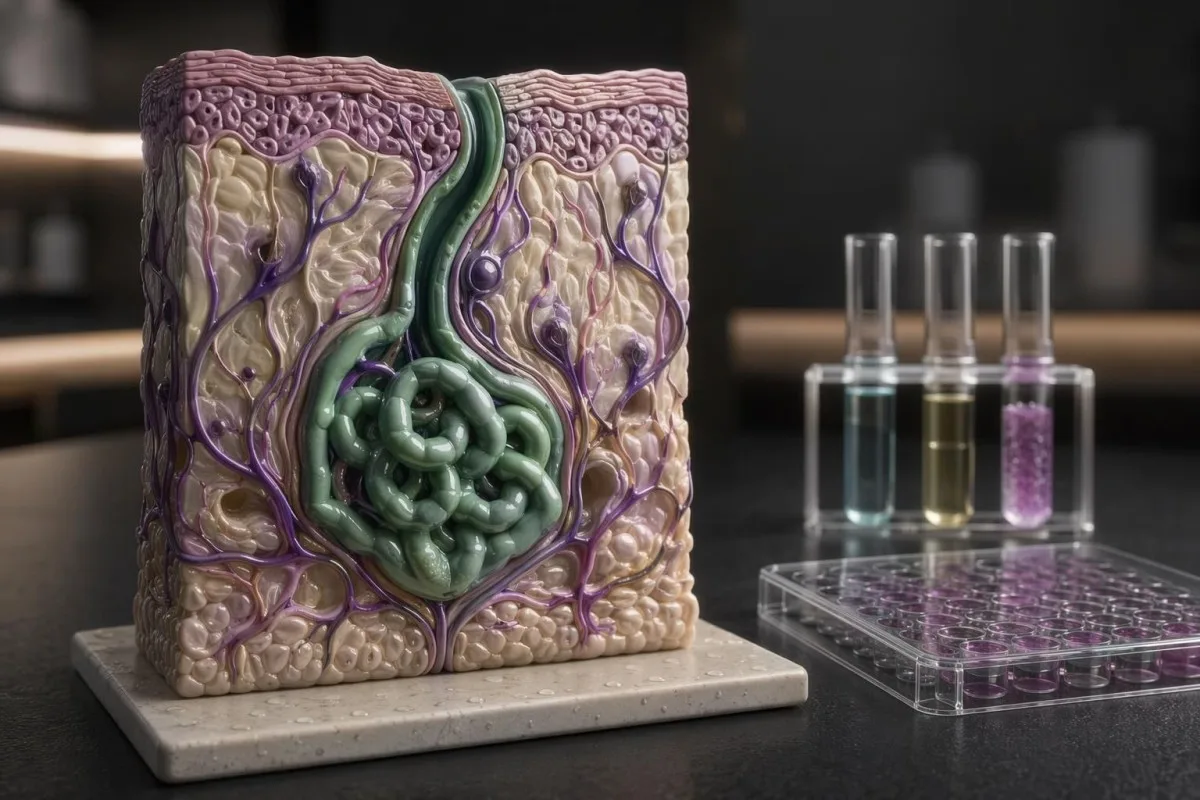
A blood test for excessive sweating is most useful when sweating is new, drenching, one-sided, associated with weight loss or fever, or happening at night. The highest-yield labs usually check thyroid overactivity, glucose swings, infection, inflammation, blood count changes, kidney and liver chemistry, and medication effects.


- Blood test for excessive sweating usually starts with CBC, CMP, TSH, free T4, fasting glucose, HbA1c, CRP or ESR, and sometimes procalcitonin if infection is suspected.
- Sweating thyroid blood test patterns that suggest hyperthyroidism include low TSH, often below 0.1 mIU/L, with high free T4 or free T3.
- Glucose-related sweating can happen with hypoglycaemia below 70 mg/dL or rapid glucose drops even when HbA1c is still below the diabetes cutoff.
- Night sweats vs excessive sweating labs differ because drenching night sweats raise concern for infection, inflammatory disease, lymphoma, medication effects and endocrine causes.
- CBC red flags include WBC above 11.0 x 10^9/L, neutrophil left shift, unexplained anaemia, abnormal platelets, or persistent lymphocyte abnormalities.
- CRP interpretation is pattern-based: mild elevations of 3–10 mg/L can be metabolic or inflammatory, while levels above 100 mg/L more often suggest significant infection or tissue response.
- Medication triggers include SSRIs, SNRIs, opioids, thyroid hormone excess, steroids, GLP-1 nausea-related autonomic symptoms, and glucose-lowering drugs that cause hypoglycaemia.
- Urgent symptoms include sweating with chest pain, confusion, fainting, glucose below 54 mg/dL, fever with low blood pressure, or rapid unexplained weight loss.
When heavy sweating deserves a lab check
A blood test for excessive sweating is worth asking about when sweating is new, drenching, unexplained, wakes you from sleep, or comes with fever, weight loss, palpitations, tremor, diarrhoea, swollen glands, or low sugar symptoms. In practice, I start with CBC, CMP, TSH, free T4, fasting glucose, HbA1c, CRP or ESR, and medication review; Kantesti AI can help turn those numbers into a pattern rather than a pile of flags.
The first split is simple: primary hyperhidrosis usually starts younger, affects palms, soles, underarms or face, and often stops during sleep. Secondary sweating is more suspicious when it begins after age 40, affects the whole body, or appears alongside abnormal vital signs; our symptom-to-lab map is built around that distinction.
I am Thomas Klein, MD, and the cases that make me pause are rarely the person who sweats through a shirt during a hot commute. The ones that deserve blood work are the 52-year-old with new soaking sheets, a resting pulse of 112, and a TSH below 0.01 mIU/L, or the office worker whose 3 p.m. sweats match glucose readings in the 60s mg/dL.
As of May 23, 2026, no single lab test diagnoses excessive sweating by itself. The clinical value comes from matching timing, triggers, temperature, medications and lab patterns; a normal CBC and TSH do not rule out every cause, but they narrow the problem quickly and cheaply.
Night sweats vs daytime excessive sweating labs
Night sweats vs excessive sweating labs differ because drenching sleep-time sweating raises the pre-test probability of infection, inflammatory disease, medication effects, endocrine disease and some cancers. Daytime focal sweating without systemic symptoms more often points toward primary hyperhidrosis or autonomic triggers.
A practical definition I use: night sweats matter when they soak sleepwear or bedding at normal room temperature, especially if they happen more than 3 nights per week for 2–3 weeks. For a deeper checklist, our guide to night sweat blood tests separates benign hot-room sweating from patterns that need follow-up.
Daytime sweating after caffeine, exercise, heat exposure or public speaking is usually less concerning when weight, pulse, temperature and basic labs are stable. By contrast, sweating with a morning temperature above 38.0°C, unplanned weight loss over 5% in 6 months, or swollen lymph nodes changes the lab strategy immediately.
The overlooked clue is time-locking. Sweating 30–90 minutes after meals can fit reactive hypoglycaemia, early dumping after gastric surgery, or insulin mismatch; sweating at 3 a.m. may be nocturnal hypoglycaemia, menopausal vasomotor symptoms, infection fever cycling, alcohol withdrawal, or sleep apnoea-related adrenergic surges.
I ask patients to record temperature, pulse, glucose if available, medication timing, alcohol intake and bedding changes for 7 days before testing. That small diary often prevents a broad, expensive panel and makes the first set of labs much more interpretable.
Sweating thyroid blood test: TSH, free T4 and T3 patterns
A sweating thyroid blood test should usually include TSH and free T4, with free T3 added when symptoms are strong or TSH is suppressed. Low TSH below 0.4 mIU/L suggests thyroid overactivity, and TSH below 0.1 mIU/L is more concerning when paired with palpitations, tremor, heat intolerance or weight loss.
The American Thyroid Association guideline describes overt hyperthyroidism as low or undetectable TSH with elevated thyroid hormone levels, while subclinical hyperthyroidism has low TSH with normal free T4 and T3 (Ross et al., 2016). Our explainer on low TSH patterns walks through why that distinction changes urgency.
A typical hyperthyroid pattern is TSH below 0.01–0.1 mIU/L, free T4 above the lab range, and sometimes free T3 disproportionately high. In our analysis of uploaded reports, the sweaty, shaky patient with a normal free T4 but high free T3 is exactly the kind of case where a TSH-only screen can miss the clinical story.
Biotin can make thyroid labs look falsely hyperthyroid by lowering measured TSH and raising measured free T4 or T3 in some immunoassays. A common supplement dose of 5–10 mg daily is enough to interfere with certain platforms, so many clinicians ask patients to stop biotin for 48–72 hours before repeating tests.
Thyroid antibodies add a second layer. TSH receptor antibodies support Graves disease, while TPO antibodies suggest autoimmune thyroid background; neither antibody alone explains sweating unless the hormone pattern also fits.
Sugar swings: glucose, HbA1c, insulin and C-peptide
Glucose-related sweating most often comes from hypoglycaemia, rapid glucose drops, or poorly controlled diabetes with autonomic symptoms. A fasting glucose, HbA1c, and sometimes insulin plus C-peptide can reveal patterns that a single random sugar result misses.
The American Diabetes Association defines diabetes by HbA1c of 6.5% or higher, fasting plasma glucose of 126 mg/dL or higher, or 2-hour oral glucose tolerance result of 200 mg/dL or higher when confirmed appropriately (American Diabetes Association Professional Practice Committee, 2024). Our diabetes blood test guide explains why symptoms still matter when results sit near cutoffs.
Hypoglycaemia is usually defined as glucose below 70 mg/dL, with clinically significant low glucose below 54 mg/dL. Sweating, tremor, hunger, anxiety and palpitations are adrenergic warning signs; confusion or seizure-like symptoms suggest the brain is not getting enough glucose.
HbA1c can be deceptively calm. A person can average 5.6% and still swing from 180 mg/dL after lunch to 62 mg/dL by late afternoon, especially after high-glycaemic meals, alcohol, intense exercise, or mismatched diabetes medication.
When I review excessive sweating blood work, I look for mismatch: high fasting insulin with normal glucose suggests insulin resistance, low C-peptide during hypoglycaemia suggests reduced insulin production, and high insulin with low glucose can point toward medication exposure or rarer endocrine causes.
Infection clues on CBC, CRP and procalcitonin
Infection-related sweating is suggested by fever, chills, raised WBC, neutrophil predominance, high CRP, or elevated procalcitonin in the right clinical setting. No infection marker is perfect, so the pattern and the patient’s appearance matter more than one abnormal number.
A WBC count above 11.0 x 10^9/L often prompts infection assessment, especially when neutrophils are high or immature granulocytes are present. Our infection blood test guide compares CBC, CRP and procalcitonin without pretending any one marker has magic accuracy.
CRP below 3 mg/L is usually low-grade or normal in many labs, 10–50 mg/L is a grey zone, and values above 100 mg/L more often suggest significant bacterial infection, major tissue response, or severe inflammatory disease. I have also seen CRP above 100 mg/L after major surgery or bad inflammatory flares, so context keeps us honest.
Procalcitonin is more specific for bacterial systemic response than CRP, but it can rise after trauma, surgery, kidney impairment and severe shock. In a stable outpatient with sweating and no fever, ordering procalcitonin first is usually not the best use of money.
Sepsis is defined as life-threatening organ dysfunction caused by a dysregulated host response to infection, not simply a high WBC or fever (Singer et al., 2016). Sweating with confusion, rapid breathing, systolic blood pressure below 90 mmHg, or oxygen levels dropping is an emergency, even if yesterday’s labs looked tame.
Inflammatory and autoimmune patterns that can sweat
Inflammatory disease can cause sweating when immune activity produces fever-like cytokine rhythms, anaemia, pain flares or systemic stress. ESR, CRP, ferritin, CBC, albumin and targeted autoimmune tests help separate chronic inflammation from endocrine or glucose causes.
CRP changes quickly, often within 6–8 hours of an inflammatory trigger, while ESR can stay elevated longer and rises with age, anaemia and higher immunoglobulin levels. Our comparison of inflammation blood tests is useful when CRP and ESR disagree.
A pattern I see often is high ESR with low haemoglobin and normal or mildly raised CRP. That can happen in chronic inflammatory disease, kidney disease, plasma protein disorders, or iron-restricted blood formation; the sweating is not diagnostic, but it tells me not to dismiss the labs as random.
Ferritin is both an iron storage marker and an acute-phase reactant. Ferritin above 300 ng/mL in women or 400 ng/mL in men can reflect inflammation, liver disease, metabolic syndrome or iron overload; transferrin saturation helps decide which direction to investigate.
Autoimmune panels should be targeted, not sprayed everywhere. ANA, rheumatoid factor, anti-CCP, complements C3/C4, and ENA testing can help when sweating occurs with joint swelling, rash, dry eyes, mouth ulcers, Raynaud symptoms or unexplained fevers.
Medication and substance triggers labs can hint at
Medications are one of the most missed causes of excessive sweating, and labs can show the downstream clues rather than the trigger itself. SSRIs, SNRIs, opioids, thyroid hormone, steroids, diabetes drugs, alcohol withdrawal and stimulants are common culprits.
I ask for a start date, dose change date, and missed-dose history before ordering rare hormone tests. Our medication monitoring guide explains why a symptom that began 10–21 days after a dose increase is often more revealing than a single lab flag.
Selective serotonin reuptake inhibitors and serotonin-noradrenaline reuptake inhibitors can cause sweating without abnormal routine blood tests. The clue is chronology: dose increase, new night sweats, no fever, normal CBC, normal CRP, and symptoms easing after clinician-guided adjustment.
Thyroid hormone over-replacement is different because it often leaves a lab fingerprint: low TSH, high-normal or high free T4, faster pulse, and sometimes lower LDL cholesterol. In a 68-year-old, that pattern matters because suppressed TSH increases atrial fibrillation and bone loss risk.
Alcohol and withdrawal deserve direct questions, not judgement. AST greater than ALT, GGT elevation above about 60 IU/L in men or 40 IU/L in women, macrocytosis above 100 fL, and low magnesium can support the story, though none proves alcohol use by itself.
Hormones beyond thyroid: menopause, androgens and cortisol
Hormones beyond thyroid can cause sweating through vasomotor instability, adrenaline signalling, sex-hormone shifts, adrenal disease or medication effects. FSH, estradiol, testosterone, SHBG, prolactin and morning cortisol are useful only when symptoms and timing justify them.
Perimenopause can produce hot flashes and night sweats while estradiol looks normal on the day of testing. Our guide to perimenopause blood tests explains why FSH can swing from normal to high across cycles and why symptoms may outrun labs.
In men, low testosterone can bring hot flushes, poor sleep and sweating, especially after androgen deprivation therapy or abrupt anabolic steroid cessation. The most useful first result is a morning total testosterone, ideally before 10 a.m., repeated if low because day-to-day variation can exceed 20%.
Cortisol testing is tricky. A morning serum cortisol below about 3 µg/dL can raise concern for adrenal insufficiency, while a value above 15–18 µg/dL often makes it less likely, but dynamic testing may still be needed if symptoms are convincing.
Pheochromocytoma is rare, but classic episodes are memorable: pounding headache, sweating, palpitations and blood pressure surges. Plasma free metanephrines or 24-hour urine metanephrines are the usual screening tests, but false positives happen with stress, sleep apnoea, antidepressants and caffeine.
Cancer and hematology red flags: when not to wait
Cancer is not the most common cause of sweating, but drenching night sweats with weight loss, fevers, swollen lymph nodes or abnormal CBC should not be ignored. The lab pattern often includes anaemia, abnormal lymphocytes, high LDH, raised ESR or unexplained platelet changes.
The classic B symptoms in lymphoma are unexplained fever, drenching night sweats and more than 10% body weight loss over 6 months. Our lymphoma blood test article explains why CBC and LDH can suggest concern but cannot diagnose lymphoma.
A normal CBC does not rule out lymphoma, especially early disease. Still, persistent lymphocytosis, lymphopenia with systemic symptoms, unexplained anaemia, platelets above 450 x 10^9/L, or LDH above the lab range should move the conversation from reassurance to examination and imaging decisions.
Leukaemia patterns can be subtle or dramatic: WBC very high, WBC low, blasts flagged, neutropenia, anaemia, thrombocytopenia, or all three cell lines abnormal. When automated reports mention blasts or abnormal immature cells, I treat that as same-day clinician review, not a watch-and-wait item.
Tumour markers are usually poor screening tools for a sweaty patient without a specific clinical suspicion. CA-125, CEA, AFP or PSA can be useful in defined contexts, but broad marker panels create false alarms and missed reassurance.
Electrolytes, kidney, liver and dehydration context
Electrolyte, kidney and liver tests do not usually diagnose sweating, but they show whether sweating is causing or reflecting dehydration, medication effects, endocrine disease or organ stress. Sodium, potassium, bicarbonate, creatinine, eGFR, ALT, AST, ALP, bilirubin, albumin and glucose belong in the first-pass chemistry panel.
A CMP can reveal high sodium from fluid loss, low sodium from excess water intake or adrenal issues, and potassium shifts from vomiting, diarrhoea, diuretics or insulin. Our CMP versus BMP comparison helps patients see which chemistry markers are missing from a basic panel.
Sodium below 130 mmol/L with sweating, headache, confusion or nausea is not just a hydration issue; it needs prompt medical review. Potassium below 3.0 mmol/L or above 6.0 mmol/L can trigger rhythm problems, especially when palpitations accompany sweating.
Creatinine can rise when a person is dehydrated from fever, vomiting, intense exercise or prolonged heat exposure. But a normal creatinine in a small older adult can still hide reduced kidney reserve, which is why eGFR and sometimes cystatin C matter.
Liver chemistry adds a medication and alcohol lens. ALT and AST above 2–3 times the upper limit, high GGT, or bilirubin elevation with dark urine can redirect the sweating work-up toward hepatitis, bile flow problems, medication injury or systemic infection.
How to prepare for excessive sweating blood work
Good preparation makes excessive sweating blood work more useful by reducing false alarms from fasting, exercise, supplements and timing errors. For most first-pass panels, morning testing after normal hydration and a stable medication routine gives the cleanest baseline.
If glucose, insulin or triglycerides are included, many clinicians prefer an 8–12 hour fast, though HbA1c and CBC do not require fasting. Our fasting blood test guide shows which markers shift enough to change interpretation.
Avoid heavy exercise for 24–48 hours before testing if CK, AST, ALT, CRP or WBC are being used to investigate sweating. I have seen a healthy marathon runner with AST 89 IU/L and CK above 1,200 IU/L after hill repeats; the sweating was from training load, not liver disease.
Stop biotin before thyroid testing if your clinician agrees, because 5–10 mg daily can distort TSH and free hormone immunoassays. Do not stop prescribed thyroid, diabetes, steroid or psychiatric medication on your own; the withdrawal effect can be more dangerous than a messy lab result.
Bring a list of over-the-counter products, nicotine, cannabis, caffeine and alcohol intake. Patients often forget pre-workout powders, niacin flush supplements and decongestants, yet those are exactly the items that can cause sweating with normal labs.
Reading patterns, not isolated flags, with Kantesti AI
Kantesti AI interprets sweating-related labs by comparing biomarker clusters, reference ranges, units, symptom timing and trend history rather than treating each flag in isolation. That matters because TSH, glucose, CRP, WBC and liver enzymes can each mislead when read alone.
Our AI blood test platform accepts PDF or photo uploads and usually returns an interpretation in about 60 seconds. Kantesti’s neural network reviews more than 15,000 biomarkers across 75+ languages, but the useful output is the clinical pattern: what fits, what conflicts, and what needs a human clinician.
Clinical validation matters in medical AI. We describe our methodology and clinician oversight in medical validation, including why we test for hyperdiagnosis traps where an algorithm might overcall cancer, endocrine disease or infection from weak signals.
A suppressed TSH with high free T4 and resting tachycardia is a coherent endocrine pattern; a mildly high CRP after a cold with normal CBC and improving symptoms is usually a trend to watch. Kantesti AI is designed to surface those differences without replacing urgent care, physical examination or specialist judgement.
For technical readers, the Kantesti benchmark describes rubric-based evaluation across seven medical specialties. I still tell patients the same thing I told them in clinic: an interpretation tool is strongest when paired with a good symptom timeline.
What to do next: red flags, repeats and referrals
The next step after sweating blood work depends on severity: urgent symptoms need same-day care, while mild stable abnormalities often need repeat testing in 2–6 weeks. New drenching sweats with fever, weight loss, chest pain, fainting, confusion or glucose below 54 mg/dL should not wait for an app interpretation.
If your results are back and you want a structured first read, you can upload them to try free AI blood test analysis. Kantesti AI can highlight thyroid, glucose, infection, inflammation and medication patterns, but it is not an emergency service.
Repeat testing is often sensible when the abnormality is mild and the patient is well: CRP 12 mg/L after a viral illness, TSH 0.32 mIU/L without symptoms, or ALT 55 IU/L after hard exercise. I usually prefer repeating after the trigger has passed rather than launching into rare-disease panels on day one.
Referral depends on the dominant pattern. Endocrinology fits suppressed TSH, recurrent hypoglycaemia, adrenal concerns or suspected pheochromocytoma; infectious disease fits persistent fever with high inflammatory markers; haematology fits abnormal cell lines, lymph node enlargement or high LDH with B symptoms.
Our doctors and advisors review Kantesti’s clinical standards through our Medical Advisory Board. Thomas Klein, MD reviews sweating-related content with a simple bias: explain the likely causes first, but make the dangerous exceptions impossible to miss.
Kantesti research publications and medical review
Kantesti publishes medical AI research and disease-specific lab interpretation work so patients and clinicians can see how our clinical reasoning is documented. Research publications do not replace guidelines, but they make our assumptions, limitations and validation methods easier to inspect.
Kantesti LTD is a UK health technology company, and our organisation details are available through About Kantesti. Our platform is CE-marked, built under HIPAA, GDPR and ISO 27001 controls, and used by more than 2M users across 127+ countries.
Formal citation: Klein, T., & Kantesti Clinical AI Research Group. (2026). Nipah Virus Blood Test: Early Detection & Diagnosis Guide 2026. Zenodo. https://doi.org/10.5281/zenodo.18487418. ResearchGate: publication search. Academia.edu: publication search.
Formal citation: Klein, T., & Kantesti Clinical AI Research Group. (2026). B Negative Blood Type, LDH Blood Test & Reticulocyte Count Guide. Figshare. https://doi.org/10.6084/m9.figshare.31333819. ResearchGate: publication search. Academia.edu: publication search.
Our clinical writers, engineers and reviewers are listed on our team. For sweating, the honest message is not glamorous: most causes are treatable or benign, but the combination of timing, red flags and lab pattern decides how fast you should act.
Frequently Asked Questions
What blood tests are usually ordered for excessive sweating?
The usual first blood tests for excessive sweating are CBC with differential, comprehensive metabolic panel, TSH, free T4, fasting glucose, HbA1c, CRP or ESR, and sometimes ferritin. If symptoms suggest infection, a clinician may add cultures or procalcitonin, but those are not routine for stable patients. If sweating is episodic with palpitations and blood pressure surges, plasma free metanephrines or 24-hour urine metanephrines may be considered.
Can thyroid problems cause sweating if TSH is normal?
Thyroid disease is less likely when TSH is normal and the patient is not taking interfering supplements or thyroid medication, but it is not impossible. Free T4 and free T3 can be useful when symptoms are strong, when pituitary disease is suspected, or when TSH does not match the clinical picture. Biotin at 5–10 mg daily can distort some thyroid immunoassays, so repeat testing after 48–72 hours off biotin may be needed if results look odd.
Are night sweats and excessive sweating checked with the same labs?
Night sweats and daytime excessive sweating overlap in first-line labs, but night sweats usually push clinicians to look harder for infection, inflammation, blood count abnormalities and cancer warning patterns. CBC, CRP or ESR, TSH, glucose and CMP are common starting tests for both. Drenching night sweats with fever, swollen lymph nodes or more than 10% weight loss over 6 months need prompt medical review.
Can blood sugar cause sweating when HbA1c is normal?
Yes, blood sugar can cause sweating even when HbA1c is normal because HbA1c reflects an average over roughly 2–3 months and can miss sharp highs and lows. Hypoglycaemia below 70 mg/dL commonly causes sweating, tremor, hunger and palpitations. A continuous glucose monitor, fingerstick during symptoms, or supervised glucose testing may show swings that HbA1c hides.
What lab results suggest infection as the cause of sweating?
Infection becomes more likely when sweating occurs with fever, chills, WBC above 11.0 x 10^9/L, neutrophil predominance, immature granulocytes, CRP above 50–100 mg/L, or elevated procalcitonin in the right setting. A normal WBC does not fully rule out infection, especially in older adults or immunosuppressed patients. Sweating with confusion, low blood pressure, rapid breathing or oxygen drop should be treated as urgent.
When is excessive sweating an emergency?
Excessive sweating is an emergency when it occurs with chest pain, severe shortness of breath, fainting, confusion, new weakness, severe headache, glucose below 54 mg/dL, or fever with low blood pressure. Sweating with a resting heart rate persistently above 120 beats per minute also deserves same-day assessment. If the sweating is new, drenching and paired with rapid weight loss or swollen lymph nodes, urgent but not necessarily emergency evaluation is appropriate.
Get AI-Powered Blood Test Analysis Today
Join over 2 million users worldwide who trust Kantesti for instant, accurate lab test analysis. Upload your blood test results and receive comprehensive interpretation of 15,000+ biomarkers in seconds.
📚 Referenced Research Publications
Klein, T., Mitchell, S., & Weber, H. (2026). Nipah Virus Blood Test: Early Detection & Diagnosis Guide 2026. Kantesti AI Medical Research.
Klein, T., Mitchell, S., & Weber, H. (2026). B Negative Blood Type, LDH Blood Test & Reticulocyte Count Guide. Kantesti AI Medical Research.
📖 External Medical References
American Diabetes Association Professional Practice Committee (2024). 2. Diagnosis and Classification of Diabetes: Standards of Care in Diabetes—2024. Diabetes Care.
⚕️ Medical Disclaimer
This article is for educational purposes only and does not constitute medical advice. Always consult a qualified healthcare provider for diagnosis and treatment decisions.
E-E-A-T Trust Signals
Experience
Physician-led clinical review of lab interpretation workflows.
Expertise
Laboratory medicine focus on how biomarkers behave in clinical context.
Authoritativeness
Written by Dr. Thomas Klein with review by Dr. Sarah Mitchell and Prof. Dr. Hans Weber.
Trustworthiness
Evidence-based interpretation with clear follow-up pathways to reduce alarm.