
A lab result can help identify a risk or a safety concern, but it rarely proves that a supplement will prevent a heart attack.

要点
- 脂质面板: LDL-C, triglycerides and non-HDL-C help characterize risk; they do not establish that an over-the-counter supplement can replace prescribed treatment.
- 甘油三酯: A result of 500 mg/dL or higher warrants prompt clinician review because pancreatitis prevention may become a priority.
- 肾功能: eGFR below 60 mL/min/1.73 m² for at least 3 months meets a chronic kidney disease criterion; potassium-containing products may be unsafe in some people with reduced kidney function.
- Liver enzymes: ALT and AST can provide context before or after products such as red yeast rice, but normal results do not guarantee that a supplement is safe.
- Medication changes: Warfarin users should discuss changes in vitamin K intake and supplements; INR is interpreted against an individual treatment target, not a single universal range.
- 检测局限: There is no routine blood panel that can prove a supplement is protecting your heart, and many supplements do not need serial lab monitoring in otherwise healthy adults.
- 随访: Record the product, dose, start date, medication list and baseline results; repeat testing only when a clinician recommends it for a specific risk or change.
What heart-health labs can—and cannot—tell you
Supplements for heart health should be considered alongside a person’s cardiovascular risk, medication list and relevant lab results—not selected from one abnormal number. A lipid panel can describe cholesterol-related risk, while kidney and liver tests may reveal safety concerns; none can confirm that an over-the-counter product prevents a heart attack.
The useful question is not simply, “Which supplement lowers a number?” It is whether the result represents a treatable risk, whether the proposed product affects that risk in a meaningful way, and whether it could interact with prescribed care.
For example, a hypothetical 58-year-old with an LDL-C of 165 mg/dL and normal liver enzymes still needs an overall risk discussion; normal ALT does not make a supplement a substitute for an indicated statin. A clinician may also consider blood pressure, diabetes, smoking, family history and prior cardiovascular disease.
There is no standard “heart supplement panel” that can confirm benefit. Tests should be chosen to answer a specific question, and a result that is normal today cannot rule out a future interaction or an adverse effect.
Before adding a product
Write down the product’s exact ingredients, dose and start date, including powders, teas and combination formulas. The supplement label may not make the active dose or interactions obvious, so bring the container or a clear photograph to a medication review.
People with prior heart attack, stroke, stents, heart failure, chronic kidney disease, pregnancy or anticoagulant use should check with their care team before starting a supplement. For background on how products can affect test results, see our guide to supplement interactions and lab changes.
How LDL, non-HDL and triglycerides shape decisions
A lipid panel measures LDL-C, HDL-C, triglycerides and total cholesterol; non-HDL-C is calculated by subtracting HDL-C from total cholesterol. These values help clinicians estimate risk and choose evidence-based treatment, but they do not establish that a supplement is an effective replacement.

For many adults, LDL-C below 100 mg/dL is a commonly used reference goal, but the appropriate target depends on risk and clinical history; some people with established cardiovascular disease are advised to reach substantially lower levels. The 2018 AHA/ACC cholesterol guideline emphasizes risk-based decisions and shared discussion rather than a single LDL target for everyone (Grundy et al., 2019).
Triglycerides below 150 mg/dL are generally considered normal when measured fasting, while 150–499 mg/dL is a range where secondary causes and overall cardiovascular risk deserve attention. At 500 mg/dL or higher, clinicians assess promptly for severe hypertriglyceridemia and pancreatitis risk; this threshold is a reason to seek care, not to self-treat with high-dose fish oil.
ApoB can add information when triglycerides are elevated, diabetes is present, or LDL-C seems discordant with other risk markers. The guideline identifies ApoB of at least 130 mg/dL as a risk-enhancing factor, particularly when triglycerides are at least 200 mg/dL; it is not a universal screening test or a supplement target.
| 水平 | 范围 | 含义 |
|---|---|---|
| 理想的甘油三酯水平 | 低于 150 毫克/分升 | A common fasting reference category; interpret alongside LDL-C, non-HDL-C and overall risk. |
| 甘油三酯接近偏高 | 150–199 mg/dL | Review fasting status, alcohol, recent meals, glucose control and medicines before attributing the result to diet alone. |
| 甘油三酯偏高 | 200–499 mg/dL | Clinicians may assess secondary causes and consider non-HDL-C or ApoB to clarify particle-related risk. |
| 严重甘油三酯升高 | 500 mg/dL 或更高 | Prompt medical review is appropriate; very high results can change care priorities, including pancreatitis-risk reduction. |
What omega-3 results can and cannot mean
Prescription omega-3 products at clinician-selected doses can lower triglycerides, but over-the-counter fish oil products vary in EPA and DHA content and are not interchangeable with prescription medicines. A change in triglycerides does not by itself prove a reduction in heart attacks.
The AHA scientific advisory on omega-3 fatty acids describes prescription products as a treatment option for selected patients with elevated triglycerides, while emphasizing clinician supervision (Skulas-Ray et al., 2019). For product-specific dosing and cautions, read our omega-3 guide for high triglycerides.
When eGFR, creatinine and potassium matter
Kidney function tests matter because reduced filtration can make some minerals and supplement ingredients accumulate. Creatinine-based eGFR below 60 mL/min/1.73 m² for at least 3 months is one criterion for chronic kidney disease, but a single result may reflect temporary illness, dehydration or other factors.
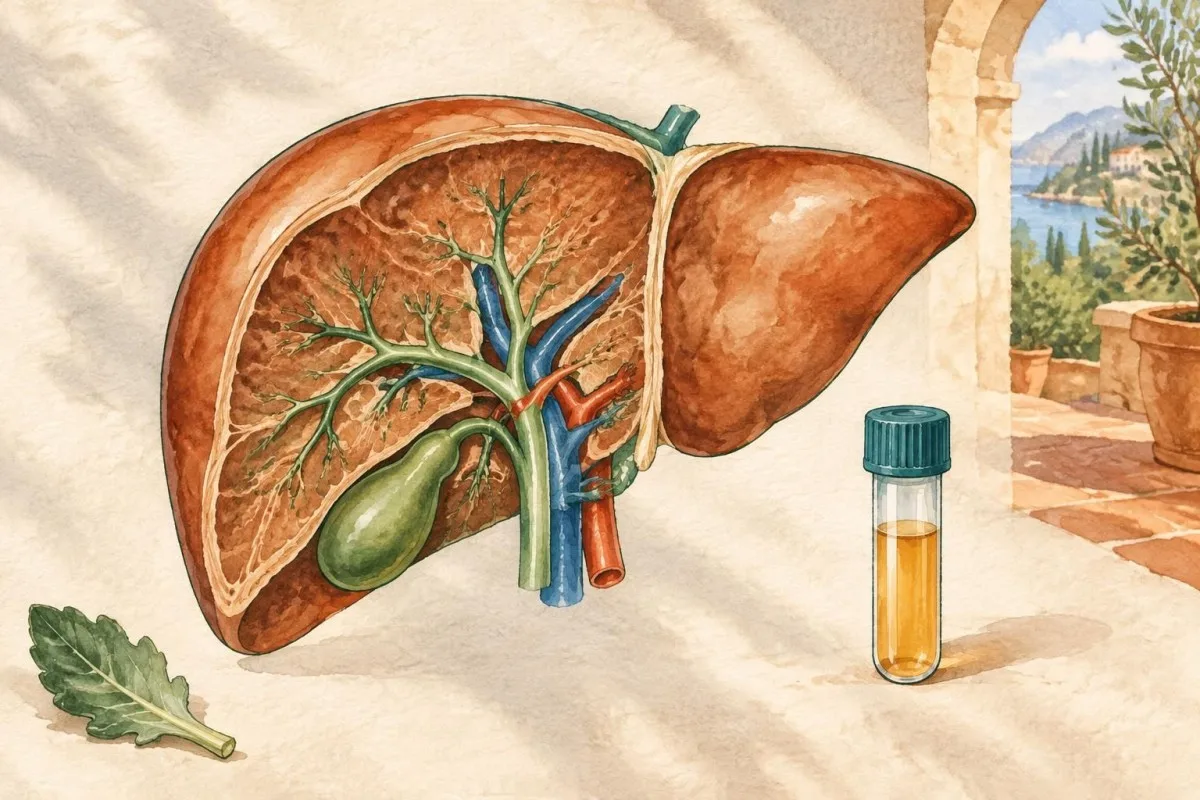
Serum creatinine is used to estimate eGFR, but the estimate can be less reliable when muscle mass is unusually high or low, during pregnancy, or when kidney function is changing quickly. A clinician may compare prior results, urine albumin-to-creatinine ratio and clinical context before labeling a one-off low eGFR as chronic disease.
Potassium supplements and potassium-based salt substitutes can be risky for people with impaired kidney function, especially when combined with ACE inhibitors, ARBs or mineralocorticoid receptor antagonists. A potassium result above the local laboratory range—often around 5.0–5.5 mmol/L depending on the laboratory and situation—needs interpretation and may require timely follow-up.
A normal potassium level today is not blanket clearance for a potassium product: kidney function, medicines and dose can change. See our explanations of borderline eGFR results 和 BUN/肌酐比值 for why trends and context matter.
Magnesium and mixed mineral formulas
Routine serum magnesium is not a reliable measure of total body magnesium stores, so a normal result does not prove that supplementation is needed or beneficial. High-dose magnesium products can cause diarrhea, and toxicity is more concerning when kidney clearance is reduced.
Avoid adding magnesium, potassium or phosphate solely to “support the heart” without a defined indication. If eGFR is persistently below 60, or if a medicine affects potassium, ask the prescriber or pharmacist to review the exact ingredient and dose before use.
How ALT, AST and bilirubin inform supplement safety
ALT, AST, alkaline phosphatase and bilirubin can help assess liver injury or bile-flow patterns, but they cannot screen every supplement reaction in advance. An elevated enzyme result may reflect medication, alcohol, fatty liver, strenuous exercise or illness—not necessarily a supplement.

ALT and AST are commonly reported in IU/L, and laboratory upper limits differ; a result should be compared with that lab’s reference interval and the person’s prior values. The pattern matters: bilirubin elevation or a rise in alkaline phosphatase alongside aminotransferases can require a different evaluation than a small isolated AST increase.
Red yeast rice may contain monacolin K, a compound chemically identical to lovastatin, but the amount varies among products and may be undisclosed. That means statin-like muscle or liver adverse effects and drug interactions are possible; a supplement label does not guarantee a predictable dose.
A hypothetical adult with ALT 92 IU/L after starting a multi-ingredient “heart formula” should not assume the product caused the rise or continue it without review. The clinician may compare baseline labs, timing, alcohol and prescription medicines, and decide whether repeat testing or additional evaluation is appropriate.
Why normal enzymes are not a safety certificate
Many people with liver disease have normal aminotransferases, and a normal ALT cannot predict whether a new product will cause an idiosyncratic reaction. Conversely, a mild isolated enzyme elevation may be temporary and does not automatically mean permanent liver damage.
People with prior liver disease should be cautious with concentrated extracts and multi-ingredient products, which can have uncertain composition. For details on reading enzyme patterns, see our guide to liver function test abbreviations 和 ALT 结果的解释.
Medication interactions that show up in lab results
Medication-related lab changes can matter more than the supplement’s advertised benefit, especially with anticoagulants, statins and blood-pressure medicines. Record the start and stop dates of supplements so clinicians can compare changes with INR, potassium, creatinine, liver enzymes or muscle markers when relevant.

Warfarin users should avoid abrupt changes in vitamin K intake and consult their anticoagulation team before taking new supplements. INR targets vary by indication; although 2.0–3.0 is common for many uses, a patient’s prescribed range may differ, and a changed INR should be managed by the treating team.
Some supplements can affect bleeding risk or interact with antiplatelet and anticoagulant medicines, while products containing vitamin K can alter warfarin response. The laboratory result alone cannot identify which ingredient caused a change, so a full medication and supplement list is more useful than testing one suspected product in isolation.
Statins can occasionally raise liver enzymes or creatine kinase, but routine CK testing is not generally needed for every person without symptoms. New severe muscle pain, weakness or dark urine warrants prompt medical advice; kidney injury and marked CK elevation require clinical assessment, not self-directed supplement changes.
Blood pressure and kidney-protective medicines
ACE inhibitors, ARBs and some diuretics can change potassium or creatinine, particularly after a dose change or during dehydration. Adding potassium, a salt substitute or a product that affects blood pressure can complicate interpretation; clinicians may repeat labs after a medication adjustment based on the person’s risk.
Do not stop a prescribed heart medicine because a supplement is marketed as “natural.” For a broader explanation of longitudinal medication-related changes, see our article on lab trends and medication safety.
What common products can change—and what labs cannot prove
The most useful lab for a supplement depends on the ingredient and the clinical question; no single blood test can certify a product as heart-protective. Evidence differs substantially between prescription treatments, standard nutrients used for a deficiency and supplements marketed for general cardiovascular support.

Fish oil may lower triglycerides at sufficient doses, but typical retail capsules may contain far less EPA and DHA than prescription formulations. For a person with triglycerides of 700 mg/dL, a clinician must assess causes and a treatment plan; simply doubling an over-the-counter dose can add risks, including gastrointestinal effects and possible bleeding concerns with some medicines.
Red yeast rice can lower LDL-C in some products because monacolin K acts like lovastatin, but potency and contaminants are variable. A lower LDL-C after starting it does not make the product safer than a prescribed statin, and the same muscle, liver and interaction questions may apply.
Coenzyme Q10 is sometimes used for statin-associated muscle symptoms, but evidence for routine prevention or treatment remains mixed; it should not prompt discontinuation of a statin without a prescriber’s advice. Testing a CoQ10 blood level is not a standard way to decide whether it will improve cardiovascular outcomes.
Correct deficiencies rather than chase idealized numbers
A measured deficiency can justify targeted replacement for a specific health reason, but correcting a nutrient level is not the same as proving heart-attack prevention. Vitamin D, for example, should not be started at high doses solely because someone hopes to lower cardiovascular risk.
Product quality, dose and medical history influence the risk-benefit balance. Our guide to vitamin D and K2 together explains why combining products is not automatically safer or more effective.
Which labs to check before starting or after a change
Baseline and follow-up tests should be selected for a specific supplement, medication or medical condition—not ordered as a routine panel for everyone. A clinician may use lipids to monitor a lipid-lowering plan, kidney tests for a person at risk of electrolyte accumulation, or liver tests when symptoms or a potentially hepatotoxic product make them relevant.

Before a new product, gather the most recent lipid panel, creatinine/eGFR, potassium, liver tests and medication list if they are already available; this does not mean every person needs all these tests. If the product is intended to change triglycerides, the clinician can decide when a repeat lipid panel is meaningful, often after enough time for the intervention to have an effect.
A fasting lipid panel is not always required, but recent food intake can affect triglycerides; if a nonfasting result is unexpectedly high, a clinician may request a fasting repeat. Follow the lab’s instructions and do not stop prescribed medicines unless the ordering clinician tells you to.
A hypothetical person starts a new supplement and sees potassium rise from 4.4 to 5.4 mmol/L two weeks later while taking an ACE inhibitor. The result needs prompt clinical review and confirmation as appropriate, including consideration of sample handling, kidney function and other medicines—not a conclusion that the supplement alone caused it.
Make comparisons interpretable
Use the same units, note whether the lipid sample was fasting, and record product dose and dates. Small shifts may reflect biological variation, meals or laboratory differences rather than a true treatment effect.
For a practical explanation of preparation and timing, see our guide to fasting requirements on lab orders. Discuss any planned retest with the clinician managing the relevant medicine or condition.
When a result or symptom needs medical attention
Contact a clinician promptly for a markedly abnormal potassium, triglycerides at or above 500 mg/dL, a new substantial liver-test rise, or a concerning change in INR. Seek urgent care for severe symptoms such as chest pressure, fainting, sudden weakness, severe shortness of breath or signs of a serious allergic reaction; supplements are not emergency treatment.

Chest pain, sudden facial or limb weakness, trouble speaking or severe breathlessness require emergency assessment, regardless of whether a supplement was recently started. Do not wait for a routine lab appointment or try to correct a suspected heart problem with an over-the-counter product.
For abnormal results without emergency symptoms, call the clinician who ordered the test and provide the exact result, units, reference range, medication list and supplement start date. A laboratory flag is a prompt for interpretation, not a diagnosis by itself.
Keep cardiovascular prevention centered on treatments with established outcome evidence: prescribed medicines when indicated, smoking cessation, blood-pressure management, physical activity and a heart-supportive eating pattern. The 医学咨询委员会 describes the clinical oversight context for health information; individual supplement choices still belong in a conversation with your own care team.
常见问题解答
What blood tests should I get before taking heart supplements?
There is no universal blood-test panel required before taking supplements for heart health. A clinician may review an existing lipid panel, creatinine/eGFR, potassium or liver enzymes when a person’s condition, medicines or proposed product makes those results relevant. Warfarin users may need INR monitoring if a medicine or supplement change could affect anticoagulation. Do not delay prescribed cardiovascular treatment while arranging tests.
Can supplements lower LDL cholesterol enough to replace a statin?
Supplements should not replace a prescribed statin without the prescriber’s guidance. Red yeast rice can contain monacolin K, which is chemically identical to lovastatin, but its dose and purity can vary, so it may carry statin-like risks without predictable dosing. LDL-C goals depend on a person’s cardiovascular risk and history, not just one lab result. Discuss muscle symptoms, liver concerns or medication preferences with the clinician managing your cholesterol.
Do I need kidney tests before taking potassium or magnesium?
Ask a clinician before using potassium supplements or potassium-based salt substitutes if you have kidney disease or take medicines that can raise potassium. Creatinine and eGFR help assess kidney filtration, while a blood potassium result reflects the level at the time of the sample; neither alone predicts every future change. Magnesium supplements can also accumulate when kidney clearance is substantially reduced. The appropriate tests and timing depend on your medicines, kidney function and dose.
Can fish oil change my triglyceride blood test?
Prescription omega-3 products at clinician-selected doses can lower triglycerides, while retail fish oil products vary in EPA and DHA content. A lower triglyceride result does not by itself show that a product prevents heart attacks, and high-dose self-treatment may be inappropriate. Triglycerides of 500 mg/dL or higher warrant prompt clinical review because pancreatitis risk can affect the treatment plan. A clinician can advise whether and when to repeat a fasting lipid panel.
Should I check liver enzymes while taking supplements?
Routine liver testing is not necessary for every person taking every supplement, but ALT, AST, alkaline phosphatase and bilirubin may be appropriate when symptoms, liver disease, medicines or a potentially hepatotoxic product raise concern. Red yeast rice can contain a statin-like compound, and multi-ingredient extracts may have uncertain composition. Normal liver enzymes do not guarantee that a supplement is safe. Ask a clinician how to interpret a new abnormal result before stopping or restarting products.
Can supplements affect INR if I take warfarin?
Yes, some supplements and changes in vitamin K intake can alter warfarin response and INR. A common INR target is 2.0–3.0 for many indications, but the correct range depends on why warfarin was prescribed and may differ. Tell your anticoagulation team before starting, stopping or changing a supplement, and do not adjust warfarin yourself. Seek advice promptly if a test is outside your personal target or you have unusual bleeding.
获取血液检查结果解读
上传您的实验室报告,Kantesti 的 AI 会在几秒内用通俗语言解释每项生物标志物。全球已有超过 200 万人使用。.
参考
- Klein, T., Mitchell, S., & Weber, H. (2026). 禁食后腹泻、粪便中的黑色斑点及胃肠道指南 2026。. Kantesti AI 医学研究。. DOI
- Klein, T., Mitchell, S., & Weber, H. (2026). 女性健康指南:排卵、更年期与激素症状。. Kantesti AI 医学研究。. DOI
- Grundy SM 等(2019)。. 2018 年 AHA/ACC/AACVPR/AAPA/ABC/ACPM/ADA/AGS/APhA/ASPC/NLA/PCNA 血胆固醇管理指南。. 《循环》。. DOI PubMed
- Skulas-Ray AC et al. (2019). 高 Triglyceridemia: A Scientific Statement From the American Heart Association. 《循环》。. DOI PubMed
- KDIGO Lipid Work Group (2013). KDIGO Clinical Practice Guideline for Lipid Management in Chronic Kidney Disease. 《国际肾脏》增刊。. DOI
- 200万+分析的检测项目
- 127+国家
- 100+语言
关于医疗团队


E-E-A-T信任信号
经验
由医生主导的临床审阅:实验室解读工作流程。.
专业知识
实验室医学重点:生物标志物在临床情境中的表现。.
权威
经 Thomas Klein 医生医学审核,并由 Sarah Mitchell 医生和 Hans Weber 教授参与撰写。.
可信度
基于循证的解读,并提供清晰的后续路径以减少警报。.






医疗免责声明
本文仅用于教育目的,不构成医疗建议。诊断和治疗决策请始终咨询合格的医疗专业人员。.
发表 · 联系编辑团队
由 Kantesti Ltd 发布,在英格兰和威尔士注册,注册公司编号:. 17090423, ,英国伦敦。.
