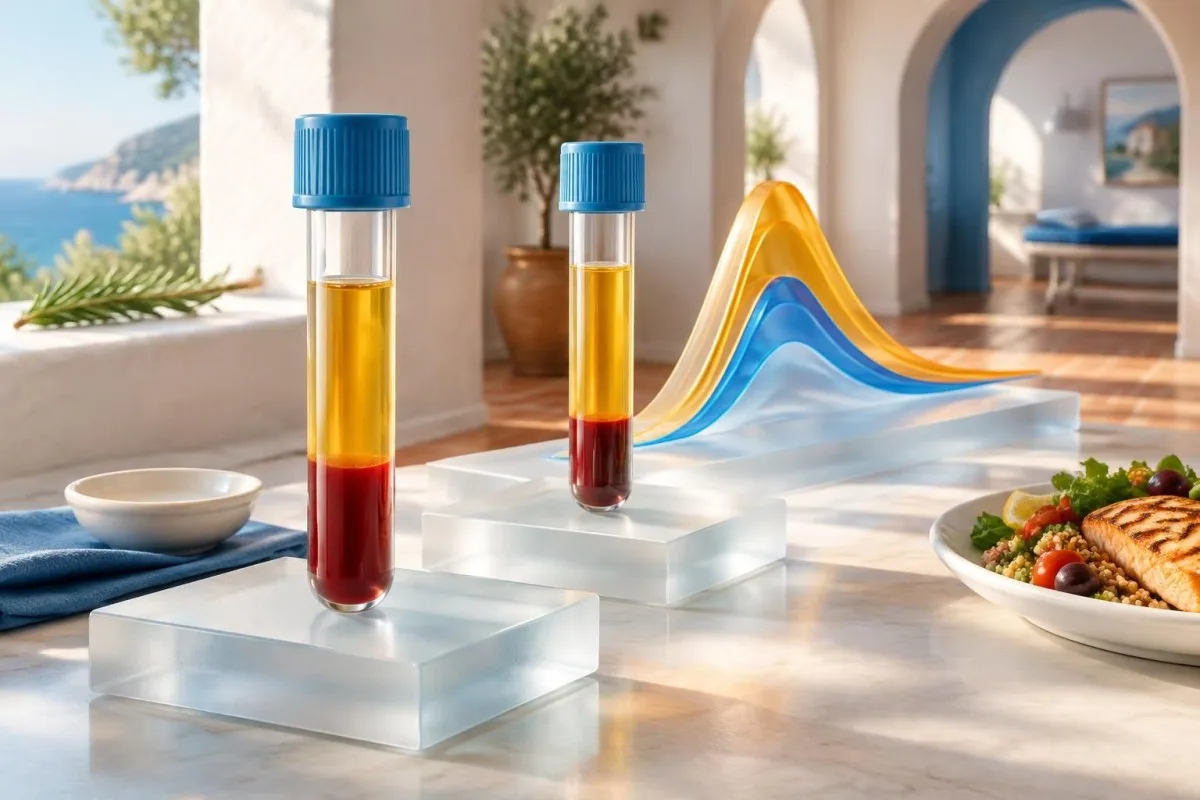
葡萄糖数值只有结合上次进餐时间、检测方法以及开具检测的原因才有意义。

要点
- 空腹血浆葡萄糖 表示在至少8小时未摄入热量后采集的实验室血液样本;根据美国糖尿病协会标准,100–125 mg/dL (5.6–6.9 mmol/L)为糖尿病前期范围,126 mg/dL (7.0 mmol/L)或更高属于糖尿病范围。
- 随机血浆葡萄糖 can be measured at any time, regardless of meals; 200 mg/dL (11.1 mmol/L) or higher is diagnostic only when classic hyperglycemia symptoms or a hyperglycemic crisis are present.
- Meal timing changes interpretation: 葡萄糖通常在进食后升高,随后下降,因此餐后随机检测结果不能直接与空腹检测结果进行比较。
- 一次意外的检测结果 通常需要结合检测类型、单位、症状、妊娠状态、药物和既往结果进行解读;无症状但结果达到糖尿病范围时,通常需要确认。
- A1C estimates average glucose exposure over roughly 2–3 months and does not require fasting, but anemia, recent blood loss, transfusion, pregnancy, and some hemoglobin variants can affect reliability.
- 2 小时口服葡萄糖耐量试验 使用标准化的 75-g 葡萄糖饮品;非妊娠成人 2 小时实验室血浆葡萄糖达到或超过 200 mg/dL (11.1 mmol/L) 即达到糖尿病阈值。
- 紧急症状比检测名称更重要: 高血糖伴有呕吐、深而快的呼吸、意识混乱、严重脱水或明显嗜睡时,需要紧急接受医学评估。
为什么进餐时间会改变葡萄糖结果
空腹血糖与随机血糖结果不同,是因为它们在不同条件下测量血糖。空腹血浆葡萄糖是在至少 8 小时未摄入热量后采集的;随机血糖可在任何时间采集,因此近期进餐、食物中的碳水化合物含量、活动、压力和药物都可能影响数值。
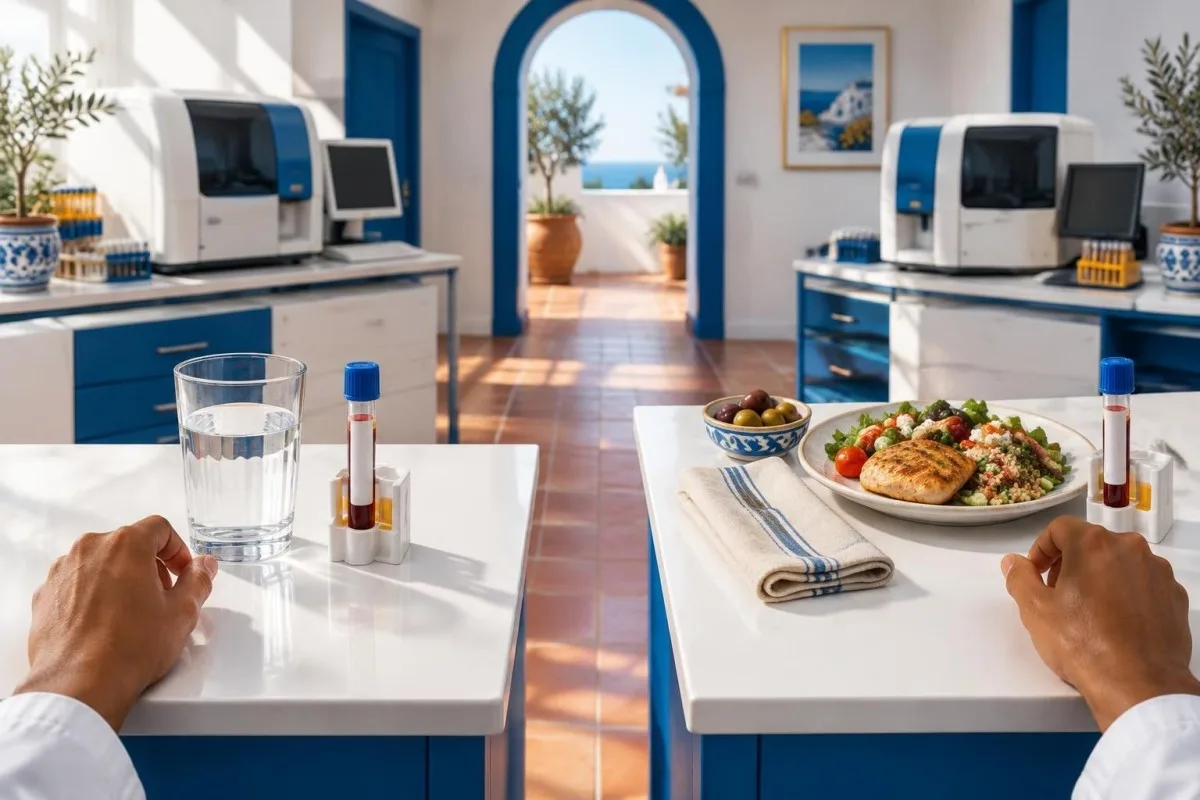
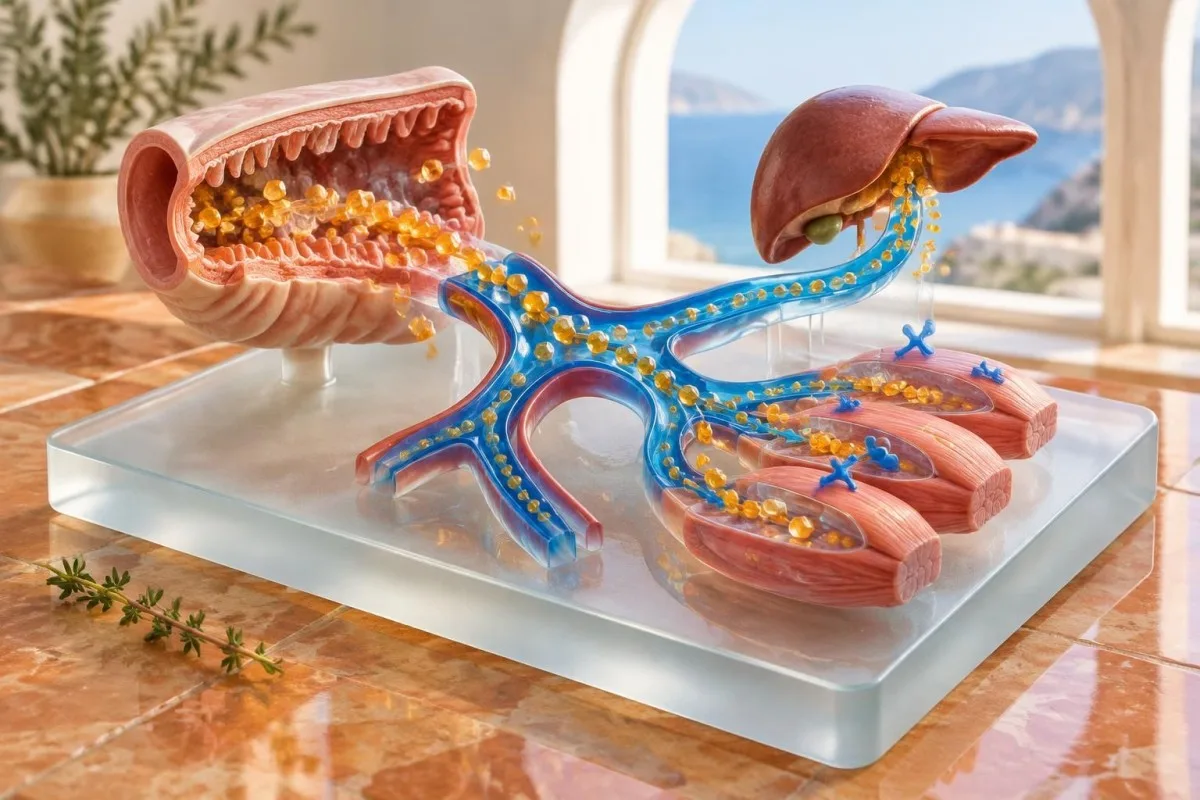
餐后,碳水化合物被消化成葡萄糖并吸收入血。胰腺释放胰岛素,帮助葡萄糖进入组织;血糖升高的幅度和时间因膳食组成、胃排空、活动量和胰岛素反应而异。
空腹检测结果旨在减少食物的即时影响,而不是消除对血糖的所有影响。肝脏会在夜间释放葡萄糖,清晨激素升高可能在醒来前使血糖升高;这也是空腹值可能高于傍晚较早时测量值的原因之一。
A random result has no standard meal interval. A value collected 30 minutes after a sweetened drink and one collected 4 hours after a mixed meal may both be called random, yet they describe different points in the glucose response.
| 水平 | 范围 | 含义 |
|---|---|---|
| 空腹血浆葡萄糖 | 低于 100 mg/dL (5.6 mmol/L) | Below the ADA threshold for impaired fasting glucose in nonpregnant adults; interpretation still depends on the clinical context. |
| 空腹血糖受损 | 100–125 mg/dL(5.6–6.9 mmol/L) | ADA糖尿病前期范围;WHO采用较高的下限阈值,即110 mg/dL (6.1 mmol/L)。 |
| 糖尿病范围的空腹血糖 | 126 mg/dL(7.0 mmol/L)或更高 | Meets a diagnostic threshold, but confirmation is generally needed if there are no classic symptoms or crisis. |
| 随机血浆葡萄糖 | 200 mg/dL(11.1 mmol/L)或更高 | 若伴有典型症状或高血糖危象,则符合随机血糖糖尿病判定标准;否则需要临床随访。 |
What counts as fasting?
For a fasting plasma glucose test, fasting usually means no food or caloric drinks for at least 8 hours; plain water is generally allowed. Coffee with milk, juice, sweetened drinks, and snacks break the fast, while medicines should be taken only as directed by the ordering clinician.
空腹检测并不等同于进行了任意时长的过夜禁食。禁食时间过长、急性疾病、脱水,或通常睡眠和进餐时间发生重大变化,都可能使结果解读复杂化,因此应记录实际间隔时间,而不要想当然地认为样本是在空腹状态下采集的。
每项检测适用哪些血糖阈值?
The accepted diagnostic thresholds depend on which test was performed; fasting, random, A1C, and oral glucose tolerance values are not interchangeable. In nonpregnant adults, the ADA defines diabetes-range results as fasting plasma glucose at least 126 mg/dL, A1C at least 6.5%, 2-hour 75-g oral glucose tolerance plasma glucose at least 200 mg/dL, or random plasma glucose at least 200 mg/dL with classic symptoms or crisis.
这些阈值基于标准化实验室检测,而不是简单基于任何设备的读数。家用血糖仪有助于监测,但通常不能单独用其结果诊断糖尿病,因为血糖仪的性能、样本类型和采样条件与诊断性实验室检测不同。
对于空腹血浆葡萄糖,100–125 mg/dL (5.6–6.9 mmol/L) 属于 ADA 糖尿病前期范围,而 126 mg/dL (7.0 mmol/L) 或以上属于糖尿病范围。世界卫生组织将空腹血糖受损的起始值定义为 110 mg/dL (6.1 mmol/L),因此同一数值在不同指南下可能会被归为不同的中间风险标签。
A random plasma glucose of 200 mg/dL (11.1 mmol/L) or higher is a diagnostic criterion only when classic symptoms—such as frequent urination, unusual thirst, or unexplained weight loss—or a hyperglycemic crisis are present. Without those features, clinicians generally use a repeat or different diagnostic test rather than applying the random threshold alone.
为什么指南采用不同的糖尿病前期界值
ADA较低的空腹血糖受损阈值比WHO阈值将更多人识别为风险升高者。两个界值都不会将一次临界值转化为糖尿病必然发生的预测;风险取决于年龄、家族史、既往妊娠期糖尿病、身体组成以及整体检测结果模式等因素。
美国糖尿病协会(ADA)的《2024年糖尿病诊疗标准》给出了诊断标准,并建议在高血糖并非明确无疑时进行确认(美国糖尿病协会专业实践委员会,2024年)。有关指标及其单位的更广泛说明,请参阅此处 血液生物标志物指南.
When fasting and random results are not directly comparable
当进餐间隔、检测方法、样本类型或临床状态不同时,空腹葡萄糖结果与随机葡萄糖结果不能直接比较。将某日空腹92 mg/dL与另一日午餐后两小时168 mg/dL进行比较,本身并不能证明血糖控制恶化。
两份报告上都有“葡萄糖”一词,并不保证这些检测回答的是同一个问题。静脉实验室血浆结果、毛细血管指尖血糖仪读数和连续血糖监测仪估算值是不同的测量结果;传感器葡萄糖是在组织间液中测量的,在血糖快速变化期间可能滞后于血糖。
The exact interval after eating matters, but the meal itself matters too. A large carbohydrate-rich meal, a mixed meal with fat and protein, and a sweetened drink can produce different peaks and durations; a random result without a recorded meal time cannot be interpreted as a standardized post-meal test.
一个假设示例:一名52岁人士的空腹血浆葡萄糖为98 mg/dL (5.4 mmol/L),午餐后45分钟的随机血糖为174 mg/dL (9.7 mmol/L),这两项测量来自不同条件。单独看,任何一个数值都不能确诊糖尿病,随机血糖结果也不等同于2小时口服葡萄糖耐量试验。
Check the specimen and test label
实验室报告可能注明血清或血浆,而床旁血糖仪通常使用毛细血管全血,并报告血浆等效估算值。即使数值看起来相近,诊断界值也是针对特定实验室方法进行验证的;在比较结果前,请查看报告中的检测名称、单位和参考信息。
If the units differ, convert carefully: 1 mmol/L glucose is approximately 18 mg/dL. For example, 7.0 mmol/L is about 126 mg/dL, the ADA fasting diabetes threshold; a rounded conversion should not replace the lab's original result.
为什么空腹血糖结果可能高于稍后测得的结果
A fasting glucose result can be higher than a later random reading because the liver releases glucose overnight and morning hormones can raise glucose before breakfast. This pattern, sometimes called the dawn phenomenon, is more relevant in people with diabetes or impaired glucose regulation, but one higher morning value does not identify its cause.
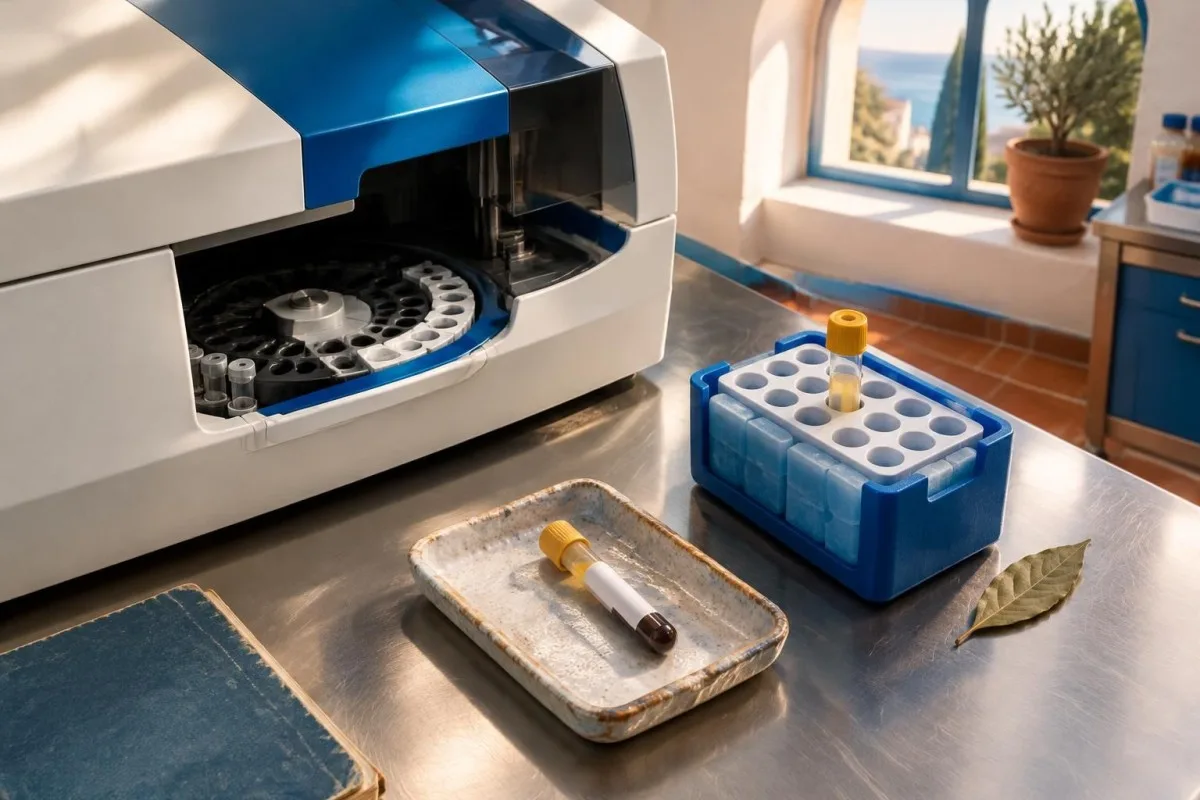
During sleep, the liver supplies glucose to maintain the body's energy needs. Near waking, cortisol, growth hormone, and other counter-regulatory signals can increase glucose production; in people whose insulin response is limited, the rise may be more apparent.
晚餐过晚、睡眠不足、急性压力、感染或糖皮质激素等药物也可能改变早晨的结果。这些影响并不会使糖尿病范围的空腹值变得无关紧要,但有助于解释为什么临床医生可能会在条件一致的情况下重复检测。
一个假设示例:某人在连续一周睡眠不足且近期服用过一疗程口服类固醇后,早餐前测得132 mg/dL (7.3 mmol/L),随后在恢复后一个休息良好的早晨测得106 mg/dL (5.9 mmol/L)。第一个数值仍然是需要讨论确认的理由,而不是应被忽视或直接认定为诊断的结果。
Medication and illness clues
糖皮质激素、某些抗精神病药物及其他一些治疗可使血糖升高;影响的幅度和时间因药物及剂量而异。不要为了改善检测结果而停用处方药——请询问开药医生是否应记录或考虑用药时间。
Acute infection and physiological stress may temporarily raise glucose through hormone-driven glucose production. If an abnormal result was obtained during significant illness, the timing of a repeat test should be decided with a clinician; related guidance on 高血糖症状 说明不应等到常规复诊才处理的警示体征。
如何解读餐后随机血糖结果
A random blood glucose interpretation should start with the time since the last calories, symptoms, and the type of sample; a single post-meal value has no universal diagnostic cutoff apart from the specific symptomatic 200 mg/dL criterion. A result of 200 mg/dL or higher after eating deserves prompt clinical review, but without classic symptoms it is not automatically diagnostic.
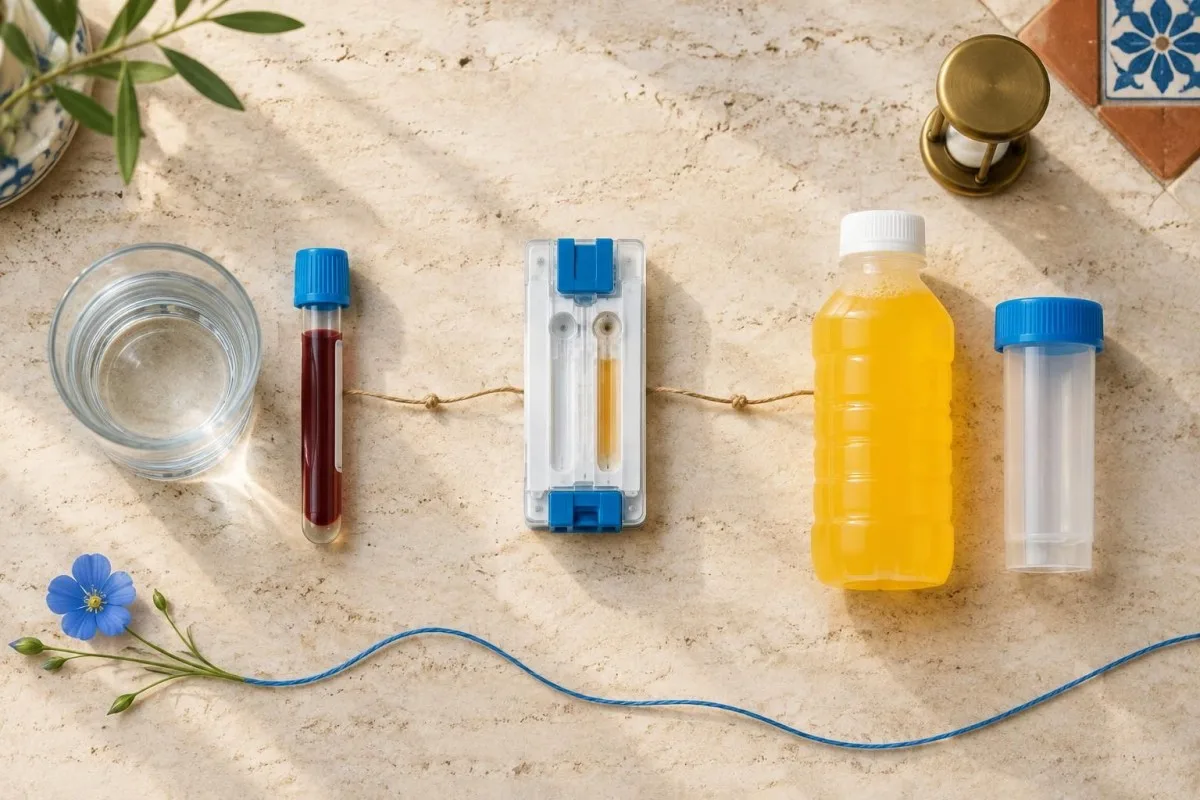
A value shortly after a meal captures part of the rise, whereas a sample several hours later may reflect the decline. For that reason, “two hours after eating” is useful context but is not equivalent to a formal oral glucose tolerance test unless the person drank the standardized 75-g glucose solution and the sample was collected using the specified protocol.
The 2-hour oral glucose tolerance diabetes threshold is 200 mg/dL (11.1 mmol/L) or higher; 140–199 mg/dL (7.8–11.0 mmol/L) indicates impaired glucose tolerance under ADA criteria. Those thresholds apply to a standardized test, not automatically to an ordinary lunch or dinner.
If you have diabetes, a clinician may set personal targets for glucose before meals and after meals. Those treatment targets are designed for day-to-day management and are not the same as the diagnostic thresholds used to determine whether someone has diabetes.
重复检测的实用记录
记下采样时间、上一次进餐的时间和大致内容、结果来自实验室还是家用血糖仪,以及任何症状。同时记录异常运动、疾病、饮酒和用药情况;这些细节往往比一个缺乏背景信息的第二个数值更能说明问题。
有关空腹注意事项的一般指南,请参阅 空腹要求的含义. A comparable repeat is most useful when the same type of sample is taken under similar conditions, rather than when a person tries to recreate an undocumented meal.
Which follow-up test can clarify an unexpected result?
一次复测空腹血浆葡萄糖、A1C 或标准化口服葡萄糖耐量试验可能有助于明确出乎意料的血糖结果,具体取决于症状、妊娠状态以及可能导致检测不可靠的原因。对于无症状成人,ADA 标准通常要求两项异常结果——可以是重复进行同一项检测,或两项不同检测的结果均超过其诊断阈值。
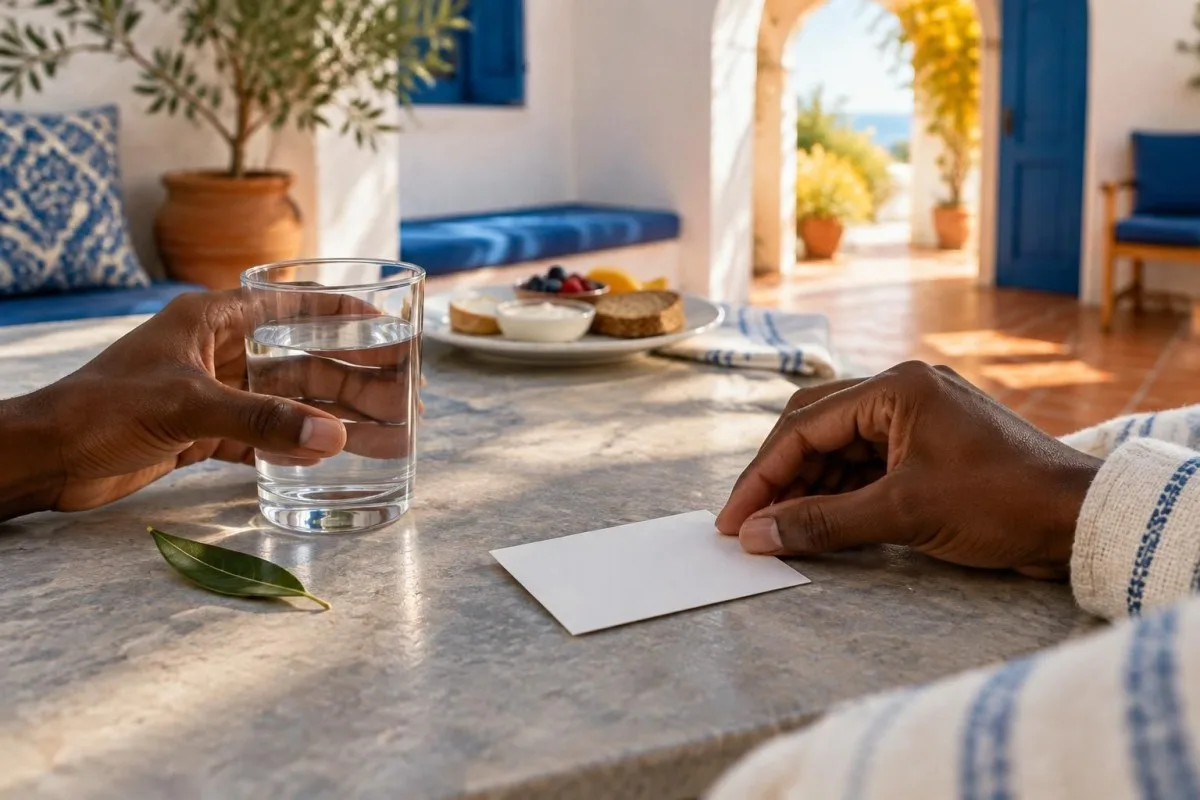
当首次结果是在空腹情况不确定时获得,或需要直接确认时,重复检测空腹血糖有帮助。A1C反映较长期的血糖暴露情况,且无需空腹;6.5%或更高属于糖尿病范围,而5.7–6.4%属于ADA糖尿病前期范围。
A1C can be misleading when red-cell lifespan or hemoglobin is altered. Iron-deficiency anemia, hemolysis, recent blood loss or transfusion, pregnancy, kidney disease, and some hemoglobin variants may change the relationship between A1C and average glucose; a clinician may favor plasma glucose testing in those situations.
The 75-g oral glucose tolerance test can detect post-challenge dysglycemia that a fasting measurement misses, but it is less convenient and requires preparation. In nonpregnant adults, a 2-hour result from 140–199 mg/dL (7.8–11.0 mmol/L) is impaired glucose tolerance, while 200 mg/dL (11.1 mmol/L) or higher is diabetes-range.
为什么确认很重要
Biological variation and collection conditions can move a result across a threshold, particularly when it is close to the cutoff. The ADA's 2024 diagnostic guidance recommends repeating the abnormal test when there is no unequivocal hyperglycemia; when two different tests disagree, clinicians generally repeat the test that was above its diagnostic threshold.
血糖结果偏低也需要结合具体情况:症状、胰岛素或磺脲类药物等用药情况,以及样本是否及时处理都可能影响结果。请参阅 低血糖原因 if the report is below range or symptoms are present.
Pregnancy and other situations need different interpretation
Pregnancy uses separate glucose screening and diagnostic pathways, so nonpregnant-adult cutoffs should not be applied without checking the test and gestational age. A random value, a routine fasting glucose, and a pregnancy oral glucose tolerance test each have a different role.
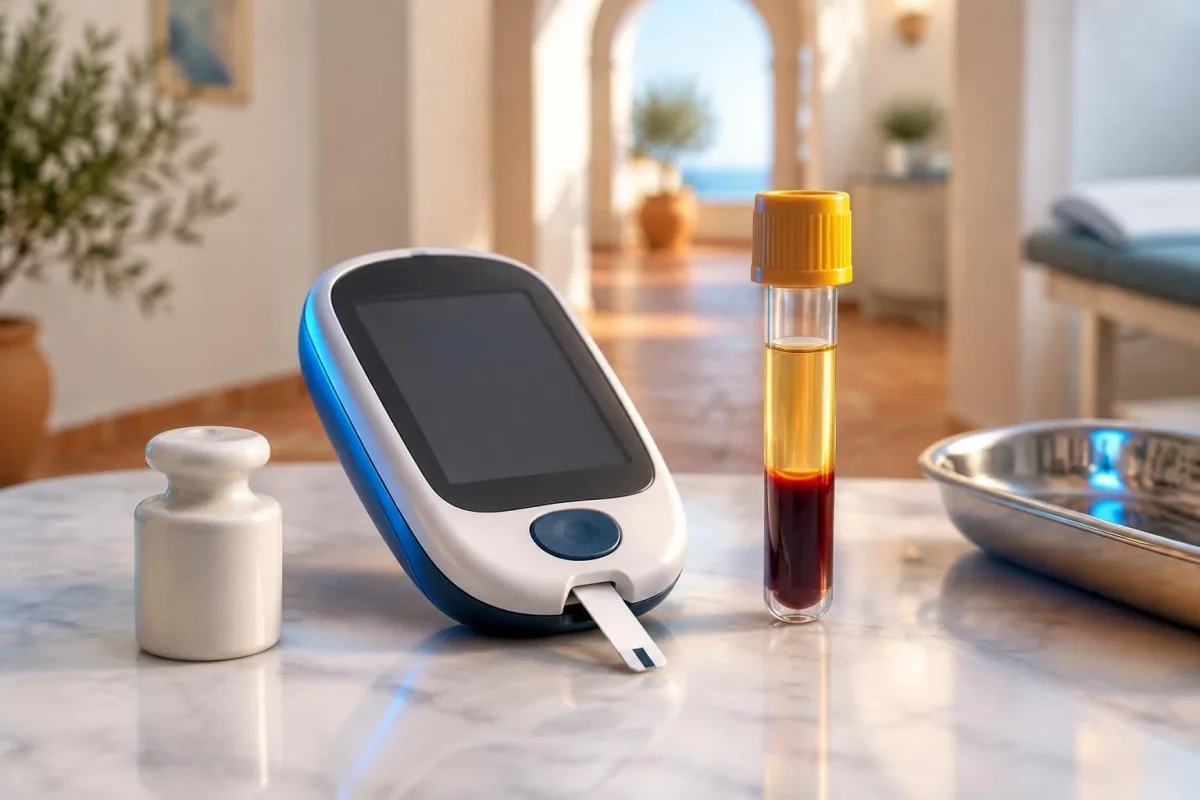
妊娠糖尿病通常在孕 24–28 周进行评估,但对于具有危险因素或疑似妊娠前已患糖尿病的人,也可以考虑提前检测。一步法和两步法筛查方案使用不同的葡萄糖负荷、采样时间和临界值,因此在不了解所采用方案的情况下,无法解读单个数值。
The ADA's pregnancy guidance describes a 75-g oral glucose tolerance approach in which fasting, 1-hour, and 2-hour plasma values are assessed; the exact thresholds and diagnostic pathway depend on the guideline and local practice. Ask the maternity team to interpret the laboratory's own pregnancy-specific reference criteria.
儿童、已知患有糖尿病的人以及正在服用降糖药物的人也需要个体化解读。对于尚未确诊的成人来说可作为诊断线索的数值,在已经接受治疗的人中可能只是治疗监测结果。
该数值可能产生误导的其他原因
未及时处理的样本可能发生糖酵解,细胞会消耗葡萄糖,从而使测量值下降。实验室会采用适当的采集和处理流程来限制这一影响,但如果结果与症状或重复检测结果明显不一致,值得讨论是否存在样本处理问题。
Dehydration, recent strenuous exercise, sleep disruption, and acute illness can also influence glucose. These effects vary, so the safest interpretation combines the actual collection conditions with other evidence rather than applying a correction formula.
When to contact a clinician about a glucose result
Contact a clinician promptly when a laboratory glucose is in the diabetes range, when repeated readings are unexpectedly high, or when symptoms accompany an abnormal result. A random plasma glucose of at least 200 mg/dL (11.1 mmol/L) with marked thirst, frequent urination, or unexplained weight loss warrants assessment rather than waiting for a routine annual check.

Seek urgent medical assessment for high glucose accompanied by vomiting, abdominal pain, deep or rapid breathing, confusion, severe weakness, or inability to keep fluids down; these can signal a medical emergency, particularly in someone with diabetes. Do not wait for an A1C result if severe symptoms are occurring.
没有症状的轻度异常结果通常不是急症,但不应忽视。询问检测是否为空腹、是否需要确认结果,以及哪项后续检测适合您的情况;请携带实验室报告和药物清单。
Keeping dated results together can help reveal whether a change is persistent or tied to a particular collection condition. For more context on how follow-up decisions are framed, review the 临床验证标准, and use a clinician's judgment for diagnosis and treatment.
就诊前的简短核对清单
记录确切数值和单位、采样日期、样本是静脉实验室血浆还是家用血糖仪测量,以及进食后经过了多长时间。包括症状、相关时的妊娠状态、近期疾病、不寻常的运动,以及任何可能影响血糖的药物。
A 基线血液检查准备指南 can help organize collection details for future testing. Do not change food, medication, or insulin plans solely to make a result look lower.
指南和研究来源
Major clinical guidelines define glucose thresholds by test type and require context when results conflict. The ADA's diagnostic criteria and the WHO's impaired-fasting-glucose definition explain why a borderline value may be labeled differently across clinical settings.

美国糖尿病协会专业实践委员会发布的《2024 年医疗护理标准》列出了空腹血浆葡萄糖、A1C、75-g 口服葡萄糖耐量试验和有症状随机血糖的诊断标准。该标准建议在高血糖并非明确无疑时进行确认,并针对妊娠以及可能影响 A1C 的情况提供单独指导。
世界卫生组织2006年的报告将空腹血浆葡萄糖6.1–6.9 mmol/L (110–125 mg/dL)作为空腹血糖受损范围,而ADA的下限为5.6 mmol/L (100 mg/dL)。这一差异反映的是对中等风险类别的指南定义不同,并不意味着双方对126 mg/dL (7.0 mmol/L)属于糖尿病范围的空腹血糖结果存在分歧。
如需进一步了解与葡萄糖相关的结果,以及如何将其与其他指标结合解读,请参阅我们的 glucose and lab-result articles。临床标准和当地流程可能会变化;应由接诊临床医生解读实际报告,并决定是否需要随访。
常见问题解答
我可以将空腹血糖与随机血糖结果进行比较吗?
空腹血糖和随机血糖不能直接比较,因为空腹血浆葡萄糖是在至少 8 小时未摄入热量后采集的,而随机血糖可能在餐后任何时间测量。进餐会使血糖暂时升高,而升高的幅度和持续时间因时间、食物、活动量和胰岛素反应而异。只有在核对样本类型、单位、进餐间隔、症状和检测目的后,才能比较结果。临床医生可能会使用重复空腹血糖、A1C 或口服葡萄糖耐量试验来明确差异。
What is a normal random blood glucose after eating?
There is no single universal diagnostic cutoff for an ordinary random glucose after a meal because meal size and sample timing are not standardized. In nonpregnant adults, a random laboratory plasma glucose of 200 mg/dL (11.1 mmol/L) or higher meets the diabetes criterion when classic hyperglycemia symptoms or a hyperglycemic crisis are present. A value below 200 mg/dL does not by itself rule out diabetes. The clinician may recommend A1C, fasting plasma glucose, or a standardized 75-g oral glucose tolerance test.
Does fasting mean I cannot drink water?
For a fasting plasma glucose test, fasting usually means avoiding food and caloric drinks for at least 8 hours, and plain water is generally allowed. Milk, juice, sweetened drinks, and food break the fast; coffee additives can also affect whether the sample counts as fasting. Follow the laboratory's instructions and ask the prescriber how to handle medicines. Record the actual time of your last calories if the fast was shorter or longer than planned.
Is a fasting glucose of 126 mg/dL diabetes?
根据 ADA 标准,空腹实验室血浆葡萄糖为 126 mg/dL(7.0 mmol/L)或更高时,属于糖尿病范围。如果患者没有典型症状或高血糖危象,通常需要通过复查或其他诊断性检测进行确认。仅凭家用血糖仪读数通常不足以诊断糖尿病。妊娠期及某些医疗情况下采用不同的解读路径。
随机血糖为 200 mg/dL 能诊断糖尿病吗?
A random laboratory plasma glucose of at least 200 mg/dL (11.1 mmol/L) can diagnose diabetes when it occurs with classic symptoms of hyperglycemia or a hyperglycemic crisis. Without those symptoms, one random result is generally not enough to establish the diagnosis, even if the person recently ate. A clinician may confirm the finding with repeat fasting glucose, A1C, or a 75-g oral glucose tolerance test. Severe vomiting, confusion, deep breathing, or inability to keep fluids down needs urgent assessment.
意外得到葡萄糖检测结果后,我应该做哪项检测?
最佳的后续处理取决于首次结果、症状、是否怀孕,以及贫血、近期失血、输血或血红蛋白变异是否可能影响 A1C。重复检测空腹血浆葡萄糖可以确认空腹异常,而 A1C 概括较长期的葡萄糖暴露情况,且无需空腹。75 克口服葡萄糖耐量试验可以检测负荷后葡萄糖受损;其餐后 2 小时糖尿病阈值为 200 mg/dL (11.1 mmol/L)。临床医生应选择检测项目,并根据实际采样条件进行解读。
获取血液检查结果解读
上传您的实验室报告,Kantesti 的 AI 会在几秒内用通俗语言解释每项生物标志物。全球已有超过 200 万人使用。.
参考
- Klein, T., Mitchell, S., & Weber, H. (2026). 尼帕病毒血液检测:早期检测与诊断指南 2026。. Kantesti AI 医学研究。. DOI
- Klein, T., Mitchell, S., & Weber, H. (2026). B 型阴性血型、LDH 血液检查和网织红细胞计数指南。. Kantesti AI 医学研究。. DOI
- 美国糖尿病协会专业实践委员会 (2024)。. 2. 糖尿病的诊断与分类:2024 年糖尿病诊疗标准。. 《糖尿病护理》。. DOI PubMed
- World Health Organization and International Diabetes Federation (2006). Definition and Diagnosis of Diabetes Mellitus and Intermediate Hyperglycaemia: Report of a WHO/IDF Consultation. 世界卫生组织。. DOI
- 200万+分析的检测项目
- 127+国家
- 100+语言
关于医疗团队


E-E-A-T信任信号
经验
由医生主导的临床审阅:实验室解读工作流程。.
专业知识
实验室医学重点:生物标志物在临床情境中的表现。.
权威
经 Thomas Klein 医生医学审核,并由 Sarah Mitchell 医生和 Hans Weber 教授参与撰写。.
可信度
基于循证的解读,并提供清晰的后续路径以减少警报。.
医疗免责声明
本文仅用于教育目的,不构成医疗建议。诊断和治疗决策请始终咨询合格的医疗专业人员。.
发表 · 联系编辑团队
由 Kantesti Ltd 发布,在英格兰和威尔士注册,注册公司编号:. 17090423, ,英国伦敦。.
