
Blood tests can uncover treatable contributors to tingling, but they cannot show whether a nerve is compressed or fully explain every symptom.

Những điểm chính cần ghi nhớ
- Glucose: A fasting plasma glucose of 126 mg/dL or higher, or an HbA1c of 6.5% or higher, can meet diabetes diagnostic criteria; in someone without clear symptoms, an abnormal result generally needs confirmation.
- Vitamin B12: A serum B12 below about 200 pg/mL (148 pmol/L) is often low, while results around 200–300 pg/mL can be indeterminate; laboratory cutoffs vary.
- Methylmalonic acid: A raised MMA can support B12 deficiency when serum B12 is borderline, but reduced kidney function can also raise MMA.
- Thyroid: TSH is usually the first thyroid test; a high TSH with low free T4 supports primary hypothyroidism, but normal thyroid results do not rule out nerve compression.
- Electrolytes: Low calcium, magnesium, or potassium can cause tingling or cramps, especially when levels change quickly; a routine panel may not include magnesium.
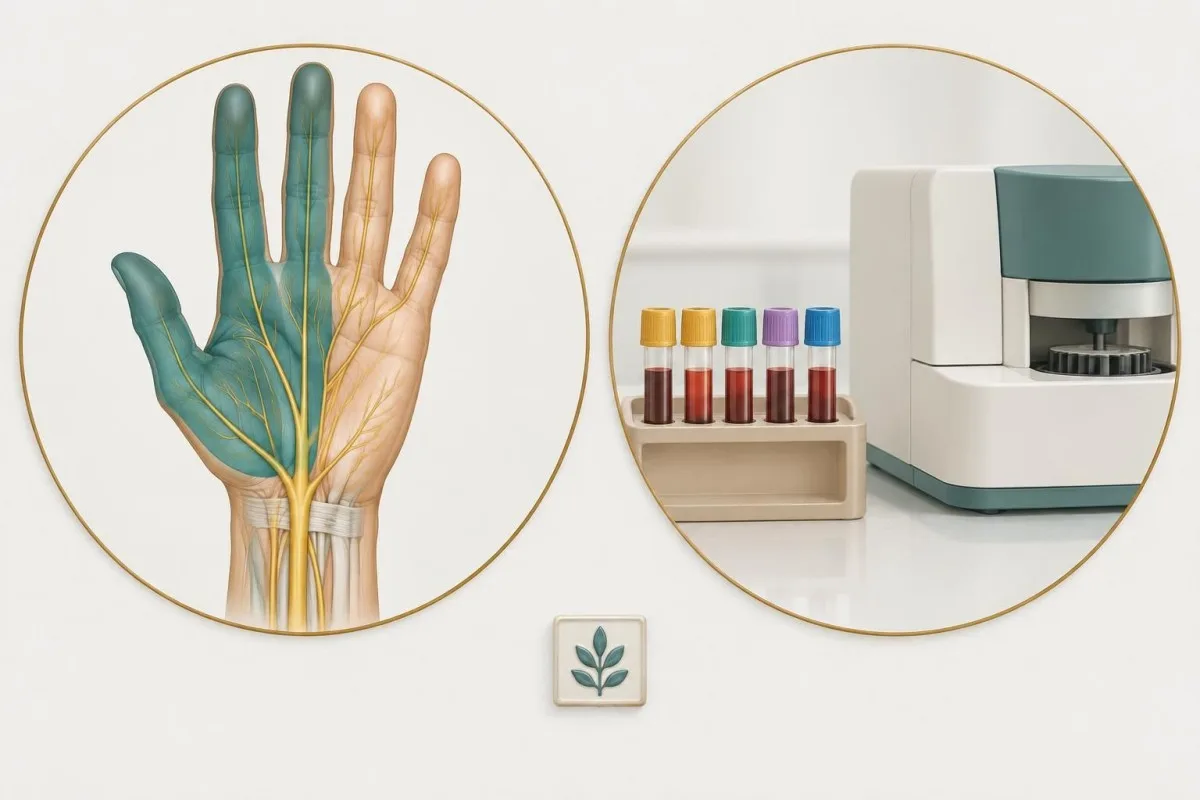
- Điều quan trọng là mẫu hình: Tingling in the thumb, index, and middle fingers at night often fits median nerve compression better than a generalized vitamin deficiency.
- Normal labs have limits: Blood tests do not detect carpal tunnel syndrome, cervical nerve-root compression, or many small-fiber nerve disorders.
- Triệu chứng cần cấp cứu: Sudden tingling with face or arm weakness, speech trouble, severe imbalance, or chest pain needs emergency assessment rather than a routine lab appointment.
What a blood test can reveal about tingling fingers
A blood test for tingling fingers can identify some treatable contributors, particularly abnormal glucose, vitamin B12 deficiency, thyroid dysfunction, and electrolyte disturbances. It cannot diagnose every nerve problem: the location, timing, and pattern of tingling may point more strongly to a compressed nerve than to a blood abnormality.

Tingling, pins and needles, or reduced sensation is called paresthesia. The most useful initial blood tests often include HbA1c or glucose, vitamin B12, TSH with free T4 when indicated, and basic electrolytes; the precise set depends on the history and examination.
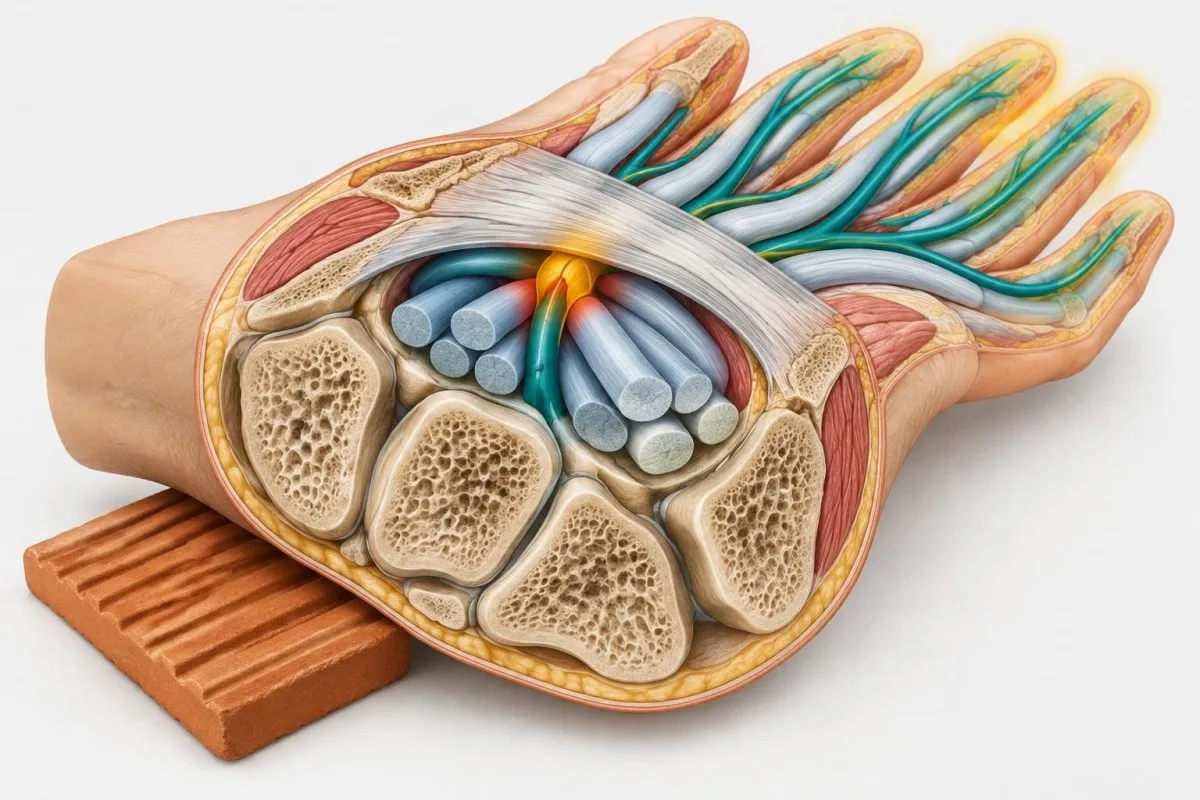
Symptoms limited to the thumb, index, and middle fingers, especially at night, can fit hội chứng ống cổ tay. Blood tests cannot show pressure on the median nerve, so a normal panel does not make that pattern disappear; our guide to which fingers carpal tunnel affects explains the distribution.
The American Academy of Neurology practice parameter identifies blood glucose, vitamin B12 with metabolites when appropriate, and serum protein testing among higher-yield laboratory tests for distal symmetric polyneuropathy (England et al., 2009). That recommendation concerns a broader nerve pattern, usually affecting feet as well as hands, not every episode of isolated finger tingling.
For example, a hypothetical office worker whose ring and little fingers tingle after leaning on an elbow may have ulnar nerve irritation even if glucose, B12, and TSH are normal. A symptom map and physical examination help decide whether blood tests, nerve studies, or a review of posture and repetitive activity should come next.
Glucose and HbA1c: when sugar-related nerve changes are plausible
Glucose testing can identify diabetes or prediabetes, both of which may contribute to nerve symptoms over time. HbA1c of 6.5% or higher or fasting plasma glucose of 126 mg/dL or higher is in the diabetes range, but a single mildly abnormal result does not prove that diabetes caused tingling in the fingers.
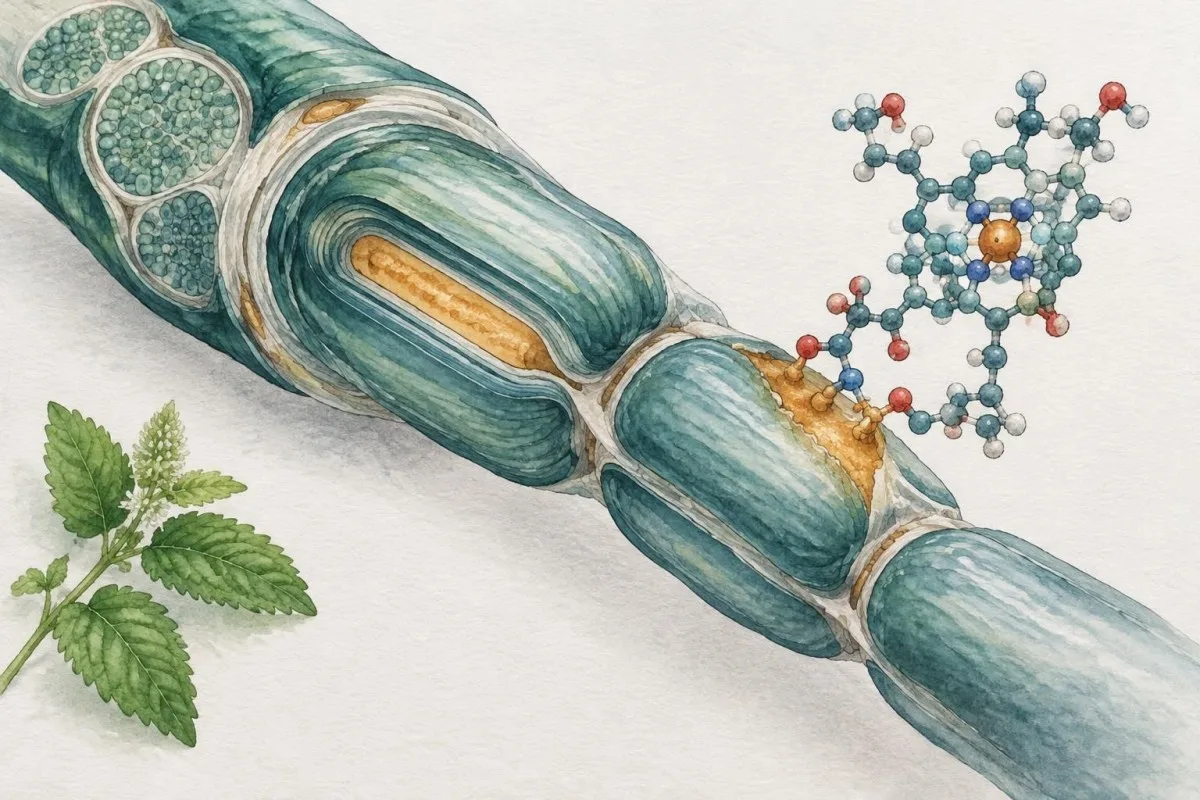
Các HbA1c estimates average glucose exposure over roughly the previous 2–3 months. The American Diabetes Association’s diagnostic thresholds are HbA1c at least 6.5%, fasting plasma glucose at least 126 mg/dL (7.0 mmol/L), or 2-hour glucose at least 200 mg/dL (11.1 mmol/L) during an oral glucose tolerance test; absent unequivocal hyperglycemia, a diagnosis generally requires confirmation (ADA, 2025).
An HbA1c of 5.7–6.4% is in the prediabetes range under ADA criteria, but it is not proof of nerve injury. Tingling from diabetic polyneuropathy commonly begins in the feet and follows a length-dependent pattern; symptoms confined to a few fingers call for consideration of local nerve compression too.
HbA1c can be misleading when red-cell turnover is altered, including some anemias, recent blood loss, or certain hemoglobin variants. When the number conflicts with symptoms or glucose readings, a clinician may use plasma glucose testing instead; our article on when an HbA1c result can mislead covers another testing option.
A hypothetical fasting glucose of 132 mg/dL followed by 108 mg/dL on repeat testing should be reviewed in context rather than treated as a settled diagnosis from one draw. If glucose is high, ask whether repeat testing, medication review, or diabetes follow-up is appropriate; high glucose symptoms include clues beyond tingling.
| Mức | Khoảng | Ý nghĩa |
|---|---|---|
| Below diabetes thresholds | HbA1c <5.7%; fasting glucose <100 mg/dL | These results are below ADA prediabetes and diabetes thresholds but do not rule out all glucose variation or non-glucose nerve causes. |
| Dải tiền đái tháo đường | HbA1c 5.7–6.4%; glucose lúc đói 100–125 mg/dL | Review overall risk and follow-up testing; these values alone do not establish the cause of finger tingling. |
| Dải đái tháo đường | HbA1c ≥6.5%; fasting glucose ≥126 mg/dL | Usually requires confirmation when there is no unequivocal hyperglycemia; discuss with a clinician. |
| Marked symptoms or very high glucose | No single tingling-specific cutoff | Urgency depends on the glucose level and symptoms; vomiting, confusion, dehydration, or breathing changes need urgent medical advice. |
Vitamin B12 and MMA: reading borderline results carefully
A low vitamin B12 result can explain nerve symptoms, and deficiency may affect nerves before a blood count becomes abnormal. A B12 result near the lower end of the laboratory range may need confirmation with methylmalonic acid (MMA), especially when symptoms or risk factors make deficiency plausible.
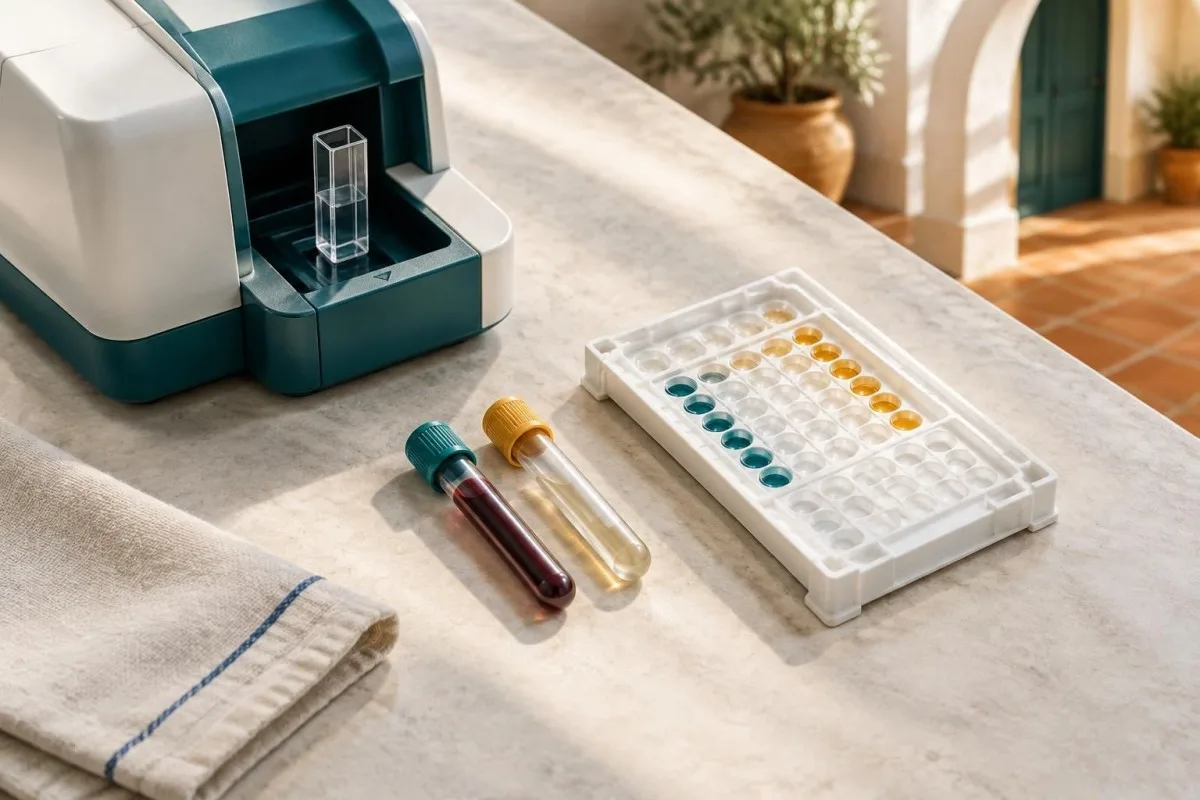
Many laboratories flag total serum B12 below about 200 pg/mL (148 pmol/L) as low, while values around 200–300 pg/mL (148–221 pmol/L) may be treated as borderline. Cutoffs differ among laboratories, and the result should be interpreted with symptoms, diet, medicines, and absorption risks.
Axit methylmalonic (MMA) rises when tissues lack B12 and can help clarify a borderline serum result. However, impaired kidney function can raise MMA independently, so a high value is not a stand-alone diagnosis; the B12 and MMA result pattern needs both markers and clinical context.
A normal complete blood count does not exclude neurological B12 deficiency. Nerve symptoms can occur without anemia or enlarged red cells, which is why a normal mean corpuscular volume should not end the evaluation when B12 is low or risk factors are strong.
Risk factors include vegan diets without reliable supplementation, pernicious anemia, some stomach or intestinal conditions, and long-term use of metformin or acid-suppressing medicines. NICE’s 2024 guideline on B12 deficiency advises using symptoms and risk factors alongside test results; people should not stop prescribed medicines based on a lab result without advice.
For example, a hypothetical B12 of 235 pg/mL with a raised MMA and normal kidney function is more concerning for functional deficiency than the B12 number alone. A clinician may check folate, blood count, kidney function, or intrinsic-factor antibodies, and should decide whether treatment is needed without delaying care when neurological symptoms are progressing.
| Mức | Khoảng | Ý nghĩa |
|---|---|---|
| Thường đủ | Above approximately 300 pg/mL | Often reassuring, although supplements taken before testing and assay differences can affect interpretation. |
| Ranh giới | Approximately 200–300 pg/mL | Consider MMA or another confirmatory approach when symptoms or risk factors support deficiency. |
| Thấp | Below approximately 200 pg/mL | Often supports deficiency; investigate the cause and assess nerve symptoms. |
| Progressive neurological symptoms | No single B12 cutoff | Prompt clinical review is warranted even if the CBC is normal or B12 is borderline. |
TSH and free T4: what thyroid results can explain
Thyroid blood tests can identify hypothyroidism, which may contribute to nerve symptoms or increase the likelihood of carpal tunnel syndrome. TSH is generally the initial test; a high TSH with a low free T4 supports primary hypothyroidism, while normal thyroid results make that explanation less likely but do not rule out other causes.
In many adult laboratories, a typical TSH reference interval is roughly 0.4–4.0 mIU/L, but the reporting laboratory’s range, pregnancy status, age, and treatment history matter. TSH above range with free T4 below range generally fits overt primary hypothyroidism; TSH alone cannot establish why fingers tingle.
Mildly raised TSH with normal free T4 is often called subclinical hypothyroidism. It may warrant monitoring or treatment depending on the degree of elevation, symptoms, pregnancy plans, and other factors; it is not automatic proof that nerve symptoms come from the thyroid. See our guide to subclinical hypothyroidism follow-up for how clinicians weigh those results.
Hypothyroidism may be associated with nerve entrapment, but finger tingling still needs a distribution-based assessment. A person with a TSH of 8 mIU/L and low free T4 might have thyroid disease and a separate wrist nerve problem at the same time.
Free T4 is especially useful when TSH is abnormal or when pituitary disease is suspected; in some pituitary conditions, TSH may not rise as expected. For a plain-language explanation of the hormone pair, see how T4 and TSH relate.
| Mức | Khoảng | Ý nghĩa |
|---|---|---|
| Within many adult ranges | TSH approximately 0.4–4.0 mIU/L | Usually argues against primary hypothyroidism, but does not rule out nerve compression or every thyroid-related scenario. |
| Raised TSH, normal free T4 | TSH above the lab range; free T4 within range | May fit subclinical hypothyroidism; decisions depend on repeat results and clinical context. |
| Raised TSH, low free T4 | TSH above range; free T4 below range | Supports overt primary hypothyroidism and merits clinician review. |
| Severe illness or confusion | No single TSH emergency cutoff | Urgency is based on the overall condition and symptoms, not the TSH value alone. |
Electrolytes, calcium, and magnesium that may trigger tingling
Low calcium or magnesium can cause tingling, often around the mouth or in both hands, and may occur with cramps or spasms. Sodium and potassium disturbances can also affect nerves and muscles, but routine electrolyte results need to be read with kidney function, medicines, symptoms, and how quickly the levels changed.
Khoảng tham chiếu total calcium range is about 8.5–10.5 mg/dL (2.12–2.62 mmol/L), although albumin affects total calcium and laboratories use different intervals. Low calcium can produce tingling, muscle cramps, or spasms; an ionized calcium test may help when total calcium is hard to interpret.
Many laboratories use a serum magnesium interval near 1,7–2,2 mg/dL (0.70–0.95 mmol/L), but the range varies and serum magnesium does not perfectly reflect total-body stores. A basic metabolic panel commonly includes sodium, potassium, bicarbonate, and calcium, but often omits magnesium.
Significant potassium abnormalities more often cause weakness, cramps, or heart-rhythm concerns than isolated finger tingling. A potassium result around 3.5–5.0 mmol/L is common in adult reference ranges, but an unexpected result may be affected by sample handling and should be assessed against kidney function and medicines.
A hypothetical calcium of 7.8 mg/dL with tingling around the mouth and hand cramps deserves prompt clinical review; the next step may include albumin-corrected or ionized calcium, magnesium, kidney tests, and an ECG depending on symptoms. For a focused explanation of low calcium symptoms and urgency, consider the accompanying guide.
| Mức | Khoảng | Ý nghĩa |
|---|---|---|
| Canxi toàn phần điển hình | About 8.5–10.5 mg/dL | Interpret with the laboratory interval and albumin; a normal total value does not assess every nerve cause. |
| Magiê thấp | Often below about 1.7 mg/dL | May contribute to cramps or tingling; interpretation depends on the assay, kidney function, and clinical picture. |
| Canxi thấp | Often below about 8.5 mg/dL | May require confirmation with albumin or ionized calcium and assessment of symptoms and cause. |
| Severe symptoms or marked imbalance | No universal symptom-only cutoff | Spasms, fainting, seizures, severe weakness, or palpitations call for urgent assessment. |
What normal blood tests cannot rule out
Normal glucose, B12, thyroid, and electrolyte results cannot rule out carpal tunnel syndrome, ulnar nerve compression, a pinched nerve in the neck, or all forms of neuropathy. These conditions are assessed through the symptom pattern and examination, with nerve-conduction studies or imaging used when appropriate.

Blood tests measure substances in the blood; they do not directly measure nerve conduction or show compression at the wrist, elbow, or neck. Tingling in the little finger and half of the ring finger may suggest the ulnar nerve, whereas thumb, index, and middle finger symptoms can fit the median nerve.
A clinician may consider nerve-conduction studies and electromyography when symptoms persist, are progressing, or do not fit a simple pattern. Imaging may be considered when examination suggests a neck or structural problem; neither test is automatically needed for brief, occasional tingling.
Small-fiber neuropathy can cause burning or altered sensation while routine nerve-conduction studies remain normal. A normal basic blood panel also cannot rule out medication effects, alcohol-related nerve injury, autoimmune disease, or less common causes; further tests should follow the examination rather than an indiscriminate panel.
A hypothetical person with normal HbA1c, B12, and TSH but numbness triggered by wrist flexion may still have carpal tunnel syndrome. Keep a short record of which fingers are affected, whether symptoms occur at night, and what positions bring them on; this pattern can help direct follow-up more than repeating the same normal blood tests.
When to follow up and when tingling needs urgent care
Arrange clinical follow-up when tingling persists, recurs, spreads, or is accompanied by weakness or loss of hand function. Sudden tingling with facial droop, one-sided weakness, speech difficulty, severe imbalance, or chest pain needs emergency assessment because those symptoms cannot be safely sorted out by routine blood tests.
Seek emergency help for sudden one-sided numbness or weakness, trouble speaking, facial changes, severe dizziness, or a sudden severe headache. These symptoms can indicate a stroke or another urgent problem; do not wait for HbA1c or vitamin results.
Book a routine appointment if tingling lasts more than a few days, repeatedly wakes you, spreads beyond the fingers, or comes with dropping objects. Progressive weakness, rapidly worsening symptoms, or symptoms after an injury deserve faster assessment.
Bring the actual laboratory report, including units and reference intervals, and list supplements and medicines. High-dose vitamin B6 can itself cause nerve symptoms with prolonged use, so report the dose from every supplement rather than assuming a B-complex product is harmless.
A practical follow-up plan may include a focused neurological examination, review of wrist and elbow positions, glucose or B12 confirmation, and selective additional testing. For questions about the clinical oversight behind health information, see the hội đồng cố vấn y tế; online explanations cannot replace an examination.
How to prepare for testing and compare results over time
Most tests used to investigate tingling fingers do not require fasting, but follow the specific instructions on the order because glucose testing may be ordered as a fasting test. Record the test date, units, laboratory reference interval, supplements, and relevant medicines so a clinician can interpret the result accurately.

Do not stop a prescribed medicine or start high-dose B12 before discussing the plan with a clinician. Recent supplements can raise measured B12 and complicate interpretation; tell the clinician what you took and when, particularly if testing is being used to investigate possible deficiency.
Reference intervals differ between laboratories, and a number just outside the range is not automatically the cause of a symptom. Compare like with like when possible: note whether glucose was fasting, whether the same units were used, and whether kidney function or albumin changed alongside electrolytes.
If you are tracking several reports, keep the original PDFs and dates together rather than relying on a cropped screenshot or a remembered number. Our về chỉ dấu sinh học của chúng tôi explains why units and laboratory-specific ranges matter when comparing results.
A hypothetical B12 result of 260 pg/mL measured after starting supplements cannot be interpreted the same way as an untreated result from before supplementation. Ask the clinician whether the timing affects the next test and whether MMA, kidney function, or another marker would clarify the picture.
Câu hỏi thường gặp
What blood tests are usually checked for tingling fingers?
Common initial tests include HbA1c or glucose, vitamin B12, TSH with free T4 when indicated, and electrolytes such as calcium, sodium, and potassium. A clinician may add magnesium, kidney function, or methylmalonic acid if the history or initial results suggest a reason. These tests look for treatable contributors, but they cannot diagnose carpal tunnel syndrome or every nerve disorder. The affected fingers and symptom pattern help decide what should be tested next.
Can low vitamin B12 cause tingling in the fingers even if my CBC is normal?
Yes, vitamin B12 deficiency can affect nerves even when hemoglobin and mean corpuscular volume are normal. A serum B12 below about 200 pg/mL is often considered low, while results around 200–300 pg/mL may need confirmation with methylmalonic acid. Kidney impairment can also raise methylmalonic acid, so it must be interpreted with kidney results. Persistent or worsening neurological symptoms deserve clinical review rather than relying on a normal CBC.
Does a normal blood test rule out carpal tunnel syndrome?
No, normal blood results do not rule out carpal tunnel syndrome because routine laboratory tests do not measure pressure on the median nerve. Tingling in the thumb, index, and middle fingers, particularly at night, can fit carpal tunnel syndrome. A clinician may assess the hand and wrist and consider nerve-conduction testing if symptoms persist or progress. Other finger distributions can point to different nerves or causes.
Can diabetes cause tingling in only the fingers?
Diabetes can contribute to nerve damage, but diabetic polyneuropathy commonly starts in the feet and affects both sides in a length-dependent pattern. HbA1c of 6.5% or higher or fasting glucose of 126 mg/dL or higher is in the diabetes range, usually requiring confirmation if symptoms do not clearly establish hyperglycemia. Tingling limited to a few fingers can also result from nerve compression. A glucose result should be interpreted alongside the symptom distribution and examination.
Can low calcium or magnesium make fingers tingle?
Yes, low calcium or magnesium can contribute to tingling, sometimes alongside cramps or muscle spasms. A typical adult total calcium interval is about 8.5–10.5 mg/dL, while many laboratories use a magnesium interval near 1.7–2.2 mg/dL; the reporting laboratory’s range takes priority. Albumin affects total calcium, and a basic metabolic panel may not include magnesium. Severe spasms, fainting, seizures, or palpitations need urgent assessment.
When should tingling fingers be treated as an emergency?
Sudden tingling with one-sided weakness, facial droop, speech trouble, severe imbalance, or a sudden severe headache needs emergency assessment. These symptoms may indicate a stroke or another urgent condition and should not wait for routine blood tests. Tingling with chest pain, fainting, severe muscle spasms, or rapidly worsening weakness also needs urgent care. Persistent but stable tingling without these warning signs still merits follow-up if it recurs or affects hand function.
Tìm hiểu cách đọc kết quả xét nghiệm máu của bạn
Tải lên báo cáo xét nghiệm của bạn và AI của Kantesti sẽ giải thích từng dấu ấn sinh học bằng ngôn ngữ dễ hiểu chỉ trong vài giây. Được hơn 2 triệu người trên toàn thế giới sử dụng.
Tài liệu tham khảo
- Klein, T., Mitchell, S., & Weber, H. (2026). Trình phân tích xét nghiệm máu AI: 2,5M xét nghiệm được phân tích | Báo cáo sức khỏe toàn cầu 2026. Nghiên cứu y khoa của Kantesti AI. DOI
- Klein, T., Mitchell, S., & Weber, H. (2026). Xét nghiệm máu RDW: Hướng dẫn đầy đủ về RDW-CV, MCV và MCHC. Nghiên cứu y khoa của Kantesti AI. DOI
- England JD et al. (2009). Practice Parameter: Evaluation of Distal Symmetric Polyneuropathy: Role of Laboratory and Genetic Testing (An Evidence-Based Review). Thần kinh học. DOI PubMed
- Viện Quốc gia về Sức khỏe và Chăm sóc Xuất sắc (2024). Vitamin B12 deficiency in over 16s: diagnosis and management. NICE Guideline NG239.
- American Diabetes Association Professional Practice Committee (2025). 2. Diagnosis and Classification of Diabetes: Standards of Care in Diabetes—2025. Chăm sóc bệnh đái tháo đường. DOI
- 2 triệu+Các xét nghiệm được phân tích
- 127+Các quốc gia
- 100+Ngôn ngữ
Về đội ngũ y tế


Tín hiệu tin cậy E-E-A-T
Kinh nghiệm
Đánh giá lâm sàng do bác sĩ phụ trách đối với quy trình diễn giải kết quả xét nghiệm.
Chuyên môn
Tập trung vào y học xét nghiệm: cách các chỉ dấu sinh học (biomarker) hoạt động trong bối cảnh lâm sàng.
Tính uy quyền
Được Tiến sĩ Thomas Klein đánh giá về mặt y khoa, với sự đóng góp của Tiến sĩ Sarah Mitchell và Giáo sư, Tiến sĩ Hans Weber.
Độ tin cậy
Diễn giải dựa trên bằng chứng, kèm các lộ trình theo dõi rõ ràng để giảm mức độ báo động.





Tuyên bố miễn trừ trách nhiệm y tế
Bài viết này chỉ nhằm mục đích giáo dục và không cấu thành lời khuyên y tế. Luôn tham khảo ý kiến của nhà cung cấp dịch vụ chăm sóc sức khỏe đủ năng lực để đưa ra quyết định chẩn đoán và điều trị.
Đã xuất bản · Liên hệ với ban biên tập
Xuất bản bởi Kantesti Ltd, đăng ký tại Anh và xứ Wales, số công ty. 17090423, London, Vương quốc Anh.
