Kattalarda umumiy kalsiy uchun odatda 8.6–10.2 mg/dL, ionlashgan kalsiy uchun esa 1.12–1.32 mmol/L bo‘lgan normal diapazon qo‘llanadi, ammo albumin yoki qon pH g‘ayritabiiy bo‘lsa, umumiy kalsiyning normal ko‘rsatkichi ham baribir chalg‘itishi mumkin. Aynan shu nomuvofiqlik ba’zi bemorlarda laboratoriya ko‘rsatkichi “xavotirli emas” deb turganiga qaramay, tirishish, uvishish (sanchiqsimon karaxtlik) yoki yurak urishi (palpitatsiya) sezilishiga sabab bo‘ladi.


- Umumiy kalsiy normal diapazon odatda BMP va CMP’da bir xil; umumiy kalsiy albumin darajasiga bog‘liq. Kattalarda (2.15–2.55 mmol/L).
- Ionlashgan kaltsiy normal diapazon odatda 1.12–1.32 mmol/L; bu biologik faol fraksiyadir.
- Albuminni tuzatish (korreksiya) mg/dL da quyidagicha hisoblanadi: tuzatilgan kalsiy = o‘lchangan kalsiy + 0.8 × (4.0 − albumin g/dL).
- Past albumin ionlashgan kalsiy normal bo‘lsa ham umumiy kalsiyni past ko‘rsatib qo‘yishi mumkin.
- Alkaloz ionlashgan kalsiyni taxminan 0.05 mmol/L har bir 0.1 pH ko‘tarilishi hisobiga pasaytirishi mumkin.
- Shoshilinch yuqori kalsiy odatda umumiy >14.0 mg/dL yoki ionlashgan >1.50 mmol/L.
- Shoshilinch past kaltsiy odatda umumiy <7.6 mg/dL yoki aylanayotgan kalsiyning taxminan 45% qismi <0.90 mmol/L, ayniqsa spazm yoki QT o‘zgarishlari bilan.
- Keyingi eng yaxshi tahlillar hisoblanadi albumin, PTH, 25-OH D vitamini, magniy, fosfor, kreatinin va eGFR.
Kalsiy uchun “haqiqiy” normal diapazon nimani anglatadi
The kaltsiy uchun normal diapazon odatda BMP va CMP’da bir xil; umumiy kalsiy albumin darajasiga bog‘liq. erkaklar uchun umumiy kalsiy va 1.12–1.32 mmol/L erkaklar uchun ionlashtirilgan kaltsiy kattalarda. Agar umumiy natija normal bo‘lsa-yu, sizda alomatlar bo‘lsa, raqam baribir chalg‘itishi mumkin, chunki umumiy kaltsiy faqat faol fraksiyadan tashqari oqsil bilan bog‘langan kaltsiyni ham o‘z ichiga oladi. Kantesti AI, biz bu chalkashlikni doimiy ravishda ko‘ramiz — ayniqsa albumin darajasi past bo‘lsa, suvsizlanishdan yuqori bo‘lsa yoki kasallikdan keyin o‘zgarib tursa.
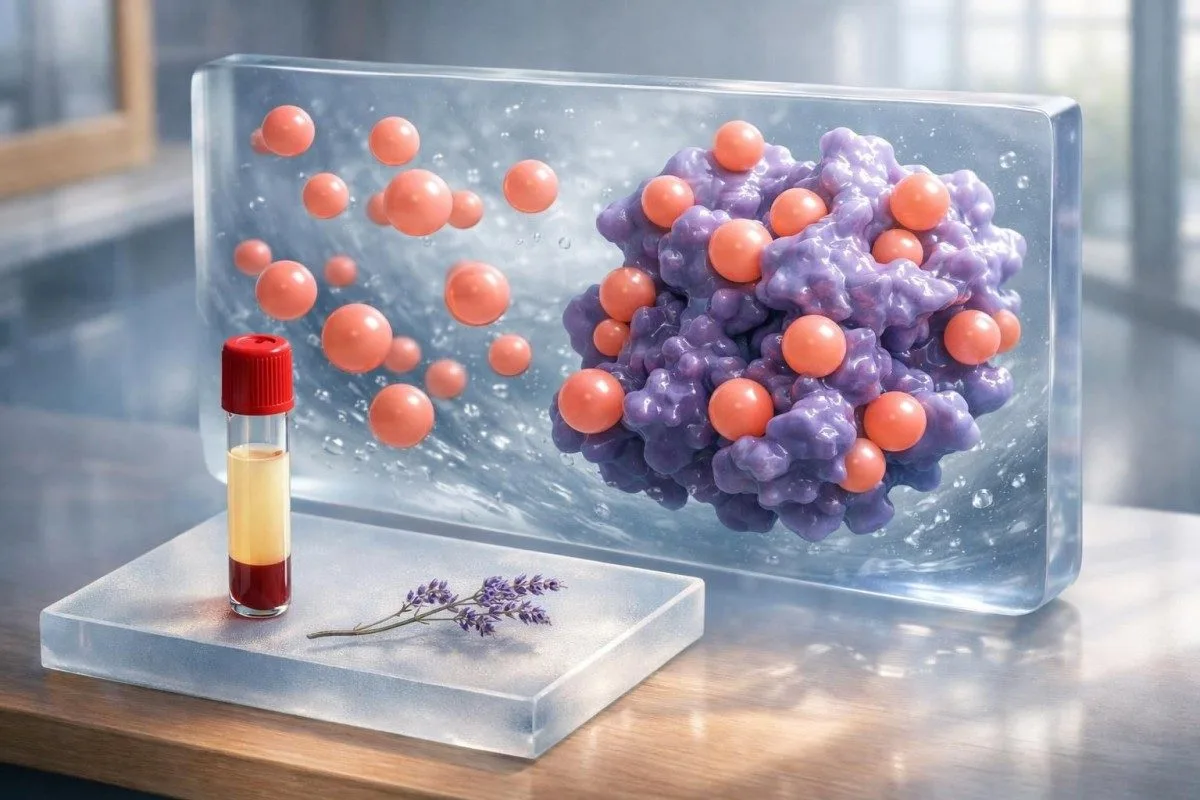
Umumiy kalsiy va ionlashtirilgan kaltsiy turli savollarga javob beradi. Umumiy kaltsiy — skrining ko‘rsatkichi, ionlashgan kaltsiy esa nervlar, mushaklar va yurak to‘qimasi aslida nimani boshdan kechirayotganini aks ettiradi. Taxminan 40% zardobdagi kaltsiy albuminga bog‘langan, taxminan 45-50% ionlashgan, qolgan qismi esa sitrat yoki fosfat kabi anionlarga bog‘langan. 5-10% anionlar, masalan, sitrat yoki fosfat bilan kompleks hosil qiladi.
O‘tgan oy men 29 yoshli o‘qituvchini ko‘rib chiqdim: stressli parvozdan keyin barmoqlarida uvishish bor edi. Uning umumiy kaltsiyi 9.1 mg/dL, ko‘rinishidan yaxshi edi, lekin ionlashgan kaltsiyi 1.06 mmol/L; edi; bu yerda tez nafas olishdan keyingi vaqtinchalik respirator alkaloz dalil bo‘ldi. Bunday nomuvofiqlik haqiqiy va ko‘pincha hech kim buni tushuntirmasa, bemorlar o‘zlarini e’tiborsiz qoldirilgandek his qilishadi.
Laboratoriya ma’lumotnomalari oralig‘i odamlar o‘ylagandan ko‘ra ko‘proq farq qiladi. Ba’zi Buyuk Britaniya va AQSh laboratoriyalari 8.5-10.5 mg/dL, dan foydalanadi, ayrim Yevropa laboratoriyalari esa 2.20-2.60 mmol/L hisobot beradi.. Bolalar, yangi tug‘ilgan chaqaloqlar va homiladorlik uchun turli diapazonlar qo‘llanilishi mumkin, shuning uchun mahalliy laboratoriya intervali baribir muhim.
Nega “normal” belgi bo‘lsa ham foydasiz bo‘lishi mumkin
'Normal' umumiy kalsiy normal kalsiy fiziologiyasini kafolatlamaydi. Agar albumin g‘ayritabiiy bo‘lsa yoki pH o‘zgargan bo‘lsa, faol fraksiya umumiy ko‘rsatkichdan teskari yo‘nalishda siljishi mumkin.
CMP (kompleks metabolik panel) dagi umumiy kalsiy normal diapazoni — va u nimani o‘z ichiga oladi
The umumiy kalsiy normal diapazoni ko‘pchilik kattalar biokimyo panelida BMP va CMP’da bir xil; umumiy kalsiy albumin darajasiga bog‘liq., garchi ayrim laboratoriyalar 8.5-10.5 mg/dL. ni maqsad qilib qo‘yadi. kalsiy qon tahlili normal diapazoni muntazam hisobotda faqat fiziologik faol qismi emas, balki barcha zardob kalsiyi o‘lchanadi, shuning uchun oddiy laboratoriya hisobot alomatlar davom etsa ham taskin berayotgandek ko‘rinishi mumkin. Agar sizning ko‘rsatkichingiz torroq metabolik panel emas, balki CMP dan olingan bo‘lsa, aynan shu sababga ko‘ra albumin ehtimol bir vaqtda o‘lchangan.
The umumiy kalsiy qon tahlili albuminga bog‘langan kalsiyni, kichik molekulalarga komplekslangan kalsiyni va erkin suzib yuruvchi kalsiyni qamrab oladi. Bu natija kalsiyni tartibga solishning o‘zidangina emas, balki qisman oqsil holati va suvsizlanish (gidratatsiya) darajasini ham aks ettirishini anglatadi. Amalda, albumin 10.3 mg/dL bo‘lganda umumiy kalsiy 5.0 g/dL albumin 3.8 g/dL.
dan past bo‘lgandagiga qaraganda ancha kamroq xavotirli bo‘lishi mumkin. 0,2-0,4 mg/dL ga oshishi mumkin. Ko‘pchilik bemorlar esa normal gidratatsiya bilan qayta tekshiruv natijasi yana pasayib ketganda yengillashadi.
Chegaraviy yuqoriliklar vahima emas, kontekstni talab qiladi. Turniketni uzoqroq taqish, mushtni qayta-qayta qattiq qisish yoki qiyin tomirdan qon olish oqsillarni yetarlicha darajada yuqoriga surib, kalsiyning chegaraviy qiymatini o‘zgartirishi mumkin. Agar natija faqat bitta kasrga (o‘nlikdan keyingi bitta raqamga) farq qilsa, men “drama”dan ko‘ra takrorlanuvchanlikni ko‘proq hisobga olaman.
CMP sizga nimani aytmaydi
Oddiy CMP qonda pH ni ko‘rsatmaydi va pH bir necha daqiqada ionlangan kalsiyga ta’sir qilishi mumkin. Shu sababli umumiy kalsiy natijasi texnik jihatdan to‘g‘ri bo‘lsa ham, klinik jihatdan to‘liq bo‘lmasligi mumkin.
Albumin bo‘yicha tuzatish: foydali formula, ammo mukammal javob emas
Tuzatilgan kalsiy Albomin normal bo‘lganda umumiy kalsiy qanday bo‘lishi mumkinligini taxmin qiladi. mg/dL dagi keng qo‘llaniladigan formula: tuzatilgan kalsiy = o‘lchangan kalsiy + 0.8 × (4.0 − albumin g/dL), SI birliklarda esa: tuzatilgan kalsiy = o‘lchangan kalsiy + 0.02 × (40 − albomin g/L). Bizning AI bilan ishlaydigan qon testini talqin qilish bu hisob-kitobni avtomatik bajaradi va uni zardob oqsillari sharhi, bilan juftlaydi, chunki faqat formula butun hikoya emas.
Formula eng foydali albomin past bo‘lganda va bemor boshqa jihatdan barqaror bo‘lsa. Agar o‘lchangan kalsiy 8.0 mg/dL va albomin 2.0 g/dL, bo‘lsa, tuzatilgan kalsiy 9.6 mg/dL. ga teng bo‘ladi. Bu, agar albomin pastligi umumiy kalsiy past ko‘rinishining asosiy sababi bo‘lsa, keraksiz xavotirning oldini olishi mumkin.
Mana “tuzoq”: tuzatish formulalari albomin kalsiyni nisbatan oldindan aytish mumkin bo‘lgan tarzda bog‘lashini taxmin qiladi. Payne’ning 1973 ishidan tuzatishni amaliy qilish mumkin bo‘ldi, ammo formula pH, paraproteinlar, og‘ir kechadigan kasallik yoki og‘ir buyrak kasalligi. Reanimatsiya (ICU) sharoitlarida tuzatilgan kalsiy bilan noto‘g‘ri tasniflash yetarlicha tez-tez uchraydiki, ko‘plab klinisyenlar imkon qadar bevosita ionlashgan (ionlashtirilgan) o‘lchovni afzal ko‘radi.
Men, Tomas Klein, kalsiyni ko‘rsam 8.0 mg/dL albumin bilan 2.0 g/dL, men uni klinik vaziyatni bilmagunimcha “hal bo‘ldi” deb aytmayman. Ko‘pchilik bemorlar bir xil namuna umumiy kalsiy, tuzatilgan kalsiy yoki ionlashgan kalsiydan qaysi birini ishlatishingizga qarab past, me’yoriy yoki hali ham noaniq ko‘rinishi mumkinligidan hayratda qoladi.
Tuzatilgan kalsiy qachon eng kam ishonchli bo‘ladi
Tuzatilgan kalsiy quyidagilarda kamroq ishonchli bo‘ladi: albumin 3.0 g/dL dan past bo‘lsa, pH beqaror bo‘lsa, bemor og‘ir ahvolda (kritik) bo‘lsa yoki globulinlar g‘ayritabiiy bo‘lsa. Bunday sharoitlarda ionlashgan kalsiy odatda aniqroq javob beradi.
Ionlashgan kalsiy normal diapazoni va u qachon “haqiqatni” aytadi
The ionlashgan kalsiyning me’yoriy diapazoni odatda 1.12–1.32 mmol/L kattalarda, ayrim laboratoriyalar quyidagidan foydalanadi: 1.15-1.33 mmol/L. Ionlashgan kalsiy biologik faol fraksiyani aks ettiradi, shuning uchun simptomlar va umumiy kalsiy mos kelmasa, bu yaxshiroq test hisoblanadi. Kantesti ionlashgan kalsiyni bizdagi biomarkerlar ma’lumotnoma kutubxonamiz bilan bog‘laydi va bizdagi jamoamiz haqiqiy texnik nosozlikdan ko‘ra preanalitik muammolarni ancha tez-tez ko‘radi..
Ionlashgan kalsiy bevosita o‘lchanadi, shuning uchun u adashtiruvchi umumiy kalsiy natijasini aniqlashtirib berishi mumkin. Ionlashgan kalsiy odatda yangi olingan butun namuna (fresh whole-sample) asosida ion-selektiv elektrod bilan o‘lchanadi. Bu fraksiya neyromushak qo‘zg‘aluvchanligi, yurak o‘tkazuvchanligi va ko‘plab hujayra ichidagi signalizatsiya yo‘llariga ta’sir qiladigan qismdir. Agar bemorda uvishish (sanchiq), spazm yoki sababsiz aritmiyaga o‘xshash simptomlar bo‘lsa, ionlashgan kalsiy ko‘pincha tuzatish formulalariga qaraganda tezroq javob beradi.
Preanalitik ishlov berish ko‘pchilik veb-saytlar tan olganidan muhimroq. Agar namuna havoga ta’sir qilinsa, CO2 ajralib chiqadi, pH ko‘tariladi va ionlashgan kalsiy noto‘g‘ri ravishda past ko‘rinishi mumkin. Taxminan 15-30 daqiqa dan ortiq kechikishlar muhim bo‘lishi mumkin, ayniqsa davolash qarorlari kichik o‘zgarishlarga bog‘liq bo‘lgan reanimatsiya (kritik parvarish) yoki operatsiya xonasi sharoitlarida.
Ba’zi laboratoriyalar ionlashgan kalsiyning ham haqiqiy qiymatini, ham pH ga moslashtirilgan ionlashgan kalsiyni. xabar qiladi. Agar haqiqiy ionlashgan kalsiy 1.09 mmol/L bo‘lsa lekin pH ga moslashtirilgan ionlashgan (ionlangan) kaltsiy 1.14 mmol/L, bemorda haqiqiy kaltsiy yetishmovchiligi emas, balki vaqtinchalik alkaloz bo‘lishi mumkin. Bu farq sizni noto‘g‘ri tashxis ortidan quvib ketishdan saqlaydi.
Ionlangan tahlildan kim ko‘proq foyda oladi
Ionlangan kaltsiy ayniqsa albumin ko‘rsatkichlari g‘ayritabiiy bo‘lsa, bemor reanimatsiya (ICU)da bo‘lsa, katta miqdorda transfuzion qilingan bo‘lsa, buyrak kasalligi rivojlangan bo‘lsa yoki umumiy (total) kaltsiy normal bo‘lishiga qaramay simptomlar kuchli bo‘lsa juda foydali.
Nega umumiy natija normal bo‘lsa ham kalsiy pastligi alomatlarini sezishingiz mumkin
Umumiy (total) kaltsiy normal bo‘lsa ham, sizda karashish (sanchish), mushaklarning tirishishi, tomoqda siqilish hissi yoki qo‘lda tirishib qolish (kramplar) bo‘lishi mumkin, chunki alkaloz ionlashgan kaltsiyni bir necha daqiqada pasaytiradi. Qon pH’ining taxminan 0.1 ga ko‘tarilishi ionlashgan kaltsiyni taxminan 0.05 mmol/L, ga kamaytirishi mumkin; bu esa ayrim odamlarda simptomlarni qo‘zg‘atish uchun yetarli. Shuning uchun vahima bilan bog‘liq nafas olish naqshlari yetishmovchilikni taqlid qilishi mumkin va men ko‘pincha simptomlarni ko‘rib chiqishni yanada kengroq tahlillar bilan, masalan bizning xavotirga oid tahlil bo‘yicha qo‘llanmamiz va magniy diapazoni izohi.
Men ko‘rgan 34 yoshli yangi ota-onada ER (qabul bo‘limi)ga murojaatdan keyin lablarda karashish va qo‘llarning tirnoqdek bukilib qolishi (clawing) kuzatilgan. Umumiy kaltsiy 9.3 mg/dL, edi, 1.07 mmol/L tez nafas olishdan bir necha daqiqa o‘tib chiqdi. Nafas sekinlashgach, hech qanday kaltsiy infuziyasi kerak bo‘lmasdan simptomlar yaxshilandi.
Boshqa mos kelmaslik (nomutanosiblik) holatlari ham bor. Katta miqdordagi transfuziondan keladigan sitrat kaltsiyni tez bog‘lashi mumkin, shuning uchun umumiy kaltsiy unchalik keskin o‘zgarmasdan turib ham ionlashgan kaltsiy tushib ketishi mumkin. Shunga o‘xshash nomutanosibliklar o‘tkir pankreatitda, sepsisda, katta operatsiyadan keyin va ba’zan og‘ir giper ventilyatsiya bilan kechadigan tug‘ruq paytida ham uchraydi.
Magniy magniy tushib ketganda ko‘pchilik bemorlar hech qachon eshitmaydigan “buzuvchi omil” (spoiler) aynan shudir. Magniy taxminan 1,5 mg/dL, dan pastga tushganda, PTH (paratgormoni) sekretsiyasi va to‘qima javobi sustlashishi mumkin; bu esa kaltsiy bilan bog‘liq simptomlar ehtimolini oshiradi va kaltsiyni to‘g‘rilashni qiyinlashtiradi. Normal holatga qaytishni rad etadigan past kaltsiy doimo magniy haqida o‘ylashga majbur qilishi kerak.
Normal CO2 buni inkor etmaydi
Laboratoriya tahlilni o‘tkazguncha biokimyo bo‘yicha CO2 ko‘rsatkichi normal bo‘lib qolishi mumkin, ayniqsa giper ventilyatsiya epizodi oldinroq tugagan bo‘lsa. Shu sababli simptomlar vaqtini (qachon boshlanganini) bilish juda muhim.
Kalsiy natijasini mazmunli qiladigan hamroh tahlillar
Kaltsiy uni bilan birga o‘qiganda talqin qilinadigan bo‘ladi PTH, 25-gidroksil D vitamini, magniy, fosfor, kreatinin va eGFR. PTH yuqori yoki noo‘rin darajada normal bo‘lgan yuqori kaltsiy birlamchi giperparatireozni ko‘rsatadi, shu bilan birga PTH bostirilgan yuqori kaltsiy boshqa tomonni anglatadi. Ko‘pchilik bemorlar uchun keyingi foydali o‘qishlar bu PTH bo‘yicha naqshlar qo‘llanmasi, bo‘lgan erkaklarda D vitamini talqini haqidagi maqola, va kreatinin “aldamchi” darajada normal bo‘lib ko‘rinadigan holatda past GFRni ko‘rib chiqish.
PTH bostirilmagan, PTH bilan birga yuqori kaltsiy — men jiddiy qabul qiladigan naqsh. Hatto PTH 35-60 pg/mL bo‘lsa ham, agar kaltsiy allaqachon yuqori bo‘lsa, u g‘ayritabiiy bo‘lishi mumkin, chunki kutiladigan fiziologik javob bostirilish bo‘ladi. Bu kichik noziklik ambulator endokrinologiyada eng ko‘p o‘tkazib yuboriladigan signal-lardan biridir.
Kaltsiy past bo‘lsa 25-OH D vitamini 12 ng/mL dan past va PTH ko‘tarilgan bo‘lsa, yetishmovchilikdan kelib chiqqan ikkilamchi giperparatireozga hayratlanarli darajada tez-tez mos keladi. Ustiga ishqoriy fosfataza yuqori yoki suyak og‘rig‘i qo‘shilsa, manzara oddiy “bir martalik” laboratoriya xatidan ko‘ra ko‘proq osteomalatsiyaga moyil bo‘ladi.
Buyrak kasalligi butun o‘qni o‘zgartiradi. Bir marta eGFR 60 ml/min/1.73 m² dan pastga tushadi, kalsitriol ishlab chiqarilishi pasayadi va fosfat ushlanib qolishi PTH ni yuqoriga surib qo‘yishni boshlaydi, ba’zan umumiy kaltsiy o‘zgarmasdan ham. 2026-yil holatiga ko‘ra, buyrak-mineral bo‘yicha yo‘riqnomalarda kaltsiy hali ham klasterning bir qismi sifatida ko‘riladi, yakka test sifatida emas.
Bemorlar e’tibordan chetda qoldiradigan bitta sekin naqsh
Kaltsiy trendi 9,7 → 10,0 → 10,3 mg/dL 12-18 oy davomida buyrak toshlari yoki holsizlik bilan birga bo‘lsa, faqat bitta alohida natijadan ko‘ra muhimroq bo‘lishi mumkin. 10.6 mg/dL. Nishab ko‘pincha bayroqdan oldinroq voqeani aytib beradi.
Kalsiy sonining o‘zi qachon sizni chalg‘itishi mumkin
Kaltsiy natijalari ko‘pincha noto‘g‘ri talqin qilinadi, chunki suvsizlanish, g‘ayritabiiy oqsillar, namunani ishlov berish, yoki umumiy kaltsiy bilan ionlashtirilgan kaltsiy o‘rtasida mos kelmaslik bo‘lishi mumkin. Qusish yoki kuchli jismoniy mashqdan keyin biroz yuqori bo‘lgan umumiy kaltsiy kasallikdan ko‘ra gemokonsetratsiyani aks ettirishi mumkin; shuning uchun men bemorlardan buni suvsizlanishga yo‘naltirilgan laboratoriya qo‘llanmasida yoki buyrak paneli umumiy ko‘rinishida.
Albumin bilan 5.1 g/dL, 149 mmol/L, va BUN 31 mg/dl ko‘pincha avval konsentratsiya tomonga yo‘naltiradi. Faqat rehidratatsiya ayrim bemorlarda umumiy kaltsiyni 0.2-0.5 mg/dL ga tushirishi mumkin. Bu hamma uchun ham emas, lekin yetarlicha tez-tez uchraydiki, men ehtiyotkor bo‘lib qolaman.
Yuqori globulinlar yoki paraproteinlar soxta giper-kaltsiyemiya, ni keltirib chiqarishi mumkin: bunda umumiy kaltsiy yuqori, lekin ionlashtirilgan kaltsiy emas. Men buni monoklonal gammopatiya bo‘yicha tekshiruvlarda ba’zan ko‘raman va bu kaltsiy ko‘rsatkichi texnik jihatdan chalg‘itishi mumkin bo‘lgan, haqiqatan ham g‘ayritabiiy bo‘lmasligi ehtimoli bor sabablardan biri — kamroq muhokama qilinadigan sabablardan.
Namunani ishlov berish ham muhim. Kechikib ishlov berish, ortiqcha geparin, havoga ta’sir qilish yoki kaltsiy saqlovchi suyuqliklar yuborilayotgan tomirdan (liniyadan) qon olish natijani buzishi mumkin. Kantesti ning AI talqin qilish ish jarayoni bemorlar keraksiz qo‘rquvga tushib qolishidan oldin, masalan yuqori kaltsiy + yuqori albumin + suvsizlanish markerlari kabi nomuvofiq naqshlarni aniqlash uchun yaratilgan.
Tezkor amaliy tekshiruv
Agar kaltsiy va albumin birga ko‘tarilsa, endokrin kasallikka sakrashdan oldin bog‘lanish yoki suvsizlanishni o‘ylang. Agar kaltsiy albumin barqaror yoki past bo‘lganda ko‘tarilsa, men ko‘proq xavotir olaman.
Kalsiyni qachon qayta topshirish kerak yoki aynan ionlashgan tahlilni so‘rash qachon muhim
Takroriy tahlil so‘rang yoki ionlashtirilgan kaltsiy testni simptomlar ko‘rsatkichga mos kelmasa, albumin 3.0 g/dL dan past bo‘lsa, siz juda og‘ir ahvolda bo‘lsangiz yoki pH g‘ayritabiiy bo‘lishi mumkin bo‘lsa o‘tkazing. Bitta kaltsiy qiymati kamdan-kam hollarda masalani hal qiladi; tendensiyalar ko‘pchilik bemorlar o‘ylagandan muhimroq. Shuning uchun biz tendensiyalarni ko‘rib chiqish vositalarini yaratdik. va xavfsiz PDF yuklash (upload) ish jarayonimizdan foydalaning eski natijalar uchun.
Men ionlashtirilgan kalsiyni so‘rashga tezroq kirishaman: CKD 4-5 bosqichi, reanimatsiya (ICU) bemorlari, transfuziyadan keyin, bariatrik jarrohlikdan keyin, jigar sirrozida yoki CMP normal bo‘lsa-da qayta-qayta uvishish (sanchish) bo‘lganda. Shuningdek, bemorlarda buyrak toshlari bo‘lsa va qayta-qayta yuqori-normal kalsiy bo‘lib, asta-sekin yuqoriga siljib tursa, buni ham ko‘rib chiqaman.
Vaqt muhim. Agar kimdadir simptomlar bo‘lsa yoki umumiy kalsiy taxminan 11.5 mg/dL, dan yuqori bo‘lsa, odatda o‘sha kunning o‘zida qayta baholash yoki shoshilinch tekshiruvni xohlayman. Agar bemor o‘zini yaxshi his qilsa va ko‘rsatkich yengil chegara holatidagi natija bo‘lsa, masalan 10.3-10.6 mg/dL, odatda odatiy gidratatsiya sharoitida qayta tahlil qilish ko‘pincha asosli bo‘ladi. 1-2 hafta ichida. odatda.
Mening tajribamda, tendensiya ko‘pincha sarlavhadagi raqamdan ham balandroq gapiradi. PTH 9.6, 10.0 va 10.4 mg/dL bilan 58 pg/mL bo‘lsa, bitta izolyatsiyalangan holatdan ko‘ra qiziqroq. Bizning platformamiz birliklar va referens oraliqlarni saqlaydi, chunki laboratoriyalar orasidagi o‘zgarish aks holda haqiqiydan kattaroq ko‘rinishi mumkin. 10.6 mg/dL. .
Takroriy tahlildan oldin
Kalsiy qo‘shimchalari, D vitamini, antatsidlar, lityum va tiazid diuretiklar ro‘yxatini keltiring. Bu tafsilotlar hatto juda ozgina kalsiy siljishini ham qanday talqin qilishimni o‘zgartiradi.
Kalsiy past yoki yuqori: tezroq harakat talab qiladigan chegaralar
A umumiy kalsiy 14.0 mg/dL (3.5 mmol/L) dan yuqori bo‘lsa yoki ionlashtirilgan kalsiy 1.50 mmol/L dan yuqori bo‘lsa odatda shoshilinch o‘sha kunning o‘zida baholashni talab qiladi. Umumiy kalsiy 7.6 mg/dL (1.90 mmol/L) dan past bo‘lsa yoki ionlashtirilgan kalsiy 0.90 mmol/L dan past bo‘lsa Bu ham xavfli bo‘lishi mumkin, ayniqsa chalkashlik, qusish, aritmiyalar yoki spazm kuzatilsa. Agar natijangiz u yerga to‘g‘ri kelsa, bizning yuqori kalsiy sabablari bo‘yicha tahlilimizni o‘qing va elektrolitlar paneli kontekstini ham inobatga oling.
10.5 dan 11.9 mg/dL gacha bo‘lgan yengil giper kalsiyemiya ko‘pincha kam sonli simptomlar keltirib chiqaradi va odatda ambulator sharoitda boshqariladi. 12.0 dan 13.9 mg/dL gacha bo‘lgan o‘rtacha giper kalsiyemiya esa tezkor tekshiruvni talab qiladi. Umumiy kalsiy 14.0 mg/dL yoki undan yuqori bo‘lgach, suvsizlanish, chalkashlik, qabziyat va buyrak shikastlanishi tez kuchayishi mumkin.
Past kalsiyda simptomlar umumiy ko‘rsatkichdan ham muhimroq bo‘lishi mumkin. Perioral uvishish, karpopedal spazm, stridor, tutqanoq yoki QT intervalining uzayishi shoshilinch baholanishi kerak, chunki ionizatsiyalangan kalsiy umumiy kalsiy ko‘rsatganidan ancha past bo‘lishi mumkin. Bu post-operatsion bo‘yin jarrohligi bilan shug‘ullanadigan bemorlar juda sinchkovlik bilan kuzatilishining bir sababidir.
Har bir shoshilinch holat ham keskin ko‘rinmaydi. Keksaroq yoshdagi odamlar va saraton bilan og‘rigan bemorlar ba’zan faqat 13.0 mg/dL yoki undan yuqorida charchoq, qabziyat yoki ruhiy “tuman”ni aytishadi. Men kalsiy ko‘rsatkichidagi anomaliyani jiddiy qabul qilishdan oldin darslikdagi simptomlarni kutmaslik kerakligini o‘rgandim.
Belgidan ko‘ra simptomlar muhimroq bo‘lsa
Tetaniya bo‘lgan va ionlashgan kalsiysi 0.95 mmol/L bo‘lgan bemor, yengil past umumiy kalsiy va ionlashgan kalsiy normal bo‘lgan xotirjam bemordan ko‘ra shoshilinchroq. Laboratoriya yonidagi (bemor yonidagi) hikoyani qo‘llab-quvvatlash uchun, uni almashtirish uchun emas.
Kantesti real hayotda kalsiy natijalarini qanday talqin qiladi
Kantesti kalsiyni quyidagilarni birga o‘qish orqali talqin qiladi: umumiy kalsiy, ionlashgan kalsiy, albumin, umumiy oqsil, fosfor, magniy, buyrak ko‘rsatkichlari, PTH, D vitamin va tendensiya yo‘nalishi.. Hozirga kelib 2026-yil 16-aprel, ya’ni har qanday bitta kesish (cutoff)dan ko‘ra kontekst muhimroq, shuning uchun klinisyenlarimiz oddiy tilda (plain-English) xulosa berishdan oldin bir-biriga mos kelmaydigan tahlillarni ko‘rib chiqadi. Siz ko‘proq bilib olishingiz mumkin biz kim ekanimizni va bizdagi shifokorlar haqida Tibbiy maslahat kengashi.
Biz 2M yuklangan laboratoriya hisobotlarida; bitta keng tarqalgan noto‘g‘ri signal — kalsiy 10.4 mg/dL atrofida bo‘lishi. 5.0 g/dL suvsizlanish yoki GI (oshqozon-ichak) kasalligi fonida. Yana bir keng tarqalgan o‘tkazib yuborish — kalsiy 8.4 mg/dL kasalxonada yotish paytida, albumin 2,8 g/dL, bo‘lganda; bunda tuzatilgan kalsiy yaxshi ko‘rinadi, lekin ionlashgan kalsiy tekshirilmagan bo‘ladi. Bu ikki holat kuzatuvda juda boshqacha o‘zini tutadi.
Men, Tomas Klein, kalsiy panelini ko‘rib chiqayotganimda, eng ko‘p simptomlar, o‘zgarish tezligi va yaqin (qo‘shni) ko‘rsatkichlarga e’tibor beraman. Ko‘pchilik bemorlar bitta ajratilgan raqamga tikilib qolishdan ko‘ra, butun panelni bizning bepul qon tahlili demo’sini sinab ko‘rishdir ga yuklashni osonroq deb biladi. Yana bir umumiy normal diapazon jadvalidan ko‘ra, sokin va kontekstga mos tushuntirish odatda foydaliroq bo‘ladi.
Kantesti Ltd. (2025). Zardob oqsillari bo'yicha qo'llanma: Globulinlar, albumin va A/G nisbati bo'yicha qon tekshiruvi. Zenodo. https://doi.org/10.5281/zenodo.18316300. Shuningdek orqali ham mavjud Tadqiqot darvozasi va Academia.edu.
Kantesti Ltd. (2025). C3 C4 komplement qon tekshiruvi va ANA titri bo'yicha qo'llanma. Zenodo. https://doi.org/10.5281/zenodo.18353989. Shuningdek orqali ham mavjud Tadqiqot darvozasi va Academia.edu.
Yakuniy xulosa: agar simptomlar haqiqiy bo‘lsa va kalsiy raqami mos kelmasa, yaxshiroq savol berish uchun yetarlicha darajada nomuvofiqlikka ishonch bildiring. Mening tajribamda, aynan o‘sha paytda tashxis nihoyat aniq bo‘lib qoladi.
Tez-tez so'raladigan savollar
Agar ionlashtirilgan kalsiy past bo‘lsa, umumiy kalsiy normal bo‘lishi mumkinmi?
Ha. Umumiy kalsiy odatdagi kattalar diapazonida turib qolishi mumkin, BMP va CMP’da bir xil; umumiy kalsiy albumin darajasiga bog‘liq. ionlangan kalsiy odatdagi me’yoriy diapazondan pastga tushganda 1.12–1.32 mmol/L. .
Tuzatilgan kalsiy formulasi nima?
Konvensional birliklarda qo‘llaniladigan kalsiyni tuzatishning odatiy formulasi tuzatilgan kalsiy = o‘lchangan kalsiy + 0.8 × (4.0 − albumin g/dL). . tuzatilgan kalsiy = o‘lchangan kalsiy + 0.02 × (40 − albomin g/L). SI birliklarida ko‘plab laboratoriyalar.
Ionlashtirilgan kalsiy tuzatilgan kalsiydan yaxshiroqmi?
. ionlashgan kalsiyning me’yoriy diapazoni taxminan 1.12–1.32 mmol/L, Ionlangan kalsiy odatda yaxshiroq, chunki u kalsiyni albumindan hisoblab chiqarish o‘rniga faol kalsiyni bevosita o‘lchaydi. Odatdagi kattalar.
Qaysi albumin darajasi kaltsiy natijasining ishonchliligini pasaytiradi?
, garchi laboratoriyalar biroz farq qilishi mumkin. Tuzatilgan kalsiy hali ham tezkor skrining baholash sifatida foydali, ayniqsa albumin yengil past bo‘lsa va bemor barqaror bo‘lsa. Agar simptomlar va tuzatilgan kalsiy bir-biriga mos kelmasa, men odatda ionlangan kalsiyga ko‘proq ishonaman. Kalsiy natijasi, albumin 3.0 g/dL dan past bo‘lganda (30 g/L).
Kaltsiy bo‘yicha qon tahlili uchun ro‘za tutishim kerakmi?
, kamroq ishonchli bo‘ladi, chunki past albumin ionlangan kalsiyani pasaytirmasdan turib umumiy kalsiyni tushirishi mumkin. Yuqori albumin ham boshqa tomondan adashtirishi mumkin: ayniqsa suvsizlanish paytida umumiy kalsiy soxta ravishda me’yorning yuqori chegarasida yoki yengil ko‘tarilgandek ko‘rinishi mumkin. Shuning uchun kalsiy natijasi albumin va umumiy oqsil bilan birga o‘qilishi kerak, faqat alohida emas. Agar simptomlar bo‘lsa, ionlangan kalsiyni tekshirish ko‘pincha arziydi.
Qachon yuqori kalsiy favqulodda holat hisoblanadi?
Odatda yo‘q. Kalsiyni muntazam o‘lchash odatda ro‘za tutishni talab qilmaydi va nonushtani o‘tkazib yuborishdan ko‘ra gidratatsiya (suyuqlik)ning bir xil bo‘lishi muhimroq. Agar siz chegaraviy (borderline) natijani qayta tekshirayotgan bo‘lsangiz, oddiy sharoitda tahlil topshirishga harakat qiling va kalsiy qo‘shimchalari, D vitamini, antatsidlar, litiy yoki tiazid diuretiklari ro‘yxatini olib keling. Bir xil ertalabda juda katta kalsiy dozasini qabul qilish talqinni chalkashtirishi mumkin, shuning uchun takroriy tekshiruvdan oldin, agar sizning shifokoringiz boshqacha aytmagan bo‘lsa, bemorlar bunday qilmasligini afzal ko‘raman. Yuqori kalsiy quyidagilarda yanada shoshilinchroq bo‘ladi: yoki umumiy kalsiy 14.0 mg/dL dan yuqori bo‘lsa. ionlangan kalsiy 1.50 mmol/L dan yuqori bo‘lsa . Chalkashlik, qusish, og‘ir qabziyat, suvsizlanish yoki holsizlik kabi simptomlar, hatto biroz pastroq darajalarda ham, favqulodda baholash ehtimolini oshiradi. 10.5-11.9 mg/dL atrofidagi yengil ko‘tarilishlar ko‘pincha ambulator muammolar bo‘ladi, ammo baribir sababini aniqlash kerak. Asosiy tashxis muhim, lekin simptomlar og‘irligi ham xuddi shunchalik ahamiyatli.
Kaltsiy bilan qaysi tahlillarni tekshirish kerak?
Eng foydali hamroh tahlillar — albumin, ionlangan kalsiy, PTH, 25-gidroksilangan D vitamini, magniy, fosfor, kreatinin va eGFR. . 1,5 mg/dL PTH darajasi bostirilmagan holda yuqori kalsiy ko‘pincha birlamchi giperparatireozni ko‘rsatadi, D vitamini juda past va PTH yuqori bo‘lsa esa yetishmovchilikdan kelib chiqqan ikkilamchi giperparatireozni anglatadi. Magniy.
Homiladorlik kaltsiy qon testiga qanday ta'sir qiladi?
Homiladorlik paytida, faol ionlangan kaltsiy normal bo'lsa ham, normal qon hajmi o'zgarishi bilan albumin darajasi ko'pincha pasayganligi sababli umumiy kaltsiy pasayishi mumkin. Shifokoringiz natijani faqat umumiy kaltsiyga tayanish o'rniga albumin, alomatlar va ba'zan ionlangan kaltsiy bilan birgalikda talqin qilishi mumkin.
Kalsiy yoki D vitamini qo‘shimchalarini kalsiy qon tahlilidan oldin to‘xtatishim kerakmi?
Shifokoringiz tavasisiz buyurilgan kalsiy yoki D vitamini qo‘shimchalarini to‘xtatmang. Agar siz retseptsiz qo‘shimchalar qabul qilsangiz, test kuni ertalabki dozani o‘tkazib yuborish kerakmi, deb so‘rang va aniq dozani olib keling, chunki ayrim odamlarda qo‘shimchalar kalsiyni biroz oshirishi mumkin.
Suvsizlanish mening kaltsiy darajamni yuqori ko‘rsatishi mumkinmi?
Ha, suvsizlanish qon oqsillarini konsentratsiyalab, hatto ionlashgan kaltsiy normal bo‘lsa ham, umumiy kaltsiyni yengil darajada oshirishi mumkin. Normal gidratatsiyadan keyin testni qayta topshirish ko‘pincha kaltsiy muammosi haqiqiymi yoki yo‘qligini aniqlashtiradi.
Bugun AI asosidagi qon tahlilini tahlil qilishni oling
Kantesti’ga tezkor va aniq laboratoriya tahlili uchun ishonadigan butun dunyo bo‘ylab 2 milliondan ortiq foydalanuvchiga qo‘shiling. Qon tahlili natijalaringizni yuklang va soniyalar ichida 15,000+ biomarkerlarining to‘liq talqinini oling.
📚 Havola qilingan ilmiy tadqiqot nashrlari
Klein, T., Mitchell, S., & Weber, H. (2026). Zardob oqsillari bo'yicha qo'llanma: Globulinlar, albumin va A/G nisbati bo'yicha qon tekshiruvi. Kantesti AI tibbiy tadqiqoti.
Klein, T., Mitchell, S., & Weber, H. (2026). C3 C4 komplement qon tahlili va ANA titr bo‘yicha qo‘llanma. Kantesti AI tibbiy tadqiqoti.
⚕️ Tibbiy ogohlantirish
Ushbu maqola faqat ta’lim maqsadlari uchun mo‘ljallangan va tibbiy maslahatni anglatmaydi. Tashxis va davolash bo‘yicha qarorlar uchun har doim malakali sog‘liqni saqlash mutaxassisiga murojaat qiling.
E-E-A-T ishonch signallari
Tajriba
Shifokor boshchiligidagi laboratoriya talqin qilish ish jarayonlarini klinik ko‘rib chiqish.
Tajriba
Laboratoriya tibbiyoti biomarkerlarning klinik kontekstda qanday o‘zini tutishini yoritadi.
Vakolatlilik
Dr. Tomas Klein tomonidan yozilgan, Dr. Sarah Mitchell va Prof. Dr. Hans Weber tomonidan ko‘rib chiqilgan.
Ishonchlilik
Xavotirni kamaytirish uchun aniq keyingi qadamlar yo‘nalishlari bilan dalillarga asoslangan talqin.