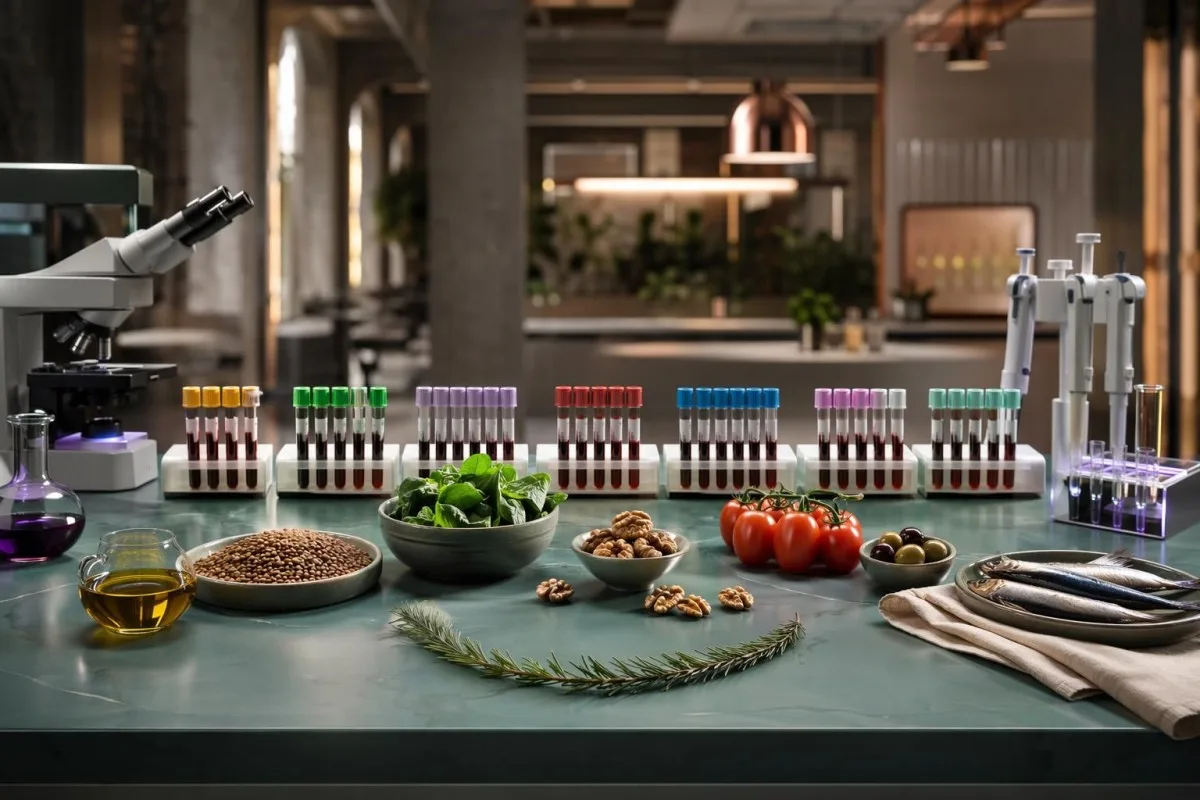
لیب میں ابتدائی تبدیلیاں اکثر ٹرائیگلیسرائیڈز، فاسٹنگ گلوکوز، اور hs-CRP ہوتی ہیں۔ تاہم کچھ غیر معمولی نتائج غذائیت کے مسائل نہیں ہوتے اور انہیں صرف ڈائٹ میں معمولی تبدیلیوں سے مینیج نہیں کرنا چاہیے۔.


- ٹرائگلیسرائیڈز اکثر 2-6 ہفتوں میں بہتر ہو جاتے ہیں؛ 150 mg/dL سے کم فاسٹنگ ویلیو عموماً نارمل سمجھی جاتی ہے۔.
- ایل ڈی ایل کولیسٹرول عام طور پر مستحکم ڈائٹ سے متعلق تبدیلی دکھانے میں 8-12 ہفتے لگتے ہیں، اور جب رسک واضح نہ ہو تو ApoB زیادہ مفید ہو سکتا ہے۔.
- HbA1c یہ تقریباً 8-12 ہفتوں کی glycation کی عکاسی کرتا ہے، اس لیے بحیرۂ روم ڈائٹ کا A1c پر مکمل گلوکوز فائدہ 3 ماہ میں ظاہر نہ بھی ہو۔.
- hs-CRP 1 mg/L سے کم ویلیو کم سوزشی قلبی رسک کی نشاندہی کرتی ہے، جبکہ 10 mg/L سے اوپر مسلسل ویلیوز کو میڈیکل ریویو کی ضرورت ہوتی ہے۔.
- پوٹاشیم عموماً 3.5-5.0 mmol/L کے آس پاس رہنا چاہیے؛ زیادہ پوٹاشیم والی غذائیں گردے کی بیماری یا ACE inhibitor ادویات کے ساتھ خطرناک ہو سکتی ہیں۔.
- سیرم میگنیشیم عموماً 1.7-2.2 mg/dL کے قریب رپورٹ ہوتی ہے، مگر نارمل سیرم میگنیشیم کم انٹرا سیلولر ذخائر کو چھپا سکتا ہے۔.
- ALT اور GGT اگر فیٹی لیور یا الکحل کی مقدار پیٹرن چلا رہی ہو تو 6-12 ہفتوں میں بہتر ہو سکتی ہے، لیکن یرقان یا بہت زیادہ انزائمز میں احتیاط ضروری ہے۔.
- پیشاب البومین-کریٹینین تناسب 30 mg/g سے کم نارمل ہے؛ ڈائٹ رسک کم کرنے میں مدد دیتی ہے، مگر البومن کا مسلسل لیک ہونا گردوں اور بلڈ پریشر کے سیاق و سباق کے ساتھ دیکھنا ضروری ہے۔.
- Ferritin اور B12 may not improve quickly with diet alone; ferritin below 30 ng/mL یا B12 below 200 pg/mL عموماً targeted follow-up کی ضرورت ہوتی ہے۔.
کون سے خون کے مارکر عموماً سب سے پہلے بہتر ہوتے ہیں؟
پہلا mediterranean diet کے فوائد عموماً 2-6 ہفتوں کے اندر triglycerides، fasting glucose، post-meal glucose، اور بعض اوقات hs-CRP میں ظاہر ہوتے ہیں۔ LDL cholesterol، ApoB، HbA1c، liver enzymes، اور urine albumin عموماً 8-12 ہفتے یا اس سے زیادہ وقت لیتے ہیں۔ پوٹاشیم کی غیر معمولی سطح، creatinine، شدید anemia، بہت زیادہ CRP، یا نمایاں liver enzyme بڑھنا طبی سیاق و سباق کے ساتھ دیکھنے کی ضرورت ہے، نہ کہ ایک اور olive-oil-and-salad ایڈجسٹمنٹ۔.
1 جون 2026 تک، میں مریضوں کو بتاتا ہوں کہ mediterranean diet کو ایک anti-inflammatory diet پیٹرن کے طور پر دیکھیں۔, ، نہ کہ 14-day lab hack کے طور پر۔ PREDIMED trial میں high-risk بالغوں میں، جنہیں extra-virgin olive oil یا nuts کے ساتھ Mediterranean diets دی گئیں، بڑے major cardiovascular events کم رپورٹ ہوئے؛ مگر یہ فائدہ ایک مسلسل پیٹرن سے آیا، نہ کہ مچھلی اور ٹماٹروں کے ایک ہی شاندار ہفتے سے (Estruch et al., 2018)۔.
کنٹیسٹی ایک ہے۔ اے آئی بلڈ ٹیسٹ تجزیہ کار تاکہ مریض diet سے پہلے اور diet کے بعد کے پینلز کا موازنہ کر سکیں، یہ دکھاوا کیے بغیر کہ ہر تبدیلی صرف کھانے سے آئی۔ ہمارے کلینیکل review workflow میں at Kantesti بطور ایک تنظیم, ، ہم clusters دیکھتے ہیں: HDL کے ساتھ triglycerides، insulin کے ساتھ glucose، GGT کے ساتھ ALT، اور potassium کے ساتھ creatinine۔.
میں Thomas Klein, MD ہوں، اور اپنی پریکٹس میں میں اکثر دیکھتا ہوں کہ مریض کو cholesterol رپورٹ متاثر کن نظر آنے سے پہلے ہی بہتر محسوس ہونے لگتا ہے۔ ایک 51 سالہ دفتر میں کام کرنے والا شخص ultra-processed snacks کم کر سکتا ہے، ہفتے میں 5 دن beans شامل کر سکتا ہے، اور ایک مہینے میں fasting triglycerides 238 سے 154 mg/dL تک گرتے دیکھ سکتا ہے جبکہ LDL بمشکل حرکت کرتا ہے؛ یہ پھر بھی ایک معنی خیز ابتدائی کامیابی ہے۔.
اگر آپ کو ایک سمجھدار baseline چاہیے تو diet سے پہلے ٹیسٹ کریں اور پھر اسی طرح کے حالات میں 8-12 ہفتے بعد دوبارہ۔ ہماری گائیڈ to ڈائٹ لیب ٹائم لائنز بتاتی ہے کہ جمعہ کی شام کا ریسٹورنٹ کھانا پیر کے triglycerides کو زیادہ تر لوگوں کے اندازے سے زیادہ بگاڑ سکتا ہے۔.
LDL، HDL، اور ٹرائیگلیسرائیڈز میں تبدیلی کتنی تیزی سے آتی ہے؟
Triglycerides عموماً سب سے تیزی سے بدلتے ہیں, ، اکثر 2-6 ہفتوں کے اندر، جبکہ LDL cholesterol اور non-HDL cholesterol عموماً مستحکم reading کے لیے 8-12 ہفتے لیتے ہیں۔ HDL آہستہ آہستہ بڑھ سکتا ہے یا بالکل نہیں بڑھتا، اور یہ اس بات کا مطلب نہیں کہ diet ناکام ہو گئی۔.
فاسٹنگ ٹرائگلیسرائڈ لیول نیچے 150 mg/dL کو عموماً نارمل سمجھا جاتا ہے؛ 150-199 mg/dL borderline high ہے، 200-499 mg/dL high ہے، اور 500 mg/dL یا اس سے زیادہ pancreatitis کے خدشے کو بڑھاتا ہے۔ Mediterranean-style کھانے triglycerides کو بنیادی طور پر refined carbohydrate اور alcohol-heavy calories کی جگہ unsaturated fat، legumes، fish، اور fibrous plants شامل کر کے کم کرتے ہیں۔.
LDL کولیسٹرول نیچے کم کو اکثر اوسط رسک والے بالغوں کے لیے near-optimal کہا جاتا ہے، مگر heart attack، stroke، diabetes with organ damage، یا high coronary calcium کے بعد targets کم ہوتے ہیں۔ LDL، HDL، اور triglycerides کو ساتھ ملا کر عملی طور پر پڑھنے کے لیے، ہماری لپڈ پینل گائیڈ وہ pattern view دیتی ہے جو میں کلینک میں استعمال کرتا ہوں۔.
HDL ایک awkward marker ہے۔ ایک Mediterranean diet HDL کی function بہتر کر سکتی ہے بغیر HDL-C کو 42 سے 60 mg/dL تک دھکیلنے کے، اور صرف HDL-C بڑھانے سے drug trials میں واقعتاً events کم نہیں ہوئے؛ مجھے زیادہ دلچسپی اس بات میں ہے کہ triglycerides، ApoB، blood pressure، اور glucose ایک ساتھ کیسے حرکت کرتے ہیں۔.
کنٹیسٹی کا بایومارکر گائیڈ standard cholesterol flags سے زیادہ ٹریک کرتا ہے، کیونکہ ایک لیب رپورٹ جو کہتی ہے LDL نارمل ہے، پھر بھی high particle burden کو miss کر سکتی ہے۔ کچھ یورپی لیبارٹریاں mmol/L بھی رپورٹ کرتی ہیں، اس لیے LDL-C of 3.0 mmol/L تقریباً 116 mg/dL کے برابر ہے۔.
ٹرائیگلیسرائیڈ-ٹو-HDL تناسب اکثر LDL سے پہلے کیوں حرکت کرتا ہے؟
دی ٹرائیگلیسرائیڈ سے HDL کا تناسب اکثر LDL سے پہلے بہتر ہو جاتا ہے کیونکہ یہ کاربوہائیڈریٹ ہینڈلنگ، انسولین ریزسٹنس، اور جگر کی چربی کے اخراج کی عکاسی کرتا ہے۔ mg/dL یونٹس میں تقریباً 3.0 سے اوپر کا تناسب اکثر میٹابولک رسک کی طرف اشارہ کرتا ہے، اگرچہ نسلی پس منظر اور مینوپاز تشریح کو بدل سکتے ہیں۔.
ٹرائیگلیسرائیڈ سے HDL کا تناسب 2.0 یا اس سے کم عموماً mg/dL یونٹس میں بہت سے بالغوں کے لیے اطمینان بخش ہوتا ہے، جبکہ 3.0-3.5 سے اوپر کی قدریں اکثر انسولین ریزسٹنس کے ساتھ چلتی ہیں۔ یہ تشخیصی ٹیسٹ نہیں ہے، مگر جب مریض سفید روٹی، میٹھی مشروبات، اور رات گئے کے اسنیکس کی جگہ پھلیاں، دہی، گری دار میوے، سبزیاں، اور مچھلی شامل کرتے ہیں تو یہ اکثر بہتر ہو جاتا ہے۔.
میں یہ پیٹرن پیریمینوپازل مریضوں میں بہت دیکھتی ہوں: LDL معمولی طور پر بڑھتا ہے، مگر ٹرائیگلیسرائیڈز کم ہو جاتی ہیں اور HDL 6-10 ہفتوں بعد مستحکم ہو جاتا ہے۔ اسی لیے ہمارے مضمون میں ٹرائیگلیسرائیڈ-HDL تناسب اس تناسب کو کمر کے سائز میں تبدیلی، A1c، انسولین، اور تھائرائڈ کے نتائج کے ساتھ جوڑتا ہے، نہ کہ اسے اکیلے پرکھتا ہے۔.
ایک کلینیکل غلط فہمی: میڈیٹرینین طرزِ خوراک کا کم-کاربوہائیڈریٹ ورژن دبلی، فعال لوگوں میں LDL-C کو بڑھا سکتا ہے، خاص طور پر اگر پنیر، مکھن، یا ناریل سے آنے والی سیر شدہ چربی شامل ہو جائے۔ میں عموماً کسی کو LDL-C 160 mg/dL سے اوپر ہونے پر اطمینان دینے سے پہلے ApoB یا non-HDL کولیسٹرول مانگتی ہوں۔.
اگر تناسب بہتر ہو مگر LDL تیزی سے بگڑ جائے تو مزید 6 ماہ تک اندھا دھند ڈائٹ سخت نہ کرتے رہیں۔ بہتر قدم یہ ہے کہ فیملی ہسٹری، ApoB، Lp(a)، تھائرائڈ فنکشن، اور یہ دیکھا جائے کہ وزن کم ہونا خود عارضی طور پر کولیسٹرول کی ٹریفک کو بدل تو نہیں گیا۔.
گلوکوز، انسولین، اور A1c کب بہتر ہوتے ہیں؟
فاسٹنگ گلوکوز چند دنوں سے چند ہفتوں میں بہتر ہو سکتا ہے, ، مگر HbA1c کو عموماً تقریباً 8-12 ہفتے لگتے ہیں کیونکہ سرخ خلیوں کی گلائکیشن زیادہ طویل نمائش کی عکاسی کرتی ہے۔ فاسٹنگ انسولین اور HOMA-IR وزن، نیند، اور کھانے کے وقت بہتر ہونے پر A1c سے پہلے حرکت کر سکتے ہیں۔.
نارمل فاسٹنگ گلوکوز عموماً ، اور HbA1c نارمل ہوتا ہے اگر یہ, ، پریڈایابیٹس 100-125 mg/dL ہے، اور ڈایابیٹس کی تشخیص 126 mg/dL یا اس سے زیادہ پر بار بار ٹیسٹنگ یا کنفرمیٹری معیار کے ساتھ کی جاتی ہے۔ میڈیٹرینین ڈائٹ گلوکوز کو جزوی طور پر فائبر، کم گلیسیمک لوڈ، بہتر فیٹ کوالٹی، اور جگر کی چربی میں کمی کے ذریعے مدد دیتی ہے۔.
HbA1c اس سے کم 5.7% عموماً نارمل ہوتا ہے، 5.7-6.4% پریڈایابیٹس کی طرف اشارہ کرتا ہے، اور 6.5% یا اس سے زیادہ کنفرم ہونے پر ڈایابیٹس کی تشخیص کی حمایت کرتا ہے۔ Kantesti AI A1c کی تشریح خون کی کمی، گردے کی بیماری، حالیہ خون بہنے، اور سرخ خلیوں کے انڈیکس دیکھ کر کرتا ہے کیونکہ A1c غلط بھی ہو سکتا ہے؛ ہمارا HbA1c بمقابلہ فاسٹنگ شوگر گائیڈ ان مماثلتوں کی وضاحت کرتا ہے۔.
کنٹیسٹی ایک ہے۔ AI خون کے ٹیسٹ کی رپورٹ کی تشریح جو گلوکوز کے مارکرز کو سیاق و سباق میں پڑھتا ہے، نہ کہ ایک بارڈر لائن A1c کو زندگی کی سزا سمجھ کر علاج کرتا ہے۔ ایک مریض جس کا A1c 5.8%، فیرٹین 9 ng/mL، اور ماہواری بہت زیادہ ہو، اس کی گلائکیشن کی کہانی کسی ایسے شخص جیسی نہیں ہو سکتی جس کا A1c 5.8%، فاسٹنگ انسولین 22 µIU/mL، اور ٹرائیگلیسرائیڈز 260 mg/dL ہوں۔.
فاسٹنگ انسولین گلوکوز کی طرح اتنی معیاری نہیں ہے، مگر بہت سے میٹابولک کلینیشنز اس وقت دلچسپی لیتے ہیں جب فاسٹنگ انسولین مسلسل 10-15 µIU/mL نارمل گلوکوز کے ساتھ ہو۔ اس صورت میں میں عموماً 10-12 ہفتوں بعد دوبارہ ٹیسٹ کرواتی ہوں، 10 دن بعد نہیں۔.
کیا اینٹی انفلامیٹری ڈائٹ CRP کو کم کر سکتی ہے؟
میڈیٹرینین طرز کی اینٹی انفلامیٹری ڈائٹ 4-12 ہفتوں میں hs-CRP کو کم کر سکتا ہے، خاص طور پر جب بنیادی CRP ایڈیپوسٹی، انسولن مزاحمت، تمباکو نوشی، خراب نیند، یا پیریڈونٹل بیماری سے معمولی طور پر بلند ہو۔ 10 ملی گرام/L سے زیادہ CRP کو دوبارہ جانچنا چاہیے اور کھانے کی وجہ فرض کرنے سے پہلے طبی طور پر واضح کرنا چاہیے۔.
قلبی خطرے کے لیے، hs-CRP کی سطح ، اور اس سے زیادہ اکثر کم خطرہ سمجھی جاتی ہے، 1-3 mg/L اوسط خطرہ، اور 3 mg/L سے اوپر زیادہ خطرہ۔ Esposito et al. نے میٹابولک سنڈروم میں میڈیٹرینین طرزِ خوراک کے بعد اینڈوتھیلیل فنکشن میں بہتری اور سوزشی مارکرز میں کمی رپورٹ کی، لیکن یہ کوئی جادوئی سوئچ نہیں تھا (JAMA, 2004)۔.
CRP گڑبڑ ہے۔ دانت کا پھوڑا، حالیہ ویکسین، پیشاب کی انفیکشن، ریمیٹائڈ فلیئر، سخت میراتھن، یا COVID انفیکشن CRP کو کسی بھی ڈائٹ کے اثر سے زیادہ بڑھا سکتا ہے؛ ہمارے hs-CRP کا موازنہ کرنے والا گائیڈ معیاری CRP کو ہائی-سینسِٹیوٹی کارڈیک ورژن سے الگ کرنے میں مدد دیتا ہے۔.
ہماری 2M+ اپ لوڈ کی گئی بلڈ ٹیسٹس کی تجزیاتی رپورٹ میں، CRP کی ہلکی بلندیاں تقریباً 3-8 mg/L اکثر ہائی ٹرائیگلیسرائیڈز، ہائی ALT، اور زیادہ BMI کے ساتھ ساتھ چلتی ہیں۔ جب CRP 48 mg/L ہو، تو میں اخروٹ کے بارے میں بات کرنا چھوڑ دیتا ہوں اور بخار، درد، انفیکشن کی علامات، آٹوایمیون بیماری، اور ادویات کی ہسٹری کے بارے میں پوچھتا ہوں۔.
عملی ریٹیسٹ ونڈو 6-8 ہفتے ہے، لیکن صرف تب جب شخص ٹھیک ہو، آرام کر چکا ہو، اور شدید ورزش کے چند دنوں کے اندر نہ ہو۔ اگر CRP دو بار 10 mg/L سے اوپر رہے تو سوال یہ نہیں کہ کون سا سپلیمنٹ CRP کم کرتا ہے؛ سوال یہ ہے کہ کون سا تشخیص (diagnosis) چھوٹ رہا ہے۔.
پوٹاشیم سے بھرپور غذائیں زیادہ کھانے پر آپ کو کیا ٹریک کرنا چاہیے؟
ٹریک کریں پوٹاشیم، کریٹینین، eGFR، اور یورین البومین-کریٹینین ریشو اگر آپ پوٹاشیم سے بھرپور غذائیں بڑھاتے ہیں، خاص طور پر جب گردے کی بیماری یا بلڈ پریشر کی دوا استعمال ہو۔ پوٹاشیم سے بھرپور غذائیں بلڈ پریشر میں مدد دے سکتی ہیں، لیکن سیرم پوٹاشیم 5.5 mmol/L سے اوپر غیر محفوظ ہو سکتا ہے۔.
بالغوں میں سیرم پوٹاشیم کی عام رینج تقریباً 3.5-5.0 mmol/L; 5.5 mmol/L سے اوپر کی قدروں کو فوری جائزے کی ضرورت ہے، اور 6.0 mmol/L یا اس سے زیادہ کی قدریں ECG اور علامات کے مطابق فوری ہو سکتی ہیں۔ پوٹاشیم سے بھرپور غذاؤں میں بینز، دالیں، آلو، پالک، دہی، ایوکاڈو، کیلے، اور بہت سے خشک میوے شامل ہیں۔.
اصل مسئلہ دوا ہے۔ ACE inhibitors، ARBs، spironolactone، eplerenone، trimethoprim، NSAIDs، اور کچھ گردے کی بیماریاں صحت مند پوٹاشیم میں اضافے کو مسئلہ بنا سکتی ہیں؛ ہمارے پوٹاشیم فوڈ گائیڈ بتاتا ہے کہ کس کو احتیاط کرنی چاہیے۔.
بلڈ پریشر اکثر لیب مارکرز بدلنے سے پہلے ہی بہتر ہو جاتا ہے۔ سسٹولک میں کمی 5-10 mmHg 4-8 ہفتوں بعد کلینیکی طور پر معنی خیز ہے، لیکن اگر پوٹاشیم 4.6 سے 5.7 mmol/L تک بڑھ جائے تو آپ اسے مزید ہائیڈریشن بڑھا کر اور امید لگا کر حل نہیں کرتے۔.
میں نے ایک نیک نیتی رکھنے والے 72 سالہ مریض کو دیکھا ہے جس نے پروسیسڈ ڈنرز کی جگہ دال کا سوپ، ٹماٹو پیوری، اور کیلے رکھے، پھر بلڈ پریشر کی گولی کی تبدیلی کے بعد پوٹاشیم 5.9 mmol/L تک پہنچ گیا۔ ڈائٹ صحت مند تھی؛ مسئلہ دوا-گردہ (medication-kidney) کا سیاق تھا۔.
کیا میگنیشیم سے بھرپور غذائیں خون کے ٹیسٹ میں نظر آتی ہیں؟
سیرم میگنیشیم شاید زیادہ نہ بڑھے جب آپ میگنیشیم سے بھرپور مزید غذائیں کھاتے ہیں، کیونکہ جسم کے میگنیشیم کا صرف ایک چھوٹا حصہ خون میں ہوتا ہے۔ علامات، ادویات، ذیابیطس کنٹرول، گردے کا فنکشن، اور بعض اوقات RBC میگنیشیم بہتر سیاق فراہم کرتے ہیں۔.
سیرم میگنیشیم کی ایک عام ریفرنس رینج تقریباً 1.7-2.2 mg/dL یا 0.70-0.95 mmol/L، لیبارٹری کے مطابق۔ میگنیشیم کی کمی مروڑ، دھڑکنوں کی بے ترتیبی، پوٹاشیم کی کمی، کیلشیم کی کمی، اور انسولین ریزسٹنس میں حصہ ڈال سکتی ہے، لیکن نارمل سیرم میگنیشیم ہمیشہ یہ ثابت نہیں کرتا کہ ٹشوز کے ذخائر کافی ہیں۔.
میگنیشیم سے بھرپور غذائیں قدرتی طور پر میڈیٹرینین طرزِ خوراک میں فِٹ ہو جاتی ہیں: کدو کے بیج، بادام، کاجو، گہرے پتّے دار سبزیاں، بینز، دالیں، اوٹس، اور کوکو۔ ہماری گائیڈ سیرم بمقابلہ RBC میگنیشیم بتاتی ہے کہ ایک مریض میں میگنیشیم 1.9 mg/dL ہونے کے باوجود طویل مدتی پروٹون پمپ انہیبیٹر کے استعمال کے بعد وہ کلینیکی طور پر ڈیپلِیٹڈ کیوں ہو سکتا ہے۔.
میں eGFR نیچے والے افراد میں میگنیشیم کے نتائج احتیاط سے استعمال کرتا/کرتی ہوں 45 mL/min/1.73 m² کیونکہ سپلیمنٹس جمع ہو سکتے ہیں، خصوصاً ہائی ڈوز میگنیشیم آکسائیڈ یا سائٹریٹ۔ خوراک سے حاصل ہونے والا میگنیشیم عموماً زیادہ محفوظ ہوتا ہے، لیکن شدید گردوں کی خرابی گفتگو کا رخ بدل دیتی ہے۔.
مجھے پسند آنے والا ڈائٹ سگنل بالواسطہ ہے: پوٹاشیم مستحکم کرتا ہے، فاسٹنگ گلوکوز بہتر ہوتا ہے، بلڈ پریشر تھوڑا کم ہوتا ہے، اور مروڑ کم ہو جاتے ہیں۔ اگر میگنیشیم کم ہو اور پوٹاشیم بھی کم ہو تو میں پہلے میگنیشیم تبدیل کرتا/کرتی ہوں یا اسی وقت؛ پوٹاشیم اکثر تب تک درست نہیں ہوتا جب تک میگنیشیم کو ایڈریس نہ کیا جائے۔.
بحیرۂ روم طرزِ خوراک سے کون سے جگر کے مارکر بہتر ہو سکتے ہیں؟
ALT، AST، اور GGT 6-12 ہفتوں کے اندر بہتر ہو سکتے ہیں جب فیٹی لیور، الکحل کا استعمال، انسولین ریزسٹنس، یا وزن بڑھنا اس پیٹرن کو چلا رہا ہو۔ میڈیٹرینین ڈائٹ لیور کی چربی میں مدد کر سکتی ہے، لیکن یرقان، بہت زیادہ انزائمز، یا بِلِیروبن کی غیر معمولی سطحوں کے لیے میڈیکل اسسمنٹ ضروری ہے۔.
ALT اکثر تقریباً 35-45 IU/L, کے ساتھ اپر ریفرنس لِمٹ کے طور پر رپورٹ ہوتا ہے، لیکن بہت سے لیور اسپیشلسٹ فیٹی لیور کے لیے کم کٹ آفز کو زیادہ حساس سمجھتے ہیں۔ بالغ مردوں میں تقریباً 60 IU/L سے زیادہ اور بالغ خواتین میں تقریباً 40 IU/L سے زیادہ GGT اکثر مجھے الکحل، بائل ڈکٹ بیماری، ادویات، اور میٹابولک سنڈروم کے بارے میں پوچھنے پر مجبور کرتا ہے۔.
میڈیٹرینین کھانا لیور لیبز کو اس طرح بہتر کرتا ہے کہ لیور کی چربی کے ایکسپورٹ پر دباؤ کم ہو جاتا ہے: کم ریفائنڈ کاربوہائیڈریٹس، زیادہ مونو-ان سیچوریٹڈ فیٹ، زیادہ فائبر، اور عموماً کم الٹرا پروسیسڈ فوڈز۔ ہماری جگر کے فنکشن کی رہنمائی ALT، AST، ALP، بِلِیروبن، اور GGT کے پیٹرنز کی وضاحت کرتی ہے۔.
44 سالہ مریض جس کا ALT 82 IU/L، GGT 91 IU/L، ٹرائیگلیسرائیڈز 310 mg/dL، اور A1c 6.1% ہے، یہ ایک کلاسک میٹابولک لیور پیٹرن ہے۔ اگر یہی ALT 82 بِلِیروبن 3.2 mg/dL، پیلے/ہلکے رنگ کے پاخانے، گہرا پیشاب، یا شدید دائیں اوپری پیٹ میں درد کے ساتھ ظاہر ہو تو یہ بالکل مختلف دن ہے۔.
اگر شخص مستحکم اور علامات سے پاک ہو تو 8-12 ہفتوں میں دوبارہ چیک کریں۔ کے بعد دوبارہ لیور انزائمز چیک کریں۔ بھاری ورزش کے اگلے دن صبح دوبارہ ٹیسٹ نہ کریں؛ AST پٹھوں سے بڑھ سکتا ہے، اسی لیے اگر کہانی میں لمبی دوڑ یا شدید وزن اٹھانا شامل ہو تو میں ہمیشہ کریٹین کائنیس (creatine kinase) چیک کرتا/کرتی ہوں۔.
ڈائٹ میں تبدیلی سے پہلے کن گردوں کے مارکرز کو سیاق و سباق کے ساتھ دیکھنا ضروری ہے؟
کریٹینین، eGFR، پوٹاشیم، سوڈیم، BUN، اور یورین البومین-کریٹینین ریشو کو بڑی ڈائٹ تبدیلیوں سے پہلے سیاق و سباق کی ضرورت ہوتی ہے۔ بہت سے لوگوں کے لیے میڈیٹرینین کھانا گردوں کے لیے دوستانہ ہے، لیکن گردوں کے غیر معمولی مارکرز پروٹین، پوٹاشیم، اور نمک کے مشورے بدل سکتے ہیں۔.
eGFR کی 90 mL/min/1.73 m² یا اس سے زیادہ عام طور پر نارمل ہوتی ہے اگر پیشاب اور امیجنگ نارمل ہوں؛ کم از کم 3 ماہ تک 60 سے نیچے مسلسل eGFR دائمی گردوں کی بیماری کی طرف اشارہ کرتا ہے۔ کریٹینین ایک چھوٹے عمر رسیدہ بالغ میں نارمل دکھ سکتا ہے جبکہ حقیقی فلٹریشن پہلے ہی کم ہو چکی ہوتی ہے۔.
پیشاب میں البومین-کریٹینین کا تناسب اس سے کم 30 mg/g نارمل ہے، 30-300 mg/g اعتدالاً بڑھا ہوا ہے، اور 300 mg/g سے اوپر شدید طور پر بڑھا ہوا ہے۔ ہماری پیشاب ACR گائیڈ بتاتی ہے کہ گردوں کو ابتدائی نقصان کریٹینین بڑھنے سے پہلے پیشاب میں کیوں نظر آ سکتا ہے۔.
یہ وہ جگہ ہے جہاں عمومی غذائی مشورہ خطرناک ہو سکتا ہے۔ eGFR 38، پوٹاشیم 5.3 mmol/L، اور UACR 210 mg/g رکھنے والے مریض کو محض اس لیے کہ کسی مضمون میں کہا گیا ہے کہ پوٹاشیم سے بھرپور غذائیں بلڈ پریشر کم کرتی ہیں، پھلیاں، ٹماٹر اور خشک میوہ کی بڑی مقداریں نہیں بڑھانی چاہئیں۔.
میڈیٹرینین اصول گردوں کی بیماری میں بھی کام کر سکتے ہیں، مگر اس کا ورژن بدلتا ہے: پوٹاشیم کی مقداریں ایڈجسٹ کرنا، سوڈیم کے ہدف احتیاط سے طے کرنا، پروٹین کو انفرادی بنانا، اور قریبی فالو اَپ۔ اگر کریٹینین دوائی بدلنے کے بعد 30% سے زیادہ بڑھ جائے تو یہ کلینشین کا فیصلہ ہے، کوئی غذائی تجربہ نہیں۔.
ApoB یا non-HDL کولیسٹرول کب چیک کیا جانا چاہیے؟
ApoB اور نان-HDL کولیسٹرول مفید ہیں جب LDL قابلِ قبول لگے مگر ٹرائیگلیسرائیڈز، ذیابیطس، موٹاپا، یا خاندانی تاریخ ذرات (particle) کے چھپے ہوئے خطرے کی طرف اشارہ کرے۔ ApoB اکثر یہ واضح کرتا ہے کہ میڈیٹرینین ڈائٹ کے فائدے صرف کولیسٹرول کے حجم کو بدلنے کے بجائے ایتھروجینک ذرات کم کر رہے ہیں یا نہیں۔.
نان-HDL کولیسٹرول کل کولیسٹرول میں سے HDL کولیسٹرول منہا کرنے کے برابر ہے، اور ایک عام ہدف LDL-C کے ہدف سے تقریباً 30 mg/dL زیادہ ہوتا ہے. ۔ اوسط درجے کی پرائمری پریونشن کے لیے 90 mg/dL سے کم ApoB اکثر مناسب سمجھا جاتا ہے، جبکہ زیادہ رسک والے مریضوں کو 80 سے کم یا حتیٰ کہ 65 mg/dL سے کم کی ضرورت پڑ سکتی ہے، یہ گائیڈ لائن اور تاریخ کے مطابق ہوتا ہے۔.
2018 AHA/ACC کولیسٹرول گائیڈ لائن ApoB کو رسک بڑھانے والے مارکر کے طور پر تجویز کرتی ہے، خاص طور پر جب ٹرائیگلیسرائیڈز 200 ملی گرام/ڈی ایل یا اس سے زیادہ کا بے ترتیب گلوکوز، (Grundy et al., 2019) ہوں۔ ہماری ApoB گائیڈ بتاتی ہے کہ نارمل LDL کے باوجود زیادہ particle number کیسے چھوٹ سکتا ہے۔.
میڈیٹرینین طرزِ خوراک ApoB کم کر سکتی ہے، مگر ردِعمل متغیر ہوتا ہے۔ اگر LDL-C 118 سے بڑھ کر 178 mg/dL ہو جائے کسی ڈائٹ شفٹ کے بعد جو پنیر، مکھن اور ناریل پر مبنی مصنوعات میں بھاری ہو، تو میں اسے کارڈیو میٹابولک معنی میں میڈیٹرینین نہیں کہوں گا۔.
والدین یا بہن بھائی میں قبل از وقت دل کی بیماری والے مریضوں کے لیے، میں اکثر Lp(a) ایک بار شامل کر دیتا ہوں کیونکہ ڈائٹ اسے بمشکل ہی بدلتی ہے۔ Lp(a) کا زیادہ نتیجہ یہ نہیں کہتا کہ ڈائٹ بے کار ہے؛ اس کا مطلب یہ ہے کہ بنیادی رسک وراثت میں ملا ہے اور اسے وسیع تر پریونشن پلان کی ضرورت ہے۔.
کون سے غذائی اجزاء کے لیب ٹیسٹ صرف ڈائٹ سے جواب نہیں دے سکتے؟
Ferritin، B12، folate، vitamin D، اور بعض اوقات albumin صرف میڈیٹرینین کھانے سے معمول پر نہیں آ سکتے۔ خون بہنے، مالابسورپشن، حمل، bariatric surgery، آٹو امیون گیسٹرائٹس، یا دواؤں کے استعمال سے ہونے والی کمی کو ہدفی جانچ کی ضرورت ہوتی ہے۔.
فیرٹین کی سطح 30 ng/mL اکثر علامتی بالغوں میں آئرن کی کمی کی تائید کرتا ہے، چاہے ہیموگلوبن ابھی نارمل ہی ہو۔ بہت سی لیبارٹریز ferritin کو صرف 12-15 ng/mL سے کم پر ہی فلیگ کرتی ہیں، مگر مریضوں میں انیمیا ظاہر ہونے سے پہلے بالوں کا جھڑنا، بے چین ٹانگیں، تھکن، اور کم ورزش برداشت ہو سکتی ہے۔.
ایک میڈیٹرینین پیٹرن میں آئرن والی غذائیں شامل ہوتی ہیں جیسے دالیں، پھلیاں، سبزیاں، مچھلی، پولٹری، اور کبھی کبھار دبلا سرخ گوشت، مگر جذب (absorption) کی ضمانت نہیں۔ ہماری فیریٹین رینج گائیڈ بتاتی ہے کہ سوزش ferritin کو غلط طور پر بڑھا سکتی ہے جبکہ آئرن کی دستیابی کم ہی رہتی ہے۔.
B12 کی سطح 200 pg/mL سے کم ہونا عموماً کمی کے طور پر علاج کیا جاتا ہے، جبکہ 200-350 pg/mL کو اگر علامات مطابقت رکھتی ہوں تو methylmalonic acid یا homocysteine کی ضرورت پڑ سکتی ہے۔ Metformin، proton pump inhibitors، vegan diets، اور gastric surgery سب B12 کی حالت کو متاثر کر سکتے ہیں، چاہے کوئی شخص کتنی ہی سبزیاں کھائے۔.
تقریباً اکثر سوزش، جگر کی خرابی، آنتوں سے کمی، یا ناقص غذائی مقدار کی عکاسی کرتا ہے۔ اگر نائٹروجن کے مارکرز درست نہ ہوں تو سے کم albumin عموماً زیادہ olive oil یا مچھلی شامل کرنے سے ٹھیک نہیں ہوتا۔ یہ گردوں کے نقصان، جگر کی بیماری، سوزش، مالابسورپشن، یا ناقص غذائی intake کی عکاسی کر سکتا ہے، اور وجہ مینو سے زیادہ اہم ہوتی ہے۔.
ڈائٹ بدلنے کے بعد آپ کو دوبارہ کب ٹیسٹ کروانا چاہیے؟
8-12 ہفتوں بعد زیادہ تر اُن غذائی حساس خون کے مارکرز کو دوبارہ ٹیسٹ کریں, ، جب تک کہ کوئی نتیجہ خطرناک نہ ہو یا دوا تبدیل نہ کی گئی ہو۔ ٹرائیگلیسرائیڈز اور فاسٹنگ گلوکوز پہلے بھی چیک کیے جا سکتے ہیں، لیکن A1c، LDL، ApoB، جگر کے انزائمز، اور پیشاب میں البیومن کو حقیقی رجحان ظاہر ہونے کے لیے کافی وقت درکار ہوتا ہے۔.
ٹرائیگلیسرائیڈز، فاسٹنگ گلوکوز، دوا کی تبدیلی کے بعد پوٹاشیم، اور ACE inhibitor یا ARB کی تبدیلی کے بعد کریٹینین کے لیے، ایک 2-4 ہفتے کا چیک مناسب ہو سکتا ہے۔ HbA1c، LDL-C، ApoB، فیرِٹِن، وٹامن D، اور پیشاب ACR کے لیے عموماً 10-12 ہفتوں کی مدت زیادہ معلوماتی ہوتی ہے۔.
کنٹیسٹی ایک ہے۔ اے آئی سے چلنے والا خون کے ٹیسٹ کا تجزیہ کا آلہ ان مریضوں کے لیے استعمال ہوتی ہے جو الگ تھلگ “ریڈ فلیگز” کے بجائے رجحان کی تشریح چاہتے ہیں۔ ہماری خون کے ٹیسٹ کے رجحان (trend) کی تجزیہ پیج یہ دکھاتی ہے کہ 3 سال میں LDL کی سست ڈِرف ایک شور والے ایک ہی نتیجے سے زیادہ کیوں اہم ہو سکتی ہے۔.
ریٹیسٹ کی شرائط کو بورنگ رکھیں۔ اگر ممکن ہو تو وہی لیب، اسی طرح کی فاسٹنگ اسٹیٹ، CK یا جگر کے انزائمز کے لیے ٹیسٹ سے پہلے 24-48 گھنٹے تک بھاری ورزش نہیں، کوئی شدید/حادثاتی بیماری نہیں، اور دانتوں کے کام یا ویکسینیشن کے فوراً بعد CRP ٹیسٹ کرنے سے گریز کریں جب تک کہ سوال یہی نہ ہو۔.
زیادہ تر مریضوں کو ایک صفحے کی ٹریکنگ مفید لگتی ہے: بیس لائن تاریخ، وزن، کمر، بلڈ پریشر، ادویات، الکحل کا پیٹرن، اور وہ 6-8 مارکر جن کی انہیں واقعی پرواہ ہوتی ہے۔ اس سیاق کے بغیر، LDL میں 12 mg/dL کی تبدیلی ایک غیر ضروری بحث بن سکتی ہے۔.
Kantesti ڈائٹ سے متعلق لیب پیٹرنز کو کیسے سمجھتا ہے؟
Kantesti AI غذائی (diet) سے متعلق لیبز کی تشریح مارکر کلسٹرز، ریفرنس رینجز، عمر، جنس، یونٹس، ادویات، اور پچھلے نتائج کا موازنہ کر کے کرتا ہے۔ مقصد کسی کلینیشن کی جگہ لینا نہیں؛ مقصد یہ دیکھنا ہے کہ تبدیلی غذائی، میٹابولک، دوا سے متعلق، یا ممکنہ طور پر غیر محفوظ نوعیت کی لگتی ہے یا نہیں۔.
Kantesti کے نیورل نیٹ ورک اپ لوڈ کیے گئے بلڈ ٹیسٹ PDFs یا تصاویر کو تقریباً 60 سیکنڈ, میں پڑھ سکتے ہیں، پھر ٹرائیگلیسرائیڈز، HDL، A1c، ALT، GGT، eGFR، پوٹاشیم، فیرِٹِن، اور CRP جیسے مارکرز کو گروپ کرتے ہیں۔ ہماری ٹیکنالوجی گائیڈ وضاحت کرتی ہے کہ AI یونٹس، ریفرنس انٹروالس، اور رجحان (trend) کا موازنہ کیسے ہینڈل کرتا ہے۔.
ہمارے کلینیکل معیار اہم ہیں کیونکہ غذائی تشریح میں پھندے (traps) ہوتے ہیں۔ Kantesti کی طبی توثیق پروسیس یہ چیک کرتی ہے کہ آیا سسٹم ہائی پوٹاشیم، شدید اینیمیا، کریٹیکل گلوکوز، اور جگر کے پیٹرنز کو میڈیکل فالو اپ ٹرگرز کے طور پر فلیگ کرتا ہے یا ویلنَس کوچنگ کے موضوعات کے طور پر۔.
جو قارئین طریقۂ کار (methodology) کی تفصیل چاہتے ہیں، ان کے لیے پری-رجسٹرڈ Kantesti AI Engine بینچ مارک نے 127 ممالک میں 100,000 گمنام بلڈ ٹیسٹ کیسز پر ٹیسٹ کیا اور سات میڈیکل اسپیشلٹیز میں ہائپرڈایگنوسس (hyperdiagnosis) کے پھندے والے کیسز شامل کیے (clinical benchmark)۔ یہ اس وقت خاص طور پر اہم ہوتا ہے جب کوئی ڈائٹ آرٹیکل گردے کی بیماری، آٹوایمیون مارکرز، یا کینسر وارننگ پیٹرنز سے ٹکراتا ہو۔.
تھامس کلائن، MD، یہ ورک فلو اسی تعصب (bias) کے ساتھ ریویو کرتے ہیں جو میں کلینک میں استعمال کرتا ہوں: اول، خطرناک پیٹرن کو نظر انداز نہ کریں؛ دوم، نارمل تغیرات کو حد سے زیادہ نہ بتائیں؛ سوم، اگلا قدم عملی بنائیں۔ میڈیٹرینین ڈائٹ طاقتور ہو سکتی ہے، مگر یہ ہر غیر معمولی نتیجے کی وضاحت نہیں کر سکتی۔.
کون سے نتائج کو میڈیکل سیاق و سباق چاہیے، نہ کہ صرف ڈائٹ میں معمولی تبدیلیاں؟
شدید یا مسلسل غیر معمولی نتائج کو میڈیکل سیاق چاہیے چاہے آپ نے حال ہی میں اپنی ڈائٹ بہتر کی ہو۔ صرف ڈائٹ تبدیلیوں کی بنیاد پر 5.5 mmol/L سے اوپر پوٹاشیم، 130 mmol/L سے نیچے سوڈیم، علامات کے ساتھ 250 mg/dL سے اوپر گلوکوز، CRP 10 mg/L سے اوپر دو بار، نمایاں اینیمیا، یرقان (jaundice)، یا بہت غیر معمولی جگر کے انزائمز کو مینیج نہ کریں۔.
ہیموگلوبن اس سے کم 10 g/dL سے کم ہو, ، پلیٹلیٹس 50 x 10⁹/L سے کم، نیوٹروفِلز 1.0 x 10⁹/L سے کم، یا CBC میں غیر معمولی ہونے کے ساتھ غیر واضح وزن میں کمی—ان سب کے لیے کلینیشن کی ریویو ضروری ہے۔ ہمارے ڈاکٹرز اور ایڈوائزرز ان کو طبی مشاورتی بورڈ لائف اسٹائل اسکور کے مواقع نہیں بلکہ سیفٹی سگنلز سمجھتے ہیں۔.
البومین، گلوبولین، A/G ریشو، اور کمپلیمنٹ C3/C4 سیاق-بھاری (context-heavy) مارکرز کی اچھی مثالیں ہیں۔ سوجن کے ساتھ کم البومین گردے، جگر، آنت، یا سوزشی (inflammatory) بیماری کی طرف اشارہ کر سکتا ہے؛ مثبت ANA کے ساتھ کم کمپلیمنٹ مدافعتی-کمپلکس سرگرمی (immune-complex activity) کی طرف اشارہ کر سکتا ہے، نہ کہ چنے کی کمی کی طرف۔.
میری کلینک کا ایک عملی اصول: اگر کوئی نتیجہ زیادہ ہے نارمل کی بالائی حد سے 2-3 گنا اوپری حوالہ حد سے، نیا، مستقل، یا علامات کے ساتھ جوڑا گیا ہے، تو اصلاح کرنا بند کریں اور اسے واضح کروائیں۔ جب تک تشخیص کا کام جاری رہے، خوراک خطرے کو کم کر سکتی ہے۔ یہ دو چیزیں متصادم نہیں ہیں۔.
خلاصہ: روک تھام، میٹابولک مرمت، اور سوزش میں کمی کے لیے Mediterranean کھانا استعمال کریں، لیکن اسے خطرناک لیبز کو جواز دینے کے لیے استعمال نہ کریں۔ Thomas Klein, MD، ایک غیر ضروری فالو اَپ دیکھنے کو ترجیح دیں گے بجائے اس کے کہ ایک چھوٹا ہوا پوٹاشیم ایمرجنسی یا رکاوٹی یرقان (obstructive jaundice) رہ جائے۔.
اکثر پوچھے گئے سوالات
بحیرۂ روم کی خوراک اپنانے کے بعد کون سا خون کا ٹیسٹ سب سے پہلے بہتر ہوتا ہے؟
ٹرائیگلیسرائیڈز اور روزہ رکھنے والی گلوکوز کی سطح اکثر میڈیٹرینین ڈائٹ شروع کرنے کے بعد سب سے پہلے بہتر ہوتی ہیں، بعض اوقات 2-6 ہفتوں کے اندر۔ 150 mg/dL سے کم روزہ رکھنے والی ٹرائیگلیسرائیڈ کی سطح عموماً نارمل سمجھی جاتی ہے، اور LDL میں تبدیلی سے پہلے بھی 250 سے 170 mg/dL تک کمی طبی طور پر معنی خیز ہو سکتی ہے۔ HbA1c کو عموماً 8-12 ہفتے درکار ہوتے ہیں کیونکہ یہ طویل مدتی گلوکوز کے اخراج کو ظاہر کرتا ہے۔ اگر وجہ میٹابولک سوزش ہو نہ کہ انفیکشن یا آٹوایمیون بیماری، تو CRP 4-12 ہفتوں کے اندر بہتر ہو سکتی ہے۔.
غذا تبدیل کرنے کے بعد کولیسٹرول دوبارہ جانچنے سے پہلے مجھے کتنی دیر انتظار کرنا چاہیے؟
زیادہ تر بالغ افراد کو معنی خیز غذائی تبدیلی کے بعد LDL کولیسٹرول، non-HDL کولیسٹرول، اور ApoB دوبارہ جانچنے سے پہلے 8-12 ہفتے انتظار کرنا چاہیے۔ ٹرائیگلیسرائیڈز اس سے پہلے بھی حرکت کر سکتے ہیں، اکثر 2-6 ہفتوں کے اندر، خاص طور پر اگر بہتر شدہ کاربوہائیڈریٹس یا الکحل کم کی گئی ہو۔ اسی طرح کے حالات میں دوبارہ ٹیسٹ کروائیں، مثالی طور پر اسی لیب میں اور اسی فاسٹنگ کی حالت کے ساتھ۔ اگر LDL 160 mg/dL سے بڑھ جائے یا ابتدائی دل کی بیماری کی مضبوط خاندانی تاریخ موجود ہو تو غیر معینہ مدت تک انتظار کرنے کے بجائے ApoB اور Lp(a) کے بارے میں پوچھیں۔.
کیا بحیرۂ روم کی خوراک CRP کو کم کر سکتی ہے؟
ایک بحیرۂ روم طرز کی اینٹی اِنفلامیٹری غذا 4-12 ہفتوں میں hs-CRP کو کم کر سکتی ہے، خاص طور پر جب hs-CRP انسولین ریزسٹنس، زائد چربی (زیادہ ایڈیپوسٹی)، سگریٹ نوشی، یا نیند کی خرابی کی وجہ سے 3-8 mg/L کی حد میں ہلکا سا بڑھا ہوا ہو۔ hs-CRP 1 mg/L سے کم عموماً کم قلبی سوزشی خطرے کے طور پر سمجھا جاتا ہے، جبکہ 3 mg/L سے اوپر کی قدریں زیادہ خطرے کی نشاندہی کرتی ہیں۔ 10 mg/L سے زیادہ CRP کو دوبارہ چیک کیا جانا چاہیے اور طبی طور پر جانچا جانا چاہیے کیونکہ انفیکشن، خودکار مدافعتی بیماری، چوٹ، یا حالیہ ویکسینیشن نتیجے پر غالب آ سکتی ہیں۔ دیگر اسباب خارج کیے بغیر CRP کی مستقل قدر 20-50 mg/L کو غذائی مسئلہ کے طور پر علاج نہ کریں۔.
کیا پوٹاشیم سے بھرپور غذائیں ہر کسی کے لیے محفوظ ہیں؟
وہ غذائیں جن میں پوٹاشیم زیادہ ہو، ہر کسی کے لیے محفوظ نہیں ہوتیں، اگرچہ وہ بہت سے بالغوں میں بلڈ پریشر کو سہارا دے سکتی ہیں۔ سیرم پوٹاشیم عموماً تقریباً 3.5-5.0 mmol/L کے آس پاس رہنے کی توقع کی جاتی ہے، اور 5.5 mmol/L سے زیادہ قدروں کو فوری کلینیکل جائزے کی ضرورت ہوتی ہے۔ جن افراد کو دائمی گردے کی بیماری ہو یا جو ACE inhibitors، ARBs، spironolactone، eplerenone، trimethoprim، یا بار بار NSAIDs استعمال کرتے ہوں، انہیں پوٹاشیم سے بھرپور غذاؤں کی مقدار میں بہت زیادہ اضافہ کرنے سے پہلے پوچھ لینا چاہیے۔ دالیں، لوبیا، آلو، ٹماٹر سے بنی مصنوعات، پالک، ایوکاڈو، اور خشک میوہ سبھی پوٹاشیم کی مقدار بڑھا سکتے ہیں۔.
کیا میگنیشیم سے بھرپور غذائیں سیرم میگنیشیم کو تبدیل کرتی ہیں؟
میگنیشیم سے بھرپور غذائیں میگنیشیم کی سطح کو بہتر بنا سکتی ہیں، بغیر سیرم میگنیشیم میں ڈرامائی تبدیلی کے، کیونکہ خون میں کل جسمانی میگنیشیم کا صرف ایک چھوٹا حصہ ہوتا ہے۔ سیرم میگنیشیم عموماً 1.7-2.2 mg/dL کے آس پاس رپورٹ ہوتا ہے، لیکن نارمل سیرم میگنیشیم کم انٹرا سیلولر ذخائر کو نظر انداز کر سکتا ہے۔ میگنیشیم سے بھرپور غذاؤں میں کدو کے بیج، بادام، کاجو، پھلیاں، دالیں، جئی، اور پتّے دار سبزیاں شامل ہیں۔ جن افراد کا eGFR 45 mL/min/1.73 m² سے کم ہو، انہیں میگنیشیم سپلیمنٹس کے بارے میں احتیاط کرنی چاہیے کیونکہ جمع ہونا (accumulation) ہو سکتا ہے۔.
کن غیر معمولی لیبز کو غذا کا ذمہ دار نہیں ٹھہرایا جانا چاہیے؟
5.5 mmol/L سے زیادہ پوٹاشیم، 130 mmol/L سے کم سوڈیم، علامات کے ساتھ 250 mg/dL سے زیادہ گلوکوز، CRP 10 mg/L سے زیادہ دو بار، ہیموگلوبن 10 g/dL سے کم، یا جگر کے انزائمز بالائی حد سے 2-3 گنا سے زیادہ ہوں تو انہیں صرف خوراک کی وجہ سے قرار نہیں دیا جانا چاہیے۔ یہ نتائج گردے کی بیماری، انفیکشن، ادویات کے اثرات، ذیابیطس، خون بہنا، جگر کی بیماری، یا مدافعتی عوارض کی عکاسی کر سکتے ہیں۔ اگر محفوظ ہو تو میڈیٹرینین ڈائٹ جاری رکھی جا سکتی ہے، لیکن غیر معمولی نتیجے کی کلینیکل تشریح ضروری ہے۔ سینے میں درد، الجھن، یرقان، بے ہوشی، یا شدید کمزوری جیسے نئے علامات فوری طبی امداد کا تقاضا کرتے ہیں۔.
میرا LDL کولیسٹرول کیوں بڑھ گیا حالانکہ میں بحیرہ روم کی خوراک پر عمل کر رہا ہوں؟
LDL بڑھ سکتا ہے اگر طرز میں پنیر، مکھن، چکنائی والے گوشت، یا ناریل کی مصنوعات سے کافی سیر شدہ چربی شامل ہو، یہاں تک کہ جب کھانوں میں سبزیاں اور زیتون کا تیل بھی شامل ہو۔ اپنے معالج کے ساتھ مجموعی نمونہ کا جائزہ لیں اور یہ فرض کرنے سے پہلے کہ تبدیلی بے ضرر ہے ApoB یا non-HDL کولیسٹرول کی جانچ پر غور کریں۔.
کیا میڈیٹرینین ڈائٹ اختیار کرنے کے بعد لیب ٹیسٹس کروانے سے پہلے مجھے روزہ رکھنا ضروری ہے؟
زیادہ تر معمول کے کولیسٹرول اور گلوکوز ٹیسٹ بغیر روزے کے کیے جا سکتے ہیں، لیکن 8-12 گھنٹے کا روزہ رکھنے سے بلند ٹرائیگلیسرائیڈز کو واضح کرنے یا پہلے کے روزہ رکھنے والے پینلز کے ساتھ نتائج کا موازنہ کرنے میں مدد مل سکتی ہے۔ جس معالج نے ٹیسٹ لکھا ہے اس سے پوچھیں، اور پانی پئیں جب تک کہ آپ کو دوسری ہدایت نہ دی گئی ہو۔.
اگر میری لیب رپورٹس میڈیٹرینین ڈائٹ پر بہتر ہو جائیں تو کیا میں اپنی کولیسٹرول یا بلڈ پریشر کی دوا بند کر سکتا/سکتی ہوں؟
اپنی طرف سے تجویز کردہ دوا خود سے بند نہ کریں؛ بہتر نتائج غذا اور علاج دونوں کی وجہ سے ہو سکتے ہیں۔ اپنے معالج کے پاس 2–3 ماہ کی گھر میں لی گئی بلڈ پریشر کی ریڈنگز یا دوبارہ لیب ٹیسٹ لائیں تاکہ کسی بھی خوراک میں تبدیلی محفوظ طریقے سے کی جا سکے۔.
آج ہی اے آئی سے طاقتور خون کے ٹیسٹ کا تجزیہ حاصل کریں
دنیا بھر میں 2M+ صارفین میں شامل ہوں جو فوری اور درست لیب ٹیسٹ تجزیے کے لیے Kantesti پر بھروسہ کرتے ہیں۔ اپنے خون کے ٹیسٹ کے نتائج اپلوڈ کریں اور چند سیکنڈ میں 15,000+ بایومارکرز کی جامع تشریح حاصل کریں۔.
📚 حوالہ دی گئی تحقیقی اشاعتیں
کلائن، ٹی.، مچل، ایس.، اور ویبر، ایچ. (2026). سیرم پروٹین گائیڈ: گلوبولنز، البومن اور اے/جی تناسب خون کا ٹیسٹ.۔ Kantesti اے آئی میڈیکل ریسرچ۔.
کلائن، ٹی.، مچل، ایس.، اور ویبر، ایچ. (2026). C3 C4 کمپلیمنٹ بلڈ ٹیسٹ اور ANA ٹائٹر گائیڈ.۔ Kantesti اے آئی میڈیکل ریسرچ۔.
📖 بیرونی طبی حوالہ جات
⚕️ میڈیکل ڈس کلیمر
یہ مضمون صرف تعلیمی مقاصد کے لیے ہے اور طبی مشورہ نہیں ہے۔ تشخیص اور علاج کے فیصلوں کے لیے ہمیشہ کسی مستند صحت کے ماہر سے رجوع کریں۔.
E-E-A-T اعتماد کے اشارے
تجربہ
معالج کی قیادت میں لیب تشریح کے ورک فلو کا کلینیکل جائزہ۔.
مہارت
لیبارٹری میڈیسن کا فوکس یہ کہ بایومارکرز کلینیکل سیاق میں کیسے برتاؤ کرتے ہیں۔.
مستندیت
ڈاکٹر تھامس کلائن نے لکھا، ڈاکٹر سارہ مچل اور پروف. ڈاکٹر ہانس ویبر نے نظرثانی کی۔.
امانت داری
شواہد پر مبنی تشریح واضح فالو اپ راستوں کے ساتھ تاکہ گھبراہٹ کم ہو۔.