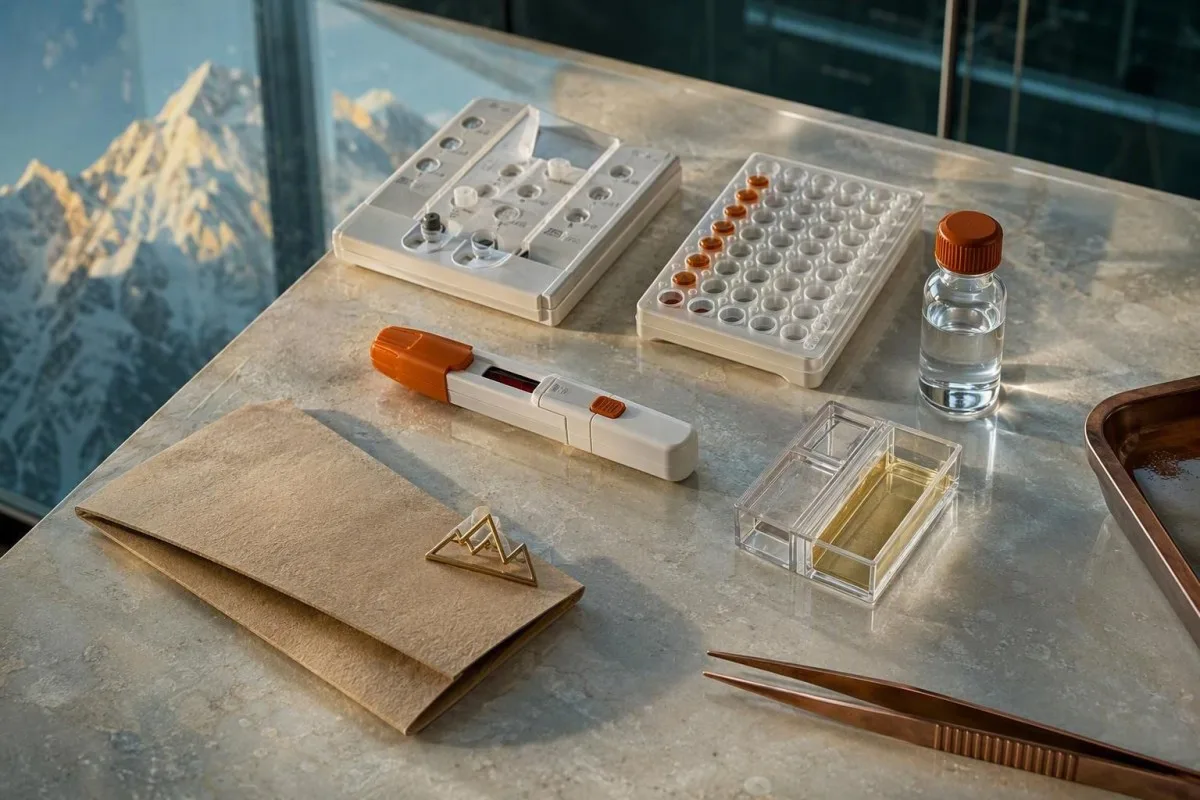
کم خواہش کے طبی اسباب ہو سکتے ہیں، مگر یہ بطورِ ڈیفالٹ ہارمون کی تشخیص نہیں ہوتی۔ ایک مرکوز لیبارٹری جائزہ قابلِ علاج اشارے شناخت کر سکتا ہے، بغیر کسی پیچیدہ جنسی علامت کو صرف ایک نمبر تک محدود کیے۔.


- ہدفی ٹیسٹنگ وسیع ہارمون پینل سے زیادہ مفید ہے؛ CBC، فیرِٹِن، TSH، HbA1c اور ادویات کا جائزہ اکثر پہلے کیے جاتے ہیں۔.
- صبح کا ٹیسٹوسٹیرون عموماً صبح 7 سے 10 بجے کے درمیان چیک کیا جانا چاہیے اور اگر کم ہو تو الگ دن دوبارہ دہرایا جائے۔.
- کل ٹیسٹوسٹیرون 300 ng/dL سے کم (10.4 nmol/L) دو ابتدائی صبح کے نمونوں میں بالغ مردوں میں ہائپوگونادزم کی جانچ کی حمایت کرتا ہے۔.
- TSH لیبارٹری رینج سے باہر توانائی، موڈ اور جنسی کارکردگی کو متاثر کر سکتا ہے، مگر free T4 یہ جاننے میں مدد دیتا ہے کہ آیا تھائیرائڈ کی بیماری موجود ہے یا نہیں۔.
- پرولیکٹِن 200 ng/mL سے زیادہ فوری اینڈوکرائن اسیسمنٹ کا تقاضا کرتا ہے، اگرچہ بہت سی ادویات چھوٹے درجے کی بلندی کا سبب بن سکتی ہیں۔.
- فیرٹین 15 ng/mL سے کم زیادہ تر بالغوں میں آئرن کے ذخائر ختم ہونے کی WHO تعریف پوری کرتا ہے؛ خون کی کمی واضح ہونے سے پہلے تھکن ہو سکتی ہے۔.
- HbA1c 6.5% یا اس سے زیادہ جب تصدیق ہو جائے تو یہ ذیابیطس کی تشخیصی حد میں آتا ہے، اور ذیابیطس خواہش، جوش اور احساس کو متاثر کر سکتی ہے۔.
- نارمل لیبز حقیقی کم جنسی خواہش کو رد نہیں کرتیں۔ جو نیند کی کمی، ڈپریشن، رشتہ جاتی دباؤ، درد، صدمہ، جسمانی امیج یا ادویات کے اثرات کی وجہ سے ہو سکتی ہے۔.
کم لِبِڈو کے لیے خون کا ٹیسٹ کب مفید ہوتا ہے
کم جنسی خواہش کے لیے خون کا ٹیسٹ سب سے زیادہ مفید ہوتا ہے جب جنسی خواہش میں تبدیلی کم از کم کئی ہفتوں سے ہو اور ساتھ میں تھکن، عضوِ تناسل میں تبدیلیاں، ماہواری میں تبدیلیاں، درد، بانجھ پن کے خدشات، وزن میں تبدیلی، موڈ کی علامات، یا کوئی نئی دوا بھی موجود ہو۔. معالجین عموماً ہر ہارمون کا آرڈر دینے کے بجائے ایک فوکسڈ اسکرین سے شروع کرتے ہیں—کیونکہ کوئی لیبارٹری نتیجہ کشش، رضامندی، رشتہ جاتی حفاظت، دباؤ، یا جنسی اطمینان کی پیمائش نہیں کر سکتا۔.
کم جنسی خواہش ایک علامت ہے، تشخیص نہیں، اور یہ تمام جنسوں، رجحانات، رشتہ جاتی ڈھانچوں اور زندگی کے مراحل میں پائی جاتی ہے۔ میری پریکٹس میں وہ سوال جو ٹیسٹنگ کو سب سے زیادہ بدل دیتا ہے یہ نہیں ہوتا کہ “آپ کی خواہش کتنی کم ہے؟” بلکہ یہ کہ “اسی وقت کے آس پاس کیا بدلا؟” 34 سالہ شخص میں شدید ماہواری کے بعد اچانک تھکن ہو تو اس کی ورک اپ 58 سالہ شخص سے مختلف ہوگی جس کی خواہش SSRI شروع کرنے کے 6 ماہ بعد بدلی۔.
Kantesti AI ایک اے آئی بلڈ ٹیسٹ تجزیہ کار جو نتائج جیسے TSH، ferritin، HbA1c اور جنسی ہارمونز کو نمونے لینے کے وقت، ریفرنس انٹرویل، ادویات اور سابقہ قدروں کے ساتھ رکھتا ہے۔ یہ سیاق اہم ہے: انفلوئنزا کے بعد ایک بار کی بارڈر لائن ٹیسٹوسٹیرون ویلیو کمزور ثبوت ہے، جبکہ دو کم ابتدائی صبح کے نتائج اور صبح کے وقت erections میں کمی کلینیکل فالو اپ کی مستحق ہے۔ ہماری متعلقہ ریویو erectile dysfunction کے خون کے ٹیسٹس بتاتی ہے کہ ویزکولر اور میٹابولک اشارے بعض اوقات ہارمونز جتنے ہی اہم کیوں ہو سکتے ہیں۔.
میں ڈاکٹر تھامس کلائن ہوں، اور اینڈوکرائن اور پرائمری کیئر پینلز کا 15 سال تک جائزہ لینے کے بعد میں نے سیکھا ہے کہ مریضوں کو یہ سن کر اکثر سکون ملتا ہے کہ نارمل نتائج اب بھی مفید ہیں۔ یہ گفتگو کو نیند، ذہنی صحت، درد، شراکت داری کی حرکیات، الکحل، ورک لوڈ اور ادویات کے انتخاب کی طرف موڑ دیتا ہے۔ ایک بلڈ پینل کو یہ گفتگو کھولنی چاہیے، بند نہیں کرنی چاہیے۔.
ابتدائی سطح کا مرکوز لیبارٹری اسکرین
مستقل کم خواہش کے لیے ایک عملی فرسٹ لائن اسکرین میں عموماً CBC، ferritin (جب آئرن کی کمی یا غذائی رسک ممکن ہو)، TSH کے ساتھ reflex free T4، HbA1c یا گلوکوز، اور ایک میٹابولک پینل شامل ہوتا ہے۔. یہ ٹیسٹ خون کی کمی، تھائیرائڈ کی خرابی، ذیابیطس، گردوں یا جگر کی بیماری، اور ایسی ادویاتی سیفٹی سے متعلق مسائل تلاش کرتے ہیں جو توانائی اور جنسی بہبود کو متاثر کر سکتے ہیں۔.
A خون کی مکمل گنتی خون کی کمی کی نشاندہی کر سکتا ہے، جبکہ ایک comprehensive metabolic panel کریٹینین، جگر کے انزائمز، کیلشیم اور الیکٹرولائٹس چیک کرتا ہے۔ بہت سی غیر حاملہ بالغ خواتین میں ہیموگلوبن 12.0 g/dL سے کم یا بہت سے بالغ مردوں میں 13.0 g/dL سے کم ہونا خون کی کمی کی عام حدوں سے مطابقت رکھتا ہے، اگرچہ مقامی لیبارٹریز اور حمل کی حالت تشریح کو بدل دیتی ہیں۔ خون کی کمی خاص طور پر کم خواہش کی وجہ نہیں بنتی، مگر سانس پھولنا اور تھکن بدیہی طور پر قربت کو مشکل بنا دیتے ہیں۔.
فیرٹین 15 ng/mL سے کم عموماً آئرن کے ذخائر کے نہ ہونے یا تقریباً نہ ہونے کی نشاندہی کرتا ہے، جبکہ ferritin 15 سے 30 ng/mL کے درمیان ہونا پھر بھی بھاری ماہواری کے خون، endurance training یا محدود خوراک رکھنے والے شخص میں کلینیکی طور پر معنی رکھ سکتا ہے۔ ferritin انفیکشن اور دائمی سوزش کے دوران بڑھتا ہے، اس لیے 80 ng/mL کی ویلیو آئرن کی کمی سے متعلق سرخ خلیوں کی پیداوار کو خود بخود خارج نہیں کرتی۔ ہماری بلڈ ٹیسٹ بائیو مارکر گائیڈ اس وقت مفید ہے جب ایک معیاری پینل میں غیر مانوس مارکر شامل ہوں۔.
Kantesti AI ہارمون کے outliers کو نمایاں کرنے سے پہلے یہ بنیادی پیٹرن پڑھتا ہے؛ یہ ترتیب DHEA-S یا cortisol کے پیچھے بھاگنے والی عام غلطی کو کم کرتی ہے جبکہ 9.8 g/dL کے ہیموگلوبن کو نظرانداز کر دیا جائے۔ اگر CBC غیر معمولی ہو تو درست انڈیکس—MCV، RDW، reticulocytes اور platelets—صرف سرخ جھنڈے سے زیادہ اہم ہوتے ہیں۔ ہماری وضاحت دیکھیں کہ CBC میں کیا کیا شامل ہوتا ہے اس مفروضے سے پہلے کہ نارمل سرخ خلیوں کی گنتی کا مطلب آئرن کی حالت نارمل ہے۔.
تھائیرائڈ کے ایسے نتائج جو لِبِڈو کے مسئلے کی نقل کر سکتے ہیں
تھائیرائڈ کی بیماری بالواسطہ طور پر تھکن، موڈ میں تبدیلی، نیند میں خلل، اندام نہانی کی خشکی، ماہواری میں خلل یا erectile difficulty کے ذریعے خواہش کم کر سکتی ہے۔. TSH کا نتیجہ عموماً آغاز ہوتا ہے، مگر free T4 یہ طے کرتا ہے کہ آیا غیر معمولی TSH واضح تھائیرائڈ خرابی، subclinical بیماری، بیماری کی وجہ سے تبدیلی، یا کسی دوا کا اثر ظاہر کر رہا ہے۔.
بہت سی لیبارٹریز ایک TSH ریفرنس انٹرویل تقریباً 0.4 سے 4.0 mIU/L استعمال کرتی ہیں غیر حاملہ بالغوں کے لیے۔ اگر TSH 10 mIU/L سے زیادہ ہو اور free T4 کم ہو تو واضح hypothyroidism کو مضبوطی سے سپورٹ کرتا ہے، جبکہ اگر TSH 0.1 mIU/L سے کم ہو اور free T4 یا free T3 بڑھا ہوا ہو تو یہ واضح hyperthyroidism کی طرف اشارہ کرتا ہے۔ دونوں حالتیں جنسی فعل کو متاثر کر سکتی ہیں، اگرچہ علامات کے بغیر کسی تعداد کو علاج کرنا اور دوبارہ تصدیق کے بغیر آگے بڑھنا ہمیشہ مناسب نہیں ہوتا۔.
مشکل نتیجہ یہ ہے کہ TSH 5.2 mIU/L ہے جبکہ فری T4 نارمل ہے۔ یہ بیماری کے بعد عارضی ہو سکتا ہے، ابتدائی آٹو امیون تھائرائیڈ بیماری کی عکاسی کر سکتا ہے، یا کسی ایسے شخص میں زیادہ اہمیت رکھ سکتا ہے جو حاملہ ہونے کی کوشش کر رہا ہو بہ نسبت کسی ایسے شخص کے جس میں علامات نہ ہوں۔ لیووتھائرآکسین کا ٹائمنگ، کیلشیم سپلیمنٹس، آئرن سپلیمنٹس اور حالیہ برانڈ تبدیلی—یہ سب نتائج بدل سکتے ہیں؛ ہماری گائیڈ لیووتھائرآکسین سوئچ کے بعد TSH ری ٹیسٹ کے لیے ایک مناسب وقت کی کھڑکی کا احاطہ کرتی ہے۔.
صرف اس لیے ریورس T3 یا تھائرائیڈ اینٹی باڈیز آرڈر نہ کریں کہ خواہش کم ہے۔ TPO اینٹی باڈیز آٹو امیون تھائرائیڈائٹس کو واضح کرنے میں مدد کر سکتی ہیں جب TSH غیر معمولی ہو یا کلینیکل تصویر اس سے مطابقت رکھتی ہو، لیکن وہ تنہا libido کی وضاحت نہیں کرتیں۔ نارمل TSH اور فری T4 رکھنے والے شخص میں بھی شدید نیند کی کمی یا ڈپریشن ہو سکتا ہے—دونوں عام، قابلِ علاج وجوہات ہیں جن کی تھائرائیڈ ٹیسٹنگ تشخیص نہیں کر سکتی۔.
ٹیسٹوسٹیرون ٹیسٹنگ: وقت جواب بدل دیتا ہے
اینڈروجن کی کمی کی علامات کے ساتھ مستقل کم خواہش رکھنے والے افراد کے لیے ٹیسٹوسٹیرون ٹیسٹنگ سب سے زیادہ معلوماتی ہوتی ہے، اور اسے عموماً صبح 7 سے 10 بجے کے درمیان جمع کیا جانا چاہیے۔. بالغ مردوں میں، دو الگ الگ صبح کے وقت کے کل ٹیسٹوسٹیرون نتائج جو 300 ng/dL (10.4 nmol/L) سے کم ہوں، علامات موجود ہونے کی صورت میں مزید جانچ کی حمایت کرتے ہیں۔.
امریکن یورولوجیکل ایسوسی ایشن استعمال کرتی ہے سے نیچے ہو اور بطور ایک معقول تشخیصی کٹ آف، جبکہ اینڈوکرائن سوسائٹی صرف تب تشخیص کی سفارش کرتی ہے جب علامات واضح طور پر اور مسلسل کم مقداروں کے ساتھ موجود ہوں۔ Bhasin et al. (2018) بھی علاج کے فیصلوں سے پہلے علاج سے پہلے دوبارہ صبح کے وقت فاسٹنگ کل ٹیسٹوسٹیرون کی ہدایت دیتے ہیں۔ خراب نیند کے بعد دوپہر 4 بجے 270 ng/dL کا نتیجہ دو اچھی دنوں میں صبح 8 بجے 270 ng/dL کے برابر نہیں ہے۔.
ایس ایچ بی جی یہ طے کرتا ہے کہ کل ٹیسٹوسٹیرون کو کیسے پڑھا جانا چاہیے۔ موٹاپا، انسولین ریزسٹنس، ہائپوتھائرائیڈزم اور گلوکوکورٹیکوائڈز SHBG کو کم کر سکتے ہیں؛ عمر بڑھنا، ہائپر تھائرائیڈزم، ایسٹروجن کی نمائش اور بعض جگر کی حالتیں اسے بڑھا سکتی ہیں۔ جب کل ٹیسٹوسٹیرون بارڈر لائن ہو تو معالج براہِ راست اینالاگ فری-ٹیسٹوسٹیرون اسسیے پر انحصار کرنے کے بجائے فری ٹیسٹوسٹیرون حساب کرنے کے لیے کل ٹیسٹوسٹیرون، SHBG اور البومین استعمال کر سکتا ہے، جو کم مقداروں پر غلط ہو سکتا ہے۔.
Kantesti AI متضاد امتزاجات کو نشان زد کرتا ہے—مثلاً کم کل ٹیسٹوسٹیرون کے ساتھ کم SHBG اور حساب شدہ فری ویلیو رینج کے اندر—بطور وجہ کہ پیٹرن پر بات کی جائے نہ کہ خود سے کوئی سپلیمنٹ شروع کیا جائے۔ ٹیسٹوسٹیرون تھراپی سپرم کی پیداوار کو دبا سکتی ہے اور ہیمیٹو کریٹ کو 54% سے اوپر بڑھا سکتی ہے، جو عموماً معالج کی نگرانی میں علاج روکنے یا ایڈجسٹ کرنے کا تقاضا کرتی ہے۔ مزید پڑھیں کم فری ٹیسٹوسٹیرون اور SHBG ایک واحد نتیجے کی تشریح سے پہلے۔.
ایسٹراڈیول، FSH اور مینوپاز: صرف سیاق و سباق میں مفید
ایسٹراڈیول اور FSH کے نتائج کم خواہش کی واحد واضح وجہ شاذ و نادر ہی ہوتے ہیں کیونکہ دونوں ماہواری کے دوران، پیریمینوپاز کے دوران، اور ہارمونل کنٹراسیپشن کے ساتھ مختلف ہوتے ہیں۔. جانچ زیادہ مددگار ہوتی ہے جب ماہواری میں تبدیلیاں، واسوموٹر علامات، ممکنہ قبل از وقت اووری کی ناکامی (premature ovarian insufficiency)، بانجھ پن، یا ادویات کے فیصلے بھی موجود ہوں۔.
45 سال سے کم عمر بالغوں میں جن کی ماہواری چھوٹ رہی ہو، کم از کم 4 سے 6 ہفتے کے وقفے سے لیے گئے دو نمونوں میں بلند FSH بنیادی اووری کی ناکامی کی تائید کر سکتا ہے، مگر assay کی رینجز مختلف ہوتی ہیں۔ 45 سال یا اس سے زیادہ عمر کے افراد میں عام گرم فلیشز اور سائیکل میں تبدیلی کے ساتھ، مینوپاز عموماً FSH کی تشخیص کے بجائے ایک کلینیکل تشخیص ہوتی ہے۔ 38 IU/L کا ایک FSH ویلیو دیر سے پیریمینوپاز میں مکمل طور پر متوقع ہو سکتا ہے اور بذاتِ خود خواہش میں تبدیلی کی وضاحت نہیں کرتا۔.
مشترکہ ہارمونل کنٹراسیپشن اکثر SHBG بڑھاتی ہے اور endogenous gonadotropins کو دباتی ہے، جس سے ٹیسٹوسٹیرون، ایسٹراڈیول، LH اور FSH کی تشریح مشکل ہو جاتی ہے۔ صرف ہارمونز جانچنے کے لیے کنٹراسیپشن روکنا حمل کے خطرے یا علامات کے دوبارہ ابھرنے (symptom rebound) کا باعث بن سکتا ہے، اس لیے یہ منصوبہ تجویز کنندہ کے ساتھ بنایا جانا چاہیے۔ The pre-HRT بیس لائن چیک لسٹ بتاتی ہے کہ کون سے بیس لائن صحت کے اقدامات بے ترتیب estradiol کی مقدار سے زیادہ اہم ہو سکتے ہیں۔.
خواتین میں ٹیسٹوسٹیرون کی جانچ تکنیکی طور پر مشکل ہے کیونکہ اس کی مقدار مردوں کے مقابلے میں بہت کم ہوتی ہے؛ جب دستیاب ہو تو mass-spectrometry طریقے ترجیحی ہیں۔ Davis et al. (2019) کی قیادت میں Global Consensus statement نے بایو سائیکو سوشل (biopsychosocial) جائزے کے بعد صرف پوسٹ مینوپازل hypoactive sexual desire disorder کے لیے ٹیسٹوسٹیرون تھراپی کے حق میں شواہد پائے، نہ کہ غیر مخصوص کم توانائی یا معمول کی “hormone balancing” کے لیے۔ میرے تجربے میں، یہ فرق غیر متوقع حد تک زیادہ علاج (overtreatment) کو روک دیتا ہے۔.
کب پرولیکٹِن اور پٹیوٹری کے ٹیسٹوں پر توجہ دینی چاہیے
پرولیکٹین (Prolactin) کی جانچ معقول ہے جب کم لبیڈو غیر موجود یا بے قاعدہ ماہواری کے ساتھ ہو، دودھ کی پیداوار حمل یا lactation سے غیر متعلق ہو، بانجھ پن، سر درد، بصری تبدیلیاں، یا بار بار کم ٹیسٹوسٹیرون ہو۔. ہلکی بلندیاں عام ہیں اور pituitary بیماری مان لینے سے پہلے پرسکون، معیاری (standardized) حالات میں دوبارہ دہرائی جانی چاہئیں۔.
عام طور پر اوپری حدیں تقریباً بالغ مردوں میں 20 ng/mL اور غیر حاملہ بالغ خواتین میں 25 ng/mL ہوتی ہیں, ، مگر لیبارٹریوں میں فرق ہوتا ہے۔ ورزش، جنسی عمل، نپل کی stimulation، نیند، نمونہ لینے کے دوران تناؤ (stress)، حمل اور گردے کی بیماری پرولیکٹین بڑھا سکتے ہیں۔ تناؤ والے venepuncture کے بعد 32 ng/mL کی ویلیو عموماً دوبارہ ٹیسٹ کی ضرورت/مسئلہ ہوتی ہے، نہ کہ MRI کی تشخیص۔.
اینٹی سائیکوٹکس (Antipsychotics)، metoclopramide، domperidone، کچھ antidepressants اور opioids ڈوپامین سگنلنگ کو روک کر پرولیکٹین بڑھا سکتے ہیں۔ اس سے اوپر کی ویلیوز 200 ng/mL پرولیکٹین پیدا کرنے والے pituitary adenoma کے امکانات بڑھا دیتی ہیں، اگرچہ بعض ادویات کبھی کبھار اس رینج تک پہنچ سکتی ہیں۔ سر درد کے ساتھ نئی بصری فیلڈ میں تبدیلی کو عین عدد سے قطع نظر فوری کلینیکل جائزے کی ضرورت ہوتی ہے۔.
معالجین macroprolactin کی جانچ منگوا سکتے ہیں جب پرولیکٹین بلند ہو مگر علامات موجود نہ ہوں، کیونکہ macroprolactin بعض assays میں اسی حیاتیاتی سرگرمی کے بغیر بھی ریکارڈ ہو سکتی ہے۔ اگر پرولیکٹین بلند ہی رہے تو TSH، گردے کا فنکشن، جہاں متعلق ہو وہاں حمل کی جانچ، LH اور FSH وجہ کو مقامی بنانے میں مدد دیتے ہیں۔ ہمارے صفحے پر بلند پرولیکٹین کی علامات ان علامتی مجموعوں کی وضاحت کی گئی ہے جن کا انتظار نہیں کرنا چاہیے۔.
کم خواہش کے پیچھے گلوکوز، لپڈز اور عروقی اشارے
ذیابیطس اور cardiometabolic بیماری تھکن، اعصابی تبدیلیاں، عروقی (vascular) فنکشن، ادویات کا بوجھ اور موڈ کے ذریعے لبیڈو کو متاثر کر سکتی ہیں—صرف ٹیسٹوسٹیرون کے ذریعے نہیں۔. HbA1c اور fasting glucose مفید کم جنسی خواہش (low sex drive) کی لیب ٹیسٹ ہیں جب پیاس، پیشاب کی بار بار ضرورت، وزن میں تبدیلی، erectile علامات، PCOS، ہائی بلڈ پریشر یا خاندانی تاریخ موجود ہو۔.
HbA1c 5.7% سے کم عموماً نارمل ہوتا ہے،, 5.7% سے 6.4% پریڈیایبیٹس کی رینج ہے، اور 6.5% یا اس سے زیادہ دوسری جانچ یا ہم آہنگ تشخیصی نتیجے سے تصدیق ہونے پر ذیابیطس کی تائید کرتا ہے۔ HbA1c ہیمولائسز (hemolysis) یا حالیہ خون کے ضیاع (blood loss) کے ساتھ غلط طور پر کم پڑھ سکتا ہے اور بعض آئرن کی کمی (iron-deficiency) والی حالتوں میں غلط طور پر زیادہ۔ 126 mg/dL (7.0 mmol/L) یا اس سے زیادہ کا fasting plasma glucose بھی، تصدیق ہونے پر، ذیابیطس کی حد (threshold) پوری کرتا ہے۔.
ایک لپڈ پینل کم لیبیڈو کی تشخیص نہیں کرتا، مگر جب سینے کی علامات سے پہلے ایریکٹائل ڈس فنکشن ظاہر ہو تو یہ کلینیکل ترجیح کو بدل سکتا ہے۔ 150 mg/dL سے زیادہ ٹرائی گلیسرائیڈ لیول، کم HDL کولیسٹرول، ہائی بلڈ پریشر اور مرکزی موٹاپا انسولین ریزسٹنس کے ساتھ ایک ساتھ پائے جاتے ہیں۔ مفید سوال اکثر یہ ہوتا ہے کہ کیا خواہش کی علامت کسی وسیع کارڈیو میٹابولک پیٹرن کے اندر آتی ہے، نہ کہ یہ کہ LDL کولیسٹرول اسے “سبب” بن رہا ہے۔.
جیسا کہ اے آئی سے چلنے والا خون کے ٹیسٹ کا تجزیہ کا آلہ, ، Kantesti AI ہر رپورٹ کو الگ واقعہ سمجھ کر علاج کرنے کے بجائے وقت کے ساتھ ساتھ گلوکوز، HbA1c، ٹرائی گلیسرائیڈز اور جگر کے انزائمز کا موازنہ کرتا ہے۔ 12 ماہ میں HbA1c کا 5.4% سے 6.1% تک بڑھنا کارروائی کو جواز دے سکتا ہے، چاہے علامات اور سیکس ہارمون کے نتائج دونوں میں تبدیلی نہ ہو۔ ہماری وضاحت میٹابولک پینل کولیسٹرول کی حدیں ایک عام ٹیسٹنگ غلط فہمی کو روکنے میں مدد دیتی ہے۔.
آئرن، B12 اور غذائیت کے ٹیسٹ: جب تھکن خواہش کے ساتھ اوورلیپ کرے
آئرن کی کمی، وٹامن B12 کی کمی اور کم فولیت توانائی اور توجہ کم کر سکتی ہیں، جو ثانوی طور پر جنسی دلچسپی بھی کم کر سکتی ہیں۔. یہ کم لیبیڈو کے لیے عالمگیر ہارمون ٹیسٹ نہیں ہیں؛ ٹیسٹنگ زیادہ تر تب معنی رکھتی ہے جب تھکن، غذائی پابندی، معدے کی علامات، زیادہ ماہواری، خون کی کمی، نیوروپیتھی یا طویل مدتی ایسڈ کم کرنے والی دواؤں کا استعمال موجود ہو۔.
فیرٹین 15 ng/mL سے کم بصورتِ دیگر صحت مند بالغوں میں ختم شدہ آئرن اسٹورز کا ایک مخصوص مارکر ہے، جبکہ transferrin saturation 20% سے کم آئرن کی پابندی کی حمایت کر سکتی ہے۔ فیرٹین ایک acute-phase reactant ہے، اس لیے بلند CRP کم دستیاب آئرن کو چھپا سکتا ہے۔ اگر کسی مریض میں فیرٹین 45 ng/mL، CRP 28 mg/L اور transferrin saturation 12% ہو تو فیرٹین نمبر کے مقابلے میں زیادہ محتاط تشریح کی ضرورت ہوتی ہے۔.
ایک سیرم وٹامن B12 تقریباً 200 pg/mL سے کم (148 pmol/L) بہت سی لیبارٹریوں میں کمی کی نشاندہی کرتا ہے، مگر methylmalonic acid 200 سے 350 pg/mL کے آس پاس کی سرحدی رپورٹس کو واضح کر سکتا ہے۔ میٹفارمین، پروٹون پمپ انہیبیٹرز، ویگن ڈائٹس اور آٹوایمیون گیسٹرائٹس بار بار سامنے آنے والی نشانیاں ہیں۔ اگر نیورولوجک علامات موجود ہوں تو repeat testing سے پہلے ہائی ڈوز B12 سپلیمنٹ کو بے ضرر تشخیصی پردہ پوشی سمجھ کر علاج نہ کریں۔.
Kantesti AI فیرٹین، ہیموگلوبن، MCV، B12 اور فولیت کو ایک ہی ترتیب میں رکھ سکتا ہے، جو خاص طور پر اس وقت مددگار ہے جب کسی نے آئرن شروع کیا ہو اور ہیموگلوبن بہتر ہونے سے پہلے RDW بڑھتا دیکھے۔ آئرن اسٹڈیز گائیڈ یہ بتاتا ہے کہ صرف سیرم آئرن اتنا زیادہ اتار چڑھاؤ کیوں کرتا ہے کہ آئرن کی کمی قائم نہیں کی جا سکتی۔ خوراک میں تبدیلی مدد کر سکتی ہے، مگر غیر واضح آئرن کی کمی پھر بھی کسی کلینیشن کو یہ سوچنے پر مجبور کرتی ہے کہ ماہواری، معدے اور جذب (absorption) کی وجوہات کیا ہو سکتی ہیں۔.
ادویات، الکحل اور مادّوں کے وہ اثرات جو لیبز سے چھوٹ سکتے ہیں
بہت سی عام دوائیں جنسی خواہش کم کر دیتی ہیں مگر غیر معمولی خون کے ٹیسٹ پیدا نہیں کرتیں۔. SSRIs اور SNRIs، اینٹی سائیکوٹکس، اوپیئڈز، کچھ بلڈ پریشر کی دوائیں، فیناسٹرائیڈ، ہارمونل کنٹراسپشن، اینٹی سیژر دوائیں اور طویل مدتی گلوکوکورٹیکوائڈز کی مثالیں بار بار ملتی ہیں۔.
SSRIs خواہش، اراؤزال اور orgasm کو متاثر کر سکتے ہیں، حتیٰ کہ جب پرولیکٹین اور ٹیسٹوسٹیرون نارمل ہوں۔ یہ اثر خوراک بڑھانے کے چند دنوں سے چند ہفتوں کے اندر شروع ہو سکتا ہے، مگر ڈپریشن خود بھی وہی علامات پیدا کر سکتا ہے—اس لیے اینٹی ڈپریسنٹ کو اچانک بند کرنا غیر محفوظ ہے اور شاذ و نادر ہی وجہ واضح کرتا ہے۔ ایک منصوبہ بند ریویو میں خوراک کے وقت، متبادل، سائیکو تھراپی اور جاری علاج کے نسبتاً فائدے پر غور کیا جا سکتا ہے۔.
اوپیئڈز ہائپو تھیلامس-پٹیوٹری-گوناڈل محور کو دبا سکتے ہیں، کبھی کبھی کم LH، کم ٹیسٹوسٹیرون یا ماہواری میں تبدیلی کا سبب بنتے ہیں۔ بھاری الکحل استعمال GGT اور ٹرائی گلیسرائیڈز بڑھا سکتا ہے، نیند میں خلل ڈال سکتا ہے اور موڈ خراب کر سکتا ہے، مگر نارمل جگر کے انزائم یہ ثابت نہیں کرتے کہ الکحل غیر متعلق ہے۔ کینابس، اسٹیملنٹس اور اینابولک ایجنٹس بھی خواہش کو غیر متوقع سمتوں میں بدل سکتے ہیں؛ سچائی یہ ہے کہ ان میں سے کئی ایکسپوژرز کے لیے شواہد ملے جلے ہیں۔.
ہر نسخہ، اوور دی کاؤنٹر پروڈکٹ، انجیکشن، ٹاپیکل ہارمون، سپلیمنٹ اور تفریحی مادہ اپائنٹمنٹ پر لائیں، بشمول ڈوزز اور شروع ہونے کی تاریخیں۔ ایک مفید پیٹرن یہ ہے: “تبدیلی کے 3 ہفتے بعد علامت شروع ہوئی”، صرف “میں دوا لیتا ہوں” نہیں۔ ہمارے مضمون پر موڈ میں اتار چڑھاؤ کے لیے خون کے ٹیسٹ لیب میں نظر آنے والے نقلی (mimics) کو ان ذہنی صحت کی علامات سے الگ کرنے میں مدد دیتا ہے جنہیں براہِ راست دیکھ بھال کی ضرورت ہوتی ہے۔.
وقت، نیند، ورزش اور سپلیمنٹس نتائج کو کیسے بگاڑتے ہیں
ٹائمنگ ہارمون کے نتیجے کو غیر معمولی دکھا سکتی ہے جب کہ فزیالوجی نارمل ہو۔. شدید بیماری، ایک رات کی ٹوٹی پھوٹی نیند، برداشت کی ورزش، کیلوری کی پابندی، الکحل، نمونے کی ٹائمنگ اور ہائی ڈوز بایوٹین—یہ سب کم لیبیڈو کے خون کے ٹیسٹ اتنے بدل سکتے ہیں کہ کلینیکل فیصلہ بھی بدل جائے۔.
ٹیسٹوسٹیرون میں روزانہ (diurnal) تال ہوتا ہے جو کم عمر افراد میں سب سے زیادہ مضبوط ہوتا ہے، اور عموماً صبح سویرے عروج پر ہوتا ہے۔ نیند کی پابندی پر ایک مطالعے میں پایا گیا کہ صحت مند نوجوان مردوں میں 5 گھنٹے کی راتوں کا 1 ہفتہ دن کے وقت ٹیسٹوسٹیرون کو تقریباً 10% سے 15% تک کم کر دیتا ہے، اگرچہ انفرادی تبدیلیاں مختلف ہو سکتی ہیں۔ بیماری اور بڑی کیلوری کی کمی تولیدی ہارمونز کو توانائی بچانے کے ردعمل کے طور پر دبا سکتی ہے، نہ کہ مستقل غدود کی ناکامی کا اشارہ۔.
بایوٹین کی روزانہ 5 سے 10 ملی گرام خوراکیں—اکثر بالوں اور ناخنوں کے لیے فروخت ہوتی ہیں—کچھ اسٹریپٹاویڈن-بایوٹین امیونواسےز میں مداخلت کر سکتی ہیں، جس سے TSH کی سطح غلط طور پر کم اور فری T4 یا ٹیسٹوسٹیرون کی سطح غلط طور پر زیادہ ظاہر ہو سکتی ہے، یہ طریقہ کار پر منحصر ہے۔ بہت سی لیبارٹریاں کم از کم 48 گھنٹے بایوٹین روکنے کا مشورہ دیتی ہیں، اگرچہ زیادہ مقداروں یا گردوں کے کام میں کمی کی صورت میں زیادہ وقفہ درکار ہو سکتا ہے۔ تجویز کردہ تھائرائڈ یا ہارمون کی دوا صرف “نتیجہ صاف کرنے” کے لیے کبھی بند نہ کریں۔.
15 اگست 2026 تک، بہترین عملی عادت یہ ہے کہ پچھلے 24 گھنٹوں میں نمونے کا وقت، فاسٹنگ کی حالت، نیند، ورزش، بیماری، متعلقہ صورت میں ماہواری کے دن، اور حالیہ سپلیمنٹس کو ریکارڈ کریں۔ ڈاکٹر تھامس کلین اس چھوٹے نوٹ کی سفارش کرتے ہیں کیونکہ یہ اکثر مہنگے اضافی پینل کے مقابلے میں حیران کن نتیجے کی وجہ زیادہ تیزی سے سمجھا دیتا ہے۔ ہماری خون کے ٹیسٹ کا ٹائم لائن گائیڈ دکھاتا ہے کہ کون سی تبدیلیاں عموماً عارضی ہوتی ہیں۔.
کم لِبِڈو کے لیب نتیجے کو بغیر زیادہ ردِعمل کے کیسے پڑھیں
نارمل رینج سے باہر نتیجہ ایک اشارہ ہے، تشخیص نہیں، اور رینج کے اندر نتیجہ یہ ثابت نہیں کرتا کہ کچھ غلط نہیں ہے۔. ریفرنس وقفے عموماً منتخب کردہ آبادی کے درمیانی 95% پر مشتمل ہوتے ہیں، یعنی تقریباً 20 میں سے 1 صحت مند شخص اتفاقاً کسی وقفے سے باہر آ جائے گا۔.
لیبارٹری کی اپنی رینج کو ترجیح دینی چاہیے کیونکہ اسیسز مختلف ہوتے ہیں۔ مثال کے طور پر nmol/L میں رپورٹ ہونے والا ٹوٹل ٹیسٹوسٹیرون بغیر کنورژن کے ng/dL کے سوشل میڈیا کٹ آف کے مقابلے میں نہیں پرکھا جا سکتا، اور کم ارتکاز پر ایسٹرادیول کے اسیسز میں نمایاں فرق آتا ہے۔ “ہائی” کا نشان کسی ایسے ریفرنس گروپ کی عکاسی کر سکتا ہے جو جنس، عمر، حمل کی حالت یا سیمپلنگ کے طریقے سے مختلف ہو۔.
دوبارہ ٹیسٹنگ خاص طور پر مفید ہے جب نتیجہ بمشکل کسی حد کو کراس کرے، علامات نئی ہوں، یا پری-اینالیٹیکل حالات خراب رہے ہوں۔ کوئی تبدیلی کے حقیقی ہونے کے امکانات تبھی زیادہ ہوتے ہیں جب وہ نارمل حیاتیاتی اور تجزیاتی تغیر سے زیادہ ہو؛ TSH اور ٹیسٹوسٹیرون قدرتی طور پر اتار چڑھاؤ کرتے ہیں، جبکہ HbA1c تقریباً 8 سے 12 ہفتوں کی گلیسیمک نمائش کی عکاسی کرتا ہے۔ ایک ہی DHEA-S نتیجہ جو رینج سے معمولی طور پر باہر ہو، شاذ و نادر ہی خود ہی کسی بڑی علامت کی وضاحت کرتا ہے۔.
Kantesti AI طولی (longitudinal) موازنہ استعمال کرتا ہے تاکہ ایسی تبدیلیوں کو نمایاں کیا جا سکے جو صرف ایک اکیلے نشان سے زیادہ معلوماتی ہوں، جیسے تین درست وقت پر لیے گئے نمونوں میں ٹیسٹوسٹیرون کا کم ہونا یا بھاری خون بہنے کے 60% بعد فیرٹین کا گرنا۔ یہ کلینیکل تشخیص کا متبادل نہیں، مگر فالو اپ وزٹ کو زیادہ مؤثر بنا دیتا ہے۔ اگر رپورٹ نے غیر ضروری گھبراہٹ پیدا کی ہو تو ہماری سادہ زبان والی گائیڈ سے شروع کریں رینج سے باہر خون کے نتائج ۔.
کم خواہش کے بارے میں خون کے ٹیسٹ کیا تشخیص نہیں کر سکتے
خون کے ٹیسٹ تعلقات کے تنازع، جنسی درد، صدمے کے ردعمل، ڈپریشن، اینزائٹی، جسمانی امیج سے متعلق پریشانی، کیئر گیونگ کا اوورلوڈ، رضامندی (consent) کے خدشات یا ناکافی پرائیویسی کی تشخیص نہیں کر سکتے۔. یہ حقیقی اور عام وجوہات ہیں جن سے خواہش کم ہو سکتی ہے، چاہے ہر ہارمون کا نتیجہ ریفرنس وقفے کے اندر ہی آئے۔.
خواہش سیاق و سباق (context) کے مطابق ردعمل دیتی ہے۔ یہ عموماً پوسٹ پارٹم ریکوری، بریسٹ فیڈنگ، غم، شفٹ ورک، دائمی درد، کیئر گیونگ، مالی دباؤ اور تعلقات میں تنازع کے ادوار کے دوران کم ہو جاتی ہے، بغیر کسی قابلِ پیمائش اینڈوکرائن عارضے کے۔ کلینکی طور پر مفید فرق یہ ہے کہ ایسی تبدیلی جو ذاتی پریشانی پیدا کرے بمقابلہ شراکت داروں کے درمیان خواہش میں ایک نارمل فرق؛ دونوں میں سے کوئی بھی “خراب” نہیں ہوتا کیونکہ ان کی بنیادی سطح (baseline) مختلف ہو سکتی ہے۔.
نیند کو اتنی توجہ نہیں ملتی جتنی اسے ملنی چاہیے۔ اوبسٹرکٹیو سلیپ ایپنیا، انسومنیا اور بے چین ٹانگیں توانائی کم کر سکتی ہیں، موڈ بگاڑ سکتی ہیں اور erectile function کو متاثر کر سکتی ہیں، جبکہ ٹیسٹوسٹیرون کا نارمل نتیجہ سب کو غلط طور پر مطمئن کر سکتا ہے۔ اگر خراٹے، مشاہدہ شدہ توقفات، صبح کا سر درد یا دن میں نیند آنا موجود ہو تو سلیپ ڈس آرڈر کی جانچ ایک اور ہارمون پینل کے مقابلے میں زیادہ فائدہ دے سکتی ہے؛ ہماری انسومنیا لیب کی جھلکیاں گائیڈ بتاتی ہے کہ لیبز کہاں فِٹ ہوتی ہیں۔.
جنسی تعلق کے دوران درد، پیلوِک علامات، جینیٹل جلد میں تبدیلیاں، erectile pain، نئی نیورولوجیکل علامات یا اندام نہانی کی خشکی کو صرف لیبارٹری حل کے بجائے ان-پرسن (موقع پر) تشخیص کی ضرورت ہوتی ہے۔ سائیکو سیکسول تھراپی، پیلوِک فلور فزیوتھراپی، ادویات کا جائزہ اور موڈ ڈس آرڈرز کا علاج شواہد پر مبنی نگہداشت ہو سکتی ہے۔ زیادہ تر مریضوں کو یہ کہہ کر شروع کرنا آسان لگتا ہے، “یہ تبدیلی پریشان کن ہے اور میں طبی وجوہات کو رد کرنا چاہتی/چاہتا ہوں۔”
کب کم لِبِڈو کو فوری کلینیکل جائزے کی ضرورت ہوتی ہے
فوری طبی جائزہ حاصل کریں جب کم لِبیڈو کے ساتھ شدید سر درد، بصری تبدیلیاں، دودھ پلانے سے غیر متعلق چھاتی سے رطوبت، نئی نیورولوجیکل علامات، غیر ارادی وزن میں کمی، ماہواری کا نہ آنا، بانجھ پن، جنسی سرگرمی کے دوران سینے کی علامات، یا موڈ کا تیزی سے گرنا شامل ہو۔. یہ مجموعے معمول کی ہارمون سے متعلق فکر سے آگے اشارہ کر سکتے ہیں۔.
پردیی (peripheral) نظر میں کمی کے ساتھ نیا شدید سر درد اور پرولیکٹین کا بڑھا ہوا نتیجہ فوری جانچ کا تقاضا کرتا ہے کیونکہ پٹیوٹری (pituitary) کے بڑے ہونے والا حصہ بصری راستوں کو متاثر کر سکتا ہے۔ جنسی سرگرمی کے دوران نیا سینے کا دباؤ، سانس پھولنا یا بے ہوشی فوری کارڈیو ویسکولر (قلبی) جانچ کی مستحق ہے، خصوصاً اگر ذیابیطس، سگریٹ نوشی کی تاریخ یا معلوم دل کی بیماری ہو۔ کسی بھی صورت میں ہوم ہارمون ٹیسٹ کا انتظار نہ کریں۔.
کم خواہش کے ساتھ مسلسل ناامیدی، خود کو نقصان پہنچانے کے خیالات، تعلقات میں جبر (coercion) یا خوف کی موجودگی کو فوری انسانی مدد کی ضرورت ہے، نہ کہ مزید لیبارٹری تشریح کی۔ اگر فوری حفاظتی خدشہ ہو تو مقامی ایمرجنسی سروسز، کسی بحران لائن (crisis line)، یا کسی قابلِ اعتماد معالج سے رابطہ کریں۔ ایک محفوظ اپائنٹمنٹ میں جب ممکن ہو تو معالج کے ساتھ اکیلے وقت شامل ہونا چاہیے؛ گفتگو کے ہر حصے میں شراکت داروں کا موجود ہونا ضروری نہیں۔.
اصل لیبارٹری PDF، سابقہ رپورٹس، ادویات کی ٹائم لائن، ماہواری یا علامات کی تاریخیں، زرخیزی کے منصوبے اور سوالات کی ایک مختصر فہرست ساتھ لائیں۔ ڈاکٹر تھامس کلائن مریضوں کی حوصلہ افزائی کرتے ہیں کہ وہ پوچھیں، “یہ ٹیسٹ کس تشخیص کو بدل دے گا؟” اور “بہتر حالات میں ہمیں اسے کب دوبارہ کرانا چاہیے؟” ہمارے میڈیکل ایڈوائزری بورڈ اس طرح کی محتاط، مریض کی رہنمائی میں کی جانے والی تشریح کی حمایت کرتے ہیں۔.
نتائج کو استعمال کر کے بہتر فالو اَپ وزٹ کی منصوبہ بندی
کم لبیڈو کے خون کے ٹیسٹ کے بعد اگلا بہترین قدم ایک مختصر، مخصوص فالو اپ پلان ہے: مشکوک نتائج کی تصدیق کریں، ثابت شدہ طبی مسائل کا علاج کریں، ادویات کا جائزہ لیں، اور ساتھ ہی غیر-لیب (غیر لیبارٹری) عوامل کو بھی حل کریں۔. مزید ٹیسٹنگ خود بخود بہتر نہیں ہوتی؛ اسے ایسا کلینیکل سوال حل کرنا چاہیے جو دیکھ بھال (care) کو بدل سکتا ہو۔.
Kantesti AI ایک AI بایومارکر تشریح پلیٹ فارم جو لیبارٹری رجحانات کو منظم کرتا ہے، assay-context سے متعلق سوالات کو نشان زد کرتا ہے اور صارفین کو لائسنس یافتہ معالج کے ساتھ ایک مختصر گفتگو کے لیے تیار ہونے میں مدد دیتا ہے۔ یہ hypoactive sexual desire disorder کی تشخیص نہیں کر سکتا، ہارمون تھراپی تجویز نہیں کر سکتا، رضامندی (consent) کی تشریح نہیں کر سکتا یا جسمانی معائنہ (physical examination) کا متبادل نہیں بن سکتا۔ یہ حد جان بوجھ کر رکھی گئی ہے: جب سیاق و سباق (context) موجود نہ ہو تو تکنیکی طور پر درست نتیجہ بھی کلینیکی طور پر غلط ہو سکتا ہے۔.
ایک سمجھدار فالو اپ یہ ہو سکتا ہے: دو ابتدائی صبح (early-morning) ٹیسٹوسٹیرون کے نمونے دوبارہ لیں؛ آئرن کی کمی کو دور کریں اور 6 سے 8 ہفتوں میں CBC اور ferritin دوبارہ چیک کریں؛ SSRI کی ٹائمنگ prescriber کے ساتھ جائزہ لیں؛ یا ہارمونز شامل کرنے سے پہلے خراٹے (snoring) کی تحقیقات کریں۔ جہاں عملی طور پر ممکن ہو، نتائج کا موازنہ اسی لیبارٹری میں کریں، کیونکہ assay میں تبدیلیاں مصنوعی رجحانات (artificial trends) پیدا کر سکتی ہیں۔ ہماری کلینیکل ویلیڈیشن کا طریقہ یہ بتاتی ہے کہ ہم معلوماتی تشریح کو طبی تشخیص سے کیسے الگ کرتے ہیں۔.
قابلِ اعتماد اپ لوڈ کے لیے، رجحانات کا جائزہ لینے سے پہلے مریض کے نام، نمونے لینے کی تاریخ، یونٹس اور لیبارٹری رپورٹ کے ہر صفحے کی تصدیق کریں۔ Kantesti AI کی ٹیکنالوجی گائیڈ وضاحت کرتی ہے کہ OCR کی confidence اور سورس ڈاکومنٹ (source-document) کی جانچ کیوں اہم ہے، خاص طور پر ہارمون یونٹس اور reference ranges کے لیے۔ مقصد ایک کامل پینل نہیں؛ بلکہ درست معالج کے ساتھ ایک زیادہ واضح اگلی گفتگو ہے۔.
اکثر پوچھے گئے سوالات
اگر میری جنسی خواہش کم ہے تو مجھے کن خون کے ٹیسٹوں کے لیے پوچھنا چاہیے؟
کم لیبیڈو کے لیے ایک ہدفی خون کا ٹیسٹ اکثر CBC سے شروع ہوتا ہے، ضرورت پڑنے پر TSH کے ساتھ فری T4، HbA1c یا گلوکوز، اور جب تھکن، زیادہ ماہواری، غذائی پابندی یا خون کی کمی (anemia) کا خطرہ موجود ہو تو فیریٹین بھی شامل کیا جاتا ہے۔ ٹیسٹوسٹیرون، SHBG، پرولیکٹین، LH اور FSH شامل کیے جاتے ہیں جب علامات اور عمر/زندگی کے مرحلے سے کوئی اینڈوکرائن وجہ ظاہر ہو۔ کل ٹیسٹوسٹیرون عموماً صبح 7 سے 10 بجے کے درمیان جمع کیا جانا چاہیے، اور بالغ مردوں میں 300 ng/dL (10.4 nmol/L) سے کم نتیجہ کی تشخیص سے پہلے علیحدہ صبح دوبارہ تصدیق کی جانی چاہیے۔ درست پینل علامات، ادویات، ماہواری کی تاریخ، زرخیزی کے منصوبوں اور معائنے کے نتائج کے مطابق ہونا چاہیے۔.
کیا کم ٹیسٹوسٹیرون کم جنسی خواہش (libido) کا سبب بن سکتا ہے اگر میرا نتیجہ پھر بھی نارمل ہو؟
لیبارٹری کے ریفرنس انٹرویل کے اندر ٹیسٹوسٹیرون کا نتیجہ خود بخود کم لیبیڈو کی وضاحت نہیں کرتا اور نہ ہی اسے خارج کرتا ہے۔ SHBG کل ٹیسٹوسٹیرون کو گمراہ کن بنا سکتی ہے، اسی لیے معالجین بعض اوقات جب نتیجہ سرحدی ہو تو کل ٹیسٹوسٹیرون، SHBG اور البومین سے فری ٹیسٹوسٹیرون کا حساب لگاتے ہیں۔ بالغ مردوں میں، رہنما اصول عموماً ہائپوگونادزم کی تشخیص سے پہلے علامات کے ساتھ دو مرتبہ مسلسل کم ابتدائی صبح کے کل ٹیسٹوسٹیرون کے نتائج کا تقاضا کرتے ہیں، جو عموماً 300 ng/dL سے کم ہوتے ہیں۔ نیند کی کمی، ڈپریشن، درد، ادویات اور تعلقات کا سیاق و سباق نارمل ٹیسٹوسٹیرون کے باوجود خواہش کو کم کر سکتے ہیں۔.
پرولیکٹین کی کون سی سطح لیبیڈو کو متاثر کر سکتی ہے؟
لیبارٹری کی بالائی حد سے اوپر پرولیکٹین کم لبیڈو، ماہواری میں تبدیلیاں، بانجھ پن اور کم ٹیسٹوسٹیرون میں حصہ ڈال سکتی ہے، لیکن معمولی اضافہ کی صورت میں حتمی نتیجہ اخذ کرنے سے پہلے دوبارہ ٹیسٹنگ ضروری ہوتی ہے۔ عام بالائی حدیں بالغ مردوں میں تقریباً 20 ng/mL اور غیر حاملہ بالغ خواتین میں 25 ng/mL ہوتی ہیں، اگرچہ لیبارٹریاں مختلف اسیسز اور رینجز استعمال کرتی ہیں۔ 200 ng/mL سے اوپر کی سطحیں پرولیکٹین خارج کرنے والے پٹیوٹری اڈینوما کے لیے زیادہ مضبوط تشویش پیدا کرتی ہیں، جبکہ اینٹی سائیکوٹکس، میٹوکلپرامائیڈ، اوپیئوئیڈز، تناؤ اور حمل بھی پرولیکٹین بڑھا سکتے ہیں۔ پرولیکٹین کے بڑھنے کے ساتھ سر درد یا بصری تبدیلی فوری طبی معائنہ کی متقاضی ہے۔.
کیا خواتین کو کم جنسی خواہش (لو لِبِڈو) کے لیے ایسٹروجن اور ٹیسٹوسٹیرون کے ٹیسٹ کروانے چاہئیں؟
ایسٹروجن اور ٹیسٹوسٹیرون کے ٹیسٹ منتخب مریضوں کے لیے مفید ہو سکتے ہیں، لیکن کم لیبیڈو والی ہر عورت کے لیے یہ معمول کے جواب نہیں ہیں۔ ایسٹرادیول اور FSH ماہواری کے دوران تبدیل ہوتے رہتے ہیں اور پیریمینوپاز کے دوران یا ہارمونل کنٹراسیپشن استعمال کرتے وقت ان کی تشریح کرنا مشکل ہو سکتا ہے۔ خواتین میں ٹیسٹوسٹیرون کی پیمائش سب سے زیادہ قابلِ اعتماد اس وقت ہوتی ہے جب حساس ماس-اسپیکٹرو میٹری اسسی استعمال کی جائے، اور 2019 کے گلوبل کنسینسس بیان کے مطابق ٹیسٹوسٹیرون تھراپی صرف بایوپسائیکوسوشل اسسمنٹ کے بعد پوسٹ مینوپازل ہائپوایکٹو سیکسول ڈیزائر ڈس آرڈر کے لیے ہی سپورٹ کی جاتی ہے۔ ہاٹ فلاشز، ماہواری کا چھوٹ جانا، اندام نہانی کی خشکی، زرخیزی کے خدشات اور ادویات کے انتخاب یہ طے کرنے میں مدد دیتے ہیں کہ آیا ٹیسٹنگ فائدہ مند ہے یا نہیں۔.
کیا آئرن کی کمی جنسی خواہش کو کم کر سکتی ہے؟
آئرن کی کمی بالواسطہ طور پر جنسی رغبت کو کم کر سکتی ہے کیونکہ اس سے تھکن، ورزش کی برداشت میں کمی، توجہ کی کمزوری، نیند میں خلل اور کم موڈ ہو سکتا ہے۔ صحت مند بالغوں میں فیریٹین 15 ng/mL سے کم عموماً آئرن کے ذخائر کے ختم ہونے کی نشاندہی کرتا ہے، جبکہ فیریٹین کا نتیجہ 15 سے 30 ng/mL کے درمیان کسی ایسے شخص میں پھر بھی متعلقہ ہو سکتا ہے جس کی ماہواری بہت زیادہ ہوتی ہو یا جو برداشت (endurance) کی تربیت کرتا ہو۔ صرف تھکن کی بنیاد پر آئرن کی کمی فرض نہیں کی جانی چاہیے کیونکہ فیریٹین سوزش کے دوران بڑھ جاتی ہے اور خون کی کمی (anemia) کی کئی وجوہات ہو سکتی ہیں۔ غیر واضح کمی کو ماہواری، معدے (gastrointestinal)، خوراک (dietary) اور جذب (absorption) سے متعلق عوامل کے لیے طبی جائزے کی ضرورت ہوتی ہے۔.
کیا اینٹی ڈپریسنٹس نارمل خون کے ٹیسٹ کے باوجود جنسی خواہش میں کمی کا سبب بن سکتے ہیں؟
ہاں، اینٹی ڈپریسنٹس خواہ ٹیسٹوسٹیرون، پرولیکٹین اور تھائرائڈ کے نتائج نارمل ہوں، پھر بھی خواہش، جوش اور orgasm کو کم کر سکتے ہیں۔ SSRIs اور SNRIs خصوصاً جنسی ضمنی اثرات سے وابستہ ہوتے ہیں، اور علامات علاج شروع کرنے یا خوراک بڑھانے کے چند دنوں سے چند ہفتوں کے اندر شروع ہو سکتی ہیں۔ اینٹی ڈپریسنٹ کو اچانک بند نہ کریں، کیونکہ withdrawal اور relapse سنگین ہو سکتے ہیں؛ تجویز کرنے والا معالج خوراک میں تبدیلی، ٹائمنگ، متبادل یا معاون تھراپی پر بات کر سکتا ہے۔ خود ڈپریشن بھی libido کو کم کر سکتا ہے، اس لیے علامات کی ٹائمنگ لیبارٹری پینل جتنی ہی اہم ہے۔.
آج ہی اے آئی سے طاقتور خون کے ٹیسٹ کا تجزیہ حاصل کریں
دنیا بھر میں 2M+ صارفین میں شامل ہوں جو فوری اور درست لیب ٹیسٹ تجزیے کے لیے Kantesti پر بھروسہ کرتے ہیں۔ اپنے خون کے ٹیسٹ کے نتائج اپلوڈ کریں اور چند سیکنڈ میں 15,000+ بایومارکرز کی جامع تشریح حاصل کریں۔.
📚 حوالہ دی گئی تحقیقی اشاعتیں
کلائن، ٹی.، مچل، ایس.، اور ویبر، ایچ. (2026). Kantesti بلڈ-ٹیسٹ تشریح انجن کی 100,000 مصنوعی ٹیسٹ کیسز پر ایک پری-رجسٹرڈ، روبریک-بیسڈ خودکار تکنیکی بینچ مارک.۔ Kantesti اے آئی میڈیکل ریسرچ۔.
کلائن، ٹی.، مچل، ایس.، اور ویبر، ایچ. (2026). کلینیکل ویلیڈیشن فریم ورک v2.0 (میڈیکل ویلیڈیشن پیج).۔ Kantesti اے آئی میڈیکل ریسرچ۔.
📖 بیرونی طبی حوالہ جات
⚕️ میڈیکل ڈس کلیمر
یہ مضمون صرف تعلیمی مقاصد کے لیے ہے اور طبی مشورہ نہیں ہے۔ تشخیص اور علاج کے فیصلوں کے لیے ہمیشہ کسی مستند صحت کے ماہر سے رجوع کریں۔.
E-E-A-T اعتماد کے اشارے
تجربہ
معالج کی قیادت میں لیب تشریح کے ورک فلو کا کلینیکل جائزہ۔.
مہارت
لیبارٹری میڈیسن کا فوکس یہ کہ بایومارکرز کلینیکل سیاق میں کیسے برتاؤ کرتے ہیں۔.
مستندیت
ڈاکٹر تھامس کلائن نے لکھا، ڈاکٹر سارہ مچل اور پروف. ڈاکٹر ہانس ویبر نے نظرثانی کی۔.
امانت داری
شواہد پر مبنی تشریح واضح فالو اپ راستوں کے ساتھ تاکہ گھبراہٹ کم ہو۔.