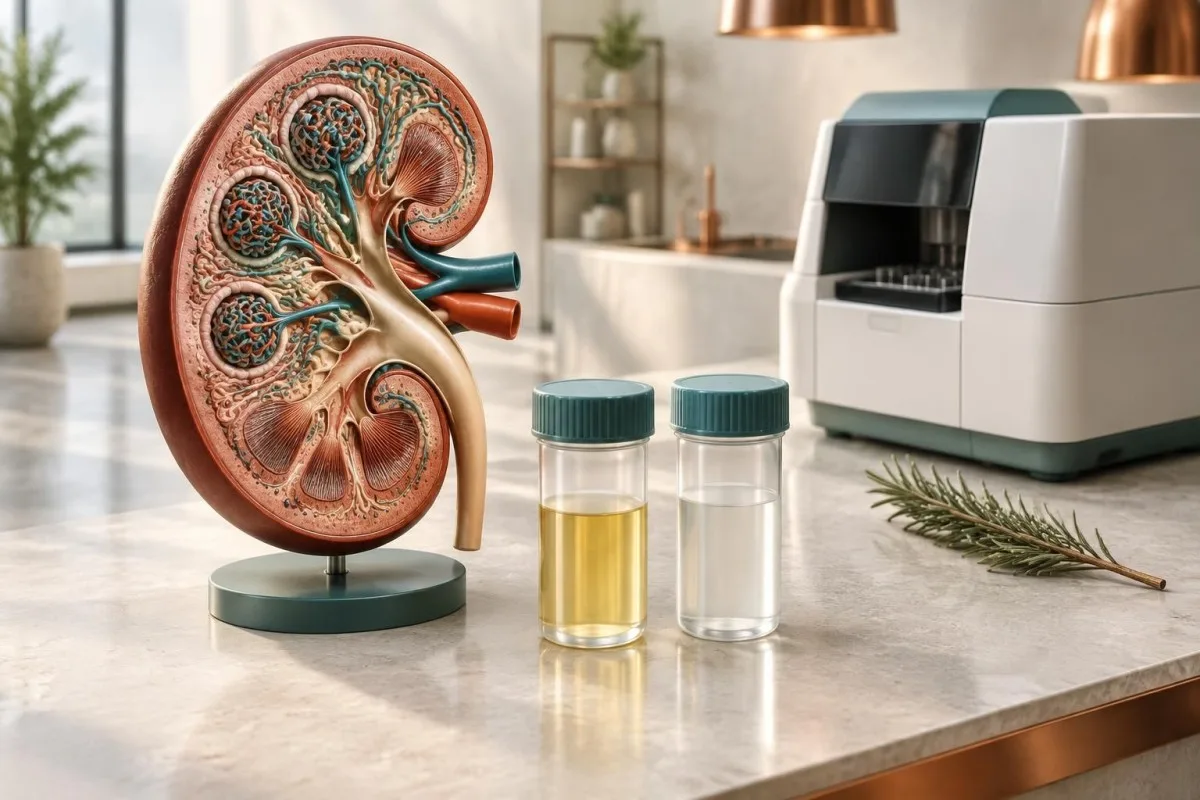
بىر قېتىملىق سۈيدۈك ئەۋرىشكىسى كۈندىلىك ئاقسىل يوقىتىش مىقدارىنى مۆلچەرلىيەلەيدۇ، ئەمما بۇ ساننىڭ مەنىسى ئۇنىڭ بىرلىكى، ئەۋرىشكە ئېلىش شارائىتى، بۆرەك ئىقتىدارى ۋە كلىنىكىلىق ئەھۋال بىرلىكتە كۆزدە تۇتۇلغاندىلا ئايدىڭلىشىدۇ.

مۇھىم خۇلاسىلەر
- ئۆلچەيدىغىنى: بىر قېتىملىق سۈيدۈكتىكى ئاقسىل-كرېئاتىنىن نىسبىتى ۋاقىت بەلگىلەنگەن 24 سائەتلىك ئەۋرىشكە توپلاشنى تەلەپ قىلماستىن، ئاقسىلنىڭ سۈيدۈك بىلەن چىقىش مىقدارىنى مۆلچەرلەيدۇ؛ 1 g/g كۈنىگە تەخمىنەن 1 g ئاقسىل چىقىرىشقا باراۋەر.
- چوڭلارنىڭ ئادەتتىكى نەتىجىسى: 150 mg/g دىن تۆۋەن ياكى 0.15 mg/mg بولغان نىسبەت ئادەتتە ھامىلىدار بولمىغان چوڭلارنىڭ نورمال دائىرىسىدە دەپ قارىلىدۇ، گەرچە تەجرىبىخانىلاردا پەرق بولۇشى مۇمكىن.
- يۇقىرى نەتىجە: سۈيدۈك ئاقسىلى-كرېئاتىنىن نىسبىتى 500 mg/g دىن يۇقىرى بولسا ئادەتتە دوختۇرنىڭ باھالىشىغا ئېھتىياجلىق؛ 3,500 mg/g دىن يۇقىرى قىممەتلەر نېفروتىك دائىرىگە كىرىدۇ.
- ئۆلچەملەر مۇھىم: 0.3 g/g 300 mg/g غا ۋە تەخمىنەن 34 mg/mmol غا تەڭ؛ بۇلار ئوخشاش نىسبەتنىڭ ئوخشىمىغان ئىپادىلىنىشى بولۇپ، ئاقسىل يوقىتىشنىڭ ئوخشىمىغان دەرىجىسى ئەمەس.
- ئېلىش ئۇسۇلى مۇھىم: قىزىش، قاتتىق جىسمانىي ھەرىكەت، سۈيدۈك يولى يۇقۇملىنىشى، سۇسىزلىنىش، ھەيز كۆرۈش ۋە بۇلغىنىش بىر قېتىملىق ئەۋرىشكە نەتىجىسىنى ۋاقىتلىق يۇقىرى كۆتۈرۈشى مۇمكىن.
- ئاقسىل بىلەن ئالبۇمېننىڭ پەرقى: ئومۇمىي ئاقسىل ئالبۇمېن ۋە باشقا ئاقسىللارنى ئۆز ئىچىگە ئالىدۇ، شۇڭا ئاقسىل نىسبىتى بىلەن ئالبۇمېن-كرېئاتىنىن نىسبىتى ئۆزئارا مۇناسىۋەتلىك، ئەمما پەرقلىق سوئاللارغا جاۋاب بېرىدۇ.
- كېيىنكى تەكشۈرۈش: ئاقسىلنىڭ ئۈزلۈكسىز يۇقىرى بولۇشى، سۈيدۈكتە قان بولۇشى، يۇقىرى قان بېسىم، eGFR نىڭ تۆۋەنلىشى ياكى ئىششىق ئادەتتە تەكشۈرۈشنى قايتىلاش ۋە بۆرەكنى تېخىمۇ كەڭ دائىرىدە باھالاشنى تەلەپ قىلىدۇ.
بىر قېتىملىق سۈيدۈك ئاقسىلى نىسبىتى ئەمەلىيەتتە نېمىنى ئۆلچەيدۇ
A سۈيدۈكتىكى ئاقسىلنىڭ كرېئاتىنىنغا نىسبىتى ئوخشاش ئەۋرىشكىدىكى سۈيدۈك ئاقسىلىنى سۈيدۈك كرېئاتىنىنى بىلەن سېلىشتۇرۇش ئارقىلىق، سۈيدۈك بىلەن قانچىلىك ئاقسىل چىقىپ كېتىۋاتقانلىقىنى مۆلچەرلەيدۇ. 1 g/g نەتىجە كۆپىنچە كۈنىگە تەخمىنەن 1 g ئاقسىل ئاجرىتىپ چىقىرىش دەپ چۈشەندۈرۈلىدۇ، ئەمما بۇ بىۋاسىتە 24 سائەتلىك ئۆلچەش ئەمەس، بەلكى مۆلچەردۇر.

بۇ نىسبەت شۇنىڭ ئۈچۈن ئىشلىتىلىدۇكى، سۈيدۈكنىڭ قويۇقلۇقى كۈن بويى ئۆزگىرىدۇ، كرېئاتىنىن بولسا سۇيۇلۇش دەرىجىسىنى تەخمىنەن تۈزىتىدۇ. مەسىلەن، قويۇق ئەۋرىشكىدىكى 120 mg ئاقسىل بىلەن سۇيۇق ئەۋرىشكىدىكى 40 mg ئاقسىل، ئەگەر ئۇلارنىڭ كرېئاتىنىن قويۇقلۇقى ماس نىسبەتتە پەرقلىق بولسا، ئوخشاش نىسبەتنى بېرىشى مۇمكىن.
بىر قېتىملىق سۈيدۈك ئاقسىل-كرېئاتىنىن نىسبىتى بۆرەكنىڭ سۈزۈش ئىقتىدارىنى بىۋاسىتە ئۆلچىمەيدۇ. بۇ نىسبەت ئاقسىلنىڭ سۈيدۈككە ئۆتۈشىنى ئەكس ئەتتۈرىدۇ، مۆلچەرلەنگەن گلومېرۇلا سۈزۈش نىسبىتى، قان زەردابىدىكى كرېئاتىنىن ۋە سىستاتىن C بولسا بۆرەكنىڭ كىچىك مولېكۇلالىق تاشلاندۇق ماددىلارنى قانچىلىك ئۈنۈملۈك تازىلايدىغانلىقىنى كۆرسىتىدۇ.
Kantesti قان تەكشۈرۈش نەتىجىلىرىنى تەھلىل قىلىدىغان سۈنئىي ئەقىل قورالى بولۇپ، قان زەردابىدىكى كرېئاتىنىن، eGFR، ئالبۇمېن ۋە گلۇكوزىنى دوكلات قىلىنغان سۈيدۈك نىسبىتىنىڭ يېنىغا رەتلەپ قويالايدۇ؛ ئۇ سۈيدۈك تەھلىلى ياكى دوختۇرنىڭ تەكشۈرۈشىنىڭ ئورنىنى باسالمايدۇ. بىر قانچە تەجرىبىخانا كۆرسەتكۈچىنى سېلىشتۇرۇۋاتقان ئوقۇرمەنلەر بىزنىڭ biomarker پايدىلىنىش قوللانمىسى قايسى نەتىجىلەرنىڭ قاندىن، قايسىلىرىنىڭ سۈيدۈكتىن ئېلىنغانلىقىنى چۈشىنىشكە پايدىلىق دەپ قارىشى مۇمكىن.
سۈيدۈك ئاقسىلى-كرېئاتىنىن نىسبىتىنىڭ بىرلىكلىرى نېمە ئۈچۈن مەنىسىنى ئۆزگەرتىدۇ
The same urine protein creatinine ratio may appear as mg/g, mg/mg, g/g or mg/mmol, so the unit must be read before judging the result. Numerically, 300 mg/g equals 0.3 mg/mg and 0.3 g/g, while it is approximately 34 mg/mmol.

For common reporting formats, 1 mg/mg equals 1 g/g, and 1 g/g is approximately 113 mg/mmol of creatinine. A practical conversion is to multiply g/g by about 113 to estimate mg/mmol, so 0.15 g/g is approximately 17 mg/mmol.
A result of 0.8 g/g should not be mistaken for 0.8 mg/g; the former equals 800 mg/g and is clinically much higher. The difference is 1,000-fold, which is why a missing prefix can completely reverse the interpretation.
Urine creatinine concentration itself may be flagged as unusually low or high, especially in very dilute urine, people with low muscle mass, highly muscular adults or those with unusual collection timing. Our guide to سۈيدۈك كرېئىنتىن ۋە سۇيۇقلۇق explains why the denominator can make a ratio less stable.
چوڭلارنىڭ سۈيدۈك ئاقسىلى-كرېئاتىنىن نىسبىتىنىڭ ئادەتتىكى دائىرىلىرى
For non-pregnant adults, a urine protein creatinine ratio below 150 mg/g, or 0.15 g/g, is commonly used as a practical upper reference point. Results above 500 mg/g are more concerning than borderline elevations, but no single cutoff diagnoses chronic kidney disease without persistence or supporting findings.
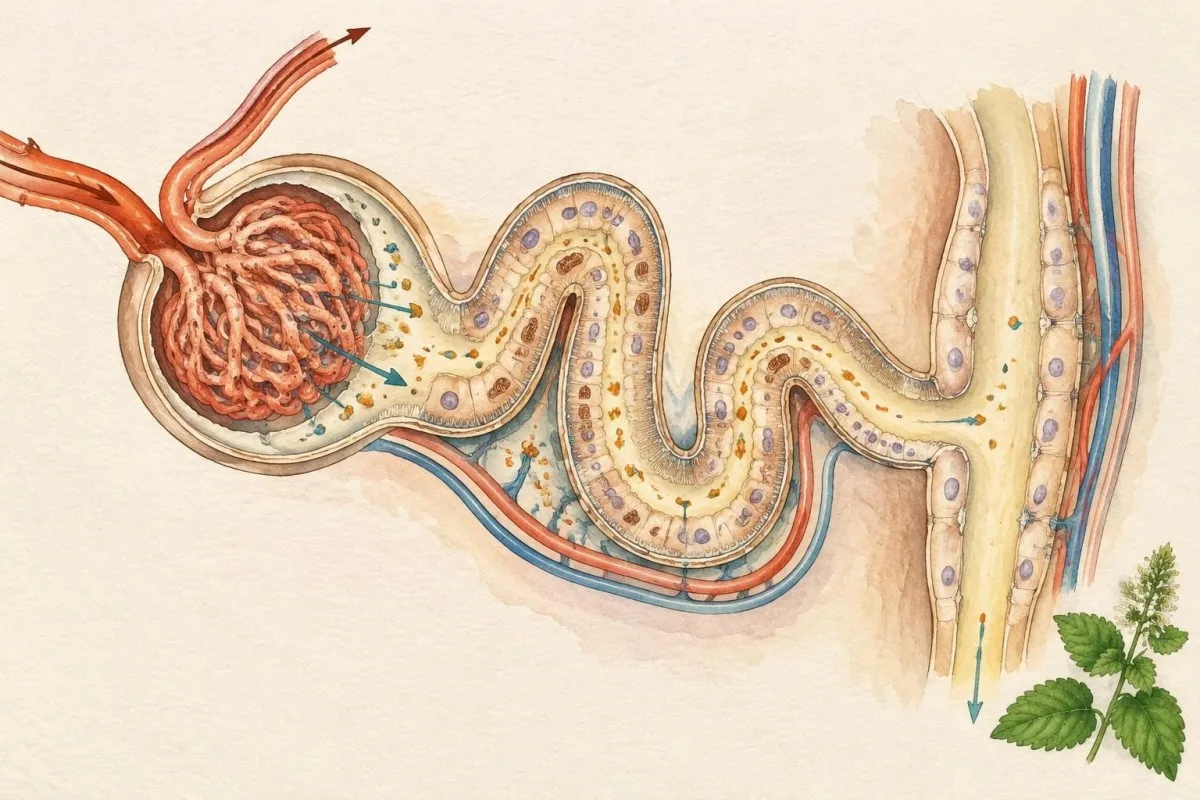
These bands are practical interpretation zones, not universal disease stages. The 2024 KDIGO chronic kidney disease guideline emphasizes confirming abnormal results and integrating albuminuria, eGFR, urine sediment and clinical history rather than treating a single ratio as a diagnosis (KDIGO, 2024).
A ratio of 220 mg/g could represent a brief exercise-related rise in one person and early kidney disease in another. The difference often emerges from a repeat first-morning sample, blood pressure measurement and whether the ratio remains abnormal for at least 3 months.
ئۇنىڭغا قوشۇمچە ماتېرىيال قان بېسىمى يۇقىرى ياكى دىئابېت بار ئەرلەر يەنە سۈيدۈك ئالبۇمىنى ۋە سۈيدۈك تەكشۈرۈشىنى (urinalysis)مۇ كۆرۈپ چىقىشى كېرەك؛ گەرچە بۇ ماقالە قان تەكشۈرۈشلىرىگە مەركەزلەشكەن بولسىمۇ، بىزنىڭ ئاقسىل مىقدارىنى سىناق قەغىزى نەتىجىسىدىن پەرقلەندۈرۈشكە ياردەم بېرىدۇ؛ سىناق قەغىزى نەتىجىسى سۈيدۈك قويۇقلۇقىنىڭ تەسىرىگە ئۇچرايدۇ ۋە ئاساسلىقى ئالبۇمىننى بايقايدۇ. بەزى تەجرىبىخانىلاردا قارار چېكى سەل پەرقلىق بولىدۇ، شۇڭا بېسىلغان پايدىلىنىش ئارىلىقىنى ئىزاھلاشقا كىرگۈزۈش كېرەك.
| دەرىجە | دائىرە | مەنىسى |
|---|---|---|
| ئادەتتە تۆۋەن | <150 mg/g (<0.15 g/g؛ <17 mg/mmol) | Commonly within the usual adult range, though symptoms and other urine findings still matter. |
| ئازراق يۇقىرى | 150-500 mg/g (0.15-0.50 g/g) | May be transient or clinically meaningful; repeat testing and context are usually needed. |
| ئېنىق يۇقىرى | 500-3,500 mg/g (0.50-3.50 g/g) | Often warrants kidney-focused assessment, especially with blood in urine, high blood pressure or reduced eGFR. |
| Nephrotic-range zone | >3,500 mg/g (>3.50 g/g; >396 mg/mmol) | Requires prompt clinical evaluation for substantial protein loss and possible glomerular disease. |
ئاقسىل-كرېئاتىنىن نىسبىتى بىلەن ئالبۇمىن-كرېئاتىنىن نىسبىتىنىڭ پەرقى
A protein-to-creatinine ratio measures total urine protein, while an albumin-to-creatinine ratio measures albumin specifically. The difference matters because a urine sample can contain albumin, low-molecular-weight proteins, immunoglobulin fragments or proteins from the urinary tract.

Albumin-to-creatinine ratio is usually preferred for detecting small increases in glomerular albumin leakage, especially in diabetes and hypertension. A PCR of 400 mg/g and an ACR of 30 mg/g do not describe the same protein pattern because most of the total protein may be something other than albumin.
A disproportionately high PCR with a relatively low ACR can suggest tubular protein loss, overflow proteins or urinary tract contributions, although laboratory methods and timing can also explain the mismatch. For example, a PCR of 1,000 mg/g with an ACR of 80 mg/g deserves a different workup from a PCR and ACR that are both near 1,000 mg/g.
Urine sediment can add another layer: red cells, casts and tubular cells may indicate an active process even when the ratio is only 250 mg/g. Our explanation of ئىچكى قىسىمدىكى كۆرۈش covers why microscopy can change the significance of a quantitative result.
ئەۋرىشكە ئېلىش شارائىتى بىر قېتىملىق نەتىجىگە قانداق تەسىر كۆرسىتىدۇ
A spot urine protein creatinine ratio is most interpretable when collected as a clean, preferably first-morning sample after avoiding unusual exertion. Fever, dehydration, urinary infection, menstruation, semen contamination and heavy exercise can produce temporary protein elevations that may fall within days.
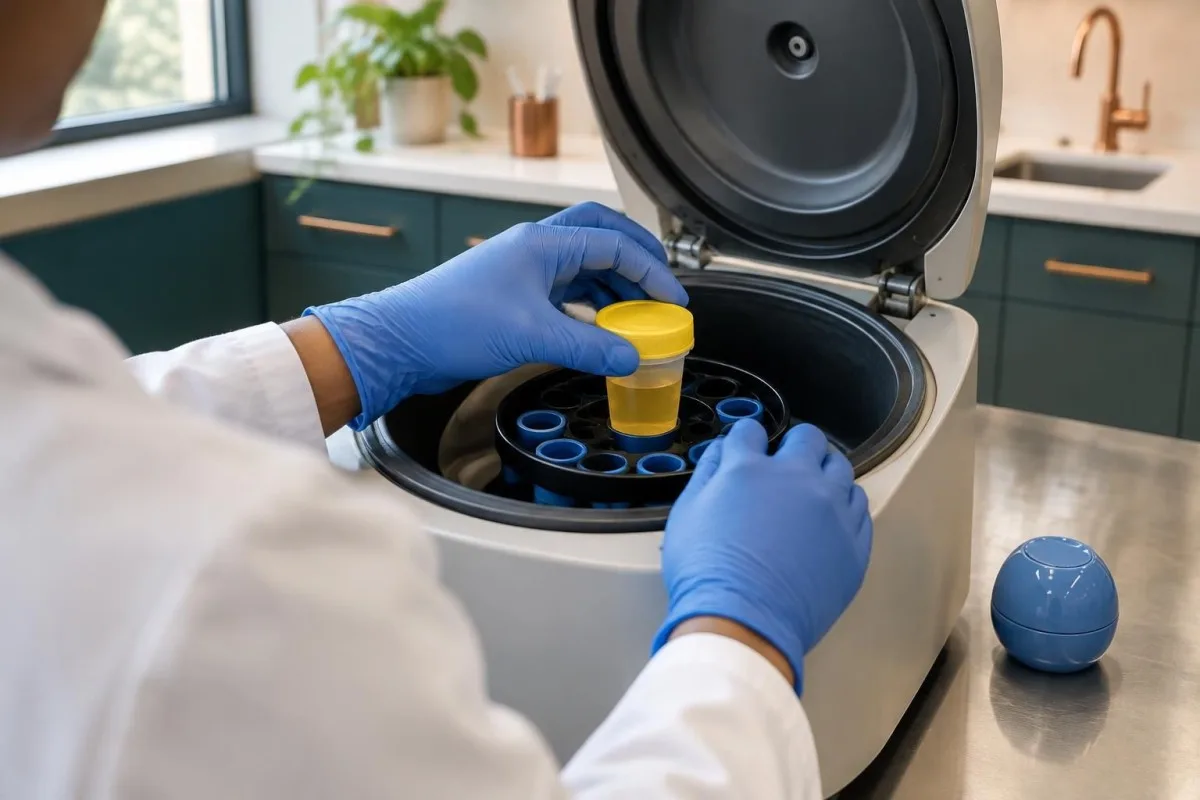
First-morning urine is often useful because it has been in the bladder for several hours and is less affected by daytime activity. A sample taken immediately after a long run may show a higher ratio than one collected after 24 to 48 hours of normal activity.
A dilute sample can create a ratio that is mathematically valid but less dependable when urine creatinine is very low. A practical collection plan includes washing hands, using the laboratory container, avoiding the first few seconds of flow when instructed and recording whether exercise or illness occurred within the previous 24 hours.
Persistent foamy urine is not proof of proteinuria, because rapid flow and concentrated urine can create bubbles, but foam that continues across several days deserves testing. Our article on داۋاملىق كۆپۈكلۈك سۈيدۈك explains when appearance should be replaced by measurement.
سۈيدۈك ئاقسىلى-كرېئاتىنىن نىسبىتىنىڭ يۇقىرى بولۇشىغا نېمە سەۋەب بولىدۇ
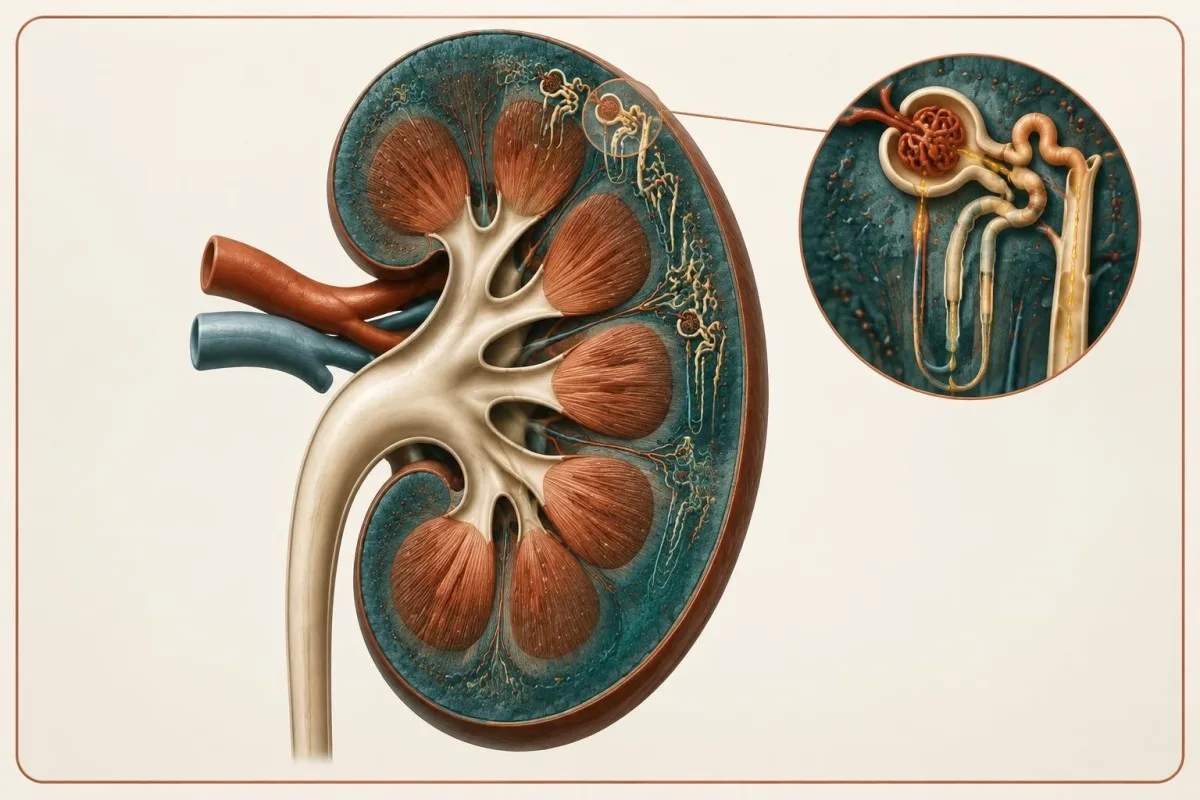
A high urine protein creatinine ratio can arise from glomerular leakage, tubular reabsorption problems, excess circulating proteins or inflammation below the kidneys. The reason clinicians combine the ratio with urine microscopy, eGFR and blood pressure is that the same numerical result can come from very different mechanisms.

Glomerular disorders often allow albumin and larger proteins to cross the filtration barrier, sometimes producing PCR values above 1,000 mg/g. Tubular disorders may produce smaller protein increases, while overflow states such as monoclonal light-chain production may require tests that a routine dipstick does not detect well.
A urinary infection can increase protein through inflammatory material and blood cells, particularly when leukocytes or nitrites are present. Treating an infection and repeating the ratio after approximately 1 to 2 weeks may clarify whether the elevation was temporary, although the exact interval depends on symptoms and clinical advice.
Protein without infection can also accompany high blood pressure, diabetes, autoimmune disease, heart failure or medication-related kidney stress. The presence of bacteria alone does not prove a symptomatic infection; our guide to bacteria in urine without symptoms explains why culture and symptoms must be considered together.
دوختۇرلار يۇقىرى نەتىجىنى قانداق چۈشەندۈرىدۇ
A high urine protein creatinine ratio becomes more concerning when it is persistent, rising or accompanied by reduced eGFR, blood in urine, cellular casts, swelling or high blood pressure. A single value of 600 mg/g is a signal for assessment, not a diagnosis of irreversible kidney disease.
Magnitude changes the urgency: 180 mg/g is borderline in many adult laboratories, 900 mg/g is clearly abnormal, and 4,000 mg/g enters the nephrotic-range zone. The reason nephrotic-range values receive faster attention is that substantial protein loss can lower blood albumin and contribute to edema, altered lipids and clotting complications.
The pattern matters more than a solitary peak. For example, a hypothetical 52-year-old marathon runner with a PCR of 700 mg/g after a race and 90 mg/g on a rested first-morning repeat has a different risk profile from someone with 700 mg/g on three samples over 3 months.
The 2021 KDIGO glomerular disease guideline recommends disease-specific evaluation when proteinuria is substantial or accompanied by active urine sediment; it does not treat every elevated ratio as the same condition (KDIGO, 2021). A temporary eGFR reduction after dehydration can also distort the picture, as described in our سۇسىزلىنىش ۋە eGFR يوليورىقى.
سۈيدۈك ئاقسىلى نىسبىتىنى قاچان قايتا تەكشۈرۈش كېرەك
Clinicians commonly repeat an unexpected urine protein creatinine ratio when the patient is well, the sample was not first-morning, or a temporary trigger could explain the result. Confirmation is particularly useful for borderline values between 150 and 500 mg/g, while very high results or red-flag symptoms should not wait for routine monitoring.

A repeat may be arranged within days to weeks after strenuous exercise, fever or urinary symptoms have resolved. Chronic kidney disease generally requires an abnormal kidney marker lasting at least 3 months, so a result on day 1 alone cannot establish chronicity.
Repeating the same test is not always enough. If PCR remains high, clinicians may add ACR, urine microscopy, serum creatinine and eGFR, electrolytes, albumin, glucose and blood pressure; if a monoclonal protein is suspected, serum or urine electrophoresis and free-light-chain testing may be considered.
Trends should use comparable conditions whenever possible, such as first-morning samples from the same laboratory. Our قان تەكشۈرۈش ۋاقىت لىنىيەسى يېتەكچىسى explains why illness, exercise, medication changes and timing can make two nearby results look more different than they truly are.
قايسى قان تەكشۈرۈشلىرى نىسبەتنى مۇناسىۋەتلىك ئەھۋالغا قويۇپ چۈشىنىشكە ياردەم بېرىدۇ
Serum creatinine, eGFR, albumin, electrolytes, glucose and blood pressure are the main companion data for a urine protein ratio. A high PCR with normal eGFR still deserves attention, while a high PCR plus falling eGFR or low serum albumin usually raises the urgency.
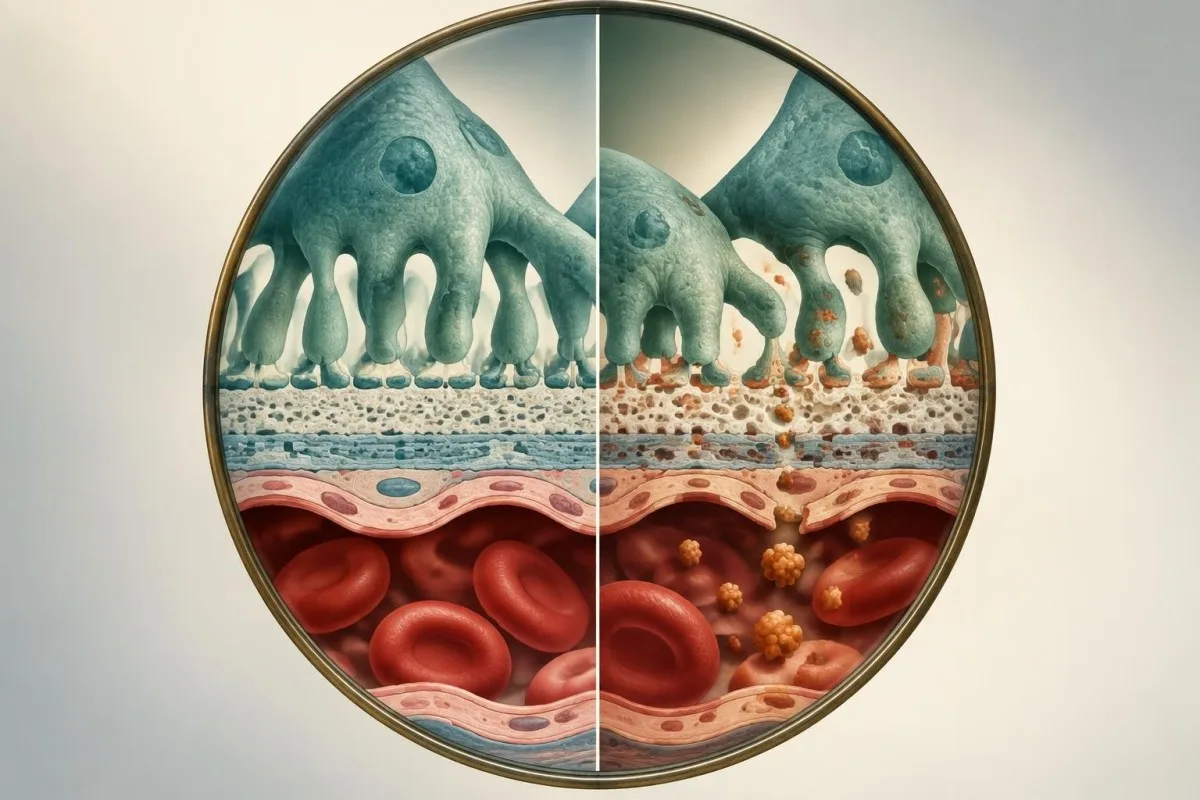
Serum creatinine can appear reassuring in a person with low muscle mass because creatinine production is lower, while a muscular adult may have a higher baseline without kidney disease. An eGFR of 58 mL/min/1.73 m² and PCR of 800 mg/g create a more concerning combination than either result viewed alone.
Low serum albumin below approximately 3.0 g/dL alongside PCR above 3,500 mg/g suggests that protein loss may be physiologically significant, although liver disease, nutrition and inflammation can also lower albumin. The reason clinicians ask about swelling is that reduced plasma oncotic pressure can shift fluid into tissues.
BUN and creatinine are influenced by hydration, diet and muscle turnover, so they do not quantify urinary protein. Our BUN-نى قەنت بىلەن سېلىشتۇرۇش كۆرسەتكۈچى explains why those blood markers should not be substituted for a urine protein measurement.
ھامىلىدارلىق مەزگىلىدە بۇ نىسبەت نېمىدىن دېرەك بېرىدۇ
During pregnancy, a urine protein creatinine ratio of 0.3 g/g, or 300 mg/g, is commonly used as a threshold for significant proteinuria when assessing hypertensive disorders. The ratio must be interpreted with blood pressure, symptoms, platelet count, liver enzymes, creatinine and gestational age rather than used alone.
A pregnant person with blood pressure of 145/95 mmHg and PCR of 0.34 g/g needs prompt clinical assessment, even if the urine appearance is normal. Severe headache, visual change, upper abdominal pain, sudden swelling or shortness of breath require urgent maternity advice because they can indicate maternal organ involvement.
The evidence on the exact spot-ratio threshold is not perfectly uniform, especially near 0.3 g/g and in different populations. A systematic review by Côté and colleagues in the BMJ found that spot protein-to-creatinine testing can reduce the need for timed collection, but clinical context still determines whether additional testing is needed (Côté et al., 2008).
Pregnancy changes kidney filtration and can alter the meaning of creatinine-based estimates, so non-pregnant reference assumptions may mislead. The related ھامىلدارلىق GFR يېتەكچىمىز describes why pregnancy-specific review is preferable to applying adult cutoffs mechanically.
ياش ۋە مۇسكۇل ماسسىسى نىسبەتكە قانداق تەسىر كۆرسىتىدۇ
The creatinine denominator makes a spot urine protein ratio less straightforward in children, frail older adults, highly muscular people and those with low muscle mass. Two people with the same protein excretion can receive different ratios if their daily creatinine production differs substantially.

In small children, clinicians often adjust interpretation for age and body surface area rather than applying adult limits such as 150 mg/g. A toddler result of 0.2 mg/mg cannot be interpreted in the same way as a healthy adult result of 0.2 mg/mg without pediatric reference data.
An older adult with low muscle mass may have low urine creatinine and an apparently high ratio from a modest protein concentration. Conversely, a heavily muscled adult may have a larger creatinine denominator that makes the ratio look lower than the absolute protein concentration might suggest.
A family history of kidney disease, especially with ancestry-associated risk variants, can alter the threshold for investigation. Our overview of APOL1 گېن تەكشۈرۈشى explains one example of inherited risk without implying that a ratio alone identifies a genetic cause.
يۇقىرى نىسبەتنى تېخىمۇ جىددىي قىلىدىغان ئالامەتلەر
A high urine protein creatinine ratio needs faster medical review when it occurs with swelling, breathlessness, markedly reduced urine output, visible blood in urine, severe headache or very high blood pressure. Many kidney conditions cause no symptoms at ratios below 1,000 mg/g, so feeling well does not rule out persistent protein loss.
Sudden facial or ankle swelling with PCR above 3,500 mg/g may indicate heavy protein loss, especially when serum albumin is below 3.0 g/dL. New breathlessness can reflect fluid accumulation and should not be attributed to the urine result without prompt assessment.
Visible tea-colored or pink urine, reduced urine output over 12 hours, confusion or severe flank pain needs urgent care regardless of whether PCR is 100 mg/g or 1,000 mg/g. The ratio can be modest when blood or inflammation is the dominant clue.
Persistent protein with an eGFR below 30 mL/min/1.73 m² generally warrants specialist involvement under many referral pathways, though local criteria differ. Our low-eGFR warning guide explains why symptoms and filtration level can change the speed of evaluation.
ئۇنىڭدىن كېيىن قانداق تەكشۈرۈشلەر ئېلىپ بېرىلىشى مۇمكىن
Persistent or substantial proteinuria may lead to repeat ACR and PCR, urine microscopy, kidney ultrasound, immune testing, protein electrophoresis or specialist review. The specific sequence depends on whether the pattern is albumin-dominant, blood-associated, nephrotic-range, tubular or linked to another illness.
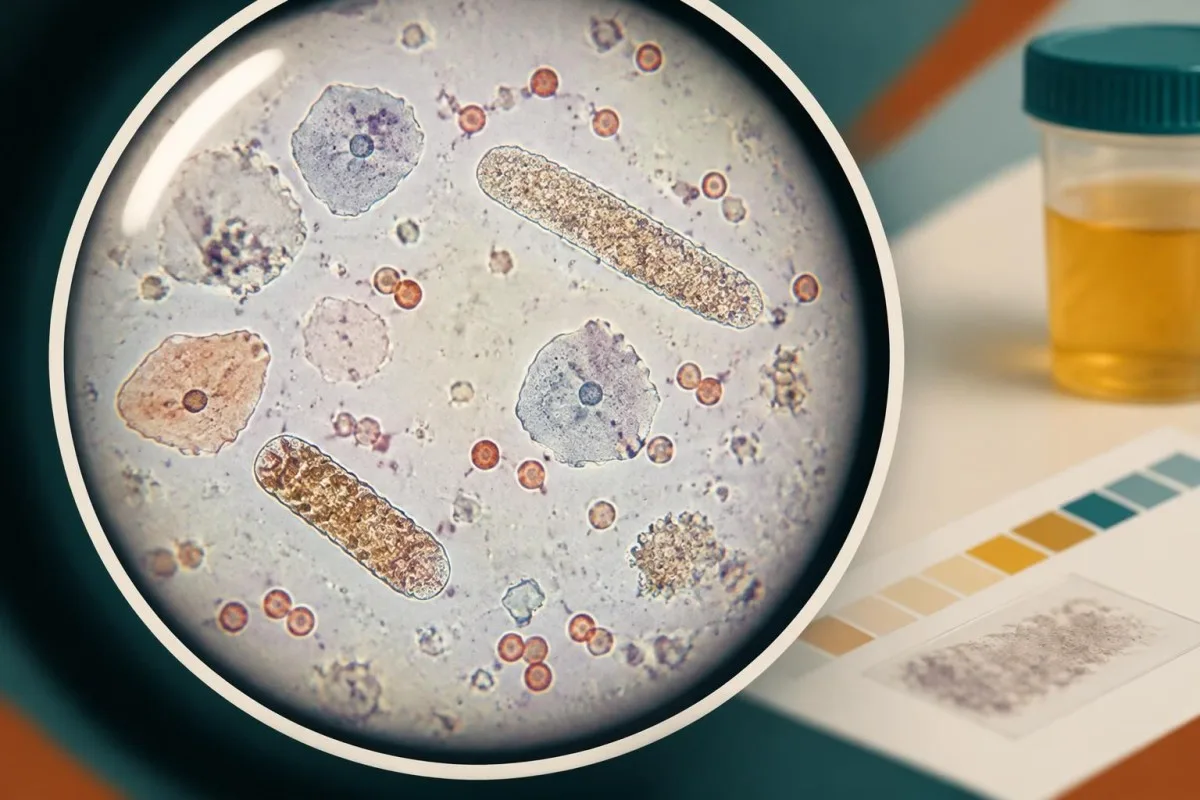
Albumin-dominant protein with red-cell casts may prompt assessment for glomerular inflammation, including complement levels and autoimmune antibodies. Marked protein with little blood may point clinicians toward diabetes, membranous disease or another filtration-barrier disorder, but these patterns are not diagnostic by themselves.
A kidney ultrasound can assess size, obstruction and structural features, while a biopsy is reserved for selected cases where tissue information would change treatment. A PCR of 2.0 g/g does not automatically mean biopsy; age, eGFR, ACR, sediment and treatment options all influence that decision.
Anti-PLA2R antibodies can support evaluation of some membranous nephropathy patterns, but a positive result still requires clinical interpretation. Our article on PLA2R antibody results explains why one specialized test cannot replace the wider kidney assessment.
دورىلار ۋە ساغلاملىق ئەھۋاللىرى كېيىنكى قەدەملەرگە قانداق تەسىر كۆرسىتىدۇ
Management of an elevated urine protein creatinine ratio targets the underlying cause and often includes blood-pressure control, diabetes care, medication review and avoidance of preventable kidney stress. Treatment decisions should follow confirmation and clinical assessment rather than a self-calculated ratio alone.

Clinicians may review non-steroidal anti-inflammatory drugs, contrast exposure, supplements and medicines that alter kidney filtration or potassium balance. An adult with PCR of 900 mg/g, eGFR of 52 and potassium of 5.5 mmol/L needs a different plan from someone with PCR of 900 mg/g and stable potassium of 4.2 mmol/L.
Angiotensin-converting enzyme inhibitors, angiotensin receptor blockers and selected newer kidney-protective medicines can reduce albuminuria in appropriate patients, but they require individualized monitoring. A change in serum creatinine or potassium after starting treatment may be clinically expected in some situations yet unsafe in others.
Kantesti is an AI blood test interpretation platform that can place repeated creatinine, eGFR, potassium, albumin and glucose results into a trend view; it does not prescribe treatment or decide whether a medicine is safe. Medication changes should be discussed with the prescriber, particularly when eGFR is below 60 mL/min/1.73 m².
سۈيدۈك ۋە قان تەكشۈرۈش نەتىجىلىرىڭىزنى قانداق رەتلەش
A urine protein ratio is easiest to interpret when the report includes its unit, collection date, urine creatinine concentration, laboratory reference interval and related blood results. A structured timeline can reveal whether a value of 250 mg/g is isolated, recurring or rising over 6 months.
Before interpreting a report, record whether the sample was first-morning, whether you had fever or strenuous exercise, and whether urinary symptoms or menstruation were present. Also record serum creatinine, eGFR, ACR, albumin, potassium and blood pressure from the same period when available.
Kantesti is an AI-powered blood test analysis tool that helps explain related blood biomarkers in context, but a urine ratio may not be available in every blood-test report. Our AI تېخنىكىسى يېتەكچىسى describes why automated interpretation can organize data while still leaving clinical decisions to qualified professionals.
Do not compare 0.25 g/g from one laboratory directly with 25 mg/mmol from another without conversion; those values are approximately 250 mg/g and 25 mg/mmol, respectively. If the report lacks a unit or appears internally inconsistent, ask the laboratory or clinician to verify the original result before drawing conclusions.
نەتىجىڭىز توغرىسىدا قاچان دوختۇرغا مۇراجىئەت قىلىش كېرەك
Contact a clinician about a urine protein creatinine ratio above the laboratory range, especially if it exceeds 500 mg/g or persists on repeat testing. Seek urgent advice for heavy protein-range results with swelling, breathlessness, very high blood pressure, visible urine discoloration or markedly reduced urine output.
A result of 160 mg/g without symptoms may be handled differently from 1,600 mg/g with blood in urine, but both should be interpreted rather than ignored. The first may need a clean repeat sample; the second may need blood tests, microscopy and timely kidney review.
Bring the complete report rather than only the flagged number, including units, reference interval and urine creatinine. A clinician also needs medication doses, recent illness, exercise history and pregnancy status because those details can alter the probability of a transient or clinically significant result.
Kantesti can help users organize blood-test trends before an appointment, while our داۋالاشنى دەلىللەش ئۇچۇرىمىزنى explains the role of clinical standards and oversight in automated interpretation. AI-generated context should support, not delay, care when warning symptoms are present.
دائىملىق سورالدىغان سوئاللار
نورمال سۈيدۈكتىكى ئاقسىل-كرېئاتىنىن نىسبىتى قانچىلىك؟
سىيدىكتىكى ئاقسىلنىڭ كرېئاتىنىنغا بولغان نىسبىتى 150 mg/g دىن تۆۋەن، ياكى 0.15 g/g بولسا، ئادەتتە ھامىلىدار بولمىغان چوڭلارنىڭ نورمال دائىرىسىدە دەپ قارىلىدۇ. بەزى تەجرىبىخانىلار باشقا پايدىلىنىش ئارىلىقلىرىنى ئىشلىتىدۇ، قان، سىلىندىرلار، eGFR نىڭ تۆۋەنلىشى ياكى يۇقىرى قان بېسىمى بولسا، نورمال كۆرۈنىدىغان نەتىجە بۆرەك كېسىلىنىڭ يوقلۇقىنى بىلدۈرمەيدۇ. كەم دېگەندە 3 ئاي داۋاملاشقان بىنورماللىق بىر قېتىملىق چېگرا قىممەتتىكى نەتىجىگە قارىغاندا تېخىمۇ ئەھمىيەتلىك.
سۈيدۈكتىكى ئاقسىل-كرېئاتىنېن نىسبىتى 0.3 بولسا يۇقىرى ھېسابلىنامدۇ؟
0.3 g/g نىسبىتى 300 mg/g غا تەڭ بولۇپ، چوڭلاردا ئادەتتە قوللىنىلىدىغان 150 mg/g لىق پايدىلىنىش چېكىدىن يۇقىرى. ھامىلىدارلىق مەزگىلىدە، يۇقىرى قان بېسىمىنى باھالىغاندا، 0.3 g/g كۆرۈنەرلىك ئاقسىللىق سۈيدۈكنىڭ كۆپ قوللىنىلىدىغان چېكى ھېسابلىنىدۇ، شۇڭا ئۇنى تېزدىن كلىنىكىلىق ئەھۋالغا ئاساسەن باھالاش كېرەك. ھامىلىدارلىق سىرتىدا، دوختۇرلار ئادەتتە بۇ نەتىجىنى قايتا تەكشۈرۈپ، ئۇنىڭ مەنىسىنى بېكىتىشتىن بۇرۇن eGFR، سۈيدۈك مىكروسكوپىيەسى، قان بېسىمى ۋە ئالبۇمېننى تەكشۈرىدۇ.
سۈيدۈكتىكى ئاقسىل-كرېئاتىن نىسبىتىنىڭ يۇقىرى بولۇشى نېمىدىن دېرەك بېرىدۇ؟
سۈيدۈكتىكى ئاقسىل-كرېئاتىنىن نىسبىتىنىڭ يۇقىرى بولۇشى، سۈيدۈكتىكى كرېئاتىنىن مىقدارىغا سېلىشتۇرغاندا ئاقسىلنىڭ ئادەتتىكىدىن كۆپ ئىكەنلىكىنى بىلدۈرىدۇ، ئەمما بۇ نىسبەتنىڭ ئۆزىلا سەۋەبىنى ئېنىقلاپ بېرەلمەيدۇ. 500 mg/g دىن يۇقىرى قىممەتلەر كۆپىنچە بۆرەككە مەركەزلەشكەن تەكشۈرۈشكە سەۋەب بولىدۇ، 3,500 mg/g دىن يۇقىرى قىممەتلەر بولسا نېفرىت دائىرىسىگە كىرىدۇ. بەدەن چېنىقتۇرۇش، قىزىتما، يۇقۇملىنىش، سۇسىزلىنىش، گلومېرۇلا كېسىلى، نەيچە كېسىلى ۋە سۈيدۈككە ئېقىپ چىققان ئاقسىللارنىڭ ھەممىسى نەتىجىنىڭ يۇقىرى چىقىشىغا سەۋەب بولالايدۇ.
سۈيدۈكتىكى ئاقسىل-كرېئاتىنىن نىسبىتى 24 سائەتلىك سۈيدۈك يىغىشنىڭ ئورنىنى باسامدۇ؟
بىر قېتىملىق سۈيدۈكتىكى ئاقسىل-كرېئاتىنىن نىسبىتى ئادەتتە 24 سائەتلىك سۈيدۈك يىغىشنى تەلەپ قىلماستىن، كۈندىلىك ئاقسىل يوقىتىش مىقدارىنى مۆلچەرلەيدۇ؛ 1 g/g تەخمىنەن كۈنىگە 1 g غا باراۋەر. سۈيدۈكتىكى كرېئاتىنىن مىقدارى ئادەتتىن تاشقىرى تۆۋەن ياكى يۇقىرى بولغاندا، يىغىش شارائىتى نورمال بولمىغاندا ياكى ئاقسىل ئاجرىلىپ چىقىش مىقدارى تېز ئۆزگەرگەندە، بۇ ئۇسۇلنىڭ ئىشەنچلىكلىكى تۆۋەنلەيدۇ. بىر قېتىملىق ئەۋرىشكە نەتىجىسى كېسەللىك ئالامەتلىرى، ئالبۇمىن مىقدارى ياكى باشقا تەكشۈرۈشلەر بىلەن ماس كەلمىسە، دوختۇرلار يەنىلا بەلگىلەنگەن ۋاقىت ئىچىدە سۈيدۈك يىغىشنى تەلەپ قىلىشى مۇمكىن.
سۈيدۈكتىكى ئاقسىل نىسبىتى يۇقىرى چىققاندا، تەكشۈرۈشنى قانچە ۋاقىتتىن كېيىن قايتىلاش كېرەك؟
150 دىن 500 mg/g ئارىسىدىكى كۈتۈلمىگەن چېگرا قىممەتتىكى نەتىجە، ئادەتتە قىزىش، سۈيدۈك يولى ئالامەتلىرى ياكى قاتتىق جىسمانىي ھەرىكەت قاتارلىق ۋاقىتلىق سەۋەبلەر پەسەيگەندىن كېيىن، كلىنىكىلىق مەسلىھەتكە ئاساسەن كۆپىنچە بىر نەچچە كۈندىن بىر نەچچە ھەپتىگىچە بولغان ئارىلىقتا قايتا تەكشۈرۈلىدۇ. سوزۇلما بۆرەك كېسەللىكى دەپ دىئاگنوز قويۇش ئۈچۈن بۆرەكتىكى نورمالسىزلىق كەم دېگەندە 3 ئاي داۋاملىشىشى كېرەك، شۇڭا بىرلا نەتىجە سوزۇلمىلىقنى ئىسپاتلىيالمايدۇ. نىسبەتنىڭ ئىنتايىن يۇقىرى بولۇشى، ئىششىق، سۈيدۈك رەڭگىنىڭ كۆزگە كۆرۈنەرلىك ئۆزگىرىشى ياكى سۈيدۈك مىقدارىنىڭ ئازىيىشى ئادەتتىكى قايتا تەكشۈرۈشنى كۈتۈشنىڭ ئورنىغا، كلىنىكىلىق باھالاشنى تەلەپ قىلىدۇ.
سۈيدۈكتىكى PCR بىلەن ACR نىڭ پەرقى نېمە؟
PCR ئومۇمىي سۈيدۈك ئاقسىلىنى ئۆلچەيدۇ، ACR بولسا پەقەت ئالبۇمىننى ئۆلچەيدۇ. ACR 80 mg/g بولغاندا PCR نىڭ 1,000 mg/g بولۇشى، PCR بىلەن ACR نىڭ ھەر ئىككىسى 1,000 mg/g ئەتراپىدا بولغان ئەھۋالغا قارىغاندا باشقىچە ئاقسىل ئەندىزىسىنى كۆرسىتىدۇ. كلىنىكىلىق دوختۇرلار بۇ سېلىشتۇرۇش ئارقىلىق گلومېرۇلدىن ئالبۇمىننىڭ ئېقىپ چىقىشى، نەيچە ئاقسىللىرى، نورمىدىن ئارتۇق ئاقسىللار ياكى سۈيدۈك يولىنىڭ تەسىرىنى باھالايدۇ.
قان تەكشۈرۈش نەتىجىسىنى قانداق ئوقۇش
تەجرىبىخانا دوكلاتىڭىزنى يوللاڭ، Kantesti نىڭ سۈنئىي ئەقىلى ھەر بىر بىئوماركېرنى بىر نەچچە سېكۇنت ئىچىدە ئاددىي تىلدا چۈشەندۈرىدۇ. دۇنيا بويىچە 2 مىليوندىن ئارتۇق ئادەم ئىشلىتىدۇ.
پايدىلانغان ماتېرىياللار
- Klein, T., Mitchell, S., & Weber, H. (2026). سۈيدۈكتىكى ئۇروگېن تەكشۈرۈشى: تولۇق سۈيدۈك تەكشۈرۈش قوللانمىسى 2026. Kantesti AI Medical Research. DOI
- Klein, T., Mitchell, S., & Weber, H. (2026). تۆمۈر تەكشۈرۈشى قوللانمىسى: TIBC، تۆمۈر تويۇنۇش نىسبىتى ۋە باغلاش ئىقتىدارى. Kantesti AI Medical Research. DOI
- KDIGO (2024). سوزۇلما بۆرەك كېسەللىكلىرىنى باھالاش ۋە باشقۇرۇش بويىچە KDIGO 2024 كلىنىكىلىق ئەمەلىيەت قوللانمىسى. Kidney International. DOI
- KDIGO (2021). KDIGO 2021 Clinical Practice Guideline for the Management of Glomerular Diseases. Kidney International. DOI
- Côté AM et al. (2008). Diagnostic accuracy of urinary spot protein:creatinine ratio for proteinuria in hypertensive pregnant women: systematic review. BMJ. DOI PubMed
- 2M +تەھلىل قىلىنغان تەكشۈرۈشلەر
- 127+دۆلەتلەر
- 100+تىللار
تېببىي گۇرۇپپا ھەققىدە


E-E-A-T ئىشەنچ سىگناللىرى
تەجرىبە
دوختۇر رەھبەرلىكىدىكى لابوراتورىيە تەبىرىنى چۈشەندۈرۈش خىزمەت ئېقىملىرىنى بالىياتقۇچلۇق تەكشۈرۈش.
مۇتەخەسسىسلىك
بىئوماركىرلارنىڭ كىلىنىكىلىق مۇھىتتا قانداق ھەرىكەت قىلىدىغانلىقىغا مەركەزلەشكەن لابوراتورىيە تېبابىتى.
ھوقۇقدارلىق
دوكتور توماس كلېين تېببىي جەھەتتىن تەكشۈرگەن، دوكتور سارا مىچېل ۋە پروفېسسور دوكتور خانس ۋېبېرنىڭ تۆھپىسى بىلەن تەييارلانغان.
ئىشەنچلىكلىك
ئاگاھلاندۇرۇشنى ئازايتىش ئۈچۈن ئېنىق كېيىنكى قەدەملەر بىلەن ئىسپات-ئاساسلىق تەبىر.



تېببىي ئاگاھلاندۇرۇش
بۇ ماقالە پەقەت تەربىيە-ئوقۇتۇش مەقسىتى ئۈچۈن بولۇپ، داۋالاش مەسلىھەتىنى تەشكىل قىلمايدۇ. دىئاگنوز قويۇش ۋە داۋالاش قارارلىرى ئۈچۈن ھەمىشە لاياقەتلىك ساغلاملىق مۇلازىمىتى تەمىنلىگۈچى بىلەن مەسلىھەتلىشىڭ.
Published · تەھرىر گۇرۇپپىسى بىلەن ئالاقىلىشىڭ
ئەنگلىيە ۋە ۋېلىشتا تىزىمغا ئېلىنغان Kantesti Ltd تەرىپىدىن نەشر قىلىنغان، شىركەت نومۇرى:. 17090423, ، لوندون، ئەنگلىيە.
