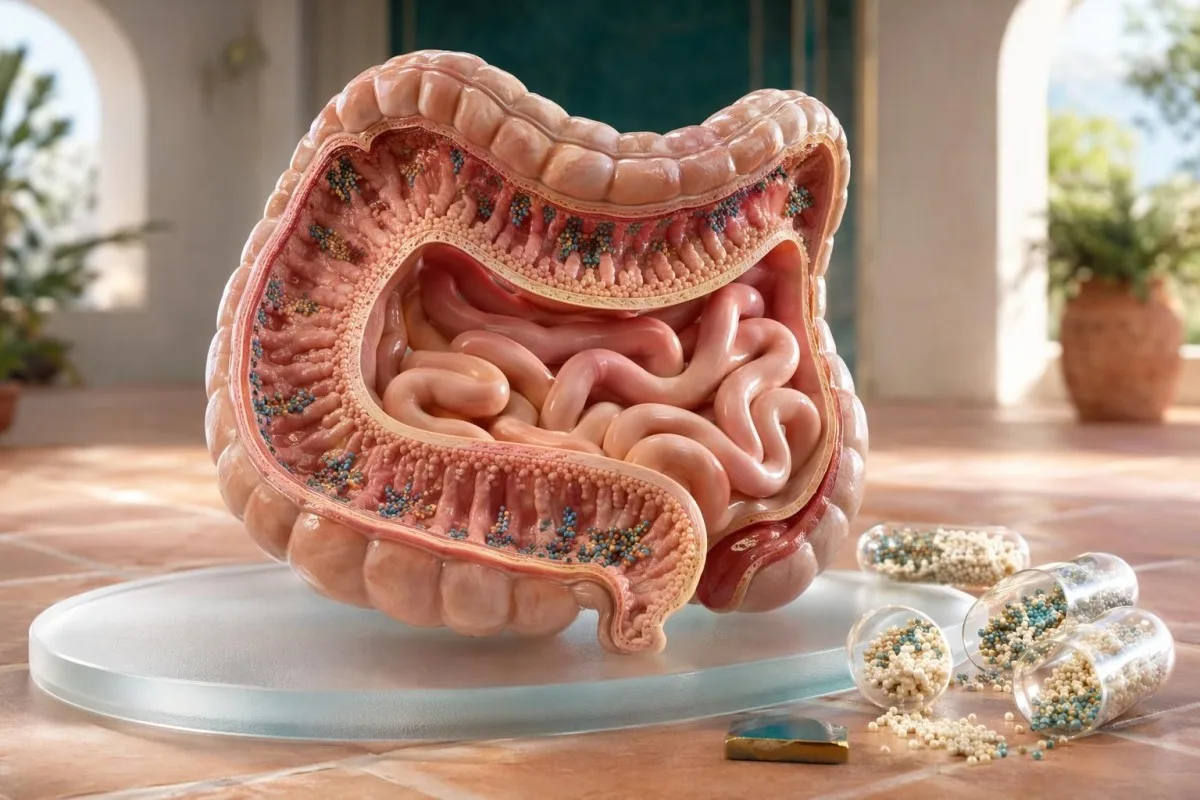
كېسەللىك ئالامىتى نىشانىغا ئاساسەن پروبىئوتىك سورتلىرىنى تاللاش، ئۇنى ئانتىبىئوتىكتىن كېيىن ۋاقتىدا ئىستېمال قىلىش، ھەمدە ئۈچەي ئالامەتلىرىنىڭ قايسى ۋاقىتتا يەنە بىر قوشۇمچە ماددا ئەمەس، بەلكى تەكشۈرۈش (لابراتورىيە) لازىملىقىنى بىلىش ئۈچۈن ئەمەلىي، دوختۇر يېتەكچىلىكىدىكى قوللانما.


- ئەڭ ياخشى پروبىئوتىك تاللاش كېسەللىك ئالامىتى نىشانىغا باغلىق: ئانتىبىئوتىكتىن كېيىن Lactobacillus rhamnosus GG ياكى Saccharomyces boulardii، ھەمدە IBS غا ئوخشاش قورساق كۆپۈيىشى ئۈچۈن تاللانغان Bifidobacterium سورتلىرى.
- ئادەتتىكى چوڭلار مىقدارى نۇرغۇن Lactobacillus ياكى Bifidobacterium مەھسۇلاتلىرى ئۈچۈن كۈنىگە 1–10 مىليارد CFU؛ Saccharomyces boulardii ئۈچۈن ئادەتتە كۈنىگە 2 قېتىم 250–500 mg.
- ئانتىبىئوتىك ۋاقتى ئادەتتە پروبىئوتىكنى ئانتىبىئوتىكتىن كەم دېگەندە 2–3 سائەت ئايرىپ ئىستېمال قىلىش، ھەمدە ئاخىرقى قېتىملىق مىقداردىن كېيىن 1–2 ھەپتە داۋاملاشتۇرۇشنى كۆرسىتىدۇ.
- IBS سىناش ۋاقتى بىرلا مەھسۇلات بىلەن بىرلا ۋاقىتتا 4–8 ھەپتە بولۇشى كېرەك؛ ئەگەر 14 كۈن ئىچىدە قورساق كۆپۈيىشى، ئاغرىق ياكى چوڭ تەرەت قېتىم سانى ناچارلاشسا، توختىتىش مۇۋاپىق.
- پروبىئوتىك يان تەسىرى ئادەتتە دەسلەپكى 3–7 كۈندە گاز، قورساق كۆپۈيىشى ۋە تېخىمۇ يۇمشاق چوڭ تەرەت بولىدۇ، ئەمما قىزىتما، قاتتىق ئاغرىق ياكى سۇسىزلىنىش نورمال قوشۇمچە ماددا ئىنكاسى ئەمەس.
- خەتەرلىك سىگنال ئالامەتلىرى مەسىلەن چوڭ تەرەتتە قان كۆرۈلۈش، 6 ئاي ئىچىدە 5% دىن يۇقىرى ئورۇقلاش، كېچىدە ئىچى سۈرۈش، ئانېمىيە ياكى CRP 10 mg/L دىن يۇقىرى بولسا ئۆز ئالدىغا داۋالاشتىن بۇرۇن چوقۇم داۋالاش تەكشۈرۈشى كېرەك.
- Fecal calprotectin 50 µg/g دىن تۆۋەن بولسا نۇرغۇن چوڭلاردا ئاكتىپ ياللۇغلىنىش خاراكتېرلىك ئۈچەي كېسىلىنىڭ ئېھتىماللىقىنى تۆۋەنلىتىدۇ، ئەمما 250 µg/g دىن يۇقىرى قىممەتلەر كۆپىنچە مۇتەخەسسىس تەكشۈرۈشىنى تەلەپ قىلىدۇ.
- ئىممۇنىتېتى تۆۋەن بىمارلار مەركىزىي لىنىيەسى بارلار، يېقىندا كۆچۈرۈش قىلدۇرغانلار، نېرۋا ئاق قان ھۈجەيرىسى (neutropenia) تۆۋەنلەر ياكى ICU دەرىجىلىك كېسەللىكتىكى بىمارلار پروبىئوتىكلاردىن ساقلىنىشى كېرەك، ئەگەر دوختۇر مەخسۇس تەۋسىيە قىلمىسا.
ئۈچەي ساغلاملىقى ئۈچۈن ھەقىقەتەن سىناپ بېقىشقا ئەرزىيدىغان پروبىئوتىكلار قايسىلار؟
ئۈچەي ساغلاملىقى ئۈچۈن ئەڭ ياخشى پروبىئوتىك ماركا «ھىپ»ى ياكى ئەڭ يۇقىرى CFU سانى بىلەن تاللانمايدۇ؛ ئۇ تۈر (strain)، ئالامەت نىشانى ۋە خەتەر ئارخىپى بىلەن تاللىنىدۇ. ئانتىبىئوتىكتىن كېيىن مەن ئادەتتە Lactobacillus rhamnosus GG ياكى Saccharomyces boulardii نى ئىزدەيمەن. IBS غا ئوخشاش قورساق كۆپۈش، ئاغرىق ياكى تەرتىپسىز چوڭ تەرەت ئۈچۈن تاللانغان Bifidobacterium تۈرلىرىنىڭ سىگنالى تېخىمۇ ياخشى بولىدۇ. ئەگەر چوڭ تەرەتتە قان، قىزىتما، ئورۇقلاش، ئانېمىيە ياكى داۋاملىق كېچىدە ئىچى سۈرۈش بولسا، ئۆز ئالدىغا داۋالاشتىن بۇرۇن تەكشۈرۈش نەتىجىلىرى ۋە داۋالاش تەكشۈرۈشى كېرەك.
مەن توماس كلېين، MD، كلېنىكىدا ھەر ھەپتە ئوخشاش ئەندىزەنى كۆرىمەن: بىر بىمار ئۈچ دانە يېرىم ئىشلىتىلگەن پروبىئوتىك بوتۇلكىسىنى ئېلىپ كېلىدۇ، ھەر بىرىدە 20–50 مىليارد CFU بار، شۇنداقتىمۇ تاماقتىن كېيىن قورساق كۆپۈش داۋاملىشىدۇ. مەسىلە كۆپىنچە تىرىشچانلىق ئەمەس؛ ئۇ ئادەتتە تۈر بىلەن ئالامەتنىڭ ماس كەلمەسلىكى.
Kantesti بولسا ئۈچەي ئالامەتلىرىنى CBC، CRP، ferritin، albumin، جىگەر فېرمېنتلىرى ۋە مېتابولىك بەلگىلەر بىلەن بىللە قويۇپ بېرىشكە ياردەم بېرىدىغان AI قان تەكشۈرۈش نەتىجىسى سۇپىسى؛ ئۈچەينى يالغۇز مەۋجۇتتەك كۆرۈپ داۋالاش ئەمەس. ئەگەر ئالامەتلىرىڭىز چارچاش، ئانېمىيە ياكى ئېغىرلىق ئۆزگىرىشى بىلەن توغرىلانسا، بىزنىڭ ئۈچەي ساغلاملىقى قان تەكشۈرۈشى قان تەكشۈرۈشىنىڭ نېمىنى كۆرسىتەلەيدىغانلىقى ۋە نېمىنى كۆرسىتەلەيدىغانلىقىنى چۈشەندۈرىدۇ.
پروبىئوتىك سىناق ئەڭ پايدىلىق بولىدۇ، ئەگەر ئۇنىڭ ئېنىق ئاخىرلىشىش نۇقتىسى بولسا: بوش چوڭ تەرەتنىڭ ئازىيىشى، قورساق كۆپۈشنىڭ تۆۋەنلىشى، چوڭ تەرەت شەكلىنىڭ ياخشىلىنىشى ياكى 2–8 ھەپتە ئىچىدە ئانتىبىئوتىك بىلەن مۇناسىۋەتلىك ئالامەتلەرنىڭ ئازىيىشى. ئۆلچەپ بولىدىغان نىشان بولمىسا، كىشىلەر قىممەت كاپسۇللارنى نەچچە ئاي داۋاملىق ئىچىپ، ئۇنىڭ ياردەم قىلغان-قىلمىغانلىقىنى ھەرگىز بىلىپ قالمايدۇ.
پروبىئوتىكلار ئۈچەيدە نېمىنى ئۆزگەرتەلەيدۇ، نېمىنى ئۆزگەرتەلمەيدۇ
پروبىئوتىكلار ۋاقىتلىق ئۈچەي مىكروبى پائالىيىتىنى ئۆزگەرتەلەيدۇ، توساق (barrier) سىگنالىنى ياخشىلىيالايدۇ ۋە بەزى ئانتىبىئوتىك بىلەن مۇناسىۋەتلىك ئىچى سۈرۈشنى ئازايتالايدۇ، ئەمما ئۇلار ئادەتتە مىكروبىئومنى مەڭگۈ “قايتا قۇرۇپ” بەرمەيدۇ. پروبىئوتىك تۈرلىرىنىڭ كۆپىنچىسى توختىتىلغاندىن كېيىن بىر نەچچە كۈن ئىچىدە ياكى بىر نەچچە ھەپتە ئىچىدە چوڭ تەرەتتىن يوقىلىدۇ.
پايدىلىق پروبىئوتىك مەڭگۈلۈك كۆچۈرۈشكە قارىغاندا قىسقا مۇددەتلىك بىئولوگىيەلىك داۋالاشقا تېخىمۇ ئوخشايدۇ. بەزى تۈرلەر زۆرۈر بولمىغان مىكروبلار بىلەن رىقابەتلىشىدۇ، بەزىلىرى لاكتىك كىسلاتا ياكى قىسقا زەنجىرلىق ياغ كىسلاتاسى (short-chain fatty acid) سىگنالىنى ئىشلەپ چىقىرىدۇ، يەنە بەزىلىرى ئۈچەي قاپارتمىسىدا ئىممۇنىتېت سىگنالىنى پەسەيتىۋاتقاندەك كۆرۈنىدۇ.
ئامېرىكا گاسترونتېروولوگىيە جەمئىيىتىنىڭ Su قاتارلىقلار تەرىپىدىن Gastroenterology دا ئېلان قىلغان يېتەكچىسى ئومۇمىي پروبىئوتىك ئىشلىتىش ئەمەس، بەلكى تاللانما ئىشلىتىشنى تەۋسىيە قىلدى، ھەمدە ھەر بىر ھەزىمە ئاغرىقى ئۈچۈن پروبىئوتىك قوللىمايدى (Su et al., 2020). بۇ بىز كلېنىكىدا كۆرىدىغان ئىشقا ماس كېلىدۇ: بىر بىماردا ئانتىبىئوتىكتىن كېيىنكى ئىچى سۈرۈش 72 سائەت ئىچىدە ياخشىلىنىدۇ، يەنە بىر بىماردا بولسا ئوخشاش بوتۇلكىدىكى پروبىئوتىك قەۋزىيەت ۋە قورساق كۆپۈشنى كۈچەيتىۋېتىدۇ.
Kantesti AI ئاددىي ئۈچەي تولۇقلىمىسىنى بىرىنچى قەدەمدە ناچار تاللاش قىلىدىغان ئەندىزىلەرنى بايراق قىلىدۇ؛ مەسىلەن، CRP 10 mg/L دىن يۇقىرى بولغاندا albumin تۆۋەن ياكى platelets يۇقىرى بولغاندا گېموگلوبىن تۆۋەن. بىزنىڭ كلىنىكىلىق دەلىللەش خىزمىتى ئارقىلىق تەكشۈرىدۇ ئەندىزە تونۇشقا ئەھمىيەت بېرىشىمىز، چۈنكى يالغۇز “نورمال” نەتىجىلەر كۆپىنچە كلېنىكىي ھېكايىنى قولدىن بېرىپ قويىدۇ.
كېسەللىك ئالامىتى نىشانىغا ئاساسەن پروبىئوتىك سورتلىرىنى قانداق تاللاش
ھەل قىلماقچى بولغان مەسىلىڭىزگە قاراپ پروبىئوتىك تۈرلىرىنى تاللاڭ: ئانتىبىئوتىك بىلەن مۇناسىۋەتلىك ئىچى سۈرۈش، IBS غا ئوخشاش قورساق كۆپۈش، قەۋزىيەت، ساياھەتچى تىپىدىكى بوش چوڭ تەرەت ياكى pouchitis خەۋىپى. پەقەت “ئالاھىدە ئارىلاشما” دەپلا يېزىلغان، تۈر ناملىرى يوق مەھسۇلاتنى كلېنىكىي باھالاش تېخىمۇ قىيىن.
تۈر ناملىرى مۇھىم، چۈنكى Lactobacillus rhamnosus GG باشقا Lactobacillus rhamnosus تۈرى بىلەن ئوخشاش كلېنىكىي مەۋجۇت ئەمەس. تۈر (genus) ۋە تۈر-تۈر (species) سىزنى توغرا رايونغا ئېلىپ كىرىدۇ؛ تۈر كودى بولسا سىزگە ئەمەلىي ئادرېسنى كۆرسىتىدۇ.
چوڭلار ئۈچۈن نۇرغۇن Lactobacillus ۋە Bifidobacterium سىناقلاردا كۈنىگە 1–10 مىليارد CFU ئىشلىتىلىدۇ، بەزى كۆپ تۈرلۈك مەھسۇلاتلاردا 10–50 مىليارد CFU ئىشلىتىلىدۇ. CFU نىڭ يۇقىرى بولۇشى ھەر ۋاقىت ياخشى دېگەنلىك ئەمەس؛ سەزگۈر IBS بىمارلىرىدا 7 كۈن تۆۋەن باشلاش كۆپىنچە “شار بەككەندەك قورساق كۆپۈپ كەتتى” دېگەن ھېسنى ئالدىنى ئالىدۇ.
ئەگەر قورساق كۆپۈش سىزنىڭ ئاساسلىق ئالامىتىڭىز بولسا، مىكروبنىڭ ئۆزىگە قانداق ئەھمىيەت بەرسىڭىز، ئۇنى بېقىدىغان يېمەكلىكمۇ شۇنداق ئەستايىدىل ئويلاڭ. بەزى بىمارلار تۆۋەن مىقداردىكى پروبىئوتىكنى يېنىك ئېرىيدىغان تالالىق ماددا (soluble fiber) بىلەن بىرلەشتۈرگەندە تېخىمۇ ياخشى بولىدۇ، يەنە بەزىلىرىمىز بولسا كاپسۇل قوشۇشتىن بۇرۇن بىزنىڭ پرېبىئوتىك ۋاقتى توغرىسىدىكى يېتەكلىگۈچ نى ئىشلىتىپ تېخىمۇ ئاستا ئۇسۇلدا مېڭىشى كېرەك.
ئانتىبىئوتىكتىن كېيىن پروبىئوتىكلار قاچان ياردەم بېرىدۇ
پروبىئوتىكلار ئانتىبىئوتىكتىن كېيىن ئەڭ ئىشەنچلىك تاللاش بولۇپ، ئانتىبىئوتىك بىلەن مۇناسىۋەتلىك ئىچى سۈرۈشنى ئازايتىش نىشان قىلىنغاندا، بولۇپمۇ ئىلگىرىكى ئانتىبىئوتىك كۇرسلىرىدا بوش ئورۇندۇق كۆرگەن كىشىلەردە ئەڭ مۇۋاپىق. ئەگەر ئىچى سۈرۈش ئېغىر، قانلىق ياكى قىزىتما بىلەن بىللە بولسا، ئۇ جىددىي تەكشۈرۈشنىڭ ئورنىنى ئالمايدۇ.
Goldenberg قاتارلىقلارنىڭ Cochrane تەكشۈرۈشىدە، پروبىئوتىكلار Clostridioides difficile بىلەن مۇناسىۋەتلىك ئىچى سۈرۈش خەۋپىنى يۇقىرى خەۋپلىك ئانتىبىئوتىك ئىشلەتكۈچىلەردە تۆۋەنلىتىدىغانلىقى بايقالغان؛ ئەڭ كۈچلۈك پايدىلىقلىقى ئاساسىي خەۋپ تەخمىنەن 5% دىن يۇقىرى بولغاندا كۆرۈلگەن (Goldenberg et al., 2017). ئاددىي قىلىپ ئېيتقاندا: كېسەللىكى ئېغىرراق ياكى ئانتىبىئوتىك تەسىرى كۆپرەك بولغان گۇرۇپپا، قىسقا كۇرس ئىچىدىغان ناھايىتى تۆۋەن خەۋپلىك ئادەمگە قارىغاندا كۆپرەك نەپكە ئېرىشىشكە مايىل.
ئەمەلىي ۋاقىتلاشتۇرۇش ئاددىي. پروبىئوتىكنى ئانتىبىئوتىك دورىسىدىن كەم دېگەندە 2–3 سائەت يىراق ئىچىڭ، چۈنكى ھەر ئىككىسىنى بىرلا ۋاقىتتا يۇتۇش ئانتىبىئوتىكقا سەزگۈر باكتېرىيە تۈرىنىڭ ھاياتىيلىقىنى تۆۋەنلىتىپ قويۇشى مۇمكىن.
ئانتىبىئوتىكتىن كېيىن كۈنىگە 3 قېتىمدىن كۆپ سۇدەك ئىچى سۈرۈش، بولۇپمۇ قورساق تىترەش (كرامپ)، قىزىتما ياكى سۇسىزلىنىش بىلەن بولسا، باشقىچە ئىسپاتلانغۇچە C. difficile نىڭ مۇمكىنلىكى دەپ داۋالاش كېرەك. بىزنىڭ يۇقۇملىنىش قان تەكشۈرۈش ئەندىزىلىرىمىز ئىچى سۈرۈش يېنىك بولمىغاندا CBC, CRP ۋە بۆرەك كۆرسەتكۈچلىرىنىڭ نېمىشقا مۇھىملىقىنى چۈشەندۈرىدۇ.
IBS غا ئوخشاش قورساق كۆپۈيىشى، ئاغرىق ۋە چوڭ تەرەت ئۆزگىرىشى ئۈچۈن پروبىئوتىكلار
پروبىئوتىكلار بەزى IBS بىمارلىرىغا ياردەم بېرەلەيدۇ، ئەمما ئوتتۇرىچە پايدا كىچىك ۋە تۈر/سورتقا خاس. ئەگەر قورساق ئاغرىقى 3 ئاي ئىچىدە ھەپتىدە كەم دېگەندە 1 كۈن ئورۇندۇق ئۆزگىرىشى بىلەن باغلانغان بولسا، IBS بولۇشى مۇمكىن، لېكىن بۇ دىئاگنوز يەنىلا «قىزىل بايراق»لارنى تەكشۈرۈشنى تەلەپ قىلىدۇ.
Ford قاتارلىقلارنىڭ Alimentary Pharmacology & Therapeutics ژۇرنىلىدىكى تور مېتا-ئانالىزىدا، بەزى پروبىئوتىكلار ئومۇمىي IBS ئالامەتلىرىنى ياخشىلىغانلىقى بايقالغان، ئەمما ئىسپات تۈرلەر ۋە مەھسۇلاتلار ئارىسىدا ناھايىتى روشەن پەرق قىلغان (Ford et al., 2018). شۇڭا مەن بىمارلارغا “پروبىئوتىك IBS نى ياردەم قىلىدۇ” دەپ ئېيتمايمەن؛ قايسى ئالامەت ۋە قايسى تۈر ئىكەنلىكىنى سورايمەن.
ئىچى سۈرۈش بىلەن كېلىدىغان IBS ئۈچۈن، 4 ھەپتىلىك سىناق ئادەتتە ئالدىراشلىق (urgency) ياكى ئورۇندۇق قېتىم سانىنىڭ ياخشىلىنىدىغان-ياخشىمايدىغانلىقىنى كۆرۈشكە يېتەرلىك. ئىچى قېتىش بىلەن كېلىدىغان IBS ئۈچۈن، مەن ئۇنى 6–8 ھەپتىگە يېقىنراق قىلىپ بېرىمەن، چۈنكى ئورۇندۇقنىڭ ئۆتۈش ۋاقتى ئاستا ئۆزگىرىدۇ، ھەپتىدە 2 دىن 4 قېتىمغىچە بولغان ئۆزگىرىش يەنىلا بىمارغا مۇھىم بولۇشى مۇمكىن.
كۆپۈكلىنىش (بۆرتۈش) ئىچى سۈرۈشكە قارىغاندا تېخىمۇ مۇرەككەپ. ئەگەر پىياز، بۇغداي، سامساق، ئالما ياكى سۈت 2–6 سائەت ئىچىدە ئالامەت قوزغىسا، قىسقا، قۇرۇلمىلىق يېمەك-ئىچمەك ئۇسۇلى باشقا بىر پروبىئوتىكقا قارىغاندا تېخىمۇ ئۈنۈملۈك بولۇشى مۇمكىن، بىزنىڭ تۆۋەن-FODMAP پىلانى ماقالىمىزدا تەجرىبىخانا تەكشۈرۈشى قاچان ئالدى بىلەن كېلىشى كېرەكلىكى چۈشەندۈرۈلىدۇ.
پروبىئوتىك يان تەسىرى: قايسىسى نورمال، قايسىسى نورمال ئەمەس
كۆپ ئۇچرايدىغان پروبىئوتىك يان تەسىرلىرى گاز، كۆپۈكلىنىش، يېنىك قورساق تىترەش (كرامپ) ۋە بوشراق ئورۇندۇق بولۇپ، ئادەتتە دەسلەپكى 3–7 كۈن ئىچىدە كۆرۈلىدۇ. ئېغىر ئاغرىق، قىزىتما، دانىخورەك (رەش)، توختىماي قۇسۇش ياكى سۇسىزلىنىشنى “ئۆلۈپ كېتىش (die-off)” دەپلا چەتكە قاقماسلىق كېرەك.”
مەن ئەڭ كۆپ تاپشۇرۇۋالىدىغان تېلېفون/ئىلتىماس: يۇقىرى مىقداردىكى كۆپ تۈرلۈك مەھسۇلاتنى باشلىغاندىن كېيىن كۆپۈكلىنىش. نۇرغۇن ئەھۋالدا 50 مىليارد CFU دىن 5–10 مىليارد CFU غا چۈشۈرۈش ياكى ھەر كۈندە ئەمەس، كۈندە-كۈندە (every other day) دورا بېرىش ئۇنى بىر ھەپتە ئىچىدە توغرىلاپ قويىدۇ.
Saccharomyces boulardii بىر خىل ئېچىتقۇ (يېاست) پروبىئوتىكى، شۇڭا ئۇ Lactobacillus غا ئوخشاشلا ئانتىبىئوتىكقا قارشى دورىلار تەرىپىدىن ئوخشاش ئۇسۇلدا ئۆلتۈرۈلمەيدۇ. بۇ ئانتىبىئوتىكتىن كېيىن پايدىلىق بولالايدۇ، ئەمما شۇڭا مەركىزىي تومۇر كاتېتېرى بار بىمارلار، ICU دەرىجىلىك كېسەللىك ياكى ئېغىر دەرىجىدە ئىممۇنىتېت سۇسلىشى بارلار ئۇنى ئىشلەتمەستىن بۇرۇن چوقۇم دوختۇر/كلىنىكىستنىڭ يېتەكچىلىكىگە موھتاج.
پروبىئوتىكلارنى ماگنىي سىترات، يۇقىرى مىقداردىكى ۋىتامىن C، بېرۋېرىن (berberine)، شېكەر ئىسپىرتلىرى (sugar alcohols) ياكى يېڭى تالا (فايبر) بىلەن بىرگە «ئۈستى-ئۈستىگە» (stacking) قىلىش يان تەسىرلەرنى چۈشەندۈرۈشنى مۇمكىن قىلماي قويىدۇ. ئەگەر سىز بىرلا ۋاقىتتا بىر نەچچە مەھسۇلاتنى ئۆزگەرتىۋاتقان بولسىڭىز، بىزنىڭ تولۇقلىما ۋاقتىدىكى زىددىيەتلەر توغرىسىدىكى ماقالىمىز بىلەن ياخشى ماس كېلىدۇ؛ چۈنكى مىقدار، ۋاقىت ۋە ئۆز-ئارا تەسىر مۇھىم. يېتەكچىمىز تەرتىپنى پىلانلاشنىڭ تېخىمۇ بىخەتەر ئۇسۇلى.
پروبىئوتىكلارنى بىرىنچى قەدەمدە قىلماسلىق كېرەك بولغان «قىزىل بايراق»لار
ئۈچەي ئالامەتلىرى قاناش، قىزىتما، سەۋەبسىز ئورۇقلاش، ئانېمىيە، توختىماي قۇسۇش، ئېغىر ئاغرىق ياكى كېچىدە ئىچى سۈرۈش بىلەن بىللە كەلگەندە، پروبىئوتىك ئالدى بىلەن قىلىدىغان تۇنجى ھەرىكەت بولماسلىقى كېرەك. بۇ خىل ئەندىزىلەر ياللۇغلىنىش، يۇقۇملىنىش، ئاشقازان ئاستى بېزى، جىگەر ياكى راك بىلەن مۇناسىۋەتلىك كېسەللىكلەرنى بىلدۈرۈشى مۇمكىن.
6 ئاي ئىچىدە بەدەن ئېغىرلىقىنىڭ 5% دىن يۇقىرى سەۋەبسىز ئورۇقلىشى داۋالاش تەكشۈرۈشىگە لايىق، ئەڭ كۆپ سىزنى بىئارام قىلىدىغان ئالامەت كۆپۈكلىنىش بولسىمۇ. 70 كىلوگىراملىق بىر چوڭ ئادەم تىرىشماي تۇرۇپ 4 كىلوگىرام ئورۇقلىسا، بۇ پروبىئوتىك تاللاش مەسىلىسى ئەمەس.
قان ياكى قارا ئورۇندۇق، قىزىتما بىلەن بىللە شىللىق (مۇكۇس)، ياكى سىزنى ئۇيقۇدىن ئويغىتىدىغان ئىچى سۈرۈش ئاددىي يېمەك-ئىچمەك بەرداشلىقسىزلىكىدىن يىراقلاشتۇرىدۇ. بىزنىڭ مۇكۇس ۋە ئورۇندۇق ئاگاھلاندۇرۇشلىرى توغرىسىدىكى ماقالىمىز ئۇلارنىڭ ئىچىدە تەسۋىرلەنگەن ئەندىزىلەر دۆت تەكشۈرۈش، CBC ياكى جىددىي قۇتقۇزۇش مۇلازىمىتىنى كەلتۈرۈپ چىقىرىشى كېرەك بولغان ئەھۋاللارنى ئۆز ئىچىگە ئالىدۇ.
ئاقسىز دۆت، مايلىق دۆت، سارغىيىش، داۋاملىق ئوڭ ئۈست قورساق ئاغرىقى ياكى يېڭىدىن باشلانغان دىئابېت ئالامەتلىرى ئۆت ئېقىمى، ئاشقازان ئاستى بېزى ياكى جىگەر ماددا ئالماشتۇرۇشى بىلەن مۇناسىۋەتلىك بولۇشى مۇمكىن. تېخىمۇ چوڭقۇر ئالامەت خەرىتىسى ئۈچۈن، بىزنىڭ تەتقىقات بىلەن باغلانغان ھەزىم قىلىش ئالامەتلىرى قوللانمىسى قايسى ئىشارەتنىڭ مۇھىملىقىنى بىلمەيدىغان بىمارلارغا پايدىلىق.
ئۇزۇنراق پروبىئوتىك سىناشتىن بۇرۇن ئەھمىيەتلىك بولغان تەكشۈرۈشلەر ۋە چوڭ تەرەت تەكشۈرۈشى
4–6 ھەپتىدىن ئۇزۇن داۋاملاشقان ئۈچەي ئالامەتلىرى ھەمىشە پروبىئوتىك سىناقلىرىنى قايتا قىلىشتىن بۇرۇن ئاساسىي تەكشۈرۈشلەرنى ئاقلايدۇ. CBC, CRP, فېررىتىن, ئالبۇمىن, جىگەر ئېنزىملىرى, تىروئىد تەكشۈرۈش ۋە تاللانغان دۆت تەكشۈرۈشلىرى ئىقتىدارلىق ئالامەتلەرنى ياللۇغلىنىش ياكى مالابسورپسىيە ئەندىزىلىرىدىن ئايرىپ بېرەلەيدۇ.
50 µg/g دىن تۆۋەن بولغان fecal calprotectin نۇرغۇن قۇرامىغا يەتكەنلەردە ئاكتىپ ياللۇغلىنىش خاراكتېرلىك ئۈچەي كېسەللىكىنىڭ ئېھتىماللىقىنى تۆۋەنلىتىدۇ، 250 µg/g دىن يۇقىرى نەتىجىلەر بولسا كۆپىنچە گاسترونتېرولوگىيە تەكشۈرۈشىگە ئېلىپ بارىدۇ. كۈلرەڭ رايون، تەخمىنەن 50–250 µg/g، ۋاقىت، يۇقۇم تارىخى ۋە NSAID ئىشلىتىش ئىزاھاتنى ئۆزگەرتەلەيدىغان جاي.
Kantesti بولسا 127+ دۆلەتلەردىكى كىشىلەر تەرىپىدىن فېررىتىن، CRP, ئالبۇمىن، ئېئوسىنوفىللار ۋە جىگەر ئېنزىملىرى قاتارلىق ئۈچەيگە يېقىن بەلگىلەرنى بىرگە ئىزاھلاش ئۈچۈن ئىشلىتىلىدىغان AI بىلەن كۈچلەنگەن قان تەكشۈرۈش ئانالىز قورالى. بىزنىڭ بىئوماركىر قوللانمىمىز 15,000 دىن ئارتۇق بەلگىنى ئۆز ئىچىگە ئالىدۇ، ئەمما ئەڭ پايدىلىق ئۈچەي خىزمەت تەكشۈرۈشلىرى ئادەتتە ئاددىي ۋە نىشانلىق بولىدۇ.
فېررىتىن 30 ng/mL دىن تۆۋەن، ئالبۇمىن 3.5 g/dL دىن تۆۋەن، CRP 10 mg/L دىن يۇقىرى ياكى گېموگلوبىن تەجرىبىخانىنىڭ تۆۋەن چەكتىن تۆۋەن بولسا پىلاننى ئۆزگەرتىش كېرەك. ئەگەر calprotectin دوكلاتىڭىزدا كۆرۈنسە، بىزنىڭ fecal calprotectin نى ئىزاھلاش يېتەكچىسى ھەر بىر چېگرادىن ئازراق ئۆتكەن قىممەتنىلا ئەندىشەگە ئايلاندۇرماي، چەك-چېگرالارنى چۈشەندۈرىدۇ.
پروبىئوتىك بەلگىسىنى ئالدامچىلىققا ئۇچرىماي قانداق ئوقۇش
ياخشى پروبىئوتىك بەلگىسىدە تۈر (genus)، تۈرچە (species)، سورت (strain)، ۋاقتى توشۇشقىچە CFU، ساقلاش كۆرسەتمىسى ۋە ئاللېرجېن ئۇچۇرى بولىدۇ. پەقەت “10 مىليارد تىرىك مەدەنىيەت” دېگەنلا ئېنىقسىز بەلگە مەھسۇلاتنى بىر ئالامەتكە ماسلاشتۇرۇش ئۈچۈن بەك ئاز كلنىكىلىق ئۇچۇر بېرىدۇ.
Lactobacillus rhamnosus GG ياكى Bifidobacterium animalis subsp. lactis HN019 غا ئوخشاش سورت دەرىجىلىك ناملىنىشنى ئىزدەڭ. ئەگەر بەلگە Lactobacillus acidophilus دا توختاپ قالسا، سىز تۈر (genus) ۋە تۈرچە (species) نى بىلىسىز، ئەمما تەكشۈرۈلگەن سورتنى بىلمەيسىز.
CFU ئەڭ ياخشىسى ۋاقتى توشۇش ۋاقتىغىچە كاپالەتلەنگەن بولۇشى كېرەك، پەقەت “ئىشلەپچىقىرىشتا”لا ئەمەس. 20 مىليارد CFU بىلەن ياسالغان كاپسۇل نەملىك، ئىسسىقلىق ياكى ئوكسىگېن تەسىرى ياخشى كونترول قىلىنمىغان بولسا، 12 ئاي كېيىن شۇ مىقدارنى يەتكۈزەلمەسلىكى مۇمكىن.
ئەگەر سىز پروبىئوتىكلەرنى تولۇقلىما سىناق سۈپىتىدە ئىشلىتىۋاتقان بولسىڭىز، ئۇلارنى باشقا ھەر قانداق ئارىلىشىشقا ئوخشاش بىر تەرەپ قىلىڭ: باشلىنىش ۋاقتىنى، مىقدارنى، ئۈچەي ھەرىكىتىنىڭ قېتىم سانىنى ۋە يان تەسىرلەرنى خاتىرىلەڭ. بىزنىڭ تولۇقلىما تەكشۈرۈشلىرى (ئىلگىرى-كېيىن) يېتەكچىسى بىرلا ۋاقىتتا بەش خىل ئۆزگەرگۈچىنى ئۆزگەرتىشتىن قانداق ساقلىنىشنى كۆرسىتىدۇ.
پروبىئوتىككە ياردەمچى ماددىلار (پرىبىئوتىكلار)، يېمەكلىك ۋە ئېچىتىلغان مەھسۇلاتلار: ئۇلارنىڭ ئورنى
پروبىئوتىكلەر بولسا بار بولغان ئۈچەي مىكروبلارنى ئوزۇقلاندۇرىدۇ، پروبىئوتىكلەر بولسا تاللانغان تىرىك جانلىقلارنى قوشىدۇ؛ ھەر ئىككىسى ياردەم قىلالايدۇ، ئەمما بەك تېز تونۇشتۇرۇلسا ھەر ئىككىسى گازنى كۈچەيتىپ قويۇشى مۇمكىن. ئادەتتە يۇقىرى مىقداردىكى كاپسۇلغا بىۋاسىتە سەكرەپ كىرىشتىن كۆرە، ئالدى بىلەن يېمەكلىكتىن باشلاش تېخىمۇ ياخشى قوبۇل قىلىنىدۇ.
psyllium، قىسمەن ھىدرولىزلانغان guar gum ۋە بەزى سۇلۇ تالا-تۈرىگە ئوخشاش ئېرىيدىغان تالالار inulin ئېغىر مەھسۇلاتلاردىكىگە ئوخشاشلا گاز يۈكىنى كۆپەيتمەي تۇرۇپ دۆت شەكلىنى ياخشىلىيالايدۇ. مەن ئادەتتە psyllium نى كۈنىگە تەخمىنەن 3–5 g دىن باشلاپ، قوبۇل قىلىنسا ھەر 5–7 كۈندە كۆپەيتىمەن.
ئېچىتىلغان يېمەكلىكلەرنىڭ ھەممىسىلا كلنىكىلىق پروبىئوتىكلەرگە تەڭ كېلىدۇ دېگەنلىك ئەمەس. ياغۇرت، كېفىر، كىمچى ئۇسلۇبىدىكى كۆكتاتلار ۋە ئېچىتىلگەن سوي يېمەكلىكلىرى تىرىك جانلىقلار سانى، تۇز مىقدارى ۋە ھىستامىن يۈكىدە كەڭ پەرق قىلىدۇ؛ شۇڭا سەزگۈر بىمارلارغا «قەھرىمانچە» بىر قېتىملىق چوڭ مىقدار ئەمەس، بەلكى ئاستا سىناق قىلىش لازىم.
مېدىتېررانيان ئۇسلۇبىدىكى يېمەك-ئىچمەك ئەندىزىسى تالا كۆپ خىللىقىنى ئاشۇرىدۇ ۋە تېخىمۇ ياخشى يۈرەك-ماددا ئالماشتۇرۇش بەلگىلىرى بىلەن مۇناسىۋەتلىك، ئەمما ئۇ يەنە IBS دا چوقۇم شەخسىيلەشتۈرۈلۈشى كېرەك. بىزنىڭ ئ중 دېڭىز ۋېڭاژىغا خاس ئالاھىدىلىكلەر ماقالىمىز يېمەك-ئىچمەك ئىشلىگەندە قايسى قان نەتىجىلىرى كۆپىنچە ياخشىلىنىدىغانلىقىنى كۆرسىتىدۇ.
پروبىئوتىكلارغا قوشۇمچە ئېھتىيات قىلىش كېرەك بولغان كىملەر
ھامىلدارلار، بالدۇر تۇغۇلغان بوۋاقلار، ئاجىزلىق بار ياشانغانلار، كۆچۈرۈپ ئورۇنلاشتۇرۇش تاپشۇرۇۋالغۇچىلار، نېرۋا ئاجىزلىق (neutropenia) بىمارلىرى ۋە مەركىزىي تومۇر كاتېتېرى بار ھەر قانداق كىشى پروبىئوتىكلەرگە تېخىمۇ ئېھتىيات قىلىشى كېرەك. كۆپىنچە ساغلام قۇرامىغا يەتكەنلەردە خەتەر تۆۋەن؛ ئەمما بۇ گۇرۇپپىلاردا خەتەر-پايدا ھېسابى ئۆزگىرىدۇ.
ھامىلىدارلىق مەزگىلىدە نۇرغۇن پروبىئوتىكلار خەۋىپى تۆۋەن كۆرۈنىدۇ، ئەمما مەن يەنىلا قىزىتما، توختىماي قۇسۇش، ئېغىر ئىچ سۈرۈش ياكى نورمالسىز تەكشۈرۈش نەتىجىلىرى قاتارلىق ئەھۋاللار بولغاندا، ئېھتىياتسىز ھالدا يۇقىرى مىقدارنى بىر-بىرىگە قوشۇپ (stacking) ئىشلىتىشتىن ساقلىنىمەن. تەكشۈرۈش چېكى تۆۋەن بولىدۇ، چۈنكى سۇسىزلىنىش ۋە ئېلېكترولىت ئۆزگىرىشى ئاتا-ئانا ۋە بوۋاققا تەسىر كۆرسىتىدۇ.
بالدۇر تۇغۇلغان بوۋاقلار ئايرىم مۇنازىرە قىلىنىدىغان مەسىلە؛ ئۇ “كىچىك بىر قۇرامىغا يەتكەن ئادەم مىقدارى” دېگەن ئەھۋال ئەمەس. يېڭى تۇغۇلغان بوۋاقلاردا پروبىئوتىك ئىشلىتىش ئورۇن (unit) كېلىشىملىرى، مەھسۇلات سۈپىتى ۋە سپتسېس خەۋىپىگە باغلىق بولۇپ، ئاتا-ئانىلار قۇرامىغا يەتكەن كاپسۇللار بىلەن ھېچقاچان ئۆز ئالدىغا تەجرىبە قىلماسلىقى كېرەك.
ئالبۇمىن تۆۋەن، سوزۇلما بۆرەك كېسەللىكى، قايتا-قايتا يۇقۇملىنىش ياكى كۆپ خىل ئانتىبىئوتىك ئىستېمال قىلىدىغان ياشانغانلار پروبىئوتىك ئىشلىتىشنى دوختۇر بىلەن مۇزاكىرە قىلىشى كېرەك. ھامىلىدارلىق مەزگىلىدە كېسەللىك ئالامەتلىرى كۆرۈلسە، بىزنىڭ ھامىلدارلىق تەكشۈرۈش نەتىجىسىدىكى قىزىل بايراقلىرىمىز يېتەكچىمىز قايسى نەتىجىلەرگە شۇ كۈنىلا دىققەت قىلىش كېرەكلىكىنى چۈشەندۈرىدۇ.
بىخەتەر 4 ھەپتىلىك پروبىئوتىك سىناش پىلانى
بىخەتەر پروبىئوتىك سىناق بىرلا مەھسۇلات، بىرلا مىقدار ۋە 4 ھەپتە ئىچىدە بىرلا ئالامەت نىشانىنى ئىشلىتىش ئارقىلىق بولىدۇ. شۇ كۈنىلا كۆپ خىل ئۈچەي تولۇقلىغۇچنى باشلاش، قايسىنىڭ پايدىلىق ياكى زىيانلىق بولغانلىقىنى بىلىشنى دېگۈدەك مۇمكىن قىلمايدۇ.
1-ھەپتە بەرداشلىق ھەپتىسى: ئەگەر سەزگۈر بولسىڭىز، كۆزلىگەن مىقدارنىڭ يېرىمىدىن باشلاڭ ياكى كۈندە بىر قېتىم ئەمەس، بىر كۈندە بىر قېتىم قىلىڭ. چوڭ تەرەت قېتىم سانىنى، چوڭ تەرەت شەكلىنى، 0–10 ئارىلىقتىكى ئاغرىق نومۇرىنى، تاماقتىن كېيىنكى كۆپۈكلىشىشنى ۋە يېڭى چىقىپ قالغان بۆسۈش/تۆشۈك (rash)، قىزىتما ياكى قۇسۇشنى خاتىرىلەڭ.
2–4-ھەپتىلەر ئۈنۈملۈك بولۇش كۆزنىكى. ئانتىبىئوتىك بىلەن مۇناسىۋەتلىك ئىچ سۈرۈشتە ياخشىلىنىش 2–5 كۈندە كۆرۈنۈشى مۇمكىن؛ IBS غا ئوخشاش ئالامەتلەردە بولسا، ئادەتتە كەم دېگەندە 4 ھەپتە ساقلايمەن، ئەگەر ئەكس تەسىرلەر ئېنىقلا كۈچىيىۋاتقان بولمىسا.
Kantesti نىڭ نېرۋا تورى تولۇقلىغۇچ ئۆزگەرتىشلىرى ئەتراپىدىكى تەكشۈرۈش (lab) يۈزلىنىشىنى سېلىشتۇرالايدۇ، ئەمما ئالامەت خاتىرىلەش يەنىلا مۇھىم، چۈنكى پروبىئوتىكلار ئادەتتە بىرلا قان كۆرسەتكۈچىنى بىۋاسىتە ئۆزگەرتىپ قويمايدۇ. سىناق جەريانىدا نورمالسىز نەتىجىلەر كۆرۈلسە، بىزنىڭ قايتا نورمالسىز تەجرىبىخانا نەتىجىلىرى يېتەكچىمىز قايتا تەكشۈرۈش كېرەكمۇ، دەرىجىنى ئۆستۈرۈش كېرەكمۇ ياكى پەقەت كۆزىتىش كېرەكمۇ — شۇنى قارار قىلىشقا ياردەم بېرىدۇ.
پۇلنى ئىسراپ قىلىدىغان ياكى داۋالاشنى كېچىكتۈرىدىغان پروبىئوتىك رىۋايەتلىرى
ئەڭ چوڭ پروبىئوتىك رىۋايەتلىرى شۇكى: تېخىمۇ كۆپ CFU ھەمىشە ياخشى، توڭلاتقۇچتا ساقلىنىدىغان مەھسۇلاتلار ھەمىشە ئەۋزەل، مىكروبىئوم تەكشۈرۈشى ئەڭ مۇكەممەل مەھسۇلاتنى تاللاپ بېرىدۇ، ۋە ئالامەتلەرنىڭ كۈچىيىشى دېتوك (detox) ئىسپاتى. بۇلارنىڭ ھېچقايسىسى كۈندىلىك كلىنىكىلىق پەرۋىشتە ئىشەنچلىك ھالدا ئىسپاتلانمايدۇ.
100 مىليارد CFU لىق مەھسۇلات بەدەن ئىچىدىكى يۇقىرى سەزگۈرلۈك (visceral hypersensitivity) بار بىمارغا بەك كۆپ بولۇپ قېلىشى مۇمكىن، بولۇپمۇ ئۇ كۆپ خىل ئېچىتىدىغان (fermenting) لىنىيە/سلالةلارنى ئۆز ئىچىگە ئالسا. ئەمەلىيەتتە، تۆۋەن مىقدارلىق بىرلا سلالة (single-strain) مەھسۇلات دائىم تېخىمۇ پاكىز ئۇچۇر بېرىدۇ.
توڭلاتىپ ساقلاش بەزى جانلىقلارغا ياردەم بېرىدۇ، ئەمما ئۇ بىردەك سۈپەت كۆرسەتكۈچى ئەمەس. ئۆي تېمپېراتۇرىسىدا ساقلىغىلى بولىدىغان (shelf-stable) مەھسۇلاتلارمۇ ياخشى ياسالغان بولىدۇ، توڭلاتقۇچتا ساقلىنىدىغان مەھسۇلاتلارمۇ ئەگەر ئىشلەپچىقىرىش، توشۇش ياكى مۇددىتى ئۆتۈش (expiry) ئۆلچىمى ناچار بولسا، ئاجىز چىقىپ قېلىشى مۇمكىن.
سودا مىكروبىئوم ۋە IgG يېمەكلىك تاختىلىرى IBS غا ئوخشاش ئالامەتلەر ئۈچۈن دائىم ھەددىدىن زىيادە تەشۋىق قىلىنىدۇ. ئەگەر يېمەكلىك تەكشۈرۈشىنى ئويلاۋاتقان بولسىڭىز، بىزنىڭ IgG يېمەكلىك سەزگۈرلۈك چەكلىمىسى دېگەن ماقالىنى ئوقۇپ بېقىڭ، رەڭدار دوكلاتقا تايىنىپ تاماقىڭىزنىڭ يېرىمىنى ئېلىۋېتىشتىن بۇرۇن.
Kantesti قانداق قىلىپ ئۈچەي ئالامەتلىرىنىڭ تەكشۈرۈش لازىملىقىنى قارار قىلىشقا ياردەم بېرىدۇ
Kantesti بولسا AI بىئوماركر (biomarker) نى چۈشەندۈرۈش سۇپىسى بولۇپ، بىمارلارنىڭ ئۈچەي ئالامەتلىرىنى تەكشۈرۈش (lab) ئەندىزىلىرى بىلەن باغلىشىغا ياردەم بېرىدۇ، ئەمما قىزىل بايراق (red flags) بولغاندا ئالدىراش داۋالاشنى ئالماشتۇرمايدۇ. 2026-يىلى 19-ئىيۇنغا قەدەر، مېنىڭ ئەمەلىي تەكلىپىم ئاددىي: پروبىئوتىكنى نىشانغا ماسلاشتۇرۇڭ، ۋاقىت بىلەن چەكلىك سىناق قىلىڭ، ۋە ئاگاھلاندۇرۇش ئەندىزىلىرىنى بالدۇر تەكشۈرۈڭ.
توماس كلېين، MD، پروبىئوتىكقا مۇناسىۋەتلىك سوئاللارنى بىز قان تەكشۈرۈشىدە ئىشلىتىدىغان ئوخشاش لېنز بىلەن تەكشۈرىدۇ: قايسى دىئاگنوزنى قولدىن بېرىپ قويۇش بىخەتەر ئەمەس؟ ئانتىبىئوتىكتىن كېيىنكى يېنىك ھالدىكى سۇيۇق چوڭ تەرەت ئەندىزىسى، ئالبۇمىن تۆۋەن، ئانېمىيە ۋە CRP نىڭ 45 mg/L بولغان ئىچ سۈرۈشتىن پەرقلىق.
بىزنىڭ دوختۇرلىرىمىز ۋە مەسلىھەتچىلىرىمىز كلىنىكىلىق مەزمۇننى تەكشۈرۈپ چىقىدۇ، شۇنىڭ بىلەن Kantesti نىڭ يېتەكچىلىكى داۋالاش ئېنىق بولمىغان جايلاردا ئېھتىياتچان تۇرىدۇ. بىزنىڭ خىزمىتىمىزنىڭ ئارقىسىدىكى دوختۇرلار ھەققىدە تېخىمۇ كۆپ ئۇچۇرنى داۋالاش مەسلىھەتچىلەر ھەيئىتى page.
Kantesti بولسا AI لابراتورىيە تەكشۈرۈش نەتىجىسىنى چۈشەندۈرۈش مۇلازىمىتى بولۇپ، نەتىجىلەرنى ئەھۋال (context) ئىچىدە ئوقۇشقا لايىھەلەنگەن؛ بۇنىڭ ئىچىگە يۈزلىنىش يۆنىلىشى، نورمالسىز كۆرسەتكۈچلەرنىڭ بىرىكمىلىرى ۋە بىمار كىرگۈزگەن ئالامەتلەر كىرىدۇ. AI تېخنىكىسى يېتەكچىسى بىزنىڭ سىستېمىمىز لابراتورىيە يۈكلەشلىرىنى، ئەندىزە تەكشۈرۈشلىرىنى ۋە كۆپ تىللىق چۈشەندۈرۈشنى قانداق بىر تەرەپ قىلىپ، پروبىئوتىك سوئالنى ئۇ قوللىيالمايدىغان دىئاگنوزغا ئايلاندۇرمايدىغانلىقىنى.
دائىم سورايدىغان سوئاللار
ئۈچەي ساغلاملىقى ئۈچۈن ئەڭ ياخشى пробиотик قايسى؟
ئۈچەينىڭ ساغلاملىقى ئۈچۈن ئەڭ ياخشى پروبىئوتىك كېسەللىك ئالامىتىنىڭ نىشانىغا باغلىق، ئەڭ چوڭ CFU سانىغا ئەمەس. Lactobacillus rhamnosus GG ۋە Saccharomyces boulardii ئادەتتە ئانتىبىئوتىكتىن كېيىن ئىشلىتىلىدۇ، ئەمما تاللانغان Bifidobacterium تۈرى IBS غا ئوخشاش كۆپۈكلىشىش ۋە ئاغرىق ئۈچۈن تېخىمۇ ياخشى دەلىللەرگە ئىگە. ئادەتتىكى چوڭلارنىڭ مىقدارى نۇرغۇن باكتېرىيە پروبىئوتىكلىرى ئۈچۈن كۈنىگە 1–10 مىليارد CFU، ياكى Saccharomyces boulardii ئۈچۈن كۈنىگە ئىككى قېتىم 250–500 mg بولىدۇ. ئەگەر ئالامەتلەر ئىچىدە چوڭ تەرەتتە قان، قىزىتما، ئانېمىيە ياكى 6 ئاي ئىچىدە 5% دىن يۇقىرى ئورۇقلاش بولسا، كېيىنكى پروبىئوتىكتىن بۇرۇن دوختۇرلۇق تەكشۈرۈش كېرەك.
ئانتىبىئوتىكلاردىن كېيىن پروبىئوتىكلارنى ئىستېمال قىلسام بولامدۇ؟
پروبىيوتىكلار بەزى كىشىلەردە ئانتىبىئوتىك بىلەن مۇناسىۋەتلىك ئىچ سۈرۈشنى ئازايتىشى مۇمكىن، بولۇپمۇ خەۋىپى يۇقىرىراق كىشىلەردە ياكى ئىلگىرىكى ئانتىبىئوتىك دەرسلىرىدە ئىچ سۈرۈش بولغانلاردا. ئەمەلىي پىلان شۇكى، پروبىيوتىكنى ئانتىبىئوتىكتىن 2–3 سائەت ئايرىپ ئىچىپ، ئەڭ ئاخىرقى ئانتىبىئوتىك دورىسىدىن كېيىن 1–2 ھەپتە داۋاملاشتۇرۇش. ئانتىبىئوتىكلاردىن كېيىن كۈنىگە 3 قېتىمدىن كۆپ سۇدەك ئىچ سۈرۈش، قىزىتما، قاتتىق قورساق تىترەش (كراپم) ياكى سۇسىزلىنىش بولسا، C. difficile دەسلەپتە ئادەتتىكى ئىچ سۈرۈشكە ئوخشاپ قالىدىغانلىقى ئۈچۈن دوختۇرنىڭ تەكشۈرۈشى لازىم. Saccharomyces boulardii نى مەركىزىي تومۇر كاتېتېرى بار ياكى ئېغىر دەرىجىدە ئىممۇنىتېت سۇسلاشقان كىشىلەردە، دوختۇر/كلىنىتسىستنىڭ مەسلىھەتىسىز ئىستېمال قىلىشتىن ساقلىنىش كېرەك.
پروبیوتىكلار قورساق كۆپۈشنى تېخىمۇ كۈچەيتەلەمدۇ؟
ھەئە، пробىئوتىكلار قورساق كۆپۈيىشنى تېخىمۇ كۈچەيتىۋېتىشى مۇمكىن، بولۇپمۇ يۇقىرى مىقداردىكى كۆپ خىل تۈرلۈك مەھسۇلاتلار ياكى ئىنۇلىن، FOS ياكى باشقا ئېچىتىلىدىغان تالالار بىلەن بىرلەشتۈرۈلگەن مەھسۇلاتلار. 3–7 كۈن ئەتراپىدا يېنىك گاز چىقىرىش كۆپ ئۇچرايدۇ، ئەمما 14 كۈندىن كېيىن ئاغرىقنىڭ كۈچىيىشى، قورساقنىڭ كېڭىيىپ كېتىشى، قۇسۇش ياكى ئىچ سۈرۈش كۆرۈلسە توختىتىپ قايتا باھالاش كېرەك. IBS بارلار، ئاستا ھەزىم قىلىشتىكى قەۋزىيەت ياكى كىچىك ئۈچەك باكتېرىيەسىنىڭ كۆپىيىشىگە ئوخشاش ئالامەتلىرى بار كىشىلەر ھەمىشە تۆۋەن مىقدارنى ياخشىراق كۆتۈرەلەيدۇ. بىرلا تۈر ۋە بىرلا مىقداردىن باشلاش، بىرلا ۋاقىتتا بىر نەچچە تولۇقلىما ئۆزگەرتىشتىن كۆرە تېخىمۇ ئېنىق ئۇچۇر بېرىدۇ.
IBS كېسىلىنىڭ ئالامەتلىرى ئۈچۈن پروبىئوتىكلارنى قانچىلىك ۋاقىت سىناپ بېقىشىم كېرەك؟
IBSغا ئوخشاش كېسەللىك ئالامەتلىرى ئۈچۈن ئادىل بولغان پروبىئوتىك سىناق ئادەتتە 4–8 ھەپتە داۋام قىلىدۇ، ئالامەتكە قاراپ. ئىچى سۈرۈشنى ئاساس قىلغان ئالامەتلەر 2–4 ھەپتە ئىچىدە ئۆزگىرىش كۆرسىتىشى مۇمكىن، ئەمما ئىچ قاتىشى ۋە قورساق كۆپۈش كۆپىنچە 6–8 ھەپتە يېقىنراق ۋاقىتنى تەلەپ قىلىدۇ. ياردەم قىلغان-قىلمىغانلىقىنى قارار قىلىشتىن بۇرۇن، چوڭ تەرەت قېتىم سانى، چوڭ تەرەت شەكلى، 0–10 ئارىلىقتىكى ئاغرىق ۋە تاماقتىن كېيىنكى قورساق كۆپۈشنى خاتىرىلەڭ. ئالامەتلەر ئېنىقلا ناچارلاشسا ياكى كېچىدە ئىچى سۈرۈش، چوڭ تەرەتتە قان كۆرۈنۈش ياكى ئورۇقلاش قاتارلىق «قىزىل بايراق» ئالامەتلىرى پەيدا بولسا، بالدۇر توختىتىڭ.
كىم پروبىئوتىكلاردىن ساقلىنىشى ياكى ئالدى بىلەن دوختۇر بىلەن مەسلىھەتلىشىشى كېرەك؟
ئىممۇنىتېت كۈچى ئېغىر دەرىجىدە باسىلغان، نېرۋا ئاق قان ھۈجەيرىسى (нейтропения) تۆۋەنلەش، يېقىندا كۆچۈرۈش (ترانسپلانت) بولغان، ICU دەرىجىلىك كېسەللىك ئەھۋالىدىكى، مەركىزىي تومۇر كاتېتېرى بار ياكى بالدۇر تۇغۇلغان بوۋاقلار ئادەتتىكىدەك پروبىئوتىكلارنى بىھۇدە ئىشلەتمەسلىكى كېرەك. ئەندىشە ناھايىتى ئاز ئۇچرايدىغان بولسىمۇ، ئەمما ئېغىر بولىدىغان قان ئېقىمىدىكى ياكى زەمبۇرۇغدىن كېلىپ چىققان يۇقۇم بولۇپ، ساغلام چوڭلاردا ئادەتتە خەۋىپى تۆۋەن بولغان مىكروئورگانىزملاردىن كېلىپ چىقىشى مۇمكىن. ھامىلدارلار ۋە ئاجىزلاشقان ياشانغانلار ھەممە ۋاقىت پروبىئوتىكلاردىن چوقۇم ساقلىنىشى كېرەك ئەمەس، ئەمما ئىچى سۈرۈش، قىزىتما، سۇسىزلىنىش ياكى نورمالسىز تەكشۈرۈش نەتىجىلىرى (ئانالىز) بولسا تېخىمۇ ئېھتىيات قىلىشى كېرەك. بۇ گۇرۇپپىلاردا مەھسۇلات سۈپىتى تېخىمۇ مۇھىم، چۈنكى بۇلغىنىش ياكى توغرا بولمىغان تۈر/سلالة (strain) نى ئېنىقلاش خەۋپنى ئۆزگەرتىدۇ.
ئۈزلۈكسىز ئۈچەي ئالامەتلىرى ئۈچۈن пробиотик ئىستېمال قىلىشتىن بۇرۇن قايسى تەكشۈرۈشلەرنى ئويلىشىشىم كېرەك؟
4–6 ھەپتىدىن ئۇزۇن داۋام قىلىدىغان ئۈچەي ئالامەتلىرى كۆپىنچە قايتا-قايتا پروبىئوتىك سىناشتىن بۇرۇن ئاساسىي تەكشۈرۈشنى ئاقلايدۇ. بىرىنچى قەدەمدىكى پايدىلىق تەكشۈرۈشلەر CBC، CRP، فېررىتىن، ئالبۇمىن، جىگەر ئېنزىملىرى، تىروئىد تەكشۈرۈش ۋە ئۈچەي تەكشۈرۈشلىرىنى ئۆز ئىچىگە ئالىدۇ؛ مەسىلەن ياللۇغلىنىش خاراكتېرلىك ئۈچەي كېسەللىكىدىن گۇمان بولسا، چوڭ تەرەت تەكشۈرۈشى بولغان fecal calprotectin نىمۇ قىلىش مۇمكىن. fecal calprotectin نىڭ 50 µg/g دىن تۆۋەن بولۇشى نۇرغۇن قۇرامىغا يەتكەنلەردە ئاكتىپ ياللۇغلىنىش خاراكتېرلىك ئۈچەي كېسەللىكىنىڭ ئېھتىماللىقىنى تۆۋەنلىتىدۇ، 250 µg/g دىن يۇقىرى قىممەتلەر كۆپىنچە مۇتەخەسسىسنىڭ تەكشۈرۈشىنى تەلەپ قىلىدۇ. قان ئازلىق (ھەمگلوبىن تۆۋەن)، فېررىتىن 30 ng/mL دىن تۆۋەن، ئالبۇمىن 3.5 g/dL دىن تۆۋەن ياكى CRP 10 mg/L دىن يۇقىرى بولسا پىلاننى ئۆزگەرتىش كېرەك.
زەمبۇرۇغقا قارشى دورا ئىشلەتكەندە پروبیوتىك ئىچەلەمدىم؟
ئادەتتە، باكتېرىيەدىن تەركىب تاپقان پروبیوتىكنى زەمبۇرۇغقا قارشى داۋالاش جەريانىدا ئىشلىتىشكە بولىدۇ، ئەمما بىر نەچچە خىل دورا ئىستېمال قىلسىڭىز ياكى ئىممۇنىتېت سۇسلاشقان بولسا، دورىگەر بىلەن جەزملەشتۈرۈڭ. زەمبۇرۇغقا قارشى دورىنى ئېغىز ئارقىلىق ياكى سىستېمىلىق ئىستېمال قىلغاندا Saccharomyces boulardii دىن ساقلىنىڭ، چۈنكى ئۇ ئېچىتقۇ بولۇپ، دورا ئۇنى بىكار قىلىۋېتىشى مۇمكىن.
بۈگۈنلا AI بىلەن قان تەكشۈرۈش تەھلىلى ئېلىڭ
دۇنيادىكى 2 مىليوندىن ئارتۇق ئىشلەتكۈچى Kantesti نى دەرھال، توغرا تەجرىبىخانا تەھلىلى ئۈچۈن ئىشەنچ قىلىدۇ. قان تەكشۈرۈش نەتىجىڭىزنى يوللاپ، 15,000+ بىئوماركىرلىرىنىڭ تولۇق چۈشەندۈرۈشىنى بىر نەچچە سېكۇنتتا ئېلىڭ.
📚 پايدىلىنىلغان تەتقىقات ئېلانلىرى
Klein, T., Mitchell, S., & Weber, H. (2026). Kantesti AI تەتقىقات گۇرۇپپىسى. (2026). aPTT نورمال دائىرىسى: D-Dimer, Protein C قان ئۇيۇش يېتەكچىسى. Zenodo. https://doi.org/10.5281/zenodo.18262555. Kantesti AI Medical Research.
Klein, T., Mitchell, S., & Weber, H. (2026). Kantesti AI تەتقىقات گۇرۇپپىسى. (2026). زەرداب ئاقسىللىرى يېتەكچىسى: گلوبۇلىنلار، ئالبۇمىن ۋە A/G نىسبىتى قان تەكشۈرۈشى. Zenodo. https://doi.org/10.5281/zenodo.18316300. Kantesti AI Medical Research.
📖 تاشقى داۋالاش پايدىلىنىش ماتېرىياللىرى
فورد AC قاتارلىقلار. (2018). غىدىقلىغۇچى (prebiotics)، پروبىئوتىكلار، سىنبيوتىكلار ۋە ئانتىبىئوتىكلارنىڭ غىدىقلىنىش خاراكتېرلىك ئۈچەي ياللۇغى (IBS) دا ئۈنۈمى: سىستېمىلىق ئوبزور ۋە تور-مېتا ئانالىز.
⚕️ تېببىي ئەسكەرتىش
بۇ ماقالە پەقەت تەربىيە-ئوقۇتۇش مەقسىتى ئۈچۈن بولۇپ، داۋالاش مەسلىھەتىنى تەشكىل قىلمايدۇ. دىئاگنوز قويۇش ۋە داۋالاش قارارلىرى ئۈچۈن ھەمىشە لاياقەتلىك ساغلاملىق مۇلازىمىتى تەمىنلىگۈچى بىلەن مەسلىھەتلىشىڭ.
E-E-A-T ئىشەنچ سىگناللىرى
تەجرىبە
دوختۇر رەھبەرلىكىدىكى لابوراتورىيە تەبىرىنى چۈشەندۈرۈش خىزمەت ئېقىملىرىنى بالىياتقۇچلۇق تەكشۈرۈش.
مۇتەخەسسىسلىك
بىئوماركىرلارنىڭ كىلىنىكىلىق مۇھىتتا قانداق ھەرىكەت قىلىدىغانلىقىغا مەركەزلەشكەن لابوراتورىيە تېبابىتى.
ھوقۇقدارلىق
دوكتور توماس كلېين تەرىپىدىن يېزىلغان، دوكتور سارا ميتچېل ۋە پروف. دوكتور ھانس ۋېبېر تەرىپىدىن تەكشۈرۈلگەن.
ئىشەنچلىكلىك
ئاگاھلاندۇرۇشنى ئازايتىش ئۈچۈن ئېنىق كېيىنكى قەدەملەر بىلەن ئىسپات-ئاساسلىق تەبىر.