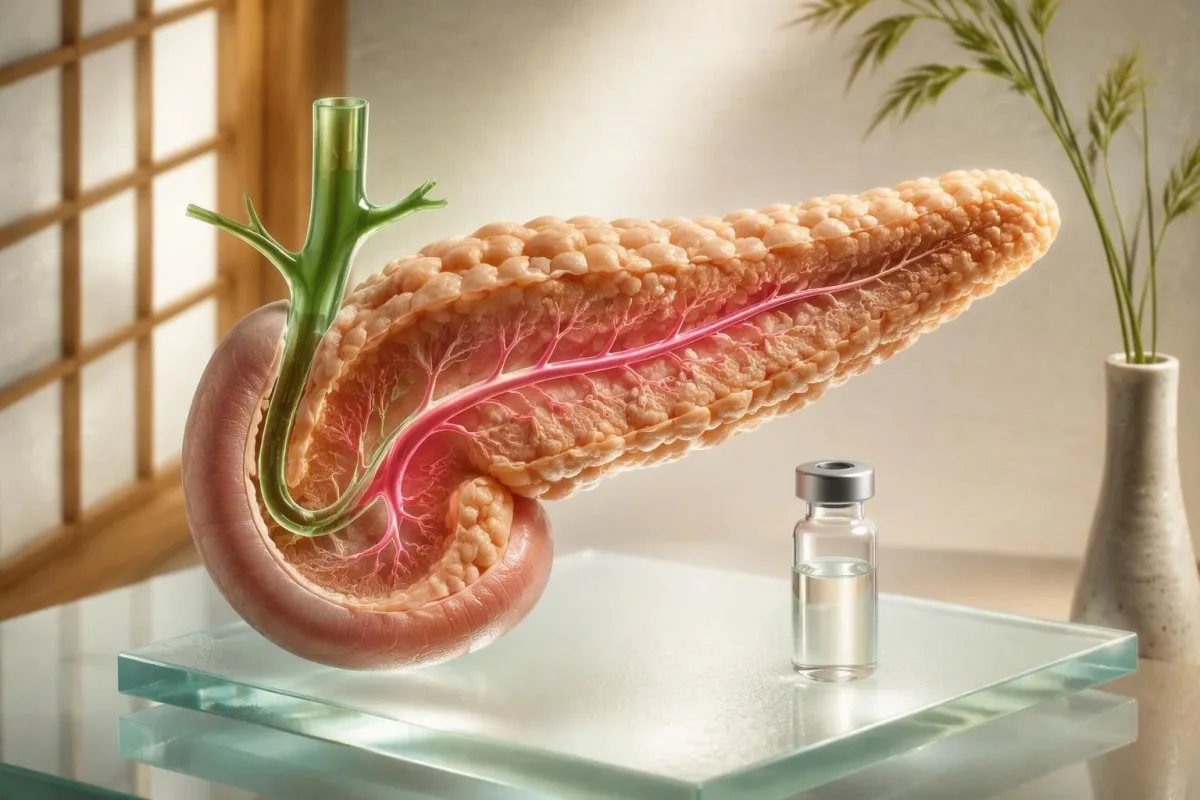
CA 19-9 نىڭ يۇقىرى بولۇشىغا پانكراس راكى سەۋەب بولۇشى مۇمكىن، ئەمما ئۆت سۈيى ئېقىمىنىڭ توسۇلۇشى ۋە بىر قانچە راك بولمىغان كېسەللىكلەر دائىم ئۇچرايدىغان ئىزاھلار. بۇ رەقەم پەقەت ئەگەشمە ئالامەتلەر، بىلىرۇبىن، تەسۋىرلەش ۋە ۋاقىتتىن ۋاقىتقا يۆنىلىشى بىلەن بىرلەشتۈرۈلگەندەلا پايدىلىق بولىدۇ.


- CA 19-9 نورمال سەۋىيىسى ئادەتتە 37 U/mL دىن تۆۋەن بولىدۇ، گەرچە دوكلات قىلىنغان تەجرىبىخانا ئۆزنىڭ سېلىشتۇرما دائىرىسى ئالدىنقى ئورۇنغا قويۇلسا.
- يۇقىرى CA 19-9 پانكراستا راك دىئاگنوزى قويۇلمايدۇ؛ سېرىق تەن، ئۆت تاش، ئۆت يولى ياللۇغى ۋە پانكراستىت كېسەللىكى زور ۋاقىتلىق ئاشۇرۇشنى كەلتۈرۈپ چىقىرىدۇ.
- 1,000 U/mL دىن يۇقىرى قىممەتلەر توغرا كىلىنىكىلىق شارائىتتا تېخىمۇ كۆپ كۆڭۈل بۆلۈش، ئەمما توسۇلغان سېرىق تەن بۇ سەۋىيىدىن ئېشىپ كېتىشى مۇمكىن.
- بىلىرۇبىن مۇھىم CA 19-9 ئادەتتە ئۆت چىقىرىلغاندىن كېيىن تۆۋەنلەيدۇ؛ سېرىق تەن تارقالماستىن بۇرۇن سىناقنى تەكرارلاش خاتا چۈشەندۈرۈشكە بولىدۇ.
- يۈزلىنىشنىڭ ئۆسۈشى پەقەت سىناقلار ئوخشاش ئانالىزنى ئىشلەتكەندە ۋە سىكاننېرلاش، ئالامەتلەر ۋە جىگەر سىناقلىرى بىلەن بىللە چۈشەندۈرۈلگەندەلا ئەھمىيەتلىك بولىدۇ.
- لېۋىس-مەنپىي ئادەملەر CA 19-9 نى ئاز ياكى ھېچقانداق ئىشلەپچىقارمايدۇ، شۇڭا نورمال نەتىجە تەخمىنەن 5% دىن 10% كىشىلەردە پانكراستا راكنى ئىشەنچلىك ھالدا تاشلىمايدۇ.
- جىددىي تەكشۈرۈش يېڭى سېرىق تەنە، قارا سۈيدۈك، سۇس تەرەت، ئىمىل، توختىماي قۇسۇش ياكى ئۈستۈنكى قورساق ئاغرىقىغا ماس كېلىدۇ.
- CA 19-9 ئەسلىھە تېستى ئەمەس ئالامەتسىز ياكى پانكراس ياكى ئۆتكۈر يول كېسىلى بار كىشىلەر ئۈچۈن.
يۇقىرى CA 19-9 نەتىجىسىنىڭ ھەقىقىي مەنىسى
A يۇقىرى CA 19-9 قان تېستى پانكراس ۋە ئۆتكۈر يول ھۈجەيرىلىرى قويغان كاربون سۇيۇقلۇقى مېتىرنىڭ بۇ تەجرىبىخانا پايدىلىنىش دائىرىسىدىن يۇقىرى ئىكەنلىكىنى بىلدۈرىدۇ؛ ئۇ ئەمەس ئۆزلۈكىدىن راكنى بىلدۈرىدۇ. مېنىڭ كلىنىك خىزمىتىمدە، تۇنجى سوئاللار بىلىرۇبىننىڭ كۆتۈرۈلگەنلىكى، ئالامەتلەرنىڭ ئۆتكۈر يولنىڭ يېتىلىشىنى كۆرسىتىدىغانلىقى ۋە نېمىشقا تېستنىڭ تۇنجى قېتىم زاكاز قىلىنغانلىقى.
كۆپ قىسىم تەجرىبىخانىلار CA 19-9 نى نورمالدىن تۆۋەن دەپ ئېنىقلايدۇ 37 U/mL, ، ئەمما بۇ ستاتىستىكىلىق پايدىلىنىش چېگراسى بولۇپ، راك سېزىمچانلىقى ئەمەس. 48 U/mL ۋە 4,800 U/mL نەتىجىسى ئوخشىمىغان سۆھبەتلەرنى تەلەپ قىلىدۇ، ئەمما ھەر ئىككىسى تەسۋىر ياكى توقۇلما ئىسپاتسىز دىئاگنوز قويالمايدۇ. دائىرىدىن سىرتتىكى بايرىقلارنى چۈشىنىش تەجرىبىخانا H بايرىقىنىڭ سىزنىڭ كاللىڭىزدا دىئاگنوز قويۇشىنىڭ ئالدىنى ئېلىشقا ياردەم بېرىدۇ.
CA 19-9 بولسا سىيالىلاشقان كاربون سۇيۇقلۇقى ئانتېننېسى، يەنە سىيالىل-لېۋىس A دەپمۇ ئاتىلىدۇ، ئۇنى قان سۇيۇقلۇقىدا ئىممۇنوزور بىلەن ئۆلچەيدۇ. مېتىر ھۈجەيرىلەر كۆپرەك ئانتېننېنى ئىشلەپچىقارغاندا، قاناللار غىدىقلىنىش كۆرۈلگەندە، ياكى ئۆتكۈر يول يېتىلىشى تۆۋەنلەپ پاكىزلاشنى ئازايتقاندا كۆتۈرۈلىدۇ؛ بۇ ئۈچىنچى مېخانىزم نۇرغۇن قورقۇنچلۇق نەتىجىلەرنى چۈشەندۈرىدۇ، كېيىنچە ناھايىتى ئاز يېتىلىدۇ.
2026-يىلى 13-سېنتەبىردىن باشلاپ، ھېچقانداق چوڭ يېتەكچى CA 19-9 نى پانكراستا راكنى نوپۇسلۇق تەكشۈرۈش ئۈچۈن تەۋسىيە قىلمايدۇ. Thomas Klein، MD، بىمارلارنى پەقەت پورتال نەتىجىسىنىلا چۈشەنمەسلىكنى تەۋسىيە قىلىدۇ: بىر مېتىر كلىنىك تەكشۈرۈشنى، تور سوتىنى ئەمەس، بەلكى تۈزۈملۈك كلىنىك تەكشۈرۈشنى ئىلگىرى سۈرۈشى كېرەك. Kantesti بىر AI قان تەكشۈرۈش ئانالىزچىسى CA 19-9 نى بىلىرۇبىن، ئ alkalin phosphatase، جىگەر ئىلمېنلېرى ۋە ئىلگىرىكى قىممەتلەر بىلەن بىرلەشتۈرىدۇ، ئۇنى مۇستەقىل ھالەتتىكى ھۇجۇم قىلىش سۈپىتىدە ساقلاش ئورنىغا.
سىزمۇ تېستتىن نېمىلەرنى ئالالمايسىز
CA 19-9 مېتىرنى ئىشلەپچىقارغان توغرا ئەزانى پەرقلەندۈرەلمەيدۇ، ياخشى بولمىغان توسالغۇنى راكتىن پەرقلەندۈرەلمەيدۇ، ياكى راكنىڭ باسقۇچىنى بەلگىلەلمەيدۇ. ھەتتا پانكراستا راك بار كىشىدە، نورمال CA 19-9 كۆرۈلۈشى مۇمكىن، چۈنكى ئۆسمە ئانتېننېنى ئىشلەپچىقارمايدۇ ياكى بۇ كىشى لېۋىس ئانتېننې-مەنپىي.
CA 19-9 نورمال سەۋىيىسى ۋە ئەمەلىي نەتىجە گۇرۇپپىلىرى
ئادەتتە CA 19-9 نورمال سەۋىيىسى 37 U/mL دىن تۆۋەن چوڭلاردا، كۆپ قىسىم تەجرىبىخانىلاردا ئايرىم ئەر-ئايال دائىرىسى يوق. 37 دىن 100 U/mL گىچە بولغان قىممەتلەر كۆپىنچە بېلگىسىز بولىدۇ، يۇقىرى قىممەتلەر ئۆتكۈر يول توسالغۇسى، ئالامەتلەر ۋە تەسۋىر دائىرىسىگە تېخىمۇ كۆپرەك دىققەت قىلىدۇ.
چېگرا نەتىجىسى يېقىنقى ياللۇغ كېسىلى ياكى ۋاقىتلىق ئۆتكۈر غىدىقلىنىشتىن كېيىن دائىم كۆرۈلىدۇ. مەن ئادەتتە CA 19-9 نى 39 U/mL گە كۆپرەك ئەھمىيەت بېرىشتىن ساقلىنىپ قالىمەن، گەرچە بىلىرۇبىن، alkalin phosphatase ۋە قورساق ئالامەتلىرى ھەممىسى نورمال بولسا؛ ئانالىز خاراكتېرلىك ئۆزگىرىش ۋە نورمال بىئولوگىيىلىك ئۆزگىرىش چېكىت ئەتراپىدىكى كىچىك ئۆزگىرىشلەرنى ھېسابلاپ چىقالايدۇ.
بىر سەۋىيە ئۈستىدە يېتەكچىسى زىيارەتنى تېخىمۇ ئۈنۈملۈك قىلالايدۇ. زىيانلىق ئەمەس، ئەمما ئۇ ئادەتتە جىگەر تېستىنى ۋە تېستىنى تەكشۈرۈشنىڭ كلىنىك سەۋەبىنى ئىسپاتلايدۇ. بىر سەۋىيە ئۈستىدە 1,000 U/mL تاللانغان ئالامەتلىك نوپۇسلاردا پانكراستا راكنىڭ يۇقىرى ئالاھىدىلىكى بار، گەرچە ئېغىر ياخشى بولمىغان خولېستاز كلىنىكلار ئۇنتۇمايدىغان يادىگەر ئىستىئىناغا تېخىچە.
Use the exact unit and laboratory range on your report. Some laboratories use different assay manufacturers, and values are not perfectly interchangeable; save a PDF or photo with the date, bilirubin and ALP rather than copying only the headline result. Our biomarker پايدىلىنىش قوللانمىسى explains why assay-specific ranges matter.
يۇقىرى CA 19-9 نىڭ راك بولمىغان سەۋەبلىرى
Bile-duct obstruction, cholangitis, gallstones, pancreatitis and liver disease are leading non-cancer causes of elevated CA 19-9. The most useful clue is often a cholestatic liver pattern—raised alkaline phosphatase and direct bilirubin—rather than the CA 19-9 number alone.
When a stone or stricture blocks bile flow, CA 19-9 can accumulate and inflamed duct lining can release more of the marker. In practice, bilirubin of 80 µmol/L (about 4.7 mg/dL) with very high ALP changes the immediate priority from tumour-marker interpretation to diagnosing and relieving obstruction. Review the cholestasis test pattern if your report includes these values.
Acute or chronic pancreatitis, pancreatic cysts, cirrhosis, viral hepatitis, diabetes and sometimes lung or pelvic conditions can raise CA 19-9. The association with diabetes is real but not a reason to use CA 19-9 as a diabetes test; glucose and HbA1c answer a different question, as explained in our random glucose يېتەكچىسى.
A useful real-world pattern is CA 19-9 of 620 U/mL during jaundice that falls to 58 U/mL several weeks after a blocked duct is treated. That fall is reassuring, not absolute proof of safety, so the treating team still considers the scan findings and whether the duct narrowing had a clear benign explanation.
CA 19-9 پانكراس راكى بىلەن قانداق باغلىنىدۇ
CA 19-9 is mainly used to support assessment and follow-up of known or suspected pancreatic cancer, not to find cancer early in well people. Roughly 70% to 80% of people with symptomatic pancreatic adenocarcinoma have an elevated value at presentation, but sensitivity falls for small, early-stage tumours.
A high result becomes more concerning when it accompanies unintended weight loss, persistent epigastric or back pain, new painless jaundice, worsening appetite, or a pancreatic abnormality on CT or MRI. The reason clinicians worry about that combination is Bayesian: a marker that is imperfect in the general population gains relevance when the pre-test probability is already higher.
CA 19-9 can also rise in bile-duct, stomach, colorectal, ovarian and lung cancers, so it cannot reliably name the cancer source. For patients comparing markers, our CEA and CA 19-9 comparison explains why two elevated tumour markers still do not replace a scan or pathology.
A normal CA 19-9 does not rule out pancreatic cancer. Small tumours may not release enough marker to cross 37 U/mL, and Lewis-negative individuals may produce virtually none; this is why a concerning CT finding is pursued even when CA 19-9 is 12 U/mL.
دوختۇرلار CA 19-9 رەقەملىرىنى قانداق قىممەت بېرىدۇ
The clinical meaning of CA 19-9 depends more on pre-test probability and bilirubin than on any universal panic cut-off. A 250 U/mL result in a person with a visible pancreatic mass is interpreted very differently from 250 U/mL during acute gallstone jaundice.
The often-quoted 1,000 U/mL threshold came from selected clinical cohorts and is not a self-diagnosis threshold. Ballehaninna and Chamberlain's review described the marker's limited sensitivity and specificity, particularly when obstructive jaundice is present (Ballehaninna and Chamberlain, 2012). A value above 1,000 U/mL should accelerate medical assessment, but it does not tell us whether the cause is cancer or benign obstruction.
I look for discordance. A CA 19-9 of 900 U/mL with bilirubin 150 µmol/L, ALP 780 IU/L and a duct stone on ultrasound is biologically plausible as cholestasis; the same value with normal bilirubin and an unexplained pancreatic mass has a different risk profile.
Kantesti AI interprets CA 19-9 results by comparing the marker with same-date cholestatic enzymes, bilirubin fractions and earlier reports, while clearly separating pattern recognition from diagnosis. This approach is consistent with the ASCO guidance that gastrointestinal tumour markers should not be used alone to establish cancer care decisions (Locker et al., 2006).
CA 19-9 يۈزلىنىشى: قاچان ئۆزگىرىش ئەھمىيەتلىك بولىدۇ
A CA 19-9 trend is useful when measurements are taken on the ئوخشاش تەكشۈرۈش ئۇسۇلى (same assay) بىلەن قايتا تەكشۈرۈشتە داۋاملىق ئۆرلەشتىنمۇ ئاز مەنىلىك بولىدۇ, after reversible bile obstruction has improved, and alongside imaging. A rise from 28 to 34 U/mL is usually less meaningful than a sustained rise from 110 to 380 U/mL under stable clinical conditions.
Do not assume that every numerical rise signals progression. Immunoassays have analytical variation, and CA 19-9 also has within-person biological variation; near 37 U/mL, a modest shift can be noise rather than a true biological change. The best comparison uses the same lab, similar clinical state and a documented interval.
After biliary drainage or treatment of cholangitis, clinicians commonly repeat CA 19-9 after bilirubin has substantially improved—often within 2 دىن 6 ھەپتەگىچە, depending on the illness and treatment plan. Repeating it the next morning merely measures the same obstruction again. Tracking meaningful lab changes is especially helpful when results are close together.
كانتېستى بىر AI بىئوماركر ئىزاھلاش سۇپىسى that can arrange dated CA 19-9, bilirubin, ALT, ALP and GGT results into a clinical timeline for discussion with a clinician. That does not substitute for the scan schedule set by an oncology or hepatobiliary team, but it can prevent the common mistake of comparing non-equivalent results from different laboratories.
نېمىشقا نورمال CA 19-9 يەنىلا خاتا چۈشەندۈرۈشى مۇمكىن
A normal CA 19-9 cannot exclude pancreatic cancer because about 5% دىن 10% گىچە of people are Lewis antigen-negative and cannot make the marker in measurable quantities. Early pancreatic cancers and non-secreting tumours can also produce results below 37 U/mL.
CA 19-9 expression depends on fucosyltransferase activity associated with the Lewis blood group system. Lewis-negative people are often described as Le(a-b-), although actual secretion biology is more nuanced than a simple on-off switch; the practical point is that a low value may be uninformative in someone with suspicious symptoms or imaging.
This limitation matters most after a cancer diagnosis. If CA 19-9 was never elevated before treatment, it is generally a poor personal monitoring marker, and clinicians rely more heavily on CT, MRI, symptoms, weight and other disease-specific observations. A marker must prove useful in that individual before it earns a role in their surveillance plan.
It is also why family history cannot be managed with a yearly CA 19-9 alone. People with a strong familial pancreatic cancer pattern or a known high-risk genetic syndrome need specialist risk assessment, not reassurance from a normal marker; see our guide to family-history cancer testing.
يۇقىرى CA 19-9 نى تېخىمۇ جىددىيلەشتۈرىدىغان ئالامەتلەر
A high CA 19-9 with jaundice, fever, shaking chills, severe persistent abdominal pain, vomiting or confusion needs urgent same-day clinical assessment. These symptoms can signal cholangitis, pancreatitis or significant bile obstruction, conditions where prompt treatment matters independently of cancer risk.
Yellow eyes or skin, dark tea-coloured urine, pale stools and generalized itch suggest conjugated bilirubin is reaching the bloodstream rather than the intestine. Direct bilirubin above the laboratory limit plus a rising ALP is a practical reason to contact a clinician promptly; our direct bilirubin guide explains the pattern in more detail.
قىزىتما 38°C 38.0°C, rigors and right-upper-abdominal pain with jaundice should not wait for a routine tumour-marker appointment. Emergency clinicians assess vital signs, liver tests, cultures when appropriate and urgent imaging because infected obstructed bile ducts can deteriorate quickly.
Thomas Klein, MD, has seen patients focus on an elevated marker while under-reporting dark urine or new itch. The symptoms often tell us more about timing than CA 19-9 itself: a person who feels well with a minor elevation is usually managed differently from someone with 3 days of fever and rapidly deepening jaundice.
قاچان تەسۋىرلەش ياكى ت spesifik تەكشۈرۈش كۆزىتىلىدۇ
Clinicians consider ultrasound, contrast CT, MRI/MRCP or endoscopic ultrasound when CA 19-9 is persistently elevated, markedly high, paired with symptoms, or accompanied by abnormal liver tests. The choice of scan depends on whether the concern is gallstones and ducts, pancreatic anatomy, or an abnormality already seen elsewhere.
Abdominal ultrasound is often a sensible first test for jaundice because it can show gallstones and dilated bile ducts. CT with a pancreas protocol provides more detailed views of the pancreas and surrounding vessels, while MRCP maps the bile and pancreatic ducts without entering them; endoscopic ultrasound can examine small pancreatic findings closely and obtain tissue when necessary.
There is no fixed CA 19-9 value that automatically mandates a particular scan for every person. A persistent value of 75 U/mL with normal liver tests and no symptoms may prompt a measured repeat and clinician review, while 75 U/mL with progressive weight loss can justify faster imaging.
If referral is needed, gastroenterology, hepatobiliary surgery or oncology may be involved depending on the findings. A concise timeline helps: dates, CA 19-9 values, bilirubin, ALP, symptoms, medicines and prior scan reports. Our قان تەكشۈرۈش قىسقىچە تەكشۈرۈش تىزىملىكى can help organize that conversation.
راك دىئاگنوزى قويۇلغاندىن كېيىن CA 19-9 نى ئىشلىتىش
After pancreatic or biliary cancer is diagnosed, CA 19-9 may help monitor treatment response or recurrence only if it was elevated and interpretable at baseline. It works best as a companion to scans, examination and symptoms—not as a substitute for any of them.
A falling CA 19-9 during treatment can support response, particularly when bilirubin is stable or improving. Conversely, a sustained increase may trigger earlier imaging, but clinicians verify that biliary stents are functioning and that infection or obstruction is not distorting the marker before declaring disease progression.
The timing is individualized. Many oncology teams measure CA 19-9 at treatment intervals or before surveillance imaging, but a new isolated increase rarely changes therapy without corroboration. For a practical overview of serial markers, see ئۆسۈپ كېتىۋاتقان ئۆسمە ماركېرلىرى توغرىسىدىكى يېتەكچىمىز.
كانتېستى بىر AI ئارقىلىق قوزغىتىلغان قان تەكشۈرۈش تەھلىل قورالى used to organize laboratory trends, including CA 19-9, for patients across different report formats. Our system should support, never replace, the oncology team's interpretation; treatment decisions require the full record, imaging review and direct patient assessment.
سىناق سۈپىتى، ئانالىز پەرقى ۋە ھەيران قالارلىق نەتىجىلەر
CA 19-9 results can differ between laboratories because immunoassays use different antibodies and calibration systems. A surprising change should first be checked against sample date, laboratory, bilirubin, recent procedures and whether the result fits the rest of the clinical picture.
CA 19-9 does not normally require fasting, and a missed breakfast is unlikely to explain a marked elevation. However, acute illness, biliary procedures, recent stent placement and changing cholestasis can all shift results enough to make a short-interval comparison unreliable. A قان تەكشۈرۈش ۋاقتى يېتەكچىسى can help identify contextual changes.
Rare immunoassay interference from heterophile antibodies can cause discordant laboratory results. If CA 19-9 is unexpectedly high but scans and clinical assessment are repeatedly unrevealing, a clinician may ask the laboratory to repeat it on a different platform, perform dilution studies or investigate interference rather than escalating scans indefinitely.
A sample error is less common than a biological explanation, but it happens. Keep the original report because the assay name, reference interval and collection date can be useful to the laboratory medicine specialist reviewing a result that does not make clinical sense.
CA 19-9 نى بىلىرۇبىن، ALT ۋە پانكراستا تەكشۈرۈش بىلەن بىللە ئوقۇڭ
CA 19-9 should be read with bilirubin, alkaline phosphatase, GGT, ALT and AST because those tests distinguish a likely bile-flow pattern from isolated marker elevation. Lipase and amylase may add evidence of acute pancreatic irritation, but normal values do not exclude pancreatic structural disease.
A cholestatic pattern usually means ALP and GGT rise more prominently than ALT and AST, often with direct bilirubin elevation. ALP above the laboratory upper limit together with high GGT supports hepatobiliary origin, although ALP can also come from bone; our جىگەر تەكشۈرۈش رەقەملىك كۆرسەتكۈچ explains the usual combinations.
Lipase greater than three times the upper limit of normal in someone with characteristic pain supports acute pancreatitis, but CA 19-9 is not used to diagnose pancreatitis. A normal lipase several weeks after an episode says little about the cause of an earlier CA 19-9 elevation, because the tests follow different biological timelines.
Albumin, INR, full blood count, renal function and glucose may also influence urgency and imaging choices. For example, rising bilirubin with an INR change or low albumin can signal more significant hepatobiliary illness, while new diabetes plus weight loss is a clinical clue that deserves prompt assessment even with a modest CA 19-9 elevation.
پۈتۈنلەي تەكشۈرۈشكە ئاپىرىدىغان سوئاللار
The best question after a high CA 19-9 is: “What is the most likely reason for this result in my case, and what finding would change the plan?” This invites your clinician to connect the number to symptoms, bilirubin, imaging and a concrete follow-up interval.
Ask whether jaundice or abnormal liver tests could be inflating the result, whether repeat testing should wait until treatment is complete, and whether the same laboratory should be used. Also ask what scan, if any, is appropriate now and when the team expects to review the result. Those are more productive questions than asking whether a particular number “means cancer.”
Bring a medication list, including antibiotics, diabetes medicines, supplements and recent procedures, plus family history of pancreatic, ovarian, breast, colorectal or melanoma cancers. A one-page history of weight change, stool colour, pain location and duration can be clinically more valuable than a dozen isolated laboratory screenshots.
Kantesti's clinical workflow is built around structured context, and our AI use-case examples show why laboratory data need a timeline rather than a one-result interpretation. Privacy matters too: remove unnecessary identifiers before sharing reports, particularly if you are seeking an informal second opinion.
CA 19-9 يۇقىرى بولغاندىن كېيىنكى بىخەتەر كېيىنكى قەم
A safe plan for elevated CA 19-9 is to confirm the clinical context, assess urgent symptoms, review bilirubin and liver tests, and follow the clinician's imaging or repeat-test plan. Do not try to lower CA 19-9 with supplements, restrictive diets or “detox” programmes; the marker is a signal, not a treatment target.
If you have no urgent symptoms and the rise is mild, a planned review within days to weeks is often reasonable, depending on why the test was ordered and the accompanying results. If jaundice, fever, severe pain or vomiting is present, seek same-day medical care. The marker itself does not create an emergency; the clinical syndrome may.
AI can identify patterns and help you prepare questions, but it cannot examine you, review imaging quality, diagnose a growth or decide whether a procedure is needed. Kantesti's interpretation methods and clinical oversight are described in our داۋالاشنى دەلىللەش ئۇچۇرىمىزنى, ، ۋە بىزنىڭ داۋالاش مەسلىھەتچىلەر كومىتېتى supports ongoing physician review standards.
My final practical advice as Thomas Klein, MD: keep the original reports, use the same laboratory for trends where possible, and make sure a clinician knows about new symptoms rather than waiting for the next scheduled CA 19-9. Most patients find that a written plan—what to repeat, when, and which symptoms change urgency—reduces the anxiety that a lone tumour-marker number can create.
دائىم سورايدىغان سوئاللار
CA 19-9 نىڭ قايسى سەۋىيىسى يۇقىرى ھېسابلىنىدۇ؟
كۆپلىگەن تەجرىبىخانىلار CA 19-9 نىڭ 37 U/mL دىن يۇقىرى بولۇشىنى ئۆسكەن دەپ قارايدۇ، گەرچە سىزنىڭ دوكلاتىڭىزدا بېسىلغان پايدىلىنىش ئارىلىقى ئىشلىتىلىشى كېرەك. 37 دىن 100 U/mL غىچە بولغان قىممەتلەر دائىم ئۆزگىچە بولمايدۇ، بولۇپمۇ جىگەر ياكى ئۆت-يولى ئاغرىقلىرىدا. 1000 U/mL دىن يۇقىرى قىممەتلەر مۇۋاپىق كلىنىكىلىق شارائىتتا تېخىمۇ ئەندىشىلىنەرلىك، لېكىن ئېغىر بىئاخلاق سېرىق تەرەققىياتمۇ بۇ دائىرىدە سەۋىيەنى ھاسىل قىلالايدۇ. يۇقىرى نەتىجىنى پەقەت رەقەمدىن دىئاگنوز قويۇش ئورنىغا، بىلىرۇبىن، جىگەر سىنىقى، simptomlar ۋە تەسۋىر بىلەن چۈشەندۈرۈش تەلەپ قىلىدۇ.
يۇقىرى CA 19-9 پانكرا ياغسىز راكدىن باشقا نەرسىلەرنى كۆرسىتەلەمدۇ؟
شۇنداق. ئۆتكۈز gallbladder تاشلىرى، ئۆتكۈز ئۆتكۈز يېپىلىپ قېلىش، خولانگىت، پانكېرراتىت، جىگەر ياللۇغى، سىروزىس ۋە دىيافېتتىن كېيىن CA 19-9 نىڭ 37 U/mL دىن يۇقىرى كۆتۈرۈلۈشى مۇمكىن. ئېپىدېمىيە سېرىق تەرەققىياتى ساقلانسىمۇ CA 19-9 نى 1000 U/mL دىن يۇقىرى كۆتۈرۈلۈشى مۇمكىن، چۈنكى ئۆتكۈز ئېقىمىنىڭ نورمال بولماسلىقى بەلگە قويۇپ بېرىش ۋە تازىلاشقا تەسىر قىلىدۇ. دوختۇرلار ئادەتتە ئۆتكۈز توسۇلغاندىن كېيىن 2-6 ھەپتە ئۆتكەندە CA 19-9 نى قايتا تەكشۈرىدۇ. بىلىروبىن نورماللاشقاندىن كېيىن كۆرۈنەرلىك تۆۋەنلەش قايتا ھاسىل بولىدىغان سەۋەبنى قوللايدۇ، ئەمما مۇۋاپىق سۈرەتكە ئېلىش كۆزىتىشىنى ئورنىنى ئالمايدۇ.
باليئان راكىدا CA 19-9 قانچىلىك يۇقىرى؟
مۇ پەنكريאַس راكتا CA 19-9 37 U/mL ئەتراپىدىن 10000 U/mL تىن يۇقىرى بولۇشى مۇمكىن، شۇنداقلا بەك ياخشى بولمىغان ئۆتكۈر يوللارنىڭ توسۇلۇشى بىلەن زور دەرىجىدە قاپلىنىدۇ. 70% ~ 40% ئەتراپىدىكى ئالامەتلىك مۇ پەنكريאַس ئادېنوكارسىنومىسى بار كىشىلەردە دىياگنوز قويۇلغاندا CA 19-9 يۇقىرى بولىدۇ، ئەمما دەسلەپكى راكلاردا نورمال نەتىجە بولۇشى مۇمكىن. 1000 U/mL دىن يۇقىرى بولسا، بىلىرۇبىن نورمال بولسا ۋە تەسۋىرى گۇمانلىق بولسا، ئەندىشىنى ئاشۇرىدۇ، ئەمما راكنى جەزملەشتۈرەلمەيدۇ. CT، MRI، ئېندوسكوپلىق ئاۋاز، توقۇلمىلارنى تەكشۈرۈش دىياگنوزنى بېكىتىدۇ.
CA 19-9 نېرگەي تېشى ياكى ئۆت-يول داۋالاشتىن كېيىن تۆۋەنلەمدۇ؟
CA 19-9 ئۆت تاش، ئۆت-يول ياللغى ياكى باشقا ئۆت-يول توسۇلغاندىن كېيىن، بىلىرۇبىن ياخشىلانغاندىن كېيىن تۆۋەنلەيدۇ. ساقچىلارنى داۋالىغاندىن كېيىنلا سىناق قىلىش تېخىچە قالدۇق ئۆت-يولى توسۇلۇش ياكى ئۆت-يولنى غىدىقلاشنى ئەكس ئەتتۈرۈشى مۇمكىن بولغاچقا، كلىنىكا ئادەتتە ماركېرنى تەكرارلاشتىن بۇرۇن 2 دىن 6 ھەپتىگىچە ساقلايدۇ. مەسىلەن، سېرىق تەرەققىيات جەريانىدا 600 U/mL دىن 55 U/mL غا تۆۋەنلىشى، ئىچىنى ئاغرىتىدىغانلىقىدىن خۇشال بولىدۇ. داۋالايدىغان كلىنىكا ھازىرمۇ رەسىم ئىزاھىنى ۋە قىممىتىنىڭ 37 U/mL دىن تۆۋەن بولغان بىئولوگىيە دائىرىسىگە قايتىپ كېلىشىنى تەكشۈرىدۇ.
يېنىك كۆتۈرۈلگەن CA 19-9 نى تەكرارلاپ تەكشۈرۈش كېرەكمۇ؟
CA 19-9 نىڭ سەل ئېشىشى (مەسىلەن، 42 دىن 90 U/mL غىچە) نەتىجە چۈشىنىرلىك بولمىغاندا، بولۇپمۇ بىلىرۇبىن، ALP ياكى GGT نورمادىن ئاشقان بولسا، دائىم تەكرارلىنىدۇ. تەكرارلىنىدىغان سىناق ئەڭ ياخشىسى ئوخشاش تەجرىبىخانا ئىشلىتىش ۋە ئۆتكۈر كېسەللىك، ئۆت يولىدىكى ۋەقە ياكى تەرتىپ تىنچىغاندىن كېيىن بولۇشى كېرەك. ئېنىق ياخشى سەۋەب بار ۋە كلىنىك خىزمەتچىلىرى ھەل قىلغان بولسا، سىناقنى تەكرارلاش ھەمىشە زۆرۈر بولمىسا. يېڭى سېرىق تەرەت، ئورۇقلاش، داۋاملىق ئاغرىق ياكى نەتىجىنىڭ ئېشىپ كېتىشى دائىملىق تەكرارلاشتىن بۇرۇن دوختۇر بىلەن ئالاقىلىشىشنى تەلەپ قىلىدۇ.
نورمال CA 19-9 پانكرا خىłamىنى چىقىرىپ تاشلىيالاامدۇ؟
ياق، 37 U/mL دىن تۆۋەن نورمال CA 19-9 قوناق ئۆسمىسىنى چىقىرىپ تاشلىمايدۇ. ئادەملەرنىڭ تەخمىنەن 5% دىن 10% ى لېۋىس ئانتىگېن-يوق ۋە ئاز ياكى ھېچقانداق CA 19-9 ھاسىل قىلمايدۇ ، شۇنىڭ بىلەن بىرگە كىچىك ياكى سېكرېتسىيە قىلمايدىغان ئۆسمىلەر نەتىجىنى نورمال قالدۇرۇشى مۇمكىن. گۇمانلىق قوناق سىكانىش ، داۋاملاشقان ئۈستۈنكى قورساق sintomi ياكى چۈشەندۈرۈلمىگەن سېرىقلىق CA 19-9 قىممىتىدىن قەتئىي نەزەر مۇۋاپىق باھالاشنى تەلەپ قىلىدۇ. CA 19-9 قوللايدىغان ماركېر ، چىقىرىپ تاشلاش سىنىقى ئەمەس.
بۈگۈنلا AI بىلەن قان تەكشۈرۈش تەھلىلى ئېلىڭ
دۇنيادىكى 2 مىليوندىن ئارتۇق ئىشلەتكۈچى Kantesti نى دەرھال، توغرا تەجرىبىخانا تەھلىلى ئۈچۈن ئىشەنچ قىلىدۇ. قان تەكشۈرۈش نەتىجىڭىزنى يوللاپ، 15,000+ بىئوماركىرلىرىنىڭ تولۇق چۈشەندۈرۈشىنى بىر نەچچە سېكۇنتتا ئېلىڭ.
📚 پايدىلىنىلغان تەتقىقات ئېلانلىرى
Klein, T., Mitchell, S., & Weber, H. (2026). Serum Proteins Guide: Globulins, Albumin & A/G Ratio Blood Test. Kantesti LTD. (2026). Zenodo. ResearchGate: https://www.researchgate.net/ Academia.edu: https://www.academia.edu/. Kantesti AI Medical Research.
Klein, T., Mitchell, S., & Weber, H. (2026). C3 C4 Complement Blood Test & ANA Titer Guide. Kantesti LTD. (2026). Zenodo. ResearchGate: https://www.researchgate.net/ Academia.edu: https://www.academia.edu/. Kantesti AI Medical Research.
📖 تاشقى داۋالاش پايدىلىنىش ماتېرىياللىرى
⚕️ تېببىي ئەسكەرتىش
بۇ ماقالە پەقەت تەربىيە-ئوقۇتۇش مەقسىتى ئۈچۈن بولۇپ، داۋالاش مەسلىھەتىنى تەشكىل قىلمايدۇ. دىئاگنوز قويۇش ۋە داۋالاش قارارلىرى ئۈچۈن ھەمىشە لاياقەتلىك ساغلاملىق مۇلازىمىتى تەمىنلىگۈچى بىلەن مەسلىھەتلىشىڭ.
E-E-A-T ئىشەنچ سىگناللىرى
تەجرىبە
دوختۇر رەھبەرلىكىدىكى لابوراتورىيە تەبىرىنى چۈشەندۈرۈش خىزمەت ئېقىملىرىنى بالىياتقۇچلۇق تەكشۈرۈش.
مۇتەخەسسىسلىك
بىئوماركىرلارنىڭ كىلىنىكىلىق مۇھىتتا قانداق ھەرىكەت قىلىدىغانلىقىغا مەركەزلەشكەن لابوراتورىيە تېبابىتى.
ھوقۇقدارلىق
دوكتور توماس كلېين تەرىپىدىن يېزىلغان، دوكتور سارا ميتچېل ۋە پروف. دوكتور ھانس ۋېبېر تەرىپىدىن تەكشۈرۈلگەن.
ئىشەنچلىكلىك
ئاگاھلاندۇرۇشنى ئازايتىش ئۈچۈن ئېنىق كېيىنكى قەدەملەر بىلەن ئىسپات-ئاساسلىق تەبىر.