LFT karaciğer fonksiyon testi anlamına gelir, ancak panelin büyük bir kısmı, karaciğer fonksiyonunun kendisinden ziyade karaciğer hücre hasarını veya safra akış bozukluğunu ölçer. Ayrım, klinisyenlerin anormal bir sonucu nasıl yorumladığını değiştirir.



- LFT anlamı karaciğer fonksiyon testleridir, ancak ALT, AST, ALP ve GGT öncelikle karaciğer performansından ziyade yaralanmayı veya bozulmuş safra akışını işaret eder.
- ALT yetişkinlerde genellikle 7-55 IU/L civarındadır; laboratuvarın üst sınırının üzerindeki bir değer ilaçlar, egzersiz, alkol kullanımı ve metabolik risk ile yorumlanmalıdır.
- Albümin genellikle 35-50 g/L'dir ve haftalar boyunca karaciğer protein üretimini yansıtır, ancak böbrek kaybı, iltihaplanma ve yetersiz alım da onu düşürebilir.
- Bilirubin genellikle 3-21 µmol/L'dir; koyu idrar veya soluk dışkı ile birlikte bir artış acil klinik değerlendirme gerektirir.
- INR veya PT pıhtılaşma faktörü üretimini ölçer ve K vitamini eksikliği ile antikoagülanlar dışlandığında azalan karaciğer sentez fonksiyonunun en yararlı kan göstergelerinden biridir.
- ALP + GGT birlikte yükselmesi hepatobiliyer bir kaynak desteği sağlar, oysa izole ALP yükselmesi kemikten gelebilir.
- Ağır egzersiz sonrası AST iskelet kasından köken alabilir; kreatin kinaz kontrolü gereksiz bir karaciğer incelemesini önleyebilir.
- Acil belirtiler yeni sarılık, kafa karışıklığı, kan kusma, siyah katranlı dışkı, şiddetli üst karın ağrısı veya hızla kötüleşen uyuşukluk içerir.
LFT Ne Anlama Gelir — ve Neden Adı Yanıltıcıdır
LFT, karaciğer fonksiyon testi anlamına gelir, karaciğer hücresi hasarı, bozulmuş safra drenajı ve azalmış protein yapma kapasitesini araştırmak için kullanılan bir grup kan testidir. Adı kusurludur: ALT, AST, ALP ve GGT çoğunlukla hasar veya kolestaz belirteçleridir, oysa albümin, bilirubin ve PT/INR daha doğrudan -ancak hala eksik- ipuçları sağlar.
Normal bir LFT paneli, karaciğer sağlığının her yönünün normal olduğunu kanıtlamaz ve anormal bir panel otomatik olarak karaciğer yetmezliği anlamına gelmez. Alanin aminotransferaz (ALT) hepatositler enzim salgıladığında yükselir; karaciğerin albümin veya pıhtılaşma faktörleri yapma yeteneğinden çok hücresel sızıntı hakkında bilgi verir. Detaylı ALT sonucu rehberi açıklar.
Pratikte, hastalara paneli üç soru olarak düşünmelerini söylüyorum: karaciğer hücreleri tahriş mi, safra serbestçe akıyor mu ve karaciğer normal protein sentezi yapıyor mu? Dr. Thomas Klein, ALT değeri 62 IU/L olan ve gerçekte rahatlatıcı bulguların normal bilirubin, albümin ve INR olduğu, panelin üzerindeki “fonksiyon” kelimesi değil, birçok sevk görmüştür.
Kantesti bir AI kan testi analizörü , bir teşhis olarak işaretlenmiş bir enzimi ele almak yerine, tam rapor boyunca bir örüntü olarak LFT sonuçlarını okur. 12 Eylül 2026 itibarıyla, klinik inceleme iş akışımız ayrıca laboratuvarın kendi referans aralığını da korur, çünkü bir laboratuvarda 35 IU/L olan bir ALT üst sınırı, diğerinde 55 IU/L ile değiştirilemez.
Klinisyenlerin giderek daha fazla kullandığı dil
Birçok hepatoloji servisi artık “karaciğer kan testleri” veya “karaciğer kimya testleri” demektedir çünkü bu etiketler fazla vaatte bulunmamaktadır. Amerikan Gastroenteroloji Koleji kılavuzu da benzer şekilde anormal karaciğer kimyalarını değerlendirirken hepatoselüler hasarı, kolestatik hasarı ve bozulmuş bilirubin işlemeyi ayırır (Kwo ve diğerleri, 2017).
Bir LFT Paneline Hangi Testler Genellikle Dahil Edilir?
Tipik bir LFT paneli şunları içerir ALT, AST, alkalin fosfataz (ALP), bilirubin, albümin ve toplam protein; birçok laboratuvar GGT'yi de içerir. PT/INR, gerçek karaciğer fonksiyonu söz konusu olduğunda klinik olarak merkezi olmasına rağmen, genellikle ayrı olarak sipariş edilir.
ALT ve AST aminotransferazlardır, ALP ve GGT safra kanalı örüntüsünü belirlemeye yardımcı olur ve bilirubin, hemoglobin yıkım ürünlerinin işlenmesini ve atılımını yansıtır. Albümin ve PT/INR sentezi değerlendirir, ancak albümin yavaş değişir çünkü yarı ömrü yaklaşık 20 gündür. Yaygın laboratuvar varyasyonları için karaciğer paneli neleri içerir 'a bakınız.
Toplam protein ve globulin bazen aynı raporda yer alır ancak spesifik karaciğer testleri değildir. Düşük albümin ile yüksek globulin sonucu kronik karaciğer hastalığında, otoimmün hastalıkta veya kalıcı inflamasyonda ortaya çıkabilir; oran bir ipucudur, asla bir teşhis değildir. serum proteinleri referans kılavuzu bu değerleri bağlama oturtmaya yardımcı olur.
Pratik bir aksaklık: İngiltere raporlarında “LFT” yazarken, ABD raporlarında “hepatik fonksiyon paneli” veya “karaciğer paneli” yazabilir. Hiçbiri tam olarak standartlaştırılmamıştır. Ülkeler arası sonuçları karşılaştırmadan önce, analitiği, birimi ve yanında yazılı olan referans aralığını eşleştirin.
Hangi LFT Sonuçları Fonksiyon Yerine Karaciğer Hasarını Gösterir?
ALT ve AST öncelikle karaciğer fonksiyonunu değil, hücresel hasarı gösterir. ALP ve GGT esas olarak olası bir kolestatik veya safra yolu modelini gösterirken, albümin ve PT/INR sentetik kapasiteyi daha doğrudan yansıtır.

ALT, AST'den daha fazla karaciğere zenginleştirilmiştir, ancak hiçbiri karaciğere özel değildir. AST, iskelet kası, kalp ve kırmızı hücrelerde bulunur, bu nedenle yoğun bir egzersiz, kas hasarı veya hemolize bir örnek onu yükseltebilir. Bir 2’nin üzerindeki AST:ALT oranı doğru ortamda alkolle ilişkili karaciğer hasarını destekleyebilir, ancak tek başına tanı koydurucu değildir.
Bir yarıştan sonra AST 89 IU/L ve ALT 36 IU/L olan 52 yaşında bir maraton koşucusu klasik bir tuzaktır. Egzersiz ve kas ağrısı hakkında bilgi alıp ardından CK ve 7 gün boyunca zorlayıcı antrenman yapmadan tekrar bir örnek almayı düşünürüm; bu konudaki makalemiz yüksek AST örüntüleri bu akıl yürütmeyi ayrıntılarıyla anlatıyor.
Kantesti Yapay Zeka, yükselmenin hepatoselüler, kolestatik, karışık veya olası ekstrahepatik olup olmadığını kontrol ederek karaciğer enzimlerini yorumlar. R oranı—(ALT’nin üst sınırına bölünmesi) bölünmüş (ALP’nin üst sınırına bölünmesi)—hepatoselüler bir modelde 5’in üzerinde ve kolestatik bir modelde 2’nin altındadır; bu bir klinisyenin ayırma aracıdır, evde teşhis değildir.
Yükselme sayısının en yüksek olmasından ziyade modelin önemi
Normal ALP'li 120 IU/L ALT, normal ALT'li 280 IU/L ALP'den farklı bir yöne işaret eder. Birincisi sıklıkla metabolik, viral, ilaç veya kas bağlamı incelemesine yol açar; ikincisi safra kanalları, kemik döngüsü ve ilaç etkileri hakkında soruları gündeme getirir.
Gerçek Karaciğer Fonksiyonunu Daha Yakından Yansıtan LFT Değerleri
Albümin, bilirubin ve PT/INR, gerçek karaciğer fonksiyonu için en yararlı rutin kan ipuçlarıdır, ancak her biri karaciğer dışı nedenlerle anormal olabilir. Yükselen bilirubin ve INR kombinasyonu, hafif izole bir ALT yükselmesinden çok daha endişe vericidir.
Albümin tipik olarak 35-50 g/L hamile olmayan yetişkinlerde, ancak düşük albümin böbrek protein kaybı, sistemik inflamasyon, yetersiz beslenme, yanıklar veya seyreltmeden kaynaklanabilir. Genellikle kronik karaciğer hastalığında ALT yükselişlerinden daha sonra düşer, bu nedenle normal albümin erken fibrozisi dışlamaz. Hamilelikte albümini hakkında yazımızı okuyun bir gebelik sonucunu standart bir yetişkin aralığıyla karşılaştırıyorsanız.
PT/INR, özellikle faktör VII olmak üzere kısa ömürlü pıhtılaşma faktörlerinin üretimini yansıtır ve haftalar yerine günler içinde değişebilir. Bir INR, 1.5 akut karaciğer yetmezliği için acil değerlendirmede kullanılan kriterlerden biridir, ancak varfarin, K vitamini eksikliği ve bazı antibiyotikler aynı laboratuvar sinyalini üretebilir. INR açıklaması bu önemli istisnaları kapsar.
Bilirubin de saf bir fonksiyon testi değildir. İkonjuge bilirubin, normal karaciğer sentez kapasitesine rağmen Gilbert sendromu, açlık veya hemoliz ile yükselebilir; koyu idrarla birlikte ikonjuge bilirubin, safra atılımının bozulmasına veya hepatoselüler işlenmeye daha fazla işaret eder. Bu yüzden fraksiyonasyon olmadan “yüksek bilirubin” yorumlamam.
Kullanışlı bir klinik hiyerarşi
Stabil bir yetişkinde, normal INR ve albümin ile hafif yükselmiş ALT genellikle korunmuş sentez fonksiyonunu gösterir. Yeni sarılık, INR uzaması, düşük glukoz veya kafa karışıklığı aciliyeti tamamen değiştirir ve aynı gün tıbbi değerlendirme gerektirir.
ALT ve AST Sonuçlarını Birlikte Okuma
ALT’nin AST’den yüksek olması metabolik yağlı karaciğer hastalığı ve birçok viral veya ilaç kaynaklı yaralanmada yaygındır, AST’nin ALT’den yüksek olması ise alkol maruziyeti ve kas yaralanması dahil olmak üzere daha geniş nedenlere sahiptir. Mutlak yükseliş ve eğilim, tek başına orandan daha güvenilirdir.
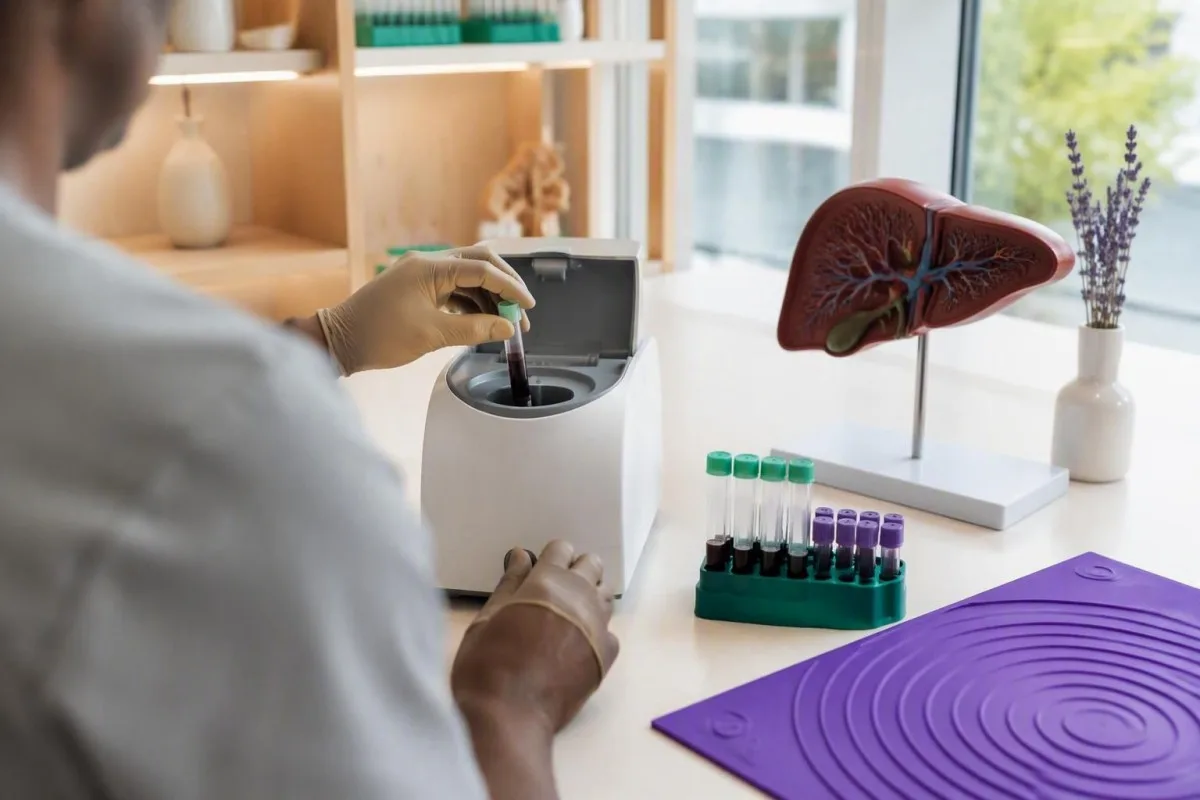
ALT genellikle IU/L veya U/L olarak raporlanır ve pratik amaçlar için eşittir. Üst referans limitinin 2 katının altındaki bir değer, genellikle alkol, takviyeler, reçeteli ilaçlar, araya giren hastalıklar ve son egzersiz gözden geçirildikten sonra tekrar kontrol edilir. ACG kılavuzu, geniş bir araştırma başlatılmadan önce anormal karaciğer kimyasallarının doğrulanmasını önermektedir (Kwo et al., 2017).
30 µmol/L’nin üzerindeki değerler 1.000 IU/L ALT veya AST için, aksi kanıtlanana kadar “sadece yağlı karaciğer” değildir. Akut viral hepatit, ilaç veya toksin yaralanması, iskemik hepatit ve akut safra yolu tıkanıklığı belirgin yükselmelere neden olabilir; zaman seyri, semptomlar ve INR, internet kesme noktalarından daha fazla aciliyeti yönlendirir.
Dr. Thomas Klein’ın pratik tavsiyesi, her takviye etiketini bir takip randevusundan önce fotoğraflamaktır. “Doğal” ürünler, konsantre yeşil çay özü, anabolik ajanlar ve çok bileşenli yağ yakıcı ürünler ilk öyküde sıklıkla atlanmaktadır. Kılavuzumuz karaciğer riskli takviyeler reçete edildiğinde şüpheli bir ürünün bırakılmasının neden hekim liderliğinde olması gerektiğini açıklar.
ALP ve GGT Safra Akışı Hakkında Size Neler Söyleyebilir?
ALP ve GGT'nin birlikte yükselmesi genellikle bir hepatobiliyer veya kolestatik kaynağı destekler; izole ALP yükselmesi kemikten, gebelikten veya normal büyümeden gelebilir. GGT, ALP'yi lokalize etmeye yardımcı olur ancak tek başına alkol alımını güvenilir bir şekilde ölçmez.
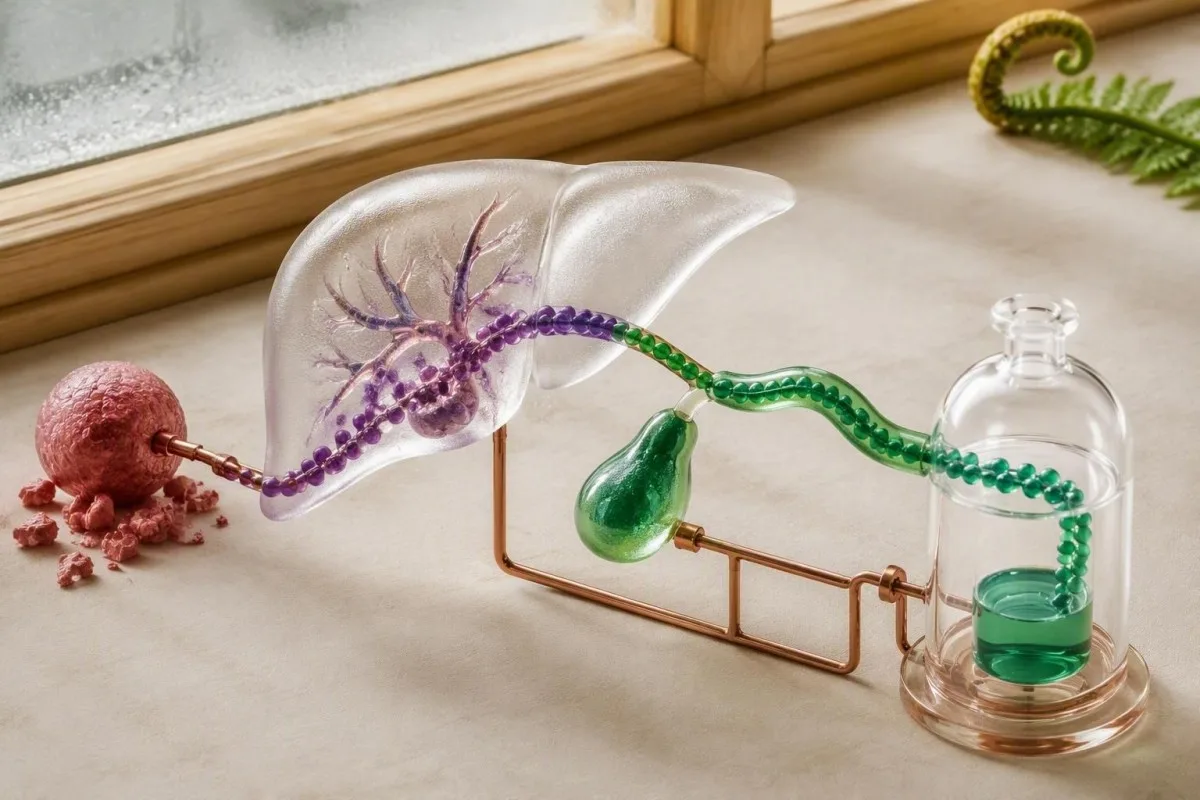
ALP genellikle yaklaşık olarak 40-129 IU/L yetişkinlerde, ancak her laboratuvar kendi aralığını belirler. ALP yüksek ve GGT normal ise, klinisyenler karaciğer hastalığını varsaymadan önce yaygın olarak kemik kaynaklarını, D vitamini durumunu, iyileşen kırığı veya kemik döngüsünü düşünürler. ALP izoenzim genel bakışı laboratuvarların gerektiğinde kaynakları nasıl ayırt ettiğini açıklar.
GGT, kolestaz, alkol maruziyeti, metabolik karaciğer hastalığı ve bazı antiepileptik ilaçlar gibi enzim indükleyici ilaçlarla yükselir. Birçok yetişkin erkek referans sisteminde 60 IU/L üzerindeki GGT özellikle yükselmiş ALP ile birlikte, bağlamsal bir incelemeyi hak eder, ancak güvenli veya teşhis edici bir “alkol sayısı” yoktur. Bizim GGT normal aralık rehberi cinsiyet ve laboratuvar varyasyonları için.
Kaşıntı, soluk dışkı, koyu renkli idrar, yüksek ALP ve yüksek bilirubin kombinasyonu, safra akışının tıkanması için acil değerlendirme gerektirir. Ultrason genellikle ilk görüntüleme testidir, ancak normal bir ultrason her küçük-kanal veya ilaçla ilişkili nedeni ortadan kaldırmaz; bizim kolestaz paterni rehberimiz daha derine iner.
Neden Bilirubin Kesirleri ve Semptomları Gerektirir?
Klinik olarak faydalı olması için toplam bilirubin, doğrudan ve dolaylı fraksiyonlara ayrılmalıdır. Dolaylı baskınlık genellikle aşırı üretimi veya azalmış konjugasyonu yansıtırken, doğrudan baskınlık bozulmuş atılımı veya hepatosit işlemeyi düşündürür.
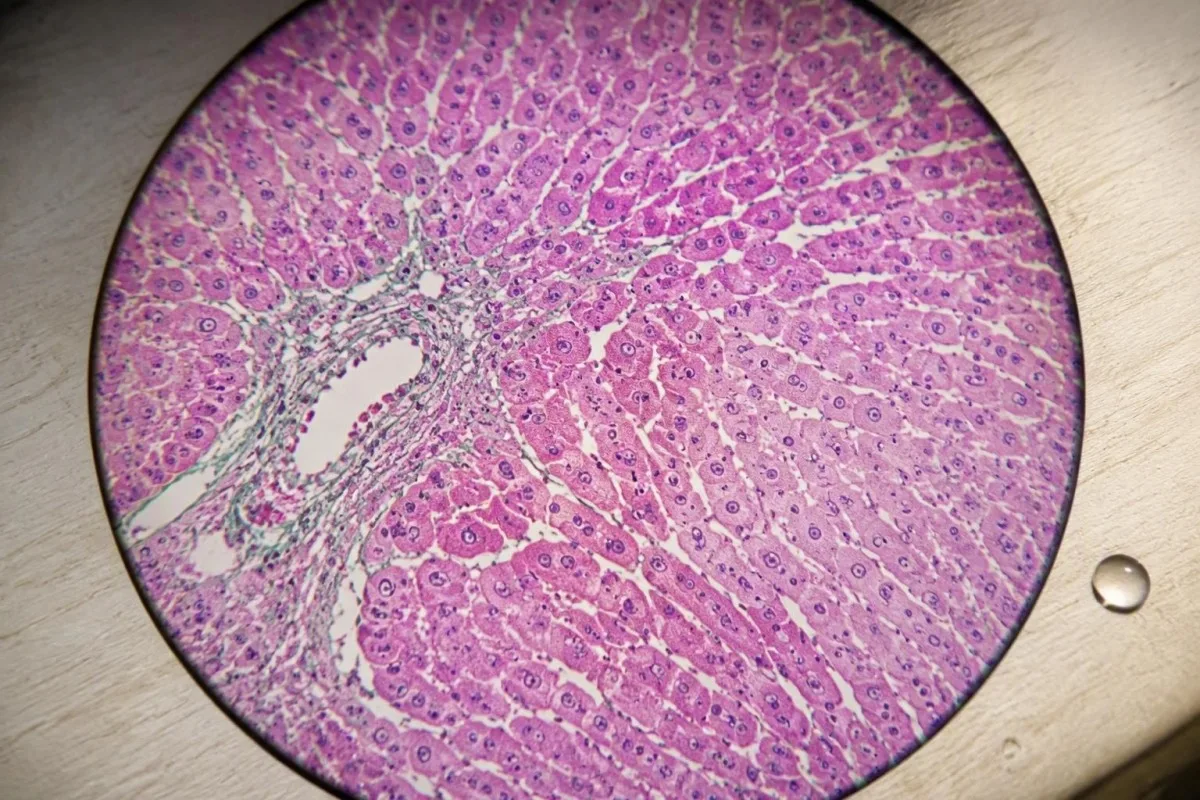
Tipik toplam bilirubin yaklaşık 3-21 µmol/L veya 0.2-1.2 mg/dL'dir. Normal ALT, ALP, albümin ve kan sayımı ile birlikte kabaca 50 µmol/L'nin altında hafif, aralıklı izole bir artış genellikle Gilbert sendromu ile uyumludur, özellikle oruç veya hastalıktan sonra, ancak klinisyenler bu etiketi uygulamadan önce hala deseni kontrol ederler.
Konjuge bilirubin suda çözünür, bu nedenle idrarı koyulaştırabilir; unkonjuge bilirubin idrara giremez. Bu küçük fizyoloji parçası faydalıdır: sarı gözler artı çay rengi idrar, tesadüfen bulunan hafif yüksek bir dolaylı bilirubinden daha klinik olarak endişe vericidir. İncele doğrudan bilirubin örüntüleri doktorların sıklıkla seçtiği sonraki testler için.
Detoks ürünleriyle bilirubini “dışarı atmaya” çalışmayın. Hidrasyon, dehidrasyondan kaynaklanan konsantrasyonu düzeltebilir, ancak hepatit, tıkanıklık veya hemolizi çözemez. Özellikle ateş, ağrı veya istemsiz kilo kaybı ile birlikte inatçı sarılık gerçek bir değerlendirme gerektirir.
Albümin ve Total Protein: Yavaş Hareket Eden LFT İpuçları
Albümin, karaciğer proteini sentezinin ve tüm vücut hastalığının yavaş hareket eden bir belirtecidir, karaciğer hasarının hassas bir erken tespit edicisi değildir. Düşük albümin, INR yükselmesi, asit, ödem veya uzun süreli anormal karaciğer deseni ile eşleştirildiğinde daha anlamlı hale gelir.
Albümin'in kabaca 20 günlük yarı ömrü , akut bir 48 saatlik hastalığın karaciğer mekanizmalarıyla tek başına onu dramatik bir şekilde düşürmesinin nadir olduğunu gösterir. Buna karşılık, birkaç ay boyunca düşen bir albümin, kronik karaciğer hastalığını, böbrek kaybını, kronik inflamasyonu, yetersiz alımı veya intestinal protein kaybını yansıtabilir. CRP-albümin oranı rehberi inflamasyonun bu sonucu neden değiştirebileceğini gösterir.
Toplam protein genellikle yaklaşık 60-80 g/L, 'dir, ancak normal bir toplam, globulinler artmışsa düşük albümini gizleyebilir. Kronik karaciğer hastalığında, immünoglobulinler artarken albümin düşebilir ve toplam protein yanıltıcı bir şekilde normal kalır. Bu, protein tozu ile kendi kendine tedavi etmek yerine bir klinisyenden açıklama istemeye değer bir desendir.
Kantesti bir Yapay zekâ biyobelirteç yorumlama platformu albümin, toplam protein, globulin ve böbrek belirteçlerini bir arada karşılaştırır, çünkü izole düşük albümin sonucunun özgüllüğü düşüktür. Trend analizi, özellikle en az iki veya üç örnekte aynı laboratuvar yöntemi kullanıldığında kullanışlıdır.
PT veya INR Anormal Bir LFT'yi Neden Daha Acil Hale Getirir?
Yükselen PT/INR, azalmış hepatik pıhtılaşma faktörü senteşini işaret edebilir ve özellikle sarılık veya kafa karışıklığı ile akut karaciğer hasarını daha acil hale getirir. INR, her yerde rutin bir LFT değildir, ancak klinisyenler önemli hepatik disfonksiyondan endişe duyduğunda esastır.
Antikoagülan ilaç olmadan 0.8-1.2 INR yaygındır, ancak ilgili soru başlangıçtan itibaren değişiklik ve klinik bağlamdır. Akut karaciğer hasarı, ensefalopati veya hipoglisemi ile 1.5'in üzerindeki INR acil değerlendirmeyi gerektirir; tekrarlayan ev testi için beklemeyin. pıhtılaşma paneli kılavuzu normal pıhtılaşma testlerinin neyi dışladığını ve dışlamadığını açıklar.
Kötü emilim, uzun süreli geniş spektrumlu antibiyotikler veya safra tıkanıklığından kaynaklanan K vitamini eksikliği, geri dönüşümsüz karaciğer yetmezliği olmadan PT/INR'yi uzatabilir. Tersine, varfarin kullanan bir kişinin kasıtlı olarak değiştirilmiş bir INR'si vardır, bu nedenle değerleri basit bir karaciğer fonksiyon belirteci olarak kullanılamaz. Bu nüans, pek çok gereksiz paniği önler.
Kan kusma, siyah katranlı dışkı, yeni kafa karışıklığı, sarılık ile kolay morarma veya hızla büyüyen karın şişliği acil belirtilerdir. Kan sonuçları faydalıdır, ancak bu ortamda acil klinik muayenenin yerini asla almazlar.
Hafif Anormal LFT Kan Sonuçlarının Yaygın Nedenleri
Hafif LFT anormallikleri yaygın olarak metabolik disfonksiyonla ilişkili steatozlu karaciğer hastalığı, alkol, ilaçlar, takviyeler, yakın zamanda yapılan yoğun egzersiz veya geçici bir viral hastalıktan kaynaklanır. Üst sınırdan 2 katından az bir sonuç yaygındır ve genellikle geri dönüşümlüdür, ancak yine de yapılandırılmış bir incelemeyi hak eder.
Metabolik disfonksiyonla ilişkili steatozlu karaciğer hastalığı, özellikle ALT'nin orta derecede yüksek olması ve bel çevresinin artması, trigliseritler, glukoz anormallikleri veya yüksek tansiyon ile birlikte olduğunda olasıdır. 2024 EASL-EASD-EASO kılavuzu, rastgele nüfus taraması yerine kardiyometabolik risk faktörleri olan kişilerde vaka tespiti önerir (EASL-EASD-EASO, 2024).
Sert bir kuvvet antrenmanı, birkaç gün boyunca geçici olarak AST, ALT ve CK'yi yükseltebilir. Genellikle kas katkısının olası olduğu durumlarda onaylayıcı bir testten sonra test yaptırmak, ertesi sabah test yaptırmaktan daha net bir yanıt verir. önce alışılmadık derecede yoğun egzersizden kaçınmamı tavsiye ederim; standart karaciğer kimyaları için genellikle oruç gerekli değildir, ancak diğer istenen testler gerektirmiyorsa. Bizim kan testi zamanlama rehberi bu karıştırıcıları belgelemeye yardımcı olabilir.
Alkol geçmişi ahlaki ders verir gibi değil, gerçekçi olmalıdır. Bir süre alkolü bırakmak GGT ve ALT'yi iyileştirebilir, ancak hızı başlangıçtaki hastalığa, vücut ağırlığına, ilaçlara ve devam eden metabolik riske göre değişir. alkolü bırakıldıktan sonraki laboratuvar zaman çizelgesi gerçekçi beklentiler sunar.
Anormal Bir LFT Sonucundan Sonra Ne Olur?
Hafif bir beklenmedik LFT sonucuna ilk tepki genellikle onaylama, bağlam ve hedeflenmiş testlerdir - panik veya genel bir detoks değil. Tekrarlama zamanlaması, enzim seviyesine, semptomlara ve şüphelenilen nedene bağlı olarak günlerden birkaç aya kadar değişir.
Klinisyenler önce sonucu doğrular, önceki değerleri gözden geçirir, alkol, ilaçlar, takviyeler, hastalık ve egzersiz hakkında sorular sorar, ardından deseni sınıflandırır. Takip, hepatit B ve C testi, ferritin ve transferrin satürasyonu, ultrason, otoimmün belirteçler, çölyak testi veya CK'yı içerebilir - ancak yalnızca desen ve öykü bunları destekliyorsa. Hepatit B semptomları ve testleri incelenmeye değer çünkü kronik enfeksiyon sarılık yapmayabilir.
Kalıcı ALT veya AST yüksekliği için klinisyenler, yaş, AST, ALT ve trombosit sayısını birleştirerek fibroz riskini tahmin eden FIB-4'ü kullanabilir. 35 yaşın altında daha az güvenilirdir ve bazı durumlarda yanlış bir şekilde rahatlatıcı olabilir, ancak yine de birinci basamak sağlık hizmetlerinde yardımcı bir triyaj aracıdır; bunu bizim LFT eğilimlerini organize edebilen ve bir klinisyenle tartışılacak kombinasyonları işaretleyebilen FIB-4 karaciğer-fibroz kılavuzumuzla dikkatlice hesaplayın, ancak yalnızca PDF'den hepatit, fibroz veya tıkanıklığı teşhis edemez. Güvenli bir yorum her zaman belirtiler, ilaç öyküsü, görüntüleme ve gerektiğinde muayeneyi içerir..
Kantesti AI, AI laboratuvar testi yorumlama hizmetinde yayımlanır. doktorla görüşülecek LFT eğilimlerini ve uyarıcı kombinasyonları organize edebilir, ancak yalnızca bir PDF'ten hepatit, fibrozis veya tıkanıklık teşhisi koyamaz. Güvenli bir yorum her zaman belirtilen semptomları, ilaç geçmişini, görüntülemeyi ve muayeneyi içerir.
Açlık, Egzersiz ve Numune Kalitesi LFT'leri Nasıl Etkiler?
Bir TSH testi için genellikle oruç tutmanız gerekmez, ancak ağır egzersiz, akut hastalık, dehidratasyon ve örnek hemolizi seçilmiş sonuçları bozabilir. Laboratuvar yorum alanı ve kan alma zamanlaması, tek bir referans aralığı işareti kadar kullanışlıdır.

Oruç, özellikle Gilbert sendromlu kişilerde, bağlanmamış bilirubin seviyesini yükseltebilir. Dehidratasyon, albümin ve toplam proteini yoğunlaştırabilirken, hemoliz AST'yi yanlış bir şekilde yükseltebilir çünkü kırmızı kan hücreleri AST içerir. hemoliz sonrası yeniden çizim kılavuzumuzu temiz bir tekrarın bir artefaktan daha bilgilendirici olduğunu açıklar.
Biyotin, çoğu rutin karaciğer enzimi tahlili için önemli bir girişimci değildir, ancak paralel olarak istenen bazı immünoassay'ları etkileyebilir. Tozlar, bitkisel karışımlar ve reçetesiz ürünlerin bir listesini, dozajı ve başlangıç tarihi ile birlikte getirin; “günde bir ölçek” genellikle marka adından daha etkilidir.
Faydalı bir tekrar için mümkünse aynı laboratuvarı kullanın ve önceki hafta alkol alımını, hastalığı, egzersiz yoğunluğunu ve ilaç değişikliklerini kaydedin. Biyolojik varyasyon, 10% değişikliğinin otomatik olarak anlamlı bir kötüleşme anlamına gelmediği anlamına gelir, özellikle üst referans sınırına yakın olduğunda.
LFT Kırmızı Bayrakları Aynı Gün Tıbbi Bakım Gerektirir
Koyu idrarla sarılık, şiddetli sağ üst karın ağrısı, ateş, kafa karışıklığı, sürekli kusma veya belirgin şekilde yükselmiş INR, aynı gün tıbbi değerlendirme gerektirir. Aciliyet, yalnızca bir ALT'nin yüksek işaretlenip işaretlenmediğine değil, semptomlara ve sentetik fonksiyona bağlıdır.
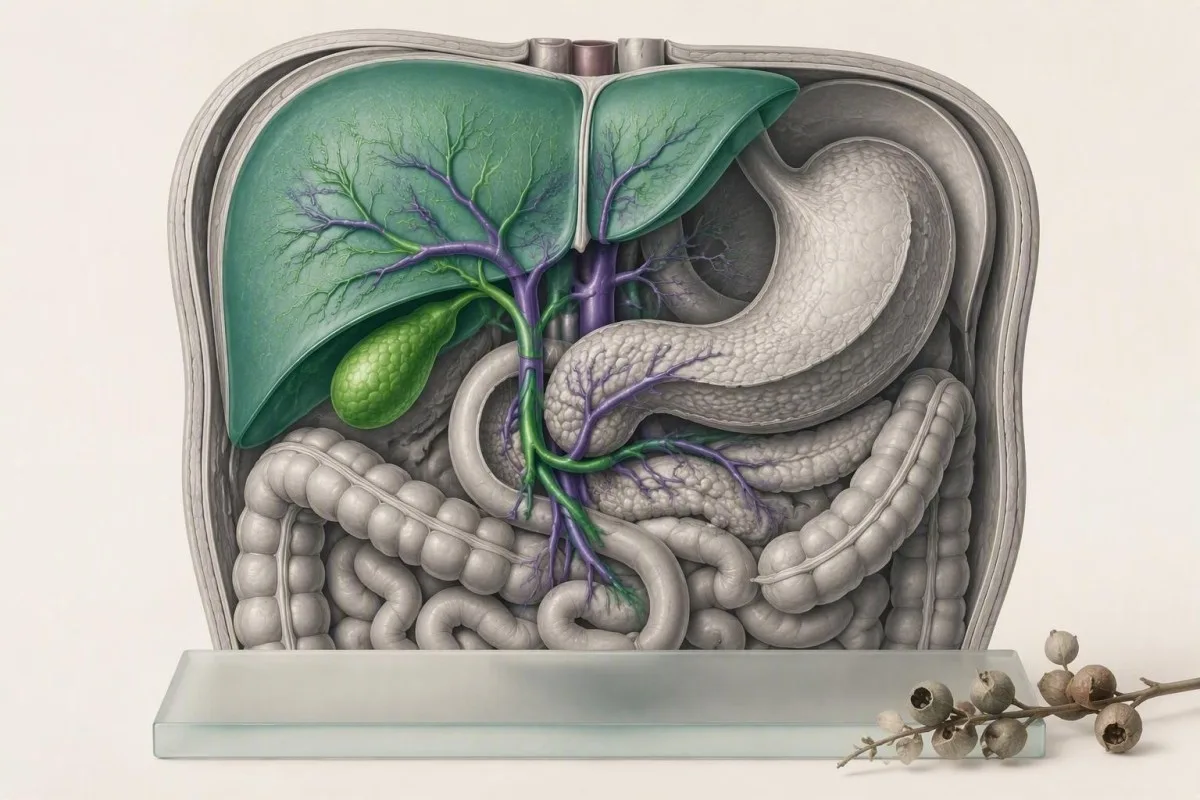
Yeni kafa karışıklığı, aşırı uyuşukluk, kan kusma, siyah katranlı dışkı, bayılma, şiddetli karın ağrısı veya hızla kötüleşen göz sararması için acil yardım alın. Bunlar kanama, sepsis, akut karaciğer disfonksiyonu, pankreatik veya safra yolu hastalığını yansıtabilir ve yalnızca bir enzim sonucundan güvenli bir şekilde triyaj edilemez. Bizim rehberimiz bilirubin ne zaman acil inceleme gerektirir uyarı kombinasyonlarını ayrıntılı olarak açıklar.
ALT veya AST’nin 1.000 IU/L, üzerindeyse, 100 µmol/L semptomlarla veya INR'nin üzerinde 1.5 warfarin kullanmayan bir kişide acil klinisyen teması sağlamalıdır. Bunlar kendi kendine teşhis eşikleri yerine pratik tırmanış noktalarıdır; özellikle hızla kötüleşiyorsa, daha düşük değerlerle bir kişi oldukça hasta olabilir.
Gebelik risk hesaplamasını değiştirir. Gebelik sırasında avuç içi veya tabanlarda kaşıntı, baş ağrısı, görme semptomları, yüksek tansiyon, üst karın ağrısı veya sarılık, önceki bir panel normal olsa bile acil doğum değerlendirmesi gerektirir.
Randevular Arasında LFT Trend Analizi Güvenle Kullanımı
TSH trendleri, zaman içinde karşılaştırılan aynı analit ve laboratuvar yöntemiyle tek bir sonuçtan daha kullanışlıdır. Azalan bir ALT eğilimi cesaret vericidir, ancak fibrozun iyileştiğini veya altta yatan nedenin ele alındığını kanıtlamaz.
Kantesti bir Yapay zekâ destekli kan testi analiz aracı laboratuvar raporlarını zaman, diller ve laboratuvar biçimleri arasında düzenlemek için kullanılır. Yapay zekamız, 32'den 78 IU/L'ye bir ALT artışını yeni bir ALP artışıyla birlikte tespit edebilir, ancak güvenli bir sonraki adım, ilaç maruziyetinin, semptomların ve muayene bulgularının bir klinisyen tarafından gözden geçirilmesidir.
Bir µkat/L'deki sonucu dönüştürmeden doğrudan IU/L ile karşılaştırmayın ve mg/dL'deki toplam bilirubini gözle µmol/L ile karşılaştırmayın. Bilirubin için, 1 mg/dL yaklaşık 17.1 µmol/L'ye eşittir; birden fazla ülkeden kayıt yükleyen kişilerde birim hataları şaşırtıcı derecede yaygındır. laboratuvar sonucu değişim rehberi referans değişim değeri ve olağan biyolojik dalgalanmayı açıklar.
Kısa bir randevu notu yardımcı olur: tarihleri, kesin değerleri ve referans aralıklarını, semptomları, alkol kullanım düzenini, yeni ilaçları, takviyeleri, kilo değişimini ve egzersizi listeleyin. Bu, “kötü karaciğer testleri” hakkında endişeli bir konuşmayı çözülebilir bir klinik soruna dönüştürür.
LFT Kan Sonuçlarınız Hakkında Sormak İçin Yararlı Sorular
En faydalı soru şudur: “Sonuçlarım hangi paterni gösteriyor: hepatoselüler, kolestatik, karma, bilirubin işleme veya bozulmuş sentez?” Bu soru, her şeyi tekrar etme yönünde belirsiz bir talimat yerine nedenlere dayalı bir planı teşvik eder.
Anormalliğinizin doğrulanıp doğrulanmadığını, önceki başlangıç değerinizin ne olduğunu ve egzersizin, ilaçların, alkolün veya takviyelerin bunu açıklayıp açıklamayacağını sorun. Bilirubin doğrudan mı yoksa dolaylı mıydı, ALP'nin yanında yüksek bir GGT var mıydı ve albumin veya INR bozulmuş sentezi düşündürüyor mu diye sorun. Bu ayrıntılar, ayırıcı tanıyı gerçekten değiştirir.
Fibrozis riskinin tahmin edilip edilmemesi ve ultrason, viral tarama veya demir çalışmalarının sizin deseninize uygun olup olmadığını sorun. Yüksek ferritin tek başına inflamasyonu veya metabolik hastalığı yansıtabilirken, yüksek ferritin artı transferrin doygunluğu 45% demir yüklemesi hakkında farklı bir soru ortaya çıkarır; hemokromatozis laboratuvar ipuçlarına bakın.
Doktorlarımız ve klinik incelemecilerimiz yayınlanmış yöntemleri ve net güvenlik sınırlarını kullanır; bu yönetişimi anlamak isteyen okuyucular tıbbi doğrulama yaklaşımımız. inceleyebilir. En iyi sonuç, bir uygulama tarafından oluşturulan etiket değil, bakımınızdan sorumlu klinisyenle zamanında, iyi belgelenmiş bir konuşmadır.
Mevcut Araştırma ve Yönergeler LFT Yorumlaması Hakkında Neler Söylüyor?
Mevcut kılavuz, kapsamlı testlerden önce modele dayalı yorumlamayı ve anormal karaciğer kimyası sonuçlarının doğrulanmasını desteklemektedir. Tek başına bir LFT, klinik bağlam olmadan fibrozis evresini, karaciğer yetmezliğini veya belirli bir nedeni tanımlamaz.
Kwo ve arkadaşları tarafından hazırlanan ACG kılavuzu, anormal bir karaciğer kimyası sonucunun doğrulanmasını ve ardından hepatoselüler mi yoksa kolestatik paterne göre mi değerlendirilmesini önerir (Kwo et al., 2017). Bu sıradan gelse de, yaygın bir hatayı önler: doğru zamanda tekrarlanan bir örnekte kaybolan tek bir sınırdaki sonuçtan sonra geniş paneller sipariş etmek.
2024 EASL-EASD-EASO kılavuzu, metabolik steatozlu karaciğer hastalığını ALT'den ziyade kardiyometabolik risk ve non-invaziv fibrozis değerlendirmesi etrafında çerçeveler (EASL-EASD-EASO, 2024). Bu nedenle normal bir ALT, özellikle diyabet veya obezitesi olan kişilerde steatozu veya fibrozisi güvenilir bir şekilde dışlamaz.
Kantesti'nin klinik içeriği laboratuvar uygulaması ve hekim gözetimiyle karşılaştırılarak incelenir; Tıbbi Danışma Kurulu otomatik açıklamaları bu sınırlar içinde tutmaya yardımcı olur. Şeffaflık için ilgili semptom yayınları aşağıda listelenmiştir, ancak bunlar karaciğere özgü kılavuzların veya bireysel tıbbi bakımın yerini tutmaz.
Sıkça Sorulan Sorular
Bir kan testinde LFT ne anlama gelir?
LFT, karaciğer fonksiyon testleri anlamına gelir, ayrıca karaciğer kan testleri veya karaciğer paneli olarak da adlandırılır. Panellerin çoğu ALT, AST, ALP, bilirubin ve albümin içerirken, GGT ve PT/INR ayrı olarak istenebilir. ALT ve AST genellikle karaciğer fonksiyonundan ziyade karaciğer hücresi hasarını gösterirken, albümin ve INR protein sentezinin daha yakın ölçümleridir. Referans aralıkları laboratuvara göre değişir; yetişkinlerde ALT genellikle yaklaşık 7-55 IU/L'dir.
Yüksek karaciğer enzimleri, karaciğer fonksiyon bozukluğu ile aynı mıdır?
Hayır, karaciğer enzimlerinin yükselmesi otomatik olarak karaciğer fonksiyon bozukluğu anlamına gelmez. ALT ve AST, albümin, bilirubin ve INR normal kalsa bile, karaciğer veya kas hücreleri enzimleri saldığında yükselebilir. Gerçek sentetik bozukluk, bilirubin yükseldiğinde, albümin kabaca 35 g/L'nin altına düştüğünde veya INR laboratuvar aralığının üzerine çıktığında daha endişe vericidir. Bir klinisyen bu sonuçları belirtiler ve tıbbi geçmişle birlikte yorumlar.
Normal bir karaciğer fonksiyon testleri aralığı nedir?
Laboratuvarlar arasında yöntemler ve referans popülasyonları farklılık gösterdiği için evrensel bir normal LFT aralığı yoktur. Yaygın yetişkin aralıkları arasında ALT 7-55 IU/L, AST 8-48 IU/L, ALP 40-129 IU/L, albümin 35-50 g/L ve total bilirubin 3-21 µmol/L bulunur. Kendi sonucunuzun yanında basılı olan referans aralığı, öncelikle kullanılması gereken doğru aralıktır. Aralıkların biraz üzerinde olan bir sonuç, acil tedaviden ziyade doğrulama ve bağlam gerektirir.
Egzersiz karaciğer fonksiyon testlerini (LFT) yükseltebilir mi?
Evet, iskelet kası bu enzimleri içerdiği için şiddetli egzersiz AST'yi ve bazen ALT'yi geçici olarak yükseltebilir. Bir maraton, ağır kaldırma veya kas yaralanmasından sonra normal veya hafif yükselmiş ALT ile yüksek AST, özellikle kreatin kinaz da yüksekse, kas salınımını yansıtabilir. Bu açıklamanın olası olduğunu düşünen bir klinisyen, tekrarlanan bir testten önce 5-7 gün boyunca alışılmadık derecede zor egzersizden kaçınmak genellikle makuldür. Egzersiz, sarılık, yüksek bilirubin veya uzamış INR'yi genellikle açıklamaz.
LFT testi karaciğer yağlanmasını tespit eder mi?
Bir LFT karaciğer yağlanması hastalığını gösterebilir ancak teşhis edemez veya dışlayamaz. Metabolik disfonksiyonla ilişkili steatotik karaciğer hastalığı olan birçok kişide ALT değerleri 55 IU/L'nin altındadır ve bazılarında rutin karaciğer testleri tamamen normaldir. Tip 2 diyabet, santral kilo alımı, yüksek trigliseritler ve yüksek tansiyon gibi risk faktörleri daha ileri değerlendirmeye yön verir. Ultrason ve FIB-4 gibi invaziv olmayan fibrozis skorları genellikle kan sonuçlarıyla birlikte kullanılır.
Anormal LFT kan sonuçları hakkında ne zaman endişelenmeliyim?
Sarılık, koyu idrar, soluk dışkı, şiddetli karın ağrısı, ateş, kafa karışıklığı, kan kusma veya siyah katranlı dışkı ile anormal LFT sonuçları için aynı gün tıbbi yardım alın. 1.000 IU/L üzerindeki ALT veya AST, semptomlarla birlikte 100 µmol/L üzerindeki bilirubin veya warfarin olmadan 1.5 üzerindeki INR de acil değerlendirme gerektirir. Üst sınırın 2 katının altındaki hafif izole yükselmeler, ilaçlar, alkol, takviyeler, hastalık ve egzersiz gözden geçirildikten sonra yaygın olarak yeniden kontrol edilir. Doğru aciliyet, tek bir sayıya değil, tüm klinik tabloya bağlıdır.
Bugün Yapay Zekâ Destekli Kan Tahlili Analizini Alın
Anlık ve doğru laboratuvar testi analizi için Kantesti’ye güvenen dünya genelindeki 2 milyondan fazla kullanıcıya katılın. Kan testi sonuçlarınızı yükleyin ve saniyeler içinde 15,000+ biyobelirteçlerinin kapsamlı yorumunu alın.
📚 Kaynak Gösterilen Araştırma Yayınları
Klein, T., Mitchell, S., & Weber, H. (2026). Oruç Sonrası İshal, Dışkıda Siyah Noktalar ve Sindirim Sistemi Rehberi 2026. Kantesti Yapay Zeka Tıbbi Araştırma.
Klein, T., Mitchell, S., & Weber, H. (2026). Kadın Sağlığı Rehberi: Yumurtlama, Menopoz ve Hormonal Belirtiler. Kantesti Yapay Zeka Tıbbi Araştırma.
📖 Harici Tıbbi Kaynaklar

⚕️ Tıbbi Uyarı
Bu makale yalnızca eğitim amaçlıdır ve tıbbi tavsiye niteliği taşımaz. Tanı ve tedavi kararları için her zaman yetkin bir sağlık hizmeti sağlayıcısına danışın.
E-E-A-T Güven Sinyalleri
Deneyim
Hekim liderliğinde laboratuvar yorumlama iş akışlarının klinik incelemesi.
Uzmanlık
Klinik bağlamda biyobelirteçlerin nasıl davrandığına odaklanan laboratuvar tıbbı.
Otorite
Dr. Thomas Klein tarafından yazılmış; Dr. Sarah Mitchell ve Prof. Dr. Hans Weber tarafından gözden geçirilmiştir.
Güvenilirlik
Alarmı azaltmaya yönelik net takip yollarıyla kanıta dayalı yorumlama.