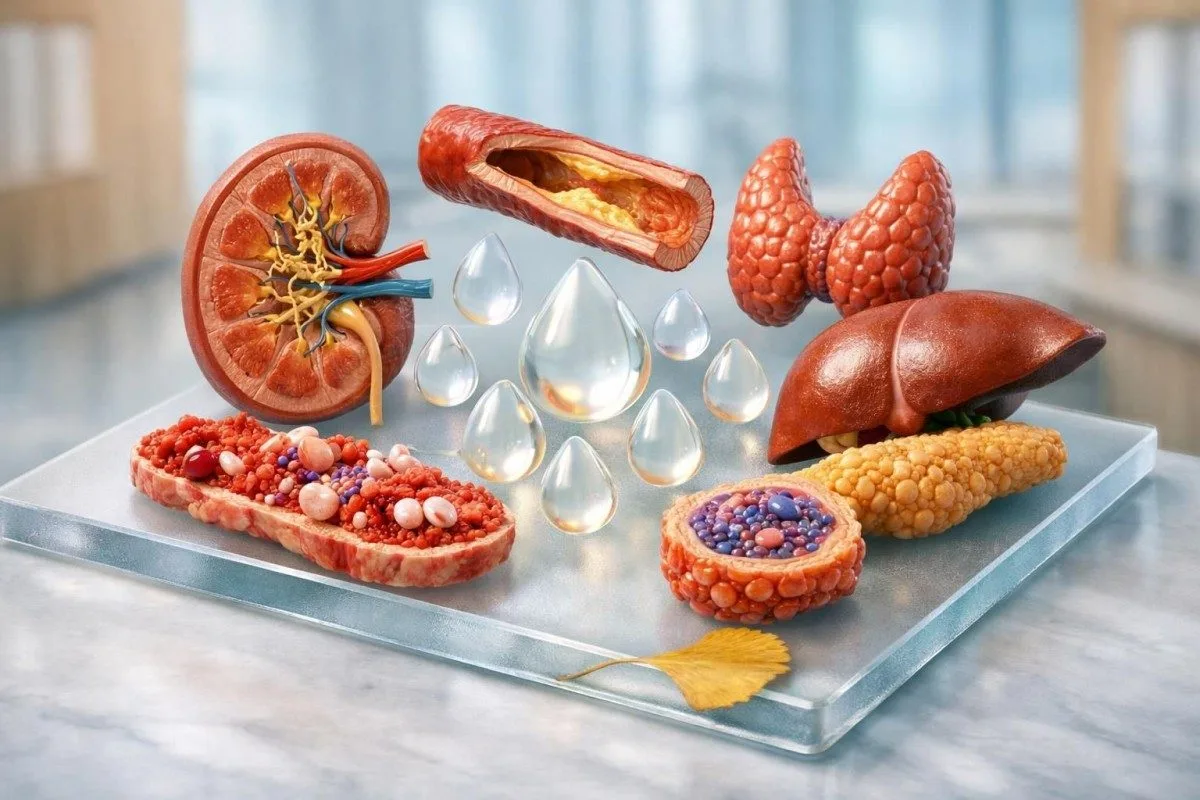
Yaşlı yetişkinler için dokuz tekrarlayan laboratuvar testini seçmem gerekseydi, şunları takip ederdim: CBC, transferrin satürasyonu ile ferritin, vitamin B12, eGFR ile kreatinin, elektrolitler, HbA1c, lipid paneli, karaciğer paneli ve TSH. 65 yaş üstü çoğu yetişkin için bunlar her yıl gerekir; KBH (CKD), diyabet, anemi veya birden fazla ilaç kullanımı, bazılarının 3-6 ayda bir yapılmasına sıkça neden olur.


- CBC: Kadınlarda hemoglobin 12.0 g/dL’nin altı veya Erkeklerde 13.0 g/dL’nin altı yaşlanma hakkında bir “omuz silkmeyi” değil, açıklamayı hak ediyor.
- Ferritin: Ferritin düşüklüğü 30 ng/mL genellikle düşük demir depoları anlamına gelir; 30-100 ng/mL transferrin satürasyonu 20%’nin altında ise eksikliği yine de gizleyebilir.
- B12 vitamini: B12 düşüklüğü 200 pg/mL’nin altı yaygın olarak eksiktir; 200-350 pg/mL özellikle metformin veya asit baskılayıcı kullananlarda sınırda olabilir.
- eGFR: Bir 3 ay boyunca devam eden eGFR’nin 60 mL/dk/1,73 m²’nin altında olması . 3 ay veya daha uzun kronik böbrek hastalığı tanımını karşılar.
- Potasyum: Potasyumun 3,0 mmol/L altında 6,0 mmol/L’nin üzerindeyse veya buna eşit ya da üzerinde olması acil hale gelebilir; özellikle böbrek hastalığı veya kalp ilaçlarıyla birlikte.
- HbA1c: Şunun HbA1c’si 5.7-6.4% prediyabet sinyali verir; 6.5% veya daha yüksek Bu paterni her zaman görüyorum: 56 yaşındaki bir erkek, “Açlık düzeyi 98 olduğu için şekerim iyiydi” diyor. Sonra.
- LDL kolesterol: LDL’nin genellikle normaldir; altında olması birçok yaşlı için makuldür; ancak 70 mg/dL’nin altı genellikle kalp krizi veya inme sonrası kullanılır.
- Karaciğer enzimleri: ALT veya AST’nin normal üst sınırın 3 katından fazla olması bir ilaç gözden geçirmesi ve karaciğer değerlendirmesi gerektirir.
- TSH: Düşük serbest T4 ile birlikte 10 mIU/L TSH’nin.
60 yaşından sonra yaşlılar için hangi rutin kan testleri en önemlidir?
60 yaşından sonra öncelik verdiğim dokuz tekrarlayan test şunlardır CBC, transferrin satürasyonu ile ferritin, vitamin B12, eGFR ile kreatinin, elektrolitler, HbA1c, lipid paneli, karaciğer paneli ve TSH. Ben Dr. Thomas Klein; 65 yaş üstü çoğu yetişkinin bunları en az yılda bir kez yaptırması gerekir. CKD, diyabet, anemi veya günde 5 veya daha fazla ilaç genellikle bu takvimin bir kısmını 3-6 ay.
itibarıyla 17 Nisan 2026, önleyici sağlık hizmetlerinde yaşlı yetişkinler için öncelik verdiğim temel tekrarlayan kan testlerine dair pratik bir genel bakış. 2 milyon yüklenen rapor karşısında 127'den fazla ülke, en büyük gördüğüm hata çok az test yaptırmak değil, yanlış test sıklığıdır. Kantesti AI.
. Trend, neredeyse her zaman tek seferlik testten daha iyidir ve yaşlı yetişkinler bu kalıpları standart panel genellikle ferritin, B12 vitamini ve tiroid taramasını atlar; bu yüzden yorgunluk, uyuşuk ayaklar ve yavaş ilerleyen anemi “yaşlanma” diye geçiştirilebilir.
Sınırda bir sonucu incelerken bağlamı önemsiyorum: tiyazidler sodyumu değiştirir, metformin B12’yi değiştirir, statinler karaciğer enzimlerini değiştirir ve levotiroksin TSH’yi değiştirir. Kantesti yapay zeka bu değişimleri bizim klinik doğrulama standartlarımızla, çünkü bir 0,3 puan HbA1c artışı veya 7 mL/dk eGFR düşüşü dramatik görünmeden çok önce klinik olarak gerçek olabilir.
Yaşlılar için rutin kan testlerini kullanmanın pratik yolu, hangi biyobelirtecin hangi soruyu yanıtladığını bilmektir. Bizim biyobelirteç kılavuzumuz , 15.000’den fazla belirteci, kapsar; ancak önleyici bakımda en sık başvurduğum bu dokuzunun çekirdek rolü tekrarlayıcıdır.
Neden CBC, yaşlı yetişkinlerde hâlâ ilk sırada yer alıyor?
A CBC anemiyi, gizli kan kaybını, enfeksiyon paternlerini ve kemik iliği stresini taramak için en hızlı yoldur. Hemoglobin 12.0 g/dL’nin altı veya Erkeklerde 13.0 g/dL’nin altı anemi kriterlerini karşılar ve yalnızca yaş bu değerleri normal yapmaz.
The hemoglobin aralığı önemlidir; ancak kayma da önemlidir. 13,8’den 12,4 g/dL’ye bir yıl içinde düşüş, her iki laboratuvar da farklı referans aralıklarının içinde olsa bile güven verici değildir.
Sessiz ipucu şudur: RDW. işaret eder. Serbest T4’ü normal olan yüksek RDW yaklaşık olarak 14.5% çoğu zaman tam anemiden önce ortaya çıkar; özellikle demir eksikliği ile B12 eksikliği örtüştüğünde—metformin ve asit baskılayıcı kullanan yetişkinlerde bunu şaşırtıcı sıklıkta görüyorum.
MCV’nin 80 fL altında olması mikrositozu düşündürür; MCV’nin 100 fL’nin üzerine tırmanması üzerinde olması makrositozu düşündürür. Gördüğüm 74 yaşındaki bir erkekte hemoglobin 11,2 g/dL ve düşük-MCV paterni, vardı ve asıl sorun, yaşlılığa bağlı anemiden ziyade kronik GİS (gastrointestinal) kan kaybıydı.
Trombositler bir başka katman daha ekler. Trombosit sayısı yaklaşık olarak 450 ×10⁹/L Demir eksikliği veya iltihaplanmada reaktif olabilir; ancak anemiyle birlikte trombosit sayısının düşmesi, kemik iliği hastalığı, ilaçlar veya karaciğer sorunlarını daha geniş açıdan düşünmemi sağlar.
Ferritin ve demir satürasyonu: birçok yıllık panelin atladığı anemi testi
Ferritin ve transferrin satürasyonu, yorgunluk, huzursuz bacaklar, saçta incelme veya düşen hemoglobin olan yaşlı bir yetişkinde atlamayacağım demir testleridir. 30 ng/mL’nin altı ferritin genellikle depoların boşaldığını gösterir ve transferin satürasyonu <20% ferritin sınırda görünse bile tanıyı güçlendirir.
Ferritin, demir depoları için tek başına en iyi laboratuvar testidir; ancak aynı zamanda akut faz reaktanıdır. Bizim ferritin aralığı rehberimiz ferritinin 45 ng/mL CRP yükselmişken veya kronik hastalık arka planda varken yine de çok düşük olabildiğini açıklar.
Serum demir öğünlerle ve günün saatine göre dalgalanır; bu nedenle normal serum demir, düşük ferritini telafi etmez. Daha faydalı ikili ferritin artı transferrin satürasyonudur ve bizim TIBC ve satürasyon açıklaması bunu adım adım anlatır.
Menopoz sonrası kadınlarda ve erkeklerde, gerçek demir eksikliği aksi kanıtlanana kadar GI (gastrointestinal) kan kaybıdır. Benim deneyimime göre 72 yaşında bunu kötü beslenme diye adlandırmak, ülserlerin, kolon kanserinin ve aspirinle ilişkili kanamaların geç fark edilmesine yol açar.
Tedavi stratejisi, hastalara çoğu zaman söylenenden daha önemlidir. Birçok yaşlı yetişkin Tedavi, örüntüye bağlıdır. Düz bir demir eksikliği durumunda, birçok yetişkinin günde birkaç doza göre daha iyi tolere eder ve hepsidin sürekli yüksek kalmadığı için emilim aslında daha iyi olabilir.
Vitamin B12 kısa listeye mutlaka dahil edilmeli; özellikle metformin veya PPI’larla birlikte
Vitamin B12, eksiklik belirgin anemiye neden olmadan önce sinirlere zarar verebildiği için, yaşlılar için en sık atlanan rutin kan testlerinden biridir. 200 pg/mL’nin altındaki B12 sıklıkla eksiktir; oysa 200-350 pg/mL çoğu zaman semptomlara dayalı takip gerektiren bir gri alandır.
Sınır bölgesi, birçok kişinin kaybolduğu yerdir. Bizim vitamin B12 yorumlama rehberimiz , değerin 228 pg/mL , hasta ayrıca uyuşuk ayaklar, hafıza değişiklikleri veya yükselen MCV gibi bulgulara sahipse, daha düşük riskli gibi görünen bir sonuca göre neden daha fazla önem taşıyabileceğini açıklar.
Metformin, proton pompa inhibitörleri, kronik gastrit, mide ameliyatı ve çok düşük hayvansal gıda alımı riski artırır. CBC’si neredeyse normal kalırken B12’nin sessizce 410’dan 240 pg/mL’ye iki yıl boyunca kaydığı, ayaklarında yanma ve denge sorunu yaşayan yaşlı yetişkinler gördüm.
B12 gri bölgede kalırsa, metilmalonik asit veya bazen homosistein doku eksikliğinin gerçekten olup olmadığını ayırt etmeye yardımcı olur. Makrositoz mevcut olduğunda faydalıdır; ancak yokluğu B12 eksikliğini dışlamaz.
eGFR ile kreatinin: ilaç kararlarını değiştiren böbrek belirteci
Yaşlı erişkinlerde böbrek taraması kreatinin artı eGFR, ile yapılmalıdır; yalnızca kreatininle değil. Bir En az 3 ay boyunca 60 mL/dk/1,73 m²’nin altındaki eGFR kronik böbrek hastalığı kriterlerini karşılar ve kırılganlık, kreatinin üretimini düşürerek riski gizleyebilir.
Görünüşte normal bir kreatinin, kas kütlesi düşük ve zayıf bir yaşlı erişkinde yanıltıcı olabilir. Bizim eGFR rehberimiz , kreatinin değeri bir kadın ile birlikte 56, eGFR değerinin bulunabileceğini hatırlatır; bu da metformin, gabapentin, bazı antibiyotikler ve kontrast çalışmaları için dozlamayı değiştirir.
Burada trend, renk kodlamadan daha önemlidir. Her bireysel rapor hâlâ kabul edilebilir görünse de, 18 ay boyunca bir kişinin 78’den 63 mL/dk/1,73 m²’ye geçtiğini düzenli olarak görüyorum ve bizim kan tahlili trend rehberi; potasyumsuz tam olarak bu soruna odaklanacak şekilde tasarlanmıştır.
Bir ACE inhibitörü veya ARB başlandıktan sonra kreatinin, potasyum güvenli kalır ve değer stabilize olursa yaklaşık 30% kadar yükselebilir ve yine de kabul edilebilir sayılır. Bu, laboratuvar portalındaki kırmızı bir okdan çok daha fazla bağlamın önemli olduğu durumlardan biridir.
Kistatin C değer kattığında
Kistatin C benim temel dokuzluma dahil değil, ancak kreatinin klinik tabloya uymadığında kullanıyorum. Kas kütlesi az olan kırılgan bir yetişkinde ya da çok kaslı yaşlı bir hastada kistatin C, eGFR tahmininin yanlış şekilde “rahatlatıcı” mı yoksa yanlış şekilde düşük mü olduğunu netleştirebilir.
Elektrolitler: düşmeleri, ritmi ve kırılganlığı etkileyen sodyum, potasyum ve CO2
Yaşlılarda en çok önem taşıyan elektrolit değerleri şunlardır: sodyum, potasyum ve bikarbonat. Normal aralıklar genellikle sodyum 135-145 mmol/L, potasyum 3.5-5.0 mmol/L, Ve CO2 22-29 mmol/L, ancak ilaçların etkileri, normal etiketini çoğu insanın düşündüğünden daha az güven verici hale getirir.
Tiazid diüretik, loop diüretik, SSRI, laksatif, ACE inhibitörü veya spironolakton kullanan yaşlı yetişkinler, ortalama hastadan daha sık bu paneli gerektirir. Bizim elektrolit rehberimiz yaygın paternleri kapsar; ancak kısa cevap basit: ilaçlar bu değerleri çok değiştirir.
Sodyum 130 mmol/L altı çoğu zaman yorgunluktan fazlasına yol açar. Özellikle tiazid diüretik kullanan daha küçük yapılı yaşlı kadınlarda, hastalar bariz şekilde hasta görünmeden çok önce yürüyüş dengesizliği, kafa karışıklığı ve düşmeler görürüm.
Potasyum 3,0 mmol/L altında 6,0 mmol/L’nin üzerindeyse düşüklüğü acil hale gelebilir. Yüksek potasyum konusunda panik yapmadan önce örneğin hemolize olup olmadığını kontrol edin; bu, ayaktan hasta hekimliğinde en sık görülen yanlış alarmlardan biridir.
Düşük bikarbonat da önemlidir. CKD’li bir kişide 21 mmol/L CO2, kronik metabolik asidoza işaret edebilir ve kalıcı olarak düşük değerler zamanla kas kaybına ve kemik kaybına katkıda bulunabilir.
Diyabet ve prediyabet için HbA1c — faydalı, ancak yaşlı kanında kusursuz değil
HbA1c aşağısı 5.7% normaldir, 5.7-6.4% prediyabeti işaret eder ve 6.5% veya daha yüksek tekrarlı testte de bu durumun görülmesi diyabeti destekler. Mevcut ADA standartları hâlâ bu kesim değerlerini kullanır; ancak daha yaşlı yetişkinlerde, kırmızı hücre dönüşümü değiştiği için genç hastalara kıyasla daha fazla yanlış güvence verir.
A1c, elimizdeki en iyi uzun dönem göstergelerden biri olmaya devam ediyor ve bizim ve olağan eşikleri net biçimde ortaya koyuyor. Tarama sırasında, 3 ila 4 ay içinde yükselme genellikle öyle değildir. yönündeki bir değişime, tek başına hafif anormal bir okuma kadar dikkat ederim.
Bir 6.5% A1c değeri tanısal eşiği aşar; ancak bağlam yine de önemlidir. Demir eksikliği HbA1c’yi yanlış şekilde yükseltebilir; buna karşılık hemoliz, yakın zamanda kan kaybı, transfüzyon ve ileri KBH, gerçek glukoz maruziyetinden daha düşük görünmesine neden olabilir.
Yaşlılarda tedavi hedefleri tek tip değildir. Sağlıklı 68 yaşındaki biri yaklaşık 7.0%, hedefleyebilir; düşme veya hipoglisemi riski olan kırılgan 88 yaşındaki birinde ise yaklaşık 7.5-8.0% civarı daha güvenli olabilir—kılavuzlar ile gerçek hayatın tam olarak örtüşmediği alanlardan biri.
Açlık glukozu iyi görünse de HbA1c yükselmeye devam ettiğinde de endişeleniyorum. Bu uyumsuzluk çoğu zaman asıl sorunun kötü bir gece sayısından ziyade öğün sonrası glukoz yükselmeleri, steroid maruziyeti veya azalan fiziksel aktivite olduğunu gösterir.
Lipid paneli: yaşla birlikte değişmesi gereken, yaşla birlikte durmaması gereken kalp riski takibi
Bir lipid paneli LDL, HDL, trigliseritleri ve genellikle non-HDL kolesterolü izler. Pek çok yaşlı yetişkin için en uygulanabilir sayı LDL’dir; ancak hedef, tek tip bir kuraldan ziyade vasküler risk, kırılganlık ve yaşam beklentisiyle uyumlu olmalıdır.
İyi bir başlangıç noktası tam lipid paneli yorumlama rehberimiz. LDL, genellikle normaldir; Birçok yaşlı için makul bir değerdir; ancak ikincil korunmada çubuk çoğu zaman daha aşağı iner.
Bizim LDL risk aralığı açıklaması Genellikle kullanılan eşikleri adım adım anlatır. Uygulamada, LDL 70 mg/dL’nin altında kalp krizi, inme veya bilinen damar hastalığından sonra sıkça kullanılır ve 500 mg/dL’nin üzerindeki trigliseritler pankreatit riskini yeterince artırır; bu yüzden onları görmezden gelemem.
75 yaşın üzerindeki yetişkinlerde soru yalnızca LDL’nin ne kadar yüksek olduğuyla ilgili değildir. platformumuza, ani bir LDL yükselişine, düşen albümine ve istemsiz kilo kaybına birlikte dikkat ederiz; çünkü bu grup, ömür boyu stabil seyreden orta düzey kolesterolden çok farklı bir tabloyu işaret eder.
Non-HDL kolesterol çoğu zaman hafife alınan bir değerdir. Hedefi genellikle LDL hedefinden 30 mg/dL daha yüksektir, ve trigliseritleri yüksek olan hastalarda, yalnızca LDL’ye kıyasla riski daha net yansıtabilir.
Karaciğer paneli: ilaç yükünü ve yağlı karaciğer paternlerini değerlendirmede en iyi rutin kontrol
Yaşlılarda karaciğer panelini takip etmeye değer; çünkü ilaçlar, yağlı karaciğer, safra yolu hastalığı, alkol ve kırılganlık (frailty) tümü sayıları değiştirebilir. ALT ve AST, yaklaşık 35-40 U/L’nin altında çoğu zaman normaldir., ancak tek bir izole değerden çok, patern (örüntü) daha önemlidir.
Paternle başlayın. Bizim karaciğer fonksiyon testi rehberimiz , ALP ve GGT’nin yükselmesi gibi kolestatik değişikliklerden hepatoselüler enzim yüksekliğini ayırmaya yardımcı olur.
AST, düşme sonrası kas yaralanmasından, ağır bahçe işlerinden veya yeni bir egzersiz programından sonra yükselebilir. Bir AST/ALT oranı üstü 2 alkolle ilişkili bir yaralanmayı düşündürebilir; ancak yalnızca oran üzerinden asla tanı koymam.
GGT, hikâye eksik gibi geldiğinde kullandığım laboratuvar testidir. A yüksek GGT ALP yükseliyorsa kolestaz ya da ilaç etkisini düşünürüm; buna karşılık obeziteyle birlikte görülen hafif ve izole ALT yüksekliği daha sık yağlı karaciğeri düşündürür.
Statinler nadiren ciddi karaciğer hasarına yol açar ve rutin aylık karaciğer kontrolleri genellikle gereksizdir. Beni asıl endişelendiren ALT veya AST’nin normal üst sınırın 3 katından fazla olması normalin üst sınırı, yeni bir bilirubin artışı veya kilo veren birinde albüminin düşmesidir.
Serbest T4’e refleks ile TSH: küçük sayılar, kalp ritmi ve enerji üzerinde büyük etki
Yaşlı yetişkinlerde tiroid taraması için başlangıç testi olarak en iyi seçenek TSH’tir. Çoğu laboratuvar referans aralığını yaklaşık 0,4-4,0 mIU/L, olarak kullanır; ancak bazı Avrupa laboratuvarları çok yaşlılarda üst sınırın biraz daha yüksek olmasını kabul eder. Bu nedenle sayının bağlamı önemlidir.
The yüksek TSH rehberimiz genellikle bir sonraki adımları iyi açıklar. Genel olarak, TSH 10 mIU/L’nin üzerinde düşük serbest T4 genellikle tedaviyi destekler; buna karşılık yaklaşık 4.5-6.9 civarındaki hafif bir yükselme, uzun süreli ilaç değişiklikleri yapılmadan önce çoğu zaman tekrar edilmesini hak eder.
Uygunsuz tedavi (fazla tedavi) pratikte gördüğüm daha büyük tehlikedir. Levotiroksin kullanan 78 yaşındaki birinde TSH’nin 0.4 mIU/L düzeyinin altında baskılanması atriyal fibrilasyon ve kemik kaybı olasılığını artırır; bu yüzden TSH’yi çok düşürmeye çalışmaktansa hafif yüksek bırakmaya genellikle daha temkinli yaklaşırım.
Şaşırtıcı derecede yaygın bir laboratuvar tuzağı takviye girişimidir. Tiroid testi öncesinde biotin kullanımı şurada: 5.000-10.000 mcg/gün bazı immünassay’leri bozabilir; bu nedenle birçok klinisyen hastalardan 48-72 saat kan tahlili öncesinde bunu bırakmalarını ister.
Kantesti’de, Dr. Thomas Klein ve Dr. Sarah Mitchell, PhD, tiroidle ilgili aykırı paternleri hâlâ manuel olarak bizim Tıbbi Danışma Kurulu. ile birlikte gözden geçiriyor. Yorgunluk ve hafif TSH kayması sık görülür; kilo kaybı, titreme ve TSH değeri 0.05 çok farklı bir konuşmadır.
Kadınlar ve erkekler için temel kan testleri: ne değişir, ne değişmez ve ne sıklıkla tekrarlanmalı
The sağlık için en önemli kan testleri ileri yaşlarda her iki cins için de çoğunlukla aynıdır, bu yüzden gerekli kan testleri Ve gerekli kan testleri aynı temel dokuzu paylaşır. Değişen ekler şunlardır: kırık riski, idrarla ilgili belirtiler, aile öyküsü, ilaç yükü ve temel laboratuvarların ne kadar hızlı ilerlediği.
Yaşlı kadınlarda menopoz sonrası demir eksikliği, Gİ değerlendirmesi için daha düşük bir eşiği hak eder. Menopoz ve yaşlanma etrafında daha geniş belirti bağlamı isterseniz, bizim kadın sağlığı rehberimiz rehberimiz faydalı bir tamamlayıcıdır.
Yaşlı erkeklerde de aynı temel dokuz hâlâ devasa bir hormon panelinden daha önemlidir. PSA’yı seçici olarak ele alıyorum — genellikle yaşam beklentisi 10 yılın üzerindeyse ve hasta gerçekten sonuca göre hareket etmek istiyorsa — ve rehberimizde kan testlerimiz bu takası açıklıyor.
Sıklık, doğum günlerinden daha az; hastalık yükü ve ilaç sayısına daha çok bağlıdır. Az sayıda ilaç kullanan stabil yaşlılar çoğu zaman temel laboratuvarları her 12 ay, tekrarlayabilir; ancak KBH, diyabet, tiroid tedavisi, diüretikler veya metformin çoğu zaman her 3-6 ay; açlık kuralları. gerekçelendirir; çoğu insanın düşündüğünden daha basittir ve su yeterlidir.
Seçili hastalar için ayırdığım ekler D vitamini, kalsiyum/PTH, PSA, CRP, folat ve bazen NT-proBNP’dir. Bunlar yanlış testler değildir; sadece yaşlılar için evrensel rutin kan testleri değildir.
Sonuçlarınız farklı portallarda ya da telefon fotoğrafları olarak yaşıyorsa, rehberimiz bir laboratuvar PDF’ini güvenli şekilde yüklemenize yardımcı olur. Randevunuzdan önce hızlı bir ilk değerlendirme isterseniz, şunu deneyin: ücretsiz kan tahlili yorumlama demosu.
Yaşlıların göz ardı etmemesi gereken acil eşikler
Potasyum 6,0 mmol/L’nin üzerindeyse, ve üzeriyse, sodyum ise 125 mmol/L’nin altındaysa, hemoglobin
değerinin altında 8 g/dL, veya AST/ALT normalin üst sınırının üzerinde ve sarılık varsa aynı gün öneri gerekir. Siyah dışkı, bayılma, kafa karışıklığı, göğüs ağrısı veya nefes darlığı, laboratuvar sonucunun kendisinden bile daha fazla önem taşır. 3 kat Demir çalışmaları ve idrar tahlili hakkında daha derin okuma yapmak istiyorsanız özellikle faydalı olan iki güncel Kantesti referansı var; aksi halde dikkatli taramayı bile en sık karıştıran iki alan. Bunlar klinik muhakemenin yerine geçmez, ancak hastalara ve daha genç klinisyenlere eğitim verirken gerçekten kullandığım pratik referanslardır.
Araştırma yayınları ve daha derin okuma
Ferritin yorumlamasına ve üst düzey kan tetkikleriyle birlikte idrar belirteci bağlamına yardımcı olan ek referanslar.
Klein, T. (2026). İdrar Testinde Urobilinojen: 2026 Tam İdrar Tahlili Rehberi. Zenodo. https://doi.org/10.5281/zenodo.18226379. Ayrıca şuradan da erişilebilir: ResearchGate Ve Academia.edu.
Klein, T. (2026). Demir Çalışmaları Kılavuzu: TIBC, Demir Doygunluğu ve Bağlanma Kapasitesi. Zenodo. https://doi.org/10.5281/zenodo.18248745. Ayrıca şuradan da erişilebilir: ResearchGate Ve Academia.edu.
Klinik uzmanlarınca gözden geçirilmiş güncellemeleri
şu adreste tutuyoruz: Kantesti blog, ve 17 Nisan 2026 yeni kılavuz ifadeleri yorumlamayı anlamlı biçimde değiştirdiğinde aralık notlarını hâlâ güncelliyoruz. Bu durum özellikle çok eski, kırılganlıkla uyarlanmış diyabet hedeflerindeki tiroid kesit değerleri ve düşük kas kütleli yetişkinlerdeki böbrek tahminleri için geçerlidir.
Sıkça Sorulan Sorular
Yaşlılar her yıl hangi kan testlerini yaptırmalıdır?
65 yaş üzerindeki çoğu yetişkin her yıl tam kan sayımı (CBC), demir doygunluğuyla birlikte ferritin, vitamin B12, GFR ile birlikte kreatinin, sodyum/potasyum/CO2, HbA1c, lipid paneli, karaciğer paneli ve TSH. Kronik böbrek hastalığı (CKD), diyabet, anemi tedavisi, tiroid ilaçları veya günde 5 veya daha fazla ilaç kullanan kişiler çoğu zaman her yıl yerine 3-6 ay ihtiyaç duyabilir. Amaç devasa bir panel değildir; yönetimi değiştirme olasılığı en yüksek belirteçlerin tekrarlı test edilmesidir.
Yaşlılar böbrek ve elektrolit testlerini ne sıklıkla tekrarlamalıdır?
Diüretik, ACE inhibitörü, ARB, spironolakton veya SGLT2 inhibitörü kullanan yaşlıların kreatinin/eGFR ve elektrolitlerin kontrol edilmesi 1-4 hafta ilaç değişikliğinden sonra, ardından 3-6 ay durum stabilse her 60 mL/dk/1,73 m², sodyum 135 mmol/L’nin altında olması, eGFR’nin potasyumun 5.0 mmol/L’nin üzerindeyse 6,0 mmol/L’nin üzerindeyse genellikle daha yakın takip gerektirir. Potasyum 125 mmol/L’nin altındaysa veya sodyum.
65 yaş üstü kadınlar için gerekli kan testleri, erkekler için gerekli kan testlerinden farklı mıdır?
5.0 mmol/L’ye eşit ya da daha yüksekse veya sodyum 5.0 mmol/L’ye eşit ya da daha düşükse aynı gün tıbbi değerlendirme gerektirebilir.. Tekrarlayan temel laboratuvarlar iki cinsiyet için de çoğunlukla aynıdır: 10 yılın üzerindeyse ve paylaşımlı karar verme istiyorlar.
D vitamini, yaşlılarda sağlık için en önemli kan testlerinden biri midir?
D vitamini faydalıdır; ancak her yaşlı yetişkin için bunu evrensel temel dokuzun içine koymuyorum. Osteoporozu olan, sık düşen, malabsorpsiyon yaşayan, kronik böbrek hastalığı olan veya güneş ışığına minimal maruz kalan kişilerde daha kolay kontrol ediyorum. A 25-hidroksi D vitamini düşük seviye 20 ng/mL çoğu kılavuzda eksik olarak geçerken, 20-30 ng/mL’nin sıklıkla yetersiz olarak adlandırılır.
Anemi veya böbrek hastalığı, yaşlılarda HbA1c değerinin doğruluğunu daha az doğru hale getirebilir mi?
Evet. Demir eksikliği, HbA1c’yi yanlışlıkla yükseltebilir; buna karşılık hemoliz, yakın zamanda kan kaybı, transfüzyon ve ileri düzey kronik böbrek hastalığı (CKD), HbA1c’nin gerçek glukoz maruziyetine kıyasla daha düşük görünmesine veya başka şekilde daha az güvenilir olmasına neden olabilir. Hemoglobin düşükse veya eGFR belirgin şekilde azalmışsa, HbA1c’yi çoğu zaman açlık glukozu, evde glukoz verileri veya sürekli glukoz izlemi (CGM) ile birlikte değerlendiririm.
Yaşlı bir yetişkin, rutin bir kan testi sonucunda ne zaman endişelenmelidir?
Potasyum 6,0 mmol/L veya daha yüksek, sodyum 125 mmol/L veya daha düşük olduğunda acil takip olasılığı daha yüksektir., hemoglobin 8 g/dL, değerinin altındaysa, belirtilerle birlikte glukoz ciddi şekilde yükseldiyse veya karaciğer enzimleri sarılıkla birlikte normalin üst sınırının 3 kat üzerine çıkıyorsa. Tek bir hafif anormal sonuç, genellikle haftalar ila aylar boyunca belirgin bir eğilimden daha az endişe vericidir. Göğüs ağrısı, nefes darlığı, kafa karışıklığı, bayılma, siyah dışkı veya yeni güçsüzlük her zaman laboratuvar değerinden daha önceliklidir ve acil bakım gerektirir.
Takviyeler rutin kan testi sonuçlarını etkileyebilir mi?
Evet. Saç ve tırnak için yaygın olarak satılan yüksek doz biyotin, bazı tiroid ve diğer laboratuvar tahlillerine müdahale edebilir. Her takviye hakkında doktorunuza ve laboratuvarınıza bilgi verin ve test öncesinde bir süre biyotini ara vermeniz gerekip gerekmediğini sorun.
Yaşlıların rutin kan testlerinden önce aç kalması gerekir mi?
CBC, böbrek fonksiyonları, elektrolitler, karaciğer testleri, TSH, B12 vitamini ve HbA1c dahil olmak üzere birçok rutin test açlık gerektirmez. Klinik hekiminiz özellikle açlık glukozu veya açlık lipid paneli istiyorsa önceden sorun; özellikle trigliseritler kontrol ediliyorsa.
Yaşlılar, bir enfeksiyon sonrası rutin kan testlerini ertelemeli mi?
Rutin sağlık taraması için, ateş, büyük bir enfeksiyon veya steroid “atak”tan sonra 1–2 hafta beklemek makul olabilir; çünkü CBC, ferritin, karaciğer enzimleri ve glukoz geçici olarak değişebilir. Acil semptomlar için verilen testlerin geciktirilmemesi gerekir.
Bugün Yapay Zekâ Destekli Kan Tahlili Analizini Alın
Anlık ve doğru laboratuvar testi analizi için Kantesti’ye güvenen dünya genelindeki 2 milyondan fazla kullanıcıya katılın. Kan testi sonuçlarınızı yükleyin ve saniyeler içinde 15,000+ biyobelirteçlerinin kapsamlı yorumunu alın.
📚 Kaynak Gösterilen Araştırma Yayınları
Klein, T., Mitchell, S., & Weber, H. (2026). İdrar Testinde Urobilinojen: 2026 Tam İdrar Tahlili Rehberi. Kantesti Yapay Zeka Tıbbi Araştırma.
Klein, T., Mitchell, S., & Weber, H. (2026). Demir Çalışmaları Kılavuzu: TIBC, Demir Doygunluğu ve Bağlanma Kapasitesi. Kantesti Yapay Zeka Tıbbi Araştırma.
⚕️ Tıbbi Uyarı
Bu makale yalnızca eğitim amaçlıdır ve tıbbi tavsiye niteliği taşımaz. Tanı ve tedavi kararları için her zaman yetkin bir sağlık hizmeti sağlayıcısına danışın.
E-E-A-T Güven Sinyalleri
Deneyim
Hekim liderliğinde laboratuvar yorumlama iş akışlarının klinik incelemesi.
Uzmanlık
Klinik bağlamda biyobelirteçlerin nasıl davrandığına odaklanan laboratuvar tıbbı.
Otorite
Dr. Thomas Klein tarafından yazılmış; Dr. Sarah Mitchell ve Prof. Dr. Hans Weber tarafından gözden geçirilmiştir.
Güvenilirlik
Alarmı azaltmaya yönelik net takip yollarıyla kanıta dayalı yorumlama.