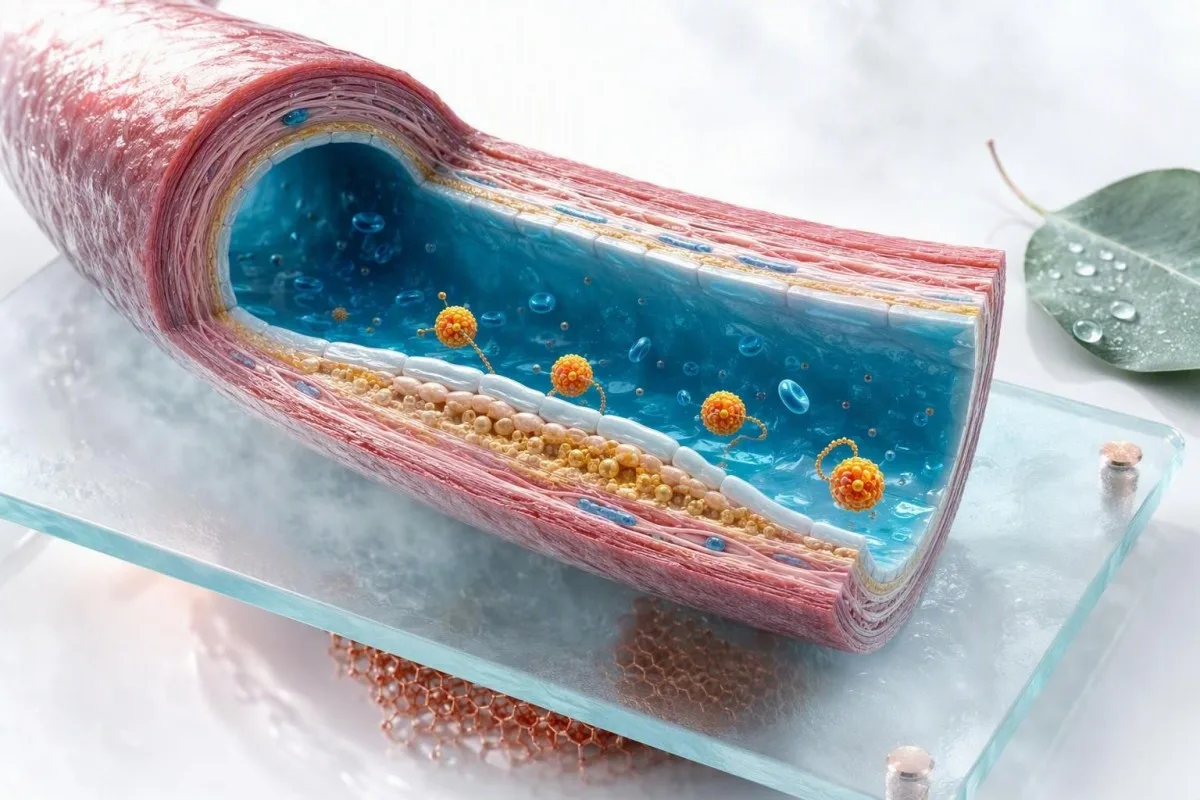
Kiwango cha juu cha Lp(a) kwa kawaida ni sababu ya kurithi ya hatari ya moyo na mishipa isiyo na dalili, si maelezo ya dalili za kila siku. Dalili muhimu ni zile za uwezekano wa ugonjwa wa moyo, ubongo au mzunguko wa damu na zinahitaji tathmini ya haraka.


- Dalili si za kawaida kutokana na Lp(a) ya juu yenyewe; matokeo hayo hayasababishi moja kwa moja uchovu, maumivu ya kichwa, kizunguzungu au mapigo ya moyo kwenda mbio.
- Kiwango cha juu kwa ujumla ni angalau 50 mg/dL au 125 nmol/L, ingawa mg/dL na nmol/L haziwezi kubadilishwa kwa usahihi kwa mtu binafsi.
- Lp(a) ya juu sana zaidi ya 180 mg/dL au 430 nmol/L hubeba hatari ya maisha yote inayokaribiana kwa kiasi kikubwa na ile ya hiperkolesterolemia ya kifamilia ya heterozigoti isiyotibiwa.
- Shinikizo kifuani linalodumu zaidi ya dakika 10, upungufu wa pumzi ukiwa umetulia au kuzimia kunahitaji tathmini ya haraka na kamwe hakupaswi kupuuzwa kuwa ni dalili ya Lp(a).
- Kupima mara moja kunapendekezwa na makubaliano ya 2022 ya Jumuiya ya Ulaya ya Atherosclerosis kwa kila mtu mzima angalau mara moja maishani.
- Kupunguza kolesteroli ya LDL bado ndiyo njia kuu ya vitendo ya kupunguza hatari kwa ujumla wakati dawa zinazolenga Lp(a) zikikamilisha majaribio ya matokeo.
- Uchunguzi wa familia ni muhimu kwa sababu mkusanyiko wa Lp(a) hurithiwa kwa kiwango kikubwa na hubaki thabiti kwa kiasi baada ya utoto.
- Stenosis ya vali ya aorta hatari huongezeka kwa Lp(a) ya juu, lakini upungufu wa pumzi wakati wa kufanya juhudi, maumivu ya kifua, au kuzimia kunahitaji tathmini inayotegemea echocardiogramu badala ya kujitambua.
Je, viwango vya juu vya lipoproteini(a) husababisha dalili?
Lipoproteini(a) ya juu kwa kawaida haisababishi dalili zozote. Ni kiashirio cha hatari cha muda mrefu kinachoweza kuchangia kubana kwa mishipa na ugonjwa wa vali ya aorta kwa miaka mingi, si kemikali inayosababisha hisia fulani za kila siku zinazotambulika. Ushauri wa vitendo wa Dkt. Thomas Klein ni rahisi: usihusishe maumivu ya kifua, upungufu wa pumzi wa ghafla, udhaifu wa upande mmoja wa mwili, au kuzimia na namba ya maabara—tafuta huduma ya dharura kwa dalili hizo.
Watu mara nyingi hutafuta dalili za lipoproteini a ya juu baada ya kupata matokeo ya kushangaza na kutarajia uchovu, wasiwasi, maumivu ya kichwa, au maumivu ya misuli yahusiane nayo. Hayahusiani nayo. Lp(a) huzunguka ikiwa imeunganishwa na chembe inayofanana na LDL na hakuna utaratibu unaojulikana wa kuweza kusababisha hisia hizo moja kwa moja; dalili zinapotokea, huashiria tatizo kama vile ugonjwa wa mishipa ya moyo, kiharusi, au stenosis ya vali ya aorta.
Ulinganisho muhimu ni shinikizo la damu: kipimo cha 165/100 mmHg kinaweza kuhisi kuwa cha kawaida kabisa, lakini bado kinahitaji hatua. Lp(a) ya juu hufanya kazi vivyo hivyo. Kantesti ni Mchambuzi wa mtihani wa damu wa AI kinachosoma matokeo ya Lp(a) pamoja na LDL-C, ApoB, trigliseridi, HbA1c, utendaji wa figo, na historia ya familia badala ya kuhusisha kimakosa dalili na kiashirio kimoja.
Kufikia tarehe 21 Agosti 2026, matokeo moja yaliyoinua Lp(a) yanapaswa kuanzisha mazungumzo kuhusu kinga, si ziara ya dharura kwa mtu ambaye kwa ujumla ana afya njema. Hata hivyo, dalili zinazotokea wakati wa kufanya juhudi au ghafla ukiwa umepumzika hubadilisha hali kabisa; mwongozo wetu wa vipimo vya upungufu wa pumzi unaeleza kwa nini matokeo ya maabara hayawezi kuondoa uwezekano wa tatizo la ghafla la moyo.
Kwa nini Lp(a) inaweza kuongeza hatari bila kukufanya ujisikie mgonjwa
Lp(a) huongeza hatari ya moyo na mishipa kwa sababu huchanganya chembe ya kolesteroli inayofanana na LDL na apolipoproteini(a), si kwa sababu inakera neva au misuli. Madhara yake hujikusanya ndani ya kuta za mishipa na kuzunguka vali ya aorta kwa miongo kadhaa.
Chembe ya Lp(a) ina ApoB-100, protini ileile kuu ya kimuundo inayopatikana katika LDL, pamoja na apolipoproteini(a). Apolipoproteini(a) inafanana na plasminojeni, protini inayohusika katika kuvunja mabonge ya damu; ufanano huo ni wa kuvutia kibayolojia, ingawa haimaanishi kwamba kila mtu mwenye Lp(a) ya juu ana vipimo visivyo vya kawaida vya kuganda kwa damu au anahitaji dawa za kuzuia kuganda kwa damu.
Lp(a) pia hubeba fosfolipidi zilizooksidishwa, ambazo zinaweza kuchochea mwitikio wa tishu wa eneo husika katika mabamba ya mishipa na ugonjwa wa vali ya aorta wenye ukokotoaji. Makubaliano ya 2022 ya European Atherosclerosis Society yaliyoongozwa na Kronenberg na wenzake yanaainisha Lp(a) kama sababu ya hatari ya moyo na mishipa yenye uhusiano wa moja kwa moja na unaoendelea, badala ya kipimo rahisi cha ugonjwa cha ndiyo-au-hapana.
Asili fiche ya mchakato huu ndiyo sababu kiwango cha mazoezi kinachoonekana kuwa bora hakiwezi kufuta matokeo ya juu. Mwanariadha wa kukimbia mwenye umri wa miaka 52 asiye na dalili bado anaweza kunufaika na mapitio ya kina ya vipimo vya lipidi, hasa ikiwa mzazi alipata mshtuko wa moyo kabla ya umri wa miaka 60; tazama mwongozo wetu kuhusu vipimo vya maabara vya kinga ya kiharusi katika familia.
Ni matokeo gani ya Lp(a) yanachukuliwa kuwa ya juu?
Mkusanyiko wa Lp(a) wa 50 mg/dL au 125 nmol/L au zaidi kwa kawaida huchukuliwa kuwa hatari kubwa ya moyo na mishipa. Maabara hutumia vipimo tofauti, na hakuna ubadilishaji sahihi kati ya vipimo vya mkusanyiko wa uzito na vile vya idadi ya chembe kwa mtu mmoja.
Lp(a) si kama sodiamu, ambapo mfumo mmoja wa vipimo hubadilishwa kwa urahisi kuwa mwingine. Ukubwa wa Apo(a) hutofautiana sana kati ya watu, hivyo fomula kama mg/dL ikizidishwa kwa 2.5 inaweza kuainisha vibaya matokeo ya mtu binafsi. Daima hifadhi kipimo na mbinu ya uchunguzi ya maabara unapolinganisha matokeo kwa muda.
Thamani za 30 mg/dL na 75 nmol/L mara nyingi huchukuliwa kuwa eneo la ukingo wa kutokuwa na uhakika, badala ya mpaka wa kutia moyo. Katika uzoefu wangu wa kliniki, uamuzi hubadilika zaidi mgonjwa anapokuwa pia na LDL-C zaidi ya 130 mg/dL, kisukari, kuathiriwa na uvutaji wa sigara, ugonjwa sugu wa figo, au ugonjwa wa moyo na mishipa uliotokea mapema kwa ndugu wa daraja la kwanza.
Matokeo yaliyo juu ya 180 mg/dL, takriban 430 nmol/L, huchukuliwa kuwa ya juu kupita kiasi na huashiria kiwango cha hatari ya kurithi kinacholingana na hypercholesterolaemia ya kifamilia ya heterozigoti kwa maisha yote. Kwa muktadha wa kutafsiri alama za lipidi bila hofu, soma maana ya matokeo yaliyo nje ya kiwango.
Nini husababisha viwango vya juu vya lipoproteini(a)?
Lp(a) ya juu husababishwa hasa na tofauti za kurithi katika jeni la LPA. Lishe, mazoezi na uzito wa mwili huathiri Lp(a) kwa kiwango kidogo sana kuliko zinavyoathiri LDL cholesterol au triglycerides.
Zaidi ya 90% ya tofauti ya Lp(a) kati ya watu huamuliwa kijeni. Aina ndogo za isoform za apo(a) kwa ujumla hutokeza viwango vya juu zaidi vya chembechembe, jambo ambalo ni sababu mojawapo inayofanya watu wawili wanaokula kwa namna inayofanana waweze kuwa na matokeo yanayotofautiana mara kumi.
Ujauzito, ugonjwa wa figo, ukomo wa hedhi, ugonjwa mkali na baadhi ya matibabu ya homoni vinaweza kubadilisha Lp(a) kwa kiasi kidogo, lakini mara chache hueleza kiwango cha juu sana cha maisha yote. Kupima katika kipindi thabiti ni jambo la busara wakati matokeo yanaonekana kutolingana, na mwongozo wa muda wa vipimo vya damu yetu inashughulikia mitego ya tafsiri inayohusiana na ugonjwa.
Muundo huu wa urithi hufanya upimaji wa kaskadi kuwa wenye ufanisi: wazazi, ndugu na watoto watu wazima wa mtu mwenye Lp(a) ya juu kwa kawaida wanapaswa kupimwa mara moja. Mtoto mwenye thamani ya juu hana dalili zinazosababishwa na Lp(a), lakini matokeo hayo yanaweza kusaidia kuanza mapema kuzingatia LDL-C, shinikizo la damu na kuepuka tumbaku.
Lp(a) ya juu huongeza hatari ya ugonjwa wa moyo kwa kiasi gani?
Lp(a) ya juu huongeza uwezekano wa ugonjwa wa moyo wa ateri za moyo, kiharusi cha ischemia, ugonjwa wa mishipa ya pembeni na stenosis ya vali ya aota yenye ukalisishaji. Hatari huongezeka mfululizo, hivyo 70 mg/dL si ukingo wa kimiujiza ulio juu ya 49 mg/dL; ni ishara yenye nguvu zaidi ya kudhibiti hatari zinazoweza kubadilishwa.
Katika data za watu kwa jumla zilizofupishwa na Kronenberg et al., kiwango cha Lp(a) kinachokaribia 100 mg/dL kinahusishwa na takriban mara mbili ya hatari ya maisha yote ya ugonjwa wa moyo na mishipa unaotokana na atherosclerosis ikilinganishwa na mkusanyiko wa wastani unaokaribia 7 mg/dL. Hatari ya mtu binafsi bado inaweza kuwa ndogo akiwa na umri wa miaka 30 na kubwa akiwa na miaka 65 kwa sababu umri na vipengele vingine vya hatari vinavyoshindana ni muhimu.
Mwongozo wa AHA/ACC wa cholesterol wa mwaka 2018 unabainisha Lp(a) iliyo sawa na au zaidi ya 50 mg/dL au 125 nmol/L kama sababu ya kuongeza hatari, hasa wakati uamuzi wa kuanza statin hauna uhakika (Grundy et al., 2019). Haupendekezi kutibu namba hiyo peke yake; matabibu hukadiria kwanza hatari kamili ya miaka 10 na ya maisha yote.
Lp(a) ya juu ni muhimu hasa wakati LDL-C inaonekana kuwa ya ukingo tu. ApoB inaweza kufafanua jumla ya idadi ya chembechembe zenye kusababisha atherosclerosis, na mwongozo wetu wa uwiano wa ApoB na ApoA1 unaeleza kwa nini LDL-C inayoonekana kuwa ya kawaida wakati mwingine inaweza kupunguza makadirio ya mzigo wa chembechembe.
Je, Lp(a) ya juu ni hatari, na ni wakati gani hali hiyo inahitaji hatua za haraka?
Kiwango cha juu cha Lp(a) ni hatari kama sababu ya hatari ya muda mrefu, si kwa kawaida dharura ya siku hiyo hiyo. Shinikizo jipya kifuani, upungufu wa pumzi ukiwa umetulia, dalili za ghafla za mfumo wa neva, au kuzimia ni hali za dharura kwa sababu zinaweza kuashiria ugonjwa wa moyo na mishipa, bila kujali kiwango cha Lp(a).
Piga simu kwa huduma za dharura ikiwa una shinikizo, uzito, kubanwa au maumivu kifuani yanayodumu zaidi ya dakika 10, hasa yakiambatana na kutokwa jasho, kichefuchefu, upungufu wa pumzi, au maumivu kusambaa kwenye mkono, taya, mgongo au sehemu ya juu ya tumbo. Lp(a) ya kawaida haiwezi kuondoa uwezekano wa mshtuko wa moyo, na Lp(a) ya juu haiwezi kuutambua.
Kulegea kwa ghafla kwa uso, udhaifu wa mkono, ugumu wa kuzungumza, kupoteza uwezo wa kuona kwa jicho moja, au tatizo jipya kali la usawaziko ni dalili zinazowezekana za kiharusi. Muda ni muhimu; vipindi vya matibabu hupimwa kwa saa, si kwa muda unaohitajika kupanga kipimo cha kurudia cha lipid. Yetu mwongozo wa kulinganisha troponin unaeleza kwa nini vipimo vya moyo vya ghafla hutumia viashiria-tendaji tofauti.
Upungufu wa pumzi unaoendelea wakati wa kufanya shughuli, kubana kifuani wakati wa shughuli, au kuzimia wakati wa shughuli kunahitaji uchunguzi wa haraka wa kitabibu ndani ya siku chache, hasa kwa watu walio na umri zaidi ya miaka 60 wenye Lp(a) ya juu. Dalili hizo zinaweza kuashiria ugonjwa wa mishipa ya moyo au stenosi kubwa ya vali ya aota; Lp(a) inaweza kuongeza uwezekano, lakini uchunguzi wa mwili, ECG, echokardiografia na picha za kitabibu ndizo huweka utambuzi.
Je, Lp(a) ya juu inaweza kuhusishwa na dalili za vali ya aota?
Lp(a) ya juu inahusishwa na stenosi ya vali ya aota yenye ukokotoaji, lakini yenyewe haisababishi mnung’uniko wa vali wala upungufu wa pumzi. Dalili hutokea tu ikiwa vali imebanwa kiasi cha kutosha kuzuia mtiririko wa damu kwenda mbele.
Dalili tatu za kawaida za stenosi kali ya aota ni upungufu wa pumzi wakati wa shughuli, usumbufu kifuani, na kuzimia au karibu kuzimia wakati wa kufanya shughuli. Baadhi ya watu badala yake huona mwendo wao wa kutembea ukipungua au huhitaji muda zaidi wa kupumzika baada ya kupanda ngazi—mabadiliko ambayo ni rahisi kulaumiwa kwa umri, pumu au kutokuwa na utimamu wa mwili.
Uchunguzi kwa stethoskopu unaweza kubaini mnung’uniko wa sistoli unaotia shaka, lakini echokardiogramu hupima eneo la vali na gradienti ya shinikizo. Hakuna kiwango cha Lp(a) kinachoweza kutambua stenosi. Uhusiano wa hatari ni wa kweli, lakini muda wa kuanza na ukali wa ugonjwa wa vali hutofautiana sana kutoka mtu mmoja hadi mwingine.
AI ya Kantesti, ambayo jukwaa la tafsiri ya viashiria vya AI, hutambua Lp(a) iliyoinuka kama sababu ya kupitia dalili za wakati wa shughuli na historia ya familia ya ugonjwa wa vali pamoja na daktari, si kama mbadala wa picha za kitabibu. Kwa mtazamo mpana zaidi kuhusu viashiria vya kinga, yetu mwongozo wa vipimo vya damu vya ugonjwa wa moyo kwa wanawake unaonyesha kwa nini hatari inaweza kukosekana kutambuliwa dalili zinapokuwa zisizo za kawaida.
Dalili ambazo kwa kawaida hazielezwi na Lp(a) ya juu
Lp(a) ya juu kwa kawaida haielezi uchovu, maumivu ya kichwa, mapigo ya moyo kuhisiwa, kukakamaa kwa misuli ya miguu, ukungu wa mawazo au wasiwasi. Dalili hizi ni za kawaida na zinastahili utambuzi tofauti wa kitabibu badala ya kuhusishwa moja kwa moja na sababu ya hatari ya lipid isiyo na dalili.
Kuhisi mapigo ya moyo kunaweza kusababishwa na kafeini, ukosefu wa usingizi, ugonjwa wa tezi, upungufu wa damu, homa, athari za dawa, arrhythmia ya atiria au mipigo ya ziada isiyo hatari. Ikiwa mapigo hayo hutokea pamoja na maumivu ya kifua, upungufu wa pumzi, kuzimia, au mapigo ya moyo yanayoendelea kuwa zaidi ya 120 kwa dakika ukiwa umetulia, tathmini ya haraka ni salama zaidi kuliko kusubiri ufuatiliaji wa lipid.
Uchovu unaoendelea una maelezo mengi yenye uwezekano mkubwa zaidi, yakiwemo upungufu wa chuma, apneya ya usingizi, unyogovu, kisukari, hypothyroidism na madhara ya dawa. Mgonjwa wa miaka 46 katika kliniki yangu wakati mmoja alihusisha uchovu wake na Lp(a) ya 168 nmol/L; ferritin ya 7 ng/mL na hedhi nyingi ndizo zilizobainika kuwa sababu zinazoweza kushughulikiwa.
Usumbufu wa mguu wakati wa kutembea unaopungua kwa uhakika ndani ya dakika chache za kupumzika unaweza kuwa claudication na haupaswi kupuuzwa, hasa ikiwa una Lp(a) ya juu. Kinyume chake, kukakamaa usiku au maumivu yaliyoenea si dalili za kawaida za mishipa ya damu ya ateri; tumia yetu mwongozo wa vipimo vya maabara kwa mapigo ya moyo kuhisiwa kwa ukaguzi wa awali unaofaa.
Nani anapaswa kupima damu ya Lp(a), na mara ngapi?
Watu wazima wengi wanapaswa kupimwa Lp(a) angalau mara moja, na kurudia kipimo kwa kawaida si lazima kwa sababu kiwango hicho huwa thabiti kijenetiki. Upprepad mätning är mest användbar när det första testet togs under allvarlig sjukdom, graviditet, långt framskriden njursjukdom eller med en annan analysmetod.
EAS-konsensusen från 2022 stöder mätning en gång i livet hos alla vuxna, med särskild prioritet vid för tidig hjärt-kärlsjukdom, familjär hyperkolesterolemi, återkommande händelser trots behandling eller en förstagradssläkting med mycket högt Lp(a). Fasta krävs inte för Lp(a), även om en fastande lipidprofil kan begäras för tolkning av triglycerider.
Lp(a) kan mätas från ett standardiserat laboratorieprov, men analyskvaliteten är viktig. Isoformsokänsliga analyser kalibrerade i nmol/L föredras där de finns tillgängliga; ett resultat bör aldrig jämföras mellan laboratorier som om varje metod exakt mätte samma partikelegenskap.
Kantesti, ambayo Zana ya uchambuzi wa vipimo vya damu inayotumia AI, kan sammanställa ett Lp(a)-resultat med tidigare lipidprofiler och flagga enheter som inte stämmer överens före ett uppföljningsbesök. Vår detaljerade guide för Lp(a)-screening en gång i livet omfattar praktiska förberedelser och familjetestning.
Unaweza kufanya nini ikiwa Lp(a) yako iko juu?
Du kan inte sänka ärftligt Lp(a) på ett meningsfullt sätt genom enbart kost eller motion, men du kan avsevärt minska den totala hjärt-kärlrisken. Den mest effektiva strategin för närvarande är kraftfull behandling av LDL-C, blodtryck, rökning, diabetes, sömn och fysisk aktivitet.
Statiner sänker vanligtvis LDL-C med 30% till 50% eller mer beroende på behandlingsregim, medan Lp(a) kan förbli oförändrat eller öka något. Det innebär inte att behandlingen har misslyckats: sänkning av LDL-innehållande partiklar minskar det tillgängliga utgångsmaterialet för plackbildning, vilket är anledningen till att kliniker fortfarande använder statiner när de är indicerade.
PCSK9-hämmare sänker LDL-C avsevärt och minskar vanligtvis Lp(a) med ungefär 20% till 30%, även om de förskrivs utifrån den övergripande lipidrisken och lokala behörighetskriterier snarare än enbart Lp(a). Inclisiran kan också sänka Lp(a) måttligt, medan särskilda antisens- och småinterfererande RNA-behandlingar fortfarande utvärderas i resultatstudier.
Jag råder patienter att se ett högt resultat som motivation för en hållbar förebyggande plan, inte som en ursäkt för stränga dieter. Ett medelhavsliknande kostmönster, 150 minuters måttlig aktivitet i veckan, blodtryckskontroll under ett individuellt anpassat målvärde och rökstopp spelar alla roll; vår guide om LDL trots hälsosam kost förklarar den genetiska aspekten på ett ärligt sätt.
Je, niasini, virutubisho au aspirini hupunguza hatari inayohusiana na Lp(a)?
Niacin kan sänka Lp(a) med omkring 20% till 30%, men rekommenderas inte rutinmässigt enbart för Lp(a), eftersom nyttan för kliniska utfall och tolerabiliteten har varit en besvikelse. Kosttillskott som marknadsförs för att sänka Lp(a) har inte visat tillförlitliga minskningar av hjärtinfarkt eller stroke.
Niacin orsakar ofta rodnad och kan försämra glukoskontroll, urinsyra och leverprover. I modern förebyggande vård räcker inte ett lägre laboratorievärde; kliniker vill ha belägg för att en behandling minskar betydelsefulla händelser utan att orsaka motsvarande skada.
Aspirin är inte automatiskt lämpligt för personer med högt Lp(a). Den möjliga nyttan måste vägas mot risken för gastrointestinal och intrakraniell blödning, ålder, blodtryck, tidigare magsår, andra läkemedel och huruvida personen redan har etablerad hjärt-kärlsjukdom.
Dr. Thomas Klein rekommenderar att ta med alla receptfria produkter för genomgång, eftersom produkter med rött jästris varierar i aktiv substans och kan medföra statinliknande biverkningar. Vår wa usalama wa virutubisho vya cholesterol är en användbar utgångspunkt, men läkemedelsval hör hemma hos den förskrivande klinikern.
Kwa nini historia ya familia hubadilisha maana ya Lp(a)
Ett högt Lp(a)-resultat blir mer kliniskt betydelsefullt när nära släktingar har haft tidig hjärtinfarkt, stroke, bypassoperation, stentbehandling eller aortaklaffbyte. Kombinationen tyder på en ärftlig exponering som kan delas av flera familjemedlemmar.
Waulize jamaa kuhusu umri wao walipopata tukio la kwanza la moyo na mishipa ya damu, si kuuliza tu kama waliwahi kuwa na “matatizo ya moyo.” Mshtuko wa moyo wakiwa na miaka 48, kiharusi wakiwa na miaka 55, au upasuaji wa vali ya aota wakiwa na miaka 62 kuna uzito mkubwa zaidi katika kuzuia magonjwa kuliko tukio lililotokea mwishoni mwa maisha baada ya miongo kadhaa ya shinikizo la damu na uvutaji sigara.
Kila mtoto wa mzazi mwenye kiwango cha juu sana cha Lp(a) ana uwezekano mkubwa wa kurithi mkusanyiko wa juu. Uchunguzi haumtambui mtoto kuwa mgonjwa; hubaini ni nani anayeweza kufaidika zaidi na mienendo bora ya maisha kwa muda wote pamoja na tathmini ya lipidi inayolingana na umri kutoka kwa mtaalamu wa watoto.
Kantesti ni huduma ya kutafsiri vipimo vya maabara ya AI ambayo inaweza kusaidia familia kupanga matokeo tofauti kwa idhini huku ikilinda faragha ya kila mtu. Yetu kichunguzi cha historia ya familia inatoa maelezo ya vitendo ya kurekodi kabla ya miadi ya kinga.
Unapaswa kujadili nini na mtaalamu wako wa afya baada ya kupata matokeo ya juu?
Baada ya kupata matokeo ya juu ya Lp(a), omba tathmini ya jumla ya hatari ya moyo na mishipa badala ya kupewa agizo linalolenga Lp(a) pekee. Ziara yenye manufaa inahusisha LDL-C au non-HDL-C, ApoB inapopatikana, shinikizo la damu, HbA1c, uvutaji sigara, utendaji wa figo, historia ya familia, na dalili wakati wa kufanya mazoezi.
Leta ripoti ya awali ya maabara kwa sababu kipimo, njia ya uchanganuzi na tarehe ya kuchukuliwa kwa sampuli ni muhimu. Uliza ikiwa lengo lako la LDL-C linapaswa kuwa la chini zaidi kutokana na Lp(a), ikiwa ApoB ingebadilisha usimamizi, na ikiwa upimaji wa kalisi kwenye mishipa ya moyo unafaa kulingana na umri na hatari yako—si kila mgonjwa mwenye Lp(a) ya juu anahitaji uchunguzi huo.
Upimaji wa kalisi kwenye mishipa ya moyo huwa na manufaa zaidi wakati uamuzi wa matibabu bado hauna uhakika kwa watu wazima wasio na dalili, kwa ujumla kuanzia umri wa kati na kuendelea. Alama ya kalisi ya sifuri inaweza kutia moyo kwa baadhi ya watu waliochaguliwa, lakini haifuti hatari ya kurithi ya maisha yote, hasa kwa wavutaji sigara, watu wenye kisukari, au wale walio na historia thabiti sana ya familia.
Yetu maoni ya pili ya vipimo vya damu inaweza kukusaidia kuandaa maswali mafupi. Mbinu za kitabibu za Kantesti hupitiwa kupitia yetu mchakato wa uthibitishaji wa kimatibabu, lakini tafsiri ya AI lazima ikamilishe—si kuchukua nafasi ya—daktari anayeweza kukuchunguza.
Jambo kuu la vitendo kuhusu matokeo ya Lp(a) yasiyo na dalili
Matokeo ya juu ya Lp(a) ni ishara ya kuzuia ugonjwa, si utambuzi wa ugonjwa wala chanzo cha dalili. Watu wengi hujisikia wazima kabisa, na hatua sahihi ni za kiasi: thibitisha vipimo, tathmini hatari ya jumla, wachunguze ndugu wa karibu mara moja, na chukua hatua haraka tu ikiwa dalili za kweli za hatari ya moyo na mishipa zitatokea.
Usifanye kipimo cha kurudia kila baada ya miezi michache wala kulaumu Lp(a) kwa dalili zisizo maalum. Fuatilia vipimo vinavyoweza kubadilishwa na vinavyobadilisha hatari yako: LDL-C, ApoB au non-HDL-C, shinikizo la damu, hali ya glukosi, mfiduo wa uvutaji sigara, mwenendo wa uzito, na uwezo wa kufanya mazoezi. Hii mwongozo wa kila mwaka wa kulinganisha vipimo vya maabara unaweza kusaidia kutofautisha mienendo yenye maana na mabadiliko ya kawaida yasiyo muhimu.
Ikiwa huna dalili, panga mazungumzo ya kawaida kuhusu moyo na mishipa badala ya kutafuta huduma ya dharura. Ikiwa una shinikizo kifuani, upungufu wa pumzi ukiwa umetulia, kuzimia, udhaifu wa ghafla, tatizo la kuzungumza, au kupoteza uwezo wa kuona ghafla, tafuta msaada wa dharura sasa—hata kama Lp(a) yako ilipimwa miezi kadhaa iliyopita na hata kama kolesteroli yako ilionekana kuwa katika kiwango kinachokubalika.
Dk. Thomas Klein na Bodi ya Ushauri ya Matibabu ya Kantesti inasisitiza kanuni rahisi: viashiria vya hatari huwa na manufaa zaidi vinapopelekea hatua inayolingana na hatari na inayotegemea ushahidi. Lp(a) ya juu inastahili kuchukuliwa kwa uzito; haistahili kuishi kwa hofu nayo.
Maswali Yanayoulizwa Mara Kwa Mara
Je, kiwango cha juu cha lipoproteini(a) kinaweza kukufanya uchoke?
Kiwango cha juu cha lipoproteini(a) kwa kawaida hakisababishi uchovu moja kwa moja. Lp(a) ni lipoproteini inayorithiwa kwa kiasi kikubwa, ambayo huongeza hatari ya muda mrefu ya ugonjwa wa mishipa na stenosis ya aota, lakini kwa kawaida haisababishi uchovu katika 125 nmol/L, 300 nmol/L, au viwango vingine. Uchovu unaoendelea unapaswa kuchunguzwa ili kubaini sababu za kawaida kama vile upungufu wa chuma, kuvurugika kwa usingizi, ugonjwa wa tezi, mfadhaiko, kisukari, madhara ya dawa, au ugonjwa wa moyo na mishipa ya damu iwapo dalili hutokea wakati wa kufanya shughuli. Uchovu mpya unaoambatana na kubanwa kifuani au upungufu wa pumzi unahitaji tathmini ya haraka ya kitabibu.
Je, kiwango cha Lp(a) cha nmol/L 100 ni cha juu?
En Lp(a)-nivå på 100 nmol/L betraktas vanligtvis som intermediär snarare än tydligt hög, eftersom många riktlinjer använder 125 nmol/L som tröskelvärde för förhöjd risk. Risken aktiveras inte vid ett enda värde; den ökar kontinuerligt, och 100 nmol/L kan ha större betydelse hos en person med LDL-C på 160 mg/dL, diabetes, exponering för rökning eller prematur hjärtsjukdom i familjen. Skalorna mg/dL och nmol/L kan inte omvandlas tillförlitligt för en individ eftersom apo(a)-partikelstorleken varierar. En läkare bör tolka 100 nmol/L utifrån hela den kardiovaskulära riskprofilen.
Je, kiwango cha juu cha Lp(a) kinaweza kusababisha maumivu ya kifua?
Lp(a) ya juu haisababishi maumivu ya kifua moja kwa moja, lakini huongeza uwezekano wa muda mrefu wa ugonjwa wa mishipa ya moyo, ambao unaweza kusababisha shinikizo au usumbufu kifuani wakati wa kufanya shughuli. Shinikizo kifuani linalodumu zaidi ya dakika 10, au usumbufu kifuani unaoambatana na kutokwa jasho, kichefuchefu, upungufu wa pumzi, au maumivu yanayosambaa kwenye taya, mkono, mgongo au sehemu ya juu ya tumbo, huhitaji tathmini ya dharura. Matokeo ya juu ya Lp(a) hayawezi kutambua mshtuko wa moyo, na matokeo ya chini hayawezi kuutenga. Tathmini ya haraka inaweza kujumuisha ECG, vipimo vya troponini vinavyorudiwa, na uchunguzi wa daktari.
Je, lishe inaweza kupunguza lipoproteini(a)?
Lishe na mazoezi kwa kawaida hazipunguzi Lp(a) inayobainishwa kijeni kwa kiwango chenye maana ya kitabibu. Mtindo wa lishe wa aina ya Mediterania, shughuli za kawaida za angalau dakika 150 kwa wiki, na kuepuka tumbaku bado kunaweza kupunguza hatari ya jumla ya ugonjwa wa moyo na mishipa kwa kuboresha LDL-C, shinikizo la damu, udhibiti wa glukosi, na utimamu wa mwili. Lp(a) kwa kawaida hubaki thabiti kwa kiasi licha ya mazoea bora ya maisha, jambo ambalo si kushindwa kwa kibinafsi. Kinga ya sasa inalenga kupunguza vihatarishi vinavyoweza kubadilishwa huku matibabu mahususi ya Lp(a) yakichunguzwa kwa ajili ya matokeo ya moyo na mishipa.
Je, kila mtu mwenye kiwango cha juu cha Lp(a) anapaswa kutumia statini?
Si kila mtu aliye na Lp(a) ya juu huhitaji statin moja kwa moja, kwa sababu kuagiza statin hutegemea hatari kamili ya ugonjwa wa moyo na mishipa, LDL-C, umri, shinikizo la damu, kisukari, uvutaji sigara, historia ya familia, na ugonjwa wa awali wa mishipa. Mwongozo wa AHA/ACC wa mwaka 2018 unachukulia Lp(a) iliyo sawa na au zaidi ya 50 mg/dL au 125 nmol/L kuwa kipengele kinachoongeza hatari wakati uamuzi wa kutumia statin hauko wazi. Statin zinaweza kupunguza LDL-C kwa takriban 30% hadi 50% au zaidi hata kama Lp(a) haibadiliki. Daktari anaweza kuamua ikiwa matibabu ya mtindo wa maisha, tiba ya statin, matibabu ya ziada ya kupunguza LDL, au ufuatiliaji yanafaa.
Lp(a) inapaswa kupimwa tena mara ngapi?
Watu wengi wanahitaji kupima Lp(a) mara moja tu kwa sababu ukolezi wake huamuliwa hasa na jeni la LPA na hubaki thabiti kwa kiasi kikubwa katika maisha ya utu uzima. Kurudia kipimo kunaweza kuwa na maana baada ya kupata matokeo wakati wa ujauzito, ugonjwa mkali wa ghafla, kuharibika sana kwa utendaji wa figo, au wakati mbinu ya awali ilitumia kipimo na vitengo tofauti na maabara ya ufuatiliaji. Kupima tena mara kwa mara kila baada ya miezi mitatu au kila mwaka mara chache hubadilisha usimamizi wa matibabu. Kinyume chake, LDL-C, non-HDL-C, ApoB, shinikizo la damu, na HbA1c vinaweza kuhitaji kukaguliwa mara kwa mara kwa sababu vinaweza kurekebishwa.
Pata Uchambuzi wa Vipimo vya Damu kwa AI Leo
Jiunge na zaidi ya watumiaji 2 milioni duniani kote wanaoamini Kantesti kwa uchambuzi wa papo hapo na sahihi wa vipimo vya maabara. Pakia matokeo yako ya vipimo vya damu na upate tafsiri ya kina ya viashiria vya 15,000+ ndani ya sekunde.
📚 Machapisho ya Utafiti Yanayorejelewa
Klein, T., Mitchell, S., & Weber, H. (2026). Kipimo cha Damu cha Virusi vya Nipah: Mwongozo wa Ugunduzi wa Mapema na Utambuzi wa Ugonjwa 2026. Zenodo. https://doi.org/10.5281/zenodo.18487418. ResearchGate: https://www.researchgate.net. Academia.edu: https://www.academia.edu.. Kantesti uchambuzi wa damu kwa AI ya utafiti wa matibabu.
Klein, T., Mitchell, S., & Weber, H. (2026). Mwongozo wa Kundi la Damu B Hasi, Kipimo cha Damu cha LDH na Hesabu ya Retikulosi. Figshare. https://doi.org/10.6084/m9.figshare.31333819. ResearchGate: https://www.researchgate.net. Academia.edu: https://www.academia.edu.. Kantesti uchambuzi wa damu kwa AI ya utafiti wa matibabu.
📖 Marejeo ya Nje ya Tiba
⚕️ Kanusho la Kimatibabu
Makala haya ni kwa madhumuni ya elimu tu na si ushauri wa kimatibabu. Wasiliana na mtoa huduma aliyehitimu kila wakati kwa maamuzi ya utambuzi na matibabu.
E-E-A-T Trust Signals
Uzoefu
Mapitio ya kimatibabu inayoongozwa na daktari ya mifumo ya tafsiri ya maabara.
Utaalamu
Kuzingatia dawa za maabara kuhusu jinsi viashiria (biomarkers) vinavyobadilika katika muktadha wa kliniki.
Mamlaka
Imeandikwa na Dk. Thomas Klein kwa mapitio ya Dk. Sarah Mitchell na Prof. Dk. Hans Weber.
Uaminifu
Tafsiri inayotegemea ushahidi yenye njia zilizo wazi za ufuatiliaji ili kupunguza tahadhari za hofu.