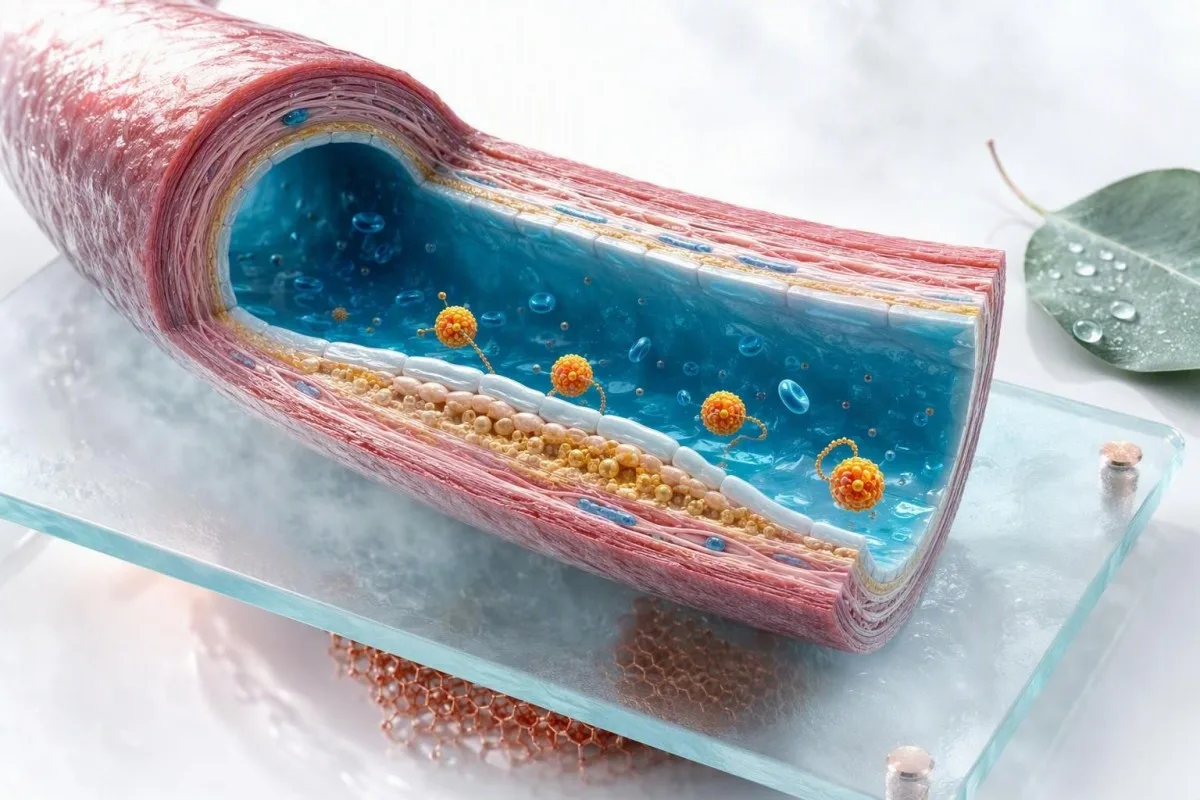
ខ្ពស់ Lp(a) ជាធម្មតាជាកត្ត.


- လက္ခဏာများ در صورت بالا بودن خود Lp(a) غیرمعمول هستند؛ این نتیجه مستقیماً باعث خستگی، سردرد، سرگیجه یا تپش قلب نمیشود.
- آستانه بالا معمولاً دستکم 50 mg/dL یا 125 nmol/L است، هرچند mg/dL و nmol/L را نمیتوان برای یک فرد بهطور قابلاعتماد به یکدیگر تبدیل کرد.
- Lp(a) အလွန်မြင့်ခြင်း مقادیر بالاتر از 180 mg/dL یا 430 nmol/L با خطر مادامالعمر تقریباً مشابه هیپرکلسترولمی خانوادگی هتروزیگوت درماننشده همراه هستند.
- احساس فشار در قفسه سینه که بیش از 10 دقیقه طول بکشد، تنگی نفس در حالت استراحت یا غش کردن، نیازمند ارزیابی فوری است و هرگز نباید بهعنوان علامت Lp(a) نادیده گرفته شود.
- آزمایش یکباره طبق اجماع انجمن آترواسکلروز اروپا در سال 2022، برای هر بزرگسال دستکم یکبار در طول زندگی توصیه میشود.
- کاهش کلسترول LDL همچنان راهکار عملی اصلی برای کاهش خطر کلی است، تا زمانی که داروهای هدفگیرنده Lp(a) مطالعات پیامدهای بالینی خود را تکمیل کنند.
- عائلة الفحص مهم لأن تركيز Lp(a) موروث إلى حد كبير ويظل مستقرًا نسبيًا بعد الطفولة.
- تضيق الأبهر يزداد الخطر مع ارتفاع Lp(a)، ولكن ضيق التنفس عند المجهود أو ألم الصدر أو الإغماء يتطلب تقييمًا يعتمد على تخطيط صدى القلب بدلاً من التشخيص الذاتي.
آیا بلند بودن سطوح لیپوپروتئین(a) باعث بروز علائم میشود؟
عادةً لا يسبب ارتفاع ليبوبروتين (a) أي أعراض على الإطلاق. إنه علامة خطر طويلة الأمد يمكن أن تساهم في تضييق الشرايين وأمراض صمام الأبهر على مر السنين، وليس مادة كيميائية تنتج شعورًا يوميًا يمكن التعرف عليه. نصيحة الدكتور توماس كلاين العملية بسيطة: لا تنسب ألم الصدر أو ضيق التنفس المفاجئ أو الضعف في جانب واحد أو الإغماء إلى رقم مختبري - اطلب الرعاية العاجلة لهذه الأعراض.
غالبًا ما يبحث الناس عن أعراض ارتفاع ليبوبروتين a بعد نتيجة مفاجئة ويتوقعون أن تتناسب معها أعراض مثل الإرهاق أو القلق أو الصداع أو آلام العضلات. إنها لا تفعل ذلك. يدور Lp(a) مرتبطًا بجزيء شبيه بـ LDL وليس له آلية معروفة لإنتاج هذه الأحاسيس مباشرة؛ عندما تحدث الأعراض، فإنها تعكس مضاعفات مثل مرض الشريان التاجي أو السكتة الدماغية أو تضيق الأبهر.
مقارنة مفيدة هي ضغط الدم: قد يشعر قراءة 165/100 مم زئبق بأنها طبيعية تمامًا، ومع ذلك لا تزال تستحق اتخاذ إجراء. ارتفاع Lp(a) يتصرف بشكل مشابه. Kantesti هو AI သွေးစမ်းသပ်မှုခွဲခြမ်းစိတ်ဖြာ يقرأ نتيجة Lp(a) جنبًا إلى جنب مع LDL-C و ApoB والدهون الثلاثية و HbA1c ووظائف الكلى والتاريخ العائلي بدلاً من إسناد عرض خاطئ إلى علامة واحدة.
اعتبارًا من 21 أغسطس 2026، يجب أن تبدأ نتيجة Lp(a) المرتفعة بشكل فردي في محادثة وقائية، وليس زيارة طارئة لشخص سليم بخلاف ذلك. ومع ذلك، فإن الأعراض التي تحدث أثناء المجهود أو فجأة في الراحة تغير الوضع تمامًا؛ دليلنا اختبار ضيق التنفس يشرح لماذا لا يمكن لنتائج المختبر استبعاد مشكلة قلب حادة.
چرا Lp(a) میتواند خطر را افزایش دهد، بدون اینکه احساس ناخوشی کنید
يزيد Lp(a) من خطر الإصابة بأمراض القلب والأوعية الدموية لأنه يجمع بين جزيء كوليسترول شبيه بـ LDL مع apolipoprotein (a)، وليس لأنه يهيج الأعصاب أو العضلات. تتراكم آثاره داخل جدران الشرايين وحول صمام الأبهر على مدى عقود.
يحتوي جزيء Lp(a) على ApoB-100، وهو نفس البروتين الهيكلي الرئيسي الموجود في LDL، بالإضافة إلى apolipoprotein (a). يشبه apolipoprotein (a) البلازمينوجين، وهو بروتين يشارك في تكسير الجلطات؛ هذا التشابه مثير للاهتمام بيولوجيًا، على الرغم من أنه لا يعني أن كل شخص يعاني من ارتفاع Lp(a) لديه اختبارات تخثر غير طبيعية أو يحتاج إلى مضادات التخثر.
يحمل Lp(a) أيضًا الفوسفوليبيدات المؤكسدة، والتي يمكن أن تعزز الاستجابة الموضعية للأنسجة في لويحات الشرايين وأمراض صمام الأبهر الكلسية. يصنف إجماع الجمعية الأوروبية لأمراض تصلب الشرايين لعام 2022 بقيادة كروننبرغ وآخرون، Lp(a) كعامل خطر قلبي وعائي مستمر سببي بدلاً من كونه مجرد اختبار مرضي إيجابي أو سلبي.
الطبيعة الخفية لهذه العملية هي السبب في أن مستوى لياقة بدنية ممتازًا ظاهريًا لا يلغي نتيجة مرتفعة. قد يستفيد عداء يبلغ من العمر 52 عامًا بدون أعراض من مراجعة شاملة للدهون، خاصة إذا كان أحد الوالدين يعاني من نوبة قلبية قبل سن الستين؛ راجع دليلنا الخاص بـ مختبرات الوقاية من السكتة الدماغية العائلية.
چه نتیجهای برای Lp(a) بالا در نظر گرفته میشود؟
يعتبر تركيز Lp(a) البالغ 50 مجم / ديسيلتر أو 125 نانومول / لتر أو أعلى خطرًا قلبيًا وعائيًا مرتفعًا بشكل شائع. تستخدم المختبرات فحوصات مختلفة، ولا يوجد تحويل دقيق بين وحدات الكتلة ووحدات عدد الجزيئات لفرد واحد.
Lp(a) د سۆدیۆم وەک نییە، کە تێیدا یەک سیستەمی یەکینە بە چاکی دەگوازرێتەوە بۆ یەکێکی تر. قەبارەی Apo(a) بە شێوەیەکی بەرچاو لە نێوان خەڵکدا جیاوازە، بۆیە فورمولێک وەک mg/dL کراو بە 2.5 دەتوانێت ئەنجامێکی تاکەکەسی بە هەڵە پۆلێن بکات. هەمیشە یەکینە و شێوازی پشکنینی تاقیگاکە لە کاتی بەراوردکردنی ئەنجامەکاندا لەسەر ماوەیەکدا بپارێزە.
نرخەکانی 30 mg/dL و 75 nmol/L زۆرجار وەک ناوچەیەکی هاوڕەنگ مامەڵەیان لەگەڵدا دەکرێت نەک سنوورێکی دڵنیایی. لە ئەزموونی کلینیکی مندا، بڕیارەکە زۆرترین گۆڕانکاری بەسەردا دێت کاتێک نەخۆشەکە LDL-C ی لەسەرووی 130 mg/dL بێت، شەکرە، تووشبوون بە جگەرەکێشان، نەخۆشی درێژخایەنی گورچیلە، یان نەخۆشی دڵ و خوێنبەرەکانی پێشوەختە لە نزیکترین کەسی پلە یەکدا.
ئەنجامێکی لەسەرووی 180 mg/dL، نزیکەی 430 nmol/L، بە شێوەیەکی زۆر بەرز دادەنرێت و ئاماژە بە ئاستێکی مەترسیداری بۆماوەیی دەدات کە هاوتایە لەگەڵ خێزانی هۆلیسترۆڵی بەرز (familial hypercholesterolaemia)ی هێترۆزیگۆت (heterozygous) لە ماوەی ژیاندایە. بۆ ڕوونکردنەوە لەسەر لێکدانەوەی ئاڵا ڕەنگەکانی لیپید بەبێ ترس، بخوێنەرەوە out-of-range ရလဒ် (out-of-range result) က ဘာကိုဆိုလိုတာလဲ.
علت بالا بودن لیپوپروتئین(a) چیست؟
lipoprotein(a) بەرز سەرەکی لەلایەن گۆڕانی بۆماوەیی لە جین LPA دروست دەبێت. خۆراک، وەرزش، و کێشی لەش کاریگەرییەکی زۆر کەمتر لەسەر Lp(a) هەیە لە چاو کاریگەرییەکەیان لەسەر LDL cholesterol یان triglycerides.
زیاتر لە 90% ی جیاوازی Lp(a) لە نێوان کەسەکاندا بە بۆماوەیی دیاریکراوە. شێوە بچووکەکانی apo(a) بە گشتی کۆمەڵەی پارتیکلی بەرزتر دروست دەکەن، کە یەکێکە لە هۆکارەکانی کە دوو کەس کە بە هاوشێوە دەخۆن دەتوانن ئەنجامیان هەبێت کە دە جار جیاواز بێت.
دووگیانی، نەخۆشی گورچیلە، سووڕی مانگانە، نەخۆشییەکی توند، و هەندێک چارەسەری هۆرمۆنی دەتوانن Lp(a) بە پۆستەکاری بگۆڕن، بەڵام بە دەگمەن ئاستێکی بەرز و دیاری ژیانی ڕوون دەکەنەوە. پشکنین لە کاتی ماوەیەکی جێگیردا کاتێک ئەنجامێک ناجێگیر دێتە بەرچاو، و ئێمە သွေးစစ်ချိန် လမ်းညွှန် تەڵەکانی لێکدانەوە پەیوەست بە نەخۆشی دەگرێتەوە.
ئەم شێوازی بۆماوەییە تاقیکردنەوەی زنجیرەیی (cascade testing) کارا دەکات: دایک و باوک، خوشک و براکان، و منداڵانی گەورەی کەسێک کە Lp(a) ی بەرزە، بە شێوەیەکی گشتی پێویستە یەک جار پشکنینیان بۆ بکرێت. منداڵێک کە ئاستێکی بەرز ی هەیە هیچ نیشانەیەکی لێی نابینێت، بەڵام ئەنجامەکە دەتوانێت پشتگیری لە سەرنجدانی پێشوەختە بکات بۆ LDL-C، پەستانی خوێن، و دوورکەوتنەوە لە جگەرە.
بالا بودن Lp(a) تا چه حد خطر بیماری قلبی را افزایش میدهد؟
Lp(a) بەرزتر، ئەگەری نەخۆشی دڵی تاجدار، جەڵتەی خوێنبەری مێشک، نەخۆشی خوێنبەری لاوەکی، و توندبوونی ئاڵقەی دڵ (calcific aortic stenosis) زیاد دەکات. مەترسی بەردەوام زیاد دەکات، بۆیە 70 mg/dL مەترسی جادوویی نییە لە سەرووی 49 mg/dL؛ بەڵکو ئاماژەیەکی بەهێزترە بۆ کۆنترۆڵکردنی مەترسییەکان کە دەکرێت بگۆڕدرێن.
لە داتاکانی دانیشتووان کە لەلایەن Kronenberg et al. ەوە پوخت کراوە، ئاستی Lp(a) نزیکەی 100 mg/dL پەیوەستە بە نزیکەی دوو هێندە مەترسی نەخۆشی دڵ و خوێنبەرەکانی ئەتیرۆسکلێروتیک (atherosclerotic cardiovascular disease) لە ماوەی ژیاندادا بەراورد بە ئاستی ناوەڕاست نزیکەی 7 mg/dL. مەترسی تاکەکەسی هێشتا دەتوانێت لە تەمەنی 30 ساڵیدا کەم بێت و لە تەمەنی 65 ساڵیدا بەرچاو بێت چونکە تەمەن و هۆکارەکانی مەترسی پێشبڕکێکار گرنگن.
ڕێنمایی کۆلسترۆڵی AHA/ACC ی ساڵی 2018، Lp(a) لە ئاستی 50 mg/dL یان 125 nmol/L یان بەرزتر وەک အန္တရာယ်ကို တိုးမြှင့်စေသည့် အချက် (risk-enhancing factor), ، بە تایبەتی کاتێک بڕیاردان سەبارەت بە ستاتین (statin) ناکۆکە (Grundy et al., 2019). ڕێنمایی ناکات بۆ چارەسەرکردنی ژمارەکە بە تەنهایی؛ کلینیککارەکان سەرەتا مەترسی 10 ساڵە و ماوەی ژیانی تەواو هەڵدەسەنگێنن.
Lp(a) بەرز بە تایبەتی گرنگە کاتێک LDL-C تەنها سنووردار دەردەکەوێت. ApoB دەتوانێت ژمارەی تەواوی پارتیکلی ئەتیرۆجینی (atherogenic) ڕوون بکاتەوە، و ئێمە ڕێنمایی ApoB بۆ ApoA1 ڕووندەکاتەوە کە بۆچی LDL-C کە ئاسایی دەر دەکەوێت هەمیشە ناکرێت بارگرانی پارتیکل کەم بێتەوە.
آیا بالا بودن Lp(a) خطرناک است و چه زمانی فوریت دارد؟
Higher Lp(a) is dangerous as a long-term risk factor, not usually as a same-day emergency. ရင်ဘတ်အောင့်ခြင်း၊ အနားယူနေစဉ် အသက်ရှူမဝခြင်း၊ ရုတ်တရက် အာရုံကြောဆိုင်ရာ လက္ခဏာများ၊ သို့မဟုတ် သတိလစ်ခြင်းတို့သည် အရေးပေါ်ဖြစ်ပြီး နှလုံးသွေးကြောဆိုင်ရာ ရောဂါလက္ခဏာများ ဖြစ်နိုင်သောကြောင့် Lp(a) တန်ဖိုး မည်သို့ပင်ဖြစ်စေကာမူ အရေးတကြီး စစ်ဆေးသင့်ပါသည်။.
ရင်ဘတ်အောင့်ခြင်း၊ လေးလံခြင်း၊ ကျဉ်းကျုတ်ခြင်း သို့မဟုတ် ၁၀ မိနစ်ထက် ပိုကြာသော နာကျင်ခြင်းတို့အတွက် အရေးပေါ်ဝန်ဆောင်မှုများကို ခေါ်ဆိုပါ၊ အထူးသဖြင့် ချွေးထွက်ခြင်း၊ ပျို့ခြင်း၊ အသက်ရှူမဝခြင်း သို့မဟုတ် လက်၊ မေးရိုး၊ ကျော သို့မဟုတ် ဝမ်းဗိုက်အပေါ်ပိုင်းသို့ ပြန့်နှံ့နေပါက။ ပုံမှန် Lp(a) သည် နှလုံးဖောက်ခြင်းကို မပယ်ဖျက်နိုင်၊ မြင့်မားသော Lp(a) သည် ၎င်းကို မဖော်ထုတ်နိုင်ပါ။.
ရုတ်တရက် မျက်နှာတွန့်ခြင်း၊ လက်အားနည်းခြင်း၊ စကားပြောခက်ခဲခြင်း၊ မျက်လုံးတစ်ဖက်ကွယ်ခြင်း သို့မဟုတ် ပြင်းထန်သော ချိန်ခွင်လျှာပြဿနာသစ်တို့သည် လေဖြတ်ခြင်း၏ လက္ခဏာများ ဖြစ်နိုင်ပါသည်။ အချိန်သည် အရေးကြီးသည်၊ ကုသမှုခံယူနိုင်သည့် အချိန်သည် အလွှာစစ်ဆေးမှုကို ပြန်စီစဉ်ရန် အချိန်ကို မည်သို့ပင်ဖြစ်စေကာမူ နာရီများဖြင့် တိုင်းတာပါသည်။ ကျွန်ုပ်တို့၏ နှလုံးကြွက်သားအင်ဇိုင်း နှိုင်းယှဉ်မှု လမ်းညွှန် သည် ပြင်းထန်သော နှလုံးစစ်ဆေးမှုတွင် အဘယ်ကြောင့် မတူညီသော ဇီဝအမှတ်အသားများကို အသုံးပြုသည်ကို ရှင်းပြထားပါသည်။.
တဖြည်းဖြည်း တိုးပွားလာသော လေ့ကျင့်ခန်းလုပ်နေစဉ် အသက်ရှူမဝခြင်း၊ လေ့ကျင့်ခန်းလုပ်နေစဉ် ရင်ဘတ်ကျဉ်းခြင်း၊ သို့မဟုတ် လေ့ကျင့်ခန်းလုပ်နေစဉ် မူးဝြေခင်းတို့သည် အသက် ၆၀ နှင့်အထက်သူများတွင် မြင့်မားသော Lp(a) ရှိပါက အနည်းဆုံးရက်အနည်းငယ်အတွင်း အမြန်ဆုံး ဆေးဘက်ဆိုင်ရာ စစ်ဆေးမှု ခံယူသင့်ပါသည်။ ထိုလက္ခဏာများသည် သွေးကြောဆိုင်ရာ သို့မဟုတ် အရေးပါသော အဆို့ရှင်ကျဉ်းခြင်းကို ညွှန်ပြနိုင်သည်၊ Lp(a) သည် ဖြစ်နိုင်ခြေကို တိုးစေနိုင်သော်လည်း စစ်ဆေးမှု၊ ECG၊ echocardiography နှင့် ပုံရိပ်ဖော်ခြင်းတို့သည် ရောဂါကို အတည်ပြုပါသည်။.
آیا بالا بودن Lp(a) میتواند با علائم دریچه آئورت مرتبط باشد؟
မြင့်မားသော Lp(a) သည် ကယ်လ်စီယမ်ကြောင့် အဆို့ရှင်ကျဉ်းခြင်းနှင့် ဆက်စပ်နေသော်လည်း ၎င်းသည် အဆို့ရှင်တုန်ခါမှု သို့မဟုတ် အသက်ရှူမဝခြင်းကို ကိုယ်တိုင် မဖြစ်စေပါ။. အဆို့ရှင်သည် ရှေ့သို့ သွေးစီးဆင်းမှုကို ကန့်သတ်နိုင်လောက်အောင် ကျဉ်းသွားမှသာ လက္ခဏာများ ပေါ်လာသည်။.
ပြင်းထန်သော အဆို့ရှင်ကျဉ်းခြင်း၏ ဂန္ထဝင်လက္ခဏာသုံးမျိုးမှာ လေ့ကျင့်ခန်းလုပ်နေစဉ် အသက်ရှူမဝခြင်း၊ ရင်ဘတ်တွင် သက်တောင့်သက်သာမရှိခြင်း၊ နှင့် လှုပ်ရှားမှုနှင့်အတူ မူးဝြေခင်း သို့မဟုတ် မူးဝြေခင်းနီးပါး ဖြစ်သည်။ အချို့သူများသည် လမ်းလျှောက်နှုန်း ကျဆင်းခြင်းကို သတိပြုမိကြသည် သို့မဟုတ် လှေကားထစ်များတက်ပြီးနောက် ပိုမိုအနားယူရန် လိုအပ်သည်—ဤပြောင်းလဲမှုများသည် အသက်အရွယ်၊ ပန်းနာရင်ကျပ် သို့မဟုတ် ကိုယ်လက်လှုပ်ရှားမှု မရှိခြင်းကြောင့် အလွယ်တကူ အပြစ်တင်ခံရသည်။.
စတသ်စကုပ်ဖြင့် စစ်ဆေးခြင်းသည် သ suspicious systole murmur ကို ဖော်ထုတ်နိုင်သော်လည်း echocardiogram သည် အဆို့ရှင်ဧရိယာနှင့် ဖိအား gradient ကို တိုင်းတာသည်။ stenosis ကို မည်သည့် Lp(a) အကန့်အသတ်မှ မဖော်ထုတ်နိုင်။ အန္တရာယ်နှင့် ဆက်နွယ်မှုသည် အမှန်တကယ်ပင် ဖြစ်သော်လည်း အဆို့ရှင်ရောဂါ၏ အချိန်နှင့် ပြင်းထန်မှုသည် လူတစ်ဦးနှင့်တစ်ဦး များစွာ ကွဲပြားပါသည်။.
Kantesti AI၊ AI biomarker အဓိပ္ပာယ်ဖော်ခြင်း ပလက်ဖောင်း, သည် မြင့်မားသော Lp(a) ကို လေ့ကျင့်ခန်းလက္ခဏာများနှင့် မိသားစု အဆို့ရှင် ရာဇဝင်ကို ဆရာဝန်နှင့်အတူ ပြန်လည်သုံးသပ်ရန် အကြောင်းရင်းအဖြစ် ဖော်ပြထားသည်၊ ပုံရိပ်ဖော်ခြင်းကို အစားထိုးရန် မဟုတ်ပါ။ ကာကွယ်ရေးအမှတ်အသားများအပေါ် ကျယ်ပြန့်သော အမြင်အတွက်၊ ကျွန်ုပ်တို့၏ အမျိုးသမီးများ နှလုံးရောဂါ သွေးစစ်လမ်းညွှန် သည် လက္ခဏာများ မမှန်သောအခါ အန္တရာယ်ကို မည်သို့ လွဲချော်နိုင်သည်ကို မီးမောင်းထိုးပြသည်။.
علائمی که بالا بودن Lp(a) معمولاً توضیحدهنده آنها نیست
မြင့်မားသော Lp(a) သည် ပုံမှန်အားဖြင့် မောပန်းခြင်း၊ ခေါင်းကိုက်ခြင်း၊ ရင်တုန်ခြင်း၊ ခြေထောက်ကြွက်တက်ခြင်း၊ ဦးနှောက် မွဲခြောက်ခြင်း သို့မဟုတ် စိုးရိမ်ပူပန်ခြင်းတို့ကို မရှင်းပြပါ။. ဤလက္ခဏာများသည် အဖြစ်များပြီး ၎င်းတို့၏ ကိုယ်ပိုင်ကွဲပြားသော ရောဂါရှာဖွေမှုကို လိုအပ်သည်ထက် တိတ်ဆိတ်သော အဆီအန္တရာယ်အချက်ကို ထိုးချရန်ထက်ပိုသည်။.
ရင်တုန်ခြင်းသည် ကော်ဖီ၊ အိပ်ရေးမဝခြင်း၊ သိုင်းရွိုက်ရောဂါ၊ သွေးအားနည်းခြင်း၊ ဖျားနာခြင်း၊ ဆေးဝါးများ၏ အကျိုးသက်ရောက်မှု၊ atrial arrhythmia သို့မဟုတ် benign ectopic beats ကို ထင်ဟပ်စေနိုင်သည်။ ရင်တုန်ခြင်းသည် ရင်ဘတ်အောင့်ခြင်း၊ အသက်ရှူမဝခြင်း၊ မူးဝြေခင်း သို့မဟုတ် အနားယူနေစဉ်တွင် မိနစ် ၅ စက္ကန့်ထက် ပို၍ မရပ်မနားဖြစ်နေပါက၊ အဆီများနောက်ဆက်တွဲကို စောင့်ဆိုင်းခြင်းထက် အရေးပေါ်အကဲဖြတ်မှုသည် ပိုလုံခြုံသည်။.
မောပန်းခြင်းသည် သံဓာတ်ချို့တဲ့ခြင်း၊ အိပ်စက်ခြင်း အပ္နီးယား၊ စိတ်ကျရောဂါ၊ ဆီးချိုရောဂါ၊ သိုင်းရွိုက်ဂလင်းအားနည်းခြင်းနှင့် ဆေးဝါးဘေးထွက်ဆိုးကျိုးများ အပါအဝင် အခြား အကျိုးများသည့် ရှင်းလင်းချက်များစွာ ရှိသည်။ ကျွန်ုပ်၏ ဆေးခန်းတွင် အသက် ၄၆ နှစ်အရွယ် လူနာတစ်ဦးသည် မောပန်းခြင်းကို Lp(a) 168 nmol/L နှင့် ဆက်စပ်ခဲ့သည်၊ ferritin 7 ng/mL နှင့် ပြင်းထန်သော ရာသီလာခြင်းတို့သည် ဆောင်ရွက်နိုင်သော ရှာဖွေတွေ့ရှိမှုများဖြစ်သည်။.
လမ်းလျှောက်နေစဉ် ခြေထောက်တွင် သက်တောင့်သက်သာမရှိခြင်းသည် အနားယူပြီး မိနစ်အနည်းငယ်အတွင်း တည်ငြိမ်စွာ တိုးတက်လာပါက claudication ဖြစ်နိုင်ပြီး Lp(a) မြင့်မားပါက မဖြစ်မနေ သတိမထားသင့်ပါ။ ဆန့်ကျင်ဘက်အားဖြင့်၊ ညဘက်တွင် ကြွက်တက်ခြင်း သို့မဟုတ် ပျံ့နှံ့နေသော နာကျင်မှုတို့သည် ပုံမှန် သွေးလည်ပတ်မှုဆိုင်ရာ လက္ခဏာများ မဟုတ်ပါ၊ ကျွန်ုပ်တို့၏ ရင်တုန်ခြင်း ရုပ်ခန်း လမ်းညွှန် ကို အကျိုးရှိသော ပထမဆုံး စစ်ဆေးမှုများအတွက် အသုံးပြုပါ။.
چه کسانی باید آزمایش خون Lp(a) انجام دهند و هر چند وقت یکبار؟
လူကြီးအများစုသည် Lp(a) ကို အနည်းဆုံးတစ်ကြိမ် တိုင်းတာသင့်ပြီး၊ မျိုးရိုးဗီဇအရ တည်ငြိမ်သောကြောင့် ထပ်မံတိုင်းတာရန် မလိုအပ်ပါ။. A re-measurement of the assay is most useful when the initial assay was obtained during serious illness, pregnancy, advanced kidney disease, or using a different assay method.
The 2022 EAS consensus supports a one-time measurement in all adults, with particular priority for premature cardiovascular disease, familial hypercholesterolaemia, recurrent events despite treatment, or a first-degree relative with very high Lp(a). Fasting is not required for Lp(a), although a fasting lipid panel may be requested for triglyceride interpretation.
Lp(a) ကို ပုံမှန်ဓာတ်ခွဲခန်း နမူနာမှ တိုင်းတာနိုင်သော်လည်း၊ အရည်အသွေးကောင်းမွန်သော စမ်းသပ်မှုများ လိုအပ်ပါသည်။ nmol/L ဖြင့် တွက်ချက်ထားသည့် Isoform-unsensitive စမ်းသပ်မှုများကို ရရှိနိုင်လျှင် ဦးစားပေးသင့်ပါသည်။ ဓာတ်ခွဲခန်းအချင်းချင်း အချင်းချင်း နှိုင်းယှဉ်၍မရသင့်ပါ။.
Kantesti၊ ဆရာဝန်ကြီးကြပ်မှုနဲ့ တီထွင်ထားတဲ့ AI-powered သွေးစစ်ဆေးမှု ခွဲခြမ်းစိတ်ဖြာ ကိရိယာ, ကို ယခင် lipid panels နှင့်အတူ Lp(a) ရလဒ်ကို စီစဉ်နိုင်ပြီး၊ နောက်ဆက်တွဲ ချိန်းဆိုမှုမတိုင်မီ ယူနစ်မတူညီမှုများကို အမှတ်အသားပြုနိုင်သည်။ ကျွန်ုပ်တို့၏ အသေးစိတ် တစ်ကြိမ်တည်း Lp(a) စစ်ဆေးရေး လမ်းညွှန် သည် လက်တွေ့ကျသော ပြင်ဆင်မှုနှင့် မိသားစု စစ်ဆေးခြင်းကို ဖုံးအုပ်ထားသည်။.
اگر Lp(a) شما بالا باشد، چه کاری میتوانید انجام دهید؟
သင်သည် အမွေဆက်ခံသော Lp(a) ကို အစားအသောက် သို့မဟုတ် လေ့ကျင့်ခန်းဖြင့် တစ်ခုတည်းဖြင့် သိသိသာသာ လျှော့ချနိုင်မည် မဟုတ်သော်လည်း၊ သင်သည် စုစုပေါင်း နှလုံးသွေးကြောဆိုင်ရာ အန္တရာယ်ကို များစွာ လျှော့ချနိုင်သည်။. ယခုအချိန်တွင် အထိရောက်ဆုံး နည်းဗျူဟာသည် LDL-C၊ သွေးပေါင်ချိန်၊ ဆေးလိပ်သောက်ခြင်း၊ ဆီးချို၊ အိပ်စက်ခြင်းနှင့် ကိုယ်လက်လှုပ်ရှားမှုတို့ကို ပြင်းထန်စွာ စီမံခန့်ခွဲခြင်း ဖြစ်သည်။.
Statins များသည် ပုံမှန်အားဖြင့် LDL-C ကို 30% မှ 50% သို့မဟုတ် ထို့ထက်ပို၍ လျှော့ချလေ့ရှိပြီး၊ ကုသမှုအပေါ်မူတည်၍ Lp(a) သည် ပြောင်းလဲမှုမရှိဘဲ သို့မဟုတ် အနည်းငယ် တက်လာနိုင်သည်။ ၎င်းသည် ကုသမှု မအောင်မြင်ခြင်း မဟုတ်ပါ- LDL ပါဝင်သော အမှုန်များကို လျှော့ချခြင်းသည် plaque ဖြစ်ပေါ်ရန် ရရှိနိုင်သော substrate ကို လျှော့ချပေးသည်၊ ထို့ကြောင့် ဆရာဝန်များသည် တောင်းဆိုလျှင် statins ကို ဆက်လက်အသုံးပြုကြသည်။.
PCSK9 inhibitors lower LDL-C substantially and commonly reduce Lp(a) by roughly 15% to 30%, although they are prescribed according to overall lipid risk and local eligibility rather than Lp(a) alone. Inclisiran can also lower Lp(a) modestly, while dedicated antisense and small-interfering RNA therapies remain under outcome-study evaluation.
ကျွန်ုပ်သည် အမြင့်မားဆုံး ရလဒ်ကို ခံနိုင်ရည်ရှိသော ကာကွယ်ရေး အစီအစဉ်အတွက် စိတ်အားတက်ကြွမှုအဖြစ် ရှုမြင်ရန်၊ ပြစ်ဒဏ်ခတ် အစားအသောက်များအတွက် အကြောင်းပြချက် မဟုတ်ဟု လူနာများကို အကြံပေးပါသည်။ Mediterranean-style ပုံစံ၊ တစ်ပတ်လျှင် မိနစ် 150 ကိုယ်လက်လေ့ကျင့်ခန်း၊ သွေးပေါင်ချိန်ကို တစ်ဦးချင်း သတ်မှတ်ထားသော ပစ်မှတ်အောက် ထိန်းချုပ်ခြင်းနှင့် ဆေးလိပ်ဖြတ်ခြင်းတို့သည် အရေးကြီးသည်၊ ကျွန်ုပ်တို့၏ ကျန်းမာသော အစားအသောက်ရှိသော်လည်း LDL guide သည် မျိုးရိုးဗီဇ ဘက်ကို ရိုးသားစွာ ရှင်းပြထားသည်။.
آیا نیاسین، مکملها یا آسپیرین خطر ناشی از Lp(a) را کاهش میدهند؟
Niacin can lower Lp(a) by about 15% to 30%, but it is not routinely recommended solely for Lp(a) because outcome benefit and tolerability have been disappointing. Lp(a) ကို လျှော့ချရန် ကြော်ငြာထားသော ဖြည့်စွက်စာများသည် နှလုံးတိုက်ခိုက်မှု သို့မဟုတ် လေဖြတ်ခြင်းကို ယုံကြည်စိတ်ချရသော လျှော့ချမှုများကို မပြသပါ။.
Niacin သည် မကြာခဏ မျက်နှာနီခြင်းကို ဖြစ်စေပြီး၊ သွေးတွင်းသကြားဓာတ် ထိန်းချုပ်မှု၊ ယူရစ်အက်စစ်နှင့် အသည်း စစ်ဆေးမှုများကို ပိုဆိုးစေနိုင်သည်။ ခေတ်သစ် ကာကွယ်ရေး အလေ့အကျင့်တွင်၊ ဓာတ်ခွဲခန်းတွင် နည်းပါးသော အရေအတွက်သည် မလုံလောက်ပါ။ ဆရာဝန်များသည် ကုသမှုသည် အဓိပ္ပါယ်ရှိသော ဖြစ်ရပ်များကို လျှော့ချပေးသည့် အထောက်အထားကို လိုလားသည်၊ အပြောင်းအလဲဖြစ်စေသော ထိခိုက်မှုကို မဖန်တီးဘဲ။.
အလွန်မြင့်မားသော Lp(a) ရှိသူများအတွက် Aspirin ကို အလိုအလျောက် သင့်လျော်သည် မဟုတ်ပါ။ အူလမ်းကြောင်းနှင့် ဦးနှောက်အတွင်း သွေးထွက်မှု အန္တရာယ်၊ အသက်၊ သွေးပေါင်ချိန်၊ အစာအိမ်နာ သမိုင်း၊ အခြားဆေးဝါးများနှင့် ထားရှိပြီးသော နှလုံးသွေးကြောဆိုင်ရာ ရောဂါရှိမရှိနှင့် နှိုင်းယှဉ်၍ ဖြစ်နိုင်သော အကျိုးကျေးဇူးကို ဟန်ချက်ညီအောင် ချိန်ဆရမည်။.
ဒေါက်တာ Thomas Klein သည် မည်သည့်ဆေးညွှန်းမပါသော ထုတ်ကုန်ကိုမဆို ပြန်လည်သုံးသပ်ရန် ယူဆောင်လာရန် အကြံပြုသည်၊ အကြောင်းမှာ red yeast rice ထုတ်ကုန်များသည် တက်ကြွသော ပါဝင်ပစ္စည်းများ ကွဲပြားပြီး statin-like ဘေးထွက်ဆိုးကျိုးများကို သယ်ဆောင်နိုင်သောကြောင့်ဖြစ်သည်။ ကျွန်ုပ်တို့၏ ကိုလက်စထရောလ် supplement လုံခြုံရေး လမ်းညွှန် သည် အသုံးဝင်သော အစမှတ်ဖြစ်သော်လည်း၊ ဆေးဝါး ရွေးချယ်မှုများသည် ဆေးညွှန်းပေးသော ဆရာဝန်နှင့် သက်ဆိုင်ပါသည်။.
چرا سابقه خانوادگی معنای نتیجه Lp(a) را تغییر میدهد
မိသားစု အနီးကပ် ဆွေမျိုးများသည် အစောပိုင်း နှလုံးတိုက်ခိုက်မှု၊ လေဖြတ်ခြင်း၊ bypass ခွဲစိတ်မှု၊ stent များ သို့မဟုတ် aortic-valve ပြန်အစားထိုးခြင်းများ ရှိခဲ့ပါက၊ မြင့်မားသော Lp(a) ရလဒ်သည် ဆေးပညာအရ ပိုမိုအဓိပ္ပါယ်ရှိလာပါသည်။. ပေါင်းစပ်မှုသည် မိသားစုဝင်များစွာမှ မျှဝေနိုင်သော မျိုးရိုးလိုက်သော ထိတွေ့မှုကို ညွှန်ပြသည်။.
သင့်ဆွေမျိုးများကို “နှလုံးပြဿနာ” ရှိမရှိ မေးမြန်းမည့်အစား၊ သူတို့၏ ပထမဆုံး နှလုံးသွေးကြောဆိုင်ရာ ဖြစ်ရပ်များ၏ အသက်ကို မေးမြန်းပါ။ အသက် 48 တွင် နှလုံးတိုက်ခိုက်မှု၊ အသက် 55 တွင် လေဖြတ်ခြင်း သို့မဟုတ် အသက် 62 တွင် aortic-valve ခွဲစိတ်မှုများသည် အချိန်ကြာမြင့်စွာ သွေးတိုးနှင့် ဆေးလိပ်သောက်ခြင်းနောက်ပိုင်း နောက်ကျသော ဖြစ်ရပ်များထက် ပိုမိုကာကွယ်ရေးအလေးချိန် ရှိသည်။.
အလွန်မြင့်မားသော Lp(a) ရှိသော မိဘ၏ ကလေးတိုင်းသည် မြင့်မားသော ပမာဏကို အမွေဆက်ခံရန် အခွင့်အလမ်း အလွန်များပါသည်။ စစ်ဆေးခြင်းသည် ကလေးတစ်ဦးကို ဖျားနာသည်ဟု မတံဆိပ်တပ်ပါ။ ၎င်းသည် ကျန်းမာသော တစ်သက်တာ အလေ့အကျင့်များနှင့် အသက်အရွယ်နှင့် ကိုက်ညီသော ကလေး lipid ပြန်လည်သုံးသပ်ခြင်းမှ အကျိုးအများဆုံးရရှိနိုင်သူများကို ခွဲခြားသိမြင်စေပါသည်။.
ကန်တက်စတီသည် AI ဓာတ်ခွဲခန်း စစ်ဆေးမှု အနက်ဖွင့် ဝန်ဆောင်မှု မိသားစုများအား သဘောတူညီချက်ဖြင့် သီးခြားရလဒ်များကို စီစဉ်ရန် ကူညီပေးနိုင်ပြီး တစ်ဦးချင်း၏ သီးသန့်တည်ရှိမှုကို ထိန်းသိမ်းပေးနိုင်သည်။ ကျွန်ုပ်တို့၏ မိသားစုရာဇဝင် ခြေရာခံကိရိယာ သည် ကာကွယ်ရေး ချိန်းဆိုမှု မတိုင်မီ မှတ်တမ်းတင်ရန် လက်တွေ့ကျသော အသေးစိတ်အချက်များကို ပေးသည်။.
پس از یک نتیجه بالا، چه مواردی را باید با پزشک خود در میان بگذارید؟
Lp(a) မြင့်မားသော ရလဒ်ရရှိပြီးနောက်၊ Lp(a) ကိုသာ ရည်ရွယ်သည့် ဆေးစာထက် စုစုပေါင်း နှလုံးသွေးကြောဆိုင်ရာ အန္တရာယ် အကဲဖြတ်မှုကို တောင်းဆိုပါ။. အသုံးဝင်သော လည်ပတ်မှုတွင် LDL-C သို့မဟုတ် non-HDL-C၊ ရရှိနိုင်သောနေရာများတွင် ApoB၊ သွေးဖိအား၊ HbA1c၊ ဆေးလိပ်သောက်ခြင်း၊ ကျောက်ကပ်လုပ်ဆောင်ချက်၊ မိသားစု ရာဇဝင်နှင့် လေ့ကျင့်ခန်းကြောင့် ဖြစ်သော လက္ခဏာများ ပါဝင်သည်။.
မူရင်းဓာတ်ခွဲခန်း အစီရင်ခံစာကို ယူလာပါ၊ အဘယ်ကြောင့်ဆိုသော် ယူနစ်၊ စမ်းသပ်မှုနှင့် စုဆောင်းသည့်ရက်စွဲတို့သည် အရေးကြီးသောကြောင့်ဖြစ်သည်။ Lp(a) ကို ထည့်သွင်းစဉ်းစားပြီး သင်၏ LDL-C ပစ်မှတ်ကို လျှော့ချသင့်သလား၊ ApoB သည် စီမံခန့်ခွဲမှုကို ပြောင်းလဲစေမည်လား၊ ထို့အပြင် သင့်အသက်နှင့် အန္တရာယ်နှင့် ကိုက်ညီသော သွေးကြောဆိုင်ရာ ကယ်လ်စီယမ် ခွဲခြမ်းစိတ်ဖြာခြင်းသည် သင့်လျော်သည်လားဟု မေးမြန်းပါ။-အလွန်မြင့်မားသော Lp(a) ရှိသော လူနာတိုင်း စကင်န်ဖတ်ရန် မလိုအပ်ပါ။.
သွေးကြောဆိုင်ရာ ကယ်လ်စီယမ်သည် ကုသမှု ဆုံးဖြတ်ချက်သည် လက္ခဏာမပြသော လူကြီးများတွင် မသေချာမချင်း၊ ယေဘုယျအားဖြင့် အလယ်အလတ်ဘဝမှ စ၍ အသုံးအဝင်ဆုံးဖြစ်သည်။ ကယ်လ်စီယမ် ရမှတ် သုညသည် ရွေးချယ်ထားသော လူများတွင် အာမခံချက် ပေးနိုင်သော်လည်း၊ အထူးသဖြင့် ဆေးလိပ်သောက်သူများ၊ ဆီးချိုရောဂါရှိသူများ သို့မဟုတ် အလွန် ပြင်းထန်သော မိသားစု ရာဇဝင်ရှိသူများအတွက် အမွေဆက်ခံသော တစ်သက်တာ အန္တရာယ်ကို ဖျက်ဆီးမည်မဟုတ်ပါ။.
ကျွန်တော်တို့ရဲ့ သွေး-စစ် ဒုတိယ-အမြင် လမ်းညွှန် အကျဉ်းချုပ် မေးခွန်းများကို ပြင်ဆင်ရန် ကူညီပေးနိုင်သည်။ Kantesti ၏ ဆေးဘက်ဆိုင်ရာ နည်းလမ်းများကို ကျွန်ုပ်တို့မှ ပြန်လည်သုံးသပ်သည်။ ဆေးဘက်ဆိုင်ရာ အတည်ပြုခြင်း လုပ်ငန်းစဉ်မှတစ်ဆင့် ဆေးခန်းစံနှုန်းများကို ပြန်လည်သုံးသပ်ထားသည်, သို့သော် AI မှ အနက်ဖွင့်ခြင်းသည် သင့်ကို စစ်ဆေးနိုင်သော ဆရာဝန်ကို ဖြည့်စွက်ရမည်—အစားထိုးရမည်မဟုတ်ပါ။.
نتیجه عملی برای یک نتیجه خاموش Lp(a)
Lp(a) မြင့်မားသော ရလဒ်သည် ကာကွယ်ရေး အချက်ပြချက်ဖြစ်ပြီး ရောဂါရှာဖွေမှု မဟုတ်သလို လက္ခဏာ ထုတ်လုပ်သူလည်း မဟုတ်ပါ။. လူအများစုသည် ကောင်းစွာ ခံစားရပြီး မှန်ကန်သော တုံ့ပြန်မှုသည် တိုင်းတာသည်- ယူနစ်များကို အတည်ပြုပါ၊ စုစုပေါင်း အန္တရာယ်ကို အကဲဖြတ်ပါ၊ နီးစပ်သူများကို တစ်ကြိမ် စစ်ဆေးပါ၊ အမှန်တကယ် နှလုံးသွေးကြောဆိုင်ရာ သတိပေး လက္ခဏာများ ဖြစ်ပေါ်မှသာ အမြန်ဆုံး ဆောင်ရွက်ပါ။.
အနည်းငယ်လတိုင်း ထပ်ခါတလဲလဲ စမ်းသပ်မှုကို လိုက်မရှာပါနှင့် သို့မဟုတ် မရေရာသော လက္ခဏာများအတွက် Lp(a) ကို အပြစ်မတင်ပါနှင့်။ သင်၏ အန္တရာယ်ကို ပြောင်းလဲစေသော ပြောင်းလဲနိုင်သော အစီအမံများကို မှတ်တမ်းတင်ပါ- LDL-C၊ ApoB သို့မဟုတ် non-HDL-C၊ သွေးဖိအား၊ ဂလူးကို့စ် အခြေအနေ၊ ဆေးလိပ်သောက်ခြင်း၊ အလေးချိန် တိုးတက်မှုနှင့် လေ့ကျင့်ခန်း ခံနိုင်ရည်။ နှစ်စဉ် ဓာတ်ခွဲခန်း နှိုင်းယှဉ်မှု လမ်းညွှန် အသံမှ အဓိပ္ပါယ်ရှိသော ခေတ်ရေစီးကြောင်းများကို ခွဲခြားရန် ကူညီပေးနိုင်သည်။.
သင့်တွင် လက္ခဏာများ မရှိပါက၊ အရေးပေါ် စောင့်ရှောက်မှုထက် ပုံမှန် နှလုံးသွေးကြောဆိုင်ရာ ဆွေးနွေးပွဲကို စီစဉ်ပါ။ သင့်တွင် ရင်ဘတ်နာကျင်ခြင်း၊ အနားယူနေစဉ် အသက်ရှူမဝခြင်း၊ သတိလစ်ခြင်း၊ ရုတ်တရက် အားနည်းခြင်း၊ စကားပြောခက်ခဲခြင်း သို့မဟုတ် ရုတ်တရက် အမြင်အာရုံ ဆုံးရှုံးခြင်းတို့ ရှိပါက၊ သင့် Lp(a) ကို လအနည်းငယ်က စမ်းသပ်ခဲ့သည်ဖြစ်စေ သင့်ကိုလက်စထရော ကောင်းမွန်နေသည်ဟု ထင်ရသည်ဖြစ်စေ ယခု အရေးပေါ် အကူအညီကို ရှာပါ။.
ဒေါက်တာ Thomas Klein နှင့် Kantesti ဆေးဘက်ဆိုင်ရာအကြံပေးဘုတ်အဖွဲ့ ရိုးရှင်းသော မူကို အလေးပေးပါ- အန္တရာယ် အမှတ်အသားများသည် သင့်လျော်သော၊ အထောက်အထား အခြေခံသော လုပ်ဆောင်ချက်ကို ဖြစ်ပေါ်စေသောအခါ အသုံးအဝင်ဆုံးဖြစ်သည်။ မြင့်မားသော Lp(a) သည် အလေးအနက်ထားသင့်သည်- ကြောက်လန့်နေထိုင်ရန် မထိုက်ပါ။.
အမေးများသောမေးခွန်းများ
ខ្ពស់លីពូប្រូ-ធី-ន (a) អាចធ្វើឱ្យអ្នកអស់កម្លាំងបានទេ?
ខ្ពស់បំផុត lipoprotein(a) ជាធម្មតាមិនបង្កឱ្យអស់កម្លាំងដោយផ្ទាល់ទេ។ Lp(a) គឺជាប្រភេទ lipoprotein ដែលត្រូវបានទទួលមរតកជាច្រើន ដែលបង្កើនហានិភ័យរយៈពេលវែងនៃជំងឺសរសៃឈាម និងជំងឺសរសៃឈាមបេះដូងក្នុងរយៈពេលវែង ប៉ុន្តែជាធម្មតាមិនបង្កឱ្យអស់កម្លាំងនៅកម្រិត 125 nmol/L, 300 nmol/L ឬកម្រិតផ្សេងទៀតទេ។ អស់កម្លាំងជាប់លាប់គួរជំរុញឱ្យមានការវាយតម្លៃសម្រាប់មូលហេតុទូទៅដូចជាកង្វះជាតិដែក ការរំខានដំណេក ជំងឺក្រពេញទីរ៉ូអ៊ីត ជំងឺធ្លាក់ទឹកចិត្ត ជំងឺទឹកនោមផ្អែម ផលនៃថ្នាំ ឬជំងឺបេះដូងពេលមានរោគសញ្ញាពេលហាត់ប្រាណ។ អស់កម្លាំងថ្មីដែលមានសម្ពាធទ្រូងឬពិបាកដកដង្ហើមគួរត្រូវបានពិនិត្យដោយគ្រូពេទ្យជាបន្ទាន់។.
Lp(a) ၏ ၁၀၀ nmol/L သည် မြင့်သလား။
100 nmol/L Lp(a) ၏အဆင့်သည် များသောအားဖြင့် အလယ်အလတ်အဖြစ် သတ်မှတ်ပြီး ရှင်းလင်းစွာ မြင့်မားသည်ဟု မယူဆကြပါ၊ အဘယ်ကြောင့်ဆိုသော် လမ်းညွှန်များစွာသည် 125 nmol/L ကို စွန့်စားမှုမြှင့်တင်သည့် အဆင့်အဖြစ် အသုံးပြုကြသည်။ စွန့်စားမှုသည် တစ်ခုတည်းသော အမှတ်ဖြင့် မစတင်ပါ၊ ၎င်းသည် အဆက်မပြတ် တိုးပွားနေပြီး 100 nmol/L သည် LDL-C 160 mg/dL ရှိသူ၊ ဆီးချိုရောဂါ၊ ဆေးလိပ်သောက်ခြင်း သို့မဟုတ် မိသားစုတွင် စောစီးစွာ နှလုံးရောဂါရှိသူများတွင် ပို၍ အရေးကြီးပေမည်။ apo(a) အမှုန်အရွယ်အစား ကွဲပြားသောကြောင့် mg/dL နှင့် nmol/L အတိုင်းအတာများကို လူတစ်ဦးချင်းအတွက် ယုံကြည်စိတ်ချစွာ ပြောင်းလဲ၍ မရနိုင်ပါ။ ဆရာဝန်တစ်ဦးသည် 100 nmol/L ကို အလုံးစုံ နှလုံးသွေးကြောဆိုင်ရာ ပရိုဖိုင်နှင့်အတူ အနက်ပြန်ဆိုသင့်သည်။.
꞊ Lp(a) ཚེ བདེ་བའི་ན་ཟུག་གཏོང་ཐུབ་བམ།
Ukuba ne-Lp(a) ephezulu ayibangeli buhlungu esifubeni ngokuthe ngqo, kodwa yonyusa amathuba esifo semithambo-hlanganisela yentliziyo ngokuhamba kwexesha, esinokubangela uxinizelelo oluqatha okanye ubunzima esifubeni xa umntu enza umsebenzi. Uxinizelelo esifubeni oluhlala ixesha elingaphezu kwemizuzu eli-10, okanye ubunzima esifubeni obunobushushu, isicaphucaphu, ukubhideka, okanye intlungu eyasasazeka emlonyeni, engalweni, emva, okanye esiswini esiphezulu, kufuna uvavanyo oluphuthumayo. Isiphumo esiphezulu se-Lp(a) asinakuxilonga ukuhlaselwa yintliziyo, kwaye isiphumo esiphantsi asinakukugxotha oko. Uvavanyo olungxamisekileyo lunokubandakanya i-ECG, ukuvavanywa kwe-troponin ngokuphindaphindiweyo, kunye nokuhlolwa nogqirha.
ອາຫານ可以降低脂蛋白(a)嗎?
រប食 আৰু 7>><<<><><<><<<<><<><<><<><<><<><<><<<<><<><<<><<><<<><<><<><<><<><<<<><<><<<><<<><<<><<<><<><<><<><<><<><<><<><<<><<<><<<><<<><<<><<<><<><<<><<<><<<><<<><<<><<><<<><<<><<<><<<><<><<<><<<><<<><<<><<><<<><<<><<<><<<><<<><<<><<<><<<><<<><<<><<<><<<><<<><<<><<<><<<><<<><<<><<<><<<><<<><<<><<<><<<><<<><<<><<<><<<><<<><<<><<<><<<><<<><<<><<<><<<><<<><<<><<<><<<><<<><<<><<<><<<><<<><<<><<<><<<><<<><<<><<<><<<><<<><<<><<<><<<><<<><<<><<<><<<><<<><<<><<<><<<><<<><<<><<<><<<><<<><<<><<<><<<><<<><<<><<<><<<><<<><<<><<<><<<><<<><<<><<<><<<><<<><<<><<<><<<><<<><<<><<<><<<><<<><<<><<<><<<><<<><<<><<<><<<><<<><<<><<<><<<><<<><<<><<<><<<><<<><<<><<<><<<><<<><<<><<<><<<><<<><<<><<<><<<><<<><<<><<<><<<><<<><<<><<<><<<><<<><<<><<<><<<><<<><<<><<<><<<><<<><<<><<<><<<><<<><<<><<<><<<><<<><<<><<<><<<><<<><<<><<<><<<><<<><<<><<<><<<><<<><<<><<<><<<><<<><<<><<<><<<><<<><<<><<<><<<><<<><<<><<<><<<><<<><<<><<<><<<><<<><<<><<<><<<><<<><<<><<<><<<><<<><<<><<<><<<><<<><<<><<<><<<><<<><<<><<<><<<><<<><<<><<<><<<><<<><<<><<<><<<><<<><<<><<<><<<><<<><<<><<<><<<><<<><<<><<<><<<><<<><<<><<<><<<><<<><<<><<<><<<><<<><<<><<<><<<><<<><<<><<<><<<><<<><<<><<<><<<><<<><<<><<<><<<><<<><<<><<<><<<><<<><<<><<<><<<><<<><<<><<<><<<><<<><<<><<<><<<><<<><<<><<<><<<><<<><<<><<<><<<><<<><<<><<<><<<><<<><<<><<<><<<><<<><<<><<<><<<><<<><<<><<<><<<><<<><<<><<<><<<><<<><<<><<<><<<><<<><<<><<<><<<><<<><<<><<<><<<><<<><<<><<<><<<><<<><<<><<<><<<><<<><<<><<<><<<><<<><<<><<<><<<><<<><<<><<<><<<><<<><<<><<<><<<><<<><<<><<<><<<><<<><<<><<<><<<><<<><<<><<<><<<><<<><<<><<<><<<><<<><<<><<<><<<><<<><<<><<<><<<><<<><<<><<<><<<><<<><<<><<<><<<><<<><<<><<<><<<><<<><<<><<<><<<><<<><<<><<<><<<><<<><<<><<<><<<><<<><<<><<<><<<><<<><<<><<<><<<><<<><<<><<<><<<><<<><<<><<<><<<><<<><<<><<<><<<><<<><<<><<<><<<><<<><<<><<<><<<><<<><<<><<<><<<><<<><<<><<<><<<><<<><<<><<<><<<><<<><<<><<<><<<><<<><<<><<<><<<><<<><<<><<<><<<><<<><<<><<<><<<><<<><<<><<<><<<><<<><<<><<<><<<><<<><<<><<<><<<><<<><<<><<<><<<><<<><<<><<<><<<><<<><<<><<<><<<><<<><<<><<<><<<><<<><<<><<<><<<><<<><<<><<<><<<><<<><<<><<<><<<><<<><<<><<<><<<><<<><<<><<<><<<><<<><<<><<<><<<><<<><<<><<<><<<><<<><<<><<<><<<><<<><<<><<<><<<><<<><<<><<<><<<><<<><<<><<<><<<><<<><<<><<<><<<><<<><<<><<<><<<><<<><<<><<<><<<><<<><<<><<<><<<><<<><<<><<<><<<><<<><<<><<<><<<><<<><<<><<<><<<><<<><<<><<<><<<><<<><<<><<<><<<><<<><<<><<<><<<><<<><<<><<<><<<><<<><<<><<<><<<><<<><<<><<<><<<><<<><<<><<<><<<><<<><<<><<<><<<><<<><<<><<<><<<><<<><<<><<<><<<><<<><<<><<<><<<><<<><<<><<<><<<><<<><<<><<<><<<><<<><<<><<<><<<><<<><<<><<<><<<><<<><<<><<<><<<><<<><<<><<<><<<><<<><<<><<<><<<><<<><<<><<<><<<><<<><<<><<<><<<><<<><<<><<<><<<><<<><<<><<<><<<><<<><<<><<<><<<><<<><<<><<<><<<><<<><<<><<<><<<><<<><<<><<<><<<><<<><<<><<<><<<><<<><<<><<<><<<><<<><<<><<<><<<><<<><<<><<<><<<><<<><<<><<<><<<><<<><<<><<<><<<><<<><<<><<<><<<><<<><<<><<<><<<><<<><<<><<<><<<><<<><<<><<<><<<><<<><<<><<<><<<><<<><<<><<<><<<><<<><<<><<<><<<><<<><<<><<<><<<><<<><<<><<<><<<><<<><<<><<<><<<><<<><<<><<<><<<><<<><<<><<<><<<><<<><<<><<<><<<><<<><<<><<<><<<><<<><<<><<<><<<><<<><<<><<<><<<><<<><<<><<<><<<><<<><<<><<<><<<><<<><<<><<<><<<><<<><<<><<<><<<><<<><<<><<<><<<><<<><<<><<<><<<><<<><<<><<<><<<><<<><<<><<<><<<><<<><<<><<<><<<><<<><<<><<<><<<><<<><<<><<<><<<><<<><<<><<<><<<><<<><<<><<<><<<><<<><<<><<<><<<><<<><<<><<<><<<><<<><<<><<<><<<><<<><<<><<<><<<><<<><<<><<<><<<><<<><<<><<<><<<><<<><<<><<<><<<><<<><<<><<<><<<><<<><<<><<<><<<><<<><<<><<<><<<><<<><<<><<<><<<><<<><<<><<<><<<><<<><<<><<<><<<><<<><<<><<<><<<><<<><<<><<<><<<><<<><<<><<<><<<><<<><<<><<<><<<><<<><<<><<<><<<><<<><<<><<<><<<><<<><<<><<<><<<><<<><<<><<<><<<><<<><<<><<<><<<><<<><<<><<<><<<><<<><<<><<<><<<><<<><<<><<<><<<><<<><<<><<<><<<><<<><<<><<<><<<><<<><<<><<<><<<><<<><<<><<<><<<><<<><<<><<<><<<><<<><<<><<<><<<><<<><<<><<<><<<><<<><<<><<<><<<><<<><<<><<<><<<><<<><<<><<<><<<><<<><<<><<<><<<><<<><<<><<<><<<><<<><<<><<<><<<><<<><<<><<<><<<><<<><<<><<<><<<><<<><<<><<<><<<><<<><<<><<<><<<><<<><<<><<<><<<><<<><<<><<<><<<><<<><<<><<<><<<><<<><<<><<<><<<><<<><<<><<<><<<><<<><<<><<<><<<><<<><<<><<<><<<><<<><<<><<<><<<><<<><<<><<<><<<><<<><<<><<<><<<><<<><<<><<<><<<><<<><<<><<<><<<><<<><<<><<<><<<><<<><<<><<<><<<><<<><<<><<<><<<><<<><<<><<<><<<><<<><<<><<<><<<><<<><<<><<<><<<><<<><<<><<<><<<><<<><<<><<<><<<><<<><<<><<<><<<><<<><<<><<<><<<><<<><<<><<<><<<><<<><<<><<<><<<><<<><<<><<<><<<><<<><<<><<<><<<><<<><<<><<<><<<><<<><<<><<<><<<><<<><<<><<<><<<><<<><<<><<<><<<><<<><<<><<<><<<><<<><<<><<<><<<><<<><<<><<<><<<><<<><<<><<<><<<><<<><<<><<<><<<><<<><<<><<<><<<><<<><<<><<<><<<><<<><<<><<<><<<><<<><<<><<<><<<><<<><<<><<<><<<><<<><<<><<<><<<><<<><<<><<<><<<><<<><<<><<<><<<><<<><<<><<<><<<><<<><<<><<<><<<><<<><<<><<<><<<><<<><<<><<<><<<><<<><<<><<<><<<><<<><<<><<<><<<><<<><<<><<<><<<><<<><<<><<<><<<><<<><<<><<<><<<><<<><<<><<<><<<><<<><<<><<<><<<><<<><<<><<<><<<><<<><<<><<<><<<><<<><<<><<<><<<><<<><<<><<<><<<><<<><<<><<<><<<><<<><<<><<<><<<><<<><<<><<<><<<><<<><<<><<<><<<><<<><<<><<<><<<><<<><<<><<<><<<><<<><<<><<<><<<><<<><<<><<<><<<><<<><<<><<<><<<><<<><<<><<<><<<><<<><<<><<<><<<><<<><<<><<<><<<><<<><<<><<<><<<><<<><<<><<<><<<><<<><<<><<<><<<><<<><<<><<<><<<><<<><<<><<<><<<><<<><<<><<<><<<><<<><<<><<<><<<><<<><<<><<<><<<><<<><<<><<<><<<><<<><<<><<<><<<><<<><<<><<<><<<><<<><<<><<<><<<><<<><<<><<<><<<><<<><<<><<<><<<><<<><<<><<<><<<><<<><<<><<<><<<><<<><<<><<<><<<><<<><<<><<<><<<><<<><<<><<<><<<><<<><<<><<<><<<><<<><<<><<<><<<><<<><<<><<<><<<><<<><<<><<<><<<><<<><<<><<<><<<><<<><<<><<<><<<><<<><<<><<<><<<><<<><<<><<<><<<><<<><<<><<<><<<><<<><<<><<<><<<><<<><<<><<<><<<><<<><<<><<<><<<><<<><<<><<<><<<><<<><<<><<<><<<><<<><<<><<<><<<><<<><<<><<<><<<><<<><<<><<<><<<><<<><<<><<<><<<><<<><<<><<<><<<><<<><<<><<<><<<><<<><<<><<<><<<><<<><<<><<<><<<><<<><<<><<<><<<><<<><<<><<<><<<><<<><<<><<<><<<><<<><<<><<<><<<><<<><<<><<<><<<><<<><<<><<<><<<><<<><<<><<<><<<><<<><<<><<<><<<><<<><<<><<<><<<><<<><<<><<<><<<><<<><<<><<<><<<><<<><<<><<<><<<><<<><<<><<<><<<><<<><<<><<<><<<><<<><<<><<<><<<><<<><<<><<<><<<><<<><<<><<<><<<><<<><<<><<<><<<><<<><<<><<<><<<><<<><<<><<<><<<><<<><<<><<<><<<><<<><<<><<<><<<><<<><<<><<<><<<><<<><<<><<<><<<><<<><<<><<<><<<><<<><<<><<<><<<><<<><<<><<<><<<><<<><<<><<<><<<><<<><<<><<<><<<><<<><<<><<<><<<><<<><<<><<<><<<><<<><<<><<<><<<><<<><<<><<<><<<><<<><<<><<<><<<><<<><<<><<<><<<><<<><<<><<<><<<><<<><<<><<<><<<><<<><<<><<<><<<><<<><<<><<<><<<><<<><<<><<<><<<><<<><<<><<<><<<><<<><<<><<<><<<><<<><<<><<<><<<><<<><<<><<<><<<><<<><<<><<<><<<><<<><<<><<<><<<><<<><<<><<<><<<><<<><<<><<<><<<><<<><<<><<<><<<><<<><<<><<<><<<><<<><<<><<<><<<><<<><<<><<<><<<><<<><<<7.
[ˈʃʊd ˈɛvriˌwʌn wɪθ haɪ ɛl pi ˈeɪ teɪk ə ˈsteɪtɪn]
Lp(a) မြင့်မားနေသူတိုင်း စတေတင် (statin) လိုအပ်မည်မဟုတ်ပါ၊ အဘယ်ကြောင့်ဆိုသော် ဆေးညွှန်းပေးခြင်းသည် အလုံးစုံ နှလုံးသွေးကြောဆိုင်ရာ စိုးရိမ်မှု၊ LDL-C၊ အသက်၊ သွေးပေါင်ချိန်၊ ဆီးချို၊ ဆေးလိပ်သောက်ခြင်း၊ မိသားစု ရာဇဝင်နှင့် ယခင်က သွေးကြောရောဂါ ရှိ၊ မရှိ အပေါ် မူတည်နေပါသည်။ ၂၀၁၈ AHA/ACC လမ်းညွှန်ချက်သည် စတေတင် (statin) ဆုံးဖြတ်ချက်များ မရေမရာဖြစ်နေချိန်တွင် 50 mg/dL သို့မဟုတ် 125 nmol/L သို့မဟုတ် ထို့ထက်မြင့်သော Lp(a) ကို စိုးရိမ်မှုမြှင့်တင်ပေးသည့် အကြောင်းရင်းအဖြစ် သတ်မှတ်ထားသည်။ Lp(a) မပြောင်းလဲဘဲ ရှိနေသော်လည်း စတေတင် (statin) များသည် LDL-C ကို ခန့်မှန်းခြေ 30% မှ 50% သို့မဟုတ် ထို့ထက်ပို၍ လျှော့ချနိုင်သည်။ ဆရာဝန်တစ်ဦးသည် လူနေမှုပုံစံ ပြင်ဆင်ခြင်း၊ စတေတင် (statin) ကုထုံး၊ အదనထပ် LDL လျှော့ချသည့် ကုထုံး သို့မဟုတ် စောင့်ကြည့်ခြင်းတို့သည် သင့်လျော်မှုရှိ၊ မရှိ ဆုံးဖြတ်နိုင်သည်။.
Lp(a) ၏ စစ်ဆေးမှု ပြန်လည်ပြုလုပ်ရန် မည်မျှကြာသင့်သနည်း။
Most people need Lp(a) tested only once because concentration is determined mainly by the LPA gene and remains fairly stable through adult life. A repeat test may be reasonable after a result obtained during pregnancy, major acute illness, advanced kidney dysfunction, or when the original method used a different assay and units than the follow-up laboratory. Routine three-month or annual retesting rarely changes management. In contrast, LDL, non-HDL-C, ApoB, blood pressure, and HbA1c may need periodic review because they are modifiable.
AI ပါဝါသုံး သွေးစစ်ဆေးမှု ရလဒ်ကို ယနေ့ စတင် ခွဲခြမ်းစိတ်ဖြာပါ
Kantesti ကို အချိန်မီ၊ တိကျသော ဓာတ်ခွဲခန်း စစ်ဆေးမှု ရလဒ်ခွဲခြမ်းစိတ်ဖြာမှုအတွက် ယုံကြည်သည့် ကမ္ဘာတစ်ဝန်း အသုံးပြုသူ 2 သန်းကျော်နှင့် ပူးပေါင်းပါ။ သင့် သွေးစစ်ဆေးမှု ရလဒ်များကို တင်ပြီး စက္ကန့်ပိုင်းအတွင်း 15,000+ biomarker များ၏ ပြည့်စုံသော အဓိပ္ပာယ်ဖတ်ချက်ကို ရယူပါ။.
📚 ကိုးကားထားသော သုတေသန ထုတ်ဝေမှုများ
Klein, T., Mitchell, S., & Weber, H. (2026). နီပါးဗိုင်းရပ်စ် သွေးစစ်ဆေးမှု- စောစီးစွာ ရှာဖွေခြင်းနှင့် ရောဂါရှာဖွေခြင်း လမ်းညွှန် ၂၀၂၆။ Zenodo. https://doi.org/10.5281/zenodo.18487418. ResearchGate: https://www.researchgate.net. Academia.edu: https://www.academia.edu.. Kantesti AI Medical Research.
Klein, T., Mitchell, S., & Weber, H. (2026). B Negative သွေးအုပ်စု၊ LDH သွေးစစ်ဆေးမှုနှင့် Reticulocyte Count လမ်းညွှန်။ Figshare. https://doi.org/10.6084/m9.figshare.31333819. ResearchGate: https://www.researchgate.net. Academia.edu: https://www.academia.edu.. Kantesti AI Medical Research.
📖 ပြင်ပ ဆေးဘက်ဆိုင်ရာ ကိုးကားချက်များ
⚕️ ဆေးဘက်ဆိုင်ရာ ရှင်းလင်းချက်
ဤဆောင်းပါးသည် ပညာရေးဆိုင်ရာ ရည်ရွယ်ချက်အတွက်သာ ဖြစ်ပြီး ဆေးဘက်ဆိုင်ရာ အကြံဉာဏ် မဟုတ်ပါ။ ရောဂါရှာဖွေခြင်းနှင့် ကုသမှု ဆုံးဖြတ်ချက်များအတွက် အရည်အချင်းပြည့်မီသော ကျန်းမာရေးစောင့်ရှောက်မှုပေးသူနှင့် အမြဲတမ်း တိုင်ပင်ပါ။.
E-E-A-T ယုံကြည်မှု အချက်ပြများ
အတွေ့အကြုံ
ဆရာဝန်ဦးဆောင်သည့် ဓာတ်ခွဲခန်း အဓိပ္ပာယ်ဖတ်ခြင်း လုပ်ငန်းစဉ်များကို ပြန်လည်သုံးသပ်ခြင်း။.
ကျွမ်းကျင်မှု
biomarker များသည် ဆေးဘက်ဆိုင်ရာ အခြေအနေတွင် မည်သို့ ပြုမူနေသည်ကို အာရုံစိုက်သည့် ဓာတ်ခွဲခန်း ဆေးပညာ။.
အခွင့်အာဏာရှိခြင်း
ဒေါက်တာ Thomas Klein မှ ရေးသားပြီး ဒေါက်တာ Sarah Mitchell နှင့် ပါမောက္ခ ဒေါက်တာ Hans Weber တို့က ပြန်လည်သုံးသပ်ထားသည်။.
ယုံကြည်စိတ်ချရမှု
စိတ်ပူစရာများကို လျော့ချရန်အတွက် ရှင်းလင်းသော နောက်ဆက်တွဲ လမ်းကြောင်းများပါဝင်သည့် သက်သေအထောက်အထားအခြေပြု အဓိပ္ပာယ်ဖတ်ချက်။.