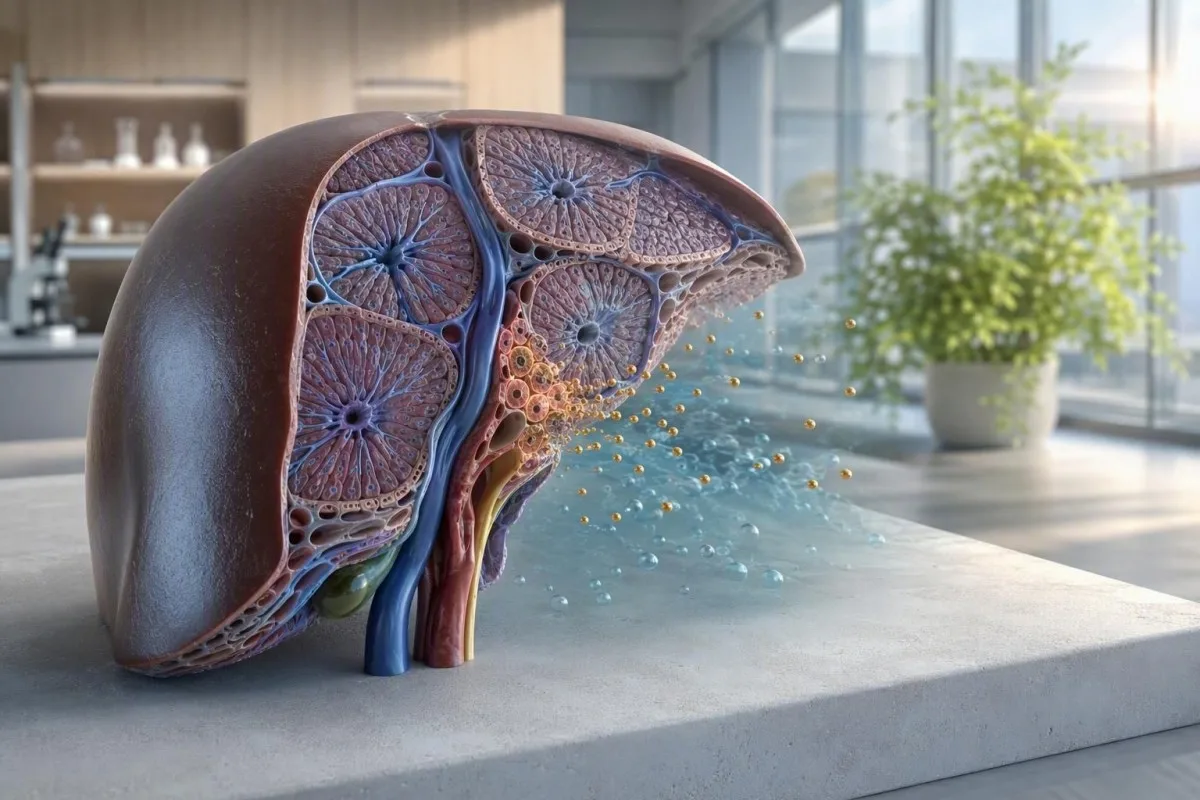
Një rezultat i rritur i AST rrallë shkakton simptoma më vete; simptomat vijnë nga gjendja e mëlçisë, muskujve, zemrës ose gjendja sistemike që qëndron pas tij. Modeli shoqërues laboratorik ka shumë më tepër rëndësi sesa një vlerë e vetme e shënuar si jonormale.


- Zakonisht pa simptoma: Një AST prej 45-100 U/L shpesh nuk shkakton simptoma të drejtpërdrejta dhe kërkon kontekst, jo panik.
- Intervali i referencës: Shumë laboratorë për të rritur përdorin një kufi të sipërm të AST-së rreth 35-40 U/L, por kufijtë specifikë sipas seksit ndryshojnë në varësi të analizës.
- Treguesi nga ushtrimet: Ushtrimet e rënda me rezistencë mund të rrisin AST dhe CK për 7 ditë ose më gjatë, ndonjëherë me AST që tejkalon ALT.
- Shenjat urgjente: Zverdhja e syve, konfuzioni, të vjellat e përsëritura, dobësia e rëndë, presioni në gjoks ose urina me ngjyrë kola kërkojnë vlerësim brenda së njëjtës ditë.
- Modeli ka rëndësi: AST e lartë me CK sugjeron çlirim nga muskujt; AST e shoqëruar me anomali të bilirubinës, INR ose fosfatazës alkaline ngre dyshimin për sëmundje të mëlçisë ose të rrjedhjes biliare.
- Mos vetë-mjekoni: Ndërpritni suplementet jo thelbësore vetëm pasi të diskutoni me një mjek dhe mos i ndërprisni papritur barnat e përshkruara.
- Rianalizë e dobishme: Në rast të një rritjeje të lehtë të izoluar, mjekët zakonisht përsërisin AST, ALT, ALP, bilirubinën, CK dhe GGT pasi të shmanget ushtrimi i sforcuar dhe alkooli për disa ditë.
A shkakton simptoma më vete një rezultat i lartë i AST?
Simptomat e AST të lartë zakonisht mungojnë, sepse AST është një enzimë e çliruar nga qelizat, jo një toksinë. Shumica e njerëzve me rritje të lehtë të AST ndihen plotësisht mirë; simptomat, kur janë të pranishme, pasqyrojnë problemin themelor të mëlçisë, muskujve, zemrës ose sistemik, dhe jo vetë vlerën e AST.
AST, ose aminotransferaza aspartate, gjendet në qelizat e mëlçisë, por edhe në muskujt skeletorë, zemër, mostrat e pasura me qeliza të kuqe të gjakut, veshka dhe indin e trurit. Një rezultat prej 55 U/L mund të jetë vetëm 1,4 herë mbi kufirin e sipërm të një laboratori, ndërsa i njëjti numër mund të jetë afër 2 herë mbi kufirin e sipërm në një laborator tjetër; flamujve jashtë intervalit janë pikënisje, jo diagnoza.
Në punën time klinike, pacientët më të shqetësuar janë shpesh ata që ndihen krejtësisht normalë pas një paneli rutinë. Kjo është e pritshme: sëmundja e hershme e mëlçisë së dhjamosur, çlirimi i enzimave i lidhur me barnat dhe çlirimi i enzimave muskulore pas ushtrimit mund të jenë të gjitha pa simptoma. Dr. Thomas Klein e vëren vazhdimisht gabimin praktik—supozimin se një enzimë jonormale duhet të shpjegojë vetë lodhjen, ndërkohë që mungesa e gjumit, anemia, sëmundja e tiroides ose simptomat e humorit mund të jenë probleme të veçanta.
Kantesti është një Analizues i testeve të gjakut AI që e interpreton AST së bashku me ALT, bilirubinën, fosfatazën alkaline, GGT, CK, moshën, gjininë, barnat dhe vlerat e mëparshme, në vend që t’i japë kuptim një treguesi të vetëm të izoluar. Më 21 gusht 2026, mesazhi ynë më i sigurt mbetet i thjeshtë: të ndihesh mirë është qetësuese, por nuk zëvendëson ndjekjen e bazuar në modele.
Pse ndjenja normale nuk e zgjidh çështjen
Një AST pak e rritur mund të jetë kalimtare, por sëmundja e heshtur e mëlçisë është mjaft e zakonshme, ndaj qëndrueshmëria ka rëndësi. American College of Gastroenterology rekomandon konfirmimin e një rezultati jonormal të analizave biokimike të mëlçisë përpara nisjes së një hetimi të gjerë, e më pas vlerësimin e modelit dhe faktorëve të rrezikut (Kwo et al., 2017).
Vlerat e AST: kur është një rezultat pak i rritur dhe kur është më shqetësues?
Kufijtë referencë të AST te të rriturit janë zakonisht rreth 10-40 U/L, megjithëse intervali i shtypur nga secili laborator është krahasuesi i saktë. Një AST mbi 3 herë kufirin e sipërm kërkon vlerësim klinik në kohë, ndërsa vlerat mbi 10-15 herë kufirin e sipërm kërkojnë vlerësim urgjent edhe nëse simptomat janë të kufizuara.
AST nuk mat sa mirë i kryen mëlçia funksionet e saj. Bilirubina, INR ose koha e protrombinës, albumina, numri i trombociteve dhe gjendja mendore e vlerësojnë më mirë përpunimin e tëmthit, prodhimin e faktorëve të koagulimit, shenjat e cikatrizimit kronik dhe rrezikun e insuficiencës akute të mëlçisë. Një albuminë normale nuk e përjashton një dëmtim të ri të mëlçisë, sepse albumina ndryshon ngadalë, shpesh gjatë disa javëve.
Një vrapues maratone 52-vjeçar me AST 89 U/L, ALT 42 U/L dhe CK 1.900 U/L pas një gare në tatëpjetë ka një profil rreziku shumë të ndryshëm nga një person sedentary me AST 89 U/L, ALT 130 U/L, bilirubinë 48 µmol/L dhe urinë të errët. Modeli i parë shpesh pasqyron rikuperimin e muskujve; i dyti mund të kërkojë vlerësim të mëlçisë po atë ditë. Udhëzuesi ynë shoqërues për AST kundrejt ALT shpjegon pse çifti duhet lexuar së bashku.
Kantesti AI është një platformë e interpretimit të analizave të gjakut AI që krahason shkallën e rritjes së AST me rezultatet e mëparshme të vetë personit, sepse një rritje nga 18 në 78 U/L mund të jetë klinikisht më informuese se një vlerë e qëndrueshme rreth 45 U/L. Një ndryshim i papritur kërkon gjithashtu kontrollin e cilësisë dhe kohës së marrjes së mostrës.
Pse rritjet e AST të lidhura me mëlçinë mund të mbeten pa simptoma
Dëmtimi i hershëm i mëlçisë shpesh nuk shkakton simptoma të dukshme sepse mëlçia ka rezervë funksionale të konsiderueshme. Njerëzit zakonisht vënë re simptoma vetëm kur inflamacioni, rrjedha e tëmthit e dëmtuar, fibrozë e avancuar ose sëmundje sistemike bëhet më e rëndësishme.
Sëmundja e mëlçisë steatoze e shoqëruar me disfunksion metabolik, e quajtur më parë shpesh sëmundja e mëlçisë së yndyrore, është një shpjegim i zakonshëm silent për ngritje të lehta të AST ose ALT. Udhëzimi i vitit 2024 EASL-EASD-EASO këshillon gjetjen e rasteve te njerëzit me diabet të tipit 2, obezitet ose faktorë të shumtë të rrezikut metabolik, sepse enzimat e mëlçisë vetë mund të jenë normale pavarësisht steatozës ose fibrozës (EASL-EASD-EASO, 2024).
E vërteta e pakëndshme është se lodhja është jopërcaktuese. Në klinikë, unë nuk i atribuoj lodhjen AST 58 U/L pa pyetur për apnë e gjumit, marrjen e alkoolit, sëmundjet virale, depresionin, statusin e hekurit, rezultatet e tiroides dhe ndryshimet e medikamenteve. Një shkak i lidhur me mëlçinë bëhet më i mundshëm kur nauzea, siklet në kuadratin e sipërm të djathtë të barkut, kruarja, verdhëza, jashtëqitja e zbehtë ose urina e errët shfaqen së bashku; shihni udhëzuesin tonë shenjave paralajmëruese të bilirubinës.
Dominuarja e AST shoqërohet ndonjëherë me dëmtim të mëlçisë të lidhur me alkoolin, veçanërisht kur AST:ALT tejkalon 2, por ky raport nuk është as i ndjeshëm as diagnostikues më vete. Fibroza e avancuar, ciroza, mungesa e vitaminës B6 dhe dëmtimi i muskujve mund të ndryshojnë raportin gjithashtu—një nga ato detaje klinike që humbasin në shkurtoret në internet.
Simptoma që ndryshon urgjencën
Konfuzioni i ri, përgjumja e pazakontë, mavijosja e lehtë ose verdhëza që rritet shpejt me një AST të ngritur nuk është një skenar rutinë testimi përsëritës. Këto shenja mund të sinjalizojnë funksion të dëmtuar të mëlçisë dhe kërkojnë vlerësim urgjent në person, duke përfshirë bilirubinën, INR, glukozën, funksionin e veshkave dhe rishikimin e medikamenteve.
Simptomat e AST të lartë të lidhur me muskujt: dhimbje, dobësi dhe CK
Dëmtimi i muskujve mund të ngrejë AST ndjeshëm, shpesh para ose së bashku me dhimbjen e muskujve, dhe CK është testi kryesor sqarues. AST më e lartë se ALT pas ushtrimeve të kërkuara është e zakonshme; CK i lartë, bilirubina normale dhe GGT normale e bëjnë burimin muskulor më të besueshëm.
Muskuli skeletor përmban AST të bollshme. Pettersson dhe kolegët gjetën se ngritja e peshave intensive te burrat e shëndetshëm ngriti AST, ALT, CK, mioglobinën dhe laktat dehidrogjenazën për të paktën 7 ditë, ndërsa bilirubina, GGT dhe alkalina fosfataza mbetën normale (Pettersson et al., 2008). Kjo është arsyeja pse një stërvitje e vështirë 24-72 orë para një “paneli të mëlçisë” mund të prodhojë një histori mashtruese.
Një person me dhimbje muskulore me vonesë pas një sesioni të ri CrossFit mund të ketë AST 120 U/L dhe ALT 55 U/L pa sëmundje të mëlçisë. Dobësi e përgjithshme e rëndë, muskuj të fryrë, ulje të daljes së urinës, ethe ose urinë me ngjyrë çaji është e ndryshme: mund të tregojë dëmtim të rëndësishëm të muskujve dhe kërkon testime urgjente CK, kreatininë, kalium, fosfat, kalcium dhe urinë. Lexoni më shumë rreth modeleve të rrezikshme të CK.
Hemoliza në tubin e grumbullimit gjithashtu mund të ngrejë falsisht AST sepse qelizat e kuqe të gjakut përmbajnë AST. Nëse laboratori raporton hemolizë ose një kërcim jopatik të AST-së, një marrje e re e pastër mund të jetë më e vlefshme se testimi i gjerë; udhëzuesi ynë për marrjen e re të mostrës hemolizë mbulon detajet praktike.
Shkaqet e AST të lartë që mjekët përjashtojnë fillimisht
Shkaqet kryesore të AST të lartë janë dëmtimi i qelizave të mëlçisë, lëshimi nga muskuli skeletor, ekspozimi ndaj alkoolit, medikamentet ose suplementet, sëmundjet virale, rrjedha e reduktuar e gjakut në mëlçi dhe hemoliza e mostrës. Hapi më i sigurt i ardhshëm është të veçoni anomalitë e modelit të mëlçisë nga ato të modelit muskulor sesa të hamendësoni vetëm nga AST.
Shenjat e modelit të mëlçisë përfshijnë ngritjen e ALT, ngritjen e bilirubinës, rritjen e GGT ose alkalina fosfatazës, trombocite të ulëta dhe INR jonormal. Shenjat e modelit muskulor përfshijnë CK të lartë, përpjekje të fundit të papërshtatshme, trauma, konfiskime, injeksione intramuskulare, simptoma muskulore të lidhura me statinën ose sëmundje inflamatore muskulore. AST është më pak specifik për mëlçinë se ALT, kështu që një rritje e izoluar e AST kërkon kujdes shtesë para se të etiketohet si “dëmtim i mëlçisë”.”
Barnat meritojnë një histori të saktë: medikamentet e përshkruara, qetësuesit pa recetë, përzierjet bimore, produktet për zhvillimin e muskujve dhe përzierjet “detoks” të gjitha kanë rëndësi. Toksiciteti nga Acetaminofeni ose paracetamoli mund të shkaktojë vlera të AST dhe ALT në mijëra U/L, ndërsa efektet kronike të medikamenteve në nivel të ulët mund të jenë modeste dhe asimptomatike. Asnjëherë mos ndaloni një statin të përshkruar, një ilaç kundër epilepsisë ose një antidepresiv vetëm bazuar në rezultatin e një aplikacioni – pyesni më parë mjekun përshkrues.
Kantesti është një Mjet për analizën e testeve të gjakut me AI që identifikon sinjale të çiftëzuara të tilla si AST plus CK, ose AST plus bilirubinë dhe ALP, pastaj nxit një diskutim të përshtatshëm klinik. Lexuesit që po shqyrtojnë suplementet duhet gjithashtu të rishikojnë listën tonë të bazuar në evidencë. rreziqet e produkteve të mëlçisë.
Shenjat alarmuese që kërkojnë kujdes urgjent, jo vetëm përsëritjen e AST
AST e lartë kërkon vlerësim mjekësor të njëjtën ditë kur shoqërohet me verdhëz, konfuzion, të fikët, dhimbje të forta barku, simptoma në gjoks, të vjella të shpeshta, urinë shumë të errët, ose dobësi të theksuar. Këto shenja paralajmëruese tregojnë gjendjen pas AST, jo një nivel të rrezikshëm AST në vetvete.
Shkoni në urgjencë tani për presion në gjoks, gulçim, djersitje, të fikët, ose dhimbje që përhapet në nofull, krah ose shpinë. AST mund të rritet me dëmtim të muskujit të zemrës, por troponina dhe rezultatet e EKG – jo AST – udhëzojnë diagnozën moderne të sulmit në zemër; ekipi ynë i udhëzues urgjent troponinë shpjegon dallimin.
Kërkoni vlerësim urgjent për sy të verdhë, konfuzion, paaftësi për të mbajtur lëngjet, dhimbje të theksuar në kuadrantin e sipërm të djathtë të barkut, ose një sëmundje që përkeqësohet shpejt. Dështimi akut i mëlçisë definohet nga dëmtimi akut i mëlçisë me koagulopati, zakonisht INR 1.5 ose më të lartë, plus encefalopati tek një person pa cirrozë të njohur; është një emergjencë spitalore, jo një problem monitorimi në shtëpi.
Urina e errët kafe pas përpjekjeve të forta, ekspozimit ndaj nxehtësisë, ose imobilizimit meriton vlerësim urgjent edhe pa dhimbje sepse mioglobina mund të dëmtojë veshkat. Nëse urina është thjesht e përqendruar pas marrjes së pamjaftueshme të lëngjeve, pamja është më pak e qartë; diferencimi i urinës së errët ndihmon në formulimin e pyetjeve që do t'i bëjë një mjek.
Si bashkëveprojnë AST, ALT, bilirubina, ALP, GGT dhe CK
AST bëhet klinikisht e dobishme kur interpretohet si një model me ALT, bilirubinë, fosfatazë alkaline, GGT, CK, dhe ndonjëherë INR. Asnjë test shoqërues i vetëm nuk provon burimin, por kombinimet ndryshojnë ndjeshëm mundësinë e përfshirjes së mëlçisë, të traktit biliar, ose të muskujve.
AST dhe ALT të dy të ngritura, veçanërisht me mbizotërim të ALT, shpesh sugjerojnë dëmtim hepatocelular. Fosfataza alkaline dhe GGT që rriten me bilirubinën direkte tregojnë më shumë drejt kolestazës ose rrjedhjes së dëmtuar të tëmthit; një detajuar për modelin e kolestazës mund të ndihmojë lexuesit të përgatiten për atë bisedë.
AST e ngritur me CK 5 herë mbi limitin e sipërm, bilirubinë normale, dhe GGT normale është shumë më konsistente me një kontribut muskular sesa një proces vetëm të mëlçisë. Në të kundërt, një AST prej 70 U/L me bilirubinë 70 µmol/L dhe INR 1.7 është shqetësuese pavarësisht numrit modest të enzimës, sepse lartësia e enzimës dhe funksioni i mëlçisë nuk janë e njëjta matje.
Dr. Thomas Klein këshillon pacientët të bëjnë një foto të raportit të plotë, duke përfshirë intervalet e referencës dhe kohën e marrjes së mostrës, në vend që të raportojnë vetëm “AST imi ishte i lartë.” Kantesti AI krahason panele dhe tendenca të plota, ndërsa lista e kontrollit të panelit të mëlçisë tregon se cilat vlera mungojnë zakonisht nga një panel bazë.
Çfarë mund dhe nuk mund të tregojë raporti AST:ALT
Një raport AST:ALT mbi 2 mund të mbështesë dëmtimin e mëlçisë të lidhur me alkoolin në një kontekst klinik të duhur, por nuk mund të diagnostikojë përdorimin e alkoolit ose cirrozën. Stërvitja, fibrozë e avancuar, sëmundje muskulore dhe statusi i vitaminës B6 gjithashtu mund të prodhojnë mbizotërim të AST.
Raporti llogaritet duke pjesëtuar AST me ALT duke përdorur të njëjtat njësi. AST 80 U/L dhe ALT 40 U/L jep një raport prej 2.0, megjithatë interpretimi praktik varet nga GGT, bilirubina, numri i trombociteve, historia e alkoolit, simptomat muskulore, CK dhe rezultatet e mëparshme. Një raport pa vlerat aktuale të enzimave është veçanërisht i lehtë për t'u interpretuar tepërt.
Raportet nën 1 nuk përjashtojnë sëmundje të rëndë të mëlçisë. Në sëmundjet metabolike të mëlçisë, ALT mund të jetë më e lartë se AST në fillim, ndërsa AST mund të bëhet relativisht më e lartë me fibrozë progresive; klinicistët përdorin rezultate jo-invazive dhe imazheri sesa një raport i vetëm. Tonë udhëzues për ndjekjen e ALT kufitare shpjegon qasjen e zakonshme të fazuar.
Dëshmitë janë sinqerisht të përziera për përdorimin e një kufiri të saktë raporti jashtë prezantimeve të lidhura me alkoolin. Është një këshillë klinike e dobishme, jo një vendim—dhe ky dallim i mbron njerëzit nga qetësimi i rremë dhe turpi i panevojshëm.
Përpara përsëritjes së testit të AST: ushtrimet, alkooli, agjërimi dhe koha
Për një rritje të lehtë të pashpjegueshme të AST, shmangia e ushtrimeve të forta dhe alkoolit para testimeve të përsëritura mund të sqarojë rezultatin. Shumë klinicistë përdorin një pauzë 5-7 ditore nga ushtrimet kur çlirimi muskulor është i mundshëm, megjithëse intervali i saktë varet nga niveli i CK, simptomat dhe intensiteti i trajnimit.
Mos u përpiqni të “nxirrni” AST me ujë të tepërt, agjërim, ose një produkt detoksikues. Hidratimi është i arsyeshëm nëse zakonisht mund të pini lëngje, por nuk riparon dëmtimin e mëlçisë ose nuk parandalon dëmtimin e muskujve. Mbani vakte të zakonshme nëse klinicisti juaj nuk jep udhëzime për agjërim, dhe listoni çdo shtojcë me dozën dhe datën e fillimit.
Alkooli mund të rrisë drejtpërdrejt AST, të përkeqësojë sëmundjen e mëlçisë steatoze, dhe të zmadhojë rreziqe të caktuara të medikamenteve. Një periudhë pa alkool para testimeve të përsëritura mund të ndihmojë interpretimin, por një përmirësim nuk dëshmon se alkooli ishte shkaku i vetëm; tendencat duhet të lexohen me të gjithë historinë klinike. Për pritje realiste, shihni ndryshimet e markuesve të gjakut pas ndërprerjes së alkoolit.
Kantesti AI përdor analizën e trendeve me datë për të treguar nëse AST u normalizua pas një pauze nga stërvitja apo vazhdoi të rritej pavarësisht saj. Ky dallim shpesh parandalon përgjigjen e zakonshme por jo të dobishme të porositjes së së njëjtës test në mënyrë të përsëritur pa ndryshuar kushtet para testit.
Testet që mund të kërkojnë mjekët pas një AST-je të rritur të vazhdueshme
Rritja e vazhdueshme e AST zakonisht çon në përsëritjen e analizave biokimike të mëlçisë plus teste të synuara për burimin e dyshuar, si CK për muskujt ose skriningun e hepatitit për dëmtimin e mëlçisë. Një panel i gjerë “gjithçka” rrallëherë është lëvizja e parë më e mirë; historia dhe modeli fillestar duhet të udhëzojnë testimin.
Një punë tipike e konfirmuar me model mëlçie mund të përfshijë ALT, ALP, GGT, bilirubinë totale dhe direkte, albuminë, INR, analiza e plotë e gjakut, testime për hepatitin B dhe C, studime hekuri, glukozë ose HbA1c, profilin e lipideve, dhe ultratingull ku është treguar. Linezamenti ACG i Kwo dhe kolegëve rekomandon vlerësimin e shkaqeve të zakonshme në mënyrë sistematike në vend që të trajtohet numri i AST në izolim (Kwo et al., 2017).
Nëse çlirimi muskulor është i mundshëm, CK, kreatinina, elektrolitet, testimi i urinës, markuesit tiroide, rishikimi i medikamenteve, dhe ndonjëherë vlerësimi i miocitit mund të jenë më informativë. Dobësia e vazhdueshme me CK të rritur nuk është thjesht “dhimbje pas palestër”; jonë rishikimi i antitrupave të miocitit përshkruan shtegun specialist.
Kantesti's shërbimin e interpretimit të analizave të AI organizon këto vlera shoqëruese në një raport miqësor për klinicistin, por nuk mund të diagnostikojë hepatitin, sëmundjen e muskujve, ose dëmtimin e medikamenteve nga të dhënat laboratorike të vetme. Është projektuar për të mbështetur pyetjet për një vizitë reale, jo për të zëvendësuar ekzaminimin ose imazherinë.
Interpretimi i AST te sportistët, gjatë shtatzënisë dhe te të moshuarit
Interpretimi i AST ndryshon me stërvitjen e fundit, shtatzëninë, dobësinë, medikamentet dhe masën muskulore. Një rezultat që ka të ngjarë të jetë i lidhur me ushtrime tek një atlet konkurrues mund të meritojë një vlerësim të ndryshëm tek një i rritur më i vjetër me dobësi të re ose një paciente shtatzënë me presion të lartë të gjakut.
Atletët shpesh kanë CK bazë më të lartë dhe ekskursione më të mëdha të AST pas ushtrimeve, veçanërisht pas ushtrimeve ekscentrike si vrapimi në zbritje ose fazat e rënda të uljes. Pyetja e dobishme nuk është “a është AST e lartë?” por “sa e lartë në krahasim me rezultatet e mëparshme të lidhura me stërvitjen, CK, funksionin e veshkave, simptomat dhe rikuperimin?” Tonë testimin e atletëve të qëndrueshmërisë shton kontekst përtej një paneli rutinë.
Gjatë shtatzënisë, rritja e AST ose ALT me dhimbje koke, simptoma vizuale, dhimbje në pjesën e sipërme të barkut, presion të lartë të gjakut ose trombocite të ulëta kërkon vlerësim urgjent obstetrik sepse preeklampsia dhe sindroma HELLP janë mundësi të ndjeshme ndaj kohës. Intervalet referuese specifike për shtatzëninë dhe mjedisi klinik kanë rëndësi; shihni flamujt e kuq të laboratorit të shtatzënisë për të njëjtën ditë.
Tek të moshuarit, masa më e ulët e muskujve mund ta bëjë një CK “normale” më pak inkurajuese kur dobësia është e theksuar, ndërsa polifarmacia rrit mundësinë e ndërveprimeve të barnave. Ky është një nga fushat ku unë preferoj një ekzaminim të kujdesshëm mbi interpretimin e sigurt në distancë.
A është i rrezikshëm AST i lartë, apo është e rrezikshme shkaku?
AST e lartë është një sinjal i stresit ose dëmtimit qelizor, jo një sëmundje që dëmton vetë trupin. Rreziku varet nga burimi, shpejtësia e ndryshimit, shkalla e rritjes, anomalitë shoqëruese të bilirubinës ose INR, simptomat dhe nëse është e pranishme përfshirja e veshkave ose zemrës.
Një AST prej 48 U/L e zbuluar një herë tek një person i shëndetshëm zakonisht nuk është një urgjencë, veçanërisht pas ushtrimeve fizike ose një sëmundjeje virale të kohëve të fundit. Një AST prej 480 U/L me verdhëz, dhimbje barku dhe bilirubinë në rritje është një situatë klinike tjetër, edhe pse asnjë numër më vete nuk përcakton prognozën. Trendi plus funksioni është rregull.
Dëmtimet e rënda të mëlçisë mund të tregojnë rënie të AST dhe ALT ndërsa pacienti përkeqësohet sepse mbeten më pak qeliza të afta për të lëshuar enzima; rritja e INR, bilirubinës, laktatit ose konfuzionit janë më ogurzeza në atë mjedis. Ky model kundër-intuitiv është arsyeja pse “enzimat e mia ranë” nuk është gjithmonë një përfundim i sigurt pas një sëmundjeje spitalore.
Kantesti AI sinjalizon kombinimet që kërkojnë rishikim të shpejtë nga klinicisti dhe drejton lexuesit drejt mbikëqyrjes njerëzore përmes Bordi Këshillimor Mjekësor. tonë. Nëse ndiheni shumë keq, mos prisni për një interpretim dixhital.
Keqkuptime të zakonshme rreth simptomave të AST të rritur
Të mos ndiesh asgjë nuk provon se një AST e lartë është e padëmshme, dhe të ndihesh i lodhur nuk provon se AST po shkakton lodhjen. Të dyja pohimet mund të jenë të vërteta në të njëjtën kohë, ndaj një rishikim i plotë është më i dobishëm se sa kërkimi i simptomave.
“AST do të thotë dëmtim i mëlçisë” është jo e plotë. AST mund të vijë nga muskuli skeletik, dhe një mostër laboratori e dëmtuar gjatë trajtimit mund ta rrisë atë gjithashtu. “ALT im është normal, kështu që jam mirë” është gjithashtu jo e plotë, sepse sëmundjet e muskujve, modelet e lidhura me alkoolin dhe disa gjendje kronike të mëlçisë mund të tregojnë dominim të AST.
“Detoksifikimi i mëlçisë” nuk është një trajtim për enzimat anormale të mëlçisë dhe vetë mund të përmbajnë bimë të përqendruara me potencial për dëmtim të mëlçisë. Një qasje më e sigurt e bazuar në dëshmi është identifikimi i burimit, shmangia e alkoolit dhe suplementeve të panevojshme, menaxhimi i diabetit ose peshës ku është e relevantë dhe ndjekja e planit të ritestimit; jonë për rishikimin e ushqimit dhe mbështetjes së mëlçisë ndan këshilla realiste nga marketingu.
Së fundi, mos i krahasoni rezultatet midis laboratorëve pa vënë re gamën e analizës dhe referencës. Disa laboratorë evropianë përdorin kufij më të ulët të sipërm AST specifikë për gjininë, kështu që i njëjti rezultat mund të marrë një sinjalizim të ndryshëm pavarësisht mungesës së ndryshimit biologjik real.
Çfarë të merrni me vete në një vizitë lidhur me AST të lartë
Përgatitja më e dobishme për vizitë është një raport laboratorik i plotë me datë plus një plan 7-ditor të ushtrimeve fizike, alkoolit, sëmundjeve, medikamenteve, suplementeve dhe simptomave. Kjo informacion shpesh identifikon një shpjegim të kthyeshëm më shpejt sesa përsëritja e AST pa kontekst.
Sillni rezultatet e mëparshme të AST, ALT, bilirubinës, ALP, GGT, CK, trombociteve dhe kreatininës nëse janë të disponueshme. Regjistroni kohën e ushtrimeve fizike të forta, etheve, udhëtimeve, medikamenteve të reja, ndryshimeve të dozës, trajtimeve injektuese dhe suplementeve. Një shënim me një rresht si “stërvitje e rëndë për këmbët 36 orë para testit” mund të ndryshojë ndjeshëm interpretimin.
Bëni katër pyetje të drejtpërdrejta: A është kjo më shumë mëlçi apo muskul? Cilat rezultate shoqëruese e mbështesin këtë? Duhet të përsëris testin, dhe në çfarë kushtesh? Cilat simptoma duhet të më dërgojnë në kujdesin urgjent? përmbledhje e listës së kontrollit për analizën e gjakut jonë mund t'ju ndihmojë të organizoni atë diskutim pa e zëvendësuar atë.
Dr. Thomas Klein rekomandon sjelljen e PDF-së origjinale në vend të vlerave të kopjuara manualisht, sepse njësitë, komentet e laboratorit dhe shenjat shoqëruese të fshehura shpesh mungojnë. Mjetet e trendit të Kantesti mund të ndihmojnë në paraqitjen e afatit kohor, dhe ne qasja e validimit klinik përshkruan masat mbrojtëse pas interpretimit të rezultateve.
Plan praktik i hapit të radhës për një rezultat të lartë të AST
Rritja e lehtë e AST-së e izoluar pa simptoma paralajmëruese zakonisht kërkon një test të planifikuar të përsëritur dhe rishikim të kontekstit; rritja e shënuar ose simptomat paralajmëruese kërkojnë kujdes të menjëhershëm në person. Mos përdorni vetëm simptomat për të vendosur nëse rezultati ka rëndësi.
Nëse AST është nën rreth 2 herë kufirin e sipërm të laboratorit dhe ju ndiheni mirë, kontaktoni mjekun që ka porositur testin, rishikoni ushtrimet, alkoolin, medikamentet dhe suplementet, dhe pyesni nëse një panel i përsëritur me CK është i përshtatshëm. Shmangni stërvitjen e rëndë derisa plani të jetë i qartë nëse dyshohet për çlirim muskulor. Mos e vononi kujdesin urgjent nëse shfaqen simptoma.
Nëse AST vazhdon për më shumë se 3-6 muaj, rritet në teste të përsëritura, ose shoqërohet me anomali të ALT, bilirubinës, ALP, GGT, trombociteve ose INR, shkaku meriton një vlerësim më të përpiktë. Faktorët e rrezikut metabolik, ekspozimi ndaj hepatitit viral, historia familjare e mbizotërimit të hekurit dhe ekspozimet ndaj medikamenteve ndryshojnë renditjen e testit.
Kantesti është një platformë për interpretimin e biomarkerëve nga AI ndërtuar për t'i bërë këto modele dhe tendenca më të lehta për t'u diskutuar, jo për të qetësuar një kombinim të rrezikshëm. Për saktësinë dhe parimet e sigurisë specifike për pacientin, rishikoni tonë Udhëzues teknologjik i AI-së dhe kërkoni kujdes mjekësor të drejtpërdrejtë për çdo shenjë paralajmëruese.
Pyetje të Shpeshta
A mund t’ju bëjë të ndiheni të lodhur një nivel i lartë i AST-së?
AST e lartë zakonisht nuk shkakton drejtpërdrejt lodhje; lodhja vjen nga gjendja themelore, si sëmundja virale, inflamacioni i mëlçisë, gjumi i pamjaftueshëm, anemia, sëmundja e tiroides, depresioni ose efektet e barnave. Një rritje e lehtë e AST-së, 45–100 U/L, mund të shfaqet te njerëzit që ndihen plotësisht mirë. Lodhja e shoqëruar me verdhëz, urinë të errët, të vjella të përsëritura, konfuzion ose dobësi të theksuar kërkon vlerësim të shpejtë mjekësor, sepse këto simptoma mund të tregojnë sëmundje të rëndësishme të mëlçisë ose muskujve. Paneli i plotë, veçanërisht ALT, bilirubina, ALP, GGT, CK dhe INR kur indikohet, është më informues se AST-ja e vetme.
Cila nivel AST është i rrezikshëm?
Asnjë vlerë e vetme e AST nuk është e rrezikshme në vetvete, por urgjenca rritet në varësi të madhësisë, ritmit të rritjes, simptomave dhe analizave shoqëruese. AST mbi 10-fishin e kufirit të sipërm të laboratorit, shpesh rreth 350–400 U/L kur kufiri i sipërm është 35–40 U/L, kërkon vlerësim të shpejtë klinik. Edhe vlerat e AST nën 100 U/L mund të jenë shqetësuese kur bilirubina është e lartë, INR është 1,5 ose më i lartë, ose kur janë të pranishme konfuzioni dhe verdhëza. Në të kundërt, AST rreth 80 U/L pas ushtrimeve të sforcuara, me CK të lartë dhe bilirubinë normale, mund të lidhet me muskujt dhe jo me insuficiencën hepatike.
A mund të shkaktojë ushtrimi rritje të AST-së me ALT normale?
Po, ushtrimet e rënda ose të pazakonta mund ta rrisin AST-në me ALT normale ose vetëm pak të rritur, sepse muskujt skeletorë përmbajnë AST. Ngritja intensive e peshave mund ta mbajë AST-në dhe CK-në të rritura për të paktën 7 ditë, ndërsa bilirubina, GGT-ja dhe fosfataza alkaline mund të mbeten normale. Një mjek mund të rekomandojë shmangien e stërvitjes së rëndë për 5–7 ditë përpara përsëritjes së analizave të AST-së, ALT-së dhe CK-së, kur historia mjekësore e mbështet këtë. Urina me ngjyrë kola, dobësia e rëndë, ënjtja e muskujve, pakësimi i urinimit ose temperatura pas ushtrimit kërkojnë vlerësim urgjent dhe jo thjesht përsëritje rutinë të analizave.
A duhet të ndërpres alkoolin para se të përsëris një test AST?
Shmangia e alkoolit para një testi AST përsëritur është zakonisht e arsyeshme sepse alkooli mund të kontribuojë në rritjen e AST dhe të komplikojë interpretimin. Interval ideal ndryshon me sasinë dhe mënyrën e përdorimit të alkoolit, rezultatet e tjera të mëlçisë, simptomat dhe medikamentet, kështu që kërkoni këshillë specifike nga mjeku që ka porositur testin. Një raport AST:ALT mbi 2 mund të mbështesë dëmtimin e mëlçisë të lidhur me alkoolin në kontekstin e duhur, por nuk është diagnostikues dhe mund të ndodhë edhe me dëmtim të muskujve ose fibrozë të avancuar. Mos përdorni një periudhë të shkurtër pa alkool dhe një rezultat të përmirësuar si dëshmi se nuk është e pranishme ndonjë gjendje tjetër e mëlçisë.
A mund të nënkuptojë AST e lartë një sulm në zemër?
AST mund të rritet pas dëmtimit të muskujve të zemrës, por nuk përdoret për të diagnostikuar një atak në zemër sepse nuk është mjaft specifik. Vlerësimi modern urgjent mbështetet në simptoma, rezultatet e EKG-së dhe rezultatet serike të troponinës kardiake. Presioni në gjoks, mungesa e ajrit, djersitja, të fikët ose dhimbja që rrezaton në nofull, krah, shpinë ose shpatull kërkon kujdes urgjent, pavarësisht nga vlera e AST. Një rritje e izoluar e AST në ambulator pa simptoma kardiake, shumë më shpesh vlerësohet për shkaqe të mëlçisë, muskujve, medikamenteve, alkoolit ose shkaqeve të lidhura me mostrën.
Çfarë analizash duhet të përsëriten me AST?
Një AST e përsëritur shpesh shoqërohet me ALT, fosfatazë alkalike, GGT, bilirubinë totale dhe të drejtë, albuminë, analizë e plotë e gjakut, dhe ndonjëherë INR për të vlerësuar një model të mundshëm të mëlçisë. CK, kreatinina, elektrolitet dhe testimi i urinës janë të dobishme kur ushtrimet e fundit, dëmtimi, krizat, dhimbja e muskujve, dobësia ose urina e errët sugjerojnë një burim muskulor. Testimi për hepatit, studimet e hekurit, ekrani metabolik, ultratingulli dhe rishikimi i medikamenteve mund të pasojnë nëse rritja vazhdon. Zgjedhja e saktë varet nga ajo nëse AST është e rritur lehtë, në rritje, ose shoqërohet me simptoma ose shenjues jonormalë të funksionit të mëlçisë.
Merrni sot analizë të analizave të gjakut me AI
Bashkohuni me mbi 2 milionë përdorues në mbarë botën që i besojnë Kantesti për analizë të menjëhershme dhe të saktë të analizave laboratorike. Ngarkoni rezultatet e analizave të gjakut dhe merrni interpretim gjithëpërfshirës të biomarkerëve të 15,000+ brenda sekondash.
📚 Publikime kërkimore të cituara
Klein, T., Mitchell, S., & Weber, H. (2026). Udhëzues për proteinat e serumit: Testi i gjakut për globulinat, albuminën dhe raportin A/G. Kantesti Kërkim Mjekësor me AI.
Klein, T., Mitchell, S., & Weber, H. (2026). Udhëzues për testin e komplementit C3 C4 dhe titrin e ANA. Kantesti Kërkim Mjekësor me AI.
📖 Referenca të jashtme mjekësore
Pettersson J et al. (2008). Ushtrimi muskulor mund të shkaktojë teste shumë patologjike të funksionit të mëlçisë te burra të shëndetshëm. British Journal of Clinical Pharmacology.
EASL-EASD-EASO (2024). Udhëzimet Klinike të Praktikës EASL-EASD-EASO për menaxhimin e sëmundjes së mëlçisë dhjamore të lidhur me disfunksionin metabolik (MASLD). Journal of Hepatology.
⚕️ Mohim përgjegjësie mjekësore
Ky artikull është vetëm për qëllime edukative dhe nuk përbën këshilla mjekësore. Gjithmonë konsultohuni me një ofrues të kualifikuar të kujdesit shëndetësor për vendimet e diagnozës dhe trajtimit.
Sinjalet e Besimit E-E-A-T
Përvoja
Rishikim klinik i udhëhequr nga mjeku i flukseve të punës për interpretimin e analizave.
Ekspertizë
Fokus i mjekësisë laboratorike mbi mënyrën se si sillen biomarkerët në kontekstin klinik.
Autoritariteti
Shkruar nga Dr. Thomas Klein me rishikim nga Dr. Sarah Mitchell dhe Prof. Dr. Hans Weber.
Besueshmëria
Interpretim i bazuar në prova, me rrugë të qarta për ndjekje për të reduktuar alarmin.