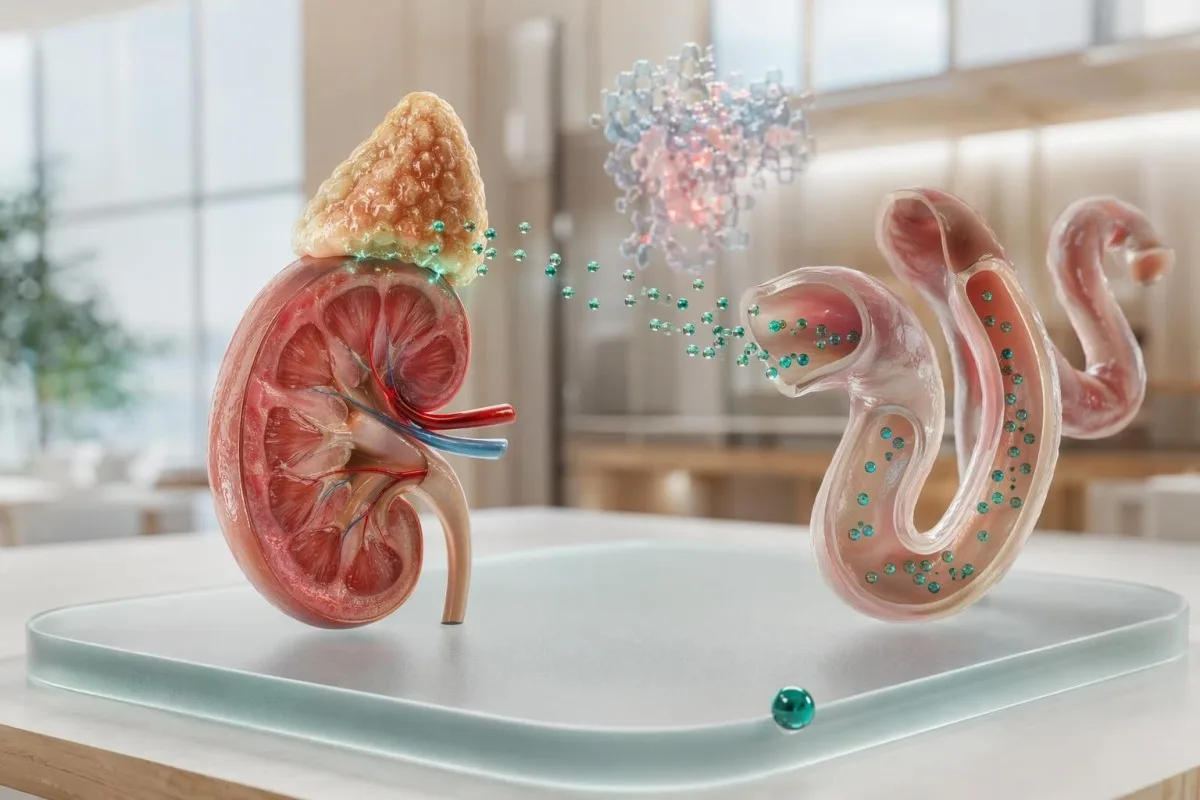
රෙනින් (renin) මර්දනය වී තිබෙන විට, රුධිර පීඩනය පාලනය කිරීමට අපහසු වූ විට, හෝ පොටෑසියම් (potassium) අඩු වීමට පටන් ගත් විට, ඇල්ඩොස්ටෙරෝන් (aldosterone) ප්රතිඵලය ඉහළ වීම වඩාත් වැදගත් වේ. සංඛ්යාව පමණක් සාමාන්යයෙන් හේතුව නිශ්චය කරන්නේ නැත.


- ඇල්ඩොස්ටෙරෝන් පරීක්ෂණය ඇල්ඩොස්ටෙරෝන් අසාධාරණ ලෙස ඉහළ, රෙනින් අඩු, සහ අධි රුධිර පීඩනය හෝ පොටෑසියම් අඩු වීම තිබේ නම් ප්රාථමික ඇල්ඩොස්ටෙරෝනිස්මය යෝජනා කරයි.
- රෙනින් පරීක්ෂණය ප්රාථමික ඇල්ඩොස්ටෙරෝනිස්මය වියළිවීම (dehydration), වකුගඩු ධමනි පටු වීම (kidney artery narrowing), ඩයුරටික් (diuretic) බලපෑම්, සහ හෘදය හෝ වකුගඩු රෝගයෙන් වෙන් කර ගැනීමට උපකාරී වේ.
- ඇල්ඩොස්ටෙරෝන්-රෙනින් අනුපාතය (Aldosterone renin ratio) ඇල්ඩොස්ටෙරෝන් අවම වශයෙන් 10-15 ng/dL මට්ටමක තිබියදී ARR (ARR) 20-30 ng/dL per ng/mL/h ඉක්මවූ විට බොහෝ විට ධනාත්මක ලෙස සලකයි; නමුත් රසායනාගාර ඒකක (lab units) අනුව සීමාව වෙනස් වේ.
- ප්රාථමික ඇල්ඩොස්ටෙරෝනීස්මය (Primary aldosteronism) විශේෂඥ අධ්යයනවලදී සියලුම අධි රුධිර පීඩනයෙන් ආසන්න වශයෙන් 5-10%ක් තුළ සහ ප්රතිරෝධී (resistant) අධි රුධිර පීඩනයෙන් ආසන්න වශයෙන් 20%ක් දක්වා දක්නට ලැබේ.
- පොටෑසියම් වැඩිහිටියන් තුළ සාමාන්යයෙන් 3.5-5.0 mmol/L වේ; 3.5 mmol/Lට අඩු මට්ටම්වලදී අතිරික්ත ඇල්ඩොස්ටෙරෝන් වඩාත් සැක සහිත වේ—විශේෂයෙන් පැහැදිලි ඖෂධ හේතුවක් නොමැති නම්.
- ඖෂධ බලපෑම් සාමාන්යයි: ස්පිරෝනොලැක්ටෝන් (spironolactone), එප්ලෙරෙනෝන් (eplerenone), ඇමිලෝරයිඩ් (amiloride), ඩයුරටික් (diuretics), බීටා බ්ලොකර්ස් (beta blockers), ACE inhibitors, සහ ARBs—allම රෙනින් හෝ ඇල්ඩොස්ටෙරෝන් විකෘති කළ හැක.
- තහවුරු කිරීමේ පරීක්ෂණය ධනාත්මක පරීක්ෂණ ප්රතිඵලයක් ලැබීමෙන් පසු ලුණු ද්රාවණය (saline) ඇතුළු කිරීම, මුඛ සෝඩියම් පැටවීම (oral sodium loading), කැප්ටොප්රිල් ප්රතිචාරය (captopril challenge), හෝ ෆ්ලූඩ්රොකෝර්ටිසෝන් මර්දනය (fludrocortisone suppression) ඇතුළත් විය හැක.
- නැවත කිරීමට පෙර අසාමාන්ය ප්රතිඵලයක් ලැබුණේ නම්, ලුණු ආහාර ගැනීම, පොටෑසියම් නිවැරදි කිරීම, ඉරියව්ව (posture), දවසේ වේලාව, පරීක්ෂණ ඒකක (assay units), සහ රුධිර පීඩන ඖෂධ ආරක්ෂිත ලෙස වෙනස් කළ යුතුද යන්න විමසන්න.
ඇල්ඩොස්ටෙරෝන් පරීක්ෂණ ප්රතිඵලයක් මගින් හඳුනාගත හැකි දේ සහ හඳුනාගත නොහැකි දේ
ඇන් ඇල්ඩොස්ටෙරෝන් පරීක්ෂණය එය ප්රාථමික ඇල්ඩොස්ටෙරෝනිස්ම් (primary aldosteronism) එම අවස්ථාවට අනුව ඇල්ඩොස්ටෙරෝන් ඉහළ වූ විට, රෙනින් මර්දනය වී ඇත (renin is suppressed), සහ රෝගියාට අධි රුධිර පීඩනය, අඩු පොටෑසියම්, හෝ දෙකම තිබේ. තනිවම ඇල්ඩොස්ටෙරෝන් ප්රමාණවත් නැත; ආතතියට පත්, විජලනය වූ, ලුණු සීමා කළ, හෝ ඩයුරටික් ප්රතිකාර ලැබූ ශරීරයක් ඇල්ඩොස්ටෙරෝන් නිසි ලෙස ඉහළ දැමිය හැක.
2026 ජූනි 8 වන විට, බොහෝ අන්තරාසාර (endocrine) අධි රුධිර පීඩන සායන තවමත් ඇල්ඩොස්ටෙරෝන් ප්රතිඵලය සන්දර්භ ලකුණක් (context marker), ලෙස සලකයි—ඔව්/නැහැ (yes-or-no) රෝග නිර්ණයක් ලෙස නොවේ. 18 ng/dL වූ උදෑසන වාඩිවී සිට ගත් ඇල්ඩොස්ටෙරෝන් අගය, plasma renin activity 1.0 ng/mL/h ට අඩු නම් සැක සහිත විය හැක; නමුත් සෝඩියම් සීමා කිරීමෙන් හෝ පරිමාව අඩුවීමෙන් පසු එම ඇල්ඩොස්ටෙරෝන් අගය ශාරීරික (physiologic) විය හැක.
මම Thomas Klein, MD. මම මෙම රටාව සායනිකව සමාලෝචනය කරන විට, මම අහන පළමු ප්රශ්නය බෝරින් වුණත් තීරණාත්මක එකක්: එකම සතියේ රුධිර පීඩනය සහ පොටෑසියම් කොපමණද? රුධිර පීඩනය 158/96 mmHg සමඟ පොටෑසියම් 3.1 mmol/L කියන්නේ, පොටෑසියම් 4.4 mmol/L සහ සාමාන්ය ගෙදර රුධිර පීඩන වාර්තා (home blood pressure log) කියන කතාවට වඩා සම්පූර්ණයෙන්ම වෙනස් කතාවකි.
කන්ටෙස්ටි යනු AI රුධිර පරීක්ෂණ විශ්ලේෂකය එක හෝමෝනයක් තනි “flag” එකක් ලෙස සලකනවාට වඩා, පොටෑසියම්, සෝඩියම්, බයිකාබනේට් (bicarbonate), ක්රියේටිනින් (creatinine), රුධිර පීඩන සන්දර්භය (blood pressure context), සහ ඖෂධ ගැනීමේ වේලාව (medication timing) අසල ඇල්ඩොස්ටෙරෝන් කියවීමයි. මෙය වැදගත් වන්නේ රෝගීන් බොහෝවිට තනි PDF පිටු උඩුගත කරන නිසා; අපේ වෛද්යවරුන්ට පිළිතුර හෝමෝන් රේඛාව තුළ නොව ඒ අවට රසායන විද්යාව තුළ සැඟවී ඇති බොහෝ අවස්ථා පෙනෙනවා.
සටහන් නැතිව “flagged” අගයක් දෙස බලා සිටිනවා නම්, අධිවෘක්ක රෝගය (adrenal disease) යැයි උපකල්පනය කිරීමට පෙර අංකය, ඒකකය, එකතු කළ ස්ථානය (collection position), සහ සහායක පරීක්ෂණ (companion tests) පරිවර්තනය කිරීමෙන් ආරම්භ කරන්න. ඒ වගේ රටාවක් කියවීමට රුධිර පරීක්ෂණ අංක ඔබට උපකාරී මූලික මාර්ගෝපදේශයකි.
ඇල්ඩොස්ටෙරෝන් ඉහළ වීම ප්රාථමික ඇල්ඩොස්ටෙරෝනිස්මයට (primary aldosteronism) යොමු කරන විට
ඉහළ ඇල්ඩොස්ටෙරෝන් යොමු කරන්නේ ප්රාථමික ඇල්ඩොස්ටෙරෝනිස්ම් (primary aldosteronism) රෙනින් අඩු වුවත් එය ඉහළම මට්ටමෙන්ම පවතින විට—විශේෂයෙන් ප්රතිරෝධී අධි රුධිර පීඩනය (resistant hypertension), ස්වයංසිද්ධ අඩු පොටෑසියම් (spontaneous low potassium), හෝ අහම්බෙන් සොයාගත් අධිවෘක්ක ගැටිත්තක් (adrenal incidental finding) වැනි අවස්ථාවලදී. සම්භාව්ය පරීක්ෂණය වන්නේ ඇල්ඩොස්ටෙරෝන්, රෙනින්, සහ ඇල්ඩොස්ටෙරෝන්-රෙනින් අනුපාතය (aldosterone renin ratio) පාලනය කළ තත්ත්ව යටතේ ලබාගත් එකකි.
2016 Endocrine Society මාර්ගෝපදේශය අනුව, ප්රතිරෝධී අධි රුධිර පීඩනය ඇති අය, අධි රුධිර පීඩනය + අඩු පොටෑසියම්, අධිවෘක්ක incidentaloma සමඟ අධි රුධිර පීඩනය, අධි රුධිර පීඩනය සමඟ නින්දේ apnea (sleep apnea), හෝ වයස 40ට පෙර මුල් අධි රුධිර පීඩනයක් හෝ ආඝාතයක් (stroke) පිළිබඳ පවුල් ඉතිහාසයක් ඇති අය පරීක්ෂා කිරීම නිර්දේශ කරයි (Funder et al., 2016). සායනයේදී, මම තවත් ප්රායෝගික උත්තේජකයක් එකතු කරමි: වයස 50ට පෙර ඖෂධ තුනක් අවශ්ය වන රෝගියෙකුට විශේෂයෙන් සැලකිලිමත් පරීක්ෂාවක් කළ යුතුය.
ප්රාථමික ඇල්ඩොස්ටෙරෝනිස්ම් (Primary aldosteronism) දුර්ලභ නැත. Brown සහ සගයන් 2020 Annals of Internal Medicine අධ්යයනයකදී (Brown et al., 2020) අධි රුධිර පීඩන වර්ණාවලිය (hypertension spectrum) පුරා ජෛව රසායනික සාක්ෂි හමු කළ අතර, අදියර 1 අධි රුධිර පීඩනයේදී ආසන්න වශයෙන් 11% සිට ප්රතිරෝධී අධි රුධිර පීඩනයේදී 20%ට වඩා දක්වා ඉහළ ගියේය.
රුධිර පීඩන ඉඟිය බොහෝවිට සියුම්ය. බොහෝ රෝගීන් වසර ගණනාවක් 142-152 systolic වටා වාඩිවී සිටින අතර, හොඳින් දැනෙන අතර, පොටෑසියම් තියාසයිඩ් (thiazide) එකකින් පසු පහත වැටෙන තුරු හෝ ARR අවසානයේ පරීක්ෂා කරන තුරු ඔවුන්ට සාමාන්ය essential hypertension ඇතැයි කියනු ලැබේ.
සායනික අගයන් ඉහළ-පහළ වෙනවා නම් ගෙදර කියවීම් (home readings) භාවිතා කරන්න. පීඩන කාණ්ඩ (pressure categories) පිළිබඳ පසුබිම් තොරතුරු සහ නැවත නැවත මිනුම් වැදගත් වන්නේ ඇයිද යන්න සඳහා, අපේ මාර්ගෝපදේශය බලන්න රුධිර පීඩන පරාසයන් පිළිබඳ පිටුව.
රෙනින් පරීක්ෂණය ඇල්ඩොස්ටෙරෝන්හි අර්ථය වෙනස් කරන්නේ ඇයි
A රෙනින් පරීක්ෂණය ඇල්ඩොස්ටෙරෝන් වකුගඩු-රෙනින් පද්ධතිය මගින් මෙහෙයවෙමින් තිබේද, නැතහොත් අතිශය ස්වාධීනව නිපදවෙමින් තිබේද යන්න ඔබට කියයි. රෙනින් අඩු වීමත් ඇල්ඩොස්ටෙරෝන් ඉහළ වීමත් ප්රාථමික ඇල්ඩොස්ටෙරෝනීස්මය සැබෑ විය හැකි බවට පත්රාසාර ජෛව රසායනික සලකුණයි.
රෙනින් ඉහළට එන සංඥාවයි. රුධිර පරිමාව අඩු වූ විට හෝ වකුගඩු රුධිර ප්රවාහය අඩු වූ විට රෙනින් ඉහළ යන අතර ඇල්ඩොස්ටෙරෝන් ද පසුව ඉහළ යයි; ඇල්ඩොස්ටෙරෝන් ස්වාධීන නම් සෝඩියම් රඳවාගැනේ, පරිමාව වැඩි වේ, සහ රෙනින් සාමාන්යයෙන් ප්ලාස්මා රෙනින් ක්රියාකාරීත්වය මගින් 1.0 ng/mL/h පමණට වඩා අඩුවෙන් යටපත් වේ.
Kantesti AI අර්ථකථනය කරන්නේ ඇල්ඩොස්ටෙරෝන් පරීක්ෂණය අඩු-රෙනින් තත්ත්වයන් ඉහළ-රෙනින් තත්ත්වයන්ගෙන් වෙන් කරමින් රටා හඳුනාගනී, මන්ද දෙකම රසායනාගාරයේ යොමු පරාසයට ඉහළින් ඇල්ඩොස්ටෙරෝන් පෙන්විය හැක. ඇල්ඩොස්ටෙරෝන් 25 ng/dL සමඟ රෙනින් 8 ng/mL/h ලැබීම බොහෝවිට ද්විතීය ඇල්ඩොස්ටෙරෝන් සක්රීයවීමක් යෝජනා කරයි; එහෙත් එම ඇල්ඩොස්ටෙරෝන් සමඟ රෙනින් 0.2 ng/mL/h ලැබීම ඉතා වෙනස් දිශාවකට යොමු කරයි.
ඒ නිසා පොටෑසියම්, බයිකාර්බනේට්, සහ වකුගඩු ක්රියාකාරිත්වය වැදගත් වේ. අධික ඇල්ඩොස්ටෙරෝන් පොටෑසියම් පහළට සහ බයිකාර්බනේට් ඉහළට තල්ලු කළ හැක, එබැවින් මූලික රසායනික රටාව හෝමෝන ප්රතිඵලය නිහඬවම සහාය දිය හැක; අපේ ඉලෙක්ට්රොලයිට් පැනලය මාර්ගෝපදේශය ඒ වෙනස්කම් සරල භාෂාවෙන් පැහැදිලි කරයි.
රෙනින් ප්රතිඵලයක් ලෙස වාර්තා කළ හැක්කේ ප්ලාස්මා රෙනින් ක්රියාකාරීත්වය ng/mL/h වලින් හෝ සෘජු රෙනින් සාන්ද්රණය mU/L හෝ pg/mL වලින්. එම ක්රම එකිනෙකට හුවමාරු කළ නොහැකි අතර, රසායනාගාර මාරු කිරීමෙන් පසු වැරදි යොමු පරාසයන් සංසන්දනය කරන ඉතා බුද්ධිමත් රෝගීන් මට දැක තිබේ.
ඒකක (unit) උගුල්වලට නොවැටී ඇල්ඩොස්ටෙරෝන්-රෙනින් අනුපාතය (aldosterone renin ratio) කියවන්නේ කෙසේද
එම ඇල්ඩොස්ටෙරෝන්-රෙනින් අනුපාතය (aldosterone renin ratio) යනු පරීක්ෂා කිරීමේ අනුපාතයක් මිස අවසාන රෝග නිර්ණයක් නොවේ. බොහෝ රසායනාගාර ඇල්ඩොස්ටෙරෝන් අවම වශයෙන් 10-15 ng/dL තිබේ නම්, ARR 20-30 ng/dL per ng/mL/h ඉහළින් තිබීම ධනාත්මක ලෙස සලකයි; නමුත් සීමා අගයන් පරීක්ෂණ ක්රමය සහ ඒකක අනුව වෙනස් වේ.
එක් පොදු රටාවක් වන්නේ ප්ලාස්මා ඇල්ඩොස්ටෙරෝන් සාන්ද්රණය 15 ng/dL හෝ ඊට වැඩි වීමත්, ප්ලාස්මා රෙනින් ක්රියාකාරීත්වය 1.0 ng/mL/h ට අඩු වීමත් ය; එවිට ARR 20-30 ට ඉහළ වේ. SI ඒකකවලදී, ඇල්ඩොස්ටෙරෝන් 10 ng/dL යනු ආසන්න වශයෙන් 277 pmol/L වන අතර, සමහර සෘජු-රෙනින් රසායනාගාර 70 pmol/mU වටා සීමා අගයන් භාවිතා කරයි; නමුත් දේශීය වලංගුකරණය ජය ගනී.
Kantesti හි ස්නායු ජාලය ARR ගැන අදහස් දැක්වීමට පෙර ඒකක අනුකූලතාව පරීක්ෂා කරයි, මන්ද a ng/dL-to-pmol/L මිශ්රවීමක් 27.7 ගුණයක අර්ථකථන දෝෂයක් ඇති කළ හැක. ඔබේ වාර්තාව PRA සිට සෘජු රෙනින් සාන්ද්රණයට වෙනස් වී ඇත්නම්, එම අනුපාතය ඔබේ පැරණි සීමා අගය සමඟ සංසන්දනය නොකරන්න.
අංකකාරකය (numerator) ද වැදගත්ය. සොයාගත නොහැකි තරම් අඩු රෙනින් නිසා පමණක් ඇති වූ ඉතා ඉහළ අනුපාතයක්, ඇල්ඩොස්ටෙරෝන් අඩු නම් වැරදි මඟ පෙන්විය හැක; උදාහරණයක් ලෙස රෙනින් 0.1 ng/mL/h සමඟ ඇල්ඩොස්ටෙරෝන් 4 ng/dL. බොහෝ අන්තරාසාර කණ්ඩායම් පරීක්ෂණය ධනාත්මක ලෙස හැඳින්වීමට පෙර අවම ඇල්ඩොස්ටෙරෝන් සාන්ද්රණයක් අවශ්ය කරයි.
වාර්තා දෙකක් එකිනෙකට පටහැනි ලෙස පෙනේ නම්, රෝග ප්රගතිය ගැන කරදර වීමට පෙර ඒකක පේළිය පරීක්ෂා කරන්න. එකම ශාරීරික ක්රියාවලිය කඩදාසි මත වෙනස් වෙලා පෙනෙන්නේ ඇයිද යන්න අපේ විවිධ රසායනාගාර ඒකක මාර්ගෝපදේශය පෙන්වයි.
ප්රතිඵලය නොසලකා හැරීමට අමාරු කරන පොටෑසියම් අඩු බවේ ඉඟි
පොටෑසියම් අඩුවීම අතිරික්ත aldosterone සැකය ශක්තිමත් කරයි, මන්ද aldosterone මුත්රාවෙන් පොටෑසියම් නැතිවීම වැඩි කරයි. වැඩිහිටි පොටෑසියම් සාමාන්යයෙන් 3.5-5.0 mmol/L පමණ වන අතර 3.5 mmol/Lට අඩු ප්රතිඵලයක් සඳහා පැහැදිලි කිරීමක් අවශ්ය වේ.
මට සෑම සතියකම අහන්න ලැබෙන වැරදි අදහස නම් ප්රාථමික aldosteronism සෑම විටම පොටෑසියම් අඩු කරයි කියන එකයි. එය එසේ නොවේ; තහවුරු කළ බොහෝ රෝගීන්ට පොටෑසියම් 3.7 සිට 4.3 mmol/L අතර තිබිය හැක, විශේෂයෙන් රෝගය මුල් අවධියේදී හෝ ඩයුරටික්ස් එකතු කිරීමට පෙර.
අධි රුධිර පීඩනය සමඟ පොටෑසියම් 3.0-3.4 mmol/L යනු මම වේගය අඩු කර ඖෂධ ලැයිස්තුව හොඳින් පරීක්ෂා කරන කලාපයයි. aldosterone කතාව කුමක් වුවත් 3.0 mmol/Lට අඩු මට්ටමක්, මාංශ පේශි දුර්වලතාව, හෘද ස්පන්දන දැනීම, හෝ ECG වෙනස්කම් හදිසි විය හැක.
පොටෑසියම් අඩුවීම aldosterone ස්රාවයද අඩු කර false-negative පරීක්ෂණ ප්රතිඵලයක් ලබා දිය හැක. ඒ අමුතු විස්තරය වැදගත්ය: රෝගියෙකුට ප්රාථමික aldosteronism තිබිය හැකි නමුත් එකතු කරන දවසේ පොටෑසියම් 2.9 mmol/L නම්, aldosterone අපේක්ෂිත තරම් ආකර්ෂණීය ලෙස නොපෙනෙන්නට පුළුවන්.
ඔබව මෙතැනට ගෙන ආ අසාමාන්ය අගය පොටෑසියම් නම්, අපගේ ගැඹුරු මාර්ගෝපදේශය කියවන්න පොටෑසියම් අඩු ප්රතිඵලය ඔබම අතිරේක (supplements) වැඩි කිරීමට පෙර.
ඖෂධ, ලුණු (salt) සහ ඉරියව්ව (posture) ප්රතිඵලය පෙරළිය හැක
රුධිර පීඩන ඖෂධ, ලුණු ආහාරය, පොටෑසියම් තත්ත්වය, ඉරියව්, සහ දවසේ වේලාව—all aldosterone සහ renin වෙනස් කළ හැක. ඒ නිසා නැවත පරීක්ෂා කිරීම ඇල්ඩොස්ටෙරෝන් පරීක්ෂණය සමහර විට පළමු ප්රතිඵලය ආපසු හරවයි.
ස්පිරෝනොලැක්ටෝන් සහ එප්ලෙරෙනෝන් රෙනින් ඉහළ නංවා ARR අර්ථකථනය කිරීම දුෂ්කර කරයි, එබැවින් රුධිර පීඩනය සහ පොටෑසියම් ඉඩ දෙන්නේ නම් බොහෝ විශේෂඥයන් ඒවා සති 4-6ක් තබාගනී. ඇමයිලෝරයිඩ්, ට්රයැම්ටරීන්, සහ ලූප් හෝ තයසයිඩ් ඩයුරටික් ඖෂධ බොහෝ විට සති 2-4ක් පමණ අවශ්ය වේ, නමුත් අධීක්ෂණයකින් තොරව මෙම ඖෂධ නතර කිරීම අනාරක්ෂිත විය හැක.
බීටා බ්ලොකර් සහ ක්ලෝනයිඩින් රෙනින් මර්දනය කරයි, එමඟින් ව්යාජ-ධනාත්මක අනුපාත නිර්මාණය විය හැක. ACE inhibitors සහ ARBs බොහෝ විට රෙනින් ඉහළ නංවා ව්යාජ-ඍණාත්මක අනුපාත නිර්මාණය කළ හැක; කැල්සියම් නාලිකා බ්ලොකර් සහ ඇල්ෆා බ්ලොකර් සමහර විට තාවකාලික ආදේශක ලෙස භාවිතා කරයි, මන්ද ඒවා සාමාන්යයෙන් ARR අඩු ලෙස බාධා කරයි.
ලුණු සීමා කිරීම තවත් උගුලකි. රෝගියෙක් දිනකට 1.5 g සෝඩියම්ට වඩා අඩුවෙන් ආහාර ගන්නවා නම්, රෙනින් සහ ඇල්ඩොස්ටෙරෝන් එකට ඉහළ යා හැක; සාමාන්ය-ලුණු ආහාර වේලක් බොහෝ විට ස්වයංක්රීය ඇල්ඩොස්ටෙරෝන් හඳුනාගැනීම පහසු කරයි.
රුධිර පීඩන ඖෂධය මෑතකදී වෙනස් කර ඇත්නම්, පොටෑසියම් ප්රායෝගික කාල සීමාවක් තුළ නැවත පරීක්ෂා කළ යුතුය; බොහෝ විට ඉහළ අවදානම් රෝගීන්ට සති 1-2ක්. අපගේ මාර්ගෝපදේශය BP ඖෂධ වෙනස්කම් එම තීරණයේ පොටෑසියම් කාලය සම්බන්ධ පැත්ත පැහැදිලි කරයි.
අසාමාන්ය (abnormal) පරීක්ෂණ තිරගත කිරීම (screening test) නැවත කිරීමට පෙර අසිය යුතු දේ
අසාමාන්ය ඇල්ඩොස්ටෙරෝන්-රෙනින් පරීක්ෂණය නැවත කිරීමට පෙර, පොටෑසියම් නිවැරදි කර තිබුණාද, ලුණු ආහාර ප්රමාණවත්ද, ඖෂධ සමාලෝචනය කර තිබුණාද, සහ නියැදිය රසායනාගාරයේ අවශ්ය ඉරියව්වෙන් ලබාගත්තද යන්න අසන්න. මෙම විස්තර හතරම බොහෝ ව්යාජ අනතුරු ඇඟවීම් වළක්වයි.
මගේ ප්රායෝගික චෙක්ලිස්තුව කෙටි ය: පොටෑසියම් 3.5 mmol/Lට වඩා, දැඩි සෝඩියම් සීමා කිරීමක් නැත, උදෑසන නියැදි එකතු කිරීම, සහ ලේඛනගත කළ වාඩිවී සිටින හෝ වැතිර සිටින විවේක කාලයක්. සමහර රසායනාගාර රෝගීන් එකතු කිරීමට පෙර අවම වශයෙන් පැය 2ක් සෘජුව සිටින ලෙසත්, එකතු කිරීමට පෙර මිනිත්තු 5-15ක් වාඩිවී සිටින ලෙසත් ඉල්ලයි; තවත් සමහරක් supine ප්රොටෝකෝලයක් භාවිතා කරයි.
කන්ටෙස්ටි යනු AI රසායනාගාර පරීක්ෂණ අර්ථකථන සේවාව ARR අසාමාන්ය ලෙස පෙනෙන විට ඖෂධ සහ නියැදි එකතු කිරීමේ සන්දර්භය ඇතුළත් කිරීමට පරිශීලකයන්ට යොමු කරයි. මෙම අමතර ඉතිහාසය “මට adrenal tumour එකක් තියෙනවද?” යන ඊළඟ ප්රශ්නය “බීටා බ්ලොකර් කාලය නිසා රෙනින් මර්දනය වුණාද?” ලෙස වෙනස් කළ හැක.”
එකම රසායනාගාරය සහ assay එක භාවිතා කරන්නේද අසන්න. වෙනත් රසායනාගාරයක නැවත පරීක්ෂණයක් වලංගු විය හැක, නමුත් ඇල්ඩොස්ටෙරෝන් හෝ රෙනින් ක්රම වෙනස් වී ඇත්නම් එය පිරිසිදු ප්රවණතා රේඛාවක් ලෙස නොව නව පරීක්ෂණයක් ලෙස අර්ථකථනය කළ යුතුය.
දැන් නැවත කිරීමටද නැත්නම් බලා සිටීමටද තීරණය කරන්නේ නම්, අපගේ මාර්ගෝපදේශය නැවත අසාමාන්ය රසායනාගාර ප්රතිඵල මා භාවිතා කරන සීමාවට ආසන්න අගයන් සඳහා වූ පුළුල් තර්කය ආවරණය කරයි.
ඇල්ඩොස්ටෙරෝන්-රෙනින් අනුපාතය ධනාත්මක (positive) වූ පසු තහවුරු කරන පරීක්ෂණ
ධනාත්මක ඇල්ඩොස්ටෙරෝන්-රෙනින් අනුපාතය (aldosterone renin ratio) සාමාන්යයෙන් biochemical රටාව ඉතා ශක්තිමත් නොවේ නම්, confirmatory suppression test එකක් අනුගමනය කරයි. ඉලක්කය වන්නේ ලුණු හෝ ඖෂධ සංඥා මර්දනය කළ යුතු විට ඇල්ඩොස්ටෙරෝන් මර්දනය නොවීම ඔප්පු කිරීමයි.
saline infusion test එක සාමාන්යයෙන් අධීක්ෂණය යටතේ පැය 4ක් තුළ 0.9% saline ලීටර් 2ක් ලබා දෙයි. බොහෝ ප්රොටෝකෝලවල, පසුව 10 ng/dLට වඩා ඇල්ඩොස්ටෙරෝන් ප්රාථමික hyperaldosteronism සඳහා සහය දක්වයි; 5 ng/dLට පහළ අගය එයට එරෙහිව තර්ක කරයි; වාඩිවී සිටින ප්රොටෝකෝල වෙනස් සීමාවන් භාවිතා කළ හැක.
Oral sodium loading මගින් ඉහළ සෝඩියම් ආහාර ගැනීමෙන් පසු පැය 24ක මුත්රා ඇල්ඩොස්ටෙරෝන් පරීක්ෂා කරයි; බොහෝ විට අභියෝගය ප්රමාණවත් බව ඔප්පු කිරීමට දිනකට 200 mEqට වඩා මුත්රා සෝඩියම් අවශ්ය වේ. දිනකට පැය 24ක මුත්රා ඇල්ඩොස්ටෙරෝන් ආසන්න වශයෙන් 12 µgට වඩා සාමාන්යයෙන් සහය දක්වන ලෙස සැලකේ, නමුත් හෘද අසමත්වීම, වකුගඩු රෝග, සහ දැඩි අධි රුධිර පීඩනය මෙම පරීක්ෂණය අවදානම් කළ හැක.
Captopril challenge මගින් 25-50 mg captopril භාවිතා කර, පැය 1-2ක් තුළ ඇල්ඩොස්ටෙරෝන් නිසි ලෙස පහළ යන්නේද යන්න මැනේ. එය fludrocortisone suppression වලට වඩා පහසුය, නමුත් සීමාවට ආසන්න අවස්ථාවලදී තවමත් වෛද්යවරුන් අතර එකඟ නොවීම් ඇති විය හැක.
වකුගඩු ක්රියාකාරිත්වය සහ ද්රව ඉවසීම තීරණය කරන්නේ කුමන confirmatory පරීක්ෂණය ආරක්ෂිතද යන්නයි. eGFR අඩු වූ හෝ ද්රව අධික වූ රෝගියෙකුට වඩා සංවේදී සැලසුමක් අවශ්ය වන අතර, අපගේ වකුගඩු ක්රියාකාරිත්ව පැනලය මාර්ගෝපදේශය සාමාන්යයෙන් මුලින්ම සමාලෝචනය කරන මූලික වකුගඩු සලකුණු පැහැදිලි කරයි.
ස්කෑන් (scans) සහ අධිවෘක්ක ශිරා නියැදිගත කිරීම (adrenal vein sampling) සංවාදයට ඇතුළත් වන්නේ කවදාද
Imaging මගින් biochemical confirmation එකෙන් පසුව සලකා බලයි, ඊට පෙර නොවේ. CT scan එකකින් adrenal ව්යුහය පෙන්විය හැක, නමුත් අධිවෘක්ක ગ્રંથි નળી નમૂના බොහෝ විට ඒකපාර්ශ්වික ඇල්ඩොස්ටෙරෝන් නිෂ්පාදනය ද්විපාර්ශ්වික adrenal අධික්රියාකාරීත්වයෙන් වෙන්කර හඳුනා ගැනීමට අවශ්ය වේ.
මෙය රෝගීන්ට අනිවාර්යයෙන්ම “whiplash” වගේ දැනෙන තැනකි. CT පරීක්ෂාවේදී 9 mm අධිවෘක්ක ගැටිත්තක් තිබුණත් එය අදාළ නොවිය හැක; පෙනුමෙන් සාමාන්ය අධිවෘක්ක ග්රන්ථියක් තවමත් ඇල්ඩොස්ටෙරෝන් අධික ලෙස නිපදවිය හැක. වයසට සම්බන්ධව ක්රියා නොකරන ගැටිති 40ට පසු වැඩි වශයෙන් දක්නට ලැබේ.
අධිවෘක්ක ශිරා නියැදිගත කිරීම (adrenal vein sampling) මගින් දෙපස අධිවෘක්ක ශිරාවලින්ම ඇල්ඩොස්ටෙරෝන් සහ කෝර්ටිසෝල් මැන, දෙපැත්ත සංසන්දනය කරයි. කෝර්ටිසෝල් කැතීටර් ස්ථානගත කිරීම තහවුරු කිරීමට භාවිතා කරයි; එබැවින් ඔබේ රුධිර පරීක්ෂණවල වෙනත් තැනකින් සාමාන්ය කෝර්ටිසෝල් ප්රතිඵලයක් තිබීම එම ක්රියා පටිපාටියට ආදේශයක් නොවේ.
එක්පැත්තේ රෝගය තහවුරු වූ විට සහ රෝගියා ශල්යකර්මයට සුදුසු අපේක්ෂකයෙකු නම් සාමාන්යයෙන් ශල්යකර්මය ගැන සාකච්ඡා කරයි. දෙපැත්තේ රෝගය සාමාන්යයෙන් ස්පිරෝනොලැක්ටෝන් හෝ එප්ලෙරෙනෝන් වැනි මිනරලොකോർටිකොයිඩ් ප්රතිග්රාහක බ්ලොකර් මගින් වෛද්යමය වශයෙන් ප්රතිකාර කරයි.
අධිවෘක්ක හෝමෝන සංසන්දනය කරන පාඨකයන් සඳහා, අපේ cortisol රටා මාර්ගෝපදේශය විවිධ අධිවෘක්ක පරීක්ෂණයන් ඉතා වෙනස් ප්රශ්නවලට පිළිතුරු දෙන්නේ ඇයිද යන්න පැහැදිලි කරයි.
ඇල්ඩොස්ටෙරෝන් ඉහළ වුවත් එය ප්රාථමික ඇල්ඩොස්ටෙරෝනිස්මය නොවන විට
රෙනින් ද අධිකව තිබේ නම් හෝ නිසි ලෙස සක්රීය වී තිබේ නම්, ඉහළ ඇල්ඩොස්ටෙරෝන් ප්රාථමික ඇල්ඩොස්ටෙරෝනීස්මය (primary aldosteronism) නොවේ. එවැනි රටාවක් බොහෝ විට වකුගඩු ධමනි සංකෝචනය, ඩයුරටික් බලපෑම, විජලනය, හෘද අසමත්කම, අක්මාවෙන් ද්රව රඳවාගැනීම, හෝ දැඩි සෝඩියම් සීමා කිරීම වැනි දේවල් වෙත යොමු කරයි.
ද්විතීය හයිපර්ඇල්ඩොස්ටෙරෝනීස්මය යනු රුධිර සංසරණය ආරක්ෂා කිරීමට ශරීරය උත්සාහ කරන බවයි. ඇල්ඩොස්ටෙරෝන් 35 ng/dL සමඟ රෙනින් 6 ng/mL/h තිබීම බොහෝ විට රෙනින් 0.2 ng/mL/h සමඟ ඇල්ඩොස්ටෙරෝන් 18 ng/dL තිබීම වැනි එකම රෝගයක් නොවේ.
වකුගඩු ධමනි සංකෝචනය (kidney artery stenosis) අඩු රුධිර සැපයුම ලැබෙන වකුගඩුවෙන් රෙනින් ඉහළට ගෙන යා හැකි අතර, එය ඉහළ ඇල්ඩොස්ටෙරෝන් සහ දුෂ්කර අධි රුධිර පීඩනයට හේතු විය හැක. ඉඟියක් විය හැක්කේ ACE inhibitor හෝ ARB ප්රතිකාරයෙන් පසු හදිසි ක්රියේටිනින් ඉහළ යාම, උදරයේ bruit (ශබ්දය), හෝ රූපගත කිරීමේදී වකුගඩු ප්රමාණය අසමමිතික වීමයි.
ඩයුරටික් (Diuretics) යනු දෛනිකවම “mimic” කරන දේවල්. මම දැකලා තියෙනවා ARR යොමු කිරීම්, එහි මුළු රටාවම මීට දින 10කට පෙර ආරම්භ කළ thiazide එකකින් පැහැදිලි වූ බව—පොටෑසියම් 3.2 mmol/L සහ රෙනින් නිසි ලෙසම ඉහළ තිබුණා.
ක්රියේටිනින්, GFR, හෝ මුත්රා ඇල්බියුමින් ද වෙනස් වෙමින් තිබේ නම්, වකුගඩු රුධිර පරීක්ෂණ සඳහා අපේ මාර්ගෝපදේශය කියවන්න අධිවෘක්ක ග්රන්ථිය පමණක් එකම ගැටලුව යැයි උපකල්පනය කිරීමට පෙර.
විශේෂ අවස්ථා: ගර්භණීභාවය (pregnancy), චක්ර (cycles), වකුගඩු රෝගය (kidney disease) සහ වයස (age)
ගර්භණීභාවය, එස්ට්රජන් ප්රතිකාරය, මාසික කාලය (menstrual timing), වකුගඩු රෝගය, සහ වැඩි වයස රෙනින් හෝ ඇල්ඩොස්ටෙරෝන් අර්ථකථනය වෙනස් කළ හැක. එවැනි අවස්ථාවලදී, එකම සංඛ්යාත්මක ARR එකක් විවිධ මට්ටමේ විශ්වසනීයත්වයක් දරයි.
ගර්භණීභාවය රෙනින් සහ ඇල්ඩොස්ටෙරෝන් සැලකිය යුතු ලෙස ඉහළ දමයි; එබැවින් ප්රාථමික ඇල්ඩොස්ටෙරෝනීස්මය ජෛව රසායනිකව හඳුනාගැනීම වඩා දුෂ්කර විය හැක. ගර්භණීභාවයේදී පොටෑසියම් 3.5 mmol/Lට අඩු සමඟ දැඩි අධි රුධිර පීඩනයක් කිසිවිටෙකත් සාමාන්ය/අහඹු සොයාගැනීමක් නොවේ; නමුත් රෝග විනිශ්චය මාර්ගය සඳහා ප්රසව හා අන්තරාසාර (endocrine) අධීක්ෂණය අවශ්ය වේ.
එස්ට්රජන් අඩංගු ප්රතිකාරය රෙනින් මිනුම් වෙනස් කළ හැක—විශේෂයෙන් direct renin assays—සහ සමහර රසායනාගාරවලදී ARR හි ව්යාජ-ධනාත්මක (false-positive) ප්රතිඵලයක් ඇති කළ හැක. මෙහි සාක්ෂි සම්පූර්ණයෙන්ම “පිරිසිදු” නැති නිසා, නැවත පරීක්ෂා කිරීමට උපදෙස් දීමට පෙර භාවිත කළ රෙනින් ක්රමය රසායනාගාරයෙන් අසමි.
Kantesti හි හෝමෝන අන්තර්ගත කණ්ඩායම අපගේ පර්යේෂණ-සම්බන්ධ කාන්තා හෝමෝන මාර්ගෝපදේශය, තුළ කාලය සම්බන්ධ ගැටලු ගැන සාකච්ඡා කරයි, මන්ද අන්තරාසාර පරීක්ෂණ බොහෝ විට ජීවිත අවධියෙන් වෙන් කරලා බලන්න බැහැ. ගර්භණීභාවයේදී රුධිර පීඩන සීමාවන් සඳහා, අපේ ගර්භණී පීඩන මාර්ගෝපදේශය වඩා නිශ්චිතයි.
වැඩිහිටියන් තවත් එක් “වංගුවක්” එකතු කරයි: වයසට සමඟ රෙනින් බොහෝ විට අඩු මට්ටමකට යයි, වකුගඩු තද බව (kidney stiffness) සහ දිගුකාලීන අධි රුධිර පීඩනය. එය ARR ඉහළට “inflates” කළ හැක; එබැවින් අනුපාතය පමණක් නොව, ඇල්ඩොස්ටෙරෝන් සාන්ද්රණය, ඖෂධ ලැයිස්තුව, සහ සායනික පින්තූරය වැඩි බරක් දරයි.
ප්රතිකාරයට පෙර ඔබේ වෛද්යවරයාගෙන් අසිය යුතු ප්රශ්න
ප්රතිකාරයට පෙර, ප්රාථමික ඇල්ඩොස්ටෙරෝනීස්මය තහවුරු වී තිබේද, එය එක්පැත්තේද දෙපැත්තේද පෙනෙන්නේද, සහ පොටෑසියම්, වකුගඩු ක්රියාකාරිත්වය, සහ රුධිර පීඩනය නිරීක්ෂණය කරන්නේ කෙසේද යන්න අසන්න. ප්රතිකාර තීරණ එකම screening අනුපාතයක් මත පදනම් නොවිය යුතුය.
ස්පිරෝනොලැක්ටෝන් බොහෝවිට දිනකට 12.5-25 mg පමණින් ආරම්භ කරමින් සෙමින් සකස් කරනු ලැබේ; පියයුරු වේදනාව, මාසික බලපෑම්, හෝ ලිංගික අතුරුඵල ගැටලුවක් වන්නේ නම් එප්ලෙරෙනෝන් භාවිත කළ හැක. පොටෑසියම් සහ ක්රියේටිනින් සාමාන්යයෙන් වැඩි අවදානම් රෝගීන් තුළ මාත්රා වෙනස්කම්වලින් පසු සති 1-2ක් ඇතුළත නැවත පරීක්ෂා කරනු ලැබේ.
ඔබට “සාර්ථකත්වය” යන්නෙන් අදහස් කරන්නේ කුමක්දැයි අසන්න. සමහර රෝගීන්ට දින කිහිපයක් තුළ පොටෑසියම් සාමාන්ය විය හැකි නමුත් රුධිර පීඩනය වැඩිදියුණු වීමට මාස ගත විය හැක; තවත් සමහර අයට ශල්යකර්මයෙන් පසු තවමත් ඖෂධ දෙකක් අවශ්ය වන්නේ, රුධිර නාලවල තද බව සහ දිගුකාලීන අධි රුධිර පීඩනය එක රැයකින් පහව නොයන නිසාය.
මොන්ටිකෝන් සහ සගයන් (Monticone et al., 2018) සමාන රුධිර පීඩනයක් තිබියදීත්, අත්යවශ්ය අධි රුධිර පීඩනයට වඩා ප්රාථමික ඇල්ඩොස්ටෙරෝනීස්මයේදී වැඩි හෘදවාහිනී අවදානමක් වාර්තා කළහ—ඊට වැඩි ආඝාතය, අට්රියල් ෆිබ්රිලේෂන්, සහ හෘද හානි ඇතුළත් විය. ඒ නිසා රටාව අනුකූල නම් “මෘදු” ඇල්ඩොස්ටෙරෝන් අතිරික්තය මම නොසලකා හරින්නේ නැහැ.
අපගේ වෛද්යවරුන් සහ උපදේශකයන් Kantesti’s හරහා එන්ඩොක්රීන්-අධි රුධිර පීඩන අන්තර්ගතය සමාලෝචනය කරති වෛද්ය උපදේශක මණ්ඩලය. Thomas Klein, MD, ද පමණක් පෙති ලැයිස්තුවක් නොව, හමුවට ලිඛිත ඖෂධ කාලරේඛාවක් ගෙන ඒමටද නිර්දේශ කරයි.
පැනල් එකක (whole-panel) රටාවක් තුළ Kantesti ඇල්ඩොස්ටෙරෝන් කියවෙන්නේ කෙසේද
Kantesti, රෙනින්, පොටෑසියම්, සෝඩියම්, බයිකාබනේට්, ක්රියේටිනින්, ඖෂධ, සහ ප්රවණතා ඉතිහාසය ඇතුළත් බහු-මාපක රටාවක කොටසක් ලෙස ඇල්ඩොස්ටෙරෝන් කියවයි. එම ප්රවේශය හුදකලා හෝර්මෝන සංඥා මත අධික ප්රතික්රියාව අඩු කරයි.
කන්ටෙස්ටි යනු AI මගින් බලගැන්වූ රුධිර පරීක්ෂණ විශ්ලේෂණ මෙවලම 2M+ ජනතාව විසින් 127+ රටවල් පුරා භාවිත කරනු ලබන අතර, ඇල්ඩොස්ටෙරෝන් අර්ථකථනය සන්දර්භය හරිත-රතු සංඥාවකට වඩා වැදගත් වන ආකාරයේම නඩුවකි. 16 ng/dL ප්රතිඵලයක් රෙනින්, පොටෑසියම්, ලුණු ආහාරය, සහ ඖෂධ මත පදනම්ව සාමාන්ය, සැකසහිත, හෝ අර්ථකථනය කළ නොහැකි ලෙස විය හැක.
අපගේ AI විසින් උඩුගත කළ PDF එකකින් ප්රාථමික ඇල්ඩොස්ටෙරෝනීස්මය හඳුනා නොගනී. එය—උදාහරණයක් ලෙස—රෙනින් අඩු වී ඇල්ඩොස්ටෙරෝන් 15 ng/dLට ඉහළින් සහ පොටෑසියම් 3.5 mmol/Lට පහළින් ඇති විට වැනි, වෛද්යවරයා සමඟ සාකච්ඡා කළ යුතු රටා හඳුනාගෙන, එම ප්රතිඵලය විකෘති කළ හැකි දේ මොනවාදැයි පැහැදිලි කරයි.
ඔබට ඉංජිනේරු පැත්ත අවශ්ය නම්, අපගේ තාක්ෂණික මාර්ගෝපදේශය ඡායාරූප සහ PDF වලින් ව්යුහගත රසායනාගාර අගයන් කියවන්නේ කෙසේදැයි විස්තර කරයි. අපගේ වෛද්ය වලංගුකරණය පිටුව අවදානම් සංඥා කිරීම පිටුපස ඇති සායනික සමාලෝචන ප්රමිතීන් පැහැදිලි කරයි.
කාලයත් සමඟ හෝර්මෝන හෝ විද්යුත්ලවණ එකකට වඩා නිරීක්ෂණය කරන පුද්ගලයන් සඳහා, ජෛව සලකුණු මාර්ගෝපදේශය තනි-මාපක ලිපියකට වඩා හොඳ ගෘහ පදනමකි. ප්රවණතා දිශාව වැදගත්ය: මාස 18ක් තුළ පොටෑසියම් 4.2 සිට 3.5 mmol/L දක්වා වෙනස් වීම, අහඹු ලෙස 3.5 එකක් වීම හා සමාන නොවේ.
පර්යේෂණ සටහන් සහ තවමත් නොවිසඳී ඇති දේ
ශක්තිමත්ම සාක්ෂි මගින් තෝරාගත් අධි රුධිර පීඩන රෝගීන් පරීක්ෂා කිරීම, ධනාත්මක පරීක්ෂණ තහවුරු කිරීම, සහ ශල්යකර්මයට පෙර තහවුරු වූ ප්රාථමික ඇල්ඩොස්ටෙරෝනීස්මය උප වර්ගීකරණය කිරීමට සහාය වේ. අවිනිශ්චිත කොටස වන්නේ මෘදු ස්වයංක්රීය ඇල්ඩොස්ටෙරෝන් අතිරික්තය සඳහා සීමාව කොතැනින් ඇඳිය යුතුද යන්නයි.
ක්ෂේත්රය ද්විමය ආකෘතියෙන් ඉවතට යමින් පවතී. Brown et al. විසින් රෙනින්-ස්වාධීන ඇල්ඩොස්ටෙරෝන් නිෂ්පාදනයේ අඛණ්ඩතාවක් (continuum) පෙන්වා දුන් අතර, මම සායනිකව දකින්නේද එයයි: සමහර රෝගීන් සම්භාව්ය සීමාවන්ට නොගැලපේ; නමුත් ඔවුන්ගේ අඩු-රෙනින් අධි රුධිර පීඩනය සහ පොටෑසියම් ප්රවණතා වෙනස්වීම ජෛවික වශයෙන් වැදගත් බවක් පෙනේ.
Kantesti LTD, අපගේ අපි ගැන පිටුවේ විස්තර කර ඇති පරිදි, අභ්යන්තර සායනික වලංගුකරණ කටයුතු සඳහා අරමුදල් සපයන නමුත් YMYL වෛද්ය අන්තර්ගතය සඳහා රෝගියාට මුහුණ දෙන අර්ථකථනය සංරක්ෂණාත්මකව තබා ගනී. එන්ඩොක්රීන් තහවුරු කිරීමක් අවශ්ය වන හඳුනාගැනීමක් යැයි ඉඟි නොකර, “repeat ARR conditions ගැන අසන්න” යැයි පරිශීලකයාට පැවසීමට අපි කැමතියි.
අපගේ ජනගහන-පරිමාණ AI ඇගයීම ප්රකාශයට පත් කර ඇත්තේ සායනික වලංගුකරණ ලාභාංශය, ලෙස වන අතර, එයට රෝගය අධික ලෙස හඳුනාගැනීම (over-calling) දෝෂයක් ලෙස ලකුණු කරන “hyperdiagnosis trap” නඩු ඇතුළත් වේ. ඇල්ඩොස්ටෙරෝන් සඳහා මෙය වැදගත් වන්නේ, වැරදි නිශ්චිතභාවය අනවශ්ය ස්කෑන්, කනස්සල්ල, සහ ඖෂධ වෙනස්කම්වලට හේතු විය හැකි නිසාය.
සාරාංශය: ඔබේ ඇල්ඩොස්ටෙරෝන් අගය ඉහළ නම්, ස්කෑන් එකක් ඉල්ලීමට පෙර රෙනින්, පොටෑසියම්, ඖෂධ, ඉරියව්ව (posture), සහ ඒකක (units) ගැන අසන්න. එම කොටස් පහේ ප්රශ්නය වැරදි මඟ හැරීම් බොහොමයක් වළක්වයි.
නිතර අසන ප්රශ්න
ප්රාථමික ඇල්ඩොස්ටෙරෝනීස්මය සඳහා කුමන ඇල්ඩොස්ටෙරෝන් මට්ටමක් සැලකිලිමත් විය යුතුද?
ඇල්ඩොස්ටෙරෝන් මට්ටම රෙනින් මර්දනය වී තිබියදී අසාධාරණ ලෙස ඉහළ මට්ටමක පවතින විට එය සැලකිලිමත් විය යුතුය; එය සරලවම යොමු පරාසයට වඩා ඉහළ වීම පමණක් නිසා නොවේ. ප්ලාස්මා රෙනින් ක්රියාකාරීත්වය 1.0 ng/mL/h ට අඩු වන අතර ඇල්ඩොස්ටෙරෝන්-රෙනින් අනුපාතය 20-30 ට වඩා ඇති විට, ඇල්ඩොස්ටෙරෝන් මට්ටම අවම වශයෙන් 10-15 ng/dL වුවහොත් බොහෝ වෛද්යවරු සැක කරති. රෙනින් පැහැදිලි ලෙස මර්දනය වී ඇති අතර අධි රුධිර පීඩනයක් තිබේ නම්, 20 ng/dL ට වඩා අගයක් වඩා ශක්තිමත් රටාවකි. රසායනාගාර ක්රමය, ඉරියව්ව, ලුණු ආහාරය, සහ ඖෂධ තවමත් පරීක්ෂා කළ යුතුය.
ඇල්ඩොස්ටෙරෝන් පරීක්ෂණයක් සමඟ රෙනින් පරීක්ෂණයක් නියම කරන්නේ ඇයි?
රෙනින් පරීක්ෂණයක් ඇල්ඩොස්ටෙරෝන් පරීක්ෂණයක් සමඟ නියම කරනු ලබන්නේ, රෙනින් මඟින් ඇල්ඩොස්ටෙරෝන් වකුගඩු-පරිමාව සම්බන්ධ සංඥාවලට නිසි ලෙස ප්රතිචාර දක්වන්නේද යන්න පෙන්වීම නිසාය. රෙනින් ද ඉහළ මට්ටමකත් ඇල්ඩොස්ටෙරෝන් ද ඉහළ මට්ටමකත් තිබීම බොහෝවිට දියුරෙටික්ස්, විජලනය, හෝ වකුගඩු ධමනි සංකෝචනය වැනි ද්විතීයික සක්රීයතාවක් (secondary activation) යෝජනා කරයි. රෙනින් අඩු මට්ටමකත් ඇල්ඩොස්ටෙරෝන් ඉහළ මට්ටමකත් තිබීම ස්වයංක්රීය ඇල්ඩොස්ටෙරෝන් නිෂ්පාදනයක් (autonomous aldosterone production) යෝජනා කරමින් ප්රාථමික ඇල්ඩොස්ටෙරොනිස්මය (primary aldosteronism) පිළිබඳ සැකය වැඩි කරයි. මෙම අනුපාතය සාමාන්යයෙන් තනි සංඛ්යාවක් දෙකෙන් එකකට වඩා වැඩි තොරතුරු සපයයි.
ප්රාථමික ඇල්ඩොස්ටෙරෝනීස්මය සාමාන්ය පොටෑසියම් මට්ටමක් තිබියදීත් සිදුවිය හැකිද?
ඔව්, ප්රාථමික ඇල්ඩොස්ටෙරොනිස්මය සාමාන්ය පොටෑසියම් මට්ටමක් තිබියදීත් සිදුවිය හැක. වැඩිහිටි පොටෑසියම් සාමාන්යයෙන් 3.5–5.0 mmol/L පමණ වන අතර, තහවුරු කරන ලද බොහෝ ප්රාථමික ඇල්ඩොස්ටෙරොනිස්ම රෝගීන් විශේෂයෙන් මුල් අවධියේදී එම පරාසය තුළම පවතී. 3.5 mmol/Lට වඩා අඩු පොටෑසියම් මට්ටමක් තිබීම රෝග නිර්ණය වඩාත් සැක සහිත කරයි, නමුත් සාමාන්ය පොටෑසියම් මට්ටම එය බැහැර නොකරයි. සප්රෙස් කරන ලද රෙනින් සමඟ ඇති ප්රතිරෝධී අධි රුධිර පීඩනය බොහෝ රෝගීන් තුළ පරීක්ෂා කිරීම සාකච්ඡා කිරීමට ප්රමාණවත් හේතුවකි.
රුධිර පීඩන ඖෂධ ඇල්ඩොස්ටෙරෝන්-රෙනින් අනුපාතයට බලපානවාද?
ඔව්, ඇතැම් රුධිර පීඩන ඖෂධ ඇල්ඩොස්ටෙරෝන්-රෙනින් අනුපාතයට බලපෑ හැක. ස්පිරෝනොලැක්ටෝන්, එප්ලෙරෙනෝන්, ඇමයිලොරයිඩ්, ට්රයැම්ටරීන්, සහ ඩයුරටික්ස් රෙනින් වැඩි කළ හැකි අතර එමඟින් ව්යාජ-ඍණාත්මක හෝ කියවීමට අපහසු ප්රතිඵල ඇති විය හැක. බීටා බ්ලොකර්ස් සහ ක්ලෝනයිඩින් රෙනින් අඩු කළ හැකි අතර එමඟින් ව්යාජ-ධනාත්මක අනුපාත ඇති විය හැක. ACE ඉන්හිබිටර්ස් සහ ARBs බොහෝ විට රෙනින් වැඩි කරයි, එබැවින් පරීක්ෂාවට පෙර ඖෂධ වෙනස් කිරීමක් සිදු කළ යුත්තේ තනිව නොව අධීක්ෂණය යටතේය.
නැවත ඇල්ඩොස්ටෙරෝන් පරීක්ෂණයක් කිරීමට පෙර ස්පිරෝනොලැක්ටෝන් නතර කළ යුතුද?
ස්පිරෝනොලැක්ටෝන් බොහෝ විට ඇල්ඩොස්ටෙරෝන්-රෙනින් පරීක්ෂාවට පෙර සති 4-6ක් සඳහා නතර කර තබයි (එය කිරීමට ආරක්ෂිත නම්), මන්ද එය මිනරලොකോർටිකොයිඩ් ප්රතිග්රාහකයන්ට සෘජුවම බාධා කර රෙනින් ඉහළ දැමිය හැකි බැවිනි. බොහෝ ප්රොටෝකෝලවලදී එප්ලෙරෙනෝන් ද ඒ ආකාරයෙන්ම හැසිරවෙයි. දැඩි අධි රුධිර පීඩනය, හෘද අසමත්භාවය, වකුගඩු රෝගය, හෝ පොටෑසියම් අස්ථාවරත්වය ඇති රෝගීන්ට, වෛද්යවරයෙකුගේ සැලසුමක් නොමැතිව එය නතර නොකළ යුතුය. තෝරාගත් රෝගීන් තුළ ආරක්ෂිත තාවකාලික ආදේශක ලෙස verapamil SR, hydralazine, හෝ alpha blockers ඇතුළත් විය හැක.
ඇල්ඩොස්ටෙරෝන්-රෙනින් අනුපාතය ධනාත්මක වීමෙන් පසු සිදු කරන තහවුරු කිරීමේ පරීක්ෂණය කුමක්ද?
ඇල්ඩොස්ටෙරෝන් රෙනින් අනුපාතය ධනාත්මක වීමෙන් පසු තහවුරුකාරී පරීක්ෂණයට ලවණ ද්රාවණය (saline) ආවේශ කිරීම, මුඛයෙන් සෝඩියම් ලබාදීම, කැප්ටොප්රිල් (captopril) අභියෝගය, හෝ ෆ්ලූඩ්රොකෝටිසෝන් (fludrocortisone) මර්දන පරීක්ෂණය ඇතුළත් විය හැක. එක් පොදු saline infusion ප්රොටෝකෝලයක, පැය 4ක් තුළ ලීටර් 2ක් 0.9% saline ලබාදෙන අතර, ඉන් පසු 10 ng/dLට ඉහළ ඇල්ඩොස්ටෙරෝන් මට්ටම ප්රාථමික ඇල්ඩොස්ටෙරොනිස්ම් (primary aldosteronism) සඳහා සහාය දක්වයි. මුඛයෙන් සෝඩියම් ලබාදීම බොහෝ විට ප්රමාණවත් ලවණ ආහාරය තහවුරු කිරීමට දිනකට 200 mEqට ඉහළ මුත්රා සෝඩියම් අවශ්ය කරයි. වඩාත් ආරක්ෂිත පරීක්ෂණය තීරණය වන්නේ වකුගඩු ක්රියාකාරිත්වය, හෘද තත්ත්වය, රුධිර පීඩනයේ බරපතලකම, සහ පොටෑසියම් මතය.
ප්රාථමික ඇල්ඩොස්ටෙරෝනීස්මය සුව කළ හැකිද?
ප්රාථමික ඇල්ඩොස්ටෙරොනීස්මය සමහර විට ක්රියාකාරීව සුව කළ හැකි හෝ බෙහෙවින් වැඩිදියුණු කළ හැක්කේ එක් අධිවෘක්ක ග්රන්ථියක් මූලාශ්රය වන අතර ශල්යකර්මය සුදුසු වූ විටය. ද්විපාර්ශ්වික රෝගය සාමාන්යයෙන් ශල්යකර්මයට වඩා ස්පිරෝනොලැක්ටෝන් හෝ එප්ලෙරෙනෝන් වැනි මිනරලොකോർටිකොයිඩ් ප්රතිග්රාහක අවහිරකයන් සමඟ ප්රතිකාර කරනු ලැබේ. පොටෑසියම් ඉක්මනින් සාමාන්ය විය හැකි නමුත් රුධිර පීඩනය වැඩිදියුණු වීමට මාස ගණනක් ගත විය හැකි අතර වසර ගණනාවක් තිස්සේ අධි රුධිර පීඩනය පැවතුණේ නම් සම්පූර්ණයෙන්ම සාමාන්ය වීමට නොහැකි විය හැක. රූපගතකරණය මඟින් උපවර්ගීකරණය කිරීම සහ බොහෝ විට අධිවෘක්ක ශිරා නියැදිගත කිරීම (adrenal vein sampling) මඟින් ප්රතිකාර මාර්ගය තීරණය කිරීමට උපකාරී වේ.
ප්රාථමික ඇල්ඩොස්ටෙරොනිස්වාදය සඳහා සැත්කම් කිරීමට පෙර මට ඇඩ්රිනල් ශිරා සාම්පලයක් අවශ්යද?
සාමාන්යයෙන්, ඔව්, සැත්කමක් සලකා බලන්නේ නම්, මන්ද CT ස්කෑන් මගින් හානිකර නොවන ඇඩ්රිනල් නෝඩ් පෙන්විය හැකි අතර අතිරික්ත ඇල්ඩොස්ටෙරෝන් නිපදවන ග්රන්ථිය කුමක්දැයි විශ්වාසදායක ලෙස හඳුනාගත නොහැක. ඇඩ්රිනල් ශිරා සාම්පල දෙකම ග්රන්ථි වලින් එන හෝමෝන නිෂ්පාදනය සංසන්දනය කරයි සහ එක් ග්රන්ථියක් සැත්කම් සහ ඖෂධ අතර තේරීමක් කිරීමට උපකාරී වේ.
මට ප්රාථමික ඇල්ඩොස්ටෙරෝනීස්මය (primary aldosteronism) ලෙස රෝග නිદાન කර ඇත්නම් මගේ ඥාතීන් පරීක්ෂා කළ යුතුද?
දෙමාපියන්, සහෝදරයන් සහ දරුවන් ඇතුළු පළමු-පෙළ ඥාතීන්ට රෝග නිદાનය ගැන පළමුව දැනුම් දෙන්න. රුධිර පීඩනය ඉහළ ඇති ඥාතීන්, විශේෂයෙන් එය වයස අවුරුදු 40ට පෙර ආරම්භ වූයේ නම් හෝ මුල් කාලීන ආඝාතයක් සමඟ සම්බන්ධ වූයේ නම්, ඇල්ඩොස්ටෙරෝන් සහ රෙනින් පරීක්ෂාව (screening) පිළිබඳව ඔවුන්ගේ වෛද්යවරයාගෙන් විමසිය යුතුය.
ලයිකොරයිස් ආහාරයට ගැනීම මගේ ඇල්ඩොස්ටෙරෝන් හෝ පොටෑසියම් ප්රතිඵලවලට බලපානවාද?
ඔව්. සැබෑ ලයිකොරයිස් හෝ ග්ලයිසිරිසින් අඩංගු නිෂ්පාදන නිතිපතා භාවිතා කිරීම රුධිර පීඩනය ඉහළ දැමීමට සහ පොටෑසියම් අඩු කිරීමට හැකි අතර බොහෝ විට ඇල්ඩොස්ටෙරෝන් ද අඩු කරයි. එබැවින් පරීක්ෂාවට පෙර ඔබේ වෛද්යවරයාට දන්වා, නතර කිරීම ආරක්ෂිත වන්නේ කවදාද සහ නැවත පරීක්ෂා කරන්නේ කවදාදැයි අසන්න.
අදම AI බලයෙන් රුධිර පරීක්ෂණ විශ්ලේෂණය ලබාගන්න
තත්පර කිහිපයකින් ක්ෂණික හා නිවැරදි රසායනාගාර පරීක්ෂණ විශ්ලේෂණය සඳහා Kantesti විශ්වාස කරන ලොව පුරා මිලියන 2කට වැඩි පරිශීලකයන්ට එක්වන්න. ඔබගේ රුධිර පරීක්ෂණ ප්රතිඵල උඩුගත කර, තත්පර කිහිපයකින් 15,000+ ජෛව සලකුණු පිළිබඳ සවිස්තර අර්ථකථනය ලබාගන්න.
📚 යොමු කර ඇති පර්යේෂණ ප්රකාශන
ක්ලයින්, ටී., මිචෙල්, එස්., සහ වෙබර්, එච්. (2026). කාන්තා සෞඛ්ය මාර්ගෝපදේශය: ඩිම්බ මෝචනය, ආර්තවහරණය සහ හෝමෝන රෝග ලක්ෂණ. Kantesti AI වෛද්ය පර්යේෂණ.
ක්ලයින්, ටී., මිචෙල්, එස්., සහ වෙබර්, එච්. (2026). 127 රටවල් හරහා නඩු 100,000ක් වූ නිර්නාමික රුධිර පරීක්ෂණ නඩු මත Kantesti AI Engine (2.78T) හි සායනික සත්යාපනය: අධි-රෝග නිර්ණය (Hyperdiagnosis) trap cases ඇතුළත්, පෙර-ලියාපදිංචි කළ, rubric-පාදක, ජනගහන-පරිමාණ (population-scale) benchmark — V11 Second Update. Kantesti AI වෛද්ය පර්යේෂණ.
📖 බාහිර වෛද්ය යොමු
⚕️ වෛද්ය වියාචනය
මෙම ලිපිය අධ්යාපනික අරමුණු සඳහා පමණක් වන අතර වෛද්ය උපදෙස් ලෙස නොසැලකේ. රෝග නිદાન සහ ප්රතිකාර තීරණ සඳහා සෑම විටම සුදුසුකම් ලත් සෞඛ්ය සේවා සපයන්නෙකුගෙන් උපදෙස් ලබාගන්න.
E-E-A-T විශ්වාස සංඥා
අත්දැකීම්
වෛද්යවරයා විසින් මෙහෙයවන ලද රසායනාගාර අර්ථකථන ක්රියාවලි පිළිබඳ සමාලෝචනය.
ප්රවීණතාව
සායනික සන්දර්භය තුළ ජෛව සලකුණු (biomarkers) හැසිරෙන ආකාරය පිළිබඳ රසායනාගාර වෛද්ය විද්යා අවධානය.
අධිකාරීත්වය
ආචාර්ය තෝමස් ක්ලයින් විසින් ලියන ලද අතර ආචාර්ය සාරා මිචෙල් සහ මහාචාර්ය ආචාර්ය හෑන්ස් වෙබර් විසින් සමාලෝචනය කරන ලදී.
විශ්වසනීයත්වය
අනතුරු ඇඟවීම් අඩු කිරීමට පැහැදිලි පසුකැඳවීම් මාර්ග සහිත සාක්ෂි-පාදක අර්ථකථනය.