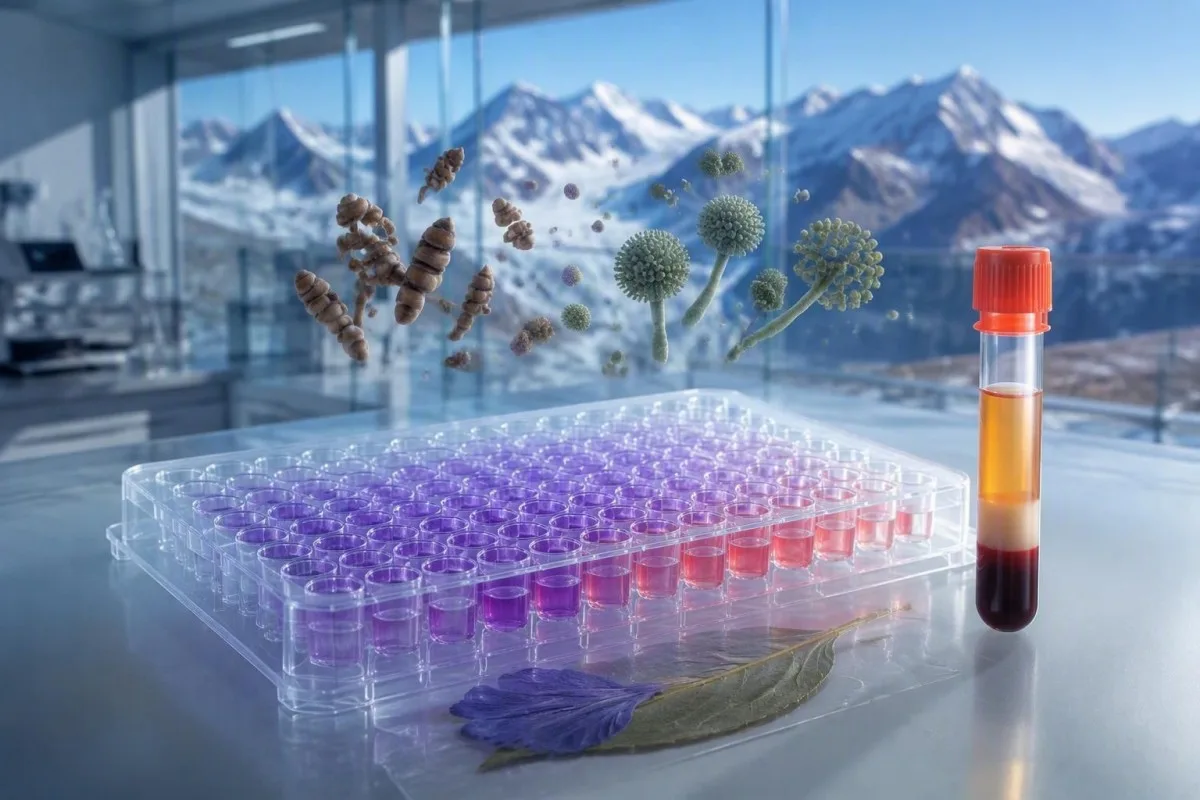
තෙත් ගොඩනැගිල්ලක් ශ්වසන සෞඛ්යය නරක අතට හැරිය හැක, නමුත් කිසිදු තනි රුධිර පරීක්ෂණයක් නිශ්චිත ගෘහස්ථ පුස් ඔබේ රෝග ලක්ෂණ ඇති කළ බව ඔප්පු කළ නොහැක. ප්රයෝජනවත් පරීක්ෂණය රඳා පවතින්නේ සායනික ප්රශ්නය අසාත්මිකතාවක්, ආක්රමණශීලී දිලීර ආසාදනයක්, හෝ සම්පූර්ණයෙන්ම වෙනත් රෝගයක්ද යන්න මතය.


- පුස්-විශේෂිත IgE නම් කරන ලද පුස් වලට අසාත්මික සංවේදීතාවයක් පෙන්විය හැකිය, නමුත් ඔබේ නිවස හෝ සේවා ස්ථානය මූලාශ්රය බව එය ඔප්පු කළ නොහැක.
- සම්පූර්ණ IgE 100 IU/mL ට වඩා වැඩි ප්රමාණයක් නොපැහැදිලි ය; එක්සිමා, පරාග අසාත්මිකතාව, පරපෝෂිතයන් සහ දුම් පානය ද එය ඉහළ නැංවිය හැකිය.
- ඊසිනොෆිල්ස් 500 සෛල/µL ට වඩා වැඩි ප්රමාණයක් අසාත්මික හෝ පරපෝෂිත රටාවකට සහාය වේ නමුත් පුස් රෝග විනිශ්චය නොකරයි.
- Galactomannan සහ beta-D-glucan යනු තෝරාගත් අධි-අවදානම් රෝගීන් සඳහා වන ආසාදන පරීක්ෂණ මිස සාමාන්ය ගෘහස්ථ නිරාවරණයෙන් පසු තිරගත කිරීමේ පරීක්ෂණ නොවේ.
- Mycotoxin රුධිර පරීක්ෂණයේ නිරවද්යතාවය ගෘහස්ථ පුස් නිරාවරණයෙන් ඇතිවන රෝග විනිශ්චය සඳහා ස්ථාපිත කර නොමැත.
- CBC, CRP, අක්මාව, සහ වකුගඩු පරීක්ෂණ විකල්ප පැහැදිලි කිරීම් හෝ සංකූලතා තක්සේරු කළ හැකිය, නමුත් සාමාන්ය අගයන් ශ්වසන අසාත්මිකතාවය බැහැර නොකරයි.
- හදිසි පරීක්ෂාවක් විවේකයේදී හුස්ම හිරවීම, 92% ට වඩා ඔක්සිජන් සන්තෘප්තිය, ලේ කැස්ස, 38.0°C ට වඩා උණ, හෝ ප්රතිශක්ති ඌනතාවය සඳහා සුදුසු වේ.
- පාරිසරික ක්රියාමාර්ග තෙතමනය සහ දෘශ්යමාන වර්ධනය නිවැරදි කිරීම; වෛද්ය පරීක්ෂණ රෝග ලක්ෂණ සහ අවදානම් සාධක අනුගමනය කළ යුතුය, ගෙදර පරීක්ෂණයකින් පමණක් නොවේ.
පුස් නිරාවරණයෙන් පසු රුධිර පරීක්ෂණයකින් ඇත්තටම ඔබට කුමක් කිව හැකිද?
පුස් නිරාවරණ රුධිර පරීක්ෂණ මගින් සමහර පුද්ගලයින් තුළ පුස් අසාත්මිකතාවය හඳුනාගත හැකිය, සහ ඉහළ අවදානම් රෝගීන් තුළ ආක්රමණශීලී දිලීර ආසාදන පිළිබඳ විමර්ශනයට සහාය විය හැකිය; ඒවා “පුස් විෂ වීම” නම් වූ පුළුල්, නොපැහැදිලි තත්වයක් හඳුනා ගත නොහැක.” සැප්තැම්බර් 18, 2026 වන විට, වලංගු කරන ලද රුධිර සලකුණක් නොමැති අතර, එය නොපැහැදිලි රෝග ලක්ෂණ පොකුරක් නිශ්චිත තෙත් කාමරයක්, බිත්තියක් හෝ ගෘහස්ථ පුස් වල විශේෂයකට සම්බන්ධ කළ හැකිය.
ප්රායෝගික ප්රශ්නය “මට කුමන පුස් පරීක්ෂණය අවශ්යද?” නොව “අපි තහවුරු කිරීමට උත්සාහ කරන්නේ කුමන රෝගයද?” A පුස් අසාත්මිකතා රුධිර පරීක්ෂණය අසාත්මිකතා නිස්සාරණවලට IgE ප්රතිදේහ මනිනු ලබයි; ආසාදන පරීක්ෂණයක් ගැලපෙන රෝග ලක්ෂණ සහ ප්රධාන අවදානම් සාධක සහිත රෝගියෙකු තුළ දිලීර රෝගයක් සොයයි; කිසිදු පරීක්ෂණයක් පුද්ගලයෙකු ආශ්වාස කළ පුස් ප්රමාණය මනිනු නොලබයි.
මගේ වසර 15ක සායනික පුහුණුවේදී, මම මිනිසුන් පුළුල් පැනල් සඳහා සිය ගණනක් වියදම් කරනු දැක ඇත්තෙමි, එවිට ප්රවේශමෙන් ඉතිහාසයක් ඇදුම, අසාත්මික රයිනිටිස්, ප්රත්යාවර්තනය, නින්ද නොමැතිකම, හෝ අසම්බන්ධිත වෛරස් රෝගයක් සොයා ගත්හ. ආචාර්ය තෝමස් ක්ලයින්ගේ පළමු පියවර වන්නේ වේලාව සිතියම්ගත කිරීමයි: ගොඩනැගිල්ලක සිට සති 1-2 ක් තුළ දියුණු වන රෝග ලක්ෂණ, නිවාඩු දිනවල නොවෙනස්ව පවතින රෝග ලක්ෂණ වලින් වෙනස් සාකච්ඡාවක් ලැබිය යුතුය.
කන්ටෙස්ටි යනු AI රුධිර පරීක්ෂණ විශ්ලේෂකය එය CBC, වෙනස්කම්, CRP, අක්මා සලකුණු, සහ වකුගඩු සලකුණු ගෘහස්ථ පුස් රෝගයට සාක්ෂි ලෙස ඉදිරිපත් කරනවා වෙනුවට සායනික සන්දර්භයක් ලෙස කියවයි. එම වෙනස රෝගීන්ට එයට හේතුවන තත්ත්වයට ඒ වෙනුවට රසායනාගාර සලකුණක් සුව කිරීමෙන් ආරක්ෂා කරයි; අපේ බලන්න ජෛව මාර්කර් යොමු මාර්ගෝපදේශය.
පුස්-විශේෂිත IgE පරීක්ෂණය ප්රයෝජනවත් වන්නේ කවදාද?
කැස්ස, ඇස් කැසීම, කිවිසුම් යාම, කැස්ස, හෝ නාසයේ අවහිරතා තෙත් අවකාශ, එළිමහන් බීජාණු, හෝ කොම්පෝස්ට් වලට නැවත නැවත නිරාවරණය වීමෙන් පසුව සිදු වූ විට පුස්-විශේෂිත IgE පරීක්ෂණය ප්රයෝජනවත් වේ. ධනාත්මක ප්රතිඵලයක් සංවේදීකරණය තහවුරු කරයි, රෝගයේ බරපතලකම හෝ නිරාවරණයේ ස්ථානය නොවේ.
රසායනාගාර සාමාන්යයෙන් නිශ්චිත IgE වාර්තා කරයි 0.10 kUA/L සිට ඉහළට, ප්රතිඵලයක් තිබියදීත් 0.35 kUA/L හෝ ඊට වැඩි ඓතිහාසිකව ධනාත්මක ලෙස හැඳින්වේ. මෙම විශ්ලේෂණාත්මක කප්-අෆ් රෝග ලක්ෂණ සීමාවන් නොවේ: 2.0 kUA/L ප්රතිඵලයක් ගැලපෙන නිරාවරණ ඉතිහාසයක් නොමැතිව සායනිකව අදාළ නොවිය හැකිය, අතර අඩු ප්රතිඵලයක් නැවත ධාවනය වන ඝෝෂාවක් සහිත රෝගියෙකු තුළ වැදගත් විය හැකිය.
පුස් නිස්සාරණ රසායනාගාර අතර සැලකිය යුතු ලෙස වෙනස් වේ, මන්ද ඒවා ප්රෝටීන් මිශ්රණ අඩංගු වන අතර, Alternaria, Cladosporium, Aspergillus, Penicillium, සහ එළිමහන් දිලීර අතර හරස්-ප්රතික්රියාකාරිත්වය පොදු වේ. අණුක අසාත්මිකතා පරීක්ෂණ මාර්ගෝපදේශය සංරචක පරීක්ෂණය සමහර විට පටලැවෙන නිස්සාරණ-පාදක ප්රතිඵලයක් පැහැදිලි කළ හැකි ඇයි කියා පැහැදිලි කරයි, සංරචක සෑම පුස් සඳහාම නොමැති වුවද.
සෘණාත්මක සෙරුම් IgE ප්රතිඵලයක් දුර්වල වායු ගුණයේ අසාත්මික නොවන කෝපය බැහැර නොකරයි, සහ එය ඇදුම බැහැර නොකරයි. ලෝක සෞඛ්ය සංවිධානයේ 2009 තෙතමනය සහ පුස් මාර්ගෝපදේශය තෙත් ගෘහස්ථ පරිසරයන් ශ්වසන රෝග ලක්ෂණ සහ ඇදුම සමග සම්බන්ධ කරයි, නමුත් එය සෙරුම් IgE ගොඩනැගිලි-නිරාවරණ මීටරයක් ලෙස අනුමත නොකරයි.
සැක සහිත පුස් අසාත්මිකතාව සඳහා රුධිර IgE එදිරිව සම-කැසීම පරීක්ෂණය
සම-කැසීම පරීක්ෂාව සහ දිලීර-විශේෂිත IgE සෙරුමය සාමාන්යයෙන් එකම ප්රශ්නයට පිළිතුරු සපයයි — එනම් IgE සංවේදීතාවයක් තිබේද යන්න — නමුත් කිසිදු පරීක්ෂණයකින් ගොඩනැගිල්ලකින් සිදුවන හේතුව ඔප්පු කළ නොහැක. සම පරීක්ෂාව විනාඩි 15 ක් පමණ තුළ පිළිතුරක් ලබා දෙයි, ලේ පරීක්ෂාව ඇන්ටිහිස්ටමින් නතර කළ නොහැකි නම් හෝ සම පරීක්ෂාව ප්රායෝගික නොවන විට ප්රයෝජනවත් වේ.
සම-කැසීම වේදනාකාරී බව බොහෝ විට ධනාත්මක ලෙස සැලකෙන්නේ එය ඍණ පාලනයට වඩා 3 mm විශාල වූ විට, නමුත් අර්ථ නිරූපණය වලංගු හිස්ටමින් පාලනයක් සහ පුහුණු තාක්ෂණයක් මත රඳා පවතී. ඇන්ටිහිස්ටමින් දින කිහිපයක් සඳහා සම ප්රතිඵල යටපත් කළ හැකිය, එසේම සෙරුමය නිශ්චිත IgE ඇන්ටිහිස්ටමින් මගින් වෙනස් නොවේ.
සමහර රෝගීන් සිතන්නේ ලේ පරීක්ෂාව වඩාත් නිවැරදි බවයි, මන්ද එය වඩාත් තාක්ෂණික බවක් දැනෙන බැවිනි. එය එතරම් නිවැරදි නොවේ: අසාත්මිකතා විශේෂඥයින් රෝගියාට, ප්රමිතිගත නිස්සාරණ වල ඇති හැකියාවට සහ සායනික ඉතිහාසයට වඩාත් සුදුසු ක්රමය තෝරා ගනී; අපගේ ගුණාත්මක එදිරිව ප්රමාණාත්මක පරීක්ෂණ මාර්ගෝපදේශය පැහැදිලි කරන්නේ සංඛ්යාත්මක ප්රතිඵලයක් තවමත් සීමිත රෝග විනිශ්චය අර්ථයක් තිබිය හැක්කේ කෙසේද යන්නයි.
ජල-හානි සිදුවීමකින් පසු ඇදුම රෝග ලක්ෂණ ආරම්භ වී ඇත්නම්, බ්රොන්කොඩිලේටර් පරීක්ෂණය සහිත ස්පිරෝමෙට්රි බොහෝ විට 20 දිලීර IgE පරීක්ෂණවලට වඩා ක්රියා කළ හැකි තොරතුරු එක් කරයි. බ්රොන්කොඩිලේටරයකින් පසු FEV1 හි අඩුවීමක් ප්රතිසාධනය සමඟ වායු මාර්ග භෞතික විද්යාව ස්ථාපිත කළ හැකිය, එය ප්රතිදේහ ප්රතිඵලයකට කළ නොහැක.
සමස්ත IgE සහ eosinophils: සහාය දක්වන ඉඟි, පුස් පරීක්ෂණ නොවේ
සම්පූර්ණ IgE සහ ඊඕසිනෝෆිල්ස් අසාත්මික රටාවක් සඳහා සහාය විය හැකිය, නමුත් කිසිදු ලකුණක් දිලීර විෂවීම් හේතුව ලෙස හඳුනා නොගනී. සම්පූර්ණ IgE සාමාන්යයෙන් වැඩිහිටි රසායනාගාර විමර්ශන පරතරය 0 සිට 100 IU/mL පමණ වන අතර, 500 සෛල/µL ට වඩා වැඩි ඊඕසිනෝෆිල් ගණනක් සාමාන්යයෙන් ඊඕසිනෝෆිලියා ලෙස හැඳින්වේ.
ඊඕසිනෝෆිල් ප්රතිශතය නිරපේක්ෂ ඊසිනොෆිල් ගණන, ට වඩා අඩු ප්රයෝජනවත් වේ, මන්ද අඩු හෝ වැඩි සම්පූර්ණ සුදු රුධිර සෛල ගණනක් ප්රතිශතය විකෘති කළ හැකිය. 500 සිට 1,500 සෛල/µL දක්වා ගණන් මෘදු ඊඕසිනෝෆිලියා වේ; නැවත පරීක්ෂා කිරීමේදී 1,500 සෛල/µL ට වඩා වැඩි ගණන් ඖෂධ ප්රතික්රියා, පරපෝෂිතයන්, පෙනහළු රෝග, ස්වයං ප්රතිශක්තිකරණ රෝග සහ රක්ත විද්යාත්මක හේතූන් සඳහා පුළුල් තක්සේරුවකට සුදුසුකම් ලබයි.
මෑතකදී මම 680 IU/mL සම්පූර්ණ IgE සහ 780 සෛල/µL ඊඕසිනෝෆිල් ගණනක් සහිත රෝගියෙකු සමාලෝචනය කළ අතර, ඇය තෙත් මහල් නිවාසයකට ගියාය. ඇයට අසාත්මික රයිනිටිස් තිබුණි, නමුත් මළපහ පරීක්ෂාව සහ සංචාරක ඉතිහාසය අවසානයේ පරපෝෂිත නිරාවරණයක් හඳුනා ගත්තේය — දින එකේදී අපි අංක “දිලීර විෂ වීම” ලෙස නම් කළහොත් එය මග හැරිය හැකිය. ගැන තවදුරටත් කියවන්න ඉහළ ඊඕසිනොෆිල් රටා.
ඉතා ඉහළ සම්පූර්ණ IgE - බොහෝ විට 1,000 IU/mL ට වඩා- අසාත්මික බ්රොන්කොපුල්මෝනරි ඇස්පර්ජිලෝසිස් (ABPA), දරුණු දද, පරපෝෂිත ආසාදනය සහ වෙනත් තත්වයන් තුළ දක්නට ලැබේ. එය ඉලක්කගත සායනික පරීක්ෂණයක සඳහා වන ඇඟවීමකි, විෂ ඉවත් කිරීමේ ප්රතිඵලයක් නොවේ.
දුර්ලභ තත්ත්වය: අසාත්මික බ්රොන්කොපුල්මෝනරි ඇස්පර්ජිලෝසිස්
ABPA යනු ඇදුම හෝ සිස්ටික් ෆයිබ්රෝසිස් රෝගීන් තුළ බොහෝ විට සලකා බලනු ලබන ප්රතිශක්තිකරණ පෙනහළු ආබාධයකි, නැවත නැවත හති දැමීම, ශ්ලේෂ්මල අවහිරතා, පෙනහළු රූපයේ වෙනස්වීම් සහ ඇස්පර්ජිලස් සංවේදීතාවය ඇත. එය නිවසේ අච්චු පරීක්ෂණයකින් හෝ සම්පූර්ණ IgE වලින් පමණක් හඳුනා නොගනී.
2024 ISHAM-ABPA වැඩ කරන කණ්ඩායම නිර්දේශ කරන්නේ අවම වශයෙන් 500 IU/mL සම්පූර්ණ IgE අනුකූල සායනික පසුබිමක අත්යවශ්ය සීමාවන්ගෙන් එකක් ලෙස, දිලීර සංවේදීතාවය සහ ඇස්පර්ජිලස්-විශේෂිත IgG, අවම වශයෙන් 500 සෛල/µL ඊඕසිනොෆිල්, හෝ ලක්ෂණ සහිත රූපය වැනි අමතර ලක්ෂණ සමඟ. මුල් නිර්ණායක 1,000 IU/mL භාවිතා කරන ලදී, එබැවින් පැරණි අන්තර්ජාල උපදෙස් ඉතා සංයුක්ත විය හැකිය.
පපුවේ CT මධ්යගත බ්රොන්කියෙක්ටේසිස් හෝ ශ්ලේෂ්මල බලපෑම පෙන්විය හැකිය, අතර සරල CBC අර්බුද අතර සාමාන්ය විය හැක. 2016 IDSA ඇස්පර්ජිලෝසිස් මාර්ගෝපදේශය අසාත්මික රෝග ආක්රමණශීලී ආසාදනයෙන් වෙන් කරයි; මේවා ජීව විද්යාත්මකව හා සායනිකව වෙනස් තත්වයන් වේ (Patterson et al., 2016).
ABPA ප්රතිකාර තීරණවලට වාචික ස්ටෙරොයිඩ්, දිලීර නාශක ප්රතිකාර, හෝ ජීව විද්යාත්මක ඇදුම ප්රතිකාර ඇතුළත් විය හැක සහ විශේෂඥ අධීක්ෂණය අවශ්ය වේ, මන්ද අක්මා එන්සයිම සහ drug ෂධ අන්තර්ක්රියා වැදගත් වේ. අධීක්ෂණය අවශ්ය නම්, සමාලෝචනය කරන්න අක්මා පැනල් ප්රතිඵලය තනි ALT අගය මත පදනම්ව ඖෂධ වෙනස් කිරීමට වඩා නියම කරන වෛද්යවරයා සමඟ.
රෝග විනිශ්චයට පසු IgE ප්රවණතා වැදගත් වන්නේ ඇයි
ABPA ප්රතිකාරය ආරම්භ කිරීමෙන් පසු, වෛද්යවරුන් බොහෝ විට සම්පූර්ණ IgE හි ආසන්න වශයෙන් පහත වැටීමක් භාවිතා කරයි 25% හෝ ඊට වැඩි රෝග ලක්ෂණ සහ රූපකරණය සමඟ ප්රතිචාරයේ සලකුණු වලින් එකක් ලෙස. නිරපේක්ෂ අගය මාස ගණනක් ඉහළින් පැවතිය හැකිය, එබැවින් තනි “අසාමාන්ය” ප්රතිඵලයක් මනින ලද ප්රවණතාවයකට වඩා අඩු තොරතුරු සපයයි.
ආක්රමණශීලී දිලීර ආසාදනය සඳහා රුධිර පරීක්ෂණ භාවිතා කරන්නේ කවදාද?
දිලීර ආසාදනය රුධිර පරීක්ෂණ, සැලකිය යුතු අවදානමක් ඇති පුද්ගලයින් සඳහා - දිගුකාලීන නියුට්රොපීනියා, ස්ටෙම්-සෛල බද්ධ කිරීම, අධික මාත්රාවේ ප්රතිශක්ති විරෝධී, හෝ බරපතල රෝගාබාධ - නිවසේ අච්චු නිරාවරණය සඳහා සාමාන්ය තක්සේරුව සඳහා නොවේ. උණ, පෙනහළු රෝග ලක්ෂණ සහ ප්රතිශක්තිකරණ සන්දර්භය පරීක්ෂණය සුදුසුද යන්න තීරණය කරයි.
සෙරුම් ගැල්ක්ටොමන්නන් විශේෂිත ඉහළ අවදානම් රෝගීන් තුළ ආක්රමණශීලී ඇස්පර්ජිලෝසිස් රෝග විනිශ්චය සඳහා සහාය විය හැකිය, විශේෂයෙන් රක්තපාත පිළිකා හෝ බද්ධ කිරීමේ නිරාවරණය ඇති අය. සාමාන්ය සෙරුම් ධනාත්මක දර්ශකයකි 0.5 හෝ ඊට වඩා, නමුත් වැරදි ධනාත්මක සහ වැරදි සෘණ සිදු වේ, සහ දිලීර-ක්රියාකාරී දිලීර නාශක ඖෂධ වලින් පසුව කාර්ය සාධනය සැලකිය යුතු ලෙස වෙනස් වේ.
බීටා-D-ග්ලූකන් is a cell-wall marker shared by many fungi; many laboratories regard 80 pg/mL or higher as positive, but it does not identify a fungal species and may be elevated after some intravenous products, dialysis filters, severe bacterial infection, or gauze exposure. It is not a test for “mold in the body.”
The IDSA guideline recommends integrating CT imaging, respiratory samples, cultures, antigen tests, and host risk rather than relying on one serum assay (Patterson et al., 2016). A low neutrophil count needs separate attention; our නියුට්රොෆිල් පරාස මාර්ගෝපදේශය කියවන්න gives the usual ANC cutoffs.
මයිෙකොටොක්සින් රුධිර සහ මුත්රා පරීක්ෂණ ගෘහස්ථ පුස් රෝග විනිශ්චය කළ නොහැක්කේ ඇයි?
Mycotoxin blood test accuracy has not been validated for diagnosing illness from ordinary indoor mold exposure. Detecting a compound in blood or urine, when an assay detects it at all, does not establish the source, dose, timing, tissue effect, or cause of symptoms.
Mycotoxins are chemicals made by some fungi under particular growth and food-storage conditions, and dietary exposure can occur through grains, coffee, dried fruit, nuts, and spices. A urine finding therefore cannot distinguish a meal eaten 24 hours earlier from a building-related exposure without validated reference populations and exposure models.
The Centers for Disease Control and Prevention warned in 2015 that unvalidated urine mycotoxin tests should not be used to diagnose illness related to water-damaged buildings. The central problem is analytical versus clinical validity: a laboratory can measure a molecule precisely and still lack evidence that the result diagnoses a disease.
I am cautious when a patient is offered binders, antifungals, or repeated testing based only on a mycotoxin panel. Antifungal drugs can cause hepatotoxicity and QT-related interactions; unexplained changes in ALT, AST, or bilirubin need proper interpretation, as outlined in our ALT ලුහුබැඳීම මාර්ගෝපදේශය.
සාමාන්ය රුධිර පරීක්ෂණ දායක විය හැක්කේ කුමක් ද?
A CBC, CRP, metabolic panel, and selected allergy markers can identify anemia, infection patterns, organ dysfunction, or eosinophilia, but they do not confirm mold exposure. Their main value is preventing a premature explanation when symptoms have another treatable cause.
A CRP ලීටර් 5 mg/Lට පහළින් is common in well adults and does not rule out allergic rhinitis or asthma; CRP often rises with bacterial infection, autoimmune activity, obesity, and many other conditions. An isolated mildly raised CRP is a poor proxy for indoor air exposure, especially after a recent cold or hard exercise.
කන්ටෙස්ටි යනු AI රුධිර පරීක්ෂණ ප්රතිඵල වේදිකාව that compares results with the laboratory's own reference intervals and related markers, because a CRP of 12 mg/L with neutrophilia suggests a different next step from CRP 12 mg/L with normal cells and severe seasonal nasal symptoms. For a useful starting framework, see our baseline testing checklist.
Kidney and liver tests are particularly useful before a clinician prescribes systemic antifungals or prolonged steroids. Creatinine, eGFR, ALT, AST, alkaline phosphatase, and bilirubin assess treatment safety; they are not fungal exposure biomarkers.
පුස් අසාත්මිකතාවට ගැලපෙන රෝග ලක්ෂණ—සහ වෙනත් පරීක්ෂණයක් අවශ්ය වන රෝග ලක්ෂණ
Mold-related allergy most often causes nasal congestion, sneezing, itchy or watery eyes, cough, wheeze, and asthma flares that track with exposure. Brain fog, fatigue, nausea, and headache are real symptoms but are too nonspecific to diagnose a mold-related condition from blood results.
Symptoms beginning within minutes to hours of entering a damp building and easing away from it raise the probability of an airway trigger. Keep a 14-day diary of location, time indoors, peak-flow readings if you have asthma, sleep, fever, medications, and visible dampness; this creates evidence a clinician can actually use.
Persistent fatigue with normal oxygen levels and no cough may justify checking sleep, mood, thyroid function, iron status, B12, glucose, and medication effects rather than assuming fungal illness. Our guide to අඩු මනෝභාවය සඳහා රුධිර පරීක්ෂණ covers several medical mimics that can coexist with environmental stress.
A 52-year-old runner with an AST of 89 IU/L after a weekend race does not suddenly have mold-related liver disease—muscle exertion is a frequent explanation, particularly if CK is elevated. Clinical timing beats a single dramatic interpretation.
වෛද්ය අධි-පරීක්ෂණයකින් තොරව ගොඩනැගිල්ල පරීක්ෂා කරන්නේ කෙසේද?
Visible mold, musty odor, recurrent condensation, water staining, and measured dampness justify fixing the moisture source; routine air sampling rarely changes the immediate health advice. The building intervention is to stop water entry, dry materials, and remove contaminated porous materials when necessary.
Indoor spore counts vary by weather, ventilation, season, sampling location, and the outdoor background on the same day. A “normal” air sample can miss hidden moisture damage, while a high count does not show that a particular resident is ill from it.
The WHO guidance emphasizes prevention and remediation of persistent dampness rather than acceptable indoor mold-count targets. For a person with asthma, moving temporarily away from obvious dampness while the problem is repaired can be a sensible clinical experiment—provided housing safety and access are addressed.
Photograph visible changes, document dates of leaks, and keep copies of repair reports. Those details are more useful at an allergy or respiratory appointment than a commercial antibody panel; our සෞඛ්ය ඉතිහාසය නිරීක්ෂකය (health history tracker) can help organize laboratory and symptom timelines.
පොදු වැරදි ධනාත්මක සහ වැරදි මඟ පෙන්වන ප්රතිඵල
The most misleading mold-related result is a positive antibody test without matching symptoms, because sensitization is common and may reflect outdoor exposure rather than illness. Cross-reactive allergens, broad fungal extracts, and testing when pre-test probability is low all increase false-positive harm.
A result can be analytically correct yet clinically false-positive for the question being asked. If 100 people without convincing allergy symptoms are tested against many mold extracts, several will have detectable IgE simply by chance or from harmless sensitization; this is why indiscriminate panels create anxiety.
Total IgE may rise after eczema flares, smoking, parasitic infection, and other allergic conditions. Likewise, a high IgE result does not rank one trigger above another and cannot tell whether remediation will improve symptoms.
Specimen handling also matters for infection tests. Hemolysis, delayed processing, recent immunoglobulin infusion, antibiotics, and antifungal treatment can change antigen-assay interpretation, so a specialist should know what you received in the previous 7 to 14 days.
අවදානම මත පදනම් වූ අර්ථවත් පරීක්ෂණ සැලැස්මක්
Most people with suspected indoor mold exposure need a focused history, physical examination, and allergy or asthma assessment—not extensive blood panels. Testing escalates when there is persistent lower-respiratory disease, objective fever, immune suppression, abnormal imaging, or recurrent infections.
For nasal and eye symptoms, consider targeted mold-specific IgE or skin-prick testing if the history suggests an allergen pattern. For wheeze or cough, spirometry, peak-flow variation, inhaler response, and chest examination are often the first high-yield tests; the shortness of breath test guide explains where blood work fits.
For fever above 38.0°C, weight loss, coughing blood, focal chest findings, or oxygen saturation below 92%, clinicians usually prioritize urgent examination and chest imaging over consumer toxin testing. Immunocompromised patients should contact their treating team promptly because their threshold for fungal investigation is lower.
Kantesti's neural network can help users prepare a concise trend summary from existing laboratory reports, but it cannot diagnose fungal infection or replace an examination. Our සායනික සත්යාපන ප්රමිතීන්ට explain the boundaries of AI-supported result interpretation.
“විෂ ඉවත් කිරීම” සහ අත්හදා බැලීමේ දිලීර නාශක ක්රියා කරන්නේ ඇයි?
Antifungal medication is not a general treatment for nonspecific symptoms after indoor mold exposure, and so-called detox regimens have not shown that they remove indoor-mold-related illness. Treatment should match a diagnosed condition such as allergic rhinitis, asthma, ABPA, or proven fungal infection.
Azole antifungals can cause nausea, liver-enzyme elevation, drug interactions, and in some cases electrical rhythm concerns. A medication such as itraconazole has a role in selected fungal conditions, but prescribing it after an unvalidated urine test exposes patients to risk without a demonstrated benefit.
Cholestyramine and activated charcoal can interfere with absorption of prescription medicines, including thyroid replacement, anticoagulants, and some contraceptives. If someone develops dark urine, jaundice, severe abdominal pain, or fainting after a supplement or antifungal, urgent assessment is safer than adding another product.
Dr. Thomas Klein advises bringing every supplement container to the appointment, including powders and binders. The supplements and liver safety guide is a useful reminder that “natural” does not mean metabolically harmless.
පුස් රෝග විනිශ්චය අධික ලෙස ඇමතීමකින් තොරව ප්රතිඵල කියවන්නේ කෙසේද?
A result becomes meaningful only when the test, symptom pattern, exposure timing, examination, and alternative diagnoses agree. A positive mold-specific IgE with springtime wheeze is more persuasive than the same result in a person with fatigue alone and no respiratory symptoms.
Ask four direct questions: What does this test measure? What conditions was it validated to diagnose? Does my symptom pattern fit? What result would change treatment? If the answer to the last question is “none,” the test is unlikely to be useful.
කන්ටෙස්ටි යනු AI මගින් බලගැන්වූ රුධිර පරීක්ෂණ විශ්ලේෂණ මෙවලම used across 127+ countries to organize laboratory context and highlight questions for a clinician; it does not convert an eosinophil count or mycotoxin claim into an exposure diagnosis. For practical quality checks before sharing a report, read our AI වාර්තා නිරවද්යතා චෙක්ලිස්ට් එක.
Repeated testing should have a purpose. For example, an allergist may trend total IgE after confirmed ABPA, while a primary-care clinician may repeat a CBC in 4 to 8 weeks after transient eosinophilia; a positive specific IgE usually does not need serial measurement.
පර්යේෂණ සන්දර්භය, සායනික සීමාවන් සහ ඔබේ ඊළඟ හමුවීම
The evidence supports preventing and remediating damp indoor conditions, diagnosing allergy with validated IgE methods, and reserving fungal infection assays for high-risk clinical situations. It does not support diagnosing indoor mold illness from mycotoxin results alone.
Mendell and colleagues reviewed epidemiologic evidence linking dampness and mold with respiratory and allergic outcomes, while also noting the difficulty of assigning disease to a single measured agent (Mendell et al., 2011). That is exactly why a good appointment includes respiratory history, building chronology, and targeted testing rather than a one-size-fits-all panel.
Za širši laboratorijski kontekst naš සෙරුම් ප්රෝටීන් පර්යේෂණ මාර්ගෝපදේශය explains why albumin and globulin changes require differential diagnosis rather than environmental assumptions. Kantesti's clinicians and වෛද්ය උපදේශක මණ්ඩලය advocate transparent limits: an interpretation should say what a result cannot establish.
Bring the original laboratory report, medication list, symptom diary, relevant photographs, and any imaging reports to your appointment. If you have severe breathlessness, chest pain, confusion, blue lips, or oxygen saturation below 92%, seek urgent care rather than waiting for additional blood testing.
නිතර අසන ප්රශ්න
ሻጋታ නිරාවරණය ඔප්පු කරන රුධිර පරීක්ෂණයක් තිබේද?
ඕනෑම ගොඩනැගිල්ලක දී හතු නිසා රෝගී වූ බව ඔප්පු කරන වලංගු රුධිර පරීක්ෂාවක් නොමැත. හතු වලට විශේෂිත IgE මගින් සාමාන්යයෙන් kUA/L ලෙස වාර්තා වන හතු වලට අසාත්මික සංවේදීතාව තීරණය කරයි, නමුත් මූලාශ්රය හඳුනාගත නොහැකිය. CBC, CRP, මුළු IgE සහ ඊඕසිනොෆිල්ස් වල වෙනස්කම් නිශ්චිත නොවේ. ගැලැක්ටෝමන්න් වැනි ආක්රමණශීලී දිලීර සලකුණු භාවිතා කරන්නේ ඉහළ අවදානමක් ඇති රෝගියෙකුට සායනිකව දිලීර ආසාදනයක් ඇතිවිය හැකි විට පමණි.
ධනාත්මක පුස් අසාත්මිකතා රුධිර පරීක්ෂාවක අදහස් කරන්නේ කුමක්ද?
ධනාත්මක පුස් අසාත්මිකතා රුධිර පරීක්ෂාවකදී සෙරුම් වල පරීක්ෂා කරන ලද පුස් නිස්සාරක හඳුනාගන්නා IgE ප්රතිදේහ අඩංගු වන බව අදහස් වේ. බොහෝ රසායනාගාර 0.35 kUA/L හෝ ඊට වැඩි නිශ්චිත IgE ධනාත්මක ලෙස හඳුන්වන අතර, හඳුනාගත හැකි සංවේදීතාව 0.10 kUA/L පමණ සිට ආරම්භ විය හැකිය. wheeze, sneezing, හෝ itchy eyes වැනි රෝග ලක්ෂණ නිරාවරණය වන වේලාවට ගැලපෙන විට පමණක් ප්රතිඵලය අසාත්මිකතාවයට සහාය වේ. එය ඔබේ නිවසේ, කාර්යාලයේ හෝ පාසලේ ඇති පුස් ඊට හේතුව බව ඔප්පු කරන්නේ නැත.
මයිකොටොක්සින් රුධිර පරීක්ෂණ නිවැරදිද?
mycotoxin රුධිර පරීක්ෂණ වලදී නිවසේ හෝ සේවා ස්ථානයේ ඇති අච්චුව නිසා ඇතිවන රෝග විනිශ්චය කිරීම සඳහා ස්ථාපිත සායනික නිරවද්යතාවයක් නොමැත. අනාවරණය කරන ලද රසායනික ද්රව්යයකට එහි මූලාශ්රය විශ්වාසදායක ලෙස හඳුනාගත නොහැක, මන්ද ආහාර mycotoxin වලට නිරාවරණය වීමට දායක විය හැකි අතර ගොඩනැගිලි සම්බන්ධ රෝග සඳහා යොමු පරාසයන් වලංගු කර නොමැත. ජල හානි වූ ගොඩනැගිලි වලින් ඇතිවන රෝග විනිශ්චය කිරීම සඳහා වලංගු නොකළ මුත්රා mycotoxin පරීක්ෂණ භාවිතා කිරීමට එරෙහිව CDC අනතුරු අඟවා ඇත. දිලීර නාශක ඖෂධ, බන්ධන හෝ mycotoxin විෂ වීම විනිශ්චය කිරීම සඳහා ප්රතිඵලයක් පමණක් භාවිතා නොකළ යුතුය.
පුස්වලට නිරාවරණය වීම ඊඕසිනොෆිල් ඉහළ නංවන්න පුළුවන්ද?
ሻጋታ አለርጂዎች የኢኦሲኖፊል ብዛት እንዲጨምር ሊያደርግ ይችላል፣ ነገር ግን ከ 500 ሴሎች/µL በላይ ያለው ፍፁም የኢኦሲኖፊል ብዛት ብዙ ሊሆኑ የሚችሉ ምክንያቶች አሉት። አስም፣ ኤክማ፣ የመድኃኒት ምላሾች፣ ጥገኛ ተሕዋስያን ኢንፌክሽን፣ ራስን በራስ የሚከላከል በሽታ እና አንዳንድ የደም መዛባት ሁሉም ብዛቱን ሊያሳድጉ ይችላሉ። ከ 1,500 ሴሎች/µL በላይ የሆኑ የማያቋርጥ ኢኦሲኖፊሎች ብዙውን ጊዜ ሰፊ ክሊኒካዊ ግምገማን ያረጋግጣሉ። ፍፁም ቁጥሩ ከኢኦሲኖፊል መቶኛ ብቻ የበለጠ መረጃ ሰጪ ነው።.
දිලීර ආසාදනයන් සඳහා වන පරීක්ෂණ ගැන කවදා ඇසිය යුතුද?
දිගුකාලීන නියුට්රොපීනියා, ඉන්ද්රිය හෝ කඳ සෛල බද්ධ කිරීම, ඉහළ මාත්රාවලින් ප්රතිශක්ති-පෙරළීමේ ප්රතිකාර හෝ දරුණු රෝගාබාධ වැනි සැලකිය යුතු අවදානමක් සහිත රෝගී තත්වයක් පවතින විට දිලීර ආසාදනය සඳහා පරීක්ෂා කරන ලෙස ඉල්ලා සිටින්න. සෙරුම් ගැලැක්ටොමාන්නාන් බොහෝ විට 0.5 හෝ ඊට වැඩි දර්ශකයකදී ධනාත්මක ලෙස සලකනු ලැබේ, අතර බීටා-D-ග්ලූකන් සාමාන්යයෙන් 80 pg/mL ධනාත්මක සීමාව ලෙස භාවිතා කරයි. නිවසේ පෙනෙන පුස් වලින් පසු සාමාන්ය තිරගත කිරීමක් ලෙස කිසිදු පරීක්ෂණයක් සුදුසු නොවේ. 38.0°C ට වැඩි උණ, හුස්ම හිරවීම වැඩි වීම, හෝ ලේ කැස්ස සඳහා වහාම වෛද්ය ඇගයීමක් අවශ්ය වේ.
මගේ ගෙදර අච්චුවක් හමුවීමෙන් පසු මම CBC එකක් ගත යුතුද?
ආසාදනය, රක්තහීනතාවය, ඊඕසිනොෆිලියා, drug ෂධ බලපෑම් හෝ වෙනත් රෝගයක් යෝජනා කරන රෝග ලක්ෂණ හෝ වෛද්ය ඉතිහාසය තිබේ නම් CBC එකක් සාධාරණ විය හැකිය, නමුත් එය අච්චු නිරාවරණය තහවුරු කළ නොහැක. සාමාන්ය CBC එකක් අසාත්මික rhinitis හෝ ඇදුම බැහැර නොකරන අතර, අසාමාන්ය CBC එකක් අච්චුව හේතුව ලෙස හඳුනා නොගනී. වෛද්යවරු සාමාන්යයෙන් fever, පුනරාවර්තන ආසාදන, තෙහෙට්ටුව හෝ පැහැදිලි කළ නොහැකි bruising වැනි රෝග ලක්ෂණ මත පදනම්ව CBC එකක් තෝරා ගනී. ශ්වසන රෝග ලක්ෂණ සඳහා, spirometry සහ අසාත්මිකතා ඇගයීම පුළුල් රුධිර පරීක්ෂාවට වඩා තොරතුරු සපයනු ඇත.
අදම AI බලයෙන් රුධිර පරීක්ෂණ විශ්ලේෂණය ලබාගන්න
තත්පර කිහිපයකින් ක්ෂණික හා නිවැරදි රසායනාගාර පරීක්ෂණ විශ්ලේෂණය සඳහා Kantesti විශ්වාස කරන ලොව පුරා මිලියන 2කට වැඩි පරිශීලකයන්ට එක්වන්න. ඔබගේ රුධිර පරීක්ෂණ ප්රතිඵල උඩුගත කර, තත්පර කිහිපයකින් 15,000+ ජෛව සලකුණු පිළිබඳ සවිස්තර අර්ථකථනය ලබාගන්න.
📚 යොමු කර ඇති පර්යේෂණ ප්රකාශන
ක්ලයින්, ටී., මිචෙල්, එස්., සහ වෙබර්, එච්. (2026). aPTT සාමාන්ය පරාසය: D-ඩයිමර්, ප්රෝටීන් C රුධිර කැටි ගැසීමේ මාර්ගෝපදේශය. Kantesti AI වෛද්ය පර්යේෂණ.
ක්ලයින්, ටී., මිචෙල්, එස්., සහ වෙබර්, එච්. (2026). සෙරුම් ප්රෝටීන් මාර්ගෝපදේශය: ග්ලෝබියුලින්, ඇල්බියුමින් සහ A/G අනුපාත රුධිර පරීක්ෂාව. Kantesti AI වෛද්ය පර්යේෂණ.
📖 බාහිර වෛද්ය යොමු
⚕️ වෛද්ය වියාචනය
මෙම ලිපිය අධ්යාපනික අරමුණු සඳහා පමණක් වන අතර වෛද්ය උපදෙස් ලෙස නොසැලකේ. රෝග නිદાન සහ ප්රතිකාර තීරණ සඳහා සෑම විටම සුදුසුකම් ලත් සෞඛ්ය සේවා සපයන්නෙකුගෙන් උපදෙස් ලබාගන්න.
E-E-A-T විශ්වාස සංඥා
අත්දැකීම්
වෛද්යවරයා විසින් මෙහෙයවන ලද රසායනාගාර අර්ථකථන ක්රියාවලි පිළිබඳ සමාලෝචනය.
ප්රවීණතාව
සායනික සන්දර්භය තුළ ජෛව සලකුණු (biomarkers) හැසිරෙන ආකාරය පිළිබඳ රසායනාගාර වෛද්ය විද්යා අවධානය.
අධිකාරීත්වය
ආචාර්ය තෝමස් ක්ලයින් විසින් ලියන ලද අතර ආචාර්ය සාරා මිචෙල් සහ මහාචාර්ය ආචාර්ය හෑන්ස් වෙබර් විසින් සමාලෝචනය කරන ලදී.
විශ්වසනීයත්වය
අනතුරු ඇඟවීම් අඩු කිරීමට පැහැදිලි පසුකැඳවීම් මාර්ග සහිත සාක්ෂි-පාදක අර්ථකථනය.