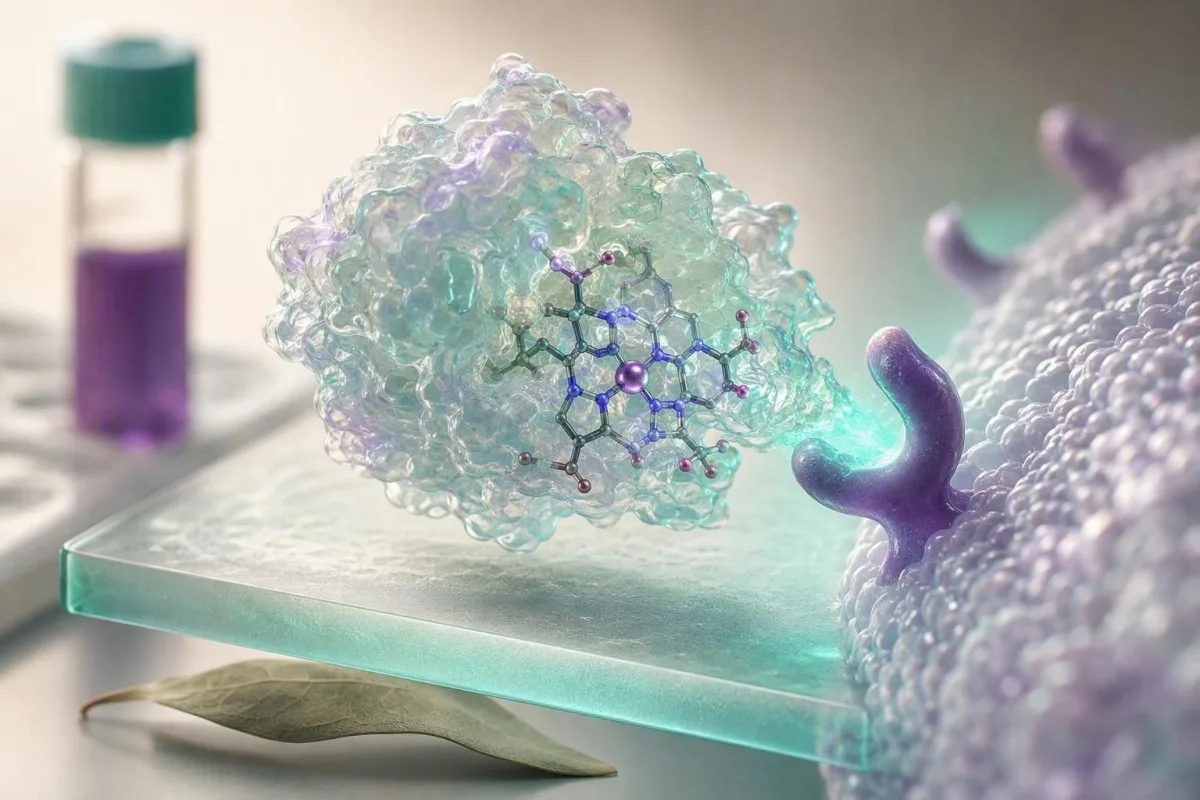
سپليمينٽيشن کان پوءِ جلد ئي B12 جو عام نتيجو گهٽ يا گهٽ restablecimiento جي بدران تازي وصولي جو دستاويز ڪري سگهي ٿو. وقت، گردي جي ڪم، علامتون، ۽ methylmalonic acid اڪثر ڪري فيصلو ڪندا آهن ته انگ جو ڇا مطلب آهي.


- تازو B12 dose ڪلاڪن کان ڏينهن تائين holotranscobalamin کي وڌائي سگھي ٿو، تنهن ڪري علاج کان پوءِ جلد ئي هڪ عام نتيجو اڳئين کوٽائي کي يقيني طور تي خارج نٿو ڪري.
- Holotranscobalamin range عام طور تي اٽڪل 37-150 pmol/L آهي، پر هر ليبارٽري کي پنهنجي assay-specific interval استعمال ڪرڻ گهرجي.
- فعال B12 ٽيسٽ B12 کي transcobalamin سان ڳنڍيل ماپي ٿو، سيلولر اپ ٽيڪ لاء موجود حصو؛ اهو سڌو سنئون intracellular B12 سرگرمي نه ماپي ٿو.
- MMA ٽيسٽ جڏهن سيلولر B12 ڪافي نه آهي ته وڌي ٿو، پر گهٽيل گردي جي ڪم MMA کي وڌائي سگھي ٿو جيتوڻيڪ B12 جي حالت ڪافي هجي.
- Injection timing سڀ کان وڌيڪ اهميت رکي ٿو: 1,000 microgram انجڻ سيرم ۽ فعال B12 جي نتيجن کي هفتن تائين اطمينان بخش ڏسڻ ۾ آڻي سگهي ٿي جڏهن ته نيورولوجي بحالي ۾ وڌيڪ وقت لڳندو آهي.
- Follow-up plan صحيح B12 فارم، dose، route، ۽ تاريخ رڪارڊ ڪرڻ گهرجي؛ انهن تفصيلن کان سواء، نتيجن جو مقابلو اڪثر گمراهه ڪندڙ هوندو آهي.
- فوري جائزو نئين هلچل ۾ ڏکيائي، مسلسل بيهوشي، مونجهارو، شديد ڪمزوري، يا انيميا جي علامتن لاءِ مناسب آهي، تازي معمولي فعال B12 ٽيسٽ جي باوجود.
ڇا تازي B12 holotranscobalamin کي عام ڏسي سگهي ٿي؟
ها. تازو زباني يا انجیکشن واري وٽامن B12 هولٽرانسڪوبالمين کي عارضي طور وڌائي سگهي ٿي، جنهن کي اڪثر فعال B12 سڏيو ويندو آهي، جيتوڻيڪ ٽيسٽ ان وقت ڪئي وئي هئي جڏهن گهٽتائي جو شڪ هو. نتيجو پوءِ اسان کي ٻڌائي ٿو ته جذب ٿيندڙ B12 تازو ئي گردش ۾ داخل ٿيو آهي؛ اهو پاڻمرادو ثابت نٿو ڪري سگهي ته ٽشوز جي ذخيري، اعصاب جي ڪم، يا گهٽتائي جو اصل سبب درست ٿي ويو آهي. سيپٽمبر 3، 2026 تائين، منهنجو عملي قاعدو سادو آهي: فعال B12 ٽيسٽ کي اطمينان بخش سڏڻ کان اڳ گذريل 14 ڏينهن ۾ ورتل هر دوز کي دستاويز ڪريو.
هڪ واحد 1,000 مائڪروگرام B12 ٽيبليٽ ڪلينڪل تبديلي محسوس ٿيڻ کان اڳ گردش ڪندڙ مارڪرز کي تبديل ڪري سگهي ٿي. منهنجي 15 سالن جي مشق ۾، مون ڏٺو آهي ته مريض ٽيسٽ کان ٽي ڏينهن اڳ سپليمينٽ وٺن ٿا، هڪ معمولي هولٽرانسڪوبالمين نتيجو حاصل ڪن ٿا، ۽ فرض ڪن ٿا ته انهن جي مهينن جي جهنگ جو ڪو به غذائي جز نه هو.
B12 انجیکشن معياري ٽيبليٽ کان وڏو ۽ وڌيڪ مستقل تشريحي مسئلو پيدا ڪري ٿو. سيرم B12 ۽ هولٽرانسڪوبالمين پيرنٽرل علاج کان پوءِ تمام گهڻو وڌي سگهن ٿا، جڏهن ته ميٿائل مائيلونڪ ايسڊ، رت جي ڳڻپ جي بحالي، ۽ نيورولوجيڪل علامتون مختلف وقتن جي پيروي ڪن ٿيون؛ اسان جو B12 انجیکشن بمقابله ٽيبليٽ گائيڊ فارماڪولوجيڪل تضاد بيان ڪري ٿو.
ڊاڪٽر ٿامس ڪلائن جو طريقو پوسٽ-دوز فعال B12 نتيجي کي علاج-ڪنٽيڪسٽ نتيجي طور علاج ڪرڻ آهي، نه ته بيس لائن تشخيصي نتيجي طور. Kantesti هڪ اي آءِ بلڊ ٽيسٽ اينالائيزر آهي جيڪو بائيو مارڪرز سان گڏ دوز جي تاريخون محفوظ ڪري ٿو، ڇاڪاڻ ته وقت کان سواءِ هڪ الڳ قدر اڪثر غلط ڪلينڪل سوال هوندو آهي.
توهان جي ڪلينڪ کان پڇڻ جو ڪارائتو سوال
پڇو ته ڇا مقصد غير علاج ٿيل گهٽتائي جو تشخيص ڪرڻ، بائيو ڪيميڪل ردعمل جي تصديق ڪرڻ، يا مسلسل علامن جي تحقيق ڪرڻ آهي. اهي ٽي مختلف سوال آهن، ۽ انهن کي مختلف وقت ۽ مختلف ٽيسٽن جي ضرورت پوندي.
Holotranscobalamin اصل ۾ ڇا ماپي ٿو
هولٽرانسڪوبالمين ٽرانسڪوبالمين سان ڳنڍيل وٽامن B12 کي ماپي ٿو، جيڪو ٽرانسپورٽ پروٽين آهي جيڪو B12 کي سيلز تائين پهچائي ٿو. اهو بائيوولوجيڪل طور دستياب گردش ڪندڙ حصو آهي، پر اهو اڃا تائين هڪ گردش ڪندڙ ماپ آهي بدران انٽرا سيليلولر انزائم جي ڪم جو سڌو ريڊ آئوٽ.
گھڻو ڪري گردش ڪندڙ B12 هاپٽوڪورين سان ڳنڍيل هوندو آهي ۽ سيلز لاءِ فوري طور تي دستياب نه هوندو آهي؛ هولٽرانسڪوبالمين ڪل گردش ڪندڙ B12 جو تقريباً 10% کان 30% نمائندگي ڪري ٿو. اها حياتيات ئي آهي ڇو ته فعال B12 ٽيسٽ ڪجهه ابتدائي گهٽتائي کي سڃاڻي سگهي ٿي جيڪي ڪل B12 مس ڪري ٿو، خاص طور تي بارڊر لائن ڪل B12 ڪنسنٽريشن جي آس پاس.
ڪيترائي ليبارٽريون هولٽرانسڪوبالمين کي تقريباً هيٺ بيان ڪن ٿا 35 pmol/L گهٽ ۽ قدر مٿي 50 pmol/L ڪافي آهي، جنهن جي وچ ۾ هڪ گرين زون آهي. اهي ڪٽ آف ڊيوائس تي منحصر آهن، بهرحال، تنهن ڪري رپورٽنگ ليبارٽري پاران ڇپيل ريفرنس انٽروال ڪنهن به انٽرنيٽ حد کان مٿانهون آهي؛ اسان جو ڏسو فعال B12 ۽ MMA جو جائزو.
هڪ معمولي هولٽرانسڪوبالمين نتيجو مضبوط آهي جڏهن اهو سپليمينٽس، انجیکشن، يا مضبوط توانائي واري مشروبات متعارف ڪرائڻ کان اڳ ورتو ويو هجي. اهو انهن ماڻهن ۾ گهٽ فيصلا ڪندڙ آهي جيڪي اعليٰ دوز واري B-ڪمپليڪس پراڊڪٽس استعمال ڪن ٿا، جن ۾ اڪثر 500 کان 5,000 مائڪروگرام B12 في دوز هوندو آهي؛ اسان جو B-ڪمپليڪس سپليمينٽ گائيڊ انهن لڪيل دوزن کي ڍڪي ٿو.
زباني B12 ڪيتري جلدي فعال B12 ٽيسٽ تبديل ڪري ٿو
زباني B12 هولٽرانسڪوبالمين کي جلدي وڌائي سگهي ٿو ڇاڪاڻ ته وڏي دوز جو هڪ حصو پيٽ جي ڊفوزن ذريعي جذب ٿئي ٿو جيتوڻيڪ جڏهن انٽرنسڪ فيڪٽر جذب خراب ٿئي ٿي. تنهن ڪري، ڪيترن ئي تازن doses کان پوءِ هڪ عام فعال B12 ٽيسٽ مريض جي غير علاج ٿيل حالت بدران سپليمينٽ جي عڪس ڪري سگهي ٿي.
فزيولوجيڪل doses تي، انٽرنسڪ فيڪٽر ٽرمينل ileum ۾ B12 جذب کي سنڀاليندو آهي؛ doses جي چوڌاري 1,000 مائڪروگرام, ، تقريباً 1% غير فعال ڊيفيوژن ذريعي داخل ٿي سگهي ٿو. اهو ننڍو سيڪڙو طبي لحاظ کان اهم آهي، جنهن ڪري اعليٰ dose گوليون ڪيترن ئي مريضن لاءِ ڪم ڪري سگهن ٿيون پر تشخيصي ٽيسٽنگ کي به پردو ڪري سگهن ٿيون.
مان عام طور تي مريضن کي صلاح ڏيان ٿو ته هو ڌار ڌار ڌار ڌار ڌار ڌار ڌار ڌار ڌار ڌار ڌار ڌار ڌار ڌار ڌار ڌار ڌار ڌار ڌار ڌار ڌار ڌار ڌار ڌار ڌار ڌار ڌار ڌار ڌار ڌار ڌار ڌار ڌار ڌار ڌار ڌار ڌار ڌار ڌار ڌار ڌار ڌار ڌار ڌار ڌار ڌار ڌار ڌار ڌار ڌار ڌار ڌار ڌار ڌار ڌار ڌار ڌار ڌار ڌار ڌار ڌار ڌار ڌار ڌار ڌار ڌار ڌار ڌار ڌار ڌار ڌار ڌار ڌار ڌار ڌار ڌار ڌار ڌار ڌار ڌار ڌار ڌار ڌار ڌار ڌار ڌار ڌار ڌار ڌار ڌار ڌار ڌار ڌار ڌار ڌار ڌار ڌار ڌار ڌار ڌار ڌار ڌار ڌار ڌار ڌار ڌار ڌار ڌار ڌار ڌار ڌار ڌار ڌار ڌار ڌار ڌار ڌار ڌار ڌار ڌار ڌار ڌار ڌار ڌار ڌار ڌار ڌار ڌار ڌار ڌار ڌار ڌار ڌار ڌار ڌار ڌار ڌار ڌار ڌار ڌار ڌار ڌار ڌار ڌار ڌار ڌار ڌار ڌار ڌار ڌار ڌار ڌار ڌار ڌار ڌار ڌار ڌار ڌار ڌار ڌار ڌار ڌار ڌار ڌار ڌار ڌار ڌار ڌار ڌار ڌار ڌار ڌار ڌار ڌار ڌار ڌار ڌار ڌار ڌار ڌار ڌار ڌار ڌار ڌار ڌار ڌار ڌار ڌار ڌار ڌار ڌار ڌار ڌار ڌار ڌار ڌار ڌار ڌار ڌار ڌار ڌار ڌار ڌار ڌار ڌار ڌار ڌار ڌار ڌار ڌار ڌار ڌار ڌار ڌار ڌار ڌار ڌار ڌار ڌار ڌار ڌار ڌار ڌار ڌار ڌار ڌار ڌار ڌار ڌار ڌار ڌار ڌار ڌار ڌار ڌار ڌار ڌار ڌار ڌار ڌار ڌار ڌار ڌار ڌار ڌار ڌار ڌار ڌار ڌار ڌار ڌار ڌار ڌار ڌار ڌار ڌار ڌار ڌار ڌار ڌار ڌار ڌار ڌار ڌار ڌار ڌار ڌار ڌار ڌار ڌار ڌار ڌار ڌار ڌار ڌار ڌار ڌار ڌار ڌار ڌار ڌار ڌار ڌار ڌار ڌار ڌار ڌار ڌار ڌار ڌار ڌار ڌار ڌار ڌار ڌار ڌار ڌار ڌار ڌار ڌار ڌار ڌار ڌار ڌار ڌار ڌار ڌار ڌار ڌار ڌار ڌار ڌار ڌار ڌار ڌار ڌار ڌار ڌار ڌار ڌار ڌار ڌار ڌار ڌار ڌار ڌار ڌار ڌار ڌار ڌار ڌار ڌار ڌار ڌار ڌار ڌار ڌار ڌار ڌار ڌار ڌار ڌار ڌار ڌار ڌار ڌار ڌار ڌار ڌار ڌار ڌار ڌار ڌار ڌار ڌار ڌار ڌار ڌار ڌار ڌار ڌار ڌار ڌار ڌار ڌار ڌار ڌار ڌار ڌار ڌار ڌار ڌار ڌار ڌار ڌار ڌار ڌار ڌار ڌار ڌار ڌار ڌار ڌار ڌار ڌار ڌار ڌار ڌار ڌار ڌار ڌار ڌار ڌار ڌار ڌار ڌار ڌار ڌار ڌار ڌار ڌار ڌار ڌار ڌار ڌار ڌار ڌار ڌار ڌار ڌار ڌار ڌار ڌار ڌار ڌار ڌار ڌار ڌار ڌار ڌار ڌار ڌار ڌار ڌار ڌار ڌار ڌار ڌار ڌار ڌار ڌار ڌار ڌار ڌار ڌار ڌار ڌار ڌار ڌار ڌار ڌار ڌار ڌار ڌار ڌار ڌار ڌار ڌار ڌار ڌار ڌار ڌار ڌار ڌار ڌار ڌار ڌار ڌار ڌار ڌار ڌار ڌار ڌار ڌار ڌار ڌار ڌار ڌار ڌار ڌار ڌار ڌار ڌار ڌار ڌار ڌار ڌار ڌار ڌار ڌار ڌار ڌار ڌار ڌار ڌار ڌار ڌار ڌار ڌار ڌار ڌار ڌار ڌار ڌار ڌار ڌار ڌار ڌار ڌار ڌار ڌار ڌار ڌار ڌار ڌار ڌار ڌار ڌار ڌار ڌار ڌار ڌار ڌار ڌار ڌار ڌار ڌار ڌار ڌار ڌار ڌار ڌار ڌار ڌار ڌار ڌار ڌار ڌار ڌار ڌار ڌار ڌار ڌار ڌار ڌار ڌار ڌار ڌار ڌار ڌار ڌار ڌار ڌار ڌار ڌار ڌار ڌار ڌار ڌار ڌار ڌار ڌار ڌار ڌار ڌار ڌار ڌار ڌار ڌار ڌار ڌار ڌار ڌار ڌار ڌار ڌار ڌار ڌار ڌار ڌار ڌار ڌار ڌار ڌار ڌار ڌار ڌار ڌار ڌار ڌار ڌار ڌار ڌار ڌار ڌار ڌار ڌار ڌار ڌار ڌار ڌار ڌار ڌار ڌار ڌار ڌار ڌار ڌار ڌار ڌار ڌار ڌار ڌار ڌار ڌار ڌار ڌار ڌار ڌار ڌار ڌار ڌار ڌار ڌار ڌار ڌار ڌار ڌار ڌار ڌار ڌار ڌار ڌار ڌار ڌار ڌار ڌار ڌار ڌار ڌار ڌار ڌار ڌار ڌار ڌار ڌار ڌار ڌار ڌار ڌار ڌار ڌار ڌار ڌار ڌار ڌار ڌار ڌار ڌار ڌار ڌار ڌار ڌار ڌار ڌار ڌار ڌار ڌار ڌار ڌار ڌار ڌار ڌار ڌار ڌار ڌار ڌار ڌار ڌار ڌار ڌار ڌار ڌار ڌار ڌار ڌار ڌار ڌار ڌار ڌار ڌار ڌار ڌار ڌار ڌار ڌار ڌار ڌار ڌار ڌار ڌار ڌار ڌار ڌار ڌار ڌار ڌار ڌار ڌار ڌار ڌار ڌار ڌار ڌار ڌار ڌار ڌار ڌار ڌار ڌار ڌار ڌار ڌار ڌار ڌار ڌار ڌار ڌار ڌار ڌار ڌار ڌار ڌار ڌار ڌار ڌار ڌار ڌار ڌار ڌار ڌار ڌار ڌار ڌار ڌار ڌار ڌار ڌار ڌار ڌار ڌار ڌار ڌار ڌار ڌار ڌار ڌار ڌار ڌار ڌار ڌار ڌار ڌار ڌار ڌار ڌار ڌار ڌار ڌار ڌار ڌار ڌار ڌار ڌار ڌار ڌار ڌار ڌار ڌار ڌار ڌار ڌار ڌار ڌار ڌار ڌار ڌار ڌار ڌار ڌار ڌار ڌار ڌار ڌار ڌار ڌار ڌار ڌار ڌار ڌار ڌار ڌار ڌار ڌار ڌار ڌار ڌار ڌار ڌار ڌار ڌار ڌار ڌار ڌار ڌار ڌار ڌار ڌار ڌار ڌار ڌار ڌار ڌار ڌار ڌار ڌار ڌار ڌار ڌار ڌار ڌار ڌار ڌار ڌار ڌار ڌار ڌار ڌار ڌار ڌار ڌار ڌار ڌار ڌار ڌار ڌار ڌار ڌار ڌار ڌار ڌار ڌار ڌار ڌار ڌار ڌار ڌار ڌار ڌار ڌار ڌار ڌار ڌار ڌار ڌار ڌار ڌار ڌار ڌار ڌار ڌار ڌار ڌار ڌار ڌار ڌار ڌار ڌار ڌار ڌار ڌار ڌار ڌار ڌار ڌار ڌار ڌار ڌار ڌار ڌار ڌار ڌار ڌار ڌار ڌار ڌار ڌار ڌار ڌار ڌار ڌار ڌار ڌار ڌار ڌار ڌار ڌار ڌار ڌار ڌار ڌار ڌار ڌار ڌار ڌار ڌار ڌار ڌار ڌار ڌار ڌار ڌار ڌار ڌار ڌار ڌار ڌار ڌار ڌار ڌار ڌار ڌار ڌار ڌار ڌار ڌار ڌار ڌار ڌار ڌار ڌار ڌار ڌار ڌار ڌار ڌار ڌار ڌار ڌار ڌار ڌار ڌار ڌار ڌار ڌار ڌار ڌار ڌار ڌار ڌار ڌار ڌار ڌار ڌار ڌار ڌار ڌار ڌار ڌار ڌار ڌار ڌار ڌار ڌار ڌار ڌار ڌار ڌار ڌار ڌار ڌار ڌار ڌار ڌار ڌار ڌار ڌار ڌار ڌار ڌار ڌار ڌار ڌار ڌار ڌار ڌار ڌار ڌار ڌار ڌار ڌار ڌار ڌار ڌار ڌار ڌار ڌار ڌار ڌار ڌار ڌار ڌار ڌار ڌار ڌار ڌار ڌار ڌار ڌار ڌار ڌار ڌار ڌار ڌار ڌار ڌار ڌار ڌار ڌار ڌار ڌار ڌار ڌار ڌار ڌار ڌار ڌار ڌار ڌار ڌار ڌار ڌار ڌار ڌار ڌار ڌار ڌار ڌار ڌار ڌار ڌار ڌار ڌار ڌار ڌار ڌار ڌار ڌار ڌار ڌار ڌار ڌار ڌار ڌار ڌار ڌار ڌار ڌار ڌار ڌار ڌار ڌار ڌار ڌار ڌار ڌار ڌار ڌار ڌار ڌار ڌار ڌار ڌار ڌار ڌار ڌار ڌار ڌار ڌار ڌار ڌار ڌار ڌار ڌار ڌار ڌار ڌار ڌار ڌار ڌار ڌار ڌار ڌار ڌار ڌار ڌار ڌار ڌار ڌار ڌار ڌار ڌار ڌار ڌار ڌار ڌار ڌار ڌار ڌار ڌار ڌار ڌار ڌار ڌار ڌار ڌار ڌار ڌار ڌار ڌار ڌار ڌار ڌار ڌار ڌار ڌار ڌار ڌار ڌار ڌار ڌار ڌار ڌار ڌار ڌار ڌار ڌار ڌار ڌار ڌار ڌار ڌار ڌار ڌار ڌار ڌار ڌار ڌار ڌار ڌار ڌار ڌار ڌار ڌار ڌار ڌار ڌار ڌار ڌار ڌار ڌار ڌار ڌار ڌار ڌار ڌار ڌار ڌار ڌار ڌار ڌار ڌار ڌار ڌار ڌار ڌار ڌار ڌار ڌار ڌار ڌار ڌار ڌار ڌار ڌار ڌار ڌار ڌار ڌار ڌار ڌار ڌار ڌار ڌار ڌار ڌار ڌار ڌار ڌار ڌار ڌار ڌار ڌار ڌار ڌار ڌار ڌار ڌار ڌار ڌار ڌار ڌار ڌار ڌار ڌار ڌار ڌار ڌار ڌار ڌار ڌار ڌار ڌار ڌار ڌار ڌار ڌار ڌار ڌار ڌار ڌار ڌار ڌار ڌار ڌار ڌار ڌار ڌار ڌار ڌار ڌار ڌار ڌار ڌار ڌار ڌار ڌار ڌار ڌار ڌار ڌار ڌار ڌار ڌار ڌار ڌار ڌار ڌار ڌار ڌار ڌار ڌار ڌار ڌار ڌار ڌار ڌار ڌار ڌار ڌار ڌار ڌار ڌار ڌار ڌار ڌار ڌار ڌار ڌار ڌار ڌار ڌار ڌار ڌار ڌار ڌار ڌار ڌار ڌار ڌار ڌار ڌار ڌار ڌار ڌار ڌار ڌار ڌار ڌار ڌار ڌار ڌار ڌار ڌار ڌار ڌار ڌار ڌار ڌار ڌار ڌار ڌار ڌار ڌار ڌار ڌار ڌار ڌار ڌار ڌار ڌار ڌار ڌار ڌار ڌار ڌار ڌار ڌار ڌار ڌار ڌار ڌار ڌار ڌار ڌار ڌار ڌار ڌار ڌار ڌار ڌار ڌار ڌار ڌار ڌار ڌار ڌار ڌار ڌار ڌار ڌار ڌار ڌار ڌار ڌار ڌار ڌار ڌار ڌار ڌار ڌار ڌار ڌار ڌار ڌار ڌار ڌار ڌار ڌار ڌار ڌار ڌار ڌار ڌار ڌار ڌار ڌار ڌار ڌار ڌار ڌار ڌار ڌار ڌار ڌار ڌار ڌار ڌار ڌار ڌار ڌار ڌار ڌار ڌار ڌار ڌار ڌار ڌار ڌار ڌار ڌار ڌار ڌار ڌار ڌار ڌار ڌار ڌار ڌار ڌار ڌار ڌار ڌار ڌار ڌار ڌار ڌار ڌار ڌار ڌار ڌار ڌار ڌار ڌار ڌار ڌار ڌار ڌار ڌار ڌار ڌار ڌار ڌار ڌار ڌار ڌار ڌار ڌار ڌار ڌار ڌار ڌار ڌار ڌار ڌار ڌار ڌار ڌار ڌار ڌار ڌار ڌار ڌار ڌار ڌار ڌار ڌار ڌار ڌار ڌار ڌار ڌار ڌار ڌار ڌار ڌار ڌار ڌار ڌار ڌار ڌار ڌار ڌار ڌار ڌار ڌار ڌار ڌار ڌار ڌار ڌار ڌار ڌار ڌار ڌار ڌار ڌار ڌار ڌار ڌار ڌار ڌار ڌار ڌار ڌار ڌار ڌار ڌار ڌار ڌار ڌار ڌار ڌار ڌار ڌار ڌار ڌار ڌار ڌار ڌار ڌار ڌار ڌار ڌار ڌار ڌار ڌار ڌار ڌار ڌار ڌار ڌار ڌار ڌار ڌار ڌار ڌار ڌار ڌار ڌار ڌار ڌار ڌار ڌار ڌار ڌار ڌار ڌار ڌار ڌار ڌار ڌار ڌار ڌار ڌار ڌار ڌار ڌار ڌار ڌار ڌار ڌار ڌار ڌار ڌار ڌار ڌار ڌار ڌار ڌار ڌار ڌار ڌار ڌار ڌار ڌار ڌار ڌار ڌار ڌار ڌار ڌار ڌار ڌار ڌار ڌار ڌار ڌار ڌار ڌار ڌار ڌار ڌار ڌار ڌار ڌار ڌار ڌار ڌار ڌار ڌار ڌار ڌار ڌار ڌار ڌار ڌار ڌار ڌار ڌار ڌار ڌار ڌار ڌار ڌار ڌار ڌار ڌار ڌار ڌار ڌار ڌار ڌار ڌار ڌار ڌار ڌار ڌار ڌار ڌار ڌار ڌار ڌار ڌار ڌار ڌار ڌار ڌار ڌار ڌار ڌار ڌار ڌار ڌار ڌار ڌار ڌار ڌار ڌار ڌار ڌار ڌار ڌار ڌار ڌار ڌار ڌار ڌار ڌار ڌار ڌار ڌار ڌار ڌار ڌار ڌار ڌار ڌار ڌار ڌار ڌار ڌار ڌار ڌار ڌار ڌار ڌار ڌار ڌار ڌار ڌار ڌار ڌار ڌار ڌار ڌار ڌار ڌار ڌار ڌار ڌار ڌار ڌار ڌار ڌار ڌار ڌار ڌار ڌار ڌار ڌار ڌار ڌار ڌار ڌار ڌار ڌار ڌار ڌار ڌار ڌار ڌار ڌار ڌار ڌار ڌار ڌار ڌار ڌار ڌار ڌار ڌار ڌار ڌار ڌار ڌار ڌار ڌار ڌار ڌار ڌار ڌار ڌار ڌار ڌار ڌار ڌار ڌار ڌار ڌار ڌار ڌار ڌار ڌار ڌار ڌار ڌار ڌار ڌار ڌار ڌار ڌار ڌار ڌار ڌار ڌار ڌار ڌار ڌار ڌار ڌار ڌار ڌار ڌار ڌار ڌار ڌار ڌار ڌار ڌار ڌار ڌار ڌار ڌار ڌار ڌار ڌار ڌار ڌار ڌار ڌار ڌار ڌار ڌار ڌار ڌار ڌار ڌار ڌار ڌار ڌار ڌار ڌار ڌار ڌار ڌار ڌار ڌار ڌار ڌار ڌار ڌار ڌار ڌار ڌار ڌار ڌار ڌار ڌار ڌار ڌار ڌار ڌار ڌار ڌار ڌار ڌار ڌار ڌار ڌار ڌار ڌار ڌار ڌار ڌار ڌار ڌار ڌار ڌار ڌار ڌار ڌار ڌار ڌار ڌار ڌار ڌار ڌار ڌار ڌار ڌار ڌار ڌار ڌار ڌار ڌار ڌار ڌار ڌار ڌار ڌار ڌار ڌار ڌار ڌار ڌار ڌار ڌار ڌار ڌار ڌار ڌار ڌار ڌار ڌار ڌار ڌار ڌار ڌار ڌار ڌار ڌار ڌار ڌار ڌار ڌار ڌار ڌار ڌار ڌار ڌار ڌار ڌار ڌار ڌار ڌار ڌار ڌار ڌار ڌار ڌار ڌار ڌار ڌار ڌار ڌار ڌار ڌار ڌار ڌار ڌار ڌار ڌار ڌار ڌار ڌار ڌار ڌار ڌار ڌار ڌار ڌار ڌار ڌار ڌار ڌار ڌار ڌار ڌار ڌار ڌار ڌار ڌار ڌار ڌار ڌار ڌار ڌار ڌار ڌار ڌار ڌار ڌار ڌار ڌار ڌار ڌار ڌار ڌار ڌار ڌار ڌار ڌار ڌار ڌار ڌار ڌار ڌار ڌار ڌار ڌار ڌار ڌار ڌار ڌار ڌار ڌار ڌار ڌار ڌار ڌار ڌار ڌار ڌار ڌار ڌار ڌار ڌار ڌار ڌار ڌار ڌار ڌار ڌار ڌار ڌار ڌار ڌار ڌار ڌار ڌار ڌار ڌار ڌار ڌار ڌار ڌار ڌار ڌار ڌار ڌار ڌار ڌار ڌار ڌار ڌار ڌار ڌار ڌار ڌار ڌار ڌار ڌار ڌار ڌار ڌار ڌار ڌار ڌار ڌار ڌار ڌار ڌار ڌار ڌار ڌار ڌار ڌار ڌار ڌار ڌار ڌار ڌار ڌار ڌار ڌار ڌار ڌار ڌار ڌار ڌار ڌار ڌار ڌار ڌار ڌار ڌار ڌار ڌار ڌار ڌار ڌار ڌار ڌار ڌار ڌار ڌار ڌار ڌار ڌار ڌار ڌار ڌار ڌار ڌار ڌار ڌار ڌار ڌار ڌار ڌار ڌار ڌار ڌار ڌار ڌار ڌار ڌار ڌار ڌار ڌار ڌار ڌار ڌار ڌار ڌار ڌار ڌار ڌار ڌار ڌار ڌار ڌار ڌار ڌار ڌار ڌار ڌار ڌار ڌار ڌار ڌار ڌار ڌار ڌار ڌار ڌار ڌار ڌار ڌار ڌار ڌار ڌار ڌار ڌار ڌار ڌار ڌار ڌار ڌار ڌار ڌار ڌار ڌار ڌار ڌار ڌار ڌار ڌار ڌار ڌار ڌار ڌار ڌار ڌار ڌار ڌار ڌار ڌار ڌار ڌار ڌار ڌار ڌار ڌار ڌار ڌار ڌار ڌار ڌار ڌار ڌار ڌار ڌار ڌار ڌار ڌار ڌار ڌار ڌار ڌار ڌار ڌار ڌار ڌار ڌار ڌار ڌار ڌار ڌار ڌار ڌار ڌار ڌار ڌار ڌار ڌار ڌار ڌار ڌار ڌار ڌار ڌار ڌار ڌار ڌار ڌار ڌار ڌار ڌار ڌار ڌار ڌار ڌار ڌار ڌار ڌار ڌار ڌار ڌار ڌار ڌار ڌار ڌار ڌار ڌار ڌار ڌار ڌار ڌار ڌار ڌار ڌار ڌار ڌار ڌار ڌار ڌار ڌار ڌار ڌار ڌار ڌار ڌار ڌار ڌار ڌار ڌار ڌار ڌار ڌار ڌار ڌار ڌار ڌار ڌار ڌار ڌار ڌار ڌار ڌار ڌار ڌار ڌار ڌار ڌار ڌار ڌار ڌار ڌار ڌار ڌار ڌار ڌار ڌار ڌار ڌار ڌار ڌار ڌار ڌار ڌار ڌار ڌار ڌار ڌار ڌار ڌار ڌار ڌار ڌار ڌار ڌار ڌار ڌار ڌار ڌار ڌار ڌار ڌار ڌار ڌار ڌار ڌار ڌار ڌار ڌار ڌار ڌار ڌار ڌار ڌار ڌار ڌار ڌار ڌار ڌار ڌار ڌار ڌار ڌار ڌار ڌار ڌار ڌار ڌار ڌار ڌار ڌار ڌار ڌار ڌار ڌار ڌار ڌار ڌار ڌار ڌار ڌار ڌار ڌار ڌار ڌار ڌار ڌار ڌار ڌار ڌار ڌار ڌار ڌار ڌار ڌار ڌار ڌار ڌار ڌار ڌار ڌار ڌار ڌار ڌار ڌار ڌار ڌار ڌار ڌار ڌار ڌار ڌار ڌار ڌار ڌار ڌار ڌار ڌار ڌار ڌار ڌار ڌار ڌار ڌار ڌار ڌار ڌار ڌار ڌار ڌار ڌار ڌار ڌار ڌار ڌار ڌار ڌار ڌار ڌار ڌار ڌار ڌار ڌار ڌار ڌار ڌار ڌار ڌار ڌار ڌار ڌار ڌار ڌار ڌار ڌار ڌار ڌار ڌار ڌار ڌار ڌار ڌار ڌار ڌار ڌار ڌار ڌار ڌار ڌار ڌار ڌار ڌار ڌار ڌار ڌار ڌار ڌار ڌار ڌار ڌار ڌار ڌار ڌار ڌار ڌار ڌار ڌار ڌار ڌار ڌار ڌار ڌار ڌار ڌار ڌار ڌار ڌار ڌار ڌار ڌار ڌار ڌار ڌار ڌار ڌار ڌار ڌار ڌار ڌار ڌار ڌار ڌار ڌار ڌار ڌار ڌار ڌار ڌار ڌار ڌار ڌار ڌار ڌار ڌار ڌار ڌار ڌار ڌار ڌار ڌار ڌار ڌار ڌار ڌار ڌار ڌار ڌار ڌار ڌار ڌار ڌار ڌار ڌار ڌار ڌار ڌار ڌار ڌار ڌار ڌار ڌار ڌار ڌار ڌار ڌار ڌار ڌار ڌار ڌار ڌار ڌار ڌار ڌار ڌار ڌار ڌار ڌار ڌار ڌار ڌار ڌار ڌار ڌار ڌار ڌار ڌار ڌار ڌار ڌار ڌار ڌار ڌار ڌار ڌار ڌار ڌار ڌار ڌار ڌار ڌار ڌار ڌار ڌار ڌار ڌار ڌار ڌار ڌار ڌار ڌار ڌار ڌار ڌار ڌار ڌار ڌار ڌار ڌار ڌار ڌار ڌار ڌار ڌار ڌار ڌار ڌار ڌار ڌار ڌار ڌار ڌار ڌار ڌار ڌار ڌار ڌار ڌار ڌار ڌار ڌار ڌار ڌار ڌار ڌار ڌار ڌار ڌار ڌار ڌار ڌار ڌار ڌار ڌار ڌار ڌار ڌار ڌار ڌار ڌار ڌار ڌار ڌار ڌار ڌار ڌار ڌار ڌار ڌار ڌار ڌار ڌار ڌار ڌار ڌار ڌار ڌار ڌار ڌار ڌار ڌار ڌار ڌار ڌار ڌار ڌار ڌار ڌار ڌار ڌار ڌار ڌار ڌار ڌار ڌار ڌار ڌار ڌار ڌار ڌار ڌار ڌار ڌار ڌار ڌار ڌار ڌار ڌار ڌار ڌار ڌار ڌار ڌار ڌار ڌار ڌار ڌار ڌار ڌار ڌار ڌار ڌار ڌار ڌار ڌار ڌار ڌار ڌار ڌار ڌار ڌار ڌار ڌار ڌار ڌار ڌار ڌار ڌار ڌار ڌار ڌار ڌار ڌار ڌار ڌار ڌار ڌار ڌار ڌار ڌار ڌار ڌار ڌار ڌار ڌار ڌار ڌار ڌار ڌار ڌار ڌار ڌار ڌار ڌار ڌار ڌار ڌار ڌار ڌار ڌار ڌار ڌار ڌار ڌار ڌار ڌار ڌار ڌار ڌار ڌار ڌار ڌار ڌار ڌار ڌار ڌار ڌار ڌار ڌار ڌار ڌار ڌار ڌار ڌار ڌار ڌار ڌار ڌار ڌار ڌار ڌار ڌار ڌار ڌار ڌار ڌار ڌار ڌار ڌار ڌار ڌار ڌار ڌار ڌار ڌار ڌار ڌار ڌار ڌار ڌار ڌار ڌار ڌار ڌار ڌار ڌار ڌار ڌار ڌار ڌار ڌار ڌار ڌار ڌار ڌار ڌار ڌار ڌار ڌار ڌار ڌار ڌار ڌار ڌار ڌار ڌار ڌار ڌار ڌار ڌار ڌار ڌار ڌار ڌار ڌار ڌار ڌار ڌار ڌار ڌار ڌار ڌار ڌار ڌار ڌار ڌار ڌار ڌار ڌار ڌار ڌار ڌار ڌار ڌار ڌار ڌار ڌار ڌار ڌار ڌار ڌار ڌار ڌار ڌار ڌار ڌار ڌار ڌار ڌار ڌار ڌار ڌار ڌار ڌار ڌار ڌار ڌار ڌار ڌار ڌار ڌار ڌار ڌار ڌار ڌار ڌار ڌار ڌار ڌار ڌار ڌار ڌار ڌار ڌار ڌار ڌار ڌار ڌار ڌار ڌار ڌار ڌار ڌار ڌار ڌار ڌار ڌار ڌار ڌار ڌار ڌار ڌار ڌار ڌار ڌار ڌار ڌار ڌار ڌار ڌار ڌار ڌار ڌار ڌار ڌار ڌار ڌار ڌار ڌار ڌار ڌار ڌار ڌار ڌار ڌار ڌار ڌار ڌار ڌار ڌار ڌار ڌار ڌار ڌار ڌار ڌار ڌار ڌار ڌار ڌار ڌار ڌار ڌار ڌار ڌار ڌار ڌار ڌار ڌار ڌار ڌار ڌار ڌار ڌار ڌار ڌار ڌار ڌار ڌار ڌار ڌار ڌار ڌار ڌار ڌار ڌار ڌار ڌار ڌار ڌار ڌار ڌار ڌار ڌار ڌار ڌار ڌار ڌار ڌار ڌار ڌار ڌار ڌار ڌار ڌار ڌار ڌار ڌار ڌار ڌار ڌار ڌار ڌار ڌار ڌار ڌار ڌار ڌار ڌار ڌار ڌار ڌار ڌار ڌار ڌار ڌار ڌار ڌار ڌار ڌار ڌار ڌار ڌار ڌار ڌار ڌار ڌار ڌار ڌار ڌار ڌار ڌار ڌار ڌار ڌار ڌار ڌار ڌار ڌار ڌار ڌار ڌار ڌار ڌار ڌار ڌار ڌار ڌار ڌار ڌار ڌار ڌار ڌار ڌار ڌار ڌار ڌار ڌار ڌار ڌار ڌار ڌار ڌار ڌار ڌار ڌار ڌار ڌار ڌار ڌار ڌار ڌار ڌار ڌار ڌار ڌار ڌار ڌار ڌار ڌار ڌار ڌار ڌار ڌار ڌار ڌار ڌار ڌار ڌار ڌار ڌار ڌار ڌار ڌار ڌار ڌار ڌار ڌار ڌار ڌار ڌار ڌار ڌار ڌار ڌار ڌار ڌار ڌار ڌار ڌار ڌار ڌار ڌار ڌار ڌار ڌار ڌار ڌار ڌار ڌار ڌار ڌار ڌار ڌار ڌار ڌار ڌار ڌار ڌار ڌار ڌار ڌار ڌار ڌار ڌار ڌار ڌار ڌار ڌار ڌار ڌار ڌار ڌار ڌار ڌار ڌار ڌار ڌار ڌار ڌار ڌار ڌار ڌار ڌار ڌار ڌار ڌار ڌار ڌار ڌار ڌار ڌار ڌار ڌار ڌار ڌار ڌار ڌار ڌار ڌار ڌار ڌار ڌار ڌار ڌار ڌار ڌار ڌار ڌار ڌار ڌار ڌار ڌار ڌار ڌار ڌار ڌار ڌار ڌار ڌار ڌار ڌار ڌار ڌار ڌار ڌار ڌار ڌار ڌار ڌار ڌار ڌار ڌار ڌار ڌار ڌار ڌار ڌار ڌار ڌار ڌار ڌار ڌار ڌار ڌار ڌار ڌار ڌار ڌار ڌار ڌار ڌار ڌار ڌار ڌار ڌار ڌار ڌار ڌار ڌار ڌار ڌار ڌار ڌار ڌار ڌار ڌار ڌار ڌار ڌار ڌار ڌار ڌار ڌار ڌار ڌار ڌار ڌار ڌار ڌار ڌار ڌار ڌار ڌار ڌار ڌار ڌار ڌار ڌار ڌار ڌار ڌار ڌار ڌار ڌار ڌار ڌار ڌار ڌار ڌار ڌار ڌار ڌار ڌار ڌار ڌار ڌار ڌار ڌار ڌار ڌار ڌار ڌار ڌار ڌار ڌار ڌار ڌار ڌار ڌار ڌار ڌار ڌار ڌار ڌار ڌار ڌار ڌار ڌار ڌار ڌار ڌار ڌار ڌار ڌار ڌار ڌار ڌار ڌار ڌار ڌار ڌار ڌار ڌار ڌار ڌار ڌار ڌار ڌار ڌار ڌار ڌار ڌار ڌار ڌار ڌار ڌار ڌار ڌار ڌار ڌار ڌار ڌار ڌار ڌار ڌار ڌار ڌار ڌار ڌار ڌار ڌار ڌار ڌار ڌار ڌار ڌار ڌار ڌار ڌار ڌار ڌار ڌار ڌار ڌار ڌار ڌار ڌار ڌار ڌار ڌار ڌار ڌار ڌار ڌار ڌار ڌار ڌار ڌار ڌار ڌار ڌار ڌار ڌار ڌار ڌار ڌار ڌار ڌار ڌار ڌار ڌار ڌار ڌار ڌار ڌار ڌار ڌار ڌار ڌار ڌار ڌار ڌار ڌار ڌار ڌار ڌار ڌار ڌار ڌار ڌار ڌار ڌار ڌار ڌار ڌار ڌار ڌار ڌار ڌار ڌار ڌار ڌار ڌار ڌار ڌار ڌار ڌار ڌار ڌار ڌار ڌار ڌار ڌار ڌار ڌار ڌار ڌار ڌار ڌار ڌار ڌار ڌار ڌار ڌار ڌار ڌار ڌار ڌار ڌار ڌار ڌار ڌار ڌار ڌار ڌار ڌار ڌار ڌار ڌار ڌار ڌار ڌار ڌار ڌار ڌار ڌار ڌار ڌار ڌار ڌار ڌار ڌار ڌار ڌار ڌار ڌار ڌار ڌار ڌار ڌار ڌار ڌار ڌار ڌار ڌار ڌار ڌار ڌار ڌار ڌار ڌار ڌار ڌار ڌار ڌار ڌار ڌار ڌار ڌار ڌار ڌار ڌار ڌار ڌار ڌار ڌار ڌار ڌار ڌار ڌار ڌار ڌار ڌار ڌار ڌار ڌار ڌار ڌار ڌار ڌار ڌار ڌار ڌار ڌار ڌار ڌار ڌار ڌار ڌار ڌار ڌار ڌار ڌار ڌار ڌار ڌار ڌار ڌار ڌار ڌار ڌار ڌار ڌار ڌار ڌار ڌار ڌار ڌار ڌار ڌار ڌار ڌار ڌار ڌار ڌار ڌار ڌار ڌار ڌار ڌار ڌار ڌار ڌار ڌار ڌار ڌار ڌار ڌار ڌار ڌار ڌار ڌار ڌار ڌار ڌار ڌار ڌار ڌار ڌار ڌار ڌار ڌار ڌار ڌار ڌار ڌار ڌار ڌار ڌار ڌار ڌار ڌار ڌار ڌار ڌار ڌار ڌار ڌار ڌار ڌار ڌار ڌار ڌار ڌار ڌار ڌار ڌار ڌار ڌار ڌار ڌار ڌار ڌار ڌار ڌار ڌار ڌار ڌار ڌار ڌار ڌار ڌار ڌار ڌار ڌار ڌار ڌار ڌار ڌار ڌار ڌار ڌار ڌار ڌار ڌار ڌار ڌار ڌار ڌار ڌار ڌار ڌار ڌار ڌار ڌار ڌار ڌار ڌار ڌار ڌار ڌار ڌار ڌار ڌار ڌار ڌار ڌار ڌار ڌار ڌار ڌار ڌار ڌار ڌار ڌار ڌار ڌار ڌار ڌار ڌار ڌار ڌار ڌار ڌار ڌار ڌار ڌار ڌار ڌار ڌار ڌار ڌار ڌار ڌار ڌار ڌار ڌار ڌار ڌار ڌار ڌار ڌار ڌار ڌار ڌار ڌار ڌار ڌار ڌار ڌار ڌار ڌار ڌار ڌار ڌار ڌار ڌار ڌار ڌار ڌار ڌار ڌار ڌار ڌار ڌار ڌار ڌار ڌار ڌار ڌار ڌار ڌار ڌار ڌار ڌار ڌار ڌار ڌار ڌار ڌار ڌار ڌار ڌار ڌار ڌار ڌار ڌار ڌار ڌار ڌار ڌار ڌار ڌار ڌار ڌار ڌار ڌار ڌار ڌار ڌار ڌار ڌار ڌار ڌار ڌار ڌار ڌار ڌار ڌار ڌار ڌار ڌار ڌار ڌار ڌار ڌار ڌار ڌار ڌار ڌار ڌار ڌار ڌار ڌار ڌار ڌار ڌار ڌار ڌار ڌار ڌار ڌار ڌار ڌار ڌار ڌار ڌار ڌار ڌار ڌار ڌار ڌار ڌار ڌار ڌار ڌار ڌار ڌار ڌار ڌار ڌار ڌار ڌار ڌار ڌار ڌار ڌار ڌار ڌار ڌار ڌار ڌار ڌار ڌار ڌار ڌار ڌار ڌار ڌار ڌار ڌار ڌار ڌار ڌار ڌار ڌار ڌار ڌار ڌار ڌار ڌار ڌار ڌار ڌار ڌار ڌار ڌار ڌار ڌار ڌار ڌار ڌار ڌار ڌار ڌار ڌار ڌار ڌار ڌار ڌار ڌار ڌار ڌار ڌار ڌار ڌار ڌار ڌار ڌار ڌار ڌار ڌار ڌار ڌار ڌار ڌار ڌار ڌار ڌار ڌار ڌار ڌار ڌار ڌار ڌار ڌار ڌار ڌار ڌار ڌار ڌار ڌار ڌار ڌار ڌار ڌار ڌار ڌار ڌار ڌار ڌار ڌار ڌار ڌار ڌار ڌار ڌار ڌار ڌار ڌار ڌار ڌار ڌار ڌار ڌار ڌار ڌار ڌار ڌار ڌار ڌار ڌار ڌار ڌار ڌار ڌار ڌار ڌار ڌار ڌار ڌار ڌار ڌار ڌار ڌار ڌار ڌار ڌار ڌار ڌار ڌار ڌار ڌار ڌار ڌار ڌار ڌار ڌار ڌار ڌار ڌار ڌار ڌار ڌار ڌار ڌار ڌار ڌار ڌار ڌار ڌار ڌار ڌار ڌار ڌار ڌار ڌار ڌار ڌار ڌار ڌار ڌار ڌار ڌار ڌار ڌار ڌار ڌار ڌار ڌار ڌار ڌار ڌار ڌار ڌار ڌار ڌار ڌار ڌار ڌار ڌار ڌار ڌار ڌار ڌار ڌار ڌار ڌار ڌار ڌار ڌار ڌار ڌار ڌار ڌار ڌار ڌار ڌار ڌار ڌار ڌار ڌار ڌار ڌار ڌار ڌار ڌار ڌار ڌار ڌار ڌار ڌار ڌار ڌار ڌار ڌار ڌار ڌار ڌار ڌار ڌار ڌار ڌار ڌار ڌار ڌار ڌار ڌار ڌار ڌار ڌار ڌار ڌار ڌار ڌار ڌار ڌار ڌار ڌار ڌار ڌار ڌار ڌار ڌار ڌار ڌار ڌار ڌار ڌار ڌار ڌار ڌار ڌار ڌار ڌار ڌار ڌار ڌار ڌار ڌار ڌار ڌار ڌار ڌار ڌار ڌار ڌار ڌار ڌار ڌار ڌار ڌار ڌار ڌار ڌار ڌار ڌار ڌار ڌار ڌار ڌار ڌار ڌار ڌار ڌار ڌار ڌار ڌار ڌار ڌار ڌار ڌار ڌار ڌار ڌار ڌار ڌار ڌار ڌار ڌار ڌار ڌار ڌار ڌار ڌار ڌار ڌار ڌار ڌار ڌار ڌار ڌار ڌار ڌار ڌار ڌار ڌار ڌار ڌار ڌار ڌار ڌار ڌار ڌار ڌار ڌار ڌار ڌار ڌار ڌار ڌار ڌار ڌار ڌار ڌار ڌار ڌار ڌار ڌار ڌار ڌار ڌار ڌار ڌار ڌار ڌار ڌار ڌار ڌار ڌار ڌار ڌار ڌار ڌار ڌار ڌار ڌار ڌار ڌار ڌار ڌار ڌار ڌار ڌار ڌار ڌار ڌار ڌار ڌار ڌار ڌار ڌار ڌار ڌار ڌار ڌار ڌار ڌار ڌار ڌار ڌار ڌار ڌار ڌار ڌار ڌار ڌار ڌار ڌار ڌار ڌار ڌار ڌار ڌار ڌار ڌار ڌار ڌار ڌار ڌار ڌار ڌار ڌار ڌار ڌار ڌار ڌار ڌار ڌار ڌار ڌار ڌار ڌار ڌار ڌار ڌار ڌار ڌار ڌار ڌار ڌار ڌار ڌار ڌار ڌار ڌار ڌار ڌار ڌار ڌار ڌار ڌار ڌار ڌار ڌار ڌار ڌار ڌار ڌار ڌار ڌار ڌار ڌار ڌار ڌار ڌار ڌار ڌار ڌار ڌار ڌار ڌار ڌار ڌار ڌار ڌار ڌار ڌار ڌار ڌار ڌار ڌار ڌار ڌار ڌار ڌار ڌار ڌار ڌار ڌار ڌار ڌار ڌار ڌار ڌار ڌار ڌار ڌار ڌار ڌار ڌار ڌار ڌار ڌار ڌار ڌار ڌار ڌار ڌار ڌار ڌار ڌار ڌار ڌار ڌار ڌار ڌار ڌار ڌار ڌار ڌار ڌار ڌار ڌار ڌار ڌار ڌار ڌار ڌار ڌار ڌار ڌار ڌار ڌار ڌار ڌار ڌار ڌار ڌار ڌار ڌار ڌار ڌار ڌار ڌار ڌار ڌار ڌار ڌار ڌار ڌار ڌار ڌار ڌار ڌار ڌار ڌار ڌار ڌار ڌار ڌار ڌار ڌار ڌار ڌار ڌار ڌار ڌار ڌار ڌار ڌار ڌار ڌار ڌار ڌار ڌار ڌار ڌار ڌار ڌار ڌار ڌار ڌار ڌار ڌار ڌار ڌار ڌار ڌار ڌار ڌار ڌار ڌار ڌار ڌار ڌار ڌار ڌار ڌار ڌار ڌار ڌار ڌار ڌار ڌار ڌار ڌار ڌار ڌار ڌار ڌار ڌار ڌار ڌار ڌار ڌار ڌار ڌار ڌار ڌار ڌار ڌار ڌار ڌار ڌار ڌار ڌار ڌار ڌار ڌار ڌار ڌار ڌار ڌار ڌار ڌار ڌار ڌار ڌار ڌار ڌار ڌار ڌار ڌار ڌار ڌار ڌار ڌار ڌار ڌار ڌار ڌار ڌار ڌار ڌار ڌار ڌار ڌار ڌار ڌار ڌار ڌار ڌار ڌار ڌار ڌار ڌار ڌار ڌار ڌار ڌار ڌار ڌار ڌار ڌار ڌار ڌار ڌار ڌار ڌار ڌار ڌار ڌار ڌار ڌار ڌار ڌار ڌار ڌار ڌار ڌار ڌار ڌار ڌار ڌار ڌار ڌار ڌار ڌار ڌار ڌار ڌار ڌار ڌار ڌار ڌار ڌار ڌار ڌار ڌار ڌار ڌار ڌار ڌار ڌار ڌار ڌار ڌار ڌار ڌار ڌار ڌار ڌار ڌار ڌار ڌار ڌار ڌار ڌار ڌار ڌار ڌار ڌار ڌار ڌار ڌار ڌار ڌار ڌار ڌار ڌار ڌار ڌار ڌار ڌار ڌار ڌار ڌار ڌار ڌار ڌار ڌار ڌار ڌار ڌار ڌار ڌار ڌار ڌار ڌار ڌار ڌار ڌار ڌار ڌار ڌار ڌار ڌار ڌار ڌار ڌار ڌار ڌار ڌار ڌار ڌار ڌار ڌار ڌار ڌار ڌار ڌار ڌار ڌار ڌار ڌار ڌار ڌار ڌار ڌار ڌار ڌار ڌار ڌار ڌار ڌار ڌار ڌار ڌار ڌار ڌار ڌار ڌار ڌار ڌار ڌار ڌار ڌار ڌار ڌار ڌار ڌار ڌار ڌار ڌار ڌار ڌار ڌار ڌار ڌار ڌار ڌار ڌار ڌار ڌار ڌار ڌار ڌار ڌار ڌار ڌار ڌار ڌار ڌار ڌار ڌار ڌار ڌار ڌار ڌار ڌار ڌار ڌار ڌار ڌار ڌار ڌار ڌار ڌار ڌار ڌار ڌار ڌار ڌار ڌار ڌار ڌار ڌار ڌار ڌار ڌار ڌار ڌار ڌار ڌار ڌار ڌار ڌار ڌار ڌار ڌار ڌار ڌار ڌار ڌار ڌار ڌار ڌار ڌار ڌار ڌار ڌار ڌار ڌار ڌار ڌار ڌار ڌار ڌار ڌار ڌار ڌار ڌار ڌار ڌار ڌار ڌار ڌار ڌار ڌار ڌار ڌار ڌار ڌار ڌار ڌار ڌار ڌار ڌار ڌار ڌار ڌار ڌار ڌار ڌار ڌار ڌار ڌار ڌار ڌار ڌار ڌار ڌار ڌار ڌار ڌار ڌار ڌار ڌار ڌار ڌار ڌار ڌار ڌار ڌار ڌار ڌار ڌار ڌار ڌار ڌار ڌار ڌار ڌار ڌار ڌار ڌار ڌار ڌار ڌار ڌار ڌار ڌار ڌار ڌار ڌار ڌار ڌار ڌار ڌار ڌار ڌار ڌار ڌار ڌار ڌار ڌار ڌار ڌار ڌار ڌار ڌار ڌار ڌار ڌار ڌار ڌار ڌار ڌار ڌار ڌار ڌار ڌار ڌار ڌار ڌار ڌار ڌار ڌار ڌار ڌار ڌار ڌار ڌار ڌار ڌار ڌار ڌار ڌار ڌار ڌار ڌار ڌار ڌار ڌار ڌار ڌار ڌار ڌار ڌار ڌار ڌار ڌار ڌار ڌار ڌار ڌار ڌار ڌار ڌار ڌار ڌار ڌار ڌار ڌار ڌار ڌار ڌار ڌار ڌار ڌار ڌار ڌار ڌار ڌار ڌار ڌار ڌار ڌار ڌار ڌار ڌار ڌار ڌار ڌار ڌار ڌار ڌار ڌار ڌار ڌار ڌار ڌار ڌار ڌار ڌار ڌار ڌار ڌار ڌار ڌار ڌار ڌار ڌار ڌار ڌار ڌار ڌار ڌار ڌار ڌار ڌار ڌار ڌار ڌار ڌار ڌار ڌار ڌار ڌار ڌار ڌار ڌار ڌار ڌار ڌار ڌار ڌار ڌار ڌار ڌار ڌار ڌار ڌار ڌار ڌار ڌار ڌار ڌار ڌار ڌار ڌار ڌار ڌار ڌار ڌار ڌار ڌار ڌار ڌار ڌار ڌار ڌار ڌار ڌار ڌار ڌار ڌار ڌار ڌار ڌار ڌار ڌار ڌار ڌار ڌار ڌار ڌار ڌار ڌار ڌار ڌار ڌار ڌار ڌار ڌار ڌار ڌار ڌار ڌار ڌار ڌار ڌار ڌار ڌار ڌار ڌار ڌار ڌار ڌار ڌار ڌار ڌار ڌار ڌار ڌار ڌار ڌار ڌار ڌار ڌار ڌار ڌار ڌار ڌار ڌار ڌار ڌار ڌار ڌار ڌار ڌار ڌار ڌار ڌار ڌار ڌار ڌار ڌار ڌار ڌار ڌار ڌار ڌار ڌار ڌار ڌار ڌار ڌار ڌار ڌار ڌار ڌار ڌار ڌار ڌار ڌار ڌار ڌار ڌار ڌار ڌار ڌار ڌار ڌار ڌار ڌار ڌار ڌار ڌار ڌار ڌار ڌار ڌار ڌار ڌار ڌار ڌار ڌار ڌار ڌار ڌار ڌار ڌار ڌار ڌار ڌار ڌار ڌار ڌار ڌار ڌار ڌار ڌار ڌار ڌار ڌار ڌار ڌار ڌار ڌار ڌار ڌار ڌار ڌار ڌار ڌار ڌار ڌار ڌار ڌار ڌار ڌار ڌار ڌار ڌار ڌار ڌار ڌار ڌار ڌار ڌار ڌار ڌار ڌار ڌار ڌار ڌار ڌار ڌار ڌار ڌار ڌار ڌار ڌار ڌار ڌار ڌار ڌار ڌار ڌار ڌار ڌار ڌار ڌار ڌار ڌار ڌار ڌار ڌار ڌار ڌار ڌار ڌار ڌار ڌار ڌار ڌار ڌار ڌار ڌار ڌار ڌار ڌار ڌار ڌار ڌار ڌار ڌار ڌار ڌار ڌار ڌار ڌار ڌار ڌار ڌار ڌار ڌار ڌار ڌار ڌار ڌار ڌار ڌار ڌار ڌار ڌار ڌار ڌار ڌار ڌار ڌار ڌار ڌار ڌار ڌار ڌار ڌار ڌار ڌار ڌار ڌار ڌار ڌار ڌار ڌار ڌار ڌار ڌار ڌار ڌار ڌار ڌار ڌار ڌار ڌار ڌار ڌار ڌار ڌار ڌار ڌار ڌار ڌار ڌار ڌار ڌار ڌار ڌار ڌار ڌار ڌار ڌار ڌار ڌار ڌار ڌار ڌار ڌار ڌار ڌار ڌار ڌار ڌار ڌار ڌار ڌار ڌار ڌار ڌار ڌار ڌار ڌار ڌار ڌار ڌار ڌار ڌار ڌار ڌار ڌار ڌار ڌار ڌار ڌار ڌار ڌار ڌار ڌار ڌار ڌار ڌار ڌار ڌار ڌار ڌار ڌار ڌار ڌار ڌار ڌار ڌار ڌار ڌار ڌار ڌار ڌار ڌار ڌار ڌار ڌار ڌار ڌار ڌار ڌار ڌار ڌار ڌار ڌار ڌار ڌار ڌار ڌار ڌار ڌار ڌار ڌار ڌار ڌار ڌار ڌار ڌار ڌار ڌار ڌار ڌار ڌار ڌار ڌار ڌار ڌار ڌار ڌار ڌار ڌار ڌار ڌار ڌار ڌار ڌار ڌار ڌار ڌار ڌار ڌار ڌار ڌار ڌار ڌار ڌار ڌار ڌار ڌار ڌار ڌار ڌار ڌار ڌار ڌار ڌار ڌار ڌار ڌار ڌار ڌار ڌار ڌار ڌار ڌار ڌار ڌار ڌار ڌار ڌار ڌار ڌار ڌار ڌار ڌار ڌار ڌار ڌار ڌار ڌار ڌار ڌار ڌار ڌار ڌار ڌار ڌار ڌار ڌار ڌار ڌار ڌار ڌار ڌار ڌار ڌار ڌار ڌار ڌار ڌار ڌار ڌار ڌار ڌار ڌار ڌار ڌار ڌار ڌار ڌار ڌار ڌار ڌار ڌار ڌار ڌار ڌار ڌار ڌار ڌار ڌار ڌار ڌار ڌار ڌار ڌار ڌار ڌار ڌار ڌار ڌار ڌار ڌار ڌار ڌار ڌار ڌار ڌار ڌار ڌار ڌار ڌار ڌار ڌار ڌار ڌار ڌار ڌار ڌار ڌار ڌار ڌار ڌار ڌار ڌار ڌار ڌار ڌار ڌار ڌار ڌار ڌار ڌار ڌار ڌار ڌار ڌار ڌار ڌار ڌار ڌار ڌار ڌار ڌار ڌار ڌار ڌار ڌار ڌار ڌار ڌار ڌار ڌار ڌار ڌار ڌار ڌار ڌار ڌار ڌار ڌار ڌار ڌار ڌار ڌار ڌار ڌار ڌار ڌار ڌار ڌار ڌار ڌار ڌار ڌار ڌار ڌار ڌار ڌار ڌار ڌار ڌار ڌار ڌار ڌار ڌار ڌار ڌار ڌار ڌار ڌار ڌار ڌار ڌار ڌار ڌار ڌار ڌار ڌار ڌار ڌار ڌار ڌار ڌار ڌار ڌار ڌار.
غير ضروري تشخيصي ٻيهر ٽيسٽ لاءِ، گهڻا ڪلينيڪل مريضن کي وات ذريعي B12 کان گهٽ ۾ گهٽ پرهيز ڪرڻ لاءِ چونداسين 48 کان 72 ڪلاڪن کان پوءِ, ، جيتوڻيڪ اهو هڪ عملي ليبارٽري رواج آهي نه ته عالمي سطح تي تصديق ٿيل ضابطو. ثبوت سچائي سان سنيل جي مثالي وقفي تي مليا آهن، تنهنڪري ٽيسٽن جي وچ ۾ مطابقت اڪثر هڪ تصوراتي صحيح ڏينهن جي پيروي ڪرڻ کان وڌيڪ اهم آهي؛ اسان جو پڙهو رت-ٽيسٽ وقتن جي گائيڊ.
B12 انجڻيون سڀ کان وڏي ٽائمنگ ٽريپ ڇو سبب بڻجن ٿيون
B12 انجڻ هوليوٽرانڪوبالامين ۽ ڪل B12 کي ڏينهن کان هفتا تائين اعليٰ ڏيکاريندي، تنهنڪري هي مارڪر فوري طور تي بيسلين جي گهٽتائي کي تشخيص ڪرڻ لاءِ خراب اوزار آهن. نتيجو B12 جي نمائش جي تصديق ڪري سگھي ٿو پر اهو نه ٻڌائي سگھي ته گهٽتائي ڇو پيدا ٿي يا ڇا ٽشو اثر حل ٿي ويا آهن.
هائيڊروڪسڪوبالامين عام طور تي ڏنو ويندو آهي 1,000 مائڪروگرام انٽراماسڪولر, ، ڪڏهن ڪڏهن 2 کان 3 هفتا لوڊنگ ريگيمين ۾ ڪيترائي ڀيرا. ان کان پوءِ جلد گڏ ڪيل رت جو نمونو اپر ريفرنس لمٽ کان گهڻو مٿي نتيجو ڏيکاري سگھي ٿو، ۽ اهو واڌارو اڪثر سيٽنگن ۾ زهر بجاءِ متوقع آهي.
برطانوي سوسائٽي فار هيماٽولوجي گائيڊلائن مشورو ڏئي ٿي ته سيرم B12 انٽراماسڪولر B12 ٿراپي حاصل ڪندڙ مريضن جي نگراني لاءِ مفيد نٿو آهي (Devalia et al., 2014). عمل ۾، مان علامات، مڪمل رت جي ڳڻپ، ريٽيڪولوسائيٽ ردعمل جڏهن انيميا موجود هجي، ۽ منصوبابندي ريگيمين جي تعميل جو پيروي ڪريان ٿو سيريل فعال B12 ٽيسٽن جي آرڊر ڪرڻ بجاءِ.
ريٽيڪولوسائيٽ ۾ اضافو شروع ٿي سگھي ٿو تقريباً 3 کان 5 ڏينهن اثرائتي علاج کان پوءِ، جڏهن ته هيموگلوبن اڪثر ڪري وڌي ٿو 4 کان 8 هفتا جيڪڏهن B12 جي گهٽتائي انيميا کي هلائي رهي هجي. انجڻ جي نتيجي کان پوءِ به مسلسل پن-اينڊ-نيڊلز علامتن کي ڌيان ڏيڻ جي لائق آهي؛ اسان جي اعليٰ B12 نتيجو گائيڊ متوقع سپليمينٽيشن اثرن کي ٻين نمونن کان الڳ ڪري ٿو.
جڏهن MMA ٽيسٽ مفيد حوالي سان اضافو ڪري ٿو
مائيٿيل ماليڪ ايسڊ سڀ کان وڌيڪ مفيد آهي جڏهن هوليوٽرانڪوبالامين بارڊر لائن هجي، تازو سپليمنٽس طرفان تبديل ڪيو ويو هجي، يا علامات ۽ رت جي ڳڻپ جي نتيجن سان غير مطابقت رکندڙ هجي. MMA وڌي ٿو جڏهن B12- انحصار ميٽابولزم خراب ٿئي ٿي، ان کي ڪلينڪل تشخيص جو متبادل نه پر هڪ فعال ساٿي ٽيسٽ بڻائي ٿو.
پلازما MMA جي ڳڻپ تقريباً هيٺ 0.40 micromol/L عام طور تي سمجهيو ويندو آهي، جيتوڻيڪ مقامي ايسي رينج مختلف هونديون آهن. اعليٰ قدر فعال B12 جي گهٽتائي جي حمايت ڪن ٿا جڏهن ڌاڳي جو ڪم عام هجي ۽ ڪا وڏي تضاد واري بيماري نه هجي؛ اسان جي تفصيلي MMA ٽيسٽ جي وضاحت عام متبادلن تي بحث ڪري ٿو.
B12 جي علاج جي شروعات کانپوءِ MMA مختصر طور تي وڌيل رهي سگهي ٿو، تنهنڪري ٽيبليٽ يا انجیکشن کان فوراً پوءِ ان جي جاچ ڪرڻ سان هميشه سوال حل نه ٿيندو آهي. مون کي خاص طور تي انهن مريضن ۾، جيڪي پنهنجي پهرين تشخيص کان اڳ علاج شروع ڪيو، هڪ ڀيرو جي پوسٽ-علاج قدر جي ڀيٽ ۾ ڪجهه هفتن دوران ماپيل گهٽتائي وڌيڪ معلوماتي لڳي ٿي.
Kantesti AI هول ٽرانسڪوبالامين کي MMA، ڪريٽينين، eGFR، MCV، هيموگلوبن، ۽ دستاويزي سپليمينٽ جي نمائش سان گڏ سمجهي ٿو، ڇاڪاڻ ته ڪنهن به هڪ مارڪر کي حتمي نه سمجهيو وڃي. Kantesti هڪ AI blood test interpretation پليٽ فارم ٺهيل آهي انهي نموني کي ڊاڪٽر سان بحث لاءِ پيش ڪرڻ لاءِ، نه ته هڪ اپلوڊ مان پرنيشيس انيميا جي تشخيص ڪرڻ لاءِ.
جڏهن گردي جي ڪم MMA کي گهٽ مخصوص بڻائي ٿو
گهٽيل گردي جي ڪم ڪار B12 جي حالت کان آزاد طور تي MMA کي وڌائي سگهي ٿي، تنهنڪري جڏهن eGFR 60 mL/min/1.73 m² کان گهٽ هجي ته وڌيل MMA گهٽ مخصوص آهي. هي عام سببن مان هڪ آهي جنهن سبب MMA ٽيسٽ عام فعال B12 نتيجي سان متضاد لڳي ٿو.
MMA جزوي طور گردن ذريعي صاف ڪيو ويندو آهي، ۽ eGFR گهٽجڻ سان عام طور تي ڪنسنٽريشن وڌي ويندي آهي. MMA جو 0.55 micromol/L eGFR 38 mL/min/1.73 m² سان گڏ هڪ پراڻي بالغ ۾ 28-ورھين جي ڄمار واري شخص سان گڏ eGFR 105 سان گڏ ساڳئي نتيجي کان مختلف تشريح جي ضرورت آهي.
هوموسيستين پڻ B12 جي کوٽ ۾ وڌي ٿو، پر ان تي فولٽ جي حالت، وٽامن B6، هائيپوٿائرايڊيزم، رينل فنڪشن، سگريٽ نوشي، ۽ ڪيترين ئي دوائن جو اثر پوي ٿو. جڏهن ٻئي MMA ۽ هوموسيستين رينل فنڪشن برقرار رکڻ ۽ گهٽ هول ٽرانسڪوبالامين سان گڏ هجن، ته فعال کوٽ جي صورت وڌيڪ قائل ٿي ويندي آهي.
ڪريٽينين ۽ eGFR جي ٽريjectory جو جائزو وٺڻ کان سواءِ گردن سان لاڳاپيل MMA ۾ واڌ کي علاج جي ناڪامي جو ليبل نه ڏيو. اسان جو CKD جي مرحلن جي رهنمائي ۽ GFR ڊيهائيڊريشن کان پوءِ آرٽيڪل وضاحت ڪري ٿو ته ڇو رينل مارڪرن کي به سگهارت جي ضرورت آهي.
ڪهڙيون CBC تبديليون ڪهاڻي کي واضح ڪري سگهن ٿيون
مڪمل بلڊ ڪائونٽ B12 جي کوٽ جا الڳ اشارا فراهم ڪري سگهي ٿو، پر عام MCV ان کي رد نٿو ڪري. ميڪروسائٽوسس، انيميا، اعلي RDW، گهٽ سفيد سيل، يا گهٽ پليٽليٽس موجود هجڻ تي تشخيص جي حمايت ڪن ٿا، اڃا تائين نيورولوجيڪل B12 جي کوٽ عام CBC سان ٿي سگهي ٿي.
بالغن ۾ MCV جو قدر 100 fL کان مٿي B12 يا فولٽ جي کوٽ، شراب جي نمائش، جگر جي بيماري، هائيپوٿائرايڊيزم، دوائن، يا ميرو جي خرابي جي شڪ وڌائي ٿو. آئرن جي کوٽ ميڪروسائٽوسس جي توازن کي برابر ڪري سگهي ٿي ۽ هڪ ڦاسائيندڙ طور تي عام MCV پيدا ڪري سگهي ٿي، ڇو جو مان ڪڏهن به هڪ ريڊ-سيل انڊيڪس کي ويٽو طور استعمال نٿو ڪريان.
وڌندڙ RDW بحالي دوران هڪ شروعاتي اشارو ٿي سگهي ٿو ڇو ته نئين پيدا ٿيندڙ سيلز پراڻن سيلز کان سائيز ۾ مختلف هوندا آهن. علاج شروع ٿيڻ کان پوءِ، CBC بهتر ڏسڻ کان اڳ وڌيڪ متغير ڏسي سگهي ٿو؛ اسان جو اعلي MCV فالو اپ گائيڊ differential diagnosis جو خاڪو پيش ڪري ٿو.
ڪرميل جو ڪلينڪل جائزو زور ڏئي ٿو ته نيورولوجيڪل علامتون انيميا يا ميڪروسائٽوسس کان سواءِ ٿي سگهن ٿيون (ڪرميل، 2000). نئين خراب ٿيل وائبريشن سينس، گيٽ غير استحڪم، يا ذهني تبديلي جو سبب وقت تي طبي تشخيص گهرجي، جيتوڻيڪ فعال B12 سپليمينٽ کان پوءِ عام ٿي ويو هجي.
ڇو هڪ عام پوسٽ-ڊوز نتيجو pernicious anemia کي رد نٿو ڪري سگهي
B12 جي علاج کان پوءِ هڪ عام هول ٽرانسڪوبالامين نتيجو پرنيشيس انيميا کي رد نٿو ڪري سگهي ڇو ته ٽيسٽ فراهم ڪيل B12 کي ماپ ڪري ٿو، انٽرنسڪ فيڪٽر آٽو imunniity کي نه. بنيادي تشخيص اهم آهي ڇو ته اهو طئي ڪري ٿو ته زندگيءَ جي متبادل ۽ گيسٽرڪ نگراني جي بحثن جي ضرورت آهي يا نه.
پرنيشيس انيميا سبب autoimmune نقصان جي ڪري ٿي، جيڪو intrinsic factor جي پيداوار ۽ gastric parietal cells کي متاثر ڪري ٿو، جنهن سان B12 جي جذب ۾ گهٽتائي ٿئي ٿي. Intrinsic-factor antibody مثبت هجڻ تمام خاص آهي، پر منفي نتيجو بيماري کي مڪمل طور تي رد نٿو ڪري؛ parietal-cell antibodies گهٽ خاص آهن ۽ انهن کي احتياط سان سمجهڻ گهرجي.
منهنجي ڪلينڪ ۾، اهم تاريخ اڪثر سادي نظر ۾ لڪيل هوندي آهي: autoimmune thyroid disease, vitiligo, chronic gastritis, اڳوڻي gastric سرجري، ۽ مائٽن کي باقاعده B12 انجيڪشن ملي رهيا آهن. خود علاج کانپوءِ عام قدر ان گفتگو کي بند نه ڪرڻ گهرجي؛ اسان ڏسو hagaha baaritaanka pernicious anemia.
Kantesti، هڪ AI-powered رت جي ٽيسٽ تجزيي جو اوزار, ، antibody نتيجا، CBC indices، gastrin جتي موجود هجي، ۽ longitudinal B12-related markers منظم ڪري سگهي ٿو. اهو endoscopy، autoimmune تشخيص، يا parenteral جي ضرورت آهي يا نه، بابت ڊاڪٽر جي فيصلي کي تبديل نٿو ڪري سگهي.
دوائون ۽ حالتون جيڪي فالو اپ پلان کي تبديل ڪن ٿيون
Metformin، proton-pump inhibitors، gastric surgery، inflammatory bowel disease، celiac disease، ۽ dietary restriction (غذائي پابندي) B12 جي کوٽ جو سبب بڻجي سگهن ٿا يا ان کي وڌائي سگهن ٿا، جيتوڻيڪ فعال B12 ٽيسٽ عارضي طور تي عام هجي. سبب جي نشاندهي ڪرڻ کان سواءِ انگ کي درست ڪرڻ اڪثر ڪري بار بار شڪ جو سبب بڻجي ٿو.
Metformin-associated B12 جي گھٽتائي وڌيڪ doses ۽ ڊگهي عرصي تائين استعمال سان وڌيڪ امڪاني ٿئي ٿي، خاص طور تي کان 4 سالن کان وڏا هجن; انيميا يا neuropathy جي خطري وارن مريضن ۾ دوري سان B12 جو جائزو ورتو وڃي. ايسڊ suppress (ايسڊ کي دٻائڻ) کاڌي سان ڳنڍيل B12 جي نڪرڻ کي گهٽائي سگهي ٿو، جيتوڻيڪ طبي اثر ماڻهن ۾ تمام گهڻو مختلف هوندو آهي.
2,000 mg روزانو metformin وٺڻ وارو مريض سپليمينٽ شروع ڪرڻ کانپوءِ صحتمند نظر ايندڙ فعال B12 نتيجو ڏيکاري سگهي ٿو، جڏهن ته اصل جذب جو مسئلو اڃا به اهم رهي ٿو. اهو metformin کي صلاح کان سواءِ بند ڪرڻ جو سبب ناهي؛ اهو علاج کي رڪارڊ ڪرڻ ۽ سمجهه سان نگراني ڪرڻ جو سبب آهي، جيئن اسان جي metformin گائيڊ کانپوءِ بلڊ ورڪ.
Coeliac disease ۽ ileal disorders زباني متبادل کي پيچيده ڪري سگهن ٿا ڇو ته ردعمل بيماري جي سرگرمي ۽ dose تي منحصر آهي. جيڪڏهن دائمي دست، وزن گھٽجڻ، لوھ جي کوٽ، يا coeliac disease جي خانداني تاريخ موجود آهي، ته ڊاڪٽر کي ڊگهي عرصي تائين خود علاج کان اڳ تحقيق ڪرڻ جي ضرورت پيش اچي سگهي ٿي؛ اسان جي diagnostic pitfall جي باري ۾ ٻڌائي ٿي. هڪ تشخيصي پيچيدگي بيان ڪري ٿو.
هڪ مفيد holotranscobalamin ٽيسٽ جي تياري ڪيئن ڪجي
سڀ کان واضح فعال B12 ٽيسٽ لاءِ، ليبارٽري ۽ نسخن ڏيندڙ کي صحيح B12 پراڊڪٽ، dose، route، ۽ توهان جي آخري dose جي تاريخ فراهم ڪريو. Holotranscobalamin لاءِ عام طور تي روزو رکڻ ضروري ناهي، پر اڳ-ٽيسٽ جي مسلسل حالتون سيريل نتيجن کي وڌيڪ قابل مقابلو بڻائين ٿيون.
لکو ته پراڊڪٽ cyanocobalamin، methylcobalamin، hydroxocobalamin، يا unlabelled multivitamin هو، گڏوگڏ dose micrograms ۾. “مان ڪڏهن ڪڏهن B12 وٺندو آهيان” ڪافي طبي معلومات ناهي جڏهن نتيجا فيصلي جي حد جي ويجهو هجن جهڙوڪ 35 کان 50 pmol/L.
جيڪڏهن توهان جو ڊاڪٽر غير علاجيل بيس لائن چاهي ٿو ۽ توهان ڪلينڪل طور مستحڪم آهيو، ته خاص طور تي پڇو ته زباني سپليمينٽس کي ڪيترو وقت روڪڻ گهرجي 48 کان 72 ڪلاڪن کان پوءِ ۽ انجڪشن کان پوءِ ڪيترو وقت ٽيسٽ جو انتظار ڪرڻ گهرجي. اهو نه سمجهيو ته عام روزي جو حڪم B12 تي لاڳو ٿئي ٿو؛ اسان جي رت جي ٽيسٽن کان اڳ سپليمينٽس جي رهنمائي اڳ-ٽيسٽ جي وڏي اثرن کي ڍڪي ٿو.
سپليمينٽ ليبل جي تصوير ڪڍڻ ۽ ان کي رپورٽ سان گڏ محفوظ ڪرڻ هڪ حيران ڪندڙ عام مسئلي کان بچائي ٿو: B12 اڪثر ڪري وارن جي شين، توانائي جي پائوڊر، پرينيٽل وٽامنز، ۽ مضبوط مشروبات ۾ لڪايو ويندو آهي. Kantesti جي trend view ڊيٽيڊ ان پُٽس جي چوڌاري ٺهيل آهي، ڇو ته علاج جي تاريخن کان سواءِ ٻن قدرن جو مقابلو ڪرڻ بهتري يا ٻي صورتحال جو غلط بيان ٺاهي سگهي ٿو.
جڏهن فعال B12، MMA، ۽ CBC ٻيهر ورجايو وڃي
فالو اپ جو وقت ان سبب تي منحصر آهي جو علاج شروع ڪيو ويو هو: انجڪشن کانپوءِ فعال B12 اڪثر غير ضروري هوندو آهي، جڏهن ته CBC ۽ علامت جو جائزو 4 کان 8 هفتن ۾ وڌيڪ مفيد ٿي سگهي ٿو. MMA ان حوالي سان اضافي معلومات ڏئي سگهي ٿو جڏهن بيس لائن غير يقيني هجي، پر ان کي رينل فنڪشن ۽ علاج جي وقت کي نظر ۾ رکندي سمجهڻ گهرجي.
رتيلوسائيٽ جواب ڏيڻ جي ڪري رت جي گهٽتائي لاءِ 5 کان 10 ڏينهن ۽ لڳ ڀڳ تي سي بي سي جو ٻيهر جائزو 6 کان 8 هفتا بحاليءَ کي دستاويز ڪري سگهي ٿو. توقع کان وڌيڪ بهتري نه اچڻ سبب لوهه، فولڪ ائسڊ، مسلسل رت وهڻ، بون ميرو جي بيماري، پابندي، ۽ اصل تشخيص درست هئي يا نه، ان جو جائزو وٺڻ گهرجي.
نيوروپتي لاءِ، فعال B12 جي اعليٰ قدر جي پيروي ڪرڻ کان وڌيڪ علامت جي ٽريجيڪٽري اهم آهي. اعصاب جي بحاليءَ ۾ مهينا لڳي سگهن ٿا ۽ ڊگهي گهٽتائي کان پوءِ نامڪمل ٿي سگهي ٿي، تنهنڪري وڌندڙ توازن، نئين ڪمزوري، يا مثاني جي علامتن کي بار بار سپليمنٽس ذريعي انتظام ڪرڻ بدران جلدي تشخيص ڪرڻ گهرجي.
Kantesti AI اڳوڻن نتيجن جو مقابلو ڪري ٿو ۽ تبديلين کي نمايان ڪري ٿو جيڪي معمولي ليبارٽري تبديلي کان وڌيڪ ٿي سگهن ٿيون، پر فالو اپ منصوبو ٽريٽنگ ٽيم سان تعلق رکي ٿو. پڙهندڙ جيڪي ڊراز جي وچ ۾ معنيٰ خيز تبديلي سمجهڻ چاهين ٿا، اهي اسان جي پاسي ۾ نتيجو گائيڊ ۽ اسان جو طبي تشخيصي انداز.
خاص حالتون: حمل، وڏي عمر، ۽ ٻوٽن تي ٻڌل غذا
حمل، پوئين عمر، ۽ ٻوٽن تي ٻڌل کاڌي جا نمونا بي 12 گهٽتائيءَ جي پري ٽيسٽ امڪان کي تبديل ڪري سگهن ٿا، پر اهي تازو سپليمينٽ ٿيل هولو ٽرانسڪوبالامين نتيجي کي تشخيصي نٿا بڻائين. سڀ کان محفوظ تشريح اڃا تائين نمائش جي تاريخ، علامتن، سي بي سي، ۽ مناسب هجي ته ڪارائتي نشانين کي گڏ ڪري ٿي.
حمل پلازما جي مقدار ۽ ليبارٽري تشريح کي تبديل ڪري ٿو، جڏهن ته جنين جي گهرج بي 12 جي تسلي بخشيت کي ڪلينڪل طور تي لاڳاپيل بڻائي ٿي. پرينٽل سپليمينٽس استعمال ڪندڙ ماڻهو شايد اڳ ۾ ئي وٺي رهيا هجن 2.6 micrograms يا وڌيڪ روزانو، تنهنڪري سپليمينٽ ليبل هر بي 12 بحث جو حصو هجڻ گهرجي؛ اسان جي حمل سپليمينٽ سيفتي گائيڊ عملي حوالي سان پيش ڪري ٿو.
65 سالن کان مٿي عمر وارن بالغن ۾ کاڌي-ڪوبالامين جي خراب جذب، دوا جي نمائش، ۽ آٽو ايميون گيسٽرائٽس جو وڌيڪ رواج آهي. هڪ پراڻي مريض ۾ گرڻ يا ذهني علامات سان، مان بي 12 کي صرف ان ڪري رد نٿو ڪريان ڇو ته تازي ملٽي وٽامن عام فعال بي 12 ٽيسٽ ڏني؛ اسان جي بزرگن جي رت جاچ گائيڊ وڌيڪ وسيع ڪمزوري جي نمونن جي وضاحت ڪري ٿو.
سخت سبزي کاڌي کي بي 12 جو قابل اعتماد ذريعو گهرجي ڇاڪاڻ ته غير مضبوط ٻوٽن وارا کاڌا فعال بي 12 کي قابل اعتماد طريقي سان فراهم نٿا ڪن. روزانو 25 کان 100 مائڪروگرام سپليمينٽ يا وقفي وقفي سان وڌيڪ ڊوز جو منصوبو استعمال ڪري سگهجي ٿو، پر انفرادي تجويز جو ڪلينڪل اهميت آهي؛ اسان جي ڏسو بي 12 ۾ اعليٰ کاڌي جي گائيڊ.
جڏهن علامتون تازي عام نتيجي کان وڌيڪ اهم آهن
مسلسل بي حسي، هلڻ ۾ مشڪل، نئين ڪمزوري، پريشاني، بصري تبديلي، يا شديد انيميا جون علامتون طبي جائزي جي ضرورت آهي جيتوڻيڪ هولو ٽرانسڪوبالامين تازي B12 کان پوءِ معمول تي هجي. سپليمنٽ-بدل ٿيل نتيجي کي ڪڏهن به نيورولوجي ڳاڙهي جھنڊن کي دور ڪرڻ لاءِ استعمال نه ڪيو وڃي.
تيزيءَ سان وڌندڙ ڳاٽ جي مشڪل، سانس جي شديد تڪليف، سيني جي تڪليف، بي هوشي، يا نمايان پريشاني لاءِ ساڳئي ڏينهن صلاح وٺو. انهن علامتن جا ڪيترائي ممڪن سبب آهن، ۽ B12 جي گهٽتائي انهن مان صرف هڪ آهي؛ وٽامن ٽيسٽ کي ٻيهر ڪرڻ لاءِ جائزي ۾ دير ڪرڻ هڪ محفوظ منصوبو ناهي.
هڪ سُهڻو پر بامعني اشارو درد کان سواءِ وائبرشن يا پوزيشن جي احساس جو نقصان آهي. مون اهڙا مريض ملاقات ڪيا جن جون علامتون ڪيترن ئي مهينن تائين دٻاءَ جو سبب سمجهيون ويون ڇو ته انهن جو سي بي سي معمول تي هو، پر تاريخ ۽ ڪارائتي نشانين علاج ۽ وڌيڪ جائزي جي اجازت ڏني.
Kantesti AI هڪ AI ليب ٽيسٽ جي تشريح واري سروس جيڪي صارفن کي ڪلينيشين لاءِ هڪ مختصر رجحان جو خلاصو تيار ڪرڻ ۾ مدد ڪري سگهن ٿا، بشمول سپليمينٽ تاريخون ۽ جوڙيل سي بي سي قدر. اسان جي طبي صلاحڪار بورڊ ڪلينڪل سيفتي اصولن جو جائزو وٺي ٿو، پر تڪڙي علامتن کي آن لائن تشريح جي بدران مقامي طبي سنڀال جي ضرورت آهي.
توهان جي ايندڙ نتيجي جي تشريح ڪرڻ لاء هڪ عملي منصوبو
هولوتراسنڪوبالامين جي ڪنهن به غلط نتيجي کان پوءِ بهترين قدم اهو آهي ته ٽيسٽ کي بيس لائن، پوسٽ-اورل-ڊوز، يا پوسٽ-انجڪشن جي طور تي درجه بندي ڪيو وڃي، پوءِ ان مطابق فالو اپ مارڪرز چونڊيو. اهو ڪوڙي اطمينان ۽ غير ضروري ورجائي ٽيسٽنگ ٻنهي کان بچائي ٿو.
جيڪڏهن ٽيسٽ سپليمنٽس کان اڳ ڪئي وئي هئي، ته گهٽ هولوتراسنڪوبالامين جو نتيجو ۽ ان سان گڏ علامتون يا CBC تبديليون فوري ڪلينڪل تشخيص جي حمايت ڪن ٿا. جيڪڏهن اها اورل B12 کان پوءِ ڪئي وئي هئي، ته انٽروَل رڪارڊ ڪريو ۽ غور ڪريو ته MMA، هوموسسٽين، اينٽي باڊيز، يا ساڳئي شرطن تحت ورجائي ڇا باقي سوال جو جواب ڏيندو.
جيڪڏهن ٽيسٽ انجڪشن کان پوءِ ڪئي وئي هئي، ته علاج جي ڪاميابيءَ جو اندازو لڳائڻ يا پرنيشيس انيميا کي رد ڪرڻ لاءِ وڌايل فعال B12 قيمت استعمال نه ڪريو. علاج جي اشاري، علامتن جي صورتحال، CBC بحالي، ۽ خراب ٿيڻ واري انٽيڪ يا جذب جي سبب تي ڌيان ڏيو؛ اسان جي عام B12 رينج گائيڊ يونٽ ۽ حدن جي فرقن جي وضاحت ڪري ٿو.
Kantesti 127+ ملڪن ۾ 2 ملين کان وڌيڪ استعمال ڪندڙن کي گهڻ لساني ليبارٽري جي وضاحت سان مدد ڪئي آهي، پر B12 جو نتيجو ٽائيم لائن سان ڳنڍيل هجڻ تي سڀ کان وڌيڪ مفيد رهي ٿو. رپورٽ، سپليمنٽ ليبل، انجڪشن جي تاريخ، ڪڊني جا نتيجا، ۽ علامتون گڏ ڪريو؛ اسان جي AI ٽيڪنالاجي گائيڊ وضاحت ڪري ٿو ته ڪيئن ڪانٽيڪسٽو ٽرينڊ ايناليسس کي ڪلينڪل ڪيئر جي مدد ڪرڻ لاءِ ڊزائين ڪيو ويو آهي، ان جي جاءِ نه وٺڻ لاءِ.
وچان وچان سوال ڪرڻ
B12 وٺڻ کان ڪيتري وقت پوءِ هولو ٽرانسڪوبالامين وڌي ٿو؟
هولوتراسنڪوبالامين ڪجهه ڪلاڪن کان ڪجهه ڏينهن ۾ زباني B12 جي دوز کانپوءِ وڌي سگهي ٿو ڇاڪاڻ ته جذب ٿيل ڪوبالامين جلدي ٽرانسڪوبالامين سان ڀريو وڃي ٿو. 1,000 مائڪروگرام تي مشتمل هڪ اعليٰ دوز وارو زباني پراڊڪٽ فعال B12 ٽيسٽ کي معنيٰ خيز انداز ۾ تبديل ڪري سگهي ٿو جيتوڻيڪ بنيادي جذب خراب رهي. صحيح دورو دوز، فارموليشن، گردي جي ڪم، ۽ اڳئين ذخيرن تي منحصر ڪري ٿو، تنهنڪري ڪو به عالمي سطح تي تصديق ٿيل واش آئوٽ وقفو ناهي. هڪ مستحڪم، غير ضروري تشخيصي ٻيهر ٽيسٽ لاءِ، ڪلينڪن اڪثر زباني B12 کان 48 کان 72 ڪلاڪن تائين استعمال ڪندا آهن، پر انفرادي هدايتن کي ترجيح ڏني وڃي.
ڇا منهنجي B12 جي عام فعال تشخيص سان به مون ۾ B12 جي گهٽتائي ٿي سگهي ٿي؟
ها، B12 جي هڪ عام فعال ٽيسٽ تازي B12 سپليمينٽيشن، شروعاتي علاج، ايسي جي تبديلي، يا هڪ ڪلينڪل تصوير سان گڏ هلي سگهي ٿي جنهن جي اڃا جاچ ڪرڻ جي ضرورت آهي. Holotranscobalamin گردش ڪندڙ B12 کي ماپ ڪري ٿو جيڪو انٽيڪ لاءِ موجود آهي، نه ته سڌو انٽراسلولر انزيم سرگرمي يا malabsorption جو سبب. MMA ٽيسٽ، جيڪا مقامي مٿين حد کان مٿي آهي، اڪثر 0.40 micromol/L جي چوڌاري، فنڪشنل کوٽ جي حمايت ڪري سگهي ٿي جڏهن eGFR محفوظ هجي. تازي عام فعال B12 قدر کان قطع نظر نئين نيورولوجيڪل علامتن لاء ڪلينڪل تشخيص جي ضرورت آهي.
ڇا مون کي MMA ٽيسٽ کان پهريان B12 بند ڪرڻ گهرجي؟
ڊاڪٽر سان صلاح ڪرڻ کانسواءِ مقرر ڪيل B12 جو استعمال بند نه ڪريو، خاص طور تي جيڪڏهن توهان کي انيميا، حمل، اعصابي خرابيون، يا pernicious anemia جو شڪ هجي. B12 جو علاج وقت سان گڏ MMA کي گهٽائي سگھي ٿو، تنهنڪري علاج کان پوءِ MMA ٽيسٽ اڻ علاجيل حالت جو صحيح عڪس نه ڏيکاري. جڏهن ٽيسٽ غير ضروري هجي، ڊاڪٽر زباني سپليمنٽس کي روڪڻ جو حڪم ڏئي سگھي ٿو، عام طور تي 48 کان 72 ڪلاڪن لاءِ، پر اهو هر مريض لاءِ مناسب ناهي. گردن جي ڪم کي چيڪ ڪرڻ ضروري آهي ڇاڪاڻ ته 60 mL/min/1.73 m² کان گهٽ eGFR الڳ طور تي MMA وڌائي سگھي ٿو.
B12 انجیکشن لڳائڻ کان ڪيتري وقت پوءِ مون کي فعال B12 جو امتحان ڪرائڻ گهرجي؟
1000 مائڪروگرام B12 انجیکشن کان فوراً پوءِ فعال B12 جي جانچ عام طور تي بنيادي گھٽتائي جي تشخيص لاءِ ڪارائتي نه هوندي آهي ڇاڪاڻ ته گردش ڪندڙ 1000 مائڪروگرام B12 انجیکشن کان فوراً پوءِ فعال B12 جي جانچ عام طور تي بنيادي گھٽتائي جي تشخيص لاءِ ڪارائتي نه هوندي آهي ڇاڪاڻ ته گردش ڪندڙ 1000 مائڪروگرام B12 انجیکشن کان فوراً پوءِ فعال B12 جي جانچ عام طور تي بنيادي گھٽتائي جي تشخيص لاءِ ڪارائتي نه هوندي آهي ڇاڪاڻ ته گردش ڪندڙ 1000 مائڪروگرام B12 انجیکشن کان فوراً پوءِ فعال B12 جي جانچ عام طور تي بنيادي گھٽتائي جي تشخيص لاءِ ڪارائتي نه هوندي آهي ڇاڪاڻ ته گردش ڪندڙ 1000 مائڪروگرام B12 انجیکشن کان فوراً پوءِ فعال B12 جي جانچ عام طور تي بنيادي گھٽتائي جي تشخيص لاءِ ڪارائتي نه هوندي آهي ڇاڪاڻ ته گردش ڪندڙ 1000 مائڪروگرام B12 انجیکشن کان فوراً پوءِ فعال B12 جي جانچ عام طور تي بنيادي گھٽتائي جي تشخيص لاءِ ڪارائتي نه هوندي آهي ڇاڪاڻ ته گردش ڪندڙ 1000 مائڪروگرام B12 انجیکشن کان فوراً پوءِ فعال B12 جي جانچ عام طور تي بنيادي گھٽتائي جي تشخيص لاءِ ڪارائتي نه هوندي آهي ڇاڪاڻ ته گردش ڪندڙ 1000 مائڪروگرام B12 انجیکشن کان فوراً پوءِ فعال B12 جي جانچ عام طور تي بنيادي گھٽتائي جي تشخيص لاءِ ڪارائتي نه هوندي آهي ڇاڪاڻ ته گردش ڪندڙ 1000 مائڪروگرام B12 انجیکشن کان فوراً پوءِ فعال B12 جي جانچ عام طور تي بنيادي گھٽتائي جي تشخيص لاءِ ڪارائتي نه هوندي آهي ڇاڪاڻ ته گردش ڪندڙ 1000 مائڪروگرام B12 انجیکشن کان فوراً پوءِ فعال B12 جي جانچ عام طور تي بنيادي گھٽتائي جي تشخيص لاءِ ڪارائتي نه هوندي آهي ڇاڪاڻ ته گردش ڪندڙ 1000 مائڪروگرام B12 انجیکشن کان فوراً پوءِ فعال B12 جي جانچ عام طور تي بنيادي گھٽتائي جي تشخيص لاءِ ڪارائتي نه هوندي آهي ڇاڪاڻ ته گردش ڪندڙ 1000 مائڪروگرام B12 انجیکشن کان فوراً پوءِ فعال B12 جي جانچ عام طور تي بنيادي گھٽتائي جي تشخيص لاءِ ڪارائتي نه هوندي آهي ڇاڪاڻ ته گردش ڪندڙ 1000 مائڪروگرام B12 انجیکشن کان فوراً پوءِ فعال B12 جي جانچ عام طور تي بنيادي گھٽتائي جي تشخيص لاءِ ڪارائتي نه هوندي آهي ڇاڪاڻ ته گردش ڪندڙ 1000 مائڪروگرام B12 انجیکشن کان فوراً پوءِ فعال B12 جي جانچ عام طور تي بنيادي گھٽتائي جي تشخيص لاءِ ڪارائتي نه هوندي آهي ڇاڪاڻ ته گردش ڪندڙ 1000 مائڪروگرام B12 انجیکشن کان فوراً پوءِ فعال B12 جي جانچ عام طور تي بنيادي گھٽتائي جي تشخيص لاءِ ڪارائتي نه هوندي آهي ڇاڪاڻ ته گردش ڪندڙ 1000 مائڪروگرام B12 انجیکشن کان فوراً پوءِ فعال B12 جي جانچ عام طور تي بنيادي گھٽتائي جي تشخيص لاءِ ڪارائتي نه هوندي آهي ڇاڪاڻ ته گردش ڪندڙ 1000 مائڪروگرام B12 انجیکشن کان فوراً پوءِ فعال B12 جي جانچ عام طور تي بنيادي گھٽتائي جي تشخيص لاءِ ڪارائتي نه هوندي آهي ڇاڪاڻ ته گردش ڪندڙ 1000 مائڪروگرام B12 انجیکشن کان فوراً پوءِ فعال B12 جي جانچ عام طور تي بنيادي گھٽتائي جي تشخيص لاءِ ڪارائتي نه هوندي آهي ڇاڪاڻ ته گردش ڪندڙ 1000 مائڪروگرام B12 انجیکشن کان فوراً پوءِ فعال B12 جي جانچ عام طور تي بنيادي گھٽتائي جي تشخيص لاءِ ڪارائتي نه هوندي آهي ڇاڪاڻ ته گردش ڪندڙ 1000 مائڪروگرام B12 انجیکشن کان فوراً پوءِ فعال B12 جي جانچ عام طور تي بنيادي گھٽتائي جي تشخيص لاءِ ڪارائتي نه هوندي آهي ڇاڪاڻ ته گردش ڪندڙ 1000 مائڪروگرام B12 انجیکشن کان فوراً پوءِ فعال B12 جي جانچ عام طور تي بنيادي گھٽتائي جي تشخيص لاءِ ڪارائتي نه هوندي آهي ڇاڪاڻ ته گردش ڪندڙ 1000 مائڪروگرام B12 انجیکشن کان فوراً پوءِ فعال B12 جي جانچ عام طور تي بنيادي گھٽتائي جي تشخيص لاءِ ڪارائتي نه هوندي آهي ڇاڪاڻ ته گردش ڪندڙ 1000 مائڪروگرام B12 انجیکشن کان فوراً پوءِ فعال B12 جي جانچ عام طور تي بنيادي گھٽتائي جي تشخيص لاءِ ڪارائتي نه هوندي آهي ڇاڪاڻ ته گردش ڪندڙ 1000 مائڪروگرام B12 انجیکشن کان فوراً پوءِ فعال B12 جي جانچ عام طور تي بنيادي گھٽتائي جي تشخيص لاءِ ڪارائتي نه هوندي آهي ڇاڪاڻ ته گردش ڪندڙ 1000 مائڪروگرام B12 انجیکشن کان فوراً پوءِ فعال B12 جي جانچ عام طور تي بنيادي گھٽتائي جي تشخيص لاءِ ڪارائتي نه هوندي آهي ڇاڪاڻ ته گردش ڪندڙ 1000 مائڪروگرام B12 انجیکشن کان فوراً پوءِ فعال B12 جي جانچ عام طور تي بنيادي گھٽتائي جي تشخيص لاءِ ڪارائتي نه هوندي آهي ڇاڪاڻ ته گردش ڪندڙ 1000 مائڪروگرام B12 انجیکشن کان فوراً پوءِ فعال B12 جي جانچ عام طور تي بنيادي گھٽتائي جي تشخيص لاءِ ڪارائتي نه هوندي آهي ڇاڪاڻ ته گردش ڪندڙ 1000 مائڪروگرام B12 انجیکشن کان فوراً پوءِ فعال B12 جي جانچ عام طور تي بنيادي گھٽتائي جي تشخيص لاءِ ڪارائتي نه هوندي آهي ڇاڪاڻ ته گردش ڪندڙ 1000 مائڪروگرام B12 انجیکشن کان فوراً پوءِ فعال B12 جي جانچ عام طور تي بنيادي گھٽتائي جي تشخيص لاءِ ڪارائتي نه هوندي آهي ڇاڪاڻ ته گردش ڪندڙ 1000 مائڪروگرام B12 انجیکشن کان فوراً پوءِ فعال B12 جي جانچ عام طور تي بنيادي گھٽتائي جي تشخيص لاءِ ڪارائتي نه هوندي آهي ڇاڪاڻ ته گردش ڪندڙ 1000 مائڪروگرام B12 انجیکشن کان فوراً پوءِ فعال B12 جي جانچ عام طور تي بنيادي گھٽتائي جي تشخيص لاءِ ڪارائتي نه هوندي آهي ڇاڪاڻ ته گردش ڪندڙ 1000 مائڪروگرام B12 انجیکشن کان فوراً پوءِ فعال B12 جي جانچ عام طور تي بنيادي گھٽتائي جي تشخيص لاءِ ڪارائتي نه هوندي آهي ڇاڪاڻ ته گردش ڪندڙ 1000 مائڪروگرام B12 انجیکشن کان فوراً پوءِ فعال B12 جي جانچ عام طور تي بنيادي گھٽتائي جي تشخيص لاءِ ڪارائتي نه هوندي آهي ڇاڪاڻ ته گردش ڪندڙ 1000 مائڪروگرام B12 انجیکشن کان فوراً پوءِ فعال B12 جي جانچ عام طور تي بنيادي گھٽتائي جي تشخيص لاءِ ڪارائتي نه هوندي آهي ڇاڪاڻ ته گردش ڪندڙ 1000 مائڪروگرام B12 انجیکشن کان فوراً پوءِ فعال B12 جي جانچ عام طور تي بنيادي گھٽتائي جي تشخيص لاءِ ڪارائتي نه هوندي آهي ڇاڪاڻ ته گردش ڪندڙ 1000 مائڪروگرام B12 انجیکشن کان فوراً پوءِ فعال B12 جي جانچ عام طور تي بنيادي گھٽتائي جي تشخيص لاءِ ڪارائتي نه هوندي آهي ڇاڪاڻ ته گردش ڪندڙ 1000 مائڪروگرام B12 انجیکشن کان فوراً پوءِ فعال B12 جي جانچ عام طور تي بنيادي گھٽتائي جي تشخيص لاءِ ڪارائتي نه هوندي آهي ڇاڪاڻ ته گردش ڪندڙ 1000 مائڪروگرام B12 انجیکشن کان فوراً پوءِ فعال B12 جي جانچ عام طور تي بنيادي گھٽتائي جي تشخيص لاءِ ڪارائتي نه هوندي آهي ڇاڪاڻ ته گردش ڪندڙ 1000 مائڪروگرام B12 انجیکشن کان فوراً پوءِ فعال B12 جي جانچ عام طور تي بنيادي گھٽتائي جي تشخيص لاءِ ڪارائتي نه هوندي آهي ڇاڪاڻ ته گردش ڪندڙ 1000 مائڪروگرام B12 انجیکشن کان فوراً پوءِ فعال B12 جي جانچ عام طور تي بنيادي گھٽتائي جي تشخيص لاءِ ڪارائتي نه هوندي آهي ڇاڪاڻ ته گردش ڪندڙ 1000 مائڪروگرام B12 انجیکشن کان فوراً پوءِ فعال B12 جي جانچ عام طور تي بنيادي گھٽتائي جي تشخيص لاءِ ڪارائتي نه هوندي آهي ڇاڪاڻ ته گردش ڪندڙ 1000 مائڪروگرام B12 انجیکشن کان فوراً پوءِ فعال B12 جي جانچ عام طور تي بنيادي گھٽتائي جي تشخيص لاءِ ڪارائتي نه هوندي آهي ڇاڪاڻ ته گردش ڪندڙ 1000 مائڪروگرام B12 انجیکشن کان فوراً پوءِ فعال B12 جي جانچ عام طور تي بنيادي گھٽتائي جي تشخيص لاءِ ڪارائتي نه هوندي آهي ڇاڪاڻ ته گردش ڪندڙ 1000 مائڪروگرام B12 انجیکشن کان فوراً پوءِ فعال B12 جي جانچ عام طور تي بنيادي گھٽتائي جي تشخيص لاءِ ڪارائتي نه هوندي آهي ڇاڪاڻ ته گردش ڪندڙ 1000 مائڪروگرام B12 انجیکشن کان فوراً پوءِ فعال B12 جي جانچ عام طور تي بنيادي گھٽتائي جي تشخيص لاءِ ڪارائتي نه هوندي آهي ڇاڪاڻ ته گردش ڪندڙ 1000 مائڪروگرام B12 انجیکشن کان فوراً پوءِ فعال B12 جي جانچ عام طور تي بنيادي گھٽتائي جي تشخيص لاءِ ڪارائتي نه هوندي آهي ڇاڪاڻ ته گردش ڪندڙ 1000 مائڪروگرام B12 انجیکشن کان فوراً پوءِ فعال B12 جي جانچ عام طور تي بنيادي گھٽتائي جي تشخيص لاءِ ڪارائتي نه هوندي آهي ڇاڪاڻ ته گردش ڪندڙ 1000 مائڪروگرام B12 انجیکشن کان فوراً پوءِ فعال B12 جي جانچ عام طور تي بنيادي گھٽتائي جي تشخيص لاءِ ڪارائتي نه هوندي آهي ڇاڪاڻ ته گردش ڪندڙ 1000 مائڪروگرام B12 انجیکشن کان فوراً پوءِ فعال B12 جي جانچ عام طور تي بنيادي گھٽتائي جي تشخيص لاءِ ڪارائتي نه هوندي آهي ڇاڪاڻ ته گردش ڪندڙ 1000 مائڪروگرام B12 انجیکشن کان فوراً پوءِ فعال B12 جي جانچ عام طور تي بنيادي گھٽتائي جي تشخيص لاءِ ڪارائتي نه هوندي آهي ڇاڪاڻ ته گردش ڪندڙ 1000 مائڪروگرام B12 انجیکشن کان فوراً پوءِ فعال B12 جي جانچ عام طور تي بنيادي گھٽتائي جي تشخيص لاءِ ڪارائتي نه هوندي آهي ڇاڪاڻ ته گردش ڪندڙ 1000 مائڪروگرام B12 انجیکشن کان فوراً پوءِ فعال B12 جي جانچ عام طور تي بنيادي گھٽتائي جي تشخيص لاءِ ڪارائتي نه هوندي آهي ڇاڪاڻ ته گردش ڪندڙ 1000 مائڪروگرام B12 انجیکشن کان فوراً پوءِ فعال B12 جي جانچ عام طور تي بنيادي گھٽتائي جي تشخيص لاءِ ڪارائتي نه هوندي آهي ڇاڪاڻ ته گردش ڪندڙ 1000 مائڪروگرام B12 انجیکشن کان فوراً پوءِ فعال B12 جي جانچ عام طور تي بنيادي گھٽتائي جي تشخيص لاءِ ڪارائتي نه هوندي آهي ڇاڪاڻ ته گردش ڪندڙ 1000 مائڪروگرام B12 انجیکشن کان فوراً پوءِ فعال B12 جي جانچ عام طور تي بنيادي گھٽتائي جي تشخيص لاءِ ڪارائتي نه هوندي آهي ڇاڪاڻ ته گردش ڪندڙ 1000 مائڪروگرام B12 انجیکشن کان فوراً پوءِ فعال B12 جي جانچ عام طور تي بنيادي گھٽتائي جي تشخيص لاءِ ڪارائتي نه هوندي آهي ڇاڪاڻ ته گردش ڪندڙ 1000 مائڪروگرام B12 انجیکشن کان فوراً پوءِ فعال B12 جي جانچ عام طور تي بنيادي گھٽتائي جي تشخيص لاءِ ڪارائتي نه هوندي آهي ڇاڪاڻ ته گردش ڪندڙ 1000 مائڪروگرام B12 انجیکشن کان فوراً پوءِ فعال B12 جي جانچ عام طور تي بنيادي گھٽتائي جي تشخيص لاءِ ڪارائتي نه هوندي آهي ڇاڪاڻ ته گردش ڪندڙ 1000 مائڪروگرام B12 انجیکشن کان فوراً پوءِ فعال B12 جي جانچ عام طور تي بنيادي گھٽتائي جي تشخيص لاءِ ڪارائتي نه هوندي آهي ڇاڪاڻ ته گردش ڪندڙ 1000 مائڪروگرام B12 انجیکشن کان فوراً پوءِ فعال B12 جي جانچ عام طور تي بنيادي گھٽتائي جي تشخيص لاءِ ڪارائتي نه هوندي آهي ڇاڪاڻ ته گردش ڪندڙ 1000 مائڪروگرام B12 انجیکشن کان فوراً پوءِ فعال B12 جي جانچ عام طور تي بنيادي گھٽتائي جي تشخيص لاءِ ڪارائتي نه هوندي آهي ڇاڪاڻ ته گردش ڪندڙ 1000 مائڪروگرام B12 انجیکشن کان فوراً پوءِ فعال B12 جي جانچ عام طور تي بنيادي گھٽتائي جي تشخيص لاءِ ڪارائتي نه هوندي آهي ڇاڪاڻ ته گردش ڪندڙ 1000 مائڪروگرام B12 انجیکشن کان فوراً پوءِ فعال B12 جي جانچ عام طور تي بنيادي گھٽتائي جي تشخيص لاءِ ڪارائتي نه هوندي آهي ڇاڪاڻ ته گردش ڪندڙ 1000 مائڪروگرام B12 انجیکشن کان فوراً پوءِ فعال B12 جي جانچ عام طور تي بنيادي گھٽتائي جي تشخيص لاءِ ڪارائتي نه هوندي آهي ڇاڪاڻ ته گردش ڪندڙ 1000 مائڪروگرام B12 انجیکشن کان فوراً پوءِ فعال B12 جي جانچ عام طور تي بنيادي گھٽتائي جي تشخيص لاءِ ڪارائتي نه هوندي آهي ڇاڪاڻ ته گردش ڪندڙ 1000 مائڪروگرام B12 انجیکشن کان فوراً پوءِ فعال B12 جي جانچ عام طور تي بنيادي گھٽتائي جي تشخيص لاءِ ڪارائتي نه هوندي آهي ڇاڪاڻ ته گردش ڪندڙ 1000 مائڪروگرام B12 انجیکشن کان فوراً پوءِ فعال B12 جي جانچ عام طور تي بنيادي گھٽتائي جي تشخيص لاءِ ڪارائتي نه هوندي آهي ڇاڪاڻ ته گردش ڪندڙ 1000 مائڪروگرام B12 انجیکشن کان فوراً پوءِ فعال B12 جي جانچ عام طور تي بنيادي گھٽتائي جي تشخيص لاءِ ڪارائتي نه هوندي آهي ڇاڪاڻ ته گردش ڪندڙ 1000 مائڪروگرام B12 انجیکشن کان فوراً پوءِ فعال B12 جي جانچ عام طور تي بنيادي گھٽتائي جي تشخيص لاءِ ڪارائتي نه هوندي آهي ڇاڪاڻ ته گردش ڪندڙ 1000 مائڪروگرام B12 انجیکشن کان فوراً پوءِ فعال B12 جي جانچ عام طور تي بنيادي گھٽتائي جي تشخيص لاءِ ڪارائتي نه هوندي آهي ڇاڪاڻ ته گردش ڪندڙ 1000 مائڪروگرام B12 انجیکشن کان فوراً پوءِ فعال B12 جي جانچ عام طور تي بنيادي گھٽتائي جي تشخيص لاءِ ڪارائتي نه هوندي آهي ڇاڪاڻ ته گردش ڪندڙ 1000 مائڪروگرام B12 انجیکشن کان فوراً پوءِ فعال B12 جي جانچ عام طور تي بنيادي گھٽتائي جي تشخيص لاءِ ڪارائتي نه هوندي آهي ڇاڪاڻ ته گردش ڪندڙ 1000 مائڪروگرام B12 انجیکشن کان فوراً پوءِ فعال B12 جي جانچ عام طور تي بنيادي گھٽتائي جي تشخيص لاءِ ڪارائتي نه هوندي آهي ڇاڪاڻ ته گردش ڪندڙ 1000 مائڪروگرام B12 انجیکشن کان فوراً پوءِ فعال B12 جي جانچ عام طور تي بنيادي گھٽتائي جي تشخيص لاءِ ڪارائتي نه هوندي آهي ڇاڪاڻ ته گردش ڪندڙ 1000 مائڪروگرام B12 انجیکشن کان فوراً پوءِ فعال B12 جي جانچ عام طور تي بنيادي گھٽتائي جي تشخيص لاءِ ڪارائتي نه هوندي آهي ڇاڪاڻ ته گردش ڪندڙ 1000 مائڪروگرام B12 انجیکشن کان فوراً پوءِ فعال B12 جي جانچ عام طور تي بنيادي گھٽتائي جي تشخيص لاءِ ڪارائتي نه هوندي آهي ڇاڪاڻ ته گردش ڪندڙ 1000 مائڪروگرام B12 انجیکشن کان فوراً پوءِ فعال B12 جي جانچ عام طور تي بنيادي گھٽتائي جي تشخيص لاءِ ڪارائتي نه هوندي آهي ڇاڪاڻ ته گردش ڪندڙ 1000 مائڪروگرام B12 انجیکشن کان فوراً پوءِ فعال B12 جي جانچ عام طور تي بنيادي گھٽتائي جي تشخيص لاءِ ڪارائتي نه هوندي آهي ڇاڪاڻ ته گردش ڪندڙ 1000 مائڪروگرام B12 انجیکشن کان فوراً پوءِ فعال B12 جي جانچ عام طور تي بنيادي گھٽتائي جي تشخيص لاءِ ڪارائتي نه هوندي آهي ڇاڪاڻ ته گردش ڪندڙ 1000 مائڪروگرام B12 انجیکشن کان فوراً پوءِ فعال B12 جي جانچ عام طور تي بنيادي گھٽتائي جي تشخيص لاءِ ڪارائتي نه هوندي آهي ڇاڪاڻ ته گردش ڪندڙ 1000 مائڪروگرام B12 انجیکشن کان فوراً پوءِ فعال B12 جي جانچ عام طور تي بنيادي گھٽتائي جي تشخيص لاءِ ڪارائتي نه هوندي آهي ڇاڪاڻ ته گردش ڪندڙ 1000 مائڪروگرام B12 انجیکشن کان فوراً پوءِ فعال B12 جي جانچ عام طور تي بنيادي گھٽتائي جي تشخيص لاءِ ڪارائتي نه هوندي آهي ڇاڪاڻ ته گردش ڪندڙ 1000 مائڪروگرام B12 انجیکشن کان فوراً پوءِ فعال B12 جي جانچ عام طور تي بنيادي گھٽتائي جي تشخيص لاءِ ڪارائتي نه هوندي آهي ڇاڪاڻ ته گردش ڪندڙ 1000 مائڪروگرام B12 انجیکشن کان فوراً پوءِ فعال B12 جي جانچ عام طور تي بنيادي گھٽتائي جي تشخيص لاءِ ڪارائتي نه هوندي آهي ڇاڪاڻ ته گردش ڪندڙ 1000 مائڪروگرام B12 انجیکشن کان فوراً پوءِ فعال B12 جي جانچ عام طور تي بنيادي گھٽتائي جي تشخيص لاءِ ڪارائتي نه هوندي آهي ڇاڪاڻ ته گردش ڪندڙ 1000 مائڪروگرام B12 انجیکشن کان فوراً پوءِ فعال B12 جي جانچ عام طور تي بنيادي گھٽتائي جي تشخيص لاءِ ڪارائتي نه هوندي آهي ڇاڪاڻ ته گردش ڪندڙ 1000 مائڪروگرام B12 انجیکشن کان فوراً پوءِ فعال B12 جي جانچ عام طور تي بنيادي گھٽتائي جي تشخيص لاءِ ڪارائتي نه هوندي آهي ڇاڪاڻ ته گردش ڪندڙ 1000 مائڪروگرام B12 انجیکشن کان فوراً پوءِ فعال B12 جي جانچ عام طور تي بنيادي گھٽتائي جي تشخيص لاءِ ڪارائتي نه هوندي آهي ڇاڪاڻ ته گردش ڪندڙ 1000 مائڪروگرام B12 انجیکشن کان فوراً پوءِ فعال B12 جي جانچ عام طور تي بنيادي گھٽتائي جي تشخيص لاءِ ڪارائتي نه هوندي آهي ڇاڪاڻ ته گردش ڪندڙ 1000 مائڪروگرام B12 انجیکشن کان فوراً پوءِ فعال B12 جي جانچ عام طور تي بنيادي گھٽتائي جي تشخيص لاءِ ڪارائتي نه هوندي آهي ڇاڪاڻ ته گردش ڪندڙ 1000 مائڪروگرام B12 انجیکشن کان فوراً پوءِ فعال B12 جي جانچ عام طور تي بنيادي گھٽتائي جي تشخيص لاءِ ڪارائتي نه هوندي آهي ڇاڪاڻ ته گردش ڪندڙ 1000 مائڪروگرام B12 انجیکشن کان فوراً پوءِ فعال B12 جي جانچ عام طور تي بنيادي گھٽتائي جي تشخيص لاءِ ڪارائتي نه هوندي آهي ڇاڪاڻ ته گردش ڪندڙ 1000 مائڪروگرام B12 انجیکشن کان فوراً پوءِ فعال B12 جي جانچ عام طور تي بنيادي گھٽتائي جي تشخيص لاءِ ڪارائتي نه هوندي آهي ڇاڪاڻ ته گردش ڪندڙ 1000 مائڪروگرام B12 انجیکشن کان فوراً پوءِ فعال B12 جي جانچ عام طور تي بنيادي گھٽتائي جي تشخيص لاءِ ڪارائتي نه هوندي آهي ڇاڪاڻ ته گردش ڪندڙ 1000 مائڪروگرام B12 انجیکشن کان فوراً پوءِ فعال B12 جي جانچ عام طور تي بنيادي گھٽتائي جي تشخيص لاءِ ڪارائتي نه هوندي آهي ڇاڪاڻ ته گردش ڪندڙ 1000 مائڪروگرام B12 انجیکشن کان فوراً پوءِ فعال B12 جي جانچ عام طور تي بنيادي گھٽتائي جي تشخيص لاءِ ڪارائتي نه هوندي آهي ڇاڪاڻ ته گردش ڪندڙ 1000 مائڪروگرام B12 انجیکشن کان فوراً پوءِ فعال B12 جي جانچ عام طور تي بنيادي گھٽتائي جي تشخيص لاءِ ڪارائتي نه هوندي آهي ڇاڪاڻ ته گردش ڪندڙ 1000 مائڪروگرام B12 انجیکشن کان فوراً پوءِ فعال B12 جي جانچ عام طور تي بنيادي گھٽتائي جي تشخيص لاءِ ڪارائتي نه هوندي آهي ڇاڪاڻ ته گردش ڪندڙ 1000 مائڪروگرام B12 انجیکشن کان فوراً پوءِ فعال B12 جي جانچ عام طور تي بنيادي گھٽتائي جي تشخيص لاءِ ڪارائتي نه هوندي آهي ڇاڪاڻ ته گردش ڪندڙ 1000 مائڪروگرام B12 انجیکشن کان فوراً پوءِ فعال B12 جي جانچ عام طور تي بنيادي گھٽتائي جي تشخيص لاءِ ڪارائتي نه هوندي آهي ڇاڪاڻ ته گردش ڪندڙ 1000 مائڪروگرام B12 انجیکشن کان فوراً پوءِ فعال B12 جي جانچ عام طور تي بنيادي گھٽتائي جي تشخيص لاءِ ڪارائتي نه هوندي آهي ڇاڪاڻ ته گردش ڪندڙ 1000 مائڪروگرام B12 انجیکشن کان فوراً پوءِ فعال B12 جي جانچ عام طور تي بنيادي گھٽتائي جي تشخيص لاءِ ڪارائتي نه هوندي آهي ڇاڪاڻ ته گردش ڪندڙ 1000 مائڪروگرام B12 انجیکشن کان فوراً پوءِ فعال B12 جي جانچ عام طور تي بنيادي گھٽتائي جي تشخيص لاءِ ڪارائتي نه هوندي آهي ڇاڪاڻ ته گردش ڪندڙ 1000 مائڪروگرام B12 انجیکشن کان فوراً پوءِ فعال B12 جي جانچ عام طور تي بنيادي گھٽتائي جي تشخيص لاءِ ڪارائتي نه هوندي آهي ڇاڪاڻ ته گردش ڪندڙ 1000 مائڪروگرام B12 انجیکشن کان فوراً پوءِ فعال B12 جي جانچ عام طور تي بنيادي گھٽتائي جي تشخيص لاءِ ڪارائتي نه هوندي آهي ڇاڪاڻ ته گردش ڪندڙ 1000 مائڪروگرام B12 انجیکشن کان فوراً پوءِ فعال B12 جي جانچ عام طور تي بنيادي گھٽتائي جي تشخيص لاءِ ڪارائتي نه هوندي آهي ڇاڪاڻ ته گردش ڪندڙ 1000 مائڪروگرام B12 انجیکشن کان فوراً پوءِ فعال B12 جي جانچ عام طور تي بنيادي گھٽتائي جي تشخيص لاءِ ڪارائتي نه هوندي آهي ڇاڪاڻ ته گردش ڪندڙ 1000 مائڪروگرام B12 انجیکشن کان فوراً پوءِ فعال B12 جي جانچ عام طور تي بنيادي گھٽتائي جي تشخيص لاءِ ڪارائتي نه هوندي آهي ڇاڪاڻ ته گردش ڪندڙ 1000 مائڪروگرام B12 انجیکشن کان فوراً پوءِ فعال B12 جي جانچ عام طور تي بنيادي گھٽتائي جي تشخيص لاءِ ڪارائتي نه هوندي آهي ڇاڪاڻ ته گردش ڪندڙ 1000 مائڪروگرام B12 انجیکشن کان فوراً پوءِ فعال B12 جي جانچ عام طور تي بنيادي گھٽتائي جي تشخيص لاءِ ڪارائتي نه هوندي آهي ڇاڪاڻ ته گردش ڪندڙ 1000 مائڪروگرام B12 انجیکشن کان فوراً پوءِ فعال B12 جي جانچ عام طور تي بنيادي گھٽتائي جي تشخيص لاءِ ڪارائتي نه هوندي آهي ڇاڪاڻ ته گردش ڪندڙ 1000 مائڪروگرام B12 انجیکشن کان فوراً پوءِ فعال B12 جي جانچ عام طور تي بنيادي گھٽتائي جي تشخيص لاءِ ڪارائتي نه هوندي آهي ڇاڪاڻ ته گردش ڪندڙ 1000 مائڪروگرام B12 انجیکشن کان فوراً پوءِ فعال B12 جي جانچ عام طور تي بنيادي گھٽتائي جي تشخيص لاءِ ڪارائتي نه هوندي آهي ڇاڪاڻ ته گردش ڪندڙ 1000 مائڪروگرام B12 انجیکشن کان فوراً پوءِ فعال B12 جي جانچ عام طور تي بنيادي گھٽتائي جي تشخيص لاءِ ڪارائتي نه هوندي آهي ڇاڪاڻ ته گردش ڪندڙ 1000 مائڪروگرام B12 انجیکشن کان فوراً پوءِ فعال B12 جي جانچ عام طور تي بنيادي گھٽتائي جي تشخيص لاءِ ڪارائتي نه هوندي آهي ڇاڪاڻ ته گردش ڪندڙ 1000 مائڪروگرام B12 انجیکشن کان فوراً پوءِ فعال B12 جي جانچ عام طور تي بنيادي گھٽتائي جي تشخيص لاءِ ڪارائتي نه هوندي آهي ڇاڪاڻ ته گردش ڪندڙ 1000 مائڪروگرام B12 انجیکشن کان فوراً پوءِ فعال B12 جي جانچ عام طور تي بنيادي گھٽتائي جي تشخيص لاءِ ڪارائتي نه هوندي آهي ڇاڪاڻ ته گردش ڪندڙ 1000 مائڪروگرام B12 انجیکشن کان فوراً پوءِ فعال B12 جي جانچ عام طور تي بنيادي گھٽتائي جي تشخيص لاءِ ڪارائتي نه هوندي آهي ڇاڪاڻ ته گردش ڪندڙ 1000 مائڪروگرام B12 انجیکشن کان فوراً پوءِ فعال B12 جي جانچ عام طور تي بنيادي گھٽتائي جي تشخيص لاءِ ڪارائتي نه هوندي آهي ڇاڪاڻ ته گردش ڪندڙ 1000 مائڪروگرام B12 انجیکشن کان فوراً پوءِ فعال B12 جي جانچ عام طور تي بنيادي گھٽتائي جي تشخيص لاءِ ڪارائتي نه هوندي آهي ڇاڪاڻ ته گردش ڪندڙ 1000 مائڪروگرام B12 انجیکشن کان فوراً پوءِ فعال B12 جي جانچ عام طور تي بنيادي گھٽتائي جي تشخيص لاءِ ڪارائتي نه هوندي آهي ڇاڪاڻ ته گردش ڪندڙ 1000 مائڪروگرام B12 انجیکشن کان فوراً پوءِ فعال B12 جي جانچ عام طور تي بنيادي گھٽتائي جي تشخيص لاءِ ڪارائتي نه هوندي آهي ڇاڪاڻ ته گردش ڪندڙ 1000 مائڪروگرام B12 انجیکشن کان فوراً پوءِ فعال B12 جي جانچ عام طور تي بنيادي گھٽتائي جي تشخيص لاءِ ڪارائتي نه هوندي آهي ڇاڪاڻ ته گردش ڪندڙ 1000 مائڪروگرام B12 انجیکشن کان فوراً پوءِ فعال B12 جي جانچ عام طور تي بنيادي گھٽتائي جي تشخيص لاءِ ڪارائتي نه هوندي آهي ڇاڪاڻ ته گردش ڪندڙ 1000 مائڪروگرام B12 انجیکشن کان فوراً پوءِ فعال B12 جي جانچ عام طور تي بنيادي گھٽتائي جي تشخيص لاءِ ڪارائتي نه هوندي آهي ڇاڪاڻ ته گردش ڪندڙ 1000 مائڪروگرام B12 انجیکشن کان فوراً پوءِ فعال B12 جي جانچ عام طور تي بنيادي گھٽتائي جي تشخيص لاءِ ڪارائتي نه هوندي آهي ڇاڪاڻ ته گردش ڪندڙ 1000 مائڪروگرام B12 انجیکشن کان فوراً پوءِ فعال B12 جي جانچ عام طور تي بنيادي گھٽتائي جي تشخيص لاءِ ڪارائتي نه هوندي آهي ڇاڪاڻ ته گردش ڪندڙ 1000 مائڪروگرام B12 انجیکشن کان فوراً پوءِ فعال B12 جي جانچ عام طور تي بنيادي گھٽتائي جي تشخيص لاءِ ڪارائتي نه هوندي آهي ڇاڪاڻ ته گردش ڪندڙ 1000 مائڪروگرام B12 انجیکشن کان فوراً پوءِ فعال B12 جي جانچ عام طور تي بنيادي گھٽتائي جي تشخيص لاءِ ڪارائتي نه هوندي آهي ڇاڪاڻ ته گردش ڪندڙ 1000 مائڪروگرام B12 انجیکشن کان فوراً پوءِ فعال B12 جي جانچ عام طور تي بنيادي گھٽتائي جي تشخيص لاءِ ڪارائتي نه هوندي آهي ڇاڪاڻ ته گردش ڪندڙ 1000 مائڪروگرام B12 انجیکشن کان فوراً پوءِ فعال B12 جي جانچ عام طور تي بنيادي گھٽتائي جي تشخيص لاءِ ڪارائتي نه هوندي آهي ڇاڪاڻ ته گردش ڪندڙ 1000 مائڪروگرام B12 انجیکشن کان فوراً پوءِ فعال B12 جي جانچ عام طور تي بنيادي گھٽتائي جي تشخيص لاءِ ڪارائتي نه هوندي آهي ڇاڪاڻ ته گردش ڪندڙ 1000 مائڪروگرام B12 انجیکشن کان فوراً پوءِ فعال B12 جي جانچ عام طور تي بنيادي گھٽتائي جي تشخيص لاءِ ڪارائتي نه هوندي آهي ڇاڪاڻ ته گردش ڪندڙ 1000 مائڪروگرام B12 انجیکشن کان فوراً پوءِ فعال B12 جي جانچ عام طور تي بنيادي گھٽتائي جي تشخيص لاءِ ڪارائتي نه هوندي آهي ڇاڪاڻ ته گردش ڪندڙ 1000 مائڪروگرام B12 انجیکشن کان فوراً پوءِ فعال B12 جي جانچ عام طور تي بنيادي گھٽتائي جي تشخيص لاءِ ڪارائتي نه هوندي آهي ڇاڪاڻ ته گردش ڪندڙ 1000 مائڪروگرام B12 انجیکشن کان فوراً پوءِ فعال B12 جي جانچ عام طور تي بنيادي گھٽتائي جي تشخيص لاءِ ڪارائتي نه هوندي آهي ڇاڪاڻ ته گردش ڪندڙ 1000 مائڪروگرام B12 انجیکشن کان فوراً پوءِ فعال B12 جي جانچ عام طور تي بنيادي گھٽتائي جي تشخيص لاءِ ڪارائتي نه هوندي آهي ڇاڪاڻ ته گردش ڪندڙ 1000 مائڪروگرام B12 انجیکشن کان فوراً پوءِ فعال B12 جي جانچ عام طور تي بنيادي گھٽتائي جي تشخيص لاءِ ڪارائتي نه هوندي آهي ڇاڪاڻ ته گردش ڪندڙ 1000 مائڪروگرام B12 انجیکشن کان فوراً پوءِ فعال B12 جي جانچ عام طور تي بنيادي گھٽتائي جي تشخيص لاءِ ڪارائتي نه هوندي آهي ڇاڪاڻ ته گردش ڪندڙ 1000 مائڪروگرام B12 انجیکشن کان فوراً پوءِ فعال B12 جي جانچ عام طور تي بنيادي گھٽتائي جي تشخيص لاءِ ڪارائتي نه هوندي آهي ڇاڪاڻ ته گردش ڪندڙ 1000 مائڪروگرام B12 انجیکشن کان فوراً پوءِ فعال B12 جي جانچ عام طور تي بنيادي گھٽتائي جي تشخيص لاءِ ڪارائتي نه هوندي آهي ڇاڪاڻ ته گردش ڪندڙ 1000 مائڪروگرام B12 انجیکشن کان فوراً پوءِ فعال B12 جي جانچ عام طور تي بنيادي گھٽتائي جي تشخيص لاءِ ڪارائتي نه هوندي آهي ڇاڪاڻ ته گردش ڪندڙ 1000 مائڪروگرام B12 انجیکشن کان فوراً پوءِ فعال B12 جي جانچ عام طور تي بنيادي گھٽتائي جي تشخيص لاءِ ڪارائتي نه هوندي آهي ڇاڪاڻ ته گردش ڪندڙ 1000 مائڪروگرام B12 انجیکشن کان فوراً پوءِ فعال B12 جي جانچ عام طور تي بنيادي گھٽتائي جي تشخيص لاءِ ڪارائتي نه هوندي آهي ڇاڪاڻ ته گردش ڪندڙ 1000 مائڪروگرام B12 انجیکشن کان فوراً پوءِ فعال B12 جي جانچ عام طور تي بنيادي گھٽتائي جي تشخيص لاءِ ڪارائتي نه هوندي آهي ڇاڪاڻ ته گردش ڪندڙ 1000 مائڪروگرام B12 انجیکشن کان فوراً پوءِ فعال B12 جي جانچ عام طور تي بنيادي گھٽتائي جي تشخيص لاءِ ڪارائتي نه هوندي آهي ڇاڪاڻ ته گردش ڪندڙ 1000 مائڪروگرام B12 انجیکشن کان فوراً پوءِ فعال B12 جي جانچ عام طور تي بنيادي گھٽتائي جي تشخيص لاءِ ڪارائتي نه هوندي آهي ڇاڪاڻ ته گردش ڪندڙ 1000 مائڪروگرام B12 انجیکشن کان فوراً پوءِ فعال B12 جي جانچ عام طور تي بنيادي گھٽتائي جي تشخيص لاءِ ڪارائتي نه هوندي آهي ڇاڪاڻ ته گردش ڪندڙ 1000 مائڪروگرام B12 انجیکشن کان فوراً پوءِ فعال B12 جي جانچ عام طور تي بنيادي گھٽتائي جي تشخيص لاءِ ڪارائتي نه هوندي آهي ڇاڪاڻ ته گردش ڪندڙ 1000 مائڪروگرام B12 انجیکشن کان فوراً پوءِ فعال B12 جي جانچ عام طور تي بنيادي گھٽتائي جي تشخيص لاءِ ڪارائتي نه هوندي آهي ڇاڪاڻ ته گردش ڪندڙ 1000 مائڪروگرام B12 انجیکشن کان فوراً پوءِ فعال B12 جي جانچ عام طور تي بنيادي گھٽتائي جي تشخيص لاءِ ڪارائتي نه هوندي آهي ڇاڪاڻ ته گردش ڪندڙ 1000 مائڪروگرام B12 انجیکشن کان فوراً پوءِ فعال B12 جي جانچ عام طور تي بنيادي گھٽتائي جي تشخيص لاءِ ڪارائتي نه هوندي آهي ڇاڪاڻ ته گردش ڪندڙ 1000 مائڪروگرام B12 انجیکشن کان فوراً پوءِ فعال B12 جي جانچ عام طور تي بنيادي گھٽتائي جي تشخيص لاءِ ڪارائتي نه هوندي آهي ڇاڪاڻ ته گردش ڪندڙ 1000 مائڪروگرام B12 انجیکشن کان فوراً پوءِ فعال B12 جي جانچ عام طور تي بنيادي گھٽتائي جي تشخيص لاءِ ڪارائتي نه هوندي آهي ڇاڪاڻ ته گردش ڪندڙ 1000 مائڪروگرام B12 انجیکشن کان فوراً پوءِ فعال B12 جي جانچ عام طور تي بنيادي گھٽتائي جي تشخيص لاءِ ڪارائتي نه هوندي آهي ڇاڪاڻ ته گردش ڪندڙ 1000 مائڪروگرام B12 انجیکشن کان فوراً پوءِ فعال B12 جي جانچ عام طور تي بنيادي گھٽتائي جي تشخيص لاءِ ڪارائتي نه هوندي آهي ڇاڪاڻ ته گردش ڪندڙ 1000 مائڪروگرام B12 انجیکشن کان فوراً پوءِ فعال B12 جي جانچ عام طور تي بنيادي گھٽتائي جي تشخيص لاءِ ڪارائتي نه هوندي آهي ڇاڪاڻ ته گردش ڪندڙ 1000 مائڪروگرام B12 انجیکشن کان فوراً پوءِ فعال B12 جي جانچ عام طور تي بنيادي گھٽتائي جي تشخيص لاءِ ڪارائتي نه هوندي آهي ڇاڪاڻ ته گردش ڪندڙ 1000 مائڪروگرام B12 انجیکشن کان فوراً پوءِ فعال B12 جي جانچ عام طور تي بنيادي گھٽتائي جي تشخيص لاءِ ڪارائتي نه هوندي آهي ڇاڪاڻ ته گردش ڪندڙ 1000 مائڪروگرام B12 انجیکشن کان فوراً پوءِ فعال B12 جي جانچ عام طور تي بنيادي گھٽتائي جي تشخيص لاءِ ڪارائتي نه هوندي آهي ڇاڪاڻ ته گردش ڪندڙ 1000 مائڪروگرام B12 انجیکشن کان فوراً پوءِ فعال B12 جي جانچ عام طور تي بنيادي گھٽتائي جي تشخيص لاءِ ڪارائتي نه هوندي آهي ڇاڪاڻ ته گردش ڪندڙ 1000 مائڪروگرام B12 انجیکشن کان فوراً پوءِ فعال B12 جي جانچ عام طور تي بنيادي گھٽتائي جي تشخيص لاءِ ڪارائتي نه هوندي آهي ڇاڪاڻ ته گردش ڪندڙ 1000 مائڪروگرام B12 انجیکشن کان فوراً پوءِ فعال B12 جي جانچ عام طور تي بنيادي گھٽتائي جي تشخيص لاءِ ڪارائتي نه هوندي آهي ڇاڪاڻ ته گردش ڪندڙ 1000 مائڪروگرام B12 انجیکشن کان فوراً پوءِ فعال B12 جي جانچ عام طور تي بنيادي گھٽتائي جي تشخيص لاءِ ڪارائتي نه هوندي آهي ڇاڪاڻ ته گردش ڪندڙ 1000 مائڪروگرام B12 انجیکشن کان فوراً پوءِ فعال B12 جي جانچ عام طور تي بنيادي گھٽتائي جي تشخيص لاءِ ڪارائتي نه هوندي آهي ڇاڪاڻ ته گردش ڪندڙ 1000 مائڪروگرام B12 انجیکشن کان فوراً پوءِ فعال B12 جي جانچ عام طور تي بنيادي گھٽتائي جي تشخيص لاءِ ڪارائتي نه هوندي آهي ڇاڪاڻ ته گردش ڪندڙ 1000 مائڪروگرام B12 انجیکشن کان فوراً پوءِ فعال B12 جي جانچ عام طور تي بنيادي گھٽتائي جي تشخيص لاءِ ڪارائتي نه هوندي آهي ڇاڪاڻ ته گردش ڪندڙ 1000 مائڪروگرام B12 انجیکشن کان فوراً پوءِ فعال B12 جي جانچ عام طور تي بنيادي گھٽتائي جي تشخيص لاءِ ڪارائتي نه هوندي آهي ڇاڪاڻ ته گردش ڪندڙ 1000 مائڪروگرام B12 انجیکشن کان فوراً پوءِ فعال B12 جي جانچ عام طور تي بنيادي گھٽتائي جي تشخيص لاءِ ڪارائتي نه هوندي آهي ڇاڪاڻ ته گردش ڪندڙ 1000 مائڪروگرام B12 انجیکشن کان فوراً پوءِ فعال B12 جي جانچ عام طور تي بنيادي گھٽتائي جي تشخيص لاءِ ڪارائتي نه هوندي آهي ڇاڪاڻ ته گردش ڪندڙ 1000 مائڪروگرام B12 انجیکشن کان فوراً پوءِ فعال B12 جي جانچ عام طور تي بنيادي گھٽتائي جي تشخيص لاءِ ڪارائتي نه هوندي آهي ڇاڪاڻ ته گردش ڪندڙ 1000 مائڪروگرام B12 انجیکشن کان فوراً پوءِ فعال B12 جي جانچ عام طور تي بنيادي گھٽتائي جي تشخيص لاءِ ڪارائتي نه هوندي آهي ڇاڪاڻ ته گردش ڪندڙ 1000 مائڪروگرام B12 انجیکشن کان فوراً پوءِ فعال B12 جي جانچ عام طور تي بنيادي گھٽتائي جي تشخيص لاءِ ڪارائتي نه هوندي آهي ڇاڪاڻ ته گردش ڪندڙ 1000 مائڪروگرام B12 انجیکشن کان فوراً پوءِ فعال B12 جي جانچ عام طور تي بنيادي گھٽتائي جي تشخيص لاءِ ڪارائتي نه هوندي آهي ڇاڪاڻ ته گردش ڪندڙ 1000 مائڪروگرام B12 انجیکشن کان فوراً پوءِ فعال B12 جي جانچ عام طور تي بنيادي گھٽتائي جي تشخيص لاءِ ڪارائتي نه هوندي آهي ڇاڪاڻ ته گردش ڪندڙ 1000 مائڪروگرام B12 انجیکشن کان فوراً پوءِ فعال B12 جي جانچ عام طور تي بنيادي گھٽتائي جي تشخيص لاءِ ڪارائتي نه هوندي آهي ڇاڪاڻ ته گردش ڪندڙ 1000 مائڪروگرام B12 انجیکشن کان فوراً پوءِ فعال B12 جي جانچ عام طور تي بنيادي گھٽتائي جي تشخيص لاءِ ڪارائتي نه هوندي آهي ڇاڪاڻ ته گردش ڪندڙ 1000 مائڪروگرام B12 انجیکشن کان فوراً پوءِ فعال B12 جي جانچ عام طور تي بنيادي گھٽتائي جي تشخيص لاءِ ڪارائتي نه هوندي آهي ڇاڪاڻ ته گردش ڪندڙ 1000 مائڪروگرام B12 انجیکشن کان فوراً پوءِ فعال B12 جي جانچ عام طور تي بنيادي گھٽتائي جي تشخيص لاءِ ڪارائتي نه هوندي آهي ڇاڪاڻ ته گردش ڪندڙ 1000 مائڪروگرام B12 انجیکشن کان فوراً پوءِ فعال B12 جي جانچ عام طور تي بنيادي گھٽتائي جي تشخيص لاءِ ڪارائتي نه هوندي آهي ڇاڪاڻ ته گردش ڪندڙ 1000 مائڪروگرام B12 انجیکشن کان فوراً پوءِ فعال B12 جي جانچ عام طور تي بنيادي گھٽتائي جي تشخيص لاءِ ڪارائتي نه هوندي آهي ڇاڪاڻ ته گردش ڪندڙ 1000 مائڪروگرام B12 انجیکشن کان فوراً پوءِ فعال B12 جي جانچ عام طور تي بنيادي گھٽتائي جي تشخيص لاءِ ڪارائتي نه هوندي آهي ڇاڪاڻ ته گردش ڪندڙ 1000 مائڪروگرام B12 انجیکشن کان فوراً پوءِ فعال B12 جي جانچ عام طور تي بنيادي گھٽتائي جي تشخيص لاءِ ڪارائتي نه هوندي آهي ڇاڪاڻ ته گردش ڪندڙ 1000 مائڪروگرام B12 انجیکشن کان فوراً پوءِ فعال B12 جي جانچ عام طور تي بنيادي گھٽتائي جي تشخيص لاءِ ڪارائتي نه هوندي آهي ڇاڪاڻ ته گردش ڪندڙ 1000 مائڪروگرام B12 انجیکشن کان فوراً پوءِ فعال B12 جي جانچ عام طور تي بنيادي گھٽتائي جي تشخيص لاءِ ڪارائتي نه هوندي آهي ڇاڪاڻ ته گردش ڪندڙ 1000 مائڪروگرام B12 انجیکشن کان فوراً پوءِ فعال B12 جي جانچ عام طور تي بنيادي گھٽتائي جي تشخيص لاءِ ڪارائتي نه هوندي آهي ڇاڪاڻ ته گردش ڪندڙ 1000 مائڪروگرام B12 انجیکشن کان فوراً پوءِ فعال B12 جي جانچ عام طور تي بنيادي گھٽتائي جي تشخيص لاءِ ڪارائتي نه هوندي آهي ڇاڪاڻ ته گردش ڪندڙ 1000 مائڪروگرام B12 انجیکشن کان فوراً پوءِ فعال B12 جي جانچ عام طور تي بنيادي گھٽتائي جي تشخيص لاءِ ڪارائتي نه هوندي آهي ڇاڪاڻ ته گردش ڪندڙ 1000 مائڪروگرام B12 انجیکشن کان فوراً پوءِ فعال B12 جي جانچ عام طور تي بنيادي گھٽتائي جي تشخيص لاءِ ڪارائتي نه هوندي آهي ڇاڪاڻ ته گردش ڪندڙ 1000 مائڪروگرام B12 انجیکشن کان فوراً پوءِ فعال B12 جي جانچ عام طور تي بنيادي گھٽتائي جي تشخيص لاءِ ڪارائتي نه هوندي آهي ڇاڪاڻ ته گردش ڪندڙ 1000 مائڪروگرام B12 انجیکشن کان فوراً پوءِ فعال B12 جي جانچ عام طور تي بنيادي گھٽتائي جي تشخيص لاءِ ڪارائتي نه هوندي آهي ڇاڪاڻ ته گردش ڪندڙ 1000 مائڪروگرام B12 انجیکشن کان فوراً پوءِ فعال B12 جي جانچ عام طور تي بنيادي گھٽتائي جي تشخيص لاءِ ڪارائتي نه هوندي آهي ڇاڪاڻ ته گردش ڪندڙ 1000 مائڪروگرام B12 انجیکشن کان فوراً پوءِ فعال B12 جي جانچ عام طور تي بنيادي گھٽتائي جي تشخيص لاءِ ڪارائتي نه هوندي آهي ڇاڪاڻ ته گردش ڪندڙ 1000 مائڪروگرام B12 انجیکشن کان فوراً پوءِ فعال B12 جي جانچ عام طور تي بنيادي گھٽتائي جي تشخيص لاءِ ڪارائتي نه هوندي آهي ڇاڪاڻ ته گردش ڪندڙ 1000 مائڪروگرام B12 انجیکشن کان فوراً پوءِ فعال B12 جي جانچ عام طور تي بنيادي گھٽتائي جي تشخيص لاءِ ڪارائتي نه هوندي آهي ڇاڪاڻ ته گردش ڪندڙ 1000 مائڪروگرام B12 انجیکشن کان فوراً پوءِ فعال B12 جي جانچ عام طور تي بنيادي گھٽتائي جي تشخيص لاءِ ڪارائتي نه هوندي آهي ڇاڪاڻ ته گردش ڪندڙ 1000 مائڪروگرام B12 انجیکشن کان فوراً پوءِ فعال B12 جي جانچ عام طور تي بنيادي گھٽتائي جي تشخيص لاءِ ڪارائتي نه هوندي آهي ڇاڪاڻ ته گردش ڪندڙ 1000 مائڪروگرام B12 انجیکشن کان فوراً پوءِ فعال B12 جي جانچ عام طور تي بنيادي گھٽتائي جي تشخيص لاءِ ڪارائتي نه هوندي آهي ڇاڪاڻ ته گردش ڪندڙ 1000 مائڪروگرام B12 انجیکشن کان فوراً پوءِ فعال B12 جي جانچ عام طور تي بنيادي گھٽتائي جي تشخيص لاءِ ڪارائتي نه هوندي آهي ڇاڪاڻ ته گردش ڪندڙ 1000 مائڪروگرام B12 انجیکشن کان فوراً پوءِ فعال B12 جي جانچ عام طور تي بنيادي گھٽتائي جي تشخيص لاءِ ڪارائتي نه هوندي آهي ڇاڪاڻ ته گردش ڪندڙ 1000 مائڪروگرام B12 انجیکشن کان فوراً پوءِ فعال B12 جي جانچ عام طور تي بنيادي گھٽتائي جي تشخيص لاءِ ڪارائتي نه هوندي آهي ڇاڪاڻ ته گردش ڪندڙ 1000 مائڪروگرام B12 انجیکشن کان فوراً پوءِ فعال B12 جي جانچ عام طور تي بنيادي گھٽتائي جي تشخيص لاءِ ڪارائتي نه هوندي آهي ڇاڪاڻ ته گردش ڪندڙ 1000 مائڪروگرام B12 انجیکشن کان فوراً پوءِ فعال B12 جي جانچ عام طور تي بنيادي گھٽتائي جي تشخيص لاءِ ڪارائتي نه هوندي آهي ڇاڪاڻ ته گردش ڪندڙ 1000 مائڪروگرام B12 انجیکشن کان فوراً پوءِ فعال B12 جي جانچ عام طور تي بنيادي گھٽتائي جي تشخيص لاءِ ڪارائتي نه هوندي آهي ڇاڪاڻ ته گردش ڪندڙ 1000 مائڪروگرام B12 انجیکشن کان فوراً پوءِ فعال B12 جي جانچ عام طور تي بنيادي گھٽتائي جي تشخيص لاءِ ڪارائتي نه هوندي آهي ڇاڪاڻ ته گردش ڪندڙ 1000 مائڪروگرام B12 انجیکشن کان فوراً پوءِ فعال B12 جي جانچ عام طور تي بنيادي گھٽتائي جي تشخيص لاءِ ڪارائتي نه هوندي آهي ڇاڪاڻ ته گردش ڪندڙ 1000 مائڪروگرام B12 انجیکشن کان فوراً پوءِ فعال B12 جي جانچ عام طور تي بنيادي گھٽتائي جي تشخيص لاءِ ڪارائتي نه هوندي آهي ڇاڪاڻ ته گردش ڪندڙ 1000 مائڪروگرام B12 انجیکشن کان فوراً پوءِ فعال B12 جي جانچ عام طور تي بنيادي گھٽتائي جي تشخيص لاءِ ڪارائتي نه هوندي آهي ڇاڪاڻ ته گردش ڪندڙ 1000 مائڪروگرام B12 انجیکشن کان فوراً پوءِ فعال B12 جي جانچ عام طور تي بنيادي گھٽتائي جي تشخيص لاءِ ڪارائتي نه هوندي آهي ڇاڪاڻ ته گردش ڪندڙ 1000 مائڪروگرام B12 انجیکشن کان فوراً پوءِ فعال B12 جي جانچ عام طور تي بنيادي گھٽتائي جي تشخيص لاءِ ڪارائتي نه هوندي آهي ڇاڪاڻ ته گردش ڪندڙ 1000 مائڪروگرام B12 انجیکشن کان فوراً پوءِ فعال B12 جي جانچ عام طور تي بنيادي گھٽتائي جي تشخيص لاءِ ڪارائتي نه هوندي آهي ڇاڪاڻ ته گردش ڪندڙ 1000 مائڪروگرام B12 انجیکشن کان فوراً پوءِ فعال B12 جي جانچ عام طور تي بنيادي گھٽتائي جي تشخيص لاءِ ڪارائتي نه هوندي آهي ڇاڪاڻ ته گردش ڪندڙ 1000 مائڪروگرام B12 انجیکشن کان فوراً پوءِ فعال B12 جي جانچ عام طور تي بنيادي گھٽتائي جي تشخيص لاءِ ڪارائتي نه هوندي آهي ڇاڪاڻ ته گردش ڪندڙ 1000 مائڪروگرام B12 انجیکشن کان فوراً پوءِ فعال B12 جي جانچ عام طور تي بنيادي گھٽتائي جي تشخيص لاءِ ڪارائتي نه هوندي آهي ڇاڪاڻ ته گردش ڪندڙ 1000 مائڪروگرام B12 انجیکشن کان فوراً پوءِ فعال B12 جي جانچ عام طور تي بنيادي گھٽتائي جي تشخيص لاءِ ڪارائتي نه هوندي آهي ڇاڪاڻ ته گردش ڪندڙ 1000 مائڪروگرام B12 انجیکشن کان فوراً پوءِ فعال B12 جي جانچ عام طور تي بنيادي گھٽتائي جي تشخيص لاءِ ڪارائتي نه هوندي آهي ڇاڪاڻ ته گردش ڪندڙ 1000 مائڪروگرام B12 انجیکشن کان فوراً پوءِ فعال B12 جي جانچ عام طور تي بنيادي گھٽتائي جي تشخيص لاءِ ڪارائتي نه هوندي آهي ڇاڪاڻ ته گردش ڪندڙ 1000 مائڪروگرام B12 انجیکشن کان فوراً پوءِ فعال B12 جي جانچ عام طور تي بنيادي گھٽتائي جي تشخيص لاءِ ڪارائتي نه هوندي آهي ڇاڪاڻ ته گردش ڪندڙ 1000 مائڪروگرام B12 انجیکشن کان فوراً پوءِ فعال B12 جي جانچ عام طور تي بنيادي گھٽتائي جي تشخيص لاءِ ڪارائتي نه هوندي آهي ڇاڪاڻ ته گردش ڪندڙ 1000 مائڪروگرام B12 انجیکشن کان فوراً پوءِ فعال B12 جي جانچ عام طور تي بنيادي گھٽتائي جي تشخيص لاءِ ڪارائتي نه هوندي آهي ڇاڪاڻ ته گردش ڪندڙ 1000 مائڪروگرام B12 انجیکشن کان فوراً پوءِ فعال B12 جي جانچ عام طور تي بنيادي گھٽتائي جي تشخيص لاءِ ڪارائتي نه هوندي آهي ڇاڪاڻ ته گردش ڪندڙ 1000 مائڪروگرام B12 انجیکشن کان فوراً پوءِ فعال B12 جي جانچ عام طور تي بنيادي گھٽتائي جي تشخيص لاءِ ڪارائتي نه هوندي آهي ڇاڪاڻ ته گردش ڪندڙ 1000 مائڪروگرام B12 انجیکشن کان فوراً پوءِ فعال B12 جي جانچ عام طور تي بنيادي گھٽتائي جي تشخيص لاءِ ڪارائتي نه هوندي آهي ڇاڪاڻ ته گردش ڪندڙ 1000 مائڪروگرام B12 انجیکشن کان فوراً پوءِ فعال B12 جي جانچ عام طور تي بنيادي گھٽتائي جي تشخيص لاءِ ڪارائتي نه هوندي آهي ڇاڪاڻ ته گردش ڪندڙ 1000 مائڪروگرام B12 انجیکشن کان فوراً پوءِ فعال B12 جي جانچ عام طور تي بنيادي گھٽتائي جي تشخيص لاءِ ڪارائتي نه هوندي آهي ڇاڪاڻ ته گردش ڪندڙ 1000 مائڪروگرام B12 انجیکشن کان فوراً پوءِ فعال B12 جي جانچ عام طور تي بنيادي گھٽتائي جي تشخيص لاءِ ڪارائتي نه هوندي آهي ڇاڪاڻ ته گردش ڪندڙ 1000 مائڪروگرام B12 انجیکشن کان فوراً پوءِ فعال B12 جي جانچ عام طور تي بنيادي گھٽتائي جي تشخيص لاءِ ڪارائتي نه هوندي آهي ڇاڪاڻ ته گردش ڪندڙ 1000 مائڪروگرام B12 انجیکشن کان فوراً پوءِ فعال B12 جي جانچ عام طور تي بنيادي گھٽتائي جي تشخيص لاءِ ڪارائتي نه هوندي آهي ڇاڪاڻ ته گردش ڪندڙ 1000 مائڪروگرام B12 انجیکشن کان فوراً پوءِ فعال B12 جي جانچ عام طور تي بنيادي گھٽتائي جي تشخيص لاءِ ڪارائتي نه هوندي آهي ڇاڪاڻ ته گردش ڪندڙ 1000 مائڪروگرام B12 انجیکشن کان فوراً پوءِ فعال B12 جي جانچ عام طور تي بنيادي گھٽتائي جي تشخيص لاءِ ڪارائتي نه هوندي آهي ڇاڪاڻ ته گردش ڪندڙ 1000 مائڪروگرام B12 انجیکشن کان فوراً پوءِ فعال B12 جي جانچ عام طور تي بنيادي گھٽتائي جي تشخيص لاءِ ڪارائتي نه هوندي آهي ڇاڪاڻ ته گردش ڪندڙ 1000 مائڪروگرام B12 انجیکشن کان فوراً پوءِ فعال B12 جي جانچ عام طور تي بنيادي گھٽتائي جي تشخيص لاءِ ڪارائتي نه هوندي آهي ڇاڪاڻ ته گردش ڪندڙ 1000 مائڪروگرام B12 انجیکشن کان فوراً پوءِ فعال B12 جي جانچ عام طور تي بنيادي گھٽتائي جي تشخيص لاءِ ڪارائتي نه هوندي آهي ڇاڪاڻ ته گردش ڪندڙ 1000 مائڪروگرام B12 انجیکشن کان فوراً پوءِ فعال B12 جي جانچ عام طور تي بنيادي گھٽتائي جي تشخيص لاءِ ڪارائتي نه هوندي آهي ڇاڪاڻ ته گردش ڪندڙ 1000 مائڪروگرام B12 انجیکشن کان فوراً پوءِ فعال B12 جي جانچ عام طور تي بنيادي گھٽتائي جي تشخيص لاءِ ڪارائتي نه هوندي آهي ڇاڪاڻ ته گردش ڪندڙ 1000 مائڪروگرام B12 انجیکشن کان فوراً پوءِ فعال B12 جي جانچ عام طور تي بنيادي گھٽتائي جي تشخيص لاءِ ڪارائتي نه هوندي آهي ڇاڪاڻ ته گردش ڪندڙ 1000 مائڪروگرام B12 انجیکشن کان فوراً پوءِ فعال B12 جي جانچ عام طور تي بنيادي گھٽتائي جي تشخيص لاءِ ڪارائتي نه هوندي آهي ڇاڪاڻ ته گردش ڪندڙ 1000 مائڪروگرام B12 انجیکشن کان فوراً پوءِ فعال B12 جي جانچ عام طور تي بنيادي گھٽتائي جي تشخيص لاءِ ڪارائتي نه هوندي آهي ڇاڪاڻ ته گردش ڪندڙ 1000 مائڪروگرام B12 انجیکشن کان فوراً پوءِ فعال B12 جي جانچ عام طور تي بنيادي گھٽتائي جي تشخيص لاءِ ڪارائتي نه هوندي آهي ڇاڪاڻ ته گردش ڪندڙ 1000 مائڪروگرام B12 انجیکشن کان فوراً پوءِ فعال B12 جي جانچ عام طور تي بنيادي گھٽتائي جي تشخيص لاءِ ڪارائتي نه هوندي آهي ڇاڪاڻ ته گردش ڪندڙ 1000 مائڪروگرام B12 انجیکشن کان فوراً پوءِ فعال B12 جي جانچ عام طور تي بنيادي گھٽتائي جي تشخيص لاءِ ڪارائتي نه هوندي آهي ڇاڪاڻ ته گردش ڪندڙ 1000 مائڪروگرام B12 انجیکشن کان فوراً پوءِ فعال B12 جي جانچ عام طور تي بنيادي گھٽتائي جي تشخيص لاءِ ڪارائتي نه هوندي آهي ڇاڪاڻ ته گردش ڪندڙ 1000 مائڪروگرام B12 انجیکشن کان فوراً پوءِ فعال B12 جي جانچ عام طور تي بنيادي گھٽتائي جي تشخيص لاءِ ڪارائتي نه هوندي آهي ڇاڪاڻ ته گردش ڪندڙ 1000 مائڪروگرام B12 انجیکشن کان فوراً پوءِ فعال B12 جي جانچ عام طور تي بنيادي گھٽتائي جي تشخيص لاءِ ڪارائتي نه هوندي آهي ڇاڪاڻ ته گردش ڪندڙ 1000 مائڪروگرام B12 انجیکشن کان فوراً پوءِ فعال B12 جي جانچ عام طور تي بنيادي گھٽتائي جي تشخيص لاءِ ڪارائتي نه هوندي آهي ڇاڪاڻ ته گردش ڪندڙ 1000 مائڪروگرام B12 انجیکشن کان فوراً پوءِ فعال B12 جي جانچ عام طور تي بنيادي گھٽتائي جي تشخيص لاءِ ڪارائتي نه هوندي آهي ڇاڪاڻ ته گردش ڪندڙ 1000 مائڪروگرام B12 انجیکشن کان فوراً پوءِ فعال B12 جي جانچ عام طور تي بنيادي گھٽتائي جي تشخيص لاءِ ڪارائتي نه هوندي آهي ڇاڪاڻ ته گردش ڪندڙ 1000 مائڪروگرام B12 انجیکشن کان فوراً پوءِ فعال B12 جي جانچ عام طور تي بنيادي گھٽتائي جي تشخيص لاءِ ڪارائتي نه هوندي آهي ڇاڪاڻ ته گردش ڪندڙ 1000 مائڪروگرام B12 انجیکشن کان فوراً پوءِ فعال B12 جي جانچ عام طور تي بنيادي گھٽتائي جي تشخيص لاءِ ڪارائتي نه هوندي آهي ڇاڪاڻ ته گردش ڪندڙ 1000 مائڪروگرام B12 انجیکشن کان فوراً پوءِ فعال B12 جي جانچ عام طور تي بنيادي گھٽتائي جي تشخيص لاءِ ڪارائتي نه هوندي آهي ڇاڪاڻ ته گردش ڪندڙ 1000 مائڪروگرام B12 انجیکشن کان فوراً پوءِ فعال B12 جي جانچ عام طور تي بنيادي گھٽتائي جي تشخيص لاءِ ڪارائتي نه هوندي آهي ڇاڪاڻ ته گردش ڪندڙ 1000 مائڪروگرام B12 انجیکشن کان فوراً پوءِ فعال B12 جي جانچ عام طور تي بنيادي گھٽتائي جي تشخيص لاءِ ڪارائتي نه هوندي آهي ڇاڪاڻ ته گردش ڪندڙ 1000 مائڪروگرام B12 انجیکشن کان فوراً پوءِ فعال B12 جي جانچ عام طور تي بنيادي گھٽتائي جي تشخيص لاءِ ڪارائتي نه هوندي آهي ڇاڪاڻ ته گردش ڪندڙ 1000 مائڪروگرام B12 انجیکشن کان فوراً پوءِ فعال B12 جي جانچ عام طور تي بنيادي گھٽتائي جي تشخيص لاءِ ڪارائتي نه هوندي آهي ڇاڪاڻ ته گردش ڪندڙ 1000 مائڪروگرام B12 انجیکشن کان فوراً پوءِ فعال B12 جي جانچ عام طور تي بنيادي گھٽتائي جي تشخيص لاءِ ڪارائتي نه هوندي آهي ڇاڪاڻ ته گردش ڪندڙ 1000 مائڪروگرام B12 انجیکشن کان فوراً پوءِ فعال B12 جي جانچ عام طور تي بنيادي گھٽتائي جي تشخيص لاءِ ڪارائتي نه هوندي آهي ڇاڪاڻ ته گردش ڪندڙ 1000 مائڪروگرام B12 انجیکشن کان فوراً پوءِ فعال B12 جي جانچ عام طور تي بنيادي گھٽتائي جي تشخيص لاءِ ڪارائتي نه هوندي آهي ڇاڪاڻ ته گردش ڪندڙ 1000 مائڪروگرام B12 انجیکشن کان فوراً پوءِ فعال B12 جي جانچ عام طور تي بنيادي گھٽتائي جي تشخيص لاءِ ڪارائتي نه هوندي آهي ڇاڪاڻ ته گردش ڪندڙ 1000 مائڪروگرام B12 انجیکشن کان فوراً پوءِ فعال B12 جي جانچ عام طور تي بنيادي گھٽتائي جي تشخيص لاءِ ڪارائتي نه هوندي آهي ڇاڪاڻ ته گردش ڪندڙ 1000 مائڪروگرام B12 انجیکشن کان فوراً پوءِ فعال B12 جي جانچ عام طور تي بنيادي گھٽتائي جي تشخيص لاءِ ڪارائتي نه هوندي آهي ڇاڪاڻ ته گردش ڪندڙ 1000 مائڪروگرام B12 انجیکشن کان فوراً پوءِ فعال B12 جي جانچ عام طور تي بنيادي گھٽتائي جي تشخيص لاءِ ڪارائتي نه هوندي آهي ڇاڪاڻ ته گردش ڪندڙ 1000 مائڪروگرام B12 انجیکشن کان فوراً پوءِ فعال B12 جي جانچ عام طور تي بنيادي گھٽتائي جي تشخيص لاءِ ڪارائتي نه هوندي آهي ڇاڪاڻ ته گردش ڪندڙ 1000 مائڪروگرام B12 انجیکشن کان فوراً پوءِ فعال B12 جي جانچ عام طور تي بنيادي گھٽتائي جي تشخيص لاءِ ڪارائتي نه هوندي آهي ڇاڪاڻ ته گردش ڪندڙ 1000 مائڪروگرام B12 انجیکشن کان فوراً پوءِ فعال B12 جي جانچ عام طور تي بنيادي گھٽتائي جي تشخيص لاءِ ڪارائتي نه هوندي آهي ڇاڪاڻ ته گردش ڪندڙ 1000 مائڪروگرام B12 انجیکشن کان فوراً پوءِ فعال B12 جي جانچ عام طور تي بنيادي گھٽتائي جي تشخيص لاءِ ڪارائتي نه هوندي آهي ڇاڪاڻ ته گردش ڪندڙ 1000 مائڪروگرام B12 انجیکشن کان فوراً پوءِ فعال B12 جي جانچ عام طور تي بنيادي گھٽتائي جي تشخيص لاءِ ڪارائتي نه هوندي آهي ڇاڪاڻ ته گردش ڪندڙ 1000 مائڪروگرام B12 انجیکشن کان فوراً پوءِ فعال B12 جي جانچ عام طور تي بنيادي گھٽتائي جي تشخيص لاءِ ڪارائتي نه هوندي آهي ڇاڪاڻ ته گردش ڪندڙ 1000 مائڪروگرام B12 انجیکشن کان فوراً پوءِ فعال B12 جي جانچ عام طور تي بنيادي گھٽتائي جي تشخيص لاءِ ڪارائتي نه هوندي آهي ڇاڪاڻ ته گردش ڪندڙ 1000 مائڪروگرام B12 انجیکشن کان فوراً پوءِ فعال B12 جي جانچ عام طور تي بنيادي گھٽتائي جي تشخيص لاءِ ڪارائتي نه هوندي آهي ڇاڪاڻ ته گردش ڪندڙ 1000 مائڪروگرام B12 انجیکشن کان فوراً پوءِ فعال B12 جي جانچ عام طور تي بنيادي گھٽتائي جي تشخيص لاءِ ڪارائتي نه هوندي آهي ڇاڪاڻ ته گردش ڪندڙ 1000 مائڪروگرام B12 انجیکشن کان فوراً پوءِ فعال B12 جي جانچ عام طور تي بنيادي گھٽتائي جي تشخيص لاءِ ڪارائتي نه هوندي آهي ڇاڪاڻ ته گردش ڪندڙ 1000 مائڪروگرام B12 انجیکشن کان فوراً پوءِ فعال B12 جي جانچ عام طور تي بنيادي گھٽتائي جي تشخيص لاءِ ڪارائتي نه هوندي آهي ڇاڪاڻ ته گردش ڪندڙ 1000 مائڪروگرام B12 انجیکشن کان فوراً پوءِ فعال B12 جي جانچ عام طور تي بنيادي گھٽتائي جي تشخيص لاءِ ڪارائتي نه هوندي آهي ڇاڪاڻ ته گردش ڪندڙ.
بارڊر لائن هولو ٽرانسڪوبالامين جو نتيجو ڇا آهي؟
Holotranscobalamin جو بارڈر لائن نتيجو عام طور تي 35 کان 50 pmol/L جي آس پاس هوندو آهي، جيتوڻيڪ ليبارٽريون مختلف ايسيز ۽ ريفرنس انٽروال استعمال ڪن ٿيون. بارڈر لائن فعال B12 وڌيڪ تشويش ناڪ آهي جڏهن MMA وڌيل هجي، eGFR معمول جي مطابق هجي، MCV وڌيڪ هجي، يا بي حسي ۽ عدم توازن جهڙيون علامتون موجود هجن. اهو گهٽ سمجهڻ لائق آهي جيڪڏهن شخص گذريل ڪجهه ڏينهن ۾ B12 ورتو هجي يا تازو ئي انجيڪشن ورتو هجي. ساڳئي حالتن ۾ ٻيهر ٽيسٽ يا MMA ٽيسٽ تصوير کي واضح ڪري سگهي ٿي.
ڇا وڌيڪ فولڪ ايسيد B12 جي کوٽ لڪائي سگهي ٿو؟
گهڻي فولڪ ايسڊ جي ڪري B12 جي کوٽ واري انيميا ۾ سڌارو اچي سگهي ٿو، جڏهن ته اعصابي نقصان جاري رهي ٿو، جنهن ڪري سگهي ته انيميا جي باوجود B12 سان لاڳاپيل نيوروپيٿي کي رد نٿو ڪري سگهجي. هي پريشاني وڌيڪ فولڪ ايسڊ جي روزاني 1 mg يا ان کان وڌيڪ دوز سان لاڳاپيل آهي، نه ته عام خوراڪ سان. Holotranscobalamin، MMA، homocysteine، CBC indices، ۽ علامتن جو گڏيل تجزيو ڪيو وڃي. نئين بي حسي، هلڻ ۾ تبديلي، يا ذهني علامتون فولڪ ايسڊ ۽ هيموگلوبن جي معمولي هجڻ باوجود به بروقت طبي نظرثاني جي مستحق آهن.
اڄ ئي AI-طاقتور خون جي جاچ جو تجزيو حاصل ڪريو
دنيا ڀر ۾ 2 ملين کان وڌيڪ استعمال ڪندڙن ۾ شامل ٿيو جيڪي فوري ۽ درست ليب ٽيسٽ تجزيو لاءِ Kantesti تي ڀروسو ڪن ٿا. پنهنجا خون جي جاچ جا نتيجا اپلوڊ ڪريو ۽ سيڪنڊن ۾ 15,000+ بائيو مارڪرز جي جامع تشريح حاصل ڪريو.
📚 حوالا ڏنل تحقيقي اشاعتون
ڪلين، ٽي.، مچل، ايس.، ۽ ويبر، ايڇ. (2026). نيپا وائرس بلڊ ٽيسٽ: ابتدائي سڃاڻپ ۽ تشخيص گائيڊ 2026. Kantesti AI Medical Research.
ڪلين، ٽي.، مچل، ايس.، ۽ ويبر، ايڇ. (2026). B منفي رت جو قسم، LDH بلڊ ٽيسٽ ۽ ريٽيڪولوسائيٽ ڳڻپ گائيڊ. Kantesti AI Medical Research.
📖 ٻاهرين طبي حوالا
⚕️ طبي دستبرداري
هي آرٽيڪل صرف تعليمي مقصدن لاءِ آهي ۽ طبي مشورو نٿو بڻجي. تشخيص ۽ علاج جي فيصلن لاءِ هميشه ڪنهن قابل صحت فراهم ڪندڙ سان صلاح ڪريو.
E-E-A-T اعتماد جا سگنل
تجربو
ڊاڪٽر جي نگرانيءَ هيٺ ليبارٽري نتيجن جي تشريح واري عمل جو جائزو.
ماهر
ليبارٽري دوائن جو ڌيان ان ڳالهه تي ته بايو مارڪرز ڪلينڪل حوالي سان ڪيئن رويو ڏيکارين ٿا.
اختيار
ڊاڪٽر ٿامس ڪلين لکيو، ۽ ڊاڪٽر ساره مچل ۽ پروف. ڊاڪٽر هانس ويبر طرفان جائزو ورتل.
اعتبار
ثبوتن تي ٻڌل تشريح، جنهن سان خبرداري گهٽائڻ لاءِ واضح پيرويءَ جا رستا موجود هجن.