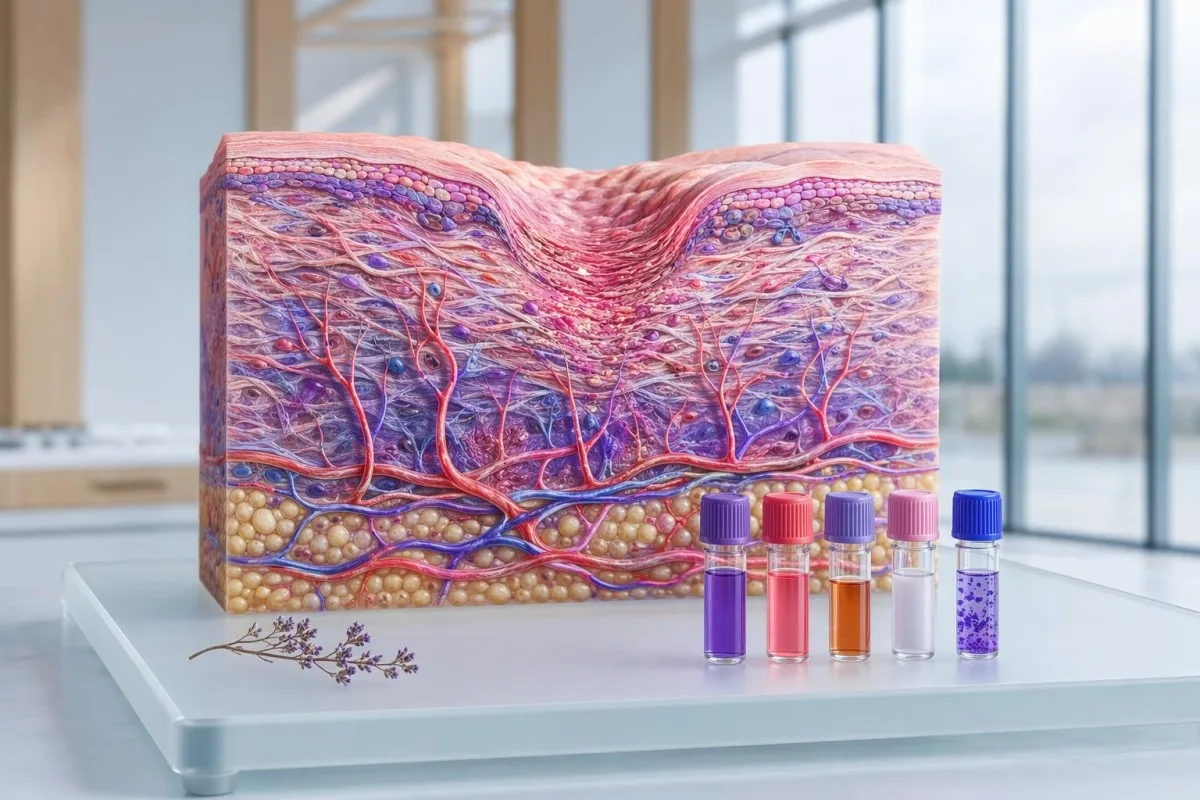
جڏهن ڪٽ، السر، يا جراحي چير بند ٿيڻ کان انڪار ڪري، ڊاڪٽر هڪ ئي “جادوئي” نتيجي بدران نمونن (patterns) ڳوليندا آهن. ڪارآمد اشارا عام طور تي گلوڪوز ڪنٽرول، آڪسيجن کڻڻ جي صلاحيت، پروٽين جي حالت، سوزش (inflammation)، ۽ مدافعتي خطري (immune risk) جي وچ ۾ نظر اچن ٿا.


- ايڇ بي اي 1 سي 6.5% يا ان کان وڌيڪ diabetes جي تشخيص کي سپورٽ ڪري ٿو، ۽ ڪيترائي سرجن elective طريقيڪار کان اڳ وڌيڪ سخت pre-op ڪنٽرول کي ترجيح ڏين ٿا.
- بي ترتيب گلوڪوز (Random glucose) 200 mg/dL کان مٿي ۽ عام علامتن سان diabetes واري رينج جو نتيجو ٿي سگهي ٿو ۽ collagen ٺهڻ کي سست ڪري سگهي ٿو.
- هيموگلوبن مردن ۾ 13 g/dL کان گهٽ يا غير حامله عورتن ۾ 12 g/dL کان گهٽ anemia جو اشارو ڏئي ٿو، جيڪو شفا ڏيندڙ ٽشو تائين آڪسيجن پهچائڻ کي گهٽائي سگهي ٿو.
- فريٽين 30 ng/mL کان گهٽ اڪثر iron deficiency کي سپورٽ ڪري ٿو، پر CRP وڌيل هجي ته ferritin کي غلط طور تي مطمئن ڪندڙ (falsely reassuring) ڏيکاري سگهي ٿو.
- البومين 3.5 g/dL کان گهٽ پروٽين جي خراب حالت، سوزش، گردن جي نقصان (kidney loss)، يا جگر جي بيماري (liver disease) کي ظاهر ڪري سگهي ٿو — صرف غذا نه.
- سي آر پي 10 mg/L کان مٿي اڪثر فعال سوزش يا انفيڪشن جو مطلب هوندو آهي، خاص طور تي جڏهن WBC يا neutrophils به وڌيل هجن.
- ANC 1.5 x 10^9/L کان گهٽ neutropenia آهي، ۽ انفيڪشن جو خطرو 0.5 x 10^9/L کان گهٽ تي تيزي سان وڌي ٿو.
- سيرم زنڪ عام طور تي 70-120 µg/dL جي لڳ ڀڳ رپورٽ ٿيندو آهي، پر zinc deficiency سان لاڳاپيل زخم-شفا جا فيصلا غذا، CRP، albumin، ۽ supplement جي تاريخ کي به شامل ڪرڻ گهرجن.
سست شفا لاءِ عام طور تي پهريان ڪهڙا رت جا ٽيسٽ چيڪ ڪيا ويندا آهن؟
A سست زخم جي شفا لاءِ رت جو ٽيسٽ عام طور تي ھڪ پينل ھوندو آھي، نه ھڪ ئي واحد ٽيسٽ: ڊاڪٽر اڪثر HbA1c يا گلوڪوز، CBC، فيرٽين ۽ آئرن جا اڀياس، البومين يا ڪل پروٽين، CRP يا ESR، گردن ۽ جگر جا مارڪر، ۽ ڪڏهن ڪڏهن زنڪ، وٽامن C، وٽامن D، يا اميون ڳڻپون به چيڪ ڪندا آھن. جيڪڏھن زخم گرم، پکڙجندڙ، کوھرو، يا بدبوءِ وارو آھي، ته ليب جا نتيجا سنڀال ۾ مدد ڪن ٿا — اھي امتحان (exam) جو متبادل نٿا ٿين.
مان ٿامس ڪلين، MD آھيان، ۽ پھريون ڪم جيڪو مان مريضن کي ٻڌايان ٿو اھو ھي آھي: سٺي نموني نظر ايندڙ ليب رپورٽ به خراب مقامي مسئلو مس ڪري سگھي ٿي. پريشر، خراب گردش، سِيوچر جو مواد اندر رهجي وڃڻ، سگريٽ نوشيءَ جو اثر، ايڊيما، يا بار بار ٿيندڙ ٽراما ٽشو کي کليل رکي سگھن ٿا، جيتوڻيڪ CBC ۽ گلوڪوز ٺيڪ نظر اچن.
ڪينٽيسٽي هڪ آهي AI blood test interpretation پليٽ فارم جيڪو ھر نشان لڳل نتيجي کي الڳ خوف طور علاج ڪرڻ بدران، عام زخم-ڀرڻ وارا مارڪر گڏ پڙھي ٿو. اسان جو بائومارڪر گائيڊ نمونن جي سڃاڻپ (pattern recognition) تي ٻڌل آھي، ڇاڪاڻتہ ٿورو گھٽ البومين ۽ وڌيڪ CRP جو مطلب پاڻ ۾ ٿورو گھٽ البومين کان مختلف آھي.
2M+ ملڪن ۾ اپلوڊ ٿيل 127+ ليب رپورٽن جي اسان جي تجزيي ۾، سڀ کان عام مس ٿيل جوڙو اھو آھي: گلوڪوز جي بي ضابطگي سان سرحدي (borderline) انيميا. 118 mg/dL جو فاسٽنگ گلوڪوز ۽ 11.8 g/dL جو ھيموگلوبن شايد ڊرامائي نه لڳي، پر گڏجي اھي اھو سمجھائي سگھن ٿا ته سرجيڪل چير بند ٿيڻ بدران ڇو رينگندو پيو وڃي.
ھڪ عملي شروعاتي سيٽ اھو آھي: CBC سان ڊفرينشل، HbA1c، فاسٽنگ يا رينڊم گلوڪوز، CMP، CRP، ESR، فيرٽين سان ٽرانسفرين سيچوريشن، البومين، ڪل پروٽين، ۽ پيشاب جو تجزيو (urinalysis) جيڪڏھن گردن جي پروٽين وڃائڻ جو شڪ ھجي. مريضن لاءِ جيڪي پڪ ناھن ته نتيجن کي وزٽ لاءِ ڪيئن پيش ڪجي، اسان جو ڊاڪٽر جي ملاقات لاءِ چيڪ لسٽ پکڙيل انگن کي مرڪوز سوالن ۾ تبديل ڪري ٿو.
گلوڪوز ۽ HbA1c زخم جي بندش (wound closure) کي ڪيئن متاثر ڪن ٿا؟
گلوڪوز ۽ HbA1c اڪثر ڪري سست ڀرڻ ۾ سڀ کان وڌيڪ ڪارآمد (highest-yield) ليب ٽيسٽون ھونديون آھن، ڇاڪاڻتہ وڌيڪ شوگر نيوٽروفيل جي ڪارڪردگي، ڪوليجن جي ڪراس-لنڪنگ، ۽ ننڍي رڳن جي رت جي وهڪري کي خراب ڪري ٿي. ADA جي تشخيصي معيارن مطابق 6.5% يا ان کان وڌيڪ HbA1c ڊائبيٽيز جي رينج ۾ آھي، جڏھنتہ 5.7-6.4% پريڊائبيٽيز جي رينج ۾ آھي.
ڊائبيٽيز ۾ ADA Standards of Care—2026 واقف تشخيصي ڪٽ آفز برقرار رکن ٿا: فاسٽنگ پلازما گلوڪوز 126 mg/dL يا ان کان وڌيڪ، 2-ڪلاڪ OGTT گلوڪوز 200 mg/dL يا ان کان وڌيڪ، يا مناسب ٽيسٽنگ تي HbA1c 6.5% يا ان کان وڌيڪ. عملي طور تي، مون کي وڌيڪ ڳڻتي تڏھن ٿيندي آھي جڏھن زخم جي ڪهاڻي ۽ ٽرينڊ (trend) گڏ ملن — مثال طور، 9 مھينن ۾ A1c جو 6.1% کان 7.4% تائين وڌي وڃڻ.
A ذیابيطس زخم جي شفا ۾ سستي جو امتحان عام طور تي HbA1c سان گڏ موجوده گلوڪوز به ھوندو آھي، صرف HbA1c اڪيلو نه. ھڪ مريض جو A1c 6.2% ٿي سگھي ٿو، پر کاڌي کان پوءِ گلوڪوز 220 mg/dL کان مٿي وڌي سگھي ٿو، خاص طور تي اسٽيرائڊز، انفيڪشن، ننڊ ۾ خلل، يا ٽيوب فيڊز کان پوءِ؛ اسان جو ذیابيطس جاچ واري گائيڊ سمجھائي ٿو ته تشخيصي ۽ مانيٽرنگ ٽيسٽون مختلف سوالن جا جواب ڪيئن ڏين ٿيون.
Armstrong، Boulton، ۽ Bus New England Journal of Medicine ۾ نوٽ ڪيو ته ڊائبيٽڪ فوٽ السر بار بار ٿين ٿا ۽ اھي مضبوط طور تي نيوروپٿي، پريشر، ويسڪولر بيماري، ۽ گليسمڪ (glycemic) نمائش کان متاثر ٿين ٿا، صرف شوگر کان نه (Armstrong et al., 2017). اھو فرق اھم آھي، ڇاڪاڻتہ گلوڪوز گھٽائڻ سان اڻ-آف لوڊ ٿيل (unoffloaded) ھيل السر ٺيڪ نه ٿيندو.
جيڪڏھن زخم اسٽيرائڊز شروع ڪرڻ يا وڌائڻ کان پوءِ نظر آيو، ته پڇو ته ڇا ساڳئي ڏينھن جو گلوڪوز يا گھر جو گلوڪوز لاگ چيڪ ڪيو ويو ھو. اسٽيرائڊ سان لاڳاپيل گلوڪوز ڏينھن ۾ بعد ۾ وڌي سگھي ٿو، تنھنڪري 8 وڳي صبح جو نارمل فاسٽنگ گلوڪوز شايد دوپھر واري مسئلي کي مس ڪري ڇڏي؛ جيڪي مريض سڌاري کي ٽريڪ ڪن ٿا، اھي اسان کي 90-ڏينهن A1c منصوبو لاءِ مفيد ڳولي سگھن ٿا.
ڪڏهن HbA1c زخم-شفا جي جائزي (workup) کي گمراه ڪري سگهي ٿو؟
HbA1c گمراهه ڪري سگهي ٿو جڏهن ڳاڙهي رت جي خاني جي حياتي غير معمولي هجي، تازو خون وهڻ ٿيو هجي، آئرن جي کوٽ موجود هجي، يا گذريل 2-3 مهينن اندر ٽرانسفيوژن ٿيو هجي. انهن حالتن ۾، ڪلينشين اڪثر روزا رکيل گلوڪوز، فرڪٽوسامين، CGM ڊيٽا، يا ٻيهر ٽيسٽنگ شامل ڪندا آهن.
HbA1c لڳ ڀڳ 8-12 هفتن جي گليڪيشن کي ظاهر ڪري ٿو، پر اهو اوسط ان فرض تي ٻڌل آهي ته ڳاڙهي رت جا خانا نسبتاً عام حياتي رکن ٿا. آئرن جي کوٽ ڪجهه مريضن ۾ HbA1c کي مٿي ڌڪي سگهي ٿي، جڏهن ته هيمولائسز يا تازو رت جو نقصان ان کي هيٺ ڇڪي سگهي ٿو؛ ثبوت ايترو پيچيده آهي جو مان CBC غير معمولي هجي ته صرف A1c جي بنياد تي زخم بابت فيصلا ڪرڻ کان پاسو ڪريان ٿو.
Kantesti AI HbA1c کي هيموگلوبن، MCV، RDW، ferritin، creatinine، ۽ liver markers جي ڀرپاسي ۾ تفسير ڪري ٿو، ڇاڪاڻتہ اهي ويجها قدر ٻڌائين ٿا ته نمبر تي ڪيترو اعتماد رکڻ گهرجي. اسان جو A1c درستگي جو رهنما کلاسي mismatch ۾ وڌيڪ گهيرو ڪري ٿو: هڪ A1c جيڪو چوي “ٺيڪ آهي” جڏهن ته فنگر اسٽڪ ريڊنگز ٻي ڳالهه ڪن ٿيون.
Fructosamine ۽ glycated albumin مختصر مدي جي گليسميا کي ظاهر ڪري سگهن ٿا، اڪثر ڪري تقريباً 2-3 هفتا، پر گهٽ albumin يا شديد پروٽين نقصان به انهن کي بگاڙي سگهي ٿو. هي انهن مان هڪ علائقو آهي جتي ٽيسٽ جي نالي کان وڌيڪ context اهميت رکي ٿو.
انهن مريضن لاءِ جيڪي continuous glucose monitoring استعمال ڪن ٿا، 180 mg/dL کان مٿي وقت هڪ واحد روزا رکيل گلوڪوز کان وڌيڪ ڪارائتو ٿي سگهي ٿو. جيڪڏهن رات جي ماني کان پوءِ spikes کان پوءِ زخم رڪجي وڃي، ته حل شايد کاڌي جي وقت جي ترتيب، اسٽيرائڊ جي وقت جي ترتيب، انفيڪشن جو علاج، يا دوائن جي ترتيب هجي—نه ڪي ٻيو ڪو اضافو.
CBC ٽشو تائين آڪسيجن پهچائڻ بابت ڇا ظاهر ڪري ٿو؟
CBC هيموگلوبن، ڳاڙهي رت جي خاني جا انڊيڪس، اڇا رت جا سيل، نيوٽروفيلز، ليمفوسائٽس، ۽ پليٽليٽس چيڪ ڪري ٿو—اهي سڀ لاڳاپيل آهن جڏهن ٽشو عام طور تي مرمت نه ڪري رهيو هجي. بالغ مردن ۾ 13 g/dL کان گهٽ يا غير حامله بالغ عورتن ۾ 12 g/dL کان گهٽ هيموگلوبن کي عام طور تي anemia جي تعريف لاءِ استعمال ڪيو ويندو آهي.
آڪسيجن رڳو هڪ سٺي اضافي شيءِ ناهي؛ fibroblasts کي ڪوليجن جي جمع ٿيڻ ۽ بيڪٽيريل قتل لاءِ اها گهرجي. مون هڪ ڀيري هڪ جم-فِٽ 41 سالن جي ماڻهوءَ کي ڏٺو جنهن جي shin تي ضد ڪندڙ ڪٽ هئي ۽ هيموگلوبن 10.9 g/dL هو—مسئلو ٽريننگ جي نظم و ضبط جو نه هو، پر بار بار رت ڏيڻ سبب occult آئرن نقصان جو هو.
MCV لڳ ڀڳ 80 fL کان گهٽ مائڪرو سائيٽوسس جو اشارو ڏئي ٿو، اڪثر آئرن جي کوٽ يا thalassemia trait؛ جڏهن ته MCV 100 fL کان مٿي هجي ته B12، folate، الڪوحل، liver disease، hypothyroidism، يا دوائن سبب macrocytosis جو اشارو ڏئي ٿو. اسان جو انيميا جو نمونو گائيڊ مفيد آهي ڇوتہ صرف هيموگلوبن سبب گهٽ ئي ٻڌائي ٿو.
RDW ليب رينج کان مٿي هجي ته هيموگلوبن گرڻ کان اڳ ئي ملي جلي سيل سائيز ڏيکاري سگهي ٿو. عام MCV سان گڏ هڪ بلند RDW هڪ چالاڪ شروعاتي نمونو ٿي سگهي ٿو؛ اسان جو RDW ۽ MCV گائيڊ ٻڌائي ٿو ته ڪيئن شروعاتي آئرن نقصان، B12 جي کوٽ، ۽ خون وهڻ مان بحالي—سڀ گڏجي هڪ ملي جلي تصوير جهڙو نظر اچي سگهن ٿا.
پليٽليٽس اڪثر آئرن جي کوٽ يا inflammation ۾ 450 x 10^9/L کان مٿي وڌي وين ٿا، ۽ اهو هڪ الڳ بيماري بدران هڪ اشارو ٿي سگهي ٿو. جيڪڏهن پليٽليٽس 150 x 10^9/L کان هيٺ گهٽ هجن، ته ڪلينشين marrow suppression، دوائون، liver disease، وائرل بيماري، يا مدافعتي سببن بابت سوچين ٿا.
ڊاڪٽر سست شفا ۾ ferritin کي CRP سان گڏ ڇو ڏسن ٿا؟
30 ng/mL کان گھٽ فيريٽن اڪثر ڪري لوهه جي کوٽ جي حمايت ڪري ٿو، پر فيريٽن سوزش دوران وڌي سگهي ٿو ۽ گهٽ استعمال لائق لوهه کي لڪائي سگهي ٿو۔. ان ڪري ئي ڪلينشين اڪثر فيريٽن کي CRP، ٽرانسفرين سيچوريشن، سيرم آئرن، ۽ TIBC سان گڏ ڏسن ٿا۔.
75 ng/mL جو فيريٽن هڪ صحتمند شخص ۾ اطمينان بخش ٿي سگهي ٿو، پر CRP 48 mg/L رکندڙ ڪنهن ماڻهو ۾ گمراهه ڪندڙ ٿي سگهي ٿو۔ جڏهن CRP بلند هجي ته فيريٽن جزوي طور acute-phase reactant وانگر عمل ڪري ٿو، تنهنڪري مان ٽرانسفرين سيچوريشن ۽ ڪلينڪل ڪهاڻيءَ تي وڌيڪ ڌيان ڏيان ٿو۔.
ڪينٽيسٽي هڪ آهي AI-powered رت جي ٽيسٽ تجزيي جو اوزار جيڪو فيريٽن، سيرم آئرن، TIBC، ٽرانسفرين سيچوريشن، RDW، MCV، ۽ CRP کي هڪ گڏيل ڪلستر طور جائزو وٺي ٿو۔ لوهه جي binding capacity ۽ سيچوريشن جي وڌيڪ کوجنا لاءِ ڏسو اسان جو لوھ جي مطالعي جي ھدايت.
تقريباً 20% کان هيٺ ٽرانسفرين سيچوريشن اڪثر ڪري محدود گردش ڪندڙ لوهه جي دستيابيءَ جو اشارو ڏئي ٿي، جيتوڻيڪ فيريٽن واضح طور تي گهٽ نه هجي۔ سوزشي زخمَن ۾ ڪلينشين ڪڏهن ڪڏهن ان کي functional iron deficiency چون ٿا: لوهه شايد محفوظ هجي، پر اهو ڳاڙهن رت جي خاني جي پيداوار ۽ ٽشو مرمت لاءِ آسانيءَ سان دستياب نه هوندو آهي۔.
صرف ان ڪري اعليٰ دوز وارو لوهه شروع نه ڪريو جو زخم سست آهي۔ لوهه قبض کي وڌائي سگهي ٿو، پاخاني جو رنگ لڪائي سگهي ٿو، ۽ اعليٰ فيريٽن يا hemochromatosis جي خطري وارن ماڻهن ۾ مونجهارو پيدا ڪري سگهي ٿو؛ اسان جو فيريٽن ۽ CRP بابت مضمون سوزش واري “trap” کي وڌيڪ تفصيل سان بيان ڪري ٿو۔.
albumin ۽ total protein مرمت لاءِ “فيول” بابت ڇا چون ٿا؟
3.5 g/dL کان گهٽ البومين وڌيڪ زخم جي خطري جو سگنل ڏئي سگهي ٿو، پر اهو خالص غذائيت جو مارڪر ناهي۔. گهٽ البومين سوزش، گردن مان پروٽين جو نقصان، جگر جي بيماري، فلوئڊ اوورلوڊ، يا پروٽين جي اڻپوري خوراڪ سبب ٿي سگهي ٿو۔.
عام البومين اڪثر تقريباً 3.5-5.0 g/dL هوندو آهي، ۽ ڪل پروٽين ليب جي حساب سان اڪثر 6.0-8.3 g/dL جي لڳ ڀڳ هوندو آهي۔ جڏهن البومين 2.8 g/dL هجي، مان edema، پيشاب ۾ پروٽين، دست، جگر جا اينزائم، بک، تازو اسپتال ۾ داخل ٿيڻ، ۽ ڇا مريض چانهه ۽ ٽوسٽ تي گذارو ڪري رهيو آهي—انهن بابت پڇان ٿو۔.
Prealbumin تيزيءَ سان بدلجي ٿو، اڪثر 2-3 ڏينهن ۾، پر اهو سوزش ۽ گردن جي بيماريءَ ۾ تيزيءَ سان گهٽجي ٿو، تنهنڪري اهو شديد بيماريءَ دوران غذائي کوٽ کي وڌائي ڏيکاري سگهي ٿو۔ جيڪڏهن CRP بلند هجي ته گهٽ prealbumin شايد رڳو جسم جي stress response جو زور سان ڳالهائڻ هجي۔.
اسان جا طبي جائزو وٺندڙ Kantesti غذائيت بابت سوال تجويز ڪرڻ کان اڳ البومين کي globulin، A/G ratio، creatinine، پيشاب ۾ پروٽين، ALT، AST، bilirubin، ۽ CRP سان ڀيٽين ٿا۔ serum proteins گائيڊ بيان ڪري ٿو ته گهٽ ڪل پروٽين ۽ گهٽ البومين ڇو مختلف follow-up رستن ڏانهن اشارو ڪن ٿا۔.
ڪيترن ئي مرمت ڪندڙ (healing) مريضن لاءِ هڪ ڪارآمد هدف تقريباً 1.2-1.5 g/kg/day پروٽين آهي، پر گردن جي بيماري، جگر جي بيماري، ۽ ناتواني (frailty) منصوبي کي تبديل ڪن ٿا۔ جيڪڏهن مريض جو وزن 70 kg آهي ته اهو اڪثر 84-105 g/day ٿيندو، جيڪو هڪ ئي “هيروڪ ڊنر” بدران مانيءَ ۾ ورهائي کائڻ گهرجي۔.
zinc، vitamin C، يا vitamin D ڪڏهن چيڪ ٿيڻ گهرجن؟
زنڪ، وٽامن سي، ۽ وٽامن ڊي عام طور تي سست شفا لاءِ ٻئي درجي جا ٽيسٽ هوندا آهن، جيڪي تڏهن آرڊر ڪيا ويندا آهن جڏهن غذا جو خطرو، مالابسورپشن، بيريئٽرڪ سرجري، دائمي دست، شراب جو استعمال، يا ڊگهي عرصي تائين سخت پابنديءَ واري کائڻ جي عادت موجود هجي. سيرم زنڪ اڪثر ڪري لڳ ڀڳ 70-120 µg/dL جي حد ۾ رپورٽ ٿيندو آهي، پر ان جي تشريح نازڪ (fragile) هوندي آهي.
زنڪ جي کوٽ سان زخم جي شفا ۾ دير خدشا حقيقي آهن، پر رت جو ٽيسٽ مڪمل نه آهي، ڇاڪاڻ ته سيرم زنڪ سوزش دوران ۽ ماني کائڻ کان پوءِ گهٽجي ويندو آهي. CRP 60 mg/L سان گهٽ زنڪ شايد مجموعي جسماني کوٽ (total-body depletion) بدران ايڪٽ-فيسٽ ري ڊسٽريبيوشن (acute-phase redistribution) ظاهر ڪري.
Wilkinson ۽ Hawke جي Cochrane ريويو ۾ زباني زنڪ بابت آرٽيريل ۽ وينس ليگ السر (leg ulcers) لاءِ محدود ثبوت مليا ته معمولي طور زنڪ جو علاج تڏهن ئي فائديمند آهي جڏهن کوٽ ممڪن هجي يا دستاويز ٿيل هجي (Wilkinson & Hawke, 2014). اهو ئي منهنجي ڪلينڪل تجربي سان ٺهڪي اچي ٿو: زنڪ ڪجهه واضح طور تي کوٽ وارن مريضن ۾ مدد ڪري ٿو، پر اهو هر زخم کي بند ڪرڻ واري عالمگير گولي (universal wound-closing pill) ناهي.
وٽامن سي جي کوٽ وڌيڪ ممڪن ٿي ويندي آهي جڏهن نِيلن تي ڪارا نشان (bruising)، مسڙن جا مسئلا (gum problems)، تمام گهٽ ميوو ۽ ڀاڄين جو استعمال، سگريٽ نوشي، شراب نوشي، کائڻ جون بيماريون (eating disorders)، يا ڊائليسس (dialysis) هجي. پلازما وٽامن سي تقريباً 11 µmol/L کان گهٽ اڪثر ڪري کوٽ جي حمايت لاءِ استعمال ٿيندي آهي؛ اسان جو وٽامن سي گائيڊ انهن اسڪيورٽي (scurvy) جي نشانين بابت ٻڌائي ٿو جيڪي مريض اڃا به 2026 ۾ مس ڪري ڇڏين ٿا.
وٽامن ڊي پاڻمرادو زخم کي “سيل” نٿو ڪري، پر 25-OH وٽامن ڊي 20 ng/mL کان گهٽ سج جي گهٽ نمائش، مالابسورپشن، موٽاپي، يا اونداهي سياري واري موسم وارن ماڻهن ۾ عام آهي. جيڪڏهن زنڪ سپليمينٽ ڪيو پيو وڃي، ته ڪاپر (copper) جو خيال رکو؛ اسان جو زنڪ ڊوزنگ گائيڊ ٻڌائي ٿو ته ڊگهي عرصي تائين وڌيڪ مقدار وارو زنڪ ڪاپر کي هيٺ ڇو ڌڪي سگهي ٿو.
ڪهڙا ليب نتيجا انفيڪشن يا فعال سوزش (active inflammation) جو اشارو ڏين ٿا؟
CRP، ESR، WBC ڳڻپ، نيوٽروفيلز، ۽ ڪڏهن ڪڏهن پروڪيلسِٽونِن (procalcitonin) ڊاڪٽرن کي اهو سمجهڻ ۾ مدد ڏين ٿا ته سوزش يا انفيڪشن سست شفا ۾ ڪيترو حصو وٺي رهيا آهن. CRP 10 mg/L کان مٿي اڪثر فعال سوزش ڏيکاري ٿو، جڏهن ته 100 mg/L کان مٿي قدر اهم انفيڪشن، ٽراما (trauma)، يا سخت سوزشي بيماري بابت ڳڻتي وڌائين ٿا.
WBC عام طور تي بالغن ۾ لڳ ڀڳ 4.0-11.0 x 10^9/L هوندو آهي، جيتوڻيڪ هر ليب مختلف ٿي سگهي ٿي. عام WBC انفيڪشن کي خارج نٿو ڪري، خاص طور تي وڏن عمر وارن ماڻهن ۾، اسٽيرائڊز وٺندڙن ۾، ڪيموٿيراپي مريضن ۾، يا ذیابيطس وارن ۾.
ESR آهستي وڌي ۽ آهستي گهٽجي ٿو، تنهنڪري ايڪٽ ٽرگر بهتر ٿيڻ کان پوءِ به اهو ڪيترن ئي هفتن تائين بلند رهي سگهي ٿو. CRP عام طور تي تيزيءَ سان بدلجي ٿو؛ اسان جو CRP ٽائمنگ گائيڊ ٻڌائي ٿو ته ESR جي پڪڙڻ کان اڳ گهٽ ٿيندڙ CRP ڊاڪٽرن کي ڇو تسلي ڏئي سگهي ٿو.
پروڪيلسِٽونِن ڪجهه بيڪٽيريل انفيڪشن جي فيصلن ۾ مدد ڪري سگهي ٿو، خاص طور تي سسٽمڪ بيماري ۾، پر اهو زخم جو سواب (wound swab) ناهي ۽ هر ڳاڙهي چيري (red incision) لاءِ بي ڌياني سان استعمال نه ٿيڻ گهرجي. ڳاڙهي علائقي جو پکڙجڻ، بخار، وڌندڙ درد، يا نئين مونجهاري (new confusion) لاءِ ساڳئي ڏينهن جائزو (same-day assessment) ضروري آهي، جيتوڻيڪ ڪالهه جو CRP صرف 18 mg/L هو.
Kantesti AI اهڙيون گڏيل حالتون نشاندهي ڪري ٿو جهڙوڪ اعليٰ CRP سان گڏ نيوٽروفيليا (neutrophilia) ۽ وڌندڙ گلوڪوز، ڇاڪاڻ ته انفيڪشن شوگر وڌائي سگهي ٿي ۽ شوگر انفيڪشن ڪنٽرول کي خراب ڪري سگهي ٿي. مريض جيڪي CRP کي hs-CRP سان ڀيٽين ٿا، انهن کي اسان جو CRP ٽيسٽ فرق پڙهڻ گهرجي، ان کان اڳ جو سمجهن ته دل جي خطري واري ٽيسٽ (heart-risk assay) زخم واري سوال جو جواب ڏئي ٿي.
جڏهن زخم بار بار ٻيهر کلي رهيا هجن ته ڪهڙا مدافعتي (immune) رت جا ٽيسٽ اهم آهن؟
معمولي سست شفا واري ڪم اپ ۾ سڀ کان ڪارآمد مدافعتي (immune) اشارا آهن: absolute neutrophil count، lymphocyte count، جڏهن ضرورت هجي ته immunoglobulins، ۽ چونڊيل مريضن ۾ CD4/CD8 ٽيسٽنگ. ANC 1.5 x 10^9/L کان گهٽ هجي ته اها نيوٽروپينيا (neutropenia) آهي، ۽ انفيڪشن جو خطرو 0.5 x 10^9/L کان گهٽ ٿيڻ تي نمايان طور وڌي وڃي ٿو.
سيڪڙو گمراهه ڪري سگهن ٿا. 42% جو نيوٽروفيل سيڪڙو گهٽ لڳي سگهي ٿو، پر جيڪڏهن WBC 8.0 x 10^9/L هجي، ته ANC اڃا به تقريباً 3.4 x 10^9/L هوندو، جيڪو عام طور تي ڪافي هوندو آهي.
تقريباً 1.0 x 10^9/L کان هيٺ ليمفوپينيا اسٽيرائڊز، وائرل انفيڪشنز، غذائي کوٽ، ڪيموٿراپي، آٽو اميون بيماري، يا وڌيل عمر کان پوءِ ظاهر ٿي سگهي ٿي. جڏهن بار بار انفيڪشنز سست شفا سان گڏ ٿين ٿا، اسان مدافعت جي جاچ لاءِ رهنمائي ڏيکاري ٿي ته ڪڏهن ڪلينشين معياري CBC کان اڳتي وڃن ٿا.
امونگلوبولين اهم ٿين ٿا جڏهن ڪهاڻي ٺهڪي اچي: بار بار سينوس انفيڪشنز، غير معمولي جاندار، ويڪسين جو خراب جواب، يا گهٽ پروٽين سان دائمي دست. ڪنهن ٻي صورت ۾ صحتمند شخص ۾ هڪ واحد گهٽ-عام IgG، مدافعت جي گهٽتائي جهڙو نه آهي.
Kantesti جو نيورل نيٽ ورڪ نيوٽروفيلز جي گهٽتائي کي مختلف نموني سان سمجهي ٿو جڏهن دوائون جهڙوڪ ميٿوٽريڪسيت، اينٽي ٿائرائڊ دوائون، ڪلوزاپين، يا ڪيموٿراپي صارف جي حوالي سان موجود هجن. انهن مريضن لاءِ جيڪي پهريون ڀيرو ANC جو نشان ڏسن ٿا، اسان گهٽ نيوٽروفيل گائيڊ خوف کان سواءِ حدون (cutoffs) سمجهايو ٿا.
گردن (kidney)، جگر (liver)، ۽ thyroid جا ليب ٽيسٽ تصوير ۾ ڇو اچن ٿا؟
گردن، جگر، ۽ ٿائرائڊ جا ليب ٽيسٽ اهم آهن ڇو ته اهي پروٽين جي توازن، مايع جي حالت، ميٽابولزم، دوائن جي حفاظت، ۽ انيميا جي خطري کي شڪل ڏين ٿا. سست شفا اڪثر ڪري صرف TSH، ڪريئٽينين، يا ALT سان وضاحت نه ٿيندي آهي، پر غير معمولي نتيجا سڄي منصوبي کي تبديل ڪري سگهن ٿا.
ڪريئٽينين ۽ eGFR ڪلينشين کي فيصلو ڪرڻ ۾ مدد ڏين ٿا ته سوڄ، خراب صفائي (clearance)، يا دوائن جي ڊوزنگ زخم جي مسئلي جو حصو آهي يا نه. 3 مهينن يا وڌيڪ لاءِ eGFR 60 mL/min/1.73 m² کان گهٽ هجي ته دائمي گردن جي بيماري جي حمايت ڪري ٿو جيڪڏهن اهو برقرار رهي، ۽ پيشاب جو البومين شروعاتي گردن جي پروٽين نقصان کي ظاهر ڪري سگهي ٿو.
جگر جا مارڪر اهم آهن ڇو ته البومين، ڪلوٽنگ فيڪٽرز، مدافعت وارا پروٽين، ۽ ڪيترن ئي دوائن جا رستا جگر مان گذرن ٿا. ليب رينج کان مٿي ALT جگر جي سيلن جي زخمي ٿيڻ جو اشارو ڏئي سگهي ٿو، پر اعليٰ INR سان گڏ گهٽ البومين ننڍڙي اينزائم وڌڻ بدران گهٽيل synthetic function ڏانهن اشارو ڪري سگهي ٿو.
TSH چيڪ ڪرڻ لائق آهي جڏهن سست شفا ٿڌ برداشت نه ٿيڻ (cold intolerance)، قبض، ڳرا مهينا (heavy periods)، برڊي ڪارڊيا، وڌيڪ ڪوليسٹرول، يا اڻڄاتل ٿڪ سان گڏ نظر اچي. اسان TSH رينج گائيڊ ٻڌائي ٿو ته هڪ شخص ۾ سرحدي ٿائرائڊ نتيجو ڇو معنيٰ رکي سگهي ٿو ۽ ٻئي ۾ شور (noise) ڇو ٿي سگهي ٿو.
مان اڪثر اهو سرجري کان پوءِ ڏسان ٿو: هلڪو گردن جو تڪليف، گهٽ البومين، ۽ وڌيل گلوڪوز سڀ 1-2 هفتن تائين گڏ هلن ٿا. سخت اسپتال ۾ داخل ٿيڻ کان پوءِ هڪ ڀيرو غير معمولي پينل کي فوري طور دائمي بيماري جو ليبل ڏيڻ بدران رجحان (trend) جي جائزي جي ضرورت ٿي سگهي ٿي.
ڪهڙا دوائن ۽ طرزِ زندگي جا نمونا ليبز کي تبديل ڪن ٿا؟
اسٽيرائڊز، ڪيموٿيراپي، اميونوسپريسنٽس، اينٽي ڪوئگولنٽس، سگريٽ نوشيءَ جو اثر، گهڻي شراب نوشي، ۽ گهٽ کائڻ سڀ زخم جي شفا جي ليب ٽيسٽن کي تبديل ڪري سگهن ٿا. دوائن جي فهرست اڪثر ڪري ڪنهن ٻئي ناياب ٽيسٽ کان وڌيڪ تيزيءَ سان هڪ الجهيل پينل کي سمجهائي ٿي.
پريڊنيسون ڪجهه ڏينهن اندر گلوڪوز وڌائي سگهي ٿي، ايسينو فِلز گهٽائي سگهي ٿي، ڊيمارجينيشن ذريعي نيوٽروفيلز وڌائي سگهي ٿي، ۽ بخار کي دٻائي سگهي ٿي. 40 mg/day تي مريض کي انفيڪشن ٿي سگهي ٿي، پر اسان جي توقع مطابق اهو “کلاسيڪ” ليب ڊراما نه ڏيکاري.
ميٿوٽريڪسيت، ايازٿائوپرين، بايولوجڪس، ڪيموٿيراپي، ۽ ڪجهه اينٽي بايوٽڪس ڳڻپ گهٽائي سگهن ٿا يا جگر جا مارڪر تبديل ڪري سگهن ٿا. ڊگهي مدي واري دوائن تي مريضن کي اسان جي دوا جي نگراني جو ٽائيم لائن مان فائدو ٿي سگهي ٿو، ڇاڪاڻتہ دوز تبديل ٿيڻ کان 2 ڏينهن پوءِ ڪڍيل نتيجو اسٽيڊي اسٽيٽ تي ڪڍيل نتيجي کان مختلف ڪهاڻي ٻڌائي سگهي ٿو.
سگريٽ نوشي ۽ نيڪوٽين ٽشو تائين آڪسيجن جي پهچ ۽ مائڪرو ويسڪولر فنڪشن گهٽ ڪن ٿا، ۽ اهي انيميا بدران وڌيڪ هيموگلوبن يا هيماتوڪريٽ سان گڏ به ٿي سگهن ٿا. سگريٽ نوشين ۾، 16.8 g/dL جو هيموگلوبن ٽشو سطح تي بهتر آڪسيجن پهچ جي ضمانت نٿو ڏئي.
شراب غذائيت، جگر جي ڪارڪردگي، پليٽليٽس، ننڊ، ۽ اميون اثرن ذريعي زخم جي شفا کي پيچيده ڪري ٿي. جيڪڏهن MCV بلند هجي، AST، ALT کان وڌيڪ هجي، پليٽليٽس گهٽ هجن، ۽ البومين هيٺ لهي رهيو هجي، ته مان سمجهان ٿو ته شراب جي نمائش بابت سوچڻ گهرجي، ان کان به اڳ جو مريض پاڻ ٻڌائي.
مريضن کي ٻيهر ٽيسٽ (retesting) ۽ ٽرينڊ جائزي (trend review) لاءِ ڪيئن تيار ٿيڻ گهرجي؟
بهترين سست شفا واري ليب جائزي ۾ وقت سان گڏ نتيجن جو مقابلو شامل هوندو آهي، ممڪن هجي ته ساڳين يونٽن سان، ۽ انفيڪشن، سرجري جي تاريخ، دوائون، فاسٽنگ جي حالت، ۽ سپليمنٽس جو ذڪر ڪيو ويندو آهي. هڪ واحد غير معمولي قدر 4-12 هفتن جي نموني کان گهٽ ڪارائتو آهي.
26 جون 2026 تائين به، مان اڃا ڏسان ٿو ته مريض اسڪرين شاٽس سان اچن ٿا پر تاريخون، يونٽس، ۽ دوائن جو پس منظر نه هوندو آهي. اهو 42 ng/mL جو فيريٽين، 9 mg/L جو CRP، يا 3.3 g/dL جو البومين سمجهڻ کي تمام گهڻو ڏکيو بڻائي ٿو.
ڪينٽيسٽي هڪ آهي AI بايو مارڪر تشريحي پليٽ فارم جيڪو اپلوڊ ٿيل PDFs يا تصويرن کي لڳ ڀڳ 60 سيڪنڊن ۾ ڀيٽي سگهي ٿو، پوءِ گلوڪوز، CBC indices، فيريٽين، البومين، ۽ سوزش واري مارڪرز ۾ رجحان ڏيکاري ٿو. اسان جي ٽرينڊ اينالائسز گائيڊ ٻڌائي ٿي ته ڇو سست ڦيرڦار اڪثر هڪ واحد “ريڊ فليگ” کان وڌيڪ اهميت رکي ٿي.
ٻيهر ٽيسٽ ڪرڻ کان اڳ، اينٽي بايوٽڪس، اسٽيرائڊز، آئرن، زنڪ، وٽامن C، پروٽين سپليمنٽس، تازو ورزش، بخار، حيض واري خونريزي، ۽ ڇا نمونو فاسٽنگ ۾ ڪڍيو ويو هو—لکي ڇڏيو. اسان جي ليب نتيجن جو ٽريڪر مريضن کي هڪ سادي جوڙجڪ ڏئي ٿي جيڪا اپائنٽمينٽ ۾ 5-10 منٽ بچائي ٿي.
جيڪڏهن نتيجو انتهائي غير مطابقت وارو لڳي — جهڙوڪ علامتن کان سواءِ WBC اوچتو 28 x 10^9/L، مشڪل نمونو ڪڍڻ کان پوءِ پوٽاشيم خطرناڪ حد تائين وڌي وڃي، يا البومين رات جو 1.0 g/dL تبديل ٿي وڃي — ته پڇو ته ڇا ٻيهر ٽيسٽ ڪرڻ مناسب آهي يا ليب جي غلطي واري جائزي جي ضرورت آهي. اسان جي ليب جي غلطيءَ جي چڪاس انهن نمونن کي ڍڪي ٿي جن کي ٻيهر نظر سان ڏسڻ گهرجي.
ڪڏهن سست شفا فوري طبي جائزي (urgent medical review) جو اشارو ڏئي ٿي؟
زخم جي سست شفا کي فوري جائزي جي ضرورت آهي جيڪڏهن لالائي پکڙجي رهي هجي، درد وڌي رهيو هجي، بخار ٿئي، ڪارو ٽشو ظاهر ٿئي، ڊرينج وڌي وڃي، گلوڪوز تمام گهڻو هجي، يا زخم وڌيڪ گهرا ڍانچا ظاهر ڪري. ليبز خطري جي ٽرائيج ۾ مدد ڪن ٿيون، پر زخم پاڻ ئي تڪڙ جو فيصلو ڪري ٿو.
ساڳئي ڏينهن ڪال مناسب آهي جيڪڏهن بخار 38°C کان مٿي هجي، لالائي تيزيءَ سان وڌي رهي هجي، نئين مونجهاري جي حالت هجي، شديد درد هجي، ڳاڙها ليڪون (red streaking) نظر اچن، بيماري سان گڏ گلوڪوز 300 mg/dL کان مٿي هجي، يا پوسٽ-سرجري انسيجن کلي وڃي. جيڪڏهن ماڻهو اميونوسپريسنڊ هجي يا کيس ڊائبيٽيز هجي، ته مان حد (threshold) گهٽ ڪريان ٿو.
Kantesti AI زخم جي تشخيص واري سروس ناهي؛ اهو مريضن ۽ ڪلينشن کي زخم جي حوالي سان ليب ڪانٽيڪسٽ سمجهڻ ۾ مدد ڪري ٿو. اسان جا ڪلينڪل حفاظتي معيار طبي تصديق ۽ طبيب جي نگراني ذريعي جائزو وٺيا وڃن ٿا، ڇاڪاڻتہ چمڙي جي امتحان کان سواءِ ليب پينل ڪنهن به خطرناڪ مقامي مسئلي کي ڪڏهن به رد نٿو ڪري سگهي.
غير تڪڙي حالتن لاءِ، سڀ کان تازا 2-3 ليب رپورٽون اپلوڊ ڪريو، زخم شروع ٿيڻ جي تاريخ لکو، ۽ موجوده دوائون ۽ سپليمنٽس جي فهرست ڏيو. اهڙو نمونو جيئن A1c 7.8%، هيموگلوبن 10.6 g/dL، فيريٽين 14 ng/mL، البومين 3.2 g/dL، ۽ CRP 24 mg/L توهان جي ڪلينشن کي “بس اهو شفا نه وٺي رهيو آهي” کان گهڻو وڌيڪ واضح شروعاتي نقطو ڏئي ٿو.”
ٿامس ڪلين، MD، ۽ Kantesti جي طبي ٽيم هن طريقي کي مريض جي دوري کي وڌيڪ درست بنائڻ لاءِ ٺاهيو آهي، ان کي متبادل بڻائڻ لاءِ نه. توهان اسان جي جائزي پويان موجود ڪلينشين بابت وڌيڪ پڙهي سگهو ٿا طبي صلاحڪار بورڊ صفحو.
وچان وچان سوال ڪرڻ
سست زخم جي ڀرڻ لاءِ ڪهڙو رت جو ٽيسٽ بهترين آهي؟
سست زخم جي ڀرڻ لاءِ ڪو هڪ بهترين رت جو ٽيسٽ ناهي؛ ڊاڪٽر عام طور تي هڪ پينل جو حڪم ڏيندا آهن جنهن ۾ HbA1c يا گلوڪوز، differential سان گڏ CBC، فيريٽين ۽ آئرن جا ٽيسٽ، البومين يا ڪل پروٽين، CRP يا ESR، گردن جا مارڪر، ۽ جگر جا مارڪر شامل هوندا آهن. HbA1c جو 6.5% يا ان کان وڌيڪ هجڻ ذيابيطس جي حد واري گلوڪوز جي نمائش کي سهارو ڏئي ٿو، جڏهن ته مردن ۾ 13 g/dL کان گهٽ هيموگلوبن يا غير حامله عورتن ۾ 12 g/dL کان گهٽ هيموگلوبن انيميا جي حمايت ڪري ٿو. زخم جو معائنو اڃا به سڀ کان وڌيڪ اهميت رکي ٿو جڏهن لالائي پکڙجي، بخار ٿئي، يا رطوبت/ڊرينج وڌي وڃي.
ڇا ذیابيطس سبب زخم جي سست شفا ٿيڻ جو سبب بڻجي سگهي ٿي، جيتوڻيڪ HbA1c صرف حدبندي (borderline) هجي؟
ها، ذیابيطس يا پريذیابيطس سست زخم ڀرڻ ۾ مدد ڪري سگھي ٿو جيتوڻيڪ HbA1c صرف حدبنديءَ جي ويجهو هجي، خاص طور تي جيڪڏهن ماني کان پوءِ رت جي شگر جا اُڀار (اسپائڪس) وڌيڪ هجن. HbA1c جو 5.7-6.4% پريذیابيطس جي حد ۾ اچي ٿو، پر هڪ شخص ۾ اڃا به ماني کان پوءِ 180-200 mg/dL کان مٿي گلوڪوز جا چوٽا ٿي سگهن ٿا، اسٽيرائڊز يا انفيڪشن جي صورت ۾. ڪلينيشين HbA1c سان زخم جي ڪهاڻي نه ٺهڪي ته روزو رکيل گلوڪوز، بي ترتيب گلوڪوز، گلوڪوز لاگز، يا CGM ڊيٽا به شامل ڪري سگهن ٿا.
ڇا گهٽ لوهه زخم کي آهستي آهستي ڀرڻ جو سبب بڻجي ٿو؟
گھٽ لوهه سست زخم ڀرڻ ۾ مددگار ٿي سگهي ٿو جڏهن اهو انيميا جو سبب بڻجي يا ٽشوز تائين آڪسيجن جي پهچ کي محدود ڪري. فيريٽين 30 ng/mL کان گهٽ اڪثر لوهه جي کوٽ جي حمايت ڪري ٿي، پر فيريٽين غلط طور تي نارمل يا وڌيڪ ٿي سگهي ٿي جڏهن CRP وڌيل هجي. ڊاڪٽر اڪثر فيريٽين کي ٽرانسفرين سيچوريشن، TIBC، هيموگلوبن، MCV، RDW، ۽ CRP سان گڏ سمجهن ٿا، صرف فيريٽين اڪيلو استعمال ڪرڻ بدران.
ڇا مون کي زخم جي ڀرڻ لاءِ زنڪ جي گهٽتائي جي جاچ ڪرائڻي گهرجي؟
زنڪ جي جاچ مناسب ٿي سگهي ٿي جڏهن سست شفا ٿئي ٿي ۽ غذائي کوٽ، مالابسورپشن، بيريئٽرڪ سرجري، دائمي دست، شراب نوشي، يا ڊگهي عرصي واري پابندي واري غذا هجي. سيرم زنڪ اڪثر 70-120 µg/dL جي لڳ ڀڳ رپورٽ ٿيندو آهي، پر اهو سوزش دوران ۽ کاڌي کان پوءِ گهٽجي سگهي ٿو، تنهنڪري گهٽ قدر هميشه حقيقي کوٽ (deficiency) جو ثبوت نه هوندو آهي. معمولي طور تي اعليٰ مقدار وارو زنڪ ڏيڻ صلاح نه ڏني ويندي آهي، ڇاڪاڻتہ زنڪ جو دائمي اضافو ٽامي (copper) کي گهٽائي سگهي ٿو ۽ انيميا يا اعصابي علامتن کي وڌيڪ خراب ڪري سگهي ٿو.
ڪهڙو CRP ليول هڪ متاثر ٿيل زخم جي نشاندهي ڪري ٿو؟
10 mg/L کان مٿي CRP اڪثر فعال سوزش جي نشاندهي ڪري ٿو، ۽ 100 mg/L کان مٿي قدرن ۾ اهم انفيڪشن، شديد سوزش، صدمو، يا ڪنهن ٻئي وڏي محرڪ جو خدشو وڌي وڃي ٿو. CRP اڪيلو زخم جي انفيڪشن جي تشخيص نٿو ڪري سگهي، ڇاڪاڻتہ سرجري، آٽو اميون بيماري، جلن، ۽ ٻيون حالتون به ان کي وڌائي سگهن ٿيون. بخار سان گڏ خراب ٿيندڙ زخم، پکڙجندڙ لالائي، وڌندڙ درد، يا مونجهارو—CRP صرف ٿورو وڌيل هجي تڏهن به—فوري طبي جائزي جي ضرورت آهي.
ڇا گهٽ البومين جراحي زخم جي ڀرڻ کي سست ڪري سگهي ٿو؟
گھٽ البومين خراب شفا جي خطري سان لاڳاپيل آهي، پر اهو خالص غذائيت جو ٽيسٽ ناهي. 3.5 g/dL کان گهٽ البومين سوزش، گردي مان پروٽين جو نقصان، جگر جي بيماري، سيال جو وڌيڪ جمع ٿيڻ، يا پروٽين جي اڻپوري مقدار کي ظاهر ڪري سگهي ٿو. ڪلينيشين عام طور تي البومين کي CRP، ڪل پروٽين، پيشاب جو پروٽين، جگر جا اينزائم، گردي جي ڪارڪردگي، سوجن (اڊيما)، ۽ غذا جي تاريخ سان گڏ ڪري، غذائي منصوبي جي سفارش ڪرڻ کان اڳ جائزو وٺندا آهن.
سست زخم ڀرڻ ڪڏهن ايمرجنسي هوندو آهي؟
دير سان زخم ڀرڻ تڪڙي بڻجي وڃي ٿو جڏهن لالائي تيزيءَ سان پکڙجي، درد تيزيءَ سان وڌي وڃي، بخار 38°C کان وڌيڪ هجي، رطوبت/ڊرينج وڌي وڃي، ڪارو ٽشو ظاهر ٿئي، سرجري کان پوءِ زخم کلي وڃي، يا بيماريءَ دوران گلوڪوز 300 mg/dL کان مٿي هجي. جن ماڻهن کي ذيابيطس هجي، ڪيموٿراپي هجي، ٽرانسپلانٽ جون دوائون وٺي رهيا هجن، تيز مقدار وارا اسٽيرائڊز هجن، يا نيوٽروفيلز 0.5 x 10^9/L کان گهٽ هجن، انهن کي ساڳئي ڏينهن جي سنڀال لاءِ گهٽ حد (threshold) گهرجي. رت جا ٽيسٽ ٽيج لاءِ مدد ڪري سگهن ٿا، پر اهي زخم کي ڏسندڙ ڪلينشين جو محفوظ متبادل نٿا ٿي سگهن.
ڇا خراب سرڪوليشن زخم جي شفا ۾ دير ڪري سگهي ٿي جيتوڻيڪ منهنجا بلڊ ٽيسٽ معمول تي هجن؟
ها. بلڊ ٽيسٽ سڄي جسم جي رڪاوٽن کي سڃاڻي سگهن ٿا، پر اهي زخم جي سرڪوليشن کي نه ٿا ماپي سگهن. هڪ ڊاڪٽر نبض جو معائنو ڪري سگهي ٿو ۽ ويسڪولر ٽيسٽ arranged ڪري سگهي ٿو؛ ٿڌي، پيلي، نيري، دردناڪ، بي حس، يا ڪاري پير جي صورت ۾ فوري طور تي ڊاڪٽرياڻي سهولت حاصل ڪريو.
جيڪڏهن منهنجو زخم آهستي آهستي ٺيڪ ٿي رهيو آهي ته ڇا ان جو سواب وٺي جانچ (swab) ڪجي يا ڪلچر (cultured) ڪجي؟
زخم جو ڪلچر سڀ کان وڌيڪ ڪارآمد تڏهن هوندو آهي جڏهن انفيڪشن جون نشانيون هجن، جهڙوڪ وڌندڙ ڊرينيج، بدبو، ڳاڙهاڻ، گرمائش، درد، يا بخار. انفيڪشن جون نشانيون کان سواءِ صاف ۽ سڪل زخم جو سواب وٺڻ بي ضرر چمڙي جي بيڪٽيريا کي ڳولي سگهي ٿو ۽ شايد علاج جي رهنمائي نه ڪري.
اڄ ئي AI-طاقتور خون جي جاچ جو تجزيو حاصل ڪريو
دنيا ڀر ۾ 2 ملين کان وڌيڪ استعمال ڪندڙن ۾ شامل ٿيو جيڪي فوري ۽ درست ليب ٽيسٽ تجزيو لاءِ Kantesti تي ڀروسو ڪن ٿا. پنهنجا خون جي جاچ جا نتيجا اپلوڊ ڪريو ۽ سيڪنڊن ۾ 15,000+ بائيو مارڪرز جي جامع تشريح حاصل ڪريو.
📚 حوالا ڏنل تحقيقي اشاعتون
ڪلين، ٽي.، مچل، ايس.، ۽ ويبر، ايڇ. (2026). ڪلين، ٽي. (2026). آئرن اسٽڊيز گائيڊ: TIBC، آئرن سيچوريشن ۽ بائنڊنگ ڪيپيسيٽي. Zenodo. https://doi.org/10.5281/zenodo.18248745. Kantesti AI Medical Research.
ڪلين، ٽي.، مچل، ايس.، ۽ ويبر، ايڇ. (2026). ڪلين، ٽي. (2026). aPTT نارمل رينج: D-Dimer، پروٽين سي بلڊ ڪلاٽنگ گائيڊ. Zenodo. https://doi.org/10.5281/zenodo.18262555. Kantesti AI Medical Research.
📖 ٻاهرين طبي حوالا
آمريڪن ڊائبٽيز ايسوسيئيشن پروفيشنل پريڪٽس ڪميٽي (2026). ڊايبٽيز ۾ سنڀال جا معيار-2026. Diabetes Care.
⚕️ طبي دستبرداري
هي آرٽيڪل صرف تعليمي مقصدن لاءِ آهي ۽ طبي مشورو نٿو بڻجي. تشخيص ۽ علاج جي فيصلن لاءِ هميشه ڪنهن قابل صحت فراهم ڪندڙ سان صلاح ڪريو.
E-E-A-T اعتماد جا سگنل
تجربو
ڊاڪٽر جي نگرانيءَ هيٺ ليبارٽري نتيجن جي تشريح واري عمل جو جائزو.
ماهر
ليبارٽري دوائن جو ڌيان ان ڳالهه تي ته بايو مارڪرز ڪلينڪل حوالي سان ڪيئن رويو ڏيکارين ٿا.
اختيار
ڊاڪٽر ٿامس ڪلين لکيو، ۽ ڊاڪٽر ساره مچل ۽ پروف. ڊاڪٽر هانس ويبر طرفان جائزو ورتل.
اعتبار
ثبوتن تي ٻڌل تشريح، جنهن سان خبرداري گهٽائڻ لاءِ واضح پيرويءَ جا رستا موجود هجن.