Las resèrvas de fèrre pòdon davalar plan avans que la CBC devenga anormala. La question utila es pas simplament se la ferritina es bassa, mas se lo tipe complet e vòstres simptòmas indiquen una deficiença de fèrre tractabla.



- Deficita iniciala pòt causar de fatiga, una tolerància redusida a l'exercici, de jàças inquietas e de pèrda de cabel abans que l'emoglobina davale.
- Ferritina jos 15 ng/mL es fòrça especifica de las resèrvas de fèrre esgotadas per personas sanas.
- Ferritina jos 30 ng/mL sosten generalament la deficiença de fèrre quand i a pas d'inflamacion activa.
- saturacion de transferrina jos 20% renfòrça lo cas d'un fèrre circulant insufisent.
- Hemoglobina normala non descarta pas la deficiença de fèrre sens anèmia.
- La ferritina es una proteïna de la fasa aguda e pòt paréisser falsament rassuranta pendent una infeccion, obesitat, malautiá del fetge, o activitat autoimmuna.
- Càtas negras, pèrda de pes, dificultat per empassar, o nova deficiença de fèrre après la menopausa demandan una avaloracion medicala prompta.
- Dòsis de fèrre elemental oral de 40-65 mg cada dos jorns son sovent melhor toleradas que de dòsis diàrias mai importantas.
Las resèrvas de fèrre esgotadas pòdon-las causar de simptòmas abans l'anèmia?
O—los simptòmas d'una ferritina bassa pòdon aparéisser mentre que l'emoglobina demòra normala. Lo fèrre es necessari non solament per l'emoglobina mas tanben per la produccion d'energia musculara, la senhalizacion dopaminergica del cervèl, e divèrsas enzims; una CBC normala provèt donc pas que l'aport de fèrre siá adegat.
En clinica, vei sovent una ferritina de 8-20 ng/mL associada a una emoglobina normala en personas que signalan una novèla fatiga, una recuperacion lenta aprés la corsa, una pèrda de cabeladura, o un sindròm de las cambas sens repaus. L'associacion es plausibla e sovent clinicament utila, mas es pas una pròva: la manca de sòm, las malautiás tiroidianas, la depression, la deficiença de B12, e la carga d'entraïnament pòdon produir los meteisses simptòmas. Encantaments de ferritina en las femnas an besonh d'edat, d'istorial menstrual, e de contèxte de laboratòri.
La ferritina es la principal proteïna de depaus de fèrre intracellulària, doncas qu'un resultat bas indica generalament un depaus de fèrre bas abans que la produccion de globuls rocs siá restrencha. Una ferritina inferiòra a 15 ng/mL indica fòrtament de depauses absents o quasi absents en adults sants, mentre que mantun clinician investigan los pacients sintomatics jos los 30 ng/mL. Sòc Thomas Klein, MD, e segon mon experiéncia, la cronologia dels simptòmas melhora sovent mai lentament que lo resultat de laboratòri.
Kantesti es un Analizador de tèst de sang d'IA que legís la ferritina amb l'emoglobina, lo MCV, la saturacion de la transferrina, la CRP, e los resultats precedents puslèu que d'atribuir un diagnostic a un sol signe isolat. Dempuèi lo 9 de setembre de 2026, aquela lectura basada sus un patron es especialament utila quand un rapòrt qualifica la ferritina de “normala” malgrat una valor pròcha de la limita inferiora. Qu'inclutz una CBC explica perqué una CBC sola pòt mancar una demplecion precòça.
Qu'es que mesura la ferritina — e perqué lo nombre es pas tota l'istòria
La ferritina estèma lo fèrre depausat, pas lo fèrre immediatament disponible per los teissuts. Una ferritina bassa es de costuma clara; una ferritina normala o auta pòt èsser engaishosa quand l'inflamacion l'aumenta independentament dels depauses de fèrre.

Una valor de ferritina inferiòra a 30 ng/mL (µg/L) indica generalament una deficiença de fèrre en adults sens inflamacion, mentre que l'Organizacion Mondiala de la Sant utilisa mens de 15 ng/mL coma seuda per los depauses esgotats en adults aparentament sants. Los laboratòris pòdon fixar de limitas de referéncia femenin fins a 10-15 ng/mL, que descriu la distribucion de la populacion puslèu qu'una garantia de fisiologia sens simptòmas. Nòstres estudis de fèrre guidan cobrís los marcaires companhons.
La ferritina aumenta aprés un eveniment d'endurança dur, amb una lesion hepatica relacionada a l'alcòl, una malautiá metabolica, una infeccion, e una activitat autoimmuna. Es per aquò que tranquilizi pas un pacient amb una ferritina de 65 ng/mL, una CRP de 18 mg/L, una saturacion de la transferrina de 12%, e un historial de periodas abondosas; lo patron combinat pòt totjorn reflèctar una disponibilitat de fèrre restrencha. Snook et al. (2021) conselhan de faiçon similara d'interpretar la ferritina amb lo contèxte clinic e d'autres indèxes de fèrre.
Kantesti es un plataforma d’interpretacion d’analisi de sang d’AI que compara lo resultat de ferritina amb lo fèrre, la capacitat totala de ligason del fèrre, la saturacion, los indèxes de globuls roges, e los marcaires d'inflamacion dins lo meteis rapòrt. Aquò empacha un error comun: tractar lo fèrre seric, que varia substancialament segon l'ora del jorn e l'ingestion recenta, coma un substitut dirècte del fèrre depausat. Guida de referéncia dels biomarcadors que pòt ajudar los legedors a identificar lo test exacte de lor rapòrt.
Signes primaris comuns de resèrvas de fèrre bassas
Los simptòmas mai comuns de fèrre bas son la fatiga, la reduccion de la concentracion, la bassa capacitat d'esfòrç, la pèrda de cavèl e lo sindròm de las cambas inquietas. Aqueles simptòmas son reaus mas non especifics, doncas lor valor aumenta quand apareisson amb un fèrre de mens de 30 ng/mL e un istoric compatible.

La fatiga provocada per de resèrvas de fèrre bassas es sovent descricha coma una pèrda de resèrva puslèu que de somnoléncia: los escalièrs semblan desproporcionadament difisils, un entraïnament habitual ven plat, o la concentracion de la après-miègjorn caca. Dins un ensag de BMJ de 2003, Verdon e al. an trobat que las femnas non anemicas amb una fatiga inexplicabla avián un benefíci de fatiga modest de 80 mg de fèrre oral cada jorn, concentrat entre aqueles que avián un fèrre a 50 µg/L o mens. Aquela estuda ne vòl pas dire que tot lo monde amb de cansament a besonh de fèrre.
Lo sindròm de las cambas inquietas es una de las associacions mai accionablas. Las guidas internacionalas sus las cambas inquietas consideron comunament lo remplaçament de fèrre quand lo fèrre es de 75 ng/mL o mens e la saturacion de la transferrina es de mendre de 45%, que la gestion del fèrre del cervèl es diferenta de l'apòrt circulant d'emoglobina. Un nòu desconfort de camba merita totjorn un revisetament medicós e neurologic; aquò es pas automaticament una deficit de fèrre. Causas de suplementacion focalizats sus la fatiga devon començar per una causa, pas per una lista de crompa.
La pèrda de cavèl pòt acompanhar un deficit de fèrre, particularament una pèrda difusa de fasa telogèna 2-3 meses aprèp un factor estressant fisiologic, mas las pròvas d'un objectiu universal de fèrre per la repausada del cavèl son francament mires. Je verifici lo fèrre amb lo TSH, la B12, lo zinc quand es indicat, l'apòrt de proteïnas, e las malautias recentas. Tests sanguins per de problèmas de ongles son pertinents que los ongles fragils e los problèmas de cavèl se solapan sovent.
Perqué los simptòmas pòdon arribar quand l'emoglobina es normala
L'emoglobina pòt demorar normala per que lo còs prioritiza la produccion de globuls roges quand las resèrvas de fèrre demenison. Los teissuts amb una demanda energetica auta pòdon notar una disponibilitat de fèrre limitada abans que la CBC passe un sevil d'anemia.
Lo fèrre sosten las ensims mitocondrials e la mioglobina dins lo muscle esqueletic, doncas una tolerància reduita a l'esfòrç pòt apparéisser sens anemia. Una emoglobina de 13,1 g/dL e un fèrre de 9 ng/mL es pas anemia en la màger part de las femnas adultas, mas es una explicacion biologicament coerenta per la demenison de l'endurança aprèp que d'autras causas sián evaluadas. Test del fèrre en atlètas d'endurança apond lo contèxte specific de l'entraïnament.
Lo cervèl tanben utilisa lo fèrre dins la sintèsi de la dopamina e lo metabolisme dels neurotransmetors. Aquela mecanisme fa que lo ligam entre lo fèrre e las cambas inquietas siá plausible, mas aquò establisca pas que las resèrvas bassas causan cada cas de concentracion bassa, d'anxietat, o de basa de moral. Ai vist de patients se sentir melhor aprèp un restabliment e d'autres sens cambiament—un rimembre franc per gardar lo diagnòstic diferencial dobèrt.
Un MCV normal non exclutz pas tanben una deficit de fèrre precòcia. L'MCV demenison tard, après que la déplétion des réserves progresse assez pour altérer les éléments cellulaires nouvellement produits, tandis que le RDW peut augmenter plus tôt car la taille des cellules devient plus variable. Patrons de MCV e MCH peut montrer la transition de faibles réserves à une anémie évolutive.
Lo tipe d'estudi del fèrre que confirma una deficiença precòça
La carence en fer sans anémie montre généralement une ferritine basse, une saturation de la transferrine basse et une hémoglobine normale. Le fer sérique seul n'est pas fiable; le schéma est plus informatif que toute valeur unique.
En cas de carence absolue en fer non compliquée, la ferritine est inférieure à 30 ng/mL, la saturation de la transferrine est inférieure à 20%, et le TIBC ou la transferrine est souvent élevé. L'hémoglobine peut rester au-dessus 12.0 g/dL en las femnas non embarassadas e 13.0 g/dL en los òmes, donc le patient ne remplit pas les critères standards d'anémie. Saturacion de transferrina bassa a plusieurs causes, c'est pourquoi la ferritine est importante.
L'IA Kantesti AI interprète ce schéma en vérifiant si la saturation basse coexiste avec une ferritine basse, un RDW en hausse, un MCH bas-normal, et une tendance à l'hémoglobine stable ou en baisse. Un panel discordant mérite la prudence : une ferritine de 12 ng/mL est généralement décisive, mais un fer sérique de 45 µg/dL mesuré après le petit-déjeuner en dit beaucoup moins que beaucoup de gens ne le pensent. Préparation du TIBC explique la variation pré-analytique courante.
Le récepteur de la transferrine soluble peut aider lorsque la CRP est élevée car elle augmente généralement en cas de carence absolue en fer et est moins influencée par l'inflammation que la ferritine. Il n'est pas systématiquement nécessaire pour une ferritine claire de 7 ng/mL, et les laboratoires utilisent différents dosages et plages de référence. Quand le récepteur soluble aide est une lecture plus approfondie utile.
Quand la ferritina paréis normala mas lo fèrre es totjorn indisponible
La ferritina pòt èsser falsament normala o auta pendent l'inflamacion pr'amor que se compòrta coma un reactant de la fasa aguda. Una saturacion bassa plus una CRP o ESR aumentada pòdon indicar una restriccion de fèrre foncionala quitament quand la ferritina depassa 30 ng/mL.
Pendent una malautiá aguda, la ferritina pòt aumentar en jorns mentre que lo ser de fèrre baissa per mejan de la sequestracion mediada per l'epcidina. Dins los estats d'inflamacion cronica, los clinicians n'utilizan sovent un sègle de ferritina en devath de 100 ng/mL ensems amb una saturacion de transferrina en devath de 20% coma evidéncia compatibla amb la deficit de fèrre; lo sègle exacte varia segon la condition e la guida. Interpretacion de la ferritina e de la CRP explica la trapa.
L'obesitat, la malautiá del fetge gras, la malautiá renala cronica e un exercici fisic recent fòrt pòdon complicar lo resultat. Una ferritina de 80 ng/mL aprés un maraton es pas equivalenta a 80 ng/mL mesurada pendent una visita de referéncia repausada; eviti de manièra generala los tests de fèrre electius 24-48 oras aprés un exercici particularament exigent se la question es una deficit marginala. Cambiaments de ferritina ligats a l'exercici son generalament temporaris.
Kantesti es un Outil d’analisi de sang amb IA que identifica aqueles combinasons contradictòrias e marca una repetacion o una discussion amb lo clinician puslèu que de declarar l'estat del fèrre sonque amb la ferritina. Una CRP auta 5 mg/L es pas diagnostica d'una malautiá especifica, mas deuriá rendre l'interpretator mens confiant que una ferritina de mièg-gamma representa de resèrvas sufisentas.
Trobar la causa es tan important coma remplaçar lo fèrre
La pèrda menstruala, la gravidesa, un apport dietetic bas, la donacion de sang e la pèrda digestiva son de causas comunas de resèrvas de fèrre bassas. Un tractament de fèrre sens identificar la font pòt melhorar temporàriament los chifres mentre que la pèrda sosjacenta contunha.
La pèrda menstruala fòrta es una causa principala per las personas que menstruan: cambiar de proteccion tota las 1-2 oras, passar de caussons mai gròsses qu'aperaquí 2,5 cm, o sagnar mai de 7 jorns merita una discussion. Una pèrda mensalha de qualques mililitres de mai s'amassa sus d'annadas, particularament quand l'apport de fèrre dietetic es bas. Cambiaments de l'emoglobina pendent los periòdes balha un contèxte temporal practic.
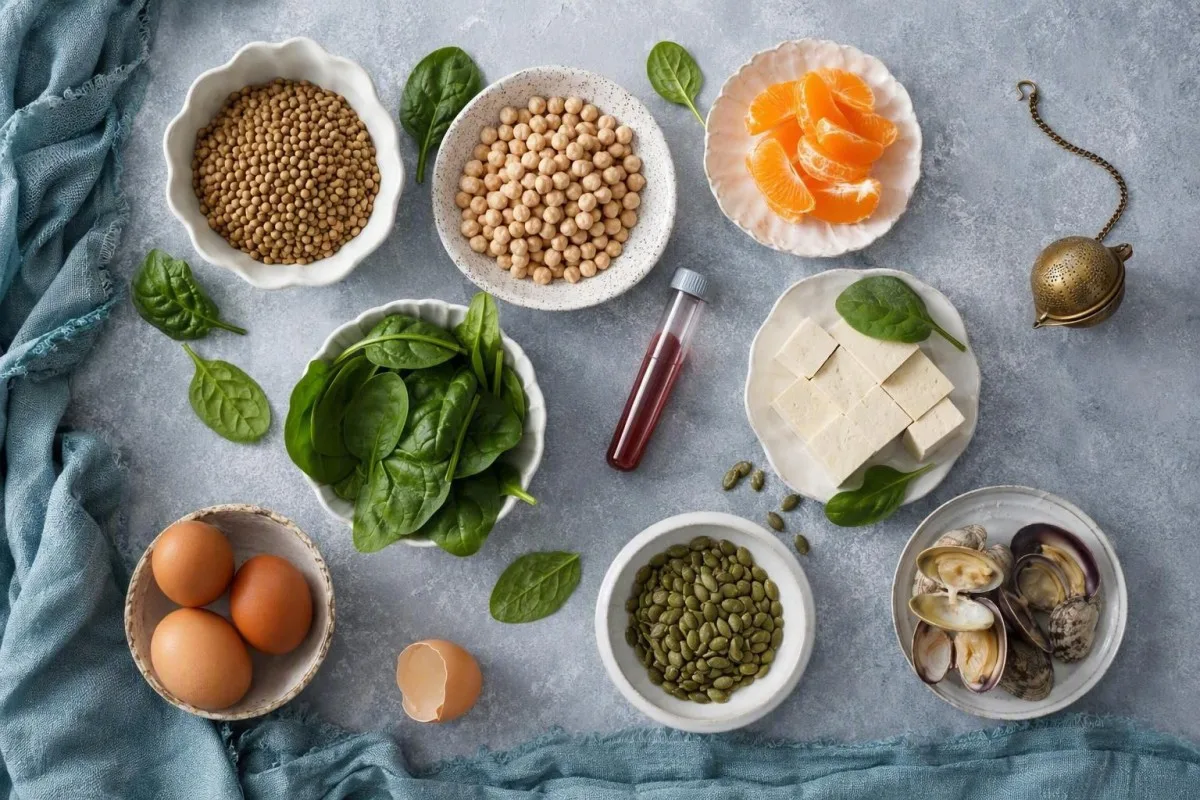
La reduccion de l'apport es mai probabla de comptar amb una alimentacion restrectiva, la seguretat alimentària, de regims vegetarians o vegans sens planificacion, e una pèrda de pes rapida. Lo fèrre ème de la carn e dels peis s'absorbís generalament mai eficaçament que lo fèrre non-ème dels legums, dels grans e dels legums; la vitamina C pòt melhorar l'absorpcion non-èma, mentre que lo te e lo cafè pres amb un repaus pòdon la reduire. Causidas d'aliments riches en fèrre balha d'exemples realistas d'aliments.
La donacion frequenta, lo espòrt d'endurança, l'usatge regular d'AINE, de medicaments antiacides, la malautiá celiaca, Helicobacter pylori, e la cirurgia bariatrica son de trobar aisidament dins una consulta curta. Dins la meuna practica, demandar sus l'usatge d'ibuprofèn e la frequencia de donacion a revelat mai d'explicacions qu'un suplement de mai jamai ne faguèt. Ferritina bassa sens periòdes fòrtas cobrís la via digestiva e dietetica.
Signes d'alarma que devon pas èsser imputats unicament a una ferritina bassa
Sete negre tarós, sagnament rectal visibla, pèrda de pes inexplacada, dificultat persistenta de deglutir, o una novèla deficiéncia de fèrre aprés la menopausa demandan una evaluacion medicala prompta. Aquests trobalhs poirián indicar una hemorràgia digestiva o una autra condicion que las pilulas de fèrre ne'n poirián pas explicar de segur.
Chez los òmes e las femnas postmenopausicas, una anemia per deficiéncia de fèrre confirmada es comunament investigada per de fonts digestivas, sovent amb una avaloracion endoscopica segon l'edat e lo risc. Las recomandacions de la Societat Britanica de Gastroenterologia de Snook et al. (2021) meton en abans qu'una patologia digestiva significativa pòt se presentar sens sintòmas digestius evidents. La deficiéncia de fèrre sens anemia presenta un risc mendre, mas merita totun una revision individualizada de la causa.
Cercatz una ajuda urgenta en cas de sason, pression toracica, dificultat respiratòria al repaus, ritme cardiac accelerat amb activitat minimala, o sèta pegòs negre—especialament se l'emoglobina baissa. Aquò es pas un sintoma tipic de bassa ferritina lèu; aquò pòt indicar una anemia clinicament importanta o una pèrda activa. Seguit del FIT positiu que s'explica perqué un resultat de cribatge de sèta demanda una pròpcha etapa planificada.
Ne comencatz pas de fèrre solament per “cobrir” un sèta negre inexplacat. Lo fèrre oral pòt escureir lo sèta de biais innocu, mas generalament ne'n fa pas ni tarós, ni pegòs, ni acompagnat de feblessa e vertiges. Sèta escuro e indècis digestius que pòdon ajudar a destriar l'istòria que demanda un examen rapid.
Los grops que las resèrvas de fèrre bassas devon èsser atenguts mai lèu
Las personas pregnantas, los adolescents, los atlètas d'endurança, e los donaires frequents desvolopan sovent de bas estòques de fèrre abans que l'anemia aparega. Lo lor risc es mai naut perqué la demanda de fèrre, la pèrda, o lo recambi augmentan mai lèu que lo remplaçament dietetic.

La pregnesa demanda aperaquí 1000 mg de fèrre addicional tot lo long de la gestacion per los besonhs fetals-placentaris, l'expansion de la massa eritrocitaria materna, e la pèrda prevista a l'acochament. Los servicis d'obstetricia consideron sovent una ferritina mendre que 30 ng/mL , que suggèrisca una deficiéncia de fèrre en pregnesa, totun que l'interpretacion especifica per trimèstre e los protocòls locals son importants. La ferritina per trimèstre de pregnesa que donan los cambiaments prevists.
Los adolescents pòdon venir deficients pendent la creissença rapida, especialament aprés que la menstruacion comença o en espòrt de competicion. Los atlètas, la bassa disponibilitat d'energia e l'emolisi repetida per friccion de pès pòdon coexistir amb una vertadièra deficiéncia de fèrre; un resultat de ferritina deuriá èsser combinat amb l'istòria dietetica, lo volum d'entrainament, l'estat menstrual, e los sintòmas de recuperacion. Test de fèrre e recuperacion del triatleta qu'ofra un quadre especific per lo espòrt.
La donacion de sang totala repetida pòt levar aperaquí 200-250 mg de fèrre per donacion, segon la talha del donaire e lo volum de la recòlha. Los servicis de donacion criban l'emoglobina perqué es practic, mas una emoglobina normala pre-donacion garantís pas una ferritina plena. Un contraròtle de ferritina planificat es razoable per los donaires amb fatigue, sindròma de las cambas inquietas, o donacions repetidas refusadas.
Simptòmas que semblan una ferritina bassa
Fatiga, pèrda de cabèl, vertigen e bassa concentracion an mantunas causas, quitament quand la ferritina es bassa. Un resultat bas pòt èsser un factor contributiu puslèu que l'explicacion entièra, particularament quand los simptòmas son seriós o brusc.
L'ipotiroïdisme pòt causar fatiga, pèl seca, constipacion, pensada lenta e cambiaments dels cabèls; una deficiença de B12 pòt causar fatiga puslèu que simptòmas de trèmol o d'equilibri; la depression e lo mal sonatge afèctan comunament la motivacion e la cognicion. Una ferritina de 22 ng/mL pòt meritar atencion, mas explicat pas una nòva entumiscéncia dins los dos pès. examen B12 versus folat ajuda a destriar un imitator clau.
Lo vertigen a un diagnostic diferencial particularament larg: desidratacion, pression arteriala bassa, malautiás vestibularas, efècts de medicaments, aritmia, anormalitats de la glucosa, e anemia pòdon totas èsser implicadas. Una ferritina bassa sens anemia es pauc probabla d'explicar un vertigen girat tornadís, una debesson unilatrala, o un nòu mal de cap seriós. Indicis de analisis de sang per lo vertigen descriu un triatge mai segur.
L'IA Kantesti utiliza un servici d’interpretacion de tests de l’IA per identificar los signes relacionats coma una B12 bassa, una TSH anormala, de cambiaments de glucosa, de marcaires renals, o de marcaires inflamatòris que pòdon modificar l'explicacion. Ne pòt pas vos examinar ni remplaçar l'avaluacion d'un clinician; en medecina, l'istòria e l'examen decidisson encara se una associacion de laboratòri conven.
Tractar una ferritina bassa sens causar de problèmas nòus
Lo tractament combina de còps la remplaça del fèrre amb la correccion de la rason per la quala lo fèrre a baissat. Per una deficiença simpla, lo fèrre elemental oral en una dòsi tolerabla es sovent lo primièr scelta, mentre que lo fèrre intravenós es reservat a de situacions seleccionadas.
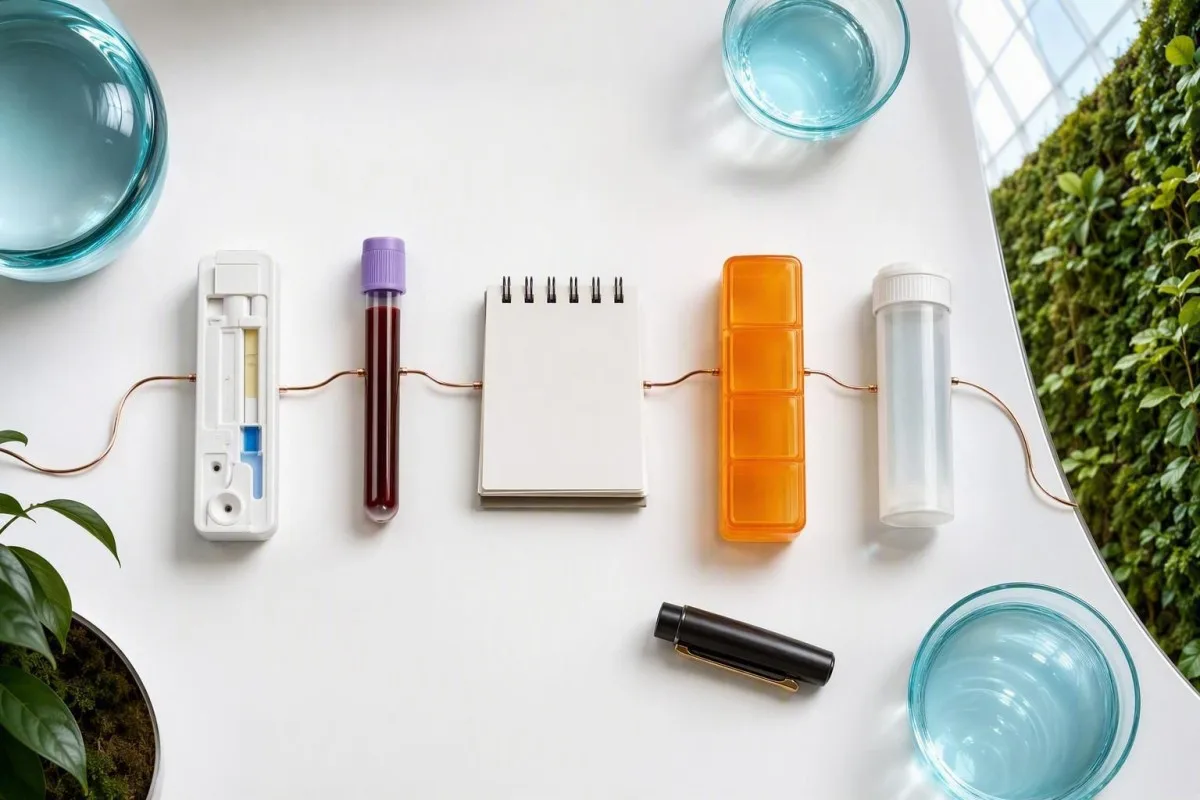
Un regimen de començament practic es 40-65 mg d’iron elemental cada jorn altern, pres luènh del calcium, del te, del cafè e dels anti-acides se possible. Los regimes alternate-days pòdon melhorar l'absorpcion permetent a l'hepcidina de se desbarrassar e sovent redusir la nausea o la constipacion; unes pacients an totjorn besonh d'un tractament quotidian, doncas i a pas un regimen perfecte unic. Fèrre e preparacion de la jovença ajuda a evitar de confondre los resultats de retest.
Los efècts adverses comuns incluen nausea, desconfort abdominal, constipacion, diarrea, e un escrèment mai escur. Lo sulfat ferós es economic mas pas intrinsecament superior per cada estomac; lo fumarat ferós e lo gluconat ferós provesisson de quantitats de fèrre elemental diferentas per pastilheta, doncas jutji los pacients a verificar lo d’èrre elementari numèro puslèu que lo nom del compausat. Jamai laissatz de pastilhetas de fèrre ont los mainats pòdon i accedir.
Lo fèrre intravenós pòt èsser apropiat amb malabsorpcion, malautiá intestinala inflamatòria, malautiá renala cronica, pèstas nautas contunhas, tolerància oral fòrça bassa, o un besonh de replenacion mai rapida. Es pas una “infusion de benestar” casuala: la dòsi depen del pes, de l'emoglobina, de la ferritina, de la causa, e de la formulacion, e de reaccions d'ipersensibilitat raras demandan un encastre supervisat.
Coma surveilhar la recuperacion sens persegure un simple nombre
L'emoglobina pòt aumentar en 2-4 setmanas quand l'anemia es presenta, mas la reconstitucion de la ferritina pren generalament qualques meses. Un retest sensacionèl verifica la responsa, l'adheréncia, los efècts segondaris, e se la font de la pèrda de fèrre es totjorn activa.
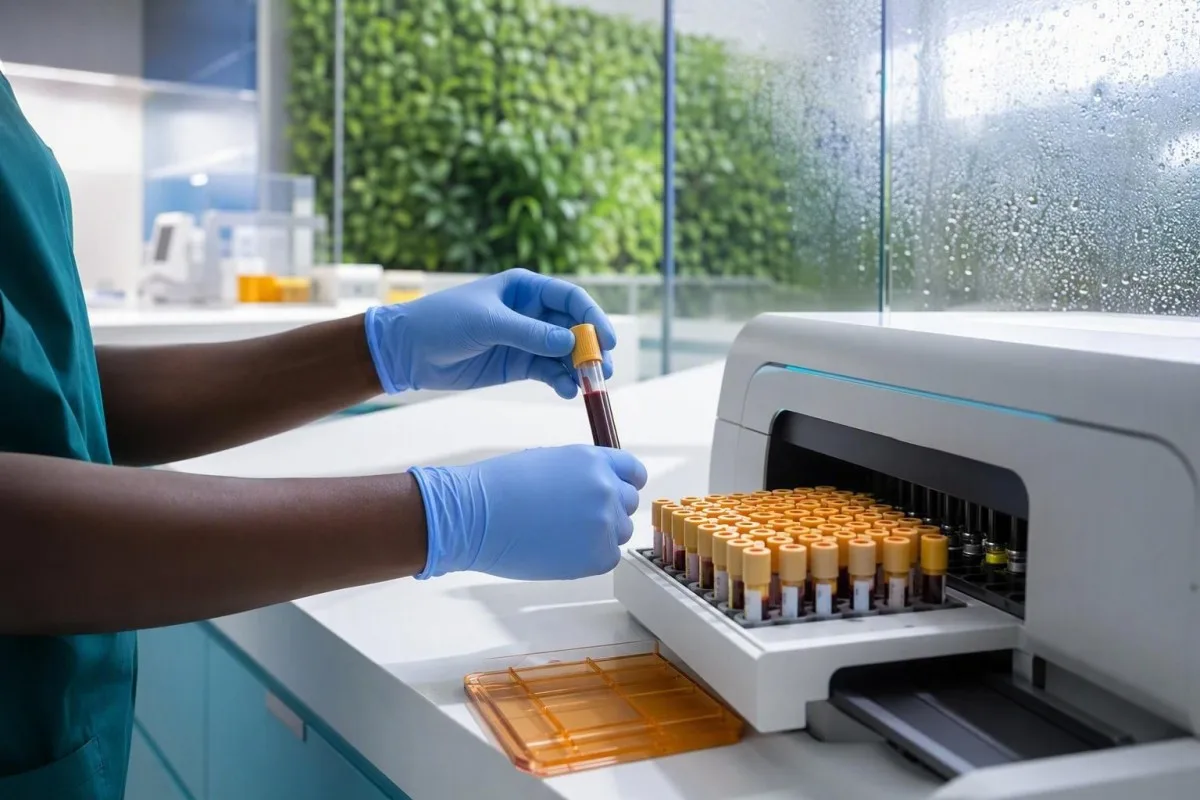
Per la deficiença de fèrre sens anemia, recondúsi comunament la CBC e la ferritina après 8-12 setmanas, tot lo moment devon èsser individualizats per la gestacion, los simptòmas severes, la malautiá renala, o lo tractament IV. Una pujada significativa de la ferritina sosten l'absorpcion e l'adesion; una ferritina persistenta per devath de 15-30 ng/mL devèria provocar una discussion sus la pèrda contunhada, un dòsi incorrect, una malabsorpcion, o lo diagnostic original.
Evitar de mesurar lo fèrre seric pauc de temps aprés aver pres una pastilha de fèrre perque la pujada transitoria pòt paréisser rassicuranta pendent que las resèrvas demoran bassas. Una baissa de la RDW aprés tractament es pas necessària, e la RDW pòt pujar temporàriament que los elements cellulars recèntament produches son de talha diferenta dels ancians. Perqué la RDW pòt pujar primièr empacha l'alarma innecessària.
L'IA compara las datas autament que tractar doas valors coma de talhas interchangeablas; una pujada de ferritina de 9 a 24 ng/mL es clinicament diferenta de 9 a 10 ng/mL quitament se totes doas demoran marcatas. L'apòrche del Dr. Thomas Klein es de documentar lo dòsi, las dòsis mancatas, los simptòmas menstrus o digestius, la malautiá, e los cambiaments d'entrainament a costat de cada tèst. Seguit longitudinal dels resultats rend aquelas comparasons mai utilas.
Quand los simptòmas d'una ferritina bassa demandan de soins medicals lo meteis jorn
Una ferritina bassa sola es rarament una urgéncia, mas los simptòmas severes o la pròva d'una pèrda activa pòdon l'èsser. L'escrutinh del meteis jorn es apropriat per la dolor toracica, lo sagnament, la dificultat respiratòria de repaus, las escrètas negras e tisanas, o una feblesa que s'agravava rapidament.
Apelar als servicis d'urgéncia per dolor toracica, dificultat respiratòria severa, colaps, confusion, o feblesa que empacha l'activitat normala. Aqueles simptòmas pòdon aparéisser amb una anemia profunda mas tanben amb de conditions cardiacas, pulmonàrias, neurologicas, o de sagnament que pòdon pas èsser escrutinadas de biais segur sonque amb la ferritina. Analyses de sang per la dificultat respiratòria descriu lo trabalh pus ample.
Un hemoglobina jos 8 g/dL es sovent clinicament significativa, mas l'urgéncia depend de la velocitat de la baissa, dels simptòmas, de l'estat de gestacion, de la malautiá cardiaca o pulmonària, e de la causa sospèctada. Qualqu'un amb una emoglobina de 9 g/dL aprés de meses de pèrda lenta pòt èsser establa; qualqu'un que baissa de 13 a 9 g/dL en qualques jorns necessita una responsa plan diferenta. Aquela distinction es perqué las donadas de tendéncia son importantas.
Se siatz pregnantas, avetz una malautiá intestinal inflammatòria coneguda, prenetz d'anticoagulats, avetz patit una cirurgia bariatrica, o avetz un passat de cancer digestiu, contactatz vòstre clinic lèu autrament que de vos auto-traitar pendent de meses. Una ferritina d'aparença normala pòt pas sobrepassar de biais segur los simptòmas de naut risc.
Un plan practic per discutir dels resultats de ferritina bassa
Portatz la valor de ferritina, la CBC, la saturacion de la transferrina, la CRP se disponible, la cronologia dels simptòmas, l'alimentacion, los medicaments, e l'istòria de sagnament a la discussion. Aquele pichon ensemble de donadas respòndon sovent mai que de repetir la ferritina sola.
Posatz quatre questions focalizadas: Es aquò una deficiéncia de fèrre absoluda o una restriccion de fèrre deguda a l'inflamacion? Qual es la font probabla? Lo fèrre oral es segur e tolerabla per mi? Quand devèm repetir la ferritina e la CBC? Aquelas questions orientan la visita cap a la causa e lo seguiment autrament qu'un objectiu de ferritina “optimal” arbitrarri. Un plan d'analyses de sang de basa pòt far que lo tiratge seguent siá mai comparable.
Kantesti es un plataforma d’interpretacion de biomarcaires per IA concebut per organizar la ferritina, los indèxes de la CBC, la saturacion de fèrre, e las tendéncias dels resultats en prompts de seguiment en lengatge clar en aperaquí 60 segondas. Nòstra interpretacion medicala es educativa, focalizada sus la vida privada, e diagnostica pas de sagnament, de malautiá coeliaca, de càncer, o de quala que siá autra causa a partir de valors de laboratòri solas. Validacion tecnica e supervision clinica descriu las proteccions darrièr aquel apòrche.
Un resultat revisat per un mètge demòra lo bon passatge seguent quand la consomança de fèrre es inexplacada, recurenta, severa, o emparelhada amb senhals d'alerta. Nòstres mètges e conselhièrs soslinhan regularament qu'una melhor interpretacion devriá menar a de melhoras questions, pas a una certitud faussa. Recètz lo conselh medical e utilizatz vòstre mètge per las decisions sus l'enquèsta, la terapia per prescripcion, la gràvida e los simptòmas urgents.
Questions frequentas
Una ferritina bassa pòt vos fatigar quitament se vòstre emoglobina es normala?
O. Una ferritina bassa pòt èsser associada a la fatiga abans que l'anèmia se desvolopa qu'au fèr sosten lo metabolisme energetic muscular e los processus neurologics en mai de la produccion d'emoglobina. Una ferritina de mens de 15 ng/mL sosten fòrtament las resèrvas de fèr esgotadas cap als adults sants, e los valors de mens de 30 ng/mL meritan sovent un contèxte clinic e un seguiment. La fatiga demòra non especifica, alara los clinicians devon tanben considerar lo sòmi, la fonction tiroidiana, l'estat de B12, l'umor, los medicaments, e la pèrda de sang contínua.
Quin nivèl de ferritina causa de simptòmas?
I a pas un nivèl de ferritina unic a partir del qual cada persona desvolopa de simptòmas. Una ferritina en devés de 15 ng/mL es fòrtament suggerissenta de resèrvas esgotadas, mentre que mai mètges examinan los adults simptomatics amb una ferritina en devés de 30 ng/mL se l'inflamacion es absenta. Las guidanças sus la sindròma de las cambas inquietas utilisan sovent un seugle de tractament mai naut de 75 ng/mL de ferritina o en devés, mas aquel seugle deuriá pas s'aplicar a cada plait de fatiga.
Podètz aver una deficiéncia de fèrro sens anèmia?
Vei, la deficiéncia de fèrre sens anèmia se produDon quora los depauses de fèrre e la disponibilitat de fèrre diminuisson, mas l'emoglobina demòra dins lo referencial de laboratòri. Lo patron tipic es una ferritina de mendre de 30 ng/mL, una saturacion de la transferrina de mendre de 20%, e una emoglobina normala, totun l'inflamacion pòt far aparéisser la ferritina mai nauta. Un CBC sol pòt pas exclure una deficiéncia de fèrre precòça perque lo MCV e l'emoglobina càmbian sovent aprés que l'esgotament del depaus siá ja produit.
Quins tests confirman de resèrvas de fèrre basas?
La ferritina, la saturacion de la transferrina, lo seroferre, la transferrina o la capacitat total de ligason del fèrre e una numeracion formula sanguina son las analisis principalas per de resèrvas de fèrre basas. Una ferritina inferiara a 15 ng/mL es fòrtament constanta de resèrvas esgotadas chez los adults sants, autras que la saturacion de la transferrina inferiara a 20% sosten una insufiséncia de fèrre circulant. La CRP pòt ajudar a interpretar la ferritina perque una inflamacions activa pòt aumentar la ferritina malgrat una veritabla deficiéncia de fèrre.
Per que rapidament la ferritina augmenta après aver pres de fèrre ?
La ferritina aumenta normalament pauc a cha pauc sus 8-12 setmanas d'un tractament eficaç de fèrre per via orala, mentre que l'emoglobina pòt melhorar en 2-4 setmanas se l'anemia es presenta. Un regim oral comun provesís 40-65 mg de fèrre elementari cada dos jorns, tot e que las dòsis individualas varian amb la tolerància e lo contèxte medical. Una ferritina bassa persistenta aprés 2-3 meses devriá provocar una revision de l'adesion, de l'absorpcion, de la pèrda contínua, e se lo diagnostic es correct.
Los òmes o las femnas en menopausa devon-èsser prendre de fèrre per una ferritina bassa sens causa?
Los òmes e las femnas postmenopausicas ne devon pas supausar que la ferritina bassa siá d'origina alimentària sens discutir la causa amb un clinician. La deficit de fèrre inexplicau pòu resultar d'una emission de sang digestiva, d'una mala absorpcion, d'efieits medicamentós, o mens comunament d'una malautiá digestiva grèva, quitament s'i a pas de doleur abdominala. Las escrècas negalas e gresosas, la pèrda de pes, las emorràgias rectalas, o las dificultats de deglucion demandan una avaloracion prompta puslèu qu'un autotractament amb fèrre sonque.
Obtén uèi una analisi de sang amb IA
Joinhètz mai de 2 milions d’utilizaires al mond que confian en Kantesti per una analisi instantanèa e precisa dels analisis de laboratòri. Mandatz vòstres resultats analisi de sang e recebetz una interpretacion complèta de 15,000+ biomarcadors en segondas.
📚 Publicacions de recerca citadas
Klein, T., Mitchell, S., & Weber, H. (2026). Tip de sang B negatiu, guia d’analisi de sang LDH e de recompte de reticulocits. Kantesti IA Recèrca Medicala.
Klein, T., Mitchell, S., & Weber, H. (2026). Diarrèa après june, tacas negras dins las femèlas e guida GI 2026. Kantesti IA Recèrca Medicala.
📖 Referéncias mèdicas externes

⚕️ Avertiment medical
Aqueste article es solament per tòcas educatius e constituís pas de conselh medical. Consultatz totjorn un professional de la sant qualificat per las decisions de diagnostica e de tractament.
Senhals de confiança E-E-A-T
Experiéncia
Revisión clinica menada pel metge de las practicas d’interpretacion de las analisis.
Expertisa
Fòcus sus la medicina de laboratòri sus cossí los biomarcadors se comportan dins un contèxte clinic.
Autoritat
Escrich pel Dr. Thomas Klein amb revisión pel Dr. Sarah Mitchell e Prof. Dr. Hans Weber.
Fisança
Interpretacion basada sus d’evidéncias amb de camins de seguiment clars per reduzir l’alarmisme.