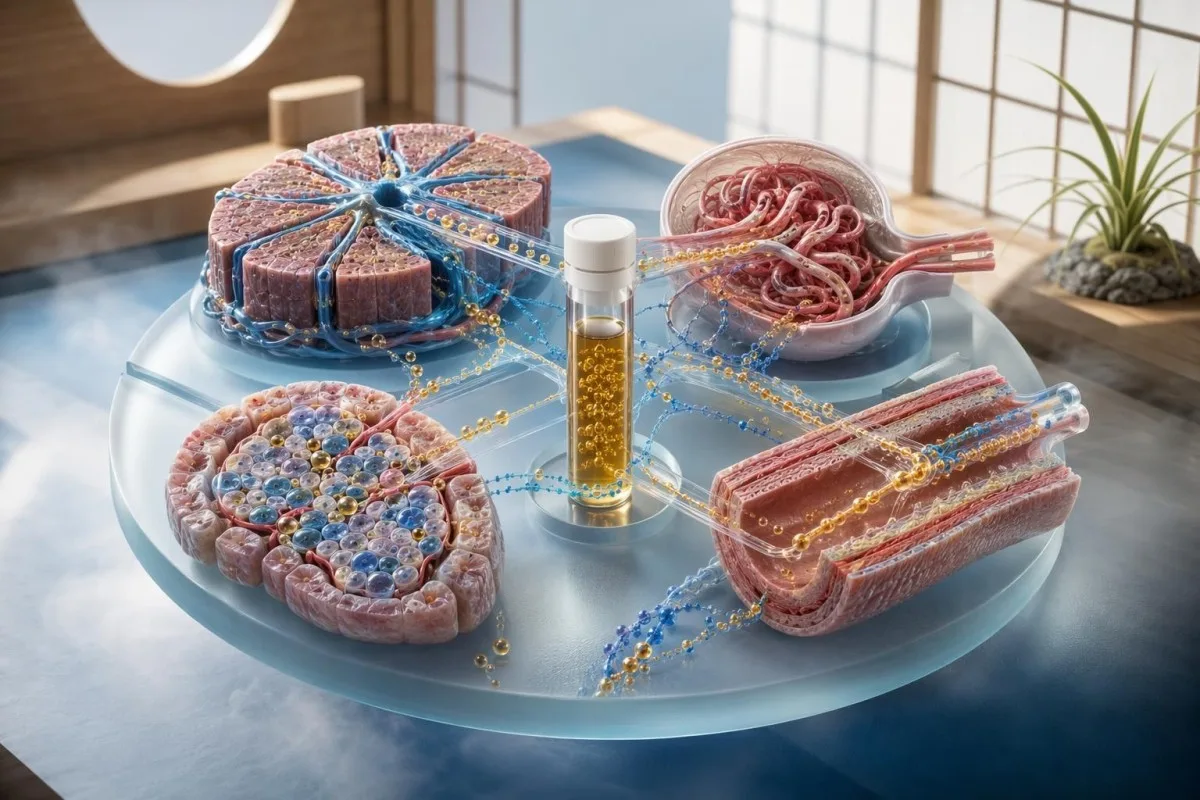
Una dieta per la longevitat es melhor monitorizada amb ApoB o colesterol non-HDL, triglicèrids, HbA1c o glucòsa en dejuni, mesuras renalas, tests seleccionats de nutrients, e hs-CRP sensible al contèxte. Cap panèl de sang pòt provar que viuretz mai longament; lo sieu vertadièr valor es de mostrar se un patròn d’alimentacion mòu los marcadors de risc establits cap a una direccion favorabla.


- ApoB jos 90 mg/dL es un objectiu raonable de prevencion primària per fòrça adults, mentre que 130 mg/dL o mai es un nivèl que renfòrça lo risc segon l’ACC.
- HbA1c de 5.7-6.4% indica prediabètes; 6.5% o mai cal confirmacion levat se i a de simptòmas classicament elevats de glucòsa.
- Triglicèrids jos 150 mg/dL son desirables; de valors persistentas de 500 mg/dL o mai necessitan una atencion clinica prompta perque lo risc de pancreatitis creis.
- hs-CRP mai de 10 mg/L deu generalament èsser tornat far après que l’afectacion aguda, l’exercici fòrça intens, e lo tractament dentari sián establits.
- eGFR jos 60 mL/min/1.73 m² per almens 3 meses pòt indicar una malautiá cronica del ren, especialament se i a albúmina urinària.
- Ferritina jos 15 ng/mL sostèn fòrça de botar de botar de l’estòcs de fèrre desplaçats quand l’inflamacion aguda manca, mas una ferritina normala pòt èsser trompadora quand CRP es nauta.
- vitamina D 25-idroxilada de 20 ng/mL o mai es sufisent per la salut òssa de la màger part de las personas segon los llindars de l’Academia Nacionala de Medicina.
- Qualitat de la tendéncia melhora quand utilizatz lo meteis laboratòri, de condicions de dejuni similars, e un interval de repeticion d’unes 8-12 setmanas après un vertadièr cambiament dietetic.
Los marcadors centrals que un patròn d’alimentacion d’estil longevitat pòt cambiar
Lo panèl mai util de dieta de longevitat inclutz ApoB o colesterol non-HDL, triglicèrids, HbA1c o glùcosa dejunada, creatinina amb eGFR, enzims liverals, hs-CRP, e tests dirigits de nutrients. Aquestes marcadors mesuran risc cardiometabolic e adequacion nutricional; eles mesuran pas directament la durada de la vida o l’edat biologica.
Sòu lo dr. Thomas Klein, e lo patròn que cercái es la direccion mai que pas un escòre perfècte. Kantesti es un analizador d’analisi de sang per AI que legís ensems las partidas de lipids, glùcosa, reni, liver e de nutrients d’un rapòrt, perque un resultat isolat d’LDL o un sol resultat de vitamina es rarament tota la istòria. Nòstre guida de referéncia de biomarcadors ajuda a pausar los noms de tests desconeguts dins aquel panèl mai larg.
Una persona pòt manjar leguminosas, verduras, frucha seca, òli d’oliva, peis e grans pauc processats pendent 4 meses, perdre pas de pes, e totun veire los triglicèrids baixar de 186 a 104 mg/dL. Aquò es significatiu. En cambi, un atleta d’endurança magre pòt aver de resultats de glùcosa excellents mas un ApoB de 122 mg/dL, çò que merita una conversacion cardiovascular separada, e non pas una rassurança basada solament sus la forma fisica.
Al long dels rapòrts 2M+ processats per Kantesti, la question clinicament utila es generalament: çò que cambièt ensems? Los triglicèrids que baissan amb un ApoB estable, la glùcosa dejunada mai bassa, e lo ferritina conservat fan una istòria mai coherent que cap “escòre de longevitat” de moda. En data del 26 de julhet de 2026, non farái servir un panèl de sang comercial per promètre d’ans suplementaris de vida.
Fixatz una basa abans de cambiar vòstra dieta
Una mostra de basa presa abans d’una dieta de longevitat te dona un punt de comparason que un resultat “normal” mai tard non pòt pas remplaçar. Per la màger part dels adults sens malautiá activa, repetir los tests aprèp 8-12 setmanas es pro per avalorar los triglicèrids e la glùcosa dejunada, mentre que HbA1c necessita d’unas 90 jorns per reflejar la glicèmia mejana.
Ensajatz de standardizar los detalls planals: utilizatz lo meteis laboratòri quand es possible, tiratz a una ora semblanta del jorn, mantenètz l’idracion abituala, e enregistratz nòus medicines, suplementacions, malautiá, consum d’alcohol, momentacion menstrual, e una practica d’entrenament anormalament dura. Una corsa de 10 km lo jorn abans del test pòt elevar AST, creatinina, globuls blancs, e qualques còps hs-CRP sens reflectir vòstra fisiologia abituala.
Per las comparasons de lipids e de glùcosa, sovent preferissi un dejun de 8-12 oras quand los triglicèrids an estat nauts o quand la resisténcia a l’insulina es en revision. Los lipids non dejunats demòran valids per l’avaloracion cardiovascular rutina, mas cambiar d’una presa aprèp dinar a una presa dejunada pòt fabricar una melhora aparenta dels triglicèrids. Nòstre guia cap a tests dietetics abans e aprèp explica quins marcadors se movon primièr.
Manjatz pas deliberadament “plan” pendent 3 jorns abans la primièra presa. Una dieta basada sus un test de sang es utila solament se descriu vòstre punt de partida vertadièr. Una excepcion es l’alcohol: l’evitar pendent 48-72 oras abans d’una valoracion planificada dels triglicèrids o del liver pòt reduire lo soroll de cort tèrme, a condicion que vos enregistratz aquela causida e que lo test seguent siá comparable.
Donatz prioritat a ApoB e al colesterol non-HDL per dessús del colesterol total
ApoB estima lo nombre de particulas aterogènicas, e lo colesterol non-HDL estima lo colesterol que i son transportat per elas. Per la prevencion orientada cap a la longevitat, aquestes son sovent mai informatius que lo colesterol total o HDL solament, particularament quand los triglicèrids son elevats.
Un ApoB jos 90 mg/dL es comunament rasonable per la prevencion primària de risc mejan, mentre que un ApoB de 130 mg/dL o mai naut es un factor que renfòrça lo risc dins la guia de colesterol 2018 de l’AHA/ACC. Lo colesterol LDL de 190 mg/dL o mai naut merita una valoracion medica independentament de la qualitat de la dieta, perque los desòrdres ereditaris son mai probables. Grundy et al. (2019) an subratllat que los objectius de tractament depenen del risc cardiovascular total, e non pas d’un sol nombre “optimal” universal.
Lo colesterol non-HDL es simplament lo colesterol total minus lo colesterol HDL, donc es disponible dempuèi un panèl lipidic ordinari. Quand los triglicèrids depassan 200 mg/dL, lo non-HDL e l’ApoB descrivisson sovent mai honestament la carga residuala de particulas que pas l’LDL calculat solament. Per mai de detalhs sus los llindars basats sus lo risc, vesètz nòstra revista de objectius d’LDL per los òmes; lo meteis principi s’aplica a las femnas, amb de consideracions de risc de basa diferentas.
Vei un malentés recurrent amb d’experiéncias dieteticas de naut contengut en grassa: una davalada dels triglicèrids non annula pas automaticament una granda pujada d’ApoB. Se los triglicèrids baissan de 160 a 70 mg/dL mas l’ApoB monta de 88 a 142 mg/dL, aquò es pas una victòria clara de longevitat. Discutissètz l’istòria familiala, la tension arteriala, lo fumatge, la diabetis, lo lipoproteïna(a), e las opcions de medicament amb un clinician.
Utilizatz HbA1c e glucòsa per seguir la direccion glicemica
HbA1c de 5,7-6,4% definís la prediabetis, e 6,5% o mai naut pòt diagnosticar la diabetis quand es confirmat apropiadament. La glicèmia en dejú de 100-125 mg/dL indica tanben la prediabetis, mentre que 126 mg/dL o mai naut cal confirmar-la en una persona sensa simptòmas.
L’HbA1c representa la glicacion al cors d’una vida d’aperaquí 120 jorns dels globuls roges, mas los darrièrs 30 jorns i influïssen de biais desproporcionat. Un cambiament de 6,0% a 5,7% aprèp 3 meses pòt èsser relevantament clinic, subretot se la glicèmia en dejú e los triglicerids melhoran tanben. Lo Comitè de Pratica Professionala de l’American Diabetes Association (2025) recomanda d’utilizar de metòdes de laboratòri acreditats e de confirmar los resultats diagnostics levat se los simptòmas e l’hiperglicèmia marcada fan que lo diagnostic siá clar.
L’insulina en dejú pòt aportar de contèxte, mas es pas prou estandardizada per tractar un sol resultat coma un diagnostic. Una insulina en dejú nauta amb un HbA1c normal pòt precedir una pujada de la glucòsa, mas la manca de durmida, lo stress agut e un repais de carbodrats nauts lo ser abans pòdon la modificar. Se vòstre A1c sembla normal mas los triglicerids son nauts, lo nòstre guia de resisténcia a l’insulina cobrís las pròximes questions sensatas.
Un avertiment de practica: la deficiéncia d’èr, l’emòlisi, una pèrda de sang recenta, la malautiá del ren e qualques variants d’emoglobina pòdon far que l’HbA1c siá falsament naut o bas. En un pacient amb ferritina de 7 ng/mL e una pujada d’A1c inexplicada, ieu non cambiariái ni la dieta ni la medicacion sensa verificar las lecturas de glucòsa o considerar la fructosamina. Es una d’aquelas zònas ont lo contèxte conta mai que un punt decimal.
Tractatz hs-CRP coma un marcador de contèxte, pas coma un escòre d’envelliment
La proteïna C-reactiva d’alta sensibilitat jos 1 mg/L es generalament considerada un risc cardiovascular mai bassa, 1-3 mg/L un risc mejans, e mai naut de 3 mg/L un risc mai naut quand la persona es altrament ben. Un resultat mai naut de 10 mg/L reflectís generalament un procès agut o un stress fisic recent e deu èsser repetit en luòc de s’interpretar coma una inflamacion cronica ligada a la dieta.
L’hs-CRP puja aprèp d’infeccions respiratòrias, de malautiá de las genivas, d’activitat autoimmune, d’obesitat, de manca de durmida e d’exercici dur; non identifica pas la causa. Un còp, ai revisat un valor de 12,4 mg/L en un ciclista afogat que aviá acabat un eveniment long 36 oras abans e aviá un molar dolorós. Son resultat repetit 3 setmanas mai tard èra de 0,8 mg/L. La dieta èra pas l’explicacion.
Per una tendéncia interpretabla, esperatz al mens 2 setmanas aprèp la febra, una ferida, una vacunacion o un eveniment d’endurança exigent, e repetissètz l’hs-CRP doas còps se lo resultat influïrà de decisions cardiovascularas. Associatz-lo amb la circunferéncia de la cintura, ApoB, la pression arteriala e la glucòsa en luòc de perseguir de suplementes antiinflamatoris. Lo rapòrt CRP-albumina pòt èsser util en de malauts seleccionats, mas es pas un objectiu general de longevitat.
L’evidéncia per baissar l’hs-CRP amb un patròn d’estil mediterranèu es plausibla mas pas separabla clarament del cambiament de pes, de l’exercici e de l’arrest del fum. Una disminucion de 2,8 a 1,5 mg/L pòt èsser encoratjadora, mas es pas una pròva que lo risc arterial s’es davalat per una quantitat predictibla. De valors persistents mai naut de 3 mg/L meritan la revisió d’un clinician per de causas cardiovascularas e non cardiovascularas.
Monitorizatz la foncion renala amb eGFR, creatinina, e albúmina urinària
Un eGFR inferior a 60 mL/min/1,73 m² durant 3 meses o mai pòt complir los critèris de malautiá cronica del ronyó, e una rapòrt albumina-creatinina urinària superior a 30 mg/g es anormal. La monitorizacion dels ronyons importa quand una dieta de longevitat es nauta en proteïnas, inclutz creatina, o se combina amb diabetis o hipertension.
La creatinina es influenciada per la massa muscular, la carn cuècha, los suplementes de creatina, l’idrataçion e l’exercici intens. Un òme muscular de 38 ans que pren 5 g de creatina cada jorn pòt mostrar una creatinina de 1,3 mg/dL amb un eGFR calculat a l’entorn de 70, mas aver una cistatina C normala e pas d’albumina urinària. Aqueste patròn es fòrça diferent d’una davalada progressiva de l’eGFR amb albuminúria.
La guia KDIGO de 2024 recomanda de confirmar la cronicitát e de considerar la cistatina C quand l’eGFR basat sus la creatinina pòt èsser inexacte. Un ACR urinari jos 30 mg/g es normal a aumentat de biais lleu, 30-300 mg/g es moderadament aumentat, e jos 300 mg/g es severament aumentat. Nòstra guia d’albumina del ronyó explica perqué l’analisi de l’orina apond informació que una analisi de sang sola manca.
Evita d’interpretar una creatinina un pauc mai auta aprèp un dinar nauta en proteïnas coma una damatge dietari del ronyó. En luòc, torna far la mesura jos condicions similaras e analisa la tendéncia al long del temps. Un gropament abrupt de turmells, una reduccion de la quantitat d’orina, una manca d’alè, o una caiguda sobtada de l’eGFR necessitan una avaloracion medicala prompta, pas un experimenç de nutricion.
Verificatz l’estat dels nutrients quand la restriccion dietetica fa créisser lo risc
Ferritina, vitamina B12, vitamina D 25-idroxilada, e de còps iòdi, zinc, o analisis ligadas al calci son utilas quand una dieta de longevitat exclutz de gropes d’aliments. Un escoratge larg de micronutrients per totes es pas basat sus d’evidéncias; las analisis devon seguir los aliments levats, los simptòmas, las medicacions, l’etapa de vida, e los resultats precedents.
Las reservas de fèr sovent son adequadas checklist de nutrients basats sus plantas es un bon començament pragmatic.
La vitamina B12 jos aperaquí 200 pg/mL, o 148 pmol/L, fa naisser de preocupacion per una deficiéncia, mas los resultats a la franja sovent necessitan d’acid metilmalonic o d’homocisteïna abans de decidir lo tractament. L’àcid folic seric pòt montar lèu aprèp suplementes e pòt amagar un problèma de B12, subretot quand lo MCV es naut. Una dieta vegana pòt èsser excellenta per la salut cardiometabolica, mas una suplementacion de B12 fisabla es pas negociabla.
Per la vitamina D, un nivèl de vitamina D 25-idroxilada de 20 ng/mL o mai complís lo limiti de l’Acadèmia Nacionala de Medicina per la salut esqueletica de la màger part de las personas. Los clinicians descordan sus la recèrca d’un objectiu de 30 ng/mL en adults dobèrts; la guia de 2024 de la Societat Endocrinologica (Endocrine Society) pas endossèt un objectiu universal mai naut per la prevencion de las malautiás. Mai es pas melhor: de nivèls repetits superiors a 50-60 ng/mL devon desencadenar una revision de la dòsi del suplement.
Inclutz enzims liverals e marcadors de proteïna quand lo patròn cambia
ALT, AST, GGT, fosfatasa alcalina, bilirubina, albumina e àcid uric pòdon revelar se un cambiament dietari crea un senhal involontari de fetge, d’alcohol, de medicament o de balanç de proteïnes. Aquestes tests son de senhals de sosteniment, pas de mesuras directas de la qualitat de la dieta.
Los limits de referéncia d’ALT variàn segon la laboratòri e lo sèxe, mas una aumentacion persistenta dempuèi lo limit superior del laboratòri merita una seguida, en luòc d’una assumicion casuala de “desintoxicacion”. Una pèrda de pes rapida pòt aumentar transitoriament l’ALT quand lo flux de grassa del fetge cambia, mentre que l’exercici de resisténcia pòt elevar l’AST per liberacion muscular. Quand l’AST es 89 IU/L e l’ALT es 31 IU/L après una session de levament fòrça dur, la creatina quinasa e lo moment sovent clarifican l’imatge.
L’albumina es sovent interpretada tròp coma un escòre d’ingesta de proteïna. La franja de referéncia usuala per l’adult es aperaquí 35-50 g/L, mas l’albumina baissa mai sovent amb inflamacion, disfuncion sintetica del fetge, pèrda renala o sobrecarga de liquids que pas amb qualques setmanas d’ingesta de proteïna bassa. Cambiá lentament, per aquò que las afirmacions de proteïna dietària a cort tèrme basadas sus l’albumina son feblas.
L’àcid uric naut mai de 7 mg/dL òmes o 6 mg/dL femnas es frequent, mas aquò solament diagnostica pas la gota. Las begudas fòrça ricàs en fructòsa, l’alcohol, l’obesitat, la foncion renala, la genetica e la ketòsi rapida pòdon tot èsser importants. Se una fase a carbòhidrats basses coincide amb de simptòmas de gota, reviratz nòstre plan de tòst d’àcid uric amb un prescriptor, pas solament en ajustant mai d’aiga.
Seguissèt las tendéncias dels tests de sang, pas de senhals de referéncia d’un sol còp
La vòstra basa personala pòt èsser mai informativa que una sola marca de franja de referéncia quand un marcador cambia de biais estable dins tres o mai mesuraments. Los intervals de referéncia descrivon ont i a 95% d’una populacion seleccionada; aquò definís pas automaticament vòstre resultat ideal ni explica una pujada significativament importanta.
L’ApoB que passa de 78 a 90 a 104 mg/dL dins 18 meses val la pena d’èsser discutida, encara se cada resultat del laboratòri sembla tecnicament dins la franja. Lo meteis se passa amb la glucosa dejun que s’enauça de 87 a 94 a 101 mg/dL. De petits desplaçaments pòdon reflectir la biologia, mas una direccion repetida es mai dificil de desestimar que pas un sol outlier.
Kantesti es una plataforma d’interpretacion de biomarcadors per IA fach per pausar un resultat novèl costat d’ancians rapòrts, en preservant las unitats originalas del laboratòri e los limits de referéncia. Nòstre guia d’analisi longitudinala explica perqué una davalada de 20% de la ferritina significa quicòm de diferent après una donacion de sang que çò que significa amb una fatiga inexplicada e sensa pèrda evidenta.
La regla practica del Dr. Thomas Klein es d’annotar cada cambiament: data d’inici de dieta, cambiament de pes, volum d’entrenament, medicament novèl, dosatge del suplement, desrreglament del durmir e malautiá. Sens aquelas anotacions, una grafica d’aparença impressionanta pòt contar la tòca istòria. Un trend es un motiu per la rason clinica, pas un veredict.
Choississèt lo moment de re-test que s’acòrda amb lo marcador
La màger part dels cambiaments de lipids e de glucosa dejun guidats per la dieta pòdon èsser reavaluats après 8-12 setmanas, mentre que HbA1c necessita aperaquí 3 meses e los depòts d’iron pòdon demorar 3-6 meses per se calmar. Far de tests cada mes sol crear expensa e soroll, mai que pas un senhal clar de longevitat.
Los triglicerids pòdon cambiar dins de jorns aprèp una reduccion de l’alcohol o dels carbodrats rafinats, mas aquesta velocitat tanben los rend variables. Lo colesterol LDL e l’ApoB s’estabilizan generalament dins de mantunas setmanas aprèp un cambiament dietetic sostengut. La ferritina pòt trigar, perque reomplir las reservas pren de temps, subretot se las pèrdes menstrualas o de problèmas d’absorpcion gastrointestinala contunhan.
L’IA Kantesti pòt comparar de rapòrts cargats en uns 60 segonds, mas una interpretacion rapida pòt pas reparar un specimen mal standardizat. Se vos bastissètz un registre personal, nòstre article d’analisi de tendéncia recomanda d’enregistrar la durada rapida, l’exercici dins las 48 oras precedentas, l’alcohol dins las 72 oras precedentas, e totes los suplements pres aquela matinada.
La biotina merita una mencion especiala. Las dozas de 5.000-10.000 mcg trobadas dins d’unes produches pels pels pòdon interferir amb mantun immunoassais, incloent qualques tests de tiroida e cardiacs. Pregatz lo laboratòri o lo clinician quant de temps la pausar; 48-72 oras se suggerís sovent, mas la foncion renala, la doza, e lo desvolopament de l’assai pòdon cambiar aquela recomandacion.
Acordatz vòstre plan de laboratòri a la dieta que seguissèt vertadièrament
Las dietas de tipe mediterranèu, orientadas cap a las plantas, pauc carbodrat, e amb restriccion de temps pòdon produire de diferents contrapartidas dins los laboratoris. Un test de sang util basat sus la dieta verifica lo marcador que prubablament empitjorarà, tanben coma lo marcador que vos esperatz d’ameliorar.
Un patron de tipe mediterranèu melhora sovent los triglicerids, lo colesterol non-HDL, la pression arteriala, e la contraròtla glicemica, subretot se remplaça de manjar fòrça ultra-processat. Lo projècte PREDIMED a reportat mens d’eveniments cardiovasculars majors amb una dieta mediterranèa suplementada amb oliu d’oliva o de nous que non pas amb una dieta de contraròtla a grassa reducha en adults de risc naut (Estruch et al., 2018). Aquò es una evidéncia mai fòrt que cap reclamacion de marketing de cap nutrient sol.
Amb una alimentacion vegana o subretot basada sus las plantas, seguissètz B12 e consideratz la ferritina, la vitamina D, l’exposicion a l’iòde, lo zinc, e l’ingerida de calci segon lo patron alimentari e l’etapa de vida. Amb un patron pauc carbodrat o ketogenic, seguissètz ApoB, lo colesterol LDL, l’àcid uric, lo contèxte de la creatinina, e los electrolits, en luòc de supausar que una glicèmia mai bassa pausa tota la question. Lo guia dels marcaires del regim mediterranèu ajuda a priorizar lo primièr panèl de seguiment.
L’essença amb restriccion de temps pòt baixar l’ingerida calorica mejana e melhorar qualques mesuras de glucosa, mas pòt tanben menar a una disponibilitat d’energia bassa dins los atletes. Dins mon experiéncia, la ferritina bassa, la davalada de T3 pendent la malautiá, las menstracions mancadas, las feridas recurrentas, e una ràtio BUN-to-creatinina creissenta son pas de trofeus de dejun disciplinat. Son de rasons per reavaluar l’ingerida e la carga d’entrenament.
Dètz pas la culpa a tot resultat anormal per l’aliment
De resultats persistents anormals dins lo laboratòri pòdon reflectir la genetica, d’efèctes de medicaments, de malautiá endocriniana, de malautiá renala, d’usatge d’alcohol, o una malautiá aguda, mai que pas una dieta de longevitat. La dieta es influenta, mas es pas una explicacion universala.
Lo colesterol LDL de 220 mg/dL, subretot se i a de parents qu’an agut d’atacs de cori primièrs, deu far pensar a una hipercolesterolemia familiala. Una dieta rica en fibra pòt ajudar, mas deu pas retardar l’evaluacion formala. De la meteissa manèra, un TSH creissent, una anèmia, o una novèla proteïna dins l’urina necessitan un trabalh diagnostic, mai que pas un plan nutricional mai estricte.
Los efèctes dels medicaments son comuns e, de manièra surprenenta, faciles de mancar. Los estatins pòdon modificar las enzimas liveras e la glucosa pauc, la metformina pòt baissar la B12 al long del temps, los corticoesteroïdes elevan la glucosa e los triglicerids, e los diuretics pòdon cambiar lo sodí, lo potassi, e l’àcid uric. Nòstre checklist de precisions del rapòrt AI inclutz las verificacions de medicament e d’unitat que i voldriá abans d’agir sus un resultat senhalat.
L’IA Kantesti sostèn la reconeissença de patrons dins de rapòrts de laboratòri, mas diagnostica pas una malautiá e remplaça pas un clinician que pòt vos examinar e revisar vòstre registre medical. Un resultat que contradís çò que vos sentissètz, o un resultat inesperat amb d’implicacions majors per lo tractament, deu èsser repetit o verificat clinicament. De errors de laboratòri, d’hemòlisi de specimen, e de mistakes de transcripcion se fan.
Sabetz quins resultats necessitan una revison medica en luòc de mai de seguiment
Triglicerids de 500 mg/dL o mai, glucosa confirmada dins lo reng diabetic, eGFR persistent jos 60, ACR d’urina mai naut de 30 mg/g, o d’enzimas liveras mai de tres còps l’limit superior meritan una valoracion menada pel clinician. Lo seguiment es util solament se aquò retarda pas la cura necessària.
Cercatz un conselh medical del meteis jorn per una glucosa de 200 mg/dL o mai amb una set excessiva, de vomiments, de dolor abdominala, de somnoléncia, o una respiracion rapida. L’icterícia, una orina fòrça fosca, de femtas palidas, de dolor de pit, una novèla manca d’alè, o una reduccion fòrça marcada de la produccion d’urina necessitan tanben una valoracion urgenta, independentament d’un plan de dieta. Esperatz pas un retèst planificat.
Una reünion mai mesurada es apropriada per ApoB mai naut de 130 mg/dL, colesterol LDL mai naut de 190 mg/dL, HbA1c 5,7% o mai naut, hs-CRP recurrente mai naut de 3 mg/L, ferritina jos 15 ng/mL, o una davalada sostenguda de eGFR. Portatz los rapòrts PDF originals, pas solament de capturas d’ecran; las unitats, las datas de recuèlh, e los intervals de referéncia importan. Lo nòstra estratègia de validacion clinica es bastit a l’entorn de preservar aquel contèxte a nivèl de rapòrt.
Cap d’output d’IA deu pas encoratjar qualqu’un a firmar los medicaments prescrits per los lipids, la diabetis, la pression arteriala, la tiroida o los rens. L’alimentacion pòt èsser fòrça poderosa, mas los cambiaments de medicacion necessitan un prescriptor e de seguiment amb d’analisis. Es subretot vertadièr pendent la pregnesa, l’alletament, lo tractament actiu d’un cancer, la recuperacion d’un desòrdre de l’alimentacion, e las malautiás renalas o hepaticas avançadas.
Un plan pragmatic de laboratòri per una dieta de longevitat de 12 meses
Un plan sensat pel primièr an es un panèl de basa, un seguiment standardizat a 8-12 setmanas, e una revisió ulteriora a 6-12 meses se los resultats son estables. Lo plan deu èsser ajustat en rapòrt a l’edat, l’istòria familiala, la medicacion, los simptòmas e las restriccions dietèticas que sètz causidas.
A la basa, consideratz un panèl de lipids amb ApoB se es disponible, HbA1c o glicèmia dejun, panèl metabolic complèt, creatinina amb eGFR, ACR urinari quand i a un risc de diabetis o d’ipertension, e analisis dels nutrients guidadas per la dieta. A 8-12 setmanas, tornatz far solament los marcaires esperats de cambiar o aqueles que èran anormals. Aquò vos protegisís contra las alarmas falças que venon de las analisis indiscriminadas.
A 6-12 meses, tornatz revisar lo risc cardiovascular, la pression arteriala, la composicion del còs, la foncion fisica, lo durmir, e l’istòria familiala a costat de l’evolucion dels resultats de laboratòri. Kantesti es un instrument d’analisi de sang amb IA utilizat dins los païses 127+ per organizar de rapòrts de laboratòri multilingües, mas lo melhor usatge de quin que siá aisina es una conversacion ben preparada amb un clinician qualificat. Nòstre Conselh Consultatiu Medical proveís una supervision del metge pels estandards clinics que son a la basa de nòstra interpretacion.
En resumit: utilizatz una dieta de longevitat per melhorar de factors de risc durables, pas per perseguir una identitat de laboratòri. Se l’alimentacion ven a èsser ansiosa, rigida, socialament isolanta, o guidada per la paur de la variacion biologica ordinària, pausatz e demandatz d’ajuda. Lo plan mai segur e mai saludable long term es un que podètz nodrir, gaudir e sostenir.
Questions frequentas
Quins anàlisis de sang deuèc far per una dieta de longevitat?
Un panèl dietètic de longevitat pràctic inclou un panèl lipídic amb ApoB o colesterol no-HDL, triglicèrids, HbA1c o glucosa en dejú, creatinina amb eGFR, enzims hepàtics, e proves seleccionades de nutrients en funció de la restricció dietètica. ApoB jos de 90 mg/dL es un objectiu raonable de prevenció primària per a fòrça adults, mentre que HbA1c de 5.7-6.4% indica prediabetis. Afegeix la relació albúmina-creatinina urinària quan la diabetis, l’hipertension, el risc renal, o una dieta rica en proteïnes és rellevant. Cap anàlisi de sang pot provar la longevitat, de biais que cal usar els resultats per a seguir els riscos de salut establerts al llarg del temps.
A quina freqüéncia deuèri far analisis dels marcadors de sang després de cambiar mon dieta?
La major part de las personas deurian tornar far los lípids sensibles a la dieta e la glisèmia en dejú après 8-12 setmanas d’un cambiament sostengut de dieta. L’HbA1c necessita d’unas 3 meses, perque reflectís l’exposicion mejana a la glisèmia al cors de la vida de las globulas rojas, mentre que la ferritina pòt necessitar de 3-6 meses per mostrar una reposicion establa. Las analiticas mensualas son generalament tròp frequentas e amplifiquen la variacion ordinària deguda a l’exercici, la malautiá, la durada del dejú, l’alcohol e l’idratan. Utiliza lo meteis laboratòri e una preparacion similara per la comparason mai interpretabla.
Es ApoB es mai útil que lo colesterol LDL per la longevitat?
ApoB sovint és mai útil que el colesterol LDL quan els triglicèrids estan elevats, hi ha resistència a la insulina, o quan el colesterol LDL i el colesterol no-HDL no concorden. L’ApoB estima el nombre de partícules lipoproteiques aterogèniques, i una ApoB de 130 mg/dL o més és un factor d’enfortiment del risc (ACC). El colesterol LDL encara importa: un resultat de colesterol LDL de 190 mg/dL o més requereix una avaluació clínica fins i tot si els triglicèrids són baixos. La millor elecció depèn del risc cardiovascular total, de l’historial familiar, de la pressió arterial, de l’estat de la diabetis i de la lipoproteïna(a).
Una dieta sana pòt baixar l’hs-CRP?
Una dieta rica en aliments vegetals mínimament processats, greixos insaturats e fibra pòt baixar l’hs-CRP, subretot se ajuda a la pèrda de pes e a una melhor contròl de la glucosa, mas l’hs-CRP es pas un escòre de dieta dirècte. Valors jos 1 mg/L son generalament de risc cardiovascular mai bassa, 1-3 mg/L risc mejà, e mai de 3 mg/L risc mai naut quand i a pas d’afectacion aguda. Un resultat d’hs-CRP mai naut que 10 mg/L deu generalament èsser tornat far après al mens 2 setmanas, perque una infeccion, una malautiá dentària, una ferida e un esfòrç fisic intens pòdon causar una elevacion temporària. Una elevacion persistenta necessita una valoracion dirigida pel clinician, pas crompar de suplementes.
Quins exàmens de nutrients importan en una dieta de longevitat basada sus la planta?
La vitamina B12 e la ferritina son los tests de nutrients de mai granda rendabilitat per fòrça de monde que seguisson una dieta de longevitat completament basada en plantas, amb l’25-idroxivitamina D, l’exposicion a l’iòde, lo zinc e l’ingesta de calci considerats cas per cas. La vitamina B12 jos aperaquí 200 pg/mL o 148 pmol/L fa naisser de preocupacion per una deficiencia, mentre que la ferritina jos 15 ng/mL sostèn fòrça l’existéncia de reservas de fèrre esplechadas quand i a pas d’inflamacion. Una ferritina normala non exclutz pas totjorn una restriccion de fèrre se CRP es elevat. En general, cal una suplementacion fiable de B12 per las dietas veganas, independentament de quant lo regim alimentar siá ric en nutrients.
L’exercici o los suplements pòdon distorsionar los marcaires de longevitat?
Òc, l’exercici vigorós pòt elevar temporàriament l’AST, la creatinina, la creatina quinasa, los glòbuls blancs e l’hs-CRP pendent 24-72 oras, mentre que los complements de creatina pòdon aumentar la creatinina sérica sensa pr’amor de provar una lesion renala. Las dozas de biotina de 5.000-10.000 mcg pòdon interferir amb qualques immunoassajos, incloses certans tests de tiroida e cardiacs. Un entrenament dur, la desidratacion e un repàs ric en carn abans del test pòdon tanben modificar los resultats de cort tèrme. Enregistra aquestes exposicions e torna far las anomalias inesperadas jos condicions estandardizadas abans de cambiar una dieta pròpria o un tractament prescrich.
Obtén uèi una analisi de sang amb IA
Joinhètz mai de 2 milions d’utilizaires al mond que confian en Kantesti per una analisi instantanèa e precisa dels analisis de laboratòri. Mandatz vòstres resultats analisi de sang e recebetz una interpretacion complèta de 15,000+ biomarcadors en segondas.
📚 Publicacions de recerca citadas
Klein, T., Mitchell, S., & Weber, H. (2026). Kantesti AI. (2026). Analisi de sang RDW: Guia complèta de RDW-CV, MCV e MCHC. Zenodo.. Kantesti IA Recèrca Medicala.
Klein, T., Mitchell, S., & Weber, H. (2026). Kantesti AI. (2026). Rason BUN/Creatinina explicada: Guia de l’examen foncion renala. Zenodo.. Kantesti IA Recèrca Medicala.
📖 Referéncias mèdicas externes
Comitat professional de practica de l'American Diabetes Association (2025). 2. Diagnòstic e classificacion de la diabetis: Normas de Còdes de la Diabetis — 2025. Diabetes Care.
⚕️ Avertiment medical
Aqueste article es solament per tòcas educatius e constituís pas de conselh medical. Consultatz totjorn un professional de la sant qualificat per las decisions de diagnostica e de tractament.
Senhals de confiança E-E-A-T
Experiéncia
Revisión clinica menada pel metge de las practicas d’interpretacion de las analisis.
Expertisa
Fòcus sus la medicina de laboratòri sus cossí los biomarcadors se comportan dins un contèxte clinic.
Autoritat
Escrich pel Dr. Thomas Klein amb revisión pel Dr. Sarah Mitchell e Prof. Dr. Hans Weber.
Fisança
Interpretacion basada sus d’evidéncias amb de camins de seguiment clars per reduzir l’alarmisme.