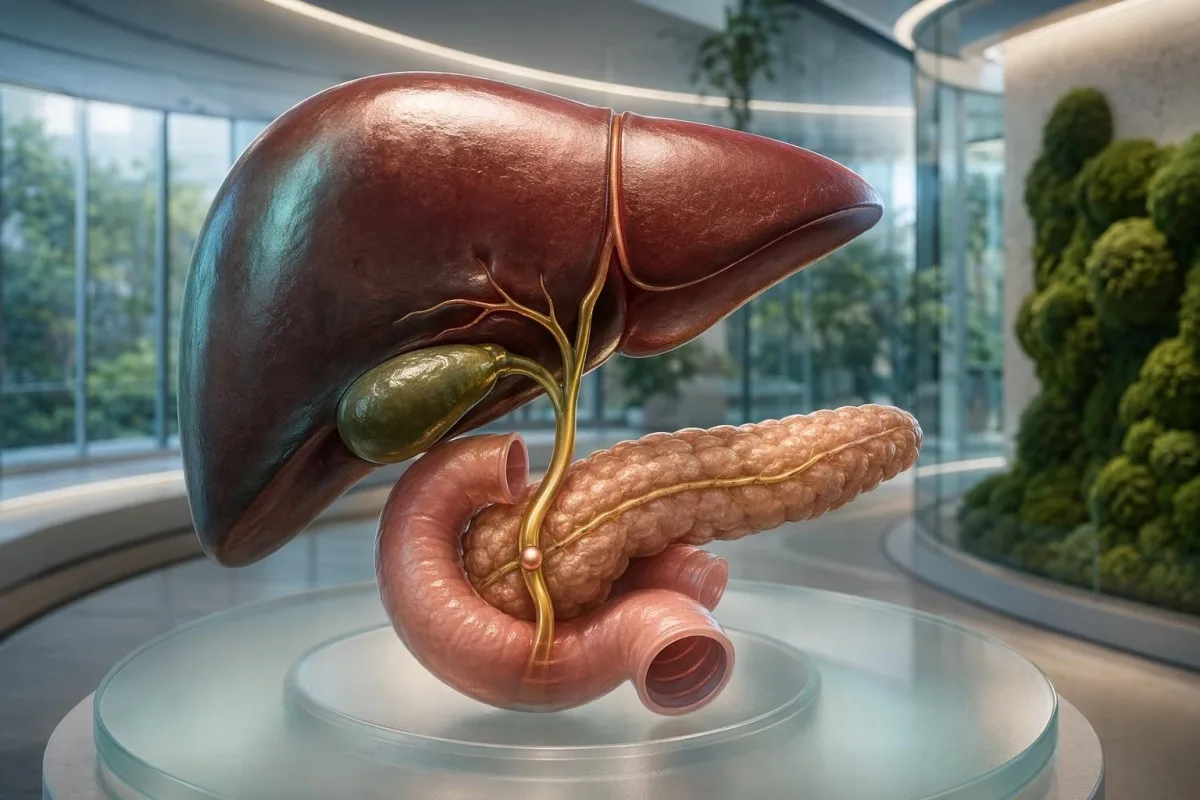
ပုံမှန်မဟုတ်တဲ့ အစားအစာတစ်ခုစားပြီးနောက် အလင်းရောင်ဝမ်းသွားခြင်းက အများအားဖြင့် အမဲရောင်ဆီးနဲ့အတူ ရွှံ့ရောင်ဝမ်းသွားခြင်းလိုမျိုး တူညီတဲ့ပြဿနာမဟုတ်ပါ။ ဆေးခန်းအရ အရေးကြီးတဲ့ အချက်က အသည်းမှထွက်တဲ့ သည်းခြေရောင်ခြယ်ပစ္စည်း (bile pigment) က အူထဲကို ရောက်နေ/မရောက်နေကို ကြည့်ခြင်းဖြစ်ပါတယ်။.


- ဝမ်းဖျော့ဖျော့ဖြစ်စေတဲ့ အကြောင်းရင်းများ အလွန်အဆီနည်းတဲ့ အစားအစာ (very low-fat diet)၊ barium ပုံရိပ်ဖော်သောက်ရည် (barium imaging drink) သောက်ခြင်း၊ သို့မဟုတ် ခဏတာ antacid သုံးခြင်းနောက်ပိုင်းမှာ မကြာခဏ အန္တရာယ်မရှိတတ်ပေမယ့် ရွှံ့ရောင်အရောင်က ဆက်လက်တည်နေပါက သည်းခြေက အူထဲကို မရောက်နေခြင်းကို ဆိုလိုနိုင်ပါတယ်။.
- အမဲရောင်ဆီး + ဝမ်းဖျော့ဖျော့ သတိပေးပုံစံ (warning pattern) ဖြစ်ပါတယ်၊ အဘယ်ကြောင့်ဆိုသော် ရေတွင်ပျော်ဝင်နိုင်တဲ့ conjugated bilirubin က ဆီးထဲကို ယိုစိမ့်နေပြီး သည်းခြေရောင်ခြယ်ပစ္စည်းက ဝမ်းထဲကို ရောက်ဖို့ လုံလောက်မှုမရှိနိုင်လို့ပါ။.
- စုစုပေါင်း bilirubin အရွယ်ရောက်သူတွေမှာ များအားဖြင့် 0.2–1.2 mg/dL ဖြစ်တတ်ပါတယ်။ direct bilirubin 0.3 mg/dL ထက်ကျော်ရင် သည်းခြေစီးဆင်းမှု သို့မဟုတ် အသည်းလုပ်ဆောင်မှု (liver processing) ဘက်ကို အာရုံစိုက်လာတတ်ပါတယ်။.
- ALP နှင့် GGT အတူတကွ တက်လာတာက hepatobiliary အရင်းအမြစ်ကို ညွှန်ပြတတ်ပါတယ်။ ALP သည် 44–147 IU/L ဝန်းကျင်နဲ့ GGT သည် 9–48 IU/L ဝန်းကျင်က အရွယ်ရောက်သူများအတွက် သာမန်ရည်ညွှန်းအကွာအဝေးတွေ ဖြစ်တတ်ပေမယ့် ဓာတ်ခွဲခန်းအလိုက် ကွာခြားနိုင်ပါတယ်။.
- လိုင်ပေ့စ် ပုံမှန်အထက်ကန့်သတ် (upper limit of normal) ထက် ၃ ဆထက်ပိုပြီး၊ ဓာတ်ခွဲခန်း cutoff က 60 IU/L ဖြစ်ရင် မကြာခဏ 180 IU/L ထက်ပိုတတ်တာက လက္ခဏာတွေ ကိုက်ညီရင် acute pancreatitis ကို ထောက်ခံပါတယ်။.
- Stool elastase 200 µg/g ထက်နည်းရင် ပန်ကရိယ exocrine insufficiency ကို ဆိုလိုနိုင်ပါတယ်။ 100 µg/g ထက်နည်းရင် မကြာခဏ ပိုပြီး သေချာစေတတ်ပြီး အထူးသဖြင့် အဆီစိုစိုပြီး လွင့်တက်နေတဲ့ ဝမ်း (greasy floating stool) နဲ့ တွဲတွေ့ရင် ပိုမှန်ကန်တတ်ပါတယ်။.
- အရေးပေါ် လက္ခဏာများ အဖျား၊ ပြင်းထန်သော ညာဘက်အပေါ်ပိုင်း ဝမ်းဗိုက်နာကျင်မှု၊ မျက်လုံးဝါခြင်း၊ စိတ်ရှုပ်ထွေးခြင်း၊ မူးလဲခြင်း၊ အမည်းရောင်ဝမ်းသွားခြင်း သို့မဟုတ် အဖြူဖျော့ဝမ်းသွားခြင်း (မှောင်မိုက်သော ဆီးနှင့်အတူ) ၂၄-၄၈ နာရီထက်ပိုကြာပါက.
- နောက်ထပ် စစ်ဆေးမှုများ မကြာခဏ စုစုပေါင်းနှင့် တိုက်ရိုက် bilirubin၊ ALT၊ AST၊ ALP၊ GGT၊ albumin၊ PT/INR၊ CBC၊ ဆီး bilirubin၊ ultrasound နှင့် တခါတရံ MRCP၊ CT၊ EUS သို့မဟုတ် ERCP တို့ ပါဝင်တတ်သည်။.
ဝမ်းအရောင်ဖျော့ဖျော့က သည်းခြေစီးဆင်းမှုအကြောင်း ဘာကိုဆိုလိုတတ်လဲ
ဝမ်းဖျော့ဖျော့ဖြစ်စေတဲ့ အကြောင်းရင်းများ တစ်ခါတည်း အစားအသောက်ပြောင်းလဲမှုမှသည် ပိတ်ဆို့နေသော သည်းခြေပြွန်၊ အသည်းရောင်ရမ်းခြင်း၊ ကျောက်တုံး (gallstone) သို့မဟုတ် ပန်ကရိယဆိုင်ရာ ပြဿနာအထိ အမျိုးမျိုးရှိနိုင်သည်။ အဆီနည်းသော အစားအစာစားပြီးနောက် အလင်းရောင်ဝမ်းသွားတစ်ကြိမ်တည်း ဖြစ်တာကိုတော့ စောင့်ကြည့်နိုင်သော်လည်း ရွံ့ရောင် (clay colored) ဝမ်းသွား ၂၄-၄၈ နာရီကြာ ဆက်လက်ဖြစ်နေပြီး အထူးသဖြင့် ဆီးမှောင်မိုက်ခြင်း၊ မျက်လုံးဝါခြင်း၊ ယားယံခြင်း၊ အဖျားတက်ခြင်း သို့မဟုတ် ဝမ်းဗိုက်နာကျင်ခြင်းတို့ပါလာပါက တစ်နေ့တည်း ဆေးဘက်ဆိုင်ရာ အကြံဉာဏ် လိုအပ်သည်။.
အညိုရောင်ဝမ်းသွားသည် ၎င်း၏အရောင်အများစုကို stercobilin, bilirubin ၏ ပျက်စီးထုတ်ကုန်တစ်ခုဖြစ်ပြီး သည်းခြေမှတစ်ဆင့် အူထဲသို့ ရောက်ရှိသည်။ သည်းခြေရောင်ခြယ်သည် အူထဲသို့ မဝင်နိုင်သည့်အခါ ဝမ်းသွားသည် အညိုရောင်ဖျော့သွားရုံသာမက beige၊ gray၊ putty-like သို့မဟုတ် အဖြူရောင်ပုံစံ ဖြစ်နိုင်သည်။ ထိုကွာခြားချက်သည် ဆေးဘက်ဆိုင်ရာအရ အသုံးဝင်သည်။.
ကျွန်တော် Thomas Klein, MD ဖြစ်ပြီး လက်တွေ့မှာတော့ လူနာတွေကို ဝမ်းသွားကို အရောင်ဇယားနဲ့မယှဉ်ဘဲ ကတ်ဘုတ်၊ ရွံ့ (clay) သို့မဟုတ် ချောက် (chalk) နဲ့ နှိုင်းယှဉ်ကြည့်ဖို့ တောင်းဆိုပါတယ်။ ဒါက low-tech လို့ထင်ရပေမယ့် အထောက်အကူဖြစ်တယ်—ဆန်နဲ့ ကြက်သားစားပြီးနောက် tan ဝမ်းသွားက modeling clay လိုပုံစံနဲ့ဖြစ်ပြီး သုံးကြိမ်ဆက်တိုက်ပေါ်လာတဲ့ ဝမ်းသွားနဲ့ မတူပါဘူး။.
ကန်တက်စတီသည် AI သွေးစမ်းသပ်မှုခွဲခြမ်းစိတ်ဖြာ တစ်ခုတည်း flagged တန်ဖိုးကိုပဲ ဇာတ်လမ်းတစ်ခုလုံးအဖြစ် မယူဘဲ bilirubin၊ အသည်းအင်ဇိုင်းများ၊ ပန်ကရိယအင်ဇိုင်းများ၊ ဆီးအမှတ်အသားများကို အတူတကွ ဖတ်ရှုကြည့်ဖို့ ဖြစ်ပါတယ်။ bilirubin ပုံစံကို ပိုမိုနက်ရှိုင်းစွာ ဖတ်ရှုရန်အတွက် ကျွန်တော်တို့၏ လမ်းညွှန်မှာ တိုက်ရိုက်နှင့် သွယ်ဝိုက် bilirubin ဝမ်းသွားဖျော့သွားတဲ့အခါ direct fraction က ဘာကြောင့် အရေးကြီးသလဲကို ရှင်းပြထားပါတယ်။.
၂၀၂၆ ခုနှစ် ဇွန်လ ၁၅ ရက်အထိ ကျွန်တော့်ရဲ့ လက်တွေ့စည်းမျဉ်းက ရိုးရှင်းပါတယ်—လက္ခဏာမရှိဘဲ ဝမ်းသွားဖျော့တစ်ကြိမ်တည်း ဖြစ်တာကို စောင့်ကြည့်နိုင်ပေမယ့် ထပ်ခါထပ်ခါ ဝမ်းသွားဖျော့ပြီး ဆီးမှောင်မိုက်နေပါက သွေးနဲ့ ဆီးစစ်ချက်တွေက အခြားတစ်ခုမဟုတ်ကြောင်း မပြမချင်း သည်းခြေစီးဆင်းမှု သတိပေးချက်အဖြစ် ဆက်ဆံသင့်ပါတယ်။.
အလင်းရောင်ဝမ်းသွားခြင်းက အစားအစာ သို့မဟုတ် ဆေးဝါးကြောင့် ဖြစ်တဲ့အခါ
အလင်းရောင်ဝမ်းသွား တစ်ကြိမ် သို့မဟုတ် နှစ်ကြိမ်သာ ပေါ်ပြီး လူကလည်း ကောင်းမွန်နေတယ်ဆိုရင် အစားအသောက်ကြောင့် ဖြစ်တတ်ပါတယ်။ အဆီအလွန်နည်းတဲ့ စားသောက်မှု၊ နို့ထွက်ပစ္စည်းကို အများအပြားစားသုံးခြင်း၊ barium contrast၊ kaolin ပါဝင်တဲ့ ထုတ်ကုန်များ၊ နှင့် အချို့သော antacids များက အသည်း သို့မဟုတ် ပန်ကရိယ ပြဿနာမရှိဘဲ ဝမ်းသွားကို ဖျော့ဖျော့ဖြစ်စေနိုင်ပါတယ်။.
အချိန်ကာလက အတိအကျအရောင်အရိပ်ထက် ပိုအရေးကြီးပါတယ်။ လူနာက barium swallow သို့မဟုတ် CT contrast သောက်ထားခဲ့ရင် အဲဒီပစ္စည်းက အူထဲကို ဖြတ်သန်းသွားလို့ ၁-၃ ရက်အထိ ဝမ်းသွားက အဖြူရောင် သို့မဟုတ် ချောက်လို (chalky) ပုံစံ ဖြစ်နိုင်ပါတယ်။.
အဆီအလွန်နည်းတဲ့ တစ်ပတ်ကလည်း အစားအစာနဲ့အတူ သည်းခြေထုတ်လွှတ်မှု လျော့နည်းသွားလို့ ဝမ်းသွားကို ပိုဖျော့စေနိုင်ပါတယ်။ သည်းခြေထုတ်လွှတ်မှုက အစားအစာအပေါ် မူတည်ပါတယ်—အဆီ ၁၀ g ပါတဲ့နေ့က အဆီ ၇၀ g ပါတဲ့နေ့နဲ့ မတူတဲ့အတွက်ကြောင့် ပြင်းထန်တဲ့ dieting လုပ်နေချိန်မှာ ဖျော့ဖျော့ဝမ်းသွားဖြစ်တာက တစ်ခါတစ်ရံ obstructive မဟုတ်ဘဲ လုပ်ဆောင်ချက်ဆိုင်ရာ (functional) ဖြစ်နိုင်ပါတယ်။.
ဆေးဝါးမှတ်တမ်းတွင် antacids၊ anti-diarrheal powders၊ antibiotics၊ GLP-1 ဆေးများ၊ calcium carbonate ကို အမြင့်ဆုံးဆေးပမာဏဖြင့် သောက်ခြင်း၊ နှင့် အဆီကို ပိတ်ဆို့စေတဲ့ ကိုယ်အလေးချိန်လျှော့ဆေးများ ပါဝင်သင့်ပါတယ်။ အဆီပိတ်ဆို့ကုသမှု (fat-blocking therapy) ပြီးနောက် ဝမ်းသွားက ဖျော့ပြီး အဆီပြန် (oily) ဖြစ်နေပါက အရိပ်အမြွက်က အဆီစုပ်ယူမှု မလုံလောက်ခြင်း (fat malabsorption), ဖြစ်နိုင်ပြီး သည်းခြေရောင်ခြယ် ဆုံးရှုံးသွားတာမဟုတ်ပါ။ အဆီစုပ်ယူမှု မကောင်းတဲ့အခါ ဗီတာမင် A၊ D၊ E၊ K ဘာကြောင့် လွင့်ထွက်သွားနိုင်သလဲကို ကျွန်တော်တို့ရဲ့ အဆီတွင်ပျော်ဝင်သော ဗီတာမင်များကို သောက်ပါ ဆောင်းပါးက ရှင်းပြထားပါတယ်။.
လူနာတွေကို ပေးတဲ့ အသုံးဝင်တဲ့ အိမ်တွင်း စောင့်ကြည့်ချက်တစ်ခုက—အရောင်က ၂-၃ ကြိမ်သာမန် အစားအစာစားပြီးနောက် ပုံမှန်ပြန်ဖြစ်ပြီး ဆီးကတော့ အဝါဖျော့ (pale yellow) ဆက်နေတယ်ဆိုရင် အစားအသောက်ကြောင့် ဖြစ်နိုင်ခြေပိုများပါတယ်။ ဝမ်းသွားက gray ဆက်နေပြီး ဆီးက လက်ဖက်ရည်ရောင် (tea-colored) ဖြစ်လာရင် အဲဒါကို အစားအစာကြောင့်ပဲလို့ မယူဆတော့ပါနဲ့။.
အမဲရောင်ဆီး + ဝမ်းဖျော့ဖျော့ ဖြစ်ရင် ဘာကြောင့် စိုးရိမ်စရာဖြစ်လာနိုင်လဲ
အမဲရောင်ဆီး + ဝမ်းဖျော့ဖျော့ conjugated bilirubin က ဆီးမှတစ်ဆင့် ထွက်သွားနိုင်ပြီး အူထဲသို့ သည်းခြေရောင်ခြယ် လုံလောက်စွာ မရောက်နိုင်တာကို ဆိုလိုနိုင်ပါတယ်။ ဒီပုံစံက ဝမ်းသွားဖျော့တစ်ခုတည်းထက် ပိုစိုးရိမ်ရပါတယ်။ အကြောင်းက cholestasis၊ သည်းခြေပြွန်ပိတ်ဆို့ခြင်း၊ သို့မဟုတ် သည်းခြေကို ထုတ်ပို့ရာမှာ သက်ရောက်တဲ့ အသည်းဆဲလ်ထိခိုက်မှုကို ညွှန်ပြနိုင်လို့ပါ။.
Conjugated bilirubin သည် ရေတွင်ပျော်ဝင်နိုင်သောကြောင့် သွေးအတွင်းအဆင့်များ မြင့်တက်လာပါက ဆီးထဲသို့ ဝင်နိုင်သည်။ Unconjugated bilirubin သည် ရေတွင်ပျော်ဝင်နိုင်ခြင်းမရှိပြီး ပုံမှန်အားဖြင့် ဆီးကို မဲမဲမောင်းမောင်း မဖြစ်စေတတ်ပါ။ ထို့ကြောင့် ဆီးအရိပ်အမြွက်က ရောဂါရှာဖွေခြင်း လမ်းကြောင်းကို ပြောင်းလဲစေသည့် အကြောင်းရင်းဖြစ်သည်။.
ပုံမှန် ဆီးတွင် dipstick ဖြင့် bilirubin အနည်းငယ် သို့မဟုတ် မရှိသလောက်သာ တွေ့ရသည်။ အရွယ်ရောက်ပြီးသူတွင် clay colored stool နှင့်အတူ urine bilirubin အပြုသဘော (positive) ဖြစ်ပါက ပုံမှန်မဟုတ်ပြီး စုစုပေါင်း bilirubin၊ direct bilirubin၊ ALT၊ AST၊ ALP၊ နှင့် GGT အတွက် သွေးစစ်ဆေးမှုများကို လုပ်ဆောင်ရန် လိုအပ်သည်။.
ကျွန်ုပ်တို့၏ လူနာတင်သွင်းထားသော ဓာတ်ခွဲခန်းအစီရင်ခံစာများကို ခွဲခြမ်းစိတ်ဖြာရာတွင် လွဲချော်သွားတတ်သည့် အရိပ်အမြွက်မှာ မကြာခဏဆိုသလို ဝမ်းလျှော်ဖော်ပြချက် (stool description) မဟုတ်ပါ။ အဲဒါကတော့ အနည်းငယ်ဖျော့ဖျော့ ဝမ်း (pale stool)၊ ဆီးမဲ (dark urine) နှင့် ရက်အနည်းငယ်အတွင်း direct bilirubin 0.4 မှ 1.8 mg/dL အထိ မြင့်တက်လာခြင်းတို့ ပေါင်းစပ်မှုဖြစ်သည်။ ကျွန်ုပ်တို့၏ သုတေသနပုံစံ urobilinogen guide သည် ထိုပုံစံနောက်ကွယ်ရှိ ဆီးဓာတုဗေဒ (urine chemistry) ကို အသေးစိတ် ဝင်ကြည့်သည်။.
Dehydration ကလည်း ဆီးကို မဲစေနိုင်သော်လည်း ပုံမှန်အားဖြင့် ဝမ်းကို chalk-white ဖြစ်အောင် မလုပ်တတ်ပါ။ 6-8 နာရီအတွင်း ရေဓာတ်သောက်ခြင်းကြောင့် ဆီးအရောင် လင်းလာသော်လည်း ဝမ်းက မီးခိုးရောင် (gray) အတိုင်းပဲ ရှိနေပါက အသည်းနှင့် သည်းခြေ (bile) အမှတ်အသားများကို စစ်ဆေးစေချင်သေးသည်။.
ဝမ်းဖျော့ဖျော့နဲ့ ကိုက်ညီတဲ့ အသည်းသွေးစစ်ပုံစံ
pale stool နှင့် အများဆုံး ဆက်နွယ်နေသော သွေးစစ်ဆေးမှု ပုံစံမှာ cholestatic: မျှော်မှန်းထားသည်ထက် မြင့်သော ALP နှင့် GGT နှင့်အတူ direct bilirubin မြင့်တက်ခြင်း ဖြစ်သည်။ ALT နှင့် AST လည်း မြင့်တက်နိုင်သော်လည်း အဓိကမေးခွန်းမှာ သည်းခြေဖွဲ့စည်းမှု (bile formation) လား သည်းခြေထုတ်လွှတ်မှု (bile drainage) လား အနှောင့်အယှက်ဖြစ်နေခြင်း ရှိ/မရှိ ဖြစ်သည်။.
ပုံမှန် အရွယ်ရောက်သူ reference range များမှာ total bilirubin 0.2-1.2 mg/dL၊ direct bilirubin 0.0-0.3 mg/dL၊ ALT 7-56 IU/L၊ AST 10-40 IU/L၊ ALP 44-147 IU/L၊ နှင့် GGT 9-48 IU/L ဖြစ်သည်။ အချို့သော ဥရောပ ဓာတ်ခွဲခန်းများသည် GGT range ကို ပိုမိုကျဉ်းမြောင်းစွာ အသုံးပြုသောကြောင့် လမ်းကြောင်း (trend) နှင့် ဒေသဆိုင်ရာ reference interval နှစ်ခုလုံး အရေးကြီးသည်။.
အမေရိကန် Gastroenterology ကောလိပ် (American College of Gastroenterology) ၏ ပုံမှန်မဟုတ်သော အသည်းဓာတုဗေဒ (abnormal liver chemistries) လမ်းညွှန်ချက်က ပုံမှန်မဟုတ်သော ရလဒ်များကို အတည်ပြုပြီး ထိခိုက်မှု ပုံစံကို hepatocellular၊ cholestatic၊ သို့မဟုတ် mixed အဖြစ် ခွဲခြားရန် အကြံပြုထားသည် (Kwo et al., 2017)။ ဒါက ပညာရပ်ဆိုင်ရာလို ထင်ရပေမယ့် နောက်တစ်ဆင့်မှာ ဘာဖြစ်မလဲကို ပြောင်းလဲစေသည်—ALP၊ GGT၊ နှင့် direct bilirubin တစ်ပြိုင်နက်တည်း မြင့်တက်လာပါက ultrasound ကို ပိုမိုအရေးပေါ် လုပ်ရန် လိုအပ်သည်။.
ALT 410 IU/L၊ AST 320 IU/L၊ ALP 150 IU/L၊ နှင့် bilirubin 1.1 mg/dL ပါဝင်တဲ့ panel တစ်ခုကို ကျွန်တော် ပြန်လည်သုံးသပ်တဲ့အခါ ပိတ်ဆို့ထားတဲ့ duct ထက် hepatitis သို့မဟုတ် ဆေးဝါးကြောင့် ထိခိုက်မှုကို ပိုစဉ်းစားမိတတ်သည်။ ALP 520 IU/L၊ GGT 690 IU/L၊ direct bilirubin 4.2 mg/dL ဖြစ်ပြီး ဝမ်းက clay colored ဖြစ်နေပါကတော့ ကျွန်တော့်အတွေးက bile obstruction ဘက်ကို အလွန်တိတိကျကျ ပြောင်းသွားသည်။.
Kantesti AI သည် bilirubin နှင့် liver enzyme ရလဒ်များကို တစ်ခုချင်းစီ မြင့်တက်လာသည့် အရွယ်အစား (size of each rise)၊ direct-to-total bilirubin ဆက်နွယ်မှု (relationship)၊ နှင့် bone-source ALP ဖြစ်နိုင်ခြေ ရှိ/မရှိတို့ကို နှိုင်းယှဉ်ပြီး အဓိပ္ပာယ်ဖော်သည်။ enzyme အခြေခံများကို လိုချင်သူများသည် ကျွန်ုပ်တို့၏ ALT သွေးစစ်ဆေးမှု ရှင်းလင်းချက်နဲ့ စပြီး ALP isoenzymes.
လူနာတွေ သိနိုင်တဲ့ သည်းအိတ် (gallbladder) နဲ့ သည်းခြေပြွန် (bile duct) အချက်အလက်များ
Gallstones နှင့် bile duct ကျဉ်းသွားခြင်းတို့က bile ကို အူထဲသို့ ပုံမှန်အတိုင်း မထုတ်နိုင်သည့်အခါ clay colored stool ဖြစ်စေနိုင်သည်။ ဂန္ထဝင်ပုံစံမှာ ညာဘက်အပေါ်ပိုင်း ဝမ်းဗိုက်နာကျင်မှု၊ အဆီများသော အစားအစာများစားပြီးနောက် ပျို့အန်ခြင်း၊ ဆီးမဲခြင်း၊ ယားယံခြင်း၊ အသားဝါခြင်း (jaundice) နှင့် cholestatic သွေးစစ်ပုံစံ ဖြစ်သည်။.
သည်းကျောက်တည်ကြောင့်ဖြစ်သော နာကျင်မှုသည် အဆီများသော အစားအစာစားပြီးနောက် ၃၀–၉၀ မိနစ်အတွင်း မကြာခဏ အထွတ်အထိပ်ရောက်ပြီး ညာဘက်ပခုံးအရိုးပြားသို့ပါ လှည့်သွားနိုင်သည်။ အများအားဖြင့် သည်းလမ်းကြောင်းအတွင်း ကျောက်တည် (common bile duct stone) သည် အလွန်သေးငယ်နိုင်ပြီး တစ်ခါတစ်ရံ ၅ မီလီမီတာအောက်သာရှိသော်လည်း bilirubin ကိုတိုးစေပြီး ဝမ်းအရောင်ကိုလည်း ပြောင်းလဲစေနိုင်သည်။.
ဥရောပ အသည်းရောဂါလေ့လာရေးအသင်း (European Association for the Study of the Liver) ၏ cholestatic disease လမ်းညွှန်ချက်တွင် bile flow ပိတ်ဆို့သွားသည့်အခါ ALP နှင့် GGT ကို အဓိကညွှန်ပြချက်များအဖြစ် ဖော်ပြထားသည် (EASL, 2009)။ ဆေးခန်းသုံးရိုးရှင်းသော စကားလုံးများဖြင့်ဆိုလျှင် ALP တစ်ခုတည်းထက် ALP + GGT သည် bile လမ်းကြောင်းပါဝင်မှုကို ပိုမိုယုံကြည်စေသည်၊ အကြောင်းမှာ ALP သည် အရိုးမှလည်း ထွက်နိုင်သောကြောင့်ဖြစ်သည်။.
၃၈°C အထက် ဖျားခြင်းနှင့် ညာဘက်အပေါ်ပိုင်း ဝမ်းဗိုက်နာကျင်ခြင်း၊ အသားဝါခြင်း (jaundice) တို့ရှိပါက ascending cholangitis ကို စိုးရိမ်ရသည်—စောင့်ကြည့်ရုံမဟုတ်ပါ။ Charcot’s triad ဆိုသည်မှာ အဟောင်းအသုံးအနှုန်းဖြစ်သော်လည်း အိပ်ရာဘေးသတင်းစကားမှာ အသုံးဝင်နေဆဲဖြစ်သည်—နာကျင်မှု၊ ဖျားခြင်း၊ အသားဝါခြင်းတို့ အတူတကွရှိလျှင် အရေးပေါ် စောင့်ရှောက်မှုလိုအပ်သည်။.
အနားသတ် (borderline) ရလဒ်များသည် လက္ခဏာများနှင့် ကိုက်ညီနေပါက အရေးကြီးနိုင်သည်။ ALP 160 IU/L ရှိသော လူနာတစ်ဦးသည် စာရွက်ပေါ်တွင် အနည်းငယ်သာ မမှန်သလိုထင်ရနိုင်သော်လည်း ၎င်းတို့၏ ပုံမှန် ALP သည် 70 IU/L ဖြစ်ပြီး ဝမ်းသည် မီးခိုးရောင်ပြောင်းသွားပါက ကျွန်ုပ်သည် အပြောင်းအလဲကို အလေးအနက်ထားသည်၊ ကျွန်ုပ်တို့၏ borderline ALP လမ်းညွှန် သည် အတိအကျ ထိုမီးခိုးရောင်ဇုန်ကို ဖုံးလွှမ်းထားသည်။.
ပန်ကရိယပြဿနာတွေက ဝမ်းကို ဖျော့ဖျော့ သို့မဟုတ် အဆီပြန်/အဆီစိုစို (greasy) ဖြစ်စေနိုင်ပုံ
ပန်ကရိယပြဿနာများသည် အဖြူဖျော့ဝမ်း (pale stool) ကို နည်းလမ်း ၂ မျိုးဖြင့် ဖြစ်စေနိုင်သည်—ပန်ကရိယခေါင်းနားတွင် ပိတ်ဆို့မှုရှိပါက bile flow ကို တားဆီးနိုင်ပြီး၊ ပန်ကရိယအင်ဇိုင်း လုံလောက်မှုမရှိခြင်းကတော့ အဆီစုပ်ယူမှုမကောင်းခြင်းကြောင့် အဆီပြန့်ပြန့်၊ မျောလွင့်နေပြီး အဖြူဖျော့ဝမ်းကို ဖြစ်စေနိုင်သည်။ ပထမတစ်ခုမှာ bile စီးဆင်းမှုဆိုင်ရာ ပြဿနာဖြစ်သည်၊ ဒုတိယတစ်ခုမှာ အစာချေမှုဆိုင်ရာ ပြဿနာဖြစ်သည်။.
Acute pancreatitis ကို ပုံမှန်အားဖြင့် အချက် ၃ ချက်အနက် အနည်းဆုံး ၂ ချက်ရှိပါက စစ်ဆေးသတ်မှတ်သည်—ပုံမှန်အပေါ်ပိုင်း ဝမ်းဗိုက်နာကျင်မှု၊ lipase သို့မဟုတ် amylase သည် ပုံမှန်အထက်ကန့်သတ်ထက် အနည်းဆုံး ၃ ဆ၊ သို့မဟုတ် ပုံရိပ်ဖော် (imaging) တွေ့ရှိချက်များ။ Banks et al. (2013) မှ ပြန်လည်ပြင်ဆင်ထားသော Atlanta classification သည် ယနေ့အထိ ဆေးကုသသူအများစု အသုံးပြုနေဆဲဖြစ်သည့် အခြေခံဘောင်ဖြစ်သည်။.
Lipase ကို အရွယ်ရောက်သူအတွက် reference range သည် ပုံမှန်အားဖြင့် 13–60 IU/L ဝန်းကျင်ဟု ဖော်ပြလေ့ရှိသဖြင့် နာကျင်မှုနှင့် ကိုက်ညီနေပါက 180 IU/L အထက်တန်ဖိုးသည် အဓိပ္ပါယ်ရှိနိုင်သည်။ အန်ပြီးနောက် 82 IU/L lipase သည် အထူးသဖြင့် မသတ်မှတ်နိုင်သော (nonspecific) ဖြစ်နိုင်သည်။ ပြင်းထန်သော အပေါ်ပိုင်း ဝမ်းဗိုက်နာကျင်မှုနှင့်အတူ 1,200 IU/L lipase ကတော့ မတူညီသော အခြေအနေတစ်ခုဖြစ်သည်။.
ပန်ကရိယ exocrine insufficiency ကတော့ ပိုတိတ်တိတ်ဆိတ်ဆိတ်ဖြစ်တတ်သည်။ ဝမ်းသည် မျောလွင့်နိုင်၊ အနံ့အလွန်ပြင်းနိုင်၊ အဆီဖုံးအလွှာလို ထင်ကျန်နိုင်ပြီး အလွယ်တကူ မဆေးချနိုင်သလို ဖြစ်နိုင်သည်။ fecal elastase သည် 200 µg/g အောက်ဖြစ်ပါက ရောဂါကို ထောက်ခံသည်၊ 100 µg/g အောက်တန်ဖိုးများကတော့ အင်ဇိုင်းချို့တဲ့မှု ပိုမိုပြင်းထန်မှုကို များသောအားဖြင့် ညွှန်ပြတတ်သည်။.
အင်ဇိုင်းကို အဓိပ္ပါယ်ဖော်ရာတွင် စာဖတ်သူများသည် ကျွန်ုပ်တို့၏ ပန်ကရိယ သွေးစစ်ဆေးမှု လမ်းညွှန်ကို အရေးပေါ်အာရုံစိုက်ထားသော ဆွေးနွေးချက်နှင့် နှိုင်းယှဉ်နိုင်သည် lipase အန္တရာယ်မြင့်. ။ လက်တွေ့ကျတဲ့ အကြံပြုချက်ကတော့ အဖြူဖျော့ + အဆီပြန့် (greasy) သည် အဖြူဖျော့ + ဆီးမဲ (dark urine) နဲ့ မတူပါ။.
အသည်းရောင်ရမ်းခြင်း၊ ဟက်ပတ်တစ် (hepatitis) နှင့် ဆေးကြောင့် ထိခိုက်မှု
Hepatitis နှင့် ဆေးဝါးကြောင့်ဖြစ်သော အသည်းထိခိုက်မှုများသည် အသည်းရောင်ရမ်းပြီး သို့မဟုတ် အသည်းဆဲလ်များ ထိခိုက်သွားသဖြင့် bile ကို ပုံမှန်လုပ်ဆောင်/ထုတ်လွှတ်မရနိုင်သည့်အခါ အဖြူဖျော့ဝမ်း ဖြစ်စေနိုင်သည်။ ၎င်းသည် ဗိုင်းရပ်စ် hepatitis၊ အရက်ကြောင့်ဖြစ်သော hepatitis၊ autoimmune အသည်းရောဂါ၊ supplement တုံ့ပြန်မှုများ၊ သို့မဟုတ် ဆေးကြောင့်ဖြစ်သော အသည်းထိခိုက်မှု (drug-induced liver injury) တို့နှင့် ဖြစ်နိုင်သည်။.
hepatocellular ပုံစံ (pattern) တစ်ခုက ပုံမှန်အားဖြင့် ALT နှင့် AST သည် ALP ထက် ပိုမိုတက်လာသည်ဟု ဆိုလိုသည်။ ALT သည် 500 IU/L အထက်ဖြစ်ပါက အလိုအလျောက် ဗိုင်းရပ်စ် hepatitis ဟု မဆိုနိုင်သော်လည်း အထူးသဖြင့် အစားအသောက်ကြောင့်ဖြစ်တဲ့ အနည်းငယ်သာ တက်သွားခြင်းအဖြစ် လျစ်လျူရှုရန်လည်း မလွယ်ကူပါ—အထူးသဖြင့် bilirubin လည်း တက်လာနေပါက။.
ဗိုင်းရပ်စ် hepatitis စစ်ဆေးခြင်းသည် လူနာအများစု ထင်ထားသလောက်ထက် ပိုမိုတိကျသည်။ hepatitis B surface antigen သည် လက်ရှိကူးစက်မှုကို ညွှန်ပြနိုင်ပြီး၊ hepatitis B surface antibody သည် များသောအားဖြင့် ခုခံနိုင်စွမ်း (immunity) ကို ထင်ဟပ်တတ်သည်။ ကျွန်ုပ်တို့၏ hepatitis သွေးစစ်ဆေးမှု လမ်းညွှန်ချက်က antibody အမည်တွေက ဘာကြောင့် စမတ်ကျတဲ့ လူတွေကိုတောင် ရှုပ်ထွေးစေနိုင်တယ်ဆိုတာကို ရှင်းပြထားသည်။.
ဆေးဝါးကြောင့် ထိခိုက်မှုသည် အဖြူဖျော့ဝမ်း ဖြစ်စေတဲ့ အကြောင်းရင်းတွေထဲမှာ ပိုမိုခက်ခဲတဲ့ တစ်ခုဖြစ်နိုင်သည်၊ အကြောင်းမှာ ထိတွေ့မှု (exposure) သည် ပုံမှန်ဆေးပမာဏ paracetamol၊ ပဋိဇီဝဆေးများ၊ အဖမ်းအဆီးဆေး (anti-seizure medicine)၊ ကိုယ်ကာယတည်ဆောက်ရေး supplement များ၊ green tea extract၊ သို့မဟုတ် ဆေးဖက်ဝင်အပင်အသစ်ရောစပ်ထားတဲ့ blend တစ်ခု ဖြစ်နိုင်သောကြောင့်ဖြစ်သည်။ ကျွန်ုပ်ရဲ့ အတွေ့အကြုံအရတော့ supplement စာရင်းထဲမှာ အဖြေက အံ့သြစရာကောင်းလောက်အောင် မကြာခဏ ဝှက်ထားတတ်သည်။.
အသည်းလုပ်ဆောင်ချက် ပိုဆိုးလာပါက စိုးရိမ်ရတာက အင်ဇိုင်းအမြင့်တင်တင်တင်တင်တင်တင်တင်တင်တင်တင်တင်တင်တင်တင်တင်တင်တင်တင်တင်တင်တင်တင်တင်တင်တင်တင်တင်တင်တင်တင်တင်တင်တင်တင်တင်တင်တင်တင်တင်တင်တင်တင်တင်တင်တင်တင်တင်တင်တင်တင်တင်တင်တင်တင်တင်တင်တင်တင်တင်တင်တင်တင်တင်တင်တင်တင်တင်တင်တင်တင်တင်တင်တင်တင်တင်တင်တင်တင်တင်တင်တင်တင်တင်တင်တင်တင်တင်တင်တင်တင်တင်တင်တင်တင်တင်တင်တင်တင်တင်တင်တင်တင်တင်တင်တင်တင်တင်တင်တင်တင်တင်တင်တင်တင်တင်တင်တင်တင်တင်တင်တင်တင်တင်တင်တင်တင်တင်တင်တင်တင်တင်တင်တင်တင်တင်တင်တင်တင်တင်တင်တင်တင်တင်တင်တင်တင်တင်တင်တင်တင်တင်တင်တင်တင်တင်တင်တင်တင်တင်တင်တင်တင်တင်တင်တင်တင်တင်တင်တင်တင်တင်တင်တင်တင်တင်တင်တင်တင်တင်တင်တင်တင်တင်တင်တင်တင်တင်တင်တင်တင်တင်တင်တင်တင်တင်တင်တင်တင်တင်တင်တင်တင်တင်တင်တင်တင်တင်တင်တင်တင်တင်တင်တင်တင်တင်တင်တင်တင်တင်တင်တင်တင်တင်တင်တင်တင်တင်တင်တင်တင်တင်တင်တင်တင်တင်တင်တင်တင်တင်တင်တင်တင်တင်တင်တင်တင်တင်တင်တင်တင်တင်တင်တင်တင်တင်တင်တင်တင်တင်တင်တင်တင်တင်တင်တင်တင်တင်တင်တင်တင်တင်တင်တင်တင်တင်တင်တင်တင်တင်တင်တင်တင်တင်တင်တင်တင်တင်တင်တင်တင်တင်တင်တင်တင်တင်တင်တင်တင်တင်တင်တင်တင်တင်တင်တင်တင်တင်တင်တင်တင်တင်တင်တင်တင်တင်တင်တင်တင်တင်တင်တင်တင်တင်တင်တင်တင်တင်တင်တင်တင်တင်တင်တင်တင်တင်တင်တင်တင်တင်တင်တင်တင်တင်တင်တင်တင်တင်တင်တင်တင်တင်တင်တင်တင်တင်တင်တင်တင်တင်တင်တင်တင်တင်တင်တင်တင်တင်တင်တင်တင်တင်တင်တင်တင်တင်တင်တင်တင်တင်တင်တင်တင်တင်တင်တင်တင်တင်တင်တင်တင်တင်တင်တင်တင်တင်တင်တင်တင်တင်တင်တင်တင်တင်တင်တင်တင်တင်တင်တင်တင်တင်တင်တင်တင်တင်တင်တင်တင်တင်တင်တင်တင်တင်တင်တင်တင်တင်တင်တင်တင်တင်တင်တင်တင်တင်တင်တင်တင်တင်တင်တင်တင်တင်တင်တင်တင်တင်တင်တင်တင်တင်တင်တင်တင်တင်တင်တင်တင်တင်တင်တင်တင်တင်တင်တင်တင်တင်တင်တင်တင်တင်တင်တင်တင်တင်တင်တင်တင်တင်တင်တင်တင်တင်တင်တင်တင်တင်တင်တင်တင်တင်တင်တင်တင်တင်တင်တင်တင်တင်တင်တင်တင်တင်တင်တင်တင်တင်တင်တင်တင်တင်တင်တင်တင်တင်တင်တင်တင်တင်တင်တင်တင်တင်တင်တင်တင်တင်တင်တင်တင်တင်တင်တင်တင်တင်တင်တင်တင်တင်တင်တင်တင်တင်တင်တင်တင်တင်တင်တင်တင်တင်တင်တင်တင်တင်တင်တင်တင်တင်တင်တင်တင်တင်တင်တင်တင်တင်တင်တင်တင်တင်တင်တင်တင်တင်တင်တင်တင်တင်တင်တင်တင်တင်တင်တင်တင်တင်တင်တင်တင်တင်တင်တင်တင်တင်တင်တင်တင်တင်တင်တင်တင်တင်တင်တင်တင်တင်တင်တင်တင်တင်တင်တင်တင်တင်တင်တင်တင်တင်တင်တင်တင်တင်တင်တင်တင်တင်တင်တင်တင်တင်တင်တင်တင်တင်တင်တင်တင်တင်တင်တင်တင်တင်တင်တင်တင်တင်တင်တင်တင်တင်တင်တင်တင်တင်တင်တင်တင်တင်တင်တင်တင်တင်တင်တင်တင်တင်တင်တင်တင်တင်တင်တင်တင်တင်တင်တင်တင်တင်တင်တင်တင်တင်တင်တင်တင်တင်တင်တင်တင်တင်တင်တင်တင်တင်တင်တင်တင်တင်တင်တင်တင်တင်တင်တင်တင်တင်တင်တင်တင်တင်တင်တင်တင်တင်တင်တင်တင်တင်တင်တင်တင်တင်တင်တင်တင်တင်တင်တင်တင်တင်တင်တင်တင်တင်တင်တင်တင်တင်တင်တင်တင်တင်တင်တင်တင်တင်တင်တင်တင်တင်တင်တင်တင်တင်တင်တင်တင်တင်တင်တင်တင်တင်တင်တင်တင်တင်တင်တင်တင်တင်တင်တင်တင်တင်တင်တင်တင်တင်တင်တင်တင်တင်တင်တင်တင်တင်တင်တင်တင်တင်တင်တင်တင်တင်တင်တင်တင်တင်တင်တင်တင်တင်တင်တင်တင်တင်တင်တင်တင်တင်တင်တင်တင်တင်တင်တင်တင်တင်တင်တင်တင်တင်တင်တင်တင်တင်တင်တင်တင်တင်တင်တင်တင်တင်တင်တင်တင်တင်တင်တင်တင်တင်တင်တင်တင်တင်တင်တင်တင်တင်တင်တင်တင်တင်တင်တင်တင်တင်တင်တင်တင်တင်တင်တင်တင်တင်တင်တင်တင်တင်တင်တင်တင်တင်တင်တင်တင်တင်တင်တင်တင်တင်တင်တင်တင်တင်တင်တင်တင်တင်တင်တင်တင်တင်တင်တင်တင်တင်တင်တင်တင်တင်တင်တင်တင်တင်တင်တင်တင်တင်တင်တင်တင်တင်တင်တင်တင်တင်တင်တင်တင်တင်တင်တင်တင်တင်တင်တင်တင်တင်တင်တင်တင်တင်တင်တင်တင်တင်တင်တင်တင်တင်တင်တင်တင်တင်တင်တင်တင်တင်တင်တင်တင်တင်တင်တင်တင်တင်တင်တင်တင်တင်တင်တင်တင်တင်တင်တင်တင်တင်တင်တင်တင်တင်တင်တင်တင်တင်တင်တင်တင်တင်တင်တင်တင်တင်တင်တင်တင်တင်တင်တင်တင်တင်တင်တင်တင်တင်တင်တင်တင်တင်တင်တင်တင်တင်တင်တင်တင်တင်တင်တင်တင်တင်တင်တင်တင်တင်တင်တင်တင်တင်တင်တင်တင်တင်တင်တင်တင်တင်တင်တင်တင်တင်တင်တင်တင်တင်တင်တင်တင်တင်တင်တင်တင်တင်တင်တင်တင်တင်တင်တင်တင်တင်တင်တင်တင်တင်တင်တင်တင်တင်တင်တင်တင်တင်တင်တင်တင်တင်တင်တင်တင်တင်တင်တင်တင်တင်တင်တင်တင်တင်တင်တင်တင်တင်တင်တင်တင်တင်တင်တင်တင်တင်တင်တင်တင်တင်တင်တင်တင်တင်တင်တင်တင်တင်တင်တင်တင်တင်တင်တင်တင်တင်တင်တင်တင်တင်တင်တင်တင်တင်တင်တင်တင်တင်တင်တင်တင်တင်တင်တင်တင်တင်တင်တင်တင်တင်တင်တင်တင်တင်တင်တင်တင်တင်တင်တင်တင်တင်တင်တင်တင်တင်တင်တင်တင်တင်တင်တင်တင်တင်တင်တင်တင်တင်တင်တင်တင်တင်တင်တင်တင်တင်တင်တင်တင်တင်တင်တင်တင်တင်တင်တင်တင်တင်တင်တင်တင်တင်တင်တင်တင်တင်တင်တင်တင်တင်တင်တင်တင်တင်တင်တင်တင်တင်တင်တင်တင်တင်တင်တင်တင်တင်တင်တင်တင်တင်တင်တင်တင်တင်တင်တင်တင်တင်တင်တင်တင်တင်တင်တင်တင်တင်တင်တင်တင်တင်တင်တင်တင်တင်တင်တင်တင်တင်တင်တင်တင်တင်တင်တင်တင်တင်တင်တင်တင်တင်တင်တင်တင်တင်တင်တင်တင်တင်တင်တင်တင်တင်တင်တင်တင်တင်တင်တင်တင်တင်တင်တင်တင်တင်တင်တင်တင်တင်တင်တင်တင်တင်တင်တင်တင်တင်တင်တင်တင်တင်တင်တင်တင်တင်တင်တင်တင်တင်တင်တင်တင်တင်တင်တင်တင်တင်တင်တင်တင်တင်တင်တင်တင်တင်တင်တင်တင်တင်တင်တင်တင်တင်တင်တင်တင်တင်တင်တင်တင်တင်တင်တင်တင်တင်တင်တင်တင်တင်တင်တင်တင်တင်တင်တင်တင်တင်တင်တင်တင်တင်တင်တင်တင်တင်တင်တင်တင်တင်တင်တင်တင်တင်တင်တင်တင်တင်တင်တင်တင်တင်တင်တင်တင်တင်တင်တင်တင်တင်တင်တင်တင်တင်တင်တင်တင်တင်တင်တင်တင်တင်တင်တင်တင်တင်တင်တင်တင်တင်တင်တင်တင်တင်တင်တင်တင်တင်တင်တင်တင်တင်တင်တင်တင်တင်တင်တင်တင်တင်တင်တင်တင်တင်တင်တင်တင်တင်တင်တင်တင်တင်တင်တင်တင်တင်တင်တင်တင်တင်တင်တင်တင်တင်တင်တင်တင်တင်တင်တင်တင်တင်တင်တင်တင်တင်တင်တင်တင်တင်တင်တင်တင်တင်တင်တင်တင်တင်တင်တင်တင်တင်တင်တင်တင်တင်တင်တင်တင်တင်တင်တင်တင်တင်တင်တင်တင်တင်တင်တင်တင်တင်တင်တင်တင်တင်တင်တင်တင်တင်တင်တင်တင်တင်တင်တင်တင်တင်တင်တင်တင်တင်တင်တင်တင်တင်တင်တင်တင်တင်တင်တင်တင်တင်တင်တင်တင်တင်တင်တင်တင်တင်တင်တင်တင်တင်တင်တင်တင်တင်တင်တင်တင်တင်တင်တင်တင်တင်တင်တင်တင်တင်တင်တင်တင်တင်တင်တင်တင်တင်တင်တင်တင်တင်တင်တင်တင်တင်တင်တင်တင်တင်တင်တင်တင်တင်တင်တင်တင်တင်တင်တင်တင်တင်တင်တင်တင်တင်တင်တင်တင်တင်တင်တင်တင်တင်တင်တင်တင်တင်တင်တင်တင်တင်တင်တင်တင်တင်တင်တင်တင်တင်တင်တင်တင်တင်တင်တင်တင်တင်တင်တင်တင်တင်တင်တင်တင်တင်တင်တင်တင်တင်တင်တင်တင်တင်တင်တင်တင်တင်တင်တင်တင်တင်တင်တင်တင်တင်တင်တင်တင်တင်တင်တင်တင်တင်တင်တင်တင်တင်တင်တင်တင်တင်တင်တင်တင်တင်တင်တင်တင်တင်တင်တင်တင်တင်တင်တင်တင်တင်တင်တင်တင်တင်တင်တင်တင်တင်တင်တင်တင်တင်တင်တင်တင်တင်တင်တင်တင်တင်တင်တင်တင်တင်တင်တင်တင်တင်တင်တင်တင်တင်တင်တင်တင်တင်တင်တင်တင်တင်တင်တင်တင်တင်တင်တင်တင်တင်တင်တင်တင်တင်တင်တင်တင်တင်တင်တင်တင်တင်တင်တင်တင်တင်တင်တင်တင်တင်တင်တင်တင်တင်တင်တင်တင်တင်တင်တင်တင်တင်တင်တင်တင်တင်တင်တင်တင်တင်တင်တင်တင်တင်တင်တင်တင်တင်တင်တင်တင်တင်တင်တင်တင်တင်တင်တင်တင်တင်တင်တင်တင်တင်တင်တင်တင်တင်တင်တင်တင်တင်တင်တင်တင်တင်တင်တင်တင်တင်တင်တင်တင်တင်တင်တင်တင်တင်တင်တင်တင်တင်တင်တင်တင်တင်တင်တင်တင်တင်တင်တင်တင်တင်တင်တင်တင်တင်တင်တင်တင်တင်တင်တင်တင်တင်တင်တင်တင်တင်တင်တင်တင်တင်တင်တင်တင်တင်တင်တင်တင်တင်တင်တင်တင်တင်တင်တင်တင်တင်တင်တင်တင်တင်တင်တင်တင်တင်တင်တင်တင်တင်တင်တင်တင်တင်တင်တင်တင်တင်တင်တင်တင်တင်တင်တင်တင်တင်တင်တင်တင်တင်တင်တင်တင်တင်တင်တင်တင်တင်တင်တင်တင်တင်တင်တင်တင်တင်တင်တင်တင်တင်တင်တင်တင်တင်တင်တင်တင်တင်တင်တင်တင်တင်တင်တင်တင်တင်တင်တင်တင်တင်တင်တင်တင်တင်တင်တင်တင်တင်တင်တင်တင်တင်တင်တင်တင်တင်တင်တင်တင်တင်တင်တင်တင်တင်တင်တင်တင်တင်တင်တင်တင်တင်တင်တင်တင်တင်တင်တင်တင်တင်တင်တင်တင်တင်တင်တင်တင်တင်တင်တင်တင်တင်တင်တင်တင်တင်တင်တင်တင်တင်တင်တင်တင်တင်တင်တင်တင်တင်တင်တင်တင်တင်တင်တင်တင်တင်တင်တင်တင်တင်တင်တင်တင်တင်တင်တင်တင်တင်တင်တင်တင်တင်တင်တင်တင်တင်တင်တင်တင်တင်တင်တင်တင်တင်တင်တင်တင်တင်တင်တင်တင်တင်တင်တင်တင်တင်တင်တင်တင်တင်တင်တင်တင်တင်တင်တင်တင်တင်တင်တင်တင်တင်တင်တင်တင်တင်တင်တင်တင်တင်တင်တင်တင်တင်တင်တင်တင်တင်တင်တင်တင်တင်တင်တင်တင်တင်တင်တင်တင်တင်တင်တင်တင်တင်တင်တင်တင်တင်တင်တင်တင်တင်တင်တင်တင်တင်တင်တင်တင်တင်တင်တင်တင်တင်တင်တင်တင်တင်တင်တင်တင်တင်တင်တင်တင်တင်တင်တင်တင်တင်တင်တင်တင်တင်တင်တင်တင်တင်တင်တင်တင်တင်တင်တင်တင်တင်တင်တင်တင်တင်တင်တင်တင်တင်တင်တင်တင်တင်တင်တင်တင်တင်တင်တင်တင်တင်တင်တင်တင်တင်တင်တင်တင်တင်တင်တင်တင်တင်တင်တင်တင်တင်တင်တင်တင်တင်တင်တင်တင်တင်တင်တင်တင်တင်တင်တင်တင်တင်တင်တင်တင်တင်တင်တင်တင်တင်တင်တင်တင်တင်တင်တင်တင်တင်တင်တင်တင်တင်တင်တင်တင်တင်တင်တင်တင်တင်တင်တင်တင်တင်တင်တင်တင်တင်တင်တင်တင်တင်တင်တင်တင်တင်တင်တင်တင်တင်တင်တင်တင်တင်တင်တင်တင်တင်တင်တင်တင်တင်တင်တင်တင်တင်တင်တင်တင်တင်တင်တင်တင်တင်တင်တင်တင်တင်တင်တင်တင်တင်တင်တင်တင်တင်တင်တင်တင်တင်တင်တင်တင်တင်တင်တင်တင်တင်တင်တင်တင်တင်တင်တင်တင်တင်တင်တင်တင်တင်တင်တင်တင်တင်တင်တင်တင်တင်တင်တင်တင်တင်တင်တင်တင်တင်တင်တင်တင်တင်တင်တင်တင်တင်တင်တင်တင်တင်တင်တင်တင်တင်တင်တင်တင်တင်တင်တင်တင်တင်တင်တင်တင်တင်တင်တင်တင်တင်တင်တင်တင်တင်တင်တင်တင်တင်တင်တင်တင်တင်တင်တင်တင်တင်တင်တင်တင်တင်တင်တင်တင်တင်တင်တင်တင်တင်တင်တင်တင်တင်တင်တင်တင်တင်တင်တင်တင်တင်တင်တင်တင်တင်တင်တင်တင်တင်တင်တင်တင်တင်တင်တင်တင်တင်တင်တင်တင်တင်တင်တင်တင်တင်တင်တင်တင်တင်တင်တင်တင်တင်တင်တင်တင်တင်တင်တင်တင်တင်တင်တင်တင်တင်တင်တင်တင်တင်တင်တင်တင်တင်တင်တင်တင်တင်တင်တင်တင်တင်တင်တင်တင်တင်တင်တင်တင်တင်တင်တင်တင်တင်တင်တင်တင်တင်တင်တင်တင်တင်တင်တင်တင်တင်တင်တင်တင်တင်တင်တင်တင်တင်တင်တင်တင်တင်တင်တင်တင်တင်တင်တင်တင်တင်တင်တင်တင်တင်တင်တင်တင်တင်တင်တင်တင်တင်တင်တင်တင်တင်တင်တင်တင်တင်တင်တင်တင်တင်တင်တင်တင်တင်တင်တင်တင်တင်တင်တင်တင်တင်တင်တင်တင်တင်တင်တင်တင်တင်တင်တင်တင်တင်တင်တင်တင်တင်တင်တင်တင်တင်တင်တင်တင်တင်တင်တင်တင်တင်တင်တင်တင်တင်တင်တင်တင်တင်တင်တင်တင်တင်တင်တင်တင်တင်တင်တင်တင်တင်တင်တင်တင်တင်တင်တင်တင်တင်တင်တင်တင်တင်တင်တင်တင်တင်တင်တင်တင်တင်တင်တင်တင်တင်တင်တင်တင်တင်တင်တင်တင်တင်တင်တင်တင်တင်တင်တင်တင်တင်တင်တင်တင်တင်တင်တင်တင်တင်တင်တင်တင်တင်တင်တင်တင်တင်တင်တင်တင်တင်တင်တင်တင်တင်တင်တင်တင်တင်တင်တင်တင်တင်တင်တင်တင်တင်တင်တင်တင်တင်တင်တင်တင်တင်တင်တင်တင်တင်တင်တင်တင်တင်တင်တင်တင်တင်တင်တင်တင်တင်တင်တင်တင်တင်တင်တင်တင်တင်တင်တင်တင်တင်တင်တင်တင်တင်တင်တင်တင်တင်တင်တင်တင်တင်တင်တင်တင်တင်တင်တင်တင်တင်တင်တင်တင်တင်တင်တင်တင်တင်တင်တင်တင်တင်တင်တင်တင်တင်တင်တင်တင်တင်တင်တင်တင်တင်တင်တင်တင်တင်တင်တင်တင်တင်တင်တင်တင်တင်တင်တင်တင်တင်တင်တင်တင်တင်တင်တင်တင်တင်တင်တင်တင်တင်တင်တင်တင်တင်တင်တင်တင်တင်တင်တင်တင်တင်တင်တင်တင်တင်တင်တင်တင်တင်တင်တင်တင်တင်တင်တင်တင်တင်တင်တင်တင်တင်တင်တင်တင်တင်တင်တင်တင်တင်တင်တင်တင်တင်တင်တင်တင်တင်တင်တင်တင်တင်တင်တင်တင်တင်တင်တင်တင်တင်တင်တင်တင်တင်တင်တင်တင်တင်တင်တင်တင်တင်တင်တင်တင်တင်တင်တင်တင်တင်တင်တင်တင်တင်တင်တင်တင်တင်တင်တင်တင်တင်တင်တင်တင်တင်တင်တင်တင်တင်တင်တင်တင်တင်တင်တင်တင်တင်တင်တင်တင်တင်တင်တင်တင်တင်တင်တင်တင်တင်တင်တင်တင်တင်တင်တင်တင်တင်တင်တင်တင်တင်တင်တင်တင်တင်တင်တင်တင်တင်တင်တင်တင်တင်တင်တင်တင်တင်တင်တင်တင်တင်တင်တင်တင်တင်တင်တင်တင်တင်တင်တင်တင်တင်တင်တင်တင်တင်တင်တင်တင်တင်တင်တင်တင်တင်တင်တင်တင်တင်တင်တင်တင်တင်တင်တင်တင်တင်တင်တင်တင်တင်တင်တင်တင်တင်တင်တင်တင်တင်တင်တင်တင်တင်တင်တင်တင်တင်တင်တင်တင်တင်တင်တင်တင်တင်တင်တင်တင်တင်တင်တင်တင်တင်တင်တင်တင်တင်တင်တင်တင်တင်တင်တင်တင်တင်တင်တင်တင်တင်တင်တင်တင်တင်တင်တင်တင်တင်တင်တင်တင်တင်တင်တင်တင်တင်တင်တင်တင်တင်တင်တင်တင်တင်တင်တင်တင်တင်တင်တင်တင်တင်တင်တင်တင်တင်တင်တင်တင်တင်တင်တင်တင်တင်တင်တင်တင်တင်တင်တင်တင်တင်တင်တင်တင်တင်တင်တင်တင်တင်တင်တင်တင်တင်တင်တင်တင်တင်တင်တင်တင်တင်တင်တင်တင်တင်တင်တင်တင်တင်တင်တင်တင်တင်တင်တင်တင်တင်တင်တင်တင်တင်တင်တင်တင်တင်တင်တင်တင်တင်တင်တင်တင်တင်တင်တင်တင်တင်တင်တင်တင်တင်တင်တင်တင်တင်တင်တင်တင်တင်တင်တင်တင်တင်တင်တင်တင်တင်တင်တင်တင်တင်တင်တင်တင်တင်တင်တင်တင်တင်တင်တင်တင်တင်တင်တင်တင်တင်တင်တင်တင်တင်တင်တင်တင်တင်တင်တင်တင်တင်တင်တင်တင်တင်တင်တင်တင်တင်တင်တင်တင်တင်တင်တင်တင်တင်တင်တင်တင်တင်တင်တင်တင်တင်တင်တင်တင်တင်တင်တင်တင်တင်တင်တင်တင်တင်တင်တင်တင်တင်တင်တင်တင်တင်တင်တင်တင်တင်တင်တင်တင်တင်တင်တင်တင်တင်တင်တင်တင်တင်တင်တင်တင်တင်တင်တင်တင်တင်တင်တင်တင်တင်တင်တင်တင်တင်တင်တင်တင်တင်တင်တင်တင်တင်တင်တင်တင်တင်တင်တင်တင်တင်တင်တင်တင်တင်တင်တင်တင်တင်တင်တင်တင်တင်တင်တင်တင်တင်တင်တင်တင်တင်တင်တင်တင်တင်တင်တင်တင်တင်တင်တင်တင်တင်တင်တင်တင်တင်တင်တင်တင်တင်တင်တင်တင်တင်တင်တင်တင်တင်တင်တင်တင်တင်တင်တင်တင်တင်တင်တင်တင်တင်တင်တင်တင်တင်တင်တင်တင်တင်တင်တင်တင်တင်တင်တင်တင်တင်တင်တင်တင်တင်တင်တင်တင်တင်တင်တင်တင်တင်တင်တင်တင်တင်တင်တင်တင်တင်တင်တင်တင်တင်တင်တင်တင်တင်တင်တင်တင်တင်တင်တင်တင်တင်တင်တင်တင်တင်တင်တင်တင်တင်တင်တင်တင်တင်တင်တင်တင်တင်တင်တင်တင်တင်တင်တင်တင်တင်တင်တင်တင်တင်တင်တင်တင်တင်တင်တင်တင်တင်တင်တင်တင်တင်တင်တင်တင်တင်တင်တင်တင်တင်တင်တင်တင်တင်တင်တင်တင်တင်တင်တင်တင်တင်တင်တင်တင်တင်တင်တင်တင်တင်တင်တင်တင်တင်တင်တင်တင်တင်တင်တင်တင်တင်တင်တင်တင်တင်တင်တင်တင်တင်တင်တင်တင်တင်တင်တင်တင်တင်တင်တင်တင်တင်တင်တင်တင်တင်တင်တင်တင်တင်တင်တင်တင်တင်တင်တင်တင်တင်တင်တင်တင်တင်တင်တင်တင်တင်တင်တင်တင်တင်တင်တင်တင်တင်တင်တင်တင်တင်တင်တင်တင်တင်တင်တင်တင်တင်တင်တင်တင်တင်တင်တင်တင်တင်တင်တင်တင်တင်တင်တင်တင်တင်တင်တင်တင်တင်တင်တင်တင်တင်တင်တင်တင်တင်တင်တင်တင်တင်တင်တင်တင်တင်တင်တင်တင်တင်တင်တင်တင်တင်တင်တင်တင်တင်တင်တင်တင်တင်တင်တင်တင်တင်တင်တင်တင်တင်တင်တင်တင်တင်တင်တင်တင်တင်တင်တင်တင်တင်တင်တင်တင်တင်တင်တင်တင်တင်တင်တင်တင်တင်တင်တင်တင်တင်တင်တင်တင်တင်တင်တင်တင်တင်တင်တင်တင်တင်တင်တင်တင်တင်တင်တင်တင်တင်တင်တင်တင်တင်တင်တင်တင်တင်တင်တင်တင်တင်တင်တင်တင်တင်တင်တင်တင်တင်တင်တင်တင်တင်တင်တင်တင်တင်တင်တင်တင်တင်တင်တင်တင်တင်တင်တင်တင်တင်တင်တင်တင်တင်တင်တင်တင်တင်တင်တင်တင်တင်တင်တင်တင်တင်တင်တင်တင်တင်တင်တင်တင်တင်တင်တင်တင်တင်တင်တင်တင်တင်တင်တင်တင်တင်တင်တင်တင်တင်တင်တင်တင်တင်တင်တင်တင်တင်တင်တင်တင်တင်တင်တင်တင်တင်တင်တင်တင်တင်တင်တင်တင်တင်တင်တင်တင်တင်တင်တင်တင်တင်တင်တင်တင်တင်တင်တင်တင်တင်တင်တင်တင်တင်တင်တင်တင်တင်တင်တင်တင်တင်တင်တင်တင်တင်တင်တင်တင်တင်တင်တင်တင်တင်တင်တင်တင်တင်တင်တင်တင်တင်တင်တင်တင်တင်တင်တင်တင်တင်တင်တင်တင်တင်တင်တင်တင်တင်တင်တင်တင်တင်တင်တင်တင်တင်တင်တင်တင်တင်တင်တင်တင်တင်တင်တင်တင်တင်တင်တင်တင်တင်တင်တင်တင်တင်တင်တင်တင်တင်တင်တင်တင်တင်တင်တင်တင်တင်တင်တင်တင်တင်တင်တင်တင်တင်တင်တင်တင်တင်တင်တင်တင်တင်တင်တင်တင်တင်တင်တင်တင်တင်တင်တင်တင်တင်တင်တင်တင်တင်တင်တင်တင်တင်တင်တင်တင်တင်တင်တင်တင်တင်တင်တင်တင်တင်တင်တင်တင်တင်တင်တင်တင်တင်တင်တင်တင်တင်တင်တင်တင်တင်တင်တင်တင်တင်တင်တင်တင်တင်တင်တင်တင်တင်တင်တင်တင်တင်တင်တင်တင်တင်တင်တင်တင်တင်တင်တင်တင်တင်တင်တင်တင်တင်တင်တင်တင်တင်တင်တင်တင်တင်တင်တင်တင်တင်တင်တင်တင်တင်တင်တင်တင်တင်တင်တင်တင်တင်တင်တင်တင်တင်တင်တင်တင်တင်တင်တင်တင်တင်တင်တင်တင်တင်တင်တင်တင်တင်တင်တင်တင်တင်တင်တင်တင်တင်တင်တင်တင်တင်တင်တင်တင်တင်တင်တင်တင်တင်တင်တင်တင်တင်တင်တင်တင်တင်တင်တင်တင်တင်တင်တင်တင်တင်တင်တင်တင်တင်တင်တင်တင်တင်တင်တင်တင်တင်တင်တင်တင်တင်တင်တင်တင်တင်တင်တင်တင်တင်တင်တင်တင်တင်တင်တင်တင်တင်တင်တင်တင်တင်တင်တင်တင်တင်တင်တင်တင်တင်တင်တင်တင်တင်တင်တင်တင်တင်တင်တင်တင်တင်တင်တင်တင်တင်တင်တင်တင်တင်တင်တင်တင်တင်တင်တင်တင်တင်တင်တင်တင်တင်တင်တင်တင်တင်တင်တင်တင်တင်တင်တင်တင်တင်တင်တင်တင်တင်တင်တင်တင်တင်တင်တင်တင်တင်တင်တင်တင်တင်တင်တင်တင်တင်တင်တင်တင်တင်တင်တင်တင်တင်တင်တင်တင်တင်တင်တင်တင်တင်တင်တင်တင်တင်တင်တင်တင်တင်တင်တင်တင်တင်တင်တင်တင်တင်တင်တင်တင်တင်တင်တင်တင်တင်တင်တင်တင်တင်တင်တင်တင်တင်တင်တင်တင်တင်တင်တင်တင်တင်တင်တင်တင်တင်တင်တင်တင်တင်တင်တင်တင်တင်တင်တင်တင်တင်တင်တင်တင်တင်တင်တင်တင်တင်တင်တင်တင်တင်တင်တင်တင်တင်တင်တင်တင်တင်တင်တင်တင်တင်တင်တင်တင်တင်တင်တင်တင်တင်တင်တင်တင်တင်တင်တင်တင်တင်တင်တင်တင်တင်တင်တင်တင်တင်တင်တင်တင်တင်တင်တင်တင်တင်တင်တင်တင်တင်တင်တင်တင်တင်တင်တင်တင်တင်တင်တင်တင်တင်တင်တင်တင်တင်တင်တင်တင်တင်တင်တင်တင်တင်တင်တင်တင်တင်တင်တင်တင်တင်တင်တင်တင်တင်တင်တင်တင်တင်တင်တင်တင်တင်တင်တင်တင်တင်တင်တင်တင်တင်တင်တင်တင်တင်တင်တင်တင်တင်တင်တင်တင်တင်တင်တင်တင်တင်တင်တင်တင်တင်တင်တင်တင်တင်တင်တင်တင်တင်တင်တင်တင်တင်တင်တင်တင်တင်တင်တင်တင်တင်တင်တင်တင်တင်တင်တင်တင်တင်တင်တင်တင်တင်တင်တင်တင်တင်တင်တင်တင်တင်တင်တင်တင်တင်တင်တင်တင်တင်တင်တင်တင်တင်တင်တင်တင်တင်တင်တင်တင်တင်တင်တင်တင်တင်တင်တင်တင်တင်တင်တင်တင်တင်တင်တင်တင်တင်တင်တင်တင်တင်တင်တင်တင်တင်တင်တင်တင်တင်တင်တင်တင်တင်တင်တင်တင်တင်တင်တင်တင်တင်တင်တင်တင်တင်တင်တင်တင်တင်တင်တင်တင်တင်တင်တင်တင်တင်တင်တင်တင်တင်တင်တင်တင်တင်တင်တင်တင်တင်တင်တင်တင်တင်တင်တင်တင်တင်တင်တင်တင်တင်တင်တင်တင်တင်တင်တင်တင်တင်တင်တင်တင်တင်တင်တင်တင်တင်တင်တင်တင်တင်တင်တင်တင်တင်တင်တင်တင်တင်တင်တင်တင်တင်တင်တင်တင်တင်တင်တင်တင်တင်တင်တင်တင်တင်တင်တင်တင်တင်တင်တင်တင်တင်တင်တင်တင်တင်တင်တင်တင်တင်တင်တင်တင်တင်တင်တင်တင်တင်တင်တင်တင်တင်တင်တင်တင်တင်တင်တင်တင်တင်တင်တင်တင်တင်တင်တင်တင်တင်တင်တင်တင်တင်တင်တင်တင်တင်တင်တင်တင်တင်တင်တင်တင်တင်တင်တင်တင်တင်တင်တင်တင်တင်တင်တင်တင်တင်တင်တင်တင်တင်တင်တင်တင်တင်တင်တင်တင်တင်တင်တင်တင်တင်တင်တင်တင်တင်တင်တင်တင်တင်တင်တင်တင်တင်တင်တင်တင်တင်တင်တင်တင်တင်တင်တင်တင်တင်တင်တင်တင်တင်တင်တင်တင်တင်တင်တင်တင်တင်တင်တင်တင်တင်တင်တင်တင်တင်တင်တင်တင်တင်တင်တင်တင်တင်တင်တင်တင်တင်တင်တင်တင်တင်တင်တင်တင်တင်တင်တင်တင်တင်တင်တင်တင်တင်တင်တင်တင်တင်တင်တင်တင်တင်တင်တင်တင်တင်တင်တင်တင်တင်တင်တင်တင်တင်တင်တင်တင်တင်တင်တင်တင်တင်တင်တင်တင်တင်တင်တင်တင်တင်တင်တင်တင်တင်တင်တင်တင်တင်တင်တင်တင်တင်တင်တင်တင်တင်တင်တင်တင်တင်တင်တင်တင်တင်တင်တင်တင်တင်တင်တင်တင်တင်တင်တင်တင်တင်တင်တင်တင်တင်တင်တင်တင်တင်တင်တင်တင်တင်တင်တင်တင်တင်တင်တင်တင်တင်တင်တင်တင်တင်တင်တင်တင်တင်တင်တင်တင်တင်တင်တင်တင်တင်တင်တင်တင်တင်တင်တင်တင်တင်တင်တင်တင်တင်တင်တင်တင်တင်တင်တင်တင်တင်တင်တင်တင်တင်တင်တင်တင်တင်တင်တင်တင်တင်တင်တင်တင်တင်တင်တင်တင်တင်တင်တင်တင်တင်တင်တင်တင်တင်တင်တင်တင်တင်တင်တင်တင်တင်တင်တင်တင်တင်တင်တင်တင်တင်တင်တင်တင်တင်တင်တင်တင်တင်တင်တင်တင်တင်တင်တင်တင်တင်တင်တင်တင်တင်တင်တင်တင်တင်တင်တင်တင်တင်တင်တင်တင်တင်တင်တင်တင်တင်တင်တင်တင်တင်တင်တင်တင်တင်တင်တင်တင်တင်တင်တင်တင်တင်တင်တင်တင်တင်တင်တင်တင်တင်တင်တင်တင်တင်တင်တင်တင်တင်တင်တင်တင်တင်တင်တင်တင်တင်တင်တင်တင်တင်တင်တင်တင်တင်တင်တင်တင်တင်တင်တင်တင်တင်တင်တင်တင်တင်တင်တင်တင်တင်တင်တင်တင်တင်တင်တင်တင်တင်တင်တင်တင်တင်တင်တင်တင်တင်တင်တင်တင်တင်တင်တင်တင်တင်တင်တင်တင်တင်တင်တင်တင်တင်တင်တင်တင်တင်တင်တင်တင်တင်တင်တင်တင်တင်တင်တင်တင်တင်တင်တင်တင်တင်တင်တင်တင်တင်တင်တင်တင်တင်တင်တင်တင်တင်တင်တင်တင်တင်တင်တင်တင်တင်တင်တင်တင်တင်တင်တင်တင်တင်တင်တင်တင်တင်တင်တင်တင်တင်တင်တင်တင်တင်တင်တင်တင်တင်တင်တင်တင်တင်တင်တင်တင်တင်တင်တင်တင်တင်တင်တင်တင်တင်တင်တင်တင်တင်တင်တင်တင်တင်တင်တင်တင်တင်တင်တင်တင်တင်တင်တင်တင်တင်တင်တင်တင်တင်တင်တင်တင်တင်တင်တင်တင်တင်တင်တင်တင်တင်တင်တင်တင်တင်တင်တင်တင်တင်တင်တင်တင်တင်တင်တင်တင်တင်တင်တင်တင်တင်တင်တင်တင်တင်တင်တင်တင်တင်တင်တင်တင်တင်တင်တင်တင်တင်တင်တင်တင်တင်တင်တင်တင်တင်တင်တင်တင်တင်တင်တင်တင်တင်တင်တင်တင်တင်တင်တင်တင်တင်တင်တင်တင်တင်တင်တင်တင်တင်တင်တင်တင်တင်တင်တင်တင်တင်တင်တင်တင်တင်တင်တင်တင်တင်တင်တင်တင်တင်တင်တင်တင်တင်တင်တင်တင်တင်တင်တင်တင်တင်တင်တင်တင်တင်တင်တင်တင်တင်တင်တင်တင်တင်တင်တင်တင်တင်တင်တင်တင်တင်တင်တင်တင်တင်တင်တင်တင်တင်တင်တင်တင်တင်တင်တင်တင်တင်တင်တင်တင်တင်တင်တင်တင်တင်တင်တင်တင်တင်တင်တင်တင်တင်တင်တင်တင်တင်တင်တင်တင်တင်တင်တင်တင်တင်တင်တင်တင်တင်တင်တင်တင်တင်တင်တင်တင်တင်တင်တင်တင်တင်တင်တင်တင်တင်တင်တင်တင်တင်တင်တင်တင်တင်တင်တင်တင်တင်တင်တင်တင်တင်တင်တင်တင်တင်တင်တင်တင်တင်တင်တင်တင်တင်တင်တင်တင်တင်တင်တင်တင်တင်တင်တင်တင်တင်တင်တင်တင်တင်တင်တင်တင်တင်တင်တင်တင်တင်တင်တင်တင်တင်တင်တင်တင်တင်တင်တင်တင်တင်တင်တင်တင်တင်တင်တင်တင်တင်တင်တင်တင်တင်တင်တင်တင်တင်တင်တင်တင်တင်တင်တင်တင်တင်တင်တင်တင်တင်တင်တင်တင်တင်တင်တင်တင်တင်တင်တင်တင်တင်တင်တင်တင်တင်တင်တင်တင်တင်တင်တင်တင်တင်တင်တင်တင်တင်တင်တင်တင်တင်တင်တင်တင်တင်တင်တင်တင်တင်တင်တင်တင်တင်တင်တင်တင်တင်တင်တင်တင်တင်တင်တင်တင်တင်တင်တင်တင်တင်တင်တင်တင်တင်တင်တင်တင်တင်တင်တင်တင်တင်တင်တင်တင်တင်တင်တင်တင်တင်တင်တင်တင်တင်တင်တင်တင်တင်တင်တင်တင်တင်တင်တင်တင်တင်တင်တင်တင်တင်တင်တင်တင်တင်တင်တင်တင်တင်တင်တင်တင်တင်တင်တင်တင်တင်တင်တင်တင်တင်တင်တင်တင်တင်တင်တင်တင်တင်တင်တင်တင်တင်တင်တင်တင်တင်တင်တင်တင်တင်တင်တင်တင်တင်တင်တင်တင်တင်တင်တင်တင်တင်တင်တင်တင်တင်တင်တင်တင်တင်တင်တင်တင်တင်တင်တင်တင်တင်တင်တင်တင်တင်တင်တင်တင်တင်တင်တင်တင်တင်တင်တင်တင်တင်တင်တင်တင်တင်တင်တင်တင်တင်တင်တင်တင်တင်တင်တင်တင်တင်တင်တင်တင်တင်တင်တင်တင်တင်တင်တင်တင်တင်တင်တင်တင်တင်တင်တင်တင်တင်တင်တင်တင်တင်တင်တင်တင်တင်တင်တင်တင်တင်တင်တင်တင်တင်တင်တင်တင်တင်တင်တင်တင်တင်တင်တင်တင်တင်တင်တင်တင်တင်တင်တင်တင်တင်တင်တင်တင်တင်တင်တင်တင်တင်တင်တင်တင်တင်တင်တင်တင်တင်တင်တင်တင်တင်တင်တင်တင်တင်တင်တင်တင်တင်တင်တင်တင်တင်တင်တင်တင်တင်တင်တင်တင်တင်တင်တင်တင်တင်တင်တင်တင်တင်တင်တင်တင်တင်တင်တင်တင်တင်တင်တင်တင်တင်တင်တင်တင်တင်တင်တင်တင်တင်တင်တင်တင်တင်တင်တင်တင်တင်တင်တင်တင်တင်တင်တင်တင်တင်တင်တင်တင်တင်တင်တင်တင်တင်တင်တင်တင်တင်တင်တင်တင်တင်တင်တင်တင်တင်တင်တင်တင်တင်တင်တင်တင်တင်တင်တင်တင်တင်တင်တင်တင်တင်တင်တင်တင်တင်တင်တင်တင်တင်တင်တင်တင်တင်တင်တင်တင်တင်တင်တင်တင်တင်တင်တင်တင်တင်တင်တင်တင်တင်တင်တင်တင်တင်တင်တင်တင်တင်တင်တင်တင်တင်တင်တင်တင်တင်တင်တင်တင်တင်တင်တင်တင်တင်တင်တင်တင်တင်တင်တင်တင်တင်တင်တင်တင်တင်တင်တင်တင်တင်တင်တင်တင်တင်တင်တင်တင်တင်တင်တင်တင်တင်တင်တင်တင်တင်တင်တင်တင်တင်တင်တင်တင်တင်တင်တင်တင်တင်တင်တင်တင်တင်တင်တင်တင်တင်တင်တင်တင်တင်တင်တင်တင်တင်တင်တင်တင်တင်တင်တင်တင်တင်တင်တင်တင်တင်တင်တင်တင်တင်တင်တင်တင်တင်တင်တင်တင်တင်တင်တင်တင်တင်တင်တင်တင်တင်တင်တင်တင်တင်တင်တင်တင်တင်တင်တင်တင်တင်တင်တင်တင်တင်တင်တင်တင်တင်တင်တင်တင်တင်တင်တင်တင်တင်တင်တင်တင်တင်တင်တင်တင်တင်တင်တင်တင်တင်တင်တင်တင်တင်တင်တင်တင်တင်တင်တင်တင်တင်တင်တင်တင်တင်တင်တင်တင်တင်တင်တင်တင်တင်တင်တင်တင်တင်တင်တင်တင်တင်တင်တင်တင်တင်တင်တင်တင်တင်တင်တင်တင်တင်တင်တင်တင်တင်တင်တင်တင်တင်တင်တင်တင်တင်တင်တင်တင်တင်တင်တင်တင်တင်တင်တင်တင်တင်တင်တင်တင်တင်တင်တင်တင်တင်တင်တင်တင်တင်တင်တင်တင်တင်တင်တင်တင်တင်တင်တင်တင်တင်တင်တင်တင်တင်တင်တင်တင်တင်တင်တင်တင်တင်တင်တင်တင်တင်တင်တင်တင်တင်တင်တင်တင်တင်တင်တင်တင်တင်တင်တင်တင်တင်တင်တင်တင်တင်တင်တင်တင်တင်တင်တင်တင်တင်တင်တင်တင်တင်တင်တင်တင်တင်တင်တင်တင်တင်တင်တင်တင်တင်တင်တင်တင်တင်တင်တင်တင်တင်တင်တင်တင်တင်တင်တင်တင်တင်တင်တင်တင်တင်တင်တင်တင်တင်တင်တင်တင်တင်တင်တင်တင်တင်တင်တင်တင်တင်တင်တင်တင်တင်တင်တင်တင်တင်တင်တင်တင်တင်တင်တင်တင်တင်တင်တင်တင်တင်တင်တင်တင်တင်တင်တင်တင်တင်တင်တင်တင်တင်တင်တင်တင်တင်တင်တင်တင်တင်တင်တင်တင်တင်တင်တင်တင်တင်တင်တင်တင်တင်တင်တင်တင်တင်တင်တင်တင်တင်တင်တင်တင်တင်တင်တင်တင်တင်တင်တင်တင်တင်တင်တင်တင်တင်တင်တင်တင်တင်တင်တင်တင်တင်တင်တင်တင်တင်တင်တင်တင်တင်တင်တင်တင်တင်တင်တင်တင်တင်တင်တင်တင်တင်တင်တင်တင်တင်တင်တင်တင်တင်တင်တင်တင်တင်တင်တင်တင်တင်တင်တင်တင်တင်တင်တင်တင်တင်တင်တင်တင်တင်တင်တင်တင်တင်တင်တင်တင်တင်တင်တင်တင်တင်တင်တင်တင်တင်တင်တင်တင်တင်တင်တင်တင်တင်တင်တင်တင်တင်တင်တင်တင်တင်တင်တင်တင်တင်တင်တင်တင်တင်တင်တင်တင်တင်တင်တင်တင်တင်တင်တင်တင်တင်တင်တင်တင်တင်တင်တင်တင်တင်တင်တင်တင်တင်တင်တင်တင်တင်တင်တင်တင်တင်တင်တင်တင်တင်တင်တင်တင်တင်တင်တင်တင်တင်တင်တင်တင်တင်တင်တင်တင်တင်တင်တင်တင်တင်တင်တင်တင်တင်တင်တင်တင်တင်တင်တင်တင်တင်တင်တင်တင်တင်တင်တင်တင်တင်တင်တင်တင်တင်တင်တင်တင်တင်တင်တင်တင်တင်တင်တင်တင်တင်တင်တင်တင်တင်တင်တင်တင်တင်တင်တင်တင်တင်တင်တင်တင်တင်တင်တင်တင်တင်တင်တင်တင်တင်တင်တင်တင်တင်တင်တင်တင်တင်တင်တင်တင်တင်တင်တင်တင်တင်တင်တင်တင်တင်တင်တင်တင်တင်တင်တင်တင်တင်တင်တင်တင်တင်တင်တင်တင်တင်တင်တင်တင်တင်တင်တင်တင်တင်တင်တင်တင်တင်တင်တင်တင်တင်တင်တင်တင်တင်တင်တင်တင်တင်တင်တင်တင်တင်တင်တင်တင်တင်တင်တင်တင်တင်တင်တင်တင်တင်တင်တင်တင်တင်တင်တင်တင်တင်တင်တင်တင်တင်တင်တင်တင်တင်တင်တင်တင်တင်တင်တင်တင်တင်တင်တင်တင်တင်တင်တင်တင်တင်တင်တင်တင်တင်တင်တင်တင်တင်တင်တင်တင်တင်တင်တင်တင်တင်တင်တင်တင်တင်တင်တင်တင်တင်တင်တင်တင်တင်တင်တင်တင်တင်တင်တင်တင်တင်တင်တင်တင်တင်တင်တင်တင်တင်တင်တင်တင်တင်တင်တင်တင်တင်တင်တင်တင်တင်တင်တင်တင်တင်တင်တင်တင်တင်တင်တင်တင်တင်တင်တင်တင်တင်တင်တင်တင်တင်တင်တင်တင်တင်တင်တင်တင်တင်တင်တင်တင်တင်တင်တင်တင်တင်တင်တင်တင်တင်တင်တင်တင်တင်တင်တင်တင်တင်တင်တင်တင်တင်တင်တင်တင်တင်တင်တင်တင်တင်တင်တင်တင်တင်တင်တင်တင်တင်တင်တင်တင်တင်တင်တင်တင်တင်တင်တင်တင်တင်တင်တင်တင်တင်တင်တင်တင်တင်တင်တင်တင်တင်တင်တင်တင်တင်တင်တင်တင်တင်တင်တင်တင်တင်တင်တင်တင်တင်တင်တင်တင်တင်တင်တင်တင်တင်တင်တင်တင်တင်တင်တင်တင်တင်တင်တင်တင်တင်တင်တင်တင်တင်တင်တင်တင်တင်တင်တင်တင်တင်တင်တင်တင်တင်တင်တင်တင်တင်တင်တင်တင်တင်တင်တင်တင်တင်တင်တင်တင်တင်တင်တင်တင်တင်တင်တင်တင်တင်တင်တင်တင်တင်တင်တင်တင်တင်တင်တင်တင်တင်တင်တင်တင်တင်တင်တင်တင်တင်တင်တင်တင်တင်တင်တင်တင်တင်တင်တင်တင်တင်တင်တင်တင်တင်တင်တင်တင်တင်တင်တင်တင်တင်တင်တင်တင်တင်တင်တင်တင်တင်တင်တင်တင်တင်တင်တင်တင်တင်တင်တင်တင်တင်တင်တင်တင်တင်တင်တင်တင်တင်တင်တင်တင်တင်တင်တင်တင်တင်တင်တင်တင်တင်တင်တင်တင်တင်တင်တင်တင်တင်တင်တင်တင်တင်တင်တင်တင်တင်တင်တင်တင်တင်တင်တင်တင်တင်တင်တင်တင်တင်တင်တင်တင်တင်တင်တင်တင်တင်တင်တင်တင်တင်တင်တင်တင်တင်တင်တင်တင်တင်တင်တင်တင်တင်တင်တင်တင်တင်တင်တင်တင်တင်တင်တင်တင်တင်တင်တင်တင်တင်တင်တင်တင်တင်တင်တင်တင်တင်တင်တင်တင်တင်တင်တင်တင်တင်တင်တင်တင်တင်တင်တင်တင်တင်တင်တင်တင်တင်တင်တင်တင်တင်တင်တင်တင်တင်တင်တင်တင်တင်တင်တင်တင်တင်တင်တင်တင်တင်တင်တင်တင်တင်တင်တင်တင်တင်တင်တင်တင်တင်တင်တ high ammonia ဦးနှောက် လက္ခဏာများ၏ အရေးပေါ်အခြေအနေ ပြောင်းလဲရခြင်းကို ရှင်းပြသည်.
ကလေးများ၊ ကိုယ်ဝန်ဆောင်ခြင်းနှင့် ခွဲစိတ်ပြီးနောက် ခြွင်းချက်များ
မွေးကင်းစကလေးများတွင်၊ ကိုယ်ဝန်ဆောင်စဉ်တွင်၊ သို့မဟုတ် သည်းအိတ်/အူခွဲစိတ်ပြီးနောက်တွင် အရောင်ဖျော့ဖျော့ မစင်ဖြစ်ခြင်းသည် ဆေးဘက်ဆိုင်ရာ စစ်ဆေးမှုအတွက် အနိမ့်ဆုံးစံနှုန်းကို လျှော့ထားသင့်သည်။ အရောင်ပြောင်းလဲမှုက သည်းလမ်းကြောင်းပိတ်ဆို့ခြင်း (biliary atresia)၊ ကိုယ်ဝန်ဆောင်စဉ် အသည်းအတွင်း cholestasis (intrahepatic cholestasis of pregnancy)၊ ကျန်ရှိနေသော ကျောက်တုံးများ (retained stones)၊ သည်းလမ်းကြောင်းဒဏ်ရာ (bile duct injury)၊ သို့မဟုတ် အာဟာရနှင့်ဆိုင်သော malabsorption တို့ကို အချက်ပြနိုင်သည်။.
မွေးကင်းစကလေးများတွင် အမှန်တကယ် အရောင်ဖျော့ဖျော့ သို့မဟုတ် အဖြူရောင် မစင်ဆိုသည်မှာ “nappy” ပေါ်တွင် ထူးခြားသလို တွေ့ရုံမျှ မဟုတ်ပါ။ စုစုပေါင်း bilirubin 5 mg/dL အောက်တွင် conjugated bilirubin 1.0 mg/dL ထက်ကျော်လျှင်၊ သို့မဟုတ် စုစုပေါင်း bilirubin ပိုမြင့်သည့်အခါ စုစုပေါင်း၏ 20% ထက်ကျော်လျှင် neonatal cholestasis ကို အချက်ပြရန် အသုံးများသည်။.
သည်းလမ်းကြောင်းပိတ်ဆို့ခြင်း (biliary atresia) ၏ ရလဒ်များသည် အချိန်အရေးကြီးသည်၊ အကြောင်းမှာ အစောပိုင်းခွဲစိတ်မှုက နောက်ကျခွဲစိတ်မှုထက် အများအားဖြင့် ပိုအလုပ်ဖြစ်သောကြောင့်ဖြစ်သည်။ ကလေးတွင် အရောင်ဖျော့ဖျော့ မစင်၊ ဆီးမဲမဲ၊ အစာမစားချင်ခြင်း (poor feeding)၊ သို့မဟုတ် ၂ ပတ်ထက်ကျော်သည့် အကြာကြီး အသားဝါ (jaundice) ရှိပါက နောက်ထပ် ပုံမှန်စစ်ဆေးချိန်ကို စောင့်မနေဘဲ မိဘများသည် ဆရာဝန်/ကျန်းမာရေးပညာရှင်ကို ချက်ချင်း ဆက်သွယ်သင့်သည်။.
ကိုယ်ဝန်ဆောင်ခြင်းက နောက်ထပ်အလွှာတစ်ခု ထပ်ဖြစ်စေသည်၊ အကြောင်းမှာ ယားယံခြင်း (itching)၊ သည်းအက်ဆစ်များ မြင့်တက်ခြင်း (raised bile acids)၊ နှင့် အသည်းစမ်းသပ်မှုများ မမှန်ခြင်းတို့က ကိုယ်ဝန်ဆောင်စဉ် အသည်းအတွင်း cholestasis ကို ညွှန်ပြနိုင်သောကြောင့်ဖြစ်သည်။ bile acids 40 µmol/L ထက်ကျော်လာသောအခါ ဆရာဝန်အများစုက အထူးစိုးရိမ်လာတတ်ပြီး၊ 100 µmol/L ထက်ကျော်သည့်တန်ဖိုးများက မျိုးဆက်ပွားဆိုင်ရာ obstetric protocol အချို့တွင် သန္ဓေသားအန္တရာယ် ပိုမြင့်စေသည်။.
သည်းအိတ်ကို ဖယ်ရှားပြီးနောက်တွင်လည်း သာမန်လမ်းကြောင်း (common duct) ကျောက်တုံးတစ်ခု ကျန်နေခဲ့ခြင်း သို့မဟုတ် သည်းလမ်းကြောင်း ကျဉ်းသွားခြင်းရှိပါက အရောင်ဖျော့ဖျော့ မစင် ဖြစ်နိုင်သေးသည်။ ကိုယ်ဝန်ဆောင်ခြင်းအတွက် သီးသန့်ဖြစ်သည့် တစ်နေ့တည်း သတိပေးပုံစံများအတွက်၊ ကျွန်ုပ်တို့၏ ကိုယ်ဝန်ဆိုင်ရာ ဓာတ်ခွဲခန်း အရေးပေါ်အချက်အလက်များ (red flags) ဆောင်းပါးသည် ဖတ်ရှုရန် သင့်တော်သော အဖော်စာအုပ်တစ်အုပ်ဖြစ်သည်။.
ဝမ်းအသားအရောင်/ဖွဲ့စည်းပုံ အချက်အလက်များ—ရွှံ့ရောင်၊ လွင့်တက်နေခြင်း၊ အဆီစိုစို (greasy) သို့မဟုတ် အကျိအချွဲ (mucus)
အရောင်ဖျော့ဖျော့ မစင်၏ အရည်အသွေး (texture) က သည်းအရောင်ခြယ် (bile pigment) နည်းခြင်းကို အဆီ malabsorption သို့မဟုတ် အူလမ်းကြောင်းရောင်ရမ်းခြင်းနှင့် ခွဲခြားရာတွင် ကူညီပေးသည်။ ရွှံ့လို၊ putty လို မစင်က သည်းအရောင်ခြယ် မရှိခြင်းဘက်ကို ပိုညွှန်ပြပြီး၊ ရေမျောနေသည့် အဆီပြန်မစင်က မကြေညက်သေးသော အဆီကို ပိုညွှန်ပြသည်။.
Steatorrhea ဆိုသည်မှာ မစင်ထဲတွင် အဆီပိုလျှံခြင်းကို ဆိုလိုသည်။ ထိန်းချုပ်ထားသော အဆီစားသုံးမှုအတွင်း တစ်နေ့လျှင် 7 g ထက်ပို၍ အဆီထုတ်လွှတ်မှုရှိပါက 72 နာရီ fecal fat test သည် ပုံမှန်မဟုတ် (abnormal) ဖြစ်သည်၊ သို့သော် ဆေးခန်းအများအပြားက ယခုအခါ လူနာများအတွက် ပိုလွယ်သောကြောင့် fecal elastase ဖြင့် စတင်ကြသည်။.
အကျိအချွဲ (mucus) က ကွဲပြားစဉ်းစားရမည့် အကြောင်းရင်းများကို ပြောင်းလဲစေသည်။ မြင်နိုင်သော အကျိအချွဲပါသည့် အရောင်ဖျော့ဖျော့ မစင်၊ ဗိုက်အောင့်ခြင်း (cramps) နှင့် အရေးတကြီးသွားချင်ခြင်း (urgency) တို့က သည်းလမ်းကြောင်းပြဿနာထက် အူလမ်းကြောင်းရောင်ရမ်းခြင်း သို့မဟုတ် ကူးစက်ရောဂါကို ထင်ဟပ်နိုင်သည်၊ ထို့ကြောင့် မစင်စစ်ဆေးမှုများတွင် အသက်နှင့် လက္ခဏာများအလိုက် culture၊ ova and parasites၊ fecal calprotectin၊ သို့မဟုတ် FIT တို့ ပါဝင်တတ်သည်။.
တစ်ခါက အပြေးသမားတစ်ယောက်ရဲ့ စစ်ဆေးမှုရလဒ်တွေကို သူက အရောင်ဖျော့ဖျော့ မစင်ကို အပတ်များစွာ တွေ့နေရတယ်လို့ ပြောပြီးနောက် ပြန်လည်သုံးသပ်ခဲ့ဖူးတယ်၊ ဒါပေမယ့် မစင်က တကယ်တော့ ထူထဲပြီး ရေမျောကာ အဆီပြန်နေခဲ့ပြီး အဆီများတဲ့ ketogenic အဆင့်မြင့်ကာလပြီးနောက် ဖြစ်နေခဲ့တာပါ။ သူ့ရဲ့ bilirubin က 0.7 mg/dL၊ ALP 82 IU/L၊ GGT 18 IU/L ဖြစ်ပြီး နောက်ထပ် အသုံးဝင်တဲ့ စစ်ဆေးမှုက အရေးပေါ် သည်းလမ်းကြောင်း စကင် (bile duct scan) မဟုတ်ဘဲ pancreatic elastase ဖြစ်ခဲ့သည်။.
အူလမ်းကြောင်း လက္ခဏာတွေက အဓိကဖြစ်နေတဲ့အခါ၊ သွေးစစ်ဆေးမှုတွေက ဘာတွေကို ပြနိုင်ပြီး ဘာတွေကို မပြနိုင်ဘူးဆိုတာကို ဖတ်ရှုကြည့်ဖို့ ထိုက်တန်ပါတယ်။ အူကျန်းမာရေး စစ်ဆေးခြင်း. ။ သွေးအမှတ်အသားတွေက ပုံရိပ်ကို ထောက်ပံ့ပေးနိုင်ပေမယ့် မစင်ရဲ့ အပြုအမူ (stool behavior) ကတော့ အရေးကြီးနေတုန်းပဲဖြစ်သည်။.
ဆီးထဲရှိ bilirubin နှင့် urobilinogen—သေးငယ်တဲ့ အချက်အလက်များ၊ တန်ဖိုးကြီးမားမှု
ဆီးထဲရှိ bilirubin နှင့် urobilinogen က သည်းပိတ်ဆို့ခြင်းကို အခြား အသားဝါပုံစံများနှင့် ခွဲခြားရာတွင် ကူညီပေးသည်။ ဆီး bilirubin အပြုသဘော (positive) ဖြစ်ခြင်းက conjugated hyperbilirubinemia ကို ထောက်ခံပြီး၊ urobilinogen နည်းခြင်း သို့မဟုတ် မရှိခြင်းက သည်းအရောင်ခြယ် (bile pigment) က အူထဲသို့ မရောက်နိုင်သည့်အခါ ဖြစ်နိုင်သည်။.
ပြည့်စုံသော ပိတ်ဆို့မှု (complete obstruction) တွင် bilirubin က အူလမ်းကြောင်းရှိ ဘက်တီးရီးယားများထံသို့ နည်းနည်းသာ ရောက်သွားသဖြင့် urobilinogen ကိုလည်း နည်းနည်းသာ ထုတ်လုပ်နိုင်သည်။ ယင်းက လူနာတွေ သတိထားမိတတ်တဲ့ သုံးချက် (triad) ကို ဖြစ်စေနိုင်သည်—အရောင်ဖျော့ဖျော့ မစင်၊ ဆီးမဲမဲ၊ နှင့် တစ်ခါတစ်ရံ မျက်လုံးများ အဝါရောင်ပြောင်းခြင်း။.
ဆီး dipstick တွေက အသုံးဝင်ပေမယ့် မပြည့်စုံပါ။ Vitamin C၊ အဟောင်းဖြစ်နေတဲ့ စာရွက်များ (old strips)၊ အလွန်အမင်း စုစည်းထားတဲ့ ဆီး (very concentrated urine)၊ နှင့် အလင်းရောင် (lighting) တို့က အဓိပ္ပာယ်ဖွင့်ဆိုမှုကို ပျက်ယွင်းစေနိုင်သည်၊ ထို့ကြောင့် အပြုသဘော သို့မဟုတ် သံသယရှိတဲ့ ရလဒ်ကို နောက်ဆုံးအဖြေလို မယူဘဲ သွေးရည် (serum) bilirubin fractions များနှင့် တွဲဖက်စစ်ဆေးသင့်သည်။.
Specific gravity က အခြေအနေကို ထပ်ဖြည့်ပေးသည်။ ဆီး specific gravity 1.030 ထက်ကျော်လျှင် မကြာခဏ ဆီးစုစည်းမှုများခြင်း (concentrated urine) ကို ဆိုလိုပြီး၊ 1.005-1.030 က ပုံမှန်ရည်ညွှန်းအပိုင်းအခြား (common reference interval) ဖြစ်သည်၊ ကျွန်ုပ်တို့၏ ဆီး၏ ရေ-ဆားအချိုး လမ်းညွှန်က ရေဓာတ်ချို့တဲ့မှု (dehydration) က ရွှံ့လို မစင်ကို မရှင်းပြဘဲ ဆီးမဲမဲလို ထင်ရစေနိုင်ပုံကို ရှင်းပြထားသည်။.
လက်တွေ့လုပ်ငန်းစဉ် (workflow) အရ လက္ခဏာတွေ တက်ကြွနေပါက တစ်နေ့တည်းမှာ urine bilirubin၊ total bilirubin၊ direct bilirubin၊ ALP၊ GGT၊ ALT၊ နှင့် AST ကို စစ်ဆေးကြည့်သင့်သည်။ စစ်ဆေးမှုတွေကို တစ်ပတ်အတွင်း ခွဲပြီးလုပ်ခြင်းက ဖြတ်သန်းသွားနိုင်တဲ့ ခဏတာ ပိတ်ဆို့နေတဲ့ ကျောက်တုံးကို မှုန်ဝါးစေနိုင်သည်။.
လူနာတွေ ကြားရနိုင်တဲ့ နောက်တစ်ဆင့် စစ်ဆေးမှုများ
အရောင်ဖျော့ဖျော့ မစင် ဆက်လက်ဖြစ်နေပါက ပုံမှန်နောက်ထပ် စစ်ဆေးမှုတွေက သွေးအသည်းဓာတုဗေဒ (blood liver chemistries)၊ bilirubin fractions၊ urine bilirubin၊ နှင့် ဝမ်းဗိုက် ultrasound တို့ဖြစ်သည်။ အဲဒီတွေက ပိတ်ဆို့ခြင်း သို့မဟုတ် ပန်ကရိယ (pancreas) ပါဝင်မှုကို ညွှန်ပြပါက ဆရာဝန်များက MRCP၊ CT၊ endoscopic ultrasound၊ ERCP၊ hepatitis serology၊ autoimmune markers၊ သို့မဟုတ် stool elastase တို့ကို ထပ်ဖြည့်နိုင်သည်။.
Ultrasound က မကြာခဏ ပထမဆုံးဖြစ်သည်၊ အကြောင်းမှာ ၎င်းက သည်းကျောက်များ (gallstones)၊ သည်းလမ်းကြောင်း ကျယ်လာခြင်း (bile duct dilation)၊ သည်းအိတ်ရောင်ရမ်းခြင်း (gallbladder inflammation)၊ နှင့် ဓာတ်ရောင်ခြည်မသုံးဘဲ အချို့သော အသည်းအရည်အသွေးပြောင်းလဲမှုများကို ပြနိုင်သောကြောင့်ဖြစ်သည်။ သာမန်သည်းလမ်းကြောင်းအချင်း (common bile duct) ၆ မီလီမီတာခန့်ထက်ကျော်ခြင်းက လူငယ်လူကြီးများတွင် သံသယဖြစ်စေနိုင်သော်လည်း သည်းအိတ်ကို ဖယ်ရှားပြီးနောက် သို့မဟုတ် အသက်ကြီးလာခြင်းနှင့်အတူ ပိုကြီးနိုင်သည်။.
MRCP သည် အသည်းနှင့် ပန်ကရိယ ပြွန်များ၏ မြေပုံကို အဖျက်မလုပ်ဘဲ MRI အခြေခံဖြင့် ဖော်ပြပေးသည့် စစ်ဆေးမှုတစ်ခုဖြစ်သည်။ ERCP ကတော့ မတူပါ—ကျောက်တုံးများ သို့မဟုတ် ကျဉ်းကျပ်မှုများကို ကုသနိုင်သော်လည်း အန္တရာယ်အချက်များပေါ်မူတည်ပြီး အကြမ်းဖျဉ်း 3-10% အမှုများတွင် ပန်ကရိယရောင်ရမ်းခြင်းကို ဖြစ်စေနိုင်သောကြောင့် ကုသမှုလိုအပ်နိုင်သည့်အခါမှသာ များသောအားဖြင့် အသုံးပြုသည်။.
ကန်တက်စတီသည် AI ဓာတ်ခွဲခန်း စစ်ဆေးမှု အနက်ဖွင့် ဝန်ဆောင်မှု ဆရာဝန်နှင့်တွေ့မတိုင်မီ လူနာများက ယင်းရလဒ်များကို အခြေအနေနှင့်အတူ စီစဉ်နိုင်အောင် ကူညီပေးသည်—ယူနစ်များ၊ ရည်ညွှန်းအကွာအဝေးများ၊ နှင့် ပုံမှန်မဟုတ်သော အုပ်စုများအပါအဝင်။ ကျွန်ုပ်တို့၏ ဇီဝအမှတ်အသားများလမ်းညွှန် အသည်း၊ သည်းခြေ၊ ပန်ကရိယ၊ ဆီး၊ နှင့် အာဟာရဆိုင်ရာ အညွှန်းကိန်းများ အများအပြားကို စာရင်းပြုစုထားပြီး စစ်ဆေးအစီရင်ခံစာများတွင် ပေါ်လာနိုင်သည်။.
ပုံမှန် အစပိုင်း panel တစ်ခုတွင် ပြည့်စုံသော ဇီဝဓာတု panel (comprehensive metabolic panel)၊ direct bilirubin၊ GGT၊ CBC၊ PT/INR၊ albumin၊ lipase၊ နှင့် urinalysis ပါဝင်သည်။ ကျယ်ပြန့်သော ဓာတုဗေဒဆိုင်ရာ အခြေအနေကိုလိုချင်ပါက ကျွန်ုပ်တို့၏ သွေးဓာတုဗေဒ (blood chemistry) panel လမ်းညွှန်စာက မည်သည့်ရလဒ်များကို မကြာခဏ အတူတကွ ထည့်သွင်းထားပြီး မည်သည့်ရလဒ်များကို မကြာခဏ သီးခြား ထပ်ဖြည့် (add-ons) အဖြစ် ထည့်သွင်းတတ်ကြောင်း ရှင်းပြထားသည်။.
ဝမ်းဖျော့ဖျော့က အရေးပေါ် စောင့်ရှောက်မှုလိုအပ်တဲ့အခါ
အဖြူဖျော့ဖျော့ မစင် (pale stool) သည် ဆက်တိုက်ဖြစ်နေပြီး အမည်းရောင်ဆီး၊ အသားဝါ (jaundice)၊ ဖျားခြင်း၊ ပြင်းထန်သော ဝမ်းဗိုက်နာကျင်ခြင်း၊ စိတ်ရှုပ်ထွေးခြင်း၊ မူးလဲခြင်း၊ ကိုယ်ဝန်၊ မွေးကင်းစကလေး၊ သို့မဟုတ် ပုံမှန်မဟုတ်သော သွေးယိုခြင်းတို့နှင့် တွဲနေပါက အရေးပေါ် စောင့်ရှောက်မှု လိုအပ်သည်။ ထိုပေါင်းစပ်မှုများက သည်းခြေပြွန်ပိုးဝင်ခြင်း၊ အသည်းရောင်ရမ်းခြင်း (acute hepatitis)၊ ပန်ကရိယရောင်ရမ်းခြင်း (pancreatitis)၊ သို့မဟုတ် အသည်း၏ ပေါင်းစပ်လုပ်ဆောင်မှု ချို့ယွင်းခြင်း (liver synthetic dysfunction) ကို ညွှန်ပြနိုင်သည်။.
မစင်သည် clay အရောင်လိုဖြစ်ပြီး 24-48 နာရီထက်ပိုကြာကာ ဆီးသည် cola အရောင်လိုဖြစ်နေပါက တစ်နေ့တည်းအတွင်း အကဲဖြတ်ခြင်းသည် သင့်တော်သည်။ အပူချိန် 38°C ထက်ကျော်ပြီး ဖျားခြင်း၊ တုန်ခါတုန်လှုပ်ခြင်း (shaking chills)၊ သို့မဟုတ် ညာဘက်အပေါ်ပိုင်း ဝမ်းဗိုက်နာကျင်မှု ပိုဆိုးလာခြင်းရှိပါက ပုံမှန်ချိန်းဆိုမှုကို စောင့်မနေဘဲ မစောင့်သင့်ပါ။.
အရေးပေါ်ဆေးကုသသူများသည် ပိုးဝင်ခြင်း (infection) ကို သံသယရှိပါက bilirubin၊ ALT၊ AST၊ ALP၊ GGT၊ lipase၊ CBC၊ electrolytes၊ creatinine၊ glucose၊ lactate ကို မကြာခဏ စစ်ဆေးကြပြီး အသည်းလုပ်ဆောင်မှု ထိခိုက်နေသလို မြင်ရပါက PT/INR ကို စစ်ဆေးကြသည်။ acute liver injury တွင် INR 1.5 ထက်မြင့်ခြင်းက အန္တရာယ်ကို ပြောင်းလဲစေသည်—အကြောင်းမှာ သွေးခဲစေသည့် ပရိုတင်းများ ထုတ်လုပ်မှု ထိခိုက်နေခြင်းကို ဆိုလိုသောကြောင့်ဖြစ်သည်။.
လူတွေက တစ်ခါတစ်ရံ ကျောက်ကပ်ရေဓာတ်ချို့တဲ့ခြင်းက အရာအားလုံးကို ရှင်းပြနိုင်မလားဟု မေးတတ်ကြသည်။ ၎င်းက ဆီးအမည်းရောင်နှင့် BUN-to-creatinine ratio မြင့်ခြင်းကို ရှင်းပြနိုင်သော်လည်း မစင်တွင် အရောင်ခြယ် (stool pigment) မရှိခြင်းကိုတော့ မရှင်းပြနိုင်ပါ။ ကျွန်ုပ်တို့၏ BUN/creatinine အချိုး ရေဓာတ်ချို့တဲ့ခြင်းက အခြေအနေထဲတွင် ပါဝင်နေပါက အသုံးဝင်သည့် သုတေသနလမ်းညွှန်စာဖြစ်သည်။.
သင့်အစီရင်ခံစာတွင် critical bilirubin သို့မဟုတ် INR အချက်ပြ (flag) ပါရှိပါက ဓာတ်ခွဲခန်း၏ သတိပေးချက်ကို အလေးအနက်ထားပါ။ ကျွန်ုပ်တို့၏ ဆောင်းပါးတွင် အရေးပေါ် လိုအပ်သော ဓာတ်ခွဲခန်း တန်ဖိုးများ အချို့သော ပုံမှန်မဟုတ်သော ရလဒ်များကို အနှေးနဲ့ လိုက်နာစစ်ဆေးရန် မရည်ရွယ်ထားရသည့် အကြောင်းရင်းကို ရှင်းပြထားသည်။.
AI က သည်းခြေနဲ့ အသည်းရလဒ်တွေကို စနစ်တကျ စီစဉ်ပေးနိုင်ပုံ
AI က bilirubin၊ အသည်းအင်ဇိုင်းများ၊ ပန်ကရိယအင်ဇိုင်းများ၊ ဆီးအညွှန်းကိန်းများ၊ နှင့် လက္ခဏာဖြစ်ချိန်ကို ဖတ်လို့ရတဲ့ ပုံစံတစ်ခုအဖြစ် စုစည်းပေးခြင်းဖြင့် ကူညီနိုင်သည်။ ၎င်းသည် အရေးပေါ် စောင့်ရှောက်မှုကို အစားထိုးမသင့်သော်လည်း အစီရင်ခံစာတွင် တန်ဖိုး 20 ခု၊ အချက်ပြ 6 ခု၊ နှင့် ယူနစ်စနစ် 3 မျိုးကွဲပြားနေပါက ရှုပ်ထွေးမှုကို လျော့ချနိုင်သည်။.
ကန်တက်စတီသည် AI biomarker အဓိပ္ပာယ်ဖော်ခြင်း ပလက်ဖောင်း 127+ နိုင်ငံများရှိ လူများက အသုံးပြုကြသောကြောင့် ကျွန်ုပ်တို့၏ စနစ်သည် ပုံမှန်အားဖြင့် အသည်းစစ်ဆေးမှု (liver panel) များကို IU/L, U/L, µkat/L, mg/dL, နှင့် µmol/L ဖြင့် တင်ပြထားသည်ကို ပုံမှန်မြင်တွေ့ရသည်။ ယူနစ်ပြောင်းလဲမှုက အရေးကြီးသည်—bilirubin 2.0 mg/dL သည် ခန့်မှန်းအားဖြင့် 34 µmol/L ဖြစ်ပြီး ယူနစ်ပြောင်းလဲမှုကို လွဲချော်မိပါက စိုးရိမ်စရာနည်းသလို ထင်ရနိုင်သည်။.
ကျွန်ုပ်တို့၏ neural network သည် အထီးကျန်မြင့်တက်မှုများကိုသာမက ပေါင်းစပ်မှုများကိုပါ အချက်ပြရန် ဒီဇိုင်းလုပ်ထားသည်။ ဥပမာ—ALP 210 IU/L နှင့် GGT ပုံမှန်ဖြစ်ပါက အသည်းအတွင်းရှိ သည်းခြေပြွန်များဘက်ကို မညွှန်ပြနိုင်သလို ဖြစ်နိုင်သည်။ သို့သော် ALP 210 IU/L နှင့် GGT 400 IU/L၊ direct bilirubin 2.5 mg/dL နှင့် အရောင်ဖျော့သော ဝမ်း (pale stool) တို့ပါလာပါက hepatobiliary အချက်ပြမှုမှာ အများကြီး ပိုအားကောင်းသည်။.
လူနာများသည် သွေးစစ်ဆေးမှု PDF များ သို့မဟုတ် ဓာတ်ပုံများကို ကျွန်ုပ်တို့၏ အခမဲ့ စမ်းသပ်မှု အပ်လုဒ်, မှတစ်ဆင့် ခန့်မှန်းအားဖြင့် 60 စက္ကန့်အတွင်း စနစ်တကျ အဓိပ္ပာယ်ဖော်ရန် တင်နိုင်ပြီး AI နည်းပညာ လမ်းညွှန်, သို့ ယူဆောင်ကာ လိုင်စင်ရ ဆရာဝန်ထံသို့ ပေးပို့ပါ။ နည်းပညာပိုင်း ဒီဇိုင်းကို ကျွန်ုပ်တို့၏.
တွင် ဖော်ပြထားပြီး multi-marker ပုံစံများကို context windows များက မည်သို့ ကိုင်တွယ်သည်ကိုလည်း ပါဝင်သည်။ ဆေးခန်းစစ်ဆေးမှုစာမျက်နှာ ကျွန်ုပ်တို့သည် ဆေးဘက်ဆိုင်ရာ AI ကို စိစစ်မှုလိုအပ်သောကြောင့် methodology နှင့် oversight ဆိုင်ရာ အချက်အလက်များကိုလည်း ထုတ်ဝေပါသည်။.
သင့်ချိန်းဆိုမှုမှာ ယူလာပေးရမယ့်အရာများ
သင်ကြားရေးဆိုင်ရာ အဓိပ္ပာယ်ဖော်မှုကို ရောဂါရှာဖွေမှု (diagnosis) မှ ခွဲခြားပုံကို.
ရောဂါလက္ခဏာ ဖြစ်ပေါ်လာသည့် အချိန်ဇယား (symptom timeline)၊ ဆေးဝါးနှင့် ဖြည့်စွက်စာ (medication and supplement) စာရင်း၊ ဝမ်းနှင့် ဆီးအရောင် မှတ်စုများ၊ မကြာသေးမီ ခရီးသွားခြင်း သို့မဟုတ် ကူးစက်ရောဂါ သမိုင်း၊ နှင့် ယခင်က အသည်း သို့မဟုတ် ပန်ကရိယ စစ်ဆေးမှု ရလဒ်များကို ယူဆောင်လာပါ။ ရှင်းလင်းသော အချိန်ဇယားတစ်ခုက လက္ခဏာအကြောင်း ရှည်လျားသော စာစီစာကုံးထက် အချိန်ပိုမို သက်သာစေတတ်သည်။.
အချိန်ဇယားတစ်ခုက မသဲမကွဲ အရောင်ပြောင်းလဲမှုကို ဆေးဘက်ဆိုင်ရာ ပုံစံတစ်ခုအဖြစ် ပြောင်းလဲပေးသည်။.
ဝမ်းအရောင်ဖျော့လာသည့် ပထမဆုံးနေ့ကို မှတ်တမ်းရေးပါ—တိုင်း ဝမ်းသွားတိုင်း ဖြစ်ခဲ့သလား၊ ဆီးအရောင်သည် ဝမ်းအရောင်မပြောင်းခင် သို့မဟုတ် ပြောင်းပြီးနောက် ပြောင်းလဲသလား ဆိုတာကိုလည်း ထည့်ရေးပါ။ အစားအသောက်ပြောင်းလဲမှုများ၊ အရက်သောက်သုံးမှု၊ ဆေးအသစ်များ၊ ပဋိဇီဝဆေးများ၊ ဖြည့်စွက်စာများ၊ ဖျားခြင်း၊ ယားယံခြင်း၊ ကိုယ်အလေးချိန်ကျခြင်း၊ နှင့် နာကျင်သည့်နေရာ (pain location) တို့ကိုလည်း ထည့်ရေးပါ။.
သင့်တွင်ရှိပါက အဟောင်းရလဒ်များကို ယူဆောင်လာပါ။ Gilbert syndrome ရှိ လူတစ်ဦးအတွက် bilirubin 1.3 mg/dL သည် ပုံမှန်ဖြစ်နိုင်သော်လည်း 0.4 မှ 1.3 mg/dL သို့ တိုးလာခြင်း၊ direct bilirubin 0.8 mg/dL နှင့် ရွှံ့ရောင်ဝမ်း (clay colored stool) တို့ပါလာပါက မတူညီသော ဆေးဘက်ဆိုင်ရာ ပုံစံတစ်ခုဖြစ်သည်။ သွေးစစ်ရလဒ် ဒုတိယအမြင် Dr. Thomas Klein ၏ ပုံမှန်ချိန်းဆိုအကြံပြုချက်မှာ တိုက်ရိုက်ဖြစ်သည်—လက္ခဏာမှာ pale stool ဖြစ်နေပါက အချက်ပြထားသည့် တန်ဖိုးတစ်ခုတည်း၏ screenshot တစ်ခုသာနဲ့ မလာပါနှင့်။ albumin 3.0 g/dL၊ INR 1.6၊ platelets 95 × 10⁹/L၊ နှင့် bilirubin 3.4 mg/dL တို့က အတူတကွဆိုလျှင် ပိုမိုအရေးကြီးပြီး ပြင်းထန်သည့် ဇာတ်လမ်းတစ်ခုကို ပြောပြနေသောကြောင့် panel အပြည့်အစုံကို ယူဆောင်လာပါ။ ဆေးဘက်ဆိုင်ရာအကြံပေးဘုတ်အဖွဲ့.
သုတေသနမှတ်စုများနှင့် ဆေးခန်းမသေချာမှု
ပထမဆုံးရှင်းလင်းချက်က လက္ခဏာများနှင့် မကိုက်ညီပါက ရန်လိုတိုက်ခိုက်သည့်ပုံစံမဟုတ်ဘဲ ဒုတိယအကြိမ် ပြန်လည်စစ်ဆေးခြင်းသည် ကျိုးကြောင်းဆီလျော်သည်။ ကျွန်ုပ်တို့၏.
ဆောင်းပါးက အခြားတစ်ကြိမ်ကြည့်ခြင်းက အသုံးဝင်သည့်အချိန်ကို ရှင်းပြထားပြီး ကျွန်ုပ်တို့၏.
ဆက်စပ်ဆရာဝန်များကိုလည်း.
တွင် ဖော်ပြထားသည်။ အထောက်အထားများသည် ဓာတ်ခွဲခန်းပုံစံကို မှတ်သားခြင်း (lab pattern recognition)၊ သံသယရှိသော အတားအဆီး (obstruction) အတွက် ultrasound ကို ဦးစွာစစ်ဆေးခြင်း (ultrasound-first evaluation) နှင့် pancreatitis လက္ခဏာများနှင့် ကိုက်ညီသည့်အခါ lipase အခြေပြု ရောဂါရှာဖွေခြင်း (lipase-based diagnosis) အတွက် အားကောင်းဆုံးဖြစ်သည်။ မသေချာမှုမှာ နယ်နိမိတ်အခြေအနေများတွင်ရှိသည်—ALP အနည်းငယ်မြင့်တက်ခြင်း၊ တစ်ခါတစ်ရံ အရောင်ဖျော့ဝမ်း (intermittent pale stool)၊ ultrasound ပုံမှန်ဖြစ်ခြင်း၊ နှင့် စစ်ဆေးခြင်းမပြုမီ လက္ခဏာများက ပိုကောင်းလာခြင်းတို့ဖြစ်သည်။ ultrasound ပုံမှန်ဖြစ်ခြင်းက အမြဲတမ်း ဇာတ်လမ်းကို အဆုံးသတ်မပေးနိုင်ပါ။ သေးငယ်သော သာမန် သည်းခြေပြွန်ကျောက်များ (small common duct stones)၊ အစောပိုင်း strictures များ၊ နှင့် ပန်ကရိယခေါင်း (pancreatic head) မူမမှန်မှုများကို လွဲချော်နိုင်သည်။ ထို့ကြောင့် အစဉ်မပြတ် ဆီးအရောင်မဲပြီး ဝမ်းအရောင်ဖျော့နေပါက အစပိုင်းစစ်ဆေးမှုက စိတ်ချရသလို ထင်ရပြီးနောက်တောင် MRCP သို့မဟုတ် endoscopic ultrasound ကို ဆက်လက်စဉ်းစားနိုင်သည်။.
Kantesti တွင် ကျွန်ုပ်တို့၏ အယ်ဒီတာ့အဆင့်အတန်း (editorial standard) မှာ လူနာများကို မည်သည့်နေရာတွင် လိုင်းက ရှင်းလင်းပြီး မည်သည့်နေရာတွင် ဆေးပညာက မီးခိုးရောင်ဇုန်များ (grey zones) ရှိနေသေးသည်ကို ပြောပြရန်ဖြစ်သည်။ barium ပြီးနောက် အရောင်ဖျော့ဝမ်းတစ်ကြိမ်သာ ဖြစ်ခြင်းသည် direct bilirubin 4.0 mg/dL ပါသည့် အစဉ်မပြတ် ရွှံ့ရောင်ဝမ်း (persistent clay stool) နှင့် မတူပါ—ပထမတစ်ခုမှာ များသောအားဖြင့် စောင့်ကြည့်ခြင်းသာဖြစ်ပြီး၊ ဒုတိယတစ်ခုမှာ အခြားတစ်ခုခုက သက်သေမပြနိုင်မချင်း အရေးပေါ် သည်းခြေစီးဆင်းမှု ပြဿနာ (bile-flow problem) ဖြစ်နိုင်သည်။.
အမေးများသောမေးခွန်းများ
အများဆုံးတွေ့ရသော အဖြူဖျော့ဖျော့ ဝမ်းလျှော (pale stool) ဖြစ်စေသည့် အကြောင်းရင်းများကား အဘယ်နည်း။
အဖြူဖျော့ဖျော့မစင် (pale stool) ဖြစ်စေသည့် အများဆုံးအကြောင်းရင်းများမှာ အစားအသောက်ပြောင်းလဲမှုများ၊ ဘေရီယမ် (barium) ကွန်ထရတ်စ်၊ အန်တாசစ် (antacids) ဆေးများ၊ အဆီနည်းနည်းစားခြင်း၊ သည်းခြေရည်စီးဆင်းမှု လျော့နည်းခြင်း၊ သည်းကျောက်များ၊ အသည်းရောင်ရမ်းခြင်းနှင့် ပန်ကရိယ အင်ဇိုင်းပြဿနာများ ဖြစ်သည်။ လက္ခဏာမရှိဘဲ အလင်းရောင်မစင်တစ်ကြိမ်သာ ဖြစ်ပါက မကြာခဏ ၂၄–၄၈ နာရီအထိ စောင့်ကြည့်ကြသည်။ မကြာခဏ ရွှံ့ရောင် (clay colored) မစင်နှင့်အတူ ဆီးမည်းခြင်း၊ မျက်လုံးဝါခြင်း (yellow eyes)၊ ယားယံခြင်း၊ ဖျားခြင်း သို့မဟုတ် ဝမ်းဗိုက်နာခြင်းတို့ရှိပါက သည်းခြေရောင်ခြယ် (bile pigment) သည် အူထဲသို့ မရောက်နိုင်ခြင်းကြောင့် အမြန်ဆုံး ဆေးဘက်ဆိုင်ရာ စစ်ဆေးမှု လိုအပ်သည်။.
ရွှံ့ရောင် ဝမ်းသွားခြင်းသည် အသည်းပြဿနာ ဖြစ်နေခြင်းကို အမြဲတမ်း ဆိုလိုပါသလား။
ရွှံ့ရောင်မစင်သည် အသည်းပြဿနာတစ်ခုတည်းကြောင့် မဟုတ်တတ်ပါ။ သို့သော် ရွှံ့ရောင် သို့မဟုတ် အဖြူရောင်မစင်များ ဆက်လက်ဖြစ်နေပါက စစ်ဆေးမပြီးမချင်း ဖြစ်နိုင်သည့် သည်းခြေရည်စီးဆင်းမှု ပြဿနာတစ်ခုအဖြစ် သတ်မှတ်၍ ကုသ/စစ်ဆေးသင့်သည်။ ပြဿနာသည် အသည်းဆဲလ်များ၊ သည်းခြေပြွန်များ၊ သည်းခြေအိတ် (gallbladder) သို့မဟုတ် ပန်ကရိယ (pancreas) တွင် ဖြစ်နိုင်သည်။ အဘယ်ကြောင့်ဆိုသော် အားလုံးက သည်းခြေရည်သည် အူထဲသို့ ရောက်ရှိပုံကို သက်ရောက်နိုင်သောကြောင့်ဖြစ်သည်။ သွေးစစ်ဆေးမှုများတွင် မကြာခဏ စုစုပေါင်း bilirubin၊ direct bilirubin၊ ALT၊ AST၊ ALP၊ GGT၊ albumin နှင့် PT/INR တို့ ပါဝင်တတ်သည်။.
အဘယ်ကြောင့် ဆီးမည်းခြင်းနှင့် ဝမ်းဖျော့ခြင်းတို့ တစ်ပြိုင်နက် ဖြစ်ပေါ်ရသနည်း။
ဆီးမဲခြင်းနှင့် အရောင်ဖျော့သော ဝမ်းလျှောခြင်းတို့သည် ပေါင်းစည်းထားသော ဘီလီရူဘင် (conjugated bilirubin) သည် ဆီးထဲသို့ ယိုစိမ့်ဝင်သွားပြီး အူထဲသို့ ဘီလီရူဘင်ဆိုင်ရာ အရောင်ခြယ်ပစ္စည်း (bile pigment) လုံလောက်စွာ မရောက်ရှိသည့်အခါ တစ်ပြိုင်နက် ဖြစ်ပေါ်တတ်သည်။ ပေါင်းစည်းထားသော ဘီလီရူဘင်သည် ရေတွင်ပျော်ဝင်နိုင်သောကြောင့် သွေးအတွင်းအဆင့်များ မြင့်တက်လာသည့်အခါ ဆီးကို မဲစေနိုင်သည်။ ဤပုံစံသည် အရောင်ဖျော့သော ဝမ်းလျှောခြင်းတစ်ခုတည်းထက် ပိုမိုစိုးရိမ်ရပြီး မကြာခဏဆိုသလို တစ်နေ့တည်း သို့မဟုတ် နောက်တစ်နေ့တွင် ဆီး bilirubin စစ်ဆေးခြင်းနှင့်အတူ အသည်းအင်ဇိုင်း/အသည်းပန်နယ် (liver panel) ကိုပါ စစ်ဆေးရန် လှုံ့ဆော်တတ်သည်။.
အသည်းမဲမဲ (pale stool) အတွက် မည်သည့် သွေးစစ်ဆေးမှုများကို စစ်ဆေးပါသလဲ။
အဖျော့ရောင်ဝမ်း (pale stool) အတွက် ပုံမှန်သွေးစစ်ချက်များမှာ စုစုပေါင်း bilirubin၊ direct bilirubin၊ ALT၊ AST၊ alkaline phosphatase၊ GGT၊ albumin၊ PT/INR၊ CBC နှင့် တခါတရံ lipase သို့မဟုတ် amylase တို့ဖြစ်သည်။ စုစုပေါင်း bilirubin သည် အရွယ်ရောက်သူများတွင် များသောအားဖြင့် 0.2–1.2 mg/dL ခန့်ဖြစ်ပြီး direct bilirubin မှာ မကြာခဏ 0.0–0.3 mg/dL ဖြစ်သည်။ ALP နှင့် GGT တိုးလာခြင်းနှင့်အတူ direct bilirubin တိုးလာခြင်းသည် cholestasis သို့မဟုတ် သည်းလမ်းကြောင်း (bile duct) ပါဝင်မှုကို ညွှန်ပြသည်။.
ပန်ကရိယရောင်ရမ်းခြင်း (pancreatitis) က အဖြူဖျော့သော ဝမ်း (pale stool) ဖြစ်စေနိုင်ပါသလား။
ပန်ကရိယရောင်ရမ်းခြင်း (pancreatitis) သည် အထူးသဖြင့် ပန်ကရိယရောင်ရမ်းမှုကြောင့် သည်းခြေစီးဆင်းမှု (bile drainage) သို့မဟုတ် ပန်ကရိယအင်ဇိုင်းထုတ်လုပ်မှု (pancreatic enzyme output) ထိခိုက်သည့်အခါ အဖြူဖျော့ သို့မဟုတ် အဆီပြန်သော ဝမ်း (stool) ဖြစ်စေနိုင်သည်။ စူးရှသော ပန်ကရိယရောင်ရမ်းခြင်း (acute pancreatitis) ကို ပုံမှန်နာကျင်မှုနှင့်အတူ လစ်ပါဇ် (lipase) သို့မဟုတ် အမိုင်လေ့စ် (amylase) သည် ပုံမှန်အထက်ကန့်သတ်ချက် (upper limit of normal) ထက် အနည်းဆုံး ၃ ဆရှိခြင်းဖြင့် သို့မဟုတ် ပုံရိပ်ဖော် (imaging) တွေ့ရှိချက်များဖြင့် ထောက်ခံနိုင်သည်။ ပန်ကရိယ၏ အပြင်ဘက်အင်ဇိုင်းချို့တဲ့မှု (pancreatic exocrine insufficiency) သည် ဝမ်းသည် အဖြူဖျော့၊ ရေမျက်နှာပြင်ပေါ်တက်နေသော (floating)၊ အဆီပြန် (oily) ဖြစ်ပြီး fecal elastase သည် 200 µg/g ထက်နည်းသည့်အခါ ပိုမိုဖြစ်နိုင်ချေရှိသည်။.
အဖျော့ရောင်မစင်ကို ဘယ်လောက်ကြာကြာ လုံခြုံစွာ စောင့်ကြည့်နိုင်ပါသလဲ။
အများအားဖြင့် လူကောင်းမွန်ခံစားရပြီး ဆီးအရောင်ပုံမှန်ဖြစ်ကာ အသားဝါ (jaundice)၊ ဖျားနာခြင်း၊ နာကျင်ခြင်း၊ ကိုယ်ဝန်ရှိခြင်း၊ မွေးကင်းစကလေးအရွယ်၊ သို့မဟုတ် ကိုယ်အလေးချိန်ကျခြင်း မရှိပါက အဖြူဖျော့ဖျော့ မစင်တစ်ကြိမ်တည်းကို ၂၄–၄၈ နာရီအထိ စောင့်ကြည့်နိုင်သည်။ ၂ ရက်ထက်ပို၍ အဖြူဖျော့ဖျော့ မစင် ဆက်လက်ဖြစ်နေပါက ဆရာဝန်/ကျန်းမာရေးပညာရှင်နှင့် ဆွေးနွေးသင့်သည်။ ဆီးအရောင်မဲခြင်း၊ မျက်လုံးဝါခြင်း၊ ပြင်းထန်သောနာကျင်ခြင်း၊ ၃၈°C အထက် ဖျားနာခြင်း၊ သို့မဟုတ် စိတ်ရှုပ်ထွေးခြင်း ပါရှိသော အဖြူဖျော့ဖျော့ မစင်ကို အရေးပေါ် အကဲဖြတ်သင့်သည်။.
အသည်းဖြူဖျော့သော ဝမ်းလျှောအတွက် ပထမဆုံး များသောအားဖြင့် ဘယ်ပုံရိပ်ဖော်စစ်ဆေးမှုကို လုပ်ပါသလဲ။
ဝမ်းဗိုက်အာလ်ထရာဆောင်း (abdominal ultrasound) သည် အများအားဖြင့် အဖြူရောင်ဝမ်း (pale stool) က အသည်းလမ်းကြောင်း (bile duct) သို့မဟုတ် သည်းခြေအိတ် (gallbladder) ရောဂါကို ညွှန်ပြနေသည့်အခါ ပထမဆုံး ပုံရိပ်ဖော်စစ်ဆေးမှုအဖြစ် အသုံးများသည်။ အာလ်ထရာဆောင်းသည် ဂေါလ်စတုန်း (gallstones)၊ သည်းခြေအိတ်ရောင်ရမ်းခြင်း (gallbladder inflammation)၊ အသည်းလမ်းကြောင်း ကျယ်လာခြင်း (bile duct widening) နှင့် ဓာတ်ရောင်ခြည်မသုံးဘဲ အသည်းတစ်ရှူးဖွဲ့စည်းပုံ အချို့ပြောင်းလဲမှုများကို ပြသနိုင်သည်။ အာလ်ထရာဆောင်းမှာ ပုံမှန်ဖြစ်သော်လည်း လက္ခဏာများနှင့် စစ်ဆေးမှုရလဒ်များက ပိတ်ဆို့ခြင်း (obstruction) ကို ဆက်လက်ညွှန်ပြနေပါက ဆရာဝန်များသည် အန္တရာယ်အဆင့်နှင့် ကုသမှုလိုအပ်နိုင်ခြေတို့အပေါ်မူတည်၍ MRCP၊ CT၊ အင်ဒိုစကုပ်ပုံရိပ်ဖော်စစ်ဆေးမှု (endoscopic ultrasound) သို့မဟုတ် ERCP ကို အသုံးပြုနိုင်သည်။.
ရေဓာတ်ချို့တဲ့မှုတစ်ခုတည်းက ဝမ်းကို ဖြူဖျော့သလို ဖြစ်စေနိုင်ပါသလား။
ရေဓာတ်ချို့တဲ့မှုက ဆီးကို များသောအားဖြင့် ပိုမိုမဲမှောင်စေတတ်သော်လည်း အများအားဖြင့် မြေရွှံ့ရောင် သို့မဟုတ် ချောက်ရောင် (clay- သို့မဟုတ် chalk-colored) ဝမ်းကို တကယ်ဖြစ်စေတတ်ခြင်းမရှိပါ။ ဖြူဖျော့သောဝမ်းများ ပြန်ဖြစ်လာခြင်း သို့မဟုတ် ဆီးမဲမှောင်ခြင်း၊ အရေပြား/မျက်လုံးအဝါရောင်ဖြစ်ခြင်း၊ ယားယံခြင်း၊ သို့မဟုတ် နာကျင်ခြင်းတို့နှင့်အတူ ဖြစ်ပေါ်ပါက ရေဓာတ်ချို့တဲ့မှုကြောင့်ဟု ယူဆမနေဘဲ ဆေးဘက်ဆိုင်ရာ အကဲဖြတ်မှုကို စီစဉ်ပါ။.
AI ပါဝါသုံး သွေးစစ်ဆေးမှု ရလဒ်ကို ယနေ့ စတင် ခွဲခြမ်းစိတ်ဖြာပါ
Kantesti ကို အချိန်မီ၊ တိကျသော ဓာတ်ခွဲခန်း စစ်ဆေးမှု ရလဒ်ခွဲခြမ်းစိတ်ဖြာမှုအတွက် ယုံကြည်သည့် ကမ္ဘာတစ်ဝန်း အသုံးပြုသူ 2 သန်းကျော်နှင့် ပူးပေါင်းပါ။ သင့် သွေးစစ်ဆေးမှု ရလဒ်များကို တင်ပြီး စက္ကန့်ပိုင်းအတွင်း 15,000+ biomarker များ၏ ပြည့်စုံသော အဓိပ္ပာယ်ဖတ်ချက်ကို ရယူပါ။.
📚 ကိုးကားထားသော သုတေသန ထုတ်ဝေမှုများ
Klein, T., Mitchell, S., & Weber, H. (2026). BUN/Creatinine အချိုးအကြောင်း ရှင်းပြချက်- ကျောက်ကပ်လုပ်ဆောင်ချက် စစ်ဆေးခြင်းလမ်းညွှန်. Kantesti AI Medical Research.
Klein, T., Mitchell, S., & Weber, H. (2026). ဆီး Urobilinogen စစ်ဆေးမှု- ပြည့်စုံသော ဆီးစစ်ဆေးမှု လမ်းညွှန် 2026. Kantesti AI Medical Research.
📖 ပြင်ပ ဆေးဘက်ဆိုင်ရာ ကိုးကားချက်များ
⚕️ ဆေးဘက်ဆိုင်ရာ ရှင်းလင်းချက်
ဤဆောင်းပါးသည် ပညာရေးဆိုင်ရာ ရည်ရွယ်ချက်အတွက်သာ ဖြစ်ပြီး ဆေးဘက်ဆိုင်ရာ အကြံဉာဏ် မဟုတ်ပါ။ ရောဂါရှာဖွေခြင်းနှင့် ကုသမှု ဆုံးဖြတ်ချက်များအတွက် အရည်အချင်းပြည့်မီသော ကျန်းမာရေးစောင့်ရှောက်မှုပေးသူနှင့် အမြဲတမ်း တိုင်ပင်ပါ။.
E-E-A-T ယုံကြည်မှု အချက်ပြများ
အတွေ့အကြုံ
ဆရာဝန်ဦးဆောင်သည့် ဓာတ်ခွဲခန်း အဓိပ္ပာယ်ဖတ်ခြင်း လုပ်ငန်းစဉ်များကို ပြန်လည်သုံးသပ်ခြင်း။.
ကျွမ်းကျင်မှု
biomarker များသည် ဆေးဘက်ဆိုင်ရာ အခြေအနေတွင် မည်သို့ ပြုမူနေသည်ကို အာရုံစိုက်သည့် ဓာတ်ခွဲခန်း ဆေးပညာ။.
အခွင့်အာဏာရှိခြင်း
ဒေါက်တာ Thomas Klein မှ ရေးသားပြီး ဒေါက်တာ Sarah Mitchell နှင့် ပါမောက္ခ ဒေါက်တာ Hans Weber တို့က ပြန်လည်သုံးသပ်ထားသည်။.
ယုံကြည်စိတ်ချရမှု
စိတ်ပူစရာများကို လျော့ချရန်အတွက် ရှင်းလင်းသော နောက်ဆက်တွဲ လမ်းကြောင်းများပါဝင်သည့် သက်သေအထောက်အထားအခြေပြု အဓိပ္ပာယ်ဖတ်ချက်။.