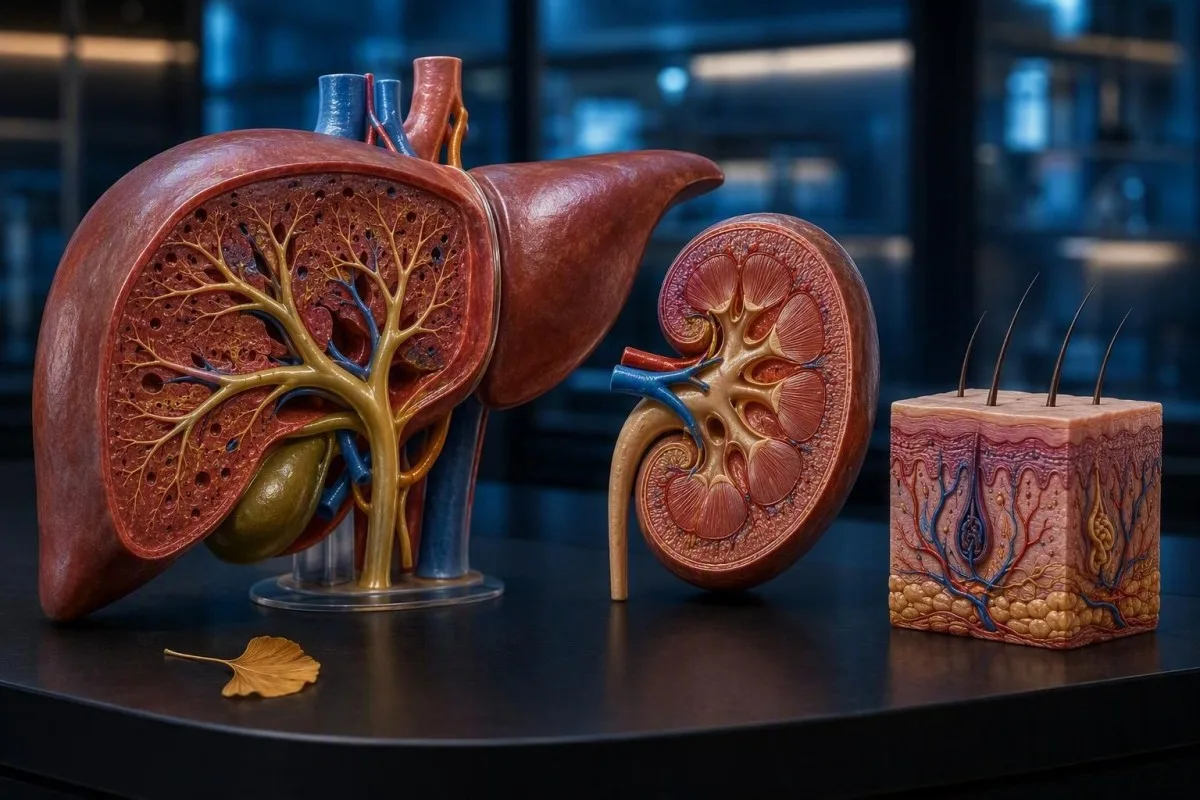
सामान्य खाज ही प्रयोगशाळेतील एक उपयुक्त माहिती असू शकते, परंतु त्वचेच्या अनेक सामान्य कारणांमुळे रक्त तपासणी अहवाल पूर्णपणे सामान्य येऊ शकतो. येथे डॉक्टर्स उपयुक्त तपासण्या आणि चुकीच्या आश्वासनांमध्ये कसा फरक करतात.


- सामान्य खाज कोणत्याही दृश्यमान पुरळाशिवाय अनेकदा CBC, यकृत पॅनेल, मूत्रपिंडाचे कार्य, ग्लुकोज आणि TSH चाचणीची शिफारस केली जाते.
- cholestatic pattern म्हणजे ALT च्या तुलनेत अल्कलाइन फॉस्फेटेज आणि GGT वाढते; सुरुवातीला बिलीरुबिन सामान्य असू शकते.
- eGFR 30 mL/min/1.73 m² पेक्षा कमी मूत्रपिंडाशी संबंधित खाज अधिक संभवनीय बनवते, विशेषतः प्रगत तीव्र मूत्रपिंड रोगात.
- 30 ng/mL पेक्षा कमी फेरीटिन बहुतेक निरोगी प्रौढांमध्ये लोहाच्या कमतरतेस समर्थन देते, परंतु जळजळ फेरिटिनला चुकीचे आश्वासन देऊ शकते.
- TSH 10 mIU/L पेक्षा जास्त कमी फ्री T4 हायपोथायरॉईडीझम दर्शवते, ज्यामुळे कोरडी, खाज सुटलेली त्वचा वाढू शकते.
- इओसिनोफिल्स 1.5 × 10⁹/L पेक्षा जास्त वैद्यकीय पाठपुराव्याची आवश्यकता आहे कारण औषधे, परजीवी आणि रोगप्रतिकारक परिस्थिती ही संभाव्य कारणे आहेत.
- रक्त तपासणी सामान्य मूल्ये एक्जिमा, खरूज, संपर्क ऍलर्जी, न्यूरोपॅथिक खाज किंवा सुरुवातीचे त्वचेचे लिम्फोमा नाकारत नाहीत.
- त्याच दिवशी मूल्यांकन पित्त, गडद लघवी, ताप, चेहऱ्यावर सूज, फोड किंवा व्यापक वेदनादायक पुरळ असल्यास खाज सुटणे संवेदनाक्षम आहे.
खाज सुटलेल्या त्वचेसाठी रक्त तपासणी कधी खरोखर उपयुक्त ठरते
A खाज सुटणाऱ्या त्वचेसाठी रक्त तपासणी खाज व्यापक असल्यास, 6 आठवड्यांपेक्षा जास्त काळ टिकल्यास, झोपेत व्यत्यय आणल्यास किंवा स्पष्ट पुरळ नसताना उद्भवल्यास सर्वात उपयुक्त ठरते. हे यकृत, मूत्रपिंड, थायरॉईड, रक्तातील पेशींची गणना आणि ग्लुकोजमधील प्रणालीगत संकेत ओळखू शकते, परंतु ते बहुतेक पृष्ठभागावरील त्वचेच्या विकारांचे निदान करू शकत नाही.
माझ्या क्लिनिकल कामात, प्राथमिक पुरळ नसताना अचानक संपूर्ण शरीरात खाज सुटल्यास संभाषण बदलते. आम्ही वजन कमी होणे, रात्री घाम येणे, नवीन औषधे, गर्भधारणा, प्रवास, मूत्रपिंडाची लक्षणे आणि खाजेची वेळ पाहतो; नवीन औषध घेतल्यानंतर सुरू होणारी खाज काही दिवसांत दिसू शकते, तर पित्तामुळे होणारी खाज कावीळ होण्यापूर्वी आठवडे आधी दिसू शकते.
डॉ. थॉमस क्लेन यांचे व्यावहारिक प्रथम-लाइन संच आहे डिफरेंशियलसह संपूर्ण रक्त गणना, फेरिटिन, रीनल पॅनेल, लिव्हर पॅनेल, TSH, उपवास ग्लुकोज किंवा HbA1c, आणि अनेकदा CRP. संपूर्ण रक्त गणना मार्गदर्शक महत्वाचे आहे कारण ॲनिमिया, इओसिनोफिलिया आणि असामान्य पांढऱ्या रक्त पेशींचे नमुने खूप वेगळ्या पुढील चरणांना कारणीभूत ठरतात.
कांटेस्टी हा एक एआय रक्त चाचणी विश्लेषक जे निदानाऐवजी एका सीमांकित संकेतावर उपचार करण्याऐवजी नमुन्याप्रमाणे या परिणामांचे वाचन करते. एक सामान्य पॅनेल अनेक अंतर्गत कारणांची शक्यता कमी करते, परंतु ते डोक्याची त्वचा, बोटांचे वेब, नखे, जांघ, पाठ आणि कोणत्याही बदलत्या त्वचेच्या पॅचची तपासणी करण्यास पर्याय देत नाही.
दीर्घकालीन सामान्यीकृत खाज असलेल्या लोकांपैकी सुमारे 10% ते 20% लोकांमध्ये विशेष गटांमध्ये अंतर्निहित प्रणालीगत योगदानकर्ते असतात, जरी प्राथमिक काळजीमध्ये हे प्रमाण कमी असते. उपयुक्त प्रश्न “खाज शोधणारी कोणती एक चाचणी आहे?” असा नाही, तर “या लक्षणांच्या नमुन्यामुळे लक्ष्यित प्रणालीगत तपासणी योग्य आहे का?”
जे फरक रुग्ण अनेकदा चुकवतात
खाज म्हणजे खाजवण्याची तीव्र इच्छा; ते एक लक्षण आहे, निदान नाही. खाजवण्यापूर्वी अस्तित्वात असलेले प्राथमिक पुरळ त्वचेच्या स्थितीकडे निर्देश करते, तर केवळ ओरखड्यांचे चिन्ह यकृत, मूत्रपिंड, रक्त, मज्जातंतू किंवा मानसिक चालकांमुळे होऊ शकतात.
न समजणाऱ्या खाजेसाठी मुख्य रक्त तपासण्या
स्पष्ट न झालेल्या खाजेसाठी सर्वोत्तम सुरुवातीच्या रक्त चाचण्या म्हणजे डिफरेंशियलसह CBC, व्यापक यकृत आणि मूत्रपिंडाचे मार्कर, TSH, ग्लुकोज मूल्यांकन आणि लोह अभ्यास. यानंतरच्या चाचण्या विस्तृत “सर्व” पॅनेलऐवजी तपासणी आणि इतिहासाचे अनुसरण केल्या पाहिजेत.
A सीबीसी ॲनिमिया, वाढलेले हेमेटोक्रिट, ल्युकोसाइट असामान्यता आणि इओसिनोफिलिया ओळखतो. गैर-गर्भवती प्रौढ महिलांमध्ये 12.0 g/dL पेक्षा कमी किंवा प्रौढ पुरुषांमध्ये 13.0 g/dL पेक्षा कमी हिमोग्लोबिन सामान्यतः ॲनिमिया म्हणून वर्गीकृत केले जाते, जरी कारण—केवळ संख्या नव्हे—ते खाजेशी संबंधित आहे की नाही हे ठरवते.
फेरीटिनची पातळी खाली 30 ng/mL निरोगी प्रौढ व्यक्तीमध्ये कमी झालेल्या लोहाच्या साठ्यासाठी एक व्यावहारिक मर्यादा आहे, तर 20% पेक्षा कमी ट्रान्सफेरिन सॅचुरेशन लोहाची उपलब्धता मर्यादित असल्याचे दर्शवते. फेरिटिन जळजळ, यकृत इजा आणि मद्यपानामुळे वाढते, म्हणून कमी-सामान्य फेरिटिन आणि वाढलेले CRP अधिक विचार करण्यासारखे आहे; आमचे लोह अभ्यास मार्गदर्शक जोडी स्पष्ट करते.
ज्ञात किंवा संशयित रोग असल्यास मूत्रपिंडाच्या तपासणीमध्ये क्रिएटिनिन, eGFR, युरिया किंवा BUN, कॅल्शियम आणि फॉस्फेट समाविष्ट असावे. eGFR आणि ACR विहंगावलोकन उपयुक्त आहे कारण खाज ही कमी झालेल्या eGFR पेक्षा प्रगत मूत्रपिंडाचा रोग आणि लक्षणांच्या ओझ्याशी अधिक संबंधित आहे.
मी वाढलेल्या गाठी, घाम येणे, ताप, वजन कमी होणे किंवा सतत असामान्य CBC निष्कर्षांसह असामान्य खाजेसाठी नियमितपणे ट्यूमर मार्कर ऑर्डर करत नाही. ते चुकीचे अलार्म तयार करतात आणि लपलेल्या कर्करोगासाठी विश्वासार्हपणे तपासणी करत नाहीत; अशा परिस्थितीत समोरासमोर निदानाची प्रक्रिया आवश्यक आहे.
खाज येणाऱ्या यकृत रोगासाठी रक्त तपासण्या: नमुना महत्त्वाचा असतो
यकृत रोगाशी संबंधित खाज सर्वात जास्त याच्याशी संबंधित आहे कोलेस्टेसिस, जेथे पित्त प्रवाह बाधित होतो आणि अल्कधर्मी फॉस्फेटेज (alkaline phosphatase), GGT किंवा पित्त आम्ल वाढू शकते. ALT आणि AST एकटे खाजेसाठी कमी माहितीपूर्ण आहेत कारण ते प्रामुख्याने यकृत पेशींच्या (hepatocyte) नुकसानाचे प्रतिबिंब दर्शवतात, पित्त साठण्याचे नाही.
प्रयोगशाळेच्या उच्च मर्यादेपेक्षा जास्त असलेली अल्कधर्मी फॉस्फेटेज (alkaline phosphatase) ची पातळी—जी प्रौढांमध्ये अनेकदा १२ पेक्षा जास्त असते—त्याचे मूळ निश्चित करणे आवश्यक आहे कारण हाडे देखील ALP तयार करतात. वाढलेली 120 ते 130 IU/L , जी प्रयोगशाळेनुसार स्त्रियांमध्ये ३५ IU/L पेक्षा जास्त किंवा पुरुषांमध्ये ५५ IU/L पेक्षा जास्त असते, यकृत-पित्त मार्गाचे (hepatobiliary) मूळ अधिक संभाव्य बनवते. आमच्या मार्गदर्शकाकडे पहा GGT, सामान्यतः स्त्रियांमध्ये 35 IU/L पेक्षा जास्त किंवा पुरुषांमध्ये 55 IU/L पेक्षा जास्त (प्रयोगशाळेनुसार) असलेले प्रमाण यकृत-पित्तमार्गाची समस्या दर्शवते. पित्तस्थिरता (cholestasis) चाचणी नमुने.
बिलिरुबिन वरील 1.2 mg/dL (20 µmol/L) अडथळा किंवा पित्त प्रक्रियेतील बिघाड सोबत येऊ शकतो, परंतु त्याची अनुपस्थिती सुरुवातीच्या पित्तस्थिरता (cholestatic) रोगाला नाकारत नाही. व्यवहारात, रात्री जास्त खाज सुटणे, तळहात आणि तळवे प्रभावित होणे, फिकट विष्ठा, गडद मूत्र किंवा थकवा यांसारखी लक्षणे असल्यास यकृत-केंद्रित मूल्यांकनाची त्वरित आवश्यकता आहे.
२०१८ च्या AASLD प्रायमरी बिलिअरी कोलान्जायटिस (primary biliary cholangitis) मार्गदर्शक तत्त्वांनुसार, सतत पित्तस्थिरता (cholestatic) यकृत चाचण्या, विशेषतः वाढलेले ALP असलेल्या रुग्णांमध्ये PBC चा विचार करण्याची शिफारस केली जाते आणि योग्य परिस्थितीत अँटीमायटोकोंड्रियल अँटीबॉडीजची (antimitochondrial antibodies) चाचणी केली जाते (Lindor et al., 2019). गर्भधारणा, इस्ट्रोजेनचा प्रभाव, प्रतिजैविके (antibiotics), ऍनाबॉलिक एजंट्स (anabolic agents) आणि सप्लिमेंट्समुळे देखील पित्तस्थिरतेचे (cholestatic) नमुने तयार होऊ शकतात.
पुन्हा चाचण्यांची वाट पाहत असताना “यकृत डिटॉक्स” (liver detox) करण्याचा प्रयत्न करू नका. काही केंद्रित हर्बल उत्पादने (herbal products) आणि बॉडीबिल्डिंग सप्लिमेंट्समुळे यकृताचे नुकसान वाढू शकते; आमच्या पुराव्यावर आधारित पुनरावलोकनानुसार यकृत-पोषक अन्न निवडी हे पूरक औषधे स्वतःहून घेण्यापेक्षा सुरक्षित आहे.
सतत येणाऱ्या खाजेचे स्पष्टीकरण देऊ शकणारे मूत्रपिंडाचे अहवाल
दीर्घकालीन मूत्रपिंडाचा आजार वाढल्याने, विशेषतः eGFR 30 mL/min/1.73 m² पेक्षा कमी किंवा डायलिसिसवर अवलंबून असल्यामुळे मूत्रपिंडाशी संबंधित खाज येण्याची शक्यता वाढते. केवळ थोडासा वाढलेला क्रिएटिनिन (creatinine) क्वचितच नवीन सामान्यीकृत खाजेचे स्पष्टीकरण देतो.
सीकेडी-संबंधित खाज (CKD-associated pruritus) अनेकदा द्विपक्षीय, सतत टिकणारी आणि संध्याकाळी सर्वाधिक त्रासदायक असते, परंतु “युरेमिक खाज” (uremic itch) साठी कोणतेही निदानक्षम रक्त मूल्य नाही. क्रिएटिनिन (Creatinine), eGFR, युरिया (urea), फॉस्फेट (phosphate), कॅल्शियम (calcium), पॅराथायरॉईड हार्मोन (parathyroid hormone) आणि डायलिसिसची (dialysis) पर्याप्तता हे संदर्भाचे भाग आहेत - पास-नापास चाचणी नाही.
केडीजीओ (KDIGO) च्या २०२४ च्या सीकेडी (CKD) मार्गदर्शक तत्त्वांनुसार जी४ (G4) तीव्र मूत्रपिंड रोग (chronic kidney disease) म्हणजे eGFR 15–29 mL/min/1.73 m² आणि जी५ (G5) म्हणजे १५ (15) पेक्षा कमी; या टप्प्यांमध्ये लक्षणे आणि गुंतागुंत अधिकाधिक सामान्य होतात (KDIGO, 2024). कोरडी त्वचा, उच्च फॉस्फेट (high phosphate) आणि मज्जातंतूंची संवेदनशीलता (nerve sensitization) या सर्वांचे योगदान असू शकते, म्हणूनच मूत्रपिंड तज्ञ (renal specialist) एकाच वेळी अनेक घटकांवर लक्ष केंद्रित करू शकतात.
BUN 20 mg/dL निर्जलीकरण (dehydration), उच्च प्रथिने सेवन (high protein intake), जठरासंबंधी रक्तस्त्राव (gastrointestinal bleeding) किंवा मूत्रपिंडाचे गाळण कमी होणे (reduced kidney filtration) यामुळे होऊ शकते, म्हणून खाज मूत्रपिंडाशी संबंधित (kidney-related) आहे असे लेबल लावण्यासाठी त्याचा एकट्याने कधीही वापर करू नये. त्याची तुलना क्रिएटिनिन (creatinine), eGFR आणि जलयोजनाशी (hydration) करा; आमचे BUN-to-creatinine स्पष्टीकरण दर्शवते की हे गुणोत्तर दिशाभूल का करू शकते.
डायलिसिस (Dialysis) रुग्णांनी अचानक बदलणारी खाज कळवावी, विशेषत: ताप, नवीन पुरळ, कावीळ (jaundice) किंवा औषधांमधील बदलांसह. हे सीकेडीशी (CKD) संबंधित असू शकते, परंतु असे गृहीत धरल्याने असंबंधित आणि उपचार करण्यायोग्य निदान (unrelated and treatable diagnoses) चुकवू शकतात.
थायरॉईड आणि ग्लुकोज चाचण्या: उपयुक्त पण अनेकदा जास्त वाचल्या जातात
TSH आणि ग्लुकोज (glucose) चाचणी खाजणाऱ्या, कोरड्या त्वचेला कारणीभूत असलेल्या चयापचय घटकांना (metabolic contributors) शोधू शकते, परंतु कोणतीही चाचणी एक्झिमा (eczema) किंवा ऍलर्जीचे (allergy) निदान करत नाही. स्पष्ट हायपोथायरॉईडीझम (Overt hypothyroidism), हायपरथायरॉईडीझम (hyperthyroidism) आणि खराब नियंत्रित मधुमेह (poorly controlled diabetes) त्वचेच्या आवरणाचे कार्य (skin barrier function) किंवा मज्जातंतूंचे सिग्नलिंग (nerve signaling) बदलू शकतात.
A TSH 10 mIU/L पेक्षा जास्त कमी फ्री T4 (free T4) सह स्पष्ट हायपोथायरॉईडीझम (overt hypothyroidism) सूचित होते, ज्यामुळे अनेकदा जाडसर, कोरडी त्वचा होते आणि खाज वाढू शकते. याउलट, सामान्य फ्री T4 (normal free T4) सह किंचित श्रेणीबाहेरील TSH (TSH) तात्पुरता, औषधांशी संबंधित किंवा उप-नैदानिक (subclinical) असू शकतो; पुन्हा तपासण्याची वेळ आणि लक्षणे महत्त्वाची आहेत.
हायपरथायरॉईडीझम (Hyperthyroidism) मुळे उष्णता, घाम येणे आणि पसरलेली खाज येऊ शकते, परंतु कंप (tremor), धडधड (palpitations), वजन बदलणे (weight change) किंवा उष्णतेची असहिष्णुता (heat intolerance) यांसारखे पुष्टी करणारे संकेत (corroborating clues) असल्यास चाचणी सर्वात उपयुक्त ठरते. 5,000 ते 10,000 मायक्रोग्राम (micrograms) दररोज चे बायोटिन (Biotin) डोस काही थायरॉईड इम्युनोएसे (thyroid immunoassays) मध्ये फेरफार करू शकतात, म्हणून डॉक्टरांना आणि प्रयोगशाळेला त्याबद्दल सांगा.
मधुमेह HbA1c 6.5% किंवा त्यापेक्षा जास्त, उपाशी प्लाझ्मा ग्लुकोज 126 mg/dL किंवा त्याहून अधिक, किंवा यादृच्छिक ग्लुकोज 200 mg/dL किंवा त्याहून अधिक, ठराविक लक्षणांसह, योग्य पुष्टीकरणावर. सतत उच्च ग्लुकोज (high glucose) त्वचेला कोरडे करू शकते आणि न्यूरोपॅथिक संवेदनांमध्ये (neuropathic sensations) योगदान देऊ शकते; आमचे ग्लुकोज रेंज मार्गदर्शक व्यावहारिक व्याख्या (practical interpretation) समाविष्ट करते.
कॉर्टिसॉल पॅनेल (cortisol panel) ही खाजेसाठी प्रमाणित चाचणी नाही. मी विशिष्ट निर्देशकांसाठी (specific pointers)—अस्पष्ट रंगद्रव्य (unexplained pigmentation), कमी रक्तदाब (hypotension), स्टिरॉइडचा संपर्क (steroid exposure), तीव्र थकवा (profound fatigue) किंवा संशयास्पद तपासणी (suggestive examination)—एंडोक्राइन विस्तार (endocrine expansion) राखून ठेवतो, हार्मोन्सचा (hormones) वापर शोधमोहिमेसारखा (fishing expedition) न करता.
CBC मधील उपयुक्त माहिती: इओसिनोफिल्स, लोहाची कमतरता आणि रक्ताचे विकार
सीबीसी (CBC) लोहची कमतरता (iron deficiency), इओसिनोफिलिया (eosinophilia) किंवा रक्ताच्या पेशींमधील असामान्यता (blood-cell abnormality) प्रकट करू शकते जी खाजेच्या तपासणीवर (itch work-up) परिणाम करते, परंतु सामान्य सीबीसी (normal CBC) गंभीर त्वचेचा रोग (serious skin disease) नाकारत नाही. सततच्या अस्पष्ट विसंगतींना (Persistent unexplained abnormalities) डॉक्टरांनी ट्रेंडचे आणि कधीकधी पेशी फिल्मचे (cell film) परीक्षण करणे आवश्यक आहे.
निरपेक्ष इओसिनोफिल गणना (absolute eosinophil count) 0.5 × 10⁹/L इओसिनोफिलिया (eosinophilia) आहे; ऍलर्जी (allergy), एक्झिमा (eczema), दमा (asthma), औषधे (medicines), परजीवी (parasites) आणि काही रोगप्रतिकार विकार (immune disorders) सामान्य स्पष्टीकरणे आहेत. निरपेक्ष गणना टक्केवारीपेक्षा (percentage) अधिक महत्त्वाची आहे कारण एकूण पांढऱ्या पेशींची संख्या (total white count) कमी असल्यास “उच्च 8%” संख्यात्मकदृष्ट्या सामान्य असू शकते.
इओसिनोफिलिया (Eosinophilia) किंवा त्याहून अधिक 1.5 × 10⁹/L वारंवार तपासणीसाठी, विशेषतः ताप, धाप लागणे, पोटात दुखणे, सुजलेल्या ग्रंथी किंवा यकृत चाचणीतील असामान्यता असल्यास, वेळेवर मूल्यांकन करणे आवश्यक आहे. औषधोपचार पुनरावलोकन आश्चर्यकारकपणे फलदायी ठरते: प्रतिजैविके, दाहक-विरोधी औषधे, आकडी-विरोधी औषधे आणि पूरक औषधे हे वारंवार कारणीभूत ठरतात.
गरम पाण्याने आंघोळीनंतर खाज सुटणे हे यात एक संकेत असू शकते, पॉलीसायथेमिया व्हेरा, विशेषतः स्त्रियांच्या रक्तातील हेमेटोक्रिट साधारणपणे 48% पेक्षा जास्त किंवा पुरुषांमध्ये 49% पेक्षा जास्त असल्यास, डोकेदुखी किंवा अस्पष्ट रक्त गोठणे. या पॅटर्नसाठी वैद्यकीय मूल्यांकन आवश्यक आहे आणि यामुळे एरिथ्रोपोएटिन (erythropoietin) आणि JAK2 चाचणी केली जाऊ शकते; केवळ एका निर्जलीकरण झालेल्या नमुन्यावरून याचा अर्थ काढू नका.
आमचे रक्त कर्करोग तपासणी मार्ग (blood cancer testing pathway) हे स्पष्ट करते की CBC (Complete Blood Count) ही सुरुवातीची तपासणी आहे, कर्करोगाची चाचणी नाही. खाज आणि असामान्य रक्त गणना (count) बद्दल आम्हाला जी चिंता वाटते ती या दोन्ही गोष्टी एकत्र असल्यामुळे आहे; केवळ हलकी खाज सहसा कमी गंभीर असते.
लोह आणि पोषक तत्वांच्या चाचण्या: काय तपासणे योग्य आहे
थकवा, केस गळणे, पथ्यकारक आहार, जास्त मासिक पाळी किंवा ॲनिमिया (anemia) असल्यास, दीर्घकाळ टिकणाऱ्या सामान्य खाजेमध्ये फेरिटिन (Ferritin) आणि लोहाच्या अभ्यासाचा (iron studies) उपयोग होऊ शकतो. व्हिटॅमिनच्या विस्तृत चाचण्या कमी उपयुक्त आहेत, जोपर्यंत इतिहास किंवा तपासणीमध्ये कमतरता किंवा अन्न शोषण समस्या दर्शवत नाही.
फेरिटिन (Ferritin) हे लोह-साठवणारे प्रथिन आहे, त्या आठवड्यात शोषलेल्या आहारातील लोहाचे थेट मोजमाप नाही. माझ्या अनुभवानुसार, फेरिटिन (Ferritin) दरम्यानची मूल्ये दरम्यान असलेले प्रमाण, जेव्हा ट्रान्सफेरिन सॅचुरेशन (transferrin saturation) कमी असते, तेव्हा ते बऱ्याचदा क्लिनिकली अर्थपूर्ण असते, जरी हिमोग्लोबिन (hemoglobin) ॲनिमियाच्या मर्यादेपेक्षा जास्त असले तरी.
व्हिटॅमिन बी12 ची पातळी कमी 200 pg/mL (148 pmol/L) सामान्यतः कमतरतेचे मानले जाते, तर 200 ते 300 pg/mL ही एक संदिग्ध झोन (gray zone) आहे जिथे मिथाइलमॅलोनिक ऍसिड (methylmalonic acid) पेशींमधील कमतरता स्पष्ट करू शकते. B12 ची कमतरता बऱ्याचदा खाजेपेक्षा मज्जासंस्थेची लक्षणे निर्माण करते, परंतु संवेदनांमधील बदल क्रॉलिंग (crawling) किंवा टोचल्यासारखे (prickling) वर्णन केले जाऊ शकतात.
झिंक (Zinc) ची चाचणी सहजपणे चुकीचा अर्थ लावली जाते कारण तीव्र दाह (acute inflammation) दरम्यान सीरम झिंक (serum zinc) कमी होते आणि शरीरातील साठ्याचे अचूक प्रतिनिधित्व करत नाही. जर झिंक (Zinc) ची तपासणी केली जात असेल, तर नमुन्याची वेळ, उपाशीपोटी असणे आणि CRP (C-reactive protein) महत्त्वाचे आहेत; आमच्या स्पष्टीकरणात पहा झिंक (zinc) आणि दाह (inflammation).
कारणाशिवाय त्वचेसाठी जास्त प्रमाणात झिंक (zinc) घेणे टाळा. 40 mg मूलद्रव्य झिंक (elemental zinc) रोज कालांतराने कॉपर (copper) शोषण कमी करू शकते आणि नवीन कॉपर (copper) ची कमतरता ॲनिमिया (anemia) आणि न्यूरोलॉजिकल (neurological) लक्षणे निर्माण करू शकते, त्याऐवजी अस्पष्ट खाज दूर करण्याऐवजी.
औषधांचे पुनरावलोकन आणखी एका रक्त तपासणीपेक्षा चांगले का आहे
औषध आणि पूरक औषधांचे पुनरावलोकन केल्यास, अतिरिक्त रक्त चाचणीपेक्षा खाजेचे अधिक कार्यवाही करण्यायोग्य कारण अनेकदा आढळते. औषधांमुळे होणारी खाज प्रयोगशाळेतील सामान्य परिणामांसह येऊ शकते, किंवा यकृत चाचणीतील असामान्यता, इओसिनोफिलिया (eosinophilia), अंगावर पित्ताच्या गाठी (hives) किंवा उशिरा होणारी ऍलर्जी प्रतिक्रिया (delayed hypersensitivity rash) यासोबत असू शकते.
सामान्य ट्रिगर्समध्ये ओपिओइड्स (opioids), ACE इनहिबिटर (ACE inhibitors), काही प्रतिजैविके (antibiotics), अँटीफंगल (antifungals), आकडी-विरोधी औषधे (anticonvulsants), स्टॅटिन (statins), मलेरिया-विरोधी औषधे (antimalarials) आणि नवीन ओव्हर-द-काउंटर (over-the-counter) उत्पादने यांचा समावेश होतो. मुख्य तपशील म्हणजे वेळ: खाज येण्यापूर्वी 2 ते 8 आठवडे सुरू केलेले औषध, पहिल्या दिवशी सहन झाले असले तरी, लक्ष देण्यासारखे आहे.
हृदय, फिट्स, रक्तदाब किंवा मानसिक आरोग्यासाठीची औषधे डॉक्टरांच्या सल्ल्याशिवाय केवळ खाजेमुळे अचानक थांबवू नका. जर चेहऱ्यावर सूज, धाप लागणे, फोड येणे, तोंडात समस्या किंवा ताप असेल, तर वाट पाहण्याऐवजी आणि प्रयोगशाळेतील तपासणी करण्याऐवजी तातडीने वैद्यकीय मदत घेणे सुरक्षित आहे.
कांटेस्टी हा एक AI प्रयोगशाळा चाचणी अर्थसेवा (AI lab test interpretation service) जे यकृत, मूत्रपिंड आणि CBC मधील बदल औषधांच्या वेळेनुसार आयोजित करू शकते, परंतु ते केवळ PDF वरून औषधाच्या कारणाचे निर्धारण करू शकत नाही. डॉक्टरांना अजूनही प्रत्यक्ष उत्पादनांची नावे, डोस, सुरुवातीच्या तारखा, मद्यपानाचे प्रमाण आणि तपासणीतील निष्कर्ष आवश्यक आहेत.
अल्कोहोल (Alcohol) GGT वाढवू शकते आणि त्वचा कोरडी करू शकते, तरीही जास्त GGT अल्कोहोलमुळे खाज आली हे सिद्ध करत नाही. आमचा लेख GGT चा अर्थ आणि संदर्भ स्पष्ट करतो की पित्त अवरोध (bile obstruction), फॅटी लिव्हर (fatty liver) आणि एन्झाईम-प्रेरित औषधे (enzyme-inducing drugs) हे पर्याय अजूनही आहेत.
सामान्य रक्त तपासणी अहवालात काय दिसू शकत नाही
सामान्य रक्ताचे निष्कर्ष एक्जिमा, कॉन्टॅक्ट डर्माटायटिस, खरूज, न्यूरोपॅथिक खाज, बहुतेक अन्न प्रतिक्रिया किंवा त्वचेचा कर्करोग लवकर ओळखण्यास मदत करत नाहीत. या स्थितींचे निदान वितरणावरून, स्वरूपावरून, संपर्काच्या इतिहासावरून, सूक्ष्मदर्शकाद्वारे, पॅच चाचणीद्वारे, डर्मोस्कोपीद्वारे किंवा कधीकधी ऊतींच्या तपासणीद्वारे केले जाते.
सर्वात सामान्य चूक म्हणजे “सामान्य ऍलर्जी रक्त चाचणी” एक्जिमाला वगळते असे गृहीत धरणे. एक्जिमामध्ये एकूण IgE सामान्य असू शकते आणि वाढलेले IgE सुसंगत इतिहास नसल्यास कारण ओळखत नाही; आमचे IgE आणि एक्जिमा मार्गदर्शक मर्यादा स्पष्ट केली आहे.
खरूजमुळे अनेकदा रात्री तीव्र खाज सुटते आणि त्यात बोटांमधील भेगा, मनगट, कंबर किंवा जननेंद्रियाचा भाग समाविष्ट असू शकतो, तरीही CBC आणि यकृत चाचण्या पूर्णपणे सामान्य असू शकतात. नवीन खाज असलेल्या लोकांचे जवळचे संपर्क हे कोणत्याही सामान्य रक्त निष्कर्षापेक्षा अधिक महत्त्वाचे आहेत आणि उपचारात सहसा संपर्क व्यवस्थापन समाविष्ट करणे आवश्यक असते.
न्यूरोपॅथिक खाज अनेकदा स्थानिक, जळजळणारी, मुंग्या येणारी किंवा पोझरने बदलणारी असते; मानेच्या मणक्याचा आजार, मधुमेह आणि पूर्वीचा नागीण ही संभाव्य कारणे असू शकतात. सामान्य त्वचेचे स्वरूप लक्षणांना काल्पनिक बनवत नाही—असामान्य मज्जातंतू सिग्नलिंगमुळे खाजवणे दुय्यम असू शकते.
Kantesti AI प्रयोगशाळेतील सामान्य-विरुद्ध-असामान्य नमुने ओळखू शकते, परंतु ते डॉक्टरांच्या दृश्य निदानाची जागा घेत नाही. त्वचाविज्ञान तपासणी स्वतःच एक निदान चाचणी आहे, विशेषतः जेव्हा खाज स्थानिक, असममित किंवा बदलत्या पॅचशी संबंधित असते.
तुम्हाला त्वचेची तपासणी किंवा विशिष्ट चाचण्यांची गरज कधी भासते
जेव्हा खाज 6 आठवड्यांपेक्षा जास्त काळ टिकते, साध्या त्वचेच्या काळजीनंतरही परत येते, स्थानिक असते किंवा त्वचेवर दिसणारी पुरळ, खपली, बोगदे, रंगात बदल किंवा केस गळणे यासह येते तेव्हा तुम्हाला त्वचेची तपासणी आवश्यक आहे. त्या तपासणीनंतरच लक्ष्यित चाचण्या निवडल्या पाहिजेत, अंधाधुंदपणे ऑर्डर करू नये.
पॅच चाचणी सुगंध, संरक्षक, रबर प्रवेगक, धातू आणि टॉपिकल उत्पादनांसाठी विलंबित कॉन्टॅक्ट ऍलर्जी ओळखू शकते; ती अन्न IgE चाचणीपेक्षा वेगळी आहे. उत्पादने जिथे स्पर्श करतात तिथे राहणारी पुरळ—पापण्या, हात, मान, पट्ट्याखाली किंवा दागिन्यांभोवती—पॅच चाचणीला इतर थायरॉइड चाचणीपेक्षा अधिक संबंधित बनवते.
डॉक्टर बुरशीजन्य रोगासाठी पोटॅशियम हायड्रॉक्साइड तयार करणारा पदार्थ, रंगीत किंवा खपलीचे जखम तपासण्यासाठी डर्मोस्कोपी, किंवा सतत न समजणाऱ्या पुरळांसाठी लहान ऊतींचे परीक्षण वापरू शकतात. रक्त चाचण्या सामान्यतः सोरायसिसला एक्जिमा किंवा बुरशीजन्य संसर्गापासून वेगळे करू शकत नाहीत.
जेव्हा कोरडे डोळे, कोरडे तोंड, सांधे सूजणे, जांभळ्या ठिपक्या किंवा मूत्रपिंडाचे निष्कर्ष यासह खाज येते, तेव्हा ऑटोइम्यून चाचणी वाजवी असू शकते परंतु ती केंद्रित असावी. कमी-जोखीम असलेल्या रुग्णांमध्ये ANA चाचणी वारंवार चुकीचे सकारात्मक परिणाम देते; आमचे मार्गदर्शक पूरक आणि ANA चाचण्या निष्कर्ष क्लिनिकल संदर्भात ठेवते.
मी रुग्णांना एका विस्तृत पॅनेलसाठी महिने वाट पाहताना पाहिले आहे, तेच वेळी सुगंधित बॉडी वॉश वापरत राहिले जे वास्तविक ट्रिगर होते. भेटीसाठी प्रत्येक टॉपिकल उत्पादन, पूरक आणि प्रिस्क्रिप्शनची यादी आणा—लेबलचे फोटो खरोखरच उपयुक्त आहेत.
खाजेच्या तपासणी अहवालाकडे एक नमुना म्हणून कसे पाहावे
कावीळ, गडद लघवी, फिकट विष्ठा, चेहरा किंवा जीभ सूजणे, श्वास घेण्यास त्रास होणे, ताप, फोड येणे, त्वचेला वेदना होणे किंवा वेगाने पसरणारी पुरळ यासह खाज येत असल्यास त्वरित त्याच दिवशी मूल्यांकन आवश्यक आहे. या चेतावणी चिन्हांसाठी आपत्कालीन उपचारांना रक्त चाचणीमुळे विलंब होऊ नये.
कावीळ आणि गडद लघवी हे सूचित करते की संयुग्मित बिलीरुबिन मूत्रात प्रवेश करू शकते आणि यकृत आणि पित्तमार्गाचे त्वरित मूल्यांकन आवश्यक आहे. बिलीरुबिन 3 mg/dL (51 µmol/L) पेक्षा जास्त असल्यास सहसा स्पष्टपणे कावीळ होते, परंतु दृश्यमानता प्रकाश आणि त्वचेच्या टोननुसार बदलते; लक्षणांचे संयोजन स्व-तपासणीपेक्षा अधिक महत्त्वाचे आहे.
चेहरा सूजणे, घसा घट्ट होणे, श्वास घेण्यास घरघर, मूर्च्छा येणे किंवा सर्वत्र अंगावर गांधी उठणे हे ऍनाफिलेक्सिसचे संकेत देऊ शकतात, विशेषतः अन्न, औषध किंवा कीटक संपर्कात आल्यानंतर काही मिनिटांपासून ते काही तासांपर्यंत. ही एक आपत्कालीन प्रतिसाद परिस्थिती आहे, घरगुती प्रयोगशाळा विश्लेषणाची परिस्थिती नाही.
फोड, तोंडाचे व्रण, डोळ्यांची जळजळ किंवा ताप यासह वेदनादायक पुरळ यासाठी त्वरित मूल्यांकन आवश्यक आहे कारण गंभीर औषध प्रतिक्रिया खाज आणि सामान्य लक्षणांनी सुरू होऊ शकतात. अशा प्रतिक्रियेनंतर संशयित औषध पुन्हा सुरू करू नका, जोपर्यंत उपचार करणारी टीम स्पष्टपणे सल्ला देत नाही.
कमी गंभीर परंतु सतत असलेल्या चेतावणी लक्षणांसाठी—6 ते 12 महिन्यांत 5% पेक्षा जास्त अनपेक्षित वजन कमी होणे 5%, रात्री खूप घाम येणे, नवीन लसिका ग्रंथी (lymph nodes) किंवा सतत ताप येणे—त्वरित वैद्यकीय सल्ला घ्या. आमचे गडद लघवी चेतावणी मार्गदर्शक तुम्हाला नमुना अचूकपणे वर्णन करण्यास मदत करू शकते.
खाजेचे निदान कसे करावे
खाजेचे मूल्यांकन संयोजनांद्वारे केले जाते: वाढलेले ALP आणि GGT कोलेस्टेसिस (cholestasis) दर्शवतात, कमी फेरिटिन (ferritin) आणि कमी ट्रान्सफेरिन सॅचुरेशन (transferrin saturation) लोहाची कमतरता दर्शवते, आणि कमी eGFR आणि उच्च फॉस्फेट (phosphate) मूत्रपिंडाशी संबंधित प्रगत भार दर्शवते. एकटा चुकीचा आलेला निष्कर्ष क्वचितच कारण स्थापित करतो.
यकृत चाचण्यांसाठी, चिकित्सक अनेकदा एक R गुणोत्तर (ratio)गणना करतात: ALT ला त्याच्या वरच्या मर्यादेने भागणे, नंतर ALP ला त्याच्या वरच्या मर्यादेने भागणे. 2 पेक्षा कमी R गुणक कोलेस्टॅटिक (cholestatic) नमुन्याचे समर्थन करतो, 5 पेक्षा जास्त हेपॅटोसेल्युलर (hepatocellular) इजा दर्शवते, आणि 2 ते 5 मिश्रित आहे—औषधामुळे इजा होण्याची शक्यता असताना उपयुक्त माहिती.
लोहासाठी, 80 ng/mL चे फेरिटिन निरोगी व्यक्तीसाठी पुरेसे असू शकते परंतु कमतरता वगळण्यात अयशस्वी ठरू शकते जर CRP उच्च असेल आणि ट्रान्सफेरिन सॅचुरेशन 12% असेल. ही अशा क्षेत्रांपैकी एक आहे जिथे संदर्भ संख्येपेक्षा जास्त महत्त्वाचा असतो; सूज हिमोग्लोबिन (hemoglobin) बदलण्यापूर्वी लोहाच्या प्रवाहावर परिणाम करते.
Kantesti AI नियमित प्रयोगशाळेतील मूल्यांचे पुनरावलोकन करते आणि हळूहळू ALP वाढणे किंवा eGFR ची घट दर्शवू शकते जी एका अहवालातून स्पष्ट होत नाही. आमचे रक्त चाचणी ट्रेंड मार्गदर्शक स्पष्ट करते की 6 ते 12 महिन्यांचा उतार एका “सामान्य” मार्करपेक्षा अधिक उपयुक्त का असू शकतो.
लक्षणे कायम राहिल्यास, परिणाम सामान्य मर्यादेत नसल्यास किंवा औषध बदलल्यास चाचणी पुन्हा करणे उपयुक्त ठरते. खाज त्रासदायक असल्यामुळे काही दिवसांनी सामान्य पॅनेलची पुनरावृत्ती करणे उत्तराऐवजी गोंधळ निर्माण करते.
खाज संबंधित अचूक प्रयोगशाळा निष्कर्षांसाठी कशी तयारी करावी
खाज-संबंधित बहुतेक रक्त चाचण्यांसाठी उपवासाची आवश्यकता नसते, परंतु तयारीमुळे ग्लुकोज (glucose), ट्रायग्लिसराइड्स (triglycerides), लोह आणि काही सप्लिमेंट्सच्या (supplements) अर्थ लावण्यावर परिणाम होतो. सर्वात सुरक्षित दृष्टीकोन म्हणजे आदेश देणाऱ्या डॉक्टरांच्या सूचनांचे पालन करणे आणि औषधे, अल्कोहोल, अलीकडील आजारपण आणि शेवटच्या डोसची वेळ नोंदवणे.
लोहाचे परिणाम दिवसा आणि सप्लिमेंटेशननंतर बदलतात, म्हणून सकाळी नमुना घेणे आणि आदेश देणाऱ्या डॉक्टरांनी सल्ला दिल्यास लोह थांबवणे अर्थ लावणे सुधारू शकते. उपवास न करता लोहाचे मूल्य आपोआप चुकीचे नसते, परंतु ते पूर्वीच्या उपवास केलेल्या सकाळच्या नमुन्याशी कमी तुलनात्मक असते.
बायोटिन (Biotin) निवडक थायरॉईड, ट्रोपोनिन (troponin) आणि हार्मोन इम्युनोअॅसे (immunoassay) मध्ये हस्तक्षेप करू शकते. अमेरिकन थायरॉईड असोसिएशनने क्लिनिकली सुरक्षित असल्यास चाचणीच्या किमान 2 दिवस आधी बायोटिन थांबवण्याचा सल्ला दिला आहे, तरी आवश्यक अंतर डोस आणि अॅसे पद्धतीवर अवलंबून असते.
अलीकडील तीव्र व्यायाम AST, क्रिएटिनिन (creatinine) आणि CK तात्पुरते वाढवू शकतो; शर्यतीनंतर 89 IU/L AST असलेला 52 वर्षीय सहनशक्ती धावपटू याचा अर्थ लावणे, पित्त (jaundice) असलेल्या बैठी रुग्णापेक्षा वेगळे असते. प्रशिक्षण, ताप, अल्कोहोल आणि नवीन सप्लिमेंट्स नोंदवा; आमचे प्रयोगशाळेचा वेळापत्रक मार्गदर्शक (timing guide) बदलांचे सामान्य स्रोत दर्शवते.
कांटेस्टी हा एक AI बायोमार्कर इंटरप्रिटेशन प्लॅटफॉर्म जे या पूर्व-चाचणी तपशीलांना तुमच्या निकालांच्या शेजारी आयोजित करण्यास मदत करते, ज्यात अहवालांमधील ट्रेंडचा समावेश आहे. 20 ऑगस्ट 2026 पासून, आमचा क्लिनिकल दृष्टिकोन पुराणमतवादी राहिला आहे: अल्गोरिदम (algorithm) नमुने स्पष्ट करू शकते, परंतु लक्षणे आणि धोक्याचे संकेत नेहमी स्वयंचलित आश्वसनापेक्षा श्रेष्ठ असतात.
तुमच्या खाज सुटलेल्या त्वचेच्या रक्त तपासणी अहवालानंतर काय करावे
खाजलेल्या त्वचेच्या रक्त चाचण्यांनंतर, प्रत्येक ध्वजांकित मूल्यावर स्वतः उपचार करण्याऐवजी नमुन्यावर कार्य करा. असामान्य यकृत, मूत्रपिंड, CBC किंवा थायरॉईडचे निकाल डॉक्टरांच्या नेतृत्वाखालील पाठपुरावा आवश्यक करतात, तर सामान्य निकाल आणि सततची खाज सामान्यतः त्वचेचे आणि औषधांचे पद्धतशीर मूल्यांकन मागवते.
एका पानाची लक्षणे टाइमलाइन आणा: सुरु होण्याची तारीख, शरीराचे भाग, 0-10 स्केलवर रात्रीची तीव्रता, नवीन उत्पादने, प्रवास, घरातील लक्षणे, औषधे आणि कोणत्याही सुरुवातीच्या पुरळांचे छायाचित्र. यामुळे इतिहासाला “माझ्या संपूर्ण शरीरात खाज सुटते” असे म्हणण्यापेक्षा अधिक निदानक्षम उपयुक्तता मिळते.”
जर ALP आणि GGT वाढलेले असतील, तर पुन्हा यकृत चाचण्या, अल्ट्रासाऊंड, औषध पुनरावलोकन, व्हायरल हिपॅटायटीस (viral hepatitis) चाचणी किंवा ऑटोइम्यून कोलेस्टेसिस (autoimmune cholestasis) चाचण्या तुमच्या केसमध्ये बसतात का ते विचारा. जर फेरिटिन कमी असेल, तर त्याचे कारण विचारा—तीव्र मासिक पाळी, आहार, कुअवशोषण (malabsorption) आणि आतड्यांसंबंधी रक्तस्त्राव यांचे वेगवेगळे पाठपुरावा मार्ग आहेत; पहा जास्त मासिक पाळी नसताना कमी फेरीटिन.
प्रतीक्षा करताना लक्षणात्मक आरामासाठी, बहुतेक रुग्णांना दिवसातून दोनदा सुगंध-मुक्त मॉइश्चरायझर (moisturiser), कोमट संक्षिप्त शॉवर आणि सैल श्वास घेण्यायोग्य कपडे उपयुक्त वाटतात. शामक अँटीहिस्टामाइन्स (antihistamines) पित्ताच्या गाठींवर (hives) मदत करू शकतात परंतु कोलेस्टॅटिक, मूत्रपिंडाशी संबंधित किंवा न्यूरोपॅथिक (neuropathic) खाजेसाठी अनेकदा निराशाजनक असतात आणि ते वृद्ध लोकांमध्ये पडण्याचा धोका वाढवू शकतात.
आमचे वैद्यकीय प्रमाणीकरण मानके Kantesti अचूकता आणि क्लिनिकल मर्यादांवर कसे लक्ष देते हे स्पष्ट करतात. डॉ. थॉमस क्लेन यांचा अंतिम निष्कर्ष सरळ आहे: निकालांचा वापर पुढील भेटीत अधिक चांगला प्रश्न विचारण्यासाठी करा, कधीही केवळ सततच्या खाजेचे कारण निश्चित करण्यासाठी करू नका.
सतत विचारले जाणारे प्रश्न
संपूर्ण अंग खाजत असेल तर कोणती रक्त तपासणी करावी असे विचारावे?
6 आठवड्यांपेक्षा जास्त काळ टिकणाऱ्या सामान्यीकृत खाज सुटण्यासाठी, डॉक्टर सामान्यतः डिफरेंशियलसह CBC, फेरिटिन किंवा लोहाचे अभ्यास, बिलीरुबिनसह यकृत पॅनेल, eGFR सह क्रिएटिनिन, TSH आणि ग्लुकोज किंवा HbA1c पासून सुरुवात करतात. 30 ng/mL पेक्षा कमी फेरिटिन लोहाच्या कमतरतेचे समर्थन करू शकते, तर 30 mL/min/1.73 m² पेक्षा कमी eGFR प्रगत किडनी-संबंधित खाजची शक्यता वाढवते. अचूक पॅनेल लक्षणे, औषधे, गर्भधारणेची स्थिती, प्रवास आणि त्वचेची तपासणी प्रतिबिंबित केली पाहिजे. सामान्य परिणाम एक्जिमा, खरुज, संपर्क त्वचा रोग किंवा न्यूरोपॅथिक खाज नाकारत नाहीत.
यकृताच्या समस्यांमुळे यकृताचे एन्झाईम सामान्य असताना खाज येऊ शकते का?
होय, बिलीरुबिन वाढण्यापूर्वी कधीकधी यकृताशी संबंधित खाज येऊ शकते, परंतु सततची पित्तस्थिरता (cholestasis) कालांतराने ALP, GGT, पित्त आम्ल किंवा संबंधित चाचण्यांमध्ये काही विकृती निर्माण करते. प्रयोगशाळेच्या वरच्या मर्यादेपेक्षा जास्त ALP, अनेकदा 120 ते 130 IU/L, वाढलेल्या GGT सह, सौम्य वेगळ्या ALT वाढीपेक्षा पित्त प्रवाहातील अडथळा दर्शवते. गडद मूत्र, फिकट विष्ठा किंवा पिवळे डोळे यांसारखी खाज वैद्यकीयदृष्ट्या तातडीने तपासणी आवश्यक आहे, जरी मागील पॅनेल सामान्य असले तरी. औषध आणि पूरक आहाराचे सेवन तपासणे आवश्यक आहे कारण दोन्ही पित्तस्थिरता (cholestatic injury) होऊ शकतात.
सामान्य सीबीसी (CBC) खाज येण्याचे गंभीर कारण वगळू शकते का?
नाही, सामान्य CBC बहुतेक त्वचेचे रोग, खरुज, संपर्क ऍलर्जी, यकृताचा प्रारंभिक रोग किंवा न्यूरोपॅथिक खाज नाकारत नाही. हे काही रक्त-गणना विकारांची चिंता कमी करते, विशेषतः जेव्हा हिमोग्लोबिन, पांढऱ्या रक्त पेशींचे विभेदन आणि प्लेटलेट्स कालांतराने स्थिर राहतात. वजन कमी होणे, ताप, रात्री घाम येणे किंवा लसिका ग्रंथींची सूज यांसारख्या सततच्या खाजेसाठी सामान्य CBC ची पर्वा न करता डॉक्टरांच्या पुनरावलोकनाची आवश्यकता असते. CBC पुन्हा तपासण्यापेक्षा त्वचेची तपासणी अधिक माहितीपूर्ण असते.
लोहची कमतरता खाज सुटणाऱ्या त्वचेला ॲनिमियाशिवाय कारणीभूत ठरू शकते का?
ऍनिमिया विकसित होण्यापूर्वी लोहाची कमी साठवणूक खाज किंवा त्वचेची आणि मज्जातंतूंची लक्षणे वाढवू शकते, जरी प्रत्येक रुग्णासाठी पुरावा निर्णायक नाही. 30 ng/mL पेक्षा कमी फेरिटिन आणि 20% पेक्षा कमी ट्रान्सफेरिन सॅचुरेशन अनेक निरोगी प्रौढांमध्ये लोहाची कमतरता दर्शवते. सामान्य हिमोग्लोबिनमुळे साठवणूक कमी होत नाही, विशेषतः जास्त मासिक रक्तस्त्राव, रक्त दान किंवा प्रतिबंधित आहारानंतर. दीर्घकालीन पूरक घेण्यापूर्वी लोहाचे नुकसान होण्याचे कारण शोधणे महत्त्वाचे आहे.
ऍलर्जीमुळे होणारी खाज दर्शवणारी रक्त तपासणी कोणती?
ऍलर्जी-संबंधित खाजचे कारण निश्चित करण्यासाठी कोणतेही एक रक्त चाचणी नाही. एक्जिमा, दमा, परजीवी संसर्ग आणि इतर परिस्थितींमध्ये एकूण IgE जास्त असू शकते, तर सामान्य IgE संपर्क ऍलर्जी किंवा अंगावर उठणारे पित्त (hives) नाकारत नाही. विशिष्ट IgE चाचणी तेव्हाच उपयुक्त ठरते जेव्हा इतिहास विशिष्ट ऍलर्जीनच्या त्वरित प्रतिक्रियेचा, अनेकदा संपर्काच्या काही मिनिटांपासून ते 2 तासांपर्यंत सूचित करतो. पॅच चाचणी, जी त्वचेवर केली जाते, उत्पादने, सुगंध आणि धातूंना होणाऱ्या उशिरा प्रतिक्रियांसाठी अधिक योग्य आहे.
खाज सुटणे कधी आपत्कालीन परिस्थितीत मोडते?
श्वास घेण्यास त्रास होणे, घसा किंवा जिभेला सूज येणे, चक्कर येणे, संपर्कानंतर सर्वत्र पित्त उठणे, फोड येणे, त्वचा दुखणे, तोंडाला फोड येणे, जास्त ताप, कावीळ किंवा वेगाने पसरणारी पुरळ यांसह त्वचेची खाज ही एक आपत्कालीन स्थिती आहे. ही लक्षणे ऍनाफिलेक्सिस (anaphylaxis), गंभीर औषध प्रतिक्रिया किंवा तातडीची यकृत आणि पित्त नलिका रोग दर्शवू शकतात. 3 mg/dL पेक्षा जास्त बिलीरुबिनमुळे दिसणारी कावीळ होऊ शकते, परंतु पिवळे डोळे, गडद मूत्र आणि फिकट विष्ठा असल्यास प्रयोगशाळेच्या मर्यादेची वाट पाहू नये. लक्षणांची तीव्रता आणि गतीनुसार आपत्कालीन किंवा त्याच दिवशी काळजी घ्या.
खरूजचे निदान झाल्यास, घरातील सदस्यांना खाज येत नसली तरी त्यांच्यावर उपचार करणे आवश्यक आहे का?
होय—घरातील सदस्यांना आणि त्वचेचा जवळचा त्वचा-स्पर्श झालेल्या व्यक्तींना सहसा एकाच वेळी उपचारांची गरज असते, लक्षणे नसली तरीही, कारण खाज सुरू होण्यास अनेक आठवडे लागू शकतात. उपचारांसाठी आणि अलीकडे वापरलेले अंथरूण-पांघरूण, टॉवेल व कपडे धुण्यासाठी तुमच्या डॉक्टरांच्या सूचनांचे पालन करा.
आजच AI-संचालित रक्त तपासणी विश्लेषण मिळवा
जगभरातील 2 दशलक्षांहून अधिक वापरकर्त्यांमध्ये सामील व्हा, जे तात्काळ आणि अचूक प्रयोगशाळा चाचणी विश्लेषणासाठी Kantesti वर विश्वास ठेवतात. तुमचे रक्त तपासणी अहवाल अपलोड करा आणि काही सेकंदांत 15,000+ बायोमार्कर्सचे सर्वसमावेशक अर्थ लावणे मिळवा.
📚 संदर्भित संशोधन प्रकाशने
क्लेन, टी., मिशेल, एस., आणि वेबर, एच. (2026). Kantesti संशोधन संघ. (2026). B निगेटिव्ह रक्त गट, LDH रक्त चाचणी आणि रेटिक्युलोसाइट गणना मार्गदर्शक. Figshare.. Kantesti AI वैद्यकीय संशोधन.
क्लेन, टी., मिशेल, एस., आणि वेबर, एच. (2026). Kantesti संशोधन संघ. (2026). उपवासानंतर अतिसार, विष्ठेतील काळे ठिपके आणि GI मार्गदर्शक 2026. Figshare.. Kantesti AI वैद्यकीय संशोधन.
📖 बाह्य वैद्यकीय संदर्भ
⚕️ वैद्यकीय अस्वीकरण
हा लेख केवळ शैक्षणिक उद्देशांसाठी आहे आणि वैद्यकीय सल्ला ठरत नाही. निदान आणि उपचार निर्णयांसाठी नेहमी पात्र आरोग्यसेवा प्रदात्याशी सल्लामसलत करा.
E-E-A-T विश्वास संकेत
अनुभव
प्रयोगशाळेतील अहवाल समजून घेण्याच्या कार्यप्रवाहांचे डॉक्टरांच्या नेतृत्वाखालील क्लिनिकल पुनरावलोकन.
कौशल्य
बायोमार्कर्स क्लिनिकल संदर्भात कसे वागतात यावर प्रयोगशाळा वैद्यकाचा भर.
अधिकृतता
डॉ. थॉमस क्लाइन यांनी लिहिलेले, आणि डॉ. सारा मिशेल व प्रा. डॉ. हान्स वेबर यांनी पुनरावलोकन केलेले.
विश्वासार्हता
पुराव्यावर आधारित अर्थ लावणे, घाबरवणाऱ्या सूचना कमी करण्यासाठी स्पष्ट पुढील मार्गांसह.