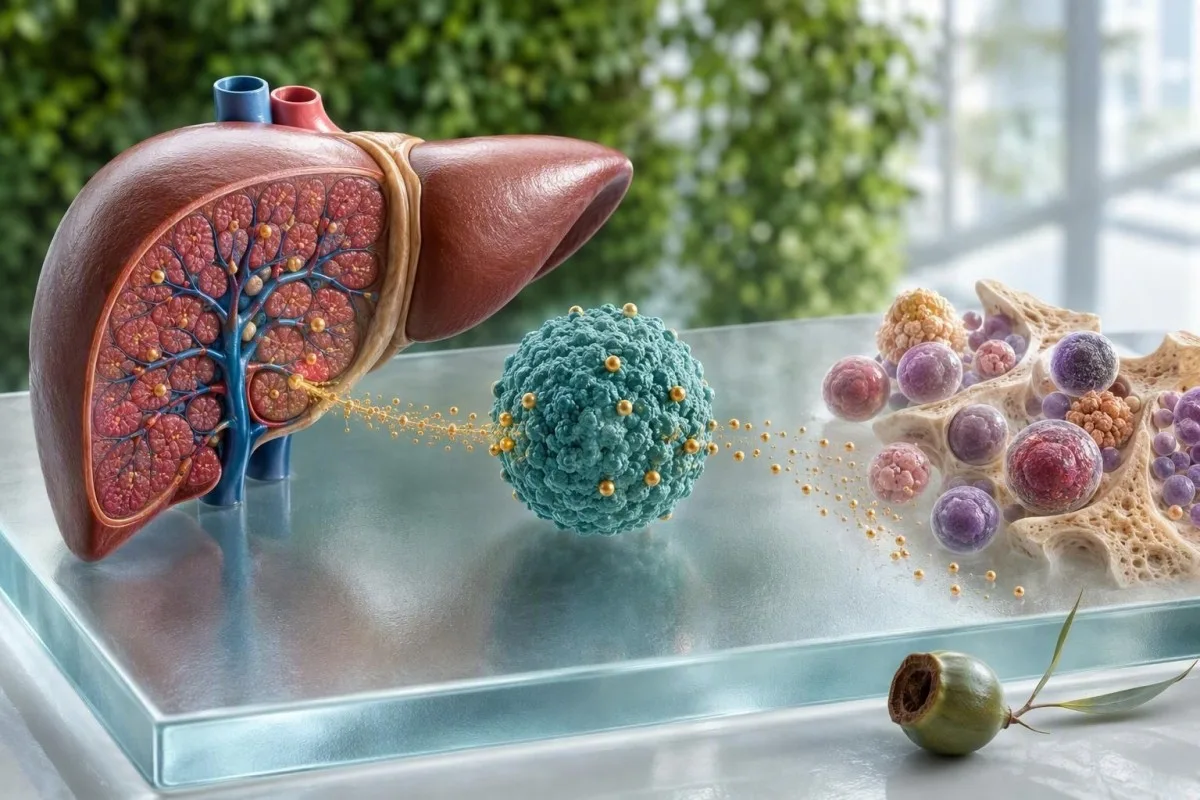
Žemas vario rodiklis paprastai yra priežastis ieškoti cinko poveikio, sutrikusio absorbcijos arba sumažėjusio ceruloplazmino – tai ne priežastis aklai pradėti dideles dozes papildų.


- Žemas serumo vario kiekis paprastai yra žemiau maždaug 70 µg/dL (11 µmol/L), tačiau laboratorijos nustatytas diapazonas ir ceruloplazmino rodiklis lemia jo reikšmę.
- Cinko perteklius yra viena iš labiausiai grįžtamų žemo vario priežasčių; reguliarus cinko vartojimas virš 40 mg/dieną gali sutrikdyti vario absorbciją žarnyne.
- Vario trūkumo sukelta anemija gali būti normocitinė, mikrocitinė arba makrocitinė ir dažnai pasireiškia kartu su neutropenija.
- Mieloneuropatija dėl sunkaus vario trūkumo gali priminti vitamino B12 trūkumą, pasireiškiantį eisenos sutrikimu ir tirpimu.
- Ceruloplazminas žemiau 20 mg/dL kartu su žemu variu rodo sumažėjusį vario transportavimo baltymą, tačiau kepenų liga ir genetiniai veiksniai gali apsunkinti interpretaciją.
- Suaugusiems reikia 900 µg maistinio vario kasdien; toleruojama didžiausia paros norma JAV yra 10 mg.
- Kontroliniai tyrimai paprastai apima CBC, ceruloplazminą, cinką, geležies tyrimus, vitaminą B12 ir bariatrinės chirurgijos, dantų protezų kremų bei maisto papildų apžvalgą.
- Skubus įvertinimas tinka esant blogėjančiam sunkumui vaikščioti, naujam silpnumui, pasikartojančioms infekcijoms su neutropenija arba greitai progresuojančiai mažakraujystei.
Ką paprastai reiškia žemas serumo vario rodiklis
Mažas serumo vario kiekis paprastai atspindi sumažėjusį vario prieinamumą arba sumažėjusį ceruloplazminą, o ne tiesiog mažai vario turintį patiekalą praėjusią dieną. Suaugusiems dauguma laboratorijų naudoja maždaug 70–140 µg/dL (11–22 µmol/L) kaip referencinį intervalą, nors diapazonai skiriasi priklausomai nuo metodo, amžiaus, nėštumo būklės ir laboratorijos.
Vario trūkumo kraujo tyrimas yra įtikinamiausias, kai serumo vario ir ceruloplazmino kiekis yra mažas, ypač esant mažakraujystei, neutropenijai ar neurologiniams simptomams. Apie 95% cirkuliuojančio vario yra susijungę su ceruloplazminu, todėl mažas bendras vario kiekis gali iš dalies atspindėti mažą nešiklio baltymą, o ne išeikvotas visos organizmo atsargas. Ką reiškia serumas laboratoriniuose tyrimuose padeda paaiškinti, kuo tai skiriasi nuo plazmos ir viso kraujo matavimų.
62 µg/dL rezultatas nusipelno papildomo tyrimo, tačiau tai dar ne kritinė būklė. Mano klinikinėje patirtyje svarbus skirtumas yra tai, ar vertė yra nuolatinė ir ar CBC rodo mažėjantį neutrofilų skaičių ar hemoglobiną. Dr. Thomas Klein apžvelgia varį kaip visumą: skaičių, ceruloplazminą, cinko poveikį, mitybą, kepenų tyrimus ir ankstesnius rezultatus kartu.
Kodėl vienas rodmuo gali klaidinti
Serumo vario kiekis yra ūminės fazės reaktorius netiesiogiai per ceruloplazminą: infekcija, estrogenų poveikis, nėštumas ir uždegiminės būklės gali jį padidinti ir paslėpti nežymų trūkumą. Atvirkščiai, sunki hipoalbuminemija, pažengusi kepenų disfunkcija ir baltymų netekimas gali sumažinti transporto baltymus. A kraujo tyrimų laiko juostos dažnai yra informatyvesnis nei vienas izoliuotas matavimas.
Pagrindinės žemo vario priežastys, kurias nagrinėja klinicistai
Cinko perteklius, pakitusi virškinimo trakto anatomija, lėtinis malabsorbcijos sindromas ir nepakankamas suvartojimas yra pagrindinės įgytos mažo vario priežastys. Atidus poveikio istorijos išsiaiškinimas paprastai padeda greičiau nustatyti tyrimų kryptį nei vien kartojami vario tyrimai.
Cinkas skatina žarnyno metalotioneino, baltymo, kuris varį riša stipriau nei cinką, susidarymą; varis įstrigsta enterocituose ir netenkamas, kai šios ląstelės nusilupa. Štai kodėl cinko pastilės, vaistai nuo peršalimo, kultūrizmo produktai ir kai kurie protezų klijai yra svarbūs. JAV suaugusiųjų cinko viršutinė riba yra 40 mg/diena, o Europos maisto saugos tarnyba naudoja 25 mg/dieną suaugusiems; nei viena riba negarantuoja saugumo kiekvienam asmeniui per kelis mėnesius. Peržiūrėkite mūsų vadovą apie didelio cinko ir vario užuominas.
Roux-en-Y skrandžio apjungimo operaciją, biliopankreatinę diverzifikaciją, celiakiją, uždegiminę žarnyno ligą, lėtinį viduriavimą, kasos nepakankamumą ir ilgalaikę parenteralinę mitybą be mikroelementų vartojimo gali sumažinti vario absorbciją. Mitybos trūkumas yra įmanomas, ypač dėl griežto maisto apribojimo, tačiau gerai maitinamiems suaugusiems jis yra retesnis nei paslėptas cinko šaltinis ar žarnyno sutrikimas. Išmatų riebalų tyrimų rezultatai gali suteikti naudingą patvirtinančią užuominą, kai įtariamas malabsorbcijos sindromas.
Vaistų ir gydymo sukeltos priežastys
Vario kelatoriai, tokie kaip penicilaminas ir trientinas, gali sąmoningai sumažinti vario kiekį ir reikalauja specialisto stebėjimo. Ilgalaikis rūgšties slopinimas kartais kliniškai siejamas su šia būkle, tačiau tiesioginių įrodymų, kad protonų pompos inhibitoriai patys savaime sukelia kliniškai reikšmingą vario trūkumą, yra nedaug; Aš neskūdyčiau PPI, kol nepatikrinčiau cinko, operacijos, viduriavimo ir mitybos įpročių.
Kodėl per didelis cinko kiekis taip dažnai lieka nepastebėtas
Reguliarus cinko vartojimas yra mažu vario kiekiu sergantiems pacientams mano dažniausiai praleidžiama priežastis, nes pacientai neskaičiuoja pastilių, multivitaminų, protezų produktų ir atskirų maisto papildų kartu. Etiketėje nurodyta dozė, dažnumas ir trukmė yra naudingesni nei vienas cinko matavimas.
Standartinėje cinko tabletėje gali būti 15-50 mg elementinio cinko, o multivitaminai gali pridėti dar 8-15 mg. Dvi 50 mg tabletės per dieną kelis mėnesius yra visai kitokia ekspozicija nei maistinis cinkas, net ir kai cinko kiekis plazmoje yra normos ribose. Cinko kiekis plazmoje taip pat mažėja ūminės ligos metu, o tai yra apribojimas, paaiškintas mūsų vadove apie cinko kiekio plazmoje tyrimą.
Neseniai apžiūrėjau pacientą, kurio hemoglobino kiekis buvo 10,4 g/dL, ANC 1,1 × 10⁹/L, o vario kiekis 43 µg/dL, kurio “vaistas” buvo tik vienas 50 mg cinko produktas, vartojamas nuo plaukų slinkimo. Nutraukus nereikalingą cinko vartojimą ir pakeitus varį vadovaujant hematologui, per kelis mėnesius atsistatė kraujo rodikliai; nervų simptomai, jei jų yra, gali atsistatyti daug lėčiau. Jaiser ir Winston (2010) šį neurologinį modelį apibūdina kaip gydomą, bet kartais ne visiškai atsistatančią mielopatiją.
Ką atsinešti į vizitą
Pateikite visų maisto papildų etikečių nuotraukas, įskaitant miltelius, guminius saldainius, nosies produktus ir protezų klijų sudedamąsias dalis. Cinko kiekis kartais nurodomas porcijoje, o ne paros dozei, o porcijų dydžiai gali paslėpti dvigubą ar trigubą poveikį. Pasninkavimas ir papildų paruošimas gali padėti planuoti nuoseklų pakartotinį tyrimą.
Kai priežastis iš tiesų yra mityba
Mitybos vario trūkumas yra labiausiai tikėtinas, kai suvartojimas buvo apribotas kelis mėnesius ir nėra cinko pertekliaus, žarnyno ligos ar ankstesnės viršutinės virškinimo trakto operacijos. Suaugusiems reikia 900 µg vario kasdien, remiantis JAV mitybos rekomendacijomis.
Maisto produktai, kuriuose gausu vario, yra anakardžiai, sezamo ar saulėgrąžų sėklos, kakava, lęšiai, avinžirniai, grybai, jūros gėrybės ir organiniai mėsos produktai, jei tai priimtina kultūriškai. 28 g anakardžių porcija suteikia maždaug 0,6 mg vario, o mitybos racionai, kuriuose vyrauja rafinuoti grūdai ir labai apribotas “švarus maistas”, gali lemti jo trūkumą. Praktinių porcijų dydžius rasite maisto produktams, kuriuose gausu vario.
Maisto neturėtų būti vertinama kaip diagnostinio tyrimo pakaitalas, kai vario kiekis yra 40 µg/dL, o CBC yra nenormalus. Leistinas viršutinis vario suvartojimo lygis yra 10 mg per parą suaugusiems, o nepripžiūrimas didelių vario dozių gali sukelti pykinimą, pilvo skausmą, kepenų pažeidimą ir pavojingą kaupimąsi jautriems asmenims. Reikalas tas, kad daugiau nebūtinai reiškia geriau.
Mitybos modeliai, kuriuos verta atidžiau ištirti
Griežti veganiški racionai gali patenkinti vario poreikius, tačiau prastai suplanuoti ribojantys racionai, valgymo sutrikimai, ilgalaikis maisto pakaitalų naudojimas ir sunki baltymų-kalorijų nepakankamumas reikalauja kruopštaus vertinimo. Žemas vario kiekis gali pasireikšti kartu su geležies, folio rūgšties, B12, cinko ar seleno sutrikimais, todėl mineralų trūkumo kraujo tyrimų peržiūra paprastai yra platesnė nei vieno mineralo tyrimas.
Žarnyno ligos ir operacijos: absorbcijos požymiai
Vario absorbcija daugiausia vyksta skrandyje ir proksimalinėje plonojoje žarnoje, todėl skrandžio operacijos ir proksimalinės žarnyno ligos yra svarbios priežastys, paaiškinančios žemą vario kiekį. Trūkumas gali pasireikšti praėjus keleriems metams po operacijos, ne tik pirmaisiais pooperaciniais metais.
Po Roux-en-Y skrandžio apylankos dvylikapirštė žarna aplenkiama ir pasikeičia skrandžio rūgšties poveikis; abu šie veiksniai gali sumažinti vario prieinamumą. Pacientams, turintiems riebalų kaupimąsi išmatose, svorio netekimą, skystas, šviesias išmatas ar nuolatinį pilvo pūtimą, be vario tyrimų, vertinu celiakijos tyrimus, kasos funkciją ir uždegiminę žarnyno ligą. Žemas rezultatas kartu su lėtiniu viduriavimu yra įtikinamesnis nei vien žemas vario kiekis.
Celiakijos atrankinėje diagnostikoje slypi spąstai: žmonės, kuriems trūksta IgA, gali turėti klaidingai raminantį audinio transgliutaminazės-IgA rezultatą. Jei klinikinė istorija atitinka, gali prireikti bendro IgA ir IgG pagrįsto tyrimo, kaip paaiškinta mūsų straipsnyje apie mažą IgA ir celiakijos tyrimus. Stool elastase taip pat gali padėti įvertinti kasos egzokrininį nepakankamumą; žemas rodmuo reikalauja klinikinės interpretacijos, o ne savigydos.
Laiko klausimas po operacijos
Daugelis bariatrijos programų periodiškai stebi vario kiekį, ypač po malabsorbcinių procedūrų, tačiau tvarkaraščiai skiriasi. Normalus vario kiekis 12 mėnesių po operacijos neatmeta rizikos 5-uosius ar 10-uosius metus, ypač jei vėliau atsiranda vėmimas, viduriavimas ar cinko papildymas. Stool elastase interpretacija yra vienas aktualus kitas tyrimas, kai pasireiškia riebios išmatos.
Žemo vario simptomai: kraujo, nervų ir odos požymiai
Simptomai, sukelti vario trūkumo, dažnai prasideda nuo nuovargio, sumažėjusio fizinio krūvio toleravimo, dažnų infekcijų, tirpimo ar nevalingo vaikščiojimo, tačiau daugelis žmonių iš pradžių neturi jokių specifinių simptomų. Anemijos ir neutropenijos derinys yra ypač įtartinas.
Variklio trūkumas gali sukelti anemiją, kuri atrodo mikrocitinė, normocitinė ar makrocitinė, todėl ji gali būti klaidingai priskiriama geležies arba B12 trūkumui. Variklio fermentai palaiko geležies mobilizaciją ir ląstelių energijos metabolizmą; geležies gali būti kaupiama, bet sunkiai tiekiama eritrocitų gamybai. Maža transferino saturacija gali sutapti, tačiau tai neįrodo, kad geležis yra vienintelė problema.
Neurologiniai simptomai apima dilgčiojimą kojų pirštuose, jutimo praradimą, kojų sustingimą, sutrikusią vibracijos jausmą ir plačią ar netvirtą eiseną. Šie simptomai gali priminti B12 trūkumą ir išlikti net ir po korekcijos, jei gydymas vėluoja. Kumar (2006) dokumentavo variklio trūkumo mielopatiją kaip kliniškai atpažįstamą, dažnai nepakankamai diagnozuojamą nugaros smegenų disfunkcijos priežastį.
Simptomai, kurių nereikėtų atidėlioti
Nedelsdami kreipkitės medicininės pagalbos tą pačią dieną, jei naujai negalite saugiai vaikščioti, greitai blogėja silpnumas, alpimas, krūtinės skausmas, karščiavimas su sunkia neutropenija ar sumišimas. Variklio trūkumas nėra vienintelis šių simptomų paaiškinimas, ir greitai reikia atsižvelgti į insultą, stuburo kompresiją, infekciją ar sunkų B12 trūkumą. Kraujo tyrimai dėl svaigimo apibūdina bendrus alternatyvius laboratorinius modelius.
CBC modeliai, dėl kurių vario trūkumas tampa labiau tikėtinas
Anemija su neutropenija, ypač po bariatrijos operacijos ar cinko poveikio, turėtų paskatinti patikrinti variklį, net jei geležis ir B12 jau buvo ištirti. Trombocitai dažnai yra normalūs, nors sunkus trūkumas gali paveikti daugiau nei vieną ląstelių eilutę.
Bendras kraujo tyrimas gali parodyti hemoglobiną žemiau vietinio intervalo, mažą absoliutų neutrofilų skaičių, didelį RDW ir kintamą MCV. ANC žemiau 1,5 × 10⁹/L yra neutropenija; žemiau 0,5 × 10⁹/L kelia žymiai didesnę bakterinės ir grybelinės infekcijos riziką ir reikalauja skubios klinikinės priežiūros. Dėl kraujo rodiklių konteksto peržiūrėkite MCV ir MCH modeliai.
Variklio trūkumas gali priminti mielodisplastinį sindromą tiriant kaulų čiulpus, įskaitant vakuuminius eritrocitinius ir mieloidinius pirmtakus bei žiedinius sideroblastus. Halfdanarson ir kt. (2008) pranešė apie hematologinius sutrikimus variklio trūkumo turintiems pacientams, kurie pagerėjo po papildymo, primindami pamatuoti variklį prieš priimant kaulų čiulpų sutrikimo diagnozę. Tai yra tikrai naudingas išgelbėjimas: jis gali užkirsti kelią invaziniam tyrimui ar bauginančiai neteisingai diagnozei.
Kodėl retikulocitai svarbūs
Retikulocitai parodo, ar kaulų čiulpų produkcija reaguoja į anemiją. Mažas arba netinkamai normalus retikulocitų atsakas su anemija rodo nepakankamą produkciją, o didelis atsakas labiau rodo praradimą ar sunaikinimą. Simptomai, susiję su mažu retikulocitų kiekiu paaiškina, kaip klinikai naudojasi šiuo skirtumu.
Ceruloplazminas, žemas varis ir Wilsono ligos išimtis
Žemas serumo variklio kiekis kartu su žemu ceruloplazmino kiekiu gali pasireikšti variklio trūkumo ir Wilsono ligos atvejais, tačiau klinikinės pasekmės yra priešingos. Wilsono liga yra variklio apykaitos sutrikimas, kurio metu bendras kraujo variklio kiekis gali būti mažas dėl mažo ceruloplazmino kiekio, o audinių ir ne ceruloplazmino variklio kiekis gali būti per didelis.
Ceruloplazminas dažnai pranešamas apie 20-40 mg/dL, tačiau tyrimų metodai ir referenciniai intervalai skiriasi. Lygis žemiau 20 mg/dL pats savaime nediagnozuoja Wilsono ligos; nepakankama mityba, baltymų netekimas, kepenų nepakankamumas ir paveldėtas mažas ceruloplazmino kiekis taip pat gali jį sumažinti. Ceruloplazmino kraujo tyrimo rezultatai apima šį modelį išsamiau.
Vilsono ligos tyrimas gali apimti kepenų fermentų tyrimus, plyšinės akies patikrą dėl Kayser-Fleischer žiedų, 24 valandų šlapimo vario kiekio nustatymą, kepenų vario kiekio matavimą ir ATP7B genetinį ištyrimą prižiūrint specialistui. 24 valandų šlapimo vario kiekis virš 100 µg/dieną simptominiams negydytiems suaugusiems asmenims patvirtina Vilsono ligą, nors rezultatai reikalauja konteksto. Neverskite didelės vario dozės, nes kai Wilson liga yra tarp diferencialinių diagnozių, ataskaitoje bus rodomas mažas bendras serumo vario kiekis.
Nėštumas ir estrogenai gali sutrikdyti vaizdą
Estrogenai ir nėštumas didina ceruloplazmino kiekį, dažnai padidindami bendrą vario kiekį iki reikšmių, kurios kitu atveju atrodytų nenormalios. Dėl to mažas vario kiekis nėštumo metu nusipelno gydytojo peržiūros, o ne tik palyginimo su ne nėščiosios referenciniu intervalu. Laboratorinių verčių pagal lytį paaiškina, kodėl referenciniai intervalai nėra keičiami.
Paveldėtos žemo vario priežastys ir kada amžius svarbus
Menkeso liga ir susiję ATP7A sutrikimai yra reti paveldėti mažo vario kiekio priežastys, kurios paprastai pasireiškia kūdikystėje ar vaikystėje, o ne kaip atsitiktinis suaugusiųjų atrankos rezultatas. Ankstyvas specializuotas gydymas yra svarbus, nes neurologiniai pažeidimai gali greitai progresuoti.
Klasikinė Menkeso liga sutrikdo vario eksportą iš žarnyno ir tiekimą į audinius; mažas vario kiekis serume ir ceruloplazmino kiekis paprastai atsiranda po pirmųjų gyvenimo savaičių. Simptomai gali apimti prastą augimą, hipotoniškumą, traukulius, neįprastus plaukus (retus ar garbanotus) ir temperatūros nestabilumą. Tai ne diagnozė, kurią reikėtų tirti ieškant informacijos internete apie maisto papildus – vaikų metabolizmo specialistai skiria tyrimus ir gydymą.
Suaugusieji, kurių šeimoje yra neaiškios ankstyvos neurologinės ligos, jungiamojo audinio sutrikimų ar žinomų ATP7A variantų istorija, turėtų apsvarstyti genetinį konsultavimą, o ne manyti, kad tai yra mitybos trūkumas. Vaikams taip pat taikomi amžiui specifiniai vario intervalai, kurie kūdikystėje gali būti didesni nei suaugusiųjų intervalai. Kūdikių kraujo tyrimų normos niekada neturėtų būti interpretuojamas su suaugusiųjų laboratoriniu šablonu.
Įgytas trūkumas suaugusiems vis dar yra dažnesnis
Suaugusiam žmogui, kuriam nustatytas naujas vario kiekis 55 µg/dL, cinko poveikis, bariatrinė istorija, lėtinė viduriavimas ir vaistai išlieka daug tikėtinesnės priežastys nei neseniai atrasta ATP7A sutrikimas. Šeimos istorija pakeičia siuntimo slenkstį, bet nepakeičia praktinės poveikio peržiūros.
Vaistai, maisto papildai ir kiti poveikio klausimai
Vaistų, sukeliantis mažą vario kiekį, peržiūra turi apimti ir nereceptinius produktus, nes cinko turintys papildai ir varį šalinantys vaistai yra informatyvesni nei dauguma receptinių vaistų. Paklauskite apie tikslią dozę, pradžios datą ir ar produktai buvo vartojami kartu.
Penicilaminas ir trientinas vartojami sergant Vilsono liga ir gali sumažinti vario kiekį, kaip numatyta, o tetratiomolibdatas yra vario kiekį mažinantis agentas, naudojamas tam tikrose situacijose. Didelė cinko dozė taip pat skiriama sergant Vilsono liga, todėl jo vartojimą reikia koordinuoti su gydančia hepatologų komanda. Vario gydymas šiomis aplinkybėmis nėra įprastas ir gali būti nesaugus.
Kantesti yra AI kraujo tyrimo rezultatų interpretavimo platforma kad mažas vario kiekis būtų vertinamas kartu su CBC, cinko, geležies indeksais, kepenų žymenimis ir ankstesniais tyrimais, o ne vertinant vieną rodiklį kaip diagnozę. Mūsų sistema gali nustatyti derinius, kuriems reikia gydytojo peržiūros, tačiau ji negali patikrinti papildų dozės ar pakeisti vaistų suderinamumo. Kraujo tyrimai po papildų vartojimo siūlo praktišką būdą užfiksuoti pradinį ir vėlesnį sekimą.
Realistiškas papildų auditas
Išvardykite kiekvieną produktą, vartojamą bent kartą per savaitę: multivitaminus, imuniteto stiprinimo mišinius, aknės preparatus, baltymų miltelius, pastiles, protezų produktus, laisvinamuosius vaistus ir žolelių mišinius. Įrašykite elementinį cinką, o ne cinko gliukonato ar citrato svorį, nes etiketės gali būti klaidinančios. Cinko tyrimų paruošimas palengvia interpretuoti sekamąjį tyrimą.
Naudingiausi kiti tyrimai po žemo vario nustatymo
Protingas mažo vario tyrimas paprastai kartoja serumo vario su ceruloplazminu, cinku ir CBC, tada prideda tyrimus, vadovaujamus klinikinio modelio. Tyrimas turėtų atsakyti į priežasties klausimą, o ne tik du kartus patvirtinti skaičių.
Dėl anemijos ar nuovargio klinicistas dažnai prideda feritino, serumo geležies, transferino soties, retikulocitų skaičiaus, vitamino B12, folio rūgšties ir kartais metilmaloninės rūgšties tyrimus. Dėl neutropenijos diferencialas taip pat apima infekciją, autoimunines ligas, vaistus, B12 ar folio rūgšties trūkumą ir kaulų čiulpų sutrikimus. Mūsų geležies tyrimų vadovas paaiškina, kodėl vien feritinas negali nustatyti anemijos diagnozės.
Esant įtariamam malabsorbcijai, tyrimai gali apimti celiakijos serologiją su bendru IgA, kepenų panelę, albuminą, CRP, fecal elestazę arba išmatų riebalų tyrimą, priklausomai nuo simptomų. Pakartotinis vario mėginys, paimtas 4–8 savaites nutraukus nereikalingą cinko vartojimą arba pradėjus klinicisto paskirtą intervenciją, dažnai yra naudingesnis nei tyrimas po kelių dienų, nes cirkuliuojančio ir hematologinio atsistatymo neįvyksta akimirksniu.
Kaip Kantesti apžvelgia modelį
Kantesti yra AI pagrindu veikiantis kraujo tyrimų analizės įrankis lyginant laiko žymėtus rezultatus ir pažymint nesuderinamus derinius, tokius kaip mažas vario kiekis su dideliu cinko kiekiu arba anemija su neutropenija. Nuo 2026 m. rugpjūčio 24 d. mūsų klinikinė darbo eiga ir toliau laiko laboratorinį ataskaitą, simptomus ir klinicisto vertinimą galutine autoriteta. DI ataskaitos šaltinio patikrinimai apibūdina saugos patikrinimus, kuriuos skatiname atlikti prieš veikdami pagal bet kokią automatinę interpretaciją.
Gydymas, vario dozės ir pakartotinio tyrimo laikas
Gydymas pirmiausia turėtų pašalinti priežastį, tada naudoti klinicisto paskirtą vario papildymą, kai trūkumas patvirtintas arba stipriai įtariamas. Tinkama dozė labai skiriasi priklausomai nuo sunkumo, absorbcijos ir to, ar cinko poveikis tęsiasi.
Esant lengvam įgytam trūkumui, klinicistas gali naudoti geriamąjį elementinį varį diapazone 2–4 mg/dieną, o esant sunkesniam simptominiam trūkumui ar malabsorbcijai gali prireikti skirtingų režimų, kartais intraveninio papildymo prižiūrint specialistui. Tai yra klinikiniai pavyzdžiai, o ne universali receptūra. Tikslas yra normalizuoti vario ir ceruloplazmino kiekį bei atkurti kraujo ląstelių skaičių – o ne vytis aukštą rezultatą.
Hemoglobinas ir neutrofilai gali pradėti gerėti per kelias savaites, tačiau visiško hematologinio korekcijos gali prireikti 4-12 savaičių; neurologinis atsistatymas yra lėtesnis ir gali būti nepilnas. Mano patirtimi, žmonės nusivilia, kai jų vario kiekis pakyla prieš pagerėjant pusiausvyrai ir tirpimui. Tas vėlavimas yra priežastis atidžiai stebėti, o ne didinti dozę be priežiūros. Vitamino B12 ir folio rūgšties tyrimas yra svarbus, nes šių trūkumai gali egzistuoti kartu ir paveikti nervus.
Venkite cinko-vario svyravimų
Jei cinkas yra mediciniškai būtinas, specialistas turėtų nustatyti vario ir cinko stebėjimo intervalus. Dozių atskyrimas keliomis valandomis gali padėti tiesiogiai konkuruoti su maisto papildais, tačiau tai nevisiškai įveikia cinko sukeltą metalotioneino poveikį, kai cinko poveikis yra per didelis. Kad išlaikytumėte tendencijų nuoseklumą, stenkitės naudoti tą pačią laboratoriją.
Kada žemas vario kiekis reikalauja skubaus medicininio įvertinimo
Mažas vario kiekis reikalauja skubaus įvertinimo, kai jis pasireiškia greitai blogėjančiu silpnumu, eisenos pakitimais, sunkia neutropenija, karščiavimu ar reikšmingais anemijos simptomais. Pavojus kyla iš komplikacijų ir alternatyvių diagnozių, o ne vien tik iš vario kiekio.
Karščiavimas 38,0°C arba aukštesnė, kai ANC yra mažesnis nei 0,5 × 10⁹/L yra medicininė pagalba, nes infekcija gali greitai progresuoti. Nauji sunkumai vaikštant, kritimai, šlapimo susilaikymas, ryškus tirpimas, kylantis kojomis, arba vienpusis silpnumas taip pat reikalauja skubaus gyvo įvertinimo; vario trūkumas yra tik viena iš galimybių, ir negalima praleisti stuburo ar kraujagyslių priežasčių.
Dusulys ramybėje, krūtinės skausmas, juodos išmatos, alpimas arba hemoglobino kiekis netoli 7–8 g/dL reikalauja skubumo, atsižvelgiant į asmens būklę ir gretutines ligas. Simptomai, rodantys mažą raudonųjų kraujo kūnelių kiekį paaiškina, kodėl simptomai ir greitis, kuriuo būklė blogėja, gali būti svarbesni nei vienas atskiras rodiklis. Nelaukite vizito pas mitybos specialistą, jei yra raudonųjų vėliavėlių.
Ką paprastai saugu daryti šiandien
Nedėkite didelės dozės vario produkto, nenutraukite paskirto Vilsono ligos gydymo ar nenutraukite didelių nenustatytų cinko dozių, nepasitarę su paskyrusiu gydytoju. Surinkite maisto papildų pakuotes, ankstesnius laboratorinius tyrimus, chirurginius įrašus ir simptomų laiko juostą; tai dažnai yra greičiausias kelias į atsakymą.
Praktinis paskyrimo kontrolinis sąrašas dėl žemo vario
Geriausias kitas žingsnis po žemo vario rezultato yra tikslinis vizitas, kuriame užfiksuojami maisto papildai, virškinimo trakto istorija, simptomai ir kartu gauti laboratoriniai duomenys. Vienos pusės laiko juosta gali sumažinti pakartotinius tyrimus ir užkirsti kelią toksiško cinko šaltinio praleidimui.
Užrašykite tikslią vario vertę ir vienetą, laboratorijos diapazoną, datą, ceruloplazminą, cinką, KKS (kraujo tyrimų visuma), feritiną, B12 ir kepenų tyrimus. Įtraukite bariatrinės arba skrandžio operacijos datas, laisvas išmatas, neplanuotą svorio pokytį, mitybos apribojimus ir naujus neurologinius simptomus. A gretutinis laboratorinių rodiklių palyginimas yra ypač naudingas, kai vario kiekis sumažėjo per kelis mėnesius, o ne staiga pasikeitė.
Daktaro Thomaso Kleino praktiška taisyklė yra paprasta: paaiškinti trūkumą prieš jį gydant, kai tik asmuo yra pakankamai stabilus, kad tai padarytų. , AI biomarkerių interpretavimo platforma, gali sutvarkyti atitinkamą laboratorinį modelį ir ilgalaikę istoriją, kad būtų galima aptarti su gydytoju, tačiau sprendimus dėl gydymo reikia prižiūrėti mediciniškai. Mūsų medicininio patvirtinimo požiūris apibūdina, kaip mes atskiriame interpretacijos raginimą nuo diagnozės.
Klausimai, kuriuos verta užduoti savo gydytojui
Klauskite: “Ar cinkas gali blokuoti vario absorbciją?”, “Ar mano KKS ir nervų simptomai sutampa?”, “Ar turėtume atlikti celiakijos ar kasos nepakankamumo tyrimus?”, “Ar gali būti svarbus Vilsono ligos atvejis?” ir “Kada turėtume pakartoti vario, ceruloplazmino, cinko ir KKS tyrimus?” Jei jums reikia kliniškai peržiūrėto darbo eigos plano arba turite sudėtingą istoriją, mūsų Medicinos patariamoji taryba atspindi gydytojo priežiūrą, slypinčią už edukacinio turinio.
Kaip be panikos suprasti vario rodiklių visumą
Daugumą žemų vario rezultatų galima paaiškinti ir gydyti, kai kartu peržiūrimas cinko poveikis, virškinimo trakto absorbcija, ceruloplazminas ir KKS. Žemas rodiklis yra raginimas atlikti struktūruotą tyrimą, o ne diagnozė ar priežastis savarankiškai gydytis.
Modelis, labiausiai rodantis įgytą trūkumą, yra žemas vario kiekis kartu su žemu ceruloplazminu, anemija arba neutropenija, cinko šaltinis arba malabsorbcijos istorija, ir pagerėjimas po priežasties pašalinimo. Modelis, reikalaujantis specialisto atsargumo, yra žemas bendras vario kiekis su žemu ceruloplazminu kartu su nepaaiškinamais kepenų ar neurologiniais radiniais, kai Vilsono liga lieka galima. Padidėjęs vario kiekis sukelia siūlo naudingą priešingą modelį palyginimui.
Kantesti dirbtinis intelektas padėjo daugiau nei 2 milijonams vartotojų 127+ šalyse, atlikdamas daugiakalbį laboratorinių tyrimų interpretavimą, tačiau vario tyrimo rezultatams vis tiek reikia žmogiškų detalių, kurių ataskaitoje negali būti: protezų naudojimas, tuštinimosi įpročiai, operacijos ir neurologinis tyrimas. Išsaugokite originalų PDF ir paprašykite tikslių vienetų; vienetų painiava tarp µg/dL ir µmol/L sukelia nereikalingą susirūpinimą dažniau, nei pacientai supranta.
Esmė
Pakartotinai patikrinkite tikrai žemą rezultatą su ceruloplazminu, cinku ir CBC; nustatykite cinko ir virškinimo trakto priežastis prieš pasirinkdami papildo dozę; ir nedelsdami kreipkitės medicininės pagalbos dėl neurologinės progresijos, karščiavimo su neutropenija ar rimtų anemijos simptomų. Toks požiūris yra atsargus, efektyvus ir dažniausiai daug labiau ramina nei spėliojimas pagal vieną pažymėtą vertę.
Dažnai užduodami klausimai
Koks yra laikomas žemas vario kiekis kraujyje?
Serumo vario kiekis, mažesnis nei maždaug 70 µg/dL arba 11 µmol/L, daugumoje suaugusiųjų laboratorijų laikomas žemu, tačiau pirmenybė teikiama paties ataskaitos intervalui. Vertė nuo 60 iki 69 µg/dL dažnai kartojama kartu su ceruloplazminu ir cinku, o vertė, mažesnė nei 40 µg/dL, paprastai reikalauja greito klinikinio įvertinimo. Nėštumas, estrogenų vartojimas, uždegimas, kepenų liga ir mažo baltymų kiekio būklės gali pakeisti bendrą vario kiekį dėl ceruloplazmino pokyčių. Žemas vario kiekis geriausiai interpretuojamas kartu su CBC ir simptomų istorija, o ne atskirai.
Ar per didelis cinko kiekis gali sukelti vario trūkumą?
Taip. Reguliariai vartojamas cinkas gali sukelti vario trūkumą, didindamas žarnyno metalotioneino kiekį, kuris pirmenybę teikia vario prisijungimui ir sumažina jo patekimą į kraujotaką. JAV suaugusiųjų didžiausia cinko paros norma yra 40 mg, o ilgalaikis šios normos viršijimas vartojant tabletes, pastiles, protezų priežiūros priemones ar kombinuotus maisto papildus kelia susirūpinimą. Normalus cinko kiekis plazmoje nepaneigia cinko sukeltos vario trūkumo. Pacientai neturėtų nutraukti gydytojo paskirto cinko vartojimo sergant Vilsono liga, nepasitarę su specialistu.
Kokie simptomai gali atsirasti dėl vario trūkumo?
Mažas vario kiekis gali sukelti nuovargį, anemiją, pasikartojančias infekcijas dėl neutropenijos, tirpimą ar dilgčiojimą, kojų stingimą, sutrikusią pusiausvyrą ir sunkumą vaikščioti. Neurologinis paveikslas gali priminti vitamino B12 trūkumą, nes abu gali paveikti nugaros smegenų takus. Simptomai dažnai vystosi palaipsniui per kelias savaites ar mėnesius, o kai kurie žmonės, nepaisant žemo rezultato, neturi akivaizdžių simptomų. Greitai progresuojantis silpnumas, nauji sunkumai vaikštant, karščiavimas arba ANC < 0,5 × 10⁹/L reikalauja skubaus gyvo apsilankymo.
Kaip patvirtinamas vario trūkumas?
Variozės trūkumas paprastai patvirtinamas nustačius mažą vario koncentraciją serume kartu su mažu ceruloplazmino kiekiu, atitinkamais simptomais ar CBC pakitimais ir galima priežastimi, tokia kaip per didelis cinko kiekis, bariatrinė chirurgija, celiakija ar lėtinė diarėja. Klinicikai dažnai tuo pačiu metu atlieka cinko, CBC, feritino, transferino sotumo, vitamino B12, folio rūgšties ir kartais metilmalono rūgšties tyrimus. Pakartotinis mėginys po 4-8 savaičių gydymo, nukreipto į priežastį, padeda dokumentuoti atsigavimą. Mažas bendras vario kiekis kartu su mažu ceruloplazminu reikalauja apsvarstyti Wilsono ligą tinkamoje klinikinėje situacijoje.
Kaip greitai varis atsistato po gydymo?
Serumo vario kiekis gali padidėti per kelias dienas ar savaites po sėkmingo pakeitimo, tačiau kraujo rodiklių atsistatymui dažnai prireikia 4–12 savaičių. Neurologiniai simptomai, tokie kaip tirpimas ar eisenoos sutrikimas, gali atsistatyti lėčiau ir likti iš dalies negrįžtami, jei trūkumas buvo ilgalaikis. Lengvam įgytam trūkumui kartais skiriamos geriamojo elementinio vario dozės, atitinkančios 2–4 mg/dieną, tačiau dozę ir vartojimo būdą turi individualiai nustatyti gydytojas. Nuolatinis cinko perteklius ar malabsorbcija gali trukdyti atsistatymui net ir papildžius maisto papildais.
Ar mityba vien galimas vario trūkumas?
Mityba vien gali sukelti vario trūkumą, ypač laikantis griežtos mitybos apribojimų, netinkamos mitybos ar ilgai trunkant pramoniniu būdu perdirbtiems maisto produktams, tačiau tarp tinkamai maitinamų suaugusiųjų tai pasitaiko rečiau nei cinko perteklius ar sutrikęs jo pasisavinimas. Suaugusiems žmonėms paprastai reikia 900 µg vario per dieną su maistu iš tokių produktų kaip ankštiniai augalai, riešutai, sėklos, kakava, grybai ir, jei tinka, vėžiagyviai. Vario lygio, mažesnio nei 40 µg/dL, kartu su anemija ar neutropenija, neturėtų būti laikoma vien mitybos priežastimi, nepatikrinus cinko poveikio ir virškinimo trakto priežasčių. Didelės vario dozės savarankiškai gali būti žalingos, ypač jei nebuvo atmesta Vilsono liga.
Gaukite AI pagrįstą kraujo tyrimo analizę jau šiandien
Prisijunkite prie daugiau nei 2 milijonų naudotojų visame pasaulyje, kurie pasitiki Kantesti dėl momentinės, tikslios laboratorinių tyrimų analizės. Įkelkite savo kraujo tyrimo rezultatus ir per kelias sekundes gaukite išsamią 15,000+ biomarkerių interpretaciją.
📚 Nuorodomis pagrįsti moksliniai leidiniai
Klein, T., Mitchell, S., & Weber, H. (2026). BUN/kreatinino santykio paaiškinimas: inkstų funkcijos tyrimo vadovas. Kantesti AI Medical Research.
Klein, T., Mitchell, S., & Weber, H. (2026). Urobilinogenas šlapimo tyrime: išsamus šlapimo tyrimo vadovas 2026. Kantesti AI Medical Research.
📖 Išorinės medicininės nuorodos
⚕️ Medicininis atsakomybės apribojimas
Šis straipsnis skirtas tik mokymo tikslais ir nesudaro medicininės konsultacijos. Visada kreipkitės į kvalifikuotą sveikatos priežiūros specialistą dėl diagnozės ir gydymo sprendimų.
E-E-A-T patikimumo signalai
Patirtis
Gydytojo vadovaujama klinikinė laboratorinių tyrimų interpretavimo darbo eigų peržiūra.
Ekspertizė
Laboratorinės medicinos dėmesys tam, kaip biomarkeriai elgiasi klinikiniame kontekste.
Autoritetas
Parašyta dr. Thomas Klein, peržiūrėjo dr. Sarah Mitchell ir prof. dr. Hans Weber.
Patikimumas
Įrodymais pagrįsta interpretacija su aiškiais tolesnių veiksmų keliais, siekiant sumažinti nerimą.
Vienas atsakymas „Low Copper Causes: Symptoms, Lab Clues and Next Steps“
Dėl vario kiekio kraujo ar šlapimo mėginyje.
Esant lėtinei kumuliacinei vario intoksikacijai / apkrovai (sugertas varis vidiniuose organuose), vario kiekis kraujo ar šlapimo mėginyje paradoksaliai dažnai būna žemas.
Yra dokumentų, patvirtinančių šį faktą (veterinarinius).
Atliekant vario kiekio kraujo ar šlapimo mėginyje (žmogui) tyrimą, kuris parodo žemą vario kiekį, tai dažnai lemia neteisingą gydymą vario papildais.
Turėtų būti atliktas chelatų tyrimas su tinkamu chelating vaistu, siekiant dokumentuoti, kad žemas vario kiekis kraujyje ar šlapime iš tikrųjų yra dėl žemo vario lygio.
Danija tikriausiai yra labiausiai pasaulyje vario užteršta šalis dėl mūsų kiaulių auginimo.
Pagarbiai
Hanne Koplev
Išėjęs į pensiją veterinaras