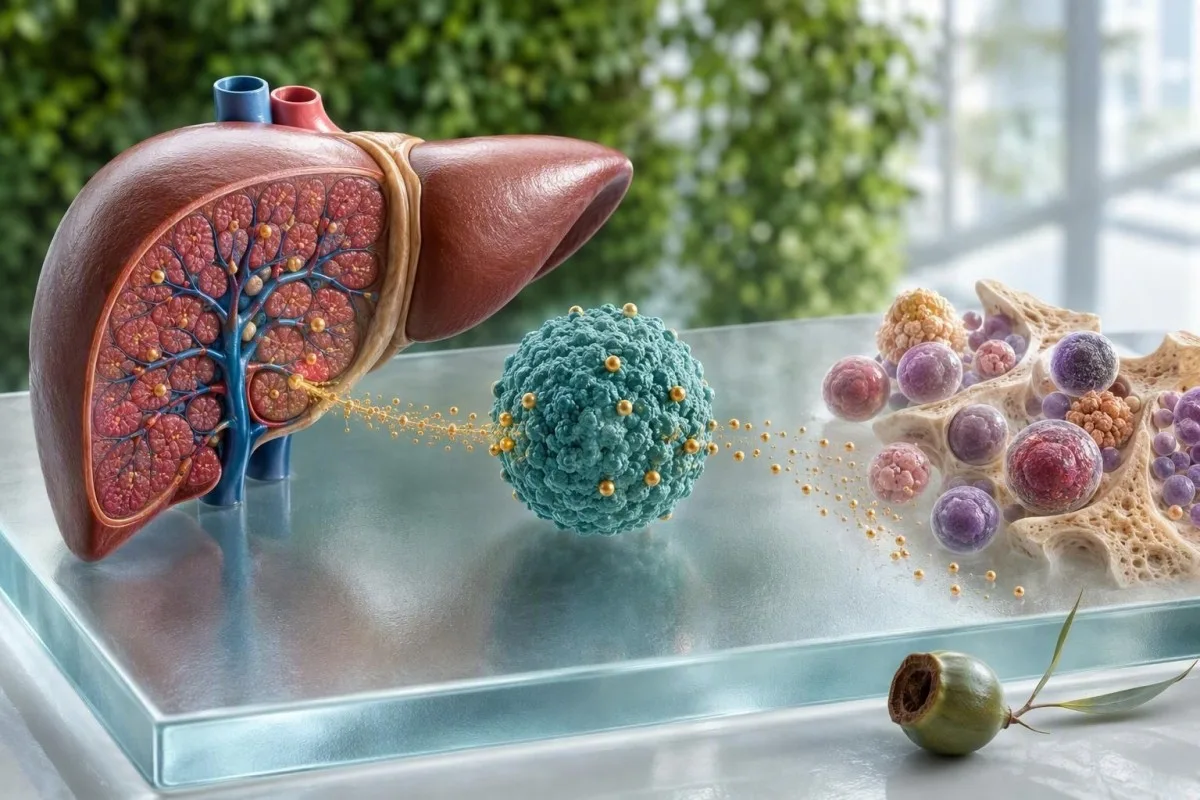
In leechte kopere resultaat is meastentiids in oanwizing om te sykjen nei sinkeksposysje, beheinde opname, of lege ceruloplasmine - net in reden om wyld hege-dosearring supplementen te begjinnen.


- Leech serum koper is meastentiids ûnder sawat 70 µg/dL (11 µmol/L), mar it laboratoarium-spesifike berik en ceruloplasmine resultaat bepale har betsjutting.
- Sink-ekses is ien fan de meast omkearbere leech koper oarsaken; regelmjittich sink boppe 40 mg/dei kin de opname fan koper yn de darmen belemmerje.
- Kopertekoart bloedarmoede kin normocytysk, mikrosytysk, of makrosytysk wêze en komt faak foar mei neutropenia.
- Myeloneuropaty fan slim kopertekoart kin ferskillen mei vitamine B12 tekoart, mei gongbalâns en ferdôving.
- Ceruloplasmine ûnder 20 mg/dL tegearre mei leech koper stipet útputte koper transportproteïne, mar lever sykte en genetyk kinne de ynterpretaasje komplisearje.
- Folwoeksen hawje deistich 900 µg fan dieetkopper nedich; it ferdraachlike boppegrinze ynname-nivo is 10 mg/dei yn 'e Feriene Steaten.
- Ferfolchûndersyk befettet meastentiids CBC, ceruloplasmine, sink, izerstúdzjes, fitamine B12, en in resinsje fan barsyske sjirurgy, dentuercrèmes, en oanfollingen.
- Dringende oersjoch is passend foar slimmer wurde fan wandelproblemen, nije swakte, weromkommende ynfeksjes mei neutropeny, of rap progressive anemia.
Wat in Leech Serum Koper Resultaat Meastentiids Betsjut
Lege serûmkopper wjerspege meastentiids fermindere beskikberens fan kopper of fermindere ceruloplasmine, net gewoan in miel mei lege kopper fan de dei derfoar. By folwoeksenen brûke in protte laboratoaren sawat 70-140 µg/dL (11-22 µmol/L) as in referinsjeperioade, hoewol't berikken ferskille per metoade, leeftyd, swangerskipstatus, en laboratoarium.
In bloedtest foar koppertekoart is it meast oertsjûgjend as serûmkopper en ceruloplasmine beide leech binne, benammen mei anemia, neutropeny, of neurologyske symptomen. Sawat 95% fan sirkulearjende kopper is bûn oan ceruloplasmine, dus in lege totale kopper kin foar in part in lege dragerproteïne wjerspegelje ynstee fan in útputte hiele lichem foarried. Wat serûm betsjut yn laboratoariumtesten helpt te ferklearjen wêrom't dit ferskilt fan plasma- en hiele-selmjittingen.
In resultaat fan 62 µg/dL fertsjinnet opfolging, mar it is net automatysk in needgeval. Yn myn klinyske ûnderfining is it betsjuttende ûnderskie oft de wearde oanhâldend is en oft de CBC in falle neutrofiletellen of hemoglobine toant. Dr. Thomas Klein beoardielet kopper as in patroan: it nûmer, ceruloplasmine, sinkeksposysje, fieding, levertests, en eardere resultaten tegearre.
Wêrom in inkele wearde ferrifelje kin
Serûmkopper is in akute-faze reaktant yndirekt fia ceruloplasmine: ynfeksje, estrogeeneksposysje, swangerskip, en ûntstekkingstaten kinne it ferheegje en in marginale tekoart ferbergje. Oan 'e oare kant kin swiere lege albumine, avansearre leverdysfunksje, en proteïneverlies transportproteïnen ferleegje. In tiidline fan in bloedtest is faak mear ynformatyf as ien isolearre tekening.
De Main Leech Koper Oarsaken Dy't Klinyske Dokters Sykje
Sinktekst, feroare gastrointestinale anatomy, chronike malabsorpsje, en ûnfoldwaande ynname binne de liedende ferwurke oarsaken fan lege koper. In soarchfâldige eksposysjeskiednis identifisearret meastentiids de rjochting fan it ûndersyk rapper as it werheljen fan allinnich koper.
Sink ynducearret darm-metallothionein, in proteïne dat koper fûl bint as sink; koper wurdt fongen yn enterosieten en giet ferlern as dy sellen ôfbrekke. Dit is wêrom sinkpastilles, hoastremedies, bodybuildingprodukten, en guon dentuerlijm saken binne. De U.S. folwoeksen sink limyt is 40 mg/dei, wylst de European Food Safety Authority brûkt 25 mg/dei foar folwoeksenen; gjin fan beide drompels garandearret feiligens foar elke yndividu oer moannen. Besjoch ús gids foar hege sink- en koper-oanwizings.
Roux-en-Y gastric bypass, biliopancreatyske deviaasje, celiac sykte, inflammatoire darm sykte, chronike diarree, pankreasûnfoldwaamheid, en langduorjende parenterale fieding sûnder spoarelementen kinne allegear koperabsorpsje ferminderje. In dieet-allinnich tekoart is mooglik, benammen by earnstige fiedingsbeperking, mar by goed fiedde folwoeksenen is it minder faak as in ferburgen sinkboarne of darmstoornis. Fekale fetresultaten kinne in nuttige befêstigjende oanwizing leverje as malabsorpsje fertocht wurdt.
Medikaasje en behanneling-relatearre oarsaken
Koperchelatoren lykas penicillamine en trientine kinne koper yntinsjoneel ferleegje en fereaskje spesjalistyske tafersjoch. Langduorjende soere ûnderdrukking wurdt soms klinysk belutsen, mar direkt bewiis dat allinnich proton-pompynhibitors klinysk signifikante kopertekoart feroarsaakje is beheind; Ik soe gjin PPI blame foardat ik sink, sjirurgy, diarree en dieetynname kontrolearje.
Wêrom Sink Oerienkomst Sa Faak Mist Wurdt
Regelmjittich sinkynname is de lege koper oarsaken dy't ik meast oersjen trochdat pasjinten gjin pastilles, multivitaminen, dentuerprodukten en aparte supplements byinoar telle. De labeldoasis, frekwinsje en doer binne nuttiger dan ien sinkmjitting.
In standert sinktablet kin befetsje 15-50 mg elementêr sink, en in multivitamine kin nochris 8-15 mg tafoegje. Twa 50-mg tabletten deis foar ferskate moannen is in hiel oare eksposysje as fiedsel-basearre sink, sels as plasma sink binnen berik is. Plasma sink falt ek tidens akute sykte, in beheining dy't ús sinkplasmatestergids.
útlein hat. Ik haw koartlyn in pasjint beoardiele mei in hemoglobine fan 10.4 g/dL, ANC 1.1 × 10⁹/L, en koper 43 µg/dL waans iennige “medisyn” in 50-mg sinkprodukt wie foar hierferlies. It stopjen fan ûnnedich sink en it ferfangen fan koper ûnder hematologyske begelieding korrizjearre de tellen oer ferskate moannen; nerve symptomen, as oanwêzich, kinne folle stadiger herstelle. Jaiser en Winston (2010) beskriuwe dit neurologyske patroan as in behannelbere mar soms ûnfolsleine-herstellende myelopathy.
Wat jo meinimme moatte nei de ôfspraak
Nim foto's fan elk supplement-feitenpaniel, ynklusyf poeders, gummies, nasale produkten en yngrediïnten fan dentuerlijm. Sinkynhâld wurdt soms per tsjinje opjûn ynstee fan per deistich gebrûk, en tsjinstgrutte kinne in twa- of trijefâldige eksposysje ferbergje. Fêstjen en supplement tarieding kin jo helpe om in konsekwint opnij testen te plannen.
Wannear't Dieet Eins de Oarsaak Is
Dieet kopertekoart is it meast plausibel as de ynname moannenlang beheind is en der gjin oerstallich sink, darm sykte of eardere boppeste gastrointestinale sjirurgy is. Folwoeksenen fereaskje 900 µg koper deisdeis, neffens de referinsjedosis fan de FS.
Koperrike fiedings omfetsje kasjûnoaten, sesam- of sinneblom sieden, kakao, linzen, kikkererwten, paddestoelen, skulpdieren, en organyske fleis dêr't dat kultureel passend is. In tsjinst fan 28 g kasjûnoaten leveret rûchwei 0,6 mg koper, wylst fiedingspatroanen dy't tige op ferwurke granen en tige beheinde “suvere iten” fiedingsstoffen fertrouwe, tekoart kinne komme. Foar praktyske dielen, sjoch fiedings ryk oan koper.
Iten moat net behannele wurde as in ferfanging foar in diagnostysk ûndersyk as koper 40 µg/dL is en de CBC abnormal is. It tolerabel boppeste ynname-nivo foar koper is 10 mg/dei foar folwoeksenen, en ûnbehearde hege-dose koper kin liede ta misselijkheid, buikpine, leverskea, en gefaarlike ophoping by gefoelige minsken. It ding is, mear is net automatysk better.
Dieetpatroanen dy't better bekeken wurde moatte
Strikte fegetaryske diëten kinne yn koperbehoeften foarsjen, mar min plande beheinde diëten, ytsteurnissen, lang duorjend gebrûk fan málferfangings, en swiere proteïne-kalorie-malnutritsje fertsjinje ûndersyk. Leech koper kin tegearre foarkomme mei izer, folaat, B12, sink, of selenium abnormaliteiten, dus in bloedtest foar mineraal tekoart is meastentiids breder as ien mineraal.
Darmen Sykte en Sjirurgy: De Opname Aanwizings
Koper wurdt foaral opnommen yn de mage en de proksimale tinne term, dus mage-chirurgie en proksimale term-sykte binne heech-opbringst ferklearrings foar leech koper. Tekoart kin jierren nei de operaasje ferskine, net allinnich yn it earste postoperaasje jier.
Nei Roux-en-Y gastric bypass wurdt de dûbele term omseammele en feroaret de bleatstelling oan maagzuur; beide kinne de beskikberens fan koper ferminderje. By pasjinten mei steatorroe, gewichtsverlies, slappe bleke stoelen, of oanhâldende opgeblazenheid, beskôgje ik celiakie testen, pankreasfunksje, en ynfeksje fan de term neist koperstúdzjes. In leech resultaat yn kombinaasje mei chronike diarree is mear oertsjûgjend as allinnich leech koper.
Celiakie screenings hawwe in falkûle: minsken mei IgA-tekoart kinne falsk gerêststellende weefsel transglutaminase-IgA resultaten hawwe. As it klinyske ferhaal past, kinne totale IgA en in IgG-basearre test nedich wêze, lykas útlein yn ús artikel oer leech IgA en celiakie testen. Stoel elastase kin ek helpe by it beoardieljen fan pankreas exocrine insufficiency; in lege wearde rjochtfeardiget klinyske ynterpretaasje ynstee fan selsbehanneling.
De timing nei de operaasje
In protte bariatriske programma's kontrolearje koper periodike, benammen nei malabsorptive prosedueres, mar skema's ferskille. In normaal koperresultaat 12 moannen nei operaasje elimineert it risiko op 5 of 10 jier net, benammen as braken, diarree, of sink supplementaasje letter ûntstiet. Stoel elastase ynterpretaasje is ien relevante folgjende test as fettere stoelen yn it spul komme.
Leech Koper Symptomen: Bloed, Senuwen en Hûd Aanwizings
Symptomen fan leech koper begjinne faak mei wurgens, fermindere oefentolerânsje, faak ynfeksjes, gefoelloosheid, of ûnfeilich rinnen, mar in protte minsken hawwe ynearsten gjin dúdlike symptomen. De kombinaasje fan bloedearmoed plus neutropenia is bysûnder suggestyf.
Kopertekoart kin bloedearmoed feroarsaakje dy't mikrositêr, normositêr of makrositêr liket, wêrom't it miskien ferkeard labeld wurdt as izer- of B12-tekoart. Koperôfhinklike enzymen stypje izer mobilisaasje en sellulêr enerzjymetabolisme; izer kin oanwêzich wêze yn opslach, mar min levere foar erytrocytproduksje. Leech transferrinesaturaasje kinne tegearre foarkomme, doch bewiiest it net dat izer it iennichste probleem is.
Neurologyske symptomen omfetsje tinteljen yn 'e fuotten, gefoelsferlies, stivens yn 'e skonken, beheind vibrasjefoel, en in brede basis of ûnfeilige gong. Dizze symptomen kinne lykje op B12-tekoart en kinne bliuwe, sels nei korreksje, as de behanneling fertrage wurdt. Kumar (2006) dokumintearre kopertekoart myelopathy as in klinysk herkenbere, faak ûnderdiagnostisearre oarsaak fan dysfunction fan 'e posterior kolom.
Symptomen dy’t net wachtsje moatte
Sykje driuwend medysk advys op deselde dei foar nije ûnfermogen om feilich te rinnen, rap slimmer wurdende swakte, flau, pine op 'e boarst, koarts mei slimme neutropenia, of betizing. Kopertekoart is net de ienige ferklearring foar dizze symptomen, en beroerte, spinale kompresje, ynfeksje, of slimme B12-tekoart moatte fluch beskôge wurde. Bloedtesten foar duizeligens sketst mienskiplike alternative laboratoariumpatroanen.
CBC Patroanen Dy't Kopertekoart Wierskynliker Meitsje
Bloedearmoed mei neutropenia, benammen nei bariatryske sjirurgy of sinkeksposysje, moat in koperkontrôle triggere, sels as izer en B12 al hifke binne. Bloedplaatjes binne faak normaal, hoewol't slim tekoart mear as ien selrige kin beynfloedzje.
In folsleine bloedtelling kin hemoglobine ûnder it lokale berik sjen litte, lege absolute neutrofile oantal, hege RDW, en fariearre MCV. In ANC ûnder 1.5 × 10⁹/L is neutropenia; ûnder 0.5 × 10⁹/L hat signifikant heger baktearjele en fungal ynfeksjerisiko en fereasket prompt klinyske begelieding. Foar kontekst oer bloedyndiksen, besjoch MCV- en MCH-patroanen.
Kopertekoart kin myelodysplastysk syndroom neimeitsje op mergûndersyk, ynklusyf vacuolearre erytroide en myeloïde foargongers en ring sideroblasten. Halfdanarson et al. (2008) rapportearren hematologyske abnormaliteiten by kopertekoarte pasjinten dy't ferbettere nei repletion, in herinnering om koper te mjitten foardat in merg-oandwaning label akseptearre wurdt. Dit is in wirklik nuttige rêding: it kin in invasive wurk-up of in skriklike misdiagnoaze foarkomme.
Wêrom retikulocyten saak meitsje
Retikulocyten litte sjen oft de mergútfier reagearret op bloedearmoed. In lege of ûnferhâldlik normale retikulocytenreaksje mei bloedearmoed stipet ûnderproduksje, wylst in hege reaksje mear wize op ferlies of ferneatiging. Symptomen fan lege retikulocyten ferklearret hoe't klinisy dit ûnderskie brûke.
Ceruloplasmine, Leech Koper en de Wilson Sike Útsûndering
Leech serumbloedkoper plus lege ceruloplasmine kin foarkomme by kopertekoart en by sykte fan Wilson, mar de klinyske gefolgen binne tsjinoersteld. Sykte fan Wilson is in oandwaning fan koperhantlieding wêryn it totale bloedkoper leech wêze kin, om't ceruloplasmine leech is, wylst weefsel- en net-ceruloplasminekoper oermjittich kinne wêze.
Ceruloplasmine wurdt faak rapporteare om 20-40 mg/dL, mar assaymetoaden en referinsje-yntervallen ferskille. In nivo ûnder 20 mg/dL is op himsels net diagnostysk foar sykte fan Wilson; ûnderfieding, proteïneverlies, leverfalen en erflike lege ceruloplasmine kinne it ek ferleegje. Ceruloplasmin bloedtest útslach behannelet it patroan yn mear detail.
Wilson sykte beoardieling kin befetsje leverenzymen, eachûndersyk foar Kayser-Fleischer ringen, 24-oere urine koper, lever koper mjitting, en ATP7B genetyske evaluaasje ûnder spesjalistyske soarch. In 24-oere urine koper boppe 100 µg/day by symptomatyske ûnbehannele folwoeksenen stipet Wilson sykte, hoewol resultaten kontekst fereaskje. Begjin gjin hege-dosis koper, om't in lege totale serumwearde ferskynt op in rapport as Wilson sykte yn 'e differinsjaaldiagnoaze is.
Swangerskip en estrogen kinne it byld ferbergje
Estrogen en swangerskip ferheegje ceruloplasmin, faak ferheegje totaal koper yn berikken dy't oars abnormal lykje soene. In lege koperresultaat tidens swangerskip fertsjinnet dêrom doktersûndersyk ynstee fan allinich fergeliking mei in net-swangere referinsjeinterval. Lab wearden per geslacht ferklearret wêrom't referinsjeberikken net útwikselber binne.
Erflike Leech Koper Oarsaken en Wannear't Leeftyd Saak Makket
Menkes sykte en relatearre ATP7A steuringen binne seldsume erflike oarsaken fan leech koper dy't meastentiids yn berne- of jeugdpresentearje, net as in yndirekt folwoeksen screeningresultaat. Frust foarkommen fan spesjalistyske behanneling is wichtich omdat neurologyske skea rap foarútgong kin.
Klassike Menkes sykte hindert darmkoperútfier en levering oan weefsels; leech serumkoper en ceruloplasmin komme typysk op nei de earste wiken fan it libben. Eigenskippen kinne omfetsje groeiachterstân, hypotonia, seizures, ûngewoane sparse of kinky hier, en temperatuerinstabiliteit. Dit is gjin diagnoaze om te ûndersykjen fia online supplementadvizen - pediatryske metabolike spesjalisten liede testen en behanneling.
Folwoeksenen mei in famyljeskiednis fan ûnferklearre betide neurologyske sykte, ferbiningweefselbefinings, of bekende ATP7A-farianten moatte genetyske begelieding besprekke ynstee fan dieetdefyzje te oannimmen. Bern brûke ek leeftyd-spesifike koperintervallen, dy't heger kinne wêze as folwoeksen berikken tidens bernejierren. Bloedtest-ranges by poppen moatte nea ynterpretearre wurde mei in folwoeksen laboratoariumtemplate.
Oplopende tekoart is noch gewoaner by folwoeksenen
Foar in folwoeksene mei in nij koperresultaat fan 55 µg/dL, binne sinkeksposysje, bariatryske skiednis, chronike diarree, en medisinen folle wierskynliker as in nij ûntdutsen ATP7A-steuring. Famyljeskiednis feroaret de drompel foar ferwizing, mar it ferfangt gjin praktyske eksposysje-oersjoch.
Medisinen, Supplementen en Oare Eksposysje Fraachjes
De medisynbeoardieling foar leech koper moat net-rezeptfrij produkten omfetsje, om't sink-befetsjende supplementen en koperchelators ynformatyfer binne as de measte receptdrugs. Freegje nei de krekte dosis, begjindatum, en oft produkten tegearre waarden nommen.
Penicillamine en trientine wurde brûkt by Wilson sykte en kinne koper ferleegje lykas bedoeld, wylst tetrathiomolybdate in koper-legere agint is dy't brûkt wurdt yn selektearre ynstellingen. Hege-dosis sink wurdt ek foarskreaun foar Wilson sykte, dus it gebrûk moat koördinearre wurde mei it behanneljende hepatology team. Koperbehanneling yn dizze omstannichheden is net routine en kin ûnfeilich wêze.
Kantesti is in AI bloedtest-útslachplatfoarm dat pleatst in leech koperresultaat neist CBC, sink, izerindeksen, levermarkers, en eardere testen, ynstee fan ien flagge as in diagnoaze te behanneljen. Us systeem kin kombinaasjes identifisearje dy't doktersûndersyk fertsjinje, mar it kin gjin supplementdosis ferifiearje of in medisynrekonsilaasje ferfange. Bloedwurk nei supplementen biedt in praktyske manier om in basisline en opfolging te registrearjen.
In realistyske supplementaudit
List elk produkt dat op syn minst wykliks nommen wurdt: multivitaminen, immuneblends, acne remedies, proteïnepoeders, lozenges, dentuerprodukten, lakseermiddels, en krûdmiksels. Registrearje elementêr sink ynstee fan it gewicht fan sinkglukonaat of citrate, om't labels oars misleidend kinne wêze. Tariofoarbereiding sinktest helpt om in opfolgjend nivo makliker te ynterpretearjen.
De Meast Nuttige Folgjende Tests Nei Leech Koper
In sinfolle koperarme wurking herhellet meastentiids serumkoper mei ceruloplasmin, sink, en in CBC, en foeget dan tests ta dy't laat wurde troch it klinyske patroan. Tests moatte in oarsaatsfrage beäntwurdzje, net allinich in sifer twa kear befêstigje.
Foar bloedearmoed of wurgens foegje klinisy faak ferriitin, serumizer, transferrinverzadiging, retikulocytetelling, fiamine B12, folaat, en soms methylmalonyske soer ta. Foar neutropenia omfetsje it differinsjaaldiagnoaze ek ynfeksje, auto-immune sykte, medisinen, B12- of folaatdefyzje, en mergstoornissen. Us hantlieding foar izerstúdzjes leit út wêrom't ferriitin allinich gjin diagnoaze fan bloedearmoed fêststelle kin.
Foar fertochte malabsorpsje kinne tests omfetsje celiaky-serology mei totale IgA, leverpaniel, albumine, CRP, faal elastase, of stoel fet ôfhinklik fan symptomen. In werhelingskoper monster lutsen 4-8 wike nei it stopjen fan ûnnedige sink of it begjinnen fan in klinysk rjochte yntervinsje is faak nuttiger as wer testen nei mar in pear dagen, om't sirkulearjende en hematologyske herstel net fuortendaliks barre.
Hoe Kantesti it patroan beoardielet
Kantesti is in AI-oandreaune ark foar analyse fan bloedtests dat tiidstempelde resultaten fergeliket en ûnkonsekwinte kombinaasjes flagged lykas leech koper mei heech sink of bloedearmoed mei neutropenia. Sûnt 24 augustus 2026 behannelet ús klinyske wurkstroom noch altyd it laboratoariumrapport, symptomen en klinyske beoardieling as de definitive autoriteit. Kontrôles fan AI-rapportboarne beskriuwt de feiligenskontrôles dy't wy oanmoedigje foardat wy hannelje op elke automatyske ynterpretaasje.
Behanneling, Koper Dosen en Opnij Test Timing
Behandeling moat earst de oarsaak fuortsmite, en brûk dan klinysk rjochte koperferfangings as tekoart is befêstige of sterk fertocht. De juste dosering ferskilt sterk mei earnst, opname, en oft de sinkeksposysje trochgiet.
Foar myld oankochte tekoart kinne klinisy orale elemintêre koper brûke yn it berik fan 2-4 mg/day, wylst swierdere symptomatyske tekoart of malabsorpsje oare regime fereaskje kinne, soms intraveneuze ferfangings ûnder spesjalistyske tafersjoch. Dit binne klinyske foarbylden, gjin universeel resept. It doel is normalisearring fan koper en ceruloplasmin plus herstel fan bloedtellingen - net it efterfolgjen fan in heech resultaat.
Hemoglobine en neutrofilen kinne binnen wiken begjinne te ferbetterjen, mar folsleine hematologyske korreksje kin duorje 4-12 wiken; neurologysk herstel is stadiger en kin ûnfolslein wêze. Nei myn miening fiele minsken frustrearre as har kopergehalte stige foardat lykwicht en dommens ferbetterje. Dat fertraging is in reden foar nauwe opfolging, net foar it ferheegjen fan in dosis sûnder tafersjoch. Fiamine B12 tsjin folaat testen is relevant, om't dy tekoarten gearwurkje kinne en ek nerven beynfloedzje.
Meitsje de sink-koper seesee
As sink medysk nedich is, moat de spesjalist sawol sink- as koperopfolging yntervallen ynstelle. It skieden fan doses mei in pear oeren kin helpe mei direkte supplementkompetysje, mar it oerwint de sink-induzearre metallothioneineffekten net folslein as de sinkeksposysje te grut is. Hâld de laboratoarium itselde as mooglik foar trendkonsistinsje.
Wannear't Leech Koper Dringende Medyske Review Nedich Hat
Leech koper rjochtfeardiget urgente beoardieling as it begeliedt fan rap minder wurdende swakte, gongferoaring, slimme neutropenia, koarts, of signifikante bloedearmoedsymptomen. It gefaar komt fan komplikaasjes en alternative diagnoazes, net allinnich fan it kopergetal.
Koarts fan 38.0°C (100.4°F) of heger mei in ANC ûnder 0.5 × 10⁹/L is in medyske needgefallen omdat ynfeksje fluch foarútgongje kin. Nij swierrichheden mei rinnen, falt, urinebehâld, markearre begjinnende gefoelloosheid yn 'e skonken, of iensidige swakte fereasket ek driuwend persoanlike beoardieling; kopermankemint is mar ien mooglikheid en rêchmarren of faskulêre oarsaken meie net mist wurde.
Koartheid fan sykheljen yn rêst, boarstpine, swarte krukken, flauwvallen, of in hemoglobinnivo tichtby 7-8 g/dL fereaskje urginsje basearre op de tastân en de bykommende sykten fan de persoan. Symptomen fan lege reade bloedsellen ferklearret wêrom't symptomen en de snelheid fan efterútgong mear kinne telle as in inkelde grins. Wachtsje net op in fiedingsôfspraak as der reade flaggen binne.
Wat is meastentiids feilich te dwaan hjoed
Foegje gjin hege dosis koperprodukt ta, stopje it foarskreaune behanneling foar Wilson's sykte, of gean troch mei grutte net-foarskreaune sinkdoseringen sûnder oerlis mei de foarskriuwende klinikus. Samje de konteners fan supplementen, eardere laboratoariumresultaten, sjirurgyske registers, en in tiidline fan symptomen; dat is faak de rapste wei nei in antwurd.
In Praktyske ôfspraak Checklist foar Leech Koper
De bêste folgjende stap nei in leech koperresultaat is in rjochte ôfspraak dy't de supplementen, de skiednis fan de termen, symptomen, en byhearrende laboratoariumgegevens dokumintet. In tiidline fan ien side kin werhelling fan tests ferminderje en foarkomme dat de sinkboarne mist wurdt.
Skriuw de eksakte koperwearde en ienheid, labberik, datum, ceruloplasmin, sink, CBC, ferritin, B12, en levertests op. Nim operaasjedatums fan bariatryske of mageoperaasjes op, losse krukken, ûnbedoeld gewichtsferoaring, dieetbeperkingen, en nije neurologyske symptomen. In side-by-side laboratoariumfergeliking is benammen nuttich as koper yn moannen stadichoan sakke is ynstee fan ynienen feroare te wêzen.
De praktyske regel fan Dr. Thomas Klein is ienfâldich: ferklearje it tekoart foardat it behannelje wannear't de persoan stabyl genôch is om dat te dwaan. Kantesti, in AI-biomarker-ynterpretaasjeplatfoarm, kin it relevante laboratoariumpatroan en de longitudinale skiednis organisearje foar in besprekking mei de klinikus, mar behannelingbeslissingen hawwe medysk tafersjoch nedich. Us medyske validaasje-oanpak beskriuwt hoe't wy in ynterpretaasje prompt skiede fan in diagnoaze.
Fragen dy't it wurdich binne om oan jo klinikus te freegjen
Freegje: “Kin sink de opname fan koper blokkearje?”, “Klaant myn CBC en nerve-symptomen dêrby?”, “Moatte wy testen op coeliakie of pankreasinsuffisjinsje?”, “Kin Wilson's sykte relevant wêze?”, en “Wannear moatte wy koper, ceruloplasmin, sink, en CBC werhelje?” As jo in klinysk beoardiele workflow nedich binne of in komplekse skiednis hawwe, ús Medyske Advysried wjerspegelet it medyske tafersjoch efter de edukative ynhâld fan Kantesti.
It Koper Patroan Gearfetsje Sûnder Panikearjen
De measte lege koperresultaten binne te ferklearjen en te behanneljen as de sinkeksposysje, gastrointestinale opname, ceruloplasmin, en de CBC tegearre beoardiele binne. In leech getal is in oanwizing foar in struktureare ûndersyk, gjin diagnoaze of reden om sels te medisinearjen.
It patroan dat it meast suggerearret foar akwisearre tekoart is leech koper plus leech ceruloplasmin, anemia of neutropenia, in sinkboarne of malabsorptive skiednis, en ferbettering nei't de oarsaak korrizjearre is. It patroan dat spesjalistyske foarsichtigens fereasket is leech totaal koper mei leech ceruloplasmin plus ûnferklearre lever- of neurologyske fynsten, wêrby't Wilson's sykte mooglik bliuwt. Heech koper feroarsaket biedt it nuttige tsjinoergestelde patroan foar fergeliking.
Kantesti AI hat mear dan 2 miljoen brûkers stipe yn 127+ lannen mei meartalige laboratoariumynterpretaasje, mar in koperearresultaat hat noch altyd de minsklike details nedich dy't in ferslach net wit: gebrûk fan gebitlijm, darmgewoanten, sjirurgy en in neurologysk ûndersyk. Bewarje de orizjinele PDF en freegje de eigentlike ienheden oan; ienheidferwarring tusken µg/dL en µmol/L feroarsaket mear ûnnedige soargen dan pasjinten beseffe.
Koart sein
Re-kontrôlearje in wirklik leech resultaat mei ceruloplasmine, sink en CBC; identifisearje sink- en darmoeraken foardat jo in supplementdosearring kieze; en sykje rappe soarch foar neurologyske foarútgong, koarts mei neutropeny, of serieuze anemy-symptomen. Dat oanpak is foarsichtich, effisjint, en meastentiids folle geruststellender dan rieden fan ien markearre wearde.
Faak stelde fragen
Wat wurdt beskôge as in leech kopergehalte yn it bloed?
In protokant in folke wittenskiplike laboratoaren in soad folwoeksenen wurdt in kopernivo yn it serum ûnder sawat 70 µg/dL, of 11 µmol/L, as leech beskôge, mar it eigen referinsje-ynterval fan it rapport hat foarrang. In wearde tusken 60 en 69 µg/dL wurdt faak werhelle mei ceruloplasmine en sink, wylst in wearde ûnder 40 µg/dL yn 't algemien in rappe klinyske beoardieling fertsjinnet. Swangerskip, it brûken fan estrogeen, ûntstekking, leversykte en lege proteïnestaten kinne de totale koper feroarje fia feroarings yn ceruloplasmine. Leech koper kin it bêste ynterpretearre wurde mei in CBC en symptoomskiednis ynstee fan yn isolaasje.
Kin tefol sink in ferlach koper feroarsaakje?
Ja. Regelmjittich sinkyntak kin kopertekoart feroarsaakje troch ferheging fan yntestinale metalothioneïne, dy't foarkar jout oan koper en de oerdracht derfan yn de bloedsomrin fermindert. De U.S. folwoeksen boppegrins foar sink is 40 mg/dei, en langduorjende yntak boppe dy hoemannichte út tabletten, lozenges, toskproseduerprodukten, of kombinearre supplementen bringt soarch. In normaal plasma sinkresultaat slút sink-oandreaune kopertekoart net út. Pasjinten moatte foarskreaun sink foar Wilson's sykte net stopje sûnder ynstruksje fan harren spesjalist.
Hokker symptomen kin lege koper feroarsaakje?
Leech ferm tekoart kin wjurgens, bloedearmoed, weromkommende ynfeksjes troch neutropenia, dommens of tinteljen, stivens fan 'e skonken, swierrichheden mei lykwicht, en muoite mei rinnen feroarsaakje. It neurologyske patroan kin liket op tekoart oan fitamine B12, om't beide banen fan it rêgemurch beynfloedzje kinne. Symptomen ûntwikkelje faak stadichoan oer wiken oant moannen, en guon minsken hawwe gjin dúdlike symptomen nettsjinsteande in lege resultaat. Snel progressive swakte, nije muoite mei rinnen, koarts, of in ANC ûnder 0.5 × 10⁹/L rjochtfeardiget in driuwend ûndersyk persoanlik.
Hoe wurdt kopermiskûning befêstige?
Kopertekoart wurdt meastal befêstige troch in lege serumkoperynstelling tegearre mei lege ceruloplasmine, ferienige symptomen of CBC-feroarings, en in plausibele oarsaak lykas oermjittige sink, barske sjirurgy, celiac sykte, of chronike diarree. Klinisy kontrolearje faak sink, CBC, ferritine, transferrinesaturaasje, fitaamine B12, folaat, en soms methylmalonsäure tagelyk. In werhellingsmonster nei 4-8 wiken fan behanneling rjochte op 'e oarsaak helpt herstel te dokumintearjen. Lege totale koper mei lege ceruloplasmine fereasket ek beskôging fan Wilson's sykte yn 'e juste klinyske ynstelling.
Hoe fluch herstelt koper nei behanneling?
Koper yn it serum kin binnen dagen oant wiken omheech gean nei effektyf ferfangen, mar herstel fan it bloedtelling duorret faak 4-12 wiken. Neurologyske symptomen lykas ferdoofheid of balânsferlies kinne stadiger ferbetterje en kinne foar in part ûnomkearber bliuwe as it tekoart lang duorre hat. Mûnlike elemintêre koperrûnen fan 2-4 mg/dei wurde soms brûkt foar myld ferwurven tekoart, mar de dosis en rûte moatte troch in klinikus yndividualisearre wurde. Oanwêzige sinkoerskot of malabsorpsje kin herstel foarkomme, sels as in oanfolling wurdt tafoege.
Kinne leare koperyndigings tekoart allinnich troch iten feroarsake wurde?
Allinnich dieet kin lege koper feroarsaakje, foaral by slim itenbeheining, ûnderfieding, of in langduorjend dieet dominearre troch ferfine iten, mar it komt minder faak foar by oars wol fiedde folwoeksenen as sinkoerlêst of beheinde opname. Folwoeksenen hawwe meastentiids 900 µg dieetkoper per dei nedich út iten lykas leguminten, nuten, sied, kakao, paddestoelen, en skulpdieren dêr't dat passend is. In kopergehalte ûnder de 40 µg/dL mei bloedearmoed of neutropenia moat net oannommen wurde dat it dieet is sûnder sinkblootstelling en gastrointestinale oarsaken te kontrolearjen. Hege doses koper selsbehanneling kin skealik wêze, benammen as Wilson's sykte net útsletten is.
Krij hjoed noch AI-oandreaune bloedtest-analyse
Doch mei oan mear as 2 miljoen brûkers wrâldwiid dy’t Kantesti fertrouwe foar direkte, krekte analyse fan laboratoariumtests. Upload jo bloedtest resultaten en ûntfange wiidweidige ynterpretaasje fan 15,000+-biomarkers yn sekonden.
📚 Ferwiisde ûndersykspublikaasjes
Klein, T., Mitchell, S., & Weber, H. (2026). BUN/Kreatinine-ferhâlding útlein: hantlieding foar nierfunksjetests. Kantesti AI Medysk Undersyk.
Klein, T., Mitchell, S., & Weber, H. (2026). Urobilinogen yn urine test: folsleine hantlieding foar urinalysis 2026. Kantesti AI Medysk Undersyk.
📖 Eksterne medyske referinsjes
⚕️ Medyske disclaimer
Dit artikel is allinnich foar ûnderwiisdoelen en foarmet gjin medysk advys. Rieplachtsje altyd in kwalifisearre soarchferliener foar besluten oer diagnoaze en behanneling.
E-E-A-T fertrouwensignalen
Ûnderfining
Dokter-oandreaune klinyske resinsje fan lab-ynterpretaasje-wurkprosessen.
Ekspertize
Fokus fan laboratoariummedisyne op hoe’t biomarkers har gedrage yn in klinyske kontekst.
Autoriteit
Skreaun troch dr. Thomas Klein mei resinsje troch dr. Sarah Mitchell en prof. dr. Hans Weber.
Betrouberens
Bewiis-basearre ynterpretaasje mei dúdlike ferfolchpaadkes om alarm te ferminderjen.
Ien reaksje op “Low Copper Causes: Symptoms, Lab Clues and Next Steps”
Oangeande kopergehalte yn bloed- of urineproef.
By chronyske kumulative koperfergiftiging / belesting (ophoopt koper yn ynderlike organen) sil de kopergehalte yn bloed- of urineproef paradoksaal genôch faak leech wêze.
Dêr is dokumintaasje foar (feterinêr).
By test fan kopergehalte yn bloed- of urineproef (minsklik), dy't leech kopergehalte oantoant, sil dit faak liede ta ferkearde behanneling yn de foarm fan kopertillefoeging.
It moat in keleringstest dien wurde mei in geskikt kelerearjend medisyn om te dokumintearjen dat in lege kopergehalte yn bloed of urine eins feroarsake wurdt troch in leech kopernivo.
Denemarken is wierskynlik de meast koper-fersmoarge lân fan de wrâld fanwegen ús bargeproduksje.
Mei freonlike groetnis
Hanne Koplev
Pensjonearre dierenarts