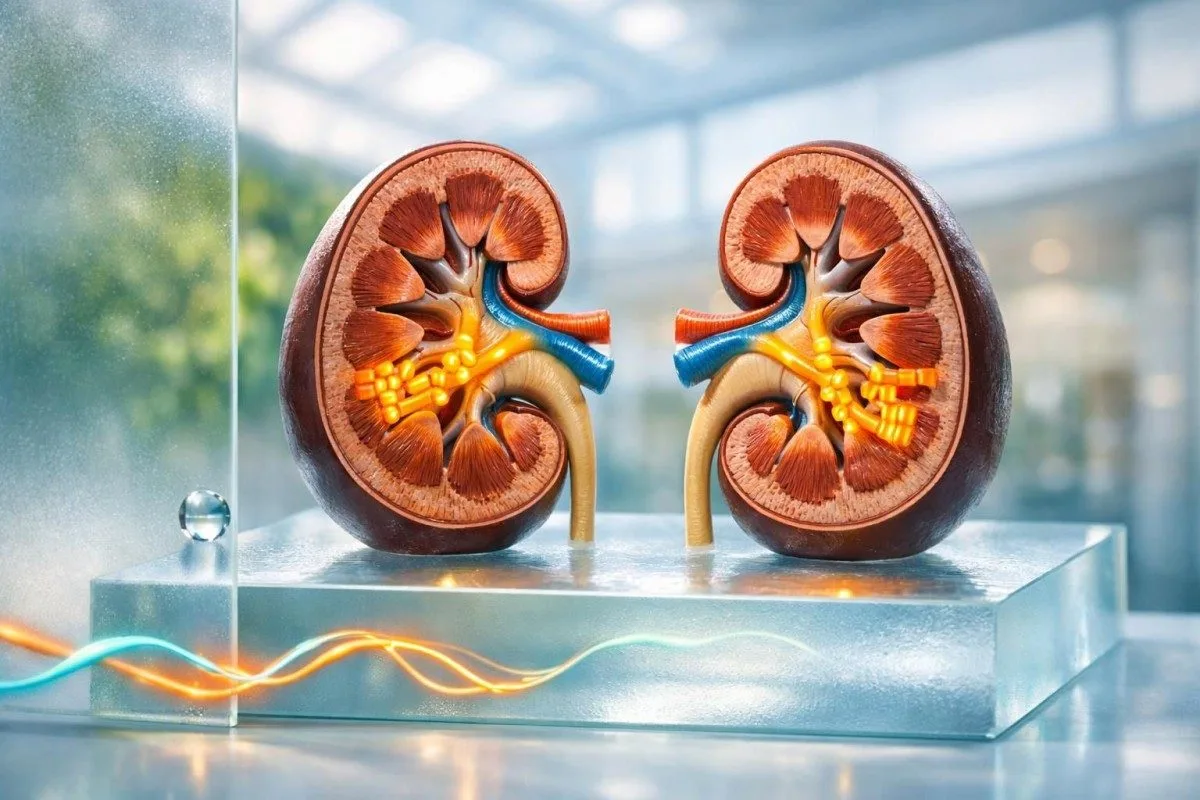
نیشاندانی ئەنجامی کالیوم هەموو کات هەنگاوێکی هەڵەیی نییە—بەڵام هەندێک جار هەنگاوێکی سەختە. ئەمەوە چۆن دروستەیی بۆ هەڵەیی لە نێوان هەڵەیی بەرزبوون و هایپەرکالیەمیای ڕاست جیا دەکەمەوە و دەزانم کێ پێویستی بە دووبارە تاقیکردنەوە هەیە و کێ پێویستی بە خزمەتگوزاری هە بیانی (urgent care) هەیە.


- ڕێژەی ڕێکخراو کالیومی سەرمی مێردان/نێرەکان (adult serum potassium) زۆرجار 3.5-5.0 mmol/L ـە، بەڵام هەندێک لابراتۆری 5.1 یان 5.3 mmol/L وەک سنووری سەرەوە بەکاردەهێنن.
- سەرووکی هەڵبژاردەی فورس کالیوم 6.0 mmol/L یان بەرزتر پێویستی بە ڕەوی هەمان ڕۆژدا لەسەرەوە لە وەستانی کلینیکی هەیە، و 6.5 mmol/L زۆرجار وەک هەنگاوێکی هە بیانی دەدرێت.
- بەرزی هەڵەیی هێمۆلیز (Hemolysis)، قەڵەوەکردنی دەست (fist clenching)، کەمکردنەوەی پڕۆسەکردن (delayed processing)، یان ککړبوونی EDTA دەتوانێت کالیوم بەهێزتر لە ڕاستی خۆی نزیکەی 0.3-1.0 mmol/L یان زیاتر بەرز بکاتەوە.
- کاری پلاتێڵ (Platelet effect) ژمارەی پلاتێڵ لە سەر 500 x 10^9/L و بەرزبوونی ڕوونەوەی وەسکەکان (marked leukocytosis) دەتوانێت pseudohyperkalemia دروست بکات، بە تایبەتی لە نموونەی سەرمی (serum).
- ڕێنمایی کلیوی کالیومی بەرز لەگەڵ کرێاتینینی کە دەبێت بەرز دەبێت یان eGFR ـی کەمتر لە 30 mL/min/1.73 m² زۆرتر ڕاستەقینەترە و دەتوانێت کێشەی ڕاست پیشان بدات.
- لیستی داروەکان ACE inhibitors، ARBs، spironolactone، trimethoprim، NSAIDs، tacrolimus، و جێگەرەوەی نمکی potassium chloride زۆرجار هۆکارە سەرەکییەکانن.
- ڕێکخستنی دیابتێس بەرزی گلوکۆز لەگەڵ CO2 ـی کەم دەتوانێت هایپەرکالیەمیای خەتەرناک دروست بکات، هەرچەند کالیومی تەواوی لە تەن (total body potassium) ڕاستەوخۆ کەمبۆوە.
- باشترین دووبارە تاقیکردنەوە دووبارە تاقیکردنەوەی کالیوم لە پلاسما یان لە گازی خوێنی تەواو (whole-blood gas) زۆرجار بەهێزتر و ڕەواترە، کاتێک thrombocytosis، leukocytosis، یان هێمۆلیز پێشبینی دەکرێت.
- نیشانە هە بیانییەکان تپشەکان، دڵدرد/دڵتنگی، هەڵوەشاندن (غەشکردن)، بەهێزییەکی سەخت، یان کەمبوونەوەی هەناسە پێویستە هەموو ئێستا بە شێوەی فورسەتی بۆ پشکنینی هەڵسەنگاندن بکرێت.
ئەوەی کە ئەنجامی بەرزی کالیوم بەردەوام لە چاوەڕوانی دەردەکەوێت زۆرجار واتای چی هەیە
ئەنجامێکی نەخوازراو پتاسیم بەهێز زۆرجار یەکێک لە دوو شت دەگەیەنێت: ڕاستەقینە هایپەرکالێمیا یان بەرزبوونەوەی نادروست لە نموونەکەوە. ئەگەر بەهای پۆتاسیم ئەمانەن 6.0 mmol/L یان بەرزتر, ، یان تۆ تپشەکانت هەیە، دڵدردت هەیە، غەش دەکەویت، بەهێزییەکی سەختت هەیە، یان کەمبوونەوەی هەناسەت هەیە، پزیشکی ڕۆژی یەکسان بۆت دەست بکە؛ ئەگەر ئەو بەهاکە 5.1-5.5 mmol/L بێت و خۆت باش بێت، تاقیکردنەوەی دووبارەی خێرا بۆ تاقیکردنەوەی خوێنی کالیوم زۆرجار ئەمنترین گامە یەکەمە.
کاتێک من پەنێڵێک دەبینم کە کالیوم 5.7 mmol/L لە کەسێکدا دەردەکەوێت کە تەواو باش دەسەلمێنێت، یەکەم پرسیارم ئەوەیە نموونەکە چۆن کۆکراوە. ژمارەیەکی زۆر لە ئەنجامە جیاوازەکان دەردەکەون بەهۆی هێمۆلیز (hemolysis)، قەڵەوەکردنی دەست (fist clenching)، ماوەی درێژخایەنەی تورنیکێتی (tourniquet time)، یان کەمکردنەوە/دواکەوتنی ڕەوشتی پڕۆسەکردن، نەک بەهۆی بارێکی کالیومی خەتەرناکی لە تەن/جەستە؛ ئەمانە Analyzerê testa xwînê ya Kantesti AI ئەو نیشانە پێش-تاقیکردنەوەییە (pre-analytic) دەکەن لەگەڵ بەقیەی ڕێنمایی پەنەلی ئێلەکتڕۆلەکان (electrolyte panel) ـمان.
ژمارەکە گرنگە، بەڵام ئەوەی لەگەڵ چی دەکەوێت گرنگترە. کالیومی بەرز لەگەڵ کرێاتینینێکی هەڵکەوتوو (rising)، CO2 ـی کەم، گلوکۆزی بەرز، یان کەمبوونەوەی وەردە/پیشاب (low urine output) زۆر قەانعکەرترە لەوەی کالیوم تەنها، ئەمەش هەمان ئەوەیە کە پزیشکانمان و تیمی پشتەوەی Kantesti AI ئەم بەهاکان تێکست دەکات لەگەڵ کاتکاتکردنە تایبەتی لابراتۆرەکە و ڕێکخستن/نەخشەکان دەبینن بەڵکوو واکردن بە یەک پرچمی سوور (red flag)؛ توماس کلاین، د.م. (Thomas Klein, MD)، زۆرجار دەڵێت بە نەخۆشەکان کە یەک بەهای کالیوم بەبێ کۆنتێکس تەنها نیوەی ڕاستەقینەکەیە.
لە 17ی ئاپرێلی 2026 ـەوە، کاتێکی سنووری (cutoff) ـی پراتیکی من ئاسانە: 5.1-5.4 mmol/L زۆرجار پێویستی بە دووبارەکردنەوەی بەدقتەوە هەیە،, 5.5-5.9 mmol/L پێویستی بە پشکنینی خێرای پزیشک/کلینیسین هەیە، و 6.0 mmol/L یان بەرزتر نابێت بەسەرەوە بگوترێت/بەسەرەوە بکرێت. ئەگەر ئەنجامەکە لە ڕێکخستنی سکرینینگ (screening) ـەوە هاتووە نەک لەسەر ئەلامەتەکان، ئەندامە/بەشی دواتر یارمەتیت دەدات جیا بکەیت لە نیشانە هەڵەی زۆر بەکارهاتووەکان و ئەو کەیسەی کە ڕاستەوخۆ پێویستی بە پزیشکی فورسەتی هەیە.
کالیومی ڕاستەوخۆ و هۆی جیاوازی لە کاتەکانی لابراتۆری
ڕێژەی ئاسایی کالیومی نێر/منداڵی گەورە زۆرجار 3.5-5.0 mmol/L لە سەروم، هەرچەند هەندێک لابراتۆر بەکارهێنانیان لە 3.5-5.1 an 3.5-5.3 mmol/L. . 5.1 mmol/L لە یەک لابراتۆر دەکرێت نیشان بدرێت و لە یەکەی تر نەدرێت، بۆیە هەمیشە پێوەندی دەکەم بە بازەی سەرچاوەی خۆی لابراتۆرەکە پێش ئەوەی بڵێم ڕاستە پتاسیم بەهێز.
سەروم و پلاسما یەکسان نین. Potassium ی سەروم زۆرجار دەکەوێتە سەر 0.1-0.4 mmol/L بەرزتر لە پلاسما، چونکە کڵۆتینگ دەتوانێت Potassium لە لەقەکان (platelets) آزاد بکات، و ئەو فاصلەیە لە thrombocytosisدا دەبێت زۆر بەهێزتر بێت؛ ئەگەر ڕاپۆرتەکەت لە راهنمای CMP لەبەرامبەر BMP, هاتووە، سەیری بکە لەوەدا دەڵێت سەرومە، پلاسما، BMP، یان renal panel.
بازەی سەرچاوە کەرەستەی کۆمەڵایەتییە، نەک تضمینی تایبەتی. هەندێک جار دەبینم کەسێک کە Potassium ی ئاسایی لە 3.8-4.2 mmol/L بۆ ساڵان هەیە، و گەڕانەوە بۆ زۆرجار تەنها پێویستی بە دووبارە-پەیوەندی نزیکتر دەکات. پۆتاسیم لە یان زیاتر لە گرنگە، هەرچەند لابراتۆرەکە تەواو کەم نیشان بدات؛ ڕوونکەرەوەکەمان لە ئەوەی کە چۆن بازەی ڕێژەی ڕاست/نۆرمال گمراه دەکات ئەم ڕەنگە ڕاست دەکات.
هەندێک لابراتۆری ئەوروپی بۆ Potassium ی پلاسما سنووری سەرەوەی کەمێک کەمتر بەکاردێت لە لابراتۆری ئەمریکا، و ئەمە دەتوانێت گیجکردنی نەخۆشان دروست بکات کاتێک ڕاپۆرتەکان لەسەر ئینتەرنێت یەک بە یەک دەسەلمێنن. Kantesti AI هەروەها ئەنجامی ئێستات لەگەڵ سەرەتای روندەکان (baseline trends) دەسەلمێنێت، کە زۆرجار لە پەیوەندیدان بە تەنها یەک سنووری سەرەوەیی کلینیکی بەسوودترە.
بۆچی یەک لابراتۆر 5.2 نیشان دەدات و یەکەی تر ناکات
ئەنجامی Potassium ی 5.2 mmol/L دەتوانرێت وەک سنووردار (borderline)، بەرز (high)، یان حەتاکەی ئاسایی (normal) نیشان بدرێت بە پێی جۆری نموونە، کالیبراسیۆنی ئانالایزر، و داتای سەرچاوەی ناوخۆیی. کارە سەرەکی ئەوەیە کە ئەنجامەکە لەگەڵ نەخۆشی/ئەلامەتەکان، نشانەکانی کلیە، و پلانی تاقیکردنەوەی دووبارە تفسیر بکەیت، نەک تەنها بە ڕەنگی سوور.
کالیومی بەرزی هەڵەیی: کێشەی نموونە کە تاقیکردنەوە فریب دەدات
هۆکاری زۆرترین کەسێک کە ئەنجامی Potassium ی بەرزی تەنها/جیاواز (isolated) بەدەر لە هەموو شتێک دەردەکەوێت ئەوەیە pseudohyperkalemia, ، واتە نموونەکە بەرز دەردەکەوێت هەرچەند لەناوەوەی تەن (body level) بەرز نییە. Hemolysis، کۆکردنەوەی سەخت، platelets، white cells، یان کەڵەکەی لولە (tube contamination) دەتوانن ژمارەی نیشاندراو بەهێزتر بکەن تا بۆ دروستکردنی ترسی ڕاستەقینە کافیبێت.
شکاندنی سلولەی سوور لە کاتی کۆکردن دەتوانێت کالیوم بەرز بکاتەوە بە شێوەیەکی نزیکەی 0.3-1.0 mmol/L, ، جارێکیش زیاتر. من ئەمە دەبینم لە دوای فشاردانی پیاوەیی تێکرەوەی تێکرەوەی دووبارە، پمپاڵکردنی دەستی بەهێز، ئامێرەکانی کۆکردنی بە گەیجی-کوچک، لەرزاندنی بەهێزی لۆڵەکە، یان کاتێک نموونەکە زۆر بە درێژایی لە پێش هەڵگرتنەوە (سانتریفیوژ) دانیشتووە؛ بەشی خۆمان لە بەخشکبوونی کەلسیمی بەرز بەهۆی بەخشکبوون ڕوون دەکات کە نموونە کۆنترۆڵکراو یان نموونەی سەخت، زیاتر هەڵە-خۆر دەبن.
نیشانکراو تڕومبۆسایتۆز an لەوکوستۆسیتۆز دەتوانێت تاقیکردنی سەروم فریب بدات. ژمارەی پلاتێڵەتەکان لە نزیکەی 500 × 10^9/ل و ژمارەی گەورەی گەورەی وایت-سڵ (WBC)، بە تایبەتی لە سەر 50-100 × 10^9/ل, ، دەتوانن کالیوم لە کاتی کۆاگولەیشن/کۆبووندا آزاد بکەن بۆیە سەروومەکە دەردەکەوێت کالیوم بەرزە، بەڵام پلاسما ڕاستەوخۆ نورمالە؛ ئەمە شێوازی کلاسیکییە کە Sevastos وە (2006) دەستنیشان کردووە.
تێلهەڵەیەکی کەمتر ناسراو ئەوەیە کە کەڵەبوونی EDTA لە هەڵەی ڕێکخستنی ناردن/کێشە (order of draw) یان کەڕەوە/لەبەرچاوەوە ماندووبوون لە لۆڵەکی purple-top. نیشانەکە ئەوەیە کە یەکجا دەبینیت: کالیومی بەرز لەگەڵ کەڵەکی کەلسیمێکی بەهۆشی-نەخوازراو کەم و مێگنێزیومێکی کەم, ، جارێکیش بە ڕادەیەکی زۆرتر لەوەی کە نیشانەکانی نەخۆش دەستپێکیان دەکات؛ کاتێک نەخۆش ڕاپۆرتێکی وێنە لەسەر بار دەکات بە بەکارهێنانی سکانکردنی وێنەی تەستی خوێن, ، ئەم شێوازە زوو دەردەکەوێت.
چۆن داوای تکرارێکی پاکتر بکەیت
پرسیار بکە لەوەی یەکەم نموونە هێمۆلیز کراوە یان نا، و ئایا دەتوانرێت تکرارەکە بەبێ قەڵەوەکردنی دەست (فست کلینچینگ) ئەنجام بدرێت، بە کەمترین کات لە بەستنەوەی تێکرەوە (tourniquet time)، و بە خێرایی لێکۆڵینەوە/پڕۆسەسکردن. ئەگەر پلاتێڵەتەکان یان وایت-سڵەکان زۆر بەرزن، a کالیومی پلاسما an کالیومی گاز لە خوێنی تەواو بە شێوەیەکی گشتی ڕاستگۆترە لە سەروم.
نەخۆشی کلیە، داروەکان، و زۆرترین هۆکارە ڕاستەقینە
ڕاستە پتاسیم بەهێز زۆرجار لە نەخۆشی/کەمبوونی توانا لە کلیە an داروەکان کە کەم دەکەنەوە لە هەڵگرتنی/دەرکردنی کالیوم. کاتێک کلیەکان ناتوانن بە ڕادەی کافی کالیوم دەر بکەن، حتی خواردنی ڕاستەوخۆی ڕۆژانەی نورمالیش دەتوانێت ڕێژەکە بەرز بکاتەوە.. .
کلیەکان نزیکەی 90% لە خواردنی ڕۆژانەی کالیوم پاک دەکەن، بۆیە حتی کەمبوونی نزیکەیی لە توانا کلیەکان مێکانیزم/حسابەکە دەگۆڕێت. لە کرداردا، مەترسی دەست پێ دەکات لە کاتێک eGFR دەکەوێت لە خوار 60 mL/min/1.73 m² و لە خوارەوە زۆر توندتر دەبێت ٣٠ مل/خولەك/١.٧٣ م²; ؛ ئەمەش وایە کە من سەیر دەکەم بۆ من پێش ئەوەی تەنها بۆ خواردن (diet) بەتاڵ بکەمەوە، creatinine و urea و پەنێڵی کلیەی گەورەتر (renal panel) لەگەڵ CMP ـدا و بەهێز سەیری هەر هەواڵی پێشوو دەکەم لە GFR کەم لەگەڵ کرێئاتینین ڕێک.
لیستی داروکان زۆر شت ڕوون دەکات لە زۆربەی کێسەکان. ACE inhibitors، ARBs، spironolactone، eplerenone، amiloride، triamterene، trimethoprim، NSAIDs، tacrolimus، cyclosporine، و heparin هەموویان دەتوانن کۆڵەستەریوم/پۆتاسیم (potassium) بەرز بکەن، بە تایبەتی کاتێک دوو یان سێیان یەکجار دەکرێن؛ لە وتاری کۆنفڕانسی potassium ی KDIGO ڕوونکراوە کە سەیری داروکان گرنگە لە دابەشکردنی هەڵەی hyperkalemia (Clase et al., 2020).
لایەکی تر هەیە لێرە: پیرەسەڵانەی بە دیابت ممکنەیە پەیداببن hyporeninemic hypoaldosteronism, ، کە هەندێ جار ناوی لێدەبرێت جۆری 4ی لاوازی توبولاریی گورچیلە, ، و پۆتاسیم دروست دەکات لە دەوروبەری 5.3-6.0 mmol/L بە bicarbonate کەمتر لە 22 mmol/L هەتاهەتای لەو کاتەشدا کە creatinine هنوز بە شێوەی توند دەردەکەوێت. ئەمەش هەمان ئەو نەخۆشەیە کە زۆرجار بەکارهێنانی جێگرەوەی نمکی potassium-chloride دەکات—بە شێوەی نزیکەوە 600-700 mg لە هەر ربع قاشقێک—بۆیە زۆرجار من سەیری تێکەڵەی تەواوی کلیەکان دەکەم لەگەڵ ڕێژەی BUN/creatinine.
یەکێک لە یەکەکان کە دڵم دەترسێت
گرنگترین ڕێکخستنی کە من نیگەرانم لە CKD لەگەڵ RAAS blockade و دوایین NSAID, ، زۆرجار دوای کەمبوونەوەی مایە (dehydration) یان ڕوودانی نەخۆشی/وێرانی (infection). پاشان زیادکردنی پۆتاسیم، جێگرەوەی نمک، یان trimethoprim بۆ نەخۆشیی هەڵوەشاندنی (urinary infection)، دەتوانێت نەخۆشێکی پێشتر بەهێز و ڕێکخراو لە 4.8 ber 6.0 mmol/L لە ماوەی چەند ڕۆژدا بگوازێت.
ئاسیدۆز، دیابتێس، ڕابدمیۆلێز، و هۆکارە کەمتر ڕوونەکان
پۆتاسیم دەتوانێت بەرز ببێت هەروەها چونکە لە ناو سلولەکان دەگوازرێتەوە یان چونکە سلولەکان کاتێک دەکەون/دەشکێن، ئەوەیان دەردەهێنن. بۆیە کاتێک هەواڵی پێشوو لەگەڵ یەک دەکەوێت، من زۆر بەرز دەبینم لە لیستەکەم لە کێشەکانی دیابت، acidosis، rhabdomyolysis، tumor lysis، و کێشەکانی adrenal.
لە کێشەی کتوئاسیدۆزی دیابێتی یان لەبەر کمبودی سەختی ئینسولین، پووتاسیوم لە ناو سلولەکان دەچێتە خوارەوە بۆ خوێن. پووتاسیومی سەروم دەبێت 5.5-6.5 mmol/L هەرچەندە پووتاسیومی کۆی گەشتی لە ڕاستیدا کەمبۆوە، بۆیە هەمیشە لەگەڵ گلوکۆز، CO2، و ئەنیۆن گێپ نەک تەنها بەخۆی.
شکاندنی بافت/تیشو هۆکاری ترەکی ڕاستەقینەیە. ڕابدمۆئلیز دەتوانێت بەشێکی زۆر لە پووتاسیومی ناوخۆیی آزاد بکات، و ڕێکخستەکە زۆرجار لەگەڵ تێکچوونی ماسیچهکان، ڕەنگی تۆخ/تاریک لە پێشەوە، بەرزی CK, ، و هەروەها جارێک هەڵکەوتنێکی گمراهکەر لە AST دەرکەوێت لە دوای وەرزشێکی سەخت، سەڕەوە، تێکچوونی لەسەر/کچان، یان بێهەنگامبوونی درێژخایەن؛ یارمەتیمان دەدات کاتێک کەسەکە تێداوەری پەیوەندی بە ڕەفتاری وەرزشی سەخت هەیە نەک نەخۆشی کلیهکان. تاقیکردنەوەی خوێنی وەرزشکار یارمەتی دەدات کاتێک مێژووەکە پەیوەندی بە ڕاهێنانی قورس هەیە نەک نەخۆشی گورچیلە.
ناکافیبوونی ئادرێنال سزاوارە زیاتر لەوەی کە لە وتارە گشتییەکان دەدرێت پەیڕەوی بکرێت. کاتێک پووتاسیومی بەرز لەگەڵ کەمبوونی سوودیم، کەمبوونی ڕەنگی خوێن، خستەوە/هەستێکی خەستە، و کەمبوونەوەی وەزن, دەبینم، دەستم دەکەوێت بۆ فککردن لە هایپوئالدۆستێرۆنیزم یان نەخۆشی ئادیسون، نەک خواردنی میوە؛ لە بەڵگەی مندا، ئەمە یەکێک لەو شوێنانەیە کە بەرەوپێشبردنی هەلومەرج/کانتێکست زۆرتر گرنگە لە ژمارە.
بۆچی موز زۆرجار ڕێگریکەر/حەواسپێکەر دەبێت
یەک موز تەنها بە شێوەی نزیکەوە 400-450 mg پووتاسیوم, دەبێت، کە بە تەنها بەس نییە بۆ ئەوەی لە کەسێکدا کە کارکردی کلیای ڕاستەقینەی هەیە، هایپەرکەلیەمی سەخت دروست بکات. خواردن/دایت بە سەرەکیترین هۆکار دەگەڕێت تەنها کاتێک دەرچوون/ئێگزڕەکشن کەم بێت، دارو بەکاربهێنرێت، یان جێگرە نمکی پڕ لە پووتاسیوم و سەپلەکان هەر ڕۆژ بەکارهێنرێن.
نەخۆشییەکان و ئاگادارییە هە بیانییەکان کە نابێت بە تاوەکووتن بمان
ئاگادارییە فورس/هەنگاوەکان بریتین لە هەڵکەوتنی تپش/پالپیتەیشن، تێکچوونی سینه، هەڵچوون/بێهوشی، لەقەوتنی پێشڕەوی ماسیچهکان، کەمبوونی هەناسە/کورتبوونی هەناسە، یان نەخۆشی/ناڕەحەتی سەخت, ، بە تایبەتی کاتێک پووتاسیوم 6.0 mmol/L یان بەرزتر. هایپەرکەلیەمی دەتوانێت خەتەرناک بێت چونکە ڕێکخستنی هەڵکەوتنی دڵ دەشێوێنێت، جارێکیش بە ئاگادارییەکی زۆر کەم.
بە دڵخۆش نەبوونەکە ئەوەیە کە ئەلامەتەکان و ژمارەکان بە شێوەی ڕێک و ڕاست بە یەک نایەکەوە. هەندێک نەخۆش لە 6.2 mmol/L, خۆیان باش دەبینن، بەڵام هەندێکی تر لە سەرەوەی کەمتر دەبن بە لەق/بێ توانا یان برادیکاردیک؛ Montford و Linas (2017) ئەمە بە ڕوونی ڕوونکردەوە، و ئەمەش یەکسانە بەوەی من لە کاتەکانی پێشەوە/کالدا دەبینم.
گۆڕانکارییە سەرەتاییەکانی نیشانەی ECG دەستەواژەی کلاسیکی لەوانەیە کە موجە T ـی توند (peaked)، درێژبوونی PR، گسترەبوونی QRS، لەدەستچوونی موجەکانی P، شێوەی sine-wave، و برادیئاریتمیاکان. ئاستێک کە زۆربەی نەخۆشخانەکان بۆ کردارکردنی هە بیانی هەڵدەبژێرن بۆ 6.5 mmol/L یان هەر ئاستێک کە گۆڕانی ECG هەبێت، بەڵام من زووتر هەڵدەستەم ئەگەر CKD هەبێت، کەمبوونی دەرهێنانی ئێدرە (urine output) هەبێت، ئاسیدۆزی توند هەبێت، یان زیادبوونی ناگهانی پووتاسیوم زیاتر لە 1.0 mmol/L لە سەر بنەما—گۆڕانکارییە ناگهانییەکان زۆرجار خەتەرترن لەوەی کە لەگەڵ کاتدا بە شێوەی ڕێکخراو و بەردەوام بێت.
چارەسەری هە بیانی کارێکی نەخۆشخانەیە، نەوەک چارەسەری ماڵی/چارەسەری خۆت. کلینیسینەکان دەتوانن بدەن کەلسیمی IV بۆ ڕێکخستنی میوکاردیوم،, 10 یۆنیت لە ئینسولینی ڕێگولار لەگەڵ 25 g دەکستروز بۆ گواستنەوەی پووتاسیوم بۆ ناو سلولەکان، دەمکێش سالبۆتامۆل/ئالبیوترول, ، بایکاربۆنات ئەگەر ئاسیدۆتیک بێت، و دواتر پووتاسیوم لە ڕێگەی دییورێتیکەکان، بەستەرەکان (binders)، یان دیالیز دەربهێنن؛ لە Lijneya Şêwirmendiya Bijîşkî ـماندا ئەم هەمان شێوەی تریاژ بە پێی بنەمای ڕێکخستنەوە بەکاردێت کاتێک کە لەسەر پێشنیاری هە بیانی دەچینە سەر.
کاتێک کە من دەڵێم بە نەخۆشەکان “ئێستا بچن”
بۆ کلینیکی هە بیانی یان بەشی هە بیانی (emergency department) لە هەمان ڕۆژدا بچن ئەگەر پووتاسیومت 6.0 mmol/L یان بەرزتر, ـە، یان زووتر بچن ئەگەر نیشانەکانی سینه هەبێت، هەڵوەشاندن/غەشکردن (fainting)، یان توانا/لەنگییەکی گەورە هەبێت. زووتر بڕۆ ئەگەر ئەنجامەکە لەگەڵ کەمبوونی کارکردی کلیە (kidney function) بەهێزتر بێت، CO2 ـی زۆر کەم بێت، یان کەمبوونی سوودیم; ؛ تیمی به بیماران کمک میکند که این منطق را بفهمند. ڕوون دەکات کە ئەم یەکگرتنە چرا من بیری لە ناپایدارییە گەورەتر دەکەم.
کەی پێویستە دووبارە تاقیکردنەوەی خوێنی کالیوم بکەیت و چۆن دروست بکەیت
تاقیکردنەوەی دووبارە (repeat) عاقڵانەیە کاتێک پووتاسیوم تەنها بە شێوەی کەمێک بەرز بێت و وەسفی کلینیکی دەربارەی خەتەر کەم بنووسێت. زۆر کلینیسینەکان دووبارە دەکەنەوە بە یەکجار یان لە 24 کاتژمێر بۆ 5.5-5.9 mmol/L, ـدا، و لە ماوەی چەند ڕۆژدا بۆ 5.1-5.4 mmol/L ئەگەر نەخۆشەکە باش بێت، کارکردی کلیە بەردەوام بێت، و هیچ داروی خەتەرناک لەسەر نەبێت.
یەک کاتبەندی گشتی (universal timetable) نییە، و کلینیسینەکان لێرەدا یەکدەنگ نین. لە کارەکەمدا، بەڵام لەگەڵ منداڵ/بەڵغی ساغ (healthy adult) کە 5.2 mmol/L, ، کرێاتینین بەڕێک/ئاسایی (normal creatinine)، نەخۆشی/نیشانە نییە، و تێبینی هەبێت کە نموونەکە هێمۆلیزکراوە (hemolyzed)، زۆرجار دەتوانێت بە زوو لە دەرەوەی نەخۆشخانە (outpatient) دووبارە تاقی بکاتەوە، بەڵام ئەم هەمان بەهایە لە نەخۆشێک کە CKD یان spironolactone هەبێت، پێویستی بە پەیوەندی/دووبارەبوونی زۆر زووتر هەیە.
دووبارەبوونێکی باش زیاتر لە تەنها ژمارەی پووتاسیومەکەی ترە. داوای پتاسیم، کرێاتینین، eGFR، CO2 یان بیکربۆنات، گلوکۆز، سۆدیم، و هەروەها جارێک مەگنیسیوم, ، دواتر پەنجەرەی نوێ لەگەڵ پەنجەرەی پێشوو بەراورد بکە بە بەکارهێنانی تایبەتمەندی بەراوردی تاقیکردنەوەی خوێن بەڵام نەک بە داواکاری لەسەر تەنها یەک لابراتۆری لەسەرخۆ.
ئامادەبوون گرنگە. لە سەحاتی سەردانی تاقیکردنەوەدا بەردەوامی بەهێزترین وەرزش مەکە، لە کاتی کۆکردنەوە مشت وەک وەک مەکە و دڵنیابوونەوەی مشت مەکە، لیستی تەواوی دارو و سوپڵەمنتەکان بهێنە، و ئەگەر ئەنجامەکان دەبارە بکە بۆ لایفەڕی ئێمە، بەکارهێنانی PDF یان وێنەی ڕوون بکە؛ ئێمە بارکردنی PDF ـی تاقیکردنەوەی خوێن دەبینێت چی دەکات تفسیرەکە ڕوونتر بێت.
تکرارکردنەوەی گازە خوێن یان پلاسما: کاتێک کە داوای دەکەم
ئەگەر CBC زۆر بەرزە لە پلاتێڵت یان سلەڵەی سپی، زۆرجار دەمەوێت کالیومی پلاسما an کالیومی گاز لە خوێنی تەواو چونکە سیرم دەتوانێت کێشەکە زۆرتر لەوەی هەیە ڕاگەیەنێت. ئەو هەڵسەنگاندنە فنی بچووکە دەتوانێت هۆکارێکی ڕێکخستنی هەڵەی ناچار لەسەر بیمارێک ڕابگرێت.
چۆن کالیوم بخوێنیت لەگەڵ کرێاتینین، CO2، سۆدیم، و مێگنێزیوم
ئاسایشترین ڕێگای تفسیرکردن بەهای پۆتاسیم ئەوەیە کە لە کناری کارکردنی کلیە، دۆخی ئاسید-بەیس، سۆدیم، مەگنیسیوم، و گلوکۆز. بخوێنیت.
کرێاتینین یارمەتیدەرە، بەڵام ڕێژەی گۆڕان باشترە. گۆڕانێکی کرێاتینین تەنها 0.3 mg/dL دەتوانێت ڕیارەکانی AKI پێ پێک بێت، و بیمارێکی کەمسەڵ یان کەمقەبارە ممکنە کرێاتینینی بەهێز/بەهێزەوەی لەسەرخۆ ڕوون بێت بەڵام فیلتەرکردن کەم بێت، بۆیە ئێمە ئامێری تێلیلەکردنی لابراتۆری (AI lab analysis tool) لە هەمان کاتدا هەردوو ڕێنمایی GFR لەگەڵ eGFR û ڕێژەی کرێاتینین بەیەکجار دەکەین.
Nizm CO2 یان بیکربۆنات, ، بە تایبەتی لە خوارەوەی 22 mmol/L, ، من دەباتە نێو هەستکردنەوە بۆ هایپەرکالێمیا لەسەر بنەمای کێشەی ئاسیدۆز. ئەگەر پەنجەرەکە لە ڕێژەی سەردەمی خوێن هاتووە و گلوکۆزیش هەروەها ناهەموار بێت، بڕی هەبوونی کێشەی مەتابۆلیک ڕاستەقینە زوو بەرز دەبێت.
مەگنیسیوم و کەلسیم دەتوانن تەواو ڕێکخستنی من بۆ خوێندنەوەی ئەنجام بگۆڕن. کەمبوونی مێز دەتوانێت هەستیاربوونی هەڵوەشاندنەوەی ڕێکخستنی دڵ (ئاریتمیا) زیاتر بکات، لەکاتێکدا کە کەلسیمی زۆر کەم لەگەڵ مێزنی زۆر کەم و پووتاسیومێکی بەرز دەکات بیهێنێت بیری لە کەڵەبوونی EDTA (لەوەیە لە نموونەدا هەبێت) بکەم، نەک وەک هەنگاوێکی ڕاستەقینەی هەڵەوەشاندن؛ لێدوانی ئێمە لە ڕێنمای بازەی مێزنیوم گرنگە سەیری بکەیت، ئەگەر ئەم سێیانە لە ڕاپۆرتەکەتدا دەردەکەون.
ئەو ڕێکخستنەی کە دڵنیام دەکات
پووتاسیومی دووبارەی 4.6 mmol/L, ، کرێاتینینی بەهێز/بەردەوام، CO2 ـی ڕاست، و CBC ـی بەهێز/بێسەرنجە (نەبەهێز) زۆرجار بەسە بۆ ئەوەی ترسەکە کەمبکاتەوە. لە تەجربەی ئێمە لە Kantesti، ئەو پێشوپاشەیە لەوە زیاتر دڵەڕاوکی دەکات تا هەر لیستێکی گشتی لە نیشانەکان.
خواردنەوە، سەپلێمێنتەکان، و ئەو میتسەی کە نەخۆشەکان یەکەم جار بیست دەکەن
خواردن زۆرجار بە خۆی خەتەرەکی سەختی پووتاسیومی بەرز (hyperkalemia) دروست ناکات، ئەگەر کارکردی کلیە ڕاست بێت. گرنگترین کەسەرەکان ئەوانەن کە جێگەرەوەکان/جێگەرەوەی نمک، سوپڵێمێنتەکان، نەخۆشیی کلیە، و داروکان کە دەرچوونی پووتاسیوم لە خۆرەوە کەم دەکەن.
زۆربەی نەخۆشەکان سەرەتا نیگەرانی موز (بانانە) دەکەن، بەڵام زۆرجار ئەوە ڕاستەقینە نییە. یەک موز نزیکەی 400-450 mg پووتاسیومە، بەڵام هەندێک جێگەرەوەی نمکی پووتاسیوم-کلۆراید دەدات 600-700 mg لە هەر ربع قاشقێک و هەندێک پودرەکانی هەڵسەنگاندنی هێڵەکان یان بەشەکانی سبزی (greens blends) لە چەند قەڵە/سکۆپێکدا سەدانتر زیاد دەکەن؛ ئەگەر ئەنجامەکەت لە دووبارەدا ڕاستەوخۆ کەم بێت، زیاتر سەختکردنی خواردنەوە دەتوانێت کێشەی بەرامبەر دروست بکات، وەک ڕێنمای پۆتاسیمی کەم ڕوون دەکات.
بە خۆت داروەکان بە شێوەی ناگۆڕاو/ناگهانی نەگۆڕە، مەگەر کلینیسینێک فەرمانت پێ بدات. بەستنی ACE inhibitor، ARB، یان بڵوکەری وەسڵی (mineralocorticoid receptor blocker) دەتوانێت لە نەخۆشیی دڵی هەڵوەشاو (heart failure) یان نەخۆشیی کلیەدا خەتەرناک بێت، و ڕێگای ئاسانتربە زۆرجار ئەوەیە کە بە خێرایی سەیری تەواوی لیستی داروەکان بکەیت، لەگەڵ دووبارەکردنی ئەزمونەکان، و پلانی خواردنەوەی بەگوێرەوە (tailored diet plan) بەجێبهێنیت، نەک گومانکردن لەسەر ئینتەرنێت.
ئەوەی زۆرترین یارمەتیت دەدات دقەتە. Kantesti AI پووتاسیوم بە نیشانەکانی کلیە، گلوکۆز، و وتاری پێشوو/کاتەکانەوە (trend history) دەبەستێت، دواتر ڕێنماییت دەکات بۆ گامێکی باشتر و ڕەقتر؛ ئەگەر دەتەوێت زۆرتر لەوە بزانیت کە چۆن تێکچوونی ئەزمونەکان (lab interpretation) دەکەین، ئێمە Bloga Kantestî بە یارمەتی بەرهەمە هاوپێوەندەکان هەیە لەسەر هەڵسەنگاندنی هێڵەکان (electrolytes)، پەنێڵی کلیە، و هەڵە ئاگاداربوونی گشتی (common false alarms).
چارەسەرە خانگییەکان کە پێم نییە ڕێک بدەم
هەوڵ مەدە بە خۆت ئەنجامی ڕوونەی پووتاسیومی بەرز (clearly high potassium) چارەسەر بکەیت بە لاکساتیڤەکان، بارکردنی زۆری ئاوی (huge water loads)، سوپڵێمێنتە سەرسەری/بێڕێک، یان دیورێتیکی کەسێکی تر. ئەم ڕێگایانە دەتوانن کەمبوونی ئاوی لە تەن (dehydration) زیاتر بکەن، سۆدیم بەهێڵ بدەن، یان چارەسەرێک کە ڕیسکەکەی ئاریتمیا کەم دەکات دوابخەن.
تفسیرکردنی کالیوم بە پشتگیری توێژینەوە و گامە داهاتووەکان لە Kantesti
Kantesti AI تێڕوانین دەکات بە بەهای پۆتاسیم بە خوێندنەوەی بەهاکە لە ژێر ڕووناکی/کۆنتێکست لەگەڵ کرێاتینین، eGFR، بایکاربۆنات، گلوکۆز، سۆدیم، مێزنی، ڕێنماییەکانی CBC، و ئەنجامە پێشووەکان. ئەمە بۆ تریاج (triage) بەکاردێت، بەڵام هەرگیز جێگای خزمەتی هەنگامی (emergency care) ناکاتەوە ئەگەر ژمارەکە یان نیشانەکان خەتەرناک بن.
ڕێگای پشکنینی تەندروستییەکانمان، بە ڕێنمایی توماس کلاین، MD، و پشتگیری لەلایەن پزیشکان لە سراسر Derbarê Kantestî, ، هەپەرکالێمیا وەک کێشەی شێوەناسین (pattern-recognition) دەبینین. زۆر بەکارهێنراوین لەلایەن زیاتر لە 2 milyon bikarhêner li ser 127+ welat û 75+ ziman, ، کە لە پێشەوەشدا پاراستنی CE Mark، HIPAA، GDPR، و ISO 27001 هەیە.
ئەگەر دەتەوێت سەیرێکی ژیرتر بکەیت لەسەر نیشانە پەیوەندیدارەکان، rêbernameya nîşankerên biyolojîk شوێنێکی بەکارهێنراوە بۆ دەستپێکردن. لە پشتەوە، 2.78T-پارامێتەر Health AI زیاتر لە 15,000 بیۆمارکەر, بە یەکدی دەسەلمێنێت، بۆیە کەڵەکەی پووتاسیوم تەنها لەسەر پلاتفۆرمی ئێمە بە شێوەی جیاواز پشکنین ناکرێت؛ ئەوە بازنەی ئۆستانداردی کلینیکییەکان دەردەخات کە توماس کلاین، MD، و تیمی پزیشکی ئێمە پشکنینیان کردووە.
بۆ گامێکی خێرا بۆ دواتر، هەوڵ بدە دیمۆی رایگان بۆ تاقیکردنەوەی خوێن. زۆربەی نەخۆشان دەبینن کە دیدنی ئەنجامی پووتاسیوم لەگەڵ شیکردنەوەی ڕێژە/کەشە (trend analysis)، ئاگادارکردنەوەی دارو (medication prompts)، و پرسیارە دوور لە زمانێکی تەواو ڕوون (plain-language) بۆ دوایینەوە، ترس کەم دەکات و گفتوگۆی داهاتو لەگەڵ پزیشکی خۆیان بەهێزتر و بەرهەمدارتر دەکات.
Pirsên Pir tên Pirsîn
ئایا پتاسیم 5.5 خەتەرناکه؟
بەهای پووتاسیوم کە 5.5 mmol/L ـە لە سنووری سەرەتایی بۆ خۆرەوەی خۆفی (mildly high) دەبێت، و مەترسی پەیوەستە بە بەرەنگاربوون/کۆنتێکست. لە کەسێکی تەندروست کە کارکردی کلیەی ڕاستەوخۆ هەیە، نەخۆشی/نیشانە نییە، و کێشەی نموونە (sample issue) پێشبینی دەکرێت، پزیشکان زۆرجار بە خێرایی دووبارە پشکنین دەکەن بەجێی چارەسەری بێهێزکردن، نەک بە شێوەی هەمان کات چارەسەری بکەن. هەمان 5.5 mmol/L زیاتر مەترسیدار دەبێت ئەگەر کرێاتینین (creatinine) دەبەرز دەبێت، eGFR کەمە، نەخۆشکەکە ڕۆحسپیرۆنۆلاکتیۆن (spironolactone) یان ACE inhibitors دەخوات، یان گۆڕانکاری لە ECG ـدا هەیە. ئەگەر نیشانەکان وەک هەستکردن بە توندبوونی دڵ (palpitations)، سستی، ئاڵەنگی سینه (chest pain)، یان هەڵکەوتن/غەشکردن (fainting) هەبن، پێویستە سەردەمی ڕۆژی هەمان کات پشکنینی تەندروستی بکات.
بۆچی یەکجار پووتاسیومم بەرز بوو و لە دووبارەکردنەوە عادی بوو؟
ئەنجامی پووتاسیومی بەرز کە لە دووبارەدا دەبێتە نورمال، زۆرجار pseudohyperkalemia, ـە، واتە نموونەی یەکەم ڕێک نەبوو/گمراهکەر بوو، نەک پووتاسیومی تەنەکەی تۆ واقعەن بەرز بێت. هۆکارە زۆر ڕایجەکان بریتییە لە: هێڵبوونی خونی (hemolysis)، قەڵەوەکردنی مشت لە کاتی کۆکردن، کەمبوون/دواکەوتنی پڕۆسەکردنی نموونە، یان نموونەی سەرمی (serum sample) کە لە کاتێکدا دەستەواژە دەکرێت کە تێکەڵی تۆمارەکان (platelets) یان وەڵامە سپییەکان (white blood cells) زۆر بەرزن. جیاوازی 0.3-1.0 mmol/L لەگەڵ کێشەکانی کۆکردن زۆر ڕایجەیە، بۆیە من هەرگیز لەسەر تێبینی لابراتۆری بۆ hemolysis پشتگوێ ناکەم. ئەگەر بەهای دووبارە نورمال بێت و بەشی تر لە پەنێلی کیمیای خونی (chemistry panel) باثبات بێت، زۆرجار دڵخۆشکەر دەبێت.
ئایا کمبوونەوەی مایعات دەتوانێت هۆکاری بەرزبوونی کۆتاسیم بێت؟
کەمئاوەیی (Dehydration) دەتوانێت هۆکار بێت بۆ بەرزبوونی پووتاسیوم، بەڵام زۆرجار بە شێوەیەکی ڕوون و یەکگامەیی نییە. کەمکەم کەمئاوەیی دەتوانێت نموونەکە کۆنتر بکات یان کۆکردنەوە سەختتر بکات، کە دەتوانێت هۆکار بێت بۆ نیشاندانی ڕەشەیی (false) بەرزی لە نتیجهدا؛ بەڵام کەمئاوەییی گەورەتر دەتوانێت پێرفیوژن (خونرەوانی) لە کلیە کەم بکات و پووتاسیومی ڕاستەقینەیی لە بدنەوە نگهداشتن (retention) زیاتر بکات. ڕێنمایی ئەوەیە کە آیا کرێاتینین، BUN، CO2، و دەرچوونی ئاوە (urine output) هەروەها وەک خراپ/لەبەرچاو نەبوون دەردەکەون، یان تەنها پووتاسیوم. ئەگەر پووتاسیوم بەرز بێت و تۆ هەروەها قی دەکەیت، لەدەستدان/هێزت کەمە، یان زۆر کەم ئاوە دەپاسیت، ئەوا پێویستە زووتر لێکۆڵینەوەی پێویست بکرێت.
کێ داروکان بە شێوەی زۆر هەستیار دەبن بۆ بەرزبوونەوەی ڕەنگدانەوەی پووتاسیوم؟
زۆرترین داروەکان کە زۆرتر پەیوەستن بە بەرزبونی بەهای پووتاسیوم بریتین لە ACE inhibitors، ARBs، spironolactone، eplerenone، amiloride، triamterene، trimethoprim، NSAIDs، tacrolimus، cyclosporine، و heparin. مەترسی توند دەبێت ئەگەر دوو یان زیاتر لە یەک کاتدا یەکجار بکرێن، بە تایبەتی لە نەخۆشان کە eGFR لە خوارەوەی 60 مڵ/دقی/1.73 م². سەپلەکانی پووتاسیوم و جێگەرەوەکانی نمکی پووتاسیوم-کلۆراید (potassium-chloride salt substitutes) دەتوانن بەشدار بن لە کێشەکە، و زۆرجار نەخۆشان یادت ناکات باس لێیان بکەن. من هەمیشە پێویست دەکەم لیستی تەواوی ڕێژەدارەکان (prescriptions)، کاڵای بەکارهێنانی بەبێ ڕێنمایی پزیشک (over-the-counter products)، پۆودەرەکان، و جێگەرەوەکانی نمک پیشان بدەن پێش ئەوەی بڕیار بدەم ئەنجامەکە ڕاستەقینەیە یان نا.
ئایا پێویستە بەرامبەر بە یەک نیشانەی ناسازگار، موز یان خواردنی باڵای پووتاسیوم لەگەڵ خۆمداوە بگرم؟
بەڵێ—زۆربەی کەسان نابێت بە شێوەی بێڕێنمایی (blindly) موز/بانانەکان یان هەر خواردنێکی پڕ لە پووتاسیوم لەدوای یەک ئەنجامی ناهەموار (abnormal) هەڵبگرن. یەک بانانە بە شێوەی نزیک بە ne پووتاسیوم هەیە، و ئەوە تەنها زۆرجار ناتوانێت هەپەرکالێمیای خەتەرناک دروست بکات ئەگەر کارکردی کلیە نورمال بێت. کێشەی گەورەتر لە خواردنەوە زۆرجار جێگەرەوەکانی نمکی پووتاسیوم-کلۆرایدە، کە دەتوانێت 400-450 mg پۆتاسیۆم، و تەنها ئەوە بە دەگمەن جێی مەترسی زۆری پۆتاسیۆم دروست دەکات ئەگەر کرداری گورچیلە ئاسایی بێت. کێشەی گەورەتری خۆراکی زۆرجار جێگرەوەی خوێی پۆتاسیۆم-کلۆرایدە، کە لەوانەیە تێیدا هەبێت 600-700 mg لە هەر ربع قاشقێک, هەبێت، یان بەردەوام بەکارهێنانی سەپلەکان و پۆودەرەکانی ئێلەکتڕۆلە (electrolyte powders). ئەگەر پووتاسیومی دووبارە نورمال بێت، ڕێژەی بەهێز/سەختی زۆر لە بەکارهێنانی کەمکردن (overly strict restriction) دەتوانێت پێویست نەبێت و هەندێک جار زیانیش بکات.
کەی دەبێت بۆ ER بچم بۆ کەمی/بەرزییەکی کەڵەکانی پتاسیم؟
پێویستە چارەسەری خێرا و ڕۆژی هەمان کات بجوڵێیت ئەگەر پووتاسیومت 6.0 mmol/L یان بەرزتر, ـە، و زۆر پزیشک ئەنجامی دووبارەش هێشتا نەگەیشتووە، هەمان کات وەک هەنگاوێکی هەورە (emergency) چارەسەری دەکەن. زووتر برو ئەگەر تۆ تێکەڵی ئاڵەنگی سینه، توندبوونی دڵ، غەشکردن، سستی توند، کەمبوونی هەناسە (shortness of breath)، یان هەست بەوە بکەیت کە دڵت بە شێوەی زۆر کەم یان ناڕێک/ناڕێکخراو دەکات. پووتاسیومی بەرز لەگەڵ گەورەبوونی کێشەی کارکردی کلیە، CO2 ـی زۆر کەم، یان بەرهەمی کەمبوونی ئاوەی هەڵکەوتوو (urine output) ـیش زۆرتر خەتەرناکە. ئەگەر لە دیالیزیت (dialysis) یان نەخۆشییەکی پێشکەوتووی کلیەت هەیە، بەوەی لەسەر ئینتەرنێت ڕێنمایی بۆت بێت مەوەستە. 6.5 mmol/L وەک حاڵەتی فریاکەوتن، تەنانەت پێش ئەوەی ئەنجامە دووبارەکراوەکە بگەڕێتەوە. زووتر بچۆ ئەگەر ئازاری سنگت، لێدانی دڵ، بێهۆشبوون، لاوازی زۆر، کورتەهەناسە، یان هەستت کرد لێدانی دڵت بە شێوەیەکی نا ئاسایی هێواش یان ناجێگیرە. پۆتاسیۆمی بەرز لەگەڵ خراپبوونی کرداری گورچیلە، CO2ی زۆر کەم، یان دەرکردنی میز زۆر کەم، مەترسیدارترە. ئەگەر دیالیزت هەیە یان نەخۆشی پێشکەوتووی گورچیلەت هەیە، چاوەڕێی ڕاوێژی ئینتەرنێت مەکە.
لە دوای تاقیکردنەوەی خوێنی بەرزبوونی پۆتاسیوم، چی دەبێت دووبارە بکرێت؟
باشترین تاقیکردنەوەی دووبارە پاش تاقیکردنەوەی خوێنی بەرزبوونی پتاسیم زۆرجار دەستپێدەکات لە پتاسیم، کرێاتینین، eGFR، CO2 یان بیکاردۆنات، گلوکۆز، سۆدیوم، و زۆرجار مێگنێزیوم, ، نەک تەنها پتاسیم. ئەگەر پێشبینی بۆ ترومبۆسایتۆز، لەوکۆسایتۆز، یان هێمۆلیس دەکرێت، تاقیکردنەوەی کالیومی پلاسما an کالیومی گاز لە خوێنی تەواو زۆرجار لە سەروم بەهێزتر و ڕەواترە. منیش دەمەوێت CBC، چونکە ترومبۆسایتەکان لە 500 × 10^9/ل یان ژمارەی زۆر بەرزی وەیتهسپییەکان (white counts) دەتوانن هەڵەی بەرزبون (false elevation) ڕوون بکەن. تاقیکردنەوەی دووبارە زۆر بەسوودە کاتێک لەگەڵ ئەنجامی سەرەتایی بە شێوەی ڕاستەوخۆ بەراورد بکرێت و وەک ڕوونکردنەوەی وەک پاتڕۆن (pattern) تێسەردەکرێت.
ئایا پێویستە خۆم بەدوور بگرم لە وەرزشی قورس پێش پشکنینی دووبارەی خوێن بۆ پۆتاسیۆم؟
بۆ ماوەی ٢٤ کاتژمێر خۆت بەدوور بگرە لە وەرزشی قورس پێش تاقیکردنەوەیەکی دووبارە، مەگەر پزیشکەکەت بە شێوەیەکی تر ڕێنماییت کردبێت. وەرزشی قورس دەتوانێت بە شێوەیەکی کاتی پۆتاسیۆم لە ماسولکەکان دەرپەڕێنێت و لێکدانەوە قورستر بکات، بەتایبەتی ئەگەر پێکان لە ماسولکەدا هەبووبێت یان ئازارێکی زۆر هەبووبێت.
ئایا پووتاسیم بەرز دەتوانێت ڕیتمی دڵم تەنگ بکات، هەرچەندە من خۆم باش دەبینم؟
بەڵێ. پووتاسیم دەتوانێت ڕیتمی ئێلیکترۆنی دڵ بەهێز بکات/بگۆڕێت پێش ئەوەی نەخۆشی یان نیشانە ڕوونەکان دەردەکەون، بە تایبەتی کاتێک کۆمەڵەکە نزیک 6.0 mmol/L یان زیاتر بێت یان بە خێرایی بەرز دەبێت. بۆیە پزیشکان دەتوانن داوای ECG بکەن هەرچەندە تۆ باش دەستی پێ بکەیت.
دکتۆرەکان چی دەکەن ئەگەر پووتاسیومم بە شێوەیەکی خەتەرناک زۆر بێت؟
زۆرجار ڕێسایەکە دڵنیایی دەکەنەوە، تۆ دەخەنە سەر مانیتۆری دڵ، نیشانەی ECG دەچەسێنن، و چاودێری کارکردی کلیە و دۆخی ئاسید-بەیس دەکەن. چارەسەر دەکرێت لە جێدادانی کەلسیمی IV، ئینسولین لەگەڵ گلوکۆز، ئالبوتێرۆڵی بە ڕێگای هەناسەوە، دییورێتیکەکان، بەستەری پووتاسیوم، یان دیالیز بە پێی دۆخی سەختییەکە دەربکەوێت.
ئەمڕۆ AI-پاوەرد لەسەر تاقیکردنەوەی خوێن بەدەست بهێنە
بە یارمەتی زیاتر لە 2 ملیۆن بەکارهێنەر لە هەموو جیهاندا کە Kantesti دەستپێدەکەن بۆ تاقیکردنەوەی لابراتۆری ڕاست و بەهێز لە کاتێکی کەم. ڕەخنەی تاقیکردنەوەی خوێنت بنێرە و تفسیرێکی تەواو لە 15,000+ نیشانەی زیستی (biomarkers) لە ماوەی چرکەکاندا وەرگرە.
📚 توێژینەوە سەرچاوە پەیوەندیدارەکان
کلاین، ت.، میچێڵ، س.، & وێبەر، ه. (2026). Rêjeya BUN/Kreatînîn Şirovekirî: Rêbernameya Testa Fonksiyona Gurçikan. Kantesti توێژینەوەی پزیشکی AI.
کلاین، ت.، میچێڵ، س.، & وێبەر، ه. (2026). Urobilinogen لە تاقیکردنەوەی پیشاب: ڕێنمای گشتی Urinalysis 2026. Kantesti توێژینەوەی پزیشکی AI.
📖 سەرچاوەی پزیشکی دەرەکی
Clase CM et al. (2020). تێکەڵبوونی هۆمۆستازی پتاسیم و چارەسەری دِسکالێمیا لە نەخۆشییەکانی کلیە: کۆتایییەکان لە کۆنفڕانسی «Kidney Disease: Improving Global Outcomes (KDIGO) Controversies». کیدنی ئینتەرناشناڵ.
Montford JR, Linas S (2017). چەند خەتەرناکە هایپەرکالێمیا؟. ژورنالی «American Society of Nephrology».
Sevastos N et al. (2006). پەسدوهایپەرکالێمیا لە سەروم: پدیده و گرنگیی کلینیکیی. ژورنالی «Journal of Laboratory and Clinical Medicine».
⚕️ Daxuyaniya Bijîşkî
ئەم مادەیە تەنها بۆ. I think I must continue but user expects all items.
سەنگەری باوەڕپێکردن E-E-A-T
Tecribe
ڕەوی پشکنینی کلینیکی لەلایەن پزیشکەوە بۆ ڕێکخستنی ڕووداوەکانی لێکدانەوەی ئازمایش.
Pisporî
گرێدانی لابراتۆرییەی پزیشکی بەوەی چۆن بایۆمارکەرەکان لە کۆنتێکستی کلینیکی دەگۆڕن.
Desthilatdarî
نووسراوە لەلایەن د. توماس کلاین بە پشکنینی لەلایەن د. سارا میچێڵ و پڕۆف. د. هانس وێبەر.
Bawerî
لێکدانەوە بە بنەمای دڵنیابوون (Evidence-based) بە ڕێڕەوی دوایینەوەی ڕوون بۆ کەمکردنەوەی هەست بە ترس/هەڵوەشاندن.