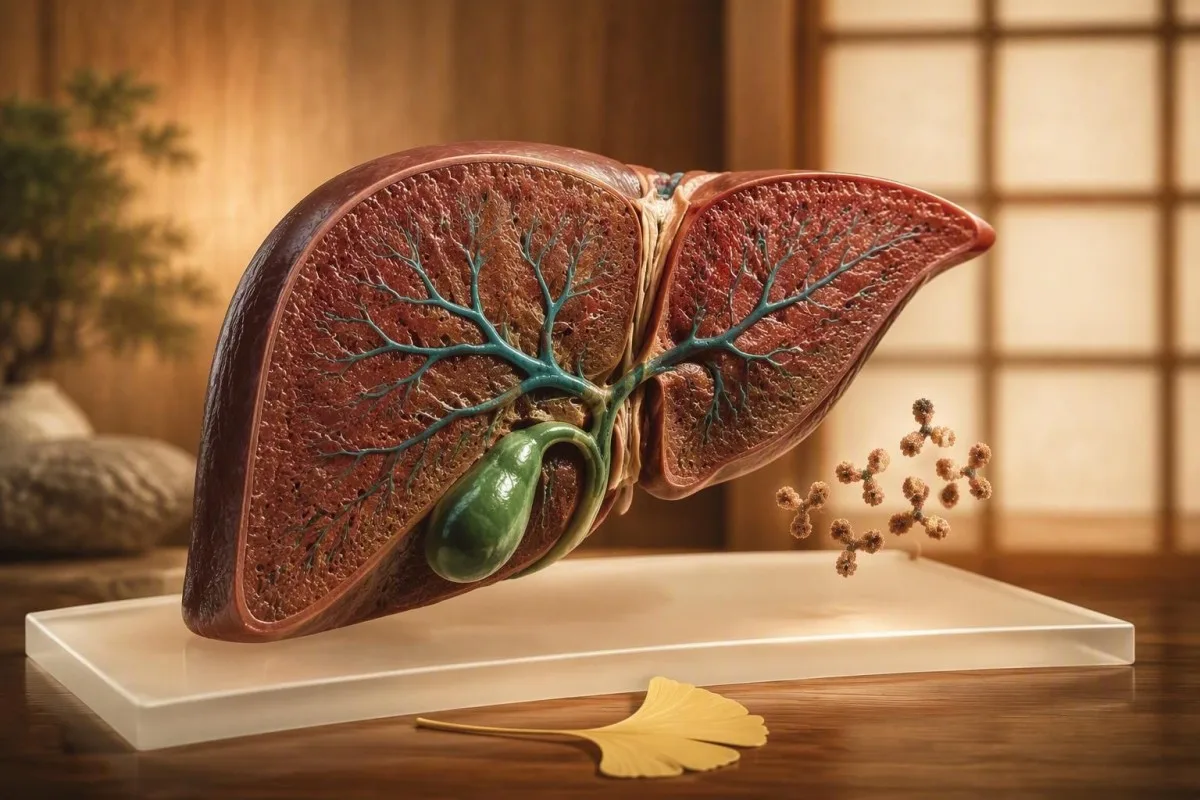
AMA ێکی ئەرێنی دەکرێت بەڵگەیەکی بەهێز بێت بۆ دۆزینەوەی کۆڵانجیتی سەرەتایی زەرداوی، بەڵام بە تەنیا نەخۆشی جگەر دیاری ناکات. شێوازی ئەلکالاین فۆسفاتاز، نیشانەکان، وێنەگرتن، و گۆڕانکاری لە ماوەی کاتدا دیاری دەکات کە چی دەبێت.


- AMA ێکی پۆزەتیڤ لە نزیکەی 90-1% ی کەسانی تووشبوو بە کۆڵانجیتی سەرەتایی زەرداوی (PBC) دەدۆزرێتەوە، بەڵام تەنها یەک ئینتیجین بەڵگەی نەخۆشی چالاک نییە.
- AMA-M2 جۆرە هاوپۆل-PBC ێکی ئینتیجینە کە زۆرترین جار بە تێستکردنی ELISA یان immunoblot پێوانە دەکرێت.
- فێڵی فێڵەی سەرکەوتوو (Alkaline phosphatase) (ALP) سەرووی سنووری سەرەوەی تاقیگایی، بەتایبەت بەردەوام بۆ ماوەی 6 مانگ یان زیاتر، بەڵگەی خوێن-تێستە بۆ PBC چالاک.
- بەرزبونی GGT پاڵپشتی شێوازێکی جگەری کۆڵستاتیک دەکات کاتێک ALP بەرزە، بەڵام GGT بە تەنیا دیاریکراو نییە بۆ PBC.
- ALP و بیلی روبینی ئاسایی لەگەڵ AMA ێکی پۆزەتیڤ بە شێوەیەکی گشتی بانگەشەی چاودێری پلاندانراو دەکات نەک چارەسەری خێرا لە کەسێکی تەندروستدا.
- بیلی روبینی سەرووی ڕێژەی وەرگرتن, ئالبومینی کەم، بەرزبوونەوەی INR، یان دابەزینی پلێتlet دەتوانێت ئاماژە بێت بۆ کاریگەری زانکۆی قورستر و پێویستی بە پشکنینی خێرای پسپۆڕانە هەیە.
- خوران، ماندووبوون، وشکیی چاو، وشکیی دەم، زەردویی، میزێکی تاریک، یان پیساییەکی کاڵ دەبێت باس لەگەڵ کلینیکزانێک بکرێت، تەنانەت ئەگەر نیشانەکان سووکیش بن.
- چارەسەری PBC زۆرترین جار بە Ursodeoxycholic acid لە ١٣-١٥ ملگم/کگم/ڕۆژ دەست پێدەکات دوای ئەوەی کە هەڵسەنگاندنی جگەرە پسپۆڕانە دەستنیشانکردنی پشتڕاست دەکاتەوە.
واتای ئەنجامی پۆزەتیڤی دژە میتۆکۆندریال (AMA) لە ڕاستیدا چییە
A دژە-میتۆکۆندریال (AMA) ئەرێنی واتە سیستمی بەرگری جەستەت دژە جەستەی دروست کردووە کە پرۆتینەکانی میتۆکۆندریال دەناسێتەوە، زۆرترین جار بەشی E2 ی پـایـرۆڤـیـت دیهـایـدرۆجـینـیـز. ئەوە بەرزترین گومانە بۆ دژە-سستەمی کولیتراسیۆنی سەرەتایی (PBC) کاتێک فۆسفاتازی ئەلکالین بەردەوام بەرز دەبێتەوە، بەڵام خۆی بە تەنیا دەستنیشانکردن نییە.
PBC نەخۆشییەکی درێژخایەنی خۆبەخۆییە کە تێیدا بۆرییەکانی زراوی ناوپردی بچووک بە وردە وردە زیانیان پێدەگات، کە دەبێتە هۆی بەرزبوونەوەی ئەنزیمەکانی پەیوەست بە زەرداو. نزیکەی ٩٠-١٠٠٪ی نەخۆشەکانی کە PBC یان پشتڕاست کراوەتەوە AMA یان هەیە، لەکاتێکدا کەمینەیەکی بچووک لە خەڵک کە پشکنینیان ئەرێنییە هیچ بەڵگەی بایۆکیمیایی یان کلینیکی یان PBC یان نییە. واتای دژە-میتۆکۆندریال (AMA) ئەرێنی بۆیە پشت بە تەواوی پانێڵی جگەر دەبەستێت.
کاتێک ئەنجامی AMA پێداچوونەوە دەکەم، یەکەم شت پرسیار دەکەم کە ئایا ڕاپۆرتەکە ئاماژەی AMA، AMA-M2، تیترێکی ئییمونوفلۆرێسەنتی ناڕاستەوخۆ، یان ئیندێکسێکی ELISA ی ژمارەیی هەیە. تیترێکی ١:٤٠ یان زیاتر سنوورێکی ئەرێنییە کە زۆربەی جار بۆ ئییمونوفلۆرێسەنتی ناڕاستەوخۆ بەکاردێت، هەرچەندە سنوورەکانی پشکنین لە نێوان تاقیگە و وڵاتاندا جیاوازن. ئەنجامێک ناتوانرێت بە سەلامەتی لە نێوان میتۆدەکاندا بەراورد بکرێت بێ سنورەکانی وەرگرتنی تاقیگەکە.
Kantestî yek e Analyzerê testa xwînê ya AI کە ئەنجامی AMA لەگەڵ ALP، GGT، بیلی روبین، ئەلبومین، پلێتlet، و بەها پێشووەکاندا دەخوێنێتەوە لەبری چارەسەرکردنی یەک ئاڵای دژە جەستە وەک بڕیار. بۆ زانیاری زیاتر لەسەر ئاڵاکانی تاقیگە، سەیری ڕێبەری ئێمە بکە بۆ ئەنجامە ئەرێنییەکانی دژە جەستە.
بۆچی میتۆکۆندریای تێوەگلاون
AMA واتە میتۆکۆندریای سەرتاسەری جەستە تێکدەشکێن. لە PBC دا، گرنگترین ئامانج ئـەنـتـیـجـیـنی PDC-E2 یە کە لە بۆرییەکانی زراوی بچووکدا دەردەکەوێت، و وەڵامدانەوەی بەرگری بە شێوەیەکی نائاسایی لەوێ چڕبووەتەوە. ئەو هەڵبژاردنەی توێکڵەکە هێشتا پرسێکی لێکۆڵینەوەیە زیاتر لە ڕاستییەکی تەواو یەکلایی بووەوە.
چۆن شێوازی AMA پەیوەندی بە کۆڵانجیتی سەرەتایی زەرداوی (PBC) هەیە
AMA لە دۆخی کلینیکی دروستدا زۆر تایبەتە بۆ PBC، بەتایبەت کاتێک ALP بەرزبووەتەوە و وێنەگرتن ڕێگاگرتنی بۆریی زراوی گەورە ناڕەوێنێتەوە. چوارچێوەکانی ئێستای دەستنیشانکردن بە گشتی پێویستیان بە دوو لە سێ تایبەتمەندی هەیە: پشکنینی جگەری کۆلستاتیک، دژە جەستەی تایبەت بە PBC، یان نمونەی جگەری هاوتای.
ڕێنماییەکەی ٢٠١٧ ی EASL بایۆکیمیای بەردەوامی جگەری کۆلستاتیک لەگەڵ AMA دا بە بەس دەزانێت بۆ دەستنیشانکردن لە زۆرێک لە نەخۆشەکان، بێ ئەوەی نمونەی بەردەوامی جگەری بگەرێت (کۆمەڵەی ئەوروپی بۆ لێکۆڵینەوەی جگەر، ٢٠١٧). ALP لەبەر ئەوەی لەرزینی زەرداو یان زیانی بۆری زراو زیاتر ڕەنگ دەداتەوە لە ALT یان AST. سۆناری سکێکی ئاسایی هێشتا بەسوودە چونکە سۆنار بۆ گیروگرفت، بەرد، یان هێڵکارییەکانی تر پشکنین دەکات.
AMA-M2 is the subtype most closely linked with PBC, yet a strongly positive AMA-M2 result does not tell us whether fibrosis is absent, mild, or advanced. In my practice, a person with ALP 240 IU/L and an upper limit of 120 IU/L concerns me far more than someone with the same antibody result and ALP 86 IU/L. The first pattern is approximately 2 times the upper limit of normal and needs hepatology assessment.
A small number of people with PBC are AMA-negative but have PBC-specific antinuclear antibodies such as anti-gp210 an anti-sp100. This is why a negative AMA does not fully exclude PBC when ALP remains elevated. Our explanation of cholestasis blood-test patterns shows why the enzyme pattern matters.
بۆچی ئەنجامی AMA ێکی پۆزەتیڤ بە تەنیا دیاری ناکرێت
Yek AMA positive result with normal ALP and normal bilirubin does not automatically mean you have PBC. It may represent preclinical autoimmunity, a transient or low-level finding, assay variation, or—less often—another autoimmune or liver condition.
The risk of later PBC is real but variable in AMA-positive people whose liver tests are normal. Published cohorts differ because they use different assays, follow-up periods, and referral populations; that uncertainty is clinically meaningful. I would not tell a symptom-free patient with ALP 92 IU/L and an upper limit of 120 IU/L that they have cirrhosis because of one antibody result.
False-positive or nonspecific AMA findings can occur with other autoimmune illnesses, chronic infections, medication-related immune activation, and occasionally in people without identifiable disease. Low-level reactivity is more vulnerable to method-related disagreement than a clearly positive, repeatedly confirmed result. Repeating the identical test at the same laboratory is often more informative than chasing a different assay immediately.
The 2018 AASLD practice guidance advises periodic biochemical follow-up for AMA-positive patients with normal liver tests rather than assuming a PBC diagnosis on serology alone (Lindor et al., 2019). A practical first step is to understand پرچم خارج از محدوده یعنی چه before making lifestyle or treatment decisions.
چ ئەنجامێکی جگەر وای کردووە AMA ێکی پۆزەتیڤ زیاتر جێی نیگەرانی بێت
A positive AMA deserves more urgent follow-up when ALP and GGT are high, bilirubin rises, or liver synthetic markers such as albumin and INR become abnormal. These combinations suggest ongoing cholestasis or impaired liver function rather than an isolated immune marker.
Typical adult ALP reference ranges are roughly 30-120 IU/L, but the upper limit is assay-specific and can be higher in some laboratories. A persistent ALP above the upper limit plus AMA should trigger assessment for PBC after bone sources of ALP and extrahepatic obstruction are considered. GGT helps confirm liver origin when ALP is raised, especially in adults with no recent fracture.
Bilirubin is often normal early in PBC. A bilirubin above the laboratory limit—commonly above 17-21 micromol/L an 1.0-1.2 mg/dL—needs timely clinical review because it may reflect more significant cholestasis, obstruction, or advancing liver dysfunction. Read our focused guide to high bilirubin patterns بۆ جیاوازییە کردارییەکان.
Albumin لە نزیکەی 35 گرام/لتر, ، INR لە سەرووی 1.2 in someone not taking warfarin, or platelets below 150 × 10^9/L can indicate reduced hepatic reserve or portal hypertension, although each has non-liver causes. These are not PBC-specific tests; together, however, they change the urgency of referral.
چۆن خوێندنەوەی ALP، GGT، ALT و AST بەیەکەوە
PBC usually produces a ڕەوشتی کۆلێستاتیک: ALP and often GGT rise more than ALT and AST. ALT or AST can be mildly high, but a predominantly hepatocellular pattern should widen the differential diagnosis.
A useful clinical calculation is the R ratio: divide ALT by its upper limit of normal, then divide ALP by its upper limit of normal. An R ratio below 2 supports cholestatic injury, while above 5 supports hepatocellular injury; results between 2 and 5 are mixed. This is a clinician's pattern-recognition tool, not a home diagnosis.
For example, ALP 280 IU/L with an upper limit of 120 and ALT 58 IU/L with an upper limit of 40 gives an R ratio around 0.6. That is a cholestatic pattern and fits PBC more comfortably than ALT 480 IU/L with only modest ALP elevation. The latter raises questions about viral hepatitis, drug-induced injury, autoimmune hepatitis, or fatty liver disease.
Kantesti AI یەک پلاتفۆرمی تێکست/وەشاندنی تاقیکردنی خوێنی AI that compares these enzyme proportions with previous panels, because an ALP moving from 118 to 186 IU/L matters even when both reports are viewed months apart. Our plain-English review of LFT abbreviations can help you identify each component.
نیشانەکانی کە پێویستە بەدواداچوونی PBC وەک وەڵام بدرێتەوە
The symptoms most associated with PBC are persistent itch, disproportionate fatigue, dry eyes, dry mouth, and later jaundice. Many people have no symptoms at diagnosis, so normal day-to-day functioning does not rule out early disease.
PBC-related itch can be worse late in the evening, after warmth, or during pregnancy, and it may occur without a visible rash. It is not caused by a simple histamine allergy, which is why standard antihistamines often disappoint. Itch that disrupts sleep for 2 or more weeks deserves a clinical conversation, especially with a positive AMA or raised ALP.
Jaundice, tea-colored urine, pale or clay-colored stools, fever with right upper abdominal pain, confusion, or rapid abdominal swelling should not wait for routine follow-up. These can indicate significant obstruction, infection, decompensated liver disease, or another acute problem rather than uncomplicated early PBC. Our review of dark urine warning patterns explains why urine color is only one clue.
Fatigue in PBC is frustratingly nonspecific and does not reliably match ALP level or fibrosis stage. I often also check thyroid function, ferritin, B12, sleep quality, mood, and medication effects rather than assuming liver disease explains every low-energy day.
پزیشکان بە شێوەیەکی ئاسایی دوای AMA ێکی پۆزەتیڤ چی پشکنین دەکەن
After a positive AMA, clinicians usually repeat or review a full liver panel, confirm the antibody method, assess symptoms and medicines, and arrange ultrasound if cholestasis is present. The goal is to establish whether PBC is active and to exclude more immediately treatable causes of abnormal liver tests.
A sensible initial set includes ALP, GGT, ALT, AST, total and direct bilirubin, albumin, INR, full blood count, immunoglobulins, and often IgM. Raised IgM is common in PBC but does not diagnose it; a normal IgM does not exclude it. Viral hepatitis testing and a medication and supplement review are also common.
Ultrasound is not used to see microscopic PBC bile-duct changes directly. It is used to exclude gallstones, duct dilatation, masses, and obvious structural liver disease when ALP is high. Magnetic resonance cholangiopancreatography may be considered when ultrasound or the biochemical pattern suggests larger-duct disease.
Kantestî yek e ئامێری توێژینەوەی تاقیکردنەوەی خوێن بە پشتبەستن بە AI that organizes repeat liver panels into a trend view, which can make a 6- to 12-month change easier to discuss at an appointment. Readers preparing for that conversation may find our liver panel checklist .
کەی پێویستە وێنەگرتن یان بایۆپسی جگەر بکرێت
A liver biopsy is not routinely required when AMA is positive and the cholestatic liver pattern is clear, but it becomes useful when the pattern is atypical or overlap disease is suspected. Imaging and non-invasive fibrosis assessment often come before biopsy.
A biopsy may be considered when ALT is markedly elevated—often more than 5 times the upper limit of normal—because autoimmune hepatitis overlap becomes more plausible. It may also clarify unexplained AMA-negative cholestasis or competing diagnoses. The tissue result can show bile-duct injury, interface hepatitis, fibrosis, or a different process entirely.
Transient elastography estimates liver stiffness and helps stage fibrosis, but stiffness can rise temporarily with active cholestasis or congestion. A single high reading should be interpreted with bilirubin, ALT, ALP, body habitus, and technical quality in mind. It is useful for trends, not a stand-alone declaration of cirrhosis.
Ew نمرەی FIB-4 uses age, AST, ALT, and platelets, but it was not designed specifically for PBC and can overestimate risk in adults over 65. That limitation is easy to miss when results are generated automatically.
چۆن چارەسەر دەبێت ئەگەر PBC پشتڕاست بکرێتەوە
Confirmed PBC is usually treated first with ursodeoxycholic acid (UDCA) at 13-15 mg/kg/day, continued long term. Treatment aims to improve cholestatic markers and reduce the likelihood of progression, not merely to make an antibody result disappear.
UDCA dose is calculated from body weight, so a 70 kg adult commonly receives about 910-1,050 mg daily, usually divided according to product and tolerability. The response is assessed with repeat ALP and bilirubin, often at 6 to 12 months. AMA titres are not used to judge treatment success.
Persistent ALP elevation after adequate UDCA can lead a hepatologist to consider second-line treatment, including obeticholic acid in selected patients or fibrates in some regions. Choice depends on fibrosis stage, bilirubin, itching, lipids, kidney function, and local approval; clinicians do not treat the number in isolation. Pregnancy plans also affect medication decisions.
PBC care includes bone-density assessment, fat-soluble vitamin consideration when cholestasis is substantial, and screening for associated autoimmune thyroid disease. For a cautious overview of supplements and liver safety, focus on avoiding unverified products rather than pursuing a liver “cleanse.”
چاودێری کاتێک AMA پۆزەتیڤە بەڵام ALP ئاساییە
People with positive AMA but normal liver chemistry are commonly monitored with repeat liver tests every 6-12 مانگ, although the exact interval should be individualized. Immediate UDCA is not generally started solely because AMA is positive.
Repeat testing should include at least ALP, GGT, ALT, AST, and bilirubin, ideally through the same laboratory when possible. A stable ALP of 88, 91, and 90 IU/L across 18 months is more reassuring than a value that rises from 88 to 145 IU/L while still being discussed as “borderline.” Trends carry clinical weight.
I advise patients to report new itch, jaundice, dark urine, pale stools, or unexplained fatigue rather than waiting passively for the next scheduled draw. Medication changes, a new herbal supplement, pregnancy, intercurrent infection, and substantial weight change should be recorded beside the date of testing. Context prevents false pattern detection.
Yên me ڕێنمای پەنێڵی خوێنی درێژخایەن explains how to save medication, illness, and fasting context alongside results. Kantesti AI can highlight shifts, but a clinician must decide whether a shift represents PBC, another liver condition, or ordinary biological variation.
هۆکارەکانی تری ALP بەرز کە لەگەڵ AMA دا دەکرێت بوونی هەبێت
A raised ALP is not automatically liver disease, even when AMA is positive. Bone turnover, recent fracture healing, vitamin D deficiency, pregnancy, medications, and biliary obstruction can raise ALP and may coexist with an incidental AMA result.
GGT is often helpful because a raised GGT alongside ALP supports a hepatobiliary source, while normal GGT with raised ALP may point toward bone—though no single combination is perfect. ALP isoenzyme testing is available in some laboratories. Recent fractures can keep bone ALP elevated for several weeks to months.
A 58-year-old patient I saw had AMA positivity and ALP 164 IU/L, but GGT was 18 IU/L, bilirubin was normal, and she had fractured her wrist 8 weeks earlier. Her repeat ALP normalized after bone healing, and the liver evaluation remained reassuring. This is why I resist labelling every AMA-positive patient with PBC on day one.
If ALP is raised after a fracture, our article on bone-related ALP elevation explains reasonable retest timing. Never use an antibody result as a reason to ignore a clearly plausible alternative cause.
نەخۆشییە خۆبەرگرییەکان کە زۆرجار لەگەڵ PBC دا دەبن
PBC occurs more often alongside autoimmune thyroid disease, Sjogren syndrome, celiac disease, and systemic sclerosis than would be expected by chance. Finding one autoimmune condition should prompt symptom-led assessment for others, not indiscriminate testing.
Dry eyes and dry mouth can reflect Sjogren syndrome, medication effects, menopause, dehydration, or diabetes; the symptom needs context. Thyroid screening with TSH is common because autoimmune thyroid disease is frequent in PBC populations. A TSH outside roughly 0.4-4.0 mIU/L usually warrants interpretation with free T4 and symptoms.
Celiac testing is most useful when there is chronic diarrhea, iron deficiency, unexplained low bone density, weight loss, or a suggestive family history. Testing after removing gluten can produce falsely reassuring results. The ڕێبەری تاقیکردنەوەی گلوتنی ئێمە covers why timing matters.
Dr. Thomas Klein, Kantesti's Chief Medical Officer, advises against ordering broad autoantibody panels simply to search for a reason for tiredness. A positive test can create more ambiguity than clarity when pre-test probability is low.
پرسیارەکان بۆ بردن بۆ لای پزیشکی بنەڕەتی یان سەردانی هێپاتۆلۆجی
The most useful appointment questions are whether your liver pattern is cholestatic, whether ultrasound is needed, whether ALP has changed over time, and when repeat testing should occur. Bring the complete report, not only the highlighted AMA result.
Ask: “Is my AMA result AMA-M2, a titre, or another assay?” and “What was my ALP upper limit of normal?” Those two questions prevent a surprising amount of confusion. Also ask whether GGT, bilirubin, albumin, INR, platelets, and ultrasound findings support a liver source.
If PBC is confirmed, ask how treatment response will be judged at 6 and 12 months, whether you need fibrosis staging, and how itch or fatigue will be managed. A good care plan states the specific result that would trigger escalation rather than simply saying “we will keep an eye on it.” See our لیستی پشکنینی خوێن before your visit.
Kantesti, an organization supported by clinicians and technical teams, encourages patients to retain original PDF reports and the dates of all previous tests. You can read about our clinical mission on Çûna nava.
کەی ئەنجامی AMA ێکی پۆزەتیڤ پێویستی بە چارەسەری بە پەلە هەیە نەک ئاسایی
AMA positivity itself is not an emergency, but new jaundice, fever with upper abdominal pain, confusion, vomiting, black stools, or rapidly increasing abdominal swelling needs urgent medical assessment. These symptoms may reflect obstruction, infection, bleeding, or advanced liver dysfunction.
Seek same-day care for yellow eyes or skin with dark urine and pale stool, especially if bilirubin has risen or pain and fever are present. A bilirubin that changes from 12 to 68 micromol/L over days is not explained by stable early PBC until obstruction and acute hepatitis have been excluded. Do not wait for a routine antibody appointment.
Confusion, drowsiness, vomiting blood, black tar-like stools, or a tense swollen abdomen warrant emergency care. These are possible signs of significant liver decompensation or gastrointestinal bleeding and require assessment even if you have never been diagnosed with PBC. Our overview of cirrhosis warning signs ئەگەرینای گشتیی فراوانتر ڕوون دەکاتەوە.
Kantesti's medical content is reviewed against clinical standards, but an AI interpretation cannot replace urgent examination, imaging, or clinician-directed testing. Review our approach to pejirandina bijîşkî and contact your local urgent-care service if red flags are present.
خاڵی خوارەوەی پراکتیکی بۆ ئەنجامی AMA ێکی پۆزەتیڤ
The practical meaning of a positive AMA is: check the liver pattern, confirm persistence, exclude obstruction and alternative causes, and involve hepatology when ALP is elevated or symptoms suggest cholestasis. Most decisions depend more on ALP, bilirubin, and trends than on how “positive” the antibody appears.
As of September 13, 2026, the core diagnostic logic remains consistent across major guidance: AMA plus chronic cholestatic liver chemistry strongly supports PBC, while isolated AMA warrants surveillance rather than premature disease labelling. If your ALP is normal, a planned 6-12 month repeat panel is commonly reasonable. If ALP is high, arrange clinical follow-up rather than repeating only the antibody.
In 15 years of clinical practice, I have found that patients cope better when we separate “a risk signal” from “active liver damage.” Dr. Thomas Klein's rule of thumb is simple: a positive antibody starts a clinical question; it does not finish it. The full report, symptoms, ultrasound, and time course supply the answer.
For review by our physicians and clinical governance team, visit the Lijneya Şêwirmendiya Bijîşkî. If you use any digital interpretation, keep your clinician involved—especially when bilirubin, INR, albumin, platelets, or symptoms have changed.
Pirsên Pir tên Pirsîn
دەکرێت AMAـت ئەرێنی بێت و نەخۆشی کۆلەنژیتیت ھەبێت؟
بەڵێ. AMA ئەرێنی دەکرێت ڕووبدات کاتێک ALP، GGT، بیلیڕوبین، و وێنەگرتن ئاسایی بمێنێتەوە، و ئەم شێوازە بە تەنیا نەخۆشی دەرنانی کۆڵەسیی سەرەتایی (primary biliary cholangitis) دیاری ناکات. زۆرێک لە پزیشکان لەم دۆخەدا هەموو 6-12 مانگ جارێک پشکنینی کیمیایی جگەر دووبارە دەکەنەوە، چونکە هەندێک کەس دواتر ئاڵۆزی کۆڵەسی (cholestatic abnormalities)یان تێدا گەشە دەکات، لەکاتێکدا هەندێک کەس هەرگیز تووش نابن. زۆربەی جار وەرگرتنی زانیاریی زیاتر لە داهاتوودا بریتییە لە لێدوانێک (trend) لەسەر ALP، نەک تەنها دووبارەکردنەوەی ڕێژەی دژەتەن (antibody titre).
وردیاری پشکنینی دژە میتۆکۆندریایی بۆ نەخۆشی جگەری ھاوسنور بۆر بۆچی؟
AMA لە نزیکەی ٩٠-١TP42T ی خەڵکدا لەگەڵ یەکەمجاردا گرێی یەکەم، بوونی هەیە، کە وەک نیشانەیەک بۆ دیاریکردن زۆر بەسوودە لە شوێنی دروست. تایبەتمەندییەکەی بەرزە کاتێک بەرزبوونەوەی بەردەوامی ALP و دۆزینەوە کلینیکییە گونجاوەکان بوونیان هەبێت، بەڵام هیچ تاقیکردنەوەی دژەتەنێک نییە کە ١٠٠١TP54T دڵنیایی دیاریکردنی هەبێت لە کەسێکی بێ نیشانەدا کە تاقیکردنەوەی جگەرەی ئاسایی هەیە. AMA-M2 جۆرەکەیە کە زۆرترین پەیوەندی بە PBC وە هەیە.
ئاستی ALP چەندە نیگەرانییە لەگەڵ AMA ئەرێنیدا؟
هەر ئەنجامێکی ALP کە بەردەوام لە سنووری سەرووی ئاسایی تاقیگەکەت بەرزتر بێت، گرنگە کاتێک AMA ئەرێنی بێت، بەتایبەت ئەگەر GGT ش بەرز بێت. زۆربەی تاقیگەکانی گەورەکان سنووری سەرووی ALP نزیکەی 120 IU/L بەکار دەهێنن، بەڵام سنووری ڕاستەقینە ئەو ژمارەیەیە کە لەسەر ڕاپۆرتەکەت چاپ کراوە. ALP یەکجاروبەشی 1.5-2 جار سنووری سەروو، وەک 240 IU/L کاتێک سنووری سەروو 120 IU/L بێت، بە شێوەیەکی گشتی شایانی هەڵسەنگاندنی جگەرەناسییە.
ئایا AMA ئەرێنی دەکرێت نەمانێت؟
ئەنجامێکی AMA لەوانەیە لە هەندێک حاڵەتدا نەرێنی بێت یان لە نێوان تاقیکردنەوە جیاواز بێت، بەتایبەتی کاتێک وەڵامە ڕەسەنەکە ئاست نزمی هەبووە، بەڵام ئەمە بە شێوەیەکی نا-جێگیر نیشان نادات کە مەترسییەکە نەماوە. لە حاڵەتی پووکی (PBC) پشتڕاستکراودا، بڕیاری چارەسەر پشت بەستووە بە ALP، بیلیڕووبین، هەڵسەنگاندنی فیبرۆزیس، و نیشانەکان نەک هەر بێت یان نا AMA بەردەست بێت. دووبارەکردنەوەی AMA بە شێوەیەکی گشتی کەمتر سوودبەخشە لە دووبارەکردنەوەی پەنێلی تەواوی جگەر دوای 6-12 مانگ.
ئایا دژە تنی دژە میتۆکۆندرا هەڵگری نیشانەیە؟
AMA خۆی هۆکاری نیشانەکان نییە؛ ئاماژەیەکی بەرگرییە. نیشانەکان کاتێک دروست دەبن کە نەخۆشییەکی دەرون یان ڕێڕەوی زەرداو لەگەڵیدا چالاک بێت، وەک خوران، ماندووبوون، وشکی چاو، وشکی دەم، زەردی، میزێکی تاریک، و پیساییەکی کاڵ لەوانەی نیشانە گرنگن. زەردی نوێ یان تا لەگەڵ ئازاری سەرەوەی سک پێویستی بە هەڵسەنگاندنی پزیشکی لە هەمان ڕۆژدا هەیە بەبێ گوێدانە ڕێژەی AMA.
چۆن چارەسەری ئاسایی بۆ کێشەی PBC کە AMA ڵێی ئەرێنییە؟
یەکەم چارەسەری ستاندارد بۆ PBCی پشتڕاستکراوە بریتییە لە ترشی یۆرۆدۆکسی کۆلیک بە ڕێژەی ١٣-١٥ ملگم/کگم/ڕۆژ، کە لەلایەن پزیشکێکەوە دەردەکرێت و چاودێری دەکرێت. بۆ کەسێکی پێگەیشتووی ٧٠ کگمی، ئەمە بە گشتی نزیکەی ٩١٠-١،٠٥٠ ملگم ڕۆژانە دەبێت، هەرچەندە ڕێژە وردەکە بە تاکەکەسی دیاری دەکرێت. وەڵامدانەوە بە گشتی دوای ٦-١٢ مانگ بە ALP و بیلیڕوبین هەڵدەسەنگێنرێت نەک بە AMA titers.
ئەمڕۆ AI-پاوەرد لەسەر تاقیکردنەوەی خوێن بەدەست بهێنە
بە یارمەتی زیاتر لە 2 ملیۆن بەکارهێنەر لە هەموو جیهاندا کە Kantesti دەستپێدەکەن بۆ تاقیکردنەوەی لابراتۆری ڕاست و بەهێز لە کاتێکی کەم. ڕەخنەی تاقیکردنەوەی خوێنت بنێرە و تفسیرێکی تەواو لە 15,000+ نیشانەی زیستی (biomarkers) لە ماوەی چرکەکاندا وەرگرە.
📚 توێژینەوە سەرچاوە پەیوەندیدارەکان
کلاین، ت.، میچێڵ، س.، & وێبەر، ه. (2026). دۆزینەوەکەرێکی تاقیکردنەوەی خوێنی AI: 2.5M تاقیکردنەوە لێکۆڵکرا | ڕاپۆرتی تەندروستی گڵۆبال 2026. Kantesti توێژینەوەی پزیشکی AI.
کلاین، ت.، میچێڵ، س.، & وێبەر، ه. (2026). Testa Xwînê ya RDW: Rêbernameya Tevahî ji bo RDW-CV, MCV û MCHC. Kantesti توێژینەوەی پزیشکی AI.
📖 سەرچاوەی پزیشکی دەرەکی
⚕️ Daxuyaniya Bijîşkî
ئەم مادەیە تەنها بۆ. I think I must continue but user expects all items.
سەنگەری باوەڕپێکردن E-E-A-T
Tecribe
ڕەوی پشکنینی کلینیکی لەلایەن پزیشکەوە بۆ ڕێکخستنی ڕووداوەکانی لێکدانەوەی ئازمایش.
Pisporî
گرێدانی لابراتۆرییەی پزیشکی بەوەی چۆن بایۆمارکەرەکان لە کۆنتێکستی کلینیکی دەگۆڕن.
Desthilatdarî
نووسراوە لەلایەن د. توماس کلاین بە پشکنینی لەلایەن د. سارا میچێڵ و پڕۆف. د. هانس وێبەر.
Bawerî
لێکدانەوە بە بنەمای دڵنیابوون (Evidence-based) بە ڕێڕەوی دوایینەوەی ڕوون بۆ کەمکردنەوەی هەست بە ترس/هەڵوەشاندن.