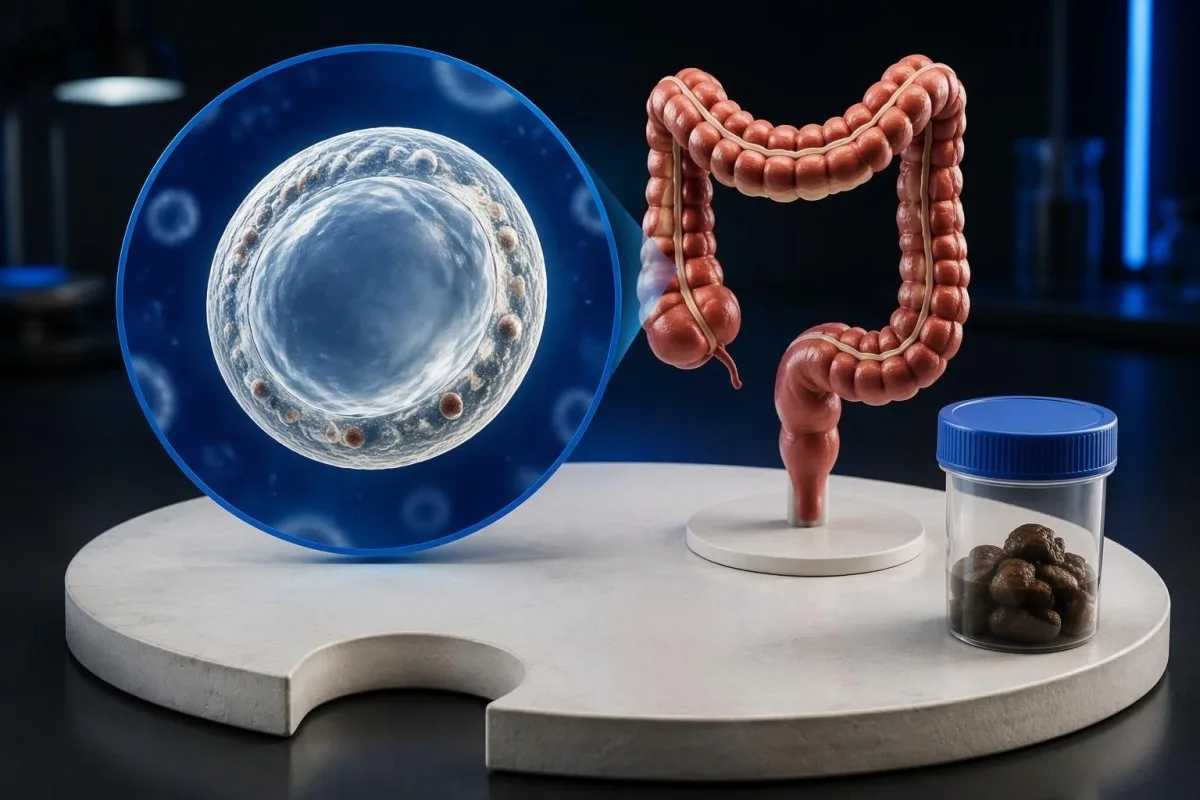
A positive stool result establishes detection, not necessarily disease. The treatment decision depends on your symptoms, other findings, and the uncertain relationship between Blastocystis clearance and recovery.

핵심 요점
- Blastocystis positive does not automatically require treatment; people without digestive symptoms generally do not need medication solely to clear the organism.
- PCR 검출 identifies Blastocystis genetic material in stool, but it does not prove that the organism caused diarrhea or bloating.
- Microscopy counts such as few, moderate, or many are not validated treatment thresholds; there is no established organism-count cutoff that confirms symptomatic disease.
- 지속되는 설사 lasting 14 days or longer deserves clinical assessment, even when Blastocystis is the only reported finding.
- 응급 증상 include significant dehydration, bloody or black stools, severe abdominal pain, and fever with worsening illness; do not attribute these findings to Blastocystis without evaluation.
- 치료 근거 is mixed: a 2023 placebo-controlled metronidazole pilot trial did not demonstrate better symptom improvement than placebo.
- Nitazoxanide evidence includes one 2005 trial reporting symptom resolution in 86% of treated participants versus 38% receiving placebo, but that result does not establish benefit for every positive patient.
- Blood test clues such as ferritin below 15 µg/L or potassium below 3.5 mmol/L may identify separate problems or consequences of diarrhea; neither result diagnoses Blastocystis disease.
Does a Blastocystis positive result always need treatment?
번호. A blastocystis positive stool result does not automatically require treatment, particularly if you have no symptoms. PCR or microscopy confirms detection, not that Blastocystis caused digestive symptoms; persistent diarrhea warrants assessment for other causes, while dehydration, bloody stools, or severe pain require more urgent care.
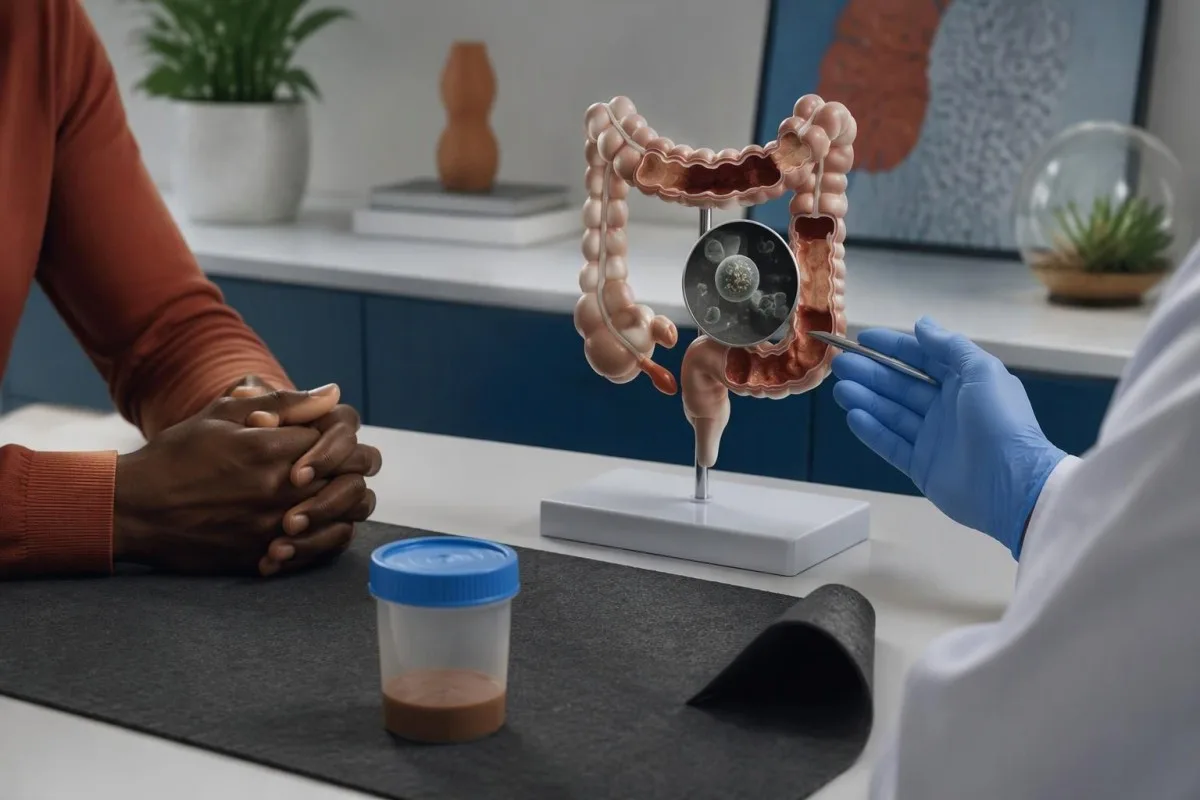
An incidental finding can be biologically real without being medically responsible for your symptoms. Blastocystis is a single-celled intestinal organism found in people with and without digestive complaints, and Tan's 2008 review describes substantial uncertainty about its clinical significance (Tan, 2008). The first decision is therefore whether there is a digestive illness to investigate—not which medicine clears the report.
Consider a hypothetical 34-year-old whose stool test was ordered during a brief stomach upset that has already resolved. If the person now eats normally, has their usual bowel pattern, and has no warning signs, medication may offer little measurable benefit. A different patient with 6 weeks of watery diarrhea needs investigation, but the same positive result still does not establish the cause.
칸테스티는 AI 혈액검사 분석기 that helps explain accompanying laboratory results, not a substitute for stool-test assessment or a prescribing clinician. Our 조직과 임상 범위 distinguish laboratory interpretation from diagnosis: no single positive stool result or accompanying blood marker can establish that Blastocystis is responsible for an individual's symptoms.
What does Blastocystis PCR positive mean?
Blastocystis PCR positive meaning is straightforward at the laboratory level: the assay detected genetic material from Blastocystis in the submitted stool specimen. PCR does not independently establish organism viability, intestinal damage, or the cause of symptoms, and a positive result is not a severity score.
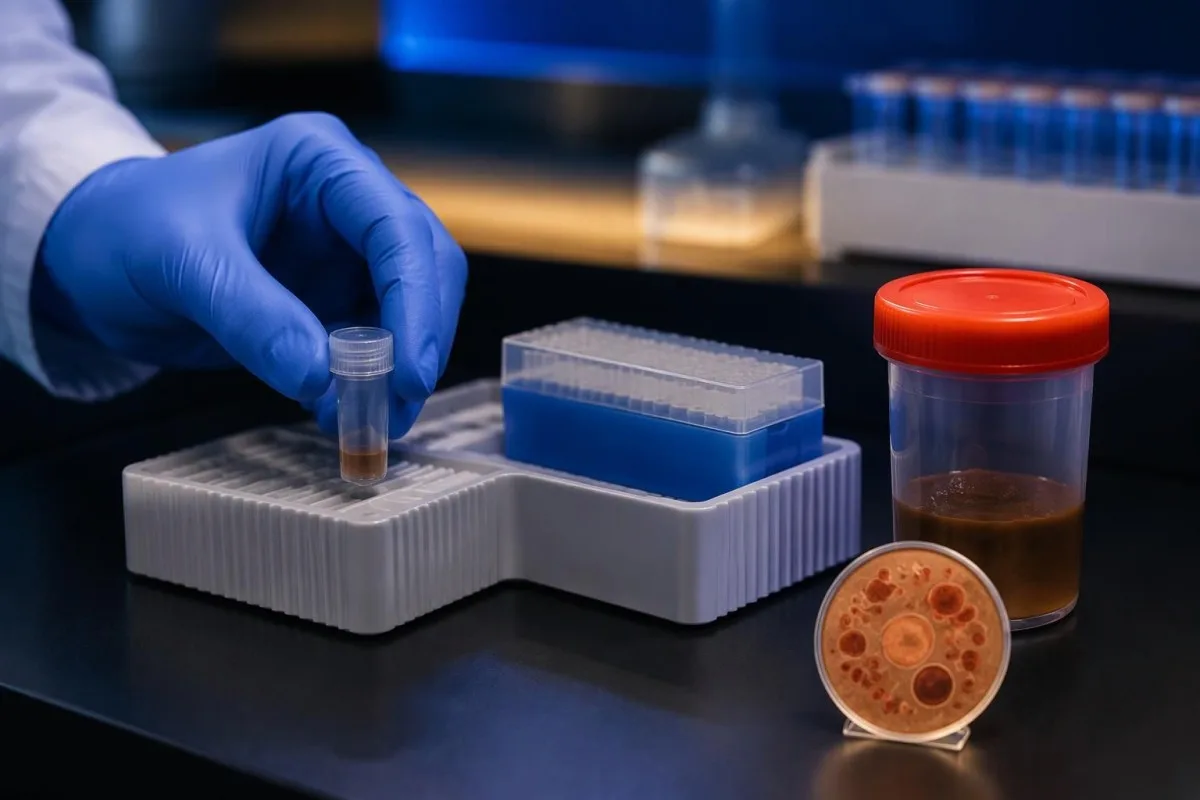
Microscopy answers a related but different question: an examiner identified structures consistent with Blastocystis in the material examined. Detection depends on specimen preparation, staining, examiner experience, and the amount of stool sampled. If 2 laboratories disagree, the explanation may be different methods or sampling rather than a meaningful change in intestinal illness; Tan's review explains these diagnostic limitations (Tan, 2008).
A report reading detected usually provides a qualitative result rather than a validated measurement of disease activity. Our explanation of 정성 대 정량 결과 clarifies that distinction. Even when a laboratory supplies a PCR cycle threshold, stool consistency, extraction methods, inhibitors, and assay design prevent a universal cutoff from identifying who needs treatment.
Ask which test was performed and which organisms it included. Some gastrointestinal PCR panels do not test for Blastocystis, while specialist parasite assays may include it; a negative general panel therefore cannot necessarily contradict a separate positive parasite report. Keep the complete report, including collection date and method, because 1 isolated line can conceal information needed to interpret apparently conflicting results.
How do clinicians distinguish incidental Blastocystis in stool?
Blastocystis in stool is more likely to be incidental when the person has no digestive symptoms or when another diagnosis better explains them. A possible contribution becomes more plausible with persistent compatible symptoms after reasonable evaluation, but there is no single symptom pattern that confirms Blastocystis disease.
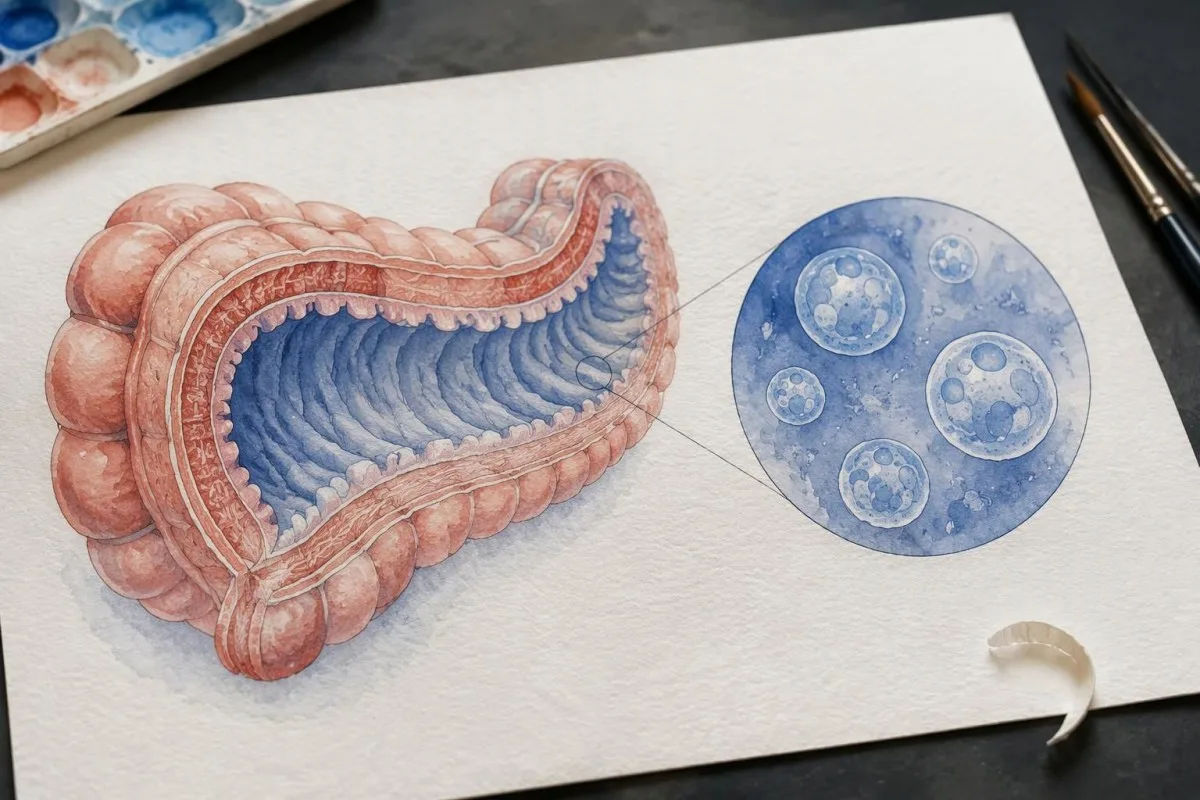
Timing is one useful filter. A positive result collected after 2 days of an abrupt household vomiting illness does not explain the outbreak by itself, especially if everyone improves quickly. Conversely, symptoms that existed for several years before the test need a broader explanation than a newly discovered organism; detection gives no reliable date when carriage began.
The clinical reasoning should compare competing explanations rather than count how many symptoms match an online list. Bloating, loose stools, abdominal discomfort, and fatigue occur in many intestinal conditions. The same interpretation problem arises with Dientamoeba detection and treatment, although decisions about the 2 organisms should not be treated as interchangeable.
Symptom improvement after medication can support a working hypothesis, but it does not prove it. An antimicrobial may affect another unrecognized organism, alter intestinal microbes, or coincide with natural recovery; expectations can also influence reported symptoms. When 2 outcomes—organism clearance and symptom recovery—do not move together, clinicians should resist declaring the original positive result a confirmed diagnosis.
Do Blastocystis subtype or organism counts predict harm?
Neither a routine Blastocystis subtype nor a microscopy description such as many currently provides a validated rule for treatment. Research explores differences between subtypes, but associations are inconsistent and do not reliably identify which individual patient's symptoms are caused by the organism.

A commercial report may present subtype information as if it were a personalized risk category. Subtyping is useful in research and epidemiology, but a subtype label is not equivalent to an antimicrobial susceptibility test. Finding subtype 1 or subtype 3, for example, does not supply an established medication choice, predicted cure rate, or indication that an otherwise well person needs treatment.
Descriptions such as few, moderate, and numerous are method-dependent observations rather than standardized measurements of intestinal burden. More organisms can be easier to detect, but easy detection is not the same as tissue injury. There is no universally accepted number of organisms per microscopic field, or stool PCR threshold, that separates harmless carriage from symptomatic disease in routine clinical practice.
Commercial microbiome reports may add diversity scores or lists of associated microbes, creating an impression of greater certainty than the evidence supports. Our guide to 마이크로바이옴 검사의 한계 explains why descriptive microbial information is not automatically actionable. A report combining 3 impressive-looking metrics still needs a clinically validated connection between those measurements and a beneficial treatment decision.
Which symptom patterns deserve clinical evaluation?
Persistent diarrhea, worsening abdominal discomfort, or symptoms affecting hydration, weight, sleep, or daily activities warrant assessment regardless of the Blastocystis result. 14일 이상 지속되는 설사 is commonly termed persistent diarrhea; symptoms lasting more than 4 weeks generally enter a chronic-diarrhea assessment pathway.
A 7-day diary can make a consultation more informative: record bowel frequency, stool form, nighttime episodes, urgency, medicines, and relevant foods. Describe watery stools separately from frequent small formed stools, because those patterns suggest different mechanisms. The Bristol stool form guide provides a shared vocabulary, but stool shape alone cannot identify a particular organism.
Diarrhea that repeatedly wakes someone from sleep deserves attention because it is less typical of a purely meal-linked food intolerance or uncomplicated functional bowel pattern. Likewise, symptoms beginning after a new medicine, a hospital stay, travel, or antibiotic exposure can redirect testing. The useful question is not whether Blastocystis can cause discomfort, but whether its detection explains the specific timeline better than those alternatives.
At Kantesti, we encourage readers to separate symptom burden from the emotional impact of seeing positive on a report. A hypothetical person passing 5 watery stools daily may need hydration assessment and targeted testing even with normal routine blood results. Someone passing 1 comfortable formed stool daily usually does not need treatment merely because a sensitive assay found an organism.
When do symptoms need urgent care rather than parasite treatment?
Significant dehydration, bloody or black stools, severe or worsening abdominal pain, confusion, fainting, or inability to keep fluids down require urgent assessment. Blastocystis detection should not be used to explain away these symptoms, because another infection, intestinal disorder, or acute abdominal condition may require different treatment.
체온이 38.5°C or higher with worsening diarrhea is a reason for prompt clinical advice, although lower temperatures do not exclude serious illness. Persistent dizziness on standing, markedly reduced urination, or unusual drowsiness can indicate dehydration. Children, older adults, and people with kidney disease may deteriorate faster, so decisions should not depend on reaching a particular stool frequency or fever threshold.
Visible red material and black, tarry stools need context: foods, iron, and bismuth can change stool color, but potential intestinal bleeding must not be dismissed. Our explanation of 혈변의 긴급성에 대한 기사 helps distinguish patterns. A positive Blastocystis result does not make a new bleeding symptom expected, benign, or safe to monitor without advice.
Medication choices may change sharply when another stool finding is present. A Shiga toxin positive result needs its own assessment because antibiotics and antimotility medicines can be inappropriate in some associated illnesses. If 2 organisms appear on the report, the more consequential finding and the patient's clinical condition should guide urgent decisions—not the organism mentioned first.
What if the stool report detects other organisms too?
When a stool report detects Blastocystis plus another organism, each finding needs separate interpretation. A recognized pathogen, a compatible exposure, and the symptom pattern may offer a stronger explanation than Blastocystis, while a negative panel only excludes the specific targets that panel tested with its particular method.
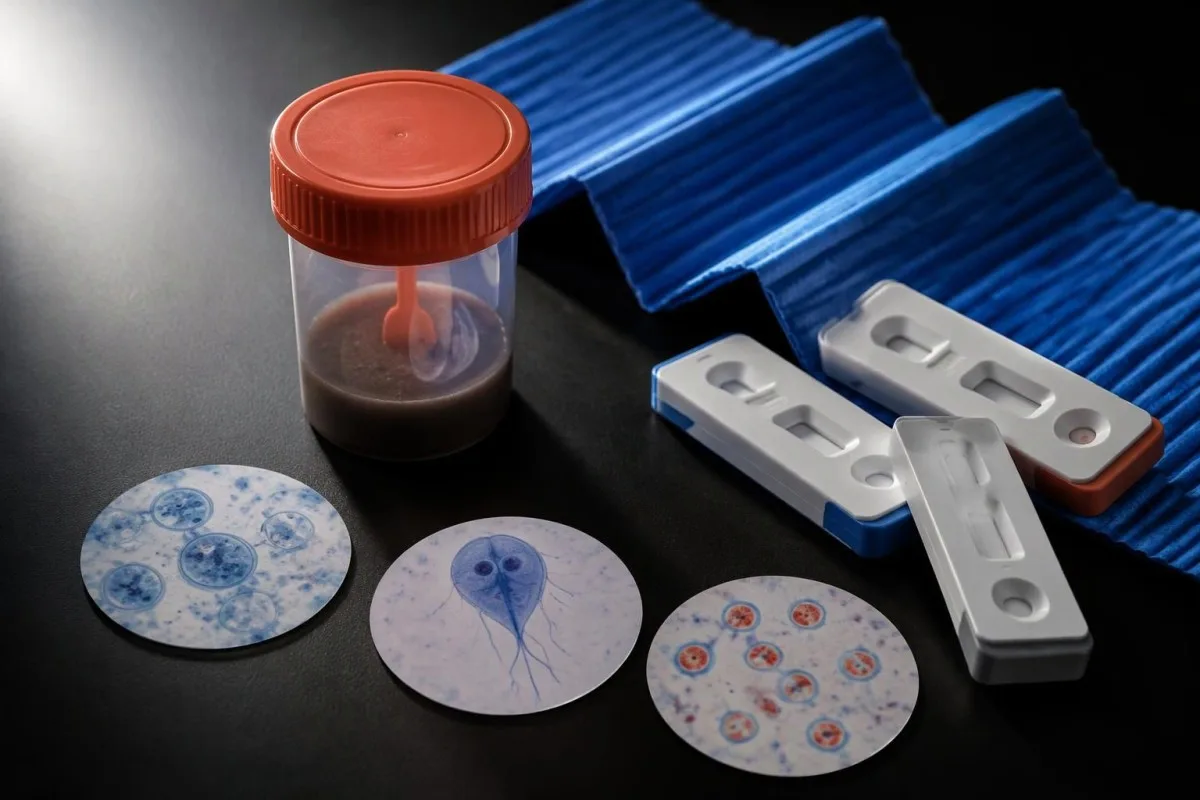
For example, persistent loose stools after untreated-water exposure may justify closer attention to a concurrent Giardia 항원 결과. Giardia has a clearer established relationship with symptomatic intestinal infection than Blastocystis. Clearing or treating the more plausible cause first can prevent 2 simultaneous prescriptions from obscuring which intervention actually improved symptoms.
A concurrent Cryptosporidium positive result has different implications in an otherwise healthy adult and a person with substantial immune suppression. Host factors matter: medication history, transplant status, and immune function can change both investigation and treatment. A Blastocystis finding should not distract from an organism whose clinical importance is better established in that particular patient.
Ask whether the laboratory assessed bacterial pathogens, Giardia, Cryptosporidium, and relevant additional parasites rather than assuming parasite PCR covers everything. Travel-associated organisms, noninfectious disease, and medication effects may remain unexamined after 1 panel. Recent antibiotic exposure also changes which testing is appropriate; broad molecular detection is powerful, but it cannot replace an exposure history or identify every cause of diarrhea.
Can blood tests show whether Blastocystis is causing symptoms?
Blood tests cannot establish that Blastocystis is causing digestive symptoms. They can identify dehydration-related changes, anemia, depleted iron stores, or other clues that redirect investigation; normal blood results also do not rule out celiac disease, inflammatory bowel disease, or a clinically significant intestinal infection.
성인에서는, 페리틴이 15 µg/L 미만인 경우 strongly supports depleted iron stores, but the result does not identify why those stores are low. Chronic intestinal symptoms plus iron depletion may prompt evaluation for dietary deficiency, intestinal blood loss, or celiac disease rather than a parasite prescription. Our 철분 연구 해석 가이드가 포함되어 있습니다 explains why ferritin should be considered alongside inflammation and other iron measurements.
혈청 칼륨 3.5 mmol/L 미만 is hypokalemia, and prolonged diarrhea is one possible cause; urgency depends on the degree, symptoms, medicines, and cardiac risk. An absolute eosinophil count above 0.5 × 10^9/L is generally considered eosinophilia, but it is not a validated marker of Blastocystis disease. Marked or persistent eosinophilia deserves its own differential diagnosis rather than being automatically attributed to this stool finding.
칸테스티는 AI 바이오마커 해석 플랫폼 that helps readers understand accompanying CBC, ferritin, and electrolyte results without claiming those markers prove a parasite diagnosis. Our 혈액 바이오마커 참고 가이드 supports that distinction. Comparing 2 dated panels can reveal a developing problem, but clinical context and appropriate stool or gastrointestinal investigations remain necessary to determine its cause.
How strong is the evidence that treatment improves symptoms?
Evidence that Blastocystis treatment improves digestive symptoms is mixed: some trials reported benefit, while a more recent placebo-controlled metronidazole pilot trial did not. Study size, diagnostic methods, unrecognized co-infections, and different outcome definitions limit how confidently a result can be applied to an individual patient.
A 2005 placebo-controlled trial of nitazoxanide reported symptom resolution in 36 of 42 participants, or 86%, versus 16 of 42, or 38%, receiving placebo (Rossignol et al., 2005). Adults and adolescents in that study received 500 mg twice daily for 3 days. The trial supports a possible benefit in its selected population, but it does not establish that every positive test represents treatable disease.
The 2023 randomized pilot trial involving 50 adults did not demonstrate better gastrointestinal symptom improvement with metronidazole than with placebo (Cobuccio et al., 2023). A small pilot cannot prove that nobody benefits, and its findings do not automatically settle the effectiveness of every other medication. They do weaken the assumption that routine metronidazole reliably resolves symptoms whenever Blastocystis is detected.
A treatment discussion should specify whether the intended outcome is fewer watery stools, less pain, restored function, or organism clearance. These are different endpoints, and the 48-percentage-point symptom difference in the older nitazoxanide trial should not be presented as a universal expected benefit. Our discussion of Salmonella treatment decisions illustrates the broader principle that detection alone does not determine whether medication helps.
When might a supervised treatment trial be reasonable?
A supervised treatment trial may be reasonable for persistent, troublesome symptoms when a clinician has assessed competing causes and discusses the uncertain benefit with the patient. The plan should identify a symptom target, medication risks, and a follow-up point; asymptomatic detection alone generally does not justify that trial.
Metronidazole and nitazoxanide are among medicines used in selected cases, but availability and approval for Blastocystis vary by country. The 500 mg twice-daily, 3-day nitazoxanide regimen belongs to the cited trial, not a universal self-treatment instruction. Age, pregnancy, breastfeeding, liver function, interactions, and the possibility of another diagnosis can change whether a particular medicine is appropriate.
Medication harms matter when the expected benefit is uncertain. Antimicrobials can cause nausea, altered taste, diarrhea, and other adverse effects, and new diarrhea after treatment may need assessment for C. diff testing patterns. A second positive laboratory finding after medication should be interpreted with symptoms and the assay method, not automatically added to the original diagnosis.
People taking warfarin need particular attention because metronidazole can increase anticoagulant effect and may require clinician-directed monitoring; our explanation of 항생제 투여 후 INR 변화 gives the relevant context. Kantesti AI cannot choose a parasite medicine or adjust an anticoagulant dose. If the first course fails, reassessment is usually more informative than assuming that a second or third antimicrobial course must succeed.
Which other causes should persistent symptoms prompt clinicians to consider?
Persistent symptoms should prompt consideration of celiac disease, food intolerance, post-infectious IBS, inflammatory bowel disease, bile acid diarrhea, medication effects, and other infections. The choice of investigations depends on the bowel pattern, warning signs, exposure history, age, and duration—not simply on the presence of Blastocystis.

A meal-linked pattern may suggest a food-related mechanism, particularly when bloating and loose stools follow dairy consumption. Temporary lactose malabsorption can occur after an intestinal illness, and lactose intolerance testing options differ from parasite tests. A brief, structured comparison is more useful than removing 5 food groups simultaneously, which makes symptom changes difficult to interpret and increases nutritional risk.
Watery urgency after meals, especially after gallbladder removal or certain intestinal conditions, may prompt assessment for bile acid diarrhea. In settings where it is available, SeHCAT retention below 15% at 7 days commonly supports bile acid malabsorption, with interpretation depending on local practice. Our SeHCAT results and treatment guide explains why this mechanism can remain missed when attention stays fixed on an incidental organism.
Celiac blood testing usually needs tissue transglutaminase IgA plus total IgA while the person is eating gluten; a gluten-free diet can reduce test sensitivity. Do not begin a self-directed 검사 전 적절한 글루텐 부하 시점에 대한 논의 without advice if you have already changed your diet. Review medicines too: metformin, magnesium-containing products, laxatives, and other drugs may explain symptoms more directly than 1 positive parasite result.
Should Blastocystis be retested if symptoms persist?
Persistent symptoms require reassessment, not automatically another Blastocystis test or treatment course. There is no universally established test-of-cure interval for routine Blastocystis management; retesting should answer a specific clinical question, while symptom recovery and alternative diagnoses often matter more than converting the report to negative.
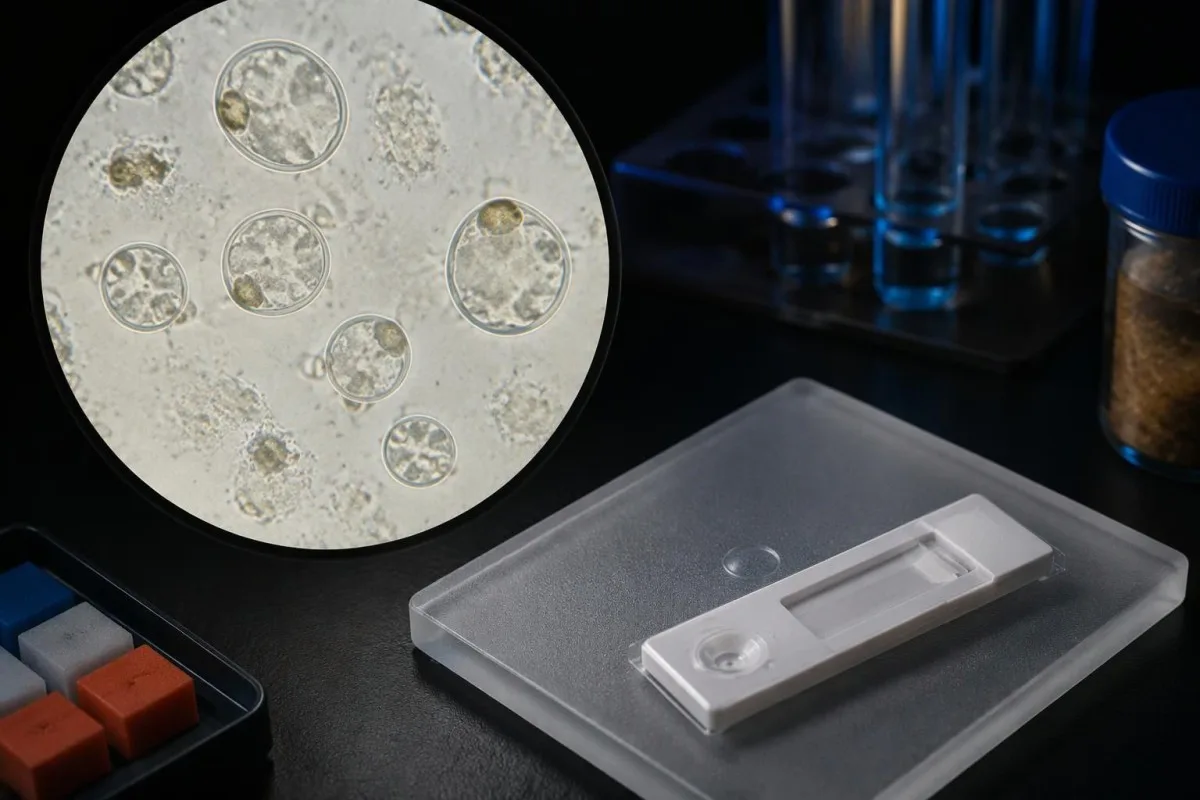
Symptoms continuing despite a negative follow-up test argue against assuming that detectable Blastocystis remains the explanation. A positive follow-up result also does not distinguish persistent carriage from reacquisition or establish medication resistance. If diarrhea reaches , 치과 시술, 흡연 상태, 수술, 강도 높은 훈련, 새로운 발진, 관절 부종, 발열, 그리고 현재의 CBC가 실제로 이전 검사와 다른지 여부를 적어달라고 요청합니다., a structured chronic-diarrhea evaluation may be more useful than repeated parasite testing, particularly when the original treatment produced no meaningful change in daily symptoms.
Fecal calprotectin can help assess intestinal inflammation, but it is not a Blastocystis causation test. Many adult laboratories use below 50 µg/g as a low calprotectin result, while intermediate zones and referral thresholds vary; recent intestinal infection and some medicines can raise it. Our comparison of calprotectin and lactoferrin tests explains why these markers answer a different question from organism detection.
A hypothetical patient whose calprotectin is 240 µg/g and whose diarrhea continues after treatment needs contextual review rather than a claim that Blastocystis caused the elevation. The clinician may consider timing, medication exposure, repeat testing, or endoscopic assessment depending on symptoms and risk. A low result is reassuring in appropriate circumstances, but it does not override bleeding, progressive weight loss, anemia, or other warning signs.
What should you do after receiving a positive report?
After a positive report, keep the complete test, assess your symptoms and hydration, and arrange appropriate follow-up rather than starting leftover medication. Routine testing or treatment of well household contacts is generally not recommended solely because someone has Blastocystis, although symptomatic contacts or an outbreak require their own assessment.

Prepare 3 questions for the appointment: Does the symptom pattern fit this finding, which other causes have been considered, and what outcome would justify treatment? Bring medication and supplement lists, recent travel details, and previous stool results. If treatment is proposed, agree on a follow-up point based on symptom severity rather than assuming that another positive test alone requires another prescription.
For watery diarrhea, properly prepared oral rehydration solution is preferable to plain water alone when fluid and salt losses are substantial. Use the exact water volume on the packet—some products require 1리터, while others use a different volume—and do not concentrate the mixture. Handwashing with soap, safe drinking water, and careful food preparation reduce fecal–oral transmission risks without implying that every household member needs parasite medication.
칸테스티는 AI 혈액검사 결과 해석 플랫폼 that can help organize accompanying laboratory findings for discussion, but it does not determine whether Blastocystis treatment is necessary. Our 책임 있는 AI 지침은 explains that boundary. Children, pregnant people, and immunocompromised patients need individualized clinical advice; dehydration risk or a consequential co-infection may change management even when the Blastocystis finding itself remains uncertain.
연구 간행물과 실험실 검사 결과 해석의 한계
Clinical evidence about Blastocystis treatment comes from organism-specific research, not from blood-test interpretation benchmarks. The 2005 nitazoxanide trial, 2023 metronidazole pilot trial, and 2008 diagnostic review address different questions; none makes a positive stool result sufficient proof that Blastocystis caused an individual's symptoms.
The 2 placebo-controlled trials should not be combined into a simple claim that treatment works or never works. They studied different medicines, populations, and diagnostic approaches, and the smaller modern pilot cannot settle every subgroup question. The clinically useful interpretation is narrower: treatment benefit is uncertain enough that symptoms, competing causes, medication risks, and agreed outcomes should guide an individualized decision.
The 2 Kantesti publications listed below describe a clinical validation framework and an aggregate blood-test analysis report. They are platform publications hosted on Zenodo, not randomized Blastocystis treatment studies, and a DOI is an identifier rather than proof of peer review or clinical effectiveness. They should not be cited as evidence that our platform can determine whether a stool organism caused disease.
Kantesti separates research about laboratory explanation from evidence supporting diagnosis or prescribing. Our 의학적 검증 기준 describe the relevant methodology and oversight boundaries, while the external references support this article's organism-specific discussion. The practical decision remains the same: 1 positive result identifies a finding to interpret, not an automatic reason to treat or stop investigating persistent symptoms.
자주 묻는 질문
증상이 없는데도 블라스토시스티스 치료가 필요한가요?
Blastocystis는 소화기 증상이 없는 사람에게서 검출된 경우 일반적으로 치료가 필요하지 않습니다. 대변 PCR 또는 현미경 검사에서 양성 결과가 나오더라도 질병이 아니라 장내에 우연히 보균된 상태일 수 있습니다. 보고서에 기생충이 많다고 적혀 있다는 이유만으로 이 권고가 달라지는 검증된 기생충 수 기준은 없습니다. 증상이 나타나거나 동일한 검사 보고서에서 치료상 중요한 다른 기생충이 검출되면 개별 평가를 받으세요.
What does Blastocystis PCR positive mean on a stool test?
Blastocystis PCR positive means that the assay detected Blastocystis genetic material in the stool specimen. It does not independently prove organism viability or establish that Blastocystis caused diarrhea, bloating, or abdominal pain. Different laboratories may use different panels, so 2 reports can disagree because their targets or methods differ. Interpretation requires the complete report, symptom timeline, and assessment of alternative causes.
Can Blastocystis cause diarrhea and bloating?
Blastocystis has been associated with diarrhea, bloating, and abdominal discomfort, but its causal role remains uncertain and many carriers have no symptoms. These complaints also occur with Giardia, celiac disease, food intolerance, medication effects, and functional bowel disorders. Diarrhea lasting 14 days or longer deserves clinical evaluation rather than assuming the positive result supplies the answer. Bloody stools, significant dehydration, or severe pain require more urgent assessment.
Does metronidazole reliably cure Blastocystis symptoms?
Metronidazole does not reliably resolve symptoms in every person with Blastocystis detection. A 2023 placebo-controlled pilot trial involving 50 adults did not demonstrate better gastrointestinal symptom improvement with metronidazole than with placebo. That trial does not prove that no individual benefits, but it argues against routine treatment based only on detection. Medication choice and any treatment trial should be discussed with a clinician.
Should I repeat my stool test after Blastocystis treatment?
A repeat stool test is not automatically necessary after Blastocystis treatment, and there is no universally established routine test-of-cure interval. Retesting is most useful when it answers a specific clinical question rather than simply seeking a negative report. Persistent diarrhea approaching or exceeding 4 weeks may require a broader evaluation for noninfectious causes and other pathogens. A negative parasite test does not explain ongoing symptoms, while a positive one still does not prove causation.
Can my family catch Blastocystis, and should everyone be treated?
Blastocystis can spread through fecal–oral exposure, including contaminated water or food, but detection in 1 household member does not mean everyone needs testing or treatment. Well household contacts generally do not need medication solely to eradicate possible carriage. Symptomatic contacts or several people becoming ill together should be assessed for other transmissible intestinal illnesses as well. Handwashing with soap and safe food and water practices are reasonable preventive measures.
혈액검사 결과 보는법
검사실 보고서를 업로드하면 Kantesti의 AI가 몇 초 안에 각 바이오마커를 쉬운 말로 설명합니다. 전 세계 200만 명 이상이 사용하고 있습니다.
참고 자료
- Klein, T., Mitchell, S., & Weber, H. (2026). 임상 검증 프레임워크 v2.0 (의학적 검증 페이지). Kantesti AI 의학 연구. DOI
- Klein, T., Mitchell, S., & Weber, H. (2026). AI 혈액검사 분석기: 2.5M건 분석 | 글로벌 헬스 리포트 2026. Kantesti AI 의학 연구. DOI
- Tan KS (2008). New insights on classification, identification, and clinical relevance of Blastocystis spp. Clinical Microbiology Reviews. DOI
- Rossignol JF et al. (2005). Effect of nitazoxanide in persistent diarrhea and enteritis associated with Blastocystis hominis. Clinical Gastroenterology and Hepatology.
- Cobuccio LG et al. (2023). Should we treat Blastocystis sp.? A double-blind placebo-controlled randomized pilot trial. Journal of Travel Medicine.
- 200만+분석한 검사
- 127+국가
- 100+언어
의료진 소개


E-E-A-T 신뢰 신호
경험
의사가 주도하는 검사 해석 워크플로 임상 검토.
전문적 지식
임상 맥락에서 바이오마커가 어떻게 거동하는지에 대한 검사실 의학 중심.
권위
Thomas Klein 박사의 의학적 검토를 거쳤으며, Sarah Mitchell 박사와 Hans Weber 교수의 기여가 있었습니다.
신뢰성
경고를 줄이기 위한 명확한 후속 경로가 포함된 근거 기반 해석.




의학적 면책 조항
이 글은 교육 목적만을 위한 것이며 의학적 조언을 구성하지 않습니다. 진단 및 치료 결정에는 항상 자격을 갖춘 의료 전문가와 상담하세요.
게시됨 · 편집팀에 문의
Kantesti Ltd 발행, 잉글랜드 및 웨일스에 등록된 회사, 회사 번호. 17090423, 런던, 영국.
