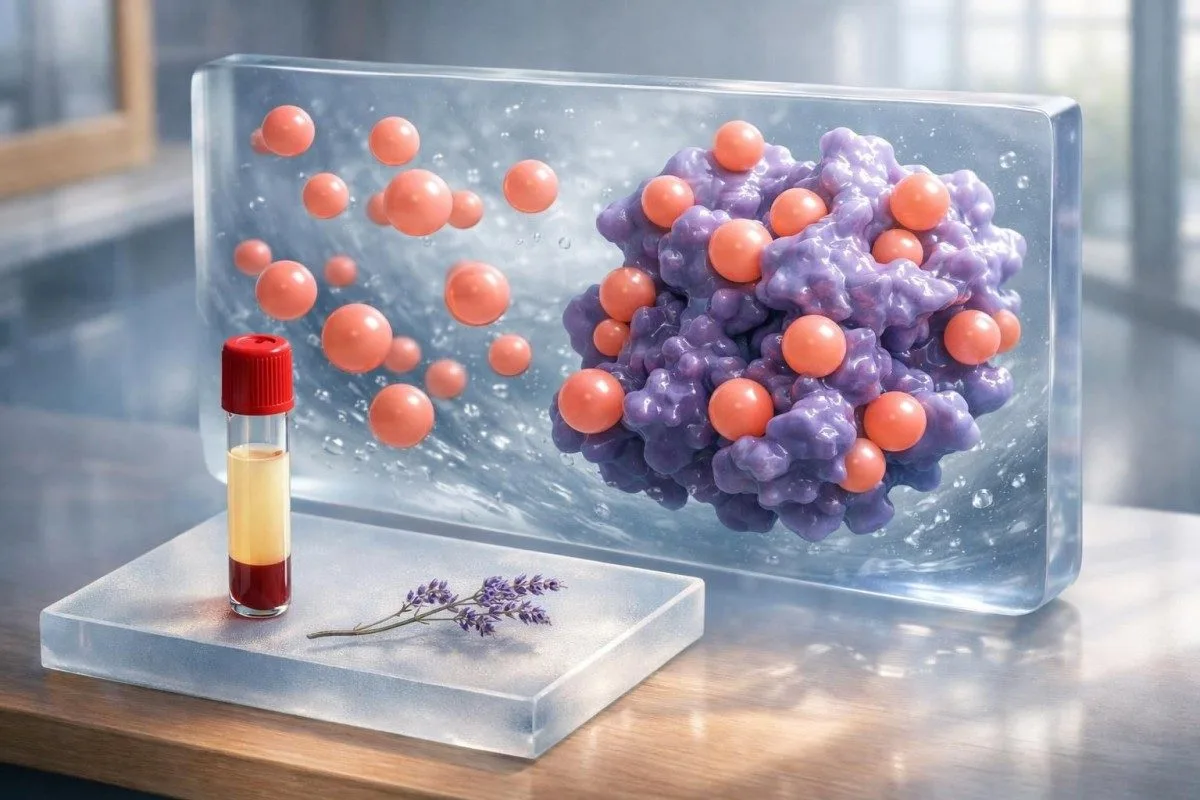
ವಯಸ್ಕರಲ್ಲಿ ಒಟ್ಟು ಕ್ಯಾಲ್ಸಿಯಂಗೆ ಸಾಮಾನ್ಯ ಶ್ರೇಣಿ ಸಾಮಾನ್ಯವಾಗಿ 8.6-10.2 mg/dL ಆಗಿದ್ದು, ಐಯೊನೈಜ್ಡ್ ಕ್ಯಾಲ್ಸಿಯಂಗೆ 1.12-1.32 mmol/L ಆಗಿರುತ್ತದೆ. ಆದರೆ ಆಲ್ಬ್ಯುಮಿನ್ ಅಥವಾ ರಕ್ತದ pH ಅಸಾಮಾನ್ಯವಾಗಿದ್ದರೆ ಸಾಮಾನ್ಯ ಒಟ್ಟು ಮೌಲ್ಯವೂ ತಪ್ಪು ದಾರಿ ತೋರಿಸಬಹುದು. ಪ್ರಯೋಗಾಲಯದ ಸೂಚನೆ ಭರವಸೆಯಂತೆ ಕಾಣಿಸಿದರೂ ಕೆಲ ರೋಗಿಗಳಿಗೆ ಸೆಳೆತ, ಚುಚ್ಚುಮದ್ದು/ಸುಳಿವು (tingling), ಅಥವಾ ಹೃದಯ ಬಡಿತದ ಅಸಹಜತೆ (palpitations) ಏಕೆ ಆಗುತ್ತದೆ ಎಂಬುದಕ್ಕೆ ಈ ಹೊಂದಾಣಿಕೆಯ ಕೊರತೆವೇ ನಿಖರ ಕಾರಣ.


- ಒಟ್ಟು ಕ್ಯಾಲ್ಸಿಯಂ ಸಾಮಾನ್ಯ ಶ್ರೇಣಿ ಸಾಮಾನ್ಯವಾಗಿ BMP ಮತ್ತು CMP ಎರಡರಲ್ಲೂ ಹಂಚಿದೆ; ಒಟ್ಟು ಕ್ಯಾಲ್ಸಿಯಂ ಆಲ್ಬುಮಿನ್ ಮಟ್ಟದಿಂದ ಪ್ರಭಾವಿತವಾಗುತ್ತದೆ. ವಯಸ್ಕರಲ್ಲಿ (2.15-2.55 mmol/L).
- ಐಯೊನೈಜ್ಡ್ ಕ್ಯಾಲ್ಸಿಯಂ ಸಾಮಾನ್ಯ ಶ್ರೇಣಿ ಸಾಮಾನ್ಯವಾಗಿ 1.12-1.32 mmol/L; ಇದು ಜೈವಿಕವಾಗಿ ಸಕ್ರಿಯ ಭಾಗ (biologically active fraction).
- ಆಲ್ಬುಮಿನ್ ಸರಿಪಡಿಕೆ mg/dL ನಲ್ಲಿ ಬಳಸುವುದು: ಸರಿಪಡಿಸಿದ ಕ್ಯಾಲ್ಸಿಯಂ = ಅಳೆಯಲಾದ ಕ್ಯಾಲ್ಸಿಯಂ + 0.8 × (4.0 − ಆಲ್ಬ್ಯುಮಿನ್ g/dL).
- ಬೇರೆ ರೀತಿಯಲ್ಲಿ ನಿರ್ಜಲಗೊಂಡಂತೆ ಕಾಣುವ ವ್ಯಕ್ತಿಯಲ್ಲಿ ಕಡಿಮೆ ಅಲ್ಬ್ಯುಮಿನ್ ಐಯೊನೈಜ್ಡ್ ಕ್ಯಾಲ್ಸಿಯಂ ಸಾಮಾನ್ಯವಾಗಿದ್ದರೂ ಒಟ್ಟು ಕ್ಯಾಲ್ಸಿಯಂ ಕಡಿಮೆಯಂತೆ ಕಾಣುವಂತೆ ಮಾಡಬಹುದು.
- ಅಲ್ಕಲೋಸಿಸ್ (Alkalosis) ಸುಮಾರು 0.05 mmol/L 1.0 g/dL 0.1 pH ಏರಿಕೆಯಿಂದ ಐಯೊನೈಜ್ಡ್ ಕ್ಯಾಲ್ಸಿಯಂ ಕಡಿಮೆಯಾಗಬಹುದು.
- ತುರ್ತು ಹೆಚ್ಚಿನ ಕ್ಯಾಲ್ಸಿಯಂ ಸಾಮಾನ್ಯವಾಗಿ ಒಟ್ಟು >14.0 mg/dL ಅಥವಾ ಐಯೊನೈಜ್ಡ್ >1.50 mmol/L.
- ತುರ್ತು ಕಡಿಮೆ ಕ್ಯಾಲ್ಸಿಯಂ ಸಾಮಾನ್ಯವಾಗಿ ಒಟ್ಟು <7.6 mg/dL ಅಥವಾ ಐಯೊನೈಸ್ (ionized) ಮಾಡಲಾಗಿದೆ, <0.90 mmol/L, ವಿಶೇಷವಾಗಿ ಸೆಳೆತ ಅಥವಾ QT ಬದಲಾವಣೆಗಳೊಂದಿಗೆ.
- ಮುಂದಿನ ಅತ್ಯುತ್ತಮ ಪರೀಕ್ಷೆಗಳು ಇವು ಅಲ್ಬುಮಿನ್, PTH, 25-OH ವಿಟಮಿನ್ ಡಿ, ಮೆಗ್ನೀಸಿಯಂ, ಫಾಸ್ಫರಸ್, ಕ್ರಿಯಾಟಿನಿನ್, ಮತ್ತು eGFR.
ಕ್ಯಾಲ್ಸಿಯಂಗೆ “ಸಾಮಾನ್ಯ ಶ್ರೇಣಿ” ಎಂದರೆ ವಾಸ್ತವವಾಗಿ ಏನು ಅರ್ಥ?
ದಿ ಕ್ಯಾಲ್ಸಿಯಂಗೆ ಸಾಮಾನ್ಯ ಶ್ರೇಣಿ ಸಾಮಾನ್ಯವಾಗಿ BMP ಮತ್ತು CMP ಎರಡರಲ್ಲೂ ಹಂಚಿದೆ; ಒಟ್ಟು ಕ್ಯಾಲ್ಸಿಯಂ ಆಲ್ಬುಮಿನ್ ಮಟ್ಟದಿಂದ ಪ್ರಭಾವಿತವಾಗುತ್ತದೆ. ಪುರುಷರಿಗೆ ಸಾಮಾನ್ಯ ಒಟ್ಟು ಕ್ಯಾಲ್ಸಿಯಂ ಮತ್ತು 1.12-1.32 mmol/L ಪುರುಷರಿಗೆ ಸಾಮಾನ್ಯ ಐಯೊನೈಜ್ಡ್ ಕ್ಯಾಲ್ಸಿಯಂ ವಯಸ್ಕರಲ್ಲಿ. ಒಟ್ಟು ಫಲಿತಾಂಶ ಸಾಮಾನ್ಯವಾಗಿದ್ದರೂ ನಿಮಗೆ ಲಕ್ಷಣಗಳಿದ್ದರೆ, ಅದು ಇನ್ನೂ ತಪ್ಪು ದಾರಿ ತೋರಿಸಬಹುದು, ಏಕೆಂದರೆ ಒಟ್ಟು ಕ್ಯಾಲ್ಸಿಯಂ ಪ್ರೋಟೀನ್ಗೆ ಬಂಧಿತ ಕ್ಯಾಲ್ಸಿಯಂನ್ನೂ ಒಳಗೊಂಡಿರುತ್ತದೆ—ಸಕ್ರಿಯ ಭಾಗವನ್ನು ಮಾತ್ರವಲ್ಲ. ಮೇಲೆ ಕಾಂಟೆಸ್ಟಿ AI, ನಾವು ಈ ಗೊಂದಲವನ್ನು ನಿರಂತರವಾಗಿ ನೋಡುತ್ತೇವೆ—ವಿಶೇಷವಾಗಿ ಅಲ್ಬುಮಿನ್ ಮಟ್ಟ ಕಡಿಮೆಯಿರುವವರು, ನಿರ್ಜಲೀಕರಣದಿಂದ ಹೆಚ್ಚಿರುವವರು, ಅಥವಾ ಅನಾರೋಗ್ಯದ ನಂತರ ಬದಲಾಗುತ್ತಿರುವವರು.
ಒಟ್ಟು ಕ್ಯಾಲ್ಸಿಯಂ ಮತ್ತು ಐಯೊನೈಜ್ಡ್ ಕ್ಯಾಲ್ಸಿಯಂ ಬೇರೆ ಬೇರೆ ಪ್ರಶ್ನೆಗಳಿಗೆ ಉತ್ತರಿಸುತ್ತವೆ. ಒಟ್ಟು ಕ್ಯಾಲ್ಸಿಯಂ ಒಂದು ಸ್ಕ್ರೀನಿಂಗ್ ಸಂಖ್ಯೆ, ಆದರೆ ಐಯೊನೈಜ್ಡ್ ಕ್ಯಾಲ್ಸಿಯಂ ಎಂದರೆ ನರಗಳು, ಸ್ನಾಯುಗಳು ಮತ್ತು ಹೃದಯದ ಕಣಗಳು ವಾಸ್ತವವಾಗಿ ಅನುಭವಿಸುವುದನ್ನು ಪ್ರತಿಬಿಂಬಿಸುತ್ತದೆ. ಸರಿಸುಮಾರು 40% ಸೀರಮ್ ಕ್ಯಾಲ್ಸಿಯಂ ಅಲ್ಬುಮಿನ್ಗೆ ಬಂಧಿತವಾಗಿರುತ್ತದೆ, ಸುಮಾರು 45-50% ಐಯೊನೈಜ್ಡ್ ಆಗಿರುತ್ತದೆ, ಮತ್ತು ಉಳಿದ 5-10% ಸಿಟ್ರೇಟ್ ಅಥವಾ ಫಾಸ್ಫೇಟ್ ಮುಂತಾದ ಅನಿಯಾನ್ಗಳಿಗೆ ಸಂಕೀರ್ಣಗೊಂಡಿರುತ್ತದೆ.
ಕಳೆದ ತಿಂಗಳು ನಾನು 29 ವರ್ಷದ ಒಬ್ಬ ಶಿಕ್ಷಕಿಯನ್ನು ಪರಿಶೀಲಿಸಿದೆ—ಒತ್ತಡದ ವಿಮಾನ ಪ್ರಯಾಣದ ನಂತರ ಬೆರಳಲ್ಲಿ ಚುಚ್ಚುವ ಅನುಭವ (tingling) ಇತ್ತು. ಅವರ ಒಟ್ಟು ಕ್ಯಾಲ್ಸಿಯಂ 9.1 mg/dL, ಇದು ಚೆನ್ನಾಗಿಯೇ ಕಾಣಿಸಿತು, ಆದರೆ ಅವರ ಐಯೊನೈಜ್ಡ್ ಕ್ಯಾಲ್ಸಿಯಂ 1.06 mmol/L; ವೇಗವಾಗಿ ಉಸಿರಾಡಿದ ನಂತರ ಉಂಟಾದ ತಾತ್ಕಾಲಿಕ ರೆಸ್ಪಿರೇಟರಿ ಅಲ್ಕಲೋಸಿಸ್ ಇದಕ್ಕೆ ಸುಳಿವು. ಇಂತಹ ಹೊಂದಾಣಿಕೆಯಿಲ್ಲದಿಕೆ ನಿಜವಾಗಿಯೇ ಸಂಭವಿಸುತ್ತದೆ, ಮತ್ತು ಯಾರೂ ಅದನ್ನು ವಿವರಿಸದಿದ್ದಾಗ ರೋಗಿಗಳು ತಿರಸ್ಕೃತರಾಗಿದ್ದಂತೆ ಭಾಸವಾಗಬಹುದು.
ಲ್ಯಾಬ್ ಉಲ್ಲೇಖ ಅಂತರಗಳು ಜನರು ಊಹಿಸುವುದಕ್ಕಿಂತ ಹೆಚ್ಚು ಬದಲಾಗುತ್ತವೆ. ಕೆಲವು UK ಮತ್ತು US ಲ್ಯಾಬ್ಗಳು ಬಳಸುವದು 8.5-10.5 mg/dL, ಆದರೆ ಕೆಲವು ಯುರೋಪಿಯನ್ ಲ್ಯಾಬ್ಗಳು ವರದಿ ಮಾಡುವದು 2.20-2.60 mmol/L. ಮಕ್ಕಳಿಗೆ, ನವಜಾತ ಶಿಶುಗಳಿಗೆ, ಮತ್ತು ಗರ್ಭಧಾರಣೆಗೆ ವಿಭಿನ್ನ ಶ್ರೇಣಿಗಳು ಅನ್ವಯಿಸಬಹುದು, ಆದ್ದರಿಂದ ಸ್ಥಳೀಯ ಪ್ರಯೋಗಾಲಯದ (ಲ್ಯಾಬ್) ಅಂತರವೂ ಇನ್ನೂ ಮಹತ್ವದ್ದಾಗಿದೆ.
ಸಾಮಾನ್ಯ (ನಾರ್ಮಲ್) ಎಂದು ತೋರಿದರೂ ಅದು ಏಕೆ ಸಹಾಯಕವಾಗದೇ ಇರಬಹುದು
'ಸಾಮಾನ್ಯ' ಒಟ್ಟು ಕ್ಯಾಲ್ಸಿಯಂ ಇದ್ದರೂ ಕ್ಯಾಲ್ಸಿಯಂ ದೇಹಶಾಸ್ತ್ರ (ಫಿಸಿಯಾಲಜಿ) ಸಾಮಾನ್ಯವಾಗಿದೆ ಎಂದು ಖಚಿತಪಡಿಸುವುದಿಲ್ಲ. ಅಲ್ಬ್ಯುಮಿನ್ ಅಸಾಮಾನ್ಯವಾಗಿದ್ದರೆ ಅಥವಾ pH ಬದಲಾಗಿದ್ದರೆ, ಸಕ್ರಿಯ (ಆಕ್ಟಿವ್) ಭಾಗವು ಒಟ್ಟು ಮೌಲ್ಯದಿಂದ ವಿರುದ್ಧ ದಿಕ್ಕಿನಲ್ಲಿ ಸರಿಯಬಹುದು.
CMP (ಕಾಂಪ್ರಿಹೆನ್ಸಿವ್ ಮೆಟಾಬಾಲಿಕ್ ಪ್ಯಾನೆಲ್) ನಲ್ಲಿ ಒಟ್ಟು ಕ್ಯಾಲ್ಸಿಯಂ ಸಾಮಾನ್ಯ ಶ್ರೇಣಿ—ಅದರಲ್ಲೇನು ಒಳಗೊಂಡಿದೆ
ದಿ ಒಟ್ಟು ಕ್ಯಾಲ್ಸಿಯಂ ಸಾಮಾನ್ಯ ಶ್ರೇಣಿ ಹೆಚ್ಚಿನ ವಯಸ್ಕರ ರಸಾಯನಶಾಸ್ತ್ರ (ಕೆಮಿಸ್ಟ್ರಿ) ಪ್ಯಾನೆಲ್ಗಳಲ್ಲಿ ಇದು BMP ಮತ್ತು CMP ಎರಡರಲ್ಲೂ ಹಂಚಿದೆ; ಒಟ್ಟು ಕ್ಯಾಲ್ಸಿಯಂ ಆಲ್ಬುಮಿನ್ ಮಟ್ಟದಿಂದ ಪ್ರಭಾವಿತವಾಗುತ್ತದೆ., ಎಂದು ವರದಿ ಮಾಡಲಾಗುತ್ತದೆ, ಆದರೆ ಕೆಲವು ಪ್ರಯೋಗಾಲಯಗಳು 8.5-10.5 mg/dL. . ಕ್ಯಾಲ್ಸಿಯಂ ರಕ್ತ ಪರೀಕ್ಷೆ ಸಾಮಾನ್ಯ ಶ್ರೇಣಿ ನಿಯಮಿತ ವರದಿಯಲ್ಲಿ ಕೇವಲ ದೇಹಶಾಸ್ತ್ರೀಯವಾಗಿ ಸಕ್ರಿಯ ಭಾಗವನ್ನಷ್ಟೇ ಅಲ್ಲ, ಎಲ್ಲಾ ಸೀರಮ್ ಕ್ಯಾಲ್ಸಿಯಂ ಅನ್ನು ಅಳೆಯಲಾಗುತ್ತದೆ; ಅದಕ್ಕಾಗಿಯೇ ಒಂದು ಮೂಲಭೂತ ಲ್ಯಾಬ್ ವರದಿ ಲಕ್ಷಣಗಳು ಮುಂದುವರಿದರೂ ಸಹ ಭರವಸೆಯಂತೆ ಕಾಣಬಹುದು. ನಿಮ್ಮ ಸಂಖ್ಯೆ ಸಣ್ಣ ಮೆಟಾಬಾಲಿಕ್ ಪ್ಯಾನೆಲ್ಗಿಂತ CMP ನಿಂದ ಬಂದಿದ್ದರೆ, ಇದೇ ಕಾರಣಕ್ಕಾಗಿ ಅಲ್ಬ್ಯುಮಿನ್ ಬಹುಶಃ ಅದೇ ಸಮಯದಲ್ಲೇ ಅಳೆಯಲ್ಪಟ್ಟಿರುತ್ತದೆ.
ದಿ ಒಟ್ಟು ಕ್ಯಾಲ್ಸಿಯಂ ರಕ್ತ ಪರೀಕ್ಷೆ ಅಲ್ಬ್ಯುಮಿನ್ಗೆ ಬಂಧಿತ ಕ್ಯಾಲ್ಸಿಯಂ, ಸಣ್ಣ ಅಣುಗಳಿಗೆ ಸಂಕೀರ್ಣಗೊಂಡ (ಕಾಂಪ್ಲೆಕ್ಸ್) ಕ್ಯಾಲ್ಸಿಯಂ, ಮತ್ತು ಮುಕ್ತವಾಗಿ ತೇಲುತ್ತಿರುವ ಕ್ಯಾಲ್ಸಿಯಂ ಅನ್ನು ಹಿಡಿದಿಡುತ್ತದೆ. ಅಂದರೆ ಈ ಫಲಿತಾಂಶವು ಕ್ಯಾಲ್ಸಿಯಂ ನಿಯಂತ್ರಣ ಮಾತ್ರವಲ್ಲದೆ ಭಾಗಶಃ ಪ್ರೋಟೀನ್ ಸ್ಥಿತಿ ಮತ್ತು ದೇಹದ ನೀರಿನ ಮಟ್ಟ (ಹೈಡ್ರೇಶನ್)ನ್ನೂ ಪ್ರತಿಬಿಂಬಿಸುತ್ತದೆ. ಪ್ರಾಯೋಗಿಕವಾಗಿ, ಅಲ್ಬ್ಯುಮಿನ್ 10.3 mg/dL ಇದ್ದಾಗ ಒಟ್ಟು ಕ್ಯಾಲ್ಸಿಯಂ 5.0 g/dL ಅಲ್ಬ್ಯುಮಿನ್ 3.8 g/dL.
ಗಿಂತ ಬಹಳ ಕಡಿಮೆ ಚಿಂತಾಜನಕವಾಗಿರಬಹುದು. 0.2-0.4 mg/dL ಹೆಚ್ಚಾಗಬಹುದು. ಸಾಮಾನ್ಯ ಹೈಡ್ರೇಶನ್ನೊಂದಿಗೆ ಪುನಃ ಪರೀಕ್ಷಿಸಿದಾಗ ಬಹುತೇಕ ರೋಗಿಗಳಿಗೆ ಅದು ಮತ್ತೆ ಸ್ಥಿರವಾಗುತ್ತದೆ ಎಂಬುದು ತಿಳಿದು ನೆಮ್ಮದಿಯಾಗುತ್ತದೆ.
ಗಡಿ ಮಟ್ಟದ (ಬಾರ್ಡರ್ಲೈನ್) ಹೆಚ್ಚಳಗಳಿಗೆ ಆತಂಕವಲ್ಲ, ಸಂದರ್ಭ (ಕಾಂಟೆಕ್ಸ್ಟ್) ಬೇಕು. ದೀರ್ಘಕಾಲ ಟೂರ್ನಿಕೇಟ್ ಕಟ್ಟುವುದು, ಮರುಮರು ಕೈ ಮುಷ್ಟಿ ಬಿಗಿಸುವುದು, ಅಥವಾ ಕಷ್ಟದ ಲೈನ್ನಿಂದ ರಕ್ತ ತೆಗೆದುಕೊಳ್ಳುವುದು ಪ್ರೋಟೀನ್ಗಳನ್ನು ಸ್ವಲ್ಪ ಮೇಲಕ್ಕೆ ತಳ್ಳಬಹುದು; ಇದರಿಂದ ಗಡಿ ಮಟ್ಟದ ಕ್ಯಾಲ್ಸಿಯಂ ಮೌಲ್ಯ ಬದಲಾಗಬಹುದು. ಫಲಿತಾಂಶ ಕೇವಲ ಒಂದು ದಶಮಾಂಶ ಅಂಕೆಯಷ್ಟು ಮಾತ್ರ ತಪ್ಪಿದ್ದರೆ, ನಾಟಕಕ್ಕಿಂತ ಪುನರಾವರ್ತನೀಯತೆ (repeatability) ಬಗ್ಗೆ ನನಗೆ ಹೆಚ್ಚು ಕಾಳಜಿ.
CMP ನಿಮಗೆ ಹೇಳದದ್ದು ಏನು
ಸಾಮಾನ್ಯ CMP ರಕ್ತದ pH ಅನ್ನು ವರದಿ ಮಾಡುವುದಿಲ್ಲ, ಮತ್ತು pH ಕೆಲವೇ ನಿಮಿಷಗಳಲ್ಲಿ ಐಯೊನೈಜ್ಡ್ ಕ್ಯಾಲ್ಸಿಯಂ ಅನ್ನು ಬದಲಾಯಿಸಬಹುದು. ಇದರಿಂದ ಒಟ್ಟು ಕ್ಯಾಲ್ಸಿಯಂ ಫಲಿತಾಂಶ ತಾಂತ್ರಿಕವಾಗಿ ಸರಿಯಾಗಿದ್ದರೂ ಕ್ಲಿನಿಕಲ್ ದೃಷ್ಟಿಯಿಂದ ಅಪೂರ್ಣವಾಗಿರಬಹುದು ಎಂಬುದು ಒಂದು ಕಾರಣ.
ಆಲ್ಬ್ಯುಮಿನ್ ಸರಿಪಡಿಕೆ: ಉಪಯುಕ್ತ ಸೂತ್ರ, ಅಪೂರ್ಣ ಉತ್ತರ
ಸರಿಪಡಿಸಿದ ಕ್ಯಾಲ್ಸಿಯಂ ಅಲ್ಬ್ಯುಮಿನ್ ಸಾಮಾನ್ಯವಾಗಿದ್ದರೆ ಒಟ್ಟು ಕ್ಯಾಲ್ಸಿಯಂ ಎಷ್ಟು ಇರಬಹುದು ಎಂಬುದನ್ನು ಅಂದಾಜಿಸುತ್ತದೆ. mg/dL ನಲ್ಲಿ ಸಾಮಾನ್ಯ ಸೂತ್ರ ಸರಿಪಡಿಸಿದ ಕ್ಯಾಲ್ಸಿಯಂ = ಅಳೆಯಲಾದ ಕ್ಯಾಲ್ಸಿಯಂ + 0.8 × (4.0 − ಆಲ್ಬ್ಯುಮಿನ್ g/dL), ಮತ್ತು SI ಘಟಕಗಳಲ್ಲಿ ಅದು ಸರಿಪಡಿಸಿದ ಕ್ಯಾಲ್ಸಿಯಂ = ಅಳೆಯಲಾದ ಕ್ಯಾಲ್ಸಿಯಂ + 0.02 × (40 − ಅಲ್ಬ್ಯುಮಿನ್ g/L)ನಮ್ಮ AI-ಚಾಲಿತ ರಕ್ತ ಪರೀಕ್ಷೆಯ ವ್ಯಾಖ್ಯಾನ ಆ ಗಣಿತವನ್ನು ಸ್ವಯಂಚಾಲಿತವಾಗಿ ನಿರ್ವಹಿಸಿ ಅದನ್ನು ಸೀರಮ್ ಪ್ರೋಟೀನ್ಗಳ ಪರಿಶೀಲನೆಯೊಂದಿಗೆ ಜೋಡಿಸುತ್ತದೆ, ಏಕೆಂದರೆ ಸೂತ್ರವೇ ಸಂಪೂರ್ಣ ಕಥೆಯಲ್ಲ.
ಅಲ್ಬ್ಯುಮಿನ್ ಕಡಿಮೆಯಿದ್ದಾಗ ಮತ್ತು ರೋಗಿ ಬೇರೆ ರೀತಿಯಲ್ಲಿ ಸ್ಥಿರವಾಗಿದ್ದಾಗ ಈ ಸೂತ್ರ ಹೆಚ್ಚು ಉಪಯುಕ್ತ. ಅಳೆಯಲಾದ ಕ್ಯಾಲ್ಸಿಯಂ 8.0 mg/dL ಮತ್ತು ಅಲ್ಬ್ಯುಮಿನ್ 2.0 g/dL, ಇದ್ದರೆ, ಸರಿಪಡಿಸಿದ ಕ್ಯಾಲ್ಸಿಯಂ 9.6 mg/dL. ಆಗುತ್ತದೆ. ಒಟ್ಟು ಕ್ಯಾಲ್ಸಿಯಂ ಕಡಿಮೆಯಂತೆ ಕಾಣಲು ಮುಖ್ಯ ಕಾರಣ ಕಡಿಮೆ ಅಲ್ಬ್ಯುಮಿನ್ ಆಗಿದ್ದರೆ, ಅನಗತ್ಯ ಚಿಂತೆಯನ್ನು ತಪ್ಪಿಸಬಹುದು.
ಇಲ್ಲಿ ಹಿಡಿದಿಟ್ಟುಕೊಳ್ಳಬೇಕಾದ ವಿಷಯ: ಸರಿಪಡಿಕೆ ಸೂತ್ರಗಳು ಅಲ್ಬ್ಯುಮಿನ್ ಕ್ಯಾಲ್ಸಿಯಂ ಅನ್ನು ಸಾಕಷ್ಟು ಊಹಿಸಬಹುದಾದ ರೀತಿಯಲ್ಲಿ ಬಂಧಿಸುತ್ತದೆ ಎಂದು ಊಹಿಸುತ್ತವೆ. Payne ಅವರ 1973 ಮಾಡಿದ ಶ್ರೇಷ್ಠ ಕೆಲಸದಿಂದ ಸರಿಪಡಿಕೆಯನ್ನು ಪ್ರಾಯೋಗಿಕವಾಗಿಸಿತು, ಆದರೆ ಈ ಸೂತ್ರವು pH, ಪ್ಯಾರಾಪ್ರೋಟೀನ್ಗಳು, ತೀವ್ರ ಅಸ್ವಸ್ಥತೆ, ಅಥವಾ ತೀವ್ರ ಮೂತ್ರಪಿಂಡ ರೋಗ. ಐಸಿಯು ಪರಿಸರಗಳಲ್ಲಿ, ಸರಿಪಡಿಸಿದ ಕ್ಯಾಲ್ಸಿಯಂ ಜೊತೆಗೆ ತಪ್ಪು ವರ್ಗೀಕರಣ ಸಾಮಾನ್ಯವಾಗಿರುವುದರಿಂದ, ಸಾಧ್ಯವಾದಾಗ ಅನೇಕ ವೈದ್ಯರು ನೇರವಾಗಿ ಐಯೊನೈಜ್ಡ್ ಮಾಪನವನ್ನು ಇಷ್ಟಪಡುತ್ತಾರೆ.
ನಾನು, ಥಾಮಸ್ ಕ್ಲೈನ್, ಕ್ಯಾಲ್ಸಿಯಂ ನೋಡಿದಾಗ 8.0 mg/dL ಆಲ್ಬುಮಿನ್ ಜೊತೆಗೆ 2.0 g/dL, ಕ್ಲಿನಿಕಲ್ ಸಂದರ್ಭ ತಿಳಿಯುವವರೆಗೆ ಅದನ್ನು ಪರಿಹಾರವಾಗಿದೆ ಎಂದು ನಾನು ಇನ್ನೂ ಕರೆಯುವುದಿಲ್ಲ. ಒಟ್ಟು ಕ್ಯಾಲ್ಸಿಯಂ, ಸರಿಪಡಿಸಿದ ಕ್ಯಾಲ್ಸಿಯಂ, ಅಥವಾ ಐಯೊನೈಜ್ಡ್ ಕ್ಯಾಲ್ಸಿಯಂ ಬಳಸುತ್ತೀರಾ ಎಂಬುದರ ಮೇಲೆ ಅದೇ ಮಾದರಿ ಕಡಿಮೆ, ಸಾಮಾನ್ಯ, ಅಥವಾ ಇನ್ನೂ ಅನಿಶ್ಚಿತವಾಗಿ ಕಾಣಬಹುದು ಎಂಬುದು ಹೆಚ್ಚಿನ ರೋಗಿಗಳಿಗೆ ಆಶ್ಚರ್ಯಕಾರಿಯಾಗಿದೆ.
ಸರಿಪಡಿಸಿದ ಕ್ಯಾಲ್ಸಿಯಂ ಅತಿ ಕಡಿಮೆ ವಿಶ್ವಾಸಾರ್ಹವಾಗುವುದು ಯಾವಾಗ
ಈ ಸಂದರ್ಭಗಳಲ್ಲಿ ಸರಿಪಡಿಸಿದ ಕ್ಯಾಲ್ಸಿಯಂ ಕಡಿಮೆ ನಂಬಿಕೆಗೆ ಯೋಗ್ಯವಾಗುತ್ತದೆ: ಆಲ್ಬ್ಯುಮಿನ್ 3.0 g/dL ಕ್ಕಿಂತ ಕಡಿಮೆ ಇದ್ದಾಗ, pH ಅಸ್ಥಿರವಾಗಿದ್ದಾಗ, ರೋಗಿ ಗಂಭೀರವಾಗಿ ಅಸ್ವಸ್ಥರಾಗಿದ್ದಾಗ, ಅಥವಾ ಗ್ಲೋಬ್ಯುಲಿನ್ಗಳು ಅಸಾಮಾನ್ಯವಾಗಿದ್ದಾಗ. ಅಂತಹ ಸಂದರ್ಭಗಳಲ್ಲಿ ಐಯೊನೈಜ್ಡ್ ಕ್ಯಾಲ್ಸಿಯಂ ಸಾಮಾನ್ಯವಾಗಿ ಹೆಚ್ಚು ಸ್ಪಷ್ಟ ಉತ್ತರವಾಗಿರುತ್ತದೆ.
ಐಯೊನೈಜ್ಡ್ ಕ್ಯಾಲ್ಸಿಯಂ ಸಾಮಾನ್ಯ ಶ್ರೇಣಿ ಮತ್ತು ಅದು ಯಾವಾಗ ನಿಜ ಹೇಳುತ್ತದೆ
ದಿ ಐಯೊನೈಜ್ಡ್ ಕ್ಯಾಲ್ಸಿಯಂ ಸಾಮಾನ್ಯ ಶ್ರೇಣಿ ಸಾಮಾನ್ಯವಾಗಿ 1.12-1.32 mmol/L ವಯಸ್ಕರಲ್ಲಿ, ಕೆಲವು ಪ್ರಯೋಗಾಲಯಗಳು ಬಳಸುವ 1.15-1.33 mmol/L. ಐಯೊನೈಜ್ಡ್ ಕ್ಯಾಲ್ಸಿಯಂ ಜೈವಿಕವಾಗಿ ಸಕ್ರಿಯ ಭಾಗವನ್ನು ಪ್ರತಿಬಿಂಬಿಸುತ್ತದೆ; ಆದ್ದರಿಂದ ಲಕ್ಷಣಗಳು ಮತ್ತು ಒಟ್ಟು ಕ್ಯಾಲ್ಸಿಯಂ ಹೊಂದಿಕೆಯಾಗದಿದ್ದಾಗ ಇದು ಉತ್ತಮ ಪರೀಕ್ಷೆ. Kantesti ನಮ್ಮ ಬಯೋಮಾರ್ಕರ್ ಉಲ್ಲೇಖ ಗ್ರಂಥಾಲಯವನ್ನು ನಲ್ಲಿ ಐಯೊನೈಜ್ಡ್ ಕ್ಯಾಲ್ಸಿಯಂ ಅನ್ನು ಪರೀಕ್ಷಾ ವಿಧಕ್ಕೆ (assay type) ಕೊಂಡೊಯ್ಯುತ್ತದೆ ಮತ್ತು ನಮ್ಮ ಕ್ಲಿನಿಕಲ್ ಮಾನದಂಡಗಳ.
ಐಯೊನೈಜ್ಡ್ ಕ್ಯಾಲ್ಸಿಯಂ ಸಾಮಾನ್ಯವಾಗಿ ಅಳೆಯುವುದು ಐಯಾನ್-ಆಯ್ಕೆಮಾಡುವ ಎಲೆಕ್ಟ್ರೋಡ್ನೊಂದಿಗೆ ತಾಜಾ ಸಂಪೂರ್ಣ-ಮಾದರಿ (whole-sample) ಮಾದರಿಯಲ್ಲಿ. ಇದು ನ್ಯೂರೋಮಸ್ಕ್ಯುಲರ್ ಉತ್ಸಾಹಶೀಲತೆ, ಹೃದಯದ ಸಂಚಾರ (cardiac conduction), ಮತ್ತು ಅನೇಕ ಕೋಶಾಂತರ್ಗತ ಸಿಗ್ನಲಿಂಗ್ ಮಾರ್ಗಗಳನ್ನು ಪ್ರಭಾವಿಸುವ ಭಾಗವಾಗಿದೆ. ರೋಗಿಗೆ ಚುಚ್ಚುಮಾತು/ಸುಳಿವು (tingling), ಸೆಳೆತ (spasm), ಅಥವಾ ವಿವರಿಸಲಾಗದ ಅರೆಥ್ಮಿಯಾ ಲಕ್ಷಣಗಳಿದ್ದರೆ, ಐಯೊನೈಜ್ಡ್ ಕ್ಯಾಲ್ಸಿಯಂ ಅನೇಕ ಬಾರಿ ಸರಿಪಡಿಸುವ ಸೂತ್ರಗಳಿಗಿಂತ ವೇಗವಾಗಿ ಪ್ರಶ್ನೆಗೆ ಉತ್ತರ ನೀಡುತ್ತದೆ.
ಪೂರ್ವ-ವಿಶ್ಲೇಷಣಾತ್ಮಕ (pre-analytic) ನಿರ್ವಹಣೆ ಬಹುತೇಕ ವೆಬ್ಸೈಟ್ಗಳು ಒಪ್ಪಿಕೊಳ್ಳುವುದಕ್ಕಿಂತ ಹೆಚ್ಚು ಮಹತ್ವದ್ದಾಗಿದೆ. ಮಾದರಿಯನ್ನು ಗಾಳಿಗೆ ಒಡ್ಡಿದರೆ, CO2 ಹೊರಹೋಗುತ್ತದೆ, pH ಏರುತ್ತದೆ, ಮತ್ತು ಐಯೊನೈಜ್ಡ್ ಕ್ಯಾಲ್ಸಿಯಂ ತಪ್ಪಾಗಿ ಕಡಿಮೆ ಎಂದು ತೋರಿಸಬಹುದು. ಸುಮಾರು 15-30 ನಿಮಿಷಗಳ ಕ್ಕಿಂತ ಹೆಚ್ಚಿನ ವಿಳಂಬವು ಮಹತ್ವದ್ದಾಗಬಹುದು—ವಿಶೇಷವಾಗಿ ತೀವ್ರ ಆರೈಕೆ (critical care) ಅಥವಾ ಆಪರೇಟಿಂಗ್ ರೂಮ್ ಪರಿಸರಗಳಲ್ಲಿ, ಅಲ್ಲಿ ಚಿಕಿತ್ಸೆ ನಿರ್ಧಾರಗಳು ಸಣ್ಣ ಬದಲಾವಣೆಗಳ ಮೇಲೆ ಅವಲಂಬಿತವಾಗಿರುತ್ತವೆ.
ಕೆಲವು ಪ್ರಯೋಗಾಲಯಗಳು ನಿಜವಾದ ಐಯೊನೈಜ್ಡ್ ಕ್ಯಾಲ್ಸಿಯಂ ಮತ್ತು pH-ಸಂಯೋಜಿತ ಐಯೊನೈಜ್ಡ್ ಕ್ಯಾಲ್ಸಿಯಂ ಅನ್ನು ಎರಡನ್ನೂ ವರದಿ ಮಾಡುತ್ತವೆ.. ನಿಜವಾದ ಐಯೊನೈಜ್ಡ್ ಕ್ಯಾಲ್ಸಿಯಂ 1.09 mmol/L ಆಗಿದ್ದರೆ ಆದರೆ pH-ಹೊಂದಿಸಲಾದ ಐಯೊನೈಜ್ಡ್ ಪ್ರಮಾಣ 1.14 mmol/L, ರೋಗಿಗೆ ನಿಜವಾದ ಕ್ಯಾಲ್ಸಿಯಂ ಕೊರತೆಯ ಬದಲು ತಾತ್ಕಾಲಿಕ ಅಲ್ಕಲೋಸಿಸ್ ಇರಬಹುದು. ಆ ವ್ಯತ್ಯಾಸವು ತಪ್ಪು ರೋಗನಿರ್ಣಯದ ಹಿಂದೆ ಓಡಾಡುವುದನ್ನು ತಪ್ಪಿಸಬಹುದು.
ಐಯೊನೈಜ್ಡ್ ಪರೀಕ್ಷೆಯಿಂದ ಹೆಚ್ಚು ಪ್ರಯೋಜನ ಪಡೆಯುವವರು ಯಾರು
ಅಲ್ಬ್ಯುಮಿನ್ ಅಸಾಮಾನ್ಯವಾಗಿದ್ದರೆ, ರೋಗಿ ICU ಯಲ್ಲಿದ್ದರೆ, ದೊಡ್ಡ ಪ್ರಮಾಣದ ಟ್ರಾನ್ಸ್ಫ್ಯೂಷನ್ ಆಗಿದ್ದರೆ, ಮೂತ್ರಪಿಂಡ ರೋಗ ಮುಂದುವರಿದಿದ್ದರೆ, ಅಥವಾ ಒಟ್ಟು ಕ್ಯಾಲ್ಸಿಯಂ ಸಾಮಾನ್ಯವಾಗಿದ್ದರೂ ಲಕ್ಷಣಗಳು ಬಲವಾಗಿದ್ದರೆ ಐಯೊನೈಜ್ಡ್ ಕ್ಯಾಲ್ಸಿಯಂ ವಿಶೇಷವಾಗಿ ಸಹಾಯಕ.
ಒಟ್ಟು ಫಲಿತಾಂಶ ಸಾಮಾನ್ಯವಾಗಿದ್ದರೂ ಕಡಿಮೆ ಕ್ಯಾಲ್ಸಿಯಂ ಲಕ್ಷಣಗಳು ಏಕೆ ಕಾಣಿಸಬಹುದು
ಒಟ್ಟು ಕ್ಯಾಲ್ಸಿಯಂ ಸಾಮಾನ್ಯವಾಗಿದ್ದರೂ ನಿಮಗೆ ಚುಚ್ಚುಮಾತು/ಸುಳಿವು (tingling), ಸ್ನಾಯುಗಳ ತೂಗು (muscle twitching), ಗಂಟಲು ಬಿಗಿತ, ಅಥವಾ ಕೈ ಸೆಳೆತ (hand cramping) ಆಗಬಹುದು ಏಕೆಂದರೆ ಅಲ್ಕಲೋಸಿಸ್ ಕೆಲವೇ ನಿಮಿಷಗಳಲ್ಲಿ ಐಯೊನೈಜ್ಡ್ ಕ್ಯಾಲ್ಸಿಯಂ ಅನ್ನು ಕಡಿಮೆ ಮಾಡುತ್ತದೆ. ರಕ್ತ pH ಸುಮಾರು 0.1 ಏರಿದರೆ ಐಯೊನೈಜ್ಡ್ ಕ್ಯಾಲ್ಸಿಯಂ ಸುಮಾರು 0.05 mmol/L, ರಷ್ಟು ಕಡಿಮೆಯಾಗಬಹುದು; ಇದು ಕೆಲವರಲ್ಲಿ ಲಕ್ಷಣಗಳನ್ನು ಪ್ರಚೋದಿಸಲು ಸಾಕಾಗುತ್ತದೆ. ಅದಕ್ಕಾಗಿಯೇ ಆತಂಕಕ್ಕೆ ಸಂಬಂಧಿಸಿದ ಉಸಿರಾಟದ ಮಾದರಿ ಕೊರತೆಯಂತೆ ಕಾಣಿಸಬಹುದು, ಮತ್ತು ಅದಕ್ಕಾಗಿಯೇ ನಾನು ಲಕ್ಷಣಗಳ ಪರಿಶೀಲನೆಯನ್ನು ನಮ್ಮ ಆತಂಕಕ್ಕೆ ಸಂಬಂಧಿಸಿದ ಪರೀಕ್ಷಾ ಮಾರ್ಗದರ್ಶಿ ಮತ್ತು ಮ್ಯಾಗ್ನೀಸಿಯಂ ಶ್ರೇಣಿ ವಿವರಣೆ.
ನಾನು ER ಭೇಟಿಯ ನಂತರ ನೋಡಿದ 34 ವರ್ಷದ ಹೊಸ ಪೋಷಕರಿಗೆ ತುಟಿಯಲ್ಲಿನ ಚುಚ್ಚುಮಾತು ಮತ್ತು ಕೈಗಳಲ್ಲಿ 'ಕ್ಲಾ' ಹಿಡಿತದಂತೆ ಕಾಣುವ ಸೆಳೆತ (clawing) ಇತ್ತು. ಒಟ್ಟು ಕ್ಯಾಲ್ಸಿಯಂ 9.3 mg/dL, ಆದ್ದರಿಂದ ಮೊದಲ ಓದು ಸಾಮಾನ್ಯವಾಗಿ ಕಂಡಿತು, ಆದರೆ ವೇಗವಾಗಿ ಉಸಿರಾಡಿದ ಹಲವಾರು ನಿಮಿಷಗಳ ನಂತರ ಐಯೊನೈಜ್ಡ್ ಕ್ಯಾಲ್ಸಿಯಂ 1.07 mmol/L ಆಗಿತ್ತು. ಯಾವುದೇ ಕ್ಯಾಲ್ಸಿಯಂ ಇನ್ಫ್ಯೂಷನ್ ಅಗತ್ಯವಾಗುವ ಮುನ್ನವೇ ಉಸಿರಾಟ ನಿಧಾನವಾದಾಗ ಲಕ್ಷಣಗಳು ಉತ್ತಮವಾದವು.
ಇನ್ನೂ ಇತರ ಹೊಂದಾಣಿಕೆ ಇಲ್ಲದ (mismatch) ಸಂದರ್ಭಗಳೂ ಇವೆ. ಭಾರೀ ಪ್ರಮಾಣದ ಟ್ರಾನ್ಸ್ಫ್ಯೂಷನ್ನಿಂದ ಬರುವ ಸಿಟ್ರೇಟ್ ಕ್ಯಾಲ್ಸಿಯಂ ಅನ್ನು ತ್ವರಿತವಾಗಿ ಬಂಧಿಸಬಹುದು; ಆದ್ದರಿಂದ ಒಟ್ಟು ಕ್ಯಾಲ್ಸಿಯಂ ಅಷ್ಟಾಗಿ ಬದಲಾಗದಿದ್ದರೂ ಐಯೊನೈಜ್ಡ್ ಕ್ಯಾಲ್ಸಿಯಂ ಇಳಿಯಬಹುದು. ಇದೇ ರೀತಿಯ ಹೊಂದಾಣಿಕೆ ಇಲ್ಲದಿಕೆಗಳು ತೀವ್ರ ಪ್ಯಾಂಕ್ರಿಯಾಟೈಟಿಸ್, ಸೆಪ್ಸಿಸ್, ದೊಡ್ಡ ಶಸ್ತ್ರಚಿಕಿತ್ಸೆಯ ನಂತರ, ಮತ್ತು ಕೆಲವೊಮ್ಮೆ ಭಾರೀ ಹೈಪರ್ವೆಂಟಿಲೇಶನ್ನೊಂದಿಗೆ ಹೆರಿಗೆ ಸಮಯದಲ್ಲೂ ಕಾಣಿಸಿಕೊಳ್ಳುತ್ತವೆ.
ಮೆಗ್ನೀಸಿಯಮ್ ಬಹುತೇಕ ರೋಗಿಗಳು ಎಂದಿಗೂ ಕೇಳದ 'ಸ್ಪಾಯ್ಲರ್' ಇದು. ಮ್ಯಾಗ್ನೀಸಿಯಂ ಸುಮಾರು 1.5 mg/dL, ಕ್ಕಿಂತ ಕೆಳಗೆ ಇಳಿದಾಗ, PTH ಸ್ರವಣೆ ಮತ್ತು ಕಣಜ ಪ್ರತಿಕ್ರಿಯೆ ದುರ್ಬಲವಾಗಬಹುದು; ಇದರಿಂದ ಕ್ಯಾಲ್ಸಿಯಂ ಲಕ್ಷಣಗಳು ಹೆಚ್ಚು ಸಾಧ್ಯವಾಗುತ್ತವೆ ಮತ್ತು ಕ್ಯಾಲ್ಸಿಯಂ ಅನ್ನು ಸರಿಪಡಿಸುವುದು ಕಷ್ಟವಾಗುತ್ತದೆ. ಸಾಮಾನ್ಯವಾಗಲು ನಿರಾಕರಿಸುವ ಕಡಿಮೆ ಕ್ಯಾಲ್ಸಿಯಂ ಯಾವಾಗಲೂ ಮ್ಯಾಗ್ನೀಸಿಯಂ ಬಗ್ಗೆ ಯೋಚಿಸುವಂತೆ ಮಾಡಬೇಕು.
ಸಾಮಾನ್ಯ CO2 ಇದನ್ನು ತಳ್ಳಿಹಾಕುವುದಿಲ್ಲ
ಲ್ಯಾಬ್ ಪರೀಕ್ಷೆ ನಡೆಸುವ ವೇಳೆಗೆ ಕೆಮಿಸ್ಟ್ರಿ CO2 ಮೌಲ್ಯ ಸಾಮಾನ್ಯವಾಗಿರಬಹುದು, ವಿಶೇಷವಾಗಿ ಹೈಪರ್ವೆಂಟಿಲೇಶನ್ ಘಟನೆಯು ಅದಕ್ಕಿಂತ ಮುಂಚೆಯೇ ಮುಗಿದಿದ್ದರೆ. ಲಕ್ಷಣಗಳ ಸಮಯ (timing) ಇಷ್ಟು ಮಹತ್ವದ್ದಾಗಿರುವುದಕ್ಕೆ ಇದು ಒಂದು ಕಾರಣ.
ಕ್ಯಾಲ್ಸಿಯಂ ಫಲಿತಾಂಶವನ್ನು ಅರ್ಥಪೂರ್ಣವಾಗಿಸುವ ಜೊತೆಯ ಪರೀಕ್ಷೆಗಳು ಯಾವುವು
ನೀವು ಅದನ್ನು PTH, 25-ಹೈಡ್ರಾಕ್ಸಿ ವಿಟಮಿನ್ ಡಿ, ಮೆಗ್ನೀಸಿಯಂ, ಫಾಸ್ಫರಸ್, ಕ್ರಿಯಾಟಿನಿನ್ ಮತ್ತು eGFR ಜೊತೆಗೆ ಓದಿದಾಗ ಕ್ಯಾಲ್ಸಿಯಂ ಅರ್ಥವಾಗುತ್ತದೆ.. ಹೆಚ್ಚಿನ ಕ್ಯಾಲ್ಸಿಯಂ ಜೊತೆಗೆ ಹೆಚ್ಚಿನ ಅಥವಾ ಅಸಮರ್ಪಕವಾಗಿ ಸಾಮಾನ್ಯ PTH ಪ್ರಾಥಮಿಕ ಹೈಪರ್ಪ್ಯಾರಾಥೈರಾಯ್ಡಿಸಮ್ ಅನ್ನು ಸೂಚಿಸುತ್ತದೆ, ಆದರೆ ಕಡಿಮೆಯಾದ PTH ಇರುವ ಹೆಚ್ಚಿನ ಕ್ಯಾಲ್ಸಿಯಂ ಬೇರೆಡೆಗೆ ಸೂಚಿಸುತ್ತದೆ. ಹೆಚ್ಚಿನ ರೋಗಿಗಳಿಗೆ, ಮುಂದಿನ ಉಪಯುಕ್ತ ಓದುಗಳು PTH ಮಾದರಿ ಮಾರ್ಗದರ್ಶಿ, , ವಿಟಮಿನ್ ಡಿ ಅರ್ಥೈಸುವ ಲೇಖನ, ಮತ್ತು ಮೋಸವಾಗಿ ಸಾಮಾನ್ಯ ಕ್ರಿಯಾಟಿನಿನ್ ಇರುವ ಕಡಿಮೆ GFR ವಿಮರ್ಶೆ.
PTH ಕಡಿಮೆಯಾಗದಿರುವ (ಸಪ್ರೆಸ್ಡ್ ಆಗದ) PTH ಜೊತೆಗೆ ಹೆಚ್ಚಿನ ಕ್ಯಾಲ್ಸಿಯಂ ನಾನು ಗಂಭೀರವಾಗಿ ಪರಿಗಣಿಸುವ ಮಾದರಿ. ಕ್ಯಾಲ್ಸಿಯಂ ಈಗಾಗಲೇ ಹೆಚ್ಚಿದ್ದರೆ, PTH 35-60 pg/mL ಕೂಡ ಅಸಾಮಾನ್ಯವಾಗಿರಬಹುದು, ಏಕೆಂದರೆ ನಿರೀಕ್ಷಿತ ದೇಹದ ಸಹಜ ಪ್ರತಿಕ್ರಿಯೆ ಸಪ್ರೆಶನ್ ಆಗಿರುತ್ತದೆ. ಔಟ್ಪೇಷಂಟ್ ಎಂಡೋಕ್ರೈನಾಲಜಿಯಲ್ಲಿ ಈ ಸಣ್ಣ ಸೂಕ್ಷ್ಮತೆಗಳಲ್ಲಿ ಒಂದನ್ನು ಬಹಳಷ್ಟು ಬಾರಿ ತಪ್ಪಿಸಲಾಗುತ್ತದೆ.
25-OH ವಿಟಮಿನ್ ಡಿ 12 ng/mL ಕ್ಕಿಂತ ಕಡಿಮೆ ಮತ್ತು ಹೆಚ್ಚಿದ PTH ಇದ್ದರೆ, ಕೊರತೆಯಿಂದ ಉಂಟಾಗುವ ದ್ವಿತೀಯ ಹೈಪರ್ಪ್ಯಾರಾಥೈರಾಯ್ಡಿಸಮ್ ಅಚ್ಚರಿಯಷ್ಟು ಬಾರಿ ಹೊಂದಿಕೊಳ್ಳುತ್ತದೆ. ಜೊತೆಗೆ ಅಲ್ಕಲೈನ್ ಫಾಸ್ಫಟೇಸ್ ಹೆಚ್ಚಿನ.
ಮೂತ್ರಪಿಂಡ ರೋಗವು ಸಂಪೂರ್ಣ ಅಕ್ಷವನ್ನು ಬದಲಿಸುತ್ತದೆ. ಒಮ್ಮೆ eGFR 60 mL/min/1.73 m² ಕ್ಕಿಂತ ಕೆಳಗೆ ಇಳಿಕೆ, ಕ್ಯಾಲ್ಸಿಟ್ರಿಯೋಲ್ ಉತ್ಪಾದನೆ ಕಡಿಮೆಯಾಗುತ್ತದೆ ಮತ್ತು ಫಾಸ್ಫೇಟ್ ಉಳಿಕೆ PTH ಅನ್ನು ಮೇಲಕ್ಕೆ ತಳ್ಳಲು ಆರಂಭಿಸುತ್ತದೆ—ಕೆಲವೊಮ್ಮೆ ಒಟ್ಟು ಕ್ಯಾಲ್ಸಿಯಂ ಚಲಿಸುವುದಕ್ಕೂ ಮುನ್ನವೇ. 2026ರ ವೇಳೆಗೆ, ಮೂತ್ರಪಿಂಡ-ಖನಿಜ ಮಾರ್ಗದರ್ಶನವು ಇನ್ನೂ ಕ್ಯಾಲ್ಸಿಯಂ ಅನ್ನು ಕ್ಲಸ್ಟರ್ನ ಭಾಗವಾಗಿ ನೋಡುತ್ತದೆ; ಅದು ಒಂಟಿ ಪರೀಕ್ಷೆಯಲ್ಲ.
ರೋಗಿಗಳು ತಪ್ಪಿಸಿಕೊಳ್ಳುವ ಒಂದು ನಿಧಾನ ಮಾದರಿ
ಕ್ಯಾಲ್ಸಿಯಂ ಟ್ರೆಂಡ್ 9.7 → 10.0 → 10.3 mg/dL 12-18 ತಿಂಗಳುಗಳ ಅವಧಿಯಲ್ಲಿ ಮೂತ್ರಪಿಂಡ ಕಲ್ಲುಗಳು ಅಥವಾ ದಣಿವಿನೊಂದಿಗೆ ಇದ್ದರೆ, ಒಂದೇ ಪ್ರತ್ಯೇಕ ಫಲಿತಾಂಶಕ್ಕಿಂತ ಹೆಚ್ಚು ಅರ್ಥಪೂರ್ಣವಾಗಿರಬಹುದು. 10.6 ಮಿಗ್ರಾಂ/ಡಿಎಲ್. ಸ್ಲೋಪ್ ಸಾಮಾನ್ಯವಾಗಿ ಫ್ಲ್ಯಾಗ್ಗಿಂತ ಮುಂಚೆಯೇ ಕಥೆಯನ್ನು ಹೇಳುತ್ತದೆ.
ಕ್ಯಾಲ್ಸಿಯಂ ಸಂಖ್ಯೆಯೇ ಯಾವಾಗ ನಿಮ್ಮನ್ನು ತಪ್ಪುಮಾರ್ಗಕ್ಕೆ ಕರೆದೊಯ್ಯಬಹುದು
ಕ್ಯಾಲ್ಸಿಯಂ ಫಲಿತಾಂಶಗಳು ಹೆಚ್ಚು ಬಾರಿ ತಪ್ಪು ದಾರಿ ತೋರಿಸುವುದು ಏಕೆಂದರೆ ನಿರ್ಜಲೀಕರಣ, ಅಸಾಮಾನ್ಯ ಪ್ರೋಟೀನ್ಗಳು, ಮಾದರಿ ನಿರ್ವಹಣೆ, ಅಥವಾ ಒಟ್ಟು ಕ್ಯಾಲ್ಸಿಯಂ ಮತ್ತು ಐಯೊನೈಜ್ಡ್ ಕ್ಯಾಲ್ಸಿಯಂ ನಡುವಿನ ಹೊಂದಾಣಿಕೆಯ ಕೊರತೆ. ವಾಂತಿ ಮಾಡಿದ ನಂತರ ಅಥವಾ ತೀವ್ರ ವ್ಯಾಯಾಮದ ನಂತರ ಸ್ವಲ್ಪ ಹೆಚ್ಚಾದ ಒಟ್ಟು ಕ್ಯಾಲ್ಸಿಯಂ ರೋಗಕ್ಕಿಂತ ಹೆಚ್ಚಾಗಿ ಹಿಮೋಕಾನ್ಸಂಟ್ರೇಶನ್ ಅನ್ನು ಪ್ರತಿಬಿಂಬಿಸಬಹುದು; ಅದಕ್ಕಾಗಿಯೇ ನಾನು ರೋಗಿಗಳನ್ನು ಇದನ್ನು ನಿರ್ಜಲೀಕರಣಕ್ಕೆ ಕೇಂದ್ರೀಕೃತ ಲ್ಯಾಬ್ ಮಾರ್ಗದರ್ಶಿಯಲ್ಲಿ ಅಥವಾ ಮೂತ್ರಪಿಂಡ ಪ್ಯಾನೆಲ್ ಅವಲೋಕನದಲ್ಲಿ.
ಆಲ್ಬುಮಿನ್ 5.1 g/dL ಜೊತೆಗೆ ಆಲ್ಬುಮಿನ್ 5.1 g/dL, ಸೋಡಿಯಂ 149 mmol/L, ಮತ್ತು BUN 31 mg/dL ಸಾಮಾನ್ಯವಾಗಿ ಮೊದಲು ನನಗೆ ಸಾಂದ್ರತೆಯತ್ತ ಸೂಚಿಸುತ್ತದೆ. ಕೇವಲ ಮರುಹೈಡ್ರೇಶನ್ ಕೆಲವು ರೋಗಿಗಳಲ್ಲಿ ಒಟ್ಟು ಕ್ಯಾಲ್ಸಿಯಂ ಅನ್ನು 0.2-0.5 mg/dL ಇಳಿಸಬಹುದು. ಇದು ಎಲ್ಲರಲ್ಲೂ ಆಗುವುದಿಲ್ಲ, ಆದರೆ ಸಾಕಷ್ಟು ಬಾರಿ ಸಂಭವಿಸುವುದರಿಂದ ನಾನು ಎಚ್ಚರಿಕೆಯಿಂದಿರುತ್ತೇನೆ.
ಹೆಚ್ಚಿನ ಗ್ಲೋಬುಲಿನ್ಗಳು ಅಥವಾ ಪ್ಯಾರಾಪ್ರೋಟೀನ್ಗಳು ಪ್ಸ್ಯೂಡೋಹೈಪರ್ಕ್ಯಾಲ್ಸಿಮಿಯಾ, ಉಂಟುಮಾಡಬಹುದು; ಅಲ್ಲಿ ಒಟ್ಟು ಕ್ಯಾಲ್ಸಿಯಂ ಹೆಚ್ಚಿರುತ್ತದೆ ಆದರೆ ಐಯೊನೈಜ್ಡ್ ಕ್ಯಾಲ್ಸಿಯಂ ಅಲ್ಲ. ನಾನು ಇದನ್ನು ಕೆಲವೊಮ್ಮೆ ಮೊನೋಕ್ಲೋನಲ್ ಗ್ಯಾಮೋಪಥಿ ಪರಿಶೀಲನೆಗಳಲ್ಲಿ ನೋಡುತ್ತೇನೆ, ಮತ್ತು ಕ್ಯಾಲ್ಸಿಯಂ ಸಂಖ್ಯೆಯು ನಿಜವಾಗಿಯೂ ಅಸಾಮಾನ್ಯವಾಗಿರುವುದಕ್ಕಿಂತ ತಾಂತ್ರಿಕವಾಗಿ ತಪ್ಪು ದಾರಿ ತೋರಿಸುವುದಕ್ಕೆ ಇದು ಹೆಚ್ಚು ಚರ್ಚೆಯಾಗದ ಕಾರಣಗಳಲ್ಲಿ ಒಂದಾಗಿದೆ.
ಮಾದರಿ ನಿರ್ವಹಣೆಯೂ ಮಹತ್ವದ್ದಾಗಿದೆ. ಪ್ರಕ್ರಿಯೆ ವಿಳಂಬ, ಹೆಚ್ಚುವರಿ ಹೆಪರಿನ್, ಗಾಳಿಗೆ ಒಡ್ಡಿಕೊಳ್ಳುವುದು, ಅಥವಾ ಕ್ಯಾಲ್ಸಿಯಂ ಹೊಂದಿರುವ ದ್ರವಗಳನ್ನು ಸಾಗಿಸುವ ಲೈನ್ನಿಂದ ರಕ್ತ ತೆಗೆದುಕೊಳ್ಳುವುದು ಫಲಿತಾಂಶವನ್ನು ವಿಕೃತಗೊಳಿಸಬಹುದು. Kantesti's AI ವ್ಯಾಖ್ಯಾನ ಕಾರ್ಯಪ್ರವಾಹ ರೋಗಿಗಳು ಅನಗತ್ಯ ಭಯಕ್ಕೆ ಒಳಗಾಗುವ ಮೊದಲು, ಹೆಚ್ಚಿನ ಕ್ಯಾಲ್ಸಿಯಂ ಜೊತೆಗೆ ಹೆಚ್ಚಿನ ಆಲ್ಬುಮಿನ್ ಮತ್ತು ನಿರ್ಜಲೀಕರಣ ಸೂಚಕಗಳಂತಹ ಅಸಂಗತ ಮಾದರಿಗಳನ್ನು ಗುರುತಿಸಲು ವಿನ್ಯಾಸಗೊಳಿಸಲಾಗಿದೆ.
ತ್ವರಿತ ಪ್ರಾಯೋಗಿಕ ಪರಿಶೀಲನೆ
ಕ್ಯಾಲ್ಸಿಯಂ ಮತ್ತು ಆಲ್ಬುಮಿನ್ ಎರಡೂ ಒಟ್ಟಿಗೆ ಏರಿದರೆ, ಎಂಡೋಕ್ರೈನ್ ರೋಗಕ್ಕೆ ಜಿಗಿಯುವ ಮೊದಲು ಬಂಧನ (binding) ಅಥವಾ ನಿರ್ಜಲೀಕರಣವನ್ನು ಯೋಚಿಸಿ. ಕ್ಯಾಲ್ಸಿಯಂ ಏರಿದರೂ ಆಲ್ಬುಮಿನ್ ಸ್ಥಿರವಾಗಿದ್ದರೆ ಅಥವಾ ಕಡಿಮೆಯಿದ್ದರೆ, ನನಗೆ ಹೆಚ್ಚು ಚಿಂತೆ.
ಕ್ಯಾಲ್ಸಿಯಂ ಅನ್ನು ಯಾವಾಗ ಮರುಪರೀಕ್ಷೆ ಮಾಡಬೇಕು ಅಥವಾ ವಿಶೇಷವಾಗಿ ಐಯೊನೈಜ್ಡ್ ಪರೀಕ್ಷೆಯನ್ನು ಯಾವಾಗ ಕೇಳಬೇಕು
ಲಕ್ಷಣಗಳು ಸಂಖ್ಯೆಗೆ ಹೊಂದಿಕೆಯಾಗದಿದ್ದಾಗ, ಐಯೊನೈಜ್ಡ್ ಕ್ಯಾಲ್ಸಿಯಂ ಪುನಃ ಪರೀಕ್ಷೆ ಕೇಳಿ ಅಥವಾ ಆಲ್ಬ್ಯುಮಿನ್ 3.0 g/dL ಕ್ಕಿಂತ ಕಡಿಮೆ ಇದ್ದಾಗ, ನೀವು ಗಂಭೀರವಾಗಿ ಅಸ್ವಸ್ಥರಾಗಿದ್ದಾಗ, ಅಥವಾ pH ಅಸಾಮಾನ್ಯವಾಗಿರಬಹುದಾದಾಗ ಪರೀಕ್ಷೆ ಕೇಳಿ. ಒಂದೇ ಕ್ಯಾಲ್ಸಿಯಂ ಮೌಲ್ಯವು ಅಪರೂಪವಾಗಿ ಸಮಸ್ಯೆಯನ್ನು ಅಂತಿಮಗೊಳಿಸುತ್ತದೆ; ಹೆಚ್ಚಿನ ರೋಗಿಗಳು ಅರಿಯುವುದಕ್ಕಿಂತ ಟ್ರೆಂಡ್ಗಳು ಹೆಚ್ಚು ಮಹತ್ವದ್ದಾಗಿವೆ. ಅದಕ್ಕಾಗಿಯೇ ನಾವು ನಿರ್ಮಿಸಿದ್ದೇವೆ ಟ್ರೆಂಡ್ ವಿಮರ್ಶಾ ಸಾಧನಗಳು ಮತ್ತು ಸುರಕ್ಷಿತ PDF ಅಪ್ಲೋಡ್ ವರ್ಕ್ಫ್ಲೋ ಹಳೆಯ ಫಲಿತಾಂಶಗಳಿಗಾಗಿ.
ನಾನು CKD ಹಂತ 4-5, ಐಸಿಯು ರೋಗಿಗಳು, ರಕ್ತ ವರ್ಗಾವಣೆಯ ನಂತರ, ಬೇರಿಯಾಟ್ರಿಕ್ ಶಸ್ತ್ರಚಿಕಿತ್ಸೆಯ ನಂತರ, ಸಿರೋಸಿಸ್ನಲ್ಲಿ, ಅಥವಾ ಸಾಮಾನ್ಯ CMP ಇದ್ದರೂ ಮರುಮರು ಕಾಣುವ ಚುಚ್ಚು/ಜುಮ್ಮೆನಿಸುವಿಕೆ ಇದ್ದಾಗ—ಐಯೊನೈಜ್ಡ್ ಕ್ಯಾಲ್ಸಿಯಂ ಅನ್ನು ಕೇಳಲು ಹೆಚ್ಚು ತ್ವರಿತವಾಗಿರುತ್ತೇನೆ. ರೋಗಿಗಳಿಗೆ ಮೂತ್ರಪಿಂಡ ಕಲ್ಲುಗಳಿದ್ದಾಗ ಮತ್ತು ಮರುಮರು ಮೇಲಿನ-ಸಾಮಾನ್ಯ ಮಟ್ಟದ ಕ್ಯಾಲ್ಸಿಯಂ ಏರುತ್ತಲೇ ಹೋಗುತ್ತಿದ್ದರೆ ಕೂಡ ನಾನು ಇದನ್ನು ಪರಿಗಣಿಸುತ್ತೇನೆ.
ಸಮಯ ಮಹತ್ವದ್ದಾಗಿದೆ. ಯಾರಿಗಾದರೂ ಲಕ್ಷಣಗಳಿದ್ದರೆ ಅಥವಾ ಒಟ್ಟು ಕ್ಯಾಲ್ಸಿಯಂ ಸುಮಾರು 11.5 mg/dL, ಕ್ಕಿಂತ ಹೆಚ್ಚಿದ್ದರೆ, ಸಾಮಾನ್ಯವಾಗಿ ಅದೇ ದಿನದ ಮರುಮೌಲ್ಯಮಾಪನ ಅಥವಾ ತುರ್ತು ಮೌಲ್ಯಮಾಪನವನ್ನು ನಾನು ಬಯಸುತ್ತೇನೆ. ರೋಗಿಗೆ ಚೆನ್ನಾಗಿದ್ದರೆ ಮತ್ತು ಮೌಲ್ಯವು 10.3-10.6 mg/dL, ಎಂಬಂತಹ ಸೌಮ್ಯ ಗಡಿ-ಮಟ್ಟದ ಫಲಿತಾಂಶವಾಗಿದ್ದರೆ, ಸಾಮಾನ್ಯ ಹೈಡ್ರೇಶನ್ನಡಿ 1-2 ವಾರಗಳೊಳಗೆ. ಪುನಃ ಪರೀಕ್ಷೆ ಮಾಡುವುದು ಬಹುಶಃ ಸಮಂಜಸ.
ನನ್ನ ಅನುಭವದಲ್ಲಿ, ಟ್ರೆಂಡ್ (ಪ್ರವೃತ್ತಿ) ಬಹುಮಟ್ಟಿಗೆ ಹೆಡ್ಲೈನ್ ಸಂಖ್ಯೆಯಿಗಿಂತ ಜೋರಾಗಿರುತ್ತದೆ. PTH 9.6, 10.0, ಮತ್ತು 10.4 mg/dL ಜೊತೆಗೆ 58 pg/mL ಇರುವುದನ್ನು, ಒಂದೇ ಬಾರಿ ಕಂಡುಬರುವ 10.6 ಮಿಗ್ರಾಂ/ಡಿಎಲ್. ಒಂದೇ ಫಲಿತಾಂಶಕ್ಕಿಂತ ಹೆಚ್ಚು ಆಸಕ್ತಿದಾಯಕವೆಂದು ನಾನು ಕಾಣುತ್ತೇನೆ. ನಮ್ಮ ಪ್ಲಾಟ್ಫಾರ್ಮ್ ಘಟಕಗಳು ಮತ್ತು ಉಲ್ಲೇಖ ಅಂತರಗಳನ್ನು ಸಂಗ್ರಹಿಸುತ್ತದೆ; ಏಕೆಂದರೆ ಲ್ಯಾಬ್ಗಳ ನಡುವೆ ಬದಲಾವಣೆ ಇಲ್ಲದಿದ್ದರೆ ಅದು ನಿಜಕ್ಕಿಂತ ದೊಡ್ಡದಾಗಿ ಕಾಣಬಹುದು.
ಪುನಃ ಪರೀಕ್ಷೆ ಮಾಡುವ ಮೊದಲು
ಕ್ಯಾಲ್ಸಿಯಂ ಪೂರಕಗಳು, ವಿಟಮಿನ್ ಡಿ, ಆಂಟಾಸಿಡ್ಗಳು, ಲಿಥಿಯಂ, ಮತ್ತು ಥಿಯಾಜೈಡ್ ಡೈಯೂರೇಟಿಕ್ಗಳ ಪಟ್ಟಿಯನ್ನು ತರಿರಿ. ಆ ವಿವರಗಳು, ತುಂಬಾ ಸಣ್ಣ ಕ್ಯಾಲ್ಸಿಯಂ ಬದಲಾವಣೆಯನ್ನೂ ನಾನು ಹೇಗೆ ಅರ್ಥೈಸುತ್ತೇನೆ ಎಂಬುದನ್ನು ಬದಲಾಯಿಸುತ್ತವೆ.
ಕಡಿಮೆ ಅಥವಾ ಹೆಚ್ಚು ಕ್ಯಾಲ್ಸಿಯಂ: ತಕ್ಷಣದ ವೇಗದ ಕ್ರಮ ಅಗತ್ಯವಿರುವ ಮಿತಿಗಳು
A ಒಟ್ಟು ಕ್ಯಾಲ್ಸಿಯಂ 14.0 mg/dL (3.5 mmol/L) ಕ್ಕಿಂತ ಹೆಚ್ಚಿದ್ದರೆ ಅಥವಾ ಐಯೊನೈಜ್ಡ್ ಕ್ಯಾಲ್ಸಿಯಂ 1.50 mmol/L ಕ್ಕಿಂತ ಹೆಚ್ಚಿದ್ದರೆ ಸಾಮಾನ್ಯವಾಗಿ ತುರ್ತು ಅದೇ ದಿನದ ಮೌಲ್ಯಮಾಪನ ಅಗತ್ಯ. ಒಟ್ಟು ಕ್ಯಾಲ್ಸಿಯಂ 7.6 mg/dL (1.90 mmol/L) ಕ್ಕಿಂತ ಕಡಿಮೆಯಿದ್ದರೆ ಅಥವಾ ಐಯೊನೈಜ್ಡ್ ಕ್ಯಾಲ್ಸಿಯಂ 0.90 mmol/L ಕ್ಕಿಂತ ಕಡಿಮೆಯಿದ್ದರೆ ಇದು ಅಪಾಯಕಾರಿಯಾಗಬಹುದು; ವಿಶೇಷವಾಗಿ ಗೊಂದಲ, ವಾಂತಿ, ಹೃದಯದ ಅಸಮತೋಲನ (ಅರಿದ್ಮಿಯಾ), ಅಥವಾ ಸೆಳೆತ (ಸ್ಪಾಸಂ) ಇದ್ದರೆ. ನಿಮ್ಮ ಫಲಿತಾಂಶ ಅಲ್ಲಿ ಬಿದ್ದರೆ, ನಮ್ಮ ಹೆಚ್ಚಿನ ಕ್ಯಾಲ್ಸಿಯಂ ಉಂಟಾಗುವ ಕಾರಣಗಳ ವಿವರವನ್ನು ಓದಿ ಎಲೆಕ್ಟ್ರೋಲೈಟ್ ಪ್ಯಾನೆಲ್ನ ವಿಶಾಲ ಸಂದರ್ಭವನ್ನು ಗಮನದಲ್ಲಿಟ್ಟುಕೊಳ್ಳಿ.
10.5 ರಿಂದ 11.9 mg/dL ನಡುವಿನ ಸೌಮ್ಯ ಹೈಪರ್ಕ್ಯಾಲ್ಸಿಮಿಯಾ ಸಾಮಾನ್ಯವಾಗಿ ಕೆಲವೇ ಲಕ್ಷಣಗಳನ್ನು ಉಂಟುಮಾಡುತ್ತದೆ ಮತ್ತು ಸಾಮಾನ್ಯವಾಗಿ ಹೊರರೋಗಿ (ಔಟ್ಪೇಷಂಟ್) ಮಟ್ಟದಲ್ಲೇ ನಿರ್ವಹಿಸಲಾಗುತ್ತದೆ. 12.0 ರಿಂದ 13.9 mg/dL ನಡುವಿನ ಮಧ್ಯಮ ಹೈಪರ್ಕ್ಯಾಲ್ಸಿಮಿಯಾ ತಕ್ಷಣದ ಪರಿಶೀಲನೆಗೆ (ವರ್ಕಪ್) ಅರ್ಹ. ಒಟ್ಟು ಕ್ಯಾಲ್ಸಿಯಂ 14.0 mg/dL ಅಥವಾ ಅದಕ್ಕಿಂತ ಹೆಚ್ಚು ತಲುಪಿದಾಗ, ದೇಹದ ನೀರಿಲ್ಲದಿಕೆ (ಡಿಹೈಡ್ರೇಶನ್), ಗೊಂದಲ, ಮಲಬದ್ಧತೆ, ಮತ್ತು ಮೂತ್ರಪಿಂಡ ಹಾನಿ ವೇಗವಾಗಿ ಹೆಚ್ಚಾಗಬಹುದು. ಕಡಿಮೆ ಕ್ಯಾಲ್ಸಿಯಂಗೆ ಸಂಬಂಧಿಸಿದಂತೆ, ಲಕ್ಷಣಗಳು ಒಟ್ಟು ಸಂಖ್ಯೆಯಿಗಿಂತ ಹೆಚ್ಚು ಮಹತ್ವದ್ದಾಗಿರಬಹುದು.
ಬಾಯಿಯ ಸುತ್ತಲಿನ ಸುಮ್ಮನೆ (ಪೆರಿಯೋರಲ್ ನಂಬ್ನೆಸ್), ಕಾರ್ಪೋಪೆಡಲ್ ಸ್ಪಾಸಂ, ಸ್ಟ್ರೈಡರ್, ಸೆಳೆತಗಳು, ಅಥವಾ QT ವಿಸ್ತರಣೆ. ತುರ್ತು ಮೌಲ್ಯಮಾಪನಕ್ಕೆ ಅರ್ಹ—ಏಕೆಂದರೆ ಐಯೊನೈಜ್ಡ್ ಕ್ಯಾಲ್ಸಿಯಂ ಒಟ್ಟು ಕ್ಯಾಲ್ಸಿಯಂ ಸೂಚಿಸುವುದಕ್ಕಿಂತ ಬಹಳ ಕಡಿಮೆಯಾಗಿರಬಹುದು. ಶಸ್ತ್ರಚಿಕಿತ್ಸೆಯ ನಂತರದ ಕುತ್ತಿಗೆ ಶಸ್ತ್ರಚಿಕಿತ್ಸೆ ರೋಗಿಗಳನ್ನು ಇಷ್ಟು ನಿಕಟವಾಗಿ ಗಮನಿಸುವುದಕ್ಕೆ ಇದು ಒಂದು ಕಾರಣ. ಪ್ರತಿಯೊಂದು ತುರ್ತು ಪ್ರಕರಣವೂ ನಾಟಕೀಯವಾಗಿ ಕಾಣುವುದಿಲ್ಲ. ಹಿರಿಯ ವಯಸ್ಕರು ಮತ್ತು ಕ್ಯಾನ್ಸರ್ ರೋಗಿಗಳು ಕೆಲವೊಮ್ಮೆ.
13.0 mg/dL ಅಥವಾ ಅದಕ್ಕಿಂತ ಹೆಚ್ಚಿನ ಮಟ್ಟದಲ್ಲಿ ಕೇವಲ ದಣಿವು, ಮಲಬದ್ಧತೆ, ಅಥವಾ ಮಾನಸಿಕ ಗೊಂದಲದಂತೆ (ಮೆಂಟಲ್ ಫಾಗ್) ಮಾತ್ರ ವರದಿ ಮಾಡಬಹುದು. ಕ್ಯಾಲ್ಸಿಯಂ ಅಸಾಮಾನ್ಯತೆಯನ್ನು ಗಂಭೀರವಾಗಿ ಪರಿಗಣಿಸುವ ಮೊದಲು ಪಠ್ಯಪುಸ್ತಕದ ಲಕ್ಷಣಗಳು ಕಾಣಿಸಿಕೊಳ್ಳುವವರೆಗೆ ಕಾಯಬಾರದು ಎಂದು ನಾನು ಕಲಿತಿದ್ದೇನೆ. ಕಡಿಮೆ ಕ್ಯಾಲ್ಸಿಯಂ.
ಲಕ್ಷಣಗಳು ಸೂಚಕಕ್ಕಿಂತ ಮುಖ್ಯವಾದಾಗ
ಟೆಟನಿ ಇರುವ ರೋಗಿಯಲ್ಲಿನ ಐಯೊನೈಜ್ಡ್ ಕ್ಯಾಲ್ಸಿಯಂ 0.95 mmol/L ಒಟ್ಟು ಕ್ಯಾಲ್ಸಿಯಂ ಸ್ವಲ್ಪ ಕಡಿಮೆಯಾಗಿ ಇದ್ದರೂ ಐಯೊನೈಜ್ಡ್ ಕ್ಯಾಲ್ಸಿಯಂ ಸಾಮಾನ್ಯವಾಗಿರುವ ಆರಾಮದಾಯಕ ರೋಗಿಗಿಂತ ಹೆಚ್ಚು ತುರ್ತು. ಪ್ರಯೋಗಾಲಯವು ಹಾಸಿಗೆಯ ಬಳಿ ಹೇಳುವ ಕಥೆಯನ್ನು ಬೆಂಬಲಿಸಲು ಇದೆ; ಅದನ್ನು ಬದಲಿಸಲು ಅಲ್ಲ.
Kantesti ವಾಸ್ತವ ಜೀವನದಲ್ಲಿ ಕ್ಯಾಲ್ಸಿಯಂ ಫಲಿತಾಂಶಗಳನ್ನು ಹೇಗೆ ಅರ್ಥೈಸುತ್ತದೆ
Kantesti ಕ್ಯಾಲ್ಸಿಯಂ ಅನ್ನು ಓದಿ ಅರ್ಥೈಸುವುದು ಒಟ್ಟು ಕ್ಯಾಲ್ಸಿಯಂ, ಐಯೊನೈಜ್ಡ್ ಕ್ಯಾಲ್ಸಿಯಂ, ಅಲ್ಬ್ಯುಮಿನ್, ಒಟ್ಟು ಪ್ರೋಟೀನ್, ಫಾಸ್ಫರಸ್, ಮ್ಯಾಗ್ನೀಷಿಯಂ, ಮೂತ್ರಪಿಂಡ ಸೂಚಕಗಳು, PTH, ವಿಟಮಿನ್ ಡಿ ಮತ್ತು ಪ್ರವೃತ್ತಿಯ ದಿಕ್ಕನ್ನು ಒಟ್ಟಿಗೆ. ರಿಂದ ಏಪ್ರಿಲ್ 16, 2026, ಅಂದರೆ ಯಾವುದೇ ಒಂದೇ ಕಟ್ಆಫ್ಗಿಂತ ಸಂದರ್ಭವೇ ಹೆಚ್ಚು ಮಹತ್ವದ್ದಾಗಿದೆ; ಅದಕ್ಕಾಗಿಯೇ ನಮ್ಮ ವೈದ್ಯರು ಸರಳ-ಭಾಷೆಯ ಸಾರಾಂಶ ನೀಡುವ ಮೊದಲು ಪರಸ್ಪರ ಹೊಂದಿಕೆಯಾಗದ (ಡಿಸ್ಕಾರ್ಡಂಟ್) ಫಲಕಗಳನ್ನು ಪರಿಶೀಲಿಸುತ್ತಾರೆ. ಇನ್ನಷ್ಟು ತಿಳಿಯಲು ನಾವು ಯಾರು ಮತ್ತು ನಮ್ಮ ವೈದ್ಯಕೀಯ ಸಲಹಾ ಮಂಡಳಿ.
ನಾವು 2M ಅಪ್ಲೋಡ್ ಮಾಡಿದ ಪ್ರಯೋಗಾಲಯ ವರದಿಗಳು; ಒಂದು ಸಾಮಾನ್ಯ ತಪ್ಪು ಎಚ್ಚರಿಕೆ ಎಂದರೆ ಕ್ಯಾಲ್ಸಿಯಂ ಸುಮಾರು 10.4 mg/dL ಅಲ್ಬ್ಯುಮಿನ್ ಸುಮಾರು 5.0 g/dL ದೇಹದ ನೀರಿನ ಕೊರತೆ (ಡಿಹೈಡ್ರೇಶನ್) ಅಥವಾ ಜಿಐ (GI) ಕಾಯಿಲೆಯ ನಂತರ. ಒಂದು ಸಾಮಾನ್ಯ ತಪ್ಪು ಎಂದರೆ ಕ್ಯಾಲ್ಸಿಯಂ ಸುಮಾರು 8.4 mg/dL ಆಸ್ಪತ್ರೆಯಲ್ಲಿ ದಾಖಲಾಗಿರುವಾಗ ಅಲ್ಬ್ಯುಮಿನ್ 2.8 g/dL, ಅಲ್ಲಿ ಸರಿಪಡಿಸಿದ ಕ್ಯಾಲ್ಸಿಯಂ ಚೆನ್ನಾಗಿ ಕಾಣಬಹುದು ಆದರೆ ಐಯೊನೈಜ್ಡ್ ಕ್ಯಾಲ್ಸಿಯಂ ಅನ್ನು ಎಂದಿಗೂ ಪರೀಕ್ಷಿಸಲಾಗಿಲ್ಲ. ಈ ಎರಡು ಕಥೆಗಳು ಫಾಲೋ-ಅಪ್ನಲ್ಲಿ ಬಹಳ ವಿಭಿನ್ನವಾಗಿ ವರ್ತಿಸುತ್ತವೆ.
ನಾನು, ಥಾಮಸ್ ಕ್ಲೈನ್, ಕ್ಯಾಲ್ಸಿಯಂ ಫಲಕವನ್ನು ಪರಿಶೀಲಿಸುವಾಗ, ನನಗೆ ಅತ್ಯಂತ ಮುಖ್ಯವಾದವು ಲಕ್ಷಣಗಳು, ಬದಲಾವಣೆಯ ವೇಗ (ರೇಟ್ ಆಫ್ ಚೇಂಜ್), ಮತ್ತು ಪಕ್ಕದ (ನೆighboring) ಪರೀಕ್ಷಾ ಅಂಶಗಳು. ಹೆಚ್ಚಿನ ರೋಗಿಗಳಿಗೆ ಒಂದೇ ಪ್ರತ್ಯೇಕ ಸಂಖ್ಯೆಯನ್ನು ನೋಡಿಕೊಂಡಿರುವುದಕ್ಕಿಂತ ನಮ್ಮ ಉಚಿತ ರಕ್ತ ಪರೀಕ್ಷೆ ಡೆಮೊ ಗೆ ಸಂಪೂರ್ಣ ಫಲಕವನ್ನು ಅಪ್ಲೋಡ್ ಮಾಡುವುದು ಸುಲಭವೆಂದು ಅನಿಸುತ್ತದೆ. ಶಾಂತವಾದ, ಸಂದರ್ಭಾಧಾರಿತ ವಿವರಣೆ ಸಾಮಾನ್ಯವಾಗಿ ಮತ್ತೊಂದು ಸಾಮಾನ್ಯ “ಸಾಮಾನ್ಯ ಶ್ರೇಣಿ” ಚಾರ್ಟ್ಗಿಂತ ಹೆಚ್ಚು ಉಪಯುಕ್ತವಾಗಿರುತ್ತದೆ.
Kantesti Ltd. (2025). ಸೀರಮ್ ಪ್ರೋಟೀನ್ಗಳ ಮಾರ್ಗದರ್ಶಿ: ಗ್ಲೋಬ್ಯುಲಿನ್ಗಳು, ಆಲ್ಬುಮಿನ್ ಮತ್ತು ಎ/ಜಿ ಅನುಪಾತ ರಕ್ತ ಪರೀಕ್ಷೆ. Zenodo. https://doi.org/10.5281/zenodo.18316300. ಜೊತೆಗೆ ಲಭ್ಯವಿದೆ ರಿಸರ್ಚ್ ಗೇಟ್ ಮತ್ತು ಅಕಾಡೆಮಿಯಾ.ಎಡು.
Kantesti Ltd. (2025). C3 C4 ಪೂರಕ ರಕ್ತ ಪರೀಕ್ಷೆ ಮತ್ತು ANA ಟೈಟರ್ ಮಾರ್ಗದರ್ಶಿ. Zenodo. https://doi.org/10.5281/zenodo.18353989. ಜೊತೆಗೆ ಲಭ್ಯವಿದೆ ರಿಸರ್ಚ್ ಗೇಟ್ ಮತ್ತು ಅಕಾಡೆಮಿಯಾ.ಎಡು.
ತಳಹದಿ: ಲಕ್ಷಣಗಳು ನಿಜವಾಗಿದ್ದರೆ ಮತ್ತು ಕ್ಯಾಲ್ಸಿಯಂ ಸಂಖ್ಯೆ ಹೊಂದಿಕೆಯಾಗದಿದ್ದರೆ, ಉತ್ತಮ ಪ್ರಶ್ನೆಯನ್ನು ಕೇಳಲು ಆ ಹೊಂದಿಕೆಯಾಗದಿಕೆಯನ್ನು ಸಾಕಷ್ಟು ನಂಬಿ. ನನ್ನ ಅನುಭವದಲ್ಲಿ, ರೋಗನಿರ್ಣಯ ಕೊನೆಗೂ ಸ್ಪಷ್ಟವಾಗುವ ಕ್ಷಣ ಅದು ಆಗಾಗ್ಗೆ.
ಪದೇ ಪದೇ ಕೇಳಲಾಗುವ ಪ್ರಶ್ನೆಗಳು
ಐಯೊನೈಜ್ಡ್ ಕ್ಯಾಲ್ಸಿಯಂ ಕಡಿಮೆಯಿದ್ದರೂ ಒಟ್ಟು ಕ್ಯಾಲ್ಸಿಯಂ ಸಾಮಾನ್ಯವಾಗಿರಬಹುದೇ?
ಹೌದು. ಒಟ್ಟು ಕ್ಯಾಲ್ಸಿಯಂ ಸಾಮಾನ್ಯ ವಯಸ್ಕರ ಶ್ರೇಣಿಯಲ್ಲಿ BMP ಮತ್ತು CMP ಎರಡರಲ್ಲೂ ಹಂಚಿದೆ; ಒಟ್ಟು ಕ್ಯಾಲ್ಸಿಯಂ ಆಲ್ಬುಮಿನ್ ಮಟ್ಟದಿಂದ ಪ್ರಭಾವಿತವಾಗುತ್ತದೆ. ಅಯನೀಕೃತ ಕ್ಯಾಲ್ಸಿಯಂ ಸಾಮಾನ್ಯ ಶ್ರೇಣಿಗಿಂತ ಕೆಳಗೆ ಇಳಿದಾಗ 1.12-1.32 mmol/L. .
ಸರಿಪಡಿಸಿದ ಕ್ಯಾಲ್ಸಿಯಂ ಸೂತ್ರ ಯಾವುದು?
ಸಾಂಪ್ರದಾಯಿಕ ಘಟಕಗಳಲ್ಲಿ ಸಾಮಾನ್ಯವಾಗಿ ಬಳಸುವ ಸರಿಪಡಿಸಿದ ಕ್ಯಾಲ್ಸಿಯಂ ಸೂತ್ರ ಸರಿಪಡಿಸಿದ ಕ್ಯಾಲ್ಸಿಯಂ = ಅಳೆಯಲಾದ ಕ್ಯಾಲ್ಸಿಯಂ + 0.8 × (4.0 − ಆಲ್ಬ್ಯುಮಿನ್ g/dL). . ಸರಿಪಡಿಸಿದ ಕ್ಯಾಲ್ಸಿಯಂ = ಅಳೆಯಲಾದ ಕ್ಯಾಲ್ಸಿಯಂ + 0.02 × (40 − ಅಲ್ಬ್ಯುಮಿನ್ g/L). SI ಘಟಕಗಳಲ್ಲಿ, ಅನೇಕ ಪ್ರಯೋಗಾಲಯಗಳು.
ಸರಿಪಡಿಸಿದ ಕ್ಯಾಲ್ಸಿಯಂಗಿಂತ ಐಯನೈಜ್ಡ್ ಕ್ಯಾಲ್ಸಿಯಂ ಉತ್ತಮವೇ?
. ಐಯೊನೈಜ್ಡ್ ಕ್ಯಾಲ್ಸಿಯಂ ಸಾಮಾನ್ಯ ಶ್ರೇಣಿ ಸುಮಾರು 1.12-1.32 mmol/L, ಅಯನೀಕೃತ ಕ್ಯಾಲ್ಸಿಯಂ ಸಾಮಾನ್ಯವಾಗಿ ಉತ್ತಮ, ಏಕೆಂದರೆ ಅದು ಅಲ್ಬುಮಿನ್ನಿಂದ ಅಂದಾಜಿಸುವ ಬದಲು ಸಕ್ರಿಯ ಕ್ಯಾಲ್ಸಿಯಂ ಅನ್ನು ನೇರವಾಗಿ ಅಳೆಯುತ್ತದೆ. ಸಾಮಾನ್ಯ ವಯಸ್ಕರ.
ಯಾವ ಅಲ್ಬ್ಯುಮಿನ್ ಮಟ್ಟವು ಕ್ಯಾಲ್ಸಿಯಂ ಫಲಿತಾಂಶವನ್ನು ಕಡಿಮೆ ವಿಶ್ವಾಸಾರ್ಹವಾಗಿಸುತ್ತದೆ?
, ಆದರೆ ಪ್ರಯೋಗಾಲಯಗಳು ಸ್ವಲ್ಪ ವ್ಯತ್ಯಾಸ ಹೊಂದಿರುತ್ತವೆ. ಸರಿಪಡಿಸಿದ ಕ್ಯಾಲ್ಸಿಯಂ ಇನ್ನೂ ತ್ವರಿತ ಸ್ಕ್ರೀನಿಂಗ್ ಅಂದಾಜಾಗಿ ಉಪಯುಕ್ತ, ವಿಶೇಷವಾಗಿ ಅಲ್ಬುಮಿನ್ ಸ್ವಲ್ಪ ಕಡಿಮೆಯಿದ್ದಾಗ ಮತ್ತು ರೋಗಿ ಸ್ಥಿರವಾಗಿದ್ದಾಗ. ಲಕ್ಷಣಗಳು ಮತ್ತು ಸರಿಪಡಿಸಿದ ಕ್ಯಾಲ್ಸಿಯಂ ಹೊಂದಿಕೆಯಾಗದಿದ್ದರೆ, ನಾನು ಸಾಮಾನ್ಯವಾಗಿ ಅಯನೀಕೃತ ಕ್ಯಾಲ್ಸಿಯಂ ಮೇಲೆ ಹೆಚ್ಚು ನಂಬಿಕೆ ಇಡುತ್ತೇನೆ. ಅಲ್ಬುಮಿನ್ 3.0 g/dL (30 g/L) ಕ್ಕಿಂತ ಕಡಿಮೆಯಿದ್ದಾಗ, ಏಕೆಂದರೆ ಕಡಿಮೆ ಅಲ್ಬುಮಿನ್ ಅಯನೀಕೃತ ಕ್ಯಾಲ್ಸಿಯಂ ಕಡಿಮೆಯಾಗದೆ ಒಟ್ಟು ಕ್ಯಾಲ್ಸಿಯಂ ಅನ್ನು ಕಡಿಮೆ ಮಾಡಬಹುದು. ಹೆಚ್ಚಿನ ಅಲ್ಬುಮಿನ್ ಕೂಡ ಬೇರೆ ದಿಕ್ಕಿನಲ್ಲಿ ತಪ್ಪು ದಾರಿ ತೋರಿಸಬಹುದು—ವಿಶೇಷವಾಗಿ ನಿರ್ಜಲೀಕರಣದ ಸಮಯದಲ್ಲಿ, ಒಟ್ಟು ಕ್ಯಾಲ್ಸಿಯಂ ಅಸಹಜವಾಗಿ ಹೆಚ್ಚು-ಸಾಮಾನ್ಯ ಅಥವಾ ಸ್ವಲ್ಪ ಹೆಚ್ಚಾಗಿ ಕಾಣಬಹುದು. ಆದ್ದರಿಂದ ಕ್ಯಾಲ್ಸಿಯಂ ಫಲಿತಾಂಶವನ್ನು ಅಲ್ಬುಮಿನ್ ಮತ್ತು ಒಟ್ಟು ಪ್ರೋಟೀನ್ ಜೊತೆಗೆ ಓದಬೇಕು; ಪ್ರತ್ಯೇಕವಾಗಿ ಅಲ್ಲ. ಲಕ್ಷಣಗಳು ಇದ್ದರೆ, ಅಯನೀಕೃತ ಕ್ಯಾಲ್ಸಿಯಂ ಅನ್ನು ಪರಿಶೀಲಿಸುವುದು ಬಹುಶಃ ಮೌಲ್ಯಯುತ.
ಕ್ಯಾಲ್ಸಿಯಂ ರಕ್ತ ಪರೀಕ್ಷೆಗೆ ಉಪವಾಸ ಮಾಡಬೇಕೇ?
ಸಾಮಾನ್ಯವಾಗಿ ಇಲ್ಲ. ಸಾಮಾನ್ಯ ಕ್ಯಾಲ್ಸಿಯಂ ಮಾಪನಕ್ಕೆ ಸಾಮಾನ್ಯವಾಗಿ ಉಪವಾಸ ಅಗತ್ಯವಿರುವುದಿಲ್ಲ, ಮತ್ತು ಉಪಹಾರವನ್ನು ತಪ್ಪಿಸುವುದಕ್ಕಿಂತ ದೇಹದ ಹೈಡ್ರೇಷನ್ ಸ್ಥಿರತೆ ಹೆಚ್ಚು ಮುಖ್ಯ. ನೀವು ಗಡಿ-ಮಟ್ಟದ ಫಲಿತಾಂಶವನ್ನು ಮರುಪರಿಶೀಲಿಸುತ್ತಿದ್ದರೆ, ಸಾಮಾನ್ಯ ಪರಿಸ್ಥಿತಿಗಳಲ್ಲಿ ಪರೀಕ್ಷೆ ಮಾಡಿ ಮತ್ತು ಕ್ಯಾಲ್ಸಿಯಂ ಪೂರಕಗಳು, ವಿಟಮಿನ್ ಡಿ, ಆಂಟಾಸಿಡ್ಗಳು, ಲಿಥಿಯಂ, ಅಥವಾ ಥಿಯಾಜೈಡ್ ಡೈಯೂರೇಟಿಕ್ಸ್ಗಳ ಪಟ್ಟಿಯನ್ನು ತೆಗೆದುಕೊಂಡು ಹೋಗಿ. ಅದೇ ಬೆಳಿಗ್ಗೆ ತುಂಬಾ ದೊಡ್ಡ ಪ್ರಮಾಣದ ಕ್ಯಾಲ್ಸಿಯಂ ಡೋಸ್ ವ್ಯಾಖ್ಯಾನವನ್ನು ಗೊಂದಲಗೊಳಿಸಬಹುದು, ಆದ್ದರಿಂದ ಮರುಪರಿಶೀಲಿಸುವ ಮೊದಲು ನಿಮ್ಮ ಸ್ವಂತ ವೈದ್ಯರು ಬೇರೆ ರೀತಿಯಾಗಿ ಹೇಳಿಲ್ಲದಿದ್ದರೆ ರೋಗಿಗಳು ಅದನ್ನು ತಪ್ಪಿಸುವಂತೆ ನಾನು ಇಷ್ಟಪಡುತ್ತೇನೆ.
ಹೆಚ್ಚಿನ ಕ್ಯಾಲ್ಸಿಯಂ ಯಾವಾಗ ತುರ್ತು ಪರಿಸ್ಥಿತಿಯಾಗುತ್ತದೆ?
ಒಟ್ಟು ಕ್ಯಾಲ್ಸಿಯಂ 14.0 mg/dL ಕ್ಕಿಂತ ಹೆಚ್ಚಾದಾಗ ಅಥವಾ ಅಯನೀಕೃತ ಕ್ಯಾಲ್ಸಿಯಂ 1.50 mmol/L ಕ್ಕಿಂತ ಹೆಚ್ಚಾದಾಗ ಅಥವಾ .. ಗೊಂದಲ, ವಾಂತಿ, ತೀವ್ರ ಮಲಬದ್ಧತೆ, ನಿರ್ಜಲೀಕರಣ, ಅಥವಾ ದುರ್ಬಲತೆ ಎಂಬಂತಹ ಲಕ್ಷಣಗಳು ಸ್ವಲ್ಪ ಕಡಿಮೆ ಮಟ್ಟಗಳಲ್ಲಿಯೂ ತುರ್ತು ಮೌಲ್ಯಮಾಪನದ ಸಾಧ್ಯತೆಯನ್ನು ಹೆಚ್ಚಿಸುತ್ತವೆ. ಸುಮಾರು 10.5-11.9 mg/dL ಸುತ್ತಲಿನ ಸೌಮ್ಯ ಏರಿಕೆಗಳು ಬಹುಶಃ ಹೊರರೋಗಿ ಸಮಸ್ಯೆಗಳಾಗಿರುತ್ತವೆ, ಆದರೆ ಅವುಗಳಿಗೆ ಕಾರಣವನ್ನು ಕಂಡುಹಿಡಿಯಬೇಕಾಗುತ್ತದೆ. ಮೂಲ ರೋಗನಿರ್ಣಯ ಮುಖ್ಯವಾದರೂ, ಲಕ್ಷಣಗಳ ತೀವ್ರತೆಯೂ ಅಷ್ಟೇ ಮುಖ್ಯ.
ಕ್ಯಾಲ್ಸಿಯಂ ಜೊತೆಗೆ ಯಾವ ಪರೀಕ್ಷೆಗಳನ್ನು ಪರಿಶೀಲಿಸಬೇಕು?
ಅತ್ಯಂತ ಉಪಯುಕ್ತ ಜೊತೆಯ ಪರೀಕ್ಷೆಗಳು ಅಲ್ಬುಮಿನ್, ಅಯನೀಕೃತ ಕ್ಯಾಲ್ಸಿಯಂ, PTH, 25-ಹೈಡ್ರಾಕ್ಸಿ ವಿಟಮಿನ್ ಡಿ, ಮ್ಯಾಗ್ನೀಷಿಯಂ, ಫಾಸ್ಫರಸ್, ಕ್ರಿಯಾಟಿನಿನ್, ಮತ್ತು eGFR. . 1.5 mg/dL ಮ್ಯಾಗ್ನೀಷಿಯಂ ಸುಮಾರು.
ಗರ್ಭಧಾರಣೆಯು ಕ್ಯಾಲ್ಸಿಯಂ ರಕ್ತ ಪರೀಕ್ಷೆಯ ಮೇಲೆ ಹೇಗೆ ಪರಿಣಾಮ ಬೀರುತ್ತದೆ?
ಗರ್ಭಾವಸ್ಥೆಯಲ್ಲಿ, ಒಟ್ಟು ಕ್ಯಾಲ್ಸಿಯಂ ಕಡಿಮೆಯಾಗಬಹುದು ಏಕೆಂದರೆ ಸಾಮಾನ್ಯ ರಕ್ತ-ಪ್ರಮಾಣದ ಬದಲಾವಣೆಗಳೊಂದಿಗೆ ಅಲ್ಬುಮಿನ್ ಮಟ್ಟಗಳು ಸಾಮಾನ್ಯವಾಗಿ ಕಡಿಮೆಯಾಗುತ್ತವೆ, ಸಕ್ರಿಯ ಅಯಾನೀಕೃತ ಕ್ಯಾಲ್ಸಿಯಂ ಸಾಮಾನ್ಯವಾಗಿದ್ದರೂ ಸಹ. ನಿಮ್ಮ ವೈದ್ಯರು ಫಲಿತಾಂಶವನ್ನು ಅಲ್ಬುಮಿನ್, ಲಕ್ಷಣಗಳು ಮತ್ತು ಕೆಲವೊಮ್ಮೆ ಅಯಾನೀಕೃತ ಕ್ಯಾಲ್ಸಿಯಂ ಜೊತೆಗೆ ಅರ್ಥೈಸಬಹುದು, ಒಟ್ಟು ಕ್ಯಾಲ್ಸಿಯಂ ಮೇಲೆ ಮಾತ್ರ ಅವಲಂಬಿಸುವುದಕ್ಕಿಂತ.
ಕ್ಯಾಲ್ಸಿಯಂ ರಕ್ತ ಪರೀಕ್ಷೆಗೆ ಮುನ್ನ ನಾನು ಕ್ಯಾಲ್ಸಿಯಂ ಅಥವಾ ವಿಟಮಿನ್ D ಪೂರಕಗಳನ್ನು ನಿಲ್ಲಿಸಬೇಕೇ?
ನಿಮ್ಮ ವೈದ್ಯರ ಸಲಹೆಯಿಲ್ಲದೆ ನಿಗದಿಪಡಿಸಿದ ಕ್ಯಾಲ್ಸಿಯಂ ಅಥವಾ ವಿಟಮಿನ್ D ಅನ್ನು ನಿಲ್ಲಿಸಬೇಡಿ. ನೀವು ಓವರ್-ದಿ-ಕೌಂಟರ್ ಪೂರಕಗಳನ್ನು ತೆಗೆದುಕೊಳ್ಳುತ್ತಿದ್ದರೆ, ಪರೀಕ್ಷೆಯ ದಿನ ಬೆಳಗಿನ ಡೋಸ್ ಅನ್ನು ತಪ್ಪಿಸಬೇಕೇ ಮತ್ತು ನಿಖರವಾದ ಡೋಸ್ ಅನ್ನು ತರಬೇಕೇ ಎಂದು ಕೇಳಿ, ಏಕೆಂದರೆ ಕೆಲವು ಜನರಲ್ಲಿ ಪೂರಕಗಳು ಸ್ವಲ್ಪ ಮಟ್ಟಿಗೆ ಕ್ಯಾಲ್ಸಿಯಂ ಅನ್ನು ಹೆಚ್ಚಿಸಬಹುದು.
탈수가 칼슘 수치가 높아 보이게 할 수 있나요?
네, 탈수는 이온화 칼슘이 정상이어도 혈액 단백질을 농축시켜 총 칼슘을 약간 높일 수 있습니다. 정상적으로 수분을 보충한 뒤 검사를 다시 하면 칼슘 문제가 실제인지 더 명확해지는 경우가 많습니다.
ಇಂದು AI-ಸಕ್ರಿಯ ರಕ್ತ ಪರೀಕ್ಷೆ ವಿಶ್ಲೇಷಣೆಯನ್ನು ಪಡೆಯಿರಿ
ತಕ್ಷಣದ, ನಿಖರವಾದ ಲ್ಯಾಬ್ ಪರೀಕ್ಷಾ ವಿಶ್ಲೇಷಣೆಗೆ Kantesti ಅನ್ನು ನಂಬುವ ವಿಶ್ವದಾದ್ಯಂತ 2 ಮಿಲಿಯನ್ಗಿಂತ ಹೆಚ್ಚು ಬಳಕೆದಾರರಿಗೆ ಸೇರಿ. ನಿಮ್ಮ ರಕ್ತ ಪರೀಕ್ಷೆ ಫಲಿತಾಂಶಗಳನ್ನು ಅಪ್ಲೋಡ್ ಮಾಡಿ ಮತ್ತು ಕೆಲವೇ ಸೆಕೆಂಡುಗಳಲ್ಲಿ 15,000+ ಬಯೋಮಾರ್ಕರ್ಗಳ ಸಮಗ್ರ ಅರ್ಥೈಸಿಕೆಯನ್ನು ಪಡೆಯಿರಿ.
📚 ಉಲ್ಲೇಖಿತ ಸಂಶೋಧನಾ ಪ್ರಕಟಣೆಗಳು
Klein, T., Mitchell, S., & Weber, H. (2026). ಸೀರಮ್ ಪ್ರೋಟೀನ್ಗಳ ಮಾರ್ಗದರ್ಶಿ: ಗ್ಲೋಬ್ಯುಲಿನ್ಗಳು, ಆಲ್ಬುಮಿನ್ ಮತ್ತು ಎ/ಜಿ ಅನುಪಾತ ರಕ್ತ ಪರೀಕ್ಷೆ. Kantesti AI ವೈದ್ಯಕೀಯ ಸಂಶೋಧನೆ.
Klein, T., Mitchell, S., & Weber, H. (2026). C3 C4 ಕಾಂಪ್ಲಿಮೆಂಟ್ ರಕ್ತ ಪರೀಕ್ಷೆ & ANA ಟೈಟರ್ ಮಾರ್ಗದರ್ಶಿ. Kantesti AI ವೈದ್ಯಕೀಯ ಸಂಶೋಧನೆ.
⚕️ ವೈದ್ಯಕೀಯ ಹಕ್ಕುತ್ಯಾಗ
ಈ ಲೇಖನವು ಕೇವಲ ಶಿಕ್ಷಣ ಉದ್ದೇಶಗಳಿಗಾಗಿ이며 ವೈದ್ಯಕೀಯ ಸಲಹೆಯನ್ನು ನೀಡುವುದಿಲ್ಲ. ರೋಗನಿರ್ಣಯ ಮತ್ತು ಚಿಕಿತ್ಸೆ ನಿರ್ಧಾರಗಳಿಗಾಗಿ ಸದಾ ಅರ್ಹ ಆರೋಗ್ಯ ಸೇವಾ ಪೂರೈಕೆದಾರರನ್ನು ಸಂಪರ್ಕಿಸಿ.
E-E-A-T ವಿಶ್ವಾಸ ಸಂಕೇತಗಳು
ಅನುಭವ
ಲ್ಯಾಬ್ ಅರ್ಥೈಸುವ ಕಾರ್ಯಪ್ರವಾಹಗಳ ಮೇಲೆ ವೈದ್ಯರಿಂದ ನೇತೃತ್ವದ ಕ್ಲಿನಿಕಲ್ ವಿಮರ್ಶೆ.
ಪರಿಣಿತಿ
ಕ್ಲಿನಿಕಲ್ ಸಂದರ್ಭದಲ್ಲಿನ ಬಯೋಮಾರ್ಕರ್ಗಳು ಹೇಗೆ ವರ್ತಿಸುತ್ತವೆ ಎಂಬುದರ ಮೇಲೆ ಪ್ರಯೋಗಾಲಯ ವೈದ್ಯಕೀಯದ ಕೇಂದ್ರೀಕರಣ.
ಅಧಿಕಾರಯುತತೆ
ಡಾ. ಥಾಮಸ್ ಕ್ಲೈನ್ ಬರಹ; ಡಾ. ಸಾರಾ ಮಿಚೆಲ್ ಮತ್ತು ಪ್ರೊ. ಡಾ. ಹಾನ್ಸ್ ವೆಬರ್ ಅವರ ವಿಮರ್ಶೆಯೊಂದಿಗೆ.
ವಿಶ್ವಾಸಾರ್ಹತೆ
ಎಚ್ಚರಿಕೆಯನ್ನು ಕಡಿಮೆ ಮಾಡಲು ಸ್ಪಷ್ಟವಾದ ಮುಂದಿನ ಹಂತಗಳೊಂದಿಗೆ ಸಾಕ್ಷ್ಯಾಧಾರಿತ ಅರ್ಥೈಸಿಕೆ.