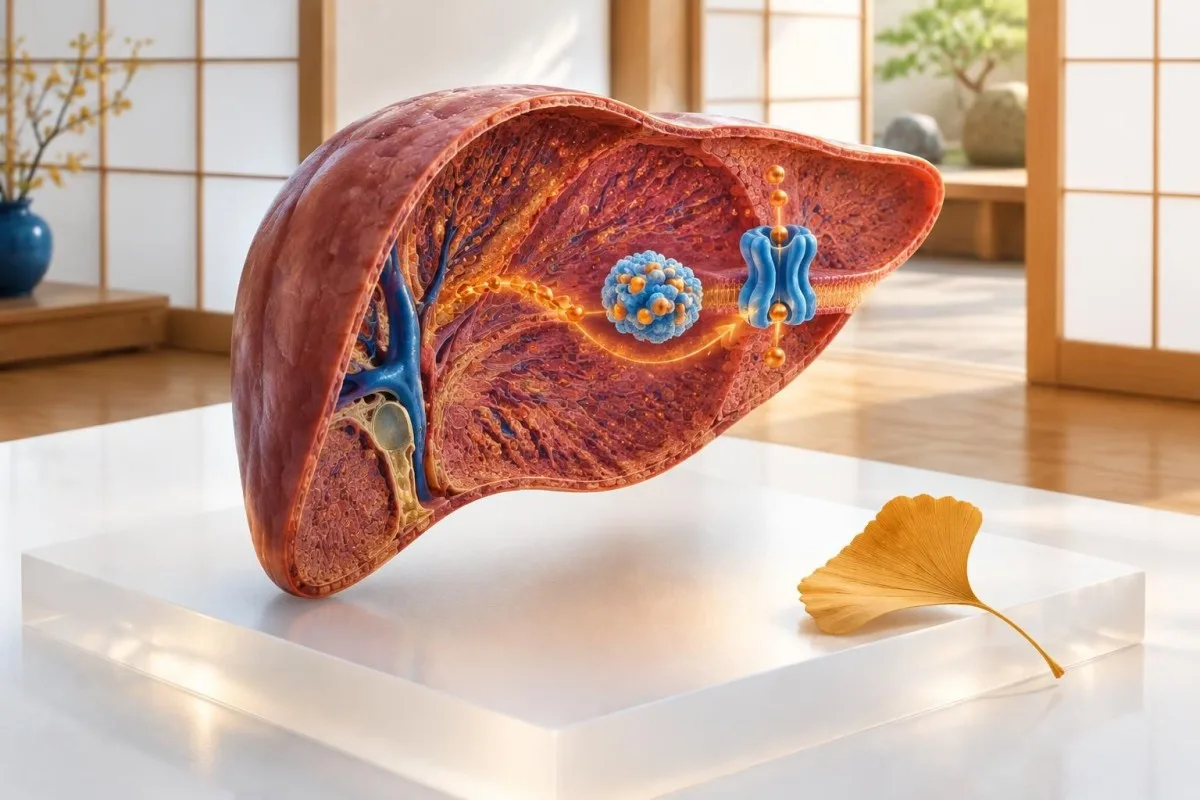
ជំងឺវីលសុនកម្របង្ហាញខ្លួនតាមរយៈលទ្ធផលមិនប្រក្រតីតែមួយ។ ការធ្វើរោគវិនិច្ឆ័យត្រូវផ្អែកលើការផ្គូផ្គងលទ្ធផលនៃការដឹកជញ្ជូនទង់ដែង ជាមួយនឹងភស្តុតាងពីថ្លើម ប្រព័ន្ធប្រសាទ និងហ្សែន។

ចំណុចសំខាន់ៗដែលត្រូវចងចាំ
- គ្មានលទ្ធផលតែមួយណាអាចបញ្ជាក់ជំងឺវីលសុនបានទេ៖ គ្រូពេទ្យរួមបញ្ចូលការពិនិត្យទង់ដែង ការរកឃើញពីការពិនិត្យរាងកាយ ការវាយតម្លៃថ្លើម និងពេលខ្លះការធ្វើតេស្ត ATP7B។
- សេរ៉ូប្លាសមីនក្រោម 10 mg/dL ជាលទ្ធផលដែលបង្ហាញយ៉ាងខ្លាំងថាអាចមានជំងឺ ប៉ុន្តែកម្រិតទាបក៏អាចកើតមានដោយសារកង្វះអាហារូបត្ថម្ភ ការបាត់បង់ប្រូតេអ៊ីន និងជំងឺថ្លើមផ្សេងទៀត។
- ទង់ដែងសរុបក្នុងសេរ៉ូមជារឿយៗមានកម្រិតទាប ក្នុងជំងឺវីលសុន ព្រោះទង់ដែងមានតិចជាងមុនដែលភ្ជាប់ទៅនឹងសេរ៉ូប្លាសមីន; វាអាចឡើងខ្ពស់ក្នុងពេលរងរបួសថ្លើមស្រួចស្រាវ។
- ទង់ដែងក្នុងទឹកនោមរយៈពេល 24 ម៉ោងលើសពី 100 មីក្រូក្រាមក្នុងមួយថ្ងៃ គាំទ្រដល់ជំងឺ Wilson ចំពោះមនុស្សពេញវ័យដែលមានរោគសញ្ញា និងមិនទាន់ទទួលការព្យាបាល ប៉ុន្តែកម្រិតនេះមិនអាចប្រើធ្វើរោគវិនិច្ឆ័យតែមួយមុខបានទេ។
- ពិន្ទុ Leipzig ចាប់ពី 4 ឡើងទៅ ធ្វើឱ្យមានលទ្ធភាពខ្ពស់ណាស់ថាជាជំងឺ Wilson នៅពេលបានវាយតម្លៃលទ្ធផលសមាសភាគនីមួយៗបានត្រឹមត្រូវ។
- ការធ្វើតេស្ត ATP7B គាំទ្រដល់ការធ្វើរោគវិនិច្ឆ័យ នៅពេលរកឃើញបម្រែបម្រួលបង្កជំងឺចំនួនពីរ ប៉ុន្តែលទ្ធផលបន្ទះតេស្តអវិជ្ជមានមិនអាចបដិសេធបម្រែបម្រួលបង្កជំងឺគ្រប់ប្រភេទបានទេ។
- រោគសញ្ញាបន្ទាន់មានសារៈសំខាន់៖ ជំងឺខាន់លឿង ការភាន់ច្រឡំ ក្អួតខ្លាំង ងងុយដេកខុសធម្មតា ឬលទ្ធផលតេស្តថ្លើមកាន់តែអាក្រក់ឡើងយ៉ាងឆាប់រហ័ស ត្រូវការការវាយតម្លៃផ្នែកវេជ្ជសាស្ត្រនៅថ្ងៃដដែល។
តើលទ្ធផលពិនិត្យឈាមសម្រាប់ជំងឺវីលសុនបែបណាដែលអាចជឿជាក់បាន?
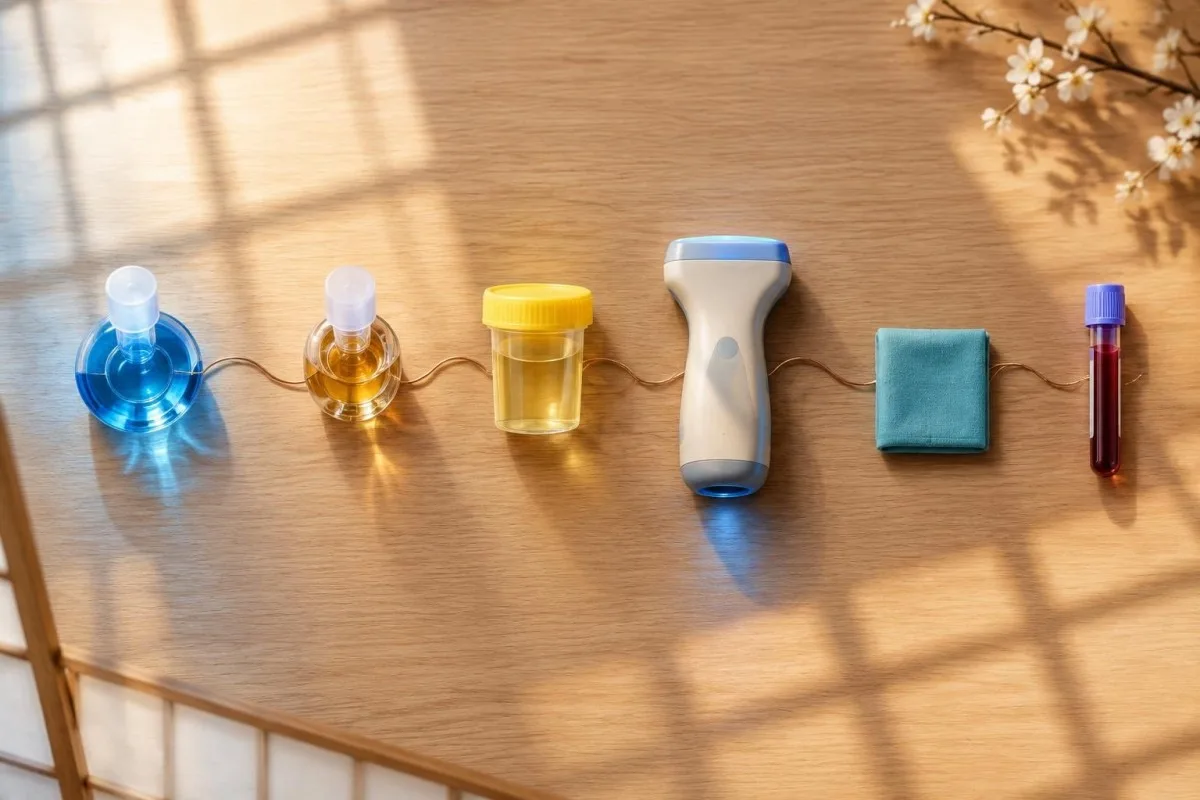
មិនមានតេស្តឈាមតែមួយប្រភេទណាដែលអាចបញ្ជាក់រោគវិនិច្ឆ័យជំងឺ Wilson បានទេ។ ជាទូទៅ គ្រូពេទ្យបញ្ចូលលទ្ធផល ceruloplasmin ទង់ដែងសរុប និងទង់ដែងដែលមិនជាប់នឹង ceruloplasmin ទង់ដែងក្នុងទឹកនោម 24-hour ការរកឃើញនៅថ្លើម សញ្ញាពីការពិនិត្យរាងកាយ និងហ្សែន ATP7B ចូលគ្នា។ ពិន្ទុ Leipzig ចាប់ពី 4 ឡើងទៅគាំទ្រដល់ការធ្វើរោគវិនិច្ឆ័យដែលបានបញ្ជាក់។

A ceruloplasmin ក្រោម 10 mg/dL, ទង់ដែងក្នុងទឹកនោមលើស 100 micrograms ក្នុង 24 ម៉ោង ចិញ្ចៀន Kayser–Fleischer ឬបម្រែបម្រួល ATP7B បង្កជំងឺនៅអាឡែលទាំងពីរ សុទ្ធតែអាចបង្កើនការសង្ស័យបាន ប៉ុន្តែក៏មានករណីលើកលែងរៀងៗខ្លួន។ កម្រិត ceruloplasmin ធម្មតាមិនអាចបដិសេធជំងឺ Wilson បានទេ ហើយលទ្ធផលទង់ដែងក្នុងទឹកនោមខ្ពស់អាចកើតមានក្រោយការរលាកថ្លើមធ្ងន់ធ្ងរ ឬការប្រមូលសំណាកមិនបានត្រឹមត្រូវ។
ឧទាហរណ៍ មនុស្សអាយុ 22 ឆ្នាំម្នាក់ក្នុងករណីសន្មត ដែលមាន ceruloplasmin 8 mg/dL ទង់ដែងក្នុងទឹកនោម 180 micrograms ក្នុងមួយថ្ងៃ ALT កើនឡើងបន្តិច និងមានរោគសញ្ញាប្រព័ន្ធប្រសាទ បង្ហាញលំនាំដែលគាំទ្រខ្លាំងជាងអ្នកដែលមានតែ ceruloplasmin 9 mg/dL។ មូលហេតុគឺតេស្តផ្សេងៗគ្នាវាស់ផ្នែកផ្សេងៗនៃដំណើរការគ្រប់គ្រងទង់ដែង។
Kantesti គឺជាឧបករណ៍វិភាគតេស្តឈាមដោយ AI ដែលរៀបចំលទ្ធផលទង់ដែង ថ្លើម និងចំនួនកោសិកាឈាមឱ្យបង្ហាញជាលំនាំ ជំនួសឱ្យការចាត់ទុកតម្លៃមួយដែលត្រូវបានសម្គាល់ថាខុសប្រក្រតីជាភស្តុតាងបញ្ជាក់។ ការបកស្រាយរបស់យើងមានគោលបំណងអប់រំប៉ុណ្ណោះ។ គ្រូពេទ្យឯកទេសថ្លើម គ្រូពេទ្យឯកទេសក្រពះពោះវៀន ឬអ្នកឯកទេសជំងឺមេតាបូលីស ត្រូវធ្វើរោគវិនិច្ឆ័យ និងសម្រេចថាតើត្រូវការការព្យាបាលឬអត់។ វិធីសាស្ត្រ និងការត្រួតពិនិត្យផ្នែកគ្លីនិក ត្រូវបានពិពណ៌នានៅក្នុង ស្តង់ដារផ្ទៀងផ្ទាត់ផ្នែកវេជ្ជសាស្ត្រ.
តើការធ្វើតេស្តសេរ៉ូប្លាសមីនដំណើរការយ៉ាងដូចម្តេច?
នេះ។ តេស្ត ceruloplasmin វាស់ប្រូតេអ៊ីនសំខាន់ដែលដឹកជញ្ជូនទង់ដែងក្នុងឈាម; ជួរតម្លៃមន្ទីរពិសោធន៍សម្រាប់មនុស្សពេញវ័យជាទូទៅមានប្រហែល 20–40 mg/dL ទោះបីជាវិធីសាស្ត្រ និងក្រុមប្រជាជនមានភាពខុសគ្នាក៏ដោយ។ តម្លៃក្រោម 10 mg/dL បង្ហាញយ៉ាងខ្លាំងថាអាចមានជំងឺ Wilson ខណៈដែល 10–20 mg/dL ជាចន្លោះមិនច្បាស់លាស់ ដែលត្រូវការភស្តុតាងផ្សេងទៀត។

សេរ៊ុយឡូផ្លាសមីនត្រូវបានផលិតនៅក្នុងថ្លើម ហើយជាធម្មតាដឹកជញ្ជូនប្រហែល 95% នៃទង់ដែងក្នុងសេរ៉ូមដែលមានចរន្តឈាម ក្នុងទម្រង់សកម្មរបស់វា។ លទ្ធផលទាបអាចបង្ហាញពីការរំខានដល់ការភ្ជាប់ទង់ដែងដែលពឹងផ្អែកលើ ATP7B ប៉ុន្តែវាក៏អាចកើតមានជាមួយនឹងការខ្សោយថ្លើមធ្ងន់ធ្ងរ ការបាត់បង់ប្រូតេអ៊ីនតាមតម្រងនោម កង្វះអាហារូបត្ថម្ភ ការស្រូបយកសារធាតុចិញ្ចឹមមិនបានល្អ ឬជំងឺតំណពូជកម្រនៃការផលិតប្រូតេអ៊ីន។
A លទ្ធផលសេរ៊ុយឡូផ្លាសមីនលើសពី 40 mg/dL មិនអាចបដិសេធជំងឺ Wilson បានទេ ព្រោះការរលាក ការមានផ្ទៃពោះ ការប្រើថ្នាំពន្យារកំណើតដែលមានអេស្ត្រូសែន និងការឆ្លងមេរោគអាចបង្កើនប្រូតេអ៊ីននេះ។ មន្ទីរពិសោធន៍មួយចំនួននៅអឺរ៉ុបរាយការណ៍កម្រិតយោងទាបសម្រាប់មនុស្សពេញវ័យនៅជិត 18 ឬ 20 mg/dL ដូច្នេះចន្លោះយោងដែលមានក្នុងរបាយការណ៍ផ្ទាល់មានសារៈសំខាន់ជាងការចម្លងកម្រិតកំណត់ពីគេហទំព័រផ្សេង។
ឧទាហរណ៍ អ្នកជំងឺសម្មតិកម្មម្នាក់ដែលកំពុងប្រើថ្នាំពន្យារកំណើតដែលមានអេស្ត្រូសែន អាចមានសេរ៊ុយឡូផ្លាសមីន 32 mg/dL ទោះបីជាមានជំងឺ Wilson ក៏ដោយ ចំណែកឯមនុស្សម្នាក់ដែលមានក្រិនថ្លើមកម្រិតធ្ងន់ធ្ងរដែលមិនបណ្តាលមកពីជំងឺ Wilson អាចមាន 12 mg/dL។ អ្នកអានដែលប្រៀបធៀបលទ្ធផលអាចប្រើ មគ្គុទ្ទេសក៍បកស្រាយសមាមាត្រទង់ដែងទៅស័ង្កសី ដើម្បីយល់ពីមូលហេតុដែលលោហធាតុដានដែលភ្ជាប់នឹងប្រូតេអ៊ីនត្រូវការការបកស្រាយតាមបរិបទ។
| កម្រិត | ចន្លោះ | អត្ថន័យ |
|---|---|---|
| ជួរកម្រិតធម្មតាសម្រាប់មនុស្សពេញវ័យ | 20–40 mg/dL | មិនអាចបដិសេធជំងឺ Wilson បានទេ ជាពិសេសនៅពេលមានជំងឺប្រព័ន្ធប្រសាទ ឬការខ្សោយថ្លើម។ |
| ទាបជិតកម្រិត | 10–20 mg/dL | មិនច្បាស់លាស់; ធ្វើតេស្តម្តងទៀត ឬបញ្ជាក់ដោយការពិនិត្យទង់ដែង និងភស្តុតាងគ្លីនិក។ |
| ទាបខ្លាំង | 5–10 mg/dL | Strongly suspicious, but protein loss and severe liver disease remain alternatives. |
| ទាបខ្លាំង | <5 mg/dL | Highly abnormal and potentially supportive, but never diagnostic by itself. |
តើទង់ដែងក្នុងសេរ៉ូមបង្ហាញអ្វីខ្លះអំពីជំងឺវីលសុន?
Total serum copper is often low in untreated Wilson disease, commonly below a laboratory lower limit near 70 micrograms/dL, because ceruloplasmin-bound copper is reduced. High serum copper can occur in acute liver failure, active hepatitis or after copper is released from damaged liver cells, so the direction of the result is not enough.
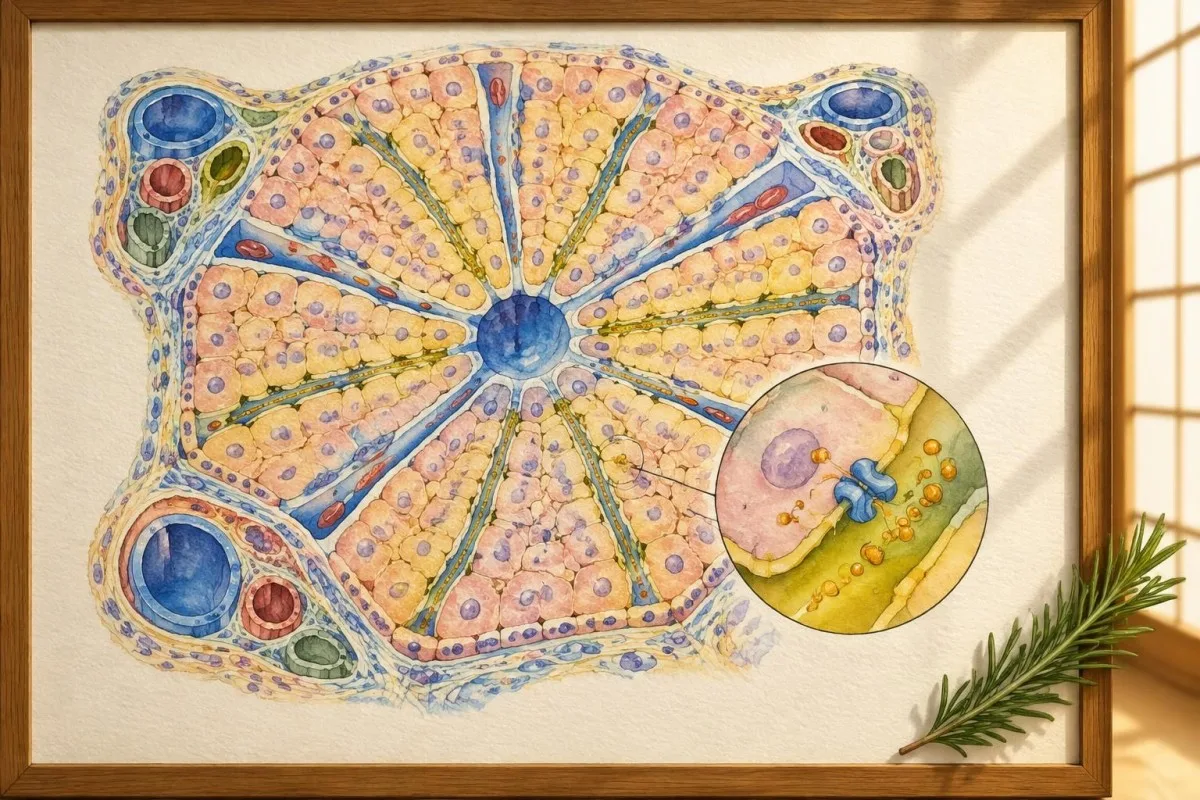
Total serum copper includes copper attached to ceruloplasmin plus non-ceruloplasmin copper, sometimes called free or exchangeable copper. A typical adult total-copper interval is approximately 70–140 micrograms/dL, but laboratories use different assays; a low total value can coexist with biologically harmful unbound copper.
The practical calculation is often expressed as non-ceruloplasmin copper equals total copper minus ceruloplasmin-bound copper, with the latter estimated from ceruloplasmin concentration. The estimate becomes unreliable when ceruloplasmin is measured by an immunological method, when units are mixed, or when total copper and ceruloplasmin are not collected on the same date.
A hypothetical result of total copper 45 micrograms/dL and ceruloplasmin 6 mg/dL is more concerning than either result alone, while total copper 210 micrograms/dL during acute hepatitis may represent released hepatic copper rather than a stable baseline. Low copper has many causes, so readers can compare patterns in our guide to low copper causes and follow-up.
តើគេបកស្រាយលទ្ធផលតេស្តទង់ដែងក្នុងទឹកនោមរយៈពេល 24 ម៉ោងយ៉ាងដូចម្តេច?
នេះ។ 24-hour urine copper test measures copper excreted over a complete day; untreated symptomatic adults with Wilson disease often exceed 100 micrograms per 24 hours. Results above 40 micrograms per day may be abnormal in children, but collection quality, age and liver inflammation change the interpretation.
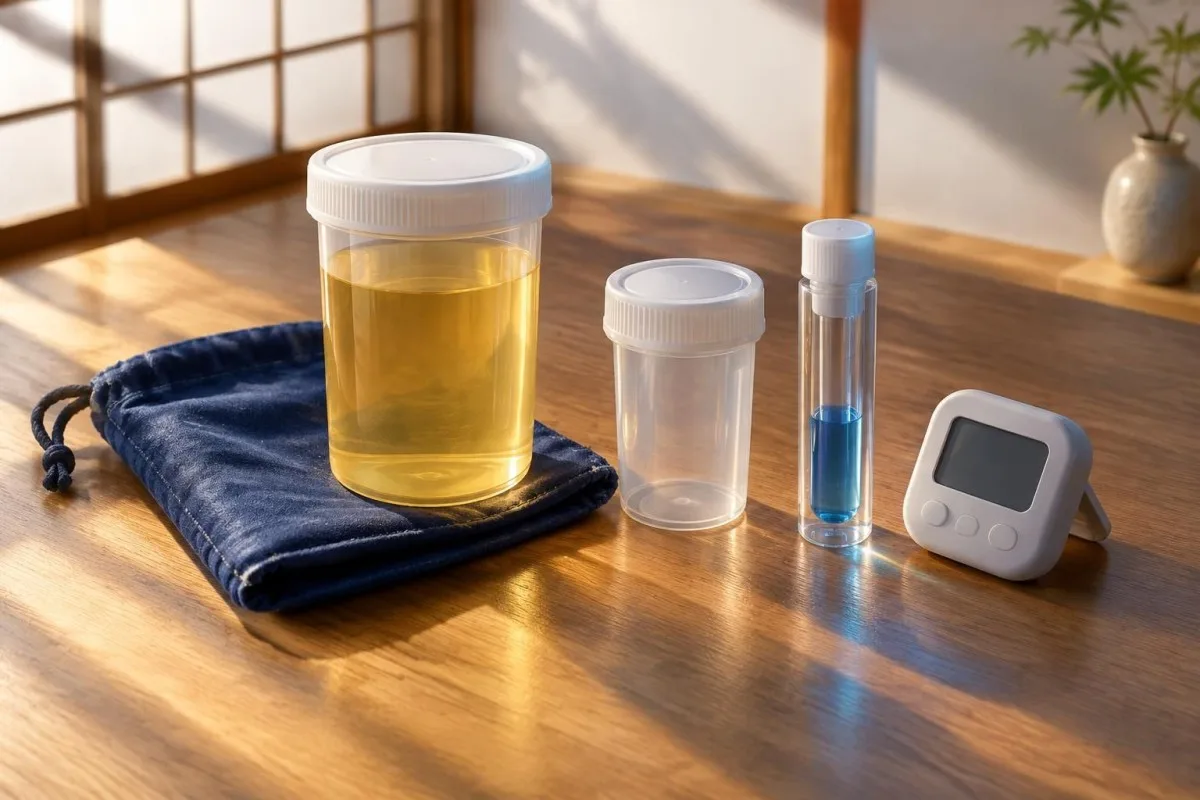
ការប្រមូលពេញលេញចាប់ផ្តើមបន្ទាប់ពីបញ្ចេញទឹកនោមក្នុងប្លោកនោមអស់ រួចរួមបញ្ចូលសំណាកទាំងអស់ជាបន្តបន្ទាប់រហូតដល់ពេលដូចគ្នានៅថ្ងៃបន្ទាប់។ លទ្ធផល 100 micrograms ក្នុង 24 hours ឬច្រើនជាងនេះ គាំទ្រការសង្ស័យក្នុងមនុស្សពេញវ័យជាច្រើនដែលមិនទាន់ទទួលការព្យាបាល ខណៈតម្លៃក្រោម 40 micrograms ក្នុងមួយថ្ងៃ ធ្វើឱ្យជំងឺ Wilson មានលទ្ធភាពតិចជាងមុន ប៉ុន្តែមិនអាចដកចេញបានទេក្នុងជំងឺដំណាក់កាលដំបូង ឬគ្មានរោគសញ្ញា។
តេស្តនេះអាចបង្ហាញតម្លៃទាបក្លែងក្លាយ ប្រសិនបើខកខានការបញ្ចេញទឹកនោមមួយលើក ប្រអប់ផ្ទុកមិនត្រូវបានរក្សាទុកតាមការណែនាំ ឬបរិមាណទឹកនោមតិចខុសធម្មតា។ វាអាចបង្ហាញតម្លៃខ្ពស់ក្លែងក្លាយជាមួយ cholestasis ការរបួសថ្លើមស្រួចស្រាវ ការបំពុលដោយសារធាតុដែលមានទង់ដែង ឬការប្រើថ្នាំបញ្ចេញជាតិដែកភ្លាមៗមុននេះ; ការព្យាបាលដោយ penicillamine ឬ trientine ក៏ផ្លាស់ប្តូរបរិមាណទង់ដែងក្នុងទឹកនោម ហើយត្រូវកត់ត្រាផងដែរ។
អ្នកជំងឺសម្មតិកម្មម្នាក់ផលិតទឹកនោមបាន 1,800 mL និងបញ្ចេញទង់ដែង 135 micrograms ក្នុង 24 hours ប៉ុន្តែភ្លេចសំណាកទឹកនោមពេលព្រឹកដំបូង; លេខនេះមិនអាចបកស្រាយដោយមានទំនុកចិត្តបានទេ ដោយគ្មានការពិភាក្សាអំពីការប្រមូលម្ដងទៀត។ ក្រេអាទីនីនក្នុងទឹកនោមអាចជួយវាយតម្លៃភាពពេញលេញ ដូចដែលបានពន្យល់ក្នុងនេះ មគ្គុទ្ទេសក៍បកស្រាយក្រេអាទីនីនក្នុងទឹកនោម.
តើលទ្ធផលពិនិត្យឈាមថ្លើមណាខ្លះដែលជួយគាំទ្រការធ្វើរោគវិនិច្ឆ័យ?
តេស្តថ្លើមបង្ហាញពីការរបួសសរីរាង្គ និងមុខងារសំយោគដែលពាក់ព័ន្ធនឹងជំងឺ Wilson ប៉ុន្តែវាមិនអាចកំណត់ការប្រមូលផ្តុំទង់ដែងដោយខ្លួនវាផ្ទាល់បានទេ។ ALT និង AST អាចកើនឡើងបន្តិច ឬខ្លាំង ប៊ីលីរុយប៊ីនអាចកើនឡើង ហើយអាល់បុយមីនទាប ឬពេលប្រូត្រុងប៊ីនយូរ អាចបង្ហាញពីមុខងារថ្លើមចុះខ្សោយ ជាជាងគ្រាន់តែការរលាកកោសិកាថ្លើម។

ALT និង AST បង្ហាញពីការរបួសកោសិកា ខណៈដែល alkaline phosphatase និងប៊ីលីរុយប៊ីន ផ្តល់តម្រុយអំពីលំហូរទឹកប្រមាត់ និងមុខងារបញ្ចេញ។ ក្នុងការខ្សោយថ្លើមស្រួចស្រាវដែលពាក់ព័ន្ធនឹង Wilson ទំនាក់ទំនង alkaline-phosphatase-to-bilirubin ដែលទាបខុសធម្មតា និងការរលាយកោសិកាឈាមក្រហមអវិជ្ជមានចំពោះ Coombs អាចមានសារៈសំខាន់ ប៉ុន្តែមិនគួរឱ្យសមាមាត្រសកលណាមួយជំនួសការវាយតម្លៃដោយអ្នកឯកទេសឡើយ។
កម្រិតយោងធម្មតានៃ ALT សម្រាប់មនុស្សពេញវ័យអាចនៅប្រហែល 7–56 IU/L និង AST ប្រហែល 10–40 IU/L ប៉ុន្តែកម្រិតខាងលើដែលមន្ទីរពិសោធន៍កំណត់ខុសគ្នាតាមភេទ វិធីសាស្ត្រ និងប្រជាជន។ លទ្ធផលដូចជា AST 180 IU/L ជាមួយប៊ីលីរុយប៊ីន 8 mg/dL មានភាពបន្ទាន់ផ្នែកគ្លីនិកជាង ALT 65 IU/L តែមួយមុខ ជាពិសេសប្រសិនបើ INR កំពុងកើនឡើង ឬរោគសញ្ញាកំពុងលេចឡើង។
Kantesti AI បកស្រាយបន្ទះតេស្តថ្លើមដោយបែងចែក សញ្ញាសម្គាល់ការខូចខាត ពី សញ្ញាសម្គាល់មុខងារថ្លើម, បន្ទាប់មកភ្ជាប់វាទៅនឹងលទ្ធផល និងនិន្នាការទង់ដែង។ វាមិនធ្វើរោគវិនិច្ឆ័យជំងឺ Wilson ទេ; វាជួយការពារកំហុសទូទៅដែលលទ្ធផលអាល់ប៊ុយមីនធម្មតា ឬ ALT កើនឡើងបន្តិច ត្រូវបានចាត់ទុកថាជាភស្តុតាងបញ្ជាក់ថាគ្មានជំងឺថ្លើមដែលទាក់ទងនឹងទង់ដែង។ សូមមើលអត្ថបទរបស់យើងដែលពន្យល់ជាភាសាសាមញ្ញ ការពិនិត្យមុខងារថ្លើម សម្រាប់តួនាទីរបស់សញ្ញាសម្គាល់នីមួយៗ។
ហេតុអ្វីបានជារួមបញ្ចូលការថតរូបភាពវេជ្ជសាស្ត្រ និងការធ្វើតេស្តរកសរសៃថ្លើមរឹង?
ការវាយតម្លៃថ្លើមប៉ាន់ប្រមាណការខូចខាតដែលបណ្តាលមកពីការប្រមូលផ្តុំទង់ដែង និងជួយកំណត់កម្រិតបន្ទាន់; វាមិនអាចបញ្ជាក់ជំងឺ Wilson ដោយឯករាជ្យបានទេ។ អ៊ុលត្រាសោន អេឡាស្តូក្រាហ្វី FibroScan ចំនួនប្លាកែត INR អាល់ប៊ុយមីន និងពេលខ្លះការវាស់បរិមាណទង់ដែងក្នុងជាលិកាថ្លើម ឆ្លើយតបទៅនឹងសំណួរគ្លីនិកផ្សេងៗគ្នា។
អេឡាស្តូក្រាហ្វីរាយការណ៍ភាពរឹងថ្លើមជាគីឡូប៉ាស្កាល់ ប៉ុន្តែការរលាក ការស្ទះលំហូរទឹកប្រមាត់ និងការកកស្ទះសរសៃឈាម អាចធ្វើឱ្យតម្លៃកើនឡើងជាបណ្តោះអាសន្ន ដោយមិនមានកម្រិតសរសៃក្នុងថ្លើមស្មើគ្នានោះទេ។ ឧទាហរណ៍ ភាពរឹង 14 kPa អាចបង្ហាញពីសរសៃក្នុងថ្លើមកម្រិតខ្ពស់ក្នុងស្ថានភាពមួយ ប៉ុន្តែរលាកថ្លើមស្រួចស្រាវក៏អាចផ្តល់លទ្ធផលប្រហាក់ប្រហែលគ្នា; លទ្ធផលនេះត្រូវតែពិនិត្យរួមជាមួយចំនួនប្លាកែត ប៊ីលីរុយប៊ីន INR និងប្រវត្តិគ្លីនិក។
ទង់ដែងក្នុងជាលិកាថ្លើមលើសប្រហែល 250 មីក្រូក្រាមក្នុងមួយក្រាមនៃទម្ងន់ស្ងួត គាំទ្រការធ្វើរោគវិនិច្ឆ័យជំងឺ Wilson ប៉ុន្តែកំហុសក្នុងការយកសំណាកមានច្រើន ព្រោះទង់ដែងអាចចែកចាយមិនស្មើគ្នា។ លទ្ធផលជាលិកាក្រោមកម្រិតនេះ មិនអាចបដិសេធជំងឺបានដោយជឿជាក់ឡើយ ប្រសិនបើសំណាកតូច ត្រូវបានគ្រប់គ្រងមិនត្រឹមត្រូវ ឬយកក្រោយពេលព្យាបាល។
លំនាំនៃការខូចខាតថ្លើមអាចតាមដានបានដោយធ្វើតេស្តម្តងហើយម្តងទៀត ជំនួសឱ្យការពឹងផ្អែកលើការស្កេនតែម្តង។ អ្នកអានអាចយល់ឃើញថាហេតុអ្វីបានជាតម្លៃភាពរឹងត្រូវការការក្រិតតាមខ្នាតនៅក្នុងនេះ មគ្គុទ្ទេសក៍បកស្រាយលទ្ធផល FibroScan, but a specialist should interpret any result suggesting cirrhosis, portal hypertension or rapidly worsening function.
តើពិន្ទុ Leipzig រួមបញ្ចូលភស្តុតាងទាំងនេះយ៉ាងដូចម្តេច?
នេះ។ Leipzig score combines clinical, biochemical, genetic and tissue findings; a score of 4 or more establishes Wilson disease in the appropriate clinical context, 2–3 is probable, and 0–1 is unlikely. The score is a reasoning framework, not a substitute for reviewing the original assays and examination.
The score can assign points for Kayser–Fleischer rings, neurological symptoms, ceruloplasmin concentration, Coombs-negative hemolysis, liver copper, ATP7B variants and urine copper. A ceruloplasmin below 10 mg/dL contributes more evidence than a borderline result, while a single ATP7B variant does not carry the same weight as two disease-causing variants.
For a hypothetical example, ceruloplasmin 8 mg/dL may contribute 2 points, a confirmed Kayser–Fleischer ring 2 points, and two pathogenic ATP7B variants 4 points; the total would strongly support diagnosis, but the specialist still checks whether the genetic findings are truly pathogenic and whether another disorder explains the presentation.
Kantesti is an AI blood test interpretation platform that can arrange these inputs into a readable timeline, including dates, units and treatment status. It cannot inspect corneas, validate a genetic variant or replace a formal Leipzig assessment; our មគ្គុទេសក៍ biomarker explains why reference intervals and diagnostic thresholds are not interchangeable.
តើការធ្វើតេស្តហ្សែន ATP7B បញ្ជាក់អ្វី?
Finding two pathogenic ATP7B variants on opposite chromosome copies strongly supports Wilson disease and can establish the diagnosis when interpreted by genetics experts. Finding one variant may indicate carrier status, while a negative panel does not exclude disease because some variants are difficult to detect or remain clinically uncertain.
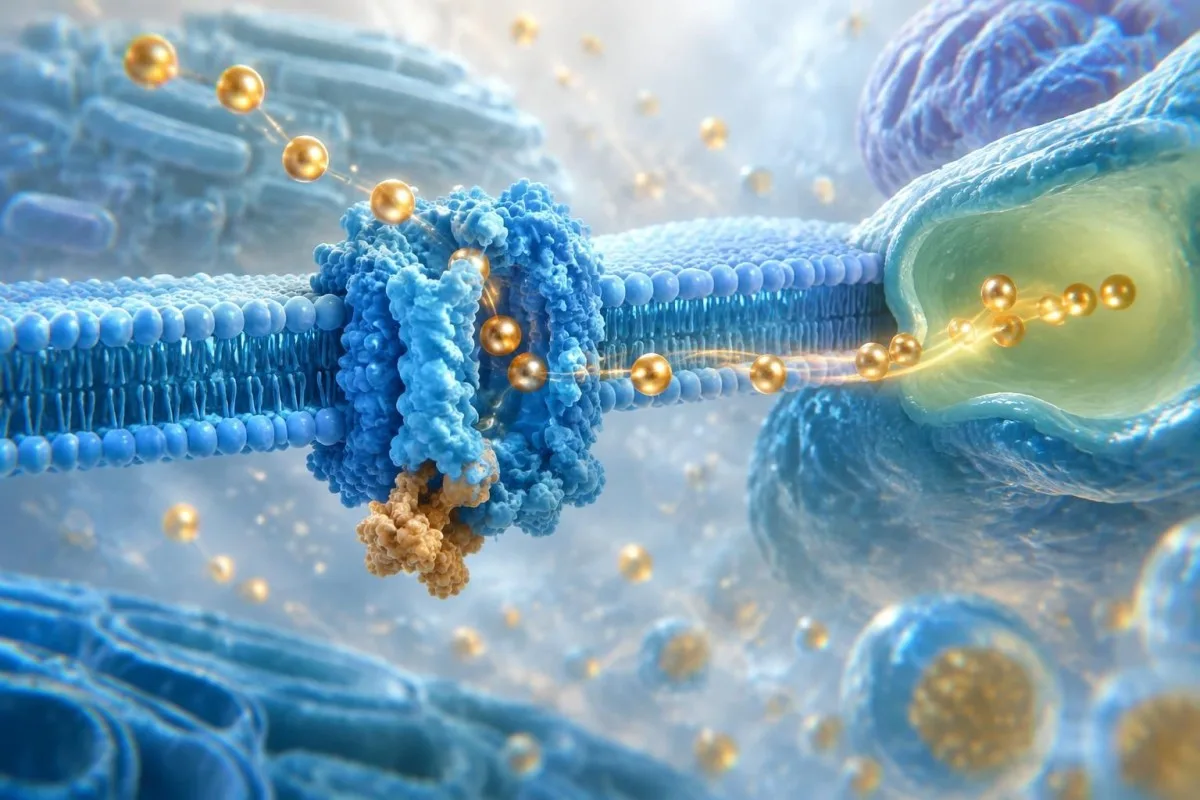
ATP7B encodes a copper-transporting ATPase that helps load ceruloplasmin and excrete excess copper into bile. Sequencing may detect small sequence changes, while deletion or duplication analysis may be needed for larger changes; a test report should state which methods were used rather than simply saying genetic test performed.
A variant of uncertain significance is not a confirmed diagnosis and should not guide treatment by itself. Family testing can clarify whether two variants are on opposite chromosome copies, but relatives need genetic counselling because a carrier may have no disease while still having reproductive implications.
Kantesti can help place ATP7B findings beside ceruloplasmin and urine copper, but our AI cannot reclassify a variant or provide inherited-disease counselling. The មគ្គុទេសក៍បច្ចេកវិទ្យា AI explains why automated interpretation should surface uncertainty instead of turning a laboratory phrase into a diagnosis.
តើត្រូវធ្វើដូចម្តេច ប្រសិនបើលទ្ធផលតេស្តជំងឺវីលសុនមិនស៊ីសង្វាក់គ្នា?
Conflicting Wilson disease results are common enough that clinicians repeat or extend testing rather than choosing the most alarming number. Low ceruloplasmin with normal urine copper, or high urine copper with normal ceruloplasmin, is an unresolved pattern—not a negative or positive diagnosis.
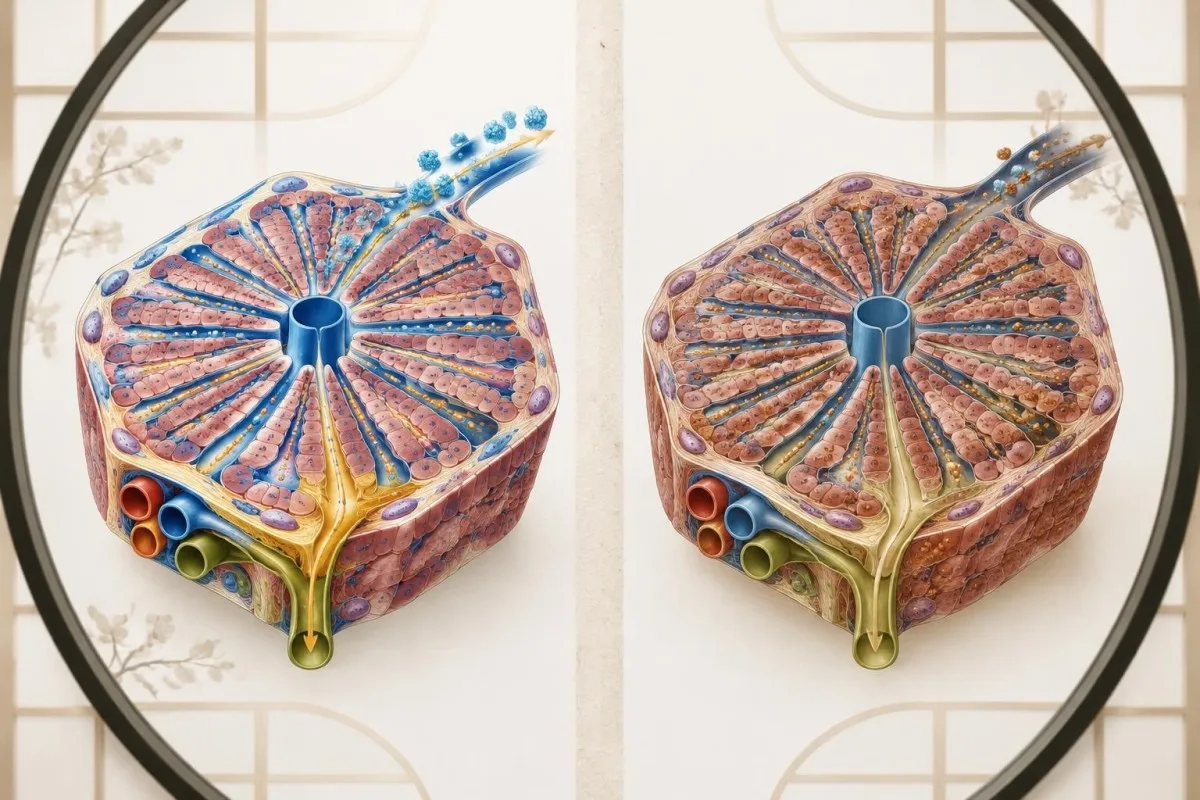
A low ceruloplasmin may reflect protein loss, malnutrition or another liver disorder, while a high urine copper may reflect cholestasis or recent chelation. Conversely, early disease, a missed urine sample or prior treatment can produce a deceptively modest urine result even when Wilson disease remains plausible.
For example, a hypothetical adult with ceruloplasmin 14 mg/dL, serum copper 58 micrograms/dL and urine copper 32 micrograms per day needs review of symptoms, liver tests, medications, urine completeness and family history. Repeating a properly collected test may be more useful than calculating a complex ratio from mismatched specimens.
High zinc exposure can interfere with copper balance and produce low copper findings, while copper supplements can raise serum copper without correcting the underlying transport problem. Our related explanation of high zinc and copper loss covers a frequent confounder, but suspected Wilson disease still warrants specialist review.
តើអាយុ និងការមានផ្ទៃពោះធ្វើឱ្យការបកស្រាយលទ្ធផលប្រែប្រួលយ៉ាងដូចម្តេច?
Age, pregnancy and hormonal treatment alter copper results, so adult cutoffs cannot be copied automatically into children or pregnancy. Wilson disease can present in childhood or later adulthood, and pregnancy or estrogen exposure may raise ceruloplasmin and total serum copper without proving that copper handling is normal.
In children, urine copper above roughly 40 micrograms per 24 hours may be concerning, but age-specific reference intervals and collection reliability matter. A child with unexplained liver disease, movement changes, tremor or a family history may need testing even when a single ceruloplasmin result is within the adult range.
During pregnancy, increased estrogen stimulates ceruloplasmin production and can raise total serum copper, while non-ceruloplasmin copper may require more careful interpretation. A result of 180 micrograms/dL total copper during pregnancy cannot be labelled Wilson disease from that number alone; clinicians consider trimester, ceruloplasmin and urine copper.
For families reviewing several reports, our guidance on interpreting blood tests in children explains why age, consent and clinical supervision matter. Do not stop prescribed treatment or begin zinc, copper or chelation without the treating team, particularly during pregnancy.
តើជំងឺអ្វីខ្លះទៀតដែលមានរោគសញ្ញាស្រដៀងនឹងជំងឺវីលសុន?
Other liver, nutritional, kidney and copper-exposure disorders can imitate part of the Wilson disease pattern. Autoimmune hepatitis, viral hepatitis, cholestasis, severe malnutrition, nephrotic protein loss, copper deficiency and acute liver failure can all distort ceruloplasmin, serum copper or urine copper.
Low ceruloplasmin is not specific: it can accompany significant protein loss, inadequate nutrition or advanced liver disease. High bilirubin also has many causes, including hemolysis and bile-flow disorders; a high bilirubin result should be separated into direct and indirect fractions before it is attributed to Wilson disease.
A hypothetical patient with bilirubin 6 mg/dL, ALT 420 IU/L, alkaline phosphatase 90 IU/L and Coombs-negative hemolysis may need urgent evaluation for acute Wilson-related liver failure, but viral, autoimmune and drug-related causes must still be tested. The combination is more informative than any isolated enzyme value.
Readers can review the causes of រូបភាពប៊ីលីរុយប៊ីនខ្ពស់ alongside the copper workup, but online interpretation cannot distinguish every mimic. A specialist may add viral serology, autoimmune markers, blood-count review, nutritional assessment and medication or supplement history.
តើគួររៀបចំ និងប្រមូលសំណាកយ៉ាងដូចម្តេច?
Preparation for a Wilson disease blood test mainly means documenting treatment, supplements, hormones and collection timing; fasting is not universally required. The 24-hour urine collection needs special care because a missed void can make the copper total falsely reassuring.
Before collection, tell the laboratory about zinc, copper, multivitamins, chelating medicines, liver medicines and hormonal contraception. Do not stop a prescribed medicine without medical advice; the purpose is to help clinicians interpret whether a copper result reflects untreated disease, treatment response or an external exposure.
For a 24-hour urine test, record the start and finish times, collect every void, keep the container as instructed and report spills or missed samples. A normal urine copper value after an incomplete collection is not equivalent to a valid negative test, especially when symptoms or liver tests remain concerning.
Fasting requirements differ by laboratory and by the other tests ordered at the same time; this fasting instruction guide explains why a request marked fasting required should be followed. Uploading a report to Kantesti can help organize units and dates, but the original laboratory comments and specimen notes should remain available to the clinician.
តើពេលណាលទ្ធផលតេស្តជំងឺវីលសុនតម្រូវឱ្យទទួលការព្យាបាលបន្ទាន់?
Jaundice with confusion, severe sleepiness, repeated vomiting, easy bruising, dark urine, rapidly rising bilirubin or a prolonged INR needs urgent medical assessment. Wilson-related acute liver failure can worsen quickly, and waiting for every outpatient copper result may be unsafe.
INR measures clotting performance, while bilirubin reflects pigment processing and excretion; together with mental-status change they can indicate deteriorating liver function. An INR above 1.5 in a person with acute liver injury is clinically significant, although the complete picture determines whether acute liver failure is present.
A hypothetical person with bilirubin 12 mg/dL, INR 2.1, AST 900 IU/L and new confusion should seek emergency care rather than wait for a 24-hour urine result. Acute Wilson disease can also involve Coombs-negative hemolysis, so falling haemoglobin, rising LDH and low haptoglobin may add urgency.
Dark urine has many causes, including bilirubin, dehydration and muscle injury, but jaundice or confusion changes the risk. Our explanation of រូបភាពនៃការព្រមានទឹកនោមខ្មៅ may help with general context; it is not a substitute for emergency assessment when severe symptoms are present.
តើគួរអានរបាយការណ៍ជំងឺវីលសុនយ៉ាងដូចម្តេច?
Read a Wilson disease report as a dated pattern, not as a list of isolated red flags: record the method, units, reference interval, treatment status, liver findings and whether urine collection was complete. The same numerical result can mean different things before and after zinc or chelation therapy.

Start with ceruloplasmin and total copper, then check whether non-ceruloplasmin copper was calculated using compatible units. Next review 24-hour urine copper, bilirubin, ALT, AST, alkaline phosphatase, albumin, INR, platelet count and creatinine; a trend over weeks may reveal deterioration or treatment response that one draw cannot show.
Kantesti is an AI-powered blood test analysis tool that can compare uploaded reports, normalize common units and highlight changes across dates. It cannot confirm Wilson disease, assess Kayser–Fleischer rings, determine whether an ATP7B variant is pathogenic or replace a clinician's physical examination.
Use the report to prepare questions: Was the urine collection complete? Was treatment already started? Are the genetic variants classified as pathogenic? Does the clinical picture produce a Leipzig score of 4 or more? For information about specialist review and governance, see the ក្រុមប្រឹក្សាប្រឹក្សាវេជ្ជសាស្ត្រ.
សំណួរដែលគេច្រើនសួរ
តើតេស្តឈាមតែមួយអាចបញ្ជាក់ថាមានជំងឺ Wilson បានទេ?
אין בדיקת דם יחידה המאשרת מחלת וילסון. רמת צרולופלזמין הנמוכה מ־10 mg/dL מעוררת חשד רב למחלה, אך ערכים נמוכים מופיעים גם באובדן חלבונים, בתת־תזונה ובמחלת כבד מתקדמת. האבחנה מתבססת בדרך כלל על שילוב של בדיקת צרולופלזמין, נחושת בסרום, נחושת בשתן שנאסף במשך 24 שעות, הערכת הכבד, ממצאי בדיקה גופנית ובדיקת ATP7B, ולעיתים קרובות נעזרים בציון לייפציג של 4 ומעלה.
តើកម្រិតសេរ៉ូឡូប្លាស្មីនប៉ុន្មានដែលបង្ហាញថាអាចមានជំងឺ Wilson?
លទ្ធផលសេរ៉ូឡូប្លាសមីនក្រោម 10 mg/dL បង្ហាញយ៉ាងខ្លាំងថាអាចជាជំងឺ Wilson ខណៈដែលកម្រិត 10–20 mg/dL ជាទូទៅមិនអាចកំណត់បានច្បាស់ ហើយត្រូវការភស្តុតាងគាំទ្របន្ថែម។ ចន្លោះតម្លៃយោងធម្មតាសម្រាប់មនុស្សពេញវ័យជាទូទៅគឺប្រហែល 20–40 mg/dL ប៉ុន្តែមន្ទីរពិសោធន៍នីមួយៗអាចមានភាពខុសគ្នា។ កម្រិតសេរ៉ូឡូប្លាសមីនធម្មតាមិនអាចបដិសេធជំងឺ Wilson បានទេ ជាពិសេសក្នុងករណីមានជំងឺប្រព័ន្ធប្រសាទ ការមានផ្ទៃពោះ ឬការប៉ះពាល់នឹងអេស្ត្រូសែន។
តើកម្រិតទង់ដែងក្នុងសេរ៉ូមខ្ពស់ ឬទាបនៅក្នុងជំងឺវីលសុន?
កំហាប់ស្ពាន់សរុបក្នុងសេរ៉ូមជាញឹកញាប់ទាបចំពោះអ្នកជំងឺវីលសុនដែលមិនទាន់ទទួលការព្យាបាល ជាទូទៅទាបជាងប្រហែល 70 មីក្រូក្រាម/dL ដោយសារស្ពាន់ភ្ជាប់នឹងសេរ៉ូឡាស្មីនមានបរិមាណតិចជាងមុន។ កំហាប់ស្ពាន់ក្នុងសេរ៉ូមអាចកើនខ្ពស់ក្នុងអំឡុងពេលខ្សោយថ្លើមស្រួចស្រាវ ឬរលាកថ្លើមសកម្ម នៅពេលស្ពាន់ដែលស្តុកទុកត្រូវបានបញ្ចេញពីកោសិកាថ្លើមដែលខូចខាត។ ដូច្នេះ ត្រូវបកស្រាយលទ្ធផលនេះរួមជាមួយកំហាប់សេរ៉ូឡាស្មីន និងស្ពាន់ក្នុងទឹកនោម មិនមែនបកស្រាយតែឯងទេ។
តើកម្រិតទង់ដែងក្នុងទឹកនោម 24 ម៉ោងប៉ុន្មាន ទើបអាចធ្វើរោគវិនិច្ឆ័យបាន?
មនុស្សពេញវ័យដែលមានរោគសញ្ញានៃជំងឺ Wilson ដែលមិនបានព្យាបាល ជាញឹកញាប់មានកម្រិតទង់ដែងក្នុងទឹកនោមរយៈពេល 24 ម៉ោងលើសពី 100 មីក្រូក្រាមក្នុងមួយថ្ងៃ ខណៈដែលតម្លៃលើសពីប្រហែល 40 មីក្រូក្រាមក្នុងមួយថ្ងៃអាចជាសញ្ញាគួរឱ្យបារម្ភចំពោះកុមារ។ កម្រិតទាំងនេះគ្រាន់តែជួយគាំទ្រការធ្វើរោគវិនិច្ឆ័យប៉ុណ្ណោះ មិនអាចប្រើធ្វើរោគវិនិច្ឆ័យដោយឯករាជ្យបានទេ។ ការប្រមូលទឹកនោមមិនបានពេញលេញ របួសថ្លើមស្រួចស្រាវ ការបញ្ឈប់លំហូរទឹកប្រមាត់ និងការព្យាបាលបន្ថយកម្រិតទង់ដែង អាចធ្វើឱ្យលទ្ធផលប្រែប្រួលយ៉ាងខ្លាំង។
តើលទ្ធផលតេស្ត ATP7B វិជ្ជមាន បញ្ជាក់ថាមានជំងឺ Wilson ឬទេ?
វ៉ារ្យ៉ង់ ATP7B ពីរដែលបង្កជំងឺយ៉ាងច្បាស់ គាំទ្រយ៉ាងខ្លាំងដល់ការធ្វើរោគវិនិច្ឆ័យជំងឺ Wilson ហើយអាចបញ្ជាក់រោគវិនិច្ឆ័យបានក្នុងបរិបទគ្លីនិកសមស្រប។ វ៉ារ្យ៉ង់មួយអាចបង្ហាញពីស្ថានភាពជាអ្នកផ្ទុកហ្សែន ហើយវ៉ារ្យ៉ង់ដែលមានសារៈសំខាន់មិនទាន់ច្បាស់លាស់ មិនអាចប្រើសម្រាប់ធ្វើរោគវិនិច្ឆ័យបានទេ។ លទ្ធផលតេស្តហ្សែនអវិជ្ជមាន មិនអាចបដិសេធជំងឺ Wilson បានទេ ព្រោះតេស្តនីមួយៗអាចមិនរកឃើញវ៉ារ្យ៉ង់ ឬការប្រែប្រួលរចនាសម្ព័ន្ធមួយចំនួន។
តើជំងឺវីលសុនជាករណីសង្គ្រោះបន្ទាន់នៅពេលណា?
ជំងឺ Wilson ក្លាយជាស្ថានភាពបន្ទាន់ នៅពេលការខូចខាតថ្លើមកើតមានរួមជាមួយការភាន់ច្រឡំ ងងុយដេកខ្លាំង ក្អួតម្តងហើយម្តងទៀត ជំងឺខាន់លឿង កម្រិតប៊ីលីរុយប៊ីនកើនឡើងយ៉ាងឆាប់រហ័ស ឬ INR អូសបន្លាយ។ ក្នុងអំឡុងពេលមានការខូចខាតថ្លើមស្រួចស្រាវ INR លើសពី 1.5 គួរឱ្យព្រួយបារម្ភតាមគ្លីនិក ទោះបីជាការវាយតម្លៃពេញលេញជាអ្នកកំណត់ថាតើមានជំងឺខ្សោយថ្លើមស្រួចស្រាវឬអត់ក៏ដោយ។ ប្រសិនបើមានសញ្ញាព្រមានទាំងនេះ សូមកុំរង់ចាំលទ្ធផលតេស្តទឹកនោមរយៈពេល 24 ម៉ោង មុននឹងស្វែងរកការថែទាំបន្ទាន់។
ទទួលបានការពន្យល់អំពីលទ្ធផលពិនិត្យឈាមរបស់អ្នក
បង្ហោះរបាយការណ៍មន្ទីរពិសោធន៍របស់អ្នក ហើយ AI របស់ Kantesti នឹងពន្យល់ជីវសញ្ញានីមួយៗជាភាសាសាមញ្ញ ក្នុងរយៈពេលត្រឹមតែប៉ុន្មានវិនាទី។ មនុស្សជាង 2 លាននាក់នៅទូទាំងពិភពលោកបានប្រើប្រាស់។.
ឯកសារយោង
- Klein, T., Mitchell, S., & Weber, H. (2026)។. ការណែនាំអំពីតេស្តឈាម C3 C4 Complement និងចំណងជើង ANA។. ការស្រាវជ្រាវវេជ្ជសាស្ត្រ AI របស់ Kantesti។. ក្រសួងអប់រំយុវជន និងកីឡា
- Klein, T., Mitchell, S., & Weber, H. (2026)។. តេស្តឈាមរកមេរោគ Nipah៖ ការណែនាំអំពីការរកឃើញដំបូង និងការធ្វើរោគវិនិច្ឆ័យ ឆ្នាំ 2026។. ការស្រាវជ្រាវវេជ្ជសាស្ត្រ AI របស់ Kantesti។. ក្រសួងអប់រំយុវជន និងកីឡា
- Roberts EA, Schilsky ML (2008). Diagnosis and treatment of Wilson disease: an update. ទស្សនាវដ្តីជំងឺថ្លើម។ ក្រសួងអប់រំយុវជន និងកីឡា PubMed
- European Association for Study of the Liver (2012). EASL clinical practice guidelines: Wilson's disease. Journal of Hepatology. ក្រសួងអប់រំយុវជន និងកីឡា PubMed
- Ferenci P et al. (2003). Diagnosis and phenotypic classification of Wilson disease. Journal of Hepatology. ក្រសួងអប់រំយុវជន និងកីឡា PubMed
- 2M+ការធ្វើតេស្តដែលបានវិភាគ
- 127+ប្រទេស
- 100+ភាសា
អំពីក្រុមវេជ្ជសាស្ត្រ


សញ្ញាទុកចិត្ត E-E-A-T
បទពិសោធន៍
ការពិនិត្យព្យាបាលដោយវេជ្ជបណ្ឌិតលើដំណើរការការបកស្រាយលទ្ធផលមន្ទីរពិសោធន៍។.
ជំនាញ
ផ្តោតលើវិទ្យាសាស្ត្រមន្ទីរពិសោធន៍ថា សញ្ញាសម្គាល់ (biomarkers) មានឥរិយាបថយ៉ាងដូចម្តេចក្នុងបរិបទព្យាបាល។.
ភាពមានសិទ្ធិអំណាច
បានពិនិត្យផ្នែកវេជ្ជសាស្ត្រដោយវេជ្ជបណ្ឌិត Thomas Klein ដោយមានការចូលរួមចំណែកពីវេជ្ជបណ្ឌិត Sarah Mitchell និងសាស្ត្រាចារ្យបណ្ឌិត Hans Weber។.
ភាពគួរឱ្យទុកចិត្ត
ការបកស្រាយដោយផ្អែកលើភស្តុតាង ជាមួយផ្លូវបន្តតាមដានច្បាស់លាស់ ដើម្បីកាត់បន្ថយការភ័យខ្លាច។.

សេចក្តីប្រកាសបដិសេធការទទួលខុសត្រូវផ្នែកវេជ្ជសាស្ត្រ
អត្ថបទនេះមានគោលបំណងសម្រាប់ការអប់រំប៉ុណ្ណោះ ហើយមិនមែនជាការផ្តល់ដំបូន្មានផ្នែកវេជ្ជសាស្ត្រទេ។ សូមពិគ្រោះជាមួយអ្នកផ្តល់សេវាសុខភាពដែលមានសមត្ថភាពជានិច្ច សម្រាប់ការសម្រេចចិត្តអំពីការធ្វើរោគវិនិច្ឆ័យ និងការព្យាបាល។.
បានបោះពុម្ភ · ទាក់ទងក្រុមនិពន្ធ
បោះពុម្ពផ្សាយដោយ Kantesti Ltd ដែលបានចុះបញ្ជីនៅប្រទេសអង់គ្លេស និងវែលស៍ លេខក្រុមហ៊ុន. 17090423, ទីក្រុងឡុងដ៍ ចក្រភពអង់គ្លេស។.
