Panon kuning ora minangka tes skrining sing bisa dipercaya kanggo hepatitis B. Infeksi kasebut kerep ora katon, lan tes antibodi lan virus sing bener—dudu gejala wae—nemtokake apa sing kedadeyan.



- Infeksi tanpa gejala iku umum: akeh wong sing kena hepatitis B ora duwe penyakit kuning lan ora ana gejala hepatitis B sing katon.
- Periode inkubasi kanggo hepatitis B akut biasane 60–150 dina, kanthi rata-rata udakara 90 dina.
- HBsAg positif suwene 6 sasi nemtokake infeksi hepatitis B kronis lan mbutuhake tindak lanjut klinis.
- IgM anti-HBc biasane ndhukung infeksi akut anyar, nanging uga bisa mundhak nalika flare saka hepatitis B kronis.
- Anti-HBs paling ora 10 mIU/mL sawise seri vaksin sing didokumentasikake umume dianggep minangka respon kekebalan sing nglindhungi.
- ALT nganti 1.000 IU/L bisa kedadeyan ing hepatitis virus akut, nanging obat-obatan, iskemia, lan virus liyane bisa ngasilake pola sing padha.
- HBV DNA ngukur replikasi virus; iku tes sing ngowahi asil skrining positif dadi rencana manajemen.
- perawatan darurat cocok kanggo kebingungan, mutah parah, memar sing ora biasa, ngantuk sing saya parah, utawa jaundis kanthi bangku pucat.
Apa hepatitis B bisa kedadeyan tanpa penyakit kuning? Ya—kerep ora katon
Ya, hepatitis B tanpa jaundis iku umum. Akeh wong ora duwe gejala apa-apa, lan malah infeksi akut sing bergejala bisa kaya penyakit virus sing ora spesifik tinimbang masalah ati. Jaundis katon mung nalika bilirubin mundhak cukup kanggo ngwarnani mripat lan kulit; iku ora dibutuhake kanggo ciloko sel ati utawa penularan hepatitis B.
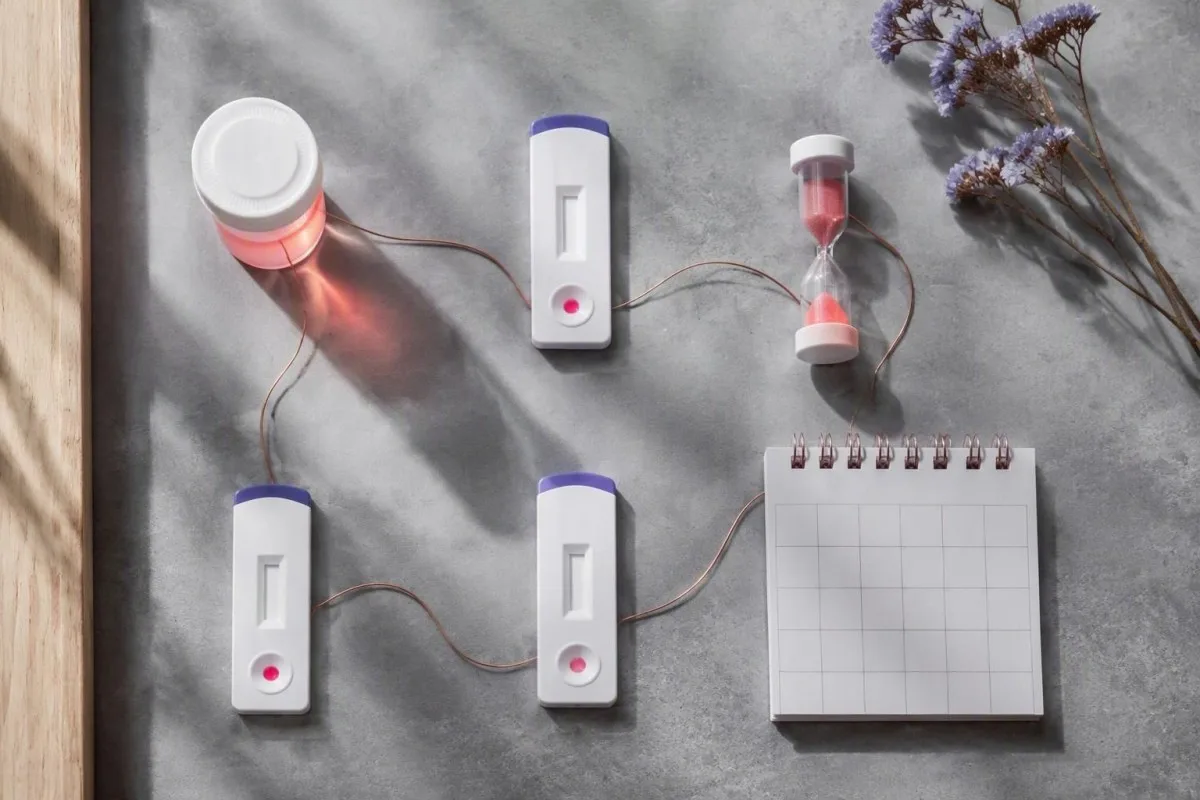
Ing pengalaman klinisku, wong sing paling mungkin ilang dudu wong sing lara: iku pasien sing katon sehat sing panel skrining dijupuk kanggo meteng, imigrasi, hubungan anyar, utawa enzim ati sing ora ana gandhengane. Gejala hepatitis B akut berkembang mung ing udakara 30%–50% wong diwasa sing terinfeksi, dene bocah cilik luwih jarang bergejala; ora ana demam, mripat kuning, utawa nyeri weteng ora nolak.
Jaundis nggambarake peningkatan bilirubin ing sirkulasi, umume katon nalika total bilirubin ngluwihi kira-kira 2–3 mg/dL (34–51 µmol/L). Peradangan ati bisa akeh sadurunge titik kasebut, mula warna urin lan mripat putih sing katon normal mung njamin ing wates sing winates; deleng pandhuan kita kanggo pola peringatan bilirubin.
Kantesti iku sawijining Analisa tes getih AI sing nyelehake enzim ati, bilirubin, albumin, lan asil platelet ing jejere serologi virus sing diprentahake dening dokter. Ora bisa diagnosa hepatitis B saka kimia rutin wae, nanging bisa mbantu wong ngerteni yen asil “tes ati” durung lengkap tanpa tes khusus hepatitis.
Kenapa gejala minangka alat skrining sing ala
HBV bisa ditularake nalika fase bebas gejala amarga replikasi virus ndhisiki, ngiringi, utawa ngluwihi penyakit sing katon. Wiwit 11 September 2026, skrining diwasa adhedhasar risiko lan sapisan luwih dipercaya tinimbang ngenteni gejala, utamane kanggo wong sing lair ing wilayah kanthi prevalensi HBV luwih dhuwur utawa wong sing ana kontak kulawarga, seksual, utawa suntikan.
Apa gejala awal hepatitis B?
Gejala hepatitis B awal biasane kelelahan, napsu suda, mual, demam tingkat rendah, nyeri otot, lan rasa ora nyaman ing ngisor iga tengen. Ora ana sing cukup spesifik kanggo ngonfirmasi hepatitis B, lan interval bebas gejala sawise paparan biasane 60–150 dina.
Petunjuk klinis sing migunani yaiku urutan kedadeyan. Malaise lan ilang napsu asring teka sadurunge urin peteng utawa dadi kuning, lan wong bisa rumangsa kesel banget nalika bilirubin isih normal. Rata-rata inkubasi cedhak 90 dina, mulane tes sedina sawise paparan sing bisa uga kakehan kanggo ngrampungake pitakonan.
Nyeri sendi lan ruam transien bisa kedadeyan ing prodromal amarga kompleks kekebalan beredar sadurunge hepatitis katon. Aku wis weruh iki salah nalika flu utawa reaksi panganan anyar; rincian sing mbedakake yaiku ALT saka 642 IU/L bebarengan karo antigen permukaan hepatitis B positif, dudu ruam kasebut.
Panganggone acetaminophen, suplemen, alkohol, virus Epstein–Barr, lan ciloko otot kabeh bisa nambah aminotransferase. A ati-ati Tinjauan asil ALT nyegah kesalahan umum nelpon kabeh ALT sing mundhak “hepatitis” sadurunge ngonfirmasi sababe.
Gejala sing kurang khas
Gatal, bangku pucat, lan urin peteng sing terus-terusan nuduhake gangguan penanganan empedu lan pantes diasese luwih cepet, nanging dudu presentasi awal sing umum. Wong kanthi kembung terisolasi, refluks, utawa nyeri sisih kiwa intermiten luwih mungkin duwe penjelasan liya, sanajan paparan risiko kudu tetep nyurung tes HBV.
Kapan sampeyan kudu dites hepatitis B?
Cepetake tes hepatitis B sawise kontak getih, seksual, kulawarga, utawa perinatal, sanajan sampeyan krasa sehat. Tes baseline dokumen status sampeyan, dene tes ulang dijadwalake wektu periode jendhela lan dipandu dening riwayat vaksinasi.
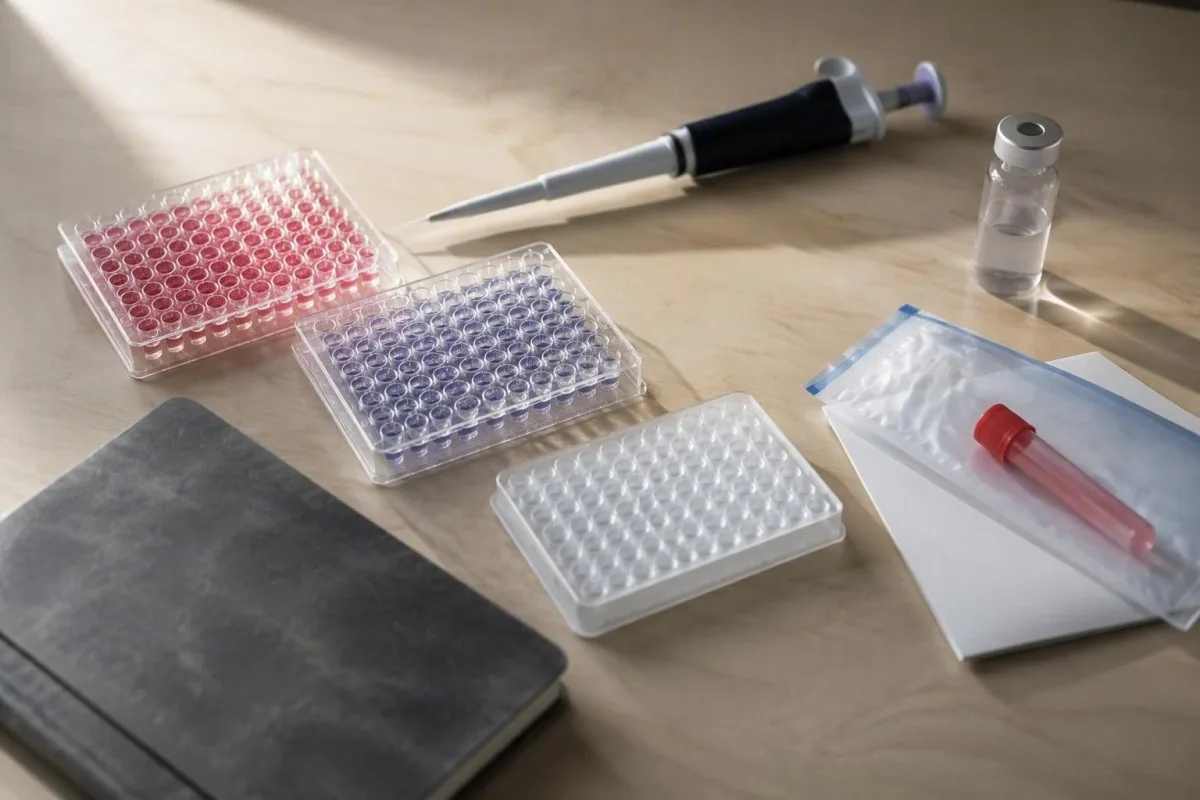
CDC nyaranake skrining diwasa sepisan kanthi panel telung tes: HBsAg, anti-HBs, lan total anti-HBc (Conners dkk., 2023). Kombinasi iki misahake infeksi saiki, infeksi sing wis mari sadurunge, kekebalan vaksin, lan kerentanan luwih efektif tinimbang pesen HBsAg dhewe.
Sawise kontak sing signifikan bubar, dokter bisa nguji saiki lan mbaleni tes kira-kira 6 wulan yen panel awal ora netepake infeksi utawa kekebalan. Profilaksis pasca-paparan sensitif wektu—vaksin hepatitis B kudu diwiwiti sanalika bisa, lan globulin kebal hepatitis B bisa dituduhake kanggo paparan sing ora kebal sing dipilih—dadi aja ngenteni gejala.
Kantesti iku sawijining platform interpretasi hasil tes getih AI sing bisa ngatur laporan serologi sing difoto utawa diunggah menyang pola telung tandha, nanging manajemen paparan kalebu karo clinician perawatan darurat, kesehatan seksual, kesehatan kerja, utawa perawatan primer. Kita pandhuan gejala hepatitis C nerangake ngapa tes hepatitis virus kudu diinterpretasikake virus saben virus.
Tes nalika meteng
Saben meteng kudu kalebu skrining HBsAg saben meteng, ora preduli saka risiko sing dirasakake. Asil positif ngowahi perencanaan pencegahan bayi: bayi butuh vaksin hepatitis B lan, nalika dituduhake, globulin kebal sajrone 12 jam sawise lair.
Telung tes getih sing ngklarifikasi status hepatitis B
HBsAg, anti-HBs, lan total anti-HBc minangka tes skrining hepatitis B inti. Bebarengan, padha njawab apa virus saiki bisa dideteksi, apa kekebalan ana, lan apa sistem kekebalan wis ketemu hepatitis B sadurunge.
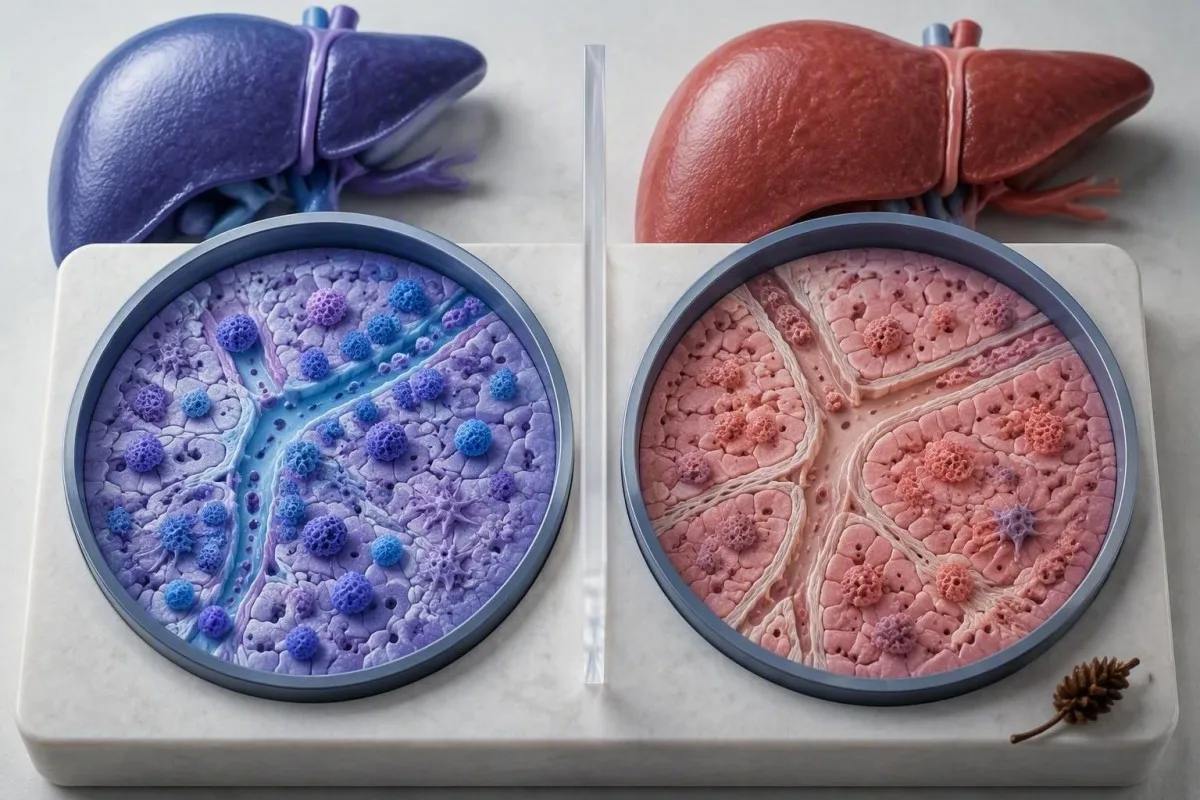
HBsAg minangka antigen permukaan hepatitis B; asil positif tegese infeksi saiki bisa lan mbutuhake konfirmasi lan tindakake klinis. Anti-HBs minangka antibodi permukaan; tingkat paling sethithik 10 mIU/mL sawise seri vaksin sing didokumentasikake rampung umume dianggep minangka respon protektif ing wong sing immunocompetent.
Total anti-HBc ndeteksi antibodi inti saka infeksi alami sadurunge utawa saiki lan ora diprodhuksi dening vaksinasi. Pola HBsAg negatif, anti-HBs positif, lan total anti-HBc negatif cocog karo kekebalan sing diasilake dening vaksin; HBsAg negatif, anti-HBs positif, lan total anti-HBc positif biasane cocog karo infeksi alami sing wis mari.
Total anti-HBc positif sing terpencil minangka salah sawijining pola sing luwih angel. Bisa uga nuduhake infeksi sing wis mari saka adoh kanthi anti-HBs sing wis mudhun, uji coba positif palsu, infeksi laten, utawa kurang umum infeksi akut awal; dokter bisa mbaleni serologi lan pesen HBV DNA, utamane sadurunge perawatan imunosupresif. Penjelasan kita babagan asil antibodi positif nutupi ngapa siji antibodi arang banget ngandhani kabeh crita.
Carane tes mbedakake hepatitis B akut lan kronis
Hepatitis B akut lan kronis dibedakake utamane kanthi wektu lan serologi, ora saka sepira wong ngrasakake lara. HBsAg sing tahan paling ora 6 wulan nuduhake infeksi kronis; asil HBsAg tunggal sing positif ora bisa nemtokake wektu infeksi kanthi dhewe.
IgM anti-HBc kanthi kuat ndhukung infeksi akut anyar nalika dipasangake karo positif HBsAg anyar lan penyakit sing cocog. Ora sampurna: IgM anti-HBc uga bisa dideteksi sajrone kobongan hepatitis B kronis, mula dhokter mbandhingake asil sadurunge, wektu gejala, lintasan ALT, lan HBV DNA.
HBV DNA dilapurake ing IU/mL lan ngukur jumlah materi genetik virus ing sirkulasi. Ora kanthi dhewe menehi label penyakit minangka akut utawa kronis, nanging asil sing bisa dideteksi negesake replikasi lan dadi pusat kanggo mutusake pemantauan lan perawatan; DNA sing kurang utawa ora bisa dideteksi ora mbusak kabutuhan kanggo napsirake HBsAg lan status ati bebarengan.
Pituduh AASLD negesake ALT serial, HBV DNA, status HBeAg, lan penilaian fibrosis tinimbang siji gambar laboratorium (Terrault et al., 2018). Iki minangka salah sawijining alasan ALT normal ing siji gambar ora mbuktekake manawa HBV kronis ora mbebayani.
Aturan nem wulan duwe tujuan
Ambang 6 wulan misahake infeksi sing kemungkinan bakal mandheg kanthi spontan saka sing wis tahan lan nggawa risiko fibrosis lan karsinoma hepatoselular jangka panjang. Ing wong diwasa, luwih saka 90% infeksi akut sing imunokompeten pulih, nalika infeksi sing dituku nalika lair luwih asring dadi kronis.
Tes ati apa sing bisa—lan ora bisa—ditampilake
ALT lan AST nuduhake ciloko hepatosit, nalika bilirubin, albumin, INR, lan platelet mbantu nuduhake keruwetan lan fungsi ati. Panel ati rutin ora bisa ngenali hepatitis B minangka panyebab tanpa serologi virus.

ALT luwih spesifik ati tinimbang AST, sanajan ora ana sing eksklusif kanggo ati. Ing hepatitis virus akut, ALT bisa ngluwihi 1.000 IU/L; jangkauan sing padha bisa kedadeyan kanthi toksisitas asetaminofen utawa aliran getih ati sing suda, mula nomer kasebut mbutuhake konteks darurat tinimbang diagnosis mandiri.
Bilirubin nggambarake konjugasi lan ekskresi empedu, nalika INR lan albumin nggambarake kapasitas sintetik. INR sing mundhak, utamane ing 1,5 utawa luwih ing wong sing hepatitis akut lan status mental owah, ngunggahake keprihatinan kanggo gagal ati akut lan mbutuhake evaluasi darurat; kita INR nerangake pangukuran.
Jaringan saraf Kantesti maca transaminase bebarengan karo bilirubin, fosfatase alkalin, albumin, lan platelet kanggo menehi tandha pola kanggo tinjauan medis. Kita rincian panel ati migunani sadurunge sampeyan nganggep yen “tes fungsi ati” normal kalebu skrining HBV.
Rasio AST:ALT dudu tes hepatitis B
Rasio AST:ALT ing ngisor 1 umum ing hepatitis virus nanging ora sensitif utawa spesifik. Olahraga intensif anyar bisa ngunggahake AST saka otot, nalika gamma-glutamyl transferase lan bilirubin bisa tetep normal; mbaleni tes sawise pulih bisa nyegah panaliten virus sing misleading.
Gejala hepatitis B apa sing mbutuhake perawatan dina sing padha?
Bingung, ngantuk sing ora biasa, mutah bola-bali, penyakit kuning sing saya jero, memar anyar, utawa bengkak weteng sing abot mbutuhake evaluasi darurat ing dina sing padha. Gejala-gejala iki bisa nuduhake fungsi ati sing ora becik tinimbang mung penyakit hepatitis akut biasane.
Bingung utawa pola turu-tangine sing owah bisa nuduhake ensefalopati hepatik, luwih-luwih nalika dipasangake karo penyakit kuning lan INR sing suwe. Iki arang, nanging dudu gejala “tunggu nganti Senin”—gagal ati akut bisa saya tambah luwih suwe nganti pirang-pirang dina.
Urine peteng dhewe ora otomatis dadi darurat; dehidrasi, obat-obatan, lan urine sing kenthel minangka alternatif sing umum. Urine peteng ditambah tinja pucet, mata kuning, gatal, demam, utawa nyeri ing weteng tengen ndhuwur luwih kuwat nuduhake gangguan bilirubin utawa aliran empedu, kaya sing dijelasake ing urin peteng.
Aja ngombe alkohol lan aja miwiti “detoksifikasi ati” herbal nalika lagi ditliti. Akeh suplemen multi-bahan duwe isi sing ora mesthi, lan produk sing dipasarake kanggo detoksifikasi bisa nggawe cilaka ati sing disebabake dening obat-obatan luwih rumit nalika klinisi mbutuhake gambaran diagnostik sing resik.
Sapa sing kudu ditliti luwih cepet sanajan tanpa gejala?
Wong sing ngandheg, duwe sirosis, ngombe kemoterapi utawa terapi imunosupresif biologis, duwe HIV, utawa duwe HBV kronis sing wis dingerteni mbutuhake tinjauan individu sawise asil abnormal anyar. Reaktivasi bisa tenang sacara klinis nganti ALT mundhak, mula perencanaan antivirus pencegahan bisa luwih aman tinimbang tes reaktif.
Kenapa hepatitis B kronis bisa krasa normal banget
Hepatitis B kronis asring ora nyebabake gejala saben dina suwene pirang-pirang taun, sanajan replikasi virus utawa cilane ati sing entheng terus. Merasa energik, olahraga kanthi rutin, lan duwe bilirubin normal ora ngilangi risiko fibrosis.

Ing kene pasien ngalami kesulitan sing bisa dingerteni: wong bisa duwe ALT normal utawa rada munggah lan isih mbutuhake tindak lanjut sing terstruktur amarga HBV DNA, umur, status HBeAg, riwayat kulawarga, lan fibrosis kabeh ngowahi risiko. Jumlah trombosit sing mudhun nganti ngisor kira-kira 150 × 10⁹/L ora diagnostik sirosis, nanging kanthi tes ati sing abnormal iku kudu diwenehi perhatian.
A Skore FIB-4 nggunakake umur, AST, ALT, lan jumlah trombosit minangka perkiraan triase kanggo fibrosis; iku ora bisa diagnosa sirosis utawa ngganti elastography. Kita Pandhuan kalkulator FIB-4 nerangake kenapa umur bisa nggawe skor wates katon luwih nguatirake sawise 65.
Kantesti iku sawijining Piranti analisis tes getih berbasis AI dirancang kanggo mbandhingake panel ati sing wis lawas, supaya owah-owahan ALT utawa trombosit sing alon ora didhelikake dening siji tandha “ing njero jangkoan”. Pangerten tren mbantu nyiapake obrolan klinisi sing luwih apik; iku dudu pengganti kanggo tes HBV DNA, ultrasonografi, utawa perawatan spesialis.
Pengawasan kanker adhedhasar risiko
Pengawasan ultrasonografi kanggo karsinoma hepatoseluler ora ditemtokake mung saka gejala. Klinisi nggunakake status HBV kronis, sirosis, riwayat kulawarga, umur, jender, lan risiko wilayah asal kanggo mutusake apa pengawasan saben enem wulan cocog; AFP kadang ditambahake nanging ora dipercaya minangka tes skrining mandhiri.
Kmetengan ora mbuktekake hepatitis B—carane dokter mbedakake
Kula ing hepatitis B umum, nanging luwih asring disebabake gangguan turu, anemia, penyakit tiroid, depresi, efek obat, utawa infeksi liyane. Pitakonan sing migunani yaiku apa rasa kesel kedadeyan bebarengan karo paparan risiko, owah-owahan tes ati, utawa tandha HBV positif.
Pelari ketahanan umur 52 taun kanthi AST 89 IU/L sawise balapan ora otomatis duwe penyakit ati; pelepasan otot bisa ngunggahake AST, lan creatine kinase ditambah panel ulangan sawise istirahat asring njlentrehake sumberé. Kosok baline, ALT 289 IU/L kanthi HBsAg positif lan urine peteng mbutuhake jalur sing beda banget.
Kula ditambah hemoglobin sing kurang, ferritin sing kurang, utawa tandha tiroid sing abnormal pantes ditliti bebarengan tinimbang crita siji-sebab. Kita artikel gejala ferritin rendah nerangake kenapa kekurangan zat besi bisa nyebabake rasa kesel sadurunge anemia muncul.
Aturan praktis Dr. Thomas Klein wis prasaja: gejala miwiti investigasi, nanging pola mutusake. A CBC, kimia ati, tininjauan obat, riwayat paparan, lan tes virus target biasane mangsuli luwih saka bola-bali mriksa siji enzim.
Aja ngedonorkan getih kanggo “ngerteni”
Skrining donor getih nglindhungi panampa nanging dudu strategi diagnostik pribadi lan bisa uga ora menehi konseling wektu. Yen ana kemungkinan kena, aturake tes klinis utawa kesehatan masyarakat sing rahasia ing ngendi panel telung-penanda lengkap lan tindakake bisa dibahas.
Apa sing kedadeyan sawise asil HBsAg positif?
Asil HBsAg sing positif kudu nyebabake evaluasi konfirmasi, tes HBV DNA, kimia ati, lan review durasi lan pencegahan penularan. Iku cukup serius kanggo tindakake kanthi cepet, nanging ora kanthi otomatis ateges sirosis utawa kabutuhan perawatan antivirus langsung.
Dokter umum biasane pesen tes ulang utawa konfirmasi HBsAg, total lan IgM anti-HBc, anti-HBs, HBeAg lan anti-HBe, HBV DNA kuantitatif, ALT, AST, bilirubin, albumin, INR, CBC, lan tes kanggo hepatitis C, hepatitis D, lan HIV nalika relevan. Tes tambahan mangsuli pitakonan sing beda—replikasi, fase, ciloko ati, infeksi gabungan, lan keamanan perawatan.
Kontak rumah tangga lan seksual kudu dites lan divaksinasi yen rentan. Aja nuduhake razor, sikat untu, utawa peralatan suntik; HBV ditularake liwat getih lan cairan awak tartamtu, nanging ora nyebar amarga pelukan, nuduhake panganan, watuk, utawa kontak kerja biasa.
HBsAg sing positif uga kudu nyebabake tinjauan pola AST dhuwur tinimbang kanthi otomatis nyalahake alkohol utawa ati lemak. Penyakit ati metabolik sing ana umum banget saengga luwih saka siji proses bisa ana.
Apa asil bisa positif palsu?
Asil HBsAg positif palsu ora umum nanging bisa, utamane ing cedhak cutoff assay utawa sakcepete sawise vaksinasi ing kahanan sing ora biasa. Konfirmasi liwat netralisasi sing disaranake dening laboratorium utawa metode tes ulang iku cocog, nanging wong kudu tumindak minangka potensial infèksi nganti asil wis diatasi.
Apa hepatitis B kronis mesthi butuh perawatan?
Ora, hepatitis B kronis ora mesthi mbutuhake terapi antivirus langsung, nanging saben kasus sing dikonfirmasi mbutuhake pemantauan adhedhasar risiko. Keputusan perawatan ngimbangake HBV DNA, ALT, fibrosis utawa sirosis, status HBeAg, umur, riwayat kulawarga, lan kondisi sing ana.

Obat jangka panjang lini pertama asring kalebu tenofovir utawa entecavir amarga nyegah replikasi HBV kanthi efektif lan duwe alangan resistensi sing dhuwur. Dheweke ngontrol virus tinimbang ngilangi kanthi andal, mula mungkasi perawatan tanpa saran ahli bisa nyebabake flare.
Ambang batas HBV DNA beda-beda gumantung saka status HBeAg lan konteks pedoman; titik keputusan sing umum digunakake yaiku 2,000 IU/mL, nanging perawatan ora tau adhedhasar nomer kasebut mung. Sirosis ngganti perhitungan kanthi substansial, amarga HBV DNA apa wae sing bisa dideteksi bisa mbenereake perawatan ing sirosis sing dikompensasi.
Ing validasi medis kita ing mburine Kantesti negesake manawa alat interpretasi kudu nuduhake pitakonan tindak lanjut, ora resepake antivirus. Pilihan obat mbutuhake fungsi ginjel, rencana meteng, kesehatan balung, riwayat resistensi, lan penilaian ahli.
Interval pemantauan beda-beda
Wong sing saiki ora diobati bisa mbutuhake tes ALT lan HBV DNA saben 3-6 wulan sajrone fase aktif lan kurang asring ing fase stabil, kanthi interval sing ditemtokake dening dokter. Asil normal dina iki ora permanen netepake negara ora aktif amarga aktivitas HBV bisa fluktuatif.
Carane nglindhungi pasangan lan anggota kulawarga
Vaksinasi lan tes nglindhungi kontak rumah tangga lan seksual saka hepatitis B luwih andal tinimbang pemantauan gejala. Wong sing rentan kudu miwiti vaksinasi kanthi cepet, dene kontak kanthi HBsAg positif mbutuhake evaluasi klinis tinimbang jaminan mung.
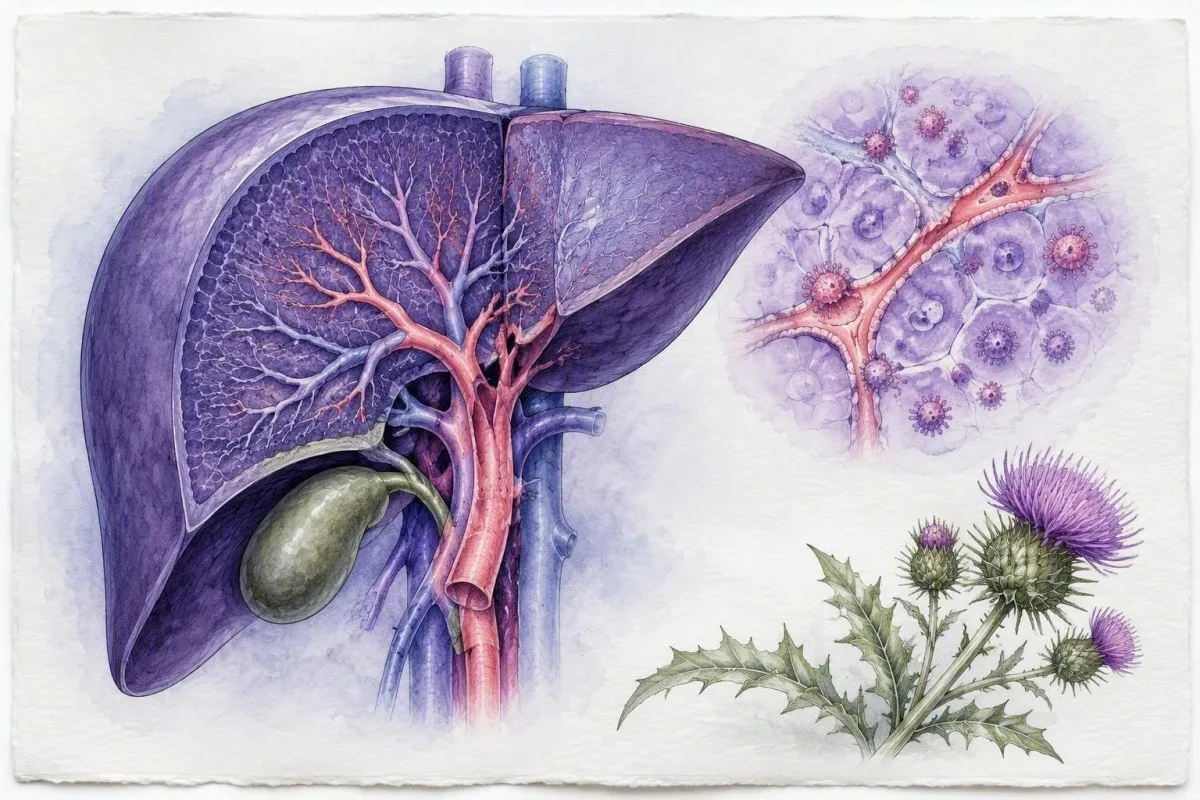
Vaksin hepatitis B banget efektif nalika seri wis rampung. Kanggo wong diwasa sing mbutuhake bukti respon sawise vaksinasi amarga risiko kerja utawa kekebalan, anti-HBs diukur 1-2 sasi sawise dosis pungkasan; 10 mIU/mL utawa luwih minangka ambang pangayoman konvensional.
Gunakake kondom nganti kekebalan mitra wis kabuktekake, nutupi tatu, lan njaga barang perawatan pribadi tetep pribadi. Kontak sosial rutin aman, lan bocah-bocah ora kudu diasingake saka wong tuwa sing duwe HBV—kesalahpahaman iki isih nyebabake kuatir kulawarga sing ora perlu.
Kantesti’s sumber daya pelacakan kesehatan kulawarga bisa mbantu kulawarga ngatur asil kapisah kanthi idin, nanging saben wong mbutuhake cathetan tes lan vaksinasi dhewe. Tes antibodi positif saka siji sedulur ora bisa netepake kekebalan wong liya.
Kepiye babagan nyusoni?
Nyusoni umume diidini nalika bayi mentas lair nampa imunoprofilaksis hepatitis B sing disaranake. Nasihat individu isih dibutuhake yen ana puting susu sing pecah utawa getihen, koinfeksi HIV, utawa pitakonan babagan terapi antivirus ibu.
Apa sing kudu dihindhari nalika ngenteni asil hepatitis B?
Aja ngombe alkohol, acetaminophen sing ora perlu, lan suplemen herbal utawa binaraga anyar nalika hepatitis B akut lagi dievaluasi. Paparan kasebut bisa nambah stres ati utawa nyebabake luwih angel kanggo ngenali sumber asil sing ora normal.
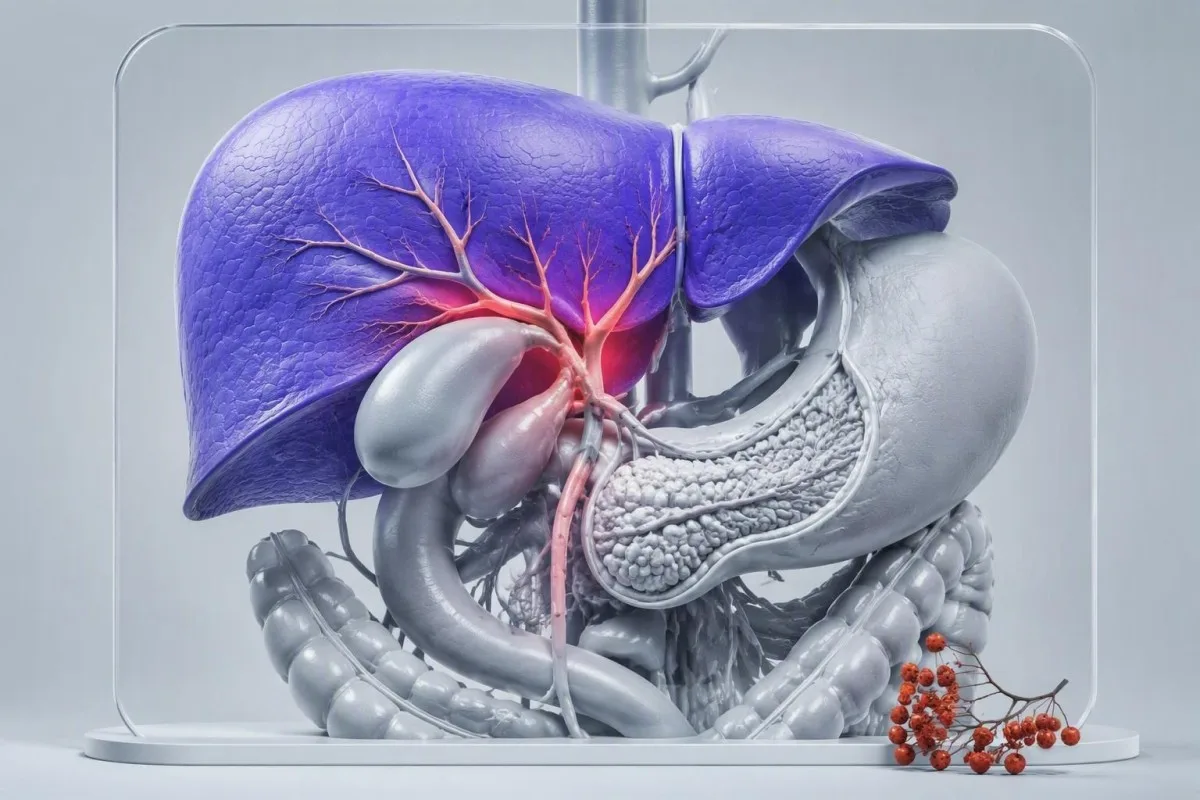
Ora ana bukti yen jus detoksifikasi, rejimen puasa, utawa produk detoksifikasi sing didol tanpa resep bisa ngilangi hepatitis B. Sawetara produk ngemot ekstrak pekat utawa bahan sing ora diungkapake, lan ati bisa uga rentan banget nalika ana episode peradangan akut; tinjauan kita babagan suplemen ati sing mbebayani nerangake keprihatinan kasebut.
Aja mungkasi obat sing diresepake kanthi dumadakan kajaba panyedhiya menehi saran. Kanggo acetaminophen, klinisi asring nggawe watesan aman sing dipersonalisasi nalika ana ciloko ati; maksimal standar 4.000 mg saben dina ora otomatis cocog kanggo wong sing ngalami hepatitis akut, ngombe alkohol, bobot awak kurang, utawa penyakit ati kronis.
Hidrasi, mangan biasa sing prasaja, ngindhari alkohol, lan nyimpen dhaptar obat lan suplemen sing tanggal tanggal luwih becik nalika ngenteni tinjauan. Yen muntah nyegah cairan, utawa kejernihan mental owah, goleki perawatan darurat tinimbang nyoba ngatur ing omah.
Panganan ora nularake HBV
Hepatitis B ora ditularake saka nyiapake panganan biasa, piring sing dienggo bareng, utawa gelas ngombe. Iki penting amarga ngindhari dhaharan kulawarga ora nyuda penularan, nalika vaksinasi lan ngindhari barang pribadi sing terkontaminasi getih.
Carane nyiapake janjian tindak lanjut hepatitis B
Nggawa saben asil hepatitis B kanthi tanggal koleksi, cathetan vaksin sampeyan, dhaptar obat, lan garis wektu paparan sing ringkes. Rincian iki asring mbedakake infeksi anyar, infeksi jaman biyen, pola positif palsu, utawa hepatitis B kronis sing wis mapan luwih cepet tinimbang ngulang tes tunggal.
Tulis tanggal potensial paparan, lelungan, pasangan seksual anyar, prosedur suntikan utawa tato, kontak omah, meteng, lan vaksinasi sadurunge. Uga kalebu obat-obatan sing nyuda kekebalan kayata rituximab, steroid dosis dhuwur, kemoterapi, utawa biologis, amarga positifitas anti-HBc bisa penting sanajan HBsAg negatif.
Takon patang pitakonan langsung: Telung tandha skrining endi sing positif? Apa IgM anti-HBc ana? Apa DNA HBV ing IU/mL? Apa aku butuh penilaian fibrosis utawa tes hepatitis D? Pitakonan kasebut mindhah obrolan saka rasa kuwatir samar menyang rencana.
Dr. Thomas Klein nyaranake nyimpen PDF asli tinimbang mung screenshot portal, amarga jangkauan referensi, jeneng assay, tanggal, lan komentar laboratorium bisa mengaruhi interpretasi. CE pandhuan teknologi nerangake carane AI kita njupuk konteks laporan, nalika dokter sampeyan tetep tanggung jawab kanggo diagnosis lan perawatan.
Perspektif praktis pungkasan
Perasaan negatif dudu tes negatif, lan jaundis minangka pitunjuk pungkasan lan ora konsisten. Yen risiko paparan utawa skrining ditrapake, atur panel telung tandha sanajan sampeyan rumangsa normal banget; kawruh awal nglindhungi ati lan wong-wong sing cedhak karo sampeyan.
Pitakonan sing Sering Ditakoni
Apa bisa kena hepatitis B tanpa nguning?
Inggih. Hepatitis B saged dumadi tanpa jaundis, lan kathah tiyang ingkang keno infeksi mboten nggadhahi gejala menapa-menapa. Jaundis lumrahipun katingal nalika bilirubin total mundhak dumugi caket 2–3 mg/dL (34–51 µmol/L), ananging hepatitis B saged nyebabaken radang ati saderengipun bilirubin dumugi rentang kasebut. Panel panyukiran ingkang trep inggih menika HBsAg, anti-HBs, lan total anti-HBc, sanes daptar tilas gejala.
Apa waé gejala awal saka hepatitis B?
Gejala hepatitis B sing paling awal bisa kalebu kesel, ora napsu mangan, mual, demam ringan, lara otot, lara sendi, lan rasa ora nyaman ing ngisore iga tengen. Gejala akut biasane kedadeyan sawise masa inkubasi 60–150 dina, rata-rata udakara 90 dina. Gejala-gejala kasebut padha karo akeh penyakit, mula tes HBsAg, total anti-HBc, lan anti-HBs dibutuhake kanggo netepake status hepatitis B. Urin peteng utawa mata kuning bisa kedadeyan mengko, nanging ora salah siji dibutuhake.
Tes endi sing nuduhake hepatitis B iku akut utawa kronis?
Ora ana siji tes sing sampurna kanggo nemtokake hepatitis B, nanging HBsAg sing tetep 6 sasi utawa luwih nuduhake infeksi kronis. IgM anti-HBc nyengkuyung infeksi akut sing anyar nalika dipasangake karo HBsAg positif anyar, sanajan uga bisa munggah nalika flare hepatitis B kronis. HBV DNA ing IU/mL ngukur replikasi virus lan mbantu ngatur manajemen, nalika tanggal tes sadurunge asring menehi jawaban sing paling jelas. Dokter biasane nerjemahake tes kasebut kanthi ALT, bilirubin, lan riwayat paparan.
Apa enzim ati bisa normal karo hepatitis B kronis?
Inggih. ALT lan AST saged normal wonten wekdal tartamtu wonten hepatitis B kronis, sanajan infeksi taksih wonten lan HBV DNA taksih saged dideteksi. ALT normal mboten ateges mboten wonten fibrosis, pramila klinisi saged ngukur HBV DNA, status HBeAg, platelet, risiko fibrosis, yuswa, lan riwayat kulawarga sesarengan kaliyan enzim ati. ALT inggilipun 1.000 IU/L saged kedadosan wonten hepatitis virus akut, ananging nilai ALT ingkang alit utawi normal mboten saged mbatalaken lelara kronis. Pirsa asil seri langkung migunani tinimbang sekali tes getih.
Apa tegese antigen permukaan hepatitis B positif?
HBsAg positif, utawa antigen permukaan hepatitis B, nuduhake infeksi hepatitis B saiki lan mbutuhake tindak lanjut konfirmasi kanthi cepet. Klinisi biasane nambahake HBV DNA, total lan anti-HBc IgM, anti-HBs, HBeAg, kimia ati, CBC, lan asring tes hepatitis C, hepatitis D, lan HIV adhedhasar risiko. Yen HBsAg tetep positif paling ora 6 wulan, infeksi kasebut diklasifikasikake minangka kronis. Asil positif ora kanthi awake dhewe mbuktekake sirosis utawa nemtokake apa perawatan antiviral dibutuhake.
Kapan aku kudu golek pitulungan darurat kanggo hepatitis B sing dicurigai?
Golekna pitulungan darurat ing dina sing padha kanggo bingung, ngantuk banget, mual bola-bali, kuning sing saya parah, memar sing ora biasa, bengkak weteng sing signifikan, utawa ora bisa ngombe banyu. Ing hepatitis akut, INR 1.5 utawa luwih dhuwur ditambah karo status mental sing owah ngunggahake kuwatir kanggo gagal ati akut lan mbutuhake evaluasi darurat. Urine peteng dhewe bisa duwe sababe jinak, nanging urine peteng kanthi tinja pucet, demam, mata kuning, utawa gatal sing intens mbutuhake tinjauan medis cepet. Aja ngombe alkohol utawa suplemen detoks anyar nalika ngenteni perawatan.
Entuk Analisis Tes Getih Berbasis AI Dina Iki
Gabung karo luwih saka 2 yuta pangguna ing saindenging jagad sing percaya Kantesti kanggo analisis tes lab sing instan lan akurat. Unggah asil tes getihmu lan tampa interpretasi lengkap saka 15,000+ biomarker sajrone sawetara detik.
📚 Publikasi Riset sing Dirujuk
Klein, T., Mitchell, S., & Weber, H. (2026). Kantesti LTD. (2026). Penganalisis Tes Darah AI: 2.5 Juta Tes Dianalisis | Laporan Kesehatan Global 2026. Zenodo.. Riset Medis AI Kantesti.
Klein, T., Mitchell, S., & Weber, H. (2026). Kantesti LTD. (2026). Tes Getih RDW: Pandhuan Lengkap kanggo RDW-CV, MCV & MCHC. Zenodo.. Riset Medis AI Kantesti.
📖 Referensi Medis Eksternal
Organisasi Kesehatan Dunia (2024). Pedoman kanggo pencegahan, diagnosis, perawatan lan pengobatan kanggo wong sing kena infeksi hepatitis B kronis. Organisasi Kesehatan Donya.



⚕️ Penafian Medis
Artikel iki mung kanggo tujuan edukasi lan ora dadi saran medis. Tansah konsultasi karo panyedhiya layanan kesehatan sing mumpuni kanggo keputusan diagnosis lan perawatan.
Sinyal Kepercayaan E-E-A-T
Pengalaman
Tinjauan klinis sing dipimpin dokter babagan alur kerja interpretasi lab.
Keahlian
Fokus kedokteran laboratorium babagan carane biomarker tumindak ing konteks klinis.
Kewibawaan
Ditulis dening Dr. Thomas Klein kanthi ditinjau dening Dr. Sarah Mitchell lan Prof. Dr. Hans Weber.
Kapercayan
Interpretasi adhedhasar bukti kanthi tindak lanjut sing cetha kanggo nyuda rasa kaget.