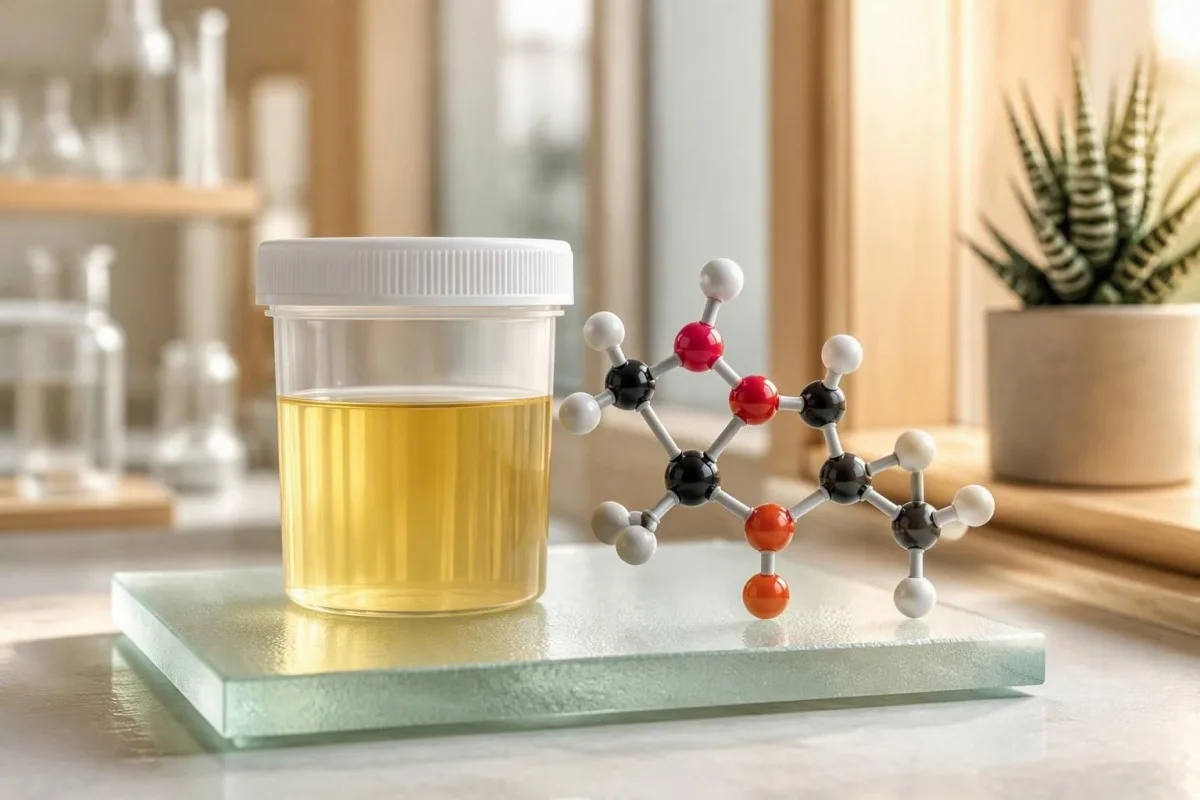
Միզանյութի EtG արդյունքը գրանցում է վերջին ալկոհոլի ազդեցությունը, ոչ թե հարբածությունը, ալկոհոլի օգտագործման խանգարումը կամ խմելու ճշգրիտ ամսաթիվը: Ահա թե ինչպես են բժիշկները կարդում թիվը՝ առանց չափից շատ պնդելու, թե ինչ է այն կարող ապացուցել:.


- EtG իմաստը: Միզային էթիլ գլյուկուրոնիդը ուղղակի էթանոլի մետաբոլիտ է. դրական արդյունքը աջակցում է վերջին ալկոհոլի ազդեցությանը, բայց չի հաստատում վնասվածքը:.
- Տիպիկ պատուհան: 500 ng/mL միզային EtG կտրվածքը հաճախ հայտնաբերում է ավելի ծանր խմելը մոտավորապես 24-48 ժամվա ընթացքում, մինչդեռ ցածր կտրվածքները կարող են ավելի երկար դրական մնալ:.
- Ընդհանուր կտրվածքներ: Լաբորատորիաները սովորաբար օգտագործում են 100, 200, 500 կամ 1,000 ng/mL. լաբորատորիայի նշված կտրվածքը որոշում է, արդյոք արդյունքը հաղորդվում է որպես դրական:.
- Արյուն ընդդեմ մեզի: Արյան մեջ ալկոհոլի խտությունը արտացոլում է ներկայումս շրջանառվող ալկոհոլը, մինչդեռ մեզի մեջ EtG-ն արտացոլում է էթանոլի ազդեցությունը ալկոհոլի վերացումից հետո։.
- պատահական ազդեցություն: Բերանի լվացման միջոցները, ձեռքի ախտահանման միջոցները, դեղամիջոցները և ֆերմենտացիան երբեմն կարող են ցածր EtG արժեքներ ունենալ, հատկապես 100 ng/mL շեմից մոտ:.
- Դեղաչափի հաշվարկ չկա: EtG-ի խտությունը չի կարող հուսալիորեն որոշել խմած քանակը, խմելու ճշգրիտ ժամանակը կամ արդյոք անձը եղել է հարբած:.
- Կրեատինինի համատեքստ: Միզի չափից դուրս նոսրությունը կարող է նվազեցնել EtG-ի խտությունը; մեզի մեջ կրեատինինը օգնում է լաբորատորիաներին գնահատել նմուշի խտությունը:.
- Կլինիկական հաջորդ քայլը: Եթե EtG-ի արդյունքը ունի իրավական, աշխատանքային կամ բուժական հետևանքներ, հարցրեք շեմի, հավաքման ժամկետի, հաստատման մեթոդի, EtS-ի և նմուշի վավերականության մասին:.
Ինչ է իրականում չափում միզանյութի EtG-ն
Մեզի EtG-ն չափում է մետաբոլիտ, որը ձևավորվում է մարմնի կողմից էթանոլը մշակելուց հետո, ուստի այն ցույց է տալիս վերջին ալկոհոլի ազդեցությունը, այլ ոչ թե ընթացիկ հարբածությունը:. Սեպտեմբերի 15, 2026-ից, այս տարբերակությունը մնում է EtG թեստի ամենաօգտակար մասը: Ալկոհոլը կարող է բացակայել արյան մեջ, մինչ EtG-ն մնում է հայտնաբերելի մեզի մեջ:.
EtG-ն նշանակում է էթիլ գլյուկուրոնիդ, որն արտադրվում է, երբ էթանոլի փոքր մասը միանում է գլյուկուրոնաթթվին լյարդում: Էթանոլի մեծ մասը օքսիդանում է ալկոհոլ դեհիդրոգենազի միջոցով; EtG-ի տեսքով արտազատվում է միայն մոտ 0.02%-ից 0.06%, սակայն ժամանակակից զանգվածային սպեկտրոմետրիայի մեթոդները կարող են այն հայտնաբերել 100 ng/mL-ում: Այս վերլուծական զգայունությունը օգտակար է, բայց նաև պատճառ է, որ համատեքստը կարևոր է:.
Իմ կլինիկական աշխատանքում ամենից հաճախ լսվող թյունդիմացությունը. “Իմ EtG-ն դրական է, ուստի թեստը ասում է, որ ես հարբած էի”: Դա այդպես չէ:. Kantesti-ը AI արյան թեստի անալիզատոր է, և մեր զեկույցները գիտակցաբար տարանջատում են ալկոհոլի ուղղակի կենսաբանական մարկերները մեզի թոքսիկոլոգիայից, քանի որ մեզի EtG-ի արդյունքը ոչ արյան ալկոհոլի խտություն է, ոչ էլ գործունակության խանգարման չափում:.
EtG-ն սովորաբար հաղորդվում է որպես դրական կամ բացասական լաբորատորիայի շեմի նկատմամբ, ընդ որում որոշ ծրագրեր նաև հաղորդում են թվային խտություն: Կարևոր է նաև ինքը՝ նմուշը. մեզի նմուշի մեկնաբանություն սկսվում է հավաքման որակից, արտաքին տեսքից, մասնակի ծանրությունից, կրեատինինից և արդյոք նմուշը հավանականորեն նոսրացվել է:.
EtG և EtS-ը ուղեկից մարկերներ են
Էթիլ սուլֆատ (EtS) ևս մեկ փոքր ուղղակի էթանոլ մետաբոլիտ է, որը կարող է չափվել EtG-ի կողքին: EtG-ի և EtS-ի համաձայնեցված արդյունքները բարձրացնում են վստահությունը, որ տեղի է ունեցել էթանոլի ազդեցություն, մինչդեռ մեկուսացված սահմանային EtG արդյունքը ավելի զգուշորեն վերանայման է արժանի հավաքման, պահպանման և պատահական ազդեցության հարցերի համար:.
Միզանյութի EtG-ն ընդդեմ արյան ալկոհոլի թեստավորման
Արյան ալկոհոլի թեստավորումը պատասխանում է, թե արդյոք էթանոլը ներկայումս առկա է; մեզի EtG-ն պատասխանում է, թե արդյոք վերջերս տեղի է ունեցել էթանոլի ազդեցություն:. Երկու թեստերն ունեն տարբեր կենսաբանական ժամացույցներ և չեն կարող փոխարինել միմյանց:.
A blood alcohol concentration, often expressed as mg/dL or g/dL, falls as ethanol is metabolised at an average rate near 15 to 20 mg/dL per hour in many adults, although rates vary. A BAC of 80 mg/dL indicates alcohol in circulation at the time of sampling; an EtG result does not. That is why a later positive EtG cannot reconstruct an earlier BAC.
Urine EtG can outlast blood alcohol by one to several days, particularly after repeated or heavy intake. In a study of volunteers, Jatlow et al. found that EtG detection depended strongly on dose and cutoff selection, rather than following a fixed “80-hour rule” (Jatlow et al., 2006). A one-size detection promise is clinically unsound.
I advise patients to read the test name before interpreting the flag. A report labelled EtG is a metabolite test, while a result labelled ethanol, BAC, or serum alcohol is a direct measurement; our guide to որակական և քանակական թեստերի վերաբերյալ explains why those report formats convey very different certainty.
Why EtG cannot establish impairment
Impairment is assessed at a particular time through observed function, clinical examination, and where relevant a contemporaneous alcohol concentration. A urine EtG concentration of 2,000 ng/mL collected the next morning cannot show whether a person was impaired at 09:00, 18:00, or at any other specific hour.
EtG թեստի իրատեսական հայտնաբերման պատուհաններ
A urine EtG detection window is commonly about 24 to 48 hours at a 500 ng/mL cutoff after heavier drinking, but it can be shorter after a small exposure and longer at lower cutoffs. No laboratory value can identify an exact last-drink time.
At a 100 նգ/մլ cutoff, EtG may detect low-level exposure into the next day and sometimes beyond; this greater sensitivity also increases vulnerability to incidental sources. At 500 նգ/մլ, many programmes aim for greater specificity for beverage alcohol exposure, though even this threshold does not guarantee a particular number of drinks or a 48-hour window in every person.
Body size, liver function, urine concentration, dose, drinking pattern, time since exposure, and assay method all shift the result. A person who drinks several standard drinks over one evening may remain positive longer than someone with a single drink, but rapid water loading can lower the concentration without changing whether exposure occurred. The լյարդի հետազոտությունների կրճատումների ուղեցույցը is useful if a clinician is also reviewing liver-related blood markers.
The phrase “EtG detects alcohol for 80 hours” has become sticky online. It is not a dependable promise for light or isolated drinking. In my experience, people facing a monitored test are better served by asking the laboratory for its cutoff and collection time than by relying on an internet timetable.
Ինչպես EtG կտրվածքի մակարդակները փոխում են իմաստը
EtG cutoff levels are policy choices that balance sensitivity against false-positive risk, not medical severity bands. A result of 450 ng/mL is negative at a 500 ng/mL laboratory and positive at a 100 ng/mL laboratory.
The most common urine EtG cutoffs are 100, 200, 500, and 1,000 ng/mL. Lower thresholds are useful when a programme wants to detect any plausible recent exposure, while 500 ng/mL is often selected to reduce the effect of routine environmental ethanol. Neither approach is universally right; the purpose of testing should be stated openly.
A cutoff does not transform a result into proof. A concentration of 600 ng/mL is only 100 ng/mL above a 500 ng/mL threshold, so sample concentration and analytic method matter more than many people realise. Check the report for an immunoassay screen versus LC-MS/MS confirmation, because confirmation is more analytically specific.
A urine sample with low creatinine may be diluted, whether deliberately or simply because the person drank a large volume of water. Urine creatinine below 20 mg/dL is commonly used as a specimen-validity concern in workplace testing, although programme rules differ; մեզի հարաբերական խտությունը supplies complementary evidence about dilution.
Cutoffs are not clinical risk categories
EtG values do not have a normal range analogous to cholesterol or glucose. They are threshold results tied to the test's intended purpose, and a higher number does not diagnose alcohol use disorder, liver damage, or dangerous intoxication.
Ինչպես ապահով կարդալ EtG միզի թեստի արդյունքները
A negative EtG result means the concentration was below that laboratory's cutoff at collection; it does not prove lifelong abstinence or exclude earlier drinking. A positive result supports recent exposure but needs timing, specimen, and test-method context.
Start with five details: collection date and time, reported cutoff, numeric result if available, method, and urine creatinine or specific gravity. A negative result at 500 ng/mL collected 60 hours after drinking says something very different from a negative result at 100 ng/mL collected 12 hours after a suspected exposure.
For treatment monitoring, clinicians should compare serial samples rather than make sweeping conclusions from one value. Kantesti-ը AI արյան անալիզի մեկնաբանություն հարթակ է that can organise related liver, nutrition, and metabolic results over time, but it does not convert a urine EtG finding into a diagnosis or a legal opinion. Patterns are more informative than isolated flags.
A positive EtG result also does not automatically explain elevated ALT, AST, GGT, or triglycerides. Alcohol can contribute, but so can fatty liver disease, medicines, exercise, viral illness, and metabolic conditions; this is why our article on blood markers after stopping alcohol focuses on trends and competing explanations.
When a repeat sample is reasonable
A promptly collected repeat specimen may clarify an unexpected low positive, especially where the result sits near the cutoff and consequences are substantial. The original result remains part of the record, but a repeat with documented collection conditions can reveal whether a pattern persists.
ՄCould mouthwash or hand sanitizer cause a positive EtG?
Incidental ethanol exposure can occasionally produce low urine EtG concentrations, particularly near a 100 ng/mL cutoff, but it is a less convincing explanation for sustained or clearly high confirmed results. The answer depends on amount, frequency, timing, and the laboratory threshold.
Alcohol-containing mouthwash, liquid medicines, fermented foods, topical products, and repeated occupational hand-sanitiser exposure are the usual concerns. I have seen patients focus on one mouthwash rinse while overlooking a prescription elixir taken four times daily; documenting every product and its ethanol content is more useful than guessing after a result arrives.
Experimental work has found that intense sanitizer exposure can produce detectable EtG in some circumstances, especially with low thresholds. The Substance Abuse and Mental Health Services Administration advised caution when interpreting low positive EtG results because incidental exposure and pre-analytical factors can occur (SAMHSA, 2012). A 500 ng/mL cutoff is commonly used partly to reduce this ambiguity.
If abstinence monitoring matters, use alcohol-free mouthwash and personal products for the entire monitoring period, retain package details, and disclose necessary ethanol-containing medicines before collection. Unexpected results should also trigger a check for laboratory result errors rather than an assumption of wrongdoing.
Fermentation after collection
Improperly stored urine can undergo microbial changes that complicate ethanol-related testing, particularly when ethanol itself is measured. Refrigeration, prompt transport, and confirmatory testing reduce uncertainty; EtS may be helpful when EtG degradation is a concern.
Սկրինինգային թեստեր, հաստատում և EtS
Immunoassay EtG testing is fast but can be less specific than confirmatory LC-MS/MS testing; a consequential positive deserves clarity about the method used. EtS is often tested alongside EtG to strengthen interpretation.
Many laboratories begin with an իմունաանալիզով screen, which uses antibodies to detect EtG above a preset cutoff. A positive screen may then be confirmed by liquid chromatography-tandem mass spectrometry, or LC-MS/MS, which identifies molecules by their mass and fragmentation pattern. The latter is especially relevant where employment, licensing, or family-court decisions are involved.
EtS often tracks with EtG after beverage alcohol exposure, but it has its own limitations and detection characteristics. A laboratory may report EtG positive and EtS negative because of timing, differing cutoffs, specimen handling, or assay variation; that mismatch is a reason for expert review, not a shortcut to a conclusion.
Kantesti AI-ն արհեստական բանականությամբ աշխատող արյան անալիզի վերլուծության գործիք է, not a forensic toxicology laboratory. We can help patients recognise when a report needs method-level clarification and connect related blood data, while the originating laboratory must answer questions about confirmation, chain of custody, and analytical uncertainty; see our urine dipstick guide for the broader difference between screening and diagnostic urine tests.
Հիդրատացիա, երիկամներ և նոսրացված միզի նմուշներ
Hydration changes urine EtG concentration because it changes urine volume, not because water removes EtG from the body on demand. Dilute samples can produce lower concentrations and may be flagged through creatinine or specific gravity.
A person who drinks 2 litres of water shortly before collection may produce a more dilute specimen than usual. The EtG concentration in ng/mL can fall even though recent ethanol exposure occurred. This is why clinicians should not compare two EtG numbers without looking at the accompanying urine creatinine and collection circumstances.
Reduced kidney function can also alter urinary excretion and complicate assumptions about the detection window. An eGFR below 60 mL/min/1.73 m² persisting for 3 months meets a chronic kidney disease definition, and people with impaired renal function should not be given rigid EtG clearance predictions; our low eGFR symptoms guide explains when kidney results need clinical follow-up.
Do not attempt to “flush” a test. Apart from being unreliable, excessive water intake can cause dangerous hyponatraemia. A properly collected sample reflects real-world physiology better than a specimen distorted by unusual fluid intake.
Creatinine adjustment is not universal
Some programmes review EtG relative to urine creatinine, while others use the raw ng/mL result and specimen-validity rules. Ask which approach your laboratory uses before comparing values across different organisations.
Ինչու EtG-ն չի կարող ապացուցել հարբածությունը կամ վնասվածքը
EtG cannot establish intoxication, impairment, driving ability, consent, or the exact time of alcohol use because it persists after ethanol has cleared. Those questions require contemporaneous clinical observations and, when appropriate, direct alcohol measurement.
The biological reason is simple: EtG is a downstream metabolite. A person can have a BAC of 0 mg/dL and a positive urine EtG 24 hours later. Conversely, a person may be impaired by alcohol while a later urine sample is unavailable or diluted, making EtG a poor substitute for an observed-time assessment.
Dr Thomas Klein has reviewed many laboratory reports where a single number was treated as a complete story. It never is. A confirmed EtG result supports prior ethanol exposure, but it cannot distinguish one episode from several, calculate standard drinks, or identify whether alcohol caused a symptom such as fatigue, anxiety, or elevated liver enzymes.
When alcohol-related liver injury is a clinical concern, GGT above the laboratory upper limit is nonspecific and cannot confirm alcohol use by itself. Pairing GGT with AST, ALT, bilirubin, medication history, and imaging is more defensible; our GGT-ի մեկնաբանման ուղեցույցը explains those competing causes.
Clinical language matters
“Consistent with recent exposure” is accurate wording for a positive EtG result; “proves intoxication” is not. Patients should ask that distinction be preserved in clinical, occupational, and legal documentation.
EtG արդյունքները լյարդի արյան թեստերի կողքին
EtG and liver tests measure different things: EtG reflects recent ethanol exposure, while ALT, AST, GGT, bilirubin, albumin, and INR reflect potential organ stress or function. A normal liver panel does not negate a positive EtG, and a raised liver enzyme does not prove alcohol use.
ALT and AST can rise after alcohol exposure, but modest elevations are common with metabolic dysfunction-associated steatotic liver disease, strenuous exercise, medicines, and viral infections. AST:ALT ratios above 2 can occur in alcohol-associated hepatitis, yet the ratio alone is neither sensitive nor diagnostic. Symptoms such as jaundice, vomiting, confusion, or abdominal swelling require urgent in-person assessment.
For a longer alcohol-exposure perspective, clinicians may consider phosphatidylethanol (PEth) in blood, which often reflects repeated drinking over roughly 2 to 4 weeks rather than a single recent event. PEth has its own interpretation limits, including transfusion-related considerations, so it should be selected for a defined clinical question rather than used reflexively.
Kantesti AI interprets liver results by looking for patterns across bilirubin, enzymes, proteins, blood counts, and kidney markers rather than assigning causation from one abnormality. Our practical οδηγός για τον ηπατικό πίνακα shows which combinations warrant a clinician’s review.
Symptoms outweigh a screening result
Seek urgent care for yellow skin or eyes, vomiting blood, black stools, severe abdominal pain, new confusion, seizures, or severe withdrawal symptoms. An EtG result is never the triage tool for these emergencies.
Անկեղծորեն պատրաստվել EtG միզի թեստի համար
The safest preparation is to follow collection instructions, avoid non-essential ethanol-containing products when abstinence is required, and report all medicines and exposures before testing. Attempts to manipulate hydration or specimens can create medical and administrative problems.
Ask in advance whether the test uses EtG alone or EtG plus EtS, whether confirmation is automatic, and whether the cutoff is 100, 200, 500, or 1,000 ng/mL. If you use a liquid medication, record the brand, dose, schedule, and ethanol content. This documentation is particularly useful when a low positive result is unexpected.
Use your typical fluid intake. Overhydrating does not reliably make EtG negative and can lead to a sample labelled dilute; underhydrating can make collection unpleasant and may concentrate many urine analytes. Patients who need urine testing for other reasons can review our guide to 24-ժամյա մեզի հավաքման սխալների for the broader principles of accurate collection.
For tests with major consequences, I favour transparent chain-of-custody procedures, a documented medication list, and confirmatory testing where appropriate. Our standards are reviewed through բժշկական վավերացում, but individual workplace and legal programmes may apply their own rules.
Ինչ անել դրական EtG արդյունքից հետո
After a positive EtG result, request the exact value, cutoff, method, collection time, and urine-validity data before drawing conclusions. This information determines whether the result is a low-level screen, a confirmed exposure marker, or a finding that needs repeat testing.
If the result is unexpected, write down all alcohol-containing exposures in the preceding 72 hours, including oral rinses, cough mixtures, topical products, fermented drinks, and medicines. Do not alter that account after the fact; contemporaneous details are more credible and clinically useful than a vague reconstruction several days later.
If alcohol use is becoming difficult to control, a positive EtG can be an opening for care rather than a moral verdict. In the UK, primary care, local drug and alcohol services, and urgent mental-health support can assess withdrawal risk; abrupt cessation after heavy daily drinking may require supervised management because seizures and delirium are real risks.
Kantesti’s pattern-based reports can help prepare questions about associated nutrition or liver results, but they cannot replace addiction medicine, toxicology, or legal advice. For practical examples of how our tools are used within care pathways, see clinical workflow scenarios.
Երբ EtG արդյունքները հակասում են ձեր պատմությանը
A result that conflicts with your history should trigger verification, not panic: check identity, timing, cutoff, specimen concentration, assay type, and confirmation status. Discordance is uncommon but medically meaningful when the consequences are serious.
The first practical question is whether the reported finding was a screen or a confirmed quantitative result. A second is whether the sample was unusually dilute, poorly stored, or collected near the period of an unavoidable ethanol-containing medicine. These facts do not erase a result, but they change the confidence a clinician should attach to it.
False negatives are possible after enough time has passed, at higher cutoffs, after light exposure, or in dilute urine. False positives are less likely with confirmatory LC-MS/MS than with screening alone, but analytical and pre-analytical error are never literally zero. Good laboratory practice means acknowledging that uncertainty.
For patients comparing several reports, Kantesti is an AI lab test interpretation service that can organise dates and related blood markers without hiding differences between laboratories. The AI տեխնոլոգիայի ուղեցույց explains why source documents, reference intervals, and test methods remain visible in responsible interpretation.
EtG թեստավորում հղիության, երիկամների հիվանդությունների և դեռահասների մոտ
EtG interpretation requires extra caution in pregnancy, reduced kidney function, and adolescents because the clinical stakes are higher and a test result alone cannot explain risk or behaviour. Testing should always have a clear consent and care purpose.
In pregnancy, alcohol avoidance is recommended because no established safe amount or safe timing has been identified, but an EtG result still cannot quantify fetal exposure or predict an outcome. A supportive, non-punitive clinical conversation is more likely to improve care than treating a urine metabolite as a complete account of behaviour.
For adolescents, developmental stage, family safety, confidentiality rules, and possible coercion change how testing should be used. Parents should not treat a home or clinic result as a disciplinary tool without considering clinical support; our discussion of AI մեկնաբանություն երեխաների համար explains why paediatric laboratory context is different.
People with chronic kidney disease may have unpredictable urinary metabolite handling, while people taking ethanol-containing medicines may have unavoidable exposure. These groups benefit from laboratory medicine or addiction-medicine input rather than rigid interpretations based on a generic detection table.
Հարցեր լաբորատորիայի կամ բժշկի համար
The best questions are concrete: What cutoff was used, was the result confirmed, when was the sample collected, were EtS and creatinine measured, and what conclusion can the test not support? Asking these five questions prevents most avoidable misunderstandings.
Ask whether the laboratory follows a screening-then-confirmation workflow and whether the result is expressed in ng/mL. Ask whether the programme has a policy for ethanol-containing medicines and personal-care products. If a result is being used beyond healthcare, ask who is qualified to interpret uncertainty and chain-of-custody details.
Bring other relevant results, especially liver enzymes, complete blood count, kidney function, and medicines. A clinician may also assess sleep, mood, nutrition, withdrawal symptoms, and safety; an EtG number alone cannot do this work. Dr Thomas Klein’s practical rule is simple: use the test to start a precise conversation, never to end one.
Kantesti’s clinical material is overseen with input from our Բժշկական խորհրդատվական խորհուրդ. If you need a human medical decision, a treating clinician who knows your history remains the appropriate person to make it.
EtG թեստավորման վերաբերյալ հիվանդի առաջնահերթ եզրակացությունը
A positive urine EtG result supports recent ethanol exposure above a stated cutoff, while a negative result means only that EtG was below that cutoff at collection. Neither outcome establishes impairment, exact drinking quantity, alcohol use disorder, or a precise last-drink time.
If you remember one number, make it the cutoff: 100 ng/mL and 500 ng/mL answer materially different monitoring questions. If you remember one limitation, make it this: urine EtG lasts longer than blood alcohol, which is exactly why it cannot describe whether you were impaired at a particular moment.
Most patients find that a calm review of timing, products, hydration, method, and confirmation makes an alarming report far more understandable. When an unexpected result affects treatment, work, or family matters, request the original laboratory documentation and seek qualified review promptly.
Kantesti Ltd, the organisation behind Kantesti, provides privacy-focused lab-result education across 127+ countries, while clinical judgement stays with licensed professionals. You can read more about our clinical mission and governance on our About Us էջում.
Հաճախակի տրվող հարցեր
Որքա՞ն ժամանակ էտիլ գլուկուրոնիդը (EtG) մնում մեզի մեջ։
Միզում EtG-ն սովորաբար հայտնաբերելի է մնում ալկոհոլի առատ օգտագործումից հետո մոտ 24-48 ժամ, երբ լաբորատորիան օգտագործում է 500 ng/mL կտրվածք, սակայն պատուհանը կարող է ավելի կարճ լինել ցածր ազդեցությունից հետո և ավելի երկար 100 ng/mL կտրվածքի դեպքում։ Դոզան, միզի նոսրացումը, երիկամների ֆունկցիան, հավաքման ժամանակը և թեստը բոլորը ազդում են հայտնաբերման վրա։ EtG-ի դրական արդյունքը չի կարող սահմանել խմելու վերջին ճշգրիտ ժամանակը։ Հաշվետվության վրա տպված լաբորատորիայի կտրվածքը անհրաժեշտ է արդյունքը մեկնաբանելու համար։.
Ինչ EtG մակարդակ է համարվում դրական։
EtG-ի մակարդակը դրական է համարվում, երբ հասնում է լաբորատորիայի հաղորդման շեմքին կամ գերազանցում է այն, որոնց մեծ մասը 100, 200, 500 կամ 1,000 ng/mL է։ 450 ng/mL արժեքը դրական է 100 ng/mL ծրագրում, բայց բացասական 500 ng/mL ծրագրում։ Այս շեմքերը թեստավորման քաղաքականության շեմեր են, այլ ոչ թե բժշկական ծանրության կատեգորիաներ։ EtG-ի ավելի բարձր կոնցենտրացիաները չեն ապացուցում խմած խմիչքների որոշակի քանակություն կամ վատթարացում։.
Մեկ ըմպելիքը կարո՞ղ է EtG թեստը դրական դարձնել։
Մեկ ստանդարտ խմիչքը կարող է դրական դարձնել միզի EtG թեստը, հատկապես եթե նմուշառումը կատարվում է դրանից անմիջապես հետո, և լաբորատորիան օգտագործում է զգայուն սահմանաչափ, ինչպիսին է 100 ng/mL-ը։ 500 ng/mL սահմանաչափի դեպքում մեկ խմիչքը պակաս հուսալիորեն է հայտնաբերվում ժամանակի ընթացքում, սակայն անհատական տարբերակումը զգալի է։ Միզի մեջ ջրի քանակը, մարմնի չափը և թեստի դիզայնը ազդում են արդյունքի վրա։ Ոչ մի բժիշկ չի կարող հուսալիորեն հաշվարկել անձի խմած խմիչքների քանակը մեկ EtG կոնցենտրացիայից։.
Կարո՞ղ է ձեռքի ախտահանող միջոցը կամ բերանը լվանալու հեղուկը հանգեցնել EtG թեստի դրական արդյունքի։
Էթանոլ պարունակող լվացոցի, հեղուկ դեղամիջոցների կամ ձեռքի ախտահանիչ միջոցների կրկնվող ազդեցությունը երբեմն կարող է նպաստել EtG-ի մեզի ցածր արդյունքներին, հատկապես 100 ng/mL մոտ կտրվածքի մոտ։ Այս բացատրությունը պակաս համոզիչ է 500 ng/mL-ից շատ ավելի բարձր հաստատված արդյունքի կամ կրկնվող բարձր արդյունքների համար, թեև ոչ մի կոնցենտրացիա ինքնին չի ապացուցում ըմպելիք խմելը։ SAMHSA-ն խորհուրդ է տվել զգուշություն ցածր դրական EtG արդյունքների մեկնաբանման հարցում, քանի որ առկա են պատահական ազդեցություն և լաբորատոր գործոններ։ Փորձարկումից առաջ արտադրանքների փաստաթղթավորումը խելամիտ մոտեցում է։.
EtG թեստի դրական արդյունքը նշանակում է, որ ես հարբած եմ եղել։
EtG-ի դրական արդյունքը չի նշանակում, որ անձը եղել է հարբած հավաքագրման պահին կամ ցանկացած ավելի վաղ նշված ժամանակ։ EtG-ն միզանոթային մետաբոլիտ է, որը կարող է մնալ ալկոհոլի՝ արյան մեջից հեռանալուց հետո, մինչդեռ արյան մեջ ալկոհոլի կոնցենտրացիան չափում է հավաքագրման պահին շրջանառվող էթանոլը։ Պարտադրվածությունը պահանջում է ժամանակի-սպեցիֆիկ կլինիկական դիտարկում և, երբեմն, ուղղակի ալկոհոլի չափում։ EtG-ն չի կարող հաստատել վարելու ունակությունը, համաձայնությունը կամ ֆունկցիոնալ խանգարումը։.
Ի՞նչ պետք է անեմ, եթե իմ EtG արդյունքը неожиDAKO դրական է:
EtG-ի անսպասելի դրական արդյունքը պետք է վերանայվի՝ ելնելով ճշգրիտ կոնցենտրացիայից, կտրման կետից, հավաքագրման ժամանակից, փորձարկման մեթոդից, մեզի կրեատինինից կամ մասնական ծանրությունից, և հաստատման կարգավիճակից։ Նշեք բոլոր էթանոլ պարունակող դեղամիջոցները և անձնական խնամքի միջոցները, որոնք օգտագործվել են նախորդ 48-72 ժամվա ընթացքում, և պահպանեք համապատասխան փաթեթավորումը, եթե հետևանքները էական են։ Կրկնակի նմուշը կարող է նպատակահարմար լինել, երբ ցածր դրական արդյունքը հակասում է պատմությանը, սակայն այն հետադարձաբար չի փոխում առաջին թեստը։ Դիմեք բժշկի, լաբորատոր բժշկության մասնագետի կամ կախվածության բժշկության մասնագետի, երբ արդյունքը ազդում է առողջապահության, զբաղվածության կամ իրավական հարցերի վրա։.
Ստացեք AI-ով աշխատող արյան անալիզի վերլուծություն այսօր
Միացեք ավելի քան 2 միլիոն օգտատերերի ամբողջ աշխարհում, ովքեր վստահում են Kantesti-ին՝ լաբորատոր թեստերի ակնթարթային, ճշգրիտ վերլուծության համար։ Վերբեռնեք ձեր արյան անալիզի արդյունքները և ստացեք 15,000+ բիոմարկերների համապարփակ մեկնաբանություն վայրկյանների ընթացքում։.
📚 Հղված հետազոտական հրապարակումներ
Klein, T., Mitchell, S., & Weber, H. (2026). Kantesti. (2026). Urobilinogen in Urine Test: Complete Urinalysis Guide 2026. Zenodo. https://doi.org/10.5281/zenodo.18226379.։ Kantesti AI Medical Research.
Klein, T., Mitchell, S., & Weber, H. (2026). Kantesti. (2026). Iron Studies Guide: TIBC, Iron Saturation & Binding Capacity. Zenodo. https://doi.org/10.5281/zenodo.18248745.։ Kantesti AI Medical Research.
📖 Արտաքին բժշկական հղումներ
Wurst FM et al. (2003). Ethyl glucuronide—the direct ethanol metabolite on the threshold from science to routine use. Addiction.
Substance Abuse and Mental Health Services Administration (2012). The role of biomarkers in the treatment of alcohol use disorders. SAMHSA Advisory.
⚕️ Բժշկական հրաժարում
Այս հոդվածը միայն կրթական նպատակների համար է և չի հանդիսանում բժշկական խորհրդատվություն։ Ախտորոշման և բուժման որոշումների համար միշտ խորհրդակցեք որակավորված բուժաշխատողի հետ։.
E-E-A-T վստահության ազդանշաններ
Փորձառություն
Բժշկի կողմից ղեկավարվող կլինիկական վերանայում՝ լաբորատոր մեկնաբանության աշխատանքային հոսքերի համար։.
Մասնագիտություն
Լաբորատոր բժշկության կենտրոնացում՝ այն բանի վրա, թե ինչպես են բիոմարկերները դրսևորվում կլինիկական համատեքստում։.
Հեղինակություն
Գրված է դոկտոր Թոմաս Քլայնի կողմից՝ դոկտոր Սառա Միթչելի և պրոֆեսոր դոկտոր Հանս Վեբերի կողմից վերանայմամբ։.
Հուսալիություն
Ապացույցների վրա հիմնված մեկնաբանություն՝ հստակ հետագա քայլերի ուղիներով՝ ահազանգերը նվազեցնելու համար։.