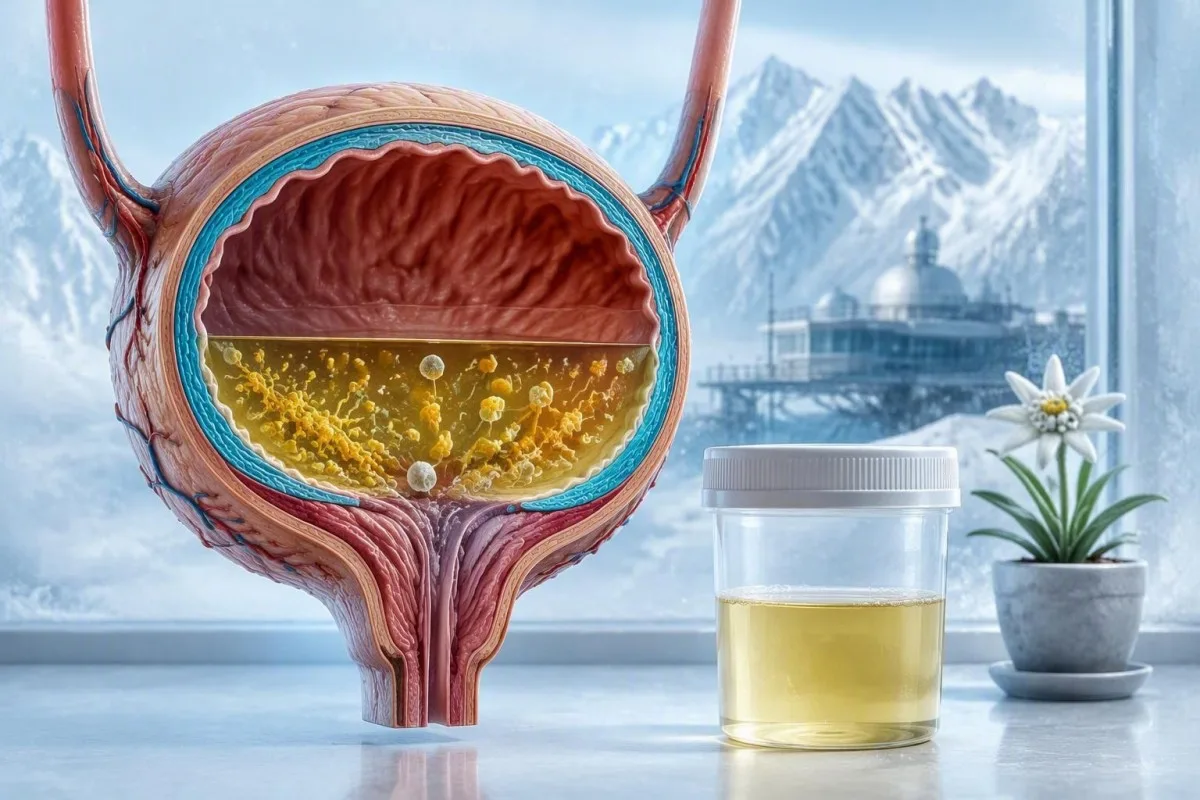
Միզազննման ժամանակ սնկերի առկայությունը կարող է վկայել կանդիդուրիայի, հեշտոցային աղտոտման կամ նմուշառման խնդրի մասին։ Գործողությունների անհրաժեշտությունը որոշվում է կլինիկական համատեքստով, այլ ոչ միայն “սնկեր” բառով։.


- Միզում սնկեր մեկ մաքուր հավաքված միզազննման ժամանակ հաճախ արտացոլում է նմուշառման աղտոտումը, այլ ոչ թե միզապարկի վարակը։.
- Կանդիդուրիա նշանակում է, որ միզում հայտնաբերվել են Candida տեսակներ; 10³ կամ 10⁵ CFU/մլ գաղութների քանակները վստահորեն չեն տարբերակում գաղութացումը վարակից։.
- Սովորաբար բուժում չի պահանջվում ախտանիշներ չունեցող կանդիդուրիայի դեպքում, եթե անձը չունի նեյտրոպենիա, շատ ցածր քաշով նորածին է, կամ պատրաստվում է միզուղիների միջամտության։.
- Անհապաղ գնահատում հարմար է ջերմության 38.0°C կամ ավելի բարձր, երիկամների ցավի, փսխման, շփոթության, միզային խցանման կամ իմունային համակարգի ուժեղ ընկճման դեպքում։.
- Կրկնակի թեստավորում պետք է օգտագործվի զգուշորեն միջին հոսքի մաքուր նմուշառման մեթոդ; կատետերային նմուշ կարող է անհրաժեշտ լինել, երբ աղտոտումը մնում է հավանական։.
- Ֆլուկոնազոլ սովորաբար օգտագործվում է զգայուն ախտանիշներով կանդիդայի ցիստիտի համար 200 մգ օրական 14 օրվա ընթացքում, սակայն դեղորայքի ընտրությունը կախված է տեսակներից, երիկամների ֆունկցիայից և փոխազդեցություններից։.
- Դիաբետը և կաթետրերը մեզի մեջ խմորիչի առկայության ռիսկի գործոններ են. գլիկոզուրիան, վերջին հակաբիոտիկները և ներդրված կաթետրը հաճախ բացատրում են արդյունքը։.
- Մեզի անալիզը արյան թեստ չէ։ Արյան մարկերները կարող են պարզաբանել երիկամների ֆունկցիան կամ գլյուկոզայի ռիսկը, բայց դրանք չեն կարող հաստատել մեզի մեջ Candida-ի վարակը։.
Ի՞նչ է իրականում նշանակում միզազննման ժամանակ սնկերի առկայությունը
Մեզի մեջ խմորիչը նշանակում է, որ խմորիչանման բջիջներ են հայտնաբերվել մանրադիտակով կամ մեզի կուլտուրայում Candida է աճել; դա ինքնաբերաբար չի նշանակում մեզի վարակ։. Իմ կլինիկական փորձում ամենաօգտակար առաջին հարցը այն է, թե արդյոք մարդը ունի մեզի ախտանիշներ, քանի որ նրան, ով լավ է զգում, մեկուսացված արդյունքը սովորաբար աղտոտում կամ գաղութացում է, այլ ոչ թե հիվանդություն։.
Candiduria-ն լաբորատոր տերմինն է մեզի մեջ հայտնաբերված Candida-ի համար։. Candida albicans-ը տարածված է, բայց C. glabrata-ն և այլ տեսակները կարևոր են, քանի որ դրանց հակասնկային զգայունությունը տարբերվում է; սովորական դիպստիկը չի բացահայտում տեսակը։ Հաշվետվությունը կարող է ասել “խմորիչ առկա”, “բողբոքող խմորիչ” կամ “Candida տեսակ”, և յուրաքանչյուր արտահայտություն պետք է մեկնաբանվի համատեղ մեզի լրիվ անալիզի տվյալների հետ.
Մեզի մանրադիտակային մեկ արդյունքը չունի հաստատված թվային ծանրության սանդղակ։. Ի տարբերություն 6.2 մմոլ/լ կալիումի, “քիչ”, “չափավոր” կամ “շատ” խմորիչը կիսաքանակական լաբորատոր դիտարկում է, որը տարբերվում է նմուշի խտության, մշակումից առաջ ընկած ժամանակի և պատրաստման եղանակի հետ։.
Kantesti AI-ն AI արյան թեստերի վերլուծիչ է, ուստի այն կարող է գլյուկոզան, HbA1c-ը, կրեատինինը և բորբոքային մարկերները դնել համատեքստում, բայց չի կարող ախտորոշել candiduria-ն արյան պանելի միջոցով։. Thomas Klein, MD, խորհուրդ է տալիս պահել բնօրինակ մեզի անալիզը և կուլտուրայի հաշվետվությունը արյան բոլոր արդյունքների կողքին; պատկերը շատ ավելի շատ տեղեկատվական է, քան յուրաքանչյուր թեստը առանձին։.
Ինչու են մանրադիտակային և կուլտուրային հետազոտությունները կարող անհամաձայն լինել
Մանրադիտակային հետազոտությունը կարող է ցույց տալ խմորիչ, երբ կուլտուրան բացասական է, եթե նմուշը չափից երկար մնացել է, պարունակել է ոչ կենսունակ օրգանիզմներ կամ աղտոտվել է հավաքման ժամանակ։. Հակառակը, կուլտուրան կարող է աճեցնել Candida, երբ մանրադիտակային հետազոտությունը բաց է թողել սակավ օրգանիզմներ, ինչի պատճառով ախտանիշները և պատշաճ հավաքված կրկնակի նմուշը հաճախ լուծում են հարցը։.
Կանդիդուրիա ընդդեմ միզի մեջ սնկերի աղտոտման
Մեզի մեջ խմորիչի աղտոտումն առավել հավանական է, երբ մաքուր կաթիլային նմուշը պարունակում է շատ քորոցային էպիթելային բջիջներ, հեշտոցային խմորիչ կամ խառը օրգանիզմներ՝ առանց մեզի ախտանիշների։. Candida-ն կարող է տեղափոխվել մոտակա մաշկից կամ սեռական հյուսվածքներից բաժակի մեջ, նույնիսկ երբ ինքը՝ միզապարկը, ներգրավված չէ։.
Ցածր հզորության դաշտում 5-ից ավելի քորոցային էպիթելային բջիջները հաճախ մտահոգություն են առաջացնում արտաքին աղտոտման վերաբերյալ, թեև լաբորատորիաները օգտագործում են տարբեր զեկուցման կանոններ։. Այս ցուցումը վերջնական չէ, բայց այն հատկապես օգտակար է, երբ խմորիչը հայտնվում է լորձի և խառը բակտերիալ ֆլորայի կողքին; մեր ուղեցույցը միզում էպիթելային բջիջների վերաբերյալ բացատրում է, թե ինչու է բջջի տեսակը կարևոր։.
Հեշտոցային կանդիդիազը կարող է առաջացնել քոր, արտաքին ցավ և թանձր արտադրություն՝ առանց Candida ցիստիտ առաջացնելու։. Այդ ախտանիշներով և խմորիչով դրական մեզի նմուշ ունեցող կինը կարող է ունենալ քննություն կամ հեշտոցային թեստավորում, այլ ոչ թե միզապարկին ուղղված հակասնկային դեղամիջոցներ՝ հեշտ տարբերություն, որը կարելի է բաց թողնել։.
A repeat sample is more meaningful than escalating treatment after one questionable result. Wash hands, separate the labia or retract the foreskin, begin urinating into the toilet, then collect the midstream portion without the container touching skin; deliver it promptly, ideally within 2 hours or refrigerated according to local lab instructions.
Ո՞վ ամենից հաճախ է ունենում կանդիդա միզում
Candiduria occurs most often in people with urinary catheters, diabetes, recent broad-spectrum antibiotic exposure, urinary obstruction, or recent hospitalization. These factors change the urinary environment or allow Candida to colonize surfaces without necessarily invading tissue.
An indwelling urinary catheter is the strongest practical risk factor for candiduria in hospital care. Candida can form a surface-associated biofilm on catheter material, which is why replacing or removing an unnecessary catheter can be more effective than giving medication alone; մեզի կուլտուրայի արդյունքները should always be read with catheter status in mind.
Diabetes increases candiduria risk most clearly when glucose spills into urine or bladder emptying is impaired. A fasting glucose of 7.0 mmol/L (126 mg/dL) or HbA1c of 6.5% or higher meets diagnostic thresholds for diabetes when confirmed appropriately, and persistent glucosuria can support fungal growth.
Recent antibiotics can suppress protective bacterial flora and permit Candida overgrowth within days. This does not mean antibiotics “cause a yeast UTI” in every case; it means a new yeast result after antibiotics deserves a symptom review, medication history, and sometimes a repeat culture rather than automatic self-treatment.
Ախտանշաններ, որոնք ավելի մտահոգիչ են դարձնում միզում սնկերի առկայությունը
Burning with urination, urinary urgency, frequency, lower abdominal discomfort, fever, or flank pain make true Candida urinary infection more plausible than incidental candiduria. Symptoms still require assessment because bacteria, stones, medication irritation, and genital conditions are more common explanations for many of these complaints.
Candida cystitis can cause dysuria, frequency, urgency, and suprapubic discomfort, but it cannot be diagnosed by symptoms alone. Nitrites may remain negative because Candida does not convert nitrate to nitrite; compare that pattern with leukocyte esterase positive but nitrite-negative urine.
Fever of 38.0°C or above with flank pain, rigors, vomiting, or new confusion warrants same-day medical assessment. These features raise concern for upper-tract involvement, obstruction, or a bloodstream process, particularly in someone with a catheter, transplant, neutropenia, or poorly controlled diabetes.
Cloudy urine and odor are weak clues. Concentrated urine, crystals, diet, medicines, and bacterial growth can alter appearance, so I do not use color or smell to diagnose candiduria; ամպամած մեզի պատճառների մասին are much broader than infection.
Ինչո՞ւ են սնկերի գաղութների քանակությունները վստահորեն չեն որոշում ախտորոշումը
There is no urine Candida colony-count cutoff that reliably separates colonization, contamination, and invasive infection. A count of 10⁴ or 10⁵ CFU/mL may occur with a catheter biofilm or a poorly collected sample, while symptomatic infection can occasionally occur at a lower count.
For bacterial urinary infection, 10⁵ CFU/mL is often taught as a benchmark, but that rule should not be transferred blindly to Candida. The 2016 Infectious Diseases Society of America guideline states that urine tests, including colony count, are often not helpful for defining Candida infection when a catheter is present (Pappas et al., 2016).
Pyuria means white cellular elements are present in urine, yet it also does not reliably separate Candida infection from catheter-associated colonization. A result of more than 5 white cells per high-power field can reflect bacterial infection, stones, inflammation, a contaminated specimen, or catheter irritation.
Species identification matters more than a large number on a culture report when treatment is genuinely being considered. C. albicans is usually fluconazole-susceptible, whereas C. glabrata is more often resistant or dose-dependent; clinicians should request susceptibility testing rather than guessing from the colony count.
Ինչո՞ւ են ախտանիշներ չունեցող կանդիդուրիաները հաճախ չեն բուժվում
Most adults with candiduria but no urinary symptoms should not receive antifungal treatment. Removing predisposing factors—especially an unnecessary catheter—usually offers more benefit and less harm than treating a culture result alone.
The IDSA recommends against antifungal therapy for asymptomatic candiduria except in people at high risk for dissemination. The main exceptions are neutropenic patients, very-low-birth-weight infants below 1,500 g, and people who will undergo urologic manipulation (Pappas et al., 2016).
Antifungals can cause harm even when prescribed briefly. Fluconazole has clinically relevant interactions with warfarin and some glucose-lowering medicines, may affect liver enzymes, and can select for resistant Candida; that trade-off is why a positive culture alone is not a prescription.
Before urologic procedures, clinicians commonly use fluconazole 400 mg daily or 6 mg/kg daily for several days before and after the intervention when the isolate is susceptible. This is specialist-directed prophylaxis, not a dose to start independently; those with impaired filtration should also understand their eGFR and kidney stage.
Ե՞րբ է բուժվում ախտանիշներով կանդիդայի միզային վարակը
Symptomatic Candida cystitis is generally treated only after a clinician confirms that urinary symptoms, culture findings, and risk factors point to Candida as the cause. For fluconazole-susceptible organisms, IDSA guidance uses fluconazole 200 mg by mouth daily for 14 days.
Symptomatic ascending Candida pyelonephritis is usually treated with fluconazole 200 to 400 mg daily for 14 days when the organism is susceptible. Fever, flank pain, obstruction, or a stent makes this a clinician-managed problem because imaging and drainage can be as important as the medicine.
C. glabrata and C. krusei require different decisions because fluconazole may not work. Amphotericin B deoxycholate at 0.3 to 0.6 mg/kg daily for 1 to 7 days or flucytosine 25 mg/kg four times daily may be considered in selected resistant cases, but both need close renal, electrolyte, and toxicity monitoring.
Echinocandins are excellent drugs for some invasive Candida infections but generally achieve low active urine concentrations. That pharmacology is the reason a clinician may choose a less familiar medicine for a urinary isolate rather than the antifungal a patient has heard about online.
Կաթետերները, ստենտերը և միզային խցանումը փոխում են ռիսկը
A urinary catheter, stent, nephrostomy tube, stone, or enlarged prostate can turn a seemingly minor candiduria result into a problem that needs prompt review. Obstruction prevents drainage, while devices provide a surface where Candida can persist despite medication.
Removing or replacing an indwelling bladder catheter is strongly recommended whenever feasible in symptomatic Candida cystitis. In practice, I have seen cultures clear after device management without prolonged medication, especially when the original catheter had been in place for more than 7 days.
Hydronephrosis, a ureteric stent, or a fungal aggregate can obstruct urinary flow and require imaging. Sudden reduced urine output, severe one-sided back pain, or creatinine rising by 26.5 µmol/L (0.3 mg/dL) within 48 hours should not be managed as a routine laboratory query.
Kantesti AI is an AI lab test interpretation service that can flag a concerning creatinine trend, but it cannot see an obstructed kidney or replace urgent examination. A focused comparison of BUN և կրեատինին can support, but never substitute for, clinical evaluation.
Հղիությունը, փոխպատվաստումը և իմունոսուպրեսիան պահանջում են անհատական գնահատում
Pregnancy or immune suppression does not make every yeast-positive urine test an emergency, but it lowers the threshold for prompt clinician review. The key issue is whether Candida represents contamination, lower-tract symptoms, an upper-tract process, or a marker of a more serious underlying problem.
Pregnant patients with urinary symptoms, fever, or repeat Candida growth should contact their maternity or medical team promptly. Pregnancy changes urinary drainage and medication choices, and vaginal yeast is common enough to create misleading clean-catch results; kidney values also require pregnancy-specific context in pregnancy GFR interpretation.
Neutropenia means an absolute neutrophil count below 1.5 × 10⁹/L, while severe neutropenia is below 0.5 × 10⁹/L. In a febrile neutropenic person, candiduria may be one clue among many, and urgent assessment is appropriate even if classic bladder symptoms are absent.
Transplant recipients and people taking high-dose corticosteroids deserve individualized assessment rather than blanket treatment. The evidence is honestly mixed in some subgroups, so infectious-disease or transplant teams weigh timing, device status, imaging, culture species, and the overall illness picture.
Ինչպես ավելի հուսալի կերպով կրկնել միզի նմուշառումը
A properly repeated urine culture is the most practical next test when yeast in urine appears unexpectedly in someone without clear symptoms. The goal is to reduce genital carryover and establish whether Candida persists in a sample that truly represents bladder urine.
Collect a midstream specimen before starting an antifungal whenever the person is stable enough to wait. First-morning urine is not mandatory, but long bladder dwell time can concentrate cells and organisms; consistency matters more if results are being compared across days.
Ask the laboratory to identify Candida to species level when repeat growth accompanies symptoms, a device, immune suppression, or planned urologic work. “Mixed flora” or mixed yeast species in a voided sample often signals collection limitations, though a catheter specimen has its own colonization problems.
Do not use leftover antibiotics, vaginal creams, or antifungal tablets before discussing the result if you can safely avoid them. These products can alter culture yield and obscure the diagnosis; a urinalysis-versus-culture comparison explains why the two tests answer different questions.
Ո՞ր արյան անալիզներն են ավելացնում օգտակար համատեքստ
Blood tests cannot confirm candiduria, but creatinine, eGFR, glucose, HbA1c, and a complete blood count can reveal risk factors or complications that change management. A normal blood panel does not rule out symptomatic Candida cystitis, just as an abnormal panel does not prove it.
An HbA1c of 6.5% or higher supports diabetes when confirmed, while an HbA1c from 5.7% to 6.4% indicates increased diabetes risk. Recurrent yeast findings plus glucosuria should prompt a clinician to consider glycaemic assessment; see our guide to գլյուկոզա մեզում for the renal nuance.
A creatinine change of at least 26.5 µmol/L within 48 hours meets one acute kidney injury criterion, even if the absolute value remains inside a printed reference range. This is especially relevant when fever, dehydration, vomiting, obstruction, or nephrotoxic antifungals are in the picture.
Kantesti AI is an AI-powered blood test analysis tool that interprets kidney and metabolic markers in clinical context rather than labeling a urine result as infection. Մեր բիոմարկերների ուղեցույցում can help patients prepare specific questions for the clinician who has the urine culture and examination findings.
Ե՞րբ է միզում սնկերի առկայությունը պահանջում նույն օրվա կամ շտապ բուժօգնություն
Seek same-day medical assessment for yeast in urine with fever, flank pain, vomiting, inability to pass urine, severe weakness, new confusion, or rapidly worsening illness. Emergency care is appropriate when these symptoms are severe, particularly in people with diabetes, pregnancy, immune suppression, or a urinary device.
Fever at or above 38.0°C plus a heart rate above 90 beats per minute or low blood pressure can signal systemic illness, not uncomplicated cystitis. Yeast in the urine may be incidental in that setting, but it should never delay evaluation for obstruction, bacterial sepsis, kidney infection, or other urgent causes.
Visible blood, colicky pain, or markedly reduced urine output suggests stones, obstruction, or another urinary tract problem that needs assessment regardless of yeast. Readers can review предупредителните признаци за кръв в урината, but persistent red or brown urine should not be watched at home.
Thomas Klein, MD, advises treating the person, not the printout. Someone who feels well with a single questionable yeast result usually needs a careful repeat sample; someone who is systemically unwell needs timely in-person examination, culture review, and often imaging.
Ընդհանուր թյուրըմբռնումներ միզում սնկերի առկայության վերաբերյալ
Yeast in urine is not automatically a sexually transmitted infection, proof of poor hygiene, or evidence that Candida has entered the bloodstream. Those assumptions create unnecessary worry and often lead to treatment that does not address the actual source of symptoms.
Candida is a normal colonizer of skin, mouth, gut, and genital areas in many healthy people. Its detection in a voided urine sample can therefore arise during collection, and no urine test can determine personal hygiene quality from a yeast result.
Drinking large volumes of water does not eradicate candiduria. Adequate hydration is sensible unless a clinician has restricted fluids, but forcing several litres can worsen hyponatraemia in susceptible people and may only dilute the sample; մեզի հարաբերական խտությունը offers a better measure of concentration.
Probiotics, cranberry products, and restrictive “anti-yeast” diets have not been shown to clear catheter-associated candiduria. Food changes should not postpone review when there is fever, obstruction, or immune suppression; for transparency about clinical methods, see Kantesti AI medical validation.
Պրակտիկ պլան՝ միզում սնկերի առկայության դրական արդյունքից հետո
As of September 14, 2026, the sensible next step after yeast in urine is to match the result to symptoms, collection quality, devices, pregnancy status, immune status, and planned urinary procedures. Most symptom-free people need confirmation and risk-factor correction, not an immediate antifungal prescription.
If you have no symptoms and no high-risk circumstance, ask whether the sample should be repeated with a careful midstream collection. If you do have burning, urgency, fever, flank pain, or a catheter, ask for the species, susceptibility result, catheter plan, and whether imaging or repeat culture is needed.
Bring a medication list that includes antibiotics, steroids, diabetes medicines, and anticoagulants. This prevents avoidable interactions if fluconazole is being considered and helps clinicians identify why yeast appeared in the first place; a useful companion is our frequent urination blood-test guide.
Kantesti AI is an AI biomarker interpretation platform used to organize blood-test context, while diagnosis and treatment of candiduria remain clinical decisions. Our medical content is reviewed with oversight from the Բժշկական խորհրդատվական խորհուրդ, and patients with uncertainty should contact their local clinician rather than self-prescribe antifungals.
Գիտական հրապարակումներ և ապացույցների սահմանափակումներ
The strongest guidance on candiduria comes from infectious-disease recommendations rather than from a single laboratory cutoff. Candida in urine is a good example of why a result must be interpreted with symptoms and risk factors, not ranked as simply normal or abnormal.
Pappas and colleagues’ 2016 IDSA guideline remains the central reference for candiduria management, particularly its advice not to treat most asymptomatic adults. The European ESCMID guideline similarly prioritizes device management and targeted therapy in non-neutropenic adults rather than treating every positive culture (Cornely et al., 2012).
Kantesti AI does not treat the publications below as evidence for diagnosing a urinary yeast result. They are included in our research record for readers exploring laboratory interpretation topics, while the clinical statements in this article are grounded in candidiasis guidance and routine urinary-care principles.
For questions about how clinical oversight informs our health information, readers can review our clinical technology standards. A positive yeast report should still be discussed with the clinician or service able to examine you, identify the organism, and review the actual specimen quality.
Հաճախակի տրվող հարցեր
Միզում խմորիչի առկայությունը միշտ նշանակում է՞ խմորիչային վարակ:
Ոչ։ Միզում խմորիչի առկայությունը միշտ չէ, որ նշանակում է միզուղիների խմորիչային վարակ; այն կարող է պայմանավորված լինել սեռական օրգանների կամ մաշկի խմորիչով աղտոտմամբ, հատկապես թափված նմուշի դեպքում, որտեղ առկա են տափակ էպիթելային բջիջներ, սակայն չկան միզուղիների ախտանշաններ։ True candiduria (իսկական կանդիդուրիա) նշանակում է, որ միզում հայտնաբերվել է Candida, սակայն ասիմպտոմատիկ կանդիդուրիան սովորաբար բուժման կարիք չունի։ Երբ սկզբնական արդյունքը անսպասելի է, հաճախ լավագույն հաջորդ քայլը կլինի միջին հոսքի կրկնակի ցանքը։ 38.0°C կամ ավելի բարձր ջերմությունը, ցավը կողքի շրջանում, փսխումը կամ միզուղիների խցանումը պետք է հանգեցնեն նույն օրվա գնահատման։.
Ինչն է առաջացնում խմորիչ միզային թեստի մեջ:
Yeast in a urine test is commonly associated with urinary catheters, diabetes with glucosuria, recent broad-spectrum antibiotics, urinary obstruction, hospitalization, and sample contamination. Candida can colonize catheter material without causing tissue infection, so a positive culture alone does not prove disease. A glucose of 7.0 mmol/L (126 mg/dL) fasting or HbA1c of 6.5% or higher warrants diabetes assessment when appropriately confirmed. The laboratory should identify the yeast species when symptoms or high-risk features are present.
Պետք է բուժվե՞լ անախտանիշ կանդիդուրիան։
Candiduria-ի դեպքում, որը չի ուղեկցվում ախտանշաններով, հակասնկային դեղամիջոցներով բուժում պետք չէ: IDSA-ի ուղեցույցները խորհուրդ են տալիս բուժում անցկացնել հիմնականում նեյտրոպենիկ հիվանդների, 1500 գ-ից ցածր շատ ցածր քաշ ունեցող նորածինների և ուրոլոգիական մանիպուլյացիաներ ենթարկվող անձանց մոտ: Անհարկի միզային կաթետերի հեռացումը կամ փոխարինումը հաճախ ամենաօգտակար միջամտությունն է: Ֆլուկոնազոլը կարող է փոխազդել այնպիսի դեղամիջոցների հետ, ինչպիսին է վարֆարինը, ուստի մեկուսացված կուլտուրայի բուժումը կարող է հանգեցնել խուսափելի վնասի:.
Որո՞նք են Կանդիդա միզուղիների վարակի ախտանշանները։
Կանդիդային միզուղիների վարակը կարող է առաջացնել միզարձակման ժամանակ այրոց, հաճախակի միզարձակում, հրատապություն, ստորին որովայնի անհարմարավետություն, տենդ և ողնուղեղի ցավ: 38.0°C կամ ավելի բարձր ջերմությունը ողնուղեղի ցավի, դողի, փսխման, շփոթության կամ միզարտադրության նվազման հետ պետք է անհապաղ գնահատվի անձամբ, քանի որ պետք է հաշվի առնել խցանման կամ վերին տրակտի ներգրավվածության հնարավորությունը: Նիտրիտները կարող են բացասական լինել Կանդիդա վարակի դեպքում, քանի որ Կանդիդան չի արտադրում նիտրիտ: Սիմպտոմները կարող են նաև ծագել բակտերիալ վարակի, քարերի կամ սեռական վիճակների պատճառով, ուստի անհրաժեշտ է կուլտուրա և կլինիկական վերանայում:.
Ուռուցքային կանդիուրիայի սովորական բուժումը որքա՞ն է։
Գլխապտույտի նկատմամբ զգայուն օրգանիզմի պատճառով առաջացած ախտանշային Candida ցիստիտի դեպքում, IDSA ուղեցույցները սովորաբար օգտագործում են ֆլուկոնազոլ 200 մգ օրական 14 օրվա ընթացքում։ Ախտանշային բարձրացող երիկամային վարակը կարող է պահանջել ֆլուկոնազոլ 200-400 մգ օրական 14 օրվա ընթացքում, գումարած խցանման կամ միզային սարքերի գնահատում։ Candida glabrata և Candida krusei-ն կարող են պահանջել տարբեր դեղամիջոցներ, քանի որ ֆլուկոնազոլի նկատմամբ դիմադրությունը ավելի հավանական է։ Բուժումը պետք է անհատականացվի երիկամների ֆունկցիայի, հղիության, դեղերի փոխազդեցությունների, տեսակների և զգայունության արդյունքների համար։.
Կարող է արդյոք խմորիչ-դրական մեզի թեստը նշանակել դիաբետ:
A yeast-positive urine test does not diagnose diabetes, but recurrent candiduria can be more likely when glucose is present in urine or diabetes is poorly controlled. HbA1c of 6.5% or higher and fasting plasma glucose of 7.0 mmol/L (126 mg/dL) or higher are standard diabetes diagnostic thresholds when confirmed in the appropriate clinical setting. Kidney function, medications, and urinary symptoms should be assessed at the same time. A urine culture remains necessary to determine whether Candida is actually present and which species grew.
Ստացեք AI-ով աշխատող արյան անալիզի վերլուծություն այսօր
Միացեք ավելի քան 2 միլիոն օգտատերերի ամբողջ աշխարհում, ովքեր վստահում են Kantesti-ին՝ լաբորատոր թեստերի ակնթարթային, ճշգրիտ վերլուծության համար։ Վերբեռնեք ձեր արյան անալիզի արդյունքները և ստացեք 15,000+ բիոմարկերների համապարփակ մեկնաբանություն վայրկյանների ընթացքում։.
📚 Հղված հետազոտական հրապարակումներ
Klein, T., Mitchell, S., & Weber, H. (2026). C3 C4 կոմպլեմենտի արյան անալիզ և ANA տիտրի ուղեցույց.։ Kantesti AI Medical Research.
Klein, T., Mitchell, S., & Weber, H. (2026). Նիպա վիրուսի արյան ստուգում. վաղ հայտնաբերման և ախտորոշման ուղեցույց 2026.։ Kantesti AI Medical Research.
📖 Արտաքին բժշկական հղումներ
⚕️ Բժշկական հրաժարում
Այս հոդվածը միայն կրթական նպատակների համար է և չի հանդիսանում բժշկական խորհրդատվություն։ Ախտորոշման և բուժման որոշումների համար միշտ խորհրդակցեք որակավորված բուժաշխատողի հետ։.
E-E-A-T վստահության ազդանշաններ
Փորձառություն
Բժշկի կողմից ղեկավարվող կլինիկական վերանայում՝ լաբորատոր մեկնաբանության աշխատանքային հոսքերի համար։.
Մասնագիտություն
Լաբորատոր բժշկության կենտրոնացում՝ այն բանի վրա, թե ինչպես են բիոմարկերները դրսևորվում կլինիկական համատեքստում։.
Հեղինակություն
Գրված է դոկտոր Թոմաս Քլայնի կողմից՝ դոկտոր Սառա Միթչելի և պրոֆեսոր դոկտոր Հանս Վեբերի կողմից վերանայմամբ։.
Հուսալիություն
Ապացույցների վրա հիմնված մեկնաբանություն՝ հստակ հետագա քայլերի ուղիներով՝ ահազանգերը նվազեցնելու համար։.