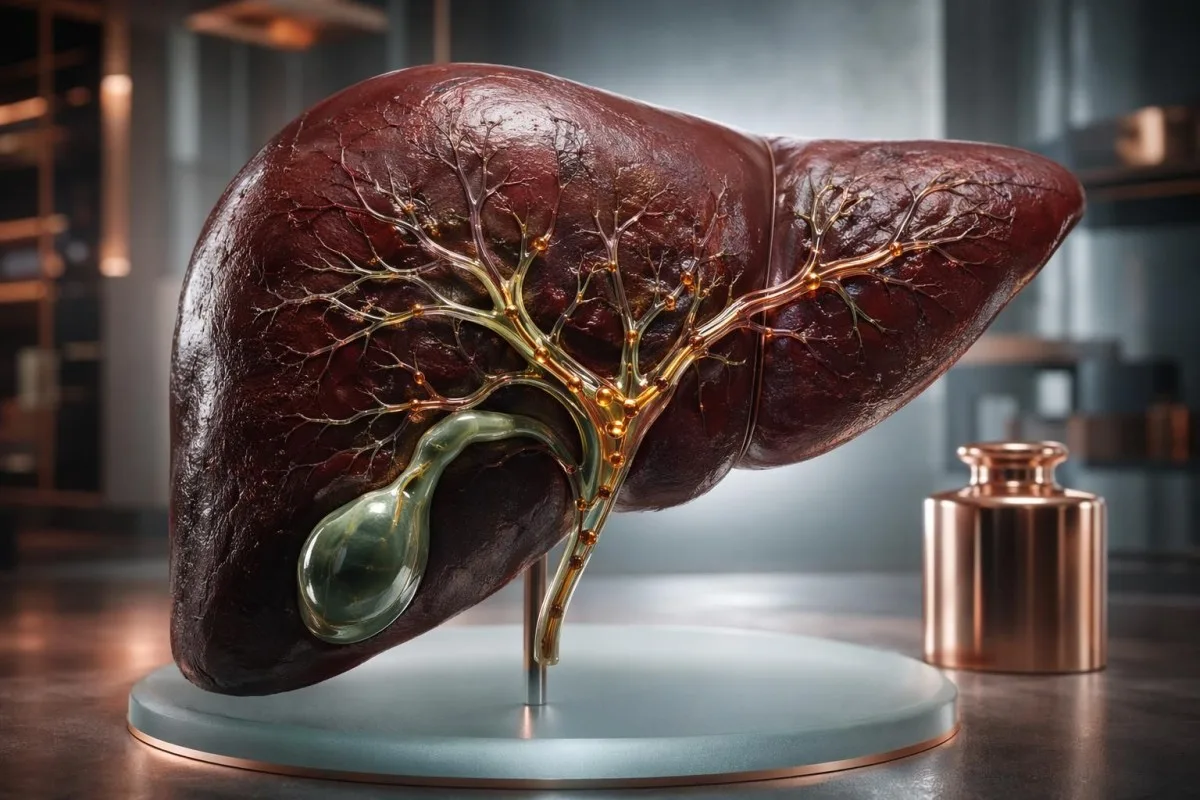
एक सामान्य-सीमा से कम बिलिरुबिन का परिणाम आमतौर पर बढ़े हुए परिणाम की तुलना में बहुत कम चिंता का संकेत देता है, लेकिन समय के साथ पैटर्न फिर भी आपको दवाओं, लैब में विविधता और लिवर-पैनल के संदर्भ के बारे में कुछ बता सकते हैं।.


- कम बिलिरुबिन आमतौर पर तात्कालिक नहीं होता; कई लैब कुल बिलिरुबिन को 0.2 mg/dL या 3.4 µmol/L से कम होने पर बिना किसी बीमारी से जुड़े फ्लैग कर देती हैं।.
- कुल बिलीरुबिन वयस्कों में यह आमतौर पर लगभग 0.2-1.2 mg/dL होता है, जो लगभग 3.4-20.5 µmol/L के बराबर है।.
- उच्च बिलिरुबिन अधिक मायने रखता है क्योंकि पीलिया (jaundice) अक्सर 2-3 mg/dL के आसपास दिखाई देता है और यह पित्त नली में रुकावट, हेपेटाइटिस या हेमोलाइसिस का संकेत दे सकता है।.
- दवाओं के प्रभाव बिलिरुबिन को कुछ हद तक कम कर सकता है, खासकर वे दवाएं या सप्लीमेंट्स जो यकृत एंजाइम गतिविधि बढ़ाते हैं या ऑक्सीडेटिव बैलेंस बदलते हैं।.
- लैब में भिन्नता बहुत कम सांद्रताओं में आम है; 0.3 से 0.1 mg/dL का बदलाव जैविक कारण की बजाय विश्लेषणात्मक (analytical) शोर हो सकता है।.
- फॉलो-अप पैटर्न जब कम कुल बिलीरुबिन असामान्य ALT, AST, ALP, GGT, एल्ब्यूमिन, CBC या मूत्र निष्कर्षों के साथ आता है।.
- प्रत्यक्ष और अप्रत्यक्ष बिलीरुबिन ये अंश मुख्यतः तब उपयोगी होते हैं जब बिलीरुबिन अधिक हो; कम अंश अपने आप में प्रबंधन को शायद ही बदलते हैं।.
- दोबारा जांच (Retesting) यदि परिणाम अलग-थलग (isolated) है और आप ठीक महसूस कर रहे हैं, तो 1-3 महीनों में आमतौर पर उचित है; यदि अन्य यकृत या रक्त के मार्कर असामान्य हों तो इससे पहले।.
क्या कम बिलिरुबिन का परिणाम आमतौर पर तात्कालिक (urgent) होता है?
कम बिलीरुबिन आमतौर पर तात्कालिक (urgent) नहीं होता।. वयस्कों में, सामान्य सीमा से नीचे कुल बिलीरुबिन का परिणाम अक्सर एक हानिरहित लैब निष्कर्ष होता है, खासकर जब ALT, AST, ALP, GGT, एल्ब्यूमिन और CBC सामान्य हों। उच्च बिलीरुबिन पर तेज़ ध्यान देना चाहिए क्योंकि यह पीलिया (jaundice), पित्त नली में रुकावट, हेपेटाइटिस या लाल-कोशिका टूटने (red-cell breakdown) को दर्शा सकता है।.
वयस्कों में कुल बिलीरुबिन की सामान्य सीमा आमतौर पर 0.2-1.2 mg/dL या 3.4-20.5 µmol/L, होती है, हालांकि मैं अब भी कुछ यूरोपीय और उत्तरी अमेरिकी रिपोर्टों में 0.3 mg/dL की निचली सीमाएँ देखता हूँ। सामान्य यकृत एंज़ाइमों के साथ 0.1 mg/dL कुल बिलीरुबिन का इलाज चिकित्सा आपातकाल (medical emergency) की तरह नहीं किया जाता; गहरे मूत्र (dark urine) और फीके/हल्के मल (pale stool) के साथ 3.0 mg/dL कुल बिलीरुबिन की बात अलग होती है। व्यापक संदर्भ के लिए, हमारा बिलीरुबिन रेंज गाइड बताता है कि वयस्क और नवजात (newborn) की सीमाएँ कैसे अलग होती हैं।.
जब मैं एक पैनल की समीक्षा करता हूँ जिसमें कम कुल बिलीरुबिन, मैं सबसे पहले पूछता हूँ कि क्या यह परिणाम अलग-थलग है। Kantesti एक एआई रक्त परीक्षण विश्लेषक है जो बिलीरुबिन को ALT, AST, ALP, GGT, एल्ब्यूमिन, CBC इंडेक्स और पहले के परिणामों के साथ पढ़ता है, क्योंकि कम छोर पर अकेले बिलीरुबिन एक कमजोर संकेत (weak signal) होता है।.
मैं थॉमस क्लाइन, MD हूँ, और अपने नैदानिक अभ्यास में मैंने बहुत कम ही देखा है कि वास्तव में खतरनाक निदान अलग-थलग कम बिलीरुबिन से शुरू हो। जो मैं देखता हूँ वह यह है कि रिपोर्ट में लाल तारांकन (red asterisk) के पास चिंता (anxiety) पैदा हो जाती है, 0.1 mg/dL भले ही हर पास का (adjacent) मार्कर शांत (quiet) हो।.
बिलिरुबिन क्या करता है, और उच्च स्तर हमें अधिक क्यों चिंतित करते हैं
बिलीरुबिन एक पीला वर्णक (yellow pigment) है, जो तब बनता है जब शरीर पुराने लाल कोशिकाओं (red cells) से हीम (heme) को पुनर्चक्रित (recycles) करता है।. यकृत (liver) बिलीरुबिन को संसाधित करता है और उसका बहुत सा हिस्सा पित्त (bile) में भेजता है, इसलिए उच्च बिलीरुबिन लाल-कोशिका टूटने, यकृत की हैंडलिंग या पित्त प्रवाह (bile flow) में “ट्रैफिक जाम” को उजागर कर सकता है।.
मोटे तौर पर प्रतिदिन सामान्य वयस्क में 250-350 mg बिलीरुबिन बनता है, जो अधिकतर सामान्य लाल-कोशिका टर्नओवर (red-cell turnover) से होता है। चिकित्सक उच्च बिलीरुबिन पर जल्दी प्रतिक्रिया इसलिए देते हैं क्योंकि बढ़ी हुई वैल्यूज़ हेमोलाइसिस (hemolysis), तीव्र हेपेटाइटिस (acute hepatitis), कोलेस्टेसिस (cholestasis) या अवरोध (obstruction) की ओर संकेत कर सकती हैं—ये क्लिनिकली सार्थक मार्ग (clinically meaningful pathways) हैं, जिनका वर्णन असामान्य लिवर-टेस्ट रिव्यू जैसे Pratt और Kaplan के NEJM पेपर (Pratt & Kaplan, 2000) में किया गया है।.
कम बिलीरुबिन अलग है। शरीर को पित्त प्रवाह (bile flow) के लिए उसी तरह बिलीरुबिन का न्यूनतम परिसंचारी (circulating) स्तर आवश्यक नहीं होता, जैसे तंत्रिका कार्य (nerve function) के लिए न्यूनतम सोडियम स्तर या ऑक्सीजन डिलीवरी (oxygen delivery) के लिए न्यूनतम हीमोग्लोबिन स्तर आवश्यक होता है। यदि आप अंशों (fractions) के पैटर्न-स्तर (pattern-level) की व्याख्या चाहते हैं, तो हमारे डायरेक्ट और इंडायरेक्ट बिलिरुबिन में बताया गया है।.
व्यवहार में, 2-3 mg/dL से ऊपर उच्च बिलीरुबिन वह स्थिति है जहाँ आँखों का पीला पड़ना दिखाई देने लग सकता है, हालांकि त्वचा का रंग, रोशनी और अवधि (क्रॉनिसिटी) इस बात को बदल देती है कि लोग क्या नोटिस करते हैं। एक कम परिणाम नीचे 0.2 mg/dL आमतौर पर उससे जुड़ा कोई दिखाई देने वाला लक्षण नहीं होता।.
सामान्य लैब रिपोर्टों में कम कुल बिलिरुबिन किसे माना जाता है?
कम कुल बिलीरुबिन आमतौर पर उस स्थिति को दर्शाता है जहाँ कुल बिलीरुबिन प्रयोगशाला की निचली संदर्भ सीमा से नीचे होता है, अक्सर 0.2 या 0.3 mg/dL से कम।. कटऑफ आंशिक रूप से तकनीकी है क्योंकि बिलीरुबिन असेज़ मापने योग्य सीमा के निचले सिरे के पास कम सटीक हो जाते हैं।.
रूपांतरण सरल है: बिलीरुबिन के 1 mg/dL के बराबर लगभग 17.1 µmol/L होता है. । इसलिए कुल बिलीरुबिन का मान 0.2 mg/dL लगभग 3.4 µmol/L, और परिणाम 0.1 mg/dL लगभग 1.7 µmol/L. । इकाई (यूनिट) को लेकर भ्रम एक कारण है कि मरीज़ देशों बदलने के बाद सोचते हैं कि उनका मान नाटकीय रूप से बदल गया है; हमारा यूनिट कन्वर्ज़न गाइड इन जालों को कवर करता है।.
कुछ प्रयोगशालाएँ बिल्कुल भी कम बिलीरुबिन को फ्लैग नहीं करतीं। अन्य कुछ कम सीमा निर्धारित करती हैं क्योंकि उनके उपकरण के वैलिडेशन पैकेज में एक सांख्यिकीय संदर्भ अंतराल शामिल होता है, न कि क्योंकि 0.1 mg/dL को नुकसान पहुँचाने के लिए जाना जाता है।.
Kantesti’s बायोमार्कर गाइड 15,000 से अधिक मार्करों के साथ बिलीरुबिन को ट्रैक करता है, लेकिन नैदानिक (क्लिनिकल) महत्व समान रूप से वितरित नहीं है। सीमा से नीचे का बिलीरुबिन मान, जब ALP 120 IU/L से ऊपर या 60 IU/L से ऊपर GGT.
लैब विविधता कैसे कम बिलिरुबिन का फ्लैग बना सकती है
बहुत कम बिलिरुबिन का फ्लैग सामान्य जांच (assay) में होने वाले परिवर्तन से हो सकता है।. 0.1-0.3 mg/dL के आसपास की सांद्रताओं पर, छोटे विश्लेषणात्मक बदलाव, नमूना संभालना और उपकरण कैलिब्रेशन परिणाम को निचली संदर्भ सीमा के पार कर सकते हैं।.
एक बदलाव 0.3 से 0.1 mg/dL 67% की गिरावट जैसा लगता है, लेकिन वास्तविक अंतर केवल 0.2 mg/dL. है। बिलिरुबिन के लिए, यह छोटा-सा वास्तविक अंतर सामान्य विश्लेषणात्मक और जैविक विविधता के भीतर बैठ सकता है, खासकर यदि नमूना दिन में बाद में प्रोसेस किया गया हो या प्रकाश के संपर्क में आया हो।.
बिलिरुबिन प्रकाश-संवेदनशील होता है। प्रयोगशालाएँ यह जानती हैं और उसी अनुसार नमूनों को संभालती हैं, लेकिन सीमांत (margins) स्थितियों में देरी और परिवहन की परिस्थितियाँ फिर भी मायने रख सकती हैं। यदि बाकी सभी मार्कर स्थिर हों, तो मैं आमतौर पर एक कम मान को निदान की बजाय इतिहास की तुलना करने के संकेत की तरह मानता हूँ।.
व्यावहारिक पैटर्न यह है: लगातार कम बिलिरुबिन को दोहराएँ 2-3 अलग-अलग ड्रॉ (draws) में एक अकेले अलग-थलग फ्लैग की तुलना में अधिक विश्वसनीय है। हमारे लेख में रक्त जांच की विविधता बताया गया है कि एकल ऐस्टरिस्क (asterisk) को अक्सर बार-बार होने वाली बहाव (drift) की तुलना में कम ध्यान क्यों मिलना चाहिए।.
ऐसी दवाओं और सप्लीमेंट्स के प्रभाव जो बिलिरुबिन को कम कर सकते हैं
कुछ दवाएँ और सप्लीमेंट्स यकृत एंजाइम गतिविधि या ऑक्सीडेटिव बैलेंस बदलकर बिलिरुबिन को कम कर सकते हैं।. प्रभाव आमतौर पर मामूली होता है, लेकिन जब कम परिणाम दवा में बदलाव के तुरंत बाद दिखे, तो यह महत्वपूर्ण हो जाता है।.
वे दवाएँ जो यकृत एंजाइमों को प्रेरित (induce) करती हैं, बिलिरुबिन के प्रबंधन को बदल सकती हैं, हालांकि प्रभाव की दिशा और आकार लोगों के बीच बदलता है। फेनोबार्बिटल क्लासिक शिक्षण उदाहरण है क्योंकि यह बिलिरुबिन के संयुग्मन (conjugation) को बढ़ा सकता है; आधुनिक आउटपेशेंट पैनलों में, मैं अधिक बार एंटीकन्वल्सेंट्स, रिफैम्पिसिन-प्रकार के एंटीबायोटिक्स, हार्मोन थेरेपी, स्टैटिन्स, उच्च-खुराक एंटीऑक्सीडेंट्स और हाल के सप्लीमेंट स्टैक्स के बारे में पूछता हूँ।.
50 के दशक के एक मरीज ने एक बार मुझे एक रिपोर्ट दिखाई जिसमें कुल बिलिरुबिन 0.1 mg/dL था कई ओवर-द-काउंटर उत्पाद शुरू करने और कॉफी को दिन में 5 कप तक बढ़ाने के बाद। समाधान यह नहीं था कि बिलिरुबिन को ऊपर की ओर “पीछा” किया जाए; बल्कि यह था कि समय-रेखा (timeline) को सरल बनाया जाए और पूर्ण केमिस्ट्री पैनल को दोबारा जाँचा जाए, 6-8 सप्ताह.
दवा की समीक्षा सबसे सुरक्षित तब होती है जब वह व्यवस्थित (systematic) हो। हमारा दवा निगरानी समयरेखा दिखाता है कि यकृत (liver) मार्कर, किडनी (kidney) मार्कर और इलेक्ट्रोलाइट्स को स्टार्ट डेट्स, डोज़ में बदलाव और छूटी हुई डोज़ के आसपास कैसे व्याख्यायित किया जाना चाहिए।.
कम बिलिरुबिन और दीर्घकालिक जोखिम के बारे में शोध क्या कहता है
कुछ अवलोकनात्मक (observational) अध्ययनों में कम बिलिरुबिन को ऑक्सीडेटिव स्ट्रेस और हृदय-वाहिकीय जोखिम से जोड़ा गया है, लेकिन इसे उपचार लक्ष्य (treatment target) के रूप में उपयोग नहीं किया जाता।. साक्ष्य रोचक है, निर्णायक नहीं है, और इसे एक ही लैब परिणाम से अधिक नहीं पढ़ा जाना चाहिए।.
बिलीरुबिन प्रयोगशाला मॉडलों में एक एंटीऑक्सिडेंट की तरह कार्य कर सकता है, और इसी कारण कम बिलीरुबिन शोधकर्ताओं के लिए आकर्षक रहा है जो वास्कुलर जोखिम का अध्ययन कर रहे हैं। Schwertner और सहयोगियों ने 1994 में Clinical Chemistry में कम सीरम बिलीरुबिन और कोरोनरी आर्टरी डिज़ीज़ के बीच एक संबंध की रिपोर्ट दी, लेकिन यह संबंध यह साबित नहीं करता कि बिलीरुबिन बढ़ाने से हार्ट अटैक रोके जा सकेंगे (Schwertner et al., 1994)।.
चिकित्सक इस संकेत को कितना महत्व दें, इस पर असहमति है। मेरे अनुभव में, कम बिलीरुबिन का परिणाम अधिक सार्थक हो जाता है जब वह उच्च ApoB, उच्च ट्राइग्लिसराइड्स, धूम्रपान के संपर्क, इंसुलिन रेज़िस्टेंस या दीर्घकालिक सूजन के साथ आता है; अकेले यह बहुत गैर-विशिष्ट है। यदि आप ऑक्सीडेटिव-स्ट्रेस मार्करों की खोज कर रहे हैं, तो हमारा दीर्घायु प्रयोगशाला सीमाएं दिखाई गई हैं लेख साक्ष्य को संतुलित अनुपात में रखता है।.
इसे उद्धृत करने योग्य तरीके से इस तरह रखा जा सकता है: कम बिलीरुबिन एक संभावित जोखिम मार्कर है, न कि रोग का निदान. । 2026 में कोई भी गाइडलाइन ऐसी नहीं है जो केवल कुल बिलीरुबिन को बढ़ाने के लिए दवा या सप्लीमेंट की सिफारिश करती हो 0.1-0.2 mg/dL.
ऐसे फॉलो-अप पैटर्न जो कम संख्या से अधिक मायने रखते हैं
फॉलो-अप पैटर्न, कम बिलीरुबिन संख्या से अधिक महत्वपूर्ण है।. सामान्य ALT, AST, ALP, GGT, एल्ब्यूमिन, CBC और यूरिन परिणामों के साथ कम बिलीरुबिन आमतौर पर कम प्राथमिकता वाला होता है; बदलते हुए मल्टी-मार्कर पैटर्न के भीतर कम बिलीरुबिन की समीक्षा की जानी चाहिए।.
मैं अधिक चिंतित होता हूँ बिलीरुबिन और उसका संदर्भ केवल bilirubin की तुलना में। उदाहरण के लिए, कम बिलीरुबिन के साथ ALT 180 IU/L, ALP 230 IU/L या गिरता हुआ एल्ब्यूमिन, इस कारण से आश्वस्त करने वाला नहीं है कि बिलीरुबिन कम है; असामान्य लिवर एंज़ाइम्स को अभी भी उचित डिफरेंशियल की जरूरत है।.
कांटेस्टी एक AI ब्लड टेस्ट रिपोर्ट समझें प्लेटफॉर्म जो ऐसे पैटर्न को संकेत करता है जैसे cholestatic, hepatocellular, hemolytic और synthetic-function क्लस्टर—कम कुल बिलीरुबिन को एक स्वतंत्र अलर्ट की तरह ट्रीट करने के बजाय। यह इसलिए महत्वपूर्ण है क्योंकि Pratt और Kaplan की NEJM समीक्षा ने जोर दिया कि असामान्य लिवर टेस्टों की व्याख्या पैटर्न, परिमाण और नैदानिक संदर्भ के आधार पर की जानी चाहिए, न कि अलग-थलग एक ही मान के आधार पर (Pratt & Kaplan, 2000)।.
उपयोगी तुलना में पिछला 3-5 टेस्ट की तारीखें, शामिल हैं, न कि केवल पिछले महीने का परिणाम। यदि कई मान एक साथ बदलते/बहते हुए (drifting) जा रहे हैं, तो हमारा असामान्य क्लस्टर गाइड आपको यह तय करने में मदद कर सकता है कि अपने चिकित्सक से किस पैटर्न पर चर्चा करनी चाहिए।.
क्या कम डायरेक्ट या इंडायरेक्ट बिलिरुबिन अंशों का अर्थ बदल जाता है?
कम प्रत्यक्ष (direct) या अप्रत्यक्ष (indirect) बिलीरुबिन अंश (fractions) आमतौर पर तब प्रबंधन (management) नहीं बदलते जब कुल बिलीरुबिन कम हो।. फ्रैक्शन टेस्टिंग मुख्य रूप से बढ़े हुए बिलीरुबिन को समझाने के लिए बनाई गई है—विशेषकर यह कि समस्या pre-hepatic, hepatocellular या cholestatic जैसी दिखती है या नहीं।.
प्रत्यक्ष बिलीरुबिन आमतौर पर लगभग रिपोर्ट किया जाता है 0.0-0.3 mg/dL, परीक्षण (assay) के अनुसार। यदि कुल बिलीरुबिन 0.2 mg/dL, तो प्रत्यक्ष और अप्रत्यक्ष अंश दोनों बहुत छोटे दिख सकते हैं, क्योंकि कुल पिगमेंट बहुत कम है जिसे विभाजित किया जाए।.
लिवर के अध्ययन हेतु यूरोपीय संघ (EASL) कोलेस्टैटिक (cholestatic) मूल्यांकन को ALP, GGT और संयुग्मित (conjugated) बिलीरुबिन के बढ़े हुए पैटर्न के आसपास वर्णित करता है—अकेले कम बिलीरुबिन (EASL, 2009) के नहीं। इसी कारण अकेले कम प्रत्यक्ष बिलीरुबिन मान शायद ही कभी इमेजिंग को ट्रिगर करता है, जबकि पीला मल (pale stool) या गहरा मूत्र (dark urine) के साथ उच्च प्रत्यक्ष बिलीरुबिन करता है।.
पीला मल, कम बिलीरुबिन की तुलना में बाधित पित्त प्रवाह (bile flow) का बेहतर संकेत है। यदि मल का रंग बदल गया है, या मूत्र चाय के रंग जैसा हो गया है, तो हमारा पीला मल (pale stool) गाइड बताता है कि कब पित्त नली (bile duct) और अग्न्याशय (pancreatic) का मूल्यांकन अधिक जरूरी हो जाता है।.
कब कम बिलिरुबिन परिणाम को चिकित्सक द्वारा समीक्षा की जरूरत होती है
कम बिलीरुबिन को तब भी चिकित्सक द्वारा समीक्षा की जरूरत होती है जब वह अकेला (isolated) न हो।. रेड फ्लैग्स (red flags) हैं: असामान्य लिवर एंज़ाइम, बिना कारण समझे एनीमिया (anemia) के पैटर्न, नई दवाएं, वजन कम होना, सूजन संबंधी लक्षण या आपके व्यक्तिगत बेसलाइन से अचानक तेज बदलाव।.
कुल बिलीरुबिन 0.1 mg/dL सामान्य लैब्स और बिना लक्षणों के साथ आमतौर पर नियमित फॉलो-अप का इंतजार कर सकता है। उसी मान का किसी ऐसे व्यक्ति में होना जिसमें हीमोग्लोबिन 9.5 g/dL, कम रेटिकुलोसाइट्स (reticulocytes), अनजाने में वजन कम होना या असामान्य एल्ब्यूमिन (albumin) हो—इसे नजरअंदाज नहीं किया जाना चाहिए, क्योंकि व्यापक पैटर्न कहीं और संकेत कर सकता है।.
कम बिलीरुबिन उन लोगों में भी दिख सकता है जिनमें हीम (heme) का टर्नओवर कम हो या लिवर की हैंडलिंग बदल गई हो, लेकिन ये साफ-सुथरे निदान (diagnostic) बकेट नहीं हैं। मैं पूरा पैनल देखना चाहूंगा: CBC, यदि एनीमिया मौजूद है तो रेटिकुलोसाइट काउंट, ALT, AST, ALP, GGT, albumin, total protein, creatinine और मूत्र (urine) के निष्कर्ष।.
लिवर को प्रभावित कर सकने वाली दवाएं शुरू करने से पहले, चिकित्सक अक्सर बेसलाइन लिवर केमिस्ट्री (liver chemistry) की जांच करते हैं। हमारी दवाओं से पहले लिवर टेस्ट (liver tests) बताता है कि बेसलाइन ALT, AST, bilirubin और albumin एकल (single) बाद में किया गया नंबर (after-the-fact number) की तुलना में अधिक उपयोगी क्यों हैं।.
बच्चों और नवजातों में कम बिलिरुबिन एक अलग मुद्दा है
बच्चों में कम बिलीरुबिन आमतौर पर खतरनाक बिलीरुबिन वाली कहानी नहीं होती; नवजातों (newborns) में उच्च बिलीरुबिन होती है।. नवजात देखभाल (newborn care) बहुत अधिक बिलीरुबिन को रोकने पर केंद्रित होती है, क्योंकि अपरिपक्व (immature) लिवर क्लीयरेंस जन्म के बाद स्तरों को जल्दी बढ़ने दे सकती है।.
नवजातों में बिलीरुबिन की व्याख्या घंटों में उम्र, गर्भकालीन आयु (gestational age) और जोखिम कारकों (risk factors) के आधार पर की जाती है। 72 घंटे पर स्वीकार्य मान 18 घंटे पर चिंताजनक हो सकता है—इसीलिए नवजात चार्ट (neonatal charts) वयस्कों (adult) के संदर्भ अंतराल (reference intervals) जैसे नहीं होते।.
पीलिया (jaundice) के उपचार के बाद कम बिलीरुबिन मान वाला शिशु आमतौर पर वांछित दिशा में जा रहा होता है। सुरक्षा संबंधी सवाल यह है कि क्या बिलीरुबिन कभी इतना ऊंचा था कि उसे phototherapy की जरूरत पड़े या अधिक नज़दीकी निगरानी की—यह नहीं कि बाद में वह वयस्क-शैली की निचली सीमा (lower limit) से नीचे गिर गया या नहीं।.
माता-पिता को बच्चे की बिलिरुबिन रिपोर्ट की तुलना किसी वयस्क CMP से नहीं करनी चाहिए। उम्र-विशिष्ट फॉलो-अप के लिए, हमारा नवजात परीक्षण गाइड बताता है कि कौन-से नवजात के परिणाम तात्कालिक (urgent) हैं और कौन-से नियमित (routine) हैं।.
कब सामान्य-सीमा से कम बिलिरुबिन परिणाम को दोहराना चाहिए
दोबारा जांच आम तौर पर केवल अलग-थलग (isolated) कम बिलिरुबिन के लिए 1-3 महीनों में उचित होती है; अगर अन्य मार्कर असामान्य हों या लक्षण मौजूद हों तो इससे पहले कराएं।. सबसे अच्छा रीटेस्ट वही पैनल दोहराता है, समान फास्टिंग (fasting) स्थिति होती है और संभव हो तो वही प्रयोगशाला (laboratory) होती है।.
अगर कम परिणाम फास्टिंग, बीमारी, दवा में बदलाव या भारी सप्लीमेंट उपयोग के बाद दिखाई दिया, तो मैं आम तौर पर स्थिति स्थिर होने के बाद दोबारा ड्रॉ (repeat draw) से तुलना करता/करती हूँ। एक व्यावहारिक अंतराल है 6-12 सप्ताह, क्योंकि यह दवा और जीवनशैली (lifestyle) के शोर को बिना अनिश्चितता बढ़ाए बैठने देता है।.
केवल बिलिरुबिन की दोबारा जांच न करें, अगर मूल चिंता लिवर पैनल (liver panel) की थी। कुल बिलिरुबिन (total bilirubin), डायरेक्ट बिलिरुबिन (direct bilirubin), ALT, AST, ALP, GGT, एल्ब्यूमिन (albumin) और CBC को दोहराना, एक छोटे-से एक नंबर का पीछा करने की तुलना में कहीं अधिक साफ (cleaner) उत्तर देता है।.
17 जून 2026 तक, मेरी सामान्य सलाह सरल है: पीलिया (jaundice), गहरा पेशाब (dark urine), पीला/हल्का मल (pale stool), बुखार (fever) या दाहिने ऊपरी पेट (right-upper-abdominal) में दर्द जैसे लक्षणों के लिए जल्दी दोबारा जांच कराएं। अलग-थलग, लक्षण-रहित कम बिलिरुबिन के लिए, हमारा दोहराए गए असामान्य लैब्स गाइड उचित समय-निर्धारण (timing) बताता है।.
संदर्भ में Kantesti AI कम बिलिरुबिन की व्याख्या कैसे करता है
Kantesti AI कम बिलिरुबिन की व्याख्या यह देखकर करता है कि परिणाम अलग-थलग (isolated) है, दोहराया गया है या किसी बड़े पैटर्न (larger pattern) का हिस्सा है।. हमारा सिस्टम फॉलो-अप प्राथमिकता तय करने से पहले इकाइयों (units), लैब-विशिष्ट रेफरेंस रेंज, दवा की समय-रेखा (medication timelines), उम्र, लिंग, लक्षण और पहले के परिणामों को तौलता है।.
कांटेस्टी एक AI-संचालित रक्त परीक्षण विश्लेषण उपकरण द्वारा उपयोग किया जाता है जो 2M लोग आर-पार 127+ देश, इसलिए हमारी बिलिरुबिन लॉजिक को mg/dL, µmol/L, वयस्क पैनल, बाल (pediatric) पैनल और अनुवादित लैब रिपोर्टों को संभालना होता है। सिस्टम पैटर्न पहचान (pattern recognition) से पहले इकाइयों को रूपांतरित (convert) करता है; वह 0.2 mg/dL साथ 20 µmol/L को ऐसे नहीं मानता जैसे वे एक ही स्केल (scale) पर हों।.
हमारी AI बायोमार्कर व्याख्या (interpretation) प्लेटफ़ॉर्म कम बिलिरुबिन को लिवर एंज़ाइम्स, CBC मार्कर, किडनी फंक्शन, प्रोटीन मार्कर और ऐतिहासिक बदलाव (historical drift) के साथ पढ़ती है। अगर PDF या फोटो में कोई संदिग्ध (suspicious) फ्लैग है, तो Kantesti का न्यूरल नेटवर्क सामान्य एक्सट्रैक्शन (extraction) समस्याओं की भी जांच करता है—यह एक ऐसी समस्या है जिसे मैं आश्चर्यजनक रूप से अक्सर देखता/देखती हूँ, खासकर हल्के (faint) दशमलव बिंदुओं (decimal points) और छोटे रेफरेंस-रेंज प्रिंट के साथ।.
जो पाठक इंजीनियरिंग वाला दृष्टिकोण (engineering view) चाहते हैं, वे हमारे टेक्नोलॉजी गाइड. को देख सकते हैं। अगर आप यह जांच रहे हैं कि PDF से कम कुल बिलिरुबिन (low total bilirubin) फ्लैग सही तरीके से कॉपी हुआ है या नहीं, तो हमारे लेख में एआई लैब त्रुटि जांच दिखाया गया है कि सॉफ्टवेयर क्या पकड़ सकता है और क्या नहीं।.
कम बिलिरुबिन के बाद एक व्यावहारिक कार्य-योजना
सबसे सुरक्षित कार्ययोजना यह है कि संदर्भ (context) की पुष्टि करें, बिलिरुबिन बढ़ाने की कोशिश न करें।. लक्षण देखें, पुराने परिणामों की तुलना करें, दवाओं और सप्लीमेंट्स की समीक्षा करें, फिर अगर कम परिणाम नया है या समझ नहीं आ रहा है, तो पूरा लिवर पैनल दोबारा कराएं।.
चरण एक: ऐसे लक्षण खोजें जो बिलिरुबिन की व्याख्या (interpretation) को अधिक तात्कालिक (more urgent) बना दें। पीली आँखें (yellow eyes), गहरा पेशाब, पीला/हल्का मल, बुखार, नया खुजली (new itching) या दाहिने ऊपरी पेट में दर्द—इनके लिए समय पर चिकित्सकीय सलाह चाहिए, भले ही उस एक रिपोर्ट में कुल बिलिरुबिन ऊँचा न हो।.
चरण दो: अपनी व्यक्तिगत बेसलाइन (personal baseline) की तुलना करें। अगर आप आम तौर पर 0.7 mg/dL और अचानक दिखाएँ 0.1 mg/dL किसी नई दवा या बीमारी के बाद, बदलाव स्वयं झंडे (फ्लैग) से भी अधिक रोचक होता है। हमारा ट्रेंड एनालिसिस गाइड बताता है कि अलग-थलग मानों की तुलना में ढलान (स्लोप) और बार-बार दिशा बदलना अधिक क्यों मायने रखता है।.
चरण तीन: बिलिरुबिन बढ़ाने के उद्देश्य से स्वयं-उपचार से बचें। ऐसा कोई साक्ष्य-आधारित सप्लीमेंट डोज़, आहार या डिटॉक्स योजना नहीं है जिसे केवल कम कुल बिलिरुबिन बढ़ाने के लिए इस्तेमाल किया जाना चाहिए, और कुछ यकृत-केंद्रित सप्लीमेंट ALT को बिगाड़ सकते हैं या दवाओं के साथ परस्पर क्रिया कर सकते हैं।.
Kantesti शोध प्रकाशन और चिकित्सा पर्यवेक्षण
Kantesti की चिकित्सा सामग्री की समीक्षा नैदानिक मानकों के अनुसार की जाती है, न कि सामान्य वेलनेस टिप्पणी की तरह लिखी जाती है।. बिलिरुबिन के लिए, इसका मतलब है कि तात्कालिक उच्च-बिलिरुबिन पैटर्न को आम तौर पर सौम्य (बेनाइन) कम-बिलिरुबिन फ्लैग्स से अलग करना और तर्क की पूरी प्रक्रिया का दस्तावेज़ीकरण करना।.
हमारे चिकित्सक और वैज्ञानिक समीक्षक चिकित्सा सलाहकार बोर्ड, पर बैठते हैं, और मैं, थॉमस क्लाइन, MD, बिलिरुबिन संबंधी मार्गदर्शन की समीक्षा उसी सावधानी से करता/करती हूँ जो मैं क्लिनिक में उपयोग करता/करती हूँ। लक्ष्य यह नहीं है कि हर कम वैल्यू डरावनी लगे; लक्ष्य उस छोटे उपसमूह को पकड़ना है जहाँ आसपास के पैनल में बदलाव अर्थ बदल देता है।.
Kantesti की वैलिडेशन प्रक्रिया हमारे नैदानिक पर्यवेक्षण पेज. में वर्णित है। जिन पाठकों को आस-पास की लैब-मेथड डिटेल चाहिए, उनके लिए हमारे रिसर्च-लिंक्ड गाइड उपयोगी हैं क्योंकि एल्ब्यूमिन और क्लॉटिंग मार्कर बिलिरुबिन असामान्य होने पर यकृत की सिंथेटिक (निर्माण) क्षमता का आकलन करने में मदद करते हैं। सीरम प्रोटीन और कोएग्यूलेशन टेस्टिंग Kantesti Ltd. (2026). aPTT Normal Range: D-Dimer, Protein C Blood Clotting Guide. Zenodo.
Schwertner HA et al. (1994). डीओआई. रिसर्चगेट. Academia.edu.
Kantesti Ltd. (2026). Serum Proteins Guide: Globulins, Albumin & A/G Ratio Blood Test. Zenodo. डीओआई. रिसर्चगेट. Academia.edu.
अक्सर पूछे जाने वाले प्रश्नों
क्या कम बिलीरुबिन खतरनाक होता है?
कम बिलिरुबिन आमतौर पर तब खतरनाक नहीं होता जब वह अकेले हो और लिवर पैनल का बाकी हिस्सा सामान्य हो। कई वयस्क लैब कुल बिलिरुबिन को 0.2 या 0.3 mg/dL से कम होने पर चिह्नित (फ्लैग) करती हैं, लेकिन कम बिलिरुबिन के लिए कोई स्वीकार्य आपातकालीन सीमा (इमरजेंसी थ्रेशहोल्ड) निर्धारित नहीं है। उच्च बिलिरुबिन अधिक चिंताजनक होता है क्योंकि 2-3 mg/dL के आसपास के मानों से दिखाई देने वाला पीलिया (जॉन्डिस) हो सकता है और यह यकृत (लिवर), पित्त-नलिका (बाइल डक्ट) या लाल-कोशिका (रेड-सेल) से संबंधित समस्याओं का संकेत दे सकते हैं।.
रक्त परीक्षण में कम कुल बिलीरुबिन का क्या अर्थ है?
कम कुल बिलिरुबिन का अर्थ है कि मापा गया बिलिरुबिन उस प्रयोगशाला के संदर्भ अंतराल से कम है, जो सामान्यतः 0.2 mg/dL या 3.4 µmol/L से कम होता है। अधिकांश वयस्कों में, कम कुल बिलिरुबिन आमतौर पर रोग की बजाय जांच (assay) में भिन्नता, दवा के प्रभाव या स्वाभाविक रूप से कम व्यक्तिगत आधारभूत स्तर को दर्शाता है। परिणाम का महत्व अधिक होता है यदि इसे दोहराया जाए और इसे असामान्य ALT, AST, ALP, GGT, एल्ब्यूमिन या CBC निष्कर्षों के साथ जोड़ा जाए।.
क्या दवा बिलिरुबिन के स्तर को कम कर सकती है?
हाँ, दवा और सप्लीमेंट में बदलाव कभी-कभी यकृत एंज़ाइम की गतिविधि या बिलीरुबिन के प्रबंधन को बदलकर बिलीरुबिन के स्तर को कम कर सकते हैं। यह प्रभाव आमतौर पर छोटा होता है, अक्सर किसी मान को लगभग 0.3 mg/dL से घटाकर 0.1-0.2 mg/dL तक कर देता है। यदि कम परिणाम दवा शुरू करने, बंद करने या खुराक बदलने के 4-12 हफ्तों के भीतर आया हो, तो दवा की समय-रेखा उपयोगी होती है।.
क्या मुझे कम बिलिरुबिन की जांच दोबारा करानी चाहिए?
यदि परिणाम नया, अप्रत्याशित या आपके सामान्य आधारभूत स्तर से बहुत अलग है, तो 1-3 महीनों में कम बिलिरुबिन की जाँच को दोहराना उचित है। दोहराई गई जाँच में आदर्श रूप से केवल बिलिरुबिन के बजाय कुल बिलिरुबिन, डायरेक्ट बिलिरुबिन, ALT, AST, ALP, GGT, एल्ब्यूमिन और एक CBC शामिल होनी चाहिए। यदि आपको पीलिया, गहरे रंग का मूत्र, फीका मल, बुखार, खुजली या पेट में दर्द हो तो पुनः जाँच इससे पहले करानी चाहिए।.
क्या कम बिलीरुबिन लैब त्रुटि के कारण हो सकता है?
कम बिलिरुबिन सामान्य प्रयोगशाला भिन्नता के कारण हो सकता है, न कि किसी वास्तविक चिकित्सीय परिवर्तन के कारण, विशेषकर माप की निचली सीमा 0.1-0.3 mg/dL के आसपास। बिलिरुबिन प्रकाश-संवेदनशील होता है, और बहुत छोटे निरपेक्ष अंतर किसी प्रयोगशाला की निचली संदर्भ सीमा को पार कर सकते हैं। 2-3 रक्त परीक्षणों में दोहराया गया पैटर्न एक ही सीमा से नीचे के मान की तुलना में अधिक सार्थक होता है।.
क्या कम बिलीरुबिन का मतलब यकृत रोग है?
अकेले कम बिलिरुबिन आमतौर पर यकृत (लिवर) रोग का संकेत नहीं देता। यकृत रोग अधिकतर ऐसे असामान्य पैटर्न से सुझाया जाता है जैसे ALT या AST का उच्च होना, ALP या GGT का उच्च होना, एल्ब्यूमिन का कम होना, क्लॉटिंग (थक्का जमने) की जांचों का लंबे समय तक बढ़ा रहना या बिलिरुबिन का उच्च होना। यदि कम बिलिरुबिन का परिणाम इन असामान्यताओं के साथ या वजन घटने, पीलिया, गहरे रंग का मूत्र या फीके (पीले-भूरे) मल जैसे लक्षणों के साथ दिखाई दे, तो उस परिणाम की चिकित्सक द्वारा समीक्षा की जानी चाहिए।.
क्या उपवास करना या भोजन छोड़ना कम बिलीरुबिन (bilirubin) के परिणाम का कारण बन सकता है?
अधिक बार उपवास करने से आम तौर पर अप्रत्यक्ष बिलीरुबिन (indirect bilirubin) बढ़ता है, घटता नहीं—विशेषकर Gilbert syndrome वाले लोगों में। भोजन छोड़ना किसी एक अलग कम परिणाम (isolated low result) की व्याख्या करने की संभावना नहीं है; आपके चिकित्सक को इसे आपके बाकी यकृत (liver) और रक्त (blood) परीक्षणों के साथ मिलाकर समझना चाहिए।.
आज ही एआई-संचालित ब्लड टेस्ट विश्लेषण प्राप्त करें
दुनिया भर में 2 मिलियन से अधिक उपयोगकर्ता जुड़ें जो त्वरित, सटीक लैब टेस्ट विश्लेषण के लिए Kantesti पर भरोसा करते हैं। अपनी रक्त जांच रिपोर्ट अपलोड करें और कुछ सेकंड में 15,000+ बायोमार्कर की व्यापक व्याख्या प्राप्त करें।.
📚 संदर्भित शोध प्रकाशन
क्लाइन, टी., मिशेल, एस., और वेबर, एच. (2026)।. aPTT सामान्य सीमा: डी-डाइमर, प्रोटीन सी रक्त जमाव संबंधी दिशानिर्देश. Kantesti एआई मेडिकल रिसर्च।.
क्लाइन, टी., मिशेल, एस., और वेबर, एच. (2026)।. सीरम प्रोटीन गाइड: ग्लोबुलिन, एल्ब्यूमिन और ए/जी अनुपात रक्त परीक्षण. Kantesti एआई मेडिकल रिसर्च।.
📖 बाहरी चिकित्सा संदर्भ
कम सीरम बिलिरुबिन सांद्रता का कोरोनरी आर्टरी डिज़ीज़ के बढ़े हुए जोखिम से संबंध. कम बिलिरुबिन स्तर: कब कम परिणाम मायने रखता है 1. Clinical Chemistry.
⚕️ चिकित्सा संबंधी अस्वीकरण
यह लेख केवल शैक्षिक उद्देश्यों के लिए है और चिकित्सा सलाह का गठन नहीं करता। निदान और उपचार संबंधी निर्णयों के लिए हमेशा किसी योग्य स्वास्थ्य सेवा प्रदाता से परामर्श करें।.
E-E-A-T भरोसा संकेत
अनुभव
चिकित्सक-नेतृत्व वाली लैब व्याख्या वर्कफ़्लो की क्लिनिकल समीक्षा।.
विशेषज्ञता
लैबोरेटरी मेडिसिन का फोकस इस पर कि बायोमार्कर क्लिनिकल संदर्भ में कैसे व्यवहार करते हैं।.
अधिकारिता
डॉ. थॉमस क्लाइन द्वारा लिखित, और डॉ. सारा मिशेल तथा प्रो. डॉ. हैंस वेबर द्वारा समीक्षा की गई।.
विश्वसनीयता
साक्ष्य-आधारित व्याख्या, जिसमें अलार्म कम करने के लिए स्पष्ट फॉलो-अप मार्ग शामिल हैं।.