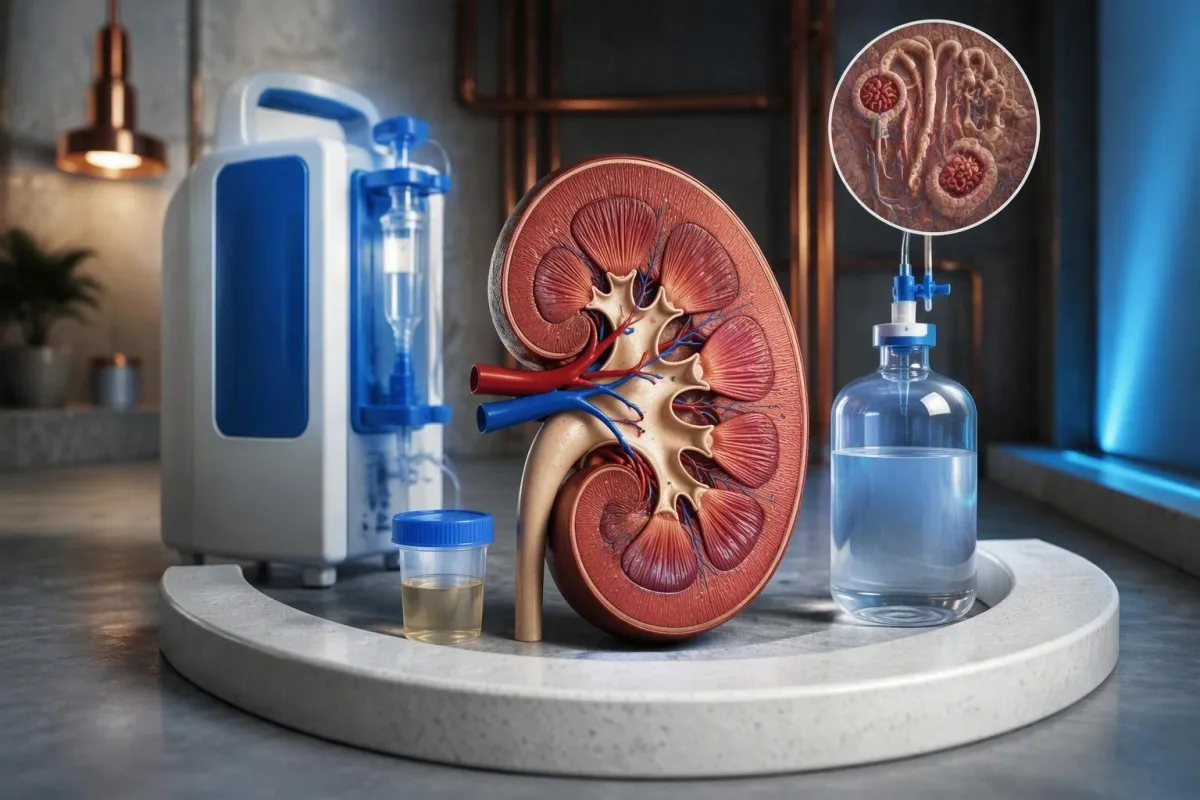
לאחר טיפול בסרטן במינון גבוה, ירידה בריכוז התרופה היא רק חלק מהתמונה. תזמון העירוי, שינויים בכליות ופרוטוקול ההצלה מסבירים מדוע בדיקת מעבדה נוספת עשויה להיות כרוכה בלילה נוסף בבית החולים.

נקודות עיקריות
- רמות מתוטרקסט לאחר טיפול במינון גבוה מפורשות ביחס לשעון העירוי, ולא לפי טווח נורמה מעבדתי אוניברסלי.
- מתוטרקסט במינון גבוה פירושו בדרך כלל לפחות 500 mg/m²; הניטור שונה באופן מהותי מזה של טיפול שבועי במינון נמוך במצבים דלקתיים.
- דגימות סדרתיות כוללות בדרך כלל מדידות לאחר 24, 48 ו־72 שעות, אך בחלק מהפרוטוקולים נדרשות בדיקות נוספות לאחר 36 או 42 שעות.
- תפקודי כליות עלולה להידרדר לפני הופעת תסמינים; עלייה של 0.3 mg/dL בקריאטינין בתוך 48 שעות עומדת באחד הקריטריונים המקובלים לפגיעה כלייתית חריפה.
- הצלת לאוקובורין ניתנת לעיתים קרובות כל 6 שעות, כאשר המינון ודרך המתן מותאמים לפרוטוקול הטיפול, לריכוז המתוטרקסט שנמדד במועד שנקבע ולמצב הקליני.
- הבססת השתן מכוונת בדרך כלל ל-pH של לפחות 7, משום שמתוטרקסט מסיס פחות בשתן חומצי.
- גלוקרפידאז עשוי להידרש במקרה של פינוי מושהה חמור המלווה בפגיעה כלייתית; הנחיות קונצנזוס מדגישות את חשיבות ההערכה בשלב מוקדם מספיק כדי לאפשר טיפול בתוך כ-48–60 שעות מתחילת העירוי.
- שחרור מבית החולים תלוי בפרוטוקול המקומי, בהתאוששות הכליות, בהידרציה, בהסדרי הטיפול ההצלה ובמעקב — ולא בערך סף יחיד של מתוטרקסט המוחל על כולם.
מה המשמעות של רמות מתוטרקסט לאחר טיפול בסרטן?
רמות מתוטרקסט מודדות כמה מהתרופה נותרה בפלזמה לאחר הטיפול; רופאים מפרשים כל תוצאה לפי הזמן המדויק שחלף מאז העירוי, משטר הטיפול בסרטן ותפקוד הכליות. פינוי מושהה עשוי לחייב הידרציה ממושכת יותר בעירוי לווריד וטיפול הצלה אינטנסיבי יותר או ממושך יותר ב- לויקובורין, ולהאריך את האשפוז מבלי להעיד בהכרח על כישלון הטיפול.
מתוטרקסט במינון גבוה מתייחס בדרך כלל למינונים של לפחות 500 מ״ג/מ״ר, אם כי בפרוטוקולים שונים לטיפול בסרטן משתמשים במינונים ובמשכי עירוי שונים במידה ניכרת. אפשר לצפות לאותו ריכוז בתחילת הטיפול, אך הוא עלול לעורר דאגה כעבור זמן רב יותר. ההבחנה הזאת מסבירה מדוע תוצאה שהמעבדה סימנה כגבוהה אינה יכולה כשלעצמה לקבוע רעילות או להכריע אם אדם צריך להישאר בבית החולים.
יש לפרש מטופל היפותטי המקבל 3 g/m² במשך 24 שעות אחרת מאדם המקבל 12 g/m² במשך 4 שעות. ריכוזי התרופה בסוף העירוי שלהם אינם בני השוואה, גם אם בשני הדוחות היחידות הן µmol/L. רופאים משווים את התוצאות לעקומת הפינוי הצפויה עבור משטר הטיפול המסוים, במקום להסתמך על ערך סף מפרוטוקול אחר לטיפול בסרטן.
קנטסטי הוא מנתח בדיקות דם בינה מלאכותית להסברים על דוחות למטרות חינוכיות, ולא כתחליף להנחיות הטיפול ההצלה של הצוות האונקולוגי, המתייחסות למועדים המדויקים. שלנו ארגון ומטרה מסייעים להבחין בין תפקיד זה לבין הניטור ליד מיטת החולה. כאשר דוח כולל תוצאות ל-24 ול-48 שעות, השאלה המועילה היא האם חותמות הזמן, משך העירוי והמגמה ברמת הקריאטינין זמינים יחד.
במה שונה הניטור במתוטרקסט במינון גבוה מזה שבטיפול שבועי במתוטרקסט?
ניטור מתוטרקסט במינון גבוה מודד ריכוזי תרופה סדרתיים לאחר טיפול בסרטן, ואילו ניטור שגרתי של מינון נמוך הניתן מדי שבוע בודק בדרך כלל ספירת דם, בדיקות תפקודי כבד ותפקוד כלייתי. מטופל הנוטל 15 מ״ג פעם בשבוע לדלקת מפרקים אינו זקוק בדרך כלל לעקומת פינוי לאחר טיפול בסרטן.
במינון נמוך, מתוטרקסט ניתן בדרך כלל במינון של כ-7.5–25 מ״ג פעם בשבוע למבוגרים עם מחלה דלקתית; המינון שנרשם ולוח הזמנים לניטור משתנים. ספירת דם מלאה יכולה לחשוף דיכוי מח עצם, ואילו קריאטינין ואנזימי כבד מעריכים גורמים המשפיעים על הבטיחות. בדיקות אלה עוקבות אחר ההשלכות והסיכון, ולא אחר ריכוז פלזמה של מתוטרקסט שיש לשמור עליו בין מנות שבועיות.
נטילה בשוגג של מרשם שבועי מדי יום היא טעות תרופתית דחופה, גם כאשר ריכוז המתוטרקסט שנמדד נמוך או אינו ניתן לזיהוי. חשיפה חוזרת עלולה לגרום לרעילות חמורה שתוצאת בדיקת פלזמה יחידה אינה שוללת. מי שנטל מנה שבועית של 15 מ״ג במשך כמה ימים רצופים צריך לפנות מיד לייעוץ רפואי או לשירות למקרי הרעלה, במקום להמתין לבדיקות מעבדה שגרתיות.
Kantesti יכול לעזור להסביר את ההבדל בין ריכוז תרופה לבין פאנל הבדיקות הנלווה להערכת בטיחות, אך ההסברים שלנו אינם יכולים לקבוע שטעות במינון היא בטוחה. לתרופות אחרות יש היגיון ניטורי משלהן: ניטור לבטירצטם הקשור לתפקוד הכליות ממחיש מדוע אי אפשר להחיל על תרופה אחת את כללי הדגימה של תרופה אחרת. יש לתעד גם את המינון השבועי שנרשם וגם את תאריך המתן האחרון.
מדוע מועד הדגימה והיחידות משנים את הפרשנות?
ריכוזי מתוטרקסט מחייבים הגדרה ברורה של נקודת הזמן שממנה מתחילים למדוד: פרוטוקולים רבים סופרים שעות מתחילת העירוי, ואילו אחרים כוללים מדידות המתוזמנות מסיום העירוי. אי אפשר לפרש נכון תוצאה של 48 שעות בלי לדעת באיזו נקודת זמן משתמש צוות הטיפול ואם העירוי נמשך 4 או 24 שעות.
Common sampling schedules include 24, 48, and 72 hours after infusion start, with extra measurements when elimination is delayed or the regimen requires them. Some rescue decisions specifically use 36- or 42-hour concentrations. A sample collected late should be interpreted at its actual collection time, not simply renamed as the scheduled 48-hour draw.
Methotrexate has a molecular mass of approximately 454.44 g/mol, so 1 µmol/L equals about 454 ng/mL. Likewise, 0.1 µmol/L equals approximately 45.4 ng/mL—not 0.1 ng/mL. Laboratories may report µmol/L, micromolar, or µM, which are equivalent concentration units; mixing these with mass units can create a several-hundred-fold interpretation error.
For a hypothetical 24-hour infusion starting Monday at 10:00, a Wednesday 10:00 sample is 48 hours from start but only 24 hours from completion. That arithmetic can change which rescue chart applies. Our guide to blood test timing differences explains broader timing effects, but chemotherapy records need the actual start, stop, collection, and result-release times.
מדוע פגיעה בכליות מעכבת את פינוי המתוטרקסט?
Methotrexate clearance depends heavily on renal elimination, so acute kidney injury can leave high concentrations circulating longer and increase further toxicity. A creatinine rise of at least 0.3 mg/dL within 48 hours meets one standard acute kidney injury criterion, even if the final value remains inside the laboratory's reference interval.
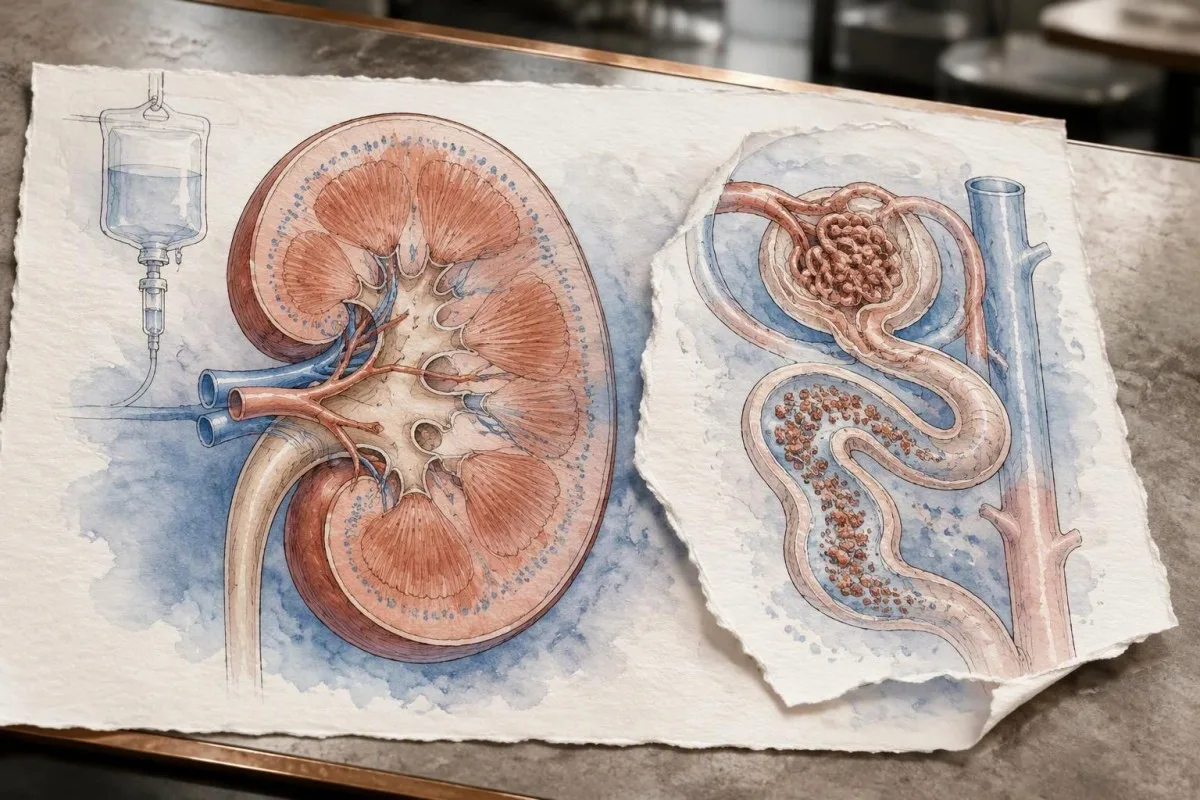
Methotrexate and its metabolites can precipitate in renal tubules, especially when urine is acidic or drug concentrations are high. The resulting kidney injury slows elimination and increases exposure—a self-reinforcing problem. Howard et al. reported acute kidney injury in approximately 2–12% of high-dose treatment recipients across heterogeneous settings, so that range is not an individual patient's predicted risk.
A hypothetical creatinine change from 0.7 to 1.1 mg/dL represents a 57% increase and exceeds the 0.3 mg/dL criterion. The significance comes from the change, not whether 1.1 mg/dL is flagged. Kantesti AI's educational explanations should therefore treat the baseline as relevant context; our BUN versus creatinine explanation clarifies why these markers are not interchangeable.
Reported eGFR becomes less dependable when creatinine is changing quickly because conventional equations assume a relatively steady state. During the first 24–48 hours of kidney injury, clinicians also assess urine output, fluid balance, electrolytes, and the drug elimination curve. The יחס BUN וקריאטינין guide provides background, but a reassuring ratio cannot rule out methotrexate-associated kidney injury.
כיצד משפיעים הידרציה, pH השתן ותרופות על הפינוי?
IV hydration and urine alkalinization reduce the risk of methotrexate precipitation and support renal elimination; many high-dose protocols require urine pH of at least 7 before infusion. Clinicians also review interacting medicines, because increasing fluids alone may not correct a drug-related clearance problem.
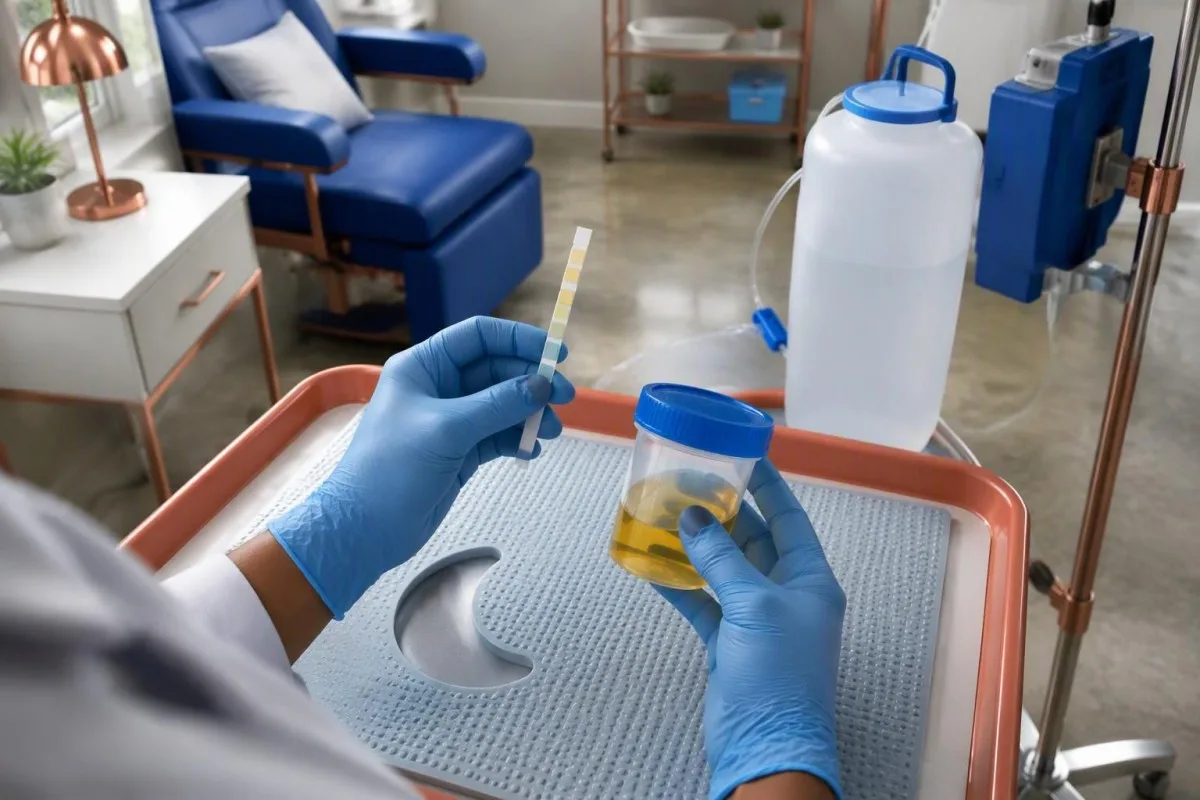
Hydration regimens often use approximately 100–200 mL/m²/hour, but the prescribed rate depends on the cancer protocol, age, cardiac status, kidney function, and fluid balance. Urine pH is rechecked because a satisfactory initial result can fall during treatment. A dipstick color is not a methotrexate concentration; our פרשנות מקל שתן separates these measurements.
NSAIDs, some penicillins, proton pump inhibitors, and other medicines can interfere with renal elimination or increase toxicity risk. Management of trimethoprim-sulfamethoxazole prophylaxis varies by protocol, so patients should not independently stop an antimicrobial prescribed for cancer care. Give the oncology pharmacist a complete list before each infusion, including occasional ibuprofen and medicines taken during the previous 48 hours.
More fluid is not automatically safer when kidney function deteriorates or a patient develops fluid overload. Clinicians balance urine output against weight change, respiratory status, and sodium, potassium, and bicarbonate trends; a 2 kg short-term weight increase can reflect roughly 2 liters of retained fluid. Our לוח האלקטרוליטים שלנו explains why these accompanying results may change the hydration plan.
על מה בדיוק מגינה הצלת לאוקובורין?
הצלת לאוקובורין supplies reduced folate that helps normal cells bypass methotrexate's inhibition of folate metabolism; it does not directly remove methotrexate from plasma. Rescue often starts 24–42 hours after infusion begins, according to the regimen, and should not be postponed while waiting for a delayed laboratory result.
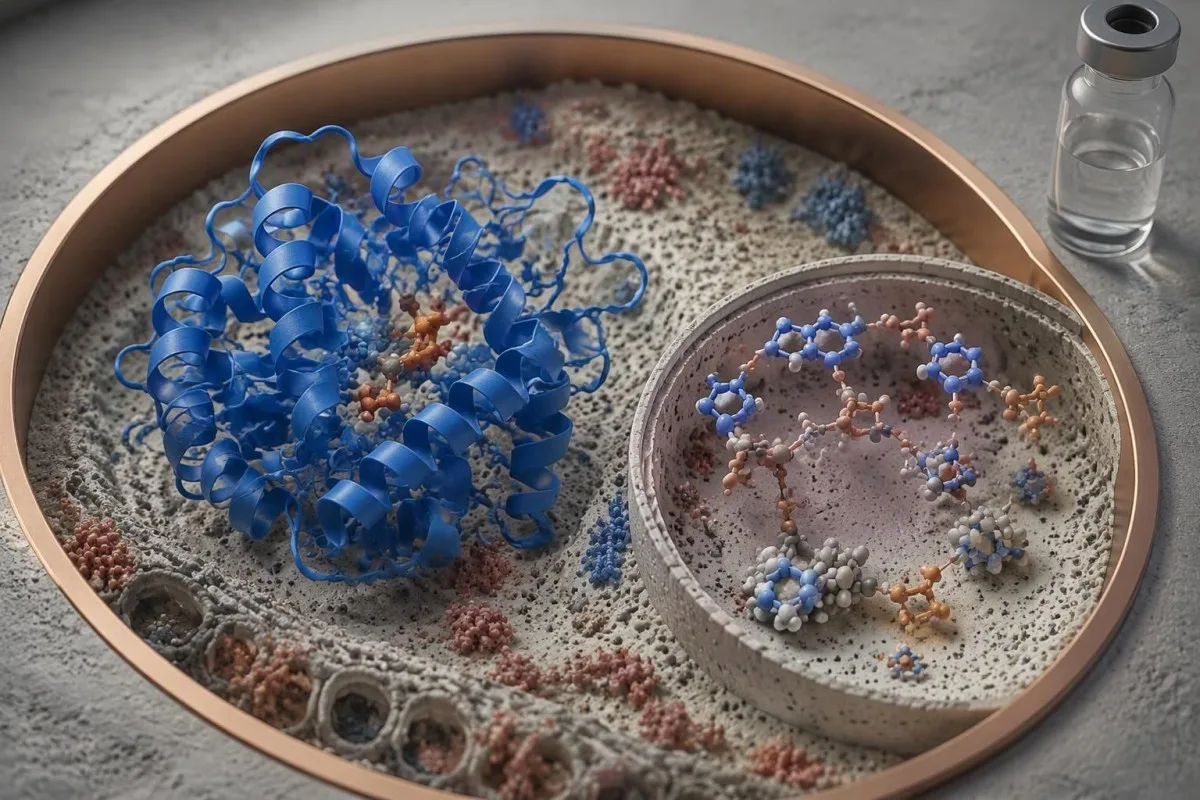
Methotrexate inhibits dihydrofolate reductase, limiting reduced folates needed for DNA synthesis and other cellular processes. Leucovorin, also called folinic acid, enters the folate pathway downstream of that blockade. The timing matters: giving rescue too early can interfere with intended anticancer exposure, while excessive delay increases normal-tissue toxicity; Howard et al. describe why rescue should not be delayed beyond 42–48 hours.
Folic acid and folinic acid are not interchangeable in high-dose rescue. A patient cannot substitute a 400 microgram dietary folic acid tablet for the prescribed leucovorin regimen, even though both relate to folate metabolism. Our low folate explanation addresses nutritional deficiency, which is a different problem from protecting cells during chemotherapy.
Leucovorin is commonly administered every 6 hours, but the actual dose, route, and duration follow the treatment protocol and measured elimination pattern. Mouth or gastrointestinal problems can make oral administration unreliable, and larger rescue doses generally require IV delivery. Ask whether rescue remains scheduled overnight: an extra laboratory draw does not replace a dose that was due at its prescribed time.
כיצד הרופאים מתאימים את הטיפול להצלה על סמך רמות שנמדדו בזמנים מוגדרים?
Leucovorin doses are adjusted using the regimen's time-specific rescue table or nomogram, with kidney injury and clinical status adding urgency. A concentration of 5 µmol/L at 24 hours means something different from 5 µmol/L at 48 hours, so a universal dose-by-level chart would be misleading.
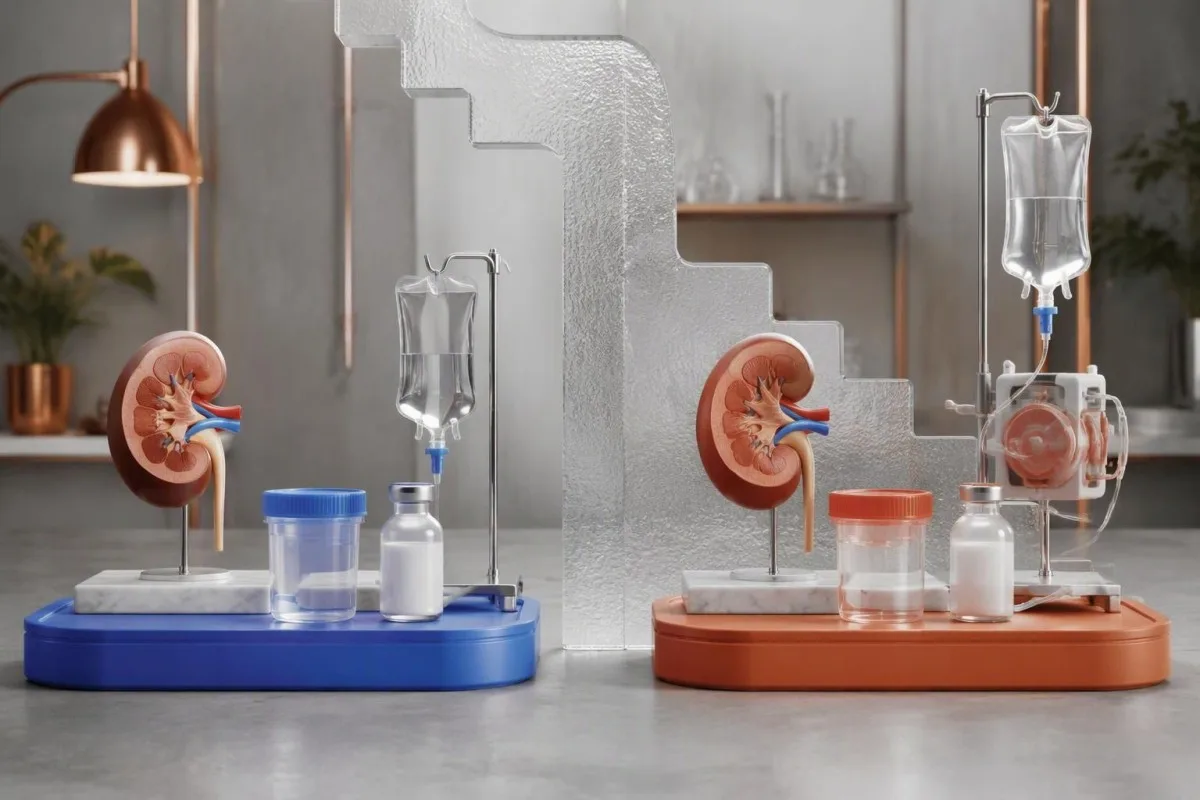
Some regimens begin leucovorin at 15 mg/m² every 6 hours, but that is an example rather than a prescription for every patient. For a hypothetical body surface area of 1.8 m², 15 mg/m² corresponds to 27 mg per dose before protocol-specific rounding. A delayed 42-hour result may trigger a substantially higher dose; the oncology pharmacist applies the relevant chart rather than extrapolating this example.
Oral leucovorin absorption becomes less reliable at higher doses, with saturation commonly discussed above approximately 25–40 mg. That is one reason a team may change from tablets to IV rescue despite a patient feeling well. Dose escalation protects normal tissues during prolonged exposure; it does not imply that the original methotrexate dose was necessarily wrong or that the cancer treatment has failed.
קנטסטי הוא פלטפורמת פענוח בדיקות דם של AI, not a leucovorin dose calculator or a 24-hour infusion-monitoring service. Our מידע על אימות קליני describes the distinction between educational interpretation and treatment decisions. The safest question is specific: which infusion clock and rescue table were used for this result, and has the prescribed dose already been adjusted?
מתי ייתכן שיהיה צורך בגלוקרפידאז במקום בהצלה בלבד?
גלוקרפידאז may be indicated when markedly delayed methotrexate elimination occurs with kidney injury and concentrations exceed regimen-specific thresholds. Ramsey et al.'s 2018 consensus guidance emphasizes early assessment, ideally allowing administration within approximately 48–60 hours of infusion start when indicated.
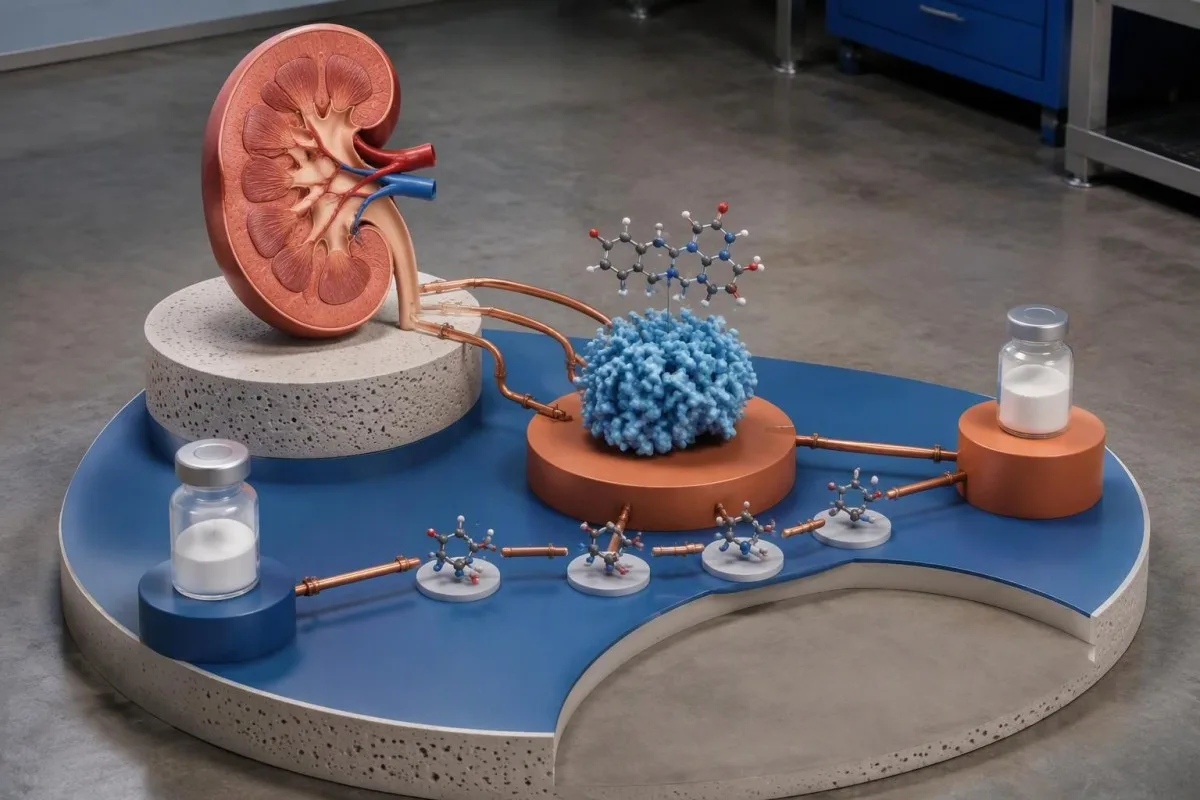
For certain 24-hour infusion regimens, the consensus guideline identifies concentrations above 30 µmol/L at 36 hours, 10 µmol/L at 42 hours, or 5 µmol/L at 48 hours, together with a significant creatinine increase, as potential glucarpidase triggers. These are not universal toxicity boundaries or discharge targets. Shorter infusions and different doses require their own criteria, and a specialist must confirm the applicable pathway.
Glucarpidase is generally administered as a single IV dose of 50 units/kg and converts circulating methotrexate into metabolites that do not rely on the same renal elimination pathway. It does not remove intracellular methotrexate, so leucovorin remains necessary. Leucovorin should be separated from glucarpidase by at least 2 hours before and after administration because the enzyme can also act on leucovorin.
A patient should not wait until severe mouth problems or low counts develop before the team evaluates a concerning 36- or 42-hour result. Access and transfer arrangements may take time, making early discussion valuable even before every criterion is confirmed. Our salicylate treatment timing guide illustrates a broader principle: time-sensitive drug toxicity decisions cannot be based on symptoms alone.
מדוע תוצאת מתוטרקסט עלולה להיראות גבוהה באופן בלתי צפוי?
Unexpected methotrexate results can reflect true delayed elimination, an incorrect timestamp, collection from a contaminated infusion line, or assay interference after glucarpidase. For approximately 48 hours after glucarpidase, common immunoassays can overestimate methotrexate because they also detect its breakdown product DAMPA.
A specimen collected from the lumen used for methotrexate infusion may be contaminated by residual drug, especially near infusion completion. An unexpectedly high concentration with stable creatinine can prompt verification using a correctly collected repeat specimen. That repeat does not justify delaying scheduled rescue; clinicians investigate the discrepancy while maintaining appropriate protection.
After glucarpidase, chromatographic methods can distinguish methotrexate from DAMPA more accurately than cross-reacting immunoassays. Hospitals differ in whether chromatography is locally available or must be sent elsewhere, potentially extending result turnaround beyond 24 hours. During this period, clinicians use the treatment history, available assay method, kidney trend, and specialist guidance rather than treating every reported concentration as directly comparable.
Kantesti's report explanations should preserve the laboratory's assay comments and distinguish collection time from result-release time. A 48-hour post-glucarpidase immunoassay result cannot safely be interpreted as though no enzyme treatment occurred. Our מדריך הפרעות דגימה explains another source of laboratory uncertainty, although hemolysis does not explain every unexpectedly high methotrexate result.
מדוע פינוי מושהה עלול להאריך את האשפוז?
Delayed clearance prolongs hospitalization when safe care still requires IV fluids, alkalinization, repeated testing, or intensified rescue that cannot be delivered reliably outside hospital. A falling 72-hour methotrexate concentration is encouraging, but it does not by itself establish that kidney function, fluid balance, and the discharge plan are safe.
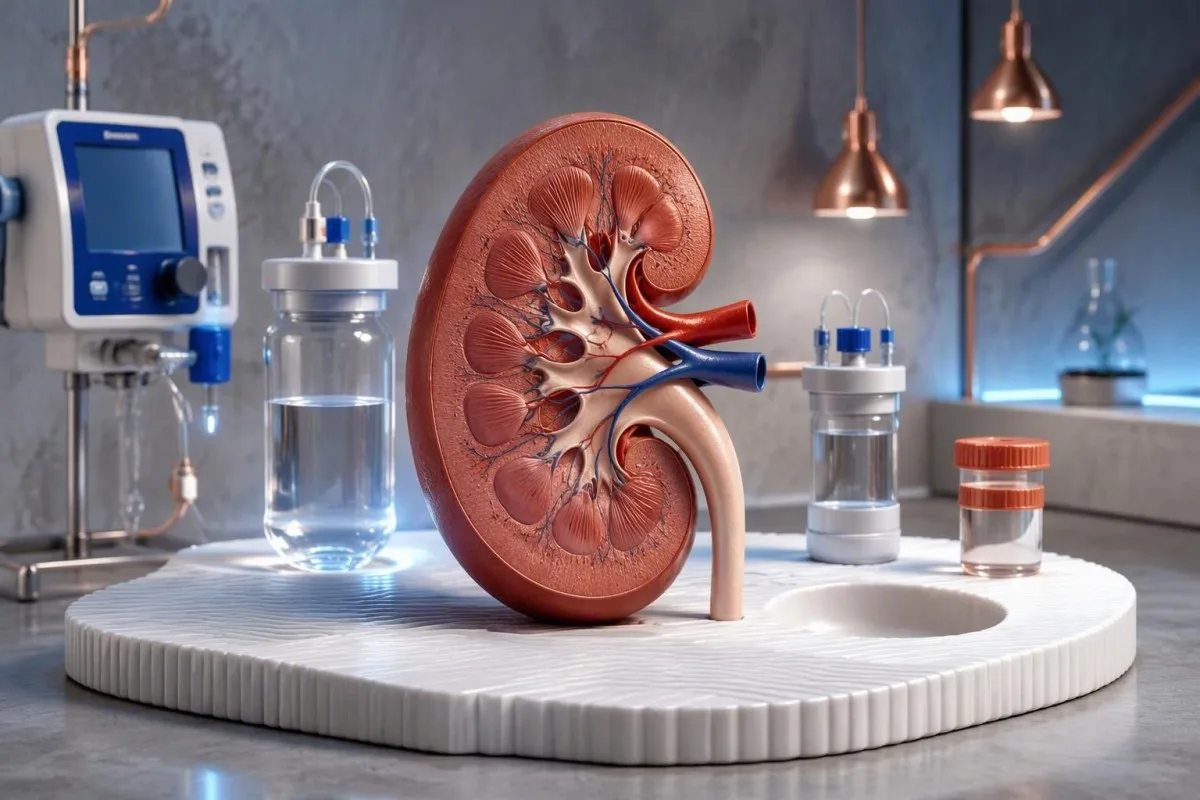
Many protocols continue monitoring or rescue until methotrexate falls below a locally specified endpoint, often somewhere around 0.05–0.1 µmol/L. Those values describe examples of protocol endpoints, not a universal discharge rule. Some services use different criteria or selected outpatient pathways, while others require additional inpatient observation because of kidney injury, symptoms, or practical limitations.
Consider a hypothetical patient whose level falls from 0.4 to 0.15 µmol/L between 72 and 96 hours. Discharge might still be delayed if creatinine continues rising, the patient needs IV rescue, or oral intake cannot maintain the prescribed hydration. Another patient with the same concentration but stable renal function may follow a different local pathway; comparing hospital stays without those details can be misleading.
Safe discharge requires an explicit rescue schedule when applicable, instructions on fluid intake and interacting medicines, a follow-up laboratory appointment, and a reachable oncology contact. Kidney abnormalities can outlast the most intensive concentration monitoring, so a 24- or 48-hour follow-up plan may matter even after discharge. Our שלנו, שינויים מעבדתיים לאחר אשפוז, מדריך explains why recovery trends need their own interpretation.
אילו תסמינים ובדיקות בטיחות מעבדתיות חשובים לצד הרמה?
Methotrexate toxicity assessment combines drug concentrations with kidney tests, blood counts, liver tests, fluid balance, and symptoms. During cancer treatment, fever of 38°C or higher commonly requires immediate contact with the oncology service, although patients should follow their team's specific fever threshold and emergency instructions.
New mouth soreness, persistent vomiting, inability to drink, marked diarrhea, unusual bruising, reduced urination, or worsening breathlessness should be reported promptly. These symptoms may develop after the highest plasma concentration has passed, so a low later result does not erase earlier exposure. A patient unable to keep down prescribed rescue for 6 hours needs urgent instructions rather than simply waiting for the next scheduled dose.
The absolute neutrophil count is more useful than the neutrophil percentage when assessing infection risk; an ANC below 0.5 × 10⁹/L represents severe neutropenia. Fever during neutropenia can be an emergency regardless of the methotrexate concentration. Our מדריך לספירת נויטרופילים explains the count-versus-percentage distinction, but it cannot replace the cancer service's emergency pathway.
Potassium, phosphate, calcium, uric acid, and creatinine may also be monitored because other cancer-treatment complications can affect the kidneys. תסמונת פירוק גידול is not the same condition as delayed methotrexate clearance, and the 2 problems may require different interventions. Our tumor lysis laboratory guide helps explain why clinicians do not attribute every abnormal renal result to methotrexate.
מה צריכים אנשים הנוטלים מתוטרקסט מדי שבוע לנטר?
Weekly methotrexate safety monitoring usually includes a complete blood count, liver enzymes, and creatinine or eGFR rather than serial plasma drug levels. Checks are often more frequent during the first weeks or after dose changes, then commonly every 8–12 weeks once stable, depending on the specialty and local guidance.
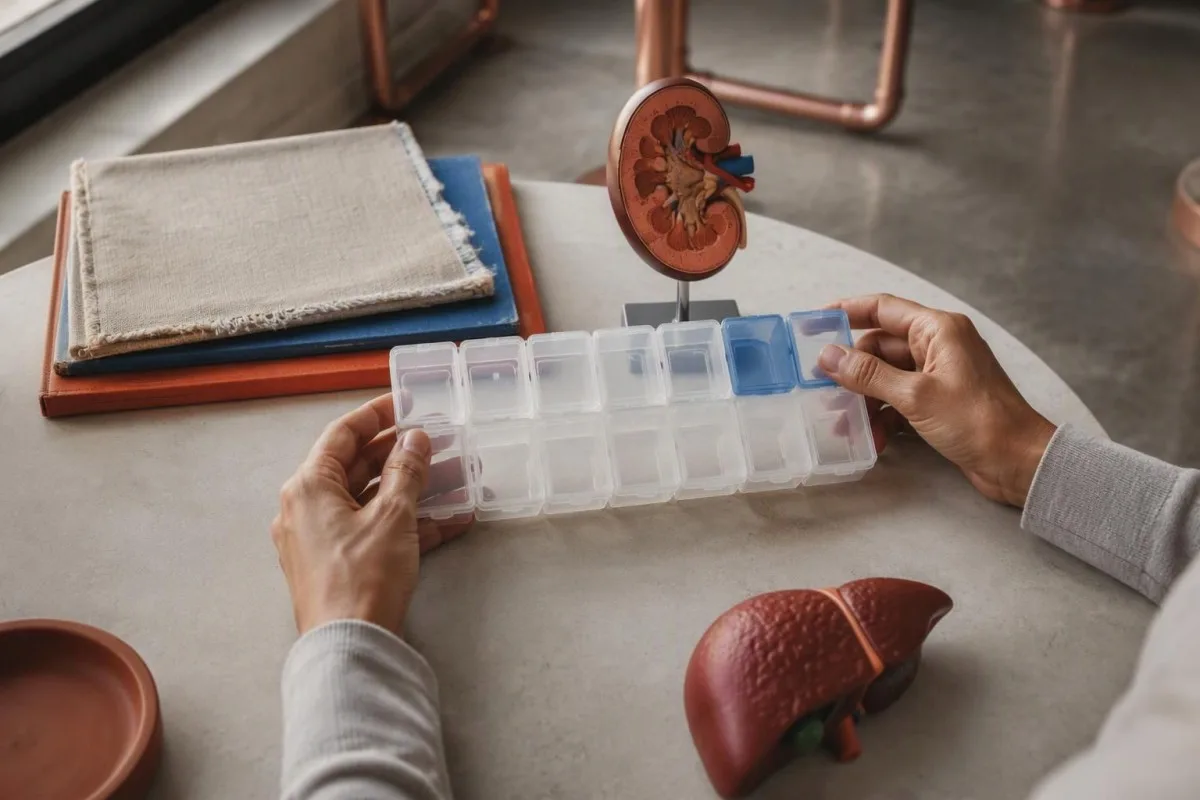
A stable 15 mg weekly prescription does not eliminate the need for monitoring when kidney function changes, another medicine is started, or dehydration develops. Reduced renal elimination can increase exposure even without a dose increase. Patients should tell their prescriber about vomiting, diarrhea, new antibiotics, and over-the-counter NSAIDs rather than assuming the previously tolerated dose remains equally safe.
An isolated mild ALT increase and a falling platelet count answer different safety questions, so the whole panel and its trajectory matter. Persistent abnormalities can lead to repeat testing, temporary withholding, dose adjustment, or investigation of another cause, according to local thresholds. Our המקוצר לטיפול בכבד explains why a panel of 4–6 liver-related markers is not one interchangeable result.
Kantesti can help organize the accompanying CBC, liver, and renal trends for a discussion with the prescriber, but our platform cannot authorize the next weekly dose. Folic acid supplementation is commonly prescribed with low-dose treatment; the amount and schedule are not the same as 6-hourly cancer rescue. Keep the methotrexate day visibly distinct from any daily medicines, and confirm instructions whenever a prescription changes.
האם פינוי מושהה פירושו שיש להפסיק את המתוטרקסט לתמיד?
Delayed clearance does not automatically rule out future methotrexate treatment, but another high-dose cycle requires reassessment of renal recovery, the prior elimination pattern, interacting medicines, and the cancer benefit. A creatinine result checked 7 days later may be useful, yet recovery cannot be judged by elapsed time alone.
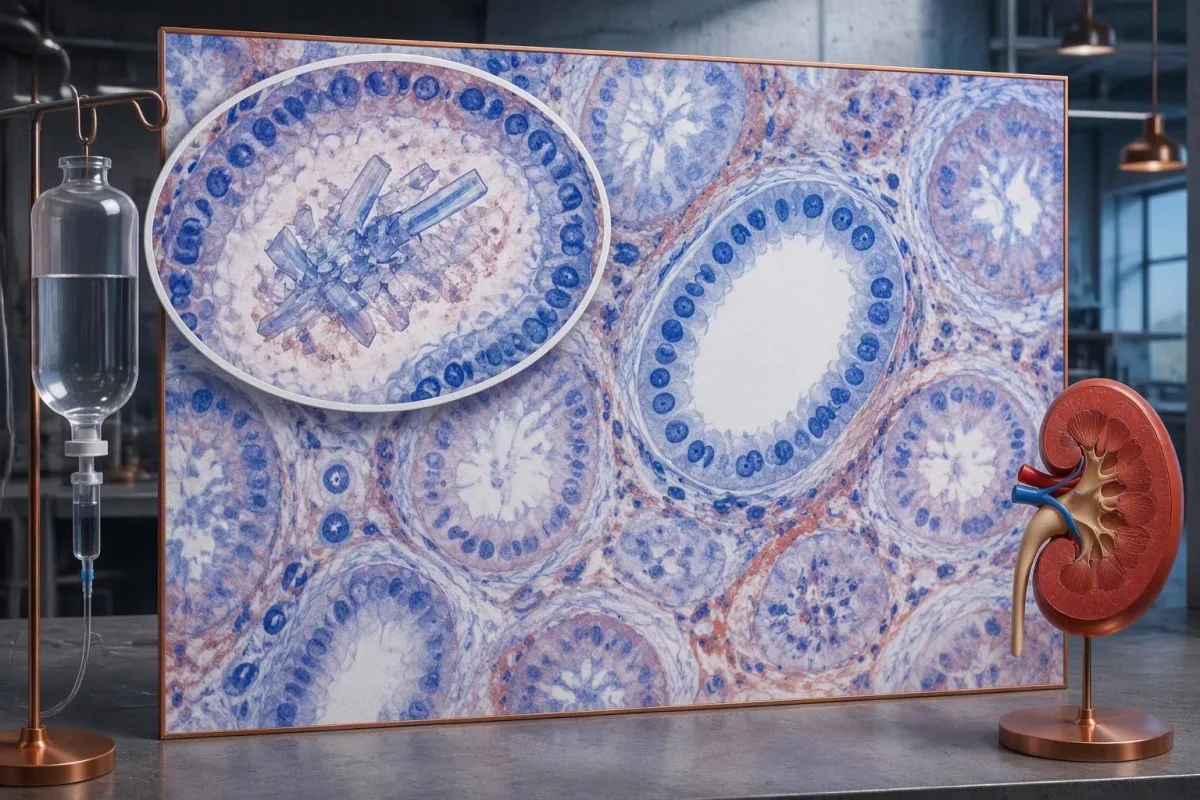
Kidney injury after high-dose methotrexate is often reversible with appropriate care, although recovery speed and completeness vary. Howard et al. describe that selected patients can receive subsequent high-dose treatment after renal recovery, including some previously treated with glucarpidase. That observation is not permission to restart; the team may change the dose, supportive measures, or treatment choice after reviewing the entire episode.
Hydration-related improvement in creatinine does not prove that every aspect of renal handling has returned to baseline. A patient whose creatinine changes from 1.4 to 1.0 mg/dL may still differ from a pre-treatment baseline of 0.7 mg/dL. Our המדריך שלנו להתייבשות ו-eGFR explains reversible influences, while chemotherapy planning also considers the previous timed drug concentrations.
Low albumin, pleural fluid, or ascites can complicate methotrexate pharmacokinetics; fluid collections may act as compartments from which drug returns slowly to the circulation. An albumin of 2.8 g/dL is therefore relevant context, not an independent rescue-dose formula. Our מדריך לפרשנות חלבון סרום explains albumin's broader meaning, including why low values can reflect several different underlying processes.
כיצד על מטופלים להשתמש בהסברים של בינה מלאכותית ובעדויות?
AI explanations of methotrexate levels should support questions about the report, not determine rescue doses, glucarpidase eligibility, or discharge. Bring at least the infusion start and stop times, actual sample times, current and baseline creatinine, and rescue record; a lone 48-hour concentration leaves essential clinical context missing.
קנטסטי הוא כלי לניתוח בדיקות דם מבוסס AI that supports educational questions about laboratory trends, not time-critical chemotherapy decisions. Our מדריך טכנולוגיית בינה מלאכותית explains the platform's role. A 5 µmol/L result should first prompt verification of the infusion clock and the oncology plan, not an automated instruction to change leucovorin.
Share only the information needed for the explanation and follow the hospital's rules for treatment records. Infusion timestamps and laboratory units are clinically useful, while unrelated identifying details may not be necessary; our מידע על פרטיות ונתונים explains our approach. If 2 reports disagree, preserve their original assay comments and ask the treating team which result governs the current plan.
The directly relevant evidence below includes Howard et al.'s 2016 toxicity review, Ramsey et al.'s 2018 glucarpidase consensus, and the 2024 European consensus on delayed elimination. The 2 separate Zenodo publications listed below concern complement testing and Nipah diagnosis; they are educational publications, not evidence for methotrexate rescue thresholds. Our AI שלנו helps readers distinguish topic-specific clinical references from broader platform material.
שאלות נפוצות
מהי רמת מתוטרקסט בטוחה לפני השחרור מבית החולים?
אין ריכוז אוניברסלי של מתוטרקסט שמאפשר שחרור בטוח בכל משטר טיפול בסרטן במינון גבוה. פרוטוקולים רבים משתמשים בנקודות סיום לניטור או לטיפול הצלה סביב 0.05–0.1 µmol/L, אך אין לראות בדוגמאות האלה כללי שחרור שניתן להחליף ביניהם. הצוות הרפואי מעריך גם את התאוששות הכליות, מאזן הנוזלים, צריכת המזון והנוזלים דרך הפה, הצורך בטיפול הצלה והנגישות לבדיקות מעקב. שאלו איזה פרוטוקול מקומי חל במקרה שלכם והאם עדיין נדרשים לאוקובורין או בדיקות מעבדה נוספות לאחר השחרור מבית החולים.
מדוע רמות המתוטרקסט שלי עדיין גבוהות לאחר 48 שעות?
ריכוז גבוה של מתוטרקסט כעבור 48 שעות עשוי להעיד על פינוי כלייתי מושהה, פגיעה בכליות, תרופות המקיימות אינטראקציה, הצטברות נוזלים או משטר טיפול שבו הריכוזים הצפויים בתחילת הטיפול גבוהים יותר. הפרשנות מחייבת לדעת אם 48 השעות נמדדות מתחילת העירוי או מסיומו. עלייה של 0.3 מ״ג/ד״ל בקריאטינין בתוך 48 שעות עומדת באחד הקריטריונים המקובלים לפגיעה כלייתית חריפה ומחייבת התייחסות, גם כאשר הערך הסופי אינו מסומן כחריג בבדיקת המעבדה. צוות האונקולוגיה עשוי להגביר את הטיפול בהצלה, להתאים את הטיפול התומך, לאמת את הדגימה או לבדוק התאמה לגלוקרפידאז.
האם לויקובורין מפחית את רמות המתוטרקסט?
לאוקובורין מגן על תאים תקינים באמצעות אספקת פולאט מחוזר, אך אינו מסלק ישירות מתוטרקסט מהפלזמה. טיפול ההצלה ניתן בדרך כלל כל 6 שעות, כאשר המינון והדרך בפועל נקבעים לפי הפרוטוקול האונקולוגי ובהתאם לריכוזים שנמדדו במועדים מוגדרים. הידרציה ואלקליניזציה מסייעות לפינוי כלייתי, ואילו גלוקארפידאז יכול לפרק אנזימטית מתוטרקסט במחזור הדם כאשר הדבר נדרש. לכן, הריכוז עשוי להישאר גבוה גם בזמן שמתן טיפול הצלה מתאים בלוקובורין נמשך.
0 מתי משתמשים בגלוקרפידאז במקרה של פינוי מושהה של מתוטרקסט?
גלוקארפידאז נשקל במקרה של פינוי מושהה וחמור של מתוטרקסט עם פגיעה כלייתית, כאשר ריכוזי התרופה חורגים מספי הסף הספציפיים למשטר הטיפול. עבור משטרי טיפול מסוימים הכוללים עירוי בן 24 שעות, הנחיות הקונצנזוס משנת 2018 כוללות ריכוזים הגבוהים מ־30 µmol/L לאחר 36 שעות, מ־10 µmol/L לאחר 42 שעות או מ־5 µmol/L לאחר 48 שעות, בצירוף עלייה משמעותית בקריאטינין. על מומחים לוודא שקריטריונים אלה חלים על המינון בפועל ועל משך העירוי. ההנחיות מדגישות הערכה מוקדמת, כדי שניתן יהיה לתת את הטיפול הנדרש, באופן מיטבי, בתוך כ־48–60 שעות מתחילת העירוי.
האם אני צריך/ה לבדוק רמות מתוטרקסט אם אני נוטל/ת אותו פעם בשבוע?
רמות מתוטרקסט בפלזמה אינן נבדקות בדרך כלל באופן שגרתי לצורך ניטור טיפול שבועי סטנדרטי במינון נמוך במצבים דלקתיים. ניטור הבטיחות כולל בדרך כלל ספירת דם מלאה, אנזימי כבד וקריאטינין או eGFR, לעיתים קרובות כל 8–12 שבועות לאחר התייצבות, בהתאם לנוהל המקומי. נטילת מנה שבועית מדי יום היא שגיאת מינון דחופה, וריכוז נמוך שנמדד אינו יכול לשלול באופן מהימן רעילות חמורה לאחר חשיפה חוזרת. יש לפנות מיד לשירות רפואי או למרכז הרעלות אם נלקחו מנות נוספות.
האם רמות המתוטרקסט עלולות להטעות לאחר גלוקרפידאז?
בדיקות אימונולוגיות למתוטרקסט עלולות לדווח על ריכוזים גבוהים כוזבים במשך כ־48 שעות לאחר הטיפול בגלוקרפידאז, משום שהן מגיבות בהצלבה עם תוצר הפירוק DAMPA. שיטות כרומטוגרפיות יכולות להבחין בין מתוטרקסט לבין מטבוליט זה ביתר דיוק, אם כי זמינותן משתנה בין בתי החולים. עדיין נדרש טיפול בלוקובורין, משום שגלוקרפידאז אינו מסלק מתוטרקסט תוך־תאי. צוות האונקולוגיה מפרש את תוצאות הבדיקות לאחר הטיפול לפי שיטת הבדיקה, המגמה בתפקוד הכלייתי, התזמון והנחיות מומחים לטיפול הצלה.
קבלו הסבר על תוצאות בדיקות הדם שלכם
העלו את דוח המעבדה שלכם, וה-AI של Kantesti יסביר כל סמן ביולוגי בשפה פשוטה בתוך שניות. יותר מ-2 מיליון אנשים ברחבי העולם משתמשים בו.
הפניות
- Klein, T., Mitchell, S., & Weber, H. (2026). מדריך לבדיקת C3, C4, משלים בדם ולטיטר ANA. מחקר רפואי של Kantesti AI. DOI
- Klein, T., Mitchell, S., & Weber, H. (2026). בדיקת דם לנגיף ניפה: מדריך לגילוי מוקדם ולאבחון 2026. מחקר רפואי של Kantesti AI. DOI
- Howard SC et al. (2016). Preventing and Managing Toxicities of High-Dose Methotrexate. The Oncologist. DOI PubMed
- Ramsey LB et al. (2018). Consensus Guideline for Use of Glucarpidase in Patients with High-Dose Methotrexate Induced Acute Kidney Injury and Delayed Methotrexate Clearance. The Oncologist. DOI PubMed
- Bielack SS et al. (2024). A European consensus recommendation on the management of delayed methotrexate elimination: supportive measures, leucovorin rescue and glucarpidase treatment. Journal of Cancer Research and Clinical Oncology.
- 2 מיליון+בדיקות שנותחו
- 127+מדינות
- 100+שפות
על הצוות הרפואי


אותות אמון E-E-A-T
הִתנַסוּת
סקירה קלינית בהובלת רופא של תהליכי עבודה לפענוח בדיקות מעבדה.
מוּמחִיוּת
רפואה מעבדתית מתמקדת באופן שבו סמנים ביולוגיים מתנהגים בהקשר קליני.
סמכותיות
נבדק רפואית על ידי ד״ר Thomas Klein, בתרומתם של ד״ר Sarah Mitchell ופרופ׳ ד״ר Hans Weber.
אֲמִינוּת
פרשנות מבוססת-ראיות עם מסלולי המשך ברורים כדי להפחית בהלה.




הצהרה רפואית
מאמר זה מיועד למטרות חינוכיות בלבד ואינו מהווה ייעוץ רפואי. תמיד יש להתייעץ עם גורם מוסמך בתחום הבריאות לצורך החלטות אבחון וטיפול.
פורסם · צרו קשר עם צוות העריכה
פורסם על ידי Kantesti Ltd, הרשומה באנגליה ובוויילס, מספר חברה. 17090423, לונדון, בריטניה.
