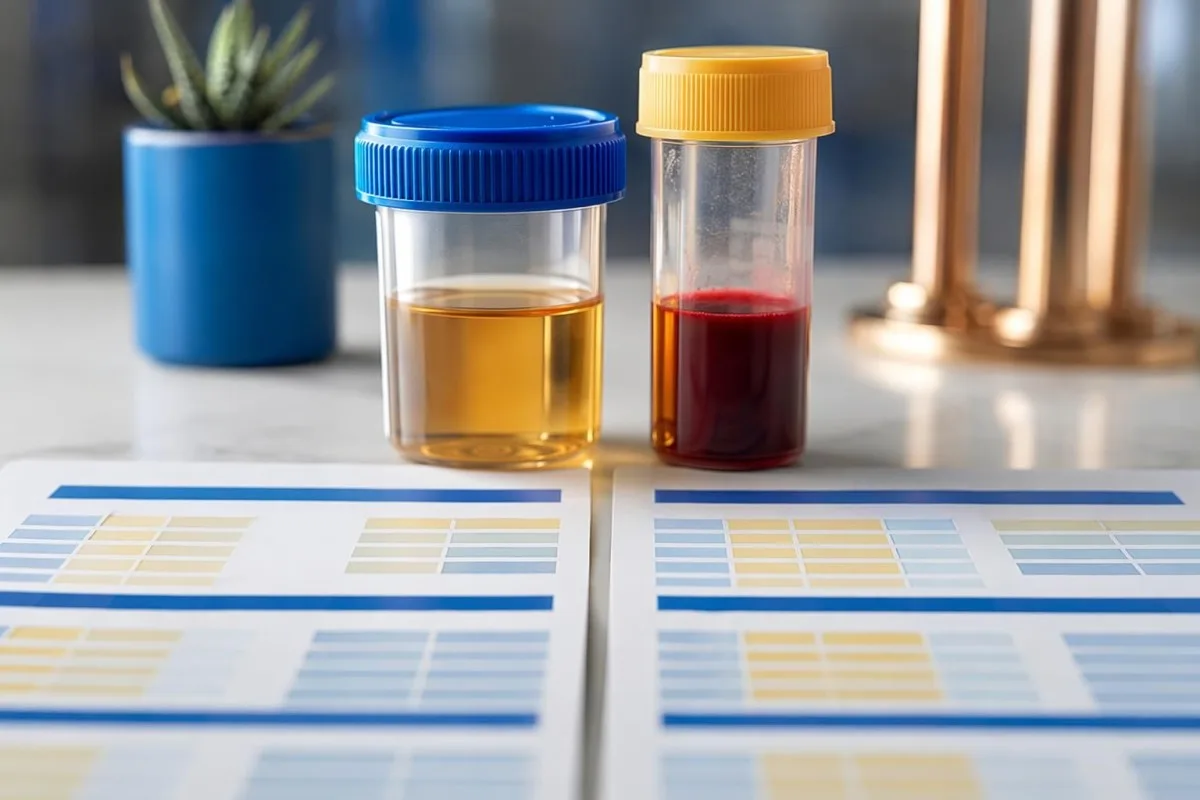
એકબીજાની બાજુમાં રાખીને કરાયેલ રક્ત પરીક્ષણની તુલના સૌથી સલામત ત્યારે થાય છે જ્યારે તમે એકમો, ઉપવાસની સ્થિતિ, લેબ પદ્ધતિ, દવાઓ લેવાનો સમય, અને કોઈપણ વધારો કે ઘટાડો આંકતા પહેલાં તમારો પોતાનો મૂળભૂત (બેઝલાઇન) માપ મેળવો. 1 જૂન, 2026 સુધી, હું હજી પણ યોગ્ય પરીક્ષણને શાંતિથી ફરી કરવાથી વધુ નુકસાન નાનાં લેબ ફેરફારો પર અતિપ્રતિક્રિયા આપવાથી થતું જોઉં છું.


- બાજુબાજુ રક્ત પરીક્ષણ કોઈપણ ફેરફારનું અર્થઘટન કરતા પહેલાં તુલના એકમો, તારીખ, ઉપવાસની સ્થિતિ, લેબનું નામ, અને દવા લેવાનો સમયથી શરૂ થવી જોઈએ.
- સામાન્ય જૈવિક ફેરફાર એટલે કે 5% સોડિયમમાં ફેરફાર મહત્વનો હોઈ શકે છે, જ્યારે 25% ALTમાં ફેરફાર વ્યાયામ અથવા બીમારી પછી પણ હજી અસ્થાયી હોઈ શકે છે.
- ટ્રાઇગ્લિસરાઇડ્સ સામાન્ય રીતે સામાન્ય ભોજન પછી લગભગ 20-30 mg/dL સુધી વધે છે, તેથી ઉપવાસ અને બિન-ઉપવાસ લિપિડ રિપોર્ટ્સની તુલના સમાન પરિસ્થિતિઓ તરીકે ન કરવી જોઈએ.
- ક્રિએટિનાઇન અંદાજે 15-20%થી ઉપરના ફેરફારો પર ધ્યાન આપવું જોઈએ, ખાસ કરીને જ્યારે eGFR પણ ઘટે અથવા urine albumin-creatinine ratio વધે.
- HbA1c 0.3 ટકા પોઈન્ટના ફેરફારો અર્થપૂર્ણ હોઈ શકે છે, પરંતુ એનિમિયા, ટ્રાન્સફ્યુઝન, કિડની રોગ, અને હિમોગ્લોબિનના વેરિઅન્ટ્સ પરિણામને વિકૃત કરી શકે છે.
- ટીએસએચ દિવસના સમય, ચૂકી ગયેલી લેવોથાયરોક્સિન ડોઝ, બાયોટિન, તાત્કાલિક બીમારી, અને ગર્ભાવસ્થાના ત્રિમાસિક સાથે સમયગાળા દરમિયાન 20-50% સુધી ફેરફાર થઈ શકે છે.
- દવાઓ લેવાનો સમય મહત્વનું છે: લેવોથાયરોક્સિનનું રીટેસ્ટિંગ સામાન્ય રીતે 6-8 અઠવાડિયા લે છે, સ્ટેટિન લિપિડ ચેક ઘણીવાર 4-12 અઠવાડિયા લે છે, અને આયર્ન લેબ્સ પૂરક દવાઓ લીધા પછી કેટલાક દિવસો સુધી વિકૃત થઈ શકે છે.
- તાત્કાલિક ફેરફારો જેમાં પોટેશિયમ 6.0 mmol/Lથી ઉપર હોય, સોડિયમ 125 mmol/Lથી નીચે હોય, હિમોગ્લોબિન લગભગ 7 g/dLની નજીક હોય, અથવા લક્ષણો સાથે ક્રિએટિનિન ઝડપથી વધતું હોય.
- પુનરાવર્તિત રક્ત પરીક્ષણનું વિશ્લેષણ ત્યારે સૌથી વધુ સારું કામ કરે છે જ્યારે આગામી ટેસ્ટમાં એ જ લેબ, એ જ સંગ્રહ સમય, અને એ જ પ્રી-ટેસ્ટ રૂટિન ફરીથી કરવામાં આવે.
અતિપ્રતિક્રિયા કર્યા વિના લેબ મુલાકાતોની તુલના કેવી રીતે કરવી
A બાજુ-બાજુ રક્ત પરીક્ષણ બંને રિપોર્ટ્સ સરખા હોવાની તમે પુષ્ટિ કરો ત્યાર પછી જ તે તબીબી રીતે ઉપયોગી બને છે. એ જ બાયોમાર્કર, એ જ એકમ, સમાન ફાસ્ટિંગ સ્થિતિ, શક્ય હોય તો એ જ લેબ પદ્ધતિ, અને એ જ દવા શેડ્યૂલની તુલના કરો; પછી પૂછો કે આ ફેરફાર અપેક્ષિત દૈનિક જૈવિક ફેરફાર કરતાં મોટો છે કે નહીં.
કાન્ટેસ્ટી એક છે AI બ્લડ ટેસ્ટ રિપોર્ટ સમજો પ્લેટફોર્મ જે એક જ સમયરેખામાં પુનરાવર્તિત રિપોર્ટ્સ મૂકે છે, એક જ લાલ નિશાનીને નિદાન તરીકે ગણવાને બદલે. અમારી ક્લિનિકલ રિવ્યુ વર્કફ્લોમાં પહેલો પાસ જાણબૂઝીને નિરસ છે: રિપોર્ટ તારીખ, સંગ્રહ સમય, એકમ, ફાસ્ટિંગ સ્થિતિ, લેબનું નામ, અને શું દર્દી છેલ્લા 14 દિવસમાં બીમાર હતો કે નહીં. સાચા ટ્રેન્ડ્સ માટે દર્દીનું વધુ ઊંડું દૃશ્ય જોવા માટે અમારી માર્ગદર્શિકા જુઓ વાસ્તવિક પ્રયોગશાળાના વલણો.
થોમસ ક્લાઇન, MD તરીકે હું દર્દીઓને કહું છું કે 4.2 થી 4.5 mmol/L પોટેશિયમ સુધીનું પરિણામ સામાન્ય રીતે પોતે જ કોઈ વાર્તા નથી. 4.2 થી 6.2 mmol/L સુધીનું પરિણામ, ખાસ કરીને કિડની રોગ, ACE inhibitor નો ઉપયોગ, અથવા ધબકારા (palpitations) સાથે હોય, તો વાતચીત બહુ અલગ હોય છે.
આ શબ્દસમૂહ મુલાકાતો વચ્ચેનું બ્લડ ટેસ્ટ તફાવત બનાવે છે નાટકીય લાગી શકે છે, પરંતુ ઘણી બધી તફાવતો તબીબી કરતાં ગણિતીય હોય છે. 1.0 mg/dL ક્રિએટિનિન અને 88 µmol/L મૂળભૂત રીતે એ જ મૂલ્ય છે, કારણ કે 1.0 mg/dL ક્રિએટિનિન લગભગ 88.4 µmol/L બરાબર છે.
વ્યવહારુ ચાળો એ છે કે ત્રણ પ્રશ્નોને અલગ કરો: શું આ સંખ્યા ખરેખર બદલાઈ? શું શરીરમાં ફેરફાર થયો? અને શું આ ફેરફાર લક્ષણો સાથે મેળ ખાય છે? મોટાભાગની ભૂલો ત્યારે થાય છે જ્યારે લોકો એક જ અલગ પડેલી સંખ્યાથી ત્રીજો પ્રશ્ન જવાબે છે.
અર્થ કાઢતા પહેલાં એકમો, તારીખો, અને એસે પદ્ધતિઓ તપાસો
એકમમાં ફેરફાર સ્થિર પરિણામોને અસામાન્ય દેખાડે શકે છે, જ્યારે કંઈ જ જૈવિક ફેરફાર ન થયો હોય. કોઈનું અર્થઘટન કરતા પહેલાં બહુવિધ રક્ત પરીક્ષણોની તુલના, એકમો રૂપાંતર કરો અને ખાતરી કરો કે બંને લેબ્સે એ જ એનાલાઇટને એ જ પ્રકારની પદ્ધતિથી માપ્યું છે.
કોલેસ્ટેરોલ, LDL-C, અને HDL-C mg/dLથી mmol/Lમાં 0.02586થી ગુણાકાર કરીને રૂપાંતર થાય છે; ટ્રાઇગ્લિસરાઇડ્સ 0.01129થી ગુણાકાર કરીને રૂપાંતર થાય છે. g/dLમાં હિમોગ્લોબિન 10થી ગુણાકાર કરીને g/L બને છે, એટલે 13.5 g/dL = 135 g/L. અમારી એકમ રૂપાંતર માર્ગદર્શિકા તમને મોકલવામાં આવતા સામાન્ય ફાંસાઓમાંથી પસાર થાય છે.
હોર્મોન્સ, વિટામિન D, ટ્રોપોનિન, D-dimer, અને કેટલીક ઓટોઇમ્યુન એન્ટિબોડીઝ માટે એસે પદ્ધતિ સૌથી વધુ મહત્વની છે. મેં એક દર્દીને 25-OH વિટામિન Dમાં 34 ng/mLથી 78 nmol/L સુધીના ઘટાડા પર ગભરાતાં જોયા છે, જ્યારે 78 nmol/L લગભગ 31 ng/mL છે; ક્લિનિકલી, આ નાનો તફાવત છે, કોઈ પતન (collapse) નથી.
રેફરન્સ રેન્જો લેબ્સ વચ્ચે પરસ્પર બદલાવી શકાય તેવી નથી. એક લેબમાં TSHની ઉપરની મર્યાદા 4.0 mIU/L હોઈ શકે છે અને બીજીમાં 4.5 mIU/L; ફ્રી ટેસ્ટોસ્ટેરોનની રેન્જો તો વધુ પણ અલગ પડી શકે છે, કારણ કે ઇમ્યુનોએસે અને માસ સ્પેક્ટ્રોમેટ્રી પદ્ધતિઓ એકસરખી રીતે વર્તતી નથી.
નમૂના સંબંધિત નોંધો પણ જુઓ. હીમોલિસિસ, લિપેમિયા, પ્રક્રિયામાં વિલંબ, અથવા ખોટી ટ્યુબમાં લેવાયેલો નમૂનો પોટેશિયમ, AST, LDH, ગ્લુકોઝ, અને કોગ્યુલેશન ટેસ્ટ્સને એટલું ખસેડી શકે છે કે ખોટો પેટર્ન બની જાય.
શું બદલાયું તે નક્કી કરવા માટે જૈવિક ફેરફારનો ઉપયોગ કરો
જૈવિક ફેરફાર એ સામાન્ય અંદર-વ્યક્તિ (within-person) ઉતાર-ચઢાવ છે જે ત્યારે પણ થાય છે જ્યારે સ્વાસ્થ્ય સ્થિર હોય. જ્યારે ફેરફાર તમારા શરીર અને લેબોરેટરી ઇન્સ્ટ્રુમેન્ટ તરફથી અપેક્ષિત સંયુક્ત ફેરફાર કરતાં વધારે હોય ત્યારે તે વધુ વિશ્વસનીય લાગે છે.
ક્લાસિક Fraser અને Harris મોડેલ વર્ણવે છે કે રેફરન્સ ચેન્જ વેલ્યુ, જેને ઘણીવાર 2.77 × √(analytical variation² + biological variation²) તરીકે અંદાજવામાં આવે છે, જેથી નક્કી કરી શકાય કે બે પરિણામો ખરેખર અલગ છે કે નહીં (Fraser and Harris, 1989). સરળ ભાષામાં: કેટલાક માર્કર્સ સ્વાભાવિક રીતે સ્થિર રહે છે, અને બીજા આસપાસ ઉછળતા રહે છે.
સોડિયમ કડક રીતે નિયંત્રિત થાય છે, તેથી 140થી 132 mmol/L સુધીનું ખસેડવું લંચ પછી 145થી 175 mg/dL સુધીના ટ્રાઇગ્લિસરાઇડ ખસેડવા કરતાં ઘણું વધુ અર્થપૂર્ણ છે. અપેક્ષિત ફેરફારો વિશે વધુ ઊંડો સંદર્ભ માટે અમારી ફેરફાર માર્ગદર્શિકા સમજાવે છે કે એક-જ કદના રેફરન્સ રેન્જ વ્યક્તિગત બેઝલાઇન કેમ ચૂકી જાય છે.
ક્લિનિકલી હું જે અંદાજિત વાસ્તવિક-ફેરફાર થ્રેશહોલ્ડ્સ વાપરું છું તે સોડિયમ માટે 4-5%, ક્રિએટિનિન માટે 10-15%, ALT માટે 20-30%, ફેરિટિન માટે 30-50%, અને ટ્રાઇગ્લિસરાઇડ્સ અથવા TSH માટે 40-60% છે. આ નિદાન માટેના કટઓફ નથી; આ સિગ્નલ-વર્સસ-નોઇઝ કટઓફ છે.
અહીંનું પુરાવું ઓમેગા-3 ઇન્ડેક્સ, IGF-1, અને એડવાન્સ્ડ લિપિડ પાર્ટિકલ્સ જેવા નવા વેલનેસ માર્કર્સ માટે ઈમાનદારીથી મિશ્ર છે. તે ઉપયોગી હોઈ શકે છે, પરંતુ પુનઃપરીક્ષણને ખૂબ કડક રીતે સ્ટાન્ડર્ડાઇઝ કરવું જોઈએ કારણ કે નાના ફેરફારો ફિઝિયોલોજી કરતાં પ્રી-એનલિટિકલ હેન્ડલિંગને પ્રતિબિંબિત કરી શકે છે.
ઉપવાસની સ્થિતિ ગ્લુકોઝ કરતાં વધુ બદલાય છે
ફાસ્ટિંગ અને નોન-ફાસ્ટિંગ રિપોર્ટ્સને સમાન લેબ મુલાકાત તરીકે ગણવા જોઈએ નહીં. ભોજન ટ્રાઇગ્લિસરાઇડ્સ, ગ્લુકોઝ, ઇન્સ્યુલિન, બિલિરુબિન, ફોસ્ફેટ, અને ક્યારેક કિડનીના માર્કર્સને એટલા બદલી શકે છે કે સાઇડ-બાય-સાઇડ રિવ્યુ ગૂંચવાઈ જાય.
નોર્ડેસ્ટગાર્ડ અને સહકર્મીઓએ જણાવ્યું કે રૂટીન લિપિડ પ્રોફાઇલ્સ ઘણીવાર ફાસ્ટિંગ વિના માપી શકાય છે, પરંતુ નોન-ફાસ્ટિંગ ટ્રાઇગ્લિસરાઇડ્સ સામાન્ય ભોજન પછી પણ લગભગ 0.3 mmol/L, અથવા અંદાજે 26 mg/dL જેટલા વધે છે (Nordestgaard et al., 2016). આ કાર્ડિયોવાસ્ક્યુલર સ્ક્રીનિંગ માટે ઠીક છે; જો તમે આંકતા હો કે કોઈ ડાયેટે ટ્રાઇગ્લિસરાઇડ્સને 20 mg/dL ઘટાડ્યા છે કે નહીં, તો તે એટલું ઠીક નથી.
100-125 mg/dLનું ફાસ્ટિંગ ગ્લુકોઝ impaired fasting glucose સૂચવે છે, જ્યારે પુનઃપરીક્ષણમાં 126 mg/dL અથવા વધુ આવે તો ડાયાબિટીસ નિદાનને સમર્થન મળે છે. ક્લાસિક લક્ષણો સાથે 200 mg/dLથી ઉપરનું રેન્ડમ ગ્લુકોઝ અલગ ડાયગ્નોસ્ટિક પરિસ્થિતિ છે; તેને ગયા વર્ષની ફાસ્ટિંગ વેલ્યુ સાથે કેઝ્યુઅલી સરેરાશ કરવાનું નથી.
ફાસ્ટિંગ દરમિયાન બિલિરુબિન વધી શકે છે, ખાસ કરીને Gilbert syndrome ધરાવતા લોકોમાં; હું ઘણીવાર જોઉં છું કે કુલ બિલિરુબિન 1.1 થી 1.8 mg/dL સુધી જાય છે જ્યારે ALT અને AST સામાન્ય રહે છે. અમારી માર્ગદર્શિકા ફાસ્ટિંગ સ્થિતિમાં ફેરફારો સમજાવે છે કે આ પેટર્ન સામાન્ય રીતે બિલિરુબિન સાથે ઊંચું ALP અથવા GGT હોય તેના કરતાં ઓછું ચિંતાજનક કેમ હોય છે.
રેનલ પેનલ્સ પણ તાજેતરના પ્રોટીન ઇન્ટેક અને હાઇડ્રેશન સાથે બદલાય છે. BUN ઊંચા-પ્રોટીન ભોજન પછી અથવા ડિહાઇડ્રેશન પછી વધી શકે છે, તેથી BUN/ક્રિએટિનિન રેશિયો માત્ર કિડનીના ભય સાથે નહીં, પરંતુ પ્રવાહી ઇન્ટેક સાથે સરખાવવો જોઈએ.
લેબ-થી-લેબ તફાવતો રોગ જેવું દેખાડી શકે છે
અલગ-અલગ લેબોરેટરીઓ એક જ વ્યક્તિમાંથી એક જ અઠવાડિયામાં અલગ મૂલ્યો દર્શાવી શકે છે. સમસ્યા સામાન્ય રીતે અચાનક રોગપ્રક્રિયા કરતાં કેલિબ્રેશન, એસે ડિઝાઇન, સ્થાનિક રેફરન્સ પોપ્યુલેશન્સ, અથવા રિપોર્ટિંગ કન્વેન્શન્સને કારણે હોય છે.
કાન્ટેસ્ટી એક છે AI-સંચાલિત બ્લડ ટેસ્ટ એનાલિસિસ ટૂલ તે તપાસે છે કે પરિણામ એકમ, રેફરન્સ ઇન્ટરવલ, અથવા લેબ સોર્સ બદલાયા હોવાથી ખસ્યું છે કે નહીં. આ ખાસ કરીને દેશો વચ્ચે પુનરાવર્તિત બ્લડ ટેસ્ટ વિશ્લેષણ માટે ઉપયોગી છે, જ્યાં ફેરીટિન, વિટામિન D, થાયરોઇડ, અને કિડની રિપોર્ટિંગ ફોર્મેટ્સ વ્યાપક રીતે બદલાય છે.
કેટલીક યુરોપિયન લેબ્સ ALT માટે જૂના US-સ્ટાઇલ રિપોર્ટ્સ કરતાં નીચી ઉપરની રેફરન્સ મર્યાદા વાપરે છે—મોટેભાગે પુરુષોમાં લગભગ 35 IU/L અને સ્ત્રીઓમાં 25 IU/L. 42 IU/Lનું મૂલ્ય એક જગ્યાએ ચિહ્નિત થઈ શકે છે અને બીજી જગ્યાએ અવગણવામાં આવી શકે છે, ભલે એરપોર્ટ્સ વચ્ચે લિવર બદલાયું ન હોય.
એ જ સમસ્યા eGFRને પણ અસર કરે છે. 72 વર્ષના વ્યક્તિમાં ક્રિએટિનિન આધારિત eGFR 58 mL/min/1.73 m² હોય તો તેનું અર્થઘટન 28 વર્ષના એન્ડ્યુરન્સ એથ્લીટ જેવી રીતે થતું નથી; ઉંમર, મસલ માસ, સિસ્ટેટિન C, અને યુરિન એલ્બ્યુમિન જોખમ નક્કી કરે છે.
રેફરન્સ રેન્જિસ પોપ્યુલેશન્સનું વર્ણન કરે છે, તમારી વ્યક્તિગત સેટ પોઇન્ટનું નહીં. શા માટે અમારા લેખમાં સામાન્ય રેન્જિસ ભ્રમિત કરે છે છાપેલા ઇન્ટરવલની બહાર એક પોઇન્ટ હોય ત્યારે તમે દરેક મૂલ્ય પાછળ દોડો તે પહેલાં તેને વાંચવું યોગ્ય છે.
દવા લેવાનો સમય પરિણામનો ભાગ છે
દવા અને સપ્લિમેન્ટનો સમય લેબ પરિણામને એટલું જ બદલી શકે છે જેટલું મોનિટર થતી બીમારી બદલે છે. માન્ય તુલનામાં ડોઝ, ચૂકી ગયેલી ડોઝ, શરૂઆતની તારીખ, છેલ્લી ડોઝનો સમય, અને દવા પીક પછી કે પહેલાં બ્લડ લેવામાં આવ્યું હતું કે નહીં—બધું નોંધવું જોઈએ.
લેવોથાયરોક્સિન ડોઝમાં ફેરફારો સામાન્ય રીતે TSHને નવા સ્થિર સ્તરે પહોંચવા માટે 6-8 અઠવાડિયા માંગે છે. 2 અઠવાડિયામાં કરાયેલ ટેસ્ટ ભ્રમિત કરતું વચ્ચેનું પરિણામ બતાવી શકે છે, જ્યારે free T4, TSH કરતાં વહેલું ખસકી શકે છે.
5-10 mg/દિવસ બાયોટિન કેટલાક થાયરોઇડ, ટ્રોપોનિન, અને હોર્મોન ઇમ્યુનોએસેઝમાં દખલ કરી શકે છે; ઘણા ક્લિનિશિયન્સ ડોઝ અને એસે પર આધાર રાખીને ટેસ્ટ પહેલાં 48-72 કલાક માટે તેને બંધ કરવા કહે છે. મેં જોયું છે કે દર્દીએ ત્રણ દિવસ માટે હેર સપ્લિમેન્ટ બંધ કર્યું પછી નીચું TSH અને ઊંચું free T4 અદૃશ્ય થઈ ગયું.
આયર્ન સપ્લિમેન્ટ્સ તાત્કાલિક રીતે સીરમ આયર્ન અને ટ્રાન્સફેરિન સેચ્યુરેશન વધારી શકે છે, જ્યારે ફેરીટિન અઠવાડિયાઓ દરમિયાન વધુ ધીમે ખસે છે. દવા-દવા મુજબ સમયની વિગતો માટે, અમારી દવા ટાઇમલાઇન માર્ગદર્શિકા દરેક હાફ-લાઇફ યાદ રાખવાનો પ્રયત્ન કરતાં વધુ ઉપયોગી છે.
સ્ટેટિન પ્રતિભાવ સામાન્ય રીતે 4-12 અઠવાડિયા પછી આંકવામાં આવે છે, અને LDL-C ઘણીવાર તીવ્રતા અને અનુસરણ પર આધાર રાખીને 30-50% જેટલું ઘટે છે. જો બીજો લિપિડ પેનલ ચૂકી ગયેલી ડોઝ, રજા, અથવા અલગ ઉપવાસ સ્થિતિ પછી દોરાયો હોય, તો તુલનાની શક્તિ ઘટી જાય છે.
વ્યાયામ, બીમારી, અને હાઇડ્રેશન છાપ છોડી જાય છે
તાજેતરનું વ્યાયામ, વાયરલ બીમારી, રસીકરણ, ગરમીનો સંપર્ક, અને ડિહાઇડ્રેશન તાત્કાલિક લેબ પેટર્ન્સ બનાવી શકે છે જે એકલા જોતા ચિંતાજનક લાગે છે. આ પેટર્ન્સ સામાન્ય રીતે ત્યારે ઓળખી શકાય છે જ્યારે અનેક માર્કર્સ સાથે મળીને ખસે છે.
AST 89 IU/L અને ALT 42 IU/L ધરાવતા 52 વર્ષના મેરેથોન દોડવીર પાસે જો CK 2,800 IU/L હોય અને સ્નાયુમાં દુખાવો જેવા લક્ષણો હોય તો કદાચ બિલકુલ યકૃતની ઈજા ન પણ હોય. AST સ્નાયુમાં તેમજ યકૃતમાં પણ રહે છે, તેથી સામાન્ય બિલિરુબિન અને ઊંચું CK સાથે ઊંચું AST પિત્તનળીની તકલીફ તરફ ઓછું સૂચવે છે.
ડિહાઇડ્રેશન એલ્બ્યુમિન, હેમાટોક્રિટ, કુલ પ્રોટીન, કેલ્શિયમ અને ક્યારેક BUNને સંકેન્દ્રિત કરે છે. ગરમ દિવસ પછી હિમોગ્લોબિન 14.2 થી 15.7 g/dL સુધી વધવું નવી લાલ રક્તકણોની ઉત્પત્તિ કરતાં પ્લાઝમા વોલ્યુમ ઘટવાનું પ્રતિબિંબિત કરી શકે છે.
સોજાના માર્કર્સ લક્ષણો કરતાં પાછળ રહે છે. ચેપ શરૂ થયા પછી 24-72 કલાકમાં CRP શિખરે પહોંચી શકે છે, અને વાયરસજન્ય બીમારી અથવા કઠિન ટ્રેનિંગ પછી 10 mg/Lથી ઓછી હળવી વૃદ્ધિ સામાન્ય છે. અમારી માર્ગદર્શિકા કસરત પછીના લેબ ફેરફારો CK, AST, WBC અને ફેરીટિનના પેટર્ન સમજાવે છે.
રસીકરણ પછી પણ સમય મહત્વનો છે. 1-7 દિવસની અંદર નાનું WBC, CRP અથવા પ્લેટલેટમાં ફેરફાર સામાન્ય રીતે 3-4 અઠવાડિયામાં સતત અસામાન્યતા રહે તે કરતાં ઓછું ચિંતાજનક હોય છે, ખાસ કરીને જો તાવ, ચકામા/બ્રુઝિંગ, છાતીમાં દુખાવો, અથવા શ્વાસ લેવામાં તકલીફ ન હોય.
ધીમા ટ્રેન્ડ્સ ઘણીવાર લાલ નિશાન કરતાં વધુ મહત્વના હોય છે
ત્રણ અથવા વધુ લેબ મુલાકાતોમાં ધીમો ફેરફાર ઘણી વખત એક જ સરહદી (બોર્ડરલાઇન) ચેતવણી કરતાં વધુ ક્લિનિકલ રીતે અર્થપૂર્ણ હોય છે. પુનરાવર્તિત રક્ત પરીક્ષણનું વિશ્લેષણ સૌથી સારું ત્યારે કામ કરે છે જ્યારે તે ઢાળ (slope), સતતતા (persistence), અને માર્કર ક્લસ્ટર્સને ઓળખે—એકલાં અસામાન્ય મૂલ્યોને નહીં.
2M+ યુઝર-અપલોડ કરેલા રિપોર્ટ્સના અમારા વિશ્લેષણમાં, અમે સતત એવું જોખમ જોયું છે જે હજી પણ તકનીકી રીતે સામાન્ય ગણાતા મૂલ્યોમાં છુપાયેલું હોય છે. ત્રણ વર્ષમાં ફાસ્ટિંગ ગ્લુકોઝ 86 થી 94 થી 101 mg/dL સુધી વધે તો, ખરાબ ઊંઘ પછી માત્ર 101 mg/dL આવવા કરતાં અલગ ચર્ચા લાયક છે.
કિડનીનું જોખમ પણ સમાન છે. KDIGO 2024 નોંધે છે કે અનુગામી પરીક્ષણમાં eGFRમાં 20%થી વધુ ફેરફાર અપેક્ષિત ફેરફારક્ષમતાથી વધારે છે અને મૂલ્યાંકન જરૂરી છે, ખાસ કરીને જ્યારે યુરિન એલ્બ્યુમિન-ક્રિએટિનિન રેશિયો પણ ખરાબ થાય (KDIGO, 2024).
ફેરીટિન બીજો ધીમા ટ્રેન્ડનો માર્કર છે. 18 મહિનામાં 78 થી 42 થી 18 ng/mL સુધી ઘટાડો મહિલાઓમાં હિમોગ્લોબિન 12 g/dLથી નીચે જાય તે પહેલાં અથવા પુરુષોમાં 13 g/dLથી નીચે જાય તે પહેલાં બેચેનીવાળા પગ (restless legs), વાળ ખરવા, અથવા થાકનું કારણ સમજાવી શકે છે.
વધુ ઊંડા ફ્રેમવર્ક માટે, અમારી માર્ગદર્શિકા ધીમા લેબ ટ્રેન્ડ્સ સમજાવે છે કે ત્રણ પોઈન્ટ ટ્રેન્ડ કેમ બને છે અને બે પોઈન્ટ પ્રશ્ન કેમ બને છે. આ ભેદભાવ બેદરકારી (complacency) અને અનાવશ્યક ચિંતા—બન્નેને અટકાવે છે.
કયા ફેરફારો માટે તાત્કાલિક તબીબી કાળજી જરૂરી છે
કેટલાક લેબ ફેરફારોને રૂટીન ટ્રેન્ડ રિવ્યુ તરીકે હેન્ડલ ન કરવા જોઈએ. ગંભીર ઇલેક્ટ્રોલાઇટ અસામાન્યતાઓ, હિમોગ્લોબિન ઘટવું, લક્ષણો સાથે ક્રિએટિનિન વધવું, ખૂબ ઊંચું ગ્લુકોઝ, પોઝિટિવ ટ્રોપોનિન, અથવા એન્ટિકોઆગ્યુલન્ટ્સ પર ક્લોટિંગ ટેસ્ટમાં ફેરફારો—સમયસર ક્લિનિકલ મૂલ્યાંકન જરૂરી છે.
6.0 mmol/Lથી ઉપર અથવા 2.8 mmol/Lથી નીચે પોટેશિયમ જોખમી બની શકે છે, ખાસ કરીને નબળાઈ, ધબકારા (palpitations), કિડની રોગ, અથવા હૃદયની દવાઓ સાથે. હેમોલિસિસને બહાર કરવા માટે પુનરાવર્તન જરૂરી પડી શકે, પરંતુ લક્ષણો સ્પ્રેડશીટની રાહ ન જોવી જોઈએ.
125 mmol/Lથી નીચે સોડિયમ અથવા 155 mmol/Lથી ઉપર સોડિયમ ગૂંચવણ, ઝટકા (seizures), પડવું, અથવા ગંભીર તરસનું કારણ બની શકે છે—ફેરફારની ઝડપ પર આધાર રાખે છે. સમાન સંખ્યા ક્રોનિક હોય ત્યારે સહન થઈ શકે છે, પરંતુ એક્યુટ હોય ત્યારે જોખમી બને છે; એટલે સમય અને લક્ષણો મહત્વના છે.
હિમોગ્લોબિન લગભગ 7 g/dL, પ્લેટલેટ્સ 20 × 10⁹/Lથી નીચે, ન્યુટ્રોફિલ્સ 0.5 × 10⁹/Lથી નીચે, અથવા WBC 50 × 10⁹/Lથી ઉપર સામાન્ય રીતે સીધી ક્લિનિશિયનની સમીક્ષા માંગે છે. અમારી ગંભીર (ક્રિટિકલ) મૂલ્યો માર્ગદર્શન આપે છે એવી પરિસ્થિતિઓની યાદી આપે છે જ્યાં તાત્કાલિક કોલ કરવો ઘરેથી કરેલી વ્યાખ્યા કરતાં વધુ સારું છે.
ACE inhibitor શરૂ કર્યા પછી ક્રિએટિનિન 30% વધે તો કેટલીક સ્થિતિમાં તેને મોનિટર કરી શકાય, પરંતુ બેઝલાઇનથી ક્રિએટિનિન બમણું થવું નાનો ટ્રેન્ડ નથી. જો અસામાન્ય લેબ્સ સાથે યુરિન ઘટે, સોજો આવે, શ્વાસ લેવામાં તકલીફ થાય, છાતીમાં દુખાવો થાય, કાળા સ્ટૂલ (black stools) થાય, અથવા બેહોશી (fainting) આવે—તો પહેલા વ્યક્તિનું સારવાર કરો અને તુલના પછી કરો.
CBC, CMP, લિપિડ્સ, અને થાયરોઇડની તુલના કેવી રીતે કરવી
સામાન્ય પેનલોને લાલ અક્ષરો શોધીને નહીં, પરંતુ પેટર્ન મુજબ સરખાવવી જોઈએ. CBC, CMP, લિપિડ પેનલ, થાઇરોઇડ ટેસ્ટ, આયર્ન સ્ટડીઝ, અને ઇન્ફ્લેમેટરી માર્કર્સ—દરેકમાં અર્થપૂર્ણ ફેરફાર માટે પોતાના નિયમો હોય છે.
CBC માટે, સામાન્ય રીતે ટકાવારી કરતાં સંપૂર્ણ (absolute) ગણતરીઓ વધુ મહત્વની હોય છે. 75% પર ન્યુટ્રોફિલ્સ ઊંચા દેખાઈ શકે, પરંતુ જો કુલ WBC સામાન્ય હોય તો 4.8 × 10⁹/L ની સંપૂર્ણ ન્યુટ્રોફિલ ગણતરી ઘણીવાર સામાન્ય હોય છે.
CMP માટે, ક્લસ્ટર્સ મહત્વના છે: ALT સાથે AST યકૃતકોષીય તણાવ સૂચવે છે, ALP સાથે GGT કોલેસ્ટેટિક અથવા બાઇલિયરી પેટર્ન સૂચવે છે, અને ઊંચું કેલ્શિયમ સાથે નીચું એલ્બ્યુમિન સુધારેલ કેલ્શિયમ અથવા આયોનાઇઝ્ડ કેલ્શિયમની જરૂરિયાત બતાવી શકે. અમારા અસામાન્ય ક્લસ્ટર્સ બતાવે છે કે જૂથબદ્ધ પરિણામો એકલાં મૂલ્યની વ્યાખ્યા કરતાં વધુ સુરક્ષિત કેમ છે.
લિપિડ્સ માટે, LDL-C, non-HDL-C, ApoB, ટ્રાઇગ્લિસરાઇડ્સ, અને ફાસ્ટિંગ સ્થિતિ—બધું થોડું અલગ વાર્તા કહે છે. 2018 AHA/ACC કોલેસ્ટેરોલ માર્ગદર્શિકા મુજબ, ટ્રાઇગ્લિસરાઇડ્સ 200 mg/dL અથવા તેથી વધુ હોય ત્યારે ApoB ઉપયોગી થઈ શકે છે, કારણ કે LDL-C કણ-સંબંધિત જોખમને ઓછું ગણાવી શકે છે (Grundy et al., 2019).
થાઇરોઇડ માટે, TSH ને ફ્રી T4 અને સમય સાથે સરખાવો. TSH રાત્રે વધી શકે છે અને દિવસના પછીના ભાગમાં ઘટી શકે છે; 2.8 થી 4.1 mIU/L નો ફેરફાર સમયને કારણે હોઈ શકે, જ્યારે નીચા ફ્રી T4 સાથે TSH 12 mIU/L વધુ સ્પષ્ટ હાઇપોથાઇરોઇડ પેટર્ન છે.
ઉંમર, ગર્ભાવસ્થા, અને ટ્રેનિંગ સાથે તમારો બેઝલાઇન બદલાય છે
સારો તુલનાત્મક અભિગમ વ્યક્તિ માટે યોગ્ય બેઝલાઇન વાપરે છે, માત્ર છપાયેલા રેફરન્સ ઇન્ટરવલ પર નહીં. ઉંમર, ગર્ભાવસ્થા, પુબર્ટી, મેનોપોઝ, એન્ડ્યુરન્સ ટ્રેનિંગ, મસલ માસ, અને દીર્ઘકાલીન દવાઓ—બધું અપેક્ષિત શ્રેણી બદલી શકે છે.
બાળકો લેબ વ્યાખ્યામાં નાના વયસ્કો નથી. વૃદ્ધિ દરમિયાન અલ્કલાઇન ફોસ્ફેટેઝ ઘણી વધારે હોઈ શકે છે, નાની ઉંમરના બાળકોમાં લિમ્ફોસાઇટ ગણતરી વધારે હોય છે, અને ફેરિટિનની વ્યાખ્યા ઉંમર, સોજો (inflammation), અને આહાર પર આધાર રાખે છે.
ગર્ભાવસ્થા ક્રિએટિનિન ઘટાડે છે કારણ કે કિડની ફિલ્ટ્રેશન વધે છે, તેથી મોડા ગર્ભાવસ્થામાં 0.9 mg/dL નું ક્રિએટિનિન ગર્ભવતી ન હોય એવા વયસ્ક કરતાં ઓછું આશ્વાસક હોઈ શકે. TSH ટ્રાઇમેસ્ટર લક્ષ્યો પણ ગર્ભાવસ્થાના શરૂઆતમાં ઓછા હોય છે, એટલે કે સામાન્ય તરીકે ચિહ્નિત રિપોર્ટને પણ પ્રસૂતિ સંબંધિત સંદર્ભની જરૂર પડી શકે.
એથ્લીટ્સમાં ઘણીવાર ઊંચું CK હોય છે, એન્ડ્યુરન્સ-ટ્રેન્ડ હોય તો શરીરના કદની સરખામણીએ ક્રિએટિનિન ઓછું હોય છે, અને કઠિન સત્રો પછી AST માં તાત્કાલિક વધારો થઈ શકે છે. વૃદ્ધ વયના લોકોમાં મસલ માસ ઓછું હોવા છતાં ક્રિએટિનિન ભ્રામક રીતે સામાન્ય દેખાઈ શકે છે; eGFR વધારે આશ્વાસક લાગે ત્યારે સિસ્ટેટિન C મદદરૂપ થઈ શકે છે.
જો તમે માતા-પિતા, બાળક, અથવા એથ્લીટની તુલના કરી રહ્યા હો, તો સામાન્ય કટઓફ્સ કરતાં ઉંમર-વિશિષ્ટ વ્યાખ્યા વાપરો. અમારા ઉંમર-વિશિષ્ટ રેન્જિસ એ પરિવારો માટે, જે અનેક રિપોર્ટ્સને સાથે ટ્રેક કરે છે, ઉપયોગી શરૂઆતનો બિંદુ છે.
Kantesti AI આવર્તિત રિપોર્ટ્સને કેવી રીતે હેન્ડલ કરે છે
Kantesti AI પુનરાવર્તિત રિપોર્ટ્સને એકમો સ્ટાન્ડર્ડાઇઝ કરીને, રેફરન્સ ઇન્ટરવલ ચકાસીને, સંભવિત લેબ આર્ટિફેક્ટ્સ શોધીને, અને ક્લિનિકલ સંદર્ભ મુજબ ફેરફારોને ક્રમબદ્ધ કરીને સરખાવે છે. તે એક અસામાન્ય મૂલ્યને નિદાનમાં ફેરવતું નથી; તે એવા પેટર્ન શોધે છે જેને અનુસરણની જરૂર છે.
કાન્ટેસ્ટી એક છે AI બાયોમાર્કર અર્થઘટન પ્લેટફોર્મ 2M+ દેશોમાં 127+ લોકો દ્વારા વપરાય છે, તેથી એન્જિન અનેક એકમો, ભાષાઓ, અને લેબ ફોર્મેટ્સમાં રિપોર્ટ્સ જુએ છે. અમારી સિસ્ટમ લગભગ 60 સેકન્ડમાં PDF અથવા ફોટો વાંચી શકે છે, પરંતુ ઝડપ ક્લિનિકલ લક્ષ્ય નથી; સંદર્ભ જ લક્ષ્ય છે.
પ્લેટફોર્મ સમજાવટ આપતા પહેલાં તપાસે છે કે ક્રિએટિનિનમાં થયેલો ફેરફાર એકમ રૂપાંતર, ડિહાઇડ્રેશન, દવા લેવાના સમયનો ફેર, કે સંભવિત કિડનીમાં ઘટાડો છે કે નહીં. જેમને એન્જિનિયરિંગ વિગતો જોઈએ છે તેઓ અમારી AI ટેકનોલોજી માર્ગદર્શિકા.
અમારી મેડિકલ વેલિડેશન પ્રક્રિયા હાઇપરડાયગ્નોસિસના ટ્રેપ્સ માટે પણ ચકાસે છે, જેમાં જવાબ આત્મવિશ્વાસભર્યો લાગે પરંતુ સામાન્ય વેરિઅન્ટને અતિશય ગણાવી દે. મૂળ બેન્ચમાર્ક ડિઝાઇનનું વર્ણન ક્લિનિકલ વેલિડેશન બેન્ચમાર્ક.
હું હજી પણ દર્દીઓએ ક્લિનિશિયન્સનો ઉપયોગ કરવો જોઈએ એવું જ ઇચ્છું છું. AI ગોઠવી શકે, ફ્લેગ કરી શકે અને સમજાવી શકે; તે તમારા પેટનું પરીક્ષણ કરી શકતું નથી, નવું મર્મર સાંભળી શકતું નથી, બેડસાઇડ પર ડિહાઇડ્રેશનનું મૂલ્યાંકન કરી શકતું નથી, અથવા તમારા છાતીના દુખાવા સલામત છે કે નહીં તે નક્કી કરી શકતું નથી.
તુલનાને ઉપયોગી ડૉક્ટર સંદેશામાં ફેરવો
ઉપયોગી ડૉક્ટર સંદેશો ટૂંકો, તારીખવાળો અને ચોક્કસ હોય છે. બદલાયેલા બાયોમાર્કર્સ, ફેરફારનું કદ, લક્ષણો, દવાના ફેરફારો, ફાસ્ટિંગ સ્થિતિ, અને જે પ્રશ્નનો જવાબ જોઈએ છે તે મોકલો.
સારો સંદેશો આવો લાગે: મારું ક્રિએટિનિન 4 મહિનામાં 0.92 થી 1.18 mg/dL થયું છે, eGFR 82 થી 63 પર ઘટ્યું છે, મેં છ અઠવાડિયા પહેલા લિસિનોપ્રિલ 10 mg શરૂ કર્યું છે, અને મને કોઈ સોજો કે મૂત્રમાં ઘટાડો નથી. આ ક્લિનિશિયનને એટલો પૂરતો સંકેત આપે છે કે તેઓ ફરી ટેસ્ટ કરવી, યુરિન ACR તપાસવું, કે દવામાં ફેરફાર કરવો—એ નક્કી કરી શકે.
નબળો સંદેશો આવો છે: મારી કિડનીની લેબ્સ ખરાબ છે, તેનો અર્થ શું? હું એ સૌજન્યથી કહું છું; ચિંતા આપણામાંથી બધાને અસ્પષ્ટ બનાવે છે. સંખ્યાઓ, તારીખો અને લક્ષણો આગળ-પાછળ થતી વિલંબની શક્યતા ઘટાડે છે.
થોમસ ક્લાઇન, MD અને અમારા ક્લિનિકલ રિવ્યુઅર્સ મુશ્કેલ વ્યાખ્યાઓનું ઓડિટ કરતી વખતે એ જ માળખું વાપરે છે: શું બદલાયું, કેટલું બદલાયું, કઈ પરિસ્થિતિઓમાં, અને તેની સાથે બીજું શું બદલાયું. અમારી તબીબી સલાહકાર મંડળ રિવ્યુઝ એ ધોરણો પાછળ છે કે આપણે જોખમને કેવી રીતે રજૂ કરીએ છીએ જેથી લોકોને અનાવશ્યક રીતે ડરાવ્યા વગર સમજાય.
શક્ય હોય તો બંને રિપોર્ટ જોડો. એક જ લાલ મૂલ્ય સુધી ક્રોપ કરેલા સ્ક્રીનશોટ્સ ઘણીવાર સંકેત છુપાવી દે છે, જેમ કે ઊંચું એલ્બ્યુમિન ડિહાઇડ્રેશન સૂચવે છે અથવા ઊંચું CK AST સમજાવે છે.
પ્રગતિ આંકતા પહેલાં આગામી રીટેસ્ટને સ્ટાન્ડર્ડાઇઝ કરો
આગામી રીટેસ્ટમાં તમે જે બાયોમાર્કર ટ્રેક કરી રહ્યા છો તેના માટે મહત્વની પરિસ્થિતિઓ ફરીથી સમાન રાખવી જોઈએ. એ જ લેબોરેટરી, એ જ દિવસનો સમય, એ જ ફાસ્ટિંગ વિન્ડો, સમાન પ્રકારનું કસરતનું ભારણ, અને નોંધાયેલ દવા લેવાનો સમય આગામી તુલનાને ઘણી વધુ વિશ્વસનીય બનાવે છે.
લિપિડ્સ માટે, જો તમે લાઇફસ્ટાઇલ પ્રતિભાવનું મૂલ્યાંકન કરી રહ્યા હો તો દરેક વખતે એ જ ફાસ્ટિંગ નિર્ણય વાપરો. થાયરોઇડ માટે, સમાન સવારના સમયે ટેસ્ટ કરો અને જો તમારા ક્લિનિશિયન સંમત હોય તો 48-72 કલાક સુધી બાયોટિન ટાળો. ટેસ્ટોસ્ટેરોન માટે, શક્ય હોય ત્યારે સવારે 10 વાગ્યા પહેલાં ડ્રો કરો કારણ કે સવારના સ્તરો ઘણીવાર નોંધપાત્ર રીતે વધુ હોય છે.
કિડનીના માર્કર્સ માટે, સામાન્ય રીતે હાઇડ્રેટેડ આવીને 24-48 કલાક અગાઉ અસામાન્ય રીતે વધુ પ્રોટીનનું સેવન અથવા તીવ્ર કસરત ટાળો. ફેરીટિન અને CRP માટે, તાત્કાલિક બીમારી દરમિયાન ટેસ્ટ કરવાનું ટાળો, જો બીમારી જ ટેસ્ટ કરવાનું કારણ ન હોય.
HbA1c માટે, બહુ ઝડપથી ફરી ટેસ્ટ ન કરો. કારણ કે લાલ રક્તકણોની આયુષ્ય સરેરાશ લગભગ 120 દિવસ હોય છે, તેથી 8-12 અઠવાડિયામાં કરેલું રીપીટ 10 દિવસમાં કરેલા કરતાં વધુ માહિતીપ્રદ છે, સિવાય કે ચોકસાઈ અંગે પ્રશ્ન હોય અથવા મોટી થેરાપી બદલાઈ હોય.
Kantesti અનુસરે છે દસ્તાવેજિત ક્લિનિકલ ધોરણોની અનિશ્ચિતતા સમજાવવા, રીપીટ ટેસ્ટિંગ, અને એસ્કલેશન માટે. તળિયે વાત: બાજુ-બાજુની તુલના ગયા મહિનાની સંખ્યાને હરાવવાની નથી; તે એટલા માટે છે કે પૂરતા મોટા, પૂરતા સમય સુધી ટકેલા, અને એટલા સુસંગત ફેરફારો શોધવા જે કાર્યવાહી લાયક હોય.
વારંવાર પૂછાતા પ્રશ્નો
બે રક્ત પરીક્ષણ અહેવાલોની તુલના કરવાનો શ્રેષ્ઠ માર્ગ શું છે?
બે રક્ત પરીક્ષણ રિપોર્ટોની તુલના કરવાનો શ્રેષ્ઠ માર્ગ એ છે કે પહેલા બાયોમાર્કરનું નામ, એકમ, લેબ પદ્ધતિ, ફાસ્ટિંગ સ્થિતિ, સંગ્રહ સમય અને દવાઓના સમયને મેળવો. પછી માત્ર મૂલ્ય લાલ છે કે કાળું છે તેના પર પ્રતિક્રિયા આપવાને બદલે ટકાવારી ફેરફાર ગણો. 0.9 થી 1.1 mg/dL સુધી ક્રિએટિનિનમાં વધારો લગભગ 22% જેટલો છે, જેને કસરત પછી ALT માં થતો નાનો આઉટ-ઓફ-રેન્જ ફેરફાર કરતાં વધુ ધ્યાન મળવું જોઈએ. જો ફેરફાર મોટો હોય, સતત રહેતો હોય, અથવા લક્ષણો સાથે જોડાયેલો હોય, તો બંને રિપોર્ટ તમારા ક્લિનિશિયનને મોકલો.
મુલાકાતો کے વચ્ચે خون کے ٹیسٹ میں کتنا فرق معمول ہے؟
સામાન્ય રક્ત પરીક્ષણમાં ફેરફાર માર્કર પર આધાર રાખે છે: સોડિયમમાં માત્ર લગભગ 4-5% જેટલો ફેરફાર થઈ શકે છે, જ્યારે ટ્રાઇગ્લિસરાઇડ્સ, TSH, ફેરીટિન અને યકૃત એન્ઝાઇમ્સ ઉપવાસ, બીમારી, કસરત અને એસે પદ્ધતિ પર આધાર રાખીને 25-60% સુધી ફેરફાર કરી શકે છે. સંદર્ભ શ્રેણી અંદર નાનો ફેરફાર ઘણીવાર જૈવિક અવાજ (biological noise) હોય છે. અપેક્ષિત સંદર્ભ ફેરફાર મૂલ્યને વટાવી જાય એવો ફેરફાર, બીજા પરીક્ષણમાં ફરીથી દેખાય, અથવા સંબંધિત માર્કરના ફેરફારો સાથે દેખાય—તો તે વધુ સંભાવનાથી વાસ્તવિક (real) હોય છે. ફેરફારનો અર્થ શું છે તે નક્કી કરતા પહેલાં લક્ષણો અને દવાઓના સમયને હંમેશા સમીક્ષવા જોઈએ.
મારા રક્ત પરીક્ષણના પરિણામો અલગ લેબમાં વધુ ખરાબ કેમ દેખાયા?
રક્ત પરીક્ષણ અલગ લેબમાં વધુ ખરાબ દેખાઈ શકે છે કારણ કે એકમો, સંદર્ભ અંતરાલો, સાધનો, એન્ટિબોડી એસેઝ અને કેલિબ્રેશન ધોરણો અલગ હોય છે. ઉદાહરણ તરીકે, ક્રિએટિનિન mg/dL અને µmol/Lમાં નોંધાય તો તે સંપૂર્ણપણે અલગ લાગી શકે છે, જો તમને ખબર ન હોય કે 1.0 mg/dL લગભગ 88.4 µmol/L બરાબર છે. થાયરોઇડ હોર્મોન્સ, વિટામિન D, ફેરિટિન અને ટેસ્ટોસ્ટેરોન ખાસ કરીને પદ્ધતિના તફાવત માટે વધુ સંવેદનશીલ હોય છે. શક્ય હોય તો, ટ્રેન્ડ-સંવેદનશીલ પરીક્ષણો એ જ લેબમાં ફરી કરો.
શું ઉપવાસ વગર કરાયેલા લેબ પરીક્ષણોના પરિણામોની તુલના ઉપવાસ કરેલા લેબ પરીક્ષણોના પરિણામો સાથે કરી શકાય છે?
નોન-ફાસ્ટિંગ લેબ્સની તુલના ફક્ત કેટલાક માર્કર્સ માટે જ ફાસ્ટિંગ લેબ્સ સાથે કરી શકાય છે, અને ફાસ્ટિંગ સ્થિતિ લખવી આવશ્યક છે. ટ્રાઇગ્લિસરાઇડ્સ સામાન્ય રીતે ભોજન પછી લગભગ 20-30 mg/dL સુધી વધે છે, જ્યારે ગ્લુકોઝ, ઇન્સ્યુલિન, બિલિરુબિન, ફોસ્ફેટ અને BUN પણ બદલાઈ શકે છે. LDL-C અને કુલ કોલેસ્ટેરોલ ઘણી વખત જોખમ સ્ક્રીનિંગ માટે હજી પણ ઉપયોગી રહે છે, પરંતુ જીવનશૈલીમાં થયેલી પ્રગતિનું મૂલ્યાંકન સમાન પરિસ્થિતિઓ હેઠળ કરવું જોઈએ. જો તમારો પરિણામ એટલું જ બદલાયું હોય કે ચિંતા થાય, તો એ જ ફાસ્ટિંગ વિન્ડો સાથે તેને ફરીથી કરો.
કયા રક્ત પરીક્ષણમાં ફેરફારો તાત્કાલિક છે?
તાત્કાલિક રક્ત પરીક્ષણમાં ફેરફારોમાં પોટેશિયમ 6.0 mmol/Lથી ઉપર, પોટેશિયમ 2.8 mmol/Lથી નીચે, સોડિયમ 125 mmol/Lથી નીચે, સોડિયમ 155 mmol/Lથી ઉપર, હિમોગ્લોબિન લગભગ 7 g/dL, અથવા છાતીના લક્ષણો સાથે પોઝિટિવ ટ્રોપોનિનનો સમાવેશ થાય છે. ખૂબ ઊંચું ગ્લુકોઝ, ઝડપથી વધતું ક્રિએટિનિન, ગંભીર પ્લેટલેટની અસામાન્યતાઓ, અથવા રક્ત પાતળું કરનાર દવાઓ પર ક્લોટિંગ ટેસ્ટમાં ફેરફારો માટે પણ તાત્કાલિક ક્લિનિકલ સલાહ જરૂરી છે. લેબની ભૂલ (લેબ આર્ટિફેક્ટ) દૂર કરવા માટે પુનઃપરીક્ષણ જરૂરી પડી શકે છે, પરંતુ છાતીમાં દુખાવો, બેહોશી, ગૂંચવણ, નબળાઈ, અથવા શ્વાસ લેવામાં તકલીફ જેવા લક્ષણો માટે રાહ ન જોવી જોઈએ. આવા કેસોમાં તાત્કાલિક તબીબી સારવાર મેળવો.
મને અસામાન્ય રક્ત પરીક્ષણો કેટલા વખત ફરી કરવાં જોઈએ?
પુનરાવર્તનનો સમયગાળો માર્કર અને ગંભીરતા પર આધાર રાખે છે. હળવી, અલગ પડેલી અસામાન્યતાઓ ઘણીવાર માનકીકૃત પરિસ્થિતિઓ હેઠળ 1-4 અઠવાડિયામાં ફરી તપાસવામાં આવે છે, જ્યારે દવાઓનું મોનિટરિંગ નિશ્ચિત અંતરાલો માંગે શકે છે, જેમ કે લેવોથાયરોક્સિનમાં ફેરફાર પછી TSH માટે 6-8 અઠવાડિયા અથવા સ્ટેટિનમાં ફેરફાર પછી લિપિડ્સ માટે 4-12 અઠવાડિયા. HbA1c સામાન્ય રીતે અર્થપૂર્ણ સારવારમાં ફેરફાર દર્શાવવા માટે લગભગ 8-12 અઠવાડિયા લે છે. ગંભીર મૂલ્યો અથવા લક્ષણો સાથેની અસામાન્ય પરિણામોની ચર્ચા નિર્ધારિત રીતે સામાન્ય રીતે શેડ્યૂલ કરવાની બદલે એ જ દિવસે કરવી જોઈએ.
શું AI અનેક રક્ત પરીક્ષણોની સલામત રીતે તુલના કરી શકે છે?
AI એકથી વધુ રક્ત પરીક્ષણોની તુલનાને સલામત રીતે સમર્થન આપી શકે છે જ્યારે તે એકમોને ધોરણબદ્ધ કરે, ઉપવાસ અને દવાઓના સંદર્ભને ચકાસે, સંભવિત આર્ટિફેક્ટ્સને ચિહ્નિત કરે, અને એક જ મૂલ્ય પરથી નિદાન કરવાની જગ્યાએ અનિશ્ચિતતાનું સમજૂતી આપે. Kantesti AI ને પુનરાવર્તિત રિપોર્ટ્સને ગોઠવવા, પેટર્ન ઓળખવા, અને લગભગ 60 સેકન્ડમાં દર્દીઓને વધુ સારા પ્રશ્નો પૂછવામાં મદદ કરવા માટે ડિઝાઇન કરવામાં આવ્યું છે. પરિણામો ગંભીર હોય, લક્ષણો તીવ્ર હોય, અથવા નિદાન માટે તપાસ જરૂરી હોય ત્યારે તે ક્લિનિશિયનનું સ્થાન લેવું જોઈએ નહીં. સૌથી સલામત ઉપયોગ AI સાથે તબીબી સમીક્ષા છે, કાળજીના બદલે AI નહીં.
શું લોહીનું દાન મારા હિમોગ્લોબિન અથવા HbA1c માં ફેરફાર સમજાવી શકે છે?
તાજેતરના સંપૂર્ણ લોહીનું દાન અસ્થાયી રૂપે હિમોગ્લોબિન ઘટાડી શકે છે અને HbA1c તમારા વાસ્તવિક ગ્લુકોઝ નિયંત્રણ કરતાં ઓછો દેખાઈ શકે છે. તમે ક્યારે દાન કર્યું તે તમારા ક્લિનિશિયનને જણાવો; જ્યારે તમારા રક્ત કોષો પુનઃપ્રાપ્ત થાય ત્યારે ગ્લુકોઝ માપન અણધાર્યા HbA1c ફેરફારને સ્પષ્ટ કરવામાં મદદ કરી શકે છે.
શું મારું માસિક ચક્ર બ્લડ ટેસ્ટ રિપોર્ટની તુલનાને અસર કરી શકે છે?
હા. એસ્ટ્રાડિયોલ, પ્રોજેસ્ટેરોન, લ્યુટિનાઇઝિંગ હોર્મોન, અને ફોલિકલ-સ્ટિમ્યુલેટિંગ હોર્મોન સ્વાભાવિક રીતે માસિક ચક્ર દરમિયાન બદલાય છે, તેથી ચક્રનો દિવસ અને સંગ્રહનો સમય નોંધો. ભારે માસિક રક્તસ્રાવ સમય જતાં નીચા હિમોગ્લોબિન અને આયર્નના ભંડાર માટે પણ યોગદાન આપી શકે છે.
જો મારું જૂનું લેબ રિપોર્ટ રેફરન્સ રેન્જ વિના હોય તો મને શું કરવું જોઈએ?
તમે હજી પણ વાસ્તવિક સંખ્યા અને એકમની તુલના કરી શકો છો, પરંતુ લેબની પોતાની રેન્જ અને પદ્ધતિ વિના અર્થઘટન ઓછું ચોક્કસ રહેશે. ખાસ કરીને થાયરોઇડ, હોર્મોન્સ, વિટામિન્સ અને વિશિષ્ટ પરીક્ષણો માટે સંપૂર્ણ રિપોર્ટ મેળવવા લેબ અથવા ક્લિનિકને પૂછો.
આજે જ AI-સંચાલિત બ્લડ ટેસ્ટ વિશ્લેષણ મેળવો
વિશ્વભરના 2 મિલિયનથી વધુ વપરાશકર્તાઓ જોડાઓ જેઓ તાત્કાલિક, ચોક્કસ લેબ ટેસ્ટ વિશ્લેષણ માટે Kantesti પર વિશ્વાસ કરે છે. તમારાં બ્લડ ટેસ્ટ રિપોર્ટ અપલોડ કરો અને સેકન્ડોમાં 15,000+ બાયોમાર્કર્સની વ્યાપક સમજૂતી મેળવો.
📚 સંદર્ભિત સંશોધન પ્રકાશનો
ક્લાઇન, ટી., મિચેલ, એસ., અને વેબર, એચ. (2026). ક્લિનિકલ વેલિડેશન ફ્રેમવર્ક v2.0 (મેડિકલ વેલિડેશન પેજ). Kantesti AI Medical Research.
ક્લાઇન, ટી., મિચેલ, એસ., અને વેબર, એચ. (2026). AI બ્લડ ટેસ્ટ એનાલાઈઝર: 2.5M ટેસ્ટોનું વિશ્લેષણ | વૈશ્વિક આરોગ્ય અહેવાલ 2026. Kantesti AI Medical Research.
📖 બાહ્ય તબીબી સંદર્ભો
ફ્રેઝર CG અને હેરિસ EK (1989). ક્લિનિકલ કેમિસ્ટ્રીમાં જૈવિક ભિન્નતા અંગેના ડેટાનું સર્જન અને ઉપયોગ. ક્રિટિકલ રિવ્યુઝ ઇન ક્લિનિકલ લેબોરેટરી સાયન્સિસ.
KDIGO વર્ક ગ્રુપ (2024). કિડની રોગના મૂલ્યાંકન અને વ્યવસ્થાપન માટે KDIGO 2024 ક્લિનિકલ પ્રેક્ટિસ માર્ગદર્શિકા. Kidney International.
⚕️ તબીબી અસ્વીકરણ
આ લેખ માત્ર શૈક્ષણિક હેતુઓ માટે છે અને તે તબીબી સલાહનું સ્વરૂપ નથી. નિદાન અને સારવાર સંબંધિત નિર્ણય માટે હંમેશા લાયક આરોગ્યસેવા પ્રદાતા સાથે પરામર્શ કરો.
E-E-A-T વિશ્વાસ સંકેતો
અનુભવ
લેબ રિપોર્ટની વ્યાખ્યાયન વર્કફ્લોઝનું ડૉક્ટર-આધારિત ક્લિનિકલ સમીક્ષણ.
કુશળતા
લેબોરેટરી મેડિસિનનો ફોકસ કે બાયોમાર્કર્સ ક્લિનિકલ સંદર્ભમાં કેવી રીતે વર્તે છે તેના પર.
સત્તાવાદ
ડૉ. થોમસ ક્લાઇન દ્વારા લખાયેલ અને ડૉ. સારાહ મિચેલ તથા પ્રો. ડૉ. હાન્સ વેબર દ્વારા સમીક્ષિત.
વિશ્વસનીયતા
પુરાવા આધારિત વ્યાખ્યાયન સાથે સ્પષ્ટ અનુસરણ માર્ગો, જેથી ચિંતા/અલાર્મ ઓછું થાય.