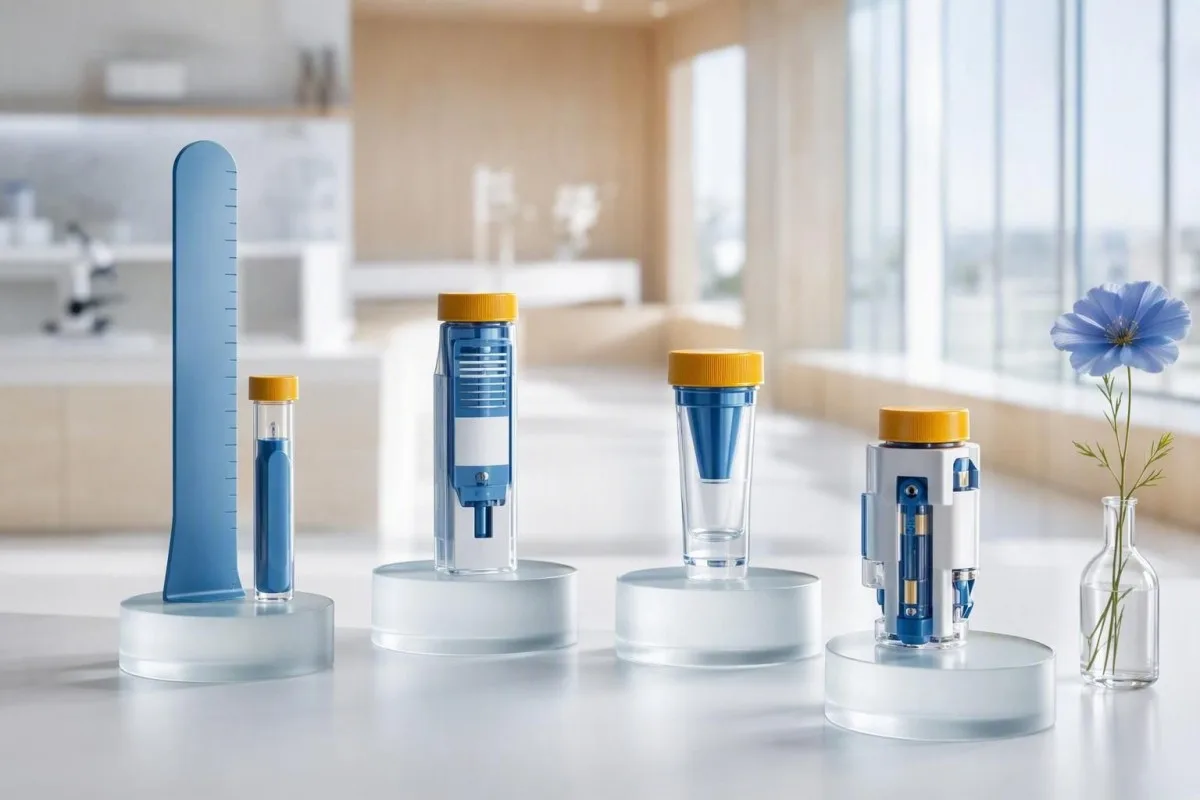
Chan eil planaichean deuchainn feumail san dachaigh mar phannal mòr airson a h-uile duine. Is e seata ghoirid, aibidh a rèir aois de dheuchainnean a th’ ann le ceist chlinigeach shoilleir, plana leantainn ainmichte, agus cead air leth airson gach ball den teaghlach.


- Tòisich leis an comharra: Òrdaich deuchainn dìreach nuair a dh’ atharraicheas aois, comharraidhean, sgrùdadh cungaidh-leigheis, torrachas, no eachdraidh theaghlaich clàraichte na bhiodh tu a’ dèanamh a-nis.
- Tha clann eadar-dhealaichte: Chan eilear a’ moladh deuchainnean fala, thyroid, vitimín D, iarann, agus hormonaichean cunbhalach airson clann fallain às aonais adhbhar clionaigeach.
- Tha lipids cudromach tràth: Tha sgrìonadh lipid neo-fasting coitcheann air a mholadh gu tric aon uair eadar aoisean 9–11 agus a-rithist eadar 17–21 bliadhna.
- Sgrìonadh tinneas an t-siùcair: Bu chòir do dhaoine-uasal aois 35–70 bliadhna le cus cuideim no reamhrachd a bhith air an sgrìonadh airson ro-tinneas an t-siùcair agus tinneas an t-siùcair seòrsa 2.
- Rabhadh A1c: Faodaidh HbA1c a bhith meallta às dèidh tar-chuir, ann an cuid de dh’ atharrachaidhean haemoglobin, agus nuair a tha tionndadh cheallan dearga neo-àbhaisteach.
- Lp(a) aon uair: Tha tomhas de lipoprotein(a) reusanta aon uair ann an inbheachd, gu sònraichte le tinneas cridhe ro-luath san teaghlach.
- Seachain pannalan dùblaichte: Tha CMP a’ toirt a-steach mu thràth glucose, creatinine, calcium, albumin, AST agus ALT; tha cur leth-bhreacan fa leth gu tric a’ cur cosgais, chan e sealladh.
- Gluais mus dèan thu ath-bheothachadh: Dèan ath-aithris air toradh crìche fo chumhachan co-ionann mus leudaich thu pasgan deuchainn fala teaghlaich, mura h-eil comharran no luach èiginneach ag iarraidh cùram èiginn.
Dè a bu chòir a bhith ann am plana deuchainn dachaigh sàbhailte?
A pasgan deuchainn fala teaghlaich bu chòir dha dìreach deuchainnean a bhith ann a fhreagras air ceist clionaigeach eadar-dhealaichte airson gach neach: casg airson inbheach fallain, sàbhailteachd cungaidh-leigheis airson seanair, no deuchainn air a stiùireadh le comharra airson pàiste. Air 2 Sultain, 2026, tha aon phannal uile-choitcheann airson pàrantan agus clann mar as trice na droch mheidheadaireachd leis gu bheil raointean iomraidh, breithneachaidhean coltach, agus na cronan bho dheimhinnean ceàrr ag atharrachadh gu mòr a rèir aois.
Ann an 15 bliadhna de chleachdadh, tha mi air faighinn a-mach nach e a“ chiad cheist as fheàrr ”Dè na comharran a tha air an gabhail a-steach?“ ach ”Dè an co-dhùnadh a dh’ atharraicheas an toradh seo?” Faodaidh toradh àbhaisteach a bhith na dhearbhadh, ach faodaidh toradh crìche tuiteamach cuideachd brosnachadh ath-shamplachadh, ìomhaigh, tadhal air speisealaichean, agus fìor iomagain - gu sònraichte ann an clann.
Tha seata casg bunaiteach inbheach gu tric a’ toirt a-steach cuideam fala, cuideam no measadh meud an leabhair, pròifil lipid, glucose no HbA1c nuair a tha e air a chomharrachadh, agus deuchainn dubhaig nuair a tha mòr-bhruthadh fala, tinneas an t-siùcair, no cungaidhean-leigheis iomchaidh an làthair. A plana ullachaidh tarraing bunaiteach a’ lughdachadh caochladh a ghabhas seachnadh bho eacarsaich làidir, dìth uisgeachadh, agus stuthan cur-ris.
Tha Kantesti na Anailisiche deuchainn fala AI a chuidicheas teaghlaichean le bhith a’ leughadh aithisgean a th’ ann mar-thà ann an co-theacs, seach a bhith a’ brosnachadh deuchainn farsaing gun adhbhar clionaigeach. Thomas Klein, MD, a’ sgrùdadh phàtranan thairis air comharran co-cheangailte leis gu bheil brataich air leth gu tric nas lugha de fheum na an dàimh eadar toraidhean.
An riaghailt ceist as ìsle
Mus òrdaich thu sam bith assay, sgrìobh sìos an brosnachadh, an raon toraidh ris a bheil dùil, agus an gnìomh airson toraidhean ìosal, àbhaisteach, no àrd. Mura atharraich gnìomh sam bith aig toradh sam bith, mar as trice cha bhith an deuchainn mar phàirt de phrògram slàinte teaghlaich.
Cuin a tha feum aig clann air deuchainnean fala?
Mar as trice chan fheum clann fallain pannalan fala farsaing bliadhnail. Tha deuchainn iomchaidh nuair a tha fàs, daithead, comharraidhean, nochdadh cungaidh-leigheis, leanmhainn air sgrìonadh ùr-bhreith, no cunnart oighreachail sònraichte a’ cruthachadh ceist clionaigeach so-chreidsinneach.
Tha CBC agus ferritin ciallach nuair a tha pallor, sgìths, biadhadh cuibhrichte, bleeding menstrual trom, pica, no lughdachadh fulangas eacarsaich aig pàiste; chan e sgrìonadh “slàinte” cunbhalach a th’ annta. Tha Ferritin fo 15 ng/mL gu làidir a’ toirt taic do stòrasan iarainn air an tràghadh ann an leanabh fallain eile, ged a dh’ fhaodadh galar àrdachadh ferritin agus falamh a dh’ fhalach.
Tha sgrìonadh lipid uile-choitcheann air a dhèanamh gu cumanta aon uair aig 9–11 bliadhna agus a-rithist aig 17–21 bliadhna, gu roghnach neo-fasting airson sgrìonadh tòiseachaidh. Tha Pannal Eòlaichean Acadamaidh Ameireagaidh Pediatrics a’ moladh sgrìonadh targaichte nas tràithe bho aois 2 nuair a tha tinneas an t-siùcair, reamhrachd, mòr-bhruthadh fala, tinneas dubhaig leantainneach, no tinneas cridhe ro-luath ann an càirdean dlùth (Pannal Eòlaichean, 2011). Faic ar stiùireadh gleoc cholesterol pàiste.
Tha pannalan hormone nan adhbhar cumanta de sgrùdadh ro-ghnìomhach ann an òigearan. Is ann ainneamh a mhìnicheas cortisol, testosterone, estradiol, no tomhas hormon fàis singilte air thuaiream sgìths no atharrachadh fàis; bidh endocrinology cloinne a’ cleachdadh astar fàis, ìre òige, àm, agus deuchainn dearbhaidh air a thaghadh gu faiceallach.
Comharran a tha a’ ceadachadh ath-sgrùdadh luath
Tha ath-sgrùdadh clionaigeach san aon seachdain iomchaidh airson pathadh ro-ghnìomhach, call cuideim, vomiting tric, fanaid, buidheachas, brùthadh neo-àbhaisteach, no call stamina mòr. Faodaidh deuchainnean fala a bhith mar phàirt de mheasadh, ach cha bu chòir leanabh a tha a’ nochdadh gu dona tinn feitheamh ri toradh pasgan dachaigh.
Dè na prìomh dheuchainnean a tha reusanta dha pàrantan?
Airson a’ mhòr-chuid de dh’inbhich, is e na prìomh dheuchainnean pròifil lipid agus sgrìonadh tinneas an t-siùcair nuair a tha aois no cunnart ga iarraidh; bu chòir deuchainn dubhaig, grùthan, CBC, thyroid, iarann, agus vitimín a bhith air an targaidachadh seach fèin-ghluasadach. Bu chòir inbhich aois 35–70 bliadhna le reamhrachd no reamhrachd a bhith air an sgrìonadh airson prediabetes agus tinneas an t-siùcair seòrsa 2 fo stiùireadh USPSTF (Buidheann Obrach Seirbheisean Casgach na SA, 2021).
Tha HbA1c de 5.7%–6.4% a’ comharrachadh prediabetes, fhad ‘s a dh’ fhaodadh 6.5% no barrachd a bhith a’ dearbhadh tinneas an t-siùcair nuair a thèid a dhearbhadh ann an neach neo-shymptomatach. Tha glucose plasma aig fois de 100–125 mg/dL a’ comharrachadh glucose air a ghabhail air fois; feumaidh luach de 126 mg/dL no barrachd dearbhadh cuideachd mura h-eil comharran clasaigeach an làthair.
Tha pannal lipid àbhaisteach a' clàradh cholesterol iomlan, LDL-C, HDL-C, agus triglycerides. Bidh triglycerides aig 500 mg/dL no nas àirde a' meudachadh chunnart pancreatitis agus a' cur feum air sgrùdadh luath bho neach-clionaigeach, ach tha àrdachadh beag neo-leasaichte às dèidh biadh gu tric ag iarraidh ath-aithris phlanaichte seach clisgeadh; an stiùireadh againn gu toraidhean triglyceride neo-fastaidh a’ mìneachadh an eadar-dhealachaidh.
Tha deuchainn CBC reusanta airson sgìths neo-mhìnichte, galar ath-chuairteach, fuilneachadh neo-àbhaisteach, no cungaidhean a bheir buaidh air gnìomh smior, ach chan e riatanas bliadhnail uile-choitcheann a th' ann. Feumar toradh haemoglobin a leughadh an aghaidh gnè, aois, àirde, inbhe torrachais, MCV, ferritin, agus comharraidhean.
Ciamar a bu chòir do phasganan atharrachadh airson càirdean nas sine?
Feumaidh seann daoine sùil a chumail air cungaidhean-leigheis agus suidheachadh sònraichte nas motha na pannal casg nas motha. Bidh gnìomh dubhaig, potasium, sodium, enzymes ae, CBC, agus HbA1c feumail nuair a nì cungaidh-leigheis no breithneachadh an toradh gnìomhach.
Faodaidh neach-dìon ACE, ARB, diuretic, NSAID, lithium, metformin, statin, anticoagulant, no cungaidh-leigheis an-aghaidh glacaidh gach fear a bhith a' dearbhadh clàr sgrùdaidh eadar-dhealaichte. Mar eisimpleir, faodaidh ìre potasium os cionn 6.0 mmol/L a bhith cunnartach, gu sònraichte le laigse, palpitations, dìth dubhaig, no atharrachaidhean ECG; dearbhaich gu h-èiginneach oir faodaidh haemolysis sampall a dhèanamh nas àirde gu mearachdach.
Tha GFR air a thomhas fo 60 mL/min/1.73 m² airson co-dhiù 3 mìosan a' comharrachadh galar dubhaig leantainneach, ach chan eil aon eGFR ìosal às dèidh dìth uisge a' stèidheachadh a' bhreithneachaidh. Dèan coimeas eadar creatinine le luachan roimhe agus beachdaich air co-mheas albumin-creatinine fual; ar stiùireadh dìth uisge agus eGFR a' còmhdach an t-seam tàmhach cumanta.
Cha bu chòir deuchainn fala chloinn eisimeil a bhith na inneal sgrùdaidh air a smachdachadh le aon neach-gràidh. Tha stiùireadh portal teaghlaich a' toirt taic do phròifil agus ceadan air leth, a tha cudromach nuair a bhios clann inbheach, cèile, agus pàrantan nas sine a' roinn chlàran slàinte.
Dè na eachdraidhean teaghlaich a tha a’ gealltainn comharran a bharrachd?
Chan eil eachdraidh teaghlaich a' dearbhadh deuchainn a bharrachd ach nuair a tha an suidheachadh air a shealbhachadh, tha cruinneas reusanta aig an deuchainn, agus bidh toradh neo-àbhaisteach ag atharrachadh casg no iomradh. Tha tinneas cridhe ro-throm, hypercholesterolaemia teaghlaich, haemochromatosis, galar dubhaig, agus tinneas an t-siùcair nan eisimpleirean cumanta.
Tha càirdeas ceum air cheum le infarction miocàrdach, stròc, no ath-ath-chraoladh ro aois 55 ann an fir no 65 ann am mnathan a' neartachadh a' chùis airson ath-sgrùdadh lipid tràth agus tomhas lipoprotein(a) aon uair. Tha Lp(a) aig 50 mg/dL no nas àirde, timcheall air 125 nmol/L a rèir an assay, na fhactar a tha a' meudachadh cunnairt ann an stiùireadh casg ACC/AHA 2019 (Arnett et al., 2019).
Faodaidh ApoB cuideachadh nuair a tha triglycerides àrd, tha LDL-C a' nochdadh gu meallta àbhaisteach, no tha syndrome metabolach air a bhith air a chreidsinn. Thathas den bheachd gu bheil ApoB aig 130 mg/dL no nas àirde na ìre a tha a' meudachadh cunnairt ann an clann taghte, ach chan eil e a' cur an àite cuideam fala, measadh smocaidh, sgrionadh tinneas an t-siùcair, no co-dhùnadh co-roinnte.
Na bi a“ deuchainn a h-uile càirdeas airson cus iarainn oir tha aig aon neach ”iarann àrd." Tha ìre còmhdach transferrin os cionn 45% còmhla ri ferritin àrd na phàtran nas ciallaiche na dìreach serum iarainn; ar tha iomradh air sgrùdaidhean iarainn a' mìneachadh carson a dh'fhaodas amannan madainn agus stuthan cur-ris an dealbh a dhèanamh nas miosa.
Dè na deuchainnean a dh’ adhlaicheas a’ mhòr-chuid de leantainn neo-riatanach?
Bidh pannalan hormon farsaing, comharran tumhair, comharran sèid, pannalan IgG bìdh, agus pannalan micronutrient a' cruthachadh nan rabhaidhean mearachd as fhasa a sheachnadh ann an teaghlaichean fallain. Is e an trioblaid matamataigeach: tha suidheachadh le tricead ìosal air a dheuchainn ann am mòran dhaoine fallain a' toirt barrachd fhìor dheimhinneach na breithneachadh feumail.
Chan e sgrìonadh aillse coitcheann a th’ ann an CA-125, CEA, CA 19-9, PSA, agus comharran coltach ris ann an daoine gun chomharra sònraichte. Is e cùis co-dhùnaidh roinnte a th’ ann an PSA dha fir a tha airidh, ach chan e lìon sàbhailteachd a th’ ann am pasgan comharran tumhair agus faodaidh e leantainn gu ìomhaigh a lorgas neo-riaghailteachdan gun chron.
Is e comharran freagairt neo-shònraichte a th’ ann an CRP agus ESR. Faodaidh CRP de 10 mg/L èirigh às dèidh tinneas bhìorasach, obair-obrach chruaidh, reamhrachd, smocadh, no tinneas periodontal, agus mar sin chan eil e a’ lorg galar fèin-ghluasaideach no a’ mìneachadh sgìths neo-shoilleir leis fhèin.
Bidh cùrsa cùil T3, hormonaichean gnè farsaing, agus toraidhean cortisol singilte gu tric a’ cur troimh-chèile an àite a bhith a’ soilleireachadh. Ma tha comharran thyroid earbsach, is e TSH mar as trice a’ chiad deuchainn, an uairsin T4 an-asgaidh nuair a tha TSH neo-àbhaisteach no a’ cumail a-mach gu bheil tinneas pituitary ann; thoir sùil air ar clàr ath-deuchainn thyroid.
Ciamar a sheachnas tu deuchainnean obair-lann dùblaichte?
Thoir air falbh dùblachadh le bhith a’ mapadh a h-uile comharra a chaidh iarraidh gu pannal gnàthach agus ceann-latha mus tèid an sampall a chruinneachadh. Tha pannal meataibileach coileanta a’ toirt a-steach sodium, potasium, chloride, bicarbonate, glucose, calcium, creatinine, albumin, bilirubin, phosphatase alcaileach, AST, agus ALT anns a’ mhòr-chuid de luchd-obair-lann.
Is e an dùblachadh cumanta a bhith a’ cur òrdugh air CMP a bharrachd air enzymes grùthan, electrolytes, creatinine, glucose, calcium, agus albumin air leth. Is e fear eile a bhith ag òrdachadh CBC a bharrachd air haemoglobin agus haematocrit nan seasamh fhèin; is e treas rud a bhith ag ath-aithris antibodies thyroid nuair a tha galar Hashimoto stèidhichte mu thràth air a chlàradh.
Tha Thomas Klein, MD, a’ comhairleachadh theaghlaichean cumail suas an dearbh ainm deuchainn, obair-lann, ceann-latha cruinneachaidh, staid fastachd, tinneas, eacarsaich o chionn ghoirid, agus stuthan cur-ris. Tha an clàr beag sin nas luachmhoire gu clionaigeach na dàrna pannal a chaidh a tharraing 10 latha às deidh sin fo chumhachan gu tur eadar-dhealaichte; cleachd tracadh eachdraidh obair-lann teaghlaich gus pròifilean a chumail air leth.
Bu chòir na h-amannan ath-aithris a bhith a rèir bith-eòlas. Tha HbA1c a’ nochdadh timcheall air 8–12 seachdainean de ghlicemia, fhad ‘s a ghabhas LDL-C ath-mheasadh gu reusanta 4–12 seachdainean às deidh atharrachadh mòr air làimhseachadh; mar as trice chan eil ath-aithris san aon seachdain ach feumail gus toradh ris nach robh dùil no a dh’ fhaodadh a bhith èiginneach a dhearbhadh.
Dè bu chòir do gach buidheann aois a bhith ann?
Bu chòir pasgain stèidhichte air aois a bhith goirid agus air an cruinneachadh: bidh clann a’ faighinn deuchainnean targaid, bidh òigearan a’ stèidheachadh bunaitean taghte, bidh inbhich meadhan-aois a’ cuimseachadh air cunnart cairdiometabolach, agus bidh seann daoine a’ cur ris sgrùdadh tinneas agus cungaidh-leigheis. Bu chòir an liosta deuchainnean a leudachadh le cunnart—gun a bhith dìreach le co-làithean breith.
Airson aoisean 0–8, lean prògraman sgrìonaidh ùr-bhreith agus cloinne nàiseanta, an uairsin dèan deuchainn a-mhain airson comharran no cunnart. Airson aoisean 9–21, cuir a-steach sgrìonadh lipid aig uinneagan a chaidh a mholadh agus deuchainn targaid CBC, ferritin, coeliac, thyroid, no glucose a-mhain nuair a tha eachdraidh agus sgrùdadh ga thaic.
Airson inbhich aois 22–39, mar as trice bidh pròifil lipid, measadh bruthadh-fala, agus ath-sgrùdadh cunnart tinneas an t-siùcair a’ còmhdach barrachd talmhainn na pasganan bhiotamain no hormona. Feumaidh daoine a dh’ fhaodadh a bhith trom le leanabh cùram ro-ghluasadach sònraichte, a’ toirt a-steach buidheann fala, dìonachd bho ghalaran, sgrìonadh luchd-giùlan ginteil, agus measadh iarainn far a bheil e air a mholadh gu h-ionadail—gun a bhith na phannal slàinte coitcheann.
Tha Kantesti na àrd-ùrlar mìneachaidh deuchainn fala AI a nì coimeas air toraidhean gach neach ri amannan obair-lann iomchaidh a rèir aois agus na clàran aca fhèin roimhe seo. Ar stiùireadh prògram slàinte teaghlaich a’ sealltainn mar a shònraicheas tu adhbhar agus ceann-latha ath-sgrùdaidh do gach comharra.
Carson nach bu chòir torrachas a bhith air a phasgadh a-steach do phasgan coitcheann a-riamh?
Feumaidh torrachas slighean deuchainn obstetric leis gu bheil raointean àbhaisteach airson haemoglobin, creatinine, albumin, phosphatase alcaileach, lipids, agus comharran thyroid ag atharrachadh a rèir trimeastar. Faodaidh pannal teaghlaich coitcheann fallas a bhith a’ comharrachadh fiseòlas torrachais àbhaisteach mar thinneas no a’ seachnadh sgrìonadh a dh’ fheumas ùine.
Mar as trice bidh haemoglobin a“ tuiteam tro bhith a” leudachadh an tomhas-lìonaidh plasma, agus tha albumin cuideachd a’ lughdachadh; feumaidh na h-atharrachaidhean sin mìneachadh sònraichte airson trimeastar an àite a bhith a’ cleachdadh raon iomraidh inbheach gun torrachas. Mar as trice bidh serum creatinine nas ìsle ann an torrachas, agus mar sin faodaidh luach a tha a’ nochdadh mar “àbhaisteach” taobh a-muigh torrachas a bhith airidh air aire nuair a dh’ èiricheas e bho bhun-loidhne ìosal.
Mar as trice bidh sgrìonadh tinneas an t-siùcair gestational a’ tachairt aig 24–28 seachdainean, le measadh nas tràithe airson torrachasan àrd-cunnairt. Tha glucose fastaidh de 92 mg/dL no nas àirde na aon stairsneach a thathas a’ cleachdadh ann an slighe breithneachaidh deuchainn fulangas glucose beòil 75-g, ach bidha pròtacolaidhean obsterach ionadail ag atharrachadh.
Tha ferritin fo 30 ng/mL gu tric a’ nochdadh stòran iarainn ìosal ann an torrachas eadhon mus bi anemia a’ leasachadh, ged a tha stairsnean cleachdaidh sònraichte eadar-dhealaichte. Ar stiùireadh gu raointean ferritin trimeastar feumail airson toraidhean a dheasbad le clionaig obsterach.
Cuin a tha toradh air a bheil crìoch airidh air ath-aithris?
Is fhiach ath-aithris a dhèanamh air toradh crìche nuair a tha e ris nach robh dùil, a tha dligheach gu clionaigeach, agus is dòcha gun atharraich e cùram ma chumas e. Ath-aithris fo chumhachan coimeasach mus tèid àrdachadh, mura h-eil an toradh deatamach, tha comharran draghail, no gu bheil an clàr-ama a’ fàs nas miosa gu luath.
Tha raointean-iomraidh a’ toirt cunntas air a’ mheadhan 95% den t-sluagh iomraidh, mar sin mu 1 ann an 20 toraidhean fallain faodaidh iad a bhith taobh a-muigh raon air thuaiream. Tha ALT beagan àrdaichte de 48 IU/L às de dèidh eacarsaich dian, tinneas o chionn ghoirid, no nochdadh air deoch-làidir airidh air co-theacs agus gu tric ath-aithris clàraichte, fhad ‘s a tha buidheachas, fual dorcha, no bilirubin a’ togail suas ag atharrachadh èiginn.
Chan eil atharrachadh bith-eòlasach beag: faodaidh triglycerides, cortisol, cunntais ceallan geala, agus creatinine gluasad le biadh, cadal, cuideam, uisgeachadh, eacarsaich, agus àm an latha. Tha an iùl eadar-tadhail a’ mìneachadh atharrachadh iomraidh luach, a’ bhun-bheachd a chleachdas saotharlannan gus breithneachadh an robh gluasad a’ dol thairis air fuaim ris an robh dùil.
Tha Kantesti AI a’ leughadh gluasadan còmhla ri suidheachaidhean cruinneachaidh agus a’ comharrachadh atharrachadh airson ath-sgrùdadh clionaigeach seach a bhith a’ dearbhadh breithneachadh bho aon àireamh. Tha seo gu sònraichte cuideachail nuair a chleachdas mòran chàirdean diofar fhiltean agus aonadan.
Ciamar a dh’ atharraicheas cungaidhean agus stuthan cur-ris toraidhean teaghlaich?
Faodaidh cungaidhean-leigheis agus stuthan cur ris na toraidhean atharrachadh, casg a chuir air eadar-theachd assay, no toradh a tha a’ coimhead àbhaisteach a dhèanamh meallta. Bu chòir do gach iarrtas deuchainn teaghlaich clàradh a dhèanamh de chungaidhean òrduichte, toraidhean thar-chunntair, in-stealladh, pùdar, agus vitamain àrd-dòis a chaidh a ghabhail anns na 7 latha roimhe.
Faodaidh biotin eadar-ghabhail a dhèanamh le cuid de immunoassays agus faodaidh e TSH gu h-ìosal gu meallta no T4 an-asgaidh gu h-àrd gu meallta a thoirt gu buil, a rèir dealbhadh an assay. Tha mòran obair-lann a’ comhairleachadh stad a chuir air biotin àrd-dòis airson co-dhiù 48 uairean mus dèanar deuchainn tìoroide, ach bu chòir do dh’ euslaintich dearbhadh leis a’ chlinigear òrdachaidh seach stad a chuir air làimhseachadh òrdaichte.
Faodaidh Metformin cur ri dìth bhiotaimin B12 thar ùine, fhad ‘s a dh’ fhaodadh luchd-dìon pumpa proton B12, magnesium, agus gabhail iarainn a lughdachadh ann an daoine a tha buailteach. Tha B12 fo timcheall air 200 pg/mL gu tric air a mheas gu bheil e ìosal, ach faodaidh searbhag methylmalonic dearbhte cuideachadh nuair a tha serum B12 aig crìch no nuair a tha comharran saidhgeòlach.
Na cuir selenium, iarann, iodine, no bhiotaimin D dìreach air sgàth ‘s gu bheil aon neach càraid a’ nochdadh toraidhean neo-àbhaisteach. A liosta-sgrùdaidh ro-dheuchainn stuthan cur ris Faodaidh e casg a chuir air gach cuid assays meallta agus dòsan aithris sàbhailte.
Cò bu chòir smachd a chumail air clàran obair-lann an teaghlaich?
Bu chòir do gach neach-foghlaim comasach smachd a chumail air an clàr obair-lann aca fhèin, ceadan, agus conaltradh clionaigeach. Mar as trice bidh pàrantan no luchd-dìon laghail a’ riaghladh clàran pàiste, ach tha òigearan airidh air còmhraidhean prìobhaideachd a tha iomchaidh do dh’ aois agus faodaidh riaghailtean laghail ionadail còraichean neo-eisimeileach a thoirt dhaibh.
Tha roinneadh as feumail nuair a tha e sònraichte: faodaidh seanair taghadh gus toraidhean dubhaig a roinn le leanabh inbheach a bhios a’ co-òrdanachadh coinneamhan, fhad ‘s a chumas iad fiosrachadh eile prìobhaideach. Tha toraidhean a tha a’ buntainn ri torrachas, galairean, cunnart ginteil, slàinte inntinn, torrachas, no cleachdadh stuthan ag iarraidh cùram sònraichte.
Tha Kantesti na Inneal mion-sgrùdaidh deuchainn fala le cumhachd AI air an dealbhadh airson pròifilean fa-leth, mìneachadh ioma-chànanach, agus làimhseachadh a tha a’ cur cudrom air prìobhaideachd de phàipearan obair-lann a chaidh a luchdachadh suas. Ar stiùireadh cead agus roinneadh a’ cuideachadh dachaighean gus co-dhùnadh cò as urrainn sgrìobhainn sam bith fhaicinn, às-phortadh, no beachdachadh.
Chan eil clàr-ama teaghlaich a’ cur an àite conaltradh clionaigeach. Ma tha toradh a’ nochdadh cunnart sa bhad, bu chòir don neach a chaidh a dheuchainn - chan ann dìreach neach-rianachd a’ chunntais - fios soilleir fhaighinn agus slighe gu cùram èiginneach.
Dè na toraidhean a dh’ fheumas gnìomh luath an àite plana phasgan?
Feumaidh cuid de thoraidhean measadh clionaigeach èiginneach agus cha bu chòir an rianachd mar leantainn leantainneach fallain a-riamh. Am measg nan eisimpleirean tha potasium os cionn 6.0 mmol/L, glùcois os cionn 300 mg/dL le cuir a-mach no troimh-chèile, sodium fo 125 mmol/L le comharran saidhgeòlach, no haemoglobin gu math ìosal le giorrad analach, pian broilleach, no faochadh.
Atharraichidh comharran brìgh gach àireamh. Pian broilleach, giorrad analach ùr, troimh-chèile, laigse aon-thaobhach, stòl dubh, dìth uisge trom, buidheachas, no leanabh a tha duilich a dhùsgadh feumach air measadh èiginneach eadhon mura h-eil aithisg obair-lann ri fhaighinn fhathast.
Tha cunntas platelet fo 20 × 10⁹/L, neutrophils fo 0.5 × 10⁹/L le fiabhras, no haemoglobin faisg air 7 g/dL nan eisimpleirean a bhios gu tric a’ brosnachadh measadh an aon latha, ged a tha an gnìomh ceart an urra ris na comharran, an adhbhar, agus slighean seirbheis ionadail. Tha truailleadh platelet meallta bho EDTA a’ cruinneachadh a’ tachairt, ach feumar dearbhadh gu sgiobalta seach a bhith air a ghabhail, faic cnapan-starra cruinneachadh platelet.
Chanadaich AI chan e seirbheis èiginn a th' ann agus chan urrainn dha neach-clionaigeach, roinn èiginn, no seirbheis puinnsean a chur na àite. Tha an siostam againn air a thogail gus cothlamaidhean draghail a chomharrachadh airson leantainn, le prionnsapalan stiùireadh clionaigeach air am mìneachadh anns an frèam-obrach dearbhaidh meidigeach.
Dè cho tric a bu chòir pasgan teaghlaich ath-sgrùdadh?
Feumaidh a’ mhòr-chuid de dh’inbhich fallain ath-sgrùdadh obair-lann dìonach a h-uile 1–3 bliadhna stèidhichte air cunnart, fhad ‘s nach fheum clann ach deuchainn air a chuimseachadh agus faodaidh daoine air cungaidhean sònraichte feumach air sgrùdaidhean taobh a-staigh làithean gu mìosan. Tha an ùine cheart a’ leantainn a’ chumha agus an eadar-theachd, chan e mìosachan ballrachd.
Faodaidh teaghlach le lipids àbhaisteach, gun chunnart tinneas an t-siùcair, agus gun chungaidh-leigheis buntainneach a bhith aig amannan fada eadar tarraingean fala. Air an làimh eile, bidh diuretic ùr, atharrachadh dòs thyroid, làimhseachadh iarainn, torrachas, CKD, tinneas an t-siùcair, no toradh neo-àbhaisteach a’ cruthachadh clàr-ama ath- dheuchainn.
Dèan gach ath-sgrùdadh practaigeach: cùm an PDF tùsail, thoir fa-near an obair-lann agus na h-aonadan, liostaich cungaidhean ùra, agus clàraich an robh an neach a'Fastadh, tinn, no a'trèanadh gu cruaidh. Tha an co-theacsa sin a'dèanamh toradh san àm ri teachd soilleir agus a'seachnadh a'ruith fuaim àbhaisteach; ar an iùil bhun-loidhne fad-ùine a'mìneachadh an clàr a chumas tu.
Tha luchd-cleachdaidh aig Chanadaich ann an dùthchannan agus cànanan, ach tha raointean clionaigeach agus poileasaidhean sgrìonaidh fhathast ag atharrachadh a rèir roinne. Airson inbhean ath-sgrùdaidh meidigeach agus na clionaichean air cùl ar dòigh-obrach, thoir sùil air an Bòrd Comhairleachaidh Meidigeach; tha an co-dhùnadh mu dheireadh a thaobh deuchainn a'buntainn ris an neach-clionaigeach teisteanasach fhèin.
Ceistean Bitheanta
Dè bu chòir do phasgan deuchainn fala teaghlaich a bhith ann?
Bu chòir do phasgan deuchainn fala teaghlaich a bhith a’ toirt a-steach diofar dheuchainnean do dhiofar dhaoine, chan e aon phanal mòr do chach. Is dòcha gum feum inbheach fallain lipids agus sgrìonadh tinneas an t-siùcair stèidhichte air aois agus cunnart, fhad ‘s nach fheum pàiste deuchainn fala sam bith mura h-eil comharran, draghan fàis, daithead, cungaidhean-leigheis, no eachdraidh teaghlaich a’ toirt adhbhar soilleir. Bu chòir inbhich aois 35–70 bliadhna le cus cuideim no reamhrachd a bhith air an sgrìonadh airson prediabetes no seòrsa 2 tinneas an t-siùcair. Bu chòir sgrùdadh cungaidh-leigheis, deuchainn torrachais, agus deuchainn cunnart ginteil a bhith air an cur ris dìreach nuair a dh’atharraicheas iad co-dhùnadh clionaigeach.
Am bu chòir clann fhallain deuchainnean fala bliadhnail a bhith aca?
Chan fheum clann fallain mar as trice deuchainnean fala farsaing bliadhnail. Mar as trice thathas a’ moladh sgrìonadh lipid aon uair eadar aoisean 9–11 bliadhna agus a-rithist eadar 17–21 bliadhna, fhad ‘s a bu chòir deuchainnean CBC, ferritin, thyroid, vitimín D, agus hormonaichean a bhith air an stiùireadh le comharran-eòlais no cunnart. Tha ferritin fo 15 ng/mL a’ toirt taic do stòran iarainn a tha air an lughdachadh, ach faodaidh ferritin èirigh rè galar agus feumar a mhìneachadh le eachdraidh an leanaibh. Bu chòir do neach-clionaigeach cloinne stiùireadh a thoirt seachad airson deuchainn airson fàs bochd, biadh cuibhrichte, sgìths, tart cus, cur a-mach tric, no pubertal adhartach.
An urrainn do phàrantan agus clann an aon phanaile deuchainn fala a chleachdadh?
Cha bu chòir do phàrantan is clann an aon phana-mheasaidh fala a chleachdadh oir tha raointean àbhaisteach, coltas tinneis, agus cronan air deuchainnean eadar-dhealaichte a rèir aois. Mar eisimpleir, dh’ fhaodadh fosfatase alcaileach a tha beagan àrdaichte a bhith a’ nochdadh fàs cnàmhan àbhaisteach ann an leanabh, ach dh’ fhaodadh an aon phàtran ann an inbheach nas sine a bhith a’ brosnachadh measadh grùthan no cnàmhan. Tha HbA1c de 5.7%–6.4% a’ comharrachadh ro-reòthas ann an inbhich, ach tha co-dhùnaidhean sgrìonaidh cloinne an urra gu mòr ri pubertalachd, slighe cuideam, agus factaran cunnairt reòthais. Tha plana nas sàbhailte a’ cleachdadh panail a tha sònraichte do dh’ aois agus ceistean clionaigeach air leth.
Cia mhin bu chòir do theaghlaichean deuchainnean fala a dhèanamh a-rithist?
Faodaidh a' mhòr-chuid de dh'inbhich le cunnart ìseal deuchainnean casgach a dhèanamh a-rithist gach 1–3 bliadhna, fhad 's a bu chòir clann a bhith air an deuchainn dìreach nuair a nochdas comharra clionaigeach. Tha HbA1c a' nochdadh timcheall air 8–12 seachdainean de nochdadh glùcois, mar sin is ann ainneamh a tha e feumail a dhèanamh a-rithist às dèidh dìreach beagan làithean. Gu tric thèid LDL-C ath-mheasadh 4–12 seachdainean às dèidh tòiseachadh no atharrachadh làimhseachadh a tha a' lughdachadh geir. Is dòcha gum feum gnìomh dubhaig agus electrolytes deuchainn a-rithist taobh a-staigh 1–4 seachdainean às dèidh atharrachaidhean cungaidh sònraichte, a rèir na cungaidh-leigheis agus cunnart bunaiteach an euslaintich.
Dè deuchainnean fala a thathas a' dèanamh a-rithist gu cumanta?
Is iad na deuchainnean dùblaichte as cumanta pannal làn-ghnìomhach meataibileach a bharrachd air electrolytes fa leth, creatinine, glucose, calcium, albumin, agus enzymes ae. Mar as trice tha CMP mar-thà a’ toirt a-steach sodium, potassium, bicarbonate, creatinine, glucose, calcium, albumin, bilirubin, alkaline phosphatase, AST, agus ALT. Bidh dùblachadh CBC cuideachd a’ tachairt nuair a thèid haemoglobin agus haematocrit òrdachadh fa leth gun adhbhar. Faodaidh ath-sgrùdadh air an dearbh ainm pannal, ceann-latha cruinneachaidh, agus obair-lann mus òrdar cur às do dhùblachadh gun a bhith ag ionndrainn fiosrachadh feumail clionaigeach.
A bheil eachdraidh teaghlaich de thinneas cridhe a’ ciallachadh gu bheil feum aig a h-uile duine air ApoB agus Lp(a)?
Tha eachdraidh teaghlaich de ghalar cridhe ro-luath a’ dèanamh measadh lipid nas tràithe agus deuchainn lipoprotein(a) aon-ùine reusanta do mhòran inbhich, gu sònraichte nuair a bha càirdeas ciad-ìre air a bhith air a bheil buaidh ro aois 55 ann an fir no 65 ann am mnathan. Thathas den bheachd gu bheil Lp(a) aig 50 mg/dL no nas àirde, timcheall air 125 nmol/L a rèir an sgrùdaidh, mar fhactar a tha a’ cur ris an cunnart cridhe. Faodaidh ApoB a bhith feumail nuair a tha triglycerides air an àrdachadh, tha amharas ann air syndrome metabolach, no tha e coltach gu bheil LDL-C neo-chunbhalach leis a’ chunnart iomlan. Cha chuir gin de na toraidhean sin ionad air measadh bruthadh-fala, sgrùdadh smocaidh, sgrìonadh tinneas an t-siùcair, no dealbhadh casg air a stiùireadh leis an dotair.
Faigh Mion-sgrùdadh Deuchainn Fala le Cumhachd AI an-diugh
Thig còmhla ri còrr is 2 mhillean neach air feadh an t-saoghail a tha a’ earbsa Kantesti airson mion-sgrùdadh sa bhad, ceart air deuchainnean obair-lann. Luchdaich suas na toraidhean deuchainn fala agad agus faigh mìneachadh coileanta air biomarcair 15,000+ ann an diogan.
📚 Foillseachaidhean Rannsachaidh le Iomraidhean
Klein, T., Mitchell, S., & Weber, H. (2026). Kantesti Ltd. (2026). Clàr-innse Teicneach fèin-ghluasadach, stèidhichte air Rùisg, a chaidh a chlàradh ro-làimh den aonad-mìneachaidh deuchainn-fala Kantesti air 100,000 cùisean-dòigh-obrach. Figshare. https://doi.org/10.6084/m9.figshare.32095435. ResearchGate: https://www.researchgate.net/ Academia.edu: https://www.academia.edu/. Rannsachadh Leigheis AI Kantesti.
Klein, T., Mitchell, S., & Weber, H. (2026). Kantesti Ltd. (2026). Frèam-obrachaidh Dearbhaidh Clionaigeach v2.0 (Duilleag Dearbhaidh Meidigeach). Zenodo. https://doi.org/10.5281/zenodo.17993721. ResearchGate: https://www.researchgate.net/ Academia.edu: https://www.academia.edu/. Rannsachadh Leigheis AI Kantesti.
📖 Iomraidhean Meidigeach Taobh a-muigh
⚕️ Àicheadh Meidigeach
Tha an artaigil seo dìreach airson adhbharan foghlaim agus chan eil e a’ dèanamh comhairle mheidigeach. Cuir fios an-còmhnaidh gu solaraiche cùram slàinte teisteanasach airson co-dhùnaidhean breithneachaidh is leigheis.
Comharran earbsa E-E-A-T
Eòlas
Lèirmheas clionaigeach air a stiùireadh le lighiche air sruthan-obrach mìneachaidh obair-lann.
Eòlas
Fòcas air leigheas obair-lann air mar a bhios bith-chomharraidhean (biomarkers) a’ giùlan ann an co-theacsa clionaigeach.
Ùghdarrasachd
Air a sgrìobhadh le Dr. Thomas Klein le ath-sgrùdadh le Dr. Sarah Mitchell agus Prof. Dr. Hans Weber.
Earbsachd
Mìneachadh stèidhichte air fianais le slighean leanmhainn soilleir gus dragh a lughdachadh.