Tha LDH na chomharra feumail air cuideam cheallan no briseadh cheallan, chan e dearbhadh. Chan eil an àireamh a’ fàs ciallach ach nuair a thèid a leughadh còmhla ri do chomharran, càileachd sampall, CBC, deuchainnean grùthan, agus gnìomhachd o chionn ghoirid.


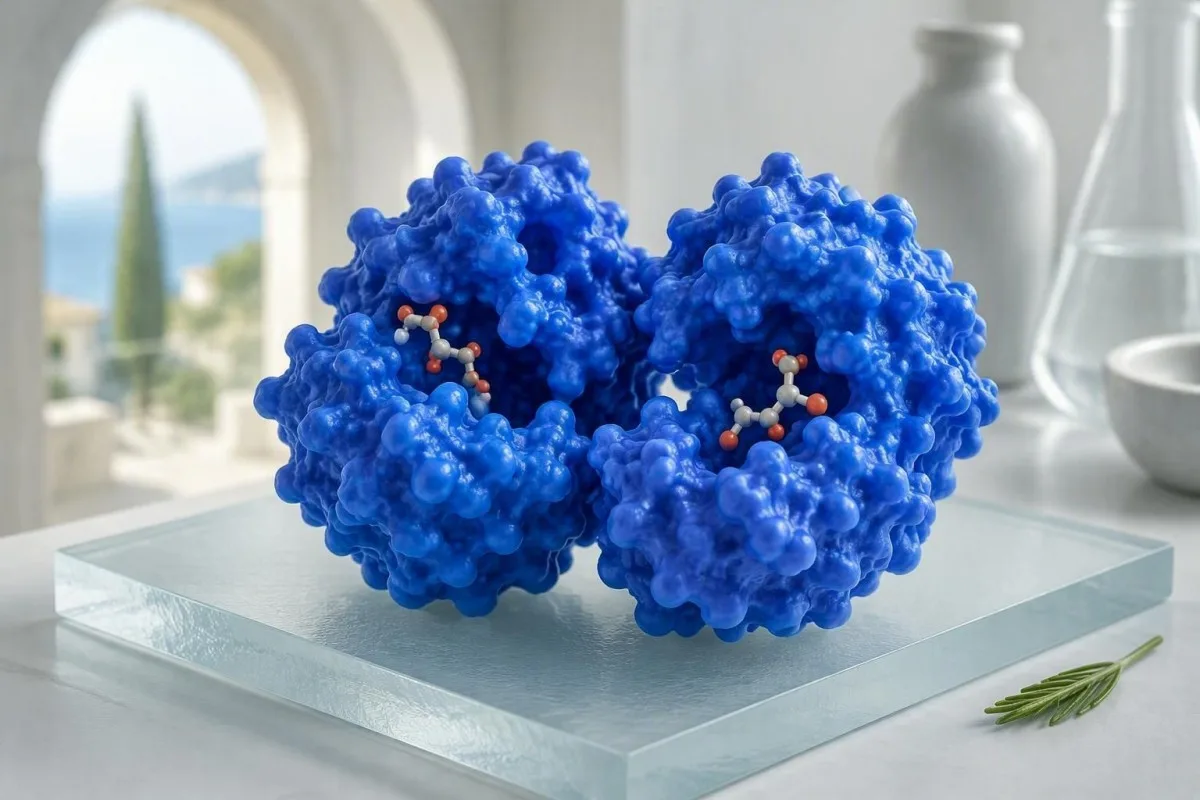
- Tha LDH a’ seasamh airson lactate dehydrogenase, enzyme a lorgar cha mhòr anns a h-uile maothran bodhaig a dh’ èiricheas nuair a leigeas ceallan an susbaint a-mach.
- Mar as trice bidh raointean inbheach timcheall air 140-280 U/L, ach is e crìoch àrd an leabharlainn a-mhàin a bu chòir a stiùireadh air mìneachadh.
- Tha LDH àrd neo-shònraichte: faodaidh eacarsaich, hemolysis sampall, leòn grùthan, briseadh ceallan-fala dearg, droch ghalar, agus cuid de aillsean uile àrdachadh.
- Faodaidh sampall hemolyzed LDH àrdachadh gu meallta oir tha ceallan-fala dearga a’ cumail tòrr LDH; gu tric bidh tarraing glan ùr a’ freagairt na ceist.
- LDH os cionn 2-3 thurs an crìoch àrd obair-lann airidh air co-theacs clionaigeach sgiobalta, gu sònraichte le anemia, an dath buidhe, fiabhras, comharran broilleach, no call cuideim.
- LDH a bharrachd air àrd reticulocytes, bilirubin, agus ìosal haptoglobin a’ toirt taic do hemolysis nas motha na LDH leis fhèin.
- LDH a bharrachd air AST agus ALT àrdaichte a’ stiùireadh luchd-clionaigeach a dh’ionnsaigh leòn grùthan no fèithe; tha CE a’ cuideachadh le bhith a’ sgaradh nam pàtran fèithe bhon fheadhainn grùthan.
- tha gluasadan LDH nas cudromaiche na aon toradh nuair a thathar a’ cumail sùil air suidheachadh aithnichte, a’ gabhail ris gu bheil an aon dòigh obair-lann ga chleachdadh.
Tha LDH a’ ciallachadh lactate dehydrogenase ann an deuchainn fala
Tha LDH a’ seasamh airson lactate dehydrogenase, enzyme a chuidicheas ceallan le bhith ag atharrachadh lactate agus pyruvate fhad ‘s a nì iad lùth. Tha toradh fala LDH àrdaichte a’ ciallachadh gu bheil ceallan air barrachd enzyme a leigeil a-steach don sampall; chan eil e ag aithneachadh dè an organ a tha cunntachail.
An giorrachadh LDH air a sgrìobhadh uaireannan mar LD, gu sònraichte air seann aithisgean obair-lann san RA agus san Roinn Eòrpa. Bidh an deuchainn a’ tomhas gnìomhachd enzyme ann an aonadan gach liotair, mar as trice U/L no IU/L, seach an ìre fiosaigeach den enzyme. Tha an eadar-dhealachadh sin cudromach leis gum faod dà obair-lann toraidhean beagan eadar-dhealaichte fhaighinn bhon aon sampall.
Bidh LDH a’ catalysachadh an tionndadh a ghabhas ath-nuadhachadh de pyruvate gu lactate fhad ‘s a tha e ag ath-nuadhachadh NAD+ airson metabolism lùth. Tha ceallan ann an ceallan fola dearga, fèithean cnàimhneach, grùthan, sgamhan, dubhan, placenta, agus clò lymphatic uile ga ghabhail ann. Tha an sgaoileadh farsaing seo dìreach mar a tha àrd thoradh na chomharra airson sgrùdadh, chan ann na ghiorrachadh gu breithneachadh.
Bho 17 Sultain, 2026, tha mi fhathast a“ faicinn euslaintich a” mìneachadh LDH mar “deuchainn aillse” às deidh dhaibh bratach portal a leughadh. Tha sin ro bhun-os-cionn. Tha riaghailt practaigeach an Dotair Thomas Klein nas sìmplidh: faighnich a bheil an toradh fìor, a bheil e ùr, agus a bheil an còrr den phannal a’ toirt stòr clò dha. Tha ar stiùireadh fiosrachaidh bith-chomharran a’ cuideachadh le bhith a’ cur LDH ri taobh nan deuchainnean a fhreagras air na ceistean sin.
Dè a tha deuchainn lactate dehydrogenase a’ tomhas gu fìrinneach
Bidh deuchainn lactate dehydrogenase a’ tomhas gnìomhachd enzyme LDH a thèid a leigeil a-steach do serum no plasma, chan e an ìre lactate agad agus chan e lìbhrigeadh ocsaidean gu dìreach. Faodaidh LDH èirigh taobh a-staigh uairean bho bhith a’ sgrios ceallan, fhad ‘s a dh’fhaodadh an mìneachadh clionaigeach a bhith sealach no dona.
Thathas gu tric ag òrdachadh LDH nuair a tha neach-clionaigeach a’ cumail a-mach tionndadh clò, sgrios ceallan fola dearga, leòn grùthan, leòn fèithe, no duilgheadas le tinneas aithnichte. Thathas cuideachd ga chleachdadh mar comharra gluasadan ann an cuid de lymphomas agus tumhan germ-cell, ach chan urrainn dha aillse a sgrìonadh ann an cuideigin às aonais dealbh clionaigeach co-fhreagarrach.
Na bi a’ cur troimh-chèile LDH le lactate. Lactate is a small metabolic molecule measured in mmol/L and can rise during shock, seizures, severe asthma, or intense exertion; LDH is an enzyme measured in U/L. If your report says lactate, use our guide to lactate àrd seach sepsis rather than applying LDH advice.
Tha Kantesti na Anailisiche deuchainn fala AI that reads LDH with its neighbouring markers, including bilirubin, AST, ALT, CK, hemoglobin, reticulocytes, and sample comments. In our review workflow, an isolated LDH of 310 U/L has a very different meaning from 310 U/L combined with falling hemoglobin and an elevated indirect bilirubin.
Raointean àbhaisteach LDH: cleachd crìoch àrd an leabharlainn agad
Most adult laboratories report an LDH reference interval near 140-280 U/L, although a range of 120-246 U/L or 135-225 U/L is also common. A result is high only relative to the method and reference interval printed on your own report.
There is no universal “danger level” for LDH. A value of 420 U/L may be a mild 1.5-fold elevation in one laboratory and nearly twice the upper limit in another. Children, newborns, pregnancy, and intense physical activity can also produce values above adult ranges without the same implication.
Clinicians often describe LDH as a multiple of the upper limit of normal (ULN). LDH at 2 × ULN means more diagnostically than simply saying 400 U/L because it travels better across methods. A persistently rising value above 3 × ULN, particularly with symptoms or abnormal blood counts, warrants timely medical review.
One useful safeguard is checking whether the report says “hemolysed,” “unsuitable,” or “repeat recommended.” A high LDH paired with a high potassium on a visibly compromised specimen can be a collection artifact; our iùl ath-tharraing haemolysis explains why repeating the sample is usually safer than guessing.
Carson a tha toradh àrd LDH neo-shònraichte
LDH is nonspecific because nearly every major tissue contains it, so one raised value cannot distinguish red-cell turnover from liver, muscle, lung, kidney, or lymphatic causes. The test answers “is there increased enzyme release?” rather than “where is the problem?”
This is one of those areas where context matters more than the number. A 26-year-old who completes a hard hill race can have elevated LDH and CK for 24-72 hours; the same LDH value in a person with fever, night sweats, and enlarged lymph nodes has a completely different pre-test probability.
LDH may increase with pneumonia, severe viral illness, liver inflammation, pulmonary embolism, renal injury, hemolysis, large bruises, seizures, and advanced malignancy. It can also remain normal in early or localised disease. Therefore, both a normal and high result have limits.
A result that is only slightly above range is particularly vulnerable to overinterpretation. I advise patients to write down recent exertion, alcohol intake, injections, illness, and new medicines before a repeat draw; our stiùireadh clàr-ama deuchainn fala shows why timing changes laboratory meaning.
Tha hemolysis sampall na adhbhar cumanta airson LDH àrd gu meallta
In-vitro hemolysis can falsely raise LDH because red blood cells contain much higher LDH activity than serum. A difficult collection, vigorous tube mixing, temperature extremes, or delayed processing can disrupt cells after they leave the body.
When I review a panel showing high LDH, potassium, AST, and a laboratory hemolysis index, I first question the sample rather than diagnose disease. Lippi and colleagues describe hemolysis as a major source of pre-analytical laboratory error, with LDH among the analytes particularly susceptible to interference (Lippi et al., 2008).
a’ tòiseachadh os cionn in-vivo hemolysis is different: red cells are breaking down within the body, often producing anemia, increased reticulocytes, indirect bilirubin, and reduced haptoglobin. The laboratory cannot settle that distinction from LDH alone. A peripheral smear may show useful clues such as spherocytes or schistocytes.
Kantesti AI flags the pattern of LDH with potassium and specimen-quality comments as a potential redraw scenario rather than treating every high value as biological. For a more detailed comparison, see our guide to adhbharan haptoglobin ìseal.
Eacarsaich, leòn fèithe, agus LDH: coimeas CK
Hard exercise can increase LDH for one to three days, especially when it causes unfamiliar eccentric muscle work. Creatine kinase, or CK, is generally more useful than LDH for identifying a skeletal-muscle source.
A marathon runner with an AST of 89 U/L, CK of 1,400 U/L, and modestly raised LDH does not automatically have liver disease. Muscle contains AST and LDH, and CK helps establish the source. Rest, hydration, and a repeat sample after 48-72 hours are often more informative than an immediate imaging scan when symptoms are absent.
Muscle pain, weakness, dark urine, reduced urine output, or CK values several thousand U/L change the urgency. These features can signal significant muscle breakdown and deserve same-day medical evaluation. LDH itself is not the best severity marker in that setting.
Avoid an unusually hard workout for 24-48 uairean before a planned LDH retest unless your clinician has asked otherwise. Our stiùireadh rabhaidh àrd CK separates benign post-training rises from patterns that need urgent care.
An clàr-ama LDH a bhios luchd-clionaigeach a’ cleachdadh nuair a tha hemolysis comasach
LDH supports hemolysis when it rises alongside reticulocytes and indirect bilirubin while haptoglobin falls. A low hemoglobin result alone does not prove hemolysis because iron deficiency, bleeding, kidney disease, and marrow conditions can also cause anemia.
A typical hemolysis panel includes CBC, reticulocyte count, LDH, total and direct bilirubin, haptoglobin, and a blood-film review. In intravascular hemolysis, haptoglobin can become very low because it binds free hemoglobin; in liver disease it may also be low because hepatic production falls. That is why no single marker should be used as proof.
Reticulocyte counts are best interpreted as an chunntas iomlan or reticulocyte production index, not only as a percentage. A reticulocyte percentage of 3% may be inadequate in someone with severe anemia because the denominator has shrunk. Our explanation of reticulocyte testing covers this frequently missed calculation.
LDH can be impressively high in megaloblastic anemia because fragile precursor cells break down in the marrow before they circulate. If MCV is elevated and B12 is borderline, clinicians often check methylmalonic acid and folate rather than assuming immune hemolysis; our borderline B12 guide explains the next steps.
Mar a bhios luchd-clionaigeach a’ sgaradh tùs grùthan, sgamhan, agus tùsan LDH eile
LDH with high ALT and AST suggests hepatocellular or muscle injury, while LDH with a normal liver panel often redirects the work-up. ALP, GGT, bilirubin, CK, CBC, kidney function, symptoms, and imaging determine the next step.
A disproportionate rise in LDH compared with ALT and AST can occur in ischemic liver injury, but the diagnosis depends on the clinical event and often involves enzyme levels in the thousands. Mild isolated LDH elevation is not a reliable way to diagnose fatty liver. For that, clinicians use metabolic risk, liver enzymes, fibrosis scores, and sometimes imaging.
In respiratory illness, LDH may reflect widespread tissue stress but cannot diagnose pneumonia, pulmonary embolism, or interstitial lung disease. New breathlessness, chest pain, blue lips, fainting, or oxygen saturation below 92% needs urgent assessment rather than an online LDH interpretation.
Tha Kantesti na seirbheis eadar-mhìneachaidh deuchainn-lann AI that identifies liver-pattern combinations rather than labelling LDH as a liver test. Readers with ALT, AST, GGT, or bilirubin changes can review our practical stiùireadh againn airson giorrachaidhean deuchainn grùthan before discussing the full panel with their clinician.
Isoenzyman LDH: feumail gu eachdraidheil, cuingeannaichte an-diugh
LDH has five isoenzymes formed from LDHA and LDHB subunits, but routine LDH isoenzyme testing is now uncommon. Modern imaging, troponin, CK, haptoglobin, flow cytometry, and targeted disease tests usually locate the source more accurately.
LDH-1 is relatively abundant in red cells and heart, whereas LDH-5 is more associated with liver and skeletal muscle. The old “LDH flip,” where LDH-1 exceeds LDH-2, was once used in suspected myocardial infarction. It has been superseded by high-sensitivity troponin because troponin is markedly more cardiac-specific.
Isoenzyme fractions can still be requested in unusual cases, but they are vulnerable to hemolysis and rarely resolve a routine isolated elevation. A normal troponin does not require an LDH isoenzyme panel to rule out a heart attack in modern practice. Symptoms and serial troponin protocols drive acute cardiac care.
If your report lists LDH-1 through LDH-5, the fraction pattern deserves specialist interpretation alongside sample quality. Our deeper article on LDH isoenzyme patterns explains why the historical tissue map is less definitive than many websites suggest.
LDH agus aillse: comharra ro-theachdach, chan e deuchainn sgrìonaidh
LDH can help assess disease burden or prognosis in selected cancers, but it does not diagnose cancer and should not be used for population screening. Many non-cancer conditions cause the same elevation, including hemolysis and exercise.
In aggressive non-Hodgkin lymphoma, LDH above the laboratory upper limit is one component of the International Prognostic Index. Shipp and colleagues incorporated LDH into that score in 1993, alongside age, stage, performance status, extranodal involvement, and stage-related burden; it was never intended to stand alone (Shipp et al., 1993).
For people being monitored after a diagnosed malignancy, the trajectory matters: a sustained rise on comparable samples may prompt a clinician to review symptoms, imaging, or disease-specific markers. A one-off isolated elevation, especially from a hemolyzed tube, should not be read as recurrence.
I have had patients arrive frightened by LDH of 290 U/L found during a routine panel, with no symptoms and a documented hemolyzed specimen. The responsible approach is repeat testing and clinical review, not ordering broad tumour-marker panels. If cancer risk runs in your family, our preventive testing guide explains evidence-based first steps.
Cuin a nì thu ath-dheuchainn air LDH agus ciamar a nì thu deiseil
A mildly elevated isolated LDH is commonly repeated within days to a few weeks after checking for collection error, recent exercise, and intercurrent illness. The exact interval depends on the level, symptoms, and abnormalities elsewhere on the panel.
For a stable person with LDH below roughly 1.5 × ULN, no alarming symptoms, and a possible pre-analytical issue, a clinician may repeat LDH with CBC, bilirubin, haptoglobin, AST, ALT, and CK. Use the same laboratory where possible; changing assays can create apparent trends that are methodological rather than biological.
Preparation is modest: maintain usual hydration, avoid strenuous exercise for 24-48 hours, and disclose alcohol, supplements, injections, and new medications. Fasting is not routinely required for LDH. Do not stop prescribed medication merely to “improve” a laboratory result.
Kantesti's trend analysis can compare dated reports and detect when an apparent change crosses a laboratory reference limit rather than a meaningful personal baseline. For the technical safeguards behind that approach, read our frèam dearbhaidh clionaigeach.
Cuin a dh’ fheumas LDH àrd measadh meidigeach èiginneach
High LDH needs urgent assessment when it occurs with serious symptoms, not because of a single universal LDH cutoff. Seek emergency care for chest pain, new severe shortness of breath, confusion, fainting, dark urine with marked muscle pain, jaundice with fever, or rapidly worsening weakness.
A high LDH with falling hemoglobin, jaundice, and breathlessness can reflect significant hemolysis and needs same-day assessment. High LDH with severe muscle pain and cola-coloured urine can accompany rhabdomyolysis, where clinicians check CK, potassium, creatinine, urine findings, and heart rhythm promptly.
People receiving chemotherapy or treatment for high-burden blood cancers need immediate guidance if LDH rises alongside potassium, phosphate, uric acid, or creatinine. That combination can occur in tumour lysis syndrome, a metabolic emergency that requires supervised care. Our tumour lysis laboratory guide a’ mìneachadh a’ phàtrain.
A portal alert is not an emergency diagnosis. Still, never wait for an automated explanation if symptoms are acute or escalating. In my experience, patients do best when they bring the full report, the collection date, and a concise symptom timeline to the treating team.
Ceistean a chuir às deidh toradh LDH àrd
The most useful question after high LDH is “what pattern accompanies it?” Ask whether the sample was hemolyzed, whether the result is new, and which targeted tests can identify a red-cell, liver, muscle, or systemic source.
Ask your clinician: “What is my LDH as a multiple of this lab's ULN?” and “Were potassium or AST also affected by hemolysis?” These questions are more useful than asking whether the result is “good” or “bad.” A laboratory flag only compares you with a reference population.
Also ask whether a CBC, reticulocyte count, bilirubin fractionation, haptoglobin, CK, liver panel, renal panel, or smear is appropriate for your symptoms. A low haptoglobin with normal hemoglobin does not automatically prove disease, and a normal LDH does not eliminate every cause of fatigue.
Tha Kantesti na Inneal mion-sgrùdaidh deuchainn fala le cumhachd AI used across 127+ countries to turn a report into a structured discussion list, not to replace clinical examination. Our iùl teicneòlais airson mìneachadh AI describes how source ranges, units, and adjacent biomarkers are checked before an explanation is generated.
Mar a mhìnicheas Kantesti LDH ann an co-theacsa clionaigeach
Kantesti AI interprets LDH by checking its laboratory range, trend, specimen comments, and related biomarker patterns before suggesting a follow-up conversation. An isolated number cannot establish a diagnosis, and our interpretation clearly separates a possible artifact from a clinically coherent pattern.
For example, LDH of 360 U/L with a hemolysis warning, potassium of 5.7 mmol/L, and otherwise normal CBC is handled differently from LDH of 360 U/L with hemoglobin 92 g/L, reticulocytosis, indirect bilirubin elevation, and low haptoglobin. The latter combination merits prompt clinician-led assessment for hemolysis or another cause of accelerated cell turnover.
Our medical review process includes physicians and laboratory-aware safety rules; readers can meet the clinicians on the Bòrd Comhairleachaidh Meidigeach. Dr. Thomas Klein's advice remains deliberately unglamorous: preserve the original PDF, check units, note the collection conditions, and share the complete panel rather than a cropped abnormal flag.
Kantesti has evaluated its interpretation engine through a pre-registered synthetic-case benchmark, while recognising that technical benchmarking is not the same as diagnosis at the bedside. The methodological details are available in our LDH and hematology research guide, and every meaningful abnormal result should be confirmed through appropriate clinical care.
Am prìomh bhrìgh practaigeach air toradh fala LDH
LDH is best treated as a sensitive but nonspecific marker of cell stress or cell breakdown. A repeat sample and companion tests usually provide more clinical value than trying to diagnose the cause from LDH alone.
If LDH is mildly high and you feel well, first check the reference interval, sample comment, recent exercise, and whether other results are abnormal. If it remains elevated on a clean repeat, the next test should be chosen by pattern rather than by anxiety-driven broad testing.
If LDH is markedly elevated or accompanies anemia, jaundice, dark urine, severe pain, chest symptoms, fever, or unexplained weight loss, contact a clinician promptly. That is not because LDH identifies one disease; it is because the combined pattern may identify a time-sensitive problem.
Kantesti supports clearer laboratory conversations, but it does not replace diagnosis, examination, imaging, or urgent care. For a transparent account of our technical standards and clinical oversight, review our dòigh-obrach dearbhaidh meidigeach againn.
Ceistean Bitheanta
Dè tha LDH a' ciallachadh ann an deuchainn fala?
Tha LDH a' seasamh airson lactate dehydrogenase, enzyme a tha an sàs ann a bhith a' tionndadh lactate agus pyruvate rè metabolism lùth cealla. Bidh obair-lann a' tomhas gnìomhachd LDH ann an U/L no IU/L, le mòran raointean iomraidh inbheach a' tuiteam faisg air 140-280 U/L. Bidh LDH a' dol a-steach don sampall nuair a thèid ceallan a bhriseadh, ach cha mhòr nach urrainn e an clò a tha fo bhuaidh a chomharrachadh leis fhèin. Bu chòir toradh àrd a mhìneachadh leis an raon obair-lann, comharran, agus deuchainnean co-cheangailte leithid CBC, bilirubin, AST, ALT, CK, agus haptoglobin.
A bheil LDH de 300 U/L àrd?
Tha LDH de 300 U/L beag air àrd ann an obair-lann le crìoch àrd de 280 U/L, ach faodaidh e a bhith àbhaisteach ann an obair-lann aig a bheil crìoch àrd de 330 U/L. Is e an àireamhachadh a tha feumail gu clionaigeach an toradh air a roinn leis a’ chrìoch àrd àbhaisteach aig an obair-lann sin. Gu tric thèid luach de 300 U/L le sampall hemolyzed no obair chruaidh anns na 48 uairean roimhe sin a làimhseachadh gu eadar-dhealaichte bhon aon luach le anemia, buidheachas, no deuchainnean grùthan neo-àbhaisteach. Faodaidh sampall ath-aithris a bhith iomchaidh nuair a tha an àrdachadh air a sgaradh.
Am faod cuideam no eacarsaich LDH a thogail?
Faodaidh eacarsaich chruaidh no neo-aithnichte LDH àrdachadh leis gu bheil fèithean cnàimhneach a’ leigeil a-mach enzymes aig àm faighinn air ais, gu tric airson 24-72 uairean. Mar as trice bidh CK a’ dol am meud nas soilleire na LDH nuair a tha fèithean mar am prìomh thùs. Chan eil cuideam tòcail leis fhèin na mhìneachadh stèidhichte gu math airson àrdachadh mòr LDH, ged a dh’ fhaodadh tinneas, droch chadal, dìth uisge, agus eacarsaich a tha a’ toirt a-steach cuideam buaidh a thoirt air toraidhean gu neo-dhìreach. Faodaidh a bhith a’ seachnadh eacarsaich làidir airson 24-48 uairean mus tèid deuchainn ath-aithris a phlanadh an neo-shoilleireachd seo a lughdachadh.
A bheil LDH àrd a’ ciallachadh aillse?
Chan eil LDH àrd a' ciallachadh aillse oir faodaidh eacarsaich, hemolysis, leòn grùthan, galar, anemia, galar sgamhain, agus leòn fèithe uile a thogail. Thèid LDH a chleachdadh mar chomharra ro-mheasaidh no sgrùdaidh ann an cuid de dh' aillsean a chaidh a dhearbhadh, a' gabhail a-steach lymphomas ionnsaigheach, ach chan e deuchainn sgrìonaidh a th' ann. Anns an International Prognostic Index airson lymphoma neo-Hodgkin, chan eil LDH os cionn na crìche àrd obair-lann ach aon de chòig factaran clionaigeach. Bu chòir àrdachadh LDH iomallach a dhearbhadh agus a mhìneachadh gu clionaigeach mus tèid deuchainn aillse a-steach.
Dè thèid deuchainnean fala a sgrùdadh le LDH airson hemolysis?
Tha measadh air hemolysis gu cumanta a' gabhail a-steach CBC, cunntas reiticeulocyte iomlan, LDH, bilirubin iomlan is dìreach, haptoglobin, agus ath-sgrùdadh air film fala ioma-ghnèitheach. Is e am pàtran as motha a tha a’ toirt taic do hemolysis LDH is bilirubin neo-dhìreach àrdaichte le reticulocytosis agus haptoglobin ìosal, gu tric còmhla ri hemoglobin a’ tuiteam. Faodaidh haptoglobin cuideachd a bhith ìosal ann an tinneas grùthan, agus faodaidh LDH a bhith àrd gu bràth ann an tiùb cruinneachaidh a chaidh a dhèanamh le hemolysis. Mar sin, bidh dotairean a’ mìneachadh a’ phàtran iomlan seach a bhith an urra ri aon luach sam bith.
Cuin a bu chòir dhomh dragh a ghabhail mu thoradh LDH àrd?
Feumaidh LDH àrd measadh meidigeach sgiobalta nuair a bhios e an cois pian ciste, giorrad analach trom, call, troimh-chèile, buidheachas le fiabhras, fual dorcha, pian mòr fèithe, lagachadh a tha a’ fàs gu luath, no ìre hemoglobin a tha a’ tuiteam. Chan eil aon àireamh LDH ann a tha a’ mìneachadh èiginn; tha luachan os cionn 3 tursan crìoch àrd an obair-lann nas draghail, ach bidh comharran agus toraidhean companach a’ dearbhadh èiginn. Gu tric thèid toradh aonaranach àrdaichte gu h-ìosal fo 1.5 tursan na crìche àirde ath-aithris às deidh sgrùdadh a dhèanamh air càileachd na sampall agus eacarsaich o chionn ghoir, agus a dh’fhathast. Na cuir dàil air cùram èiginneach airson comharran goirt fhad ‘s a tha thu a’ feitheamh ri deuchainn ath-aithris.
Faigh Mion-sgrùdadh Deuchainn Fala le Cumhachd AI an-diugh
Thig còmhla ri còrr is 2 mhillean neach air feadh an t-saoghail a tha a’ earbsa Kantesti airson mion-sgrùdadh sa bhad, ceart air deuchainnean obair-lann. Luchdaich suas na toraidhean deuchainn fala agad agus faigh mìneachadh coileanta air biomarcair 15,000+ ann an diogan.
📚 Foillseachaidhean Rannsachaidh le Iomraidhean
Klein, T., Mitchell, S., & Weber, H. (2026). Sgrùdadh Teicnigeach fèin-ghluasadach stèidhichte air Rubric a chaidh a chlàradh ro-làimh de Inneal Mìneachaidh Deuchainn Fala Kantesti air 100,000 cùis deuchainn fuadain. Rannsachadh Leigheis AI Kantesti.
Klein, T., Mitchell, S., & Weber, H. (2026). Frèam Dearbhaidh Clionaigeach v2.0 (Duilleag Dearbhaidh Meidigeach). Rannsachadh Leigheis AI Kantesti.
📖 Iomraidhean Meidigeach Taobh a-muigh
⚕️ Àicheadh Meidigeach
Tha an artaigil seo dìreach airson adhbharan foghlaim agus chan eil e a’ dèanamh comhairle mheidigeach. Cuir fios an-còmhnaidh gu solaraiche cùram slàinte teisteanasach airson co-dhùnaidhean breithneachaidh is leigheis.
Comharran earbsa E-E-A-T
Eòlas
Lèirmheas clionaigeach air a stiùireadh le lighiche air sruthan-obrach mìneachaidh obair-lann.
Eòlas
Fòcas air leigheas obair-lann air mar a bhios bith-chomharraidhean (biomarkers) a’ giùlan ann an co-theacsa clionaigeach.
Ùghdarrasachd
Air a sgrìobhadh le Dr. Thomas Klein le ath-sgrùdadh le Dr. Sarah Mitchell agus Prof. Dr. Hans Weber.
Earbsachd
Mìneachadh stèidhichte air fianais le slighean leanmhainn soilleir gus dragh a lughdachadh.