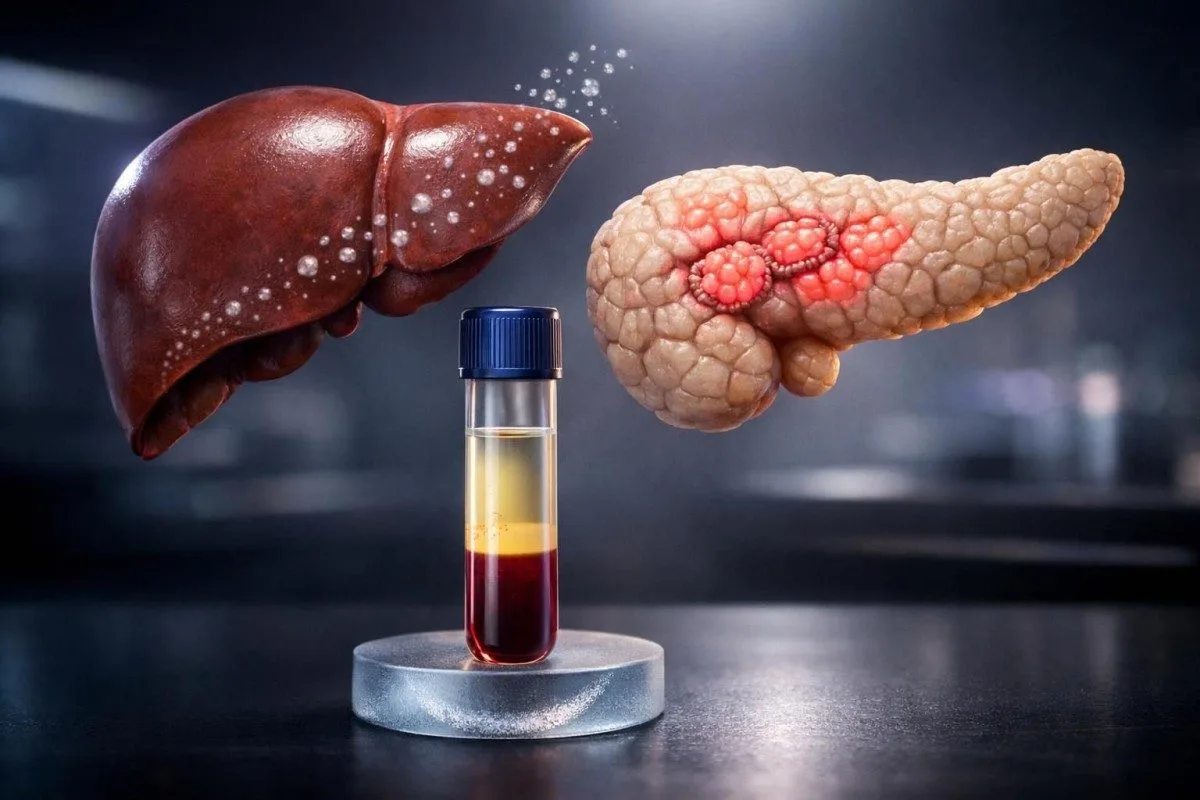
A fasting glucose of 102-112 mg/dL with an HbA1c of 5.4%-5.6% is a pattern we see often. As of April 6, 2026, it usually points to timing, dawn hormones, sleep, stress, or early insulin resistance rather than a mysterious lab error.


- Normal fasting blood sugar is 70-99 mg/dL or 3.9-5.5 mmol/L in most non-pregnant adults.
- Impaired fasting glucose is 100-125 mg/dL; that range often means early insulin resistance, even if you feel well.
- Diabetes cutoff for fasting plasma glucose is 126 mg/dL or higher on 2 separate tests, unless another diagnostic criterion is already met.
- Hemoglobin A1c reflects about 8-12 weeks of average glucose and can miss short but repeated morning spikes.
- Dawn phenomenon commonly raises glucose by 10-20 mg/dL between roughly 3 AM and 8 AM.
- Poor sleep or sleep apnea can keep fasting values in the 100-115 mg/dL range despite decent daytime numbers.
- Coffee before a glucose test can raise glucose by about 5-15 mg/dL in some caffeine-sensitive people; water is safest.
- A1c can mislead when iron deficiency, recent blood loss, kidney disease, pregnancy, or hemoglobin variants are present.
- Useful follow-up tests include repeat fasting glucose, a 75-g oral glucose tolerance test, fructosamine, fasting insulin, or 10-14 days of CGM.
- Urgent review is wise if glucose is over 200 mg/dL with symptoms or over 250 mg/dL with nausea, vomiting, deep breathing, or confusion.
What fasting blood sugar range is actually normal?
Fasting blood sugar is considered normal at 70-99 mg/dL or 3.9-5.5 mmol/L in most non-pregnant adults. Morning readings can still run high when hemoglobin A1c looks acceptable because A1c is an average, not a snapshot of dawn spikes, bad sleep, or early insulin resistance. At Kantesti AI blood test analyzer, we see this mismatch often, and our deeper HbA1c cutoff guide explains why the average can look calmer than the morning number.
Fasting plasma glucose of 100-125 mg/dL or 5.6-6.9 mmol/L is usually called impaired fasting glucose or prediabetes. 126 mg/dL or 7.0 mmol/L and above on two separate tests supports diabetes, while a random glucose of 200 mg/dL or more plus classic symptoms can also establish the diagnosis.
Some labs print a broader reference interval such as 65-99 mg/dL or 74-106 mg/dL. In practice, clinicians use guideline thresholds rather than the lab's local range, and I trust a properly collected venous lab result more than a home meter when the difference is small because home devices can vary by roughly 10-15%.
As of April 6, 2026, one of the commonest borderline patterns in our review queue is fasting glucose 102-112 mg/dL with A1c 5.4%-5.6%. That pattern is not rare, and it does not automatically mean diabetes; in my experience, it more often means mild overnight dysregulation that deserves context, especially if waist size, triglycerides, sleep quality, or family history are moving in the wrong direction.
Why can morning glucose run high when hemoglobin A1c looks fine?
Morning glucose can be high with a seemingly normal hemoglobin A1c because A1c reflects an average over weeks, while fasting glucose captures a very specific physiologic moment. A routine standard blood test panel may catch an early fasting abnormality before the average has shifted, and that is one reason we discuss these patterns openly on our About Us page.
A1c reflects glycation of red blood cells over roughly 8-12 weeks, with the most recent month influencing it more than older weeks. An A1c of 5.5% corresponds to an estimated average glucose of about 111 mg/dL, but that average could come from a stable flat day or from swings between 80 mg/dL overnight and 170 mg/dL after dinner.
The ADAG investigators showed that the relationship between A1c and average glucose is useful but imperfect. In real clinics, two people with the same A1c can have very different daily curves, and early dysglycemia is often asymmetric: the liver may overproduce glucose before breakfast long before the A1c crosses 5.7%.
When I, Thomas Klein, MD, review a panel with fasting glucose 108 mg/dL and A1c 5.4%, I rarely stop there. I look for triglycerides above about 150 mg/dL, low HDL, mild ALT drift, central weight gain, or a strong family history, because those clues together make fasting glucose more clinically meaningful than the A1c alone.
How the dawn phenomenon raises glucose before breakfast
The dawn phenomenon is a pre-breakfast rise in glucose driven by overnight hormone surges, most often cortisol, growth hormone, glucagon, and adrenaline. It usually appears between about 3 AM and 8 AM, and patients with early insulin resistance often see a 10-20 mg/dL bump that becomes clearer when paired with HOMA-IR interpretation.
Here is the mechanism in plain language: before waking, the liver releases glucose so the brain and muscles have fuel ready for the day. If insulin sensitivity is reduced, the liver overshoots, and fasting glucose that should have landed in the low 90s arrives at 103, 108, or 115 mg/dL instead.
Monnier and Colette wrote about this pattern years ago, and continuous glucose monitoring has made it easier to see. One practical clue is a bedtime value around 90-105 mg/dL followed by a fasting value 10-20 mg/dL higher, even though there was no midnight snack.
The thing is, people still blame every morning high on a rebound from overnight lows. True Somogyi-style rebound is probably much less common than older teaching suggested, especially in adults who are not using insulin or sulfonylureas; if you want to map the broader markers around this pattern, our blood test biomarkers guide is a useful starting point.
Dawn phenomenon versus leftover dinner
A fasting value of 112 mg/dL means something different if bedtime glucose was 92 mg/dL than if bedtime glucose was 148 mg/dL. In the first situation I think dawn hormones; in the second, I think part of dinner is still in the bloodstream.
Can stress, illness, or hard training push fasting glucose up?
Yes. Psychological stress, infection, pain, travel, and very intense exercise can raise fasting glucose because cortisol and adrenaline tell the liver to release more sugar. If the pattern shows up during anxious stretches, our guide to blood tests for anxiety is worth reading alongside your glucose data.
A rough real-world range is 5-30 mg/dL of temporary rise, depending on how strong the trigger is. Viral illness, dental pain, poor sleep after a red-eye flight, or a week of family stress can all do it, and the spike often settles once the trigger settles.
Medication effects matter too. Even moderate-dose prednisone, inhaled beta-agonists, some decongestants, and certain psychiatric medications can push a morning glucose test upward, so I always ask what changed in the last 2-4 weeks before calling a new diagnosis.
I see this pattern in athletes more often than people expect. A late evening interval session can leave next-morning glucose a little higher because catecholamines and hepatic glucose output remain elevated, even though long-term training usually improves insulin sensitivity.
What poor sleep and sleep apnea do to morning numbers
Short sleep and untreated obstructive sleep apnea commonly raise fasting glucose by worsening insulin resistance and increasing overnight stress hormones. When morning glucose is stubborn but the rest of the story sounds like fatigue, snoring, or fragmented sleep, I usually tell people to read our piece on blood tests for fatigue and then talk with their clinician about sleep as well as labs.
Several sleep-restriction studies have shown measurable reductions in insulin sensitivity after just a few nights of 4-5 hours of sleep. In clinic, the pattern is often less dramatic but very common: fasting glucose sits at 100-115 mg/dL, daytime energy is mediocre, and the number improves when sleep becomes regular.
Sleep apnea adds another layer because intermittent oxygen dips trigger catecholamine surges. In my experience, a person with fasting glucose 109 mg/dL, A1c 5.5%, snoring, resistant blood pressure, and morning headaches deserves an apnea screen before anyone shrugs and says it is just aging.
Not every patient with this pattern is overweight. I have seen lean adults with crowded airways, night-time bruxism, and persistent morning highs that improved after sleep treatment; once the sleep issue was addressed, their fasting glucose often dropped back into the low 90s without medication.
Which testing details make a glucose test look worse than it is?
The biggest testing confounders are a short fast, calories in coffee, gum, poor sleep, dehydration, and late eating. For a diagnostic glucose test, the cleanest setup is 8-12 hours of fasting with water only, and our explainer on fasting before blood test covers the practical details.
Black coffee is not metabolically neutral for everyone. In caffeine-sensitive patients, I have seen morning values rise by about 5-15 mg/dL, which is enough to turn a normal result into an abnormal one if you were already hovering near 100 mg/dL.
Here is a lab nuance most websites skip: delayed sample processing usually makes glucose read lower, not higher, because cells in the tube continue consuming glucose after collection. So when a fasting lab comes back unexpectedly high, the explanation is more often physiology or incomplete fasting than the specimen sitting on a bench too long.
Very long fasts can mislead too. Once people stretch beyond roughly 14-16 hours, counter-regulatory hormones sometimes climb and nudge glucose upward; our blood test abbreviations guide also helps readers spot whether the report says fasting plasma glucose, random glucose, or something else entirely.
When hemoglobin A1c can genuinely mislead you
Hemoglobin A1c is less reliable when red blood cell lifespan changes. If your hemoglobin level is off, or if kidney disease, pregnancy, blood loss, or a hemoglobin variant is in the story, a fair-looking A1c can hide a fasting problem or, sometimes, exaggerate one.
Iron deficiency is the classic trap. When iron stores are low, red cells often circulate longer and accumulate more glycation, so A1c can read artificially high by roughly 0.2-0.5 percentage points in some studies; if that sounds familiar, review your ferritin result before assuming glucose control suddenly worsened.
The opposite happens with recent blood loss, hemolysis, erythropoietin treatment, and sometimes advanced kidney disease. In those settings, the average age of red cells falls, and A1c can look deceptively low even while fasting glucose or post-meal glucose is climbing.
Assay method matters more than patients are usually told. Some labs use methods that are more vulnerable to hemoglobin variants than others, and pregnancy is its own special case because A1c is not sensitive enough for gestational screening; one of the more misleading patterns I see is A1c 5.4% after recent blood donation paired with fasting glucose 116-120 mg/dL.
A1c is an average, not a map
A1c tells you the broad climate of glucose, not the hourly weather. A person with repeated morning highs and dinner spikes can still produce an A1c that looks only mildly abnormal, or even normal, if the rest of the day is fairly low.
Which follow-up tests are worth asking for?
The best follow-up depends on the question you are trying to answer. If fasting glucose is repeatedly high while A1c looks acceptable, the most useful next steps are usually a repeat fasting plasma glucose, a 75-g oral glucose tolerance test, fructosamine, fasting insulin with insulin-resistance estimates, or short-term CGM; our clinical standards for this approach are outlined in Medical Validation.
A repeat fasting plasma glucose is the first move when the initial number is borderline. If the repeat stays in the 100-125 mg/dL range, that supports impaired fasting glucose; if it reaches 126 mg/dL or more again, the diagnosis becomes much firmer.
The 75-g oral glucose tolerance test is underused, frankly. A 2-hour value below 140 mg/dL is generally normal, 140-199 mg/dL suggests prediabetes, and 200 mg/dL or more supports diabetes; this test often catches people whose fasting glucose is only mildly high but whose post-meal handling is clearly off.
Fructosamine reflects about 2-3 weeks of glucose exposure, so it helps when A1c is unreliable. Fasting insulin and calculated HOMA-IR can be useful if the real question is insulin resistance, though cutoffs vary by population and assay; a HOMA-IR above roughly 2.0-2.5 often raises suspicion, and if you want help organizing the right reports, our guide to blood test PDF upload is practical.
When to ask about C-peptide or antibodies
If you are lean, losing weight, very thirsty, or your fasting glucose is rising quickly, ask whether C-peptide and diabetes autoantibodies make sense. That is not the routine path for everyone, but it matters when the story sounds less like insulin resistance and more like insulin deficiency.
How we interpret fasting glucose in context at Kantesti
A fasting glucose result becomes far more useful when it is read alongside A1c, lipids, liver enzymes, kidney markers, blood counts, ferritin, symptoms, and time trends. On our AI blood test platform, that contextual read is exactly the point: Kantesti AI does not just flag a number red; it asks what the rest of the panel is trying to say.
In our analysis of more than 2 million uploaded reports across 127+ countries, the same fasting glucose value often means very different things depending on what sits beside it. A fasting glucose of 103 mg/dL paired with triglycerides 220 mg/dL, HDL 36 mg/dL, and ALT 48 U/L worries me more than 103 mg/dL after a transatlantic trip with triglycerides 78 mg/dL and ALT 19 U/L.
Kantesti's neural network reviews more than 15,000 biomarkers, and the underlying approach is explained in our technology guide. We built it with physician oversight, and our Medical Advisory Board helps keep the interpretation clinically grounded rather than purely statistical.
There is another angle here: trends beat one-offs. Most patients find that seeing six months of fasting glucose, A1c, triglycerides, weight, and sleep notes together is much more actionable than reacting to one isolated morning number, and that is exactly where our CE-marked, HIPAA-, GDPR-, and ISO 27001-aligned workflow helps make sense of noisy lab data.
How to track morning highs at home for 2 weeks
A 14-day tracking plan is usually enough to tell whether morning highs are real, random, or driven by a few predictable triggers. If you are unsure how to organize the pattern, start with our guide on how to read blood test results and then compare home data with formal lab results.
Use the same meter for the full 14 days if you are doing a home blood sugar test. Check fasting glucose right after waking and before coffee, then add a bedtime reading and a 1-2 hour post-dinner reading on 3-4 evenings per week.
Write down five things every time: dinner time, rough carbohydrate load, sleep hours, unusual stress, and exercise timing. I tell patients not to obsess over the single worst number; the median fasting value is usually more informative than the biggest outlier.
My rough office rule is simple. A fasting median under 100 mg/dL is reassuring, 100-109 mg/dL deserves attention, and repeated values above 110 mg/dL usually mean we should look harder at insulin resistance, sleep, or post-meal spikes; if you want a structured read, you can upload your reports to our free blood test demo and get an interpretation in about 60 seconds.
When should you ask for follow-up sooner rather than later?
Ask for follow-up if fasting glucose is repeatedly 100 mg/dL or higher, book promptly if a venous fasting result is 126 mg/dL or higher, and seek urgent care if glucose is over 250 mg/dL with nausea, vomiting, deep breathing, or confusion. If you are unsure which symptoms matter, our symptoms decoder gives a practical checklist.
A random glucose of 200 mg/dL or more plus thirst, frequent urination, blurred vision, or unexplained weight loss is not something I would sit on. Pregnancy is a different world again because the thresholds are lower and the follow-up is faster, so pregnant patients should ask their own team rather than rely on general adult cutoffs.
The patients I worry about most are not always the highest numbers. A lean adult with fasting glucose climbing from 98 to 126 mg/dL over a few months, plus weight loss and fatigue, may need evaluation for autoimmune diabetes or pancreatic insufficiency, and some of our case studies show why pattern and pace matter as much as the absolute value.
Bottom line: one borderline result rarely defines your future, but repeated abnormal values deserve a plan. If you need help organizing reports before you speak with your clinician, you can also contact our team for product support around uploads and interpretation workflow.
Research publications and related Kantesti reading
These two DOI-cited publications are not glucose trials, but they show the broader lab-interpretation framework we use across systems. For more original medical explainers in the same style, browse the Kantesti blog.
Kidney markers matter in glucose interpretation more than most patients realize. Dehydration can shift BUN and creatinine, chronic kidney disease can distort A1c, and both issues change how I read a seemingly simple morning glucose result; our related piece on the BUN/creatinine ratio is useful background.
Urinalysis matters too. Once glucose levels rise enough to spill into urine, or when ketones enter the picture, a fasting glucose conversation can quickly become a hydration and metabolic-stress conversation, which is why our urobilinogen and urinalysis guide sits next to glucose content in our editorial workflow.
We include the formal citations below because careful interpretation is cumulative work. Good glucose medicine rarely depends on one number, one symptom, or one article.
Frequently Asked Questions
What is a normal fasting blood sugar in adults?
A normal fasting blood sugar in most non-pregnant adults is 70-99 mg/dL or 3.9-5.5 mmol/L. A fasting value of 100-125 mg/dL usually means impaired fasting glucose, which falls in the prediabetes range. Diabetes is generally diagnosed when fasting plasma glucose is 126 mg/dL or higher on two separate tests, or when another accepted diagnostic criterion is met. Lab reference intervals may vary, but these diagnostic cutoffs are the ones clinicians actually use.
Can fasting glucose be high if hemoglobin A1c is normal?
Yes, fasting glucose can be high even when hemoglobin A1c looks normal because A1c is an average over roughly 8-12 weeks. A1c can miss repeated morning rises, post-meal spikes, or early insulin resistance if the rest of the day stays fairly normal. This mismatch is especially common when fasting glucose is around 100-112 mg/dL and A1c is 5.4%-5.6%. It also happens when A1c is unreliable because of iron deficiency, blood loss, kidney disease, pregnancy, or hemoglobin variants.
What is the dawn phenomenon?
The dawn phenomenon is a rise in glucose before breakfast caused by overnight hormone surges, mainly cortisol, growth hormone, glucagon, and adrenaline. It usually shows up between about 3 AM and 8 AM and often increases morning glucose by 10-20 mg/dL. People with early insulin resistance are more likely to notice it because the liver releases more glucose than the body can neatly handle overnight. A bedtime glucose near 95 mg/dL followed by a fasting glucose of 110 mg/dL is a classic pattern.
Does poor sleep really raise fasting glucose?
Yes, poor sleep can raise fasting glucose in a measurable way. Several sleep-restriction studies show that just a few nights of 4-5 hours of sleep can worsen insulin sensitivity, and untreated sleep apnea often keeps fasting glucose in the 100-115 mg/dL range. In clinic, the clue is usually a cluster: snoring, morning headaches, resistant blood pressure, fatigue, and stubborn morning highs. Sleep is one of the first variables I ask about before labeling someone prediabetic.
Should I worry if my fasting blood sugar is 105 or 110?
A fasting blood sugar of 105 mg/dL or 110 mg/dL is not an emergency, but it should not be ignored if it repeats. Values in that range fall under impaired fasting glucose, especially when they show up more than once under proper fasting conditions. I usually advise repeating the test, reviewing sleep, stress, medications, and meal timing, and considering follow-up if the pattern persists. Repeated fasting values above 110 mg/dL deserve more attention than a single isolated result after a bad night.
What follow-up tests should I ask for if morning glucose stays high?
The most useful follow-up tests are usually a repeat fasting plasma glucose, a 75-g oral glucose tolerance test, fructosamine, fasting insulin with an insulin-resistance estimate, or short-term continuous glucose monitoring. The OGTT is especially helpful because a 2-hour result below 140 mg/dL is generally normal, 140-199 mg/dL suggests prediabetes, and 200 mg/dL or higher supports diabetes. Fructosamine reflects about 2-3 weeks of glucose exposure and is helpful when A1c may be unreliable. If the story sounds atypical, clinicians may also add C-peptide or diabetes antibodies.
Can black coffee affect a fasting glucose test?
Yes, black coffee can affect a fasting glucose test in some people, even though it has almost no calories. In caffeine-sensitive patients, I have seen glucose rise by roughly 5-15 mg/dL, which is enough to change a borderline result. For the cleanest fasting lab, the best rule is 8-12 hours of fasting with plain water only. Gum, creamers, energy drinks, and very short sleep can also skew the number.
Get AI-Powered Blood Test Analysis Today
Join over 2 million users worldwide who trust Kantesti for instant, accurate lab test analysis. Upload your blood test results and receive comprehensive interpretation of 15,000+ biomarkers in seconds.
📚 Referenced Research Publications
Klein, T., Mitchell, S., & Weber, H. (2026). BUN/Creatinine Ratio Explained: Kidney Function Test Guide. Kantesti AI Medical Research.
Klein, T., Mitchell, S., & Weber, H. (2026). Urobilinogen in Urine Test: Complete Urinalysis Guide 2026. Kantesti AI Medical Research.
⚕️ Medical Disclaimer
This article is for educational purposes only and does not constitute medical advice. Always consult a qualified healthcare provider for diagnosis and treatment decisions.
E-E-A-T Trust Signals
Experience
Physician-led clinical review of lab interpretation workflows.
Expertise
Laboratory medicine focus on how biomarkers behave in clinical context.
Authoritativeness
Written by Dr. Thomas Klein with review by Dr. Sarah Mitchell and Prof. Dr. Hans Weber.
Trustworthiness
Evidence-based interpretation with clear follow-up pathways to reduce alarm.