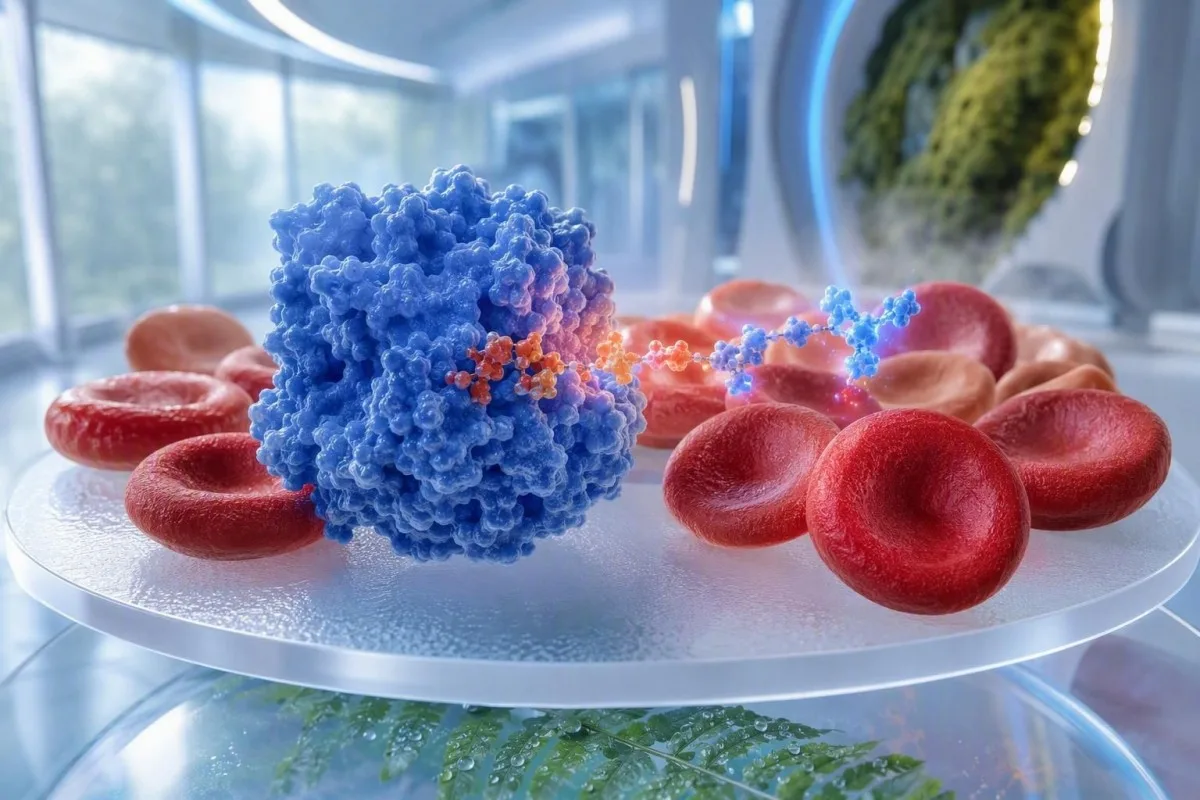
Madal G6PD ensüümi aktiivsus tähendab, et erütrotsüüdid võivad olla oksüdatiivse stressiga toimetulekul vähem võimelised, kuid normaalne tulemus hemolüüsi ajal või vahetult pärast seda võib anda ekslikult rahustava mulje. Kõige ohutum järgmine samm on tavaliselt kvantitatiivne kordustest pärast taastumist, kusjuures ravimite otsused juhinduvad määravast kliiniku arstist.


- Madal G6PD ensüümi aktiivsus võib suurendada punaliblede lagunemise riski pärast teatud ravimeid, infektsioone, aedube (fava) või keemilisi kokkupuuteid.
- Vale-normaalne ajastus on levinud ägeda hemolüüsi ajal, sest kõige ensüümi defitsiidiga vanemad erütrotsüüdid eemaldatakse esimesena, jättes nooremad rakud suhteliselt kõrgema aktiivsusega.
- Kordustestimine peetakse tavaliselt asjakohaseks umbes 2–3 kuu möödumisel pärast ägedat hemolüütilist episoodi või transfusiooni, välja arvatud juhul, kui spetsialist soovitab teistsugust ajakava.
- Kvantitatiivne testimine esitab aktiivsuse ühikutes hemoglobiini grammi kohta või protsendina kohandatud meessoost mediaanist; oluline on labori enda referentsvahemik.
- Vahetulemused ligikaudu 30% kuni 70% aktiivsuse vahemikus vajavad naistel erilist tähelepanu, sest X-kromosoomi inaktiveerumine võib tekitada segunenud erütrotsüütide populatsioone.
- Kiireloomulised sümptomid hõlmavad tumedat teevärvi uriini, ikterust, õhupuudust, minestustunnet, tugevat nõrkust või kiiresti süvenevat kahvatust pärast uue ravimi või haiguse algust.
- Rasburikaas ja metüleensinine nõuab kinnitatud G6PD puudulikkuse korral erikaitset; määravad arstid peaksid enne kasutamist üle vaatama alternatiivid.
- Vaheroad ja naftaleenist koi tõrjevahendid on klassikalised käsimüügist mittekasutatavad vallandajad, kuid ravimiloendid erinevad annuse, haiguse raskusastme ja kaasatud variandi järgi.
Mida tähendab madal G6PD ensüümi aktiivsus laboritulemustes
A madal G6PD tulemus tähendab, et teie punastel verelibledel on vähenenud kaitse oksüdatiivse stressi eest ning need võivad vallandaja toimel laguneda kiiremini. Alates 7. augustist 2026 tuleks tulemust käsitleda kui ravimiohutuse leid, mitte ühe numbri põhjal tehtud diagnoosi.
G6PD ehk glükoos-6-fosfaatdehüdrogenaas aitab punastel verelibledel toota NADPH-d, mis hoiab glutationi selle kaitsvana redutseeritud kujul. Küpsenud punased verelibled ei suuda enam uusi ensüümivalke toota, mistõttu aktiivsus loomulikult väheneb, kui rakk läheneb oma tavapärasele 120-päevasele elueale.
Tulemus, mis jääb alla analüüsi teostava labori madalama raporteerimispiiri, toetab G6PD puudulikkust, kuid arv ei ole laborite lõikes universaalselt võrreldav. Paljud kvantitatiivsed analüüsid raporteerivad täiskasvanutel ligikaudu 5,5 kuni 20,5 U/g hemoglobiini, kuid tegelikult “madal” sõltub analüütilisest meetodist, hemoglobiini korrigeerimisest ja kohalikust populatsioonist.
Kantesti on AI vereanalüüsi analüsaator mis loeb G6PD tulemuse koos hemoglobiiniga, bilirubiiniga, LDH-ga, retikulotsüütidega ja mis tahes ägeda haiguse kuupäevaga, mitte ei käsitle ühtainust “lipu” märget lõplikuna. Meie kliiniline meeskond näeb regulaarselt muret, mida põhjustab tulemus, mis oli tehniliselt normaalne, kuid võeti täpselt valel ajal.
Dr. Thomas Klein, MD, on leidnud, et patsiendid eeldavad sageli, et madal aktiivsus tähendab, et nad on iga päev halvas enesetundes. Enamikul inimestel, kellel on levinud variandid, on enesetunne täiesti hea nii kaua, kuni nad ei puutu kokku vallandajatega; praktiline küsimus on tulemuse selge dokumenteerimine ja teadmine, millised olukorrad nõuavad pöördumist arsti poole. Laborilippude konteksti kohta vt väljapoole normivahemikku jäävate tulemuste tähendused.
Kuidas G6PD testi tulemusi mõõdetakse ja liigitatakse
A kvantitatiivne G6PD ensüümi analüüs mõõdab ensüümi aktiivsust täisvere proovis ja on informatiivsem kui lihtne sõeluuring, kui tulemus võib mõjutada ravi. Aktiivsus väljendatakse tavaliselt U/g Hb või kohandatud meessoost mediaani protsendina, mitte universaalse kontsentratsioonina.
Eelistatud diagnostiline proov on tavaliselt EDTA-ga antikoaguleeritud täisveri, kus ensüümi aktiivsus normaliseeritakse hemoglobiini kontsentratsioonile. Väga madala hemoglobiiniga proov võib tekitada eksitavalt kõrge U/g Hb suhte, sest nimetajas on vähem hemoglobiini.
Paljud teenused kasutavad aktiivsust, mis on alla 30% kohandatud meessoost mediaanist kui puudulikku, umbes 30% kuni 70% kui vahepealset ja üle 70% kui normaalset; need tööalased piirvahemikud ei ole omavahel asendatavad iga labori referentsvahemikuga. Raporti analüüsi nimetus ja madalam referentspiir peaksid tulemusega kaasa minema.
Fluorestseeruv täpksõeluuring võib tuvastada paljusid märkimisväärselt puudulikke proove, kuid see võib vahele jätta vahepealse aktiivsuse, eriti heterosügootsetel naistel või retikulotsütoosi ajal. Kvantitatiivne analüüs on üldiselt parem valik, kui kaalutakse tafenoquini, primakiini, dapsooni või sarnast oksüdatiivset ravimit.
Retikulotsüüdid on noored punased verelibled ja sisaldavad tavaliselt rohkem G6PD aktiivsust kui vanemad rakud, mistõttu on need siin nii olulised. Meie retikulotsüütide ja hematoloogia juhend selgitab, miks loendus üle umbes 100 × 10⁹/L aneemia korral muudab seda, kuidas ensüümianalüüse tõlgendatakse.
Miks võib G6PD defitsiidi test pärast hemolüüsi näida normaalne
G6PD test võib hemolüüsi ajal või vahetult pärast seda näida normaalne, sest kõige vanemad ja kõige ensüümivaesemad erütrotsüüdid eemaldatakse esmajärjekorras. Ülejäänud vereringe rikastub retikulotsüütide ja nooremate rakkudega, mille mõõdetud aktiivsus on suhteliselt kõrgem.
See on selektsiooniefekt, mitte ravi. Kui inimene kaotab 24–72 tunni jooksul suure osa haavatavatest rakkudest, võib analüüs peamiselt mõõtaäsäsäsäsäsäsäsäsäsäsäsäsäsäsäsäsäsäsäsäsäsäsäsäsäsäsäsäsäsäsäsäsäsäsäsäsäsäsäsäsäsäsäsäsäsäsäsäsäsäsäsäsäsäsäsäsäsäsäsäsäsäsäsäsäsäsäsäsäsäsäsäsäsäsäsäsäsäsäsäsäsäsäsäsäsäsäsäsäsäsäsäsäsäsäsäsäsäsäsäsäsäsäsäsäsäsäsäsäsäsäsäsäsäsäsäsäsäsäsäsäsäsäsäsäsäsäsäsäsäsäsäsäsäsäsäsäsäsäsäsäsäsäsäsäsäsäsäsäsäsäsäsäsäsäsäsäsäsäsäsäsäsäsäsäsäsäsäsäsäsäsäsäsäsäsäsäsäsäsäsäsäsäsäsäsäsäsäsäsäsäsäsäsäsäsäsäsäsäsäsäsäsäsäsäsäsäsäsäsäsäsäsäsäsäsäsäsäsäsäsäsäsäsäsäsäsäsäsäsäsäsäsäsäsäsäsäsäsäsäsäsäsäsäsäsäsäsäsäsäsäsäsäsäsäsäsäsäsäsäsäsäsäsäsäsäsäsäsäsäsäsäsäsäsäsäsäsäsäsäsäsäsäsäsäsäsäsäsäsäsäsäsäsäsäsäsäsäsäsäsäsäsäsäsäsäsäsäsäsäsäsäsäsäsäsäsäsäsäsäsäsäsäsäsäsäsäsäsäsäsäsäsäsäsäsäsäsäsäsäsäsäsäsäsäsäsäsäsäsäsäsäsäsäsäsäsäsäsäsäsäsäsäsäsäsäsäsäsäsäsäsäsäsäsäsäsäsäsäsäsäsäsäsäsäsäsäsäsäsäsäsäsäsäsäsäsäsäsäsäsäsäsäsäsäsäsäsäsäsäsäsäsäsäsäsäsäsäsäsäsäsäsäsäsäsäsäsäsäsäsäsäsäsäsäsäsäsäsäsäsäsäsäsäsäsäsäsäsäsäsäsäsäsäsäsäsäsäsäsäsäsäsäsäsäsäsäsäsäsäsäsäsäsäsäsäsäsäsäsäsäsäsäsäsäsäsäsäsäsäsäsäsäsäsäsäsäsäsäsäsäsäsäsäsäsäsäsäsäsäsäsäsäsäsäsäsäsäsäsäsäsäsäsäsäsäsäsäsäsäsäsäsäsäsäsäsäsäsäsäsäsäsäsäsäsäsäsäsäsäsäsäsäsäsäsäsäsäsäsäsäsäsäsäsäsäsäsäsäsäsäsäsäsäsäsäsäsäsäsäsäsäsäsäsäsäsäsäsäsäsäsäsäsäsäsäsäsäsäsäsäsäsäsäsäsäsäsäsäsäsäsäsäsäsäsäsäsäsäsäsäsäsäsäsäsäsäsäsäsäsäsäsäsäsäsäsäsäsäsäsäsäsäsäsäsäsäsäsäsäsäsäsäsäsäsäsäsäsäsäsäsäsäsäsäsäsäsäsäsäsäsäsäsäsäsäsäsäsäsäsäsäsäsäsäsäsäsäsäsäsäsäsäsäsäsäsäsäsäsäsäsäsäsäsäsäsäsäsäsäsäsäsäsäsäsäsäsäsäsäsäsäsäsäsäsäsäsäsäsäsäsäsäsäsäsäsäsäsäsäsäsäsäsäsäsäsäsäsäsäsäsäsäsäsäsäsäsäsäsäsäsäsäsäsäsäsäsäsäsäsäsäsäsäsäsäsäsäsäsäsäsäsäsäsäsäsäsäsäsäsäsäsäsäsäsäsäsäsäsäsäsäsäsäsäsäsäsäsäsäsäsäsäsäsäsäsäsäsäsäsäsäsäsäsäsäsäsäsäsäsäsäsäsäsäsäsäsäsäsäsäsäsäsäsäsäsäsäsäsäsäsäsäsäsäsäsäsäsäsäsäsäsäsäsäsäsäsäsäsäsäsäsäsäsäsäsäsäsäsäsäsäsäsäsäsäsäsäsäsäsäsäsäsäsäsäsäsäsäsäsäsäsäsäsäsäsäsäsäsäsäsäsäsäsäsäsäsäsäsäsäsäsäsäsäsäsäsäsäsäsäsäsäsäsäsäsäsäsäsäsäsäsäsäsäsäsäsäsäsäsäsäsäsäsäsäsäsäsäsäsäsäsäsäsäsäsäsäsäsäsäsäsäsäsäsäsäsäsäsäsäsäsäsäsäsäsäsäsäsäsäsäsäsäsäsäsäsäsäsäsäsäsäsäsäsäsäsäsäsäsäsäsäsäsäsäsäsäsäsäsäsäsäsäsäsäsäsäsäsäsäsäsäsäsäsäsäsäsäsäsäsäsäsäsäsäsäsäsäsäsäsäsäsäsäsäsäsäsäsäsäsäsäsäsäsäsäsäsäsäsäsäsäsäsäsäsäsäsäsäsäsäsäsäsäsäsäsäsäsäsäsäsäsäsäsäsäsäsäsäsäsäsäsäsäsäsäsäsäsäsäsäsäsäsäsäsäsäsäsäsäsäsäsäsäsäsäsäsäsäsäsäsäsäsäsäsäsäsäsäsäsäsäsäsäsäsäsäsäsäsäsäsäsäsäsäsäsäsäsäsäsäsäsäsäsäsäsäsäsäsäsäsäsäsäsäsäsäsäsäsäsäsäsäsäsäsäsäsäsäsäsäsäsäsäsäsäsäsäsäsäsäsäsäsäsäsäsäsäsäsäsäsäsäsäsäsäsäsäsäsäsäsäsäsäsäsäsäsäsäsäsäsäsäsäsäsäsäsäsäsäsäsäsäsäsäsäsäsäsäsäsäsäsäsäsäsäsäsäsäsäsäsäsäsäsäsäsäsäsäsäsäsäsäsäsäsäsäsäsäsäsäsäsäsäsäsäsäsäsäsäsäsäsäsäsäsäsäsäsäsäsäsäsäsäsäsäsäsäsäsäsäsäsäsäsäsäsäsäsäsäsäsäsäsäsäsäsäsäsäsäsäsäsäsäsäsäsäsäsäsäsäsäsäsäsäsäsäsäsäsäsäsäsäsäsäsäsäsäsäsäsäsäsäsäsäsäsäsäsäsäsäsäsäsäsäsäsäsäsäsäsäsäsäsäsäsäsäsäsäsäsäsäsäsäsäsäsäsäsäsäsäsäsäsäsäsäsäsäsäsäsäsäsäsäsäsäsäsäsäsäsäsäsäsäsäsäsäsäsäsäsäsäsäsäsäsäsäsäsäsäsäsäsäsäsäsäsäsäsäsäsäsäsäsäsäsäsäsäsäsäsäsäsäsäsäsäsäsäsäsäsäsäsäsäsäsäsäsäsäsäsäsäsäsäsäsäsäsäsäsäsäsäsäsäsäsäsäsäsäsäsäsäsäsäsäsäsäsäsäsäsäsäsäsäsäsäsäsäsäsäsäsäsäsäsäsäsäsäsäsäsäsäsäsäsäsäsäsäsäsäsäsäsäsäsäsäsäsäsäsäsäsäsäsäsäsäsäsäsäsäsäsäsäsäsäsäsäsäsäsäsäsäsäsäsäsäsäsäsäsäsäsäsäsäsäsäsäsäsäsäsäsäsäsäsäsäsäsäsäsäsäsäsäsäsäsäsäsäsäsäsäsäsäsäsäsäsäsäsäsäsäsäsäsäsäsäsäsäsäsäsäsäsäsäsäsäsäsäsäsäsäsäsäsäsäsäsäsäsäsäsäsäsäsäsäsäsäsäsäsäsäsäsäsäsäsäsäsäsäsäsäsäsäsäsäsäsäsäsäsäsäsäsäsäsäsäsäsäsäsäsäsäsäsäsäsäsäsäsäsäsäsäsäsäsäsäsäsäsäsäsäsäsäsäsäsäsäsäsäsäsäsäsäsäsäsäsäsäsäsäsäsäsäsäsäsäsäsäsäsäsäsäsäsäsäsäsäsäsäsäsäsäsäsäsäsäsäsäsäsäsäsäsäsäsäsäsäsäsäsäsäsäsäsäsäsäsäsäsäsäsäsäsäsäsäsäsäsäsäsäsäsäsäsäsäsäsäsäsäsäsäsäsäsäsäsäsäsäsäsäsäsäsäsäsäsäsäsäsäsäsäsäsäsäsäsäsäsäsäsäsäsäsäsäsäsäsäsäsäsäsäsäsäsäsäsäsäsäsäsäsäsäsäsäsäsäsäsäsäsäsäsäsäsäsäsäsäsäsäsäsäsäsäsäsäsäsäsäsäsäsäsäsäsäsäsäsäsäsäsäsäsäsäsäsäsäsäsäsäsäsäsäsäsäsäsäsäsäsäsäsäsäsäsäsäsäsäsäsäsäsäsäsäsäsäsäsäsäsäsäsäsäsäsäsäsäsäsäsäsäsäsäsäsäsäsäsäsäsäsäsäsäsäsäsäsäsäsäsäsäsäsäsäsäsäsäsäsäsäsäsäsäsäsäsäsäsäsäsäsäsäsäsäsäsäsäsäsäsäsäsäsäsäsäsäsäsäsäsäsäsäsäsäsäsäsäsäsäsäsäsäsäsäsäsäsäsäsäsäsäsäsäsäsäsäsäsäsäsäsäsäsäsäsäsäsäsäsäsäsäsäsäsäsäsäsäsäsäsäsäsäsäsäsäsäsäsäsäsäsäsäsäsäsäsäsäsäsäsäsäsäsäsäsäsäsäsäsäsäsäsäsäsäsäsäsäsäsäsäsäsäsäsäsäsäsäsäsäsäsäsäsäsäsäsäsäsäsäsäsäsäsäsäsäsäsäsäsäsäsäsäsäsäsäsäsäsäsäsäsäsäsäsäsäsäsäsäsäsäsäsäsäsäsäsäsäsäsäsäsäsäsäsäsäsäsäsäsäsäsäsäsäsäsäsäsäsäsäsäsäsäsäsäsäsäsäsäsäsäsäsäsäsäsäsäsäsäsäsäsäsäsäsäsäsäsäsäsäsäsäsäsäsäsäsäsäsäsäsäsäsäsäsäsäsäsäsäsäsäsäsäsäsäsäsäsäsäsäsäsäsäsäsäsäsäsäsäsäsäsäsäsäsäsäsäsäsäsäsäsäsäsäsäsäsäsäsäsäsäsäsäsäsäsäsäsäsäsäsäsäsäsäsäsäsäsäsäsäsäsäsäsäsäsäsäsäsäsäsäsäsäsäsäsäsäsäsäsäsäsäsäsäsäsäsäsäsäsäsäsäsäsäsäsäsäsäsäsäsäsäsäsäsäsäsäsäsäsäsäsäsäsäsäsäsäsäsäsäsäsäsäsäsäsäsäsäsäsäsäsäsäsäsäsäsäsäsäsäsäsäsäsäsäsäsäsäsäsäsäsäsäsäsäsäsäsäsäsäsäsäsäsäsäsäsäsäsäsäsäsäsäsäsäsäsäsäsäsäsäsäsäsäsäsäsäsäsäsäsäsäsäsäsäsäsäsäsäsäsäsäsäsäsäsäsäsäsäsäsäsäsäsäsäsäsäsäsäsäsäsäsäsäsäsäsäsäsäsäsäsäsäsäsäsäsäsäsäsäsäsäsäsäsäsäsäsäsäsäsäsäsäsäsäsäsäsäsäsäsäsäsäsäsäsäsäsäsäsäsäsäsäsäsäsäsäsäsäsäsäsäsäsäsäsäsäsäsäsäsäsäsäsäsäsäsäsäsäsäsäsäsäsäsäsäsäsäsäsäsäsäsäsäsäsäsäsäsäsäsäsäsäsäsäsäsäsäsäsäsäsäsäsäsäsäsäsäsäsäsäsäsäsäsäsäsäsäsäsäsäsäsäsäsäsäsäsäsäsäsäsäsäsäsäsäsäsäsäsäsäsäsäsäsäsäsäsäsäsäsäsäsäsäsäsäsäsäsäsäsäsäsäsäsäsäsäsäsäsäsäsäsäsäsäsäsäsäsäsäsäsäsäsäsäsäsäsäsäsäsäsäsäsäsäsäsäsäsäsäsäsäsäsäsäsäsäsäsäsäsäsäsäsäsäsäsäsäsäsäsäsäsäsäsäsäsäsäsäsäsäsäsäsäsäsäsäsäsäsäsäsäsäsäsäsäsäsäsäsäsäsäsäsäsäsäsäsäsäsäsäsäsäsäsäsäsäsäsäsäsäsäsäsäsäsäsäsäsäsäsäsäsäsäsäsäsäsäsäsäsäsäsäsäsäsäsäsäsäsäsäsäsäsäsäsäsäsäsäsäsäsäsäsäsäsäsäsäsäsäsäsäsäsäsäsäsäsäsäsäsäsäsäsäsäsäsäsäsäsäsäsäsäsäsäsäsäsäsäsäsäsäsäsäsäsäsäsäsäsäsäsäsäsäsäsäsäsäsäsäsäsäsäsäsäsäsäsäsäsäsäsäsäsäsäsäsäsäsäsäsäsäsäsäsäsäsäsäsäsäsäsäsäsäsäsäsäsäsäsäsäsäsäsäsäsäsäsäsäsäsäsäsäsäsäsäsäsäsäsäsäsäsäsäsäsäsäsäsäsäsäsäsäsäsäsäsäsäsäsäsäsäsäsäsäsäsäsäsäsäsäsäsäsäsäsäsäsäsäsäsäsäsäsäsäsäsäsäsäsäsäsäsäsäsäsäsäsäsäsäsäsäsäsäsäsäsäsäsäsäsäsäsäsäsäsäsäsäsäsäsäsäsäsäsäsäsäsäsäsäsäsäsäsäsäsäsäsäsäsäsäsäsäsäsäsäsäsäsäsäsäsäsäsäsäsäsäsäsäsäsäsäsäsäsäsäsäsäsäsäsäsäsäsäsäsäsäsäsäsäsäsäsäsäsäsäsäsäsäsäsäsäsäsäsäsäsäsäsäsäsäsäsäsäsäsäsäsäsäsäsäsäsäsäsäsäsäsäsäsäsäsäsäsäsäsäsäsäsäsäsäsäsäsäsäsäsäsäsäsäsäsäsäsäsäsäsäsäsäsäsäsäsäsäsäsäsäsäsäsäsäsäsäsäsäsäsäsäsäsäsäsäsäsäsäsäsäsäsäsäsäsäsäsäsäsäsäsäsäsäsäsäsäsäsäsäsäsäsäsäsäsäsäsäsäsäsäsäsäsäsäsäsäsäsäsäsäsäsäsäsäsäsäsäsäsäsäsäsäsäsäsäsäsäsäsäsäsäsäsäsäsäsäsäsäsäsäsäsäsäsäsäsäsäsäsäsäsäsäsäsäsäsäsäsäsäsäsäsäsäsäsäsäsäsäsäsäsäsäsäsäsäsäsäsäsäsäsäsäsäsäsäsäsäsäsäsäsäsäsäsäsäsäsäsäsäsäsäsäsäsäsäsäsäsäsäsäsäsäsäsäsäsäsäsäsäsäsäsäsäsäsäsäsäsäsäsäsäsäsäsäsäsäsäsäsäsäsäsäsäsäsäsäsäsäsäsäsäsäsäsäsäsäsäsäsäsäsäsäsäsäsäsäsäsäsäsäsäsäsäsäsäsäsäsäsäsäsäsäsäsäsäsäsäsäsäsäsäsäsäsäsäsäsäsäsäsäsäsäsäsäsäsäsäsäsäsäsäsäsäsäsäsäsäsäsäsäsäsäsäsäsäsäsäsäsäsäsäsäsäsäsäsäsäsäsäsäsäsäsäsäsäsäsäsäsäsäsäsäsäsäsäsäsäsäsäsäsäsäsäsäsäsäsäsäsäsäsäsäsäsäsäsäsäsäsäsäsäsäsäsäsäsäsäsäsäsäsäsäsäsäsäsäsäsäsäsäsäsäsäsäsäsäsäsäsäsäsäsäsäsäsäsäsäsäsäsäsäsäsäsäsäsäsäsäsäsäsäsäsäsäsäsäsäsäsäsäsäsäsäsäsäsäsäsäsäsäsäsäsäsäsäsäsäsäsäsäsäsäsäsäsäsäsäsäsäsäsäsäsäsäsäsäsäsäsäsäsäsäsäsäsäsäsäsäsäsäsäsäsäsäsäsäsäsäsäsäsäsäsäsäsäsäsäsäsäsäsäsäsäsäsäsäsäsäsäsäsäsäsäsäsäsäsäsäsäsäsäsäsäsäsäsäsäsäsäsäsäsäsäsäsäsäsäsäsäsäsäsäsäsäsäsäsäsäsäsäsäsäsäsäsäsäsäsäsäsäsäsäsäsäsäsäsäsäsäsäsäsäsäsäsäsäsäsäsäsäsäsäsäsäsäsäsäsäsäsäsäsäsäsäsäsäsäsäsäsäsäsäsäsäsäsäsäsäsäsäsäsäsäsäsäsäsäsäsäsäsäsäsäsäsäsäsäsäsäsäsäsäsäsäsäsäsäsäsäsäsäsäsäsäsäsäsäsäsäsäsäsäsäsäsäsäsäsäsäsäsäsäsäsäsäsäsäsäsäsäsäsäsäsäsäsäsäsäsäsäsäsäsäsäsäsäsäsäsäsäsäsäsäsäsäsäsäsäsäsäsäsäsäsäsäsäsäsäsäsäsäsäsäsäsäsäsäsäsäsäsäsäsäsäsäsäsäsäsäsäsäsäsäsäsäsäsäsäsäsäsäsäsäsäsäsäsäsäsäsäsäsäsäsäsäsäsäsäsäsäsäsäsäsäsäsäsäsäsäsäsäsäsäsäsäsäsäsäsäsäsäsäsäsäsäsäsäsäsäsäsäsäsäsäsäsäsäsäsäsäsäsäsäsäsäsäsäsäsäsäsäsäsäsäsäsäsäsäsäsäsäsäsäsäsäsäsäsäsäsäsäsäsäsäsäsäsäsäsäsäsäsäsäsäsäsäsäsäsäsäsäsäsäsäsäsäsäsäsäsäsäsäsäsäsäsäsäsäsäsäsäsäsäsäsäsäsäsäsäsäsäsäsäsäsäsäsäsäsäsäsäsäsäsäsäsäsäsäsäsäsäsäsäsäsäsäsäsäsäsäsäsäsäsäsäsäsäsäsäsäsäsäsäsäsäsäsäsäsäsäsäsäsäsäsäsäsäsäsäsäsäsäsäsäsäsäsäsäsäsäsäsäsäsäsäsäsäsäsäsäsäsäsäsäsäsäsäsäsäsäsäsäsäsäsäsäsäsäsäsäsäsäsäsäsäsäsäsäsäsäsäsäsäsäsäsäsäsäsäsäsäsäsäsäsäsäsäsäsäsäsäsäsäsäsäsäsäsäsäsäsäsäsäsäsäsäsäsäsäsäsäsäsäsäsäsäsäsäsäsäsäsäsäsäsäsäsäsäsäsäsäsäsäsäsäsäsäsäsäsäsäsäsäsäsäsäsäsäsäsäsäsäsäsäsäsäsäsäsäsäsäsäsäsäsäsäsäsäsäsäsäsäsäsäsäsäsäsäsäsäsäsäsäsäsäsäsäsäsäsäsäsäsäsäsäsäsäsäsäsäsäsäsäsäsäsäsäsäsäsäsäsäsäsäsäsäsäsäsäsäsäsäsäsäsäsäsäsäsäsäsäsäsäsäsäsäsäsäsäsäsäsäsäsäsäsäsäsäsäsäsäsäsäsäsäsäsäsäsäsäsäsäsäsäsäsäsäsäsäsäsäsäsäsäsäsäsäsäsäsäsäsäsäsäsäsäsäsäsäsäsäsäsäsäsäsäsäsäsäsäsäsäsäsäsäsäsäsäsäsäsäsäsäsäsäsäsäsäsäsäsäsäsäsäsäsäsäsäsäsäsäsäsäsäsäsäsäsäsäsäsäsäsäsäsäsäsäsäsäsäsäsäsäsäsäsäsäsäsäsäsäsäsäsäsäsäsäsäsäsäsäsäsäsäsäsäsäsäsäsäsäsäsäsäsäsäsäsäsäsäsäsäsäsäsäsäsäsäsäsäsäsäsäsäsäsäsäsäsäsäsäsäsäsäsäsäsäsäsäsäsäsäsäsäsäsäsäsäsäsäsäsäsäsäsäsäsäsäsäsäsäsäsäsäsäsäsäsäsäsäsäsäsäsäsäsäsäsäsäsäsäsäsäsäsäsäsäsäsäsäsäsäsäsäsäsäsäsäsäsäsäsäsäsäsäsäsäsäsäsäsäsäsäsäsäsäsäsäsäsäsäsäsäsäsäsäsäsäsäsäsäsäsäsäsäsäsäsäsäsäsäsäsäsäsäsäsäsäsäsäsäsäsäsäsäsäsäsäsäsäsäsäsäsäsäsäsäsäsäsäsäsäsäsäsäsäsäsäsäsäsäsäsäsäsäsäsäsäsäsäsäsäsäsäsäsäsäsäsäsäsäsäsäsäsäsäsäsäsäsäsäsäsäsäsäsäsäsäsäsäsäsäsäsäsäsäsäsäsäsäsäsäsäsäsäsäsäsäsäsäsäsäsäsäsäsäsäsäsäsäsäsäsäsäsäsäsäsäsäsäsäsäsäsäsäsäsäsäsäsäsäsäsäsäsäsäsäsäsäsäsäsäsäsäsäsäsäsäsäsäsäsäsäsäsäsäsäsäsäsäsäsäsäsäsäsäsäsäsäsäsäsäsäsäsäsäsäsäsäsäsäsäsäsäsäsäsäsäsäsäsäsäsäsäsäsäsäsäsäsäsäsäsäsäsäsäsäsäsäsäsäsäsäsäsäsäsäsäsäsäsäsäsäsäsäsäsäsäsäsäsäsäsäsäsäsäsäsäsäsäsäsäsäsäsäsäsäsäsäsäsäsäsäsäsäsäsäsäsäsäsäsäsäsäsäsäsäsäsäsäsäsäsäsäsäsäsäsäsäsäsäsäsäsäsäsäsäsäsäsäsäsäsäsäsäsäsäsäsäsäsäsäsäsäsäsäsäsäsäsäsäsäsäsäsäsäsäsäsäsäsäsäsäsäsäsäsäsäsäsäsäsäsäsäsäsäsäsäsäsäsäsäsäsäsäsäsäsäsäsäsäsäsäsäsäsäsäsäsäsäsäsäsäsäsäsäsäsäsäsäsäsäsäsäsäsäsäsäsäsäsäsäsäsäsäsäsäsäsäsäsäsäsäsäsäsäsäsäsäsäsäsäsäsäsäsäsäsäsäsäsäsäsäsäsäsäsäsäsäsäsäsäsäsäsäsäsäsäsäsäsäsäsäsäsäsäsäsäsäsäsäsäsäsäsäsäsäsäsäsäsäsäsäsäsäsäsäsäsäsäsäsäsäsäsäsäsäsäsäsäsäsäsäsäsäsäsäsäsäsäsäsäsäsäsäsäsäsäsäsäsäsäsäsäsäsäsäsäsäsäsäsäsäsäsäsäsäsäsäsäsäsäsäsäsäsäsäsäsäsäsäsäsäsäsäsäsäsäsäsäsäsäsäsäsäsäsäsäsäsäsäsäsäsäsäsäsäsäsäsäsäsäsäsäsäsäsäsäsäsäsäsäsäsäsäsäsäsäsäsäsäsäsäsäsäsäsäsäsäsäsäsäsäsäsäsäsäsäsäsäsäsäsäsäsäsäsäsäsäsäsäsäsäsäsäsäsäsäsäsäsäsäsäsäsäsäsäsäsäsäsäsäsäsäsäsäsäsäsäsäsäsäsäsäsäsäsäsäsäsäsäsäsäsäsäsäsäsäsäsäsäsäsäsäsäsäsäsäsäsäsäsäsäsäsäsäsäsäsäsäsäsäsäsäsäsäsäsäsäsäsäsäsäsäsäsäsäsäsäsäsäsäsäsäsäsäsäsäsäsäsäsäsäsäsäsäsäsäsäsäsäsäsäsäsäsäsäsäsäsäsäsäsäsäsäsäsäsäsäsäsäsäsäsäsäsäsäsäsäsäsäsäsäsäsäsäsäsäsäsäsäsäsäsäsäsäsäsäsäsäsäsäsäsäsäsäsäsäsäsäsäsäsäsäsäsäsäsäsäsäsäsäsäsäsäsäsäsäsäsäsäsäsäsäsäsäsäsäsäsäsäsäsäsäsäsäsäsäsäsäsäsäsäsäsäsäsäsäsäsäsäsäsäsäsäsäsäsäsäsäsäsäsäsäsäsäsäsäsäsäsäsäsäsäsäsäsäsäsäsäsäsäsäsäsäsäsäsäsäsäsäsäsäsäsäsäsäsäsäsäsäsäsäsäsäsäsäsäsäsäsäsäsäsäsäsäsäsäsäsäsäsäsäsäsäsäsäsäsäsäsäsäsäsäsäsäsäsäsäsäsäsäsäsäsäsäsäsäsäsäsäsäsäsäsäsäsäsäsäsäsäsäsäsäsäsäsäsäsäsäsäsäsäsäsäsäsäsäsäsäsäsäsäsäsäsäsäsäsäsäsäsäsäsäsäsäsäsäsäsäsäsäsäsäsäsäsäsäsäsäsäsäsäsäsäsäsäsäsäsäsäsäsäsäsäsäsäsäsäsäsäsäsäsäsäsäsäsäsäsäsäsäsäsäsäsäsäsäsäsäsäsäsäsäsäsäsäsäsäsäsäsäsäsäsäsäsäsäsäsäsäsäsäsäsäsäsäsäsäsäsäsäsäsäsäsäsäsäsäsäsäsäsäsäsäsäsäsäsäsäsäsäsäsäsäsäsäsäsäsäsäsäsäsäsäsäsäsäsäsäsäsäsäsäsäsäsäsäsäsäsäsäsäsäsäsäsäsäsäsäsäsäsäsäsäsäsäsäsäsäsäsäsäsäsäsäsäsäsäsäsäsäsäsäsäsäsäsäsäsäsäsäsäsäsäsäsäsäsäsäsäsäsäsäsäsäsäsäsäsäsäsäsäsäsäsäsäsäsäsäsäsäsäsäsäsäsäsäsäsäsäsäsäsäsäsäsäsäsäsäsäsäsäsäsäsäsäsäsäsäsäsäsäsäsäsäsäsäsäsäsäsäsäsäsäsäsäsäsäsäsäsäsäsäsäsäsäsäsäsäsäsäsäsäsäsäsäsäsäsäsäsäsäsäsäsäsäsäsäsäsäsäsäsäsäsäsäsäsäsäsäsäsäsäsäsäsäsäsäsäsäsäsäsäsäsäsäsäsäsäsäsäsäsäsäsäsäsäsäsäsäsäsäsäsäsäsäsäsäsäsäsäsäsäsäsäsäsäsäsäsäsäsäsäsäsäsäsäsäsäsäsäsäsäsäsäsäsäsäsäsäsäsäsäsäsäsäsäsäsäsäsäsäsäsäsäsäsäsäsäsäsäsäsäsäsäsäsäsäsäsäsäsäsäsäsäsäsäsäsäsäsäsäsäsäsäsäsäsäsäsäsäsäsäsäsäsäsäsäsäsäsäsäsäsäsäsäsäsäsäsäsäsäsäsäsäsäsäsäsäsäsäsäsäsäsäsäsäsäsäsäsäsäsäsäsäsäsäsäsäsäsäsäsäsäsäsäsäsäsäsäsäsäsäsäsäsäsäsäsäsäsäsäsäsäsäsäsäsäsäsäsäsäsäsäsäsäsäsäsäsäsäsäsäsäsäsäsäsäsäsäsäsäsäsäsäsäsäsäsäsäsäsäsäsäsäsäsäsäsäsäsäsäsäsäsäsäsäsäsäsäsäsäsäsäsäsäsäsäsäsäsäsäsäsäsäsäsäsäsäsäsäsäsäsäsäsäsäsäsäsäsäsäsäsäsäsäsäsäsäsäsäsäsäsäsäsäsäsäsäsäsäsäsäsäsäsäsäsäsäsäsäsäsäsäsäsäsäsäsäsäsäsäsäsäsäsäsäsäsäsäsäsäsäsäsäsäsäsäsäsäsäsäsäsäsäsäsäsäsäsäsäsäsäsäsäsäsäsäsäsäsäsäsäsäsäsäsäsäsäsäsäsäsäsäsäsäsäsäsäsäsäsäsäsäsäsäsäsäsäsäsäsäsäsäsäsäsäsäsäsäsäsäsäsäsäsäsäsäsäsäsäsäsäsäsäsäsäsäsäsäsäsäsäsäsäsäsäsäsäsäsäsäsäsäsäsäsäsäsäsäsäsäsäsäsäsäsäsäsäsäsäsäsäsäsäsäsäsäsäsäsäsäsäsäsäsäsäsäsäsäsäsäsäsäsäsäsäsäsäsäsäsäsäsäsäsäsäsäsäsäsäsäsäsäsäsäsäsäsäsäsäsäsäsäsäsäsäsäsäsäsäsäsäsäsäsäsäsäsäsäsäsäsäsäsäsäsäsäsäsäsäsäsäsäsäsäsäsäsäsäsäsäsäsäsäsäsäsäsäsäsäsäsäsäsäsäsäsäsäsäsäsäsäsäsäsäsäsäsäsäsäsäsäsäsäsäsäsäsäsäsäsäsäsäsäsäsäsäsäsäsäsäsäsäsäsäsäsäsäsäsäsäsäsäsäsäsäsäsäsäsäsäsäsäsäsäsäsäsäsäsäsäsäsäsäsäsäsäsäsäsäsäsäsäsäsäsäsäsäsäsäsäsäsäsäsäsäsäsäsäsäsäsäsäsäsäsäsäsäsäsäsäsäsäsäsäsäsäsäsäsäsäsäsäsäsäsäsäsäsäsäsäsäsäsäsäsäsäsäsäsäsäsäsäsäsäsäsäsäsäsäsäsäsäsäsäsäsäsäsäsäsäsäsäsäsäsäsäsäsäsäsäsäsäsäsäsäsäsäsäsäsäsäsäsäsäsäsäsäsäsäsäsäsäsäsäsäsäsäsäsäsäsäsäsäsäsäsäsäsäsäsäsäsäsäsäsäsäsäsäsäsäsäsäsäsäsäsäsäsäsäsäsäsäsäsäsäsäsäsäsäsäsäsäsäsäsäsäsäsäsäsäsäsäsäsäsäsäsäsäsäsäsäsäsäsäsäsäsäsäsäsäsäsäsäsäsäsäsäsäsäsäsäsäsäsäsäsäsäsäsäsäsäsäsäsäsäsäsäsäsäsäsäsäsäsäsäsäsäsäsäsäsäsäsäsäsäsäsäsäsäsäsäsäsäsäsäsäsäsäsäsäsäsäsäsäsäsäsäsäsäsäsäsäsäsäsäsäsäsäsäsäsäsäsäsäsäsäsäsäsäsäsäsäsäsäsäsäsäsäsäsäsäsäsäsäsäsäsäsäsäsäsäsäsäsäsäsäsäsäsäsäsäsäsäsäsäsäsäsäsäsäsäsäsäsäsäsäsäsäsäsäsäsäsäsäsäsäsäsäsäsäsäsäsäsäsäsäsäsäsäsäsäsäsäsäsäsäsäsäsäsäsäsäsäsäsäsäsäsäsäsäsäsäsäsäsäsäsäsäsäsäsäsäsäsäsäsäsäsäsäsäsäsäsäsäsäsäsäsäsäsäsäsäsäsäsäsäsäsäsäsäsäsäsäsäsäsäsäsäsäsäsäsäsäsäsäsäsäsäsäsäsäsäsäsäsäsäsäsäsäsäsäsäsäsäsäsäsäsäsäsäsäsäsäsäsäsäsäsäsäsäsäsäsäsäsäsäsäsäsäsäsäsäsäsäsäsäsäsäsäsäsäsäsäsäsäsäsäsäsäsäsäsäsäsäsäsäsäsäsäsäsäsäsäsäsäsäsäsäsäsäsäsäsäsäsäsäsäsäsäsäsäsäsäsäsäsäsäsäsäsäsäsäsäsäsäsäsäsäsäsäsäsäsäsäsäsäsäsäsäsäsäsäsäsäsäsäsäsäsäsäsäsäsäsäsäsäsäsäsäsäsäsäsäsäsäsäsäsäsäsäsäsäsäsäsäsäsäsäsäsäsäsäsäsäsäsäsäsäsäsäsäsäsäsäsäsäsäsäsäsäsäsäsäsäsäsäsäsäsäsäsäsäsäsäsäsäsäsäsäsäsäsäsäsäsäsäsäsäsäsäsäsäsäsäsäsäsäsäsäsäsäsäsäsäsäsäsäsäsäsäsäsäsäsäsäsäsäsäsäsäsäsäsäsäsäsäsäsäsäsäsäsäsäsäsäsäsäsäsäsäsäsäsäsäsäsäsäsäsäsäsäsäsäsäsäsäsäsäsäsäsäsäsäsäsäsäsäsäsäsäsäsäsäsäsäsäsäsäsäsäsäsäsäsäsäsäsäsäsäsäsäsäsäsäsäsäsäsäsäsäsäsäsäsäsäsäsäsäsäsäsäsäsäsäsäsäsäsäsäsäsäsäsäsäsäsäsäsäsäsäsäsäsäsäsäsäsäsäsäsäsäsäsäsäsäsäsäsäsäsäsäsäsäsäsäsäsäsäsäsäsäsäsäsäsäsäsäsäsäsäsäsäsäsäsäsäsäsäsäsäsäsäsäsäsäsäsäsäsäsäsäsäsäsäsäsäsäsäsäsäsäsäsäsäsäsäsäsäsäsäsäsäsäsäsäsäsäsäsäsäsäsäsäsäsäsäsäsäsäsäsäsäsäsäsäsäsäsäsäsäsäsäsäsäsäsäsäsäsäsäsäsäsäsäsäsäsäsäsäsäsäsäsäsäsäsäsäsäsäsäsäsäsäsäsäsäsäsäsäsäsäsäsäsäsäsäsäsäsäsäsäsäsäsäsäsäsäsäsäsäsäsäsäsäsäsäsäsäsäsäsäsäsäsäsäsäsäsäsäsäsäsäsäsäsäsäsäsäsäsäsäsäsäsäsäsäsäsäsäsäsäsäsäsäsäsäsäsäsäsäsäsäsäsäsäsäsäsäsäsäsäsäsäsäsäsäsäsäsäsäsäsäsäsäsäsäsäsäsäsäsäsäsäsäsäsäsäsäsäsäsäsäsäsäsäsäsäsäsäsäsäsäsäsäsäsäsäsäsäsäsäsäsäsäsäsäsäsäsäsäsäsäsäsäsäsäsäsäsäsäsäsäsäsäsäsäsäsäsäsäsäsäsäsäsäsäsäsäsäsäsäsäsäsäsäsäsäsäsäsäsäsäsäsäsäsäsäsäsäsäsäsäsäsäsäsäsäsäsäsäsäsäsäsäsäsäsäsäsäsäsäsäsäsäsäsäsäsäsäsäsäsäsäsäsäsäsäsäsäsäsäsäsäsäsäsäsäsäsäsäsäsäsäsäsäsäsäsäsäsäsäsäsäsäsäsäsäsäsäsäsäsäsäsäsäsäsäsäsäsäsäsäsäsäsäsäsäsäsäsäsäsäsäsäsäsäsäsäsäsäsäsäsäsäsäsäsäsäsäsäsäsäsäsäsäsäsäsäsäsäsäsäsäsäsäsäsäsäsäsäsäsäsäsäsäsäsäsäsäsäsäsäsäsäsäsäsäsäsäsäsäsäsäsäsäsäsäsäsäsäsäsäsäsäsäsäsäsäsäsäsäsäsäsäsäsäsäsäsäsäsäsäsäsäsäsäsäsäsäsäsäsäsäsäsäsäsäsäsäsäsäsäsäsäsäsäsäsäsäsäsäsäsäsäsäsäsäsäsäsäsäsäsäsäsäsäsäsäsäsäsäsäsäsäsäsäsäsäsäsäsäsäsäsäsäsäsäsäsäsäsäsäsäsäsäsäsäsäsäsäsäsäsäsäsäsäsäsäsäsäsäsäsäsäsäsäsäsäsäsäsäsäsäsäsäsäsäsäsäsäsäsäsäsäsäsäsäsäsäsäsäsäsäsäsäsäsäsäsäsäsäsäsäsäsäsäsäsäsäsäsäsäsäsäsäsäsäsäsäsäsäsäsäsäsäsäsäsäsäsäsäsäsäsäsäsäsäsäsäsäsäsäsäsäsäsäsäsäsäsäsäsäsäsäsäsäsäsäsäsäsäsäsäsäsäsäsäsäsäsäsäsäsäsäsäsäsäsäsäsäsäsäsäsäsäsäsäsäsäsäsäsäsäsäsäsäsäsäsäsäsäsäsäsäsäsäsäsäsäsäsäsäsäsäsäsäsäsäsäsäsäsäsäsäsäsäsäsäsäsäsäsäsäsäsäsäsäsäsäsäsäsäsäsäsäsäsäsäsäsäsäsäsäsäsäsäsäsäsäsäsäsäsäsäsäsäsäsäsäsäsäsäsäsäsäsäsäsäsäsäsäsäsäsäsäsäsäsäsäsäsäsäsäsäsäsäsäsäsäsäsäsäsäsäsäsäsäsäsäsäsäsäsäsäsäsäsäsäsäsäsäsäsäsäsäsäsäsäsäsäsäsäsäsäsäsäsäsäsäsäsäsäsäsäsäsäsäsäsäsäsäsäsäsäsäsäsäsäsäsäsäsäsäsäsäsäsäsäsäsäsäsäsäsäsäsäsäsäsäsäsäsäsäsäsäsäsäsäsäsäsäsäsäsäsäsäsäsäsäsäsäsäsäsäsäsäsäsäsäsäsäsäsäsäsäsäsäsäsäsäsäsäsäsäsäsäsäsäsäsäsäsäsäsäsäsäsäsäsäsäsäsäsäsäsäsäsäsäsäsäsäsäsäsäsäsäsäsäsäsäsäsäsäsäsäsäsäsäsäsäsäsäsäsäsäsäsäsäsäsäsäsäsäsäsäsäsäsäsäsäsäsäsäsäsäsäsäsäsäsäsäsäsäsäsäsäsäsäsäsäsäsäsäsäsäsäsäsäsäsäsäsäsäsäsäsäsäsäsäsäsäsäsäsäsäsäsäsäsäsäsäsäsäsäsäsäsäsäsäsäsäsäsäsäsäsäsäsäsäsäsäsäsäsäsäsäsäsäsäsäsäsäsäsäsäsäsäsäsäsäsäsäsäsäsäsäsäsäsäsäsäsäsäsäsäsäsäsäsäsäsäsäsäsäsäsäsäsäsäsäsäsäsäsäsäsäsäsäsäsäsäsäsäsäsäsäsäsäsäsäsäsäsäsäsäsäsäsäsäsäsäsäsäsäsäsäsäsäsäsäsäsäsäsäsäsäsäsäsäsäsäsäsäsäsäsäsäsäsäsäsäsäsäsäsäsäsäsäsäsäsäsäsäsäsäsäsäsäsäsäsäsäsäsäsäsäsäsäsäsäsäsäsäsäsäsäsäsäsäsäsäsäsäsäsäsäsäsäsäsäsäsäsäsäsäsäsäsäsäsäsäsäsäsäsäsäsäsäsäsäsäsäsäsäsäsäsäsäsäsäsäsäsäsäsäsäsäsäsäsäsäsäsäsäsäsäsäsäsäsäsäsäsäsäsäsäsäsäsäsäsäsäsäsäsäsäsäsäsäsäsäsäsäsäsäsäsäsäsäsäsäsäsäsäsäsäsäsäsäsäsäsäsäsäsäsäsäsäsäsäsäsäsäsäsäsäsäsäsäsäsäsäsäsäsäsäsäsäsäsäsäsäsäsäsäsäsäsäsäsäsäsäsäsäsäsäsäsäsäsäsäsäsäsäsäsäsäsäsäsäsäsäsäsäsäsäsäsäsäsäsäsäsäsäsäsäsäsäsäsäsäsäsäsäsäsäsäsäsäsäsäsäsäsäsäsäsäsäsäsäsäsäsäsäsäsäsäsäsäsäsäsäsäsäsäsäsäsäsäsäsäsäsäsäsäsäsäsäsäsäsäsäsäsäsäsäsäsäsäsäsäsäsäsäsäsäsäsäsäsäsäsäsäsäsäsäsäsäsäsäsäsäsäsäsäsäsäsäsäsäsäsäsäsäsäsäsäsäsäsäsäsäsäsäsäsäsäsäsäsäsäsäsäsäsäsäsäsäsäsäsäsäsäsäsäsäsäsäsäsäsäsäsäsäsäsäsäsäsäsäsäsäsäsäsäsäsäsäsäsäsäsäsäsäsäsäsäsäsäsäsäsäsäsäsäsäsäsäsäsäsäsäsäsäsäsäsäsäsäsäsäsäsäsäsäsäsäsäsäsäsäsäsäsäsäsäsäsäsäsäsäsäsäsäsäsäsäsäsäsäsäsäsäsäsäsäsäsäsäsäsäsäsäsäsäsäsäsäsäsäsäsäsäsäsäsäsäsäsäsäsäsäsäsäsäsäsäsäsäsäsäsäsäsäsäsäsäsäsäsäsäsäsäsäsäsäsäsäsäsäsäsäsäsäsäsäsäsäsäsäsäsäsäsäsäsäsäsäsäsäsäsäsäsäsäsäsäsäsäsäsäsäsäsäsäsäsäsäsäsäsäsäsäsäsäsäsäsäsäsäsäsäsäsäsäsäsäsäsäsäsäsäsäsäsäsäsäsäsäsäsäsäsäsäsäsäsäsäsäsäsäsäsäsäsäsäsäsäsäsäsäsäsäsäsäsäsäsäsäsäsäsäsäsäsäsäsäsäsäsäsäsäsäsäsäsäsäsäsäsäsäsäsäsäsäsäsäsäsäsäsäsäsäsäsäsäsäsäsäsäsäsäsäsäsäsäsäsäsäsäsäsäsäsäsäsäsäsäsäsäsäsäsäsäsäsäsäsäsäsäsäsäsäsäsäsäsäsäsäsäsäsäsäsäsäsäsäsäsäsäsäsäsäsäsäsäsäsäsäsäsäsäsäsäsäsäsäsäsäsäsäsäsäsäsäsäsäsäsäsäsäsäsäsäsäsäsäsäsäsäsäsäsäsäsäsäsäsäsäsäsäsäsäsäsäsäsäsäsäsäsäsäsäsäsäsäsäsäsäsäsäsäsäsäsäsäsäsäsäsäsäsäsäsäsäsäsäsäsäsäsäsäsäsäsäsäsäsäsäsäsäsäsäsäsäsäsäsäsäsäsäsäsäsäsäsäsäsäsäsäsäsäsäsäsäsäsäsäsäsäsäsäsäsäsäsäsäsäsäsäsäsäsäsäsäsäsäsäsäsäsäsäsäsäsäsäsäsäsäsäsäsäsäsäsäsäsäsäsäsäsäsäsäsäsäsäsäsäsäsäsäsäsäsäsäsäsäsäsäsäsäsäsäsäsäsäsäsäsäsäsäsäsäsäsäsäsäsäsäsäsäsäsäsäsäsäsäsäsäsäsäsäsäsäsäsäsäsäsäsäsäsäsäsäsäsäsäsäsäsäsäsäsäsäsäsäsäsäsäsäsäsäsäsäsäsäsäsäsäsäsäsäsäsäsäsäsäsäsäsäsäsäsäsäsäsäsäsäsäsäsäsäsäsäsäsäsäsäsäsäsäsäsäsäsäsäsäsäsäsäsäsäsäsäsäsäsäsäsäsäsäsäsäsäsäsäsäsäsäsäsäsäsäsäsäsäsäsäsäsäsäsäsäsäsäsäsäsäsäsäsäsäsäsäsäsäsäsäsäsäsäsäsäsäsäsäsäsäsäsäsäsäsäsäsäsäsäsäsäsäsäsäsäsäsäsäsäsäsäsäsäsäsäsäsäsäsäsäsäsäsäsäsäsäsäsäsäsäsäsäsäsäsäsäsäsäsäsäsäsäsäsäsäsäsäsäsäsäsäsäsäsäsäsäsäsäsäsäsäsäsäsäsäsäsäsäsäsäsäsäsäsäsäsäsäsäsäsäsäsäsäsäsäsäsäsäsäsäsäsäsäsäsäsäsäsäsäsäsäsäsäsäsäsäsäsäsäsäsäsäsäsäsäsäsäsäsäsäsäsäsäsäsäsäsäsäsäsäsäsäsäsäsäsäsäsäsäsäsäsäsäsäsäsäsäsäsäsäsäsäsäsäsäsäsäsäsäsäsäsäsäsäsäsäsäsäsäsäsäsäsäsäsäsäsäsäsäsäsäsäsäsäsäsäsäsäsäsäsäsäsäsäsäsäsäsäsäsäsäsäsäsäsäsäsäsäsäsäsäsäsäsäsäsäsäsäsäsäsäsäsäsäsäsäsäsäsäsäsäsäsäsäsäsäsäsäsäsäsäsäsäsäsäsäsäsäsäsäsäsäsäsäsäsäsäsäsäsäsäsäsäsäsäsäsäsäsäsäsäsäsäsäsäsäsäsäsäsäsäsäsäsäsäsäsäsäsäsäsäsäsäsäsäsäsäsäsäsäsäsäsäsäsäsäsäsäsäsäsäsäsäsäsäsäsäsäsäsäsäsäsäsäsäsäsäsäsäsäsäsäsäsäsäsäsäsäsäsäsäsäsäsäsäsäsäsäsäsäsäsäsäsäsäsäsäsäsäsäsäsäsäsäsäsäsäsäsäsäsäsäsäsäsäsäsäsäsäsäsäsäsäsäsäsäsäsäsäsäsäsäsäsäsäsäsäsäsäsäsäsäsäsäsäsäsäsäsäsäsäsäsäsäsäsäsäsäsäsäsäsäsäsäsäsäsäsäsäsäsäsäsäsäsäsäsäsäsäsäsäsäsäsäsäsäsäsäsäsäsäsäsäsäsäsäsäsäsäsäsäsäsäsäsäsäsäsäsäsäsäsäsäsäsäsäsäsäsäsäsäsäsäsäsäsäsäsäsäsäsäsäsäsäsäsäsäsäsäsäsäsäsäsäsäsäsäsäsäsäsäsäsäsäsäsäsäsäsäsäsäsäsäsäsäsäsäsäsäsäsäsäsäsäsäsäsäsäsäsäsäsäsäsäsäsäsäsäsäsäsäsäsäsäsäsäsäsäsäsäsäsäsäsäsäsäsäsäsäsäsäsäsäsäsäsäsäsäsäsäsäsäsäsäsäsäsäsäsäsäsäsäsäsäsäsäsäsäsäsäsäsäsäsäsäsäsäsäsäsäsäsäsäsäsäsäsäsäsäsäsäsäsäsäsäsäsäsäsäsäsäsäsäsäsäsäsäsäsäsäsäsäsäsäsäsäsäsäsäsäsäsäsäsäsäsäsäsäsäsäsäsäsäsäsäsäsäsäsäsäsäsäsäsäsäsäsäsäsäsäsäsäsäsäsäsäsäsäsäsäsäsäsäsäsäsäsäsäsäsäsäsäsäsäsäsäsäsäsäsäsäsäsäsäsäsäsäsäsäsäsäsäsäsäsäsäsäsäsäsäsäsäsäsäsäsäsäsäsäsäsäsäsäsäsäsäsäsäsäsäsäsäsäsäsäsäsäsäsäsäsäsäsäsäsäsäsäsäsäsäsäsäsäsäsäsäsäsäsäsäsäsäsäsäsäsäsäsäsäsäsäsäsäsäsäsäsäsäsäsäsäsäsäsäsäsäsäsäsäsäsäsäsäsäsäsäsäsäsäsäsäsäsäsäsäsäsäsäsäsäsäsäsäsäsäsäsäsäsäsäsäsäsäsäsäsäsäsäsäsäsäsäsäsäsäsäsäsäsäsäsäsäsäsäsäsäsäsäsäsäsäsäsäsäsäsäsäsäsäsäsäsäsäsäsäsäsäsäsäsäsäsäsäsäsäsäsäsäsäsäsäsäsäsäsäsäsäsäsäsäsäsäsäsäsäsäsäsäsäsäsäsäsäsäsäsäsäsäsäsäsäsäsäsäsäsäsäsäsäsäsäsäsäsäsäsäsäsäsäsäsäsäsäsäsäsäsäsäsäsäsäsäsäsäsäsäsäsäsäsäsäsäsäsäsäsäsäsäsäsäsäsäsäsäsäsäsäsäsäsäsäsäsäsäsäsäsäsäsäsäsäsäsäsäsäsäsäsäsäsäsäsäsäsäsäsäsäsäsäsäsäsäsäsäsäsäsäsäsäsäsäsäsäsäsäsäsäsäsäsäsäsäsäsäsäsäsäsäsäsäsäsäsäsäsäsäsäsäsäsäsäsäsäsäsäsäsäsäsäsäsäsäsäsäsäsäsäsäsäsäsäsäsäsäsäsäsäsäsäsäsäsäsäsäsäsäsäsäsäsäsäsäsäsäsäsäsäsäsäsäsäsäsäsäsäsäsäsäsäsäsäsäsäsäsäsäsäsäsäsäsäsäsäsäsäsäsäsäsäsäsäsäsäsäsäsäsäsäsäsäsäsäsäsäsäsäsäsäsäsäsäsäsäsäsäsäsäsäsäsäsäsäsäsäsäsäsäsäsäsäsäsäsäsäsäsäsäsäsäsäsäsäsäsäsäsäsäsäsäsäsäsäsäsäsäsäsäsäsäsäsäsäsäsäsäsäsäsäsäsäsäsäsäsäsäsäsäsäsäsäsäsäsäsäsäsäsäsäsäsäsäsäsäsäsäsäsäsäsäsäsäsäsäsäsäsäsäsäsäsäsäsäsäsäsäsäsäsäsäsäsäsäsäsäsäsäsäsäsäsäsäsäsäsäsäsäsäsäsäsäsäsäsäsäsäsäsäsäsäsäsäsäsäsäsäsäsäsäsäsäsäsäsäsäsäsäsäsäsäsäsäsäsäsäsäsäsäsäsäsäsäsäsäsäsäsäsäsäsäsäsäsäsäsäsäsäsäsäsäsäsäsäsäsäsäsäsäsäsäsäsäsäsäsäsäsäsäsäsäsäsäsäsäsäsäsäsäsäsäsäsäsäsäsäsäsäsäsäsäsäsäsäsäsäsäsäsäsäsäsäsäsäsäsäsäsäsäsäsäsäsäsäsäsäsäsäsäsäsäsäsäsäsäsäsäsäsäsäsäsäsäsäsäsäsäsäsäsäsäsäsäsäsäsäsäsäsäsäsäsäsäsäsäsäsäsäsäsäsäsäsäsäsäsäsäsäsäsäsäsäsäsäsäsäsäsäsäsäsäsäsäsäsäsäsäsäsäsäsäsäsäsäsäsäsäsäsäsäsäsäsäsäsäsäsäsäsäsäsäsäsäsäsäsäsäsäsäsäsäsäsäsäsäsäsäsäsäsäsäsäsäsäsäsäsäsäsäsäsäsäsäsäsäsäsäsäsäsäsäsäsäsäsäsäsäsäsäsäsäsäsäsäsäsäsäsäsäsäsäsäsäsäsäsäsäsäsäsäsäsäsäsäsäsäsäsäsäsäsäsäsäsäsäsäsäsäsäsäsäsäsäsäsäsäsäsäsäsäsäsäsäsäsäsäsäsäsäsäsäsäsäsäsäsäsäsäsäsäsäsäsäsäsäsäsäsäsäsäsäsäsäsäsäsäsäsäsäsäsäsäsäsäsäsäsäsäsäsäsäsäsäsäsäsäsäsäsäsäsäsäsäsäsäsäsäsäsäsäsäsäsäsäsäsäsäsäsäsäsäsäsäsäsäsäsäsäsäsäsäsäsäsäsäsäsäsäsäsäsäsäsäsäsäsäsäsäsäsäsäsäsäsäsäsäsäsäsäsäsäsäsäsäsäsäsäsäsäsäsäsäsäsäsäsäsäsäsäsäsäsäsäsäsäsäsäsäsäsäsäsäsäsäsäsäsäsäsäsäsäsäsäsäsäsäsäsäsäsäsäsäsäsäsäsäsäsäsäsäsäsäsäsäsäsäsäsäsäsäsäsäsäsäsäsäsäsäsäsäsäsäsäsäsäsäsäsäsäsäsäsäsäsäsäsäsäsäsäsäsäsäsäsäsäsäsäsäsäsäsäsäsäsäsäsäsäsäsäsäsäsäsäsäsäsäsäsäsäsäsäsäsäsäsäsäsäsäsäsäsäsäsäsäsäsäsäsäsäsäsäsäsäsäsäsäsäsäsäsäsäsäsäsäsäsäsäsäsäsäsäsäsäsäsäsäsäsäsäsäsäsäsäsäsäsäsäsäsäsäsäsäsäsäsäsäsäsäsäsäsäsäsäsäsäsäsäsäsäsäsäsäsäsäsäsäsäsäsäsäsäsäsäsäsäsäsäsäsäsäsäsäsäsäsäsäsäsäsäsäsäsäsäsäsäsäsäsäsäsäsäsäsäsäsäsäsäsäsäsäsäsäsäsäsäsäsäsäsäsäsäsäsäsäsäsäsäsäsäsäsäsäsäsäsäsäsäsäsäsäsäsäsäsäsäsäsäsäsäsäsäsäsäsäsäsäsäsäsäsäsäsäsäsäsäsäsäsäsäsäsäsäsäsäsäsäsäsäsäsäsäsäsäsäsäsäsäsäsäsäsäsäsäsäsäsäsäsäsäsäsäsäsäsäsäsäsäsäsäsäsäsäsäsäsäsäsäsäsäsäsäsäsäsäsäsäsäsäsäsäsäsäsäsäsäsäsäsäsäsäsäsäsäsäsäsäsäsäsäsäsäsäsäsäsäsäsäsäsäsäsäsäsäsäsäsäsäsäsäsäsäsäsäsäsäsäsäsäsäsäsäsäsäsäsäsäsäsäsäsäsäsäsäsäsäsäsäsäsäsäsäsäsäsäsäsäsäsäsäsäsäsäsäsäsäsäsäsäsäsäsäsäsäsäsäsäsäsäsäsäsäsäsäsäsäsäsäsäsäsäsäsäsäsäsäsäsäsäsäsäsäsäsäsäsäsäsäsäsäsäsäsäsäsäsäsäsäsäsäsäsäsäsäsäsäsäsäsäsäsäsäsäsäsäsäsäsäsäsäsäsäsäsäsäsäsäsäsäsäsäsäsäsäsäsäsäsäsäsäsäsäsäsäsäsäsäsäsäsäsäsäsäsäsäsäsäsäsäsäsäsäsäsäsäsäsäsäsäsäsäsäsäsäsäsäsäsäsäsäsäsäsäsäsäsäsäsäsäsäsäsäsäsäsäsäsäsäsäsäsäsäsäsäsäsäsäsäsäsäsäsäsäsäsäsäsäsäsäsäsäsäsäsäsäsäsäsäsäsäsäsäsäsäsäsäsäsäsäsäsäsäsäsäsäsäsäsäsäsäsäsäsäsäsäsäsäsäsäsäsäsäsäsäsäsäsäsäsäsäsäsäsäsäsäsäsäsäsäsäsäsäsäsäsäsäsäsäsäsäsäsäsäsäsäsäsäsäsäsäsäsäsäsäsäsäsäsäsäsäsäsäsäsäsäsäsäsäsäsäsäsäsäsäsäsäsäsäsäsäsäsäsäsäsäsäsäsäsäsäsäsäsäsäsäsäsäsäsäsäsäsäsäsäsäsäsäsäsäsäsäsäsäsäsäsäsäsäsäsäsäsäsäsäsäsäsäsäsäsäsäsäsäsäsäsäsäsäsäsäsäsäsäsäsäsäsäsäsäsäsäsäsäsäsäsäsäsäsäsäsäsäsäsäsäsäsäsäsäsäsäsäsäsäsäsäsäsäsäsäsäsäsäsäsäsäsäsäsäsäsäsäsäsäsäsäsäsäsäsäsäsäsäsäsäsäsäsäsäsäsäsäsäsäsäsäsäsäsäsäsäsäsäsäsäsäsäsäsäsäsäsäsäsäsäsäsäsäsäsäsäsäsäsäsäsäsäsäsäsäsäsäsäsäsäsäsäsäsäsäsäsäsäsäsäsäsäsäsäsäsäsäsäsäsäsäsäsäsäsäsäsäsäsäsäsäsäsäsäsäsäsäsäsäsäsäsäsäsäsäsäsäsäsäsäsäsäsäsäsäsäsäsäsäsäsäsäsäsäsäsäsäsäsäsäsäsäsäsäsäsäsäsäsäsäsäsäsäsäsäsäsäsäsäsäsäsäsäsäsäsäsäsäsäsäsäsäsäsäsäsäsäsäsäsäsäsäsäsäsäsäsäsäsäsäsäsäsäsäsäsäsäsäsäsäsäsäsäsäsäsäsäsäsäsäsäsäsäsäsäsäsäsäsäsäsäsäsäsäsäsäsäsäsäsäsäsäsäsäsäsäsäsäsäsäsäsäsäsäsäsäsäsäsäsäsäsäsäsäsäsäsäsäsäsäsäsäsäsäsäsäsäsäsäsäsäsäsäsäsäsäsäsäsäsäsäsäsäsäsäsäsäsäsäsäsäsäsäsäsäsäsäsäsäsäsäsäsäsäsäsäsäsäsäsäsäsäsäsäsäsäsäsäsäsäsäsäsäsäsäsäsäsäsäsäsäsäsäsäsäsäsäsäsäsäsäsäsäsäsäsäsäsäsäsäsäsäsäsäsäsäsäsäsäsäsäsäsäsäsäsäsäsäsäsäsäsäsäsäsäsäsäsäsäsäsäsäsäsäsäsäsäsäsäsäsäsäsäsäsäsäsäsäsäsäsäsäsäsäsäsäsäsäsäsäsäsäsäsäsäsäsäsäsäsäsäsäsäsäsäsäsäsäsäsäsäsäsäsäsäsäsäsäsäsäsäsäsäsäsäsäsäsäsäsäsäsäsäsäsäsäsäsäsäsäsäsäsäsäsäsäsäsäsäsäsäsäsäsäsäsäsäsäsäsäsäsäsäsäsäsäsäsäsäsäsäsäsäsäsäsäsäsäsäsäsäsäsäsäsäsäsäsäsäsäsäsäsäsäsäsäsäsäsäsäsäsäsäsäsäsäsäsäsäsäsäsäsäsäsäsäsäsäsäsäsäsäsäsäsäsäsäsäsäsäsäsäsäsäsäsäsäsäsäsäsäsäsäsäsäsäsäsäsäsäsäsäsäsäsäsäsäsäsäsäsäsäsäsäsäsäsäsäsäsäsäsäsäsäsäsäsäsäsäsäsäsäsäsäsäsäsäsäsäsäsäsäsäsäsäsäsäsäsäsäsäsäsäsäsäsäsäsäsäsäsäsäsäsäsäsäsäsäsäsäsäsäsäsäsäsäsäsäsäsäsäsäsäsäsäsäsäsäsäsäsäsäsäsäsäsäsäsäsäsäsäsäsäsäsäsäsäsäsäsäsäsäsäsäsäsäsäsäsäsäsäsäsäsäsäsäsäsäsäsäsäsäsäsäsäsäsäsäsäsäsäsäsäsäsäsäsäsäsäsäsäsäsäsäsäsäsäsäsäsäsäsäsäsäsäsäsäsäsäsäsäsäsäsäsäsäsäsäsäsäsäsäsäsäsäsäsäsäsäsäsäsäsäsäsäsäsäsäsäsäsäsäsäsäsäsäsäsäsäsäsäsäsäsäsäsäsäsäsäsäsäsäsäsäsäsäsäsäsäsäsäsäsäsäsäsäsäsäsäsäsäsäsäsäsäsäsäsäsäsäsäsäsäsäsäsäsäsäsäsäsäsäsäsäsäsäsäsäsäsäsäsäsäsäsäsäsäsäsäsäsäsäsäsäsäsäsäsäsäsäsäsäsäsäsäsäsäsäsäsäsäsäsäsäsäsäsäsäsäsäsäsäsäsäsäsäsäsäsäsäsäsäsäsäsäsäsäsäsäsäsäsäsäsäsäsäsäsäsäsäsäsäsäsäsäsäsäsäsäsäsäsäsäsäsäsäsäsäsäsäsäsäsäsäsäsäsäsäsäsäsäsäsäsäsäsäsäsäsäsäsäsäsäsäsäsäsäsäsäsäsäsäsäsäsäsäsäsäsäsäsäsäsäsäsäsäsäsäsäsäsäsäsäsäsäsäsäsäsäsäsäsäsäsäsäsäsäsäsäsäsäsäsäsäsäsäsäsäsäsäsäsäsäsäsäsäsäsäsäsäsäsäsäsäsäsäsäsäsäsäsäsäsäsäsäsäsäsäsäsäsäsäsäsäsäsäsäsäsäsäsäsäsäsäsäsäsäsäsäsäsäsäsäsäsäsäsäsäsäsäsäsäsäsäsäsäsäsäsäsäsäsäsäsäsäsäsäsäsäsäsäsäsäsäsäsäsäsäsäsäsäsäsäsäsäsäsäsäsäsäsäsäsäsäsäsäsäsäsäsäsäsäsäsäsäsäsäsäsäsäsäsäsäsäsäsäsäsäsäsäsäsäsäsäsäsäsäsäsäsäsäsäsäsäsäsäsäsäsäsäsäsäsäsäsäsäsäsäsäsäsäsäsäsäsäsäsäsäsäsäsäsäsäsäsäsäsäsäsäsäsäsäsäsäsäsäsäsäsäsäsäsäsäsäsäsäsäsäsäsäsäsäsäsäsäsäsäsäsäsäsäsäsäsäsäsäsäsäsäsäsäsäsäsäsäsäsäsäsäsäsäsäsäsäsäsäsäsäsäsäsäsäsäsäsäsäsäsäsäsäsäsäsäsäsäsäsäsäsäsäsäsäsäsäsäsäsäsäsäsäsäsäsäsäsäsäsäsäsäsäsäsäsäsäsäsäsäsäsäsäsäsäsäsäsäsäsäsäsäsäsäsäsäsäsäsäsäsäsäsäsäsäsäsäsäsäsäsäsäsäsäsäsäsäsäsäsäsäsäsäsäsäsäsäsäsäsäsäsäsäsäsäsäsäsäsäsäsäsäsäsäsäsäsäsäsäsäsäsäsäsäsäsäsäsäsäsäsäsäsäsäsäsäsäsäsäsäsäsäsäsäsäsäsäsäsäsäsäsäsäsäsäsäsäsäsäsäsäsäsäsäsäsäsäsäsäsäsäsäsäsäsäsäsäsäsäsäsäsäsäsäsäsäsäsäsäsäsäsäsäsäsäsäsäsäsäsäsäsäsäsäsäsäsäsäsäsäsäsäsäsäsäsäsäsäsäsäsäsäsäsäsäsäsäsäsäsäsäsäsäsäsäsäsäsäsäsäsäsäsäsäsäsäsäsäsäsäsäsäsäsäsäsäsäsäsäsäsäsäsäsäsäsäsäsäsäsäsäsäsäsäsäsäsäsäsäsäsäsäsäsäsäsäsäsäsäsäsäsäsäsäsäsäsäsäsäsäsäsäsäsäsäsäsäsäsäsäsäsäsäsäsäsäsäsäsäsäsäsäsäsäsäsäsäsäsäsäsäsäsäsäsäsäsäsäsäsäsäsäsäsäsäsäsäsäsäsäsäsäsäsäsäsäsäsäsäsäsäsäsäsäsäsäsäsäsäsäsäsäsäsäsäsäsäsäsäsäsäsäsäsäsäsäsäsäsäsäsäsäsäsäsäsäsäsäsäsäsäsäsäsäsäsäsäsäsäsäsäsäsäsäsäsäsäsäsäsäsäsäsäsäsäsäsäsäsäsäsäsäsäsäsäsäsäsäsäsäsäsäsäsäsäsäsäsäsäsäsäsäsäsäsäsäsäsäsäsäsäsäsäsäsäsäsäsäsäsäsäsäsäsäsäsäsäsäsäsäsäsäsäsäsäsäsäsäsäsäsäsäsäsäsäsäsäsäsäsäsäsäsäsäsäsäsäsäsäsäsäsäsäsäsäsäsäsäsäsäsäsäsäsäsäsäsäsäsäsäsäsäsäsäsäsäsäsäsäsäsäsäsäsäsäsäsäsäsäsäsäsäsäsäsäsäsäsäsäsäsäsäsäsäsäsäsäsäsäsäsäsäsäsäsäsäsäsäsäsäsäsäsäsäsäsäsäsäsäsäsäsäsäsäsäsäsäsäsäsäsäsäsäsäsäsäsäsäsäsäsäsäsäsäsäsäsäsäsäsäsäsäsäsäsäsäsäsäsäsäsäsäsäsäsäsäsäsäsäsäsäsäsäsäsäsäsäsäsäsäsäsäsäsäsäsäsäsäsäsäsäsäsäsäsäsäsäsäsäsäsäsäsäsäsäsäsäsäsäsäsäsäsäsäsäsäsäsäsäsäsäsäsäsäsäsäsäsäsäsäsäsäsäsäsäsäsäsäsäsäsäsäsäsäsäsäsäsäsäsäsäsäsäsäsäsäsäsäsäsäsäsäsäsäsäsäsäsäsäsäsäsäsäsäsäsäsäsäsäsäsäsäsäsäsäsäsäsäsäsäsäsäsäsäsäsäsäsäsäsäsäsäsäsäsäsäsäsäsäsäsäsäsäsäsäsäsäsäsäsäsäsäsäsäsäsäsäsäsäsäsäsäsäsäsäsäsäsäsäsäsäsäsäsäsäsäsäsäsäsäsäsäsäsäsäsäsäsäsäsäsäsäsäsäsäsäsäsäsäsäsäsäsäsäsäsäsäsäsäsäsäsäsäsäsäsäsäsäsäsäsäsäsäsäsäsäsäsäsäsäsäsäsäsäsäsäsäsäsäsäsäsäsäsäsäsäsäsäsäsäsäsäsäsäsäsäsäsäsäsäsäsäsäsäsäsäsäsäsäsäsäsäsäsäsäsäsäsäsäsäsäsäsäsäsäsäsäsäsäsäsäsäsäsäsäsäsäsäsäsäsäsäsäsäsäsäsäsäsäsäsäsäsäsäsäsäsäsäsäsäsäsäsäsäsäsäsäsäsäsäsäsäsäsäsäsäsäsäsäsäsäsäsäsäsäsäsäsäsäsäsäsäsäsäsäsäsäsäsäsäsäsäsäsäsäsäsäsäsäsäsäsäsäsäsäsäsäsäsäsäsäsäsäsäsäsäsäsäsäsäsäsäsäsäsäsäsäsäsäsäsäsäsäsäsäsäsäsäsäsäsäsäsäsäsäsäsäsäsäsäsäsäsäsäsäsäsäsäsäsäsäsäsäsäsäsäsäsäsäsäsäsäsäsäsäsäsäsäsäsäsäsäsäsäsäsäsäsäsäsäsäsäsäsäsäsäsäsäsäsäsäsäsäsäsäsäsäsäsäsäsäsäsäsäsäsäsäsäsäsäsäsäsäsäsäsäsäsäsäsäsäsäsäsäsäsäsäsäsäsäsäsäsäsäsäsäsäsäsäsäsäsäsäsäsäsäsäsäsäsäsäsäsäsäsäsäsäsäsäsäsäsäsäsäsäsäsäsäsäsäsäsäsäsäsäsäsäsäsäsäsäsäsäsäsäsäsäsäsäsäsäsäsäsäsäsäsäsäsäsäsäsäsäsäsäsäsäsäsäsäsäsäsäsäsäsäsäsäsäsäsäsäsäsäsäsäsäsäsäsäsäsäsäsäsäsäsäsäsäsäsäsäsäsäsäsäsäsäsäsäsäsäsäsäsäsäsäsäsäsäsäsäsäsäsäsäsäsäsäsäsäsäsäsäsäsäsäsäsäsäsäsäsäsäsäsäsäsäsäsäsäsäsäsäsäsäsäsäsäsäsäsäsäsäsäsäsäsäsäsäsäsäsäsäsäsäsäsäsäsäsäsäsäsäsäsäsäsäsäsäsäsäsäsäsäsäsäsäsäsäsäsäsäsäsäsäsäsäsäsäsäsäsäsäsäsäsäsäsäsäsäsäsäsäsäsäsäsäsäsäsäsäsäsäsäsäsäsäsäsäsäsäsäsäsäsäsäsäsäsäsäsäsäsäsäsäsäsäsäsäsäsäsäsäsäsäsäsäsäsäsäsäsäsäsäsäsäsäsäsäsäsäsäsäsäsäsäsäsäsäsäsäsäsäsäsäsäsäsäsäsäsäsäsäsäsäsäsäsäsäsäsäsäsäsäsäsäsäsäsäsäsäsäsäsäsäsäsäsäsäsäsäsäsäsäsäsäsäsäsäsäsäsäsäsäsäsäsäsäsäsäsäsäsäsäsäsäsäsäsäsäsäsäsäsäsäsäsäsäsäsäsäsäsäsäsäsäsäsäsäsäsäsäsäsäsäsäsäsäsäsäsäsäsäsäsäsäsäsäsäsäsäsäsäsäsäsäsäsäsäsäsäsäsäsäsäsäsäsäsäsäsäsäsäsäsäsäsäsäsäsäsäsäsäsäsäsäsäsäsäsäsäsäsäsäsäsäsäsäsäsäsäsäsäsäsäsäsäsäsäsäsäsäsäsäsäsäsäsäsäsäsäsäsäsäsäsäsäsäsäsäsäsäsäsäsäsäsäsäsäsäsäsäsäsäsäsäsäsäsäsäsäsäsäsäsäsäsäsäsäsäsäsäsäsäsäsäsäsäsäsäsäsäsäsäsäsäsäsäsäsäsäsäsäsäsäsäsäsäsäsäsäsäsäsäsäsäsäsäsäsäsäsäsäsäsäsäsäsäsäsäsäsäsäsäsäsäsäsäsäsäsäsäsäsäsäsäsäsäsäsäsäsäsäsäsäsäsäsäsäsäsäsäsäsäsäsäsäsäsäsäsäsäsäsäsäsäsäsäsäsäsäsäsäsäsäsäsäsäsäsäsäsäsäsäsäsäsäsäsäsäsäsäsäsäsäsäsäsäsäsäsäsäsäsäsäsäsäsäsäsäsäsäsäsäsäsäsäsäsäsäsäsäsäsäsäsäsäsäsäsäsäsäsäsäsäsäsäsäsäsäsäsäsäsäsäsäsäsäsäsäsäsäsäsäsäsäsäsäsäsäsäsäsäsäsäsäsäsäsäsäsäsäsäsäsäsäsäsäsäsäsäsäsäsäsäsäsäsäsäsäsäsäsäsäsäsäsäsäsäsäsäsäsäsäsäsäsäsäsäsäsäsäsäsäsäsäsäsäsäsäsäsäsäsäsäsäsäsäsäsäsäsäsäsäsäsäsäsäsäsäsäsäsäsäsäsäsäsäsäsäsäsäsäsäsäsäsäsäsäsäsäsäsäsäsäsäsäsäsäsäsäsäsäsäsäsäsäsäsäsäsäsäsäsäsäsäsäsäsäsäsäsäsäsäsäsäsäsäsäsäsäsäsäsäsäsäsäsäsäsäsäsäsäsäsäsäsäsäsäsäsäsäsäsäsäsäsäsäsäsäsäsäsäsäsäsäsäsäsäsäsäsäsäsäsäsäsäsäsäsäsäsäsäsäsäsäsäsäsäsäsäsäsäsäsäsäsäsäsäsäsäsäsäsäsäsäsäsäsäsäsäsäsäsäsäsäsäsäsäsäsäsäsäsäsäsäsäsäsäsäsäsäsäsäsäsäsäsäsäsäsäsäsäsäsäsäsäsäsäsäsäsäsäsäsäsäsäsäsäsäsäsäsäsäsäsäsäsäsäsäsäsäsäsäsäsäsäsäsäsäsäsäsäsäsäsäsäsäsäsäsäsäsäsäsäsäsäsäsäsäsäsäsäsäsäsäsäsäsäsäsäsäsäsäsäsäsäsäsäsäsäsäsäsäsäsäsäsäsäsäsäsäsäsäsäsäsäsäsäsäsäsäsäsäsäsäsäsäsäsäsäsäsäsäsäsäsäsäsäsäsäsäsäsäsäsäsäsäsäsäsäsäsäsäsäsäsäsäsäsäsäsäsäsäsäsäsäsäsäsäsäsäsäsäsäsäsäsäsäsäsäsäsäsäsäsäsäsäsäsäsäsäsäsäsäsäsäsäsäsäsäsäsäsäsäsäsäsäsäsäsäsäsäsäsäsäsäsäsäsäsäsäsäsäsäsäsäsäsäsäsäsäsäsäsäsäsäsäsäsäsäsäsäsäsäsäsäsäsäsäsäsäsäsäsäsäsäsäsäsäsäsäsäsäsäsäsäsäsäsäsäsäsäsäsäsäsäsäsäsäsäsäsäsäsäsäsäsäsäsäsäsäsäsäsäsäsäsäsäsäsäsäsäsäsäsäsäsäsäsäsäsäsäsäsäsäsäsäsäsäsäsäsäsäsäsäsäsäsäsäsäsäsäsäsäsäsäsäsäsäsäsäsäsäsäsäsäsäsäsäsäsäsäsäsäsäsäsäsäsäsäsäsäsäsäsäsäsäsäsäsäsäsäsäsäsäsäsäsäsäsäsäsäsäsäsäsäsäsäsäsäsäsäsäsäsäsäsäsäsäsäsäsäsäsäsäsäsäsäsäsäsäsäsäsäsäsäsäsäsäsäsäsäsäsäsäsäsäsäsäsäsäsäsäsäsäsäsäsäsäsäsäsäsäsäsäsäsäsäsäsäsäsäsäsäsäsäsäsäsäsäsäsäsäsäsäsäsäsäsäsäsäsäsäsäsäsäsäsäsäsäsäsäsäsäsäsäsäsäsäsäsäsäsäsäsäsäsäsäsäsäsäsäsäsäsäsäsäsäsäsäsäsäsäsäsäsäsäsäsäsäsäsäsäsäsäsäsäsäsäsäsäsäsäsäsäsäsäsäsäsäsäsäsäsäsäsäsäsäsäsäsäsäsäsäsäsäsäsäsäsäsäsäsäsäsäsäsäsäsäsäsäsäsäsäsäsäsäsäsäsäsäsäsäsäsäsäsäsäsäsäsäsäsäsäsäsäsäsäsäsäsäsäsäsäsäsäsäsäs.
Vale positiivne tulemus on kõige tõenäolisem aneemia, kollatõve, tume uriini, kõrge LDH, madala haptoglobiini või tõusva retikulotsüütide arvu korral kogumise kuupäeva lähedal. Isegi hemoglobiini langus 145 g/L-lt 105 g/L-ni võib ringleva rakuea segunemist oluliselt muuta.
Hiljutine transfusioon loob teise probleemi: doonori punalibled võivad omada normaalset ensüümaktiivsust ja võivad maskeerida retseptori defitsiiti nädalateks. Salvestage transfundeeritud ühikute kuupäev ja arv; see on sageli olulisem kui piiripealne väärtus PDF-is.
See laiem õppetund kehtib paljude laboritulemuste kohta pärast ägedat haigust. Praeguse proovi võrdlemine enne haigust kogutud baastasemega visiitidevahelisel vereanalüüsi ülevaatusel võib näidata, kas ensüümi tulemus saadi bioloogiliselt ebastabiilsel perioodil.
Kuidas kliinikud tunnevad ära aktiivse hemolüüsi G6PD tulemuse ümber
Aktiivset hemolüüsi viitavad langev hemoglobiin pluss suurenenud retikulotsüüdid, tõusnud LDH, otsese bilirubiini tõus ja madal haptoglobiin; ükski üksik marker seda ei tõesta. Kombineeritud muster määrab, kas G6PD tulemus tuleks edasi lükata või korrata.
Haptoglobiini tulemus alla umbes 0.3 g/L toetab intravaskulaarset hemolüüsi õiges kontekstis, kuid madal haptoglobiin võib peegeldada ka maksa vähenenud tootmist. LDH võib tõusta mitu korda üle ülemise referentspiiri, kuigi maksa või lihaste kahjustus ja proovi käsitsemine võivad seda samuti suurendada.
Konjugeerimata bilirubiin sageli tõuseb, kui punaliblede eemaldamine kiireneb, samas kui uriini bilirubiin on tavaliselt negatiivne, kuna konjugeerimata bilirubiin ei ole vees lahustuv. Positiivne uriini bilirubiini tulemus suunab arste hoopis konjugeeritud bilirubiini ja erineva diagnostilise haru poole.
Kui ma vaatan üle paneeli, mille hemoglobiin on 96 g/L, retikulotsüüdid 180 × 10⁹/L, LDH 780 IU/L ja haptoglobiin on tuvastamatu, ei aktsepteeri ma normaalset ensüümi aktiivsuse tulemust sellisena, nagu see on. Thomas Klein, MD, küsiks tavaliselt, kas proov võeti pärast vallandajat, mitte ei märgiks patsienti mittepuudulikuks.
Perifeerse raku proovi slaid võib näidata oksüdatiivse stressi järel hammustusrakke või villirakke, kuigi nende puudumine ei välista G6PD-ga seotud hemolüüsi. Loe rohkem sellest, millal rakuline morfoloogia muutused nõuavad kiiret ülevaatust meie juhendist kiireloomuliste šistotsüütide leidude kohta ja haptoglobiini tõlgendamine.
Millal korrata G6PD testi pärast hemolüüsi või transfusiooni
Korduv kvantitatiivne G6PD testimine on sageli kõige usaldusväärsem umbes 2 kuni 3 kuud pärast seda, kui hemolüüs on täielikult taandunud ja vähemalt 3 kuud pärast transfusiooni, sest retikulotsüüdid ja doonorrakud võivad algtaset varjata. Hematoloog võib seda ajastust kohandada, kui ravi ei saa oodata.
Ära kasuta ainult kalendrit. Enne kordustestimist otsivad kliinikud stabiilset hemoglobiini, retikulotsüütide arvu naasmist oma isiklikku vahemikku, bilirubiini ja LDH taandumist ning puuduvat jätkuvat kokkupuudet kahtlustatud vallandajaga.
Pärast tüsistusteta episoodi võimaldab 12-nädalane intervall üldjuhul enamiku ajutiselt noorte-rakkude rikastumise taandumist. Pärast mitme erütrotsüütide ühiku transfusiooni võib intervall vajada peegeldamist doonorrakkude elulemuse, jätkuva aneemia ja ravimi otsuse tegemise kiireloomulisuse järgi.
Kui ravim tuleb alustada kiiresti, võib määrav arst kasutada ühe ideaalse analüüsi ootamise asemel kombinatsiooni varasematest dokumentidest, molekulaarsest testimisest, erialaspetsialisti nõuandest ja risk-kasu otsusest. See on eriti asjakohane malaaria ravis, kus ravi edasilükkamine võib iseenesest olla ohtlik.
Kantesti AI saab kuvada hemoglobiini, bilirubiini, LDH ja retikulotsüütide järjestuse mitme raporti lõikes, nii et korduse kuupäev oleks kliiniliselt põhjendatav. Praktilise taastumise ajajoone jaoks pärast hospitaliseerimist vaata laborianalüüside muutused pärast haiglast väljakirjutamist ja meie labori trendianalüüsi juhend.
Ravimid, mis nõuavad G6PD defitsiidi korral kliiniku poolt juhitud ettevaatust
Kinnitatud või tugevalt kahtlustatud G6PD puudulikkus eeldab, et määrav arst või apteeker vaataks selle enne oksüdatiivsete ravimite kasutamist üle; risk varieerub sõltuvalt annusest, variandist, vanusest, infektsioonist ja algtaseme aneemiast. Ära lõpeta määratud ravimit üksnes veebipõhise vältimisloendi põhjal.
Rasburicase on vastunäidustatud teadaoleva G6PD puudulikkuse korral, sest see võib tekitada märkimisväärset oksüdatiivset stressi ning metüleensinine võib olla ebaefektiivne või kahjulik, kui NADPH-i teke on häiritud. Need on haiglatasandi otsused, kus alternatiiv tuleks valida viivitamata.
Primaakiin ja tafenokviin nõuavad enne kasutamist valideeritud kvantitatiivset G6PD hindamist, sest need võivad põhjustada annusest sõltuvat hemolüüsi vastuvõtlikel inimestel. Dapsone, nitrofurantoiin, sulfoonamiide sisaldavad ravimid ja mõned malaariavastased ravimid väärivad samuti individuaalset ülevaatust, mitte blanketseid eeldusi.
Luzzatto ja Seneca kirjeldasid G6PD puudulikkust kui jätkuvat farmakogeneetilist probleemi just seetõttu, et ravimi risk on tingimuslik, mitte binaarne (Luzzatto ja Seneca, 2014). Viirushaigus, palavik, neerukahjustus või 2-nädalane ravikuur võib viia varem talutud kokkupuute kliiniliselt asjakohaseks.
Võta kaasa labori raport—mitte ainult meelde jäetud diagnoos—määravale arstile. Ravimi ja toidulisandi ettevalmistamine võib samuti muuta teisi analüüse, seega on meie artikkel toidulisandite kohta enne vereanalüüse kasulik, kui plaanitakse kordusproovi võtmist.
Toidud ja kodused kokkupuuted, mis on seotud G6PD-ga seotud hemolüüsiga
Favaoad on kõige paremini väljakujunenud toiduline vallandaja G6PD-ga seotud hemolüüsile, samas kui naftaleeni sisaldavad ööliblikapüünised on tunnustatud kodune kokkupuude, mida vältida. Reaktsioon võib tekkida mõne tunni kuni mitme päeva jooksul ning see ei nõua väga suurt portsjonit väga suure vastuvõtlikkusega inimesel.
Favism ei ole lihtsalt toiduallergia. Vitsiini ja konvitsiini metaboliidid võivad tekitada oksüdatiivset stressi haavatavates punastes verelibledes ning vastuvõtlikkus erineb märkimisväärselt G6PD variantide vahel ja ka inimeste lõikes.
Naftaleeni võib esineda mõnes ööliblikapüünises ja deodoranttoodetes; juhuslik kokkupuude on imikutele ja väikestele lastele eriti murettekitav, sest suhteliselt väike annus tähendab rohkem kokkupuudet kehakaalu kilogrammi kohta. Hoidke tooteid originaalpakendis ja pöörduge mürgistusinfoliini poole pärast kahtlustatavat allaneelamist või tugevat sissehingamiskokkupuudet.
Tavaline toitumine ei pea vaikimisi muutuma piiravaks. Küüslauk, kaunviljad peale favaubade, mustikad, C-vitamiini toidud ja enamik kulinaarseid ürte on sageli kaasatud ebausaldusväärsetesse nimekirjadesse ilma järjepideva kliinilise tõenduseta kahju kohta toidukogustes.
Kantesti on AI-põhine vereanalüüsi analüüsitööriist mis säilitab dokumenteeritud ensüümi tulemuse koos kuupäeva, sümptomite ja võimaliku vallandajaga, mis võib muuta tulevase ravimiteemalise vestluse vähem kaootiliseks. Tõendus toidulisandite kohta on ebaühtlane; meie ülevaade glutationi toidulisanditest ja laboratoorsetest näitajatest selgitab, miks toote märgistus ei ole sama mis tõestatud kliiniline kaitse.
Miks G6PD tulemused erinevad naistel, vastsündinutel ja raseduse ajal
G6PD testi tõlgendamine on paljudel naistel vähem üheselt mõistetav, sest juhuslik X-kromosoomi inaktiveerimine võib jätta segu normaalseid ja puudulikke punaseid vereliblesid. Vastsündinutel on ka suurem retikulotsüütide osakaal, seega ei tohiks täiskasvanute piirväärtusi rakendada ilma pediaatrilise võrdlusintervallita.
Naine võib kanda ühte muudetud G6PD alleeli ja omada siiski kliiniliselt olulist vahepealset aktiivsust, isegi kui kvalitatiivne sõeluuring on raporteeritud normaalsena. Kvantitatiivne ensüümianalüüs on eelistatud, kui naispatsiendil võib vaja minna primaquini, tafenoquini või muud ravi, millel on teadaolev oksüdatiivne potentsiaal.
Vastsündinute sõeluuring on eriti väärtuslik piirkondades, kus esinemissagedus on suurem, sest raske neonataalne ikterus võib välja kujuneda enne, kui perekond teab, et tegemist on ensüümi variandiga. Bilirubiini tõus esimesel 24 elutunnil vajab alati pediaatrilist hindamist sõltumata G6PD staatusest.
Rasedus ise ei põhjusta G6PD puudulikkust, kuid aneemial raseduse ajal on palju kattuvaid põhjuseid, sealhulgas rauapuudus, folaadipuudus ja lahjenemine suurenenud plasmamahu tõttu. Hemoglobiin alla 110 g/L väärib sünnitusabi tõlgendust, mitte automaatset omistamist ensüümi aktiivsusele.
Lastekonteksti jaoks vaadake vanusepõhiseid vereanalüüside vahemikke. Kui kahtlustatakse lisaks rauapuudust, on sageli kõige kasulikum küsimus, kas ferritiin, transferriini küllastatus ja erütrotsüütide indeksid räägivad sama lugu.
Millal geneetiline testimine aitab pärast madalat või ebakindlat G6PD tulemust
Geneetiline testimine võib selgitada ebaselget G6PD fenotüüpi, eriti pärast hemolüüsi, transfusiooni või vahepealset tulemust naisel, kuid see ei asenda ensüümi aktiivsuse testimist igas kliinilises olukorras. Parim test sõltub sellest, kas vahetu küsimus on ravimi ohutus, perekondlik nõustamine või variandi tuvastamine.
G6PD paikneb X-kromosoomil, seega on paljudel hemizügootsetel meestel ühtlasem ensüümi fenotüüp, samas kui heterosügootsetel naistel võib lyoniseerumise tõttu olla lai aktiivsuse varieeruvus. Teada on rohkem kui 200 varianti ning genotüüp ei pruugi alati ennustada hemolüüsi ulatust konkreetses infektsioonis.
Molekulaarne testimine on kasulik, kui ensüümi tulemus võeti ebausaldusväärsel perioodil, kui on teada konkreetne perekondlik variant, või kui korduvad aktiivsuse testid ei ühti kliinilise anamneesiga. See ei ole otsetee sümptomite tõlgendamiseks ilma CBC ja hemolüüsi markeriteta.
Globaalne jaotus on ebaühtlane: Nkhoma jt metaanalüüs hindas, et G6PD puudulikkus mõjutab kogu maailmas sadu miljoneid inimesi, kusjuures sagedused on suuremad ajaloolistes malaaria endeemilistes piirkondades (Nkhoma jt, 2009). See geograafia suunab testimisstrateegiaid, kuid seda ei tohi kunagi kasutada testimise eiramiseks teise taustaga inimese puhul.
Märkige üles sugulased, kellel on olnud neonataalne ikterus, seletamatu tume uriin pärast haigestumist või teadaolev ensüümi variant. Meie juhend perekondlike laborimustrite kohta aitab peredel säilitada kasulikke detaile, ilma et eeldataks, et igal sugulasel on sama aktiivsuse tase.
Sümptomid pärast vallandajat, mis vajavad sama päeva meditsiinilist hindamist
Tumepruun uriin, kollased silmad või nahk, tugev väsimus, õhupuudus, rindkere ebamugavustunne, minestus või kiiresti suurenev kahvatus pärast vallandajat nõuavad sama päeva jooksul kliinilist hindamist. Need sümptomid võivad viidata kliiniliselt olulisele hemolüüsile, kuid neid võib esineda ka dehüdratsiooni, maksahaiguse, kuseteede probleemide või muude kiiret sekkumist vajavate seisundite korral.
Äkiline langus hapnikku kandvas võimekuses võib tekitada kiire südametöö või õhupuuduse enne, kui inimene märkab kollasust. Varasemalt terve täiskasvanu puhul on hemoglobiini langus 20–30 g/L mõne päeva jooksul kliiniliselt oluline ning seda ei tohiks käsitleda ainult vedelikuga.
Erakorralise meditsiini arstid kontrollivad sageli CBC-d, retikulotsüüte, bilirubiini fraktsioone, LDH-d, haptoglobiini, kreatiniini, elektrolüüte, uriinianalüüsi ja mõnikord ka otsest antiglobuliini testi. Otsene antiglobuliini test aitab eristada immuunvahendatud hemolüüsi mitteimmuunsetest põhjustest, kuigi tulemusi tuleb tõlgendada kontekstis.
Laboriproov võib kogumise käigus ise hemolüüsuda ja tõsta valesti kaaliumi või LDH-d, põhjustamata patsiendil sümptomeid. Seetõttu on sümptomid, uriini värvus ja seerumi hemoglobiini dünaamika informatiivsemad kui üksik laboratoorse hemolüüsi indeks.
Kui teil on kollasus koos tumeda uriiniga, võib meie selgitus bilirubiini hoiatusmärkidest aidata korraldada haiguslugu kiireloomuliseks vastuvõtuks. Ärge oodake rakenduse tõlgendust, kui tunnete end minestusena, olete segaduses või olete rahuolekus õhupuuduses.
Kuidas lugeda G6PD laboritesti tulemusi koos ülejäänud paneeliga
Kõige kasulikum G6PD tõlgendus ühendab ensüümi aktiivsuse, kogumise aja, hemoglobiini, retikulotsüütide, bilirubiini, LDH, haptoglobiini ja transfusiooniloo. Normaalne aktiivsuse väärtus annab piiratud kindlust, kui ümbritsev paneel näitab aktiivset erütrotsüütide uuenemist.
Alustage analüüsist ja ühikutest. Tulem 4,2 U/g Hb võib olla madal laboris, mille alumine referentspiir on 5,5 U/g Hb, samas kui sama numbrit ei saa ohutult tõlgendada ilma selle labori meetodi ja referentsintervallita.
Seejärel vaadake, kas CBC viitab aneemiale: hemoglobiin alla 130 g/L paljudel täiskasvanud meestel või alla 120 g/L paljudel raseduseta täiskasvanud naistel on sageli märgistatud, kuigi kohalikud vahemikud erinevad. MCV, RDW, raua staatus ja B12 staatus võivad tuvastada teise aneemia põhjuse, mis ei ole seotud G6PD-ga.
Kantesti AI laboratoorse testi tõlgendamise teenuses kasutab mustrikontrolle, et tuvastada, millal näiliselt rahustav G6PD tulemus esineb koos kõrgete retikulotsüütidega või madala haptoglobiiniga, ning seda tuleks arutada arstiga. See loogika vaadatakse üle meie meditsiinilise valideerimise standardid ega asenda kinnitavat laboratoorset testimist.
Enne mis tahes tegevust automatiseeritud kokkuvõtte põhjal tehke allika kontrolli töövoog: lugege meie AI meditsiinilise raporti ohutusjuhendit. Arsti küsimus ei ole tavaliselt “kas see on punane või roheline?”, vaid “kas see väärtus oli sellel kuupäeval bioloogiliselt usaldusväärne?”.”
Küsimused, mida esitada oma kliinikule pärast madalat G6PD ensüümi aktiivsust
Pärast madalat või ebakindlat G6PD tulemust küsige, kas analüüs oli kvantitatiivne, kas hemolüüs või transfusioon võis seda moonutada ning kas kordustestimine või geneetiline kinnitamine muudaks käsitlust. Võtke kaasa originaalraport, mitte kärbitud ekraanipilt, sest ühikud ja referentsintervallid on otsustavad.
Kasulikud küsimused on: Kas mu test tehti aneemia ajal või 12 nädala jooksul pärast transfusiooni? Mis oli mu retikulotsüütide arv? Kas mu tulemus on selle labori meetodi järgi alla 30%, vahepealne või normaalne? Need küsimused kitsendavad ebakindlust kiiresti.
Küsige ka, millised ravimid on teie enda ravi jaoks asjakohased, mitte ärge paluge suvalist “ärge kunagi võtke” nimekirja. Ravim, millel on risk 100 mg päevas, võib omada teistsugust riskiprofiili ühekordse väikese annuse korral ning infektsioon ise võib olla peamine hemolüüsi vallandaja.
Hoidke fotot või PDF-i kogu raportist, sümptomite kuupäevadest ja kõigist eelnenud 14 päeva jooksul alustatud ravimitest. See muutub eriti kasulikuks, kui erakorralise meditsiini osakond või reisikliinik peab tegema kiiret ravimi väljakirjutamise otsust.
A Vereanalüüsi teine arvamus on mõistlik, kui tulemus on vastuolus varasema hemolüüsiga, perekonna anamneesiga või ravimivalikuga, millel on olulised tagajärjed. Hea järelkontroll ei tähenda ülemäärast testimist; see tähendab testi valimist õigel ajal.
G6PD ettevaatusabinõud enne reisimist, protseduure ja uusi retsepte
Enne reisi, operatsiooni või uut retsepti teavitage arsti kinnitatud või kahtlustatavast G6PD puudulikkusest ning andke olemasolul tegelik tulemus. See võimaldab valida ravimeid enne, kui kiireloomuline olukord sunnib kiirustavat otsust.
Reisimeditsiin vajab varajast planeerimist, sest malaariavastased valikud erinevad sihtkoha, liigi riski ja G6PD aktiivsuse järgi. Tafenoquini ei saa ohutult käsitleda kui tavalist reisitabletti, kui kvantitatiivset aktiivsust ei ole kinnitatud.
Protseduuride puhul peaks anesteesia meeskond teadma diagnoosist, kuid G6PD defitsiit ei muuda rutiinset anesteesiat automaatselt ohtlikuks. Oluline küsimus on täielik ravimiplaan, samaaegne infektsioon, neerufunktsioon ning see, kas hemolüütiline episood on hiljuti toimunud.
Kantesti tehisintellekt saab aidata kasutajatel koostada kliiniku jaoks kronoloogilisi raporteid, kuid see ei saa anda loa ravimi kasutamiseks ega asendada apteekri ravimite koostoimete kontrolli. Meditsiininõukogu toetab meie kliiniku juhitud lähenemist ohutust puudutavale sõnastusele seoses potentsiaalselt oluliste laborileidudega.
Väike meditsiinilise hoiatuse kaart või telefonimärge peaks sisaldama: “G6PD defitsiit—kontrolli ravimeid”, testi kuupäeva ja kas tulemus oli kvantitatiivne. Vältige pikka kontrollimata ravimiloendit; kliinik vajab täpseid andmeid, mitte hirmutavat silti.
Praktiline järgmise sammu plaan pärast G6PD testi tulemusi
Kõige ohutum plaan pärast G6PD laboritulemusi on dokumenteerida täpne aktiivsus ja testi kuupäev, tuvastada kõik hiljutised hemolüüsid või vereülekanded, vaadata ravimid koos kliinikuga üle ning korrata kvantitatiivset analüüsi pärast taastumist, kui ajastus oli ebausaldusväärne. Enamik patsiente ei vaja igapäevast ravi; nad vajavad usaldusväärset dokumenti ja päästikule (trigger) teadlikku plaani.
Kui teie aktiivsus on selgelt madal stabiilses ambulatoorses proovis, paluge kliinikul lisada see teie haigusandmetesse ja arutada teiega kõige asjakohasemaid ravimeid. Kui tulemus oli kahtlustatud episoodi ajal normaalne, ärge eeldage, et küsimus on lahendatud—korraldage vajaduse korral kordustest ligikaudu 8–12 nädala pärast.
Kui teil tekib pärast haigestumist tume uriin, ikterus, õhupuudus, väljendunud nõrkus või pearinglus fava ubade, naftaleeni või uue ravimi kasutamise/saamise järel, pöörduge samal päeval arsti poole. Võtke kaasa päästiku (trigger) üksikasjad, sest ajaloo esimesed 24 tundi määravad sageli, milliseid teste eelistatakse.
Minu kogemuse põhjal tuleneb kõige välditavam kahju kahest vastandlikust veast: pidada iga piirilise tulemusega leid ohtlikuks või ignoreerida normaalset tulemust, mis saadi ilmselge hemolüüsi ajal. Luzzatto jt rõhutavad, et nii fenotüüp kui ka kliiniline kontekst juhivad selle päriliku ensüümihaiguse käsitlust (Luzzatto jt, 2016).
Kantesti AI biomarkeri tõlgendamise platvorm saab säilitada trende ja esitada suunavaid küsimusi, samal ajal kui arst kinnitab diagnoosi ja raviotsused. Meie tehnoloogia juhend selgitab, kuidas kontekstipõhine mustrite ülevaade on loodud toetama—mitte asendama—kliinilist otsust.
Korduma kippuvad küsimused
Kas G6PD testi tulemused võivad olla normaalsed hemolüüsi ajal?
Jah. G6PD aktiivsus võib olla valenormaalseks nii hemolüüsi ajal kui ka vahetult pärast seda, sest kõige vanemad ja kõige suurema ensüümpuudulikkusega erütrotsüüdid eemaldatakse esimesena ning nooremad retikulotsüüdid omavad suhteliselt kõrgemat ensüümi aktiivsust. See toime on kõige tõenäolisem siis, kui hemoglobiin langeb, retikulotsüüdid on suurenenud või bilirubiin ja LDH tõusevad. Kvantitatiivset kordustesti peetakse sageli asjakohaseks umbes 2–3 kuu möödumisel pärast paranemist, eeldusel, et hiljutist vereülekannet ei ole toimunud.
Kui madal peab olema G6PD ensüümi aktiivsus, et see viitaks defitsiidile?
Paljud laborid peavad aktiivsust, mis jääb alla umbes 30% kohandatud meessoost mediaanist, puudulikuks, kuid täpne piirväärtus sõltub analüüsimeetodist ja labori referentsvahemikust. Vahepealne aktiivsus vahemikus umbes 30% kuni 70% võib olla kliiniliselt oluline, eriti heterosügootsetel naistel. Tulemuse korral ühikutes U/g Hb tuleb seda alati tõlgendada vastavalt selle konkreetse analüüsitulemuse lehel trükitud referentsvahemikule.
Kui kaua pärast vereülekannet peaksin ootama, enne kui teen G6PD testi?
G6PD-test lükatakse tavaliselt umbes 3 kuud pärast erütrotsüütide ülekannet edasi, sest doonori rakud, mille ensüümitegevus on normaalne, võivad varjata retsipiendi ensüümi puudulikkust. Õige ajavahemik võib olla pikem või lühem sõltuvalt sellest, kui palju ühikuid manustati, kas esineb jätkuvat aneemiat ja kas on vaja teha kiireloomuline ravimivaliku otsus. Hematoloog saab nõustada ensüümianalüüsi versus geneetilise testimise osas, kui ootamine ei ole praktiline.
Millised ravimid on G6PD-puudulikkuse korral ohtlikud?
Rasburikaasi on vastunäidustatud teadaoleva G6PD-puudulikkuse korral ning metüleensinise toime võib olla ebaefektiivne või kahjulik, sest see sõltub NADPH-i tekkevõimest. Primaakiin ja tafenokviin nõuavad enne määramist valideeritud kvantitatiivset G6PD hindamist, samas kui dapsoon, nitrofurantoiin ja mõned sulfoonamiide sisaldavad ravimid vajavad individuaalset raviarsti hinnangut. Ärge lõpetage määratud ravi ilma raviarstiga rääkimata, sest annus, infektsiooni raskusaste ja isiklik ensüümi aktiivsus mõjutavad riski.
Kas naised vajavad kvantitatiivset G6PD testimist?
Naised saavad sageli kasu kvantitatiivsest G6PD testimisest, sest juhuslik X-kromosoomi inaktiveerimine võib tekitada segase punaliblede populatsiooni, mille aktiivsus on vahepealne. Kvalitatiivne sõeluuring võib jätta kliiniliselt olulise aktiivsuse märkamata ligikaudu vahemikus 30–70%. Kvantitatiivne testimine on eriti asjakohane enne primakviini või tafenokviini manustamist ning kui esineb isiklik või perekondlik hemolüüsi anamnees.
Kas laialehised oad võivad põhjustada hemolüüsi G6PD defitsiidi korral?
Jah. Favaoad võivad vallandada vastuvõtlikel inimestel ägeda hemolüüsi G6PD-puudulikkuse korral, sest viciini ja konviciini metaboliidid suurendavad oksüdatiivset stressi punalibledes. Sümptomid võivad alata mõne tunni kuni mitme päeva jooksul ning võivad hõlmata tumedat uriini, kollatõbe, väsimust, kahvatust või õhupuudust. Reaktsioon sõltub G6PD variandist ja saadud kogusest, seega peaks teadaoleva puudulikkusega inimene arutama välditavaid tegureid ja erakorralisi sümptomeid arstiga.
Hangi AI-toega vereanalüüsi analüüs juba täna
Liitu enam kui 2 miljoni kasutajaga üle maailma, kes usaldavad Kantesti-d kohese ja täpse laborianalüüsi jaoks. Laadi üles oma vereanalüüsi tulemused ja saad põhjaliku tõlgenduse 15,000+ biomarkerite kohta sekunditega.
📚 Viidatud teaduspublikatsioonid
Klein, T., Mitchell, S., & Weber, H. (2026). Mitmekeelne tehisintellektiga abistatav kliiniline otsustustugi hantaviiruse varajaseks triaažiks: disain, inseneriteaduslik valideerimine ja reaalse kasutuselevõtt enam kui 50 000 tõlgitud vereanalüüsi aruandel. Kantesti AI Medical Research.
Klein, T., Mitchell, S., & Weber, H. (2026). Kantesti vereanalüüsi tõlgendamise mootori automatiseeritud tehniline võrdlusuuring, mis põhineb eelregistreeritud rubriigil, 100 000 sünteetilise testjuhtumi peal. Kantesti AI Medical Research.
📖 Välised meditsiinilised viited
⚕️ Meditsiiniline lahtiütlus
Käesolev artikkel on mõeldud üksnes hariduslikel eesmärkidel ega kujuta endast meditsiinilist nõuannet. Diagnoosi ja ravivalikute otsuste tegemiseks konsulteeri alati kvalifitseeritud tervishoiutöötajaga.
E-E-A-T usaldussignaalid
Kogemus
Arsti juhitud kliiniline ülevaade labori tõlgendamise töövoogudest.
Ekspertiis
Laborimeditsiin keskendub sellele, kuidas biomarkerid käituvad kliinilises kontekstis.
Autoriteetsus
Kirjutanud dr Thomas Klein, ülevaade: dr Sarah Mitchell ja prof dr Hans Weber.
Usaldusväärsus
Tõenduspõhine tõlgendus selgete edasiste sammudega, et vähendada ärevust.