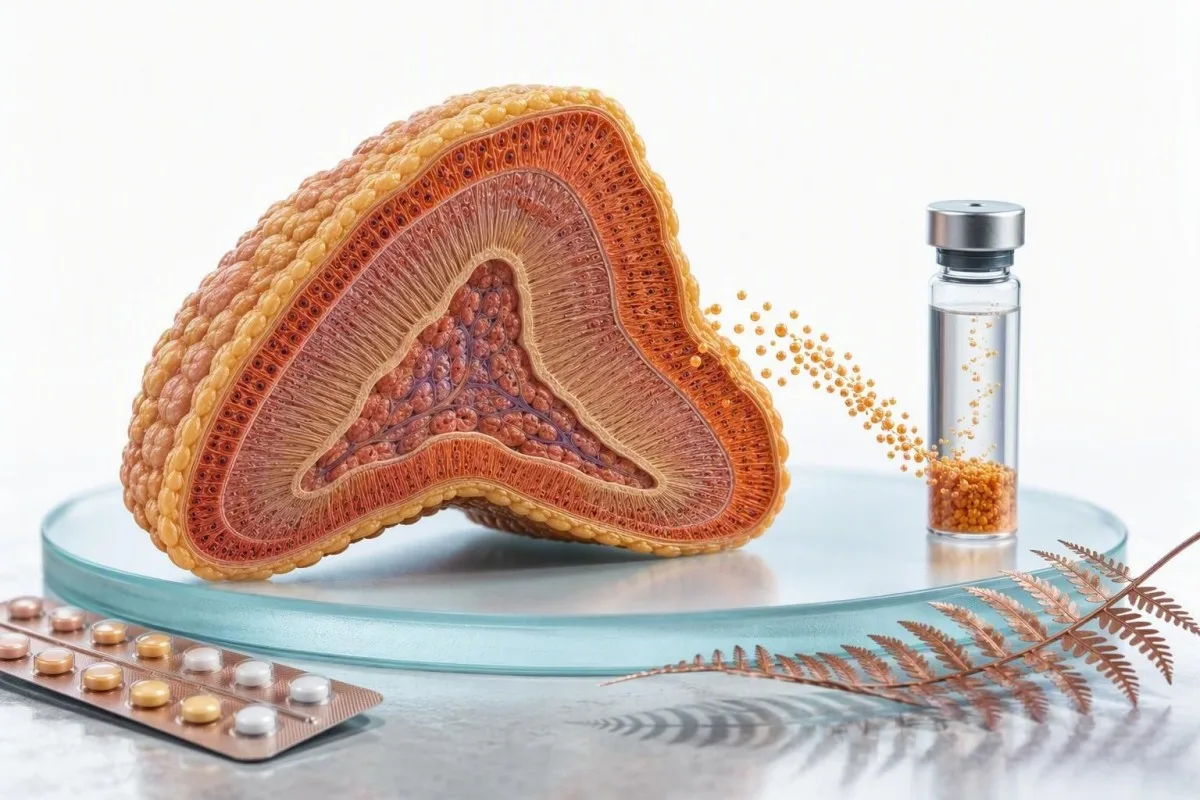
Rasestumisvastane võib DHEA-S-i piisavalt alandada, et varjata androgeenide testimist, eriti östrogeeni sisaldavate pillidega. Tulemus on mõttekas ainult siis, kui seda vaadatakse koos labori, vanuse, ravimite, sümptomite ja testimise eesmärgiga.


- Kombineeritud pillid alandavad tavaliselt DHEA-S-i, seega pole etinüülestradioli võtmise ajal saadud madal tulemus tõend neerupealiste puudulikkusest.
- DHEA-S-i vahemik sõltub tugevalt vanusest; paljud laborid loetlevad naistel vanuses 18-30 aastat ligikaudu 83-377 µg/dL.
- Kõrge DHEA-S üle 700 µg/dL (19,0 µmol/L) nõuab kiiret arsti läbivaatust neerupealiste päritolu suhtes, eriti kiirete viriliseerivate sümptomite korral.
- Ainult progestiini sisaldavad meetodid mõjutavad DHEA-S-i tavaliselt vähem prognoositavalt kui kombineeritud pillid, kuna need ei tõsta järjekindlalt suguhormoone siduvat globuliini.
- PCOS-i testimine on combined pill on raske; 2023. aasta rahvusvaheline juhend soovitab selle katkestada vähemalt 3 kuuks ainult siis, kui biokeemiline androgeenide hindamine on hädavajalik.
- Ajastus on oluline vähem DHEA-S kui kortisooli puhul, kuna DHEA-S-i poolväärtusaeg on pikk, kuid haigus, steroidravimid, toidulisandid ja hiljutine rasestumisvastaste vahendite muutus on endiselt olulised.
- Madal DHEA-S rasestumisvastaste vahendite kasutamisel tõlgendatakse tavaliselt koos hommikuse kortisooli, ACTH, naatriumi, kaaliumi, sümptomite ja steroidide ekspositsiooniga – mitte üksi.
- Trendi võrdlus on kõige kasulikum, kui iga testi jaoks kasutatakse sama laborit ja sama rasestumisvastaste vahendite staatust.
Kuidas rasestumisvastased vahendid muudavad DHEA-S-i testitulemusi
Kombineeritud hormonaalsed rasestumisvastased vahendid alandavad tavaliselt DHEA-S-i taset, samas kui ainult progestiini sisaldavad rasestumisvastased vahendid avaldavad väiksemat ja vähem järjepidevat mõju. Ootamatult madal väärtus kombineeritud pilli kasutamisel peegeldab sageli ravimitest tingitud supressiooni, samas kui tulemus üle umbes 700 µg/dL (19,0 µmol/L) väärib siiski hindamist, kas tegemist on neerupealiste androgeenide liigtootmisega, olenemata rasestumisvastastest vahenditest.
DHEA-S-i toodab peamiselt neerupealiste koorik, mitte munasarjad, kuid östrogeeni sisaldavad rasestumisvastased vahendid võivad siiski vähendada tsirkuleerivaid neerupealiste androgeene. Minu kliinilises töös on tavaline viga laboratoorse lipiku tõlgendamine diagnoosina selle asemel, et küsida, milliseid hormonaalseid meetodeid kasutati kogumise kuupäeval. Dr. Thomas Klein vaatab läbi hormoonipaneelid koos retseptiloendiga tulemuse kõrval; see detail muudab tõlgendust üllatavalt sageli.
Kombineeritud pill pärsib hüpofüüsi gonadotropiine, suurendab suguhormoone siduva globuliini taset ja muudab laiemat androgeenide keskkonda. See ei muuda iga DHEA-S-i tulemust kasutamiskõlbmatuks, kuid see võib muuta normaalse või madala väärtuse nõrgaks tõendiks varasema androgeenide liigtootmise vastu. Analüüdi enda kasuliku ülevaate saamiseks võrrelge DHEA-S-i DHEA-ga.
Kantesti AI on an AI vereanalüüsi analüsaator , mis võrdleb DHEA-S-i vanuse, teatatud ravimite, seotud hormoonide ja varasemate väärtustega, mitte lihtsalt labori kõrge või madala lipiku kordamisega. Alates 23. augustist 2026 ei saa ükski DHEA-S-i number üksi diagnoosida PCOS-i, neerupealiste puudulikkust või neerupealiste kasvajat.
Praktiline esimene küsimus
Küsige, kas proov võeti enne rasestumisvastaste vahendite kasutamise alustamist, pärast koostise muutust või stabiilsel kasutamisel vähemalt 8-12 nädalat. See ajajoon on tavaliselt informatiivsem kui ühekordne erinevus 20 µg/dL.
Mida DHEA-S-i veretest tegelikult mõõdab
DHEA-S veretest mõõdab dehüdroepiandrosteroni sulfaati, mis on stabiilne neerupealiste androgeeni prekursor. Erinevalt sulfaadita DHEA-st muutub DHEA-S ühe päeva jooksul suhteliselt vähe, kuna selle tsirkuleeriv poolväärtusaeg on umbes 7-10 tundi.
DHEA-S tekib DHEA-st sulfotransferaasi aktiivsuse kaudu, peamiselt neerupealiste koore zona reticularis. Väärtused saavutavad maksimumi noores täiskasvanueas ja langevad seejärel järk-järgult; 180 µg/dL väärtus võib olla 45-aastaselt tähelepandamatu, kuid teises vanuserühmas ootamatult madal või kõrge. Seetõttu peavad laboratoorsed vahemikud olema vanuse- ja soospetsiifilised.
Enamik laboreid teatab DHEA-S-i µg/dL Ameerika Ühendriikides ja µmol/L mujal; 1 µg/dL on ligikaudu võrdne 0,0271 µmol/L. -ga. Olen näinud patsiente, keda on tarbetult häirinud näiline 250-kordne erinevus, kui tegelik probleem oli ühikute teisendamine. Hormoonipaneeli tõlgendamine tuleks alati alustada ühikute kinnitamisest.
DHEA-S ei ole usaldusväärne 'neerupealiste reservi' näitaja tervel inimesel. Madal väärtus võib esineda vanusega, östrogeeni mõjuga, glükokortikoididega, raske haigusega, hüpopituitarismiga või neerupealiste puudulikkusega, samas kui kõrge väärtus võib esineda PCOS-i, kaasasündinud neerupealiste hüperplaasia, ravimimõju või harvem neerupealiste kasvaja korral.
Miks arstid seda sageli tellivad
Arstid kasutavad DHEA-S-i kõige sagedamini androgeenide liigse allika leidmiseks, kui esineb aknet, hirsutismit, peanaha juuste hõrenemist, ebaregulaarseid tsükleid või virilisatsiooni. See täiendab täielikku testosterooni ja 17-hüdroksüprogesterooni; see neid ei asenda.
Miks kombineeritud pillid sageli alandavad DHEA-S-i
Kombineeritud pillid, mis sisaldavad östrogeeni ja progestiini, kipuvad vähendama DHEA-S-i ja teisi ringlevaid androgeene. Vähendamise suurus sõltub koostisest, algtaseme androgeenitasemest, kehakaalust ja analüüsimeetodist, seega puudub parandusfaktor, mida saaks individuaalse tulemuse suhtes ohutult rakendada.
Zimmermani jt süstemaatiline ülevaade leidis, et kombineeritud suukaudsed kontratseptiivid vähendavad oluliselt täielikku ja vaba testosterooni ning suurendavad sugu-hormooni siduva globuliini; paljud kaasatud uuringud näitasid ka madalamat DHEA-S-i kontsentratsiooni (Zimmerman et al., 2014). Praktikas vähenemine umbes 20-40% on tõenäoline populatsioonitasandil, kuid üksik patsient võib muutuda palju rohkem või vähem.
Östrogeeni komponent on tavaliselt peamine põhjus, miks androgeenide tõlgendus muutub. 28-aastasel naisel, kes võtab 30 µg etünüülöstradiooli, võib DHEA-S olla 90 µg/dL, mis paberil tundub murettekitav, kuid normaalne 8-tunnine kortisool, ACTH, elektrolüüdid ja steroidide puudumine muudavad neerupealiste puudulikkuse väga ebatõenäoliseks. Tema ravimite kontekst ei ole jalgrõngas; see on tulemuse kontekst.
2023. aasta rahvusvaheline PCOS-i juhend väidab, et biokeemilist hüperandrogenismi on kombineeritud suukaudsel kontratseptiivipillil raske hinnata, kuna see pärsib androgeenide tootmist ja tõstab SHBG-d (Teede et al., 2023). Seotud östrogeeni-testi probleemide kohta vt östrogeeni tulemused kontratseptsiooni kasutamise ajal.
Kas ainult progestiini sisaldavad meetodid muudavad DHEA-S-i?
Ainult progestiini sisaldavad pillid, implantaadid, süstid ja hormonaalsed emakasisesed süsteemid võivad mõjutada androgeenisümptomeid, kuid nende mõju DHEA-S-ile on vähem ühtlane kui kombineeritud pillidel. Need ei sisalda östrogeeni, seega nad tavaliselt ei tekita sama märkimisväärset SHBG tõusu.
Levonorgestreeli sisaldav emakasisesesüsteem toimib peamiselt lokaalselt ja tekitab sageli vähe süsteemset muutust DHEA-S-is. Depot-medroksüprogesteroonatsetaat seevastu võib pärssida munasarjade aktiivsust ja muuta hüpotaalamuse-hüpofüüsi-neerupealiste keskkonda; aktiivsete süstide ajal saadud tulemuste tõlgendamisel tuleks olla ettevaatlik. Tõendid on ausalt öeldes õhemad kui kombineeritud pillide puhul.
Progestiinid erinevad androgeense ja antiandrogeense aktiivsuse poolest. See võib muuta aknet või juuste kasvu, ilma et see põhjustaks proportsionaalset muutust DHEA-S-is, kuna DHEA-S on valdavalt neerupealiste päritolu. Sümptomid ja retsepti nimi on olulisemad kui eeldada, et iga 'minipill' käitub identselt.
Kantesti AI on an AI vereanalüüsi tulemuste tõlgendamise platvorm mis palub kasutajatel enne DHEA-S-i tulemuse võrdlemist vanemate testidega registreerida täpne hormonaalne meetod ja alguse kuupäev. Kõrvuti võrdlemine on kõige õigustatum, kui kontratseptsiooni staatus ei ole muutunud; meie labori trendijuhend selgitab, miks.
Vaskulaarsed emakasisesed seadmed
Vaskulaarne emakasiseses seade ei sisalda hormoone ja ei tohiks otseselt pärssida DHEA-S-i. Kui tulemus muutub pärast kombineeritud pillidelt vaskulaarsele kontratseptsioonile üleminekut, võib muutus peegeldada taastumist pilli pärssiva mõju alt, mitte uut neerupealiste haigust.
Kas pillide koostis või annus mängib rolli?
Jah – etünüülöstradiooli annus ja progestiini tüüp võivad mõjutada androgeenidega seotud tulemusi, kuigi DHEA-S-i muutusi ei saa täpselt pakendi märgistusest ennustada. Madalama östrogeenisisaldusega pill võib siiski pärssida androgeenide testimist piisavalt, et varjata kerget hüperandrogenismi.
20 µg versus 30–35 µg etünüülöstradiooli sisaldavad pillid võivad põhjustada erinevaid SHBG mõjusid, kuid DHEA-S-i vastus ei ole piisavalt lineaarne, et arst saaks protsendi 'tagasi lisada'. Drospirenooniga ja tsüproteroonatsetaadiga koostised võivad samuti parandada androgeenivahendatud sümptomeid retseptori mõjude kaudu, mis ei ole nähtavad ainult DHEA-S-is.
Muudatuse järgne intervall on oluline. Tavaliselt väldin uue endokriinse baastaseme tõlgendamist esimese 6–8 nädala pärast pärast kombineeritud pilli alustamist, lõpetamist või muutmist, välja arvatud juhul, kui küsimus on kiireloomuline. Korduv uuring stabiilse ekspositsiooni järel on tõlgendatavam, eriti kui esialgne leid oli vaid veidi normist väljas.
Kontratseptsioon võib samuti mõjutada lipiide ja triglütseriide, mistõttu hormoonipaneele ei tohiks lugeda metaboolsetest markeritest eraldiseisvalt. Meie ülevaade rasestumisvastaste vahendite poolt põhjustatud lipiidimuutustest selgitab paralleelset problemet.
Ärge lõpetage kontratseptsiooni rutiinse tulemuse saamiseks
Kontratseptsiooni lõpetamine ainult selleks, et laboratoorne aruanne näeks puhtam välja, võib põhjustada soovimatut rasedust, veritsust või sümptomite taastumist. Telliv arst peaks otsustama, kas ravimivälise testi diagnostiline väärtus ületab neid tegelikke riske.
Millal tuleks rasestumisvastaseid vahendeid kasutades DHEA-S-i testida?
DHEA-S-i saab tavaliselt koguda igal kellaajal ja mis tahes hetkel stabiilse pillipakendi jooksul, kuid hommikune proovivõtt on eelistatav, kui samal ajal määratakse kortisooli või ACTH. Peamine ajastuse tegur on stabiilne hormonaalne ekspositsioon, mitte konkreetne platseebopilli päev.
DHEA-S-i ööpäevane varieeruvus on väiksem kui kortisoolil, kuid laborid standardiseerivad sageli endokriinsete proovide võtmist kell 7.00–10.00. et muuta kombineeritud neerupealiste paneel ühtseks. Kui kortisool on kell 16 madal, võib see olla füsioloogiline; kui see on kell 8 madal, on tõlgendus erinev. Vt hommikused ja õhtused kortisooli väärtused.
Kombineeritud pilli kasutajatel ei ole platseebenädalal mõõtmine ravi mittekasutamise mõõtmine. Maksaproteiinide muutused ja hüpotaalamuse-hüpofüüsi-munasarjade telje supressioon püsivad ka mitme platseebopäeva möödudes. Sel nädalal testimine võib valesti tunduda nagu 'looduslik' hormoonide hetktõmmis.
Äge viirusnakkus, suur kaloripiirang, süsteemsed glükokortikoidid ja halb uni võivad mõjutada neerupealistega seotud markereid. Märkige proovivõtu aeg, viimane hormooniannus, hiljutine haigus ja lisandid; tulemus ilma nende nelja detailita on kliiniliselt palju raskem kasutada.
Paastumine on tavaliselt ebavajalik
DHEA-S-i testimine üldjuhul ei nõua paastumist. Paastumist võidakse nõuda, sest samaaegselt määrati glükoosi, insuliini, lipiidide või muid teste, mitte sellepärast, et DHEA-S ise vajaks tühja kõhtu.
DHEA-S-i referentsväärtused sõltuvad vanusest ja laborist
DHEA-S-i võrdlusvahemikud langevad järsult vanusega, seega testimislabori poolt trükitud vahemik peaks kehtima üle üldise interneti vahemiku. Naistel vanuses 18-30 aastat on tavaline vahemik umbes 83-377 µg/dL, kuid iga analüüs määrab oma piirid.
Mayo Clinic Laboratories loetleb naiste vahemikud ligikaudu 83-377 µg/dL vanuses 18-30, 45-295 µg/dL vanuses 31-40, 27-240 µg/dL kell 41–50 ja 16–195 µg/dl kell 51–60. Need on analüüsipõhised referentsväärtused, mitte haiguse lävendid. Mõned Euroopa laborid kasutavad µmol/L madalamaid piire ja erinevaid immuunanalüüse.
DHEA-S väärtus veidi väljaspool referentsintervalli ei ole automaatselt kliiniliselt ebanormaalne. Bioloogiline varieeruvus, analüüsi varieeruvus ja hiljutine rasestumisvastaste vahendite muutmine võivad selgitada mõõdukat kõrvalekallet; piiridest väljas olevate tulemuste tähendus on sageli vähem dramaatiline, kui portaali värvus viitab.
Kantesti AI-põhine vereanalüüsi analüüsitööriist tuvastab ühiku ja vanusevahemiku sobimatuse enne järelküsimuste pakkumist. See on eriti kasulik DHEA-S puhul, sest ühikuta kopeeritud number võib olla kliiniliselt tähenduseta.
Mida tähendab rasestumisvastaseid vahendeid kasutades saadud madal DHEA-S-i tulemus
Madal DHEA-S kombineeritud pilli korral on tavaline ega ole neerupealiste puudulikkuse diagnoosimiseks piisav. Tõeliselt murettekitavalt madal tulemus esineb tavaliselt koos sobivate sümptomite ja ebanormaalse hommikuse kortisooli, ACTH, naatriumi, kaaliumi või glükokortikoidide kasutamise ajalooga.
Madal DHEA-S esineb normaalse vananemise, suukaudse östrogeeni, kroonilise glükokortikoidravi, hüpofüüsi haiguse ja primaarse neerupealiste puudulikkuse korral. Ei ole ühtegi universaalset DHEA-S piirmäära, mis kinnitaks Addisoni tõbe. Väärtus vahemikust allpool on vihje, mitte iseseisev sõeltest.
Põhjus, miks muretseme madala DHEA-S koos 8 hommikuse kortisooli tasemega alla 3 µg/dl (83 nmol/L), kõrge ACTH, madala naatriumi, kõrge kaaliumi, kaalulanguse ja postuuraalsete sümptomitega, on see, et klaster võib näidata primaarset neerupealiste puudulikkust. Endocrine Society juhised soovitavad kinnitavat kortikotropiini stimulatsioonitesti, kui see on kliiniliselt teostatav (Bornstein et al., 2016).
Normaalne DHEA-S ei välista neerupealiste puudulikkust ja pillil olev madal DHEA-S seda ei kinnita. Kui väsimus on ainus sümptom, kaaluvad arstid sageli esmalt und, kilpnäärmehaigust, rauapuudust, meeleolu ja ravimite mõju; madala kortisooli punased lipukesed võivad aidata eristada kiireloomulisi mustreid.
Kõrge DHEA-S-i põhjused rasestumisvastaste vahendite kasutamise ajal
Kõrge DHEA-S kombineeritud hormonaalse rasestumisvastase vahendi manustamisele vaatamata on informatiivsem kui madal tulemus, kuna pill sageli pigem pärsib kui tõstab seda. PCOS on tavaline, kuid märgatav tõus, kiire progresseerumine või viriliseerumine nõuab neerupealistele keskendunud hindamist.
Levinud kõrge DHEA-S põhjused on PCOS, mitteklassikaline kaasasündinud neerupealiste hüperplaasia, androgeene tootvad neerupealiste häired ja DHEA lisandite kasutamine. Laboriväärtus üle 700 µg/dL on laialt kasutatav praktiline piirmäär neerupealiste kasvaja kaalumiseks, kuigi kiireloomulisus sõltub sümptomitest, testosteroonist, pildiuuringute ajaloost ja analüüsi kinnitamisest.
Kiiresti progresseeruv jäme näokarv, madalamaks muutuv hääl, suurenenud lihasmass, klitoromegaalia või uus tugev akne mõne kuuga – mitte aastatega – vajab kiiret meditsiinilist läbivaatust. Need tunnused on olulised, sest aeglane muster puberteedist sobib sagedamini PCOS-iga, samas kui kiire viriliseerumine tekitab muret kasvaja või raske hüperandrogenismi häire pärast.
Enne täiendavaid pildiuuringuid kontrollin tavaliselt tulemust, küsin konkreetselt käsimüügis oleva DHEA kohta (sageli 25–50 mg/päevas), vaatan üle testosterooni ja 17-hüdroksüprogesterooni ning kaalun analüüsi metoodikat. Kõrged testosterooni tasemed naistel annavad kasulikku konteksti.
Kas toidulisandid loevad?
Jah. Suukaudne DHEA võib oluliselt tõsta DHEA-S taset ja paljud patsiendid ei loetle seda, kuna seda müüakse lisandina, mitte retseptiravimina. Lõpetage ainult arsti soovitusel, kui seda soovitati konkreetse seisundi jaoks.
Kas DHEA-S võib diagnoosida PCOS-i pillide kasutamise ajal?
DHEA-S ei saa diagnoosida PCOS-i rasestumisvastaste tablettide kasutamisel või mitte, ja kombineeritud pillid võivad muuta biokeemilise hüperandrogenismi raskesti tuvastatavaks. PCOS diagnoositakse ovulatoorse düsfunktsiooni, androgeenide liiguse ja munasarja morfoloogia või anti-Mülleri hormooni mustri põhjal pärast alternatiivide välistamist.
2023. aasta rahvusvaheline PCOS-i juhend soovitab, et kui biokeemiline androgeenide hindamine on hädavajalik, tuleks kombineeritud pille kasutada vähemalt 3 kuud, pakkudes sel ajal alternatiivset rasestumisvastast meetodit (Teede et al., 2023). See ei ole üldine juhis kõigile, kellel on akne või ebaregulaarsed varasemad menstruatsioonitsüklid. See on sihipärane diagnostiline otsus, mis tehakse koos arstiga.
DHEA-S on tõusnud vähemusel PCOS-iga inimestest ja võib olla normaalne isegi kõrge testosterooni korral. Vastupidi, kerge DHEA-S tõus ilma ebaregulaarsete tsüklite või kliiniliste androgeenide tunnusteta ei kinnita PCOS-i. Parim uuring hõlmab kogu testosterooni, eelistatult usaldusväärset analüüsi, vaba androgeeni hindamist, prolaktiini, kilpnäärme analüüsi ja vajadusel 17-hüdroksüprogesterooni.
Kui teie eesmärk on selgitada varasemat PCOS-i diagnoosi, dokumenteerige ajalugu enne pillide võtmist: tsükli pikkus, akne tekkimine, karvade kasvumuster, kaalumuutus ja varasemad uuringud. Meie artikkel PCOS-i testimine pärast rasestumisvastaste vahendite kasutamise lõpetamist kirjeldab tavapäraseid ajastus küsimusi.
Sümptomeid saab ravida enne diagnooside määramist
Pole vaja taluda piinavat aknet, hirsutismist või tugevat veritsust, oodates ideaalset endokriinset testimist. Sümptomite ravi ja diagnostiline selgitus võivad edeneda koos arsti juhitava plaani alusel.
Millal vajab kõrge või madal DHEA-S-i tulemus kiiret järelkontrolli
Otsige kiiresti meditsiinilist abi DHEA-S üle 700 µg/dL, kiire viriliseerimise või madala DHEA-S koos oksendamise, tugeva nõrkuse, minestamise, dehüdratsiooni või neerupealiste kriisi kahtluse korral. Arv ise määrab tempo harvemini kui arv koos sümptomitega.
DHEA-S väärtus üle 700 µg/dL (19,0 µmol/L), eriti kui testosteroon on laboratoorsest vahemikust kõrgem, järgneb tavaliselt kordustest ja endokrinoloogi hindamine. Kliinikud võivad kasutada neerupealiste pildistamist pärast biokeemilist kinnitust, mitte iga tagasihoidliku kõrvalekalde korral skriinimist. Assay häireid ja toidulisandeid tuleks esmalt välistada.
Võimalik neerupealiste kriis on hädaolukord. Tõsised kõhuvalud, korduv oksendamine, segasus, kokkuvarisemine, madal vererõhk või vedelike allahoidmise suutmatus nõuavad erakorralist abi, eriti inimestel, kellel on teada neerupealiste haigus või hiljutine steroidide ärajätmine. Kodune hormooni tulemus ei tohiks kunagi viivitada kiireloomulise raviga.
Kantesti AI tõstab esile kõrge riskiga kombinatsioone, kuid ei diagnoosi neerupealiste haigusi ega asenda erakorralist hindamist. Patsiendid saavad näha, miks kortisool, ACTH, elektrolüüdid ja DHEA-S loetakse koos meie kortisooli ja ACTH mustri juhis.
Millised testid selgitavad ootamatut DHEA-S-i tulemust
Kõige kasulikumad järeltestid sõltuvad sellest, kas DHEA-S on madal või kõrge. Kõrged tulemused tavaliselt tingivad kogu testosterooni, 17-hüdroksüprogesterooni ja ravimite ülevaatamise; madalad tulemused tingivad 8.00 kortisooli, ACTH ja elektrolüütide hindamise, kui sümptomid toetavad neerupealiste muret.
Kahtlustatava androgeeni liigse taseme korral korratakse DHEA-S tavaliselt sama laboratooriumi abil, mõõdetakse kogu testosteroon kõrge kvaliteediga meetodil ja saadakse 17-hüdroksüprogesteroon kell 7-9 hommikul. mitteklassikalise kaasasündinud neerupealiste hüperplaasia skriinimiseks. Basal 17-hüdroksüprogesteroon üle umbes 200 ng/dl (6 nmol/L) põhjustab sageli ACTH stimulatsiooni testimist, kuigi labori piirväärtused erinevad.
Võimaliku neerupealiste puudulikkuse korral on samaaegne hommikune kortisool ja ACTH sisulisemad kui ainult DHEA-S. Endokrinoloogide Selts peab tippkortisooli taset alla 18 µg/dl (500 nmol/L) 30 või 60 minuti pärast standardset 250 µg kortikotropiini stimulatsiooni korral viitab neerupealiste puudulikkusele, sõltuvalt analüüsi-spetsiifilisest tõlgendusest (Bornstein et al., 2016).
Ärge unustage mitte-endokrinoloogilisi selgitusi: albumiini muutused, äge haigus ja laboratoorsed variatsioonid võivad laia paneeli keeruliseks muuta. Kui tulemus on järsult muutunud, meie vereanalüüsi erinevuste juhend selgitab, miks kordamine võrreldavates tingimustes on sageli mõistlik.
Kuidas valmistuda usaldusväärsemaks DHEA-S-i veretestiks
Usaldusväärne DHEA-S testimine algab täpse ravimite ja toidulisandite loeteluga, stabiilse rasestumisvastase vahendiga ja hommikuse proovikogumisega, kui tellitakse ka kortisool või ACTH. DHEA-S jaoks te ei pea tavaliselt spetsiaalselt paastuma.
Teatage laborile ja arstile kombineeritud pillidest, progestiiniga ainult meetoditest, östrogeenilaikudest, steroidide inhalaatoritest, prednisonist, hüdrokortisoonist, testosteroonist ja DHEA-toidulisanditest. Isegi sissehingatav või paikne glükokortikoid võib tundlikul inimesel olla oluline, kui kokkupuude on märkimisväärne või pikaajaline. Tooge fotod etikettidest, kui nimed on ebakindlad.
Vältige DHEA-lisandi võtmise alustamist või lõpetamist päevade jooksul enne testimist ainult selleks, et tulemust mõjutada. Baashindamiseks paluvad arstid tavaliselt mitte võtta DHEA-d vähemalt 48–72 tundi, kuid sobiv intervall sõltub annusest ja kliinilisest küsimusest. Määratud kortikosteroide ei tohi kunagi järsult ilma meditsiinilise nõuandeta lõpetada.
Kasutage kordustestideks võimaluse korral sama laboratooriumi. Erinevad immuunanalüüsid ja massispektromeetria meetodid võivad anda mittetäpselt identsed tulemused, eriti ülemise piiri lähedal; vereanalüüsi ajastus ja ravimite mõju tasub igat verevõtmist koos märkida.
Kuidas võrrelda DHEA-S-i tulemusi aja jooksul
DHEA-S-i trend on kõige tähenduslikum, kui vanus, laborimeetod, rasestumisvastased vahendid, toidulisandid ja proovivõtutingimused on sarnased. Kombineeritud pilli kasutamise alustamise järel võib oodata 25% langust, samas kui püsiv tõus korduvate stabiilsete testide puhul vajab ülevaatamist.
DHEA-S-i tase langeb loomulikult vanusega, seetõttu tuleks iga-aastaseid võrdlusi tõlgendada vanusele kohandatud vahemiku suhtes, mitte fikseeritud personaalse sihttaseme alusel. 27-aastase ja 31-aastase vanuse puhul võib 210 µg/dL ja 165 µg/dL olla täiesti tavaline, eriti kui teine test järgnes kombineeritud pilli kasutamise alustamisele.
Dr Thomas Klein on leidnud, et hormoonide ajajoonel on kõige paljastavam märge sageli 'alustas pilli 10 nädalat varem', mitte tulemus ise. Meie andmetöötlus võrdleb teatatud proovivõtu kuupäevi ja ravimimuutusi enne, kui kuulutame bioloogilise markeri trendi kliiniliselt tähenduslikuks.
Kantesti AI toetab trendide ülevaatamist üleslaaditud aruannete põhjal ja kasutab laboripõhiseid intervallide, mitte oletades, et iga riik teatab DHEA-S-i samamoodi. Nende kontrollide taga olev lähenemisviis on kirjeldatud meie meditsiinilise valideerimise ülevaade.
Sümptomid ja kaasnevad hormoonid, mis muudavad tõlgendamist
DHEA-S-i tõlgendamine muutub oluliselt, kui see on seotud sümptomite ja kaasnevate markeritega. Kõrge DHEA-S-i tase koos kiire karvakasvu ja kõrge testosterooniga on murettekitavam kui ainult kõrge DHEA-S-i tase; madal DHEA-S-i tase koos normaalse hommikuse kortisooliga on tavaliselt vähem murettekitav.
Akne, hirsutism ja ebaregulaarsed tsüklid viitavad androgeenide liigale, kuid ei määra selle päritolu. Testosteroon on sagedamini munasarja- või segapäritolu, samas kui DHEA-S-i on parem neerupealiste androgeenide tootmise marker. Kui mõlemad on oluliselt tõusnud, muutub sümptomite muutumise kiirus eriti oluliseks.
Väsimus, madal libiido ja halb tuju on mittespetsiifilised. DHEA-S-i turustatakse mõnikord kõigi kolme selgitusena, kuid ma ei kasutaks seda nii; kilpnäärmefunktsioon, ferritiin, uni, depressioon, ravimite mõju ja reproduktiivne staadium võivad olla paremini teostatavad. Vaadake meie hoolikat ülevaadet vereanalüüsid madala libiido korral.
Kantesti AI suudab korraldada ümbritsevaid biomarkereid aruteluks, kuid tõlgendus jääb kliiniliseks vestluseks. Meie Meditsiininõukogu aitab määrata eskalatsioonireeglid mustrite jaoks, mis nõuavad arsti, mitte automatiseeritud rahustamist.
Tõendid, piirangud ja ohutud järgmised sammud pärast teie tulemust
Ohutu järgmine samm ootamatu DHEA-S-i tulemuse korral on tavaliselt kinnitus ja kontekst, mitte enesehoolitsus või järsud rasestumisvastased muutused. Olulised tõusud, kiire virilisatsioon ja võimalikud neerupealiste kriisi sümptomid vajavad õigeaegset arsti hindamist; kerged üksikud muutused vajavad sageli planeeritud kordustesti.
Parim otsene tõendus kombineeritud pillide kohta puudutab nende laia androgeene alandavat toimet, samas kui tõendus iga progestiini-ainult sisaldava koostise võrdlemiseks jääb piiratuks. Zimmerman et al. (2014) toetab ettevaatlikku androgeeniväärtuste tõlgendamist kombineeritud rasestumisvastaste vahendite puhul, Teede et al. (2023) pakub praktilist kolmekuulist väljalülitusmeetodit ainult siis, kui PCOS-i biokeemiline testimine on hädavajalik.
Kantesti AI on an AI laboratoorse testi tõlgendamise teenuses kavandatud selleks, et muuta ravimi kontekst, ühikud, vanusevahemik ja seotud testid nähtavaks enne, kui patsient arutab tulemusi arstiga. See ei ole endokriinne diagnostikateenus ja seda ei tohiks kasutada DHEA alustamiseks, määratud hormoonide lõpetamiseks ega kiireloomulise ravi edasilükkamiseks. Lugege, kuidas meie metoodika on ehitatud AI-tehnoloogia juhend.
Läbipaistvuse tagamiseks sisaldab meie uurimisraamatukogu ka kahte Kantesti väljaannet vere hüübimise ja seerumivalkude kohta. Need ei ole tõendid DHEA-S-i või rasestumisvastaste vahendite mõju kohta ja neid ei tohiks kasutada endokriinsete otsuste tegemiseks: Klein, T. (2026). aPTT normaalne vahemik: D-dimeer, valk C vere hüübimise juhend. Zenodo. DOI, ResearchGate, Academia.edu; Klein, T. (2026). Seerumi valkude juhend: globuliinide, albumiini ja A/G suhte vereanalüüs. Zenodo. DOI, ResearchGate, Academia.edu.
Korduma kippuvad küsimused
Kas kontratseptiivid alandavad DHEA-S-i taset?
Kombineeritud östrogeen-progestiini rasestumisvastased vahendid langetavad sageli DHEA-S taset, kuigi muutus sõltub inimestest ja kasutatavatest preparaatidest. Populatsiooniuuringud näitavad tavaliselt androgeeni vähenemist 20-40% vahemikus, kuid ükski arst ei saa täpselt arvutada ravi-eelset väärtust, lisades tagasi fikseeritud protsendi. Seetõttu ei piisa kombineeritud pilli kasutamise ajal madalast DHEA-S tulemusest neerupealiste puudulikkuse diagnoosimiseks. Kui kahtlustatakse neerupealiste haigust, hindavad arstid tavaliselt ka kella 8 hommikul tehtud kortisooli, ACTH, elektrolüütide, sümptomite ja steroidide kasutamise näitajaid.
Kasutan DHEA-S-i võtmise ajal tablette?
DHEA-S tasetit võib teha ka ravimite võtmise ajal, kuid tulemus tuleb tõlgendada kui ravi ajal saadud väärtust. Kombineeritud pillid võivad pärssida androgeenide tootmist ja tõsta suguhormoone siduva globuliini taset, mis võib varjata kerget biokeemilist hüperandrogenismi. 2023. aasta rahvusvaheline PCOS-i juhend soovitab kombineeritud pilli kasutamise lõpetada vähemalt 3 kuuks ainult juhul, kui biokeemiline androgeenide hindamine on hädavajalik, kaaludes samal ajal alternatiivset rasestumisvastast meetodit. Ärge lõpetage rasestumisvastaste vahendite kasutamist enne, kui olete rääkinud oma arstiga rasestumisest hoidumise ja sümptomite kontrolli üle.
Millist DHEA-S taset peetakse naistel ohtlikult kõrgeks?
DHEA-S tasemel üle umbes 700 µg/dl, mis on ligikaudu 19,0 µmol/l, nõuab tavaliselt kohest hindamist androgeene toota võiva neerupealise seisundi suhtes. Kiireloomulisus suureneb, kui tulemus esineb koos karvakasvu kiirenemisega, hääle madaldumisega, raskekujulise uue akne tekkega, lihasmassi suurenemisega või testosterooni taseme tõusuga. Mõõdukalt kõrget, alla 700 µg/dl tulemust selgitavad sagedamini PCOS, toidulisandid või analüüsi variatsioonid, kuid see vajab siiski konteksti. Korduv testimine ja arsti juhitavad kaasnevad testid eelnevad tavaliselt pildiuuringutele.
Mida tähendab madal DHEA-S sünnitõrjevahendite kasutamisel?
Madal DHEA-S tasemel kombineeritud hormonaalsel rasestumisvastasel vahendil peegeldab tavaliselt östrogeenist tingitud androgeenide allasurumist, mitte neerupealise koore funktsiooni häiret. Puudub universaalne madala DHEA-S taseme piirväärtus, mis diagnoosiks Addisoni tõbe. Muret tekitab see rohkem, kui madal DHEA-S esineb koos hommikuse (kella 8 paiku) kortisooli tasemega alla 3 µg/dL, kõrge ACTH-i, madala naatriumi, kõrge kaaliumi, tahtmatu kehakaalu languse või ortostaatilise pearinglusega. Kinnitavat neerupealise funktsiooni testimist peaks korraldama arst, mitte lähtuma üksnes DHEA-S tasemest.
Kas DHEA-S tasumist platseebopillil päeval mõõdetakse?
DHEA-S taseme mõõtmist platseebopillide nädala jooksul peetakse endiselt üldiselt pilliväliseks näiduks. Kombineeritud kontratseptsiooni hormonaalsed ja maksa valkude mõjud ei kao pärast mõnda passiivset tabletti. DHEA-S-il endal on ringlusaeg umbes 7-10 tundi ja kontratseptsiooni laiemad endokriinsed mõjud kestavad kauem. Trendide testimiseks kasutage sarnast pillipaketi faasi ning salvestage koostis ja kogumisajad.
Kasutavad DHEA toidulisandid kõrget DHEA-S taset?
Jah, suukaudselt manustatavad DHEA-lisandid võivad DHEA-S-i oluliselt tõsta, sealhulgas tavaliste 25 mg või 50 mg ööpäevaste annustega. Inimesed jätavad need tooted sageli oma ravimite nimekirjast välja, kuna neid on mõnes riigis võimalik saada ilma retseptita. Kliinik võib paluda teil DHEA-d enne planeeritud baastesti manustamist 48–72 tundi vahele jätta, kuid intervall sõltub annusest ja diagnostilisest eesmärgist. Ärge lõpetage määratud hormoonravi või kortikosteroidide kasutamist ilma meditsiinilise nõuandeta.
Hangi AI-toega vereanalüüsi analüüs juba täna
Liitu enam kui 2 miljoni kasutajaga üle maailma, kes usaldavad Kantesti-d kohese ja täpse laborianalüüsi jaoks. Laadi üles oma vereanalüüsi tulemused ja saad põhjaliku tõlgenduse 15,000+ biomarkerite kohta sekunditega.
📚 Viidatud teaduspublikatsioonid
Klein, T., Mitchell, S., & Weber, H. (2026). Klein, T. (2026). aPTT normaalne vahemik: D-dimeeri, valk C verehüübimise juhend. Zenodo.. Kantesti AI Medical Research.
Klein, T., Mitchell, S., & Weber, H. (2026). Klein, T. (2026). Seerumivalkude juhend: globuliinid, albumiin ja A/G suhe vereanalüüs. Zenodo.. Kantesti AI Medical Research.
📖 Välised meditsiinilised viited
⚕️ Meditsiiniline lahtiütlus
Käesolev artikkel on mõeldud üksnes hariduslikel eesmärkidel ega kujuta endast meditsiinilist nõuannet. Diagnoosi ja ravivalikute otsuste tegemiseks konsulteeri alati kvalifitseeritud tervishoiutöötajaga.
E-E-A-T usaldussignaalid
Kogemus
Arsti juhitud kliiniline ülevaade labori tõlgendamise töövoogudest.
Ekspertiis
Laborimeditsiin keskendub sellele, kuidas biomarkerid käituvad kliinilises kontekstis.
Autoriteetsus
Kirjutanud dr Thomas Klein, ülevaade: dr Sarah Mitchell ja prof dr Hans Weber.
Usaldusväärsus
Tõenduspõhine tõlgendus selgete edasiste sammudega, et vähendada ärevust.