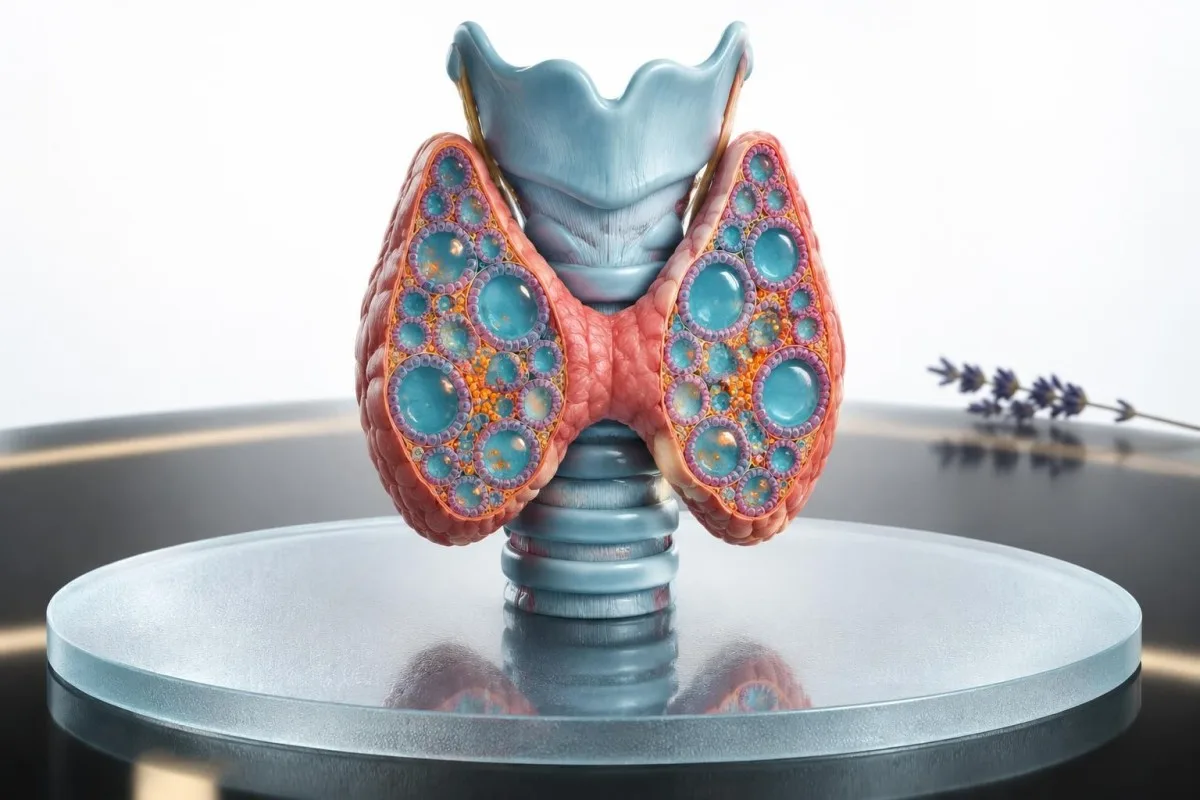
Ang ubos nga resulta sa TSH wala awtomatikong magpasabot og permanente nga sakit sa thyroid. Ang sunod nga desisyon magdepende sa balik nga mga resulta, lebel sa thyroid hormone, edad, mga sintomas, ritmo sa kasingkasing ug kahimsog sa mga bukog.

Pangunang mga punto
- Kahulugan: Ang subclinical hyperthyroidism nagpasabot nga ang TSH ubos sa sakop sa laboratoryo samtang ang libre nga T4 ug libre nga T3 nagpabilin sulod sa sakop.
- Kagrabe: Ang TSH nga 0.10–0.39 mIU/L kasagarang tawgon nga hinay o grade 1 nga pagsupak; ang TSH nga ubos sa 0.10 mIU/L kay grade 2 nga pagsupak.
- Balik nga pagsulay: Ang padayon nga resulta kasagarang angay kumpirmahon pinaagi sa TSH, libre nga T4 ug T3 human sa mga 2–3 ka bulan, o mas sayo kon grabe ang mga sintomas.
- Temporaryong mga hinungdan: Ang grabeng sakit, thyroiditis, hCG nga may kalabotan sa pagmabdos, glucocorticoids, dopamine, sobra nga tambal sa thyroid ug interference sa biotin mahimong temporaryong mopakunhod sa TSH.
- Peligro sa kasingkasing: Ang padayon nga TSH nga ubos sa 0.10 mIU/L nalangkit sa mas taas nga risgo sa atrial fibrillation, ilabina sa mga hamtong nga 65 ka tuig ang edad o mas tigulang.
- Risgo sa mga bukog: Ang mga hamtong human sa menopause nga padayon nga adunay TSH nga ubos sa 0.10 mIU/L angay hatagan og partikular nga pagtagad bahin sa risgo sa bali ug pagsusi sa densidad sa bukog.
- Pagtambal: Ang mga giya sa kasagaran pabor sa pagtambal o pagrepaso sa espesyalista alang sa padayon nga TSH nga ubos sa 0.10 mIU/L sa mas tigulang nga mga hamtong o mga tawo nga adunay sakit sa kasingkasing, osteoporosis o mahinungdanong mga sintomas.
- Pagkadinalian: Ang kasakit sa dughan, pagkahimatay, grabeng kalisod sa pagginhawa o padayon nga hilabihan kapaspas o dili regular nga pagpitik sa kasingkasing nagkinahanglan og dinaliang medikal nga pagsusi, bisan unsa pa ang resulta sa thyroid.
Unsa ang gipasabot sa ubos nga TSH nga normal ang T4 ug T3?
Ubos nga TSH uban sa normal nga libre nga T4 ug libre nga T3 mohaom sa biokemikal nga sumbanan nga gitawag og subclinical hyperthyroidism, apan ang usa ka abnormal nga sample dili makapamatuod sa padayon nga sobra nga pagkaaktibo sa thyroid. Kantesti usa ka AI nga tigtuki sa blood test nga makabutang sa resulta sa thyroid tapad sa sakop sa laboratoryo, may kalabotang mga hormone ug nangaging mga sukod; dili kini makapuli sa klinikal nga ebalwasyon o makakumpirma og diagnosis.
Ang TSH usa ka signal gikan sa pituitary nga nagsulti sa thyroid kung unsa ka kusog kini molihok. Ang TSH nga ubos sa mga 0.4 mIU/L uban sa free T4 ug free T3 nga anaa sulod sa ilang mga sakop sa laboratoryo mao ang kasagarang depinisyon sa subclinical hyperthyroidism, bisan pa og naggamit ang mga laboratoryo og lain-laing assay ug mga cutoff.
Pananglitan, ang usa ka hinanduraw nga 52-anyos nga adunay TSH 0.18 mIU/L, free T4 15 pmol/L ug free T3 4.8 pmol/L mahimong adunay malumo nga biokemikal nga pagsumpo imbes dayag nga hyperthyroidism. Mas mahimong makahulogan ang resulta kon magpabilin ang samang sumbanan human sa 2–3 ka bulan.
Ang termino nga subclinical naghulagway sa sumbanan sa blood test, dili kinahanglan sa kasinatian sa tawo. Ang uban adunay kusog nga pagpitik sa kasingkasing o dili pagtugot sa kainit, samtang ang uban hingpit nga maayo ang pamati; ang mga sintomas lamang dili makaila tali sa lumalabay nga pagsumpo ug Graves disease.
| Lebel | Range | Kahulogan |
|---|---|---|
| Kasagaran nga range sa TSH | Mga 0.4–4.0 mIU/L | Ang TSH anaa sulod sa kasagarang sakop sa laboratoryo alang sa mga hamtong; ang mga free hormone nanginahanglan gihapon og konteksto. |
| Malumo nga pagsumpo | 0.10–0.39 mIU/L | Kasagarang gitawag nga grade 1 subclinical hyperthyroidism; ang pagsubli sa testing kasagarang maklaro kon nagpadayon ba kini. |
| Gimarkahang pagsumpo | 0.01–0.09 mIU/L | Kasagarang gitawag nga grade 2; ang padayon nga mga resulta nagdala og mas dakong kabalaka sa kasingkasing ug mga bukog. |
| Dili mamatikdan nga TSH | <0.01 mIU/L | Nagkinahanglan og dali nga klinikal nga pagsusi, ilabina kon motungha ang mga sintomas o mosaka ang free hormone. |
Nganong importante ang mga free hormone
Ang free T4 ug free T3 nagrepresentar sa mga tipik nga dili nakagapos ug magamit sa mga tisyu, ug ang duha mahimong magpabiling normal samtang namatikdan sa pituitary ang gamay nga sobra sa thyroid hormone. Busa, lahi ang TSH nga 0.06 mIU/L uban sa normal nga mga free hormone kumpara sa TSH nga 0.06 mIU/L uban sa free T4 nga labaw sa 22 pmol/L.
Ang mga reference interval magkalain-lain depende sa assay, edad ug kahimtang sa pagmabdos; ang resulta nga duol sa tumoy sa range sa usa ka laboratoryo mahimong naa sulod sa range sa lain. Kanunay basaha ang mga yunit ug range nga giimprinta tupad sa resulta imbes nga maggamit og range gikan sa laing website.
Atong giya sa T4 ug T3 nagpasabot nganong ang total ug libre nga mga sukod sa hormone dili mahimong ilisanay.
Kanus-a mahimong temporaryo ang ubos nga TSH?
Ang ubos nga TSH mahimong temporaryo human sa grabeng sakit, panahon sa thyroiditis, uban sa mga kausaban sa hormone nga may kalabotan sa pagmabdos, o tungod sa mga tambal ug suplemento. Ang praktikal nga tubag kasagaran mao ang pag-ila sa posibleng hinungdan ug pag-usab sa kompletong thyroid panel imbes nga dayon markahan ang resulta isip permanente nga sakit.
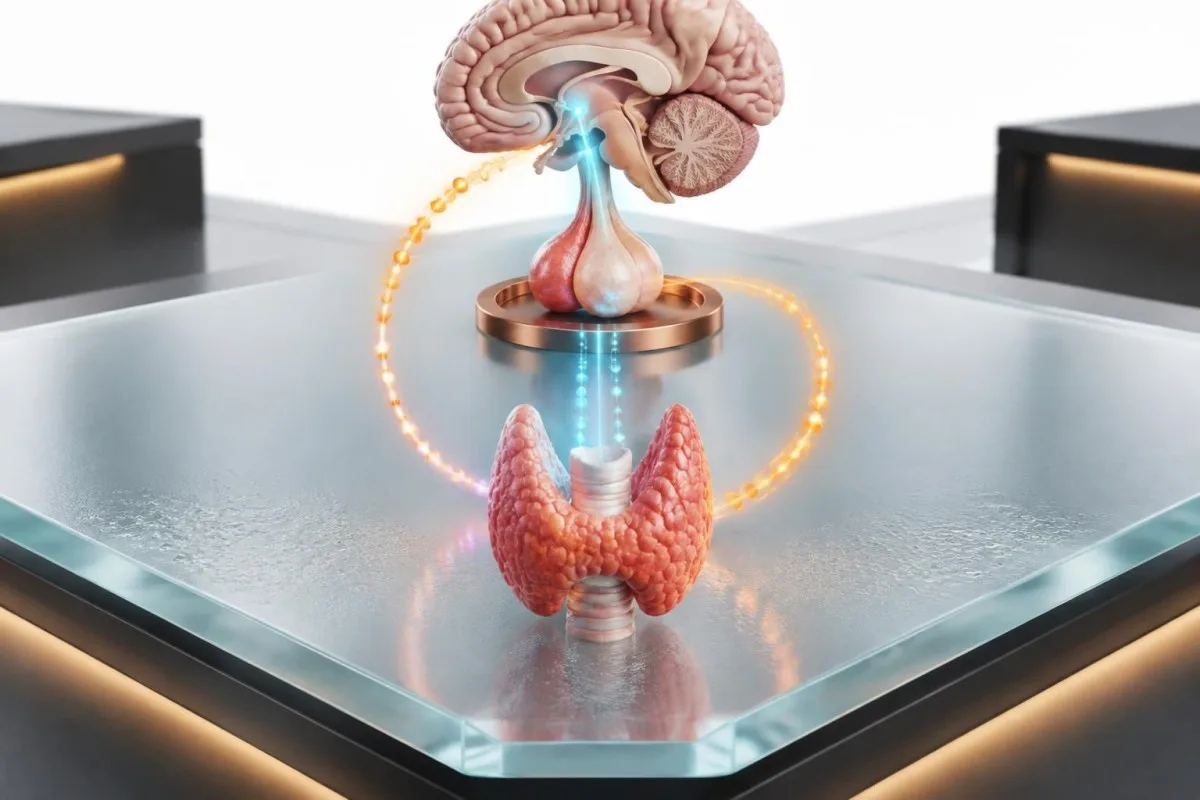
Ang sakit nga dili direktang may kalabotan sa thyroid mahimong makasamok sa pituitary signalling sulod sa mubo nga panahon, ilabi na panahon sa sakit nga lebel sa pagkaospital, pagpugong sa kaloriya, o pag-ayo gikan sa impeksiyon. Ang glucocorticoids ug dopamine mahimo usab makapamenos sa pagpagawas sa TSH; mahimong mahitabo ang epekto nga walay tinuod nga sobra sa thyroid hormone.
Ang subacute thyroiditis mahimong mopagawas sa daan nang naporma nga hormone sulod sa pipila ka semana, nga sundan sa yugto sa ubos nga TSH ug usahay temporaryong hypothyroidism. Mahimong magpabiling suppressed ang TSH human ma-normal ang libre nga T4, busa ang usa ka resulta sa yugto sa pagkaayo mahimong tan-awon nga nagpadayon nga subclinical hyperthyroidism.
Ang usa ka hypothetical nga 39-anyos nga gisusi duha ka semana human sa viral nga sakit adunay TSH nga 0.09 mIU/L ug normal nga free T4, apan walay palpitations o pagkunhod sa timbang. Ang pagsusi pag-usab human sa pagkaayo mahimong magpakita nga ang TSH mibalik sa 1.4 mIU/L, nga nagsuporta sa usa ka lumalabay nga proseso imbis nga Graves disease.
Pag-eskedyul sa pagsusi pag-usab human sa sakit
Alang sa usa ka stable nga tawo nga walay dagkong sintomas, ang pagsusi pag-usab sa TSH, free T4 ug free o total T3 human sa mga 2–3 ka bulan kasagarang mas makahatag og impormasyon kaysa pagsusi pag-usab human sa pipila ka adlaw. Ang pagsusi pag-usab sulod sa 2–6 ka semana makatarunganon kung hapit na dili makita ang TSH, mahinungdanon ang mga sintomas o ang pagmabdos makausab sa klinikal nga konteksto.
Ang giya sa European Thyroid Association naghulagway sa pagpadayon isip sentral nga bahin sa diagnosis tungod kay kasagaran ang lumalabay nga ubos nga TSH sa pipila ka kahimtang. Ang among artikulo bahin sa mga resulta sa subacute thyroiditis naglangkob sa gipaabot nga han-ay sa mas detalyado nga paagi.
Ayaw undangi ang gireseta nga tambal sa thyroid tungod lamang sa ubos nga resulta sa TSH. Kinahanglang itandi sa nagreseta ang dosis, indikasyon ug oras sa pag-inom sa pattern sa laboratoryo.
Unsa ang hinungdan sa subclinical hyperthyroidism?
Ang mga nag-unang hinungdan mao ang sayong Graves disease, usa ka autonomous thyroid nodule o multinodular goitre, thyroiditis, sobra nga thyroid replacement ug mga epekto sa tambal o suplemento. Importante ang hinungdan tungod kay ang temporaryong thyroiditis nagkinahanglan og lahi nga plano kumpara sa padayon nga produksiyon sa hormone sa mga nodule.
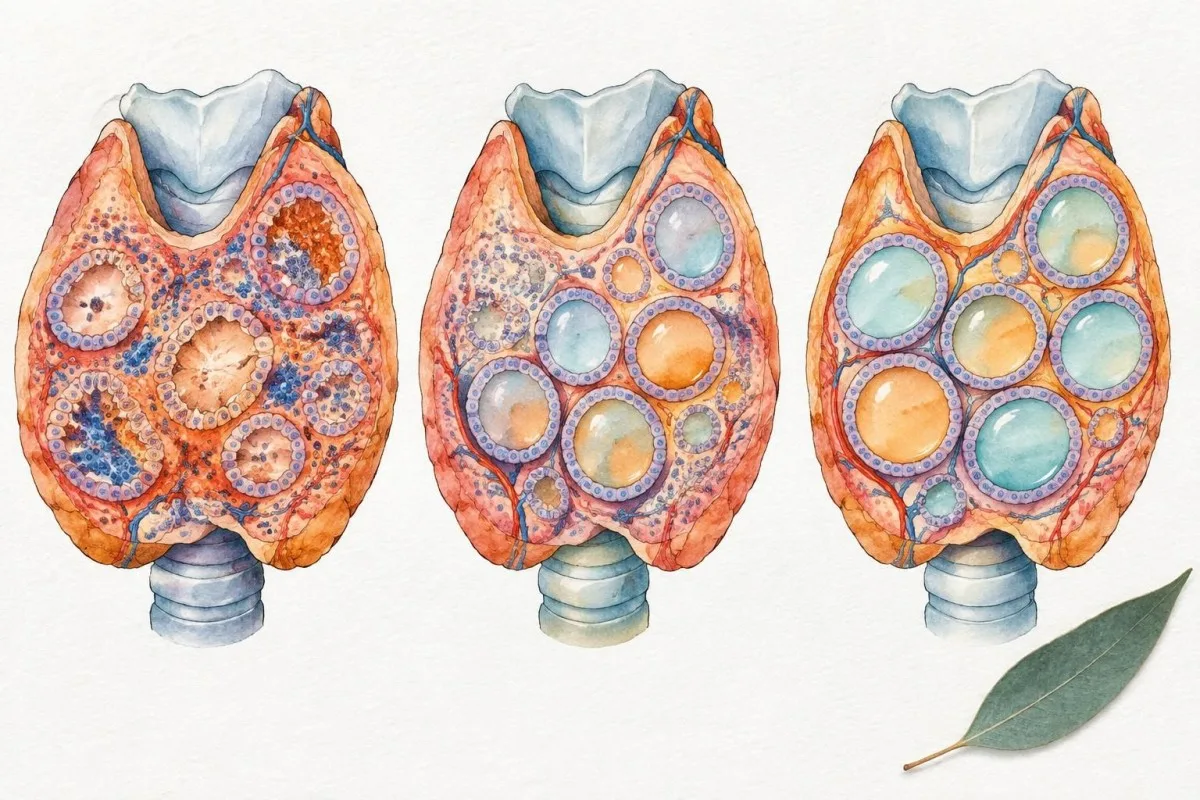
Ang Graves disease usa ka autoimmune nga hinungdan diin ang thyroid-stimulating antibodies nagpalihok sa TSH receptor. Ang usa ka toxic nodule o multinodular nga thyroid mahimong makahimo og hormone nga independente sa kontrol sa pituitary; mas kasagaran kini samtang nagkadugang ang edad ug exposure sa iodine.
Ang sobra nga levothyroxine o liothyronine kasagarang katin-awan sa mga tawo nga gitambalan alang sa hypothyroidism, ilabina human sa pagbag-o sa dosis o pagkunhod sa timbang. Ang amiodarone, mga produktong adunay iodine, glucocorticoids, dopamine agonists ug pipila ka mga terapiya sa kanser mahimong makapalibog sa interpretasyon.
Ang Lithium kasagarang hinungdan sa hypothyroidism apan mahimo usab makatampo sa thyroiditis o hyperthyroidism sa pipila ka tawo. Ang kasaysayan sa pag-inom og tambal kinahanglan maglakip sa mga produkto nga mapalit nga walay reseta, mga suplemento sa thyroid, mga preparasyon para sa pagpaubos sa timbang ug ang eksaktong oras sa pag-inom sa matag dosis; among giya sa pagbantay sa lithium nagpasabot nganong ang mga resulta sa thyroid nagkinahanglan og konteksto sa tambal.
Biotin ug interference sa assay
Ang taas nga dosis sa biotin mahimong makabalda sa pipila ka immunoassay, nga makapakita og sayop nga ubos nga TSH ug sayop nga taas nga free T4 o free T3 nga padron. Ang kasagarang mga produkto para sa buhok ug kuko mahimong adunay 5–10 mg, nga mas taas kaayo kay sa panginahanglan sa nutrisyon, busa irekord ang dosis sa dili pa ang testing.
Mahimong tambagan sa clinician ang paghunong sa dili importante nga biotin sulod sa labing menos 48 ka oras sa dili pa ang pagsubli sa testing, apan ang hustong gilay-on nagdepende sa dosis, kahimtang sa kidney ug assay nga gigamit. Ayaw hunonga ang importanteng pagtambal nga walay tambag sa propesyonal.
Kung dili magkauyon ang mga numero sa mga sintomas—pananglitan, ubos ang TSH bisan walay klinikal nga timailhan ug adunay wala damhang padron sa mga hormone—ang konsultasyon sa laboratoryo o testing gamit ang alternatibong assay makatabang sa paglikay sa dili kinahanglanong diagnosis.
Unsa nga mga sintomas ang mahimong ipahinabo sa subclinical hyperthyroidism?
Ang mga sintomas sa subclinical hyperthyroidism kasagarang wala o malumo, apan mahimong mahitabo ang kusog o paspas nga pagpitik sa kasingkasing, pagkurog, dili pagtugot sa kainit, pagpasingot, kabalaka, pagkunhod sa timbang, kanunay nga paglibang ug kasamok sa pagkatulog. Ang normal nga lebel sa free-hormone nagpasabot nganong kasagarang dili kaayo grabe ang mga sintomas kumpara sa overt hyperthyroidism.
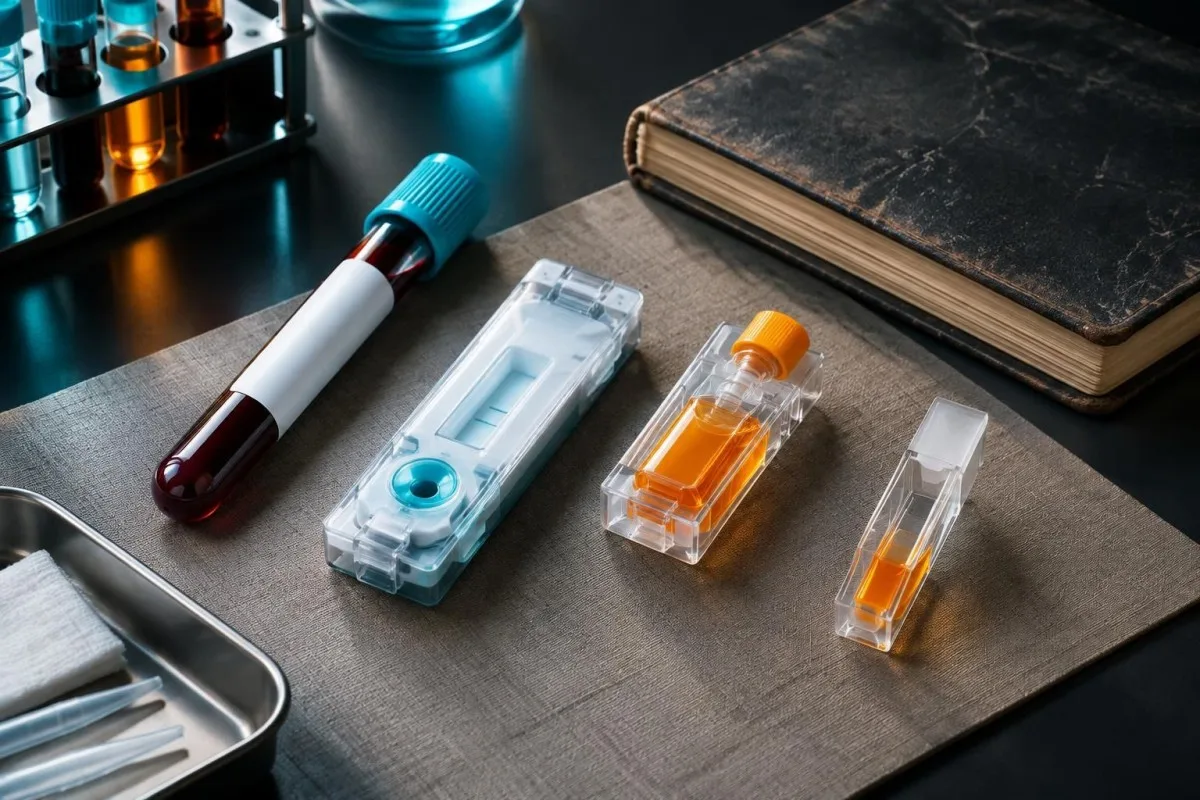
Ang resting pulse nga labaw sa 100 ka beats per minute, bag-ong dili pagtugot sa ehersisyo o dili regular nga pagpitik sa kasingkasing angay hatagan og pagtagad bisan normal ang free T4. Sa laing bahin, ang kakapoy ug kabalaka dili espesipiko; dili angay ipasangil ang mga sintomas sa thyroid sa ubos nga TSH nga dili susihon ang pagkatulog, anemia, mga tambal ug mga cardiovascular nga hinungdan.
Ang mga tigulang mahimong magpakita og mas diyutay nga klasikal nga mga sintomas ug hinuon makasinati og nagkagrabeng kakulang sa ginhawa, pagkunhod sa kalig-on, kalibog o bag-ong arrhythmia. Ang normal nga pulso sa klinika dili makapawala sa posibilidad sa intermittent atrial fibrillation, nga mahimong manginahanglan og electrocardiogram o ambulatory monitoring.
Ang usa ka pananglitan nga 68-anyos nga adunay TSH 0.07 mIU/L nagtaho nga dili maayo ang tulog lamang, apan ang home monitor balik-balik nga nagpakita og dili regular nga pulso. Ang klinikal nga mapuslanong sunod nga lakang mao ang pagtimbang-timbang sa ritmo, dili kay pasaligan lang ang kasiguruhan tungod sa normal nga free T4.
Mga sintomas batok sa pattern sa laboratoryo
Ang mga sintomas dili kasaligan nga makatagna sa lebel sa biochemical suppression. Ang mga tawo nga adunay TSH ubos sa 0.10 mIU/L mahimong mobati nga normal, samtang ang mga tawo nga adunay TSH nga 0.25 mIU/L mahimong makamatikod og pagkurog tungod sa caffeine, tambal o kabalaka.
Ang ubos nga resulta sa free T3 nagpunting palayo sa klasikal nga sobrang produksiyon sa thyroid ug mahimong magpakita og sakit, tambal o kapakyasan sa conversion; ang among pagpasabot sa ubos nga free T3 naghisgot nianang lahi nga pattern.
Isulat ang oras, gidugayon ug hinungdan sa mga sintomas sulod sa 7 ka adlaw sa dili pa ang appointment. Kana nga rekord mahimong magpadayag og intermittent palpitations o relasyon sa caffeine, decongestants ug tambal sa thyroid.
Giunsa pag-usab pagsusi ang ubos nga TSH?
Ang pag-usab sa testing kasagarang kinahanglang maglakip sa TSH, free T4 ug T3, uban ang oras nga ipahiangay sa kabug-at sa sintomas, pagmabdos, bag-ong sakit ug mga kausaban sa tambal. Ang pag-usab lamang sa TSH mahimong dili makamatikod sa pagbalhin ngadto sa overt hyperthyroidism o sa yugto sa pagkaayo human sa thyroiditis.
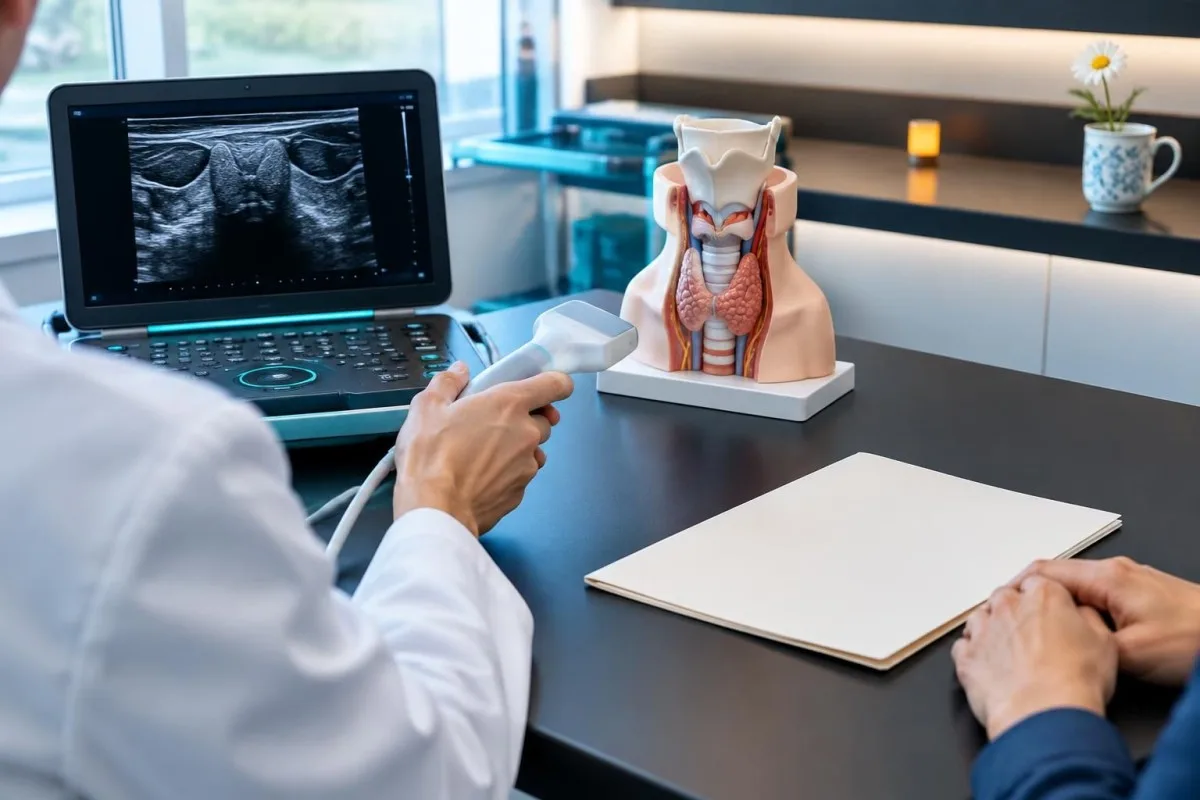
Alang sa lig-on nga mga hamtong nga adunay medyo ubos nga TSH, ang pag-usab sa panel human sa gibana-banang 2–3 ka bulan kasagarang makatarunganon. Ang grabe nga suppression, bag-ong palpitations, pagmabdos, gidudahang sobra nga tambal o free hormone nga duol sa taas nga limitasyon nanginahanglan og mas sayong klinikal nga pagrepaso.
Gamita ang samang laboratoryo kon mahimo kay magkalahi ang mga pamaagi sa assay ug mga interval sa reperensiya. Isulat kon ang sample gikuha ba sa wala pa o human sa pag-inom og levothyroxine, liothyronine, biotin o ubang may kalabotang tambal; ang liothyronine mahimong mopahinabo og mubo nga pagsaka sa T3 human sa pag-inom.
Girekomenda sa giya sa American Thyroid Association niadtong 2016 nga kumpirmahon ang biochemical pattern ug susihon ang hinungdan imbes nga tambalan ang matag tagsa-tagsa nga resulta sa ubos nga TSH. Ang among iskedyul para sa pagsusi sa lebel sa thyroid makatabang sa pagbutang sa balik nga pagsusi tupad sa mga kausaban sa tambal ug sintomas.
Unsa ang dad-on sa balik nga test
Dad-a ang orihinal nga report, ang mga range sa laboratoryo, kompleto nga listahan sa mga tambal ug suplemento, ug petsa sa bisan unsang kausaban sa dosis. Ang balik nga TSH nga 0.31 mIU/L human sa naunang resulta nga 0.08 mIU/L nagpakita og padulong sa pagkaayo nga uso, bisan kon gamay gihapon kini nga ubos sa range.
Mausab sa pagmabdos ug bag-ong pagpanganak ang paghubad sa TSH kay makapadasig sa thyroid ang hCG ug ang postpartum thyroiditis mahimong magpahinabo og nag-usab-usab nga mga hugna. Angay gamiton ang mga range nga espesipiko sa pagmabdos imbes nga awtomatikong gamiton ang interval para sa dili mabdos nga hamtong.
Ayaw tuyoa og puasa gawas kon hangyoon ka sa laboratoryo o clinician; kasagaran dili kinahanglan ang pagpuasa alang sa TSH, free T4 o free T3. Kasagaran mas mapuslanon ang pag-inom og igo nga tubig ug ang makanunayon nga oras sa pag-inom sa tambal kaysa pagpuasa.
Ngano nga importante ang lebel sa TSH ug ang lebel sa pagsupak niini?
Ang TSH nga 0.10–0.39 mIU/L kasagarang nagpasabot og subclinical hyperthyroidism nga grade 1, samtang ang TSH nga ubos sa 0.10 mIU/L nagpasabot og pagpugong nga grade 2. Mas makanunayon nga nalambigit ang mga resulta sa Grade 2 sa atrial fibrillation ug pagkawala sa bukog, ilabina kon magpadayon kini.
Dili milagrosong biyolohikal nga switch ang 0.10 mIU/L nga threshold; kasagarang mosaka ang risgo samtang moubos pa ang TSH ug magpabilin kini nga napugngan. Bisan pa, gigamit kini sa mga clinician kay balik-balik nga nakit-an sa mga pagtuon ang mas lig-on nga kalambigitan ubos niini nga lebel.
Ang TSH nga 0.22 mIU/L sa himsog nga 42 anyos dili katumbas sa TSH nga 0.02 mIU/L sa 78 anyos nga adunay atrial fibrillation. Mausab sa edad, gidugayon, free hormones, mga sintomas ug kauban nga sakit ang posibleng benepisyo sa pagtambal.
Makatabang ang total T3 kon dili magamit ang free T3 o kon duol sa utlanan ang resulta, apan mahimong maapektuhan sa mga protina nga nagbugkos niini ang mga sukod sa total. Tan-awa ang among giya sa total T3 test sa dili pa itandi ang kinatibuk-ang resulta sa reference range sa free hormone.
Why one decimal place can mislead
TSH values of 0.09 and 0.10 mIU/L may be analytically close even though they fall on different sides of a guideline category. Laboratory imprecision, biological variation and the patient’s trend should prevent overconfident decisions based on a single hundredth.
A sustained TSH of 0.05 mIU/L over 6 months carries a different implication from a single 0.05 mIU/L result during an acute illness. Duration is therefore a clinical variable, not just a date in the record.
Ask whether the report says less than a measurable value, such as <0.01 mIU/L, because an undetectable result may need faster assessment than a result of 0.08 mIU/L.
Giunsa pag-apekto sa subclinical hyperthyroidism ang kasingkasing?
Persistent subclinical hyperthyroidism can increase the risk of atrial fibrillation and other cardiovascular strain, with the strongest concern when TSH is below 0.10 mIU/L or the person is older. This risk is why an apparently small laboratory abnormality may matter even when symptoms are minimal.
A pooled analysis by Collet and colleagues in the Thyroid Studies Collaboration found an approximately 1.68-fold higher risk of atrial fibrillation in people with subclinical hyperthyroidism compared with euthyroid participants. The association was strongest with more suppressed TSH and should not be interpreted as proof that every low result causes arrhythmia.
Thyroid hormone can increase heart-rate responsiveness and shorten atrial electrical recovery, creating a setting in which pre-existing hypertension, valve disease or sleep apnoea becomes more consequential. The combination of low TSH and an irregular pulse therefore carries more meaning than either finding alone.
Kantesti’s medical validation information describes how our outputs are intended to support interpretation rather than diagnose arrhythmia; our methodology and clinical standards explain why a flagged result still needs clinician review.
When rhythm testing is sensible
An electrocardiogram is appropriate when palpitations, an irregular pulse, fainting or unexplained breathlessness accompanies low TSH. A 24-hour or longer monitor may be needed because atrial fibrillation can be intermittent and absent during a short appointment.
A normal ECG does not erase future risk if TSH remains below 0.10 mIU/L for months. Repeat thyroid testing and cardiovascular follow-up may be more useful than a single reassuring snapshot.
Chest pain, fainting, severe breathlessness or a sustained very rapid heartbeat requires urgent care rather than routine thyroid follow-up. These symptoms can have causes unrelated to the thyroid, but delay is unsafe.
Unsa ang risgo sa mga bukog tungod sa ubos nga TSH?
Persistent subclinical hyperthyroidism can accelerate bone turnover, with the clearest fracture concern in postmenopausal adults and people whose TSH remains below 0.10 mIU/L. Bone risk depends on duration, age, prior fractures, calcium and vitamin D status, menopause, steroid use and baseline bone density.
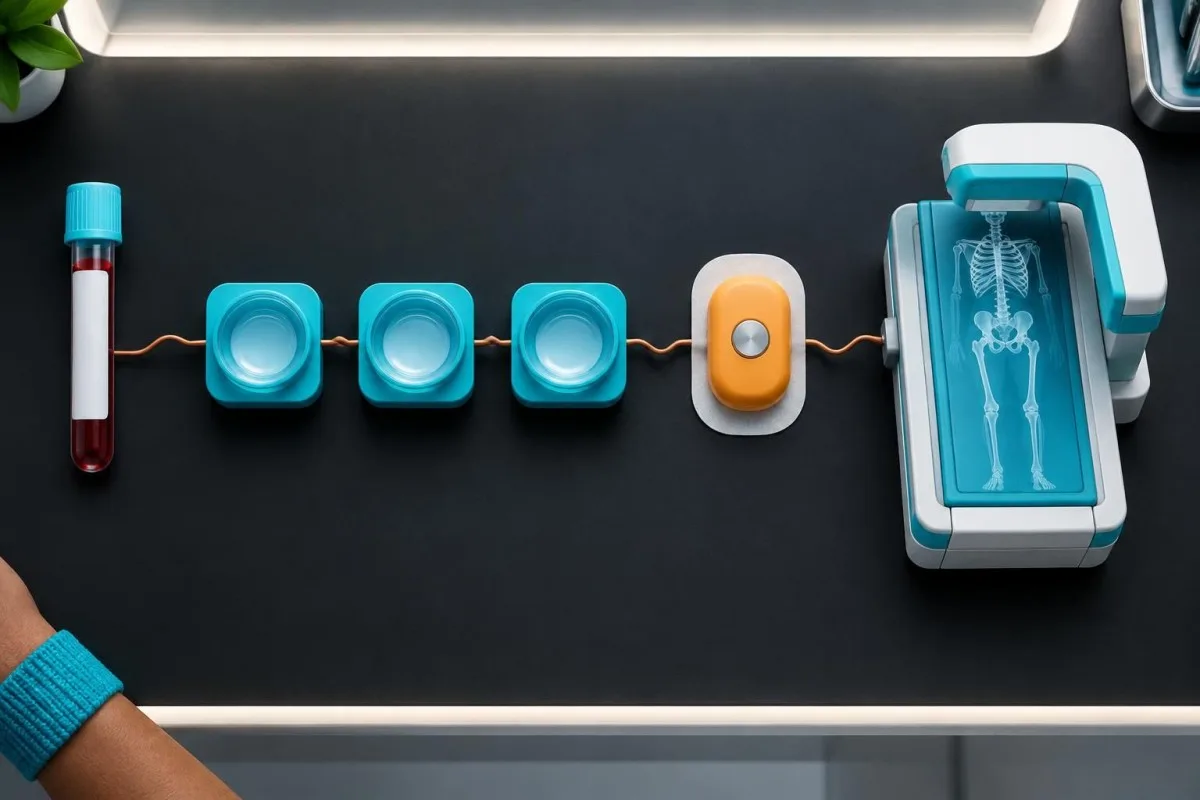
Thyroid hormone stimulates bone remodelling; when breakdown outpaces formation, cortical bone at the hip and forearm may become more vulnerable. The association is less clear in younger men and premenopausal adults, where baseline fracture risk is usually lower.
Blum and colleagues’ individual-participant meta-analysis in JAMA found higher fracture risk with subclinical hyperthyroidism, particularly when TSH was below 0.10 mIU/L. The study supports risk assessment but does not prove that treating every mildly low TSH prevents fractures.
A hypothetical 70-year-old postmenopausal woman with TSH 0.06 mIU/L, a previous wrist fracture and long-term prednisolone needs a different discussion from a 35-year-old with one transient TSH of 0.28 mIU/L. Our giya sa blood test alang sa osteoporosis covers related secondary causes.
When a DEXA scan may help
Bone-density scanning is more persuasive when persistent suppression coexists with age over 65, postmenopausal status, a previous low-trauma fracture, glucocorticoid exposure or other osteoporosis risks. A DEXA result is interpreted with the clinical fracture profile, not as a thyroid test.
Calcium and vitamin D measurements can identify correctable contributors, but a normal vitamin D level does not neutralise thyroid-related bone turnover. Weight-bearing exercise and adequate protein support bone health but do not substitute for assessing a persistent TSH below 0.10 mIU/L.
Treatment decisions should balance the uncertain benefit of correcting mild biochemical disease against the known risks of anti-thyroid medicines, radioiodine or surgery.
Ngano nga ang edad, menopause ug pagmabdos makausab sa mga desisyon?
Age, menopause and pregnancy alter both the meaning of low TSH and the balance between treatment benefits and harms. Adults aged 65 years or older, postmenopausal people without bone-protective therapy and pregnant patients generally need more individualised, timely review than younger asymptomatic adults.
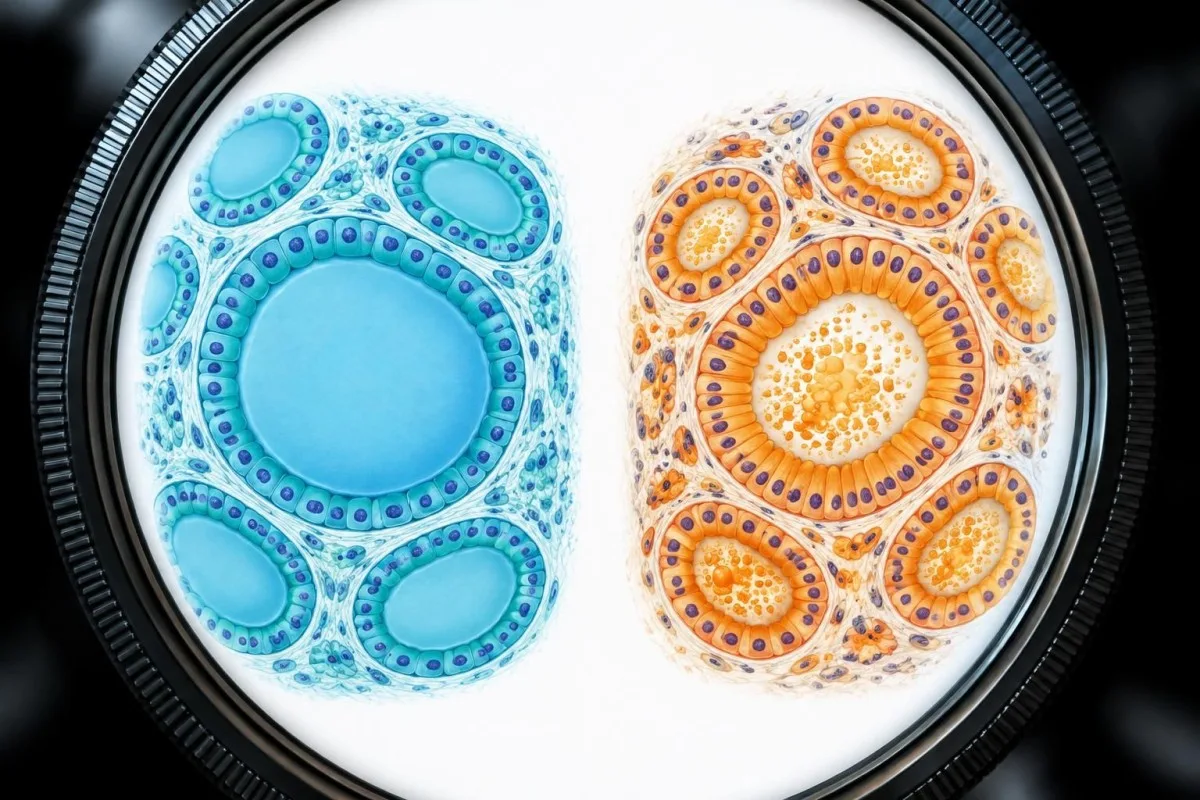
Older adults have a higher baseline risk of atrial fibrillation, stroke and fractures, so persistent TSH below 0.10 mIU/L is treated more seriously. Some guidelines recommend treatment in this group even when free T4 and free T3 remain normal.
Postmenopausal bone loss can amplify the skeletal effect of thyroid overactivity, especially without oestrogen or bisphosphonate therapy. A low TSH should therefore prompt a fracture-risk review rather than an assumption that normal free T4 means bones are unaffected.
Pregnancy requires specialist interpretation because hCG can lower TSH, particularly in the first trimester, while overt maternal hyperthyroidism has separate fetal and maternal risks. Pregnancy-specific ranges and thyroid-antibody results are more useful than a generic adult cutoff.
Population-specific context
A 29-year-old at 10 weeks of pregnancy with TSH 0.18 mIU/L and normal free T4 may have a normal hCG-related shift, whereas a non-pregnant adult with the same result may need repeat testing for thyroid disease. The sample’s gestational timing is therefore clinically necessary.
Adults over 60 may have fewer symptoms and more medication interactions, including anticoagulants, anti-arrhythmics and osteoporosis medicines. Our blood-test priorities for women over 60 explains why age changes the wider laboratory picture.
For menopause-specific questions, thyroid results should be separated from vasomotor symptoms because hot flushes, insomnia and anxiety can overlap with mild thyroid excess. A pattern over time is more reliable than symptom labels.
Kanus-a girekomenda ang pagtambal?
Treatment is generally considered for persistent TSH below 0.10 mIU/L in adults aged 65 or older, people with heart disease or osteoporosis, and people with significant hyperthyroid symptoms. For younger asymptomatic adults with TSH 0.10–0.39 mIU/L, observation and repeat testing are often reasonable.
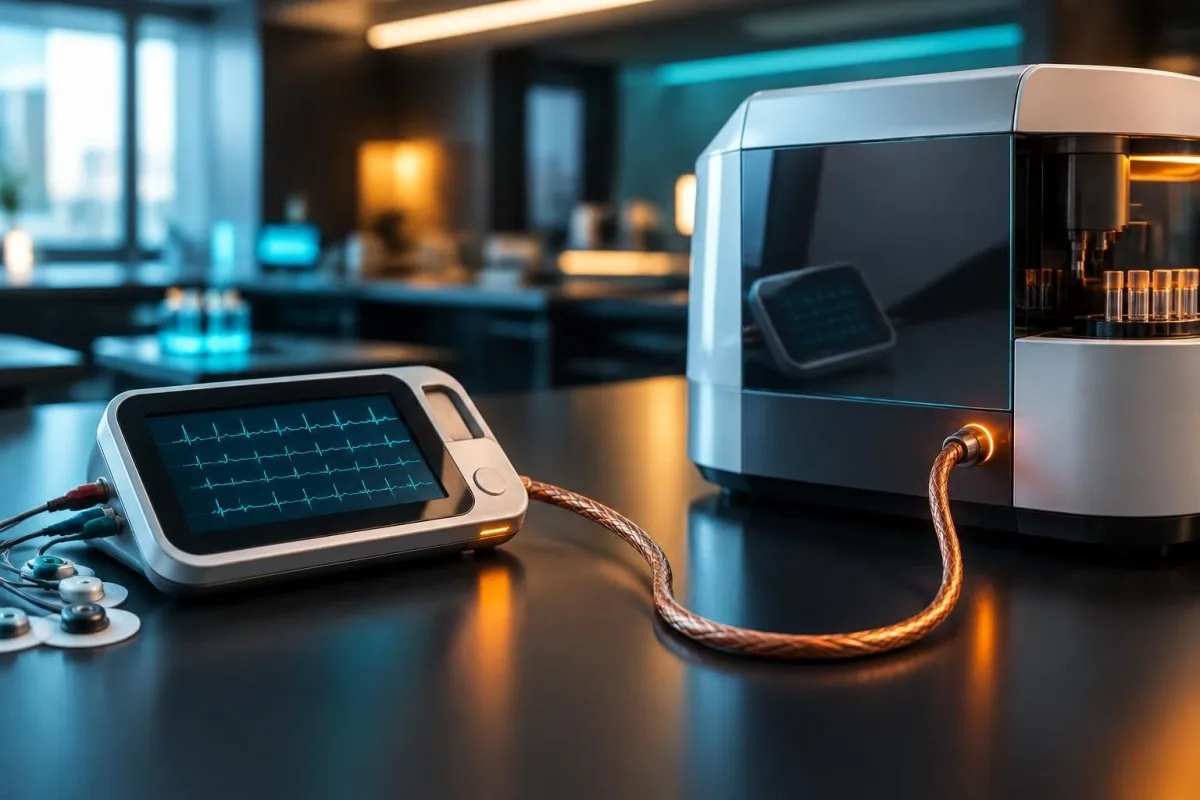
The ATA guideline supports treating older adults with persistent TSH below 0.10 mIU/L and considering treatment in younger adults with symptoms, cardiac disease, osteoporosis or other risk factors. For TSH between 0.10 and 0.39 mIU/L, recommendations are more cautious because the evidence for benefit is weaker.
Treatment choice depends on cause: antithyroid medication may be used for Graves disease, radioiodine or surgery may suit autonomous nodules, and thyroiditis often requires observation and symptom control. Reducing an excessive prescribed thyroid dose is different from treating new endogenous hyperthyroidism.
Subclinical hypothyroidism is the opposite laboratory pattern—high TSH with low or normal free hormone—and should not be treated using the same logic. Our comparison of subclinical hypothyroidism helps prevent that common mix-up.
Why clinicians may reasonably disagree
Evidence for preventing heart failure, fractures or mortality by treating mild grade 1 suppression remains limited, partly because randomised trials are small and treatment harms are not negligible. The argument for treatment becomes stronger as TSH falls, risk factors accumulate and persistence is documented.
A 48-year-old with TSH 0.12 mIU/L, normal hormones and no risk factors may reasonably receive surveillance, while a 76-year-old with TSH 0.07 mIU/L and recurrent atrial fibrillation may be offered treatment or specialist management. Both decisions can follow guideline-based reasoning.
Ask what outcome treatment is intended to prevent, how long observation is safe, and which adverse effects would trigger a change in plan.
Unsang mga pagsulay ang makaila sa hinungdan niini?
The cause is investigated with medication review, repeat thyroid hormones, thyroid antibodies and selected imaging rather than with one universal test. TSH-receptor antibodies can support Graves disease, while ultrasound or a radionuclide scan may help identify nodules or uneven thyroid activity.
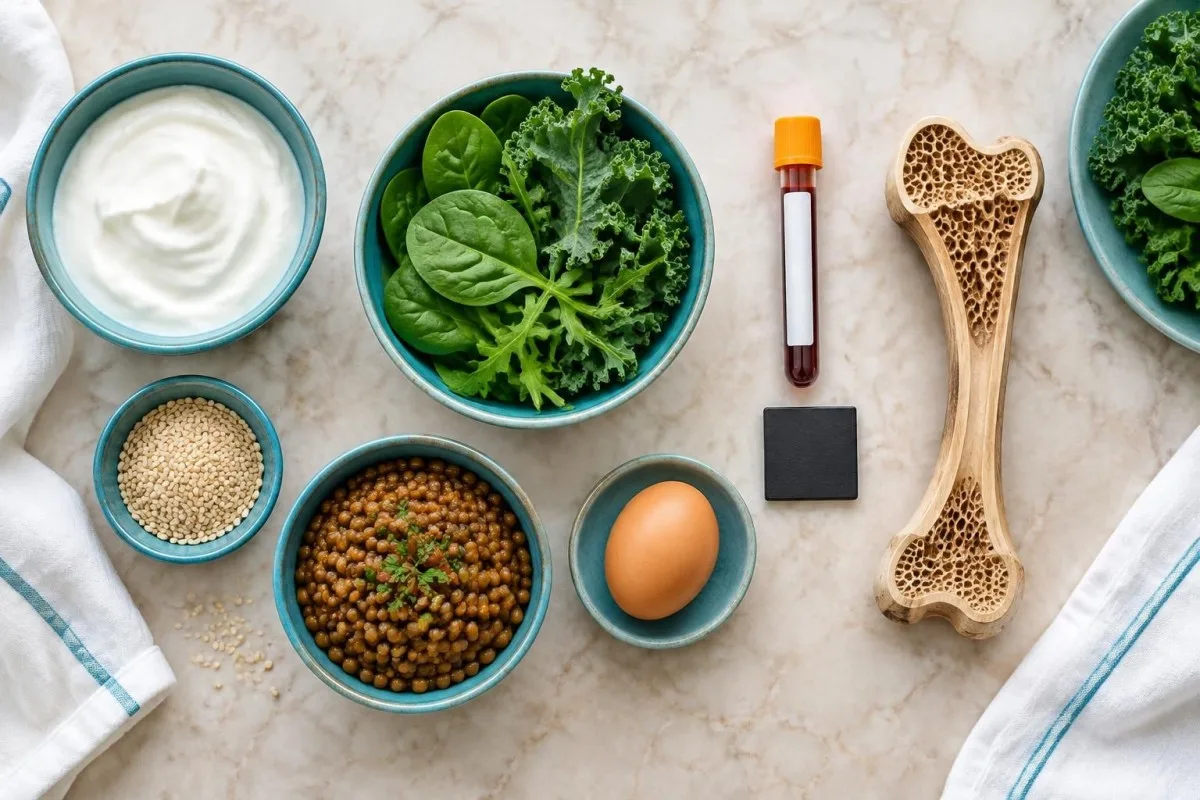
TSH-receptor antibodies, often reported as TRAb, are useful when Graves disease is suspected, particularly if there are eye symptoms or a diffuse thyroid enlargement. Thyroid peroxidase antibodies are more associated with autoimmune thyroid disease generally and do not by themselves prove the cause of low TSH.
Ultrasound describes thyroid structure and blood flow but cannot always prove functional autonomy. A radionuclide uptake scan can show whether nodules or the whole gland are actively producing hormone, but it is avoided or modified in pregnancy.
Eye pain, double vision, colour-vision change or difficulty closing the eyelids needs prompt review because Graves eye disease can occur alongside biochemical thyroid changes. Our Graves eye-symptom guide explains warning signs.
What the clinical examination adds
A clinician may check pulse rhythm, blood pressure, tremor, reflexes, thyroid size and eye findings; these observations can redirect testing even when TSH is only mildly low. A new irregular pulse is a stronger reason for ECG assessment than a small isolated TSH change.
Recent iodine exposure from contrast imaging, supplements or antiseptics can precipitate thyroid dysfunction in susceptible people. Tell the clinician about contrast within the previous several weeks and about products labelled thyroid support.
Do not request an ultrasound solely because TSH is low if there is no palpable thyroid abnormality; imaging should answer a clinical question rather than create incidental findings.
Unsang iskedyul sa follow-up ang kasagarang gigamit?
Follow-up usually means repeating thyroid tests, tracking symptoms and reviewing heart and bone risk at intervals based on the degree of TSH suppression and its cause. A persistent grade 2 result needs closer review than a recovering grade 1 result.
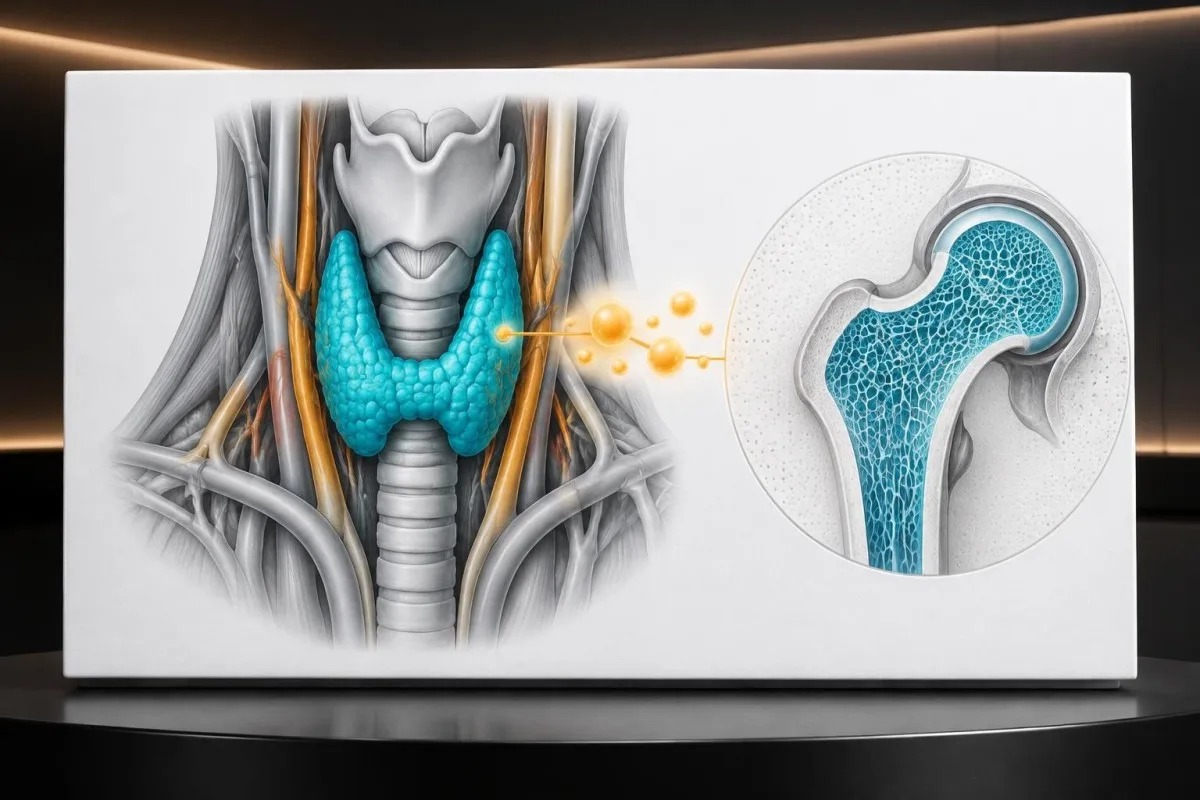
After a mildly low TSH with normal hormones, repeat testing at approximately 2–3 months often establishes whether the abnormality persists. If the result is stable and low-risk, monitoring every 6–12 months may be considered, although the interval should shorten after medication changes or new symptoms.
A trend of TSH 0.31, then 0.18, then 0.07 mIU/L suggests increasing suppression even if free T4 remains normal. Conversely, 0.06, then 0.19, then 0.42 mIU/L suggests recovery and may support a transient cause.
Kantesti can compare uploaded reports over time, but an automated trend cannot know whether a person was ill, pregnant, taking biotin or changing levothyroxine. Our AI trend analysis workflow is best used to organise questions for a clinician.
What should be tracked between tests?
Record resting pulse, palpitations, tremor, weight change, sleep, heat intolerance and medication changes for 2–4 weeks. A symptom diary is especially useful when clinic observations are normal but episodes occur at home.
For people with cardiovascular risk, an ECG or ambulatory monitor may be repeated according to symptoms rather than thyroid numbers alone. For people with skeletal risk, bone-density follow-up follows osteoporosis guidance and fracture history.
A return to TSH 1.0 mIU/L does not necessarily prove that the original result was meaningless; recovery after thyroiditis can be genuine evidence of a temporary trigger.
Giunsa nimo pagbasa ang imong report sa thyroid?
Read TSH, free T4 and T3 together, then compare each value with the laboratory’s own range, units, collection date and medication context. A red flag beside TSH is not the same as a diagnosis, and a result marked normal can still be clinically relevant when the trend is changing.
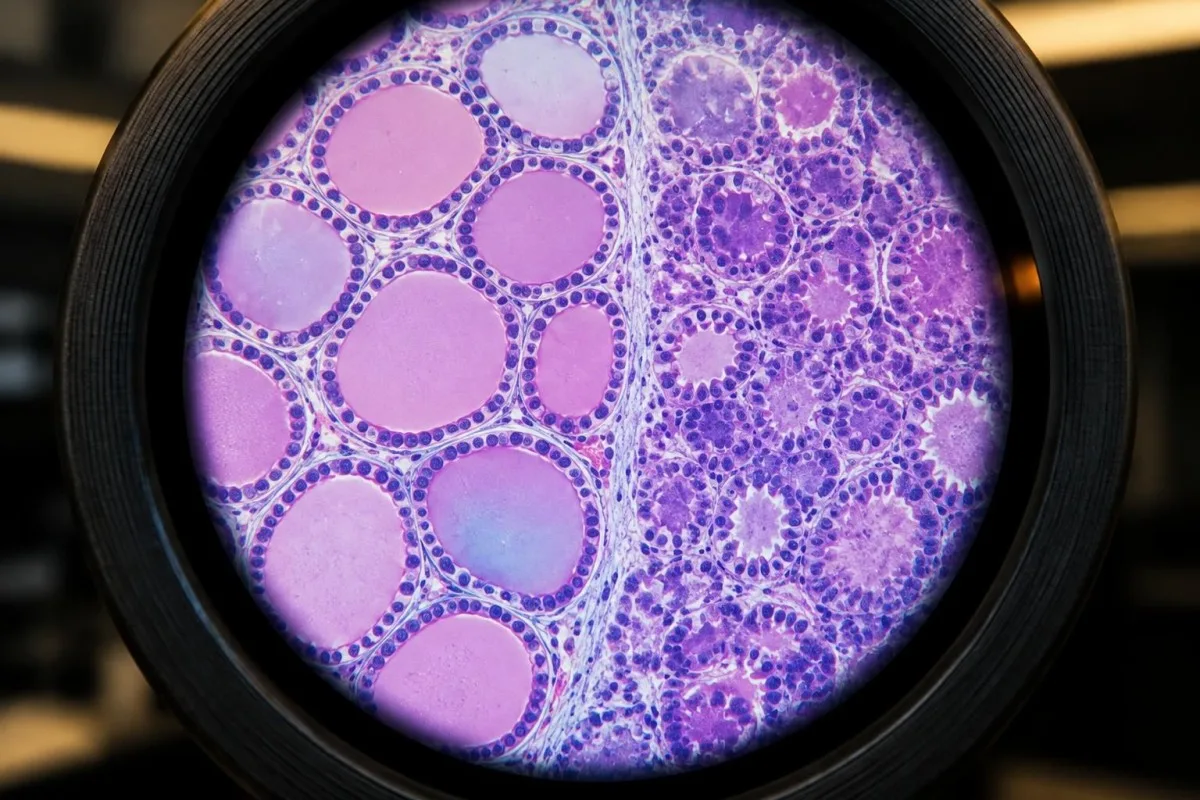
Start with the exact TSH value and whether the report uses mIU/L or another unit; then check whether free T4 and free T3 are within the printed range. A TSH of 0.28 mIU/L is not interpreted as 0.28 ng/dL, because the units describe different measurements.
Next, identify whether the person takes levothyroxine, liothyronine, amiodarone, steroids, dopamine-related medicines or high-dose biotin. The same TSH can mean dose excess in one person, early Graves disease in another and recovery from thyroiditis in a third.
Atong giya sa biomarker sa pagsulay sa dugo explains how Kantesti’s AI blood test interpretation platform groups related results rather than presenting a single flagged value in isolation.
What automated interpretation can and cannot do
Kantesti can help translate units, identify missing companion tests and organise a chronological pattern, but it cannot palpate a thyroid, assess an irregular pulse or decide whether radioiodine is appropriate. Interpretation remains a support step, not a prescription.
A useful report summary includes the result, reference range, date, medication timing, recent illness and symptoms. That information often changes the next step more than a small difference of 0.05 mIU/L.
If the report is incomplete—for example, TSH is present but free T4 is missing—ask whether the panel should be completed before drawing conclusions.
Unsa ang makatarunganong sunod nga plano sa pag-atiman?
A sensible plan is to confirm persistence, identify the cause, assess heart and bone risk, and agree on a monitoring or treatment interval with a clinician. Seek urgent care for severe cardiovascular symptoms rather than waiting for a routine repeat thyroid test.

For a stable adult with TSH 0.20 mIU/L, normal free hormones and no risk factors, the next step may be repeat testing in 2–3 months with medication and illness review. For persistent TSH 0.05 mIU/L in an older adult, earlier endocrinology or primary-care review is more appropriate.
Urgent symptoms include chest pain, fainting, severe breathlessness, new neurological symptoms or a sustained very rapid or irregular heartbeat. These signs may represent arrhythmia or another emergency and should not be explained away as mild thyroid disease.
Kantesti’s Lupon sa Medikal nga Magtatambag information describes the role of clinical oversight in health content; our platform is an aid for understanding laboratory data, not a substitute for urgent or personalised medical care.
Questions to ask at the appointment
Ask whether the pattern is grade 1 or grade 2, whether the result has persisted for at least 2–3 months, and which cause is most likely. Ask specifically whether an ECG, thyroid antibodies, ultrasound, uptake scan or bone-density assessment is justified.
Clarify the follow-up date and the result that would change the plan—for example, TSH below 0.10 mIU/L, raised free T4, new atrial fibrillation or a new fracture. A defined trigger is safer than an open-ended instruction to monitor.
Bring every supplement and medicine, including products described as natural thyroid support. Natural does not mean free of thyroid hormone or iodine, and undisclosed ingredients can make repeat results difficult to interpret.
Mga kanunayng gipangutana
Unsa ang gipasabot sa ubos nga TSH nga normal ang T4 ug T3?
Ang ubos nga TSH uban sa normal nga free T4 ug free T3 mao ang resulta sa laboratoryo nga gitawag og subclinical hyperthyroidism. Ang TSH nga tali sa 0.10 ug 0.39 mIU/L kasagarang giisip nga malumong pagsumpo, samtang mas grabe ang pagsumpo kon ubos sa 0.10 mIU/L ang TSH. Dili igo ang usa ka resulta aron mapamatud-an nga padayon ang sakit, kay ang pagkasakit, thyroiditis, mga tambal, hCG nga may kalabotan sa pagmabdos, ug interference sa biotin mahimong temporaryong mopaus-os sa TSH.
Mawala ra ba sa kaugalingon ang subclinical hyperthyroidism?
Ang subklinikal nga hyperthyroidism mahimong mawala kung temporaryo ang hinungdan, sama sa thyroiditis, grabeng sakit, sobra nga tambal o interference sa assay. Ang pagsubli sa TSH, free T4 ug T3 human sa mga 2–3 ka bulan kasagarang magpakita kung nagpadayon ba ang maong pattern. Ang padayong TSH nga ubos sa 0.10 mIU/L angay og mas aktibong ebalwasyon, ilabi na sa mga hamtong nga 65 anyos o labaw pa o sa mga tawo nga adunay risgo sa kasingkasing o bukog.
Unsa nga mga sintomas ang mahimong ipahinabo sa subclinical hyperthyroidism?
Ang mga sintomas sa subclinical hyperthyroidism mahimong maglakip sa kusog o dili regular nga pagpitik sa kasingkasing, pagkurog, dili maagwanta ang kainit, pagpamugot, kabalaka, pagniwang, kanunay nga paglibang, ug dili maayong pagkatulog, apan daghang tawo ang walay sintomas. Mahimong motungha ang mga sintomas bisan normal ang free T4 ug free T3, samtang ang kakapoy ug kabalaka mahimong adunay laing mga hinungdan. Ang bag-ong pagkadili-regular sa pulso o pulso nga labaw sa 100 ka pitik kada minuto samtang nagpahulay angay ipasusi sa doktor.
Kanus-a angay tambalan ang subklinikal nga hyperthyroidism?
Kasagaran ikonsiderar ang pagtambal kon magpabiling ubos sa 0.10 mIU/L ang TSH sa mga hamtong nga edad 65 pataas, o sa mga tawo nga adunay fibrilasyon sa atrium, laing sakit sa kasingkasing, osteoporosis o grabeng mga sintomas. Ang mga hamtong nga mas bata nga adunay TSH tali sa 0.10 ug 0.39 mIU/L ug walay mga hinungdan sa peligro kasagarang bantayan imbes nga tambalan dayon. Ang hustong pagtambal magdepende kon ang hinungdan ba mao ang sakit nga Graves, usa ka awtonomong nodulo, thyroiditis o sobra nga gidaghanon sa thyroid hormone nga gireseta.
Nakaapekto ba ang subclinical hyperthyroidism sa kasingkasing o mga bukog?
Ang padayon nga subklinikal nga hyperthyroidism nalangkit sa mas taas nga risgo sa atrial fibrillation ug mga bali sa bukog, ilabi na kon ubos sa 0.10 mIU/L ang TSH. Usa ka hiniusang pag-analisa mitaho og mga 1.68 ka pilo nga mas taas nga risgo sa atrial fibrillation, samtang labing gikabalak-an ang risgo sa bali sa bukog sa mga hamtong nga human na sa menopause ug sa mga tawo nga adunay uban pang risgo sa osteoporosis. Kinahanglang ilakip sa pagtimbang-timbang sa risgo ang edad, miaging bali sa bukog, ritmo sa pulso, paggamit sa tambal ug gidugayon sa pagsumpo sa TSH.
Unsa ka subsob ang pag-usab sa thyroid tests human sa ubos nga TSH?
Ang mga hamtong nga stable ug medyo ubos ang TSH apan normal ang free hormones kasagarang paabuton ug mga 2–3 ka bulan una sulayan pag-usab ang TSH, free T4 ug T3. Mahimong kinahanglan nga mas sayo ang pagsulay kon hapit na dili mamatikdan ang TSH, grabe ang mga sintomas, adunay pagmabdos o nausab ang tambal sa thyroid. Kon makumpirma nga stable ang pattern nga ubos ang risgo, mahimong palawmon ang pagitan sa mga follow-up ngadto sa 6–12 ka bulan ubos sa klinikal nga pagdumala.
Paipatin-aw ang imong resulta sa blood test
I-upload ang report sa imong laboratoryo ug ipatin-aw sa AI sa Kantesti ang matag biomarker sa yano nga pinulongan sulod sa pipila ka segundo. Gigamit sa kapin sa 2 ka milyon ka tawo sa tibuok kalibotan.
Mga Reperensya
- Klein, T., Mitchell, S., & Weber, H. (2026). Normal nga Sakop sa aPTT: Giya sa D-Dimer ug Protein C bahin sa Pag-ulbo sa Dugo. Panukiduki Medikal sa Kantesti AI. DOI
- Klein, T., Mitchell, S., & Weber, H. (2026). Giya sa mga Protina sa Serum: Pagsulay sa Dugo sa Globulin, Albumin ug Ratio sa A/G. Panukiduki Medikal sa Kantesti AI. DOI
- Ross DS et al. (2016). 2016 American Thyroid Association Guidelines for Diagnosis and Management of Hyperthyroidism and Other Causes of Thyrotoxicosis. Thyroid. DOI PubMed
- Collet TH et al. (2012). Thyroid Function and the Risk of Coronary Heart Disease and Mortality. Archives of Internal Medicine. DOI PubMed
- Blum MR et al. (2015). Subclinical Thyroid Dysfunction and Fracture Risk: A Meta-analysis. JAMA. DOI PubMed
- 2M+Mga gisusi nga eksaminasyon
- 127+Mga nasud
- 100+Mga pinulongan
Mahitungod sa medikal nga team


Mga E-E-A-T Trust Signals
Kasinatian
Pagsusi sa klinika nga gipangulohan sa doktor sa mga workflow sa interpretasyon sa lab.
Kahanas
Pokus sa medisina sa laboratoryo kung giunsa paglihok ang mga biomarker sa konteksto sa klinika.
Pagka-awtorisado
Gisusi sa medisina ni Dr. Thomas Klein, uban sa mga kontribusyon ni Dr. Sarah Mitchell ug Prof. Dr. Hans Weber.
Kasaligan
Interpretasyon nga base sa ebidensya, nga adunay klaro nga mga agianan sa sunod nga buhat aron makunhuran ang kabalaka.



Disclaimer sa medisina
Kini nga artikulo para sa katuyoan sa edukasyon ra ug dili kini mosangpot sa medikal nga tambag. Kanunay mokonsulta sa usa ka kwalipikado nga healthcare provider alang sa mga desisyon sa diagnosis ug pagtambal.
Gibilin · Kontaka ang team sa editoryal
Gipatik sa Kantesti Ltd, narehistro sa England ug Wales, numero sa kompanya. 17090423, London, United Kingdom.
