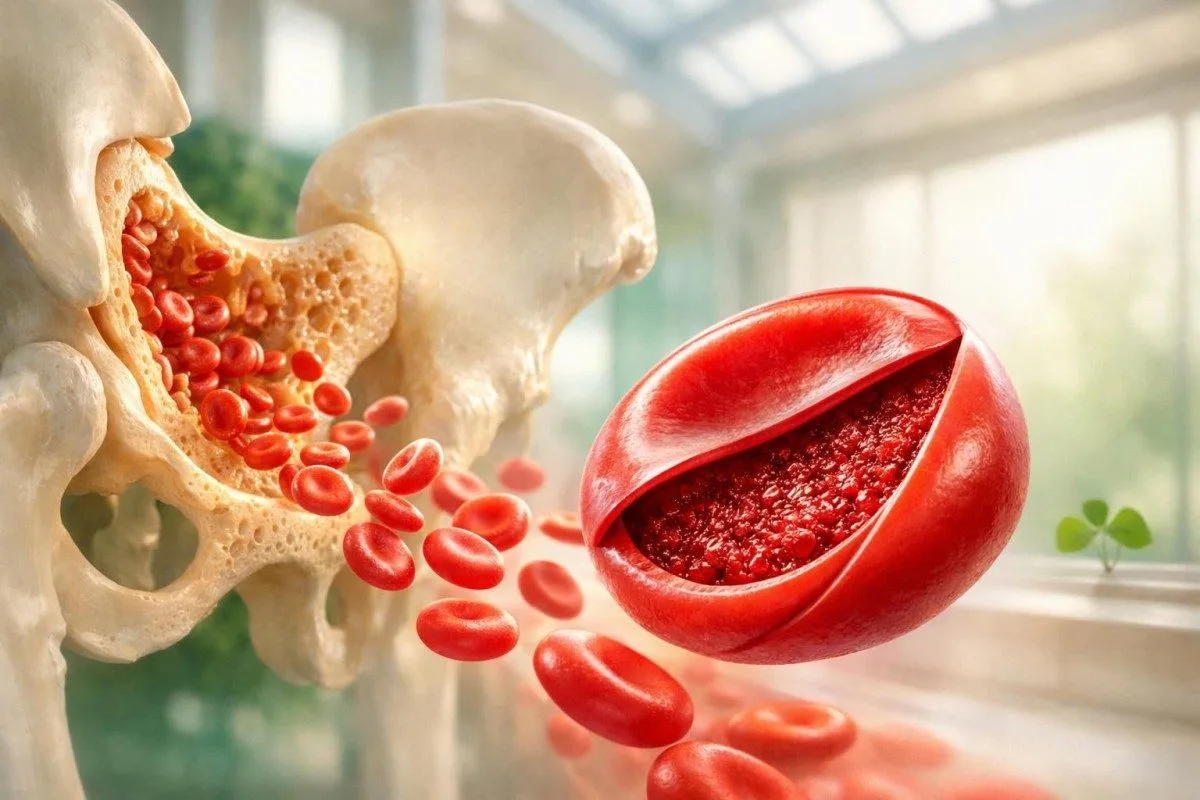
Hemoglobin Normal Range by Age, Sex, and Pregnancy
Categories
Articles

Hematology CBC Interpretation 2026 Update Patient-Friendly Adult men usually run 13.5-17.5 g/dL, nonpregnant women 12.0-15.5 g/dL, and pregnancy uses lower trimester cutoffs. Low hemoglobin below those thresholds means anemia in most cases, but the MCV, RDW, and red blood cell count tell you why. 📖 ~11 minutes 📅 April 3, 2026 📝 Published: April 3, […]
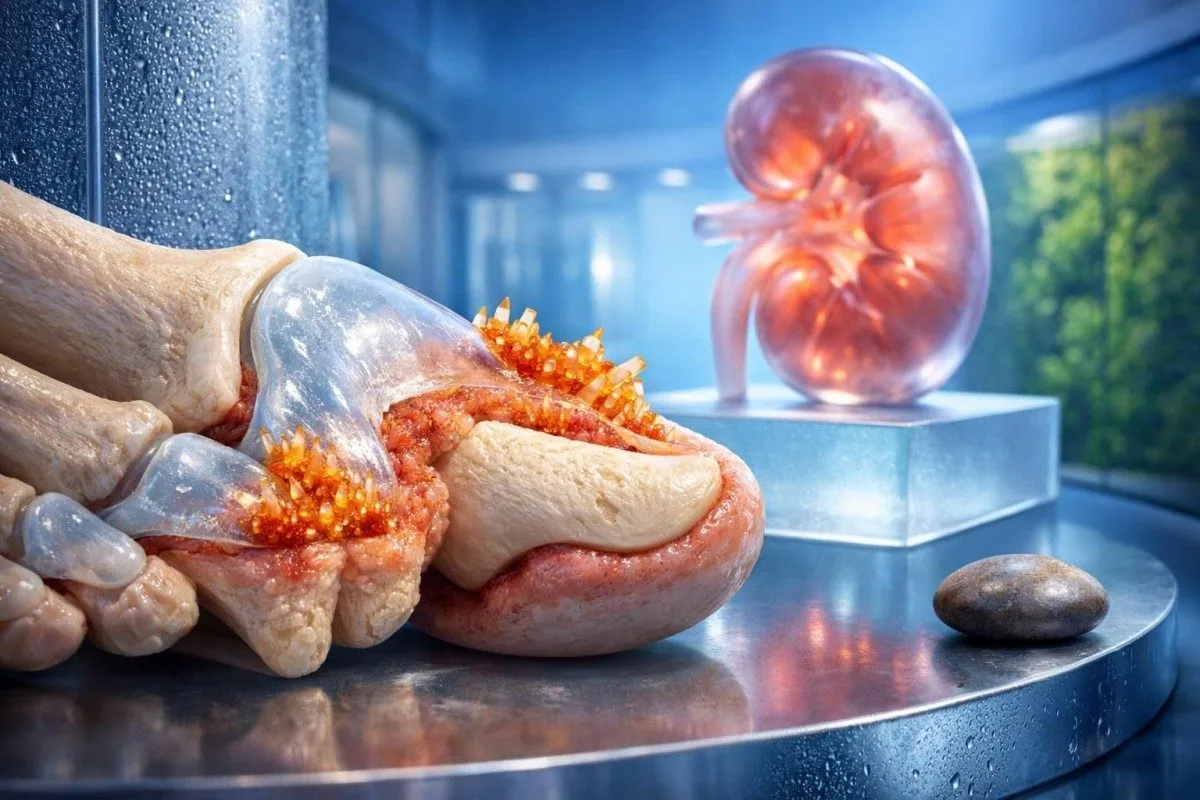
Uric Acid Normal Range: High Levels, Gout, Next Steps
Categories
Articles

Gout Risk Lab Interpretation 2026 Update Patient-Friendly An unexpected uric acid result is common. The number matters less than whether it crosses the crystal threshold, fits gout symptoms, or travels with reduced kidney function. 📖 ~11 minutes 📅 April 2, 2026 📝 Published: April 2, 2026 🩺 Medically Reviewed: April 2, 2026 ✅ Evidence-Based This […]

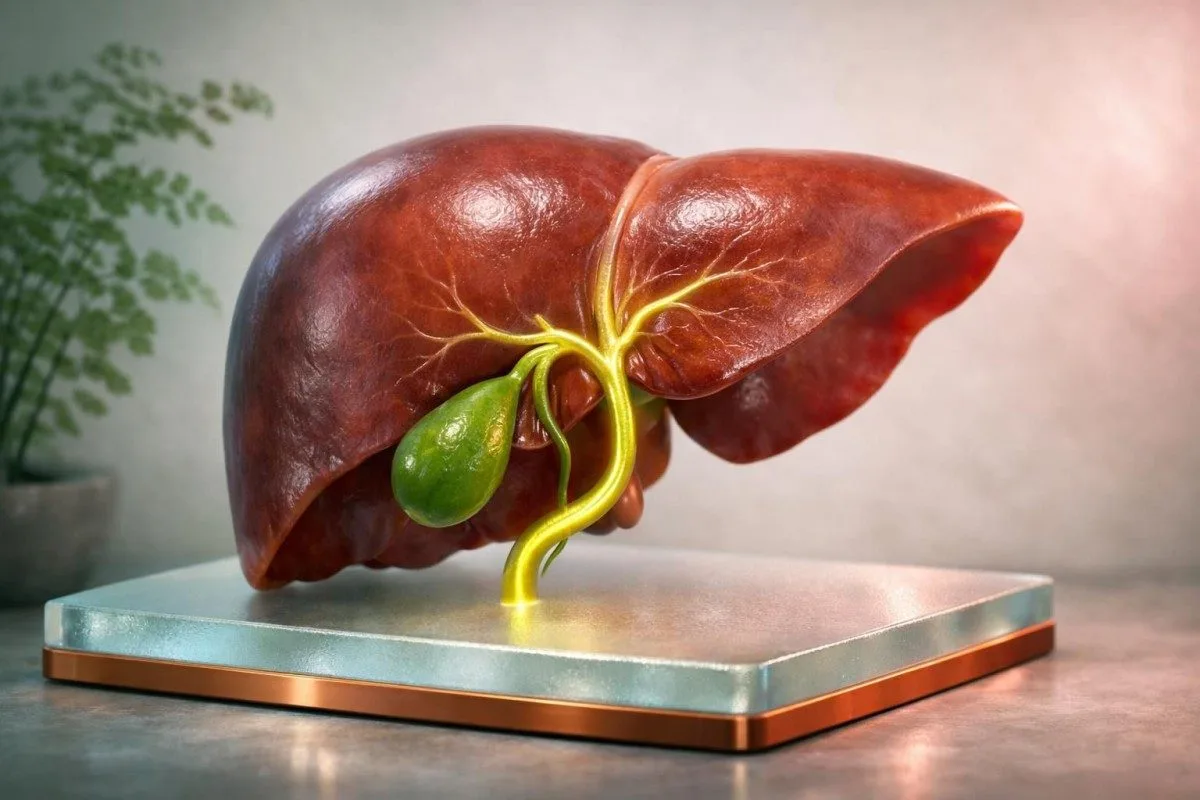
Bilirubin Normal Range: Jaundice, High Results, What Next
Categories
Articles

Liver Health Lab Interpretation 2026 Update Patient-Friendly Yellow eyes, dark urine, or a surprise liver panel abnormality can mean very different things. This patient-first guide shows when a mild bilirubin rise is usually harmless and when the pattern needs urgent care. 📖 ~11 minutes 📅 April 2, 2026 📝 Published: April 2, 2026 🩺 Medically […]

Vitamin B12 Test: Low Results, Symptoms, Next Steps
Categories
Articles

Vitamin Testing Lab Interpretation 2026 Update Patient-Friendly A vitamin B12 test below about 200 pg/mL usually supports B12 deficiency; 200-300 pg/mL is the borderline zone where symptoms and follow-up markers matter. If you have fatigue, tingling, memory lapses, or macrocytosis, the next step is usually a CBC review plus methylmalonic acid, medication and diet review, […]

Blood Test Cost Without Insurance: Routine Lab Prices
Categories
Articles

Pricing Guide Lab Interpretation 2026 Update Patient-Friendly Cash-pay lab pricing makes more sense once you separate the test price from the visit fee, draw fee, and follow-up cascade. Here is what patients in the U.S. are realistically paying in 2026—and where the expensive surprises hide. 📖 ~11 minutes 📅 April 2, 2026 📝 Published: April […]

AST Blood Test Normal Range: Liver vs Muscle Clues
Categories
Articles

Liver Enzymes Lab Interpretation 2026 Update Patient-Friendly For most adults, AST is normal at roughly 10-40 U/L, though many labs now use a tighter upper limit near 35 U/L for some patients. A high AST does not automatically mean liver disease: exercise, muscle injury, alcohol, hemolysis, and medicines can all raise it, and the pattern […]

Blood Tests for Hair Loss: Ferritin, TSH and Vitamin D
Categories
Articles

Dermatology Lab Interpretation 2026 Update Patient-Friendly If you are shedding more hair than usual, the most useful starting labs are ferritin with full iron studies, TSH with free T4, and 25-hydroxy vitamin D. The right panel depends on the pattern—diffuse shedding, patterned thinning, patchy loss, or hair loss with fatigue, heavy periods, acne, or menstrual […]

Blood Test Before Surgery: Labs Doctors Usually Order
Categories
Articles

Pre-Op Testing Lab Interpretation 2026 Update Patient-Friendly Most surgical patients need fewer tests than they expect. The real issue is knowing which results would actually change anesthesia, bleeding risk, or timing. 📖 ~11 minutes 📅 April 1, 2026 📝 Published: April 1, 2026 🩺 Medically Reviewed: April 1, 2026 ✅ Evidence-Based This guide was written […]

PCOS Blood Test Timing: Which Hormones Matter Most
Categories
Articles

Women's Hormones Lab Interpretation 2026 Update Patient-Friendly The best PCOS blood test panel is not one lab but a timed set: testosterone with SHBG, DHEAS, TSH, prolactin, glucose or HbA1c, and morning 17-hydroxyprogesterone. Most baseline hormones work best on cycle days 2-5, while progesterone is checked about 7 days after ovulation. 📖 ~11 minutes 📅 […]

Normal Range for Alkaline Phosphatase and ALP Changes
Categories
Articles

Liver & Bone Marker Lab Interpretation 2026 Update Patient-Friendly For most adults, the normal range for alkaline phosphatase is about 30-120 U/L, but children, teenagers, and pregnancy can run much higher. What matters most is whether the source looks like liver, bile ducts, bone, placenta, or a rarer cause. 📖 ~11 minutes 📅 March 31, […]